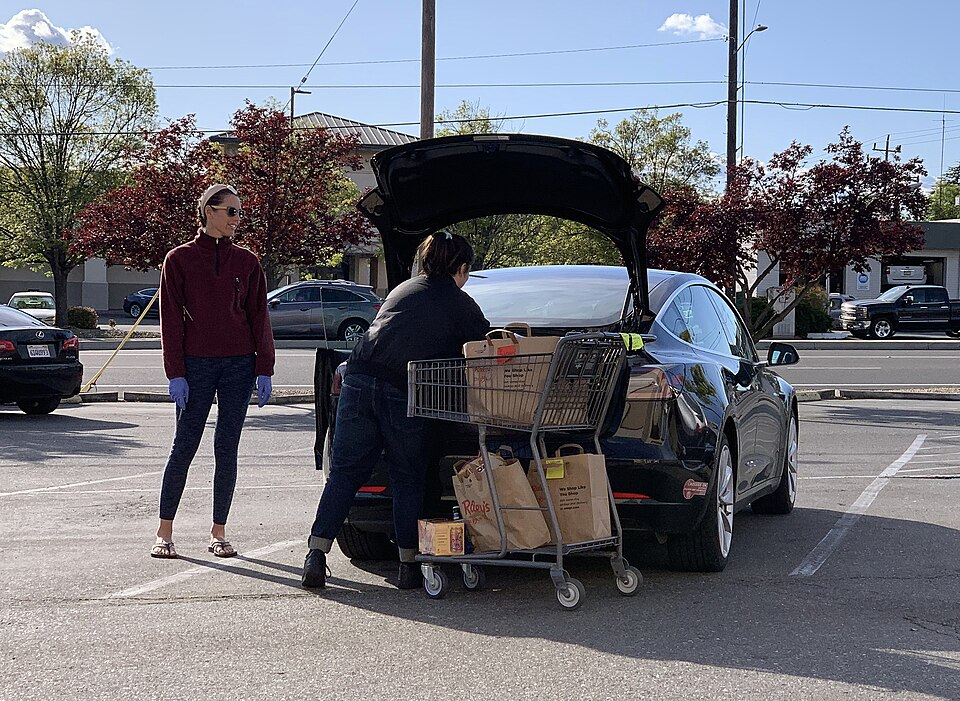
In 1962 the car pulling into the drive was a summons. Whoever was in the house came out, took something, carried it in and went back for more, and the whole operation was over in four minutes without anybody having been asked.
Nobody Was Told to Come Out
The call was never made. A vehicle arriving, a trunk opening or a particular sound at the kerb was enough, and children appeared without instruction because the alternative was being found inside afterwards and asked why they had not. The obligation was understood so thoroughly that issuing it out loud would have been a sign that something had gone wrong.
That is the thing people remember most clearly about it. A household task with no instruction, no schedule and no supervision, performed reliably for years by children who had never once been formally told to do it.
Like our content? Follow us for more.
The Bags Were Paper and Had No Handles
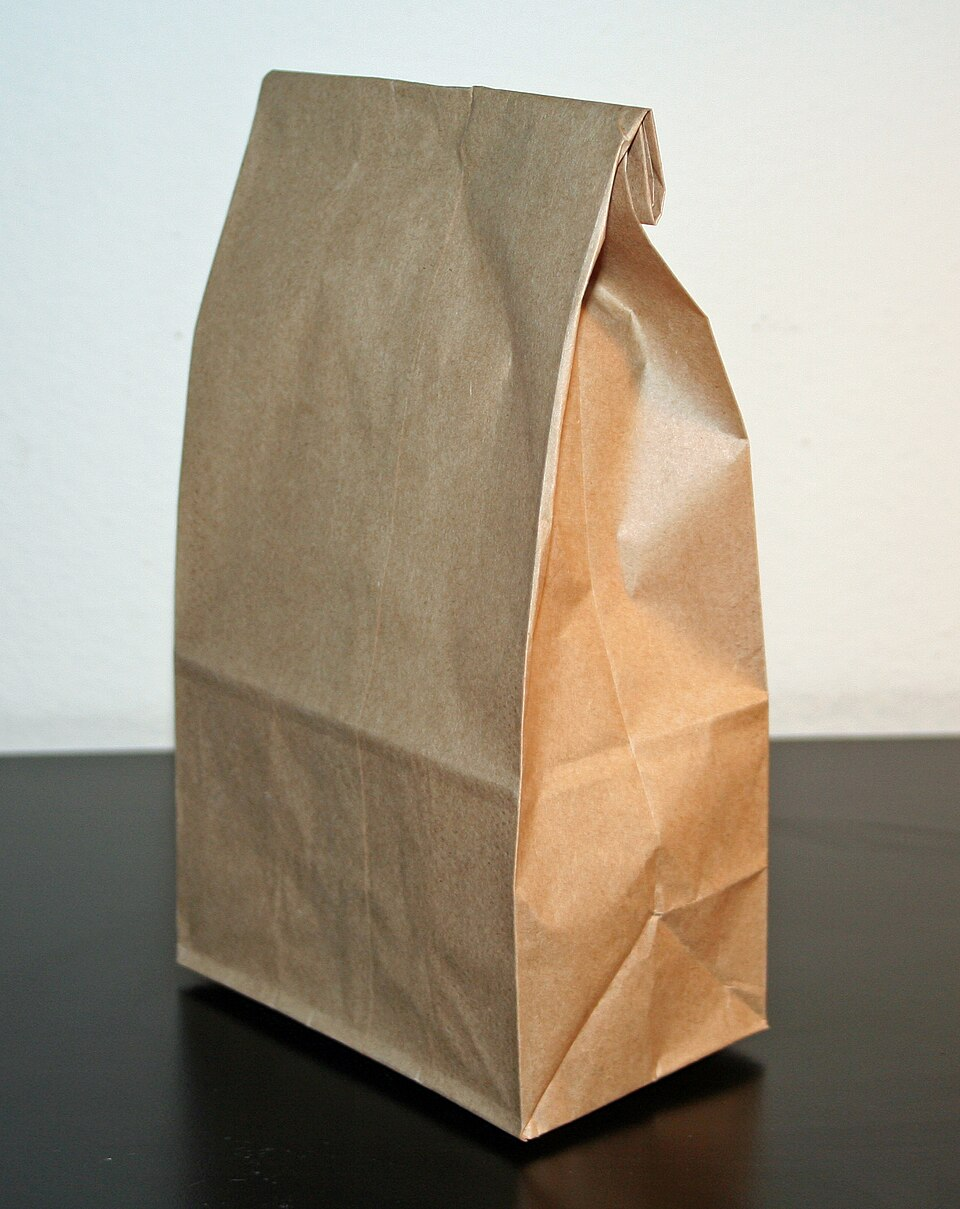
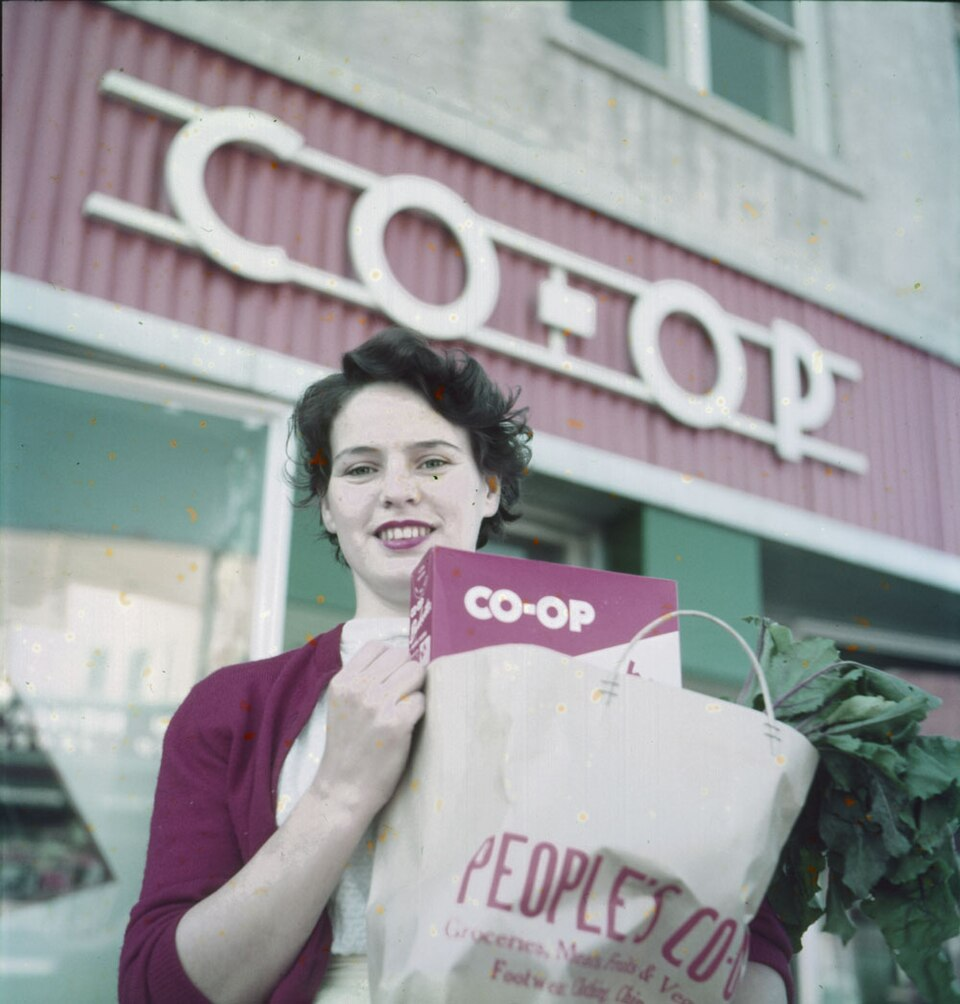
The container was the whole difficulty. A paper sack carried from underneath, with both arms, blocks your view of your own feet, cannot be set down and picked up again without consequences, and gives no warning before it fails.
A child carrying one was therefore committed. Having lifted it, they had to reach the kitchen, because there was no intermediate position in which the thing could safely be rested.
Everybody Took the Lightest One First
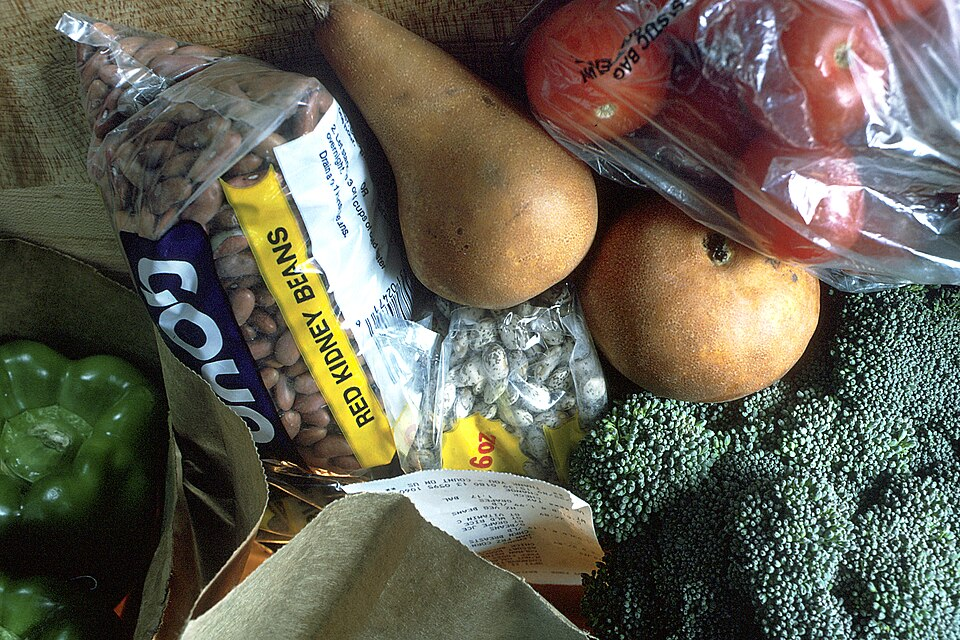
The selection happened in about two seconds and was entirely strategic. Children assessed the available bags on arrival, took whichever looked most manageable and left the rest, which meant the last person out got whatever nobody else had wanted.
The Heavy One Was Always Left for the Adult
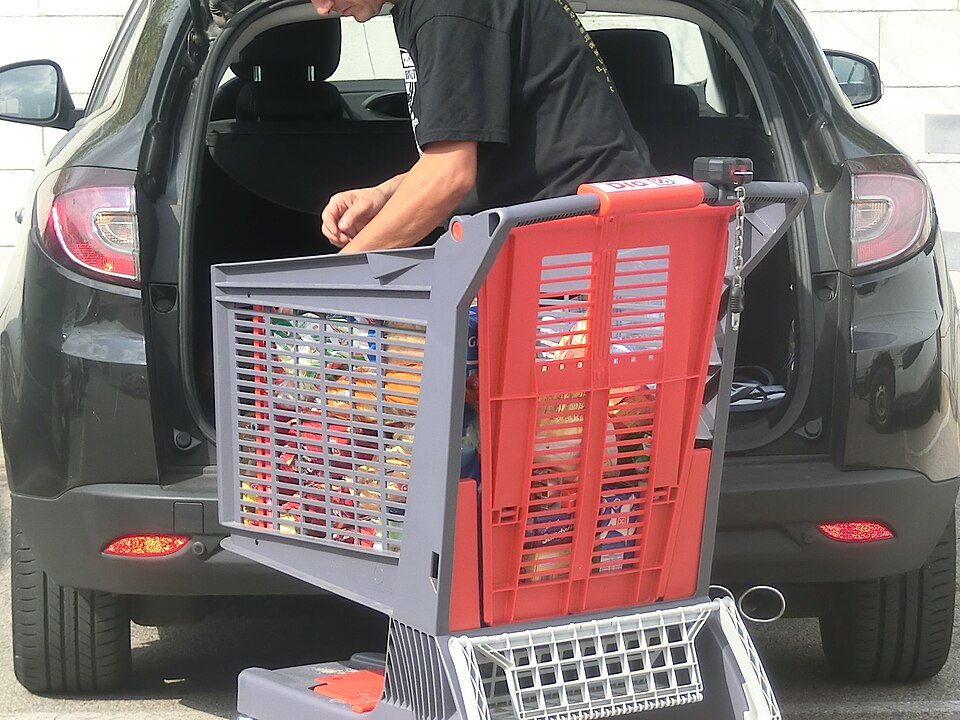
Every household’s children reached the same arrangement without discussing it. The bag containing whatever was heaviest sat in the trunk until the adult came back for it, and no child ever volunteered, which adults noticed and almost never commented on.
Dropping One Was the Catastrophe

A failed bag produced a scattered mess, a broken item and a conversation nobody wanted. It happened to everybody eventually, usually on a step or a threshold, and the memory of it is specific enough that people can still describe exactly where they were standing.
The recriminations were brief and the embarrassment was not. A child who had dropped a bag carried that for considerably longer than the household did.
The Bottom Going Out Was Not the Child’s Fault
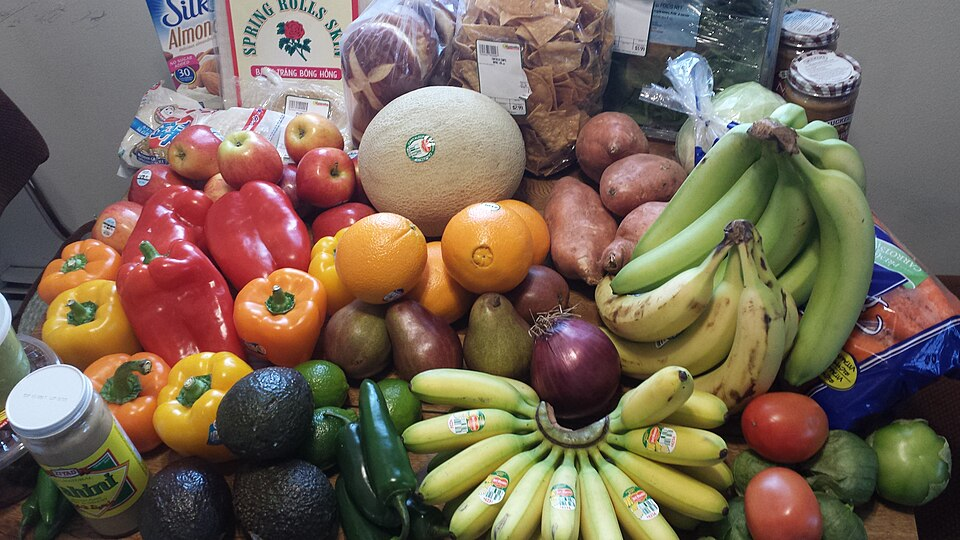
Paper that had anything damp in it failed at the base without warning, which is a design limitation rather than a handling error. Children were frequently blamed anyway, because the failure looked exactly like carelessness and nobody present understood the mechanism.
The Route Through the House Was Fixed and Obstructed
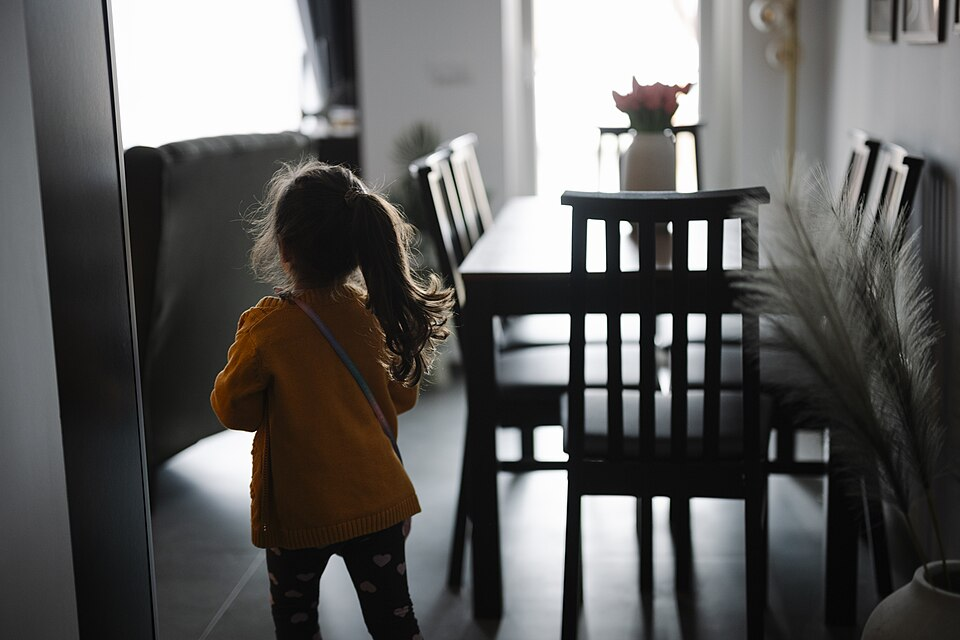
Every household had one path from the vehicle to the kitchen, and it ran through whatever was in the way. A child carrying a sack they could not see past had to negotiate a step, a door frame, a corner and frequently a piece of furniture, in that order, having memorised the whole thing because looking down was not available to them.
The obstacles were known precisely for exactly that reason. Children who did this weekly for years could have walked the route in the dark, and a great many of them effectively did.
Counting the Trips Was How Fairness Was Measured
The accounting was done in trips rather than in weight, which suited the children carrying the small bags and nobody else. A child who had made four journeys with nearly nothing considered themselves to have done more than one who had made two journeys with everything heavy.
The Door Had to Be Held and Nobody Wanted That Job

Somebody had to keep the door open, and holding it counted for nothing in the trip accounting. It was therefore the job given to whoever was smallest, who had no standing to refuse and no credit at the end.
A proportion of children worked out that holding the door was in fact the best position available, since it required no lifting at all. Those children did it willingly and let everybody else think they had been imposed upon.
The Kitchen Counter Filled Up and Then Nothing Moved
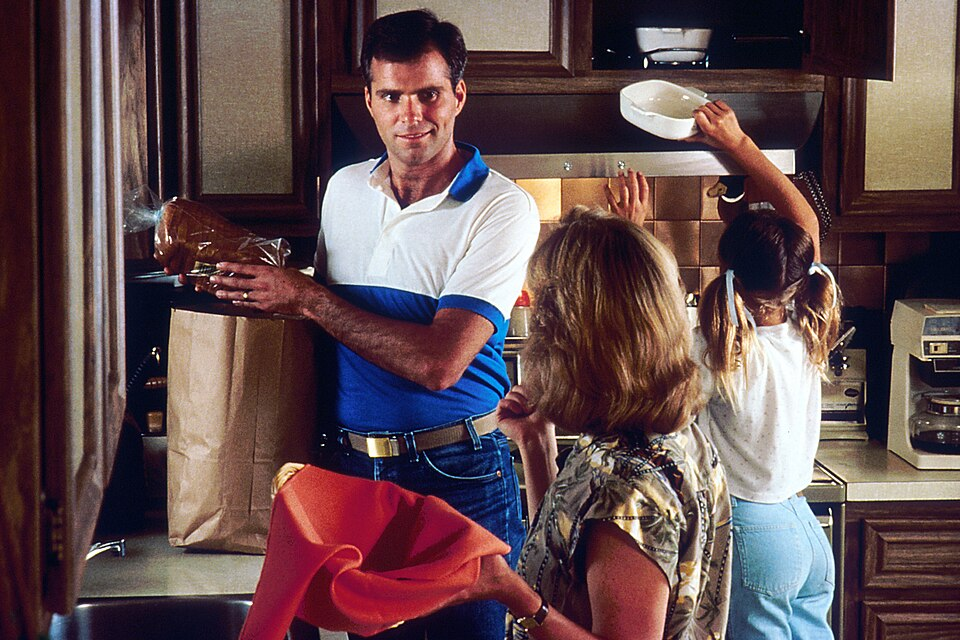
The bags arrived considerably faster than anybody could empty them, which meant the end of the carrying produced a kitchen with every surface occupied and no room to work. The adult who had done the shopping then spent longer unpacking than the whole household had spent carrying.
Children had usually gone by that point. The task they understood themselves to have completed was the carrying, and the far longer job that followed was somebody else’s problem entirely.
Where Things Went Was a Second and Separate Task
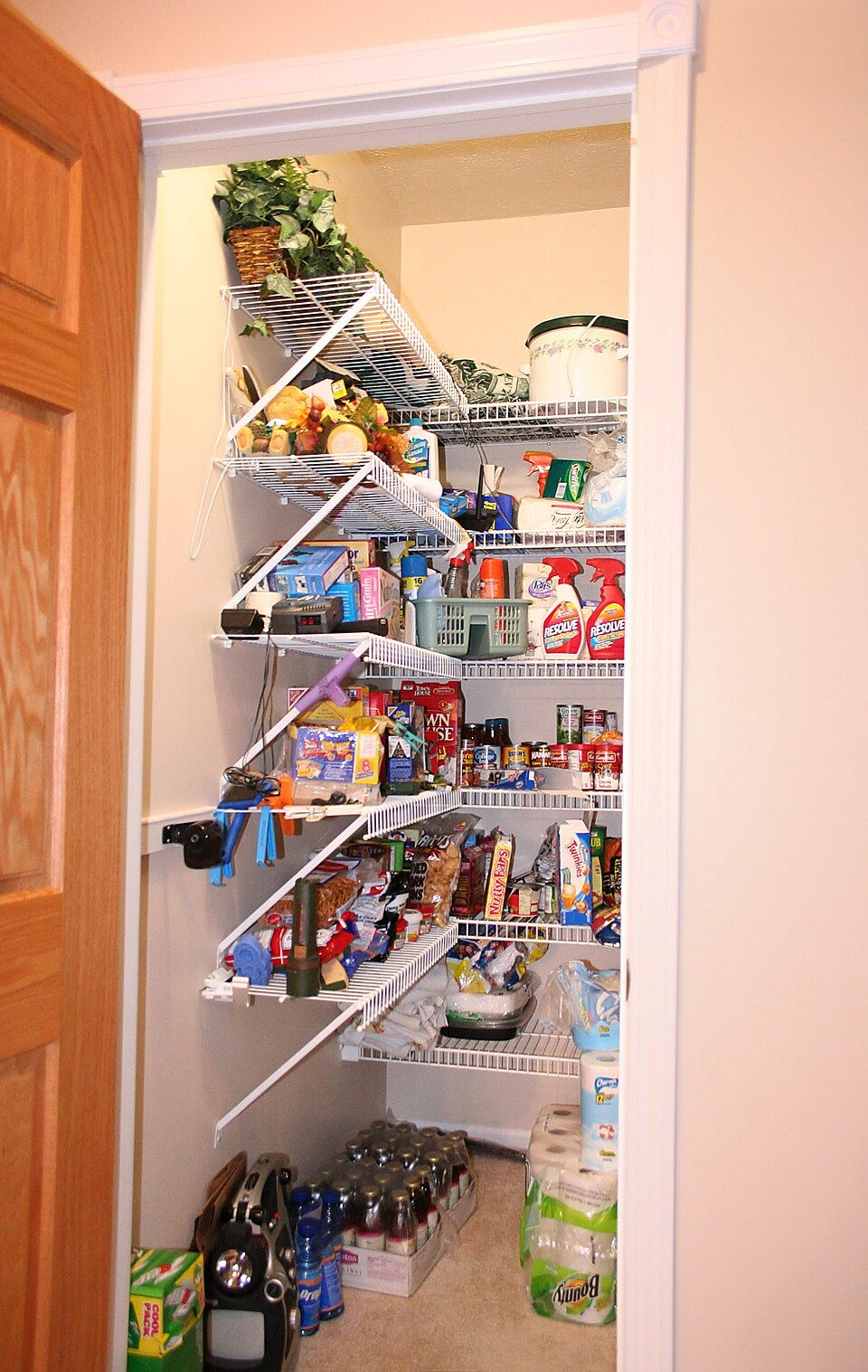
Carrying a bag to the kitchen was the easy half. Unpacking it required knowing which cupboard each item belonged in, and a child who got that wrong created a problem that was discovered days later by somebody looking for something.
The Cold Things Had Priority and Children Knew It
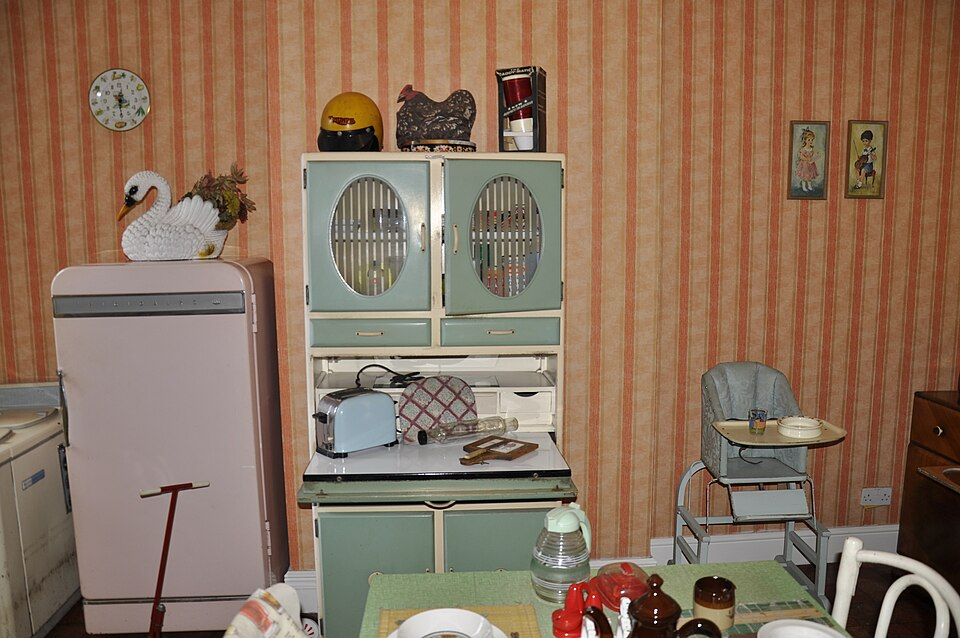
Anything that had to go into the icebox or refrigerator went first, and children understood the hierarchy without being taught it. A child who had carried in the cold bag had done the important one, which was worth something in the general accounting.
Checking the Bags Was Not Permitted and Was Universal
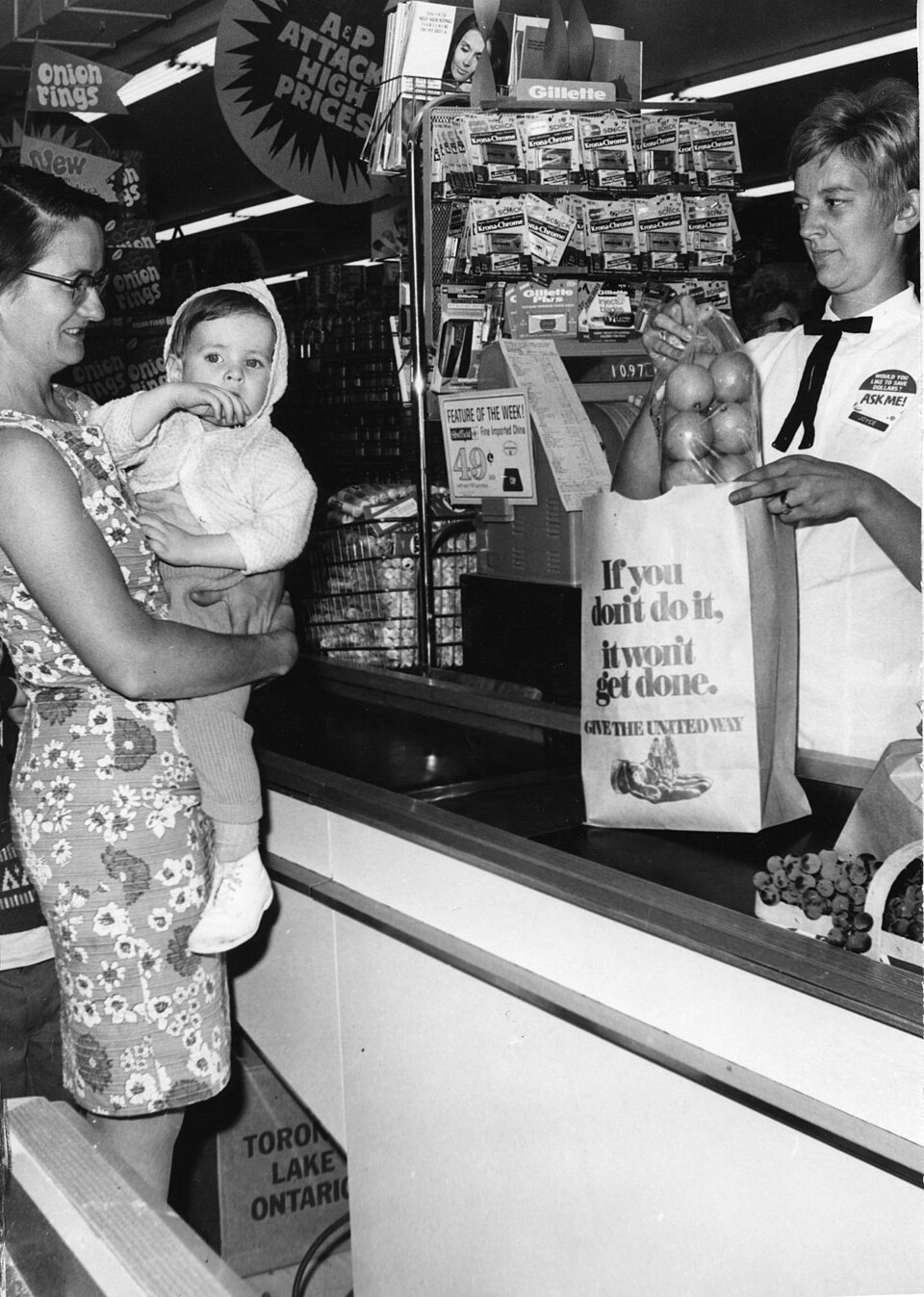
Every child looked. The contents of a week’s shopping were genuinely interesting information, particularly if anything unusual had been bought, and a child carrying a bag had an unimpeded opportunity to find out what was in it.
Discoveries were reported immediately to siblings. The intelligence that something out of the ordinary had come into the house travelled through a household faster than anything an adult could have announced.
Something Was Always Bought That Nobody Had Expected

Occasionally an item appeared that had not been on any list and had no obvious occasion, and the question of why it had been bought was discussed among children at some length. The answer was usually that it had been on offer, which nobody found satisfying.
The Trunk Was Hot and Full and Badly Organised
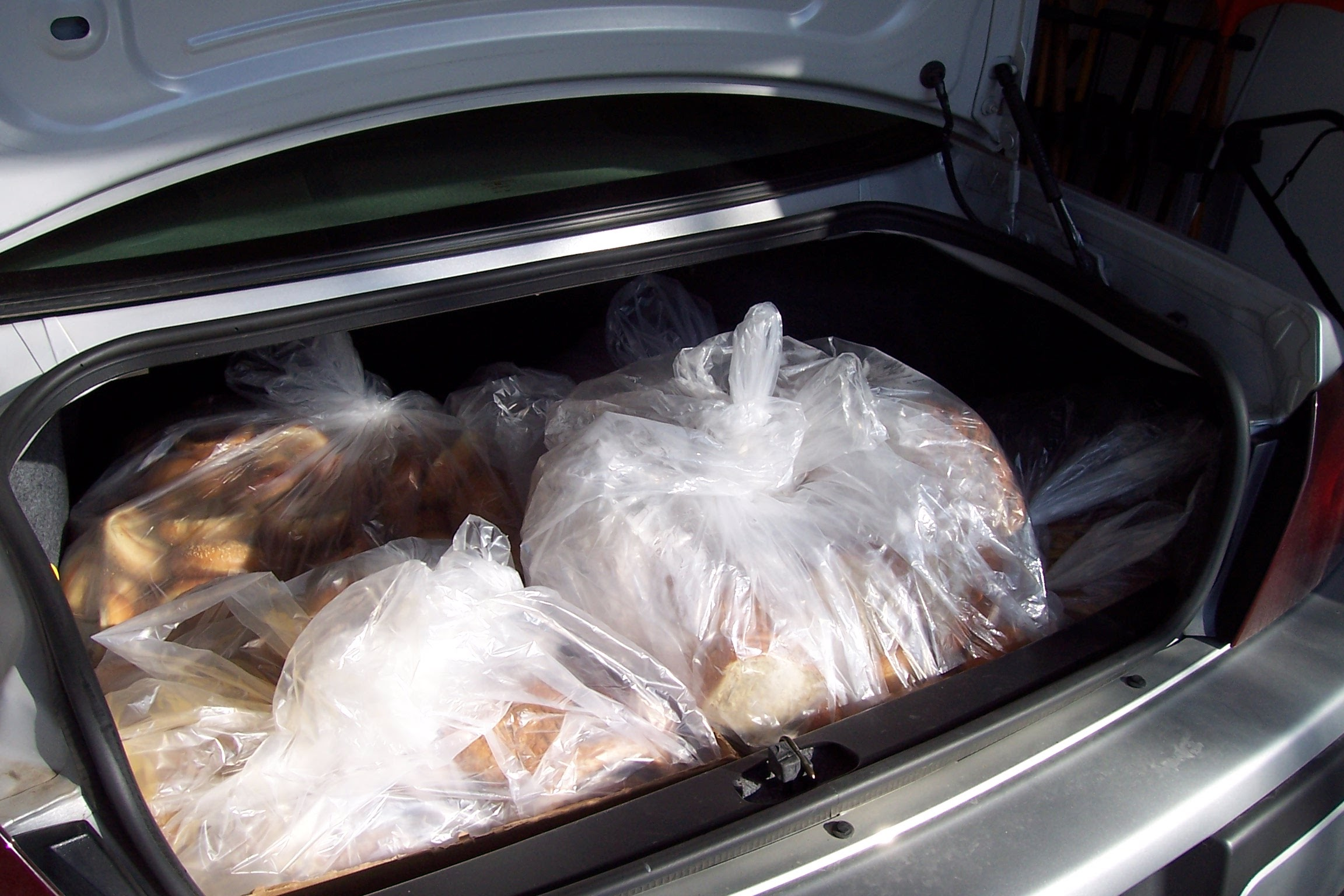
Things had shifted during the drive, bags had leaned into each other and at least one had tipped over, which meant the unloading began with a short period of repair. A child reaching into a trunk on a summer afternoon was reaching into something considerably warmer than the air outside.
Walking Shopping Home Was a Completely Different Job
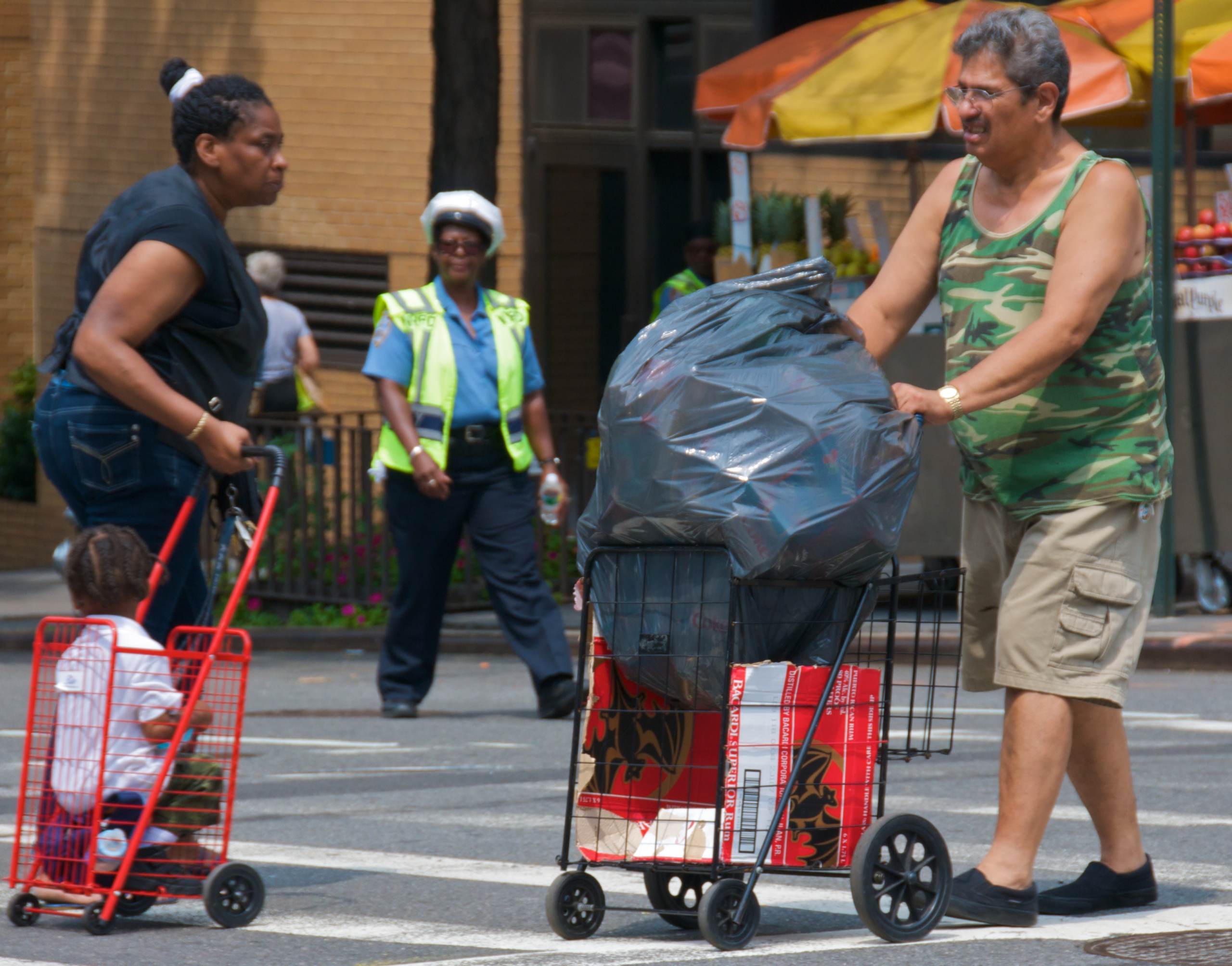
A household without a car had the same task spread over half a mile, which turns a four-minute operation into a serious undertaking. Children in those households carried less per trip, made more of them, and acquired a quite different relationship with the whole business.
That version is remembered as work and the driveway version is not. The difference was never the weight; it was the distance and the absence of any point at which you could put the thing down.
The Bags Were Kept Afterwards
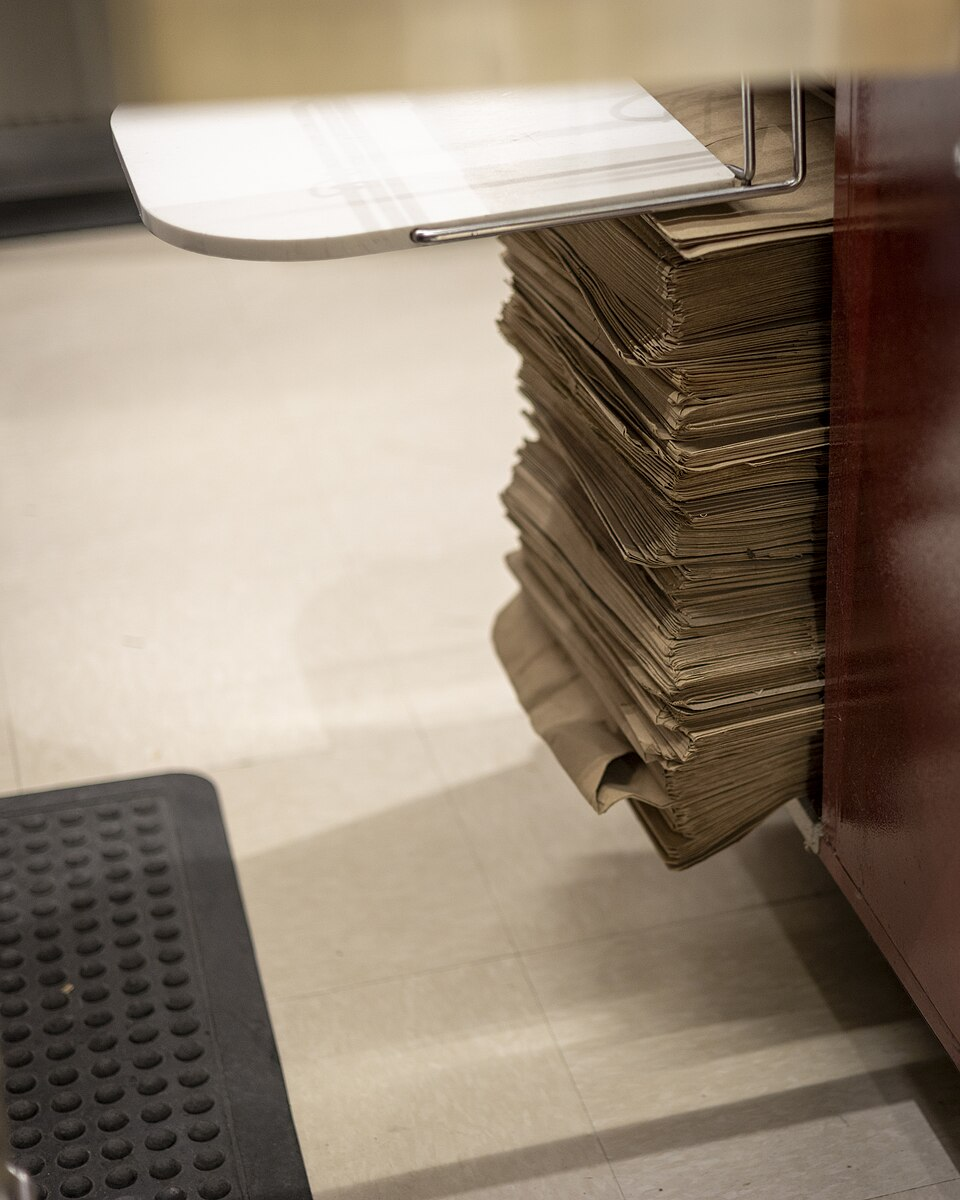
Nothing was thrown away. Paper sacks were folded and stored, were used for a dozen other purposes and became the standard material for anything a household needed to wrap, cover or line, which is why a child could find a stack of them in every kitchen in the country.
Covering Schoolbooks Was the Commonest Second Use
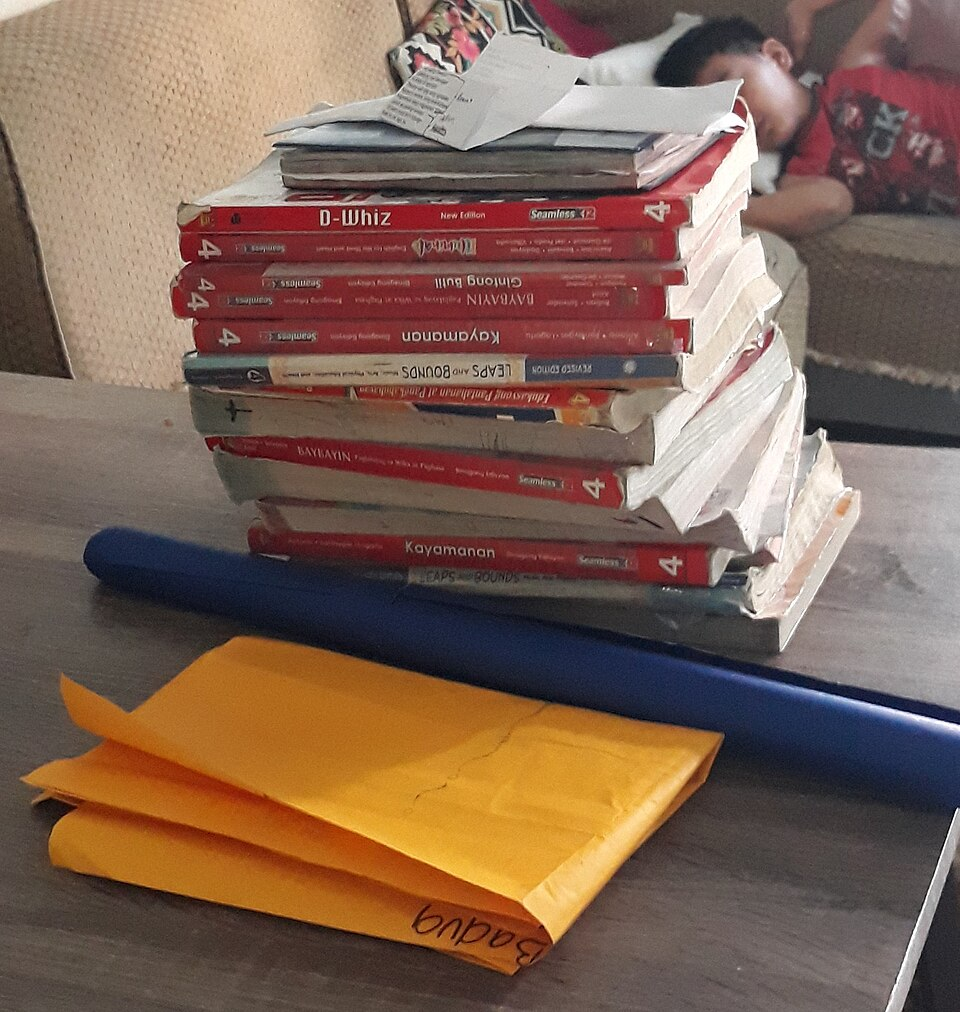
The single most widespread application was protecting textbooks, which were school property and had to be returned in good condition. A paper sack cut flat and folded round a book was the universal solution, and it was taught between children rather than by anybody else.
Being Trusted With the Eggs Was a Promotion

Certain items carried an implied assessment of the carrier, and the fragile ones were handed to whichever child had demonstrated reliability. Being given them was recognition and being passed over was a verdict, and both were delivered without a word.
The Whole Thing Was Over Before Anybody Settled
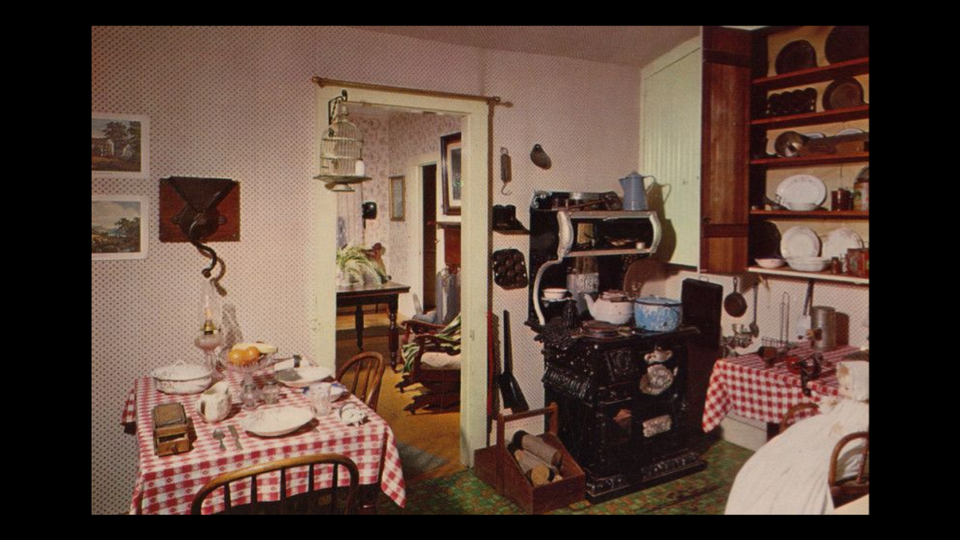
The operation took four minutes and then everybody dispersed. There was no acknowledgement at the end, no thanks and no conclusion, which is characteristic of the household tasks of that period that children performed as a matter of course.
It Was One of the Few Jobs Everybody Did Together
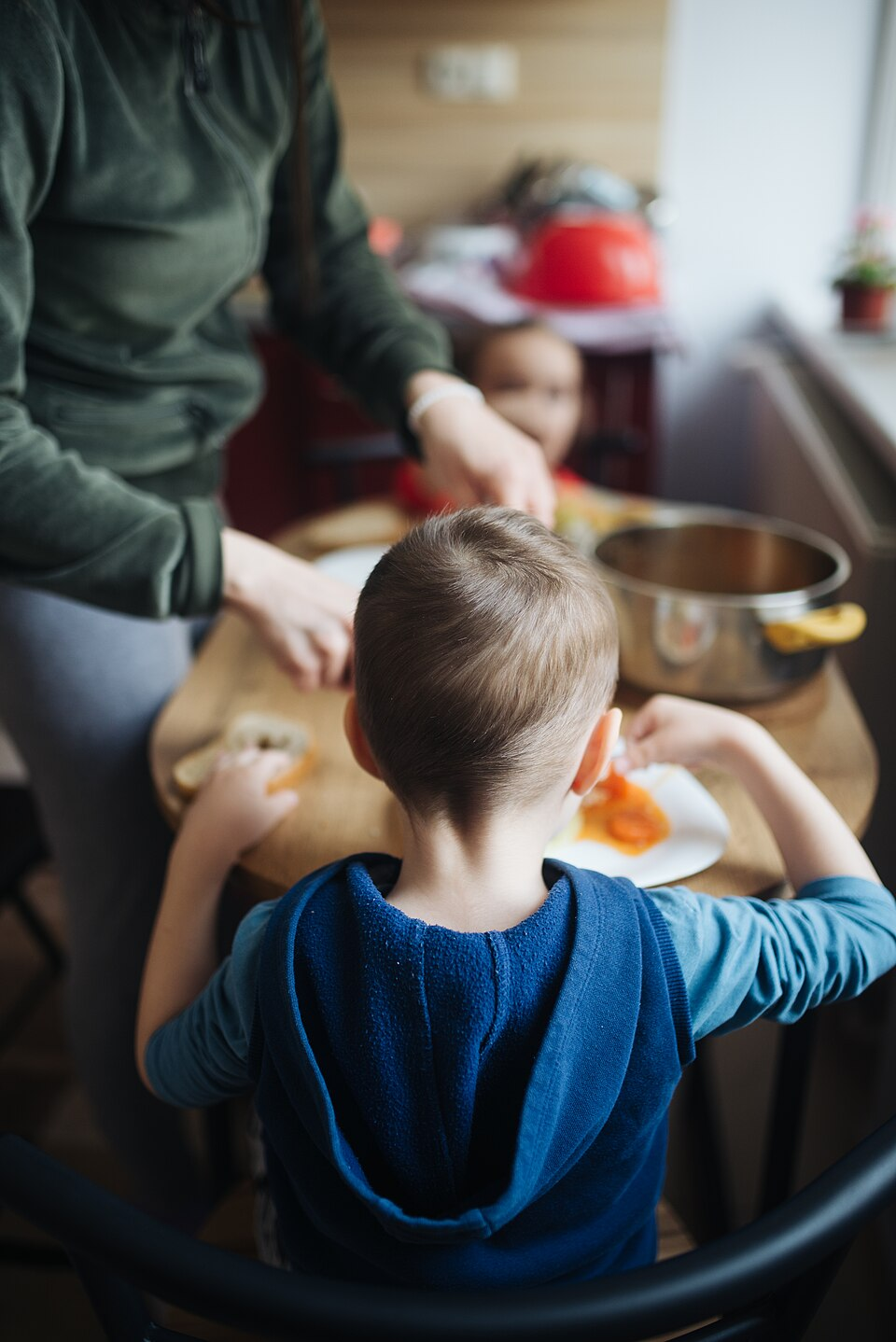
Most chores were allocated to one child. This one involved the entire household simultaneously, briefly, with a shared objective and a visible finish, which made it structurally different from everything else they were asked to do.
That is probably why it is remembered without resentment. A task that ends, that everybody shares and that nobody has been singled out for occupies a different place in memory from one performed alone on a Saturday.
Nobody Ever Said Thank You and Nobody Expected It
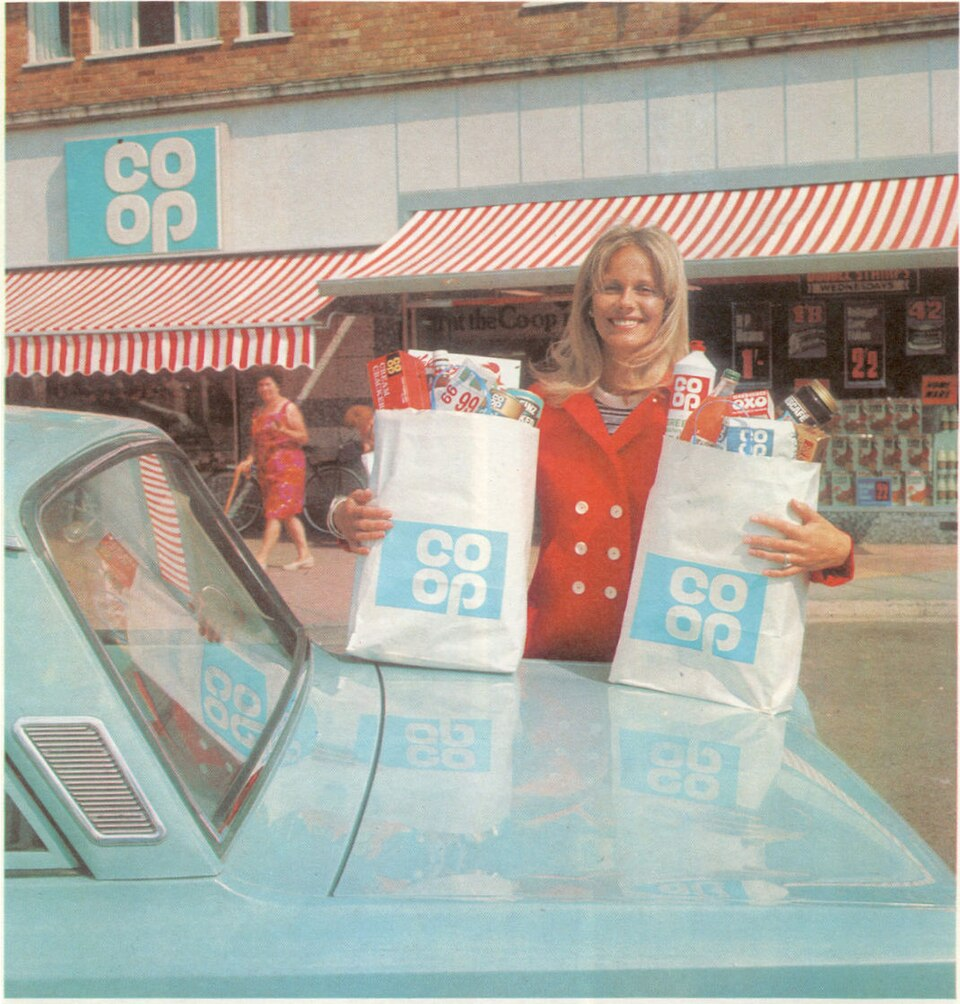
The absence of acknowledgement was not coldness; it was the consequence of the task being understood as simply part of what the household did. A child who had been thanked for carrying in a bag would have found it slightly odd.
The Job Disappeared in Stages
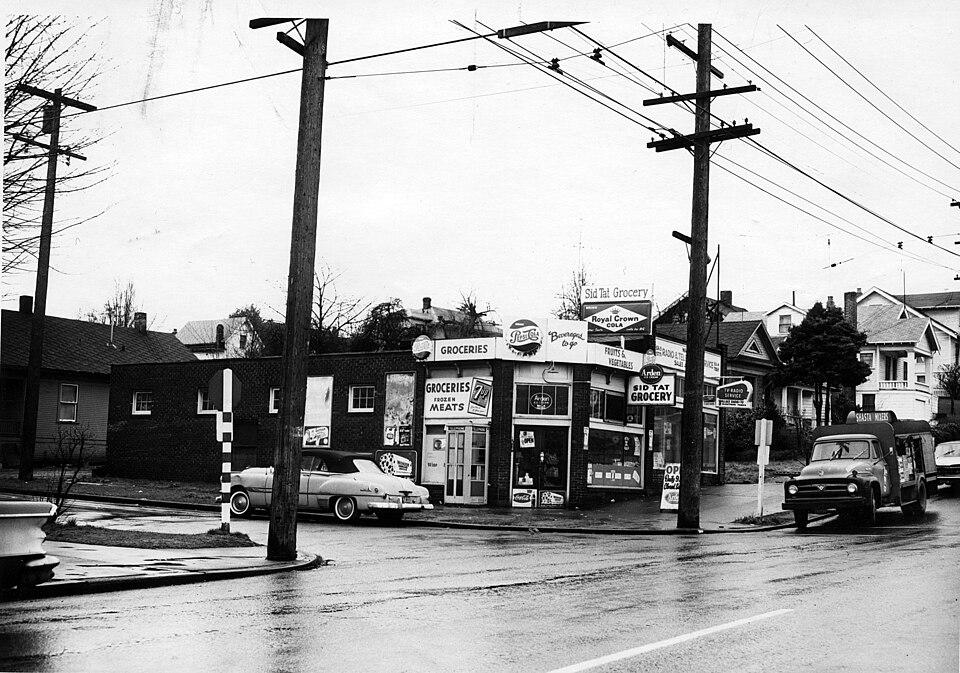
Larger vehicles, bags with handles, plastic that did not fail, fewer children per household, delivery and the end of the single weekly shop each removed part of it, and no household noticed the point at which it stopped being a thing children did.
The Modern Version Is Better in Every Respect
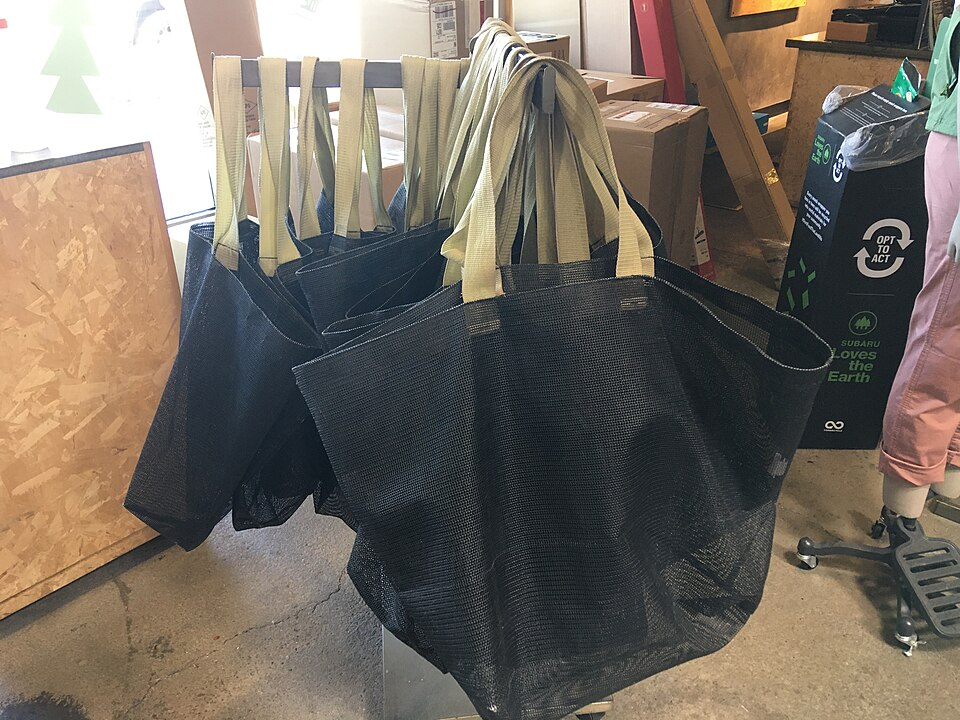
Bags that can be carried in one hand, set down and picked up again, that do not fail when something is damp and that do not need both arms are plainly an improvement, and nothing here is an argument for the paper sack.
What Actually Went
A summons nobody issued, answered by everybody in the house, with a container that could not be put down once lifted, a hierarchy of bags assessed in two seconds, an accounting measured in trips rather than weight, and four minutes of a household doing one thing together before dispersing without a word.
Like our content? Follow us for more.