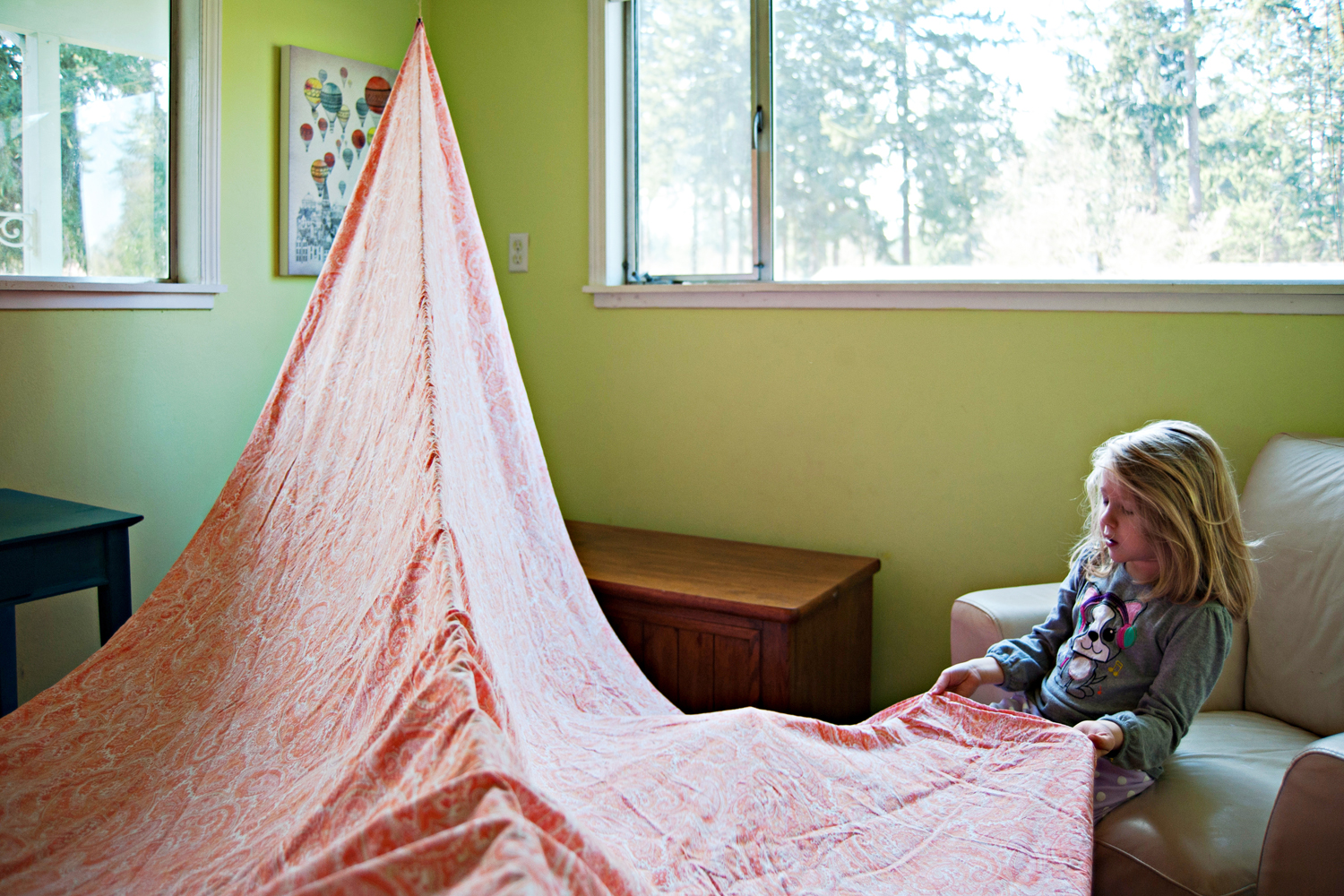
In 1964 a child who wanted a space of their own built one out of the household’s furniture, which meant construction began by dismantling the arrangement of somebody else’s living room. Nobody owned any of the components, every one of them had a function the household needed, and the whole structure existed on borrowed property from the moment it went up. That is why it was always temporary, and why every child knew it going in. Here are sixteen things every kid remembers about building a den out of chairs in 1964, and why houses no longer need any of it.
1. It Was Built Out of the Household’s Own Furniture

The materials were whatever the room contained, which meant construction began by dismantling the arrangement of somebody else’s living room.
That is the fact everything else follows from. No child owned any of the components, every one of them had a function the household needed, and the whole structure existed on borrowed property from the moment it went up.
Which is why it was always temporary. A den made from the chairs people sit on and the blankets people sleep under has a lifespan measured by when those things are next required, and every child knew that going in.
Like our content? Follow us for more.
2. Permission Was Vague and Deliberately Not Sought Precisely
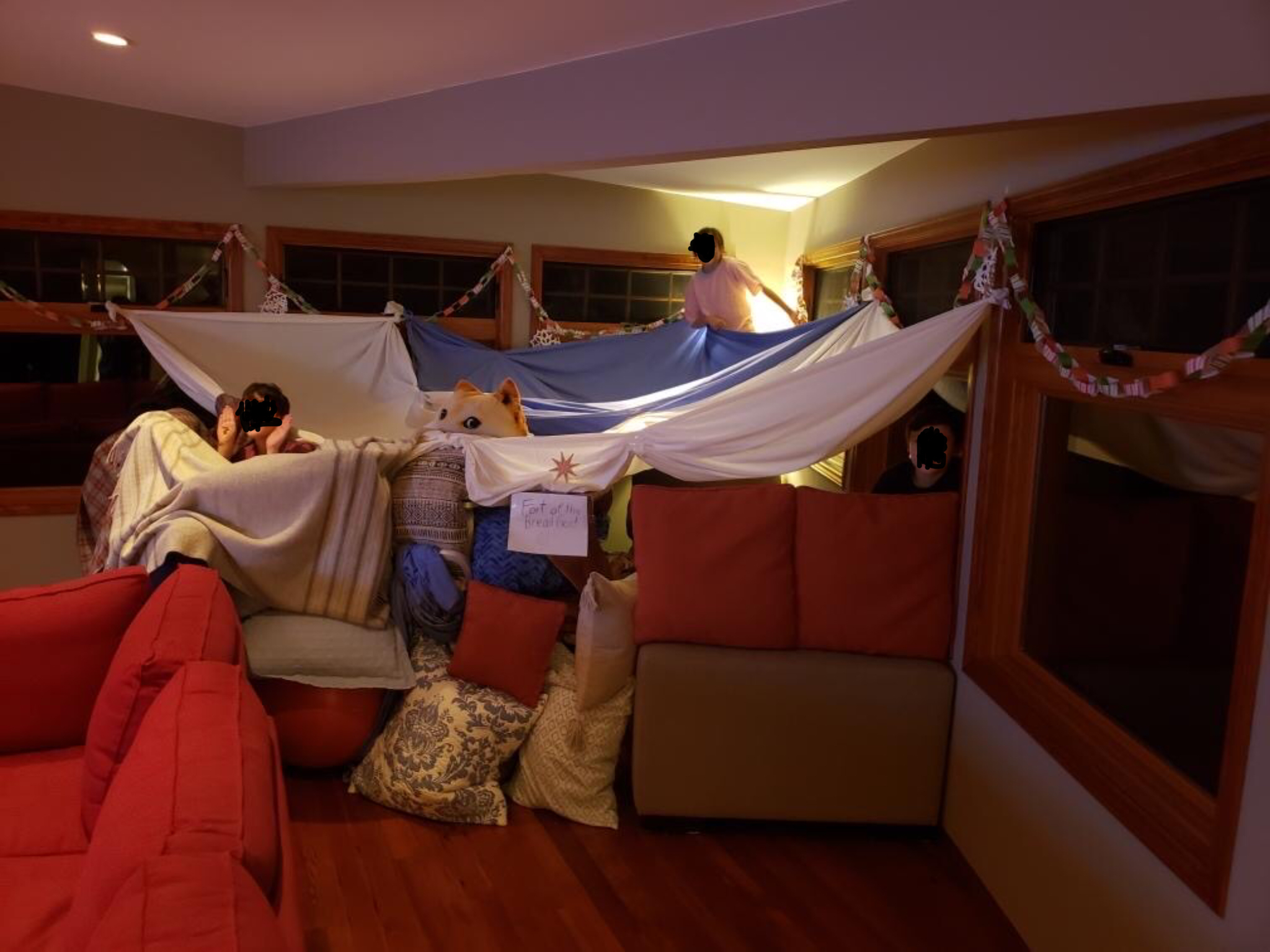
Children established that building something was allowed in general and avoided clarifying the specifics.
The ambiguity was managed carefully. A child who asked exactly which blankets and which chairs received a much narrower answer than a child who asked whether they could build something, and every child learned which question to ask.
The reckoning came later. Permission obtained in general terms covered the project right up until an adult saw the specific items involved, at which point the general permission turned out to have had conditions nobody had mentioned.
3. The Engineering Problem Was Entirely About the Roof
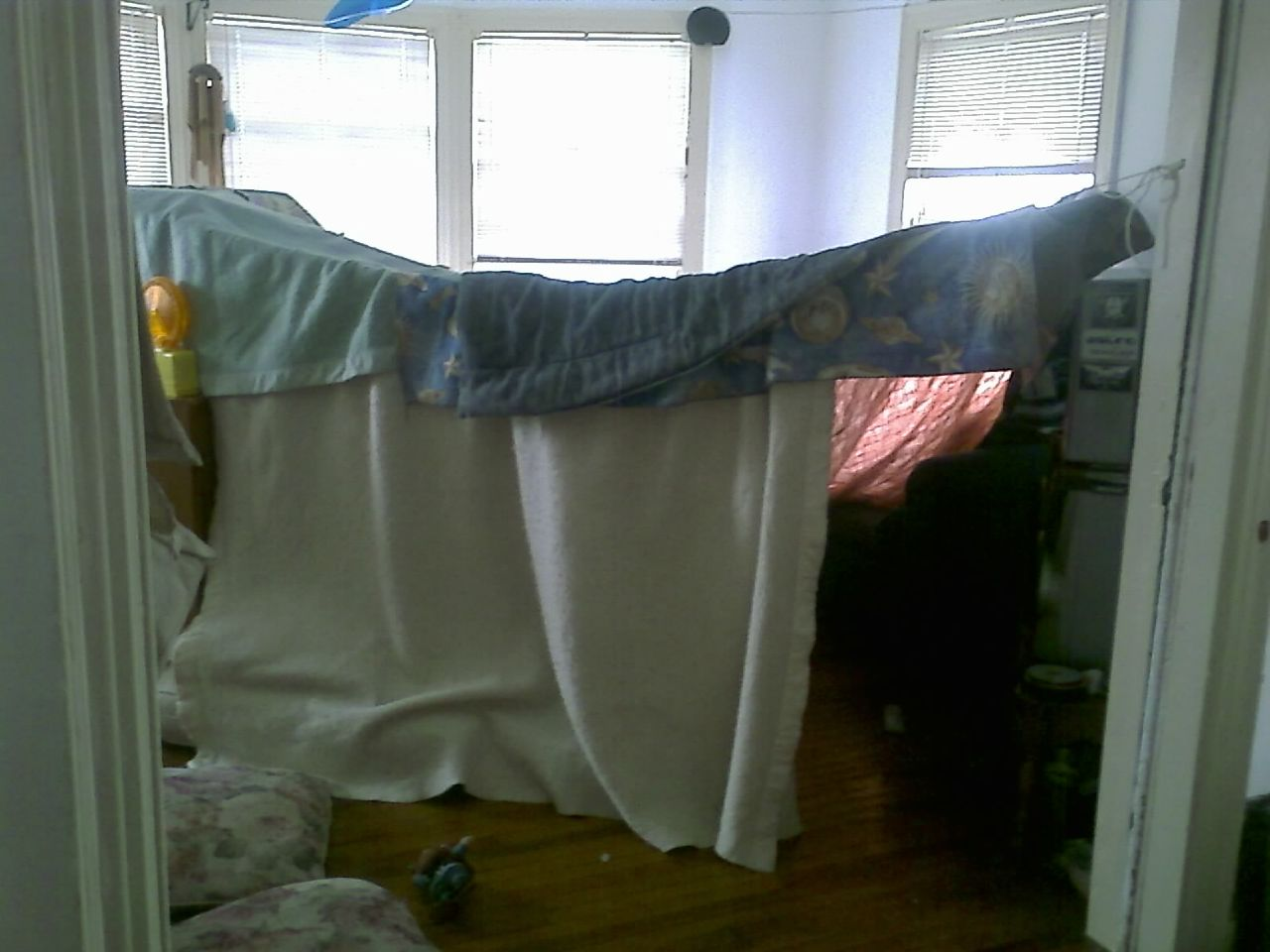
Walls were easy and the span across the top was the whole difficulty, which children discovered independently every time.
The physics is unforgiving. A blanket has weight and no rigidity, which means it sags into the middle of any gap wider than about two feet and brings the structure down from the centre outwards.
Every solution was a variation on reducing the span. Chairs turned inwards, a table as a central support, cushions used as intermediate pillars – all of it was arrived at by trial, and none of it was ever written down or taught.
4. Something Heavy Had to Hold the Edges

The blanket had to be weighted at the perimeter or it slid off, and finding enough suitable objects was half the work.
The requirement sent children foraging through the house. Books were the standard solution, which meant a den’s roof was frequently held down by the household’s entire reference shelf, and the books were not always returned.
Adults objected to this specifically. The blankets and chairs were understood to be in temporary use; the books removed from a shelf and left under a chair for three days were a separate grievance entirely.
5. The Inside Was Smaller Than Anybody Intended
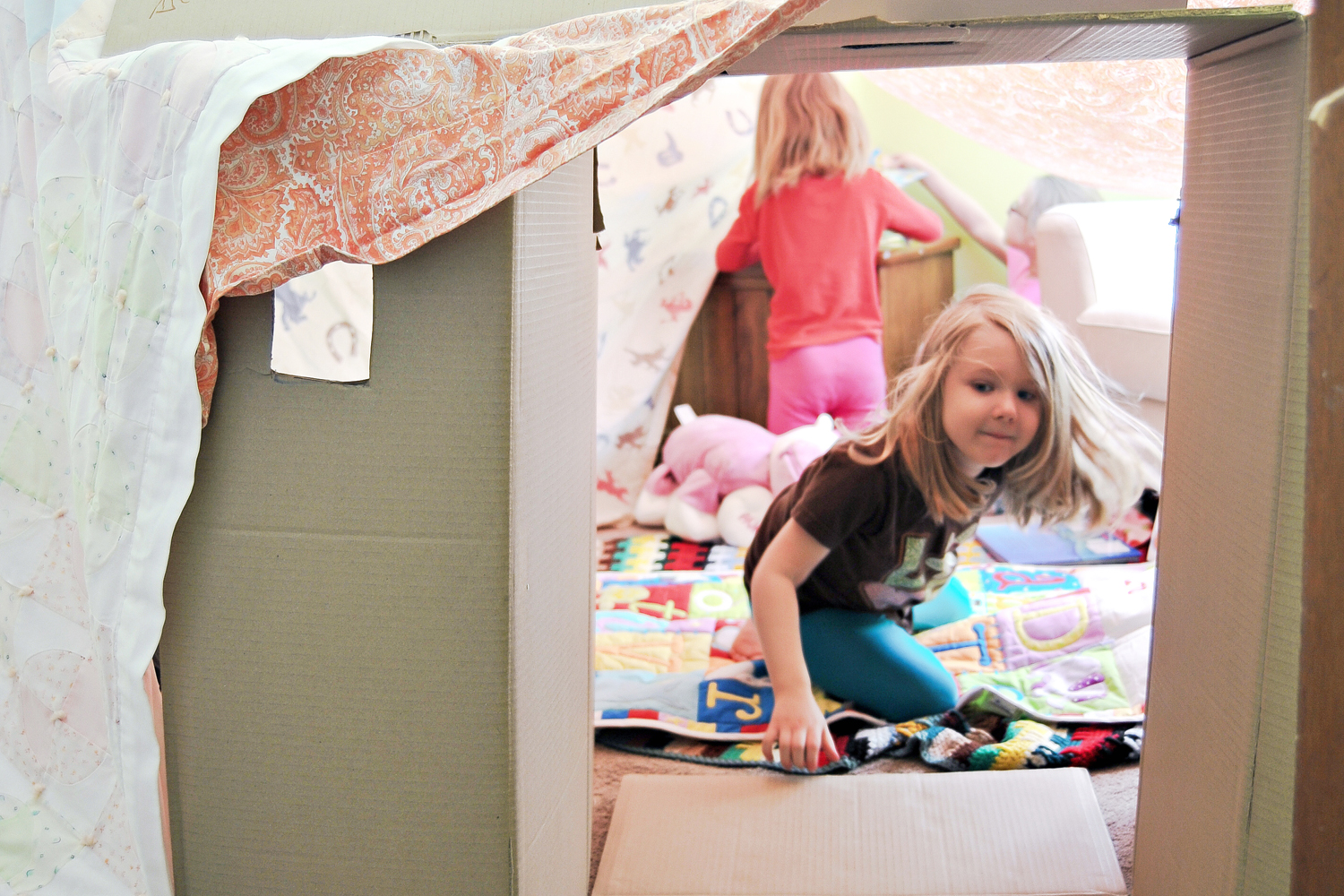
Every one of these structures was built to hold more children than it actually held.
The discrepancy was a planning failure repeated universally. Children designed for the number of people who wanted to be inside and built to the dimensions the furniture allowed, and the two numbers were never the same.
That produced the standard argument. Who was inside, who was outside and whose project it had been in the first place were disputed in every household, and the disputes were louder than the construction.
6. It Was Hot Inside Within Ten Minutes
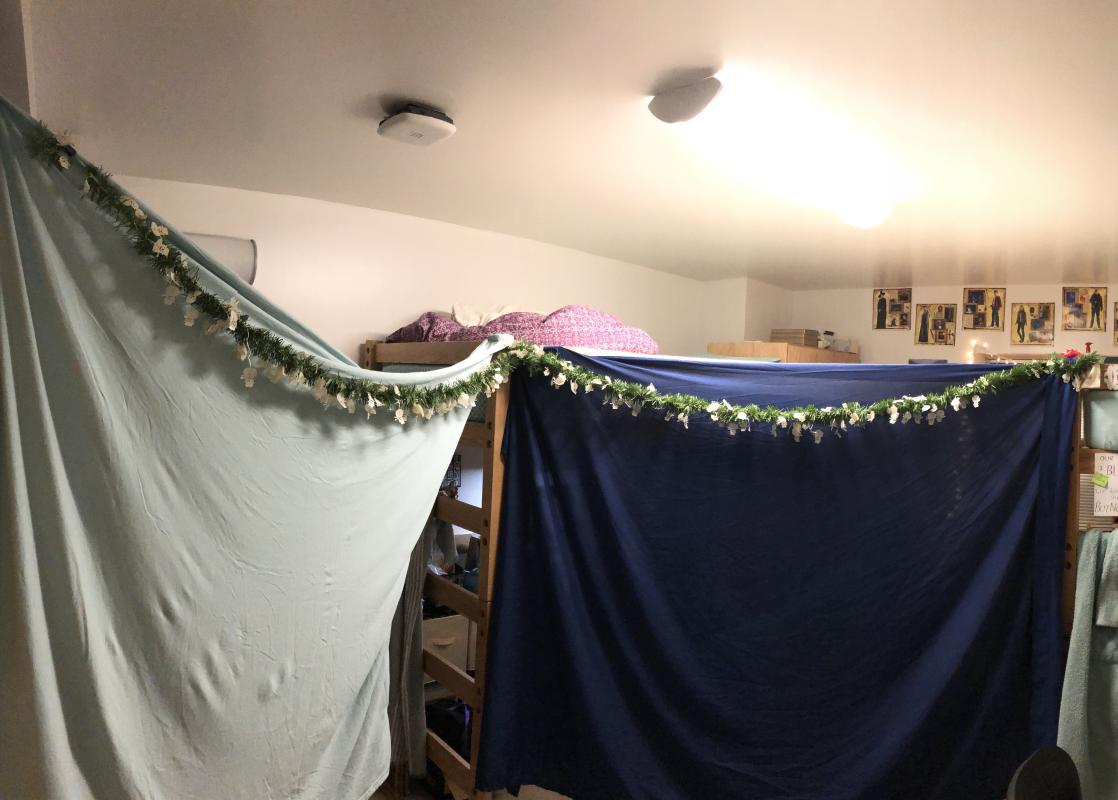
An enclosed space made of blankets, containing two or three children, becomes uncomfortable very quickly.
The thermodynamics were nobody’s fault. Several people in a sealed fabric box with no ventilation produce more heat than the structure can shed, which means the inside of a den was unpleasant long before anybody wanted to leave it.
Children stayed anyway. The discomfort was accepted because the point was being in there, which is the same calculation that governs almost every enclosed space children have ever constructed.
7. A Light Source Was Essential and Was Always a Problem

The interior was dark, which required bringing in something that produced light, which created its own difficulties.
The options were all unsatisfactory. Whatever was available either did not last, was not allowed in there or made the heat problem considerably worse, and children cycled through all of them.
Modern thinking about what should be taken into an enclosed fabric space is better and nothing here is a recommendation. Nothing in this piece should be read as describing what any child ought to bring into anything they have built.
8. It Was Never Built in the Right Room
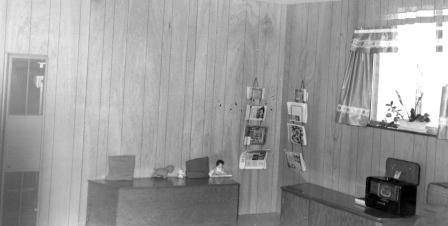
Children built where the materials and the floor space were, which was almost always the room the household most needed.
The siting was determined by availability rather than by sense. The best materials and the largest clear floor were in the main room, which meant the structure occupied the single space the household could least afford to lose.
That decided how long it lasted. A den in a bedroom could survive for days and a den in the main room survived until the evening, and children knew the trade-off and chose the main room anyway.
9. Everything Worth Having Was Carried Inside
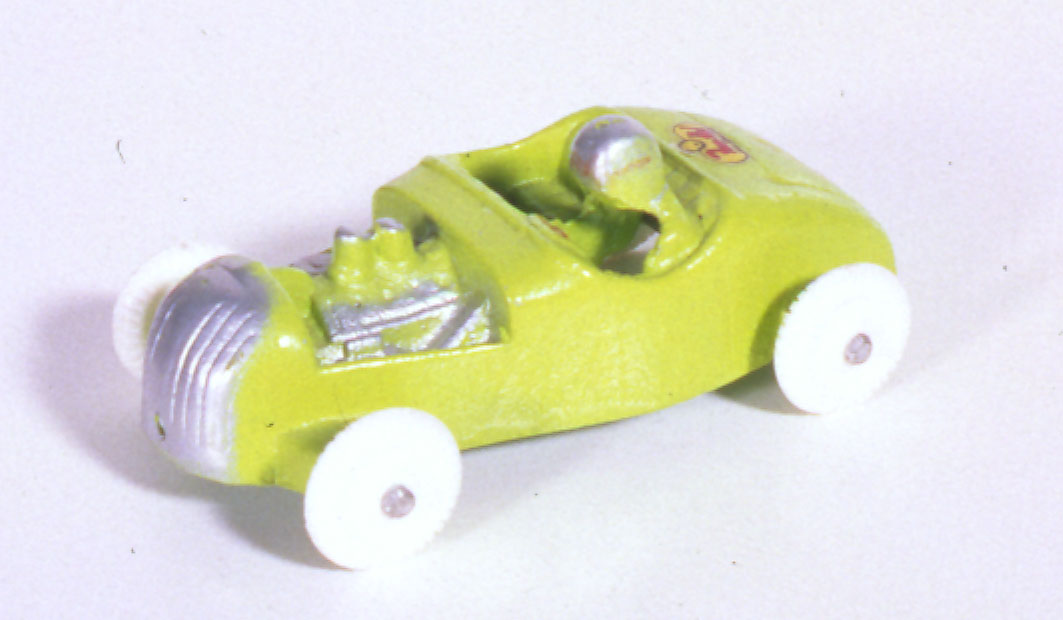
Once built, the structure was provisioned with whatever a child considered valuable, and the collection was eccentric.
The provisioning reflected what children actually owned. A small number of objects of no value to anybody else, assembled in a space the child controlled, is the first inventory most people ever took of their own property.
It also made the dismantling worse. A den taken down had to be unpacked first, and the contents were strewn across a room that was already in disarray from the construction.
10. It Was the Only Space a Child Controlled
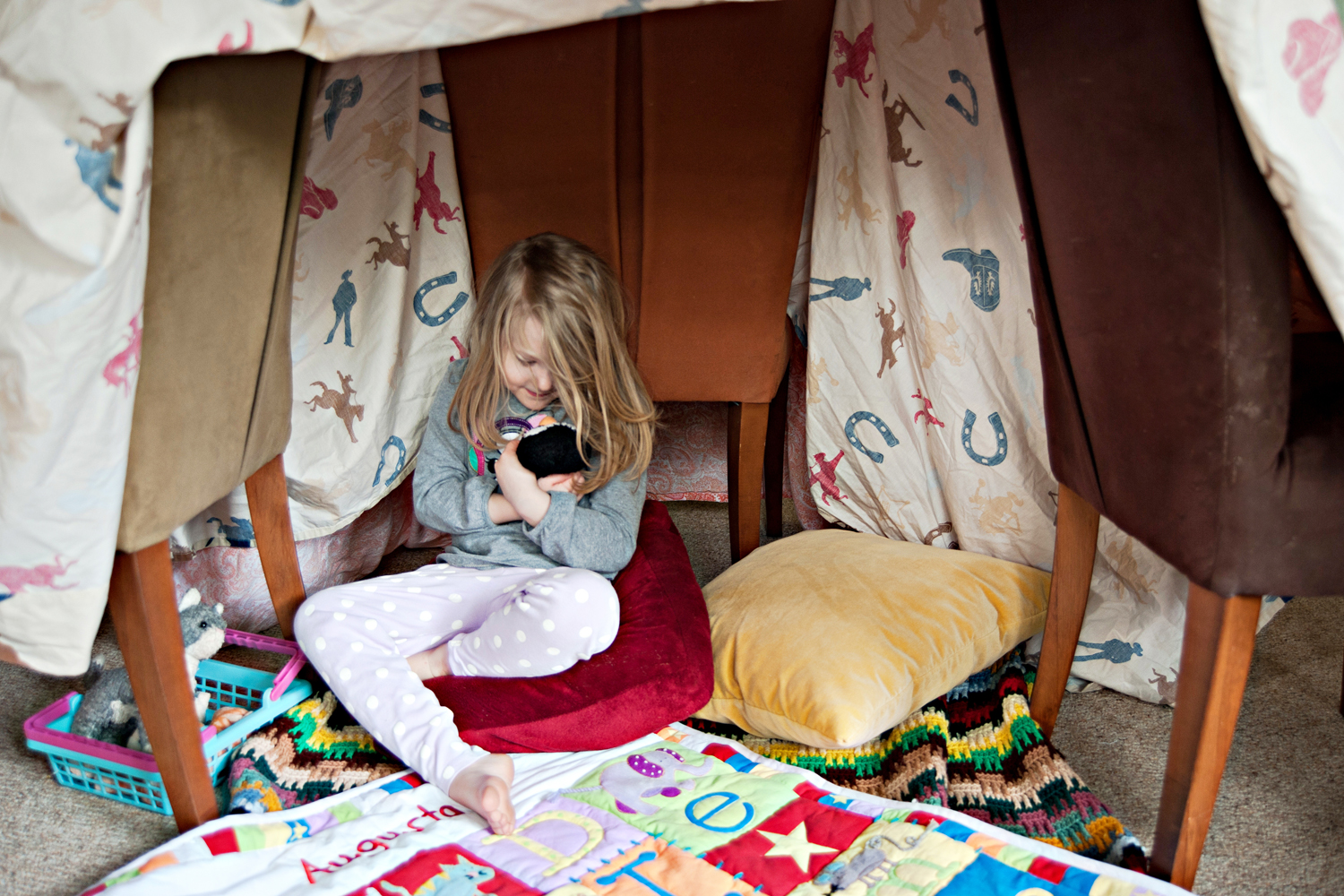
Nothing else in a house belonged to a child in any sense, and this did, for a few hours.
The scarcity explains the whole appeal. In a household where no room was exclusively anybody’s, no door locked and nothing was private, a structure a child had built and could decide who entered was a genuine novelty.
That is what made the demolition significant. Losing a few chairs and a blanket is nothing; losing the only place you had any authority over is the reason children remember these afternoons so clearly.
11. Admission Was Controlled and the Control Was Abused
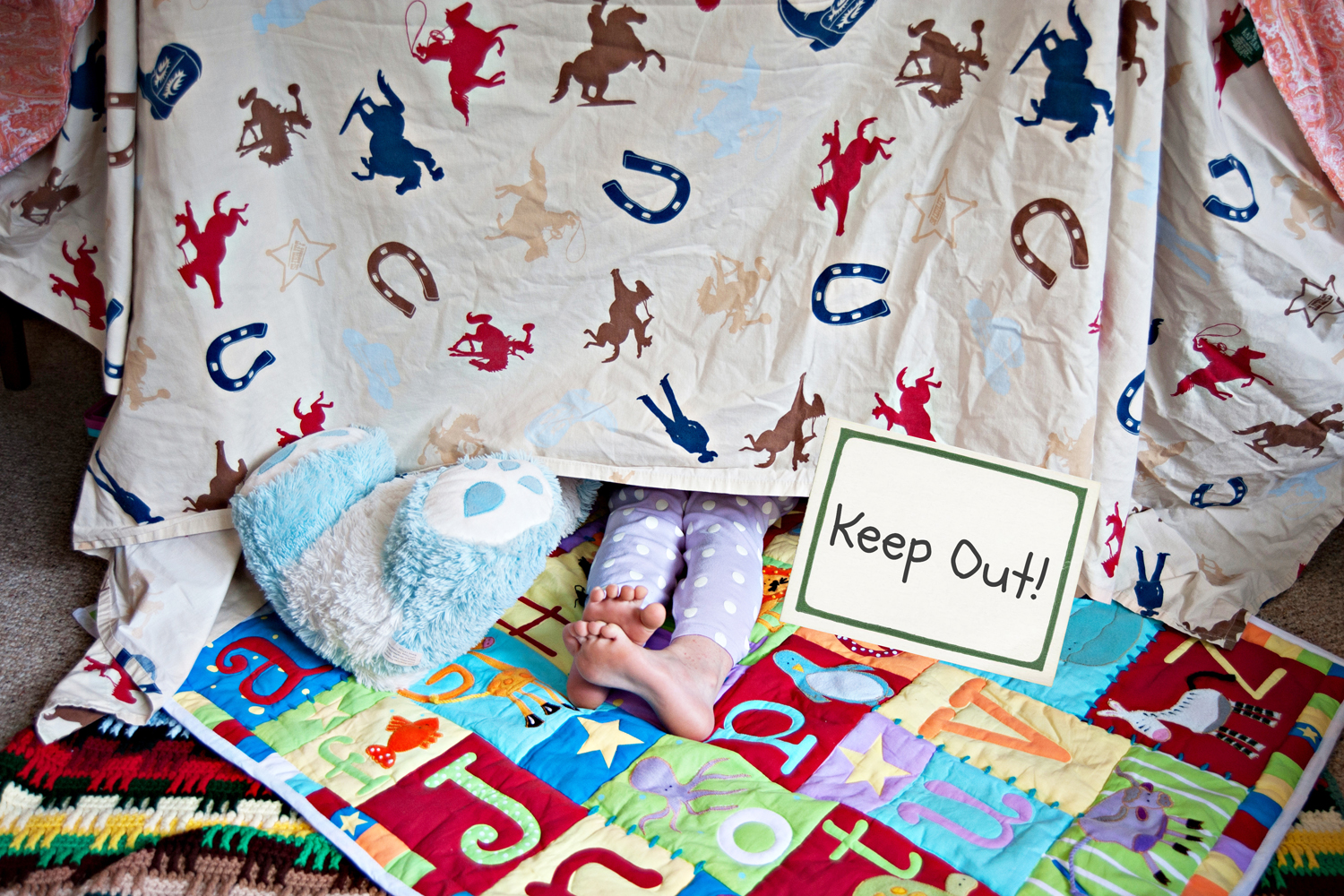
Whoever had built it decided who came in, and the decision was exercised with no restraint whatever.
The power was unusual in a child’s life. Children had almost no occasions to include or exclude anybody, and being handed one produced exactly the behaviour anybody would predict.
Siblings bore most of it. The brother or sister refused admission to a structure built out of the family’s own furniture has a specific grievance, and a considerable number of them raised it with an adult.
12. Adults Were Invited and Could Not Fit
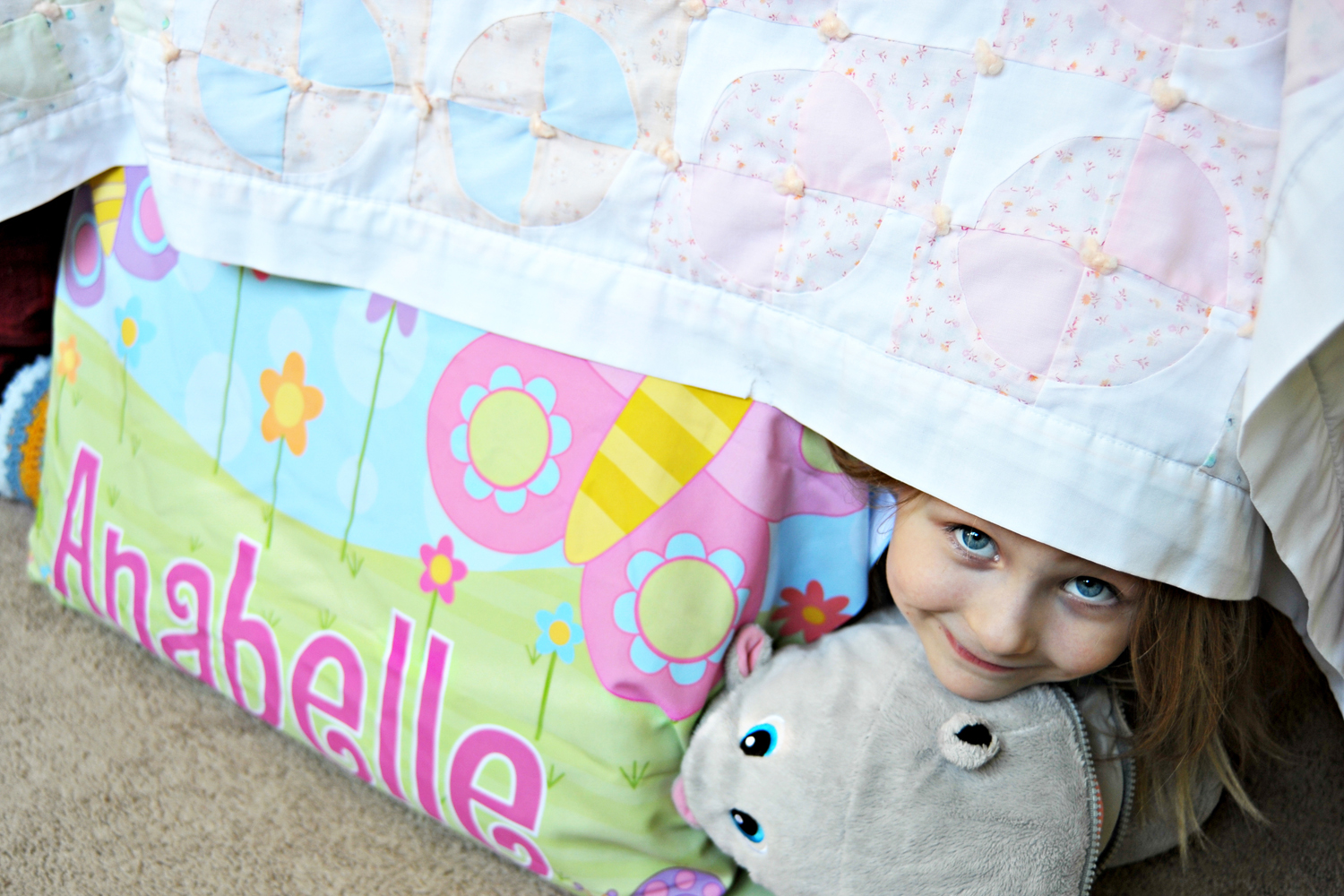
At some point a child asked a grown-up to come in, and the geometry made it impossible.
The invitation was sincere and the refusal was structural. An adult cannot get into a space built to the dimensions of a child under a chair, which meant the offer could not be accepted however willing anybody was.
The compromise was looking in. An adult kneeling down to put their head inside for ten seconds, saying something approving, is the standard memory, and it is remembered as having mattered considerably more than it appeared to at the time.
13. The Demolition Was Always Somebody Else’s Decision
The structure came down when the household needed its furniture back, on a timetable the builder had no part in.
The asymmetry was total and understood. A child who had built something out of borrowed materials had no standing to object when the owner wanted them returned, which every child grasped without it being explained.
Warning was given and ignored. The instruction that it would have to come down before dinner was issued, acknowledged and then disregarded, which meant the actual dismantling happened under pressure.
14. Putting It All Back Was the Part Nobody Planned For
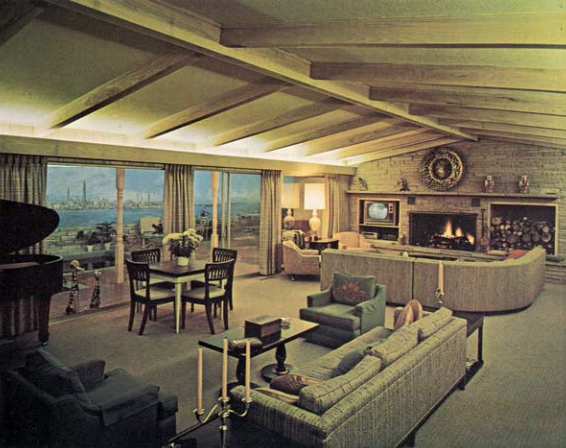
Reassembling a room takes longer than wrecking it, and the job fell on whoever had built the thing.
The arithmetic surprised children every time. The construction had happened in enthusiasm over twenty minutes, and restoring the room required remembering where everything had been, which nobody had recorded.
The restoration was never quite right. A room put back by a child was approximately correct and visibly not as it had been, and an adult adjusted three things afterwards without saying anything.
15. The Blankets Went Back Dusty and Somebody Noticed

Household textiles used as building material came back marked, and the consequences arrived later.
The damage was predictable and unacknowledged. Blankets dragged across a floor and weighted with books are not in the condition they left in, and whoever dealt with the laundry discovered that on a different day.
That is where the real objection came from. Most adult resistance to these projects was about the state of the materials afterwards rather than about the disruption at the time, which children misunderstood completely.
16. Then Children Stopped Needing to Build One
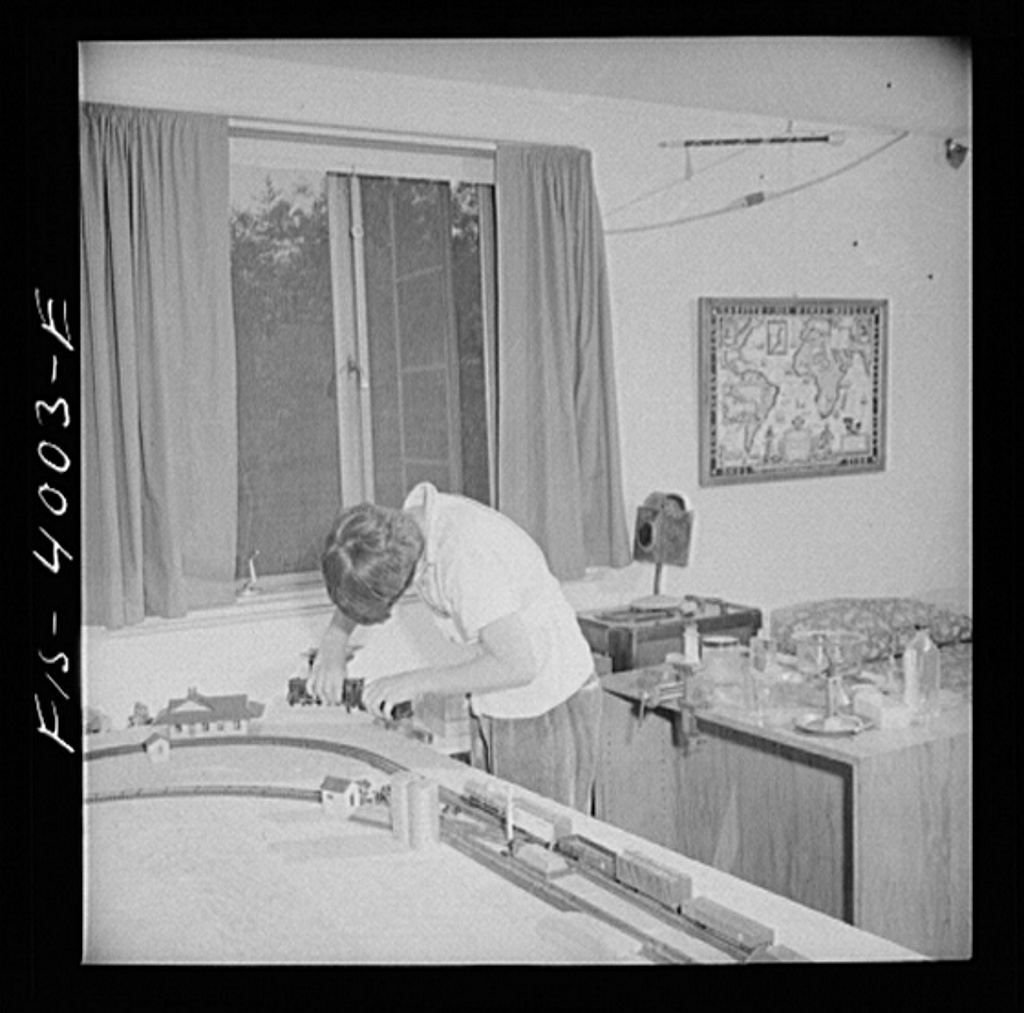
More rooms per household, more furniture, bought play structures, screens and a general increase in space that belongs to children removed both the need and the materials.
Most of that is plainly good. A child who has their own room, their own things and somewhere they are entitled to be does not need to construct a temporary one out of the family’s chairs, and nobody should wish the shortage back.
What went with it is twenty minutes of complete authority. A structure built from borrowed property on vague permission, hot inside within ten minutes, provisioned with objects of no value to anybody else, with an admission policy exercised without restraint, demolished on somebody else’s schedule and put back approximately where it had been.
The Two Problems Nobody Solved
Read in order, the sixteen come back to one engineering problem and one political one. The engineering problem was the roof, discovered independently by every child who ever tried this: a blanket has weight and no rigidity, so it sags into the middle of any gap wider than about two feet and brings the structure down from the centre outwards. Every solution was a variation on reducing the span, every one was arrived at by trial, and none of it was ever taught or written down. The weighting of the edges sent children foraging, which is how a den’s roof came to be held down by the household’s entire reference shelf.
The political problem was that none of it belonged to the builder. Permission was obtained in general terms and deliberately never clarified, because a child who asked which blankets got a narrower answer than a child who asked whether they could build something. The structure then occupied the room the household could least afford to lose, because that is where the materials and the floor space were, and came down on a timetable the builder had no part in.
What made it worth all of that is in the tenth item. In a house where no room was exclusively anybody’s, nothing locked and nothing was private, a space a child had built and could decide who entered was a genuine novelty – which is also why the admission policy was exercised with no restraint whatever, and why siblings had such a specific grievance about being kept out of something made from the family’s own chairs.
Most of the change is plainly good. A child who has their own room, their own things and somewhere they are entitled to be does not need to construct a temporary one out of the family’s furniture, and nobody should wish that shortage back. One thing is worth saying plainly: current thinking about what should be taken into an enclosed fabric space is better informed than the period’s, and nothing above should be read as describing what any child ought to bring into anything they have built.
What went with it is twenty minutes of complete authority – hot inside within ten, provisioned with objects of no value to anybody else, demolished on somebody else’s schedule, and put back approximately where it had been by somebody who had not recorded where anything was.
Like our content? Follow us for more.