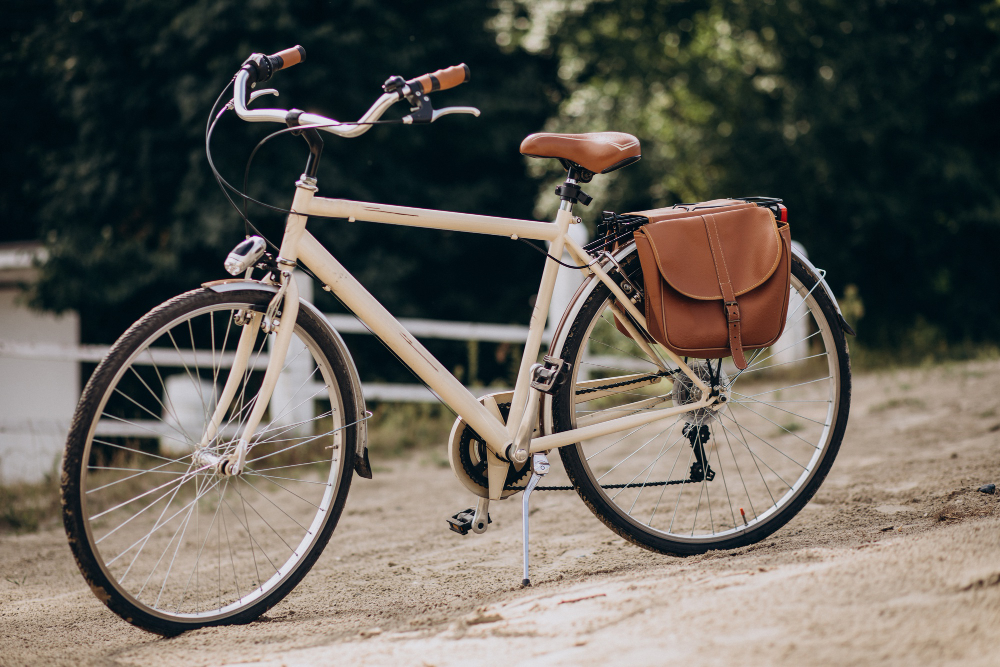
A moving bicycle with nobody on it can stay upright for a considerable distance, correcting itself when pushed. Working out why took far longer than anybody expected, and the popular explanations turned out not to be the answer. Here are twelve.
1. It Balances by Steering
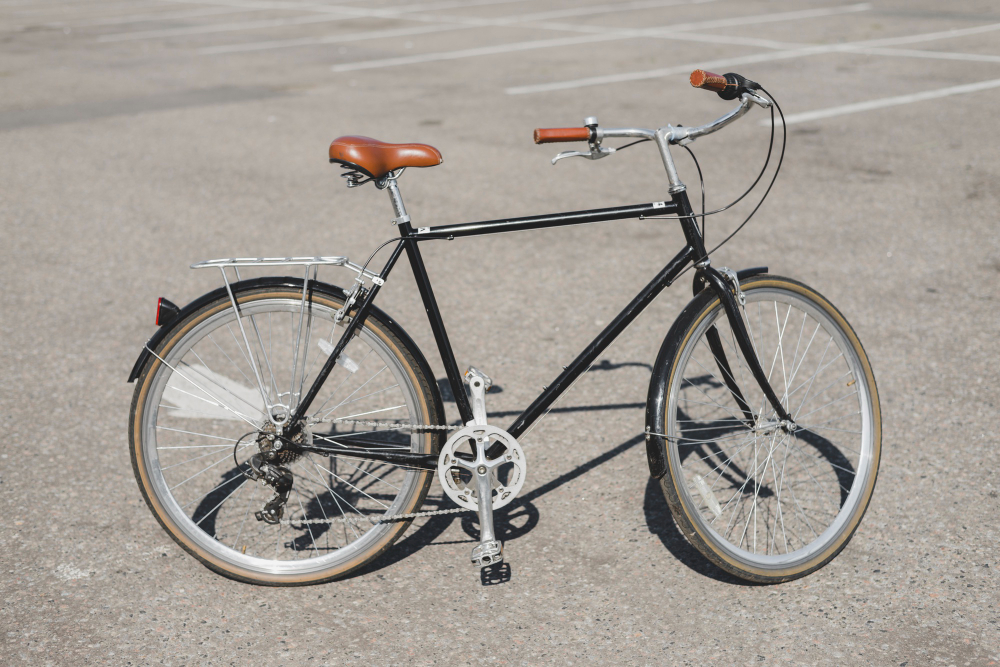
A bicycle stays upright because the front wheel turns toward whichever way it is falling, which moves the contact point back underneath the centre of mass.
Nothing else can restore balance. Steering into the lean is the entire mechanism.
Like our content? Follow us for more.
2. Which Is What a Rider Is Doing
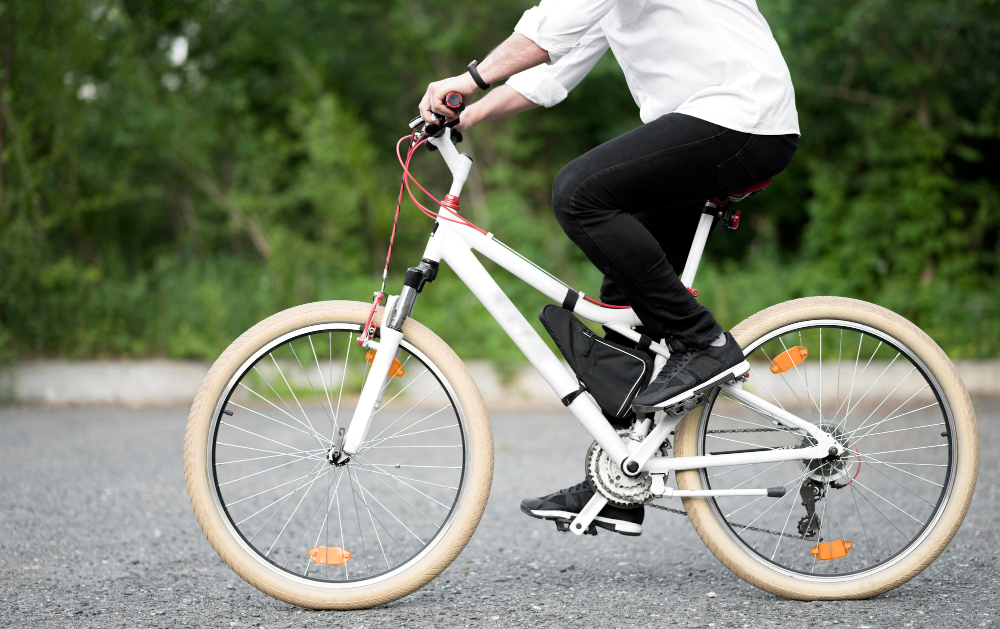
A rider balancing appears to be shifting their weight and is mostly making continuous tiny steering corrections, far too small and frequent to notice.
Holding the handlebars rigid makes balancing impossible. Constant micro-steering is the skill everybody has and nobody perceives.
3. The Gyroscope Effect Is Real
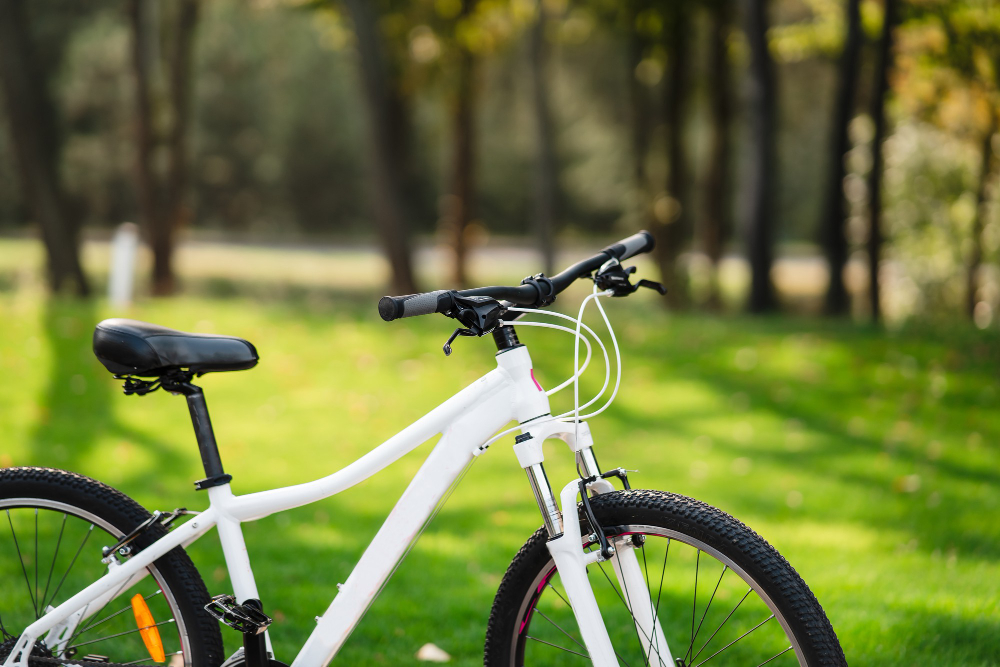
Spinning wheels do resist changes in orientation, and that contributes to the tendency to keep going straight and to steer into a lean.
It is a real contribution. Gyroscopic action is part of the answer rather than the whole of it.
4. And It Is Not Necessary
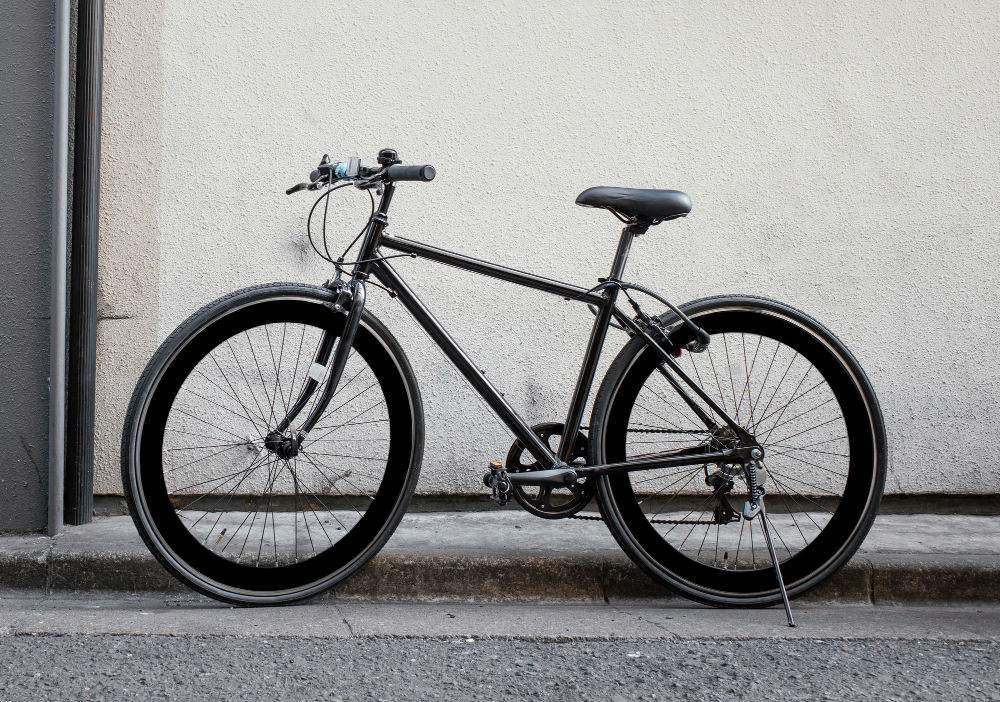
Bicycles built with counter-rotating wheels that cancel the gyroscopic effect entirely still balance themselves when rolled without a rider.
That result settled a long argument. Cancellation experiments are what removed gyroscopes as the explanation.
5. The Castor Effect Is Real Too

The front contact point sits behind where the steering axis meets the ground, which makes the wheel tend to swing into line behind the direction of travel.
It provides self-centring. Trail is the second real contributor.
6. And That Is Not Necessary Either
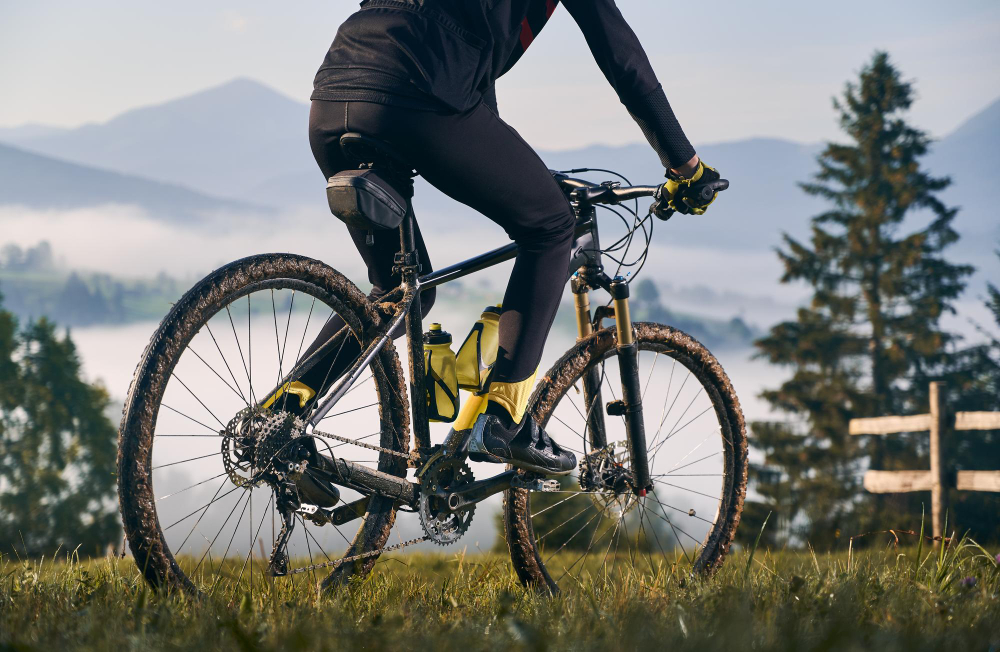
Machines built with negative trail, which should be unstable by that reasoning, have also been shown to balance themselves.
Both traditional explanations failed the same test. Independent cancellation is why the question stayed open.
7. Where the Weight Sits Matters
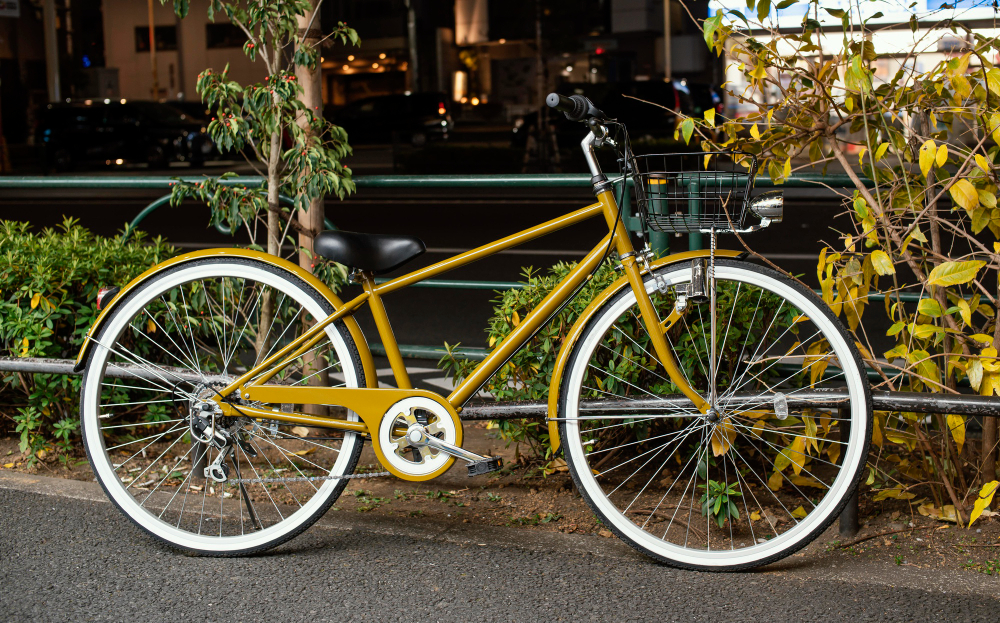
How mass is distributed relative to the steering axis determines how the front assembly responds when the machine leans, and that response can produce the required steering without either other effect.
It is a subtler contribution and a sufficient one. Mass distribution is the part the old explanations left out.
8. Several Effects Add Up

The current understanding is that self-stability comes from a combination of contributions, no single one of which is essential, which can be achieved by different designs in different ways.
There is no single answer to find. Multiple sufficient mechanisms is why the question resisted a clean solution.
9. Turning Starts by Steering the Wrong Way
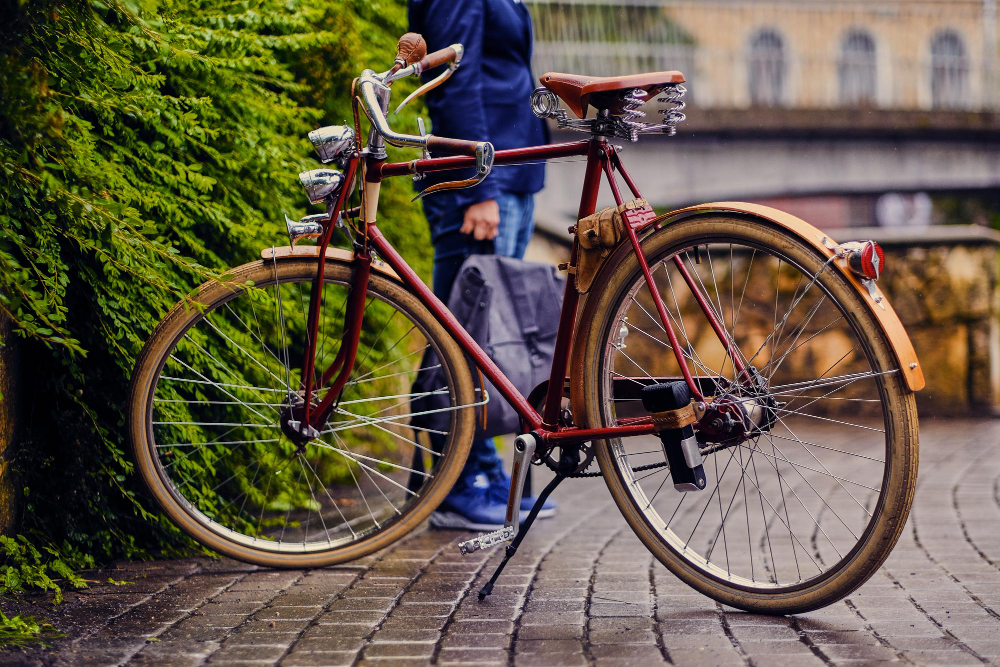
To turn at speed, the handlebars are briefly moved away from the intended direction, which causes the machine to lean into the turn, after which it steers into it.
Every rider does this and almost none know it. Countersteering is the counterintuitive fact underlying every turn.
10. And You Can Feel It If You Try
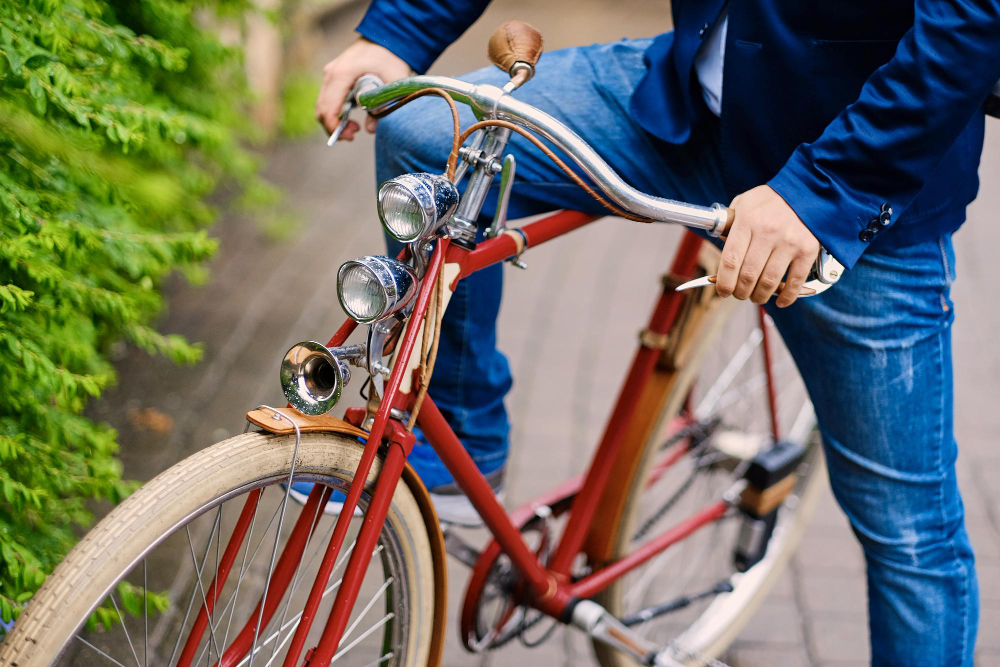
Deliberately pushing the bars slightly one way at speed produces a lean and a turn the other way, which is immediately noticeable once somebody points it out.
It is the same on any single-track vehicle. Demonstrable countersteering is the easiest way to verify the mechanism.
11. Slow Is Much Harder Than Fast
At low speed, a steering correction produces very little sideways movement of the contact point, so recovering from a lean requires far larger and quicker inputs.
That is why standing still is the hardest thing. Speed dependence is why beginners struggle and racers do not.
12. Riding Hands-Free Works Because It Steers Itself
With nobody holding the bars, the machine continues to steer into its own leans, and a rider can direct it by leaning because the front end responds.
The rider is using the self-stability rather than replacing it. Hands-free riding is a demonstration of the whole mechanism.
Steering Into the Fall
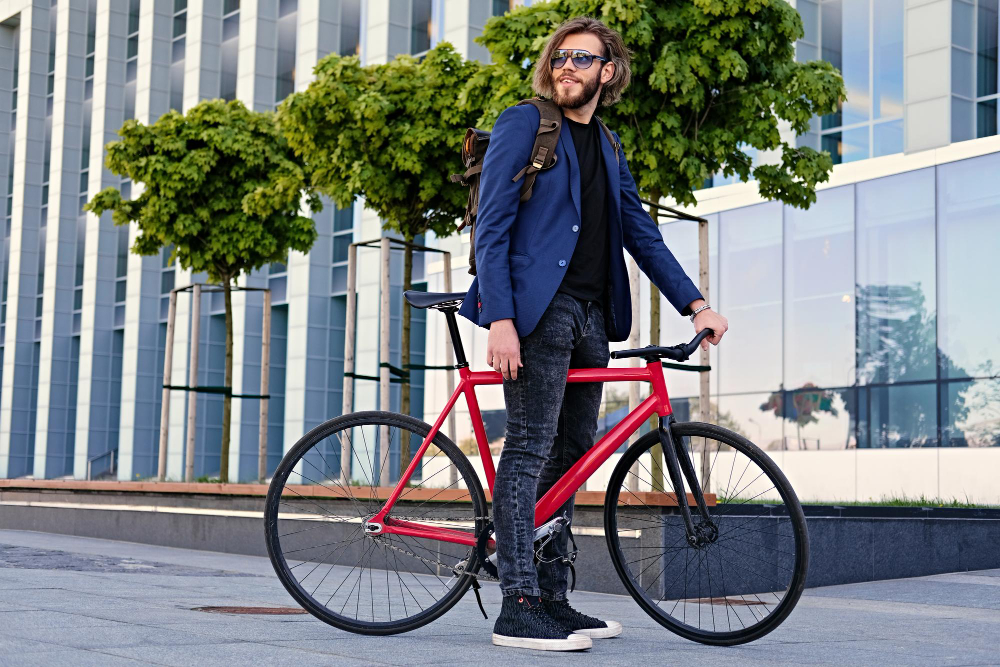
A front wheel that turns toward whichever way the machine is leaning, several design features that produce that response, and two famous explanations that both turned out to be optional.
The ninth item is the one that surprises people most. Every turn on a bicycle begins by steering briefly in the opposite direction, every rider does it automatically, and almost nobody is aware of it – which means the single most fundamental thing about riding is something the rider has learned without ever knowing they learned it.
Like our content? Follow us for more.