In the winter of 1973 buying fuel meant queuing for two or three hours, and in many states whether you could buy at all depended on whether your licence plate ended in an odd or an even number.
Stations flew coloured flags so you could tell from a moving car whether to stop. There was a limit on how much you could buy. They closed on Sundays. Thermostats went down, Christmas lights went off, and locking fuel caps went from obscure accessory to standard equipment.
Here are sixteen things every American driver did during the gas lines of 1973, and what became of each one.
1. You Queued for Hours and the Queue Was the Normal Way to Buy Fuel
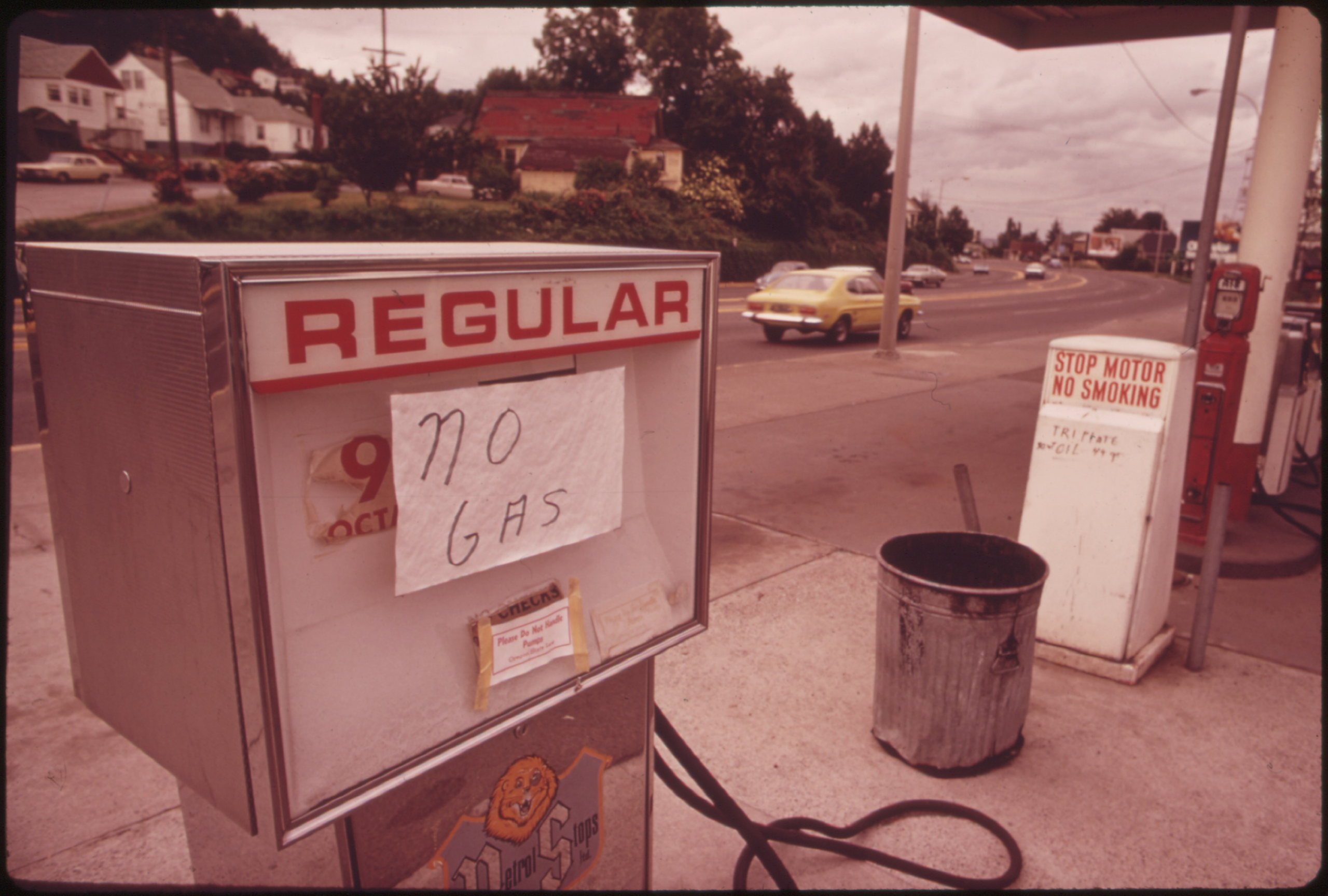
Lines at service stations ran for blocks, drivers waited two or three hours, and in many places queuing began before dawn for a station that would open at seven and be dry by ten.
Fuel is bought in a few minutes with no thought about availability. The queue was not an occasional disruption but the standard experience of buying fuel through the winter of 1973 and into 1974, repeated weekly.
The queue had its own etiquette and its own problems. People left vehicles in line and walked away, which caused arguments. Engines idled for hours, which consumed the fuel being queued for. And tempers were short enough that stations in some places asked for police presence – which tells you how far from a minor inconvenience this was.
Like our content? Follow us for more.
2. Whether You Could Buy at All Depended on Your Licence Plate
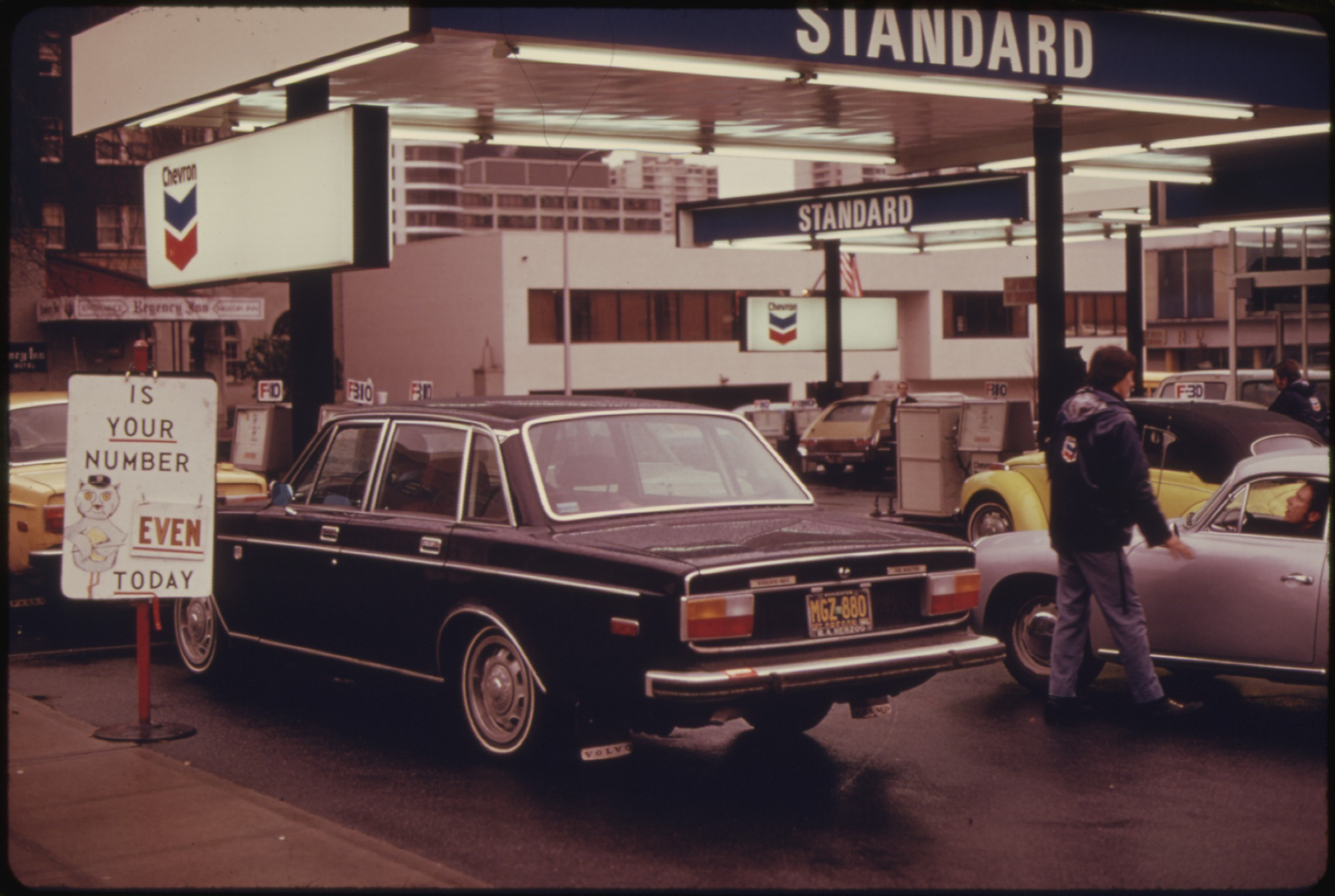
Many states adopted odd-even rationing: vehicles with plates ending in an odd number could buy on odd-numbered days of the month, even on even days, with penalties for attempting to buy on the wrong day.
Nothing comparable has been attempted since. The scheme was adopted because it halved the number of vehicles competing on any given day, which shortened queues without reducing total supply.
It also produced immediate and predictable gaming. Plates were altered, borrowed vehicles were used, households with two cars discovered whether they had one of each, and the thirty-first of the month created an argument in every state that had not written a rule for it. Any rationing scheme simple enough to enforce at a pump is simple enough to work around.
3. A Coloured Flag Outside Told You Whether to Bother Stopping
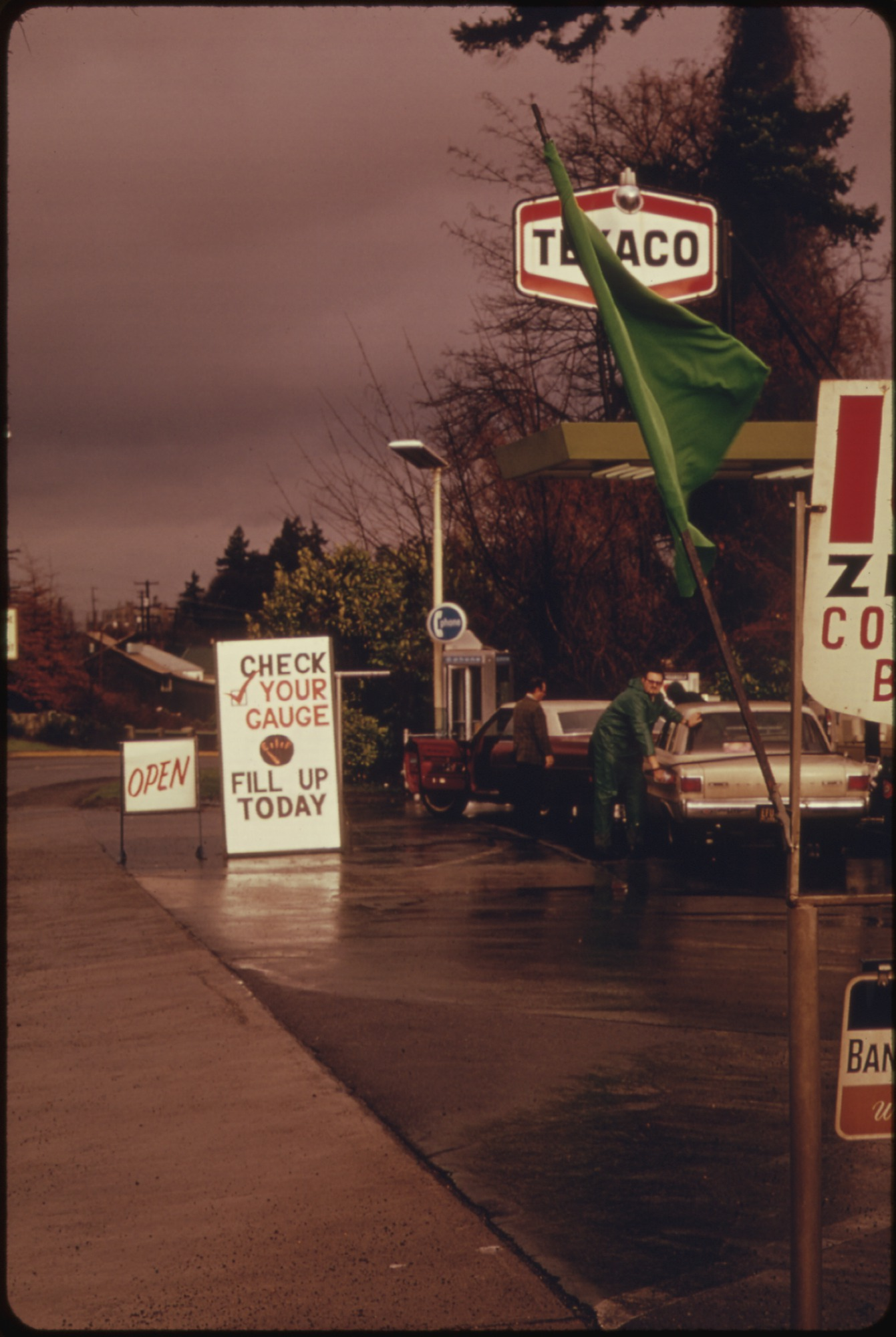
Stations displayed flags – commonly green for fuel available to all, yellow for restricted sale or regular customers only, red for closed – so a driver could read the situation from a moving car.
No equivalent, because availability is not in question. The flag system was adopted quickly and informally, spread by imitation rather than by regulation, and solved a real problem: a driver who joined a queue at a station that had already run dry had wasted an hour and some of the fuel they were trying to buy.
It is a good example of a convention emerging under pressure without anybody designing it. Three colours, visible at a distance, universally understood within weeks, requiring no equipment beyond cloth – and gone completely once the shortage ended, leaving almost no trace except in photographs.
4. There Was a Limit on How Much You Could Buy
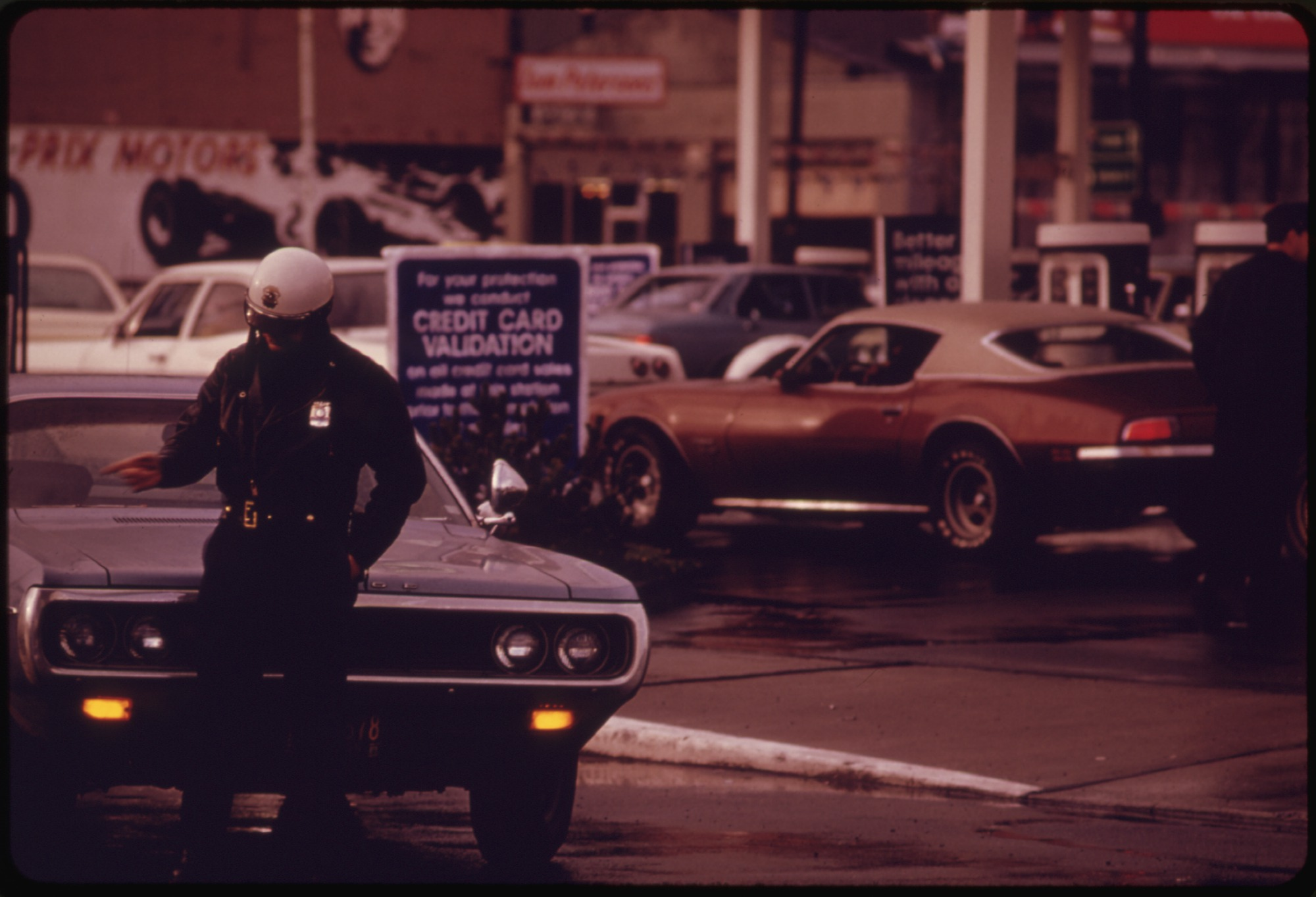
Stations imposed per-customer limits – a stated number of gallons, or a dollar amount, or a half tank – enforced by the attendant, and a driver who had queued for two hours could not fill up even if the pump had fuel.
Pump limits exist only as card pre-authorisation ceilings. The restriction was intended to spread available supply across more customers rather than to let the first arrivals empty the tanks.
The consequence was that the limit guaranteed the next trip. A driver permitted ten gallons would be back within the week, which kept the queues populated continuously – so a measure intended to ration supply also ensured that demand never dispersed. Several of the policies of this period had that shape.
5. Stations Closed on Sundays and Everybody Planned Around It
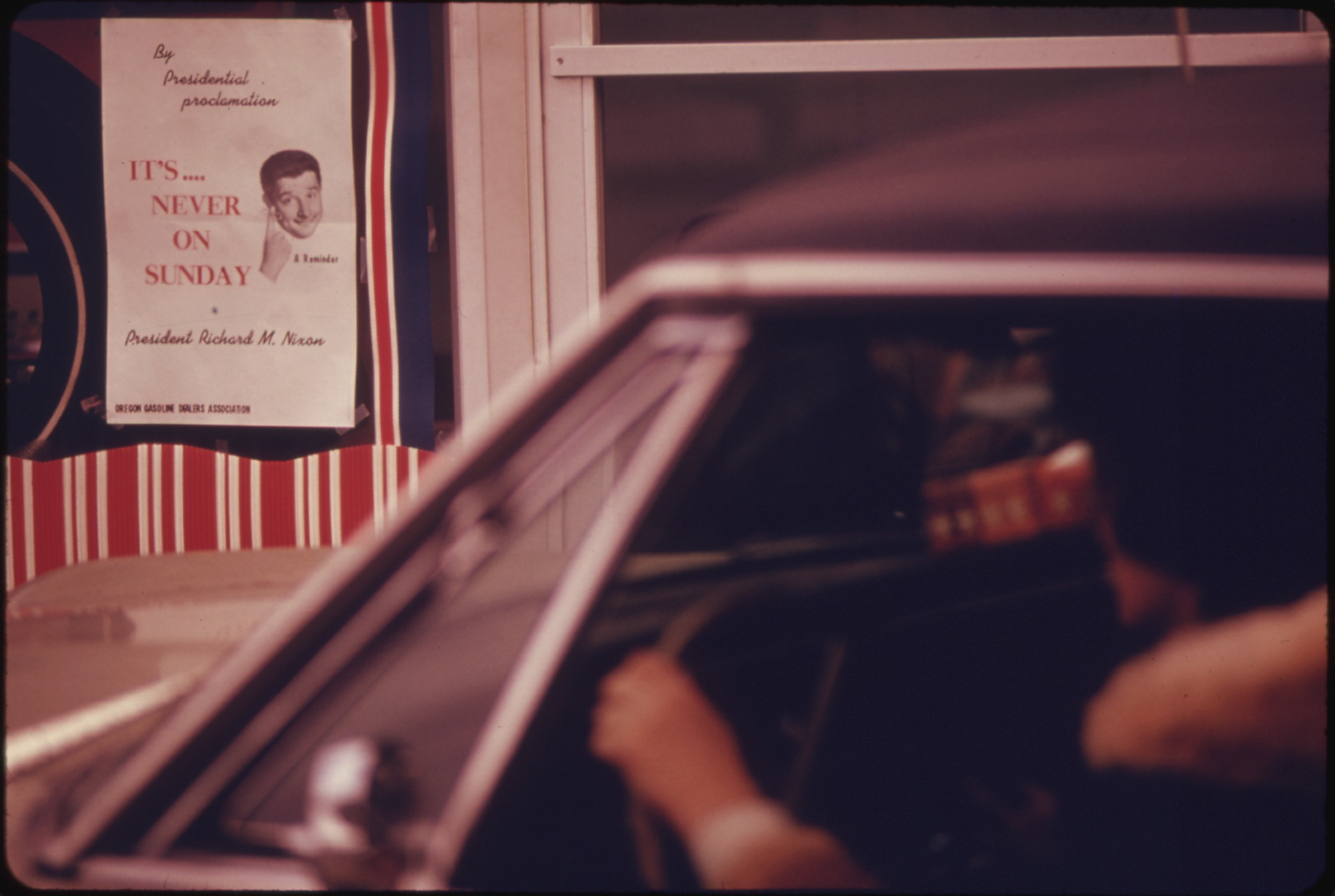
Sunday closing became widespread, by request, by trade agreement or by state action, which meant a driver who had not fuelled by Saturday evening was not driving until Monday.
Continuous availability. The closure was intended to reduce discretionary weekend driving and to give operators a predictable day off during a period when they were working under considerable pressure.
Its main effect was on Saturday. Closing Sunday moved the entire weekend’s demand into Saturday morning, which produced the longest queues of the week and the most trouble – which is a familiar result whenever a constraint is applied to a system without reducing what the system is being asked to do.
6. The Speed Limit Was Cut Nationally and It Was About Fuel
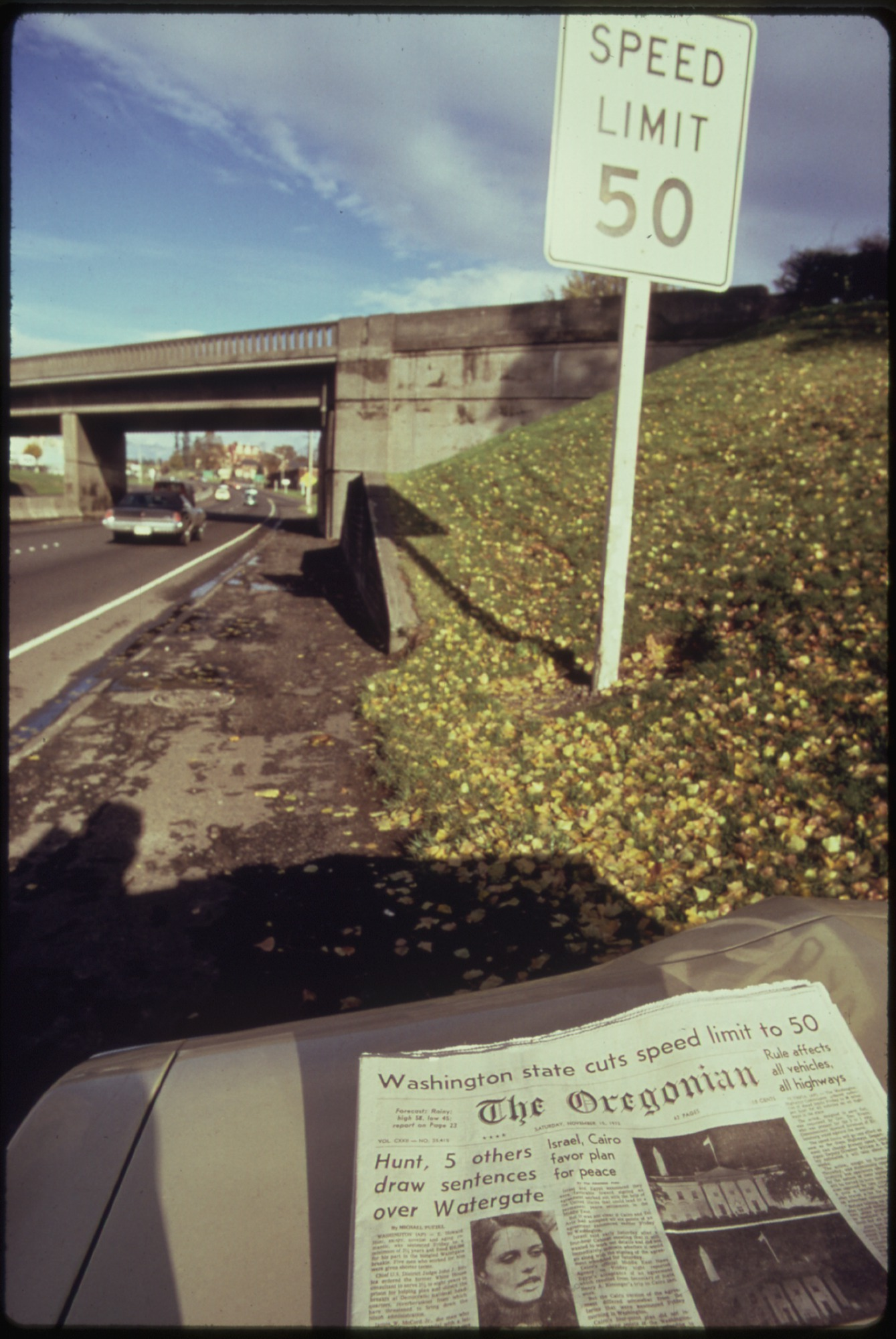
A national maximum speed limit of fifty-five miles per hour was introduced in early 1974 as a fuel conservation measure, applying to every highway in the country regardless of its design speed.
Speed limits returned to state control in the 1990s and most rose substantially. The measure was genuinely about consumption: aerodynamic drag rises steeply with speed, so a vehicle of the period at fifty-five used noticeably less fuel per mile than the same vehicle at seventy.
It outlasted the crisis by two decades and the argument changed underneath it. Once the shortage eased, the case for retaining it shifted to road safety, and the figures were used by both sides for twenty years – which means a measure introduced to save fuel survived on an entirely different justification, and the debate about which effect was larger has never been fully settled.
7. The Thermostat Went Down and the Sweater Became Policy

Households, offices, schools and public buildings turned heating down, with widely publicised recommended settings, and dressing more warmly indoors was promoted as a civic contribution.
Thermostats are set to comfort and buildings are insulated far better. The appeal was explicitly to collective effort rather than to cost, and compliance was substantial because the shortage was visible every time anybody drove past a station.
The lasting consequence was insulation rather than behaviour. Nobody kept the thermostat down permanently, but the period produced sustained attention to building efficiency, loft and wall insulation, double glazing, and the energy performance of appliances – which has done far more for consumption than any amount of wearing a jumper indoors.
8. Christmas Lights Were Switched Off and Shop Signs Went Dark
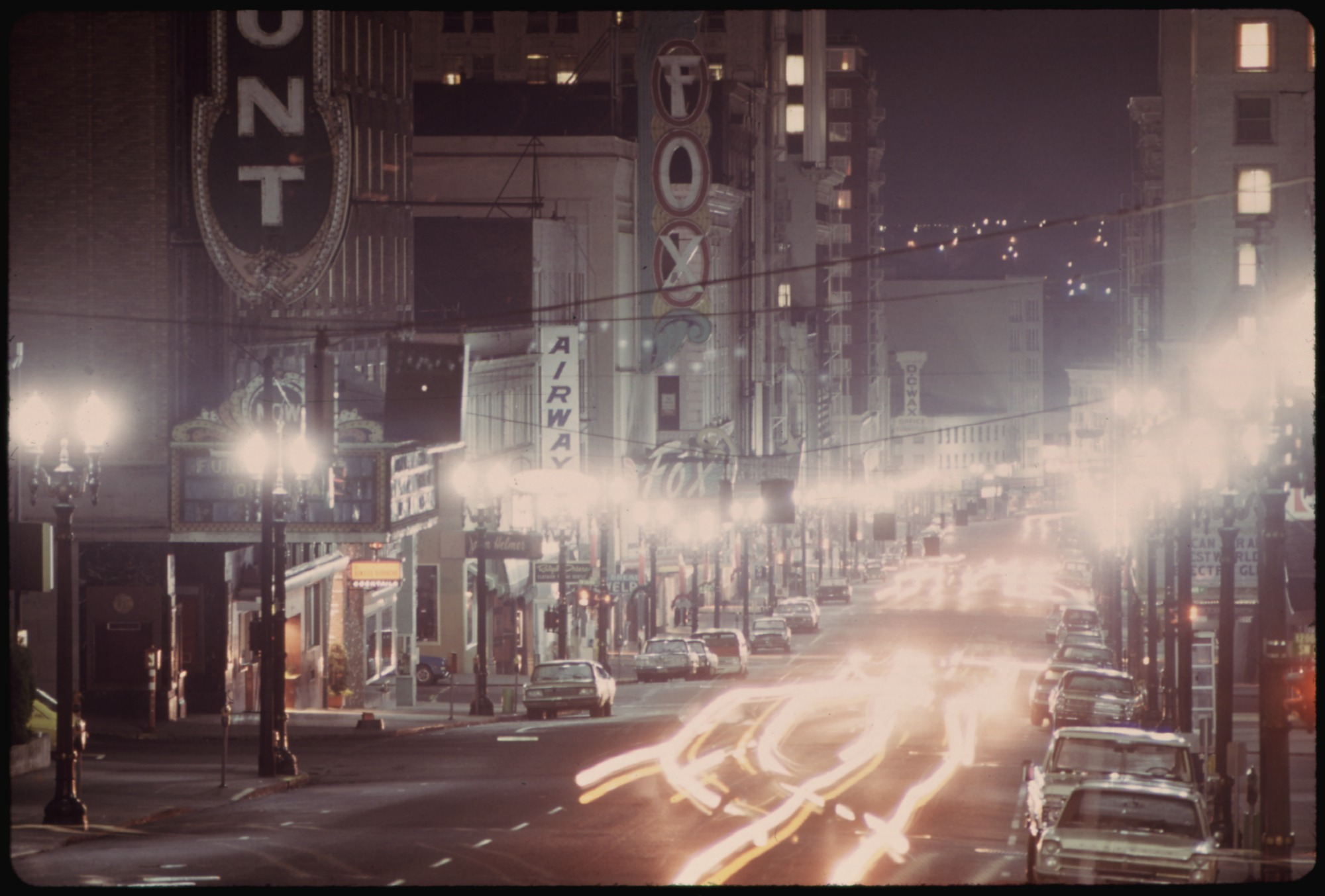
Decorative and commercial lighting was reduced or cancelled – public displays, store signage, illuminated advertising and in a great many cases domestic Christmas lights – for the winter of 1973.
Decorative lighting is unrestricted and vastly more efficient. The reductions were partly practical and substantially symbolic: display lighting was a small share of consumption and an extremely visible one.
The symbolism was the point and it worked. Asking households to make a sacrifice is considerably easier when the shops and the municipality have visibly made one first, and the darkened commercial districts of that winter are remembered precisely because they signalled that the situation was serious – which a statistic about barrels could not.
9. Locking Gas Caps Went From Accessory to Standard Equipment
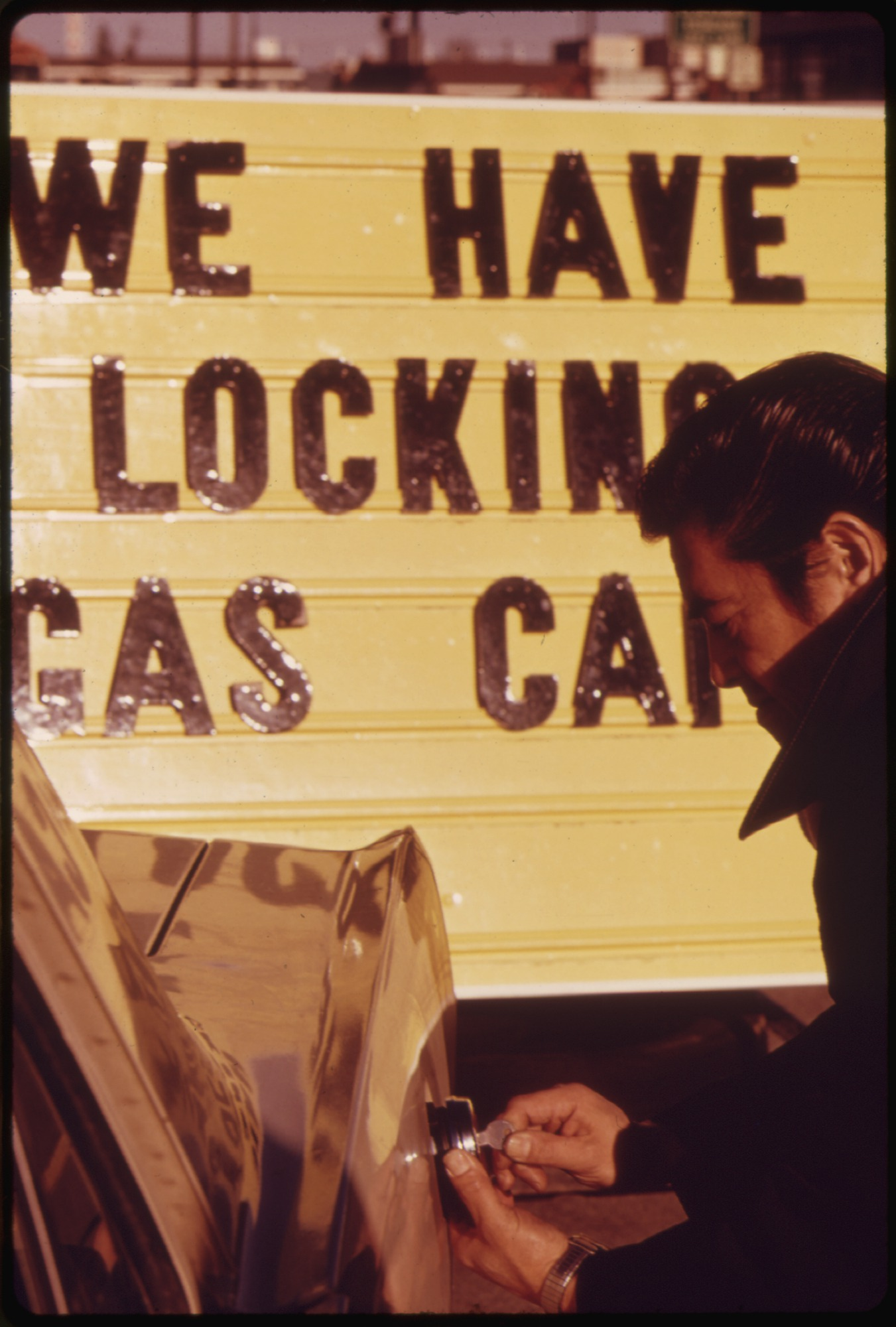
Fuel theft rose sharply, and locking fuel caps – previously an obscure accessory – sold out, were fitted by dealers, and became a normal item on a new vehicle.
Fuel filler security is designed into the vehicle, with locking flaps and remote releases. The lock was a direct response to a specific and widespread crime that had barely existed when fuel was cheap and plentiful.
It is one of the three things from this period that never went away. A locking or vehicle-released fuel filler is now universal and nobody thinks about why, and the reason is a winter in which a tank of fuel was worth queuing three hours for and was therefore worth stealing.
10. People Siphoned Tanks and It Became a Recognised Problem
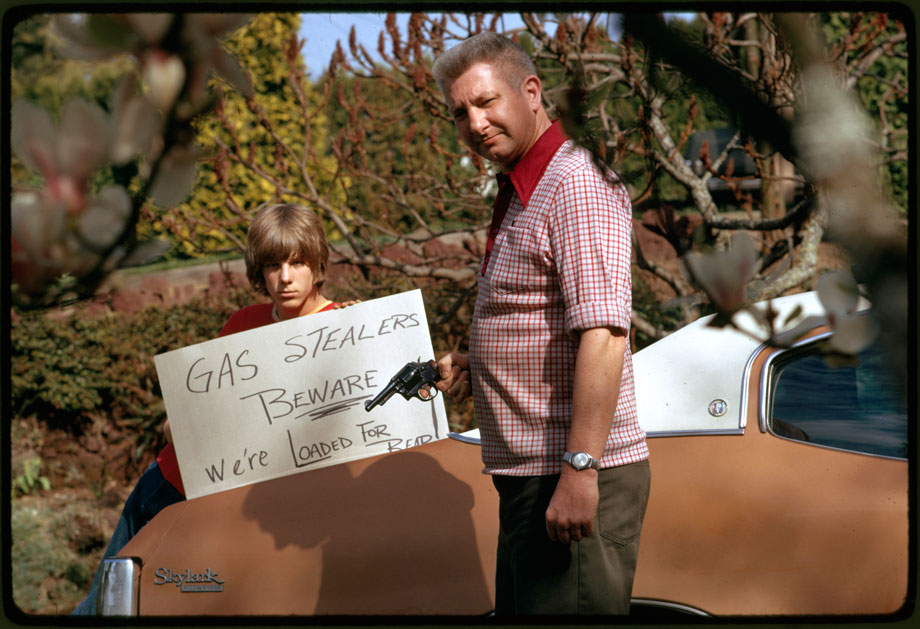
Theft of fuel directly from parked vehicles became common enough to be reported as a trend, with drivers parking differently, keeping tanks low deliberately, and in rural areas moving vehicles into buildings overnight.
Rare in comparison and deterred by vehicle design. The practice carried genuine hazards for the person doing it, which is part of why it attracted the attention it did.
The behavioural response is the interesting part. Drivers began keeping tanks deliberately low to reduce what could be taken – which is the exact opposite of what they wanted to do given the queues, and left them more exposed to running out. A shortage produced two incompatible rational responses at once, and people oscillated between them.
11. The Price Rose Fast Enough That Nobody Believed the Signs
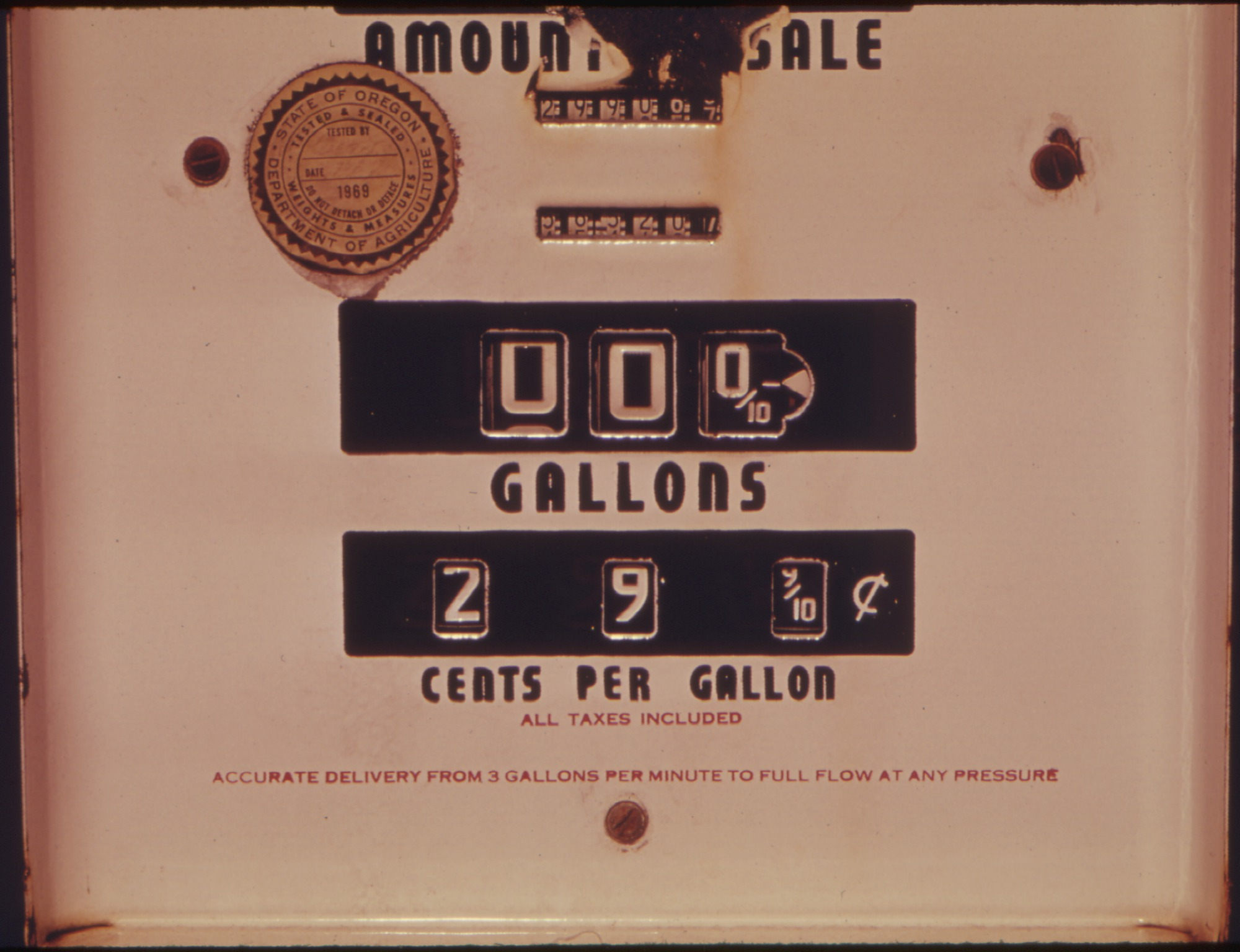
The posted price of crude roughly quadrupled over the period, and pump prices rose sharply – enough that stations were changing signs repeatedly and drivers were reading them with disbelief.
Price volatility is normal and expected. The shock was not only the level but the speed: a commodity that had been stable within a narrow band for years moved further in months than it had in a decade.
The durable effect was psychological rather than financial. A generation learned that the price of fuel was not a fixed feature of the world, and the memory of that winter shaped purchasing decisions for decades – which is why the small car market changed permanently and why the change did not reverse when prices eased.
12. Small Cars Stopped Being a Joke
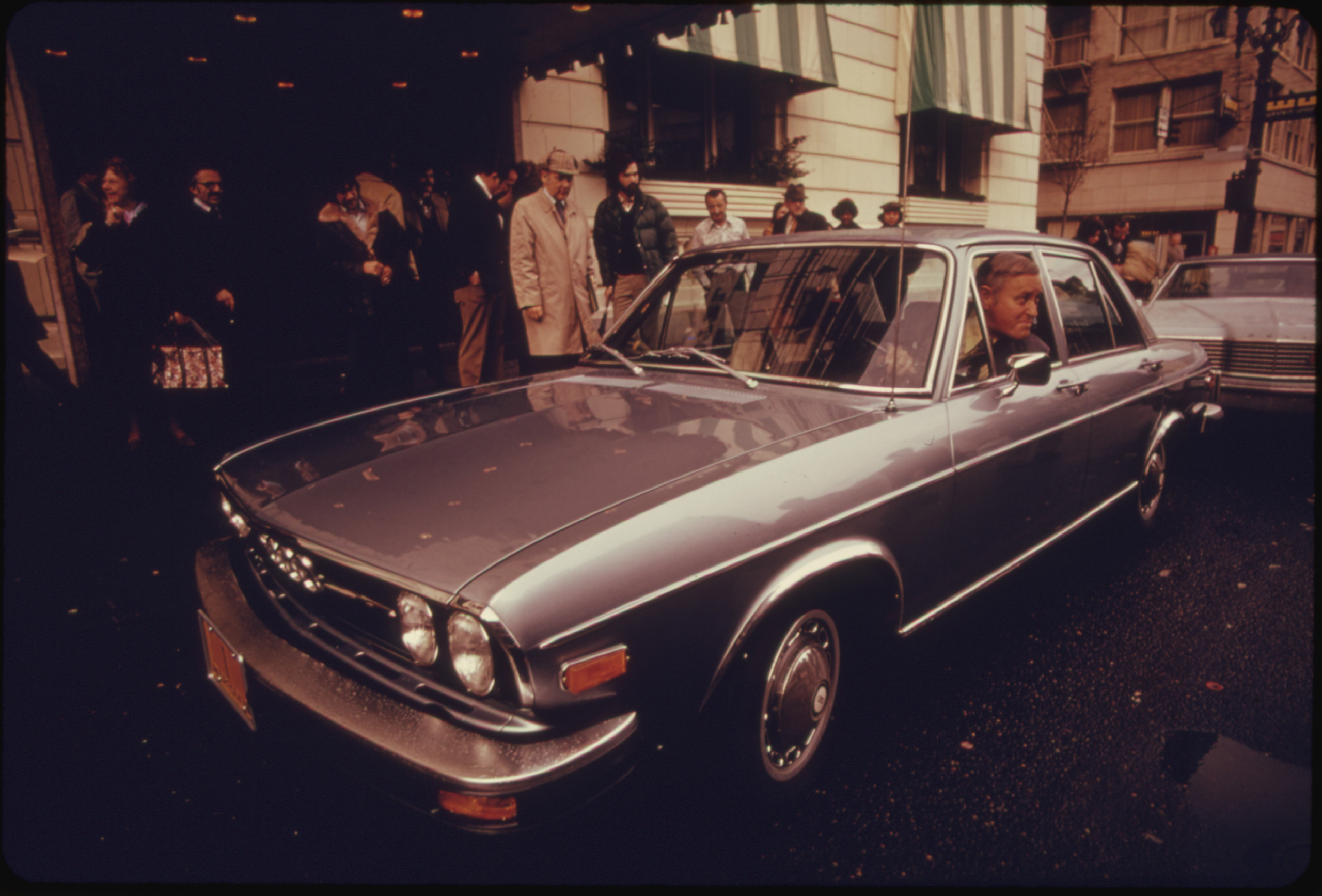
Compact and subcompact vehicles, previously a marginal category, became the thing buyers wanted – with waiting lists for economical models while large cars sat on lots.
Efficiency is a standard purchase criterion across every class. The shift was abrupt and the domestic manufacturers were not positioned for it, having built their ranges around large vehicles and cheap fuel.
That mismatch had consequences lasting decades. Imported compacts gained a foothold in that winter that they never lost, and the restructuring of the American motor industry over the following twenty years traces in significant part to a product line that was wrong for the market the moment the market changed – which is the single largest economic legacy of the whole episode.
13. The Attendant Became the Most Important Person on the Street
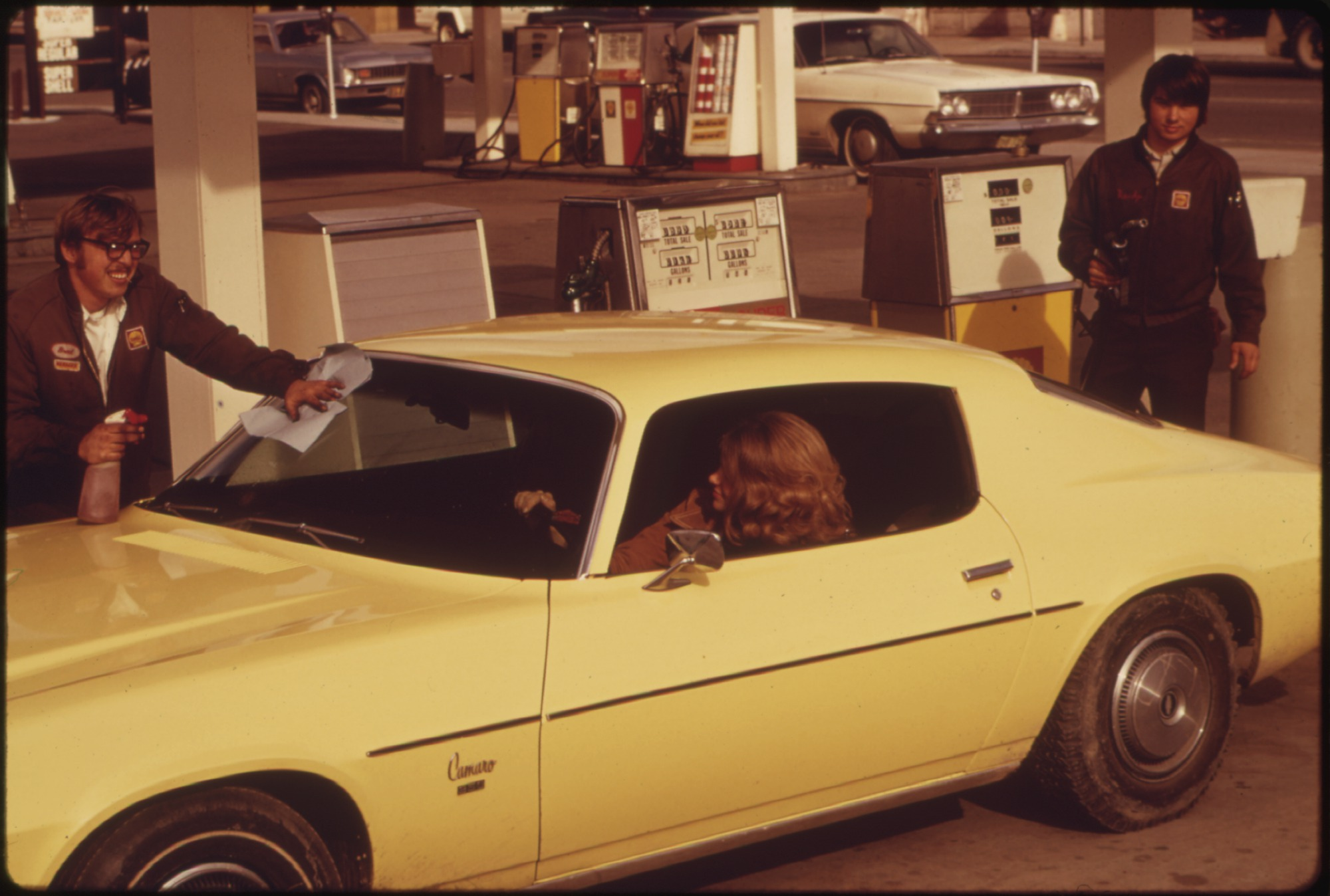
Service station attendants decided who was served, enforced the limits, applied the regular-customer rules and turned people away – which made them, briefly, figures of considerable local power.
Self-service and card payment with no human involvement. The discretion was real: a station operating on regular customers only was operating on the attendant’s judgement, and being known at a station was worth something.
It was also a genuinely unpleasant job that winter. The attendant absorbed the frustration of everybody in a three-hour queue, enforced rules they had not written, and told drivers who had waited since dawn that the station was dry – and the accounts from people who did it are consistently about the abuse rather than about the power.
14. Carpooling Became Normal, Briefly
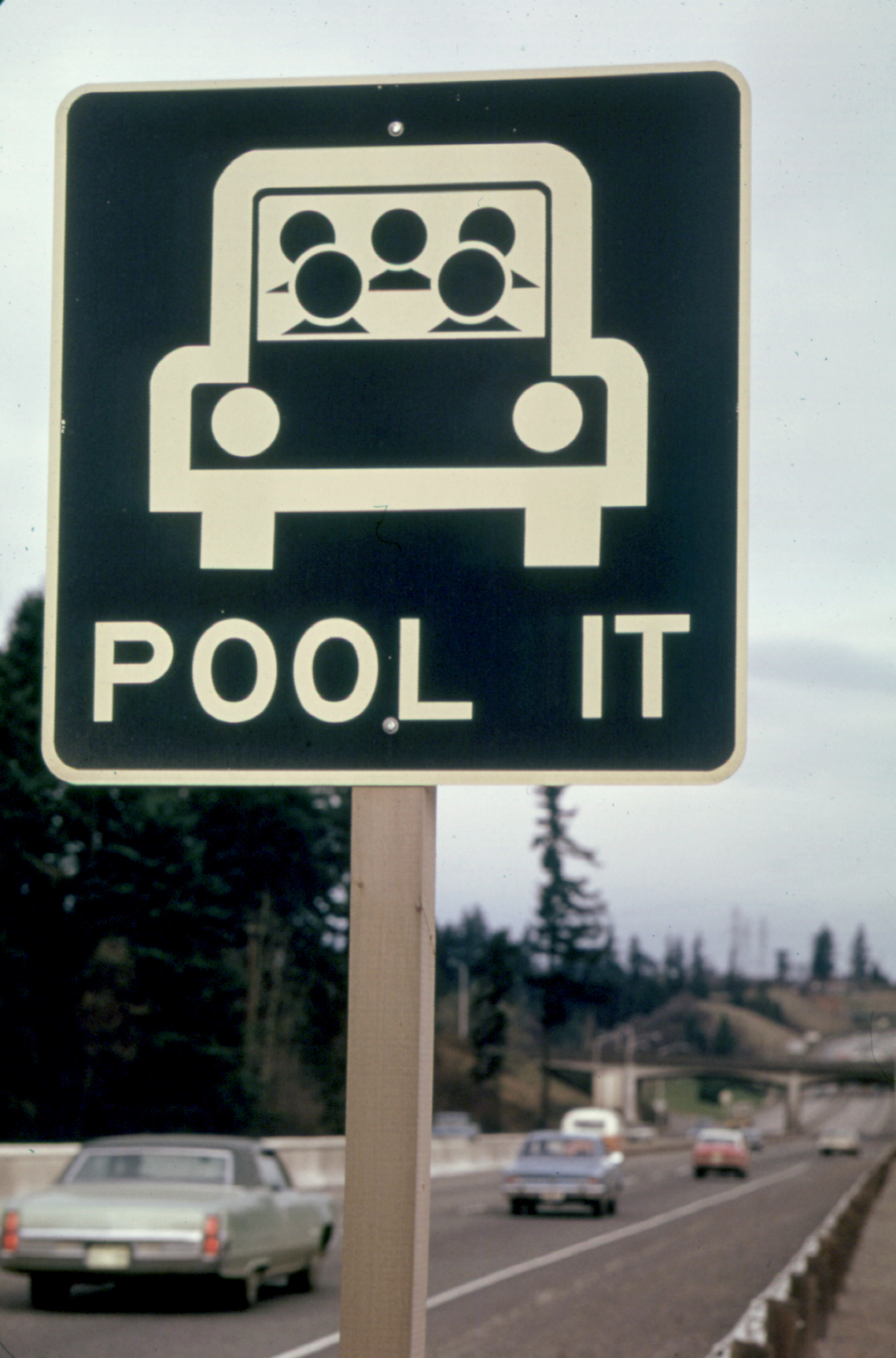
Shared commuting was promoted and widely adopted, with employers organising matching schemes, noticeboards, and in some places preferential parking for shared vehicles.
Carpooling persists at low levels despite decades of encouragement, alongside dedicated high-occupancy lanes. The 1973 adoption was substantial and was driven by necessity rather than by persuasion.
It did not last, and the reason is the clearest finding of the whole period. Shared commuting requires matching schedules, tolerating other people and surrendering flexibility, and as soon as fuel was available again the convenience of driving alone outweighed the saving – which is why fifty years of campaigns have achieved less than one winter of scarcity did.
15. Everybody Topped Off Constantly, Which Made It Worse
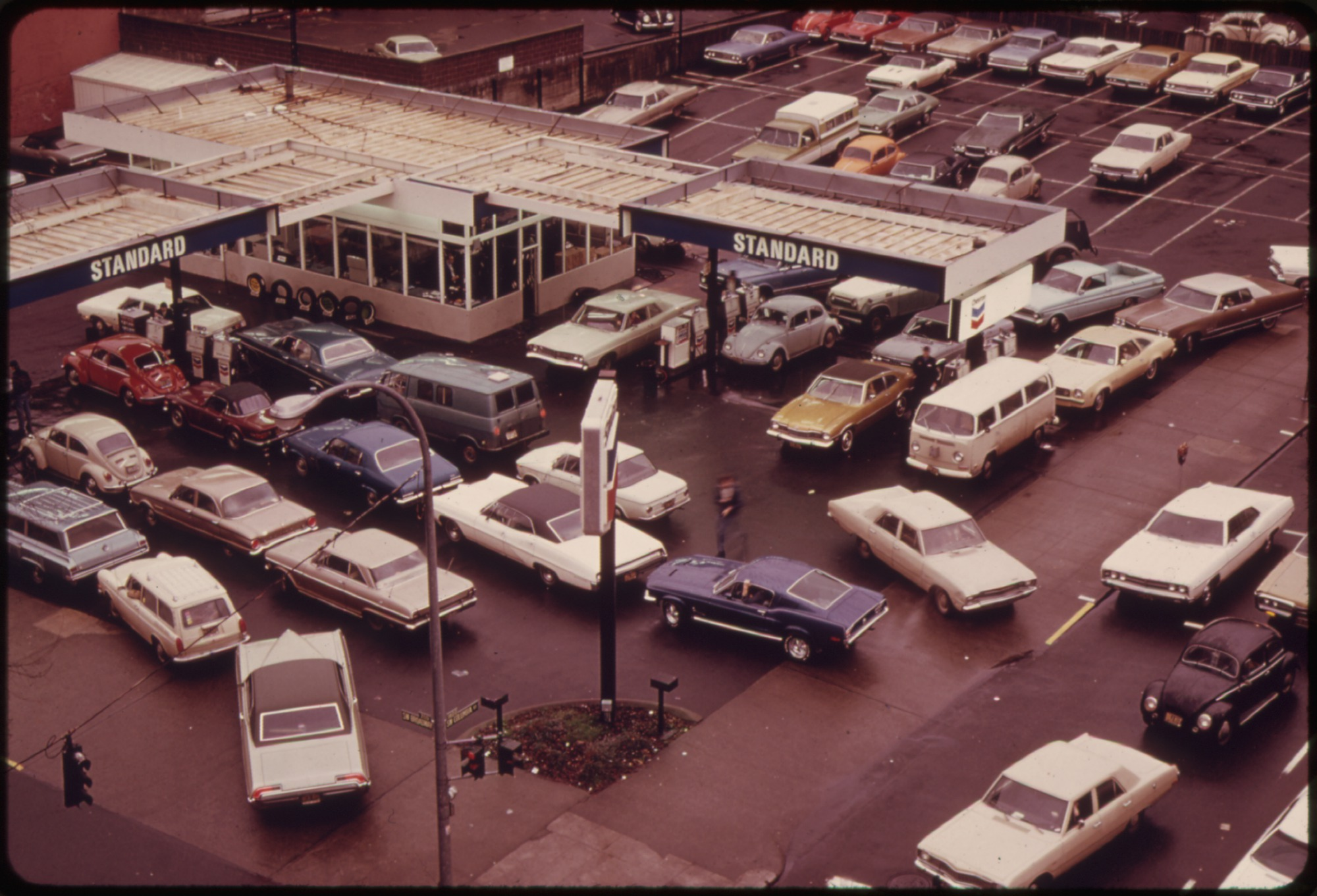
Drivers stopped running tanks down and began refilling whenever they passed an open station, keeping tanks as full as possible at all times.
No equivalent behaviour. The effect was to move a very large quantity of fuel out of the distribution system and into vehicle tanks, where it sat unused – which reduced the fuel available at stations and lengthened the queues.
This is the part of the episode that economists still cite, because it is a clean example of individually rational behaviour producing collective scarcity. No individual driver was wrong to keep their tank full. The aggregate effect was to create a shortage considerably worse than the underlying supply reduction, and nothing short of restoring confidence in availability could unwind it.
16. Then It Eased, and Three Things Stayed
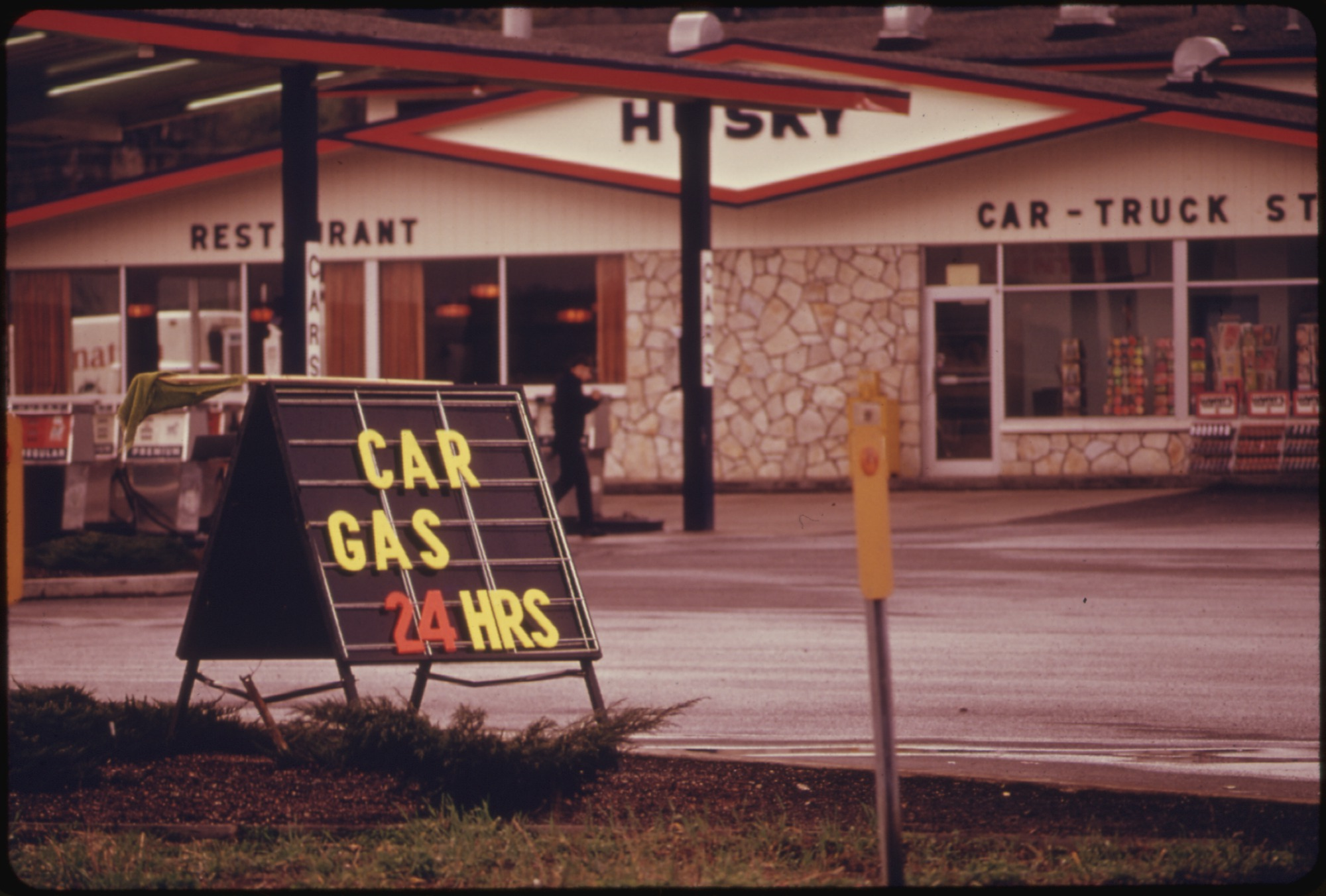
The embargo ended in the spring of 1974, supply recovered, queues disappeared, the flags came down, rationing was withdrawn and within months buying fuel was unremarkable again.
What remained was the locking fuel cap, the fifty-five mile per hour limit for the next twenty years, and a permanent change in what buyers wanted from a car. Everything else – the queues, the flags, the odd-even days, the darkened signs, the carpools – vanished within a season.
Which is the honest summary of how shortages change things. The emergency measures were almost entirely temporary and the structural changes were almost entirely invisible at the time: a filler cap, a speed limit and a purchasing preference. The queue is what everybody remembers, and the three things that actually lasted are the ones nobody noticed happening.
Everybody Behaved Rationally and Together They Made It Worse
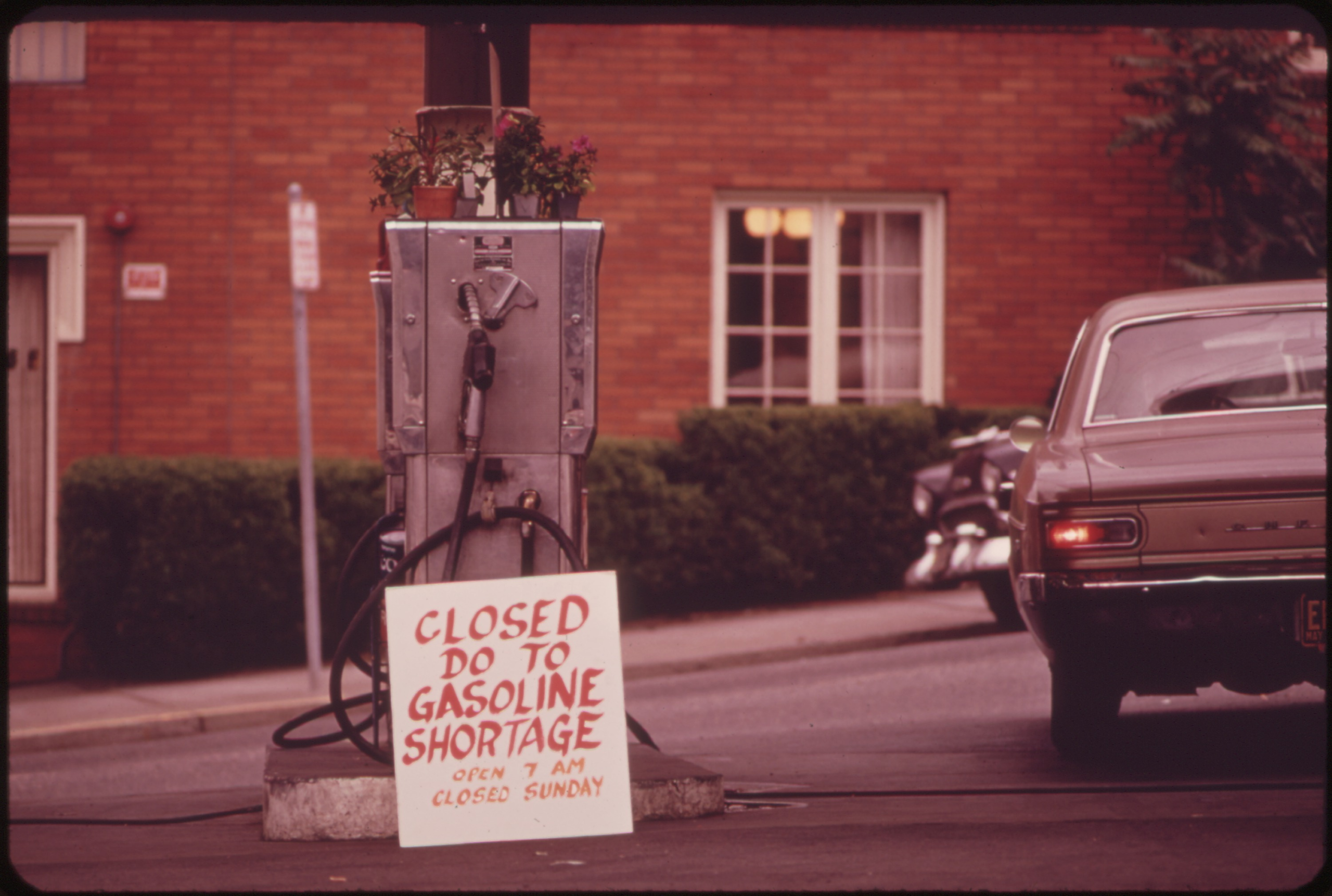
The most useful thing about this episode is not the queues. It is that it is one of the cleanest real-world demonstrations of a collective action problem, and it happened to an entire country at once.
The underlying supply reduction was real but it was not catastrophic. What turned a reduction into empty pumps was the behaviour of drivers, and the behaviour was entirely sensible from each driver’s point of view.
If fuel might not be available next week, you do not run your tank down to a quarter. You top it off whenever you pass an open station. That is the correct individual decision and almost everybody made it.
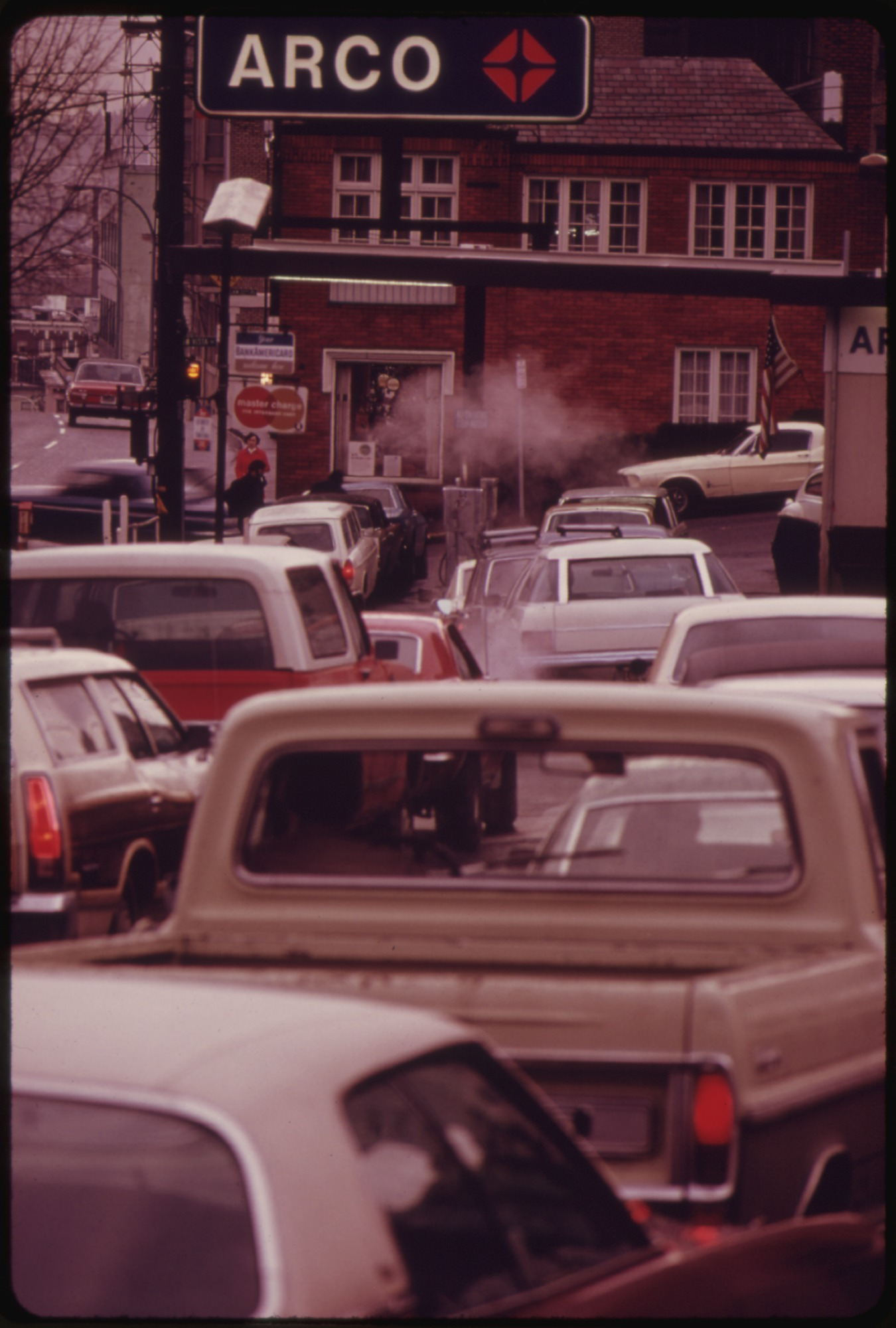
Now consider the aggregate. A country’s vehicle fleet moving from an average of perhaps a third full to as close to full as possible represents an enormous quantity of fuel relocated out of the distribution network and into parked cars, where it sits doing nothing. The pumps run dry not because the fuel is gone but because it is in everybody’s tank at once.
Which lengthens the queues, which confirms that fuel might not be available next week, which makes topping off even more rational.
The policy responses then made several things worse in the same way. Per-customer limits spread supply across more drivers and guaranteed that every one of them would be back within the week, so the queues never dispersed. Sunday closing moved an entire weekend’s demand into Saturday morning. Odd-even rationing halved daily competition and was gamed within days.
None of that was stupid. Each measure addressed a real problem and each had a second-order effect that partly cancelled it, which is what usually happens when you constrain a system without reducing what it is being asked to do.
The thing that actually ended it was not a policy. It was the embargo lifting and confidence returning – and the moment drivers believed fuel would be there next week, they stopped hoarding it, and the shortage unwound faster than the supply recovered.
That is the lesson, and it has been applied to runs on banks, to shortages of household goods and to every panic-buying episode since: in a shortage driven by expectation, the scarce commodity is confidence.
If you drove then, you remember the plate rule and which day was yours.
And the locking cap on your fuel filler is there because of that winter.
Like our content? Follow us for more.