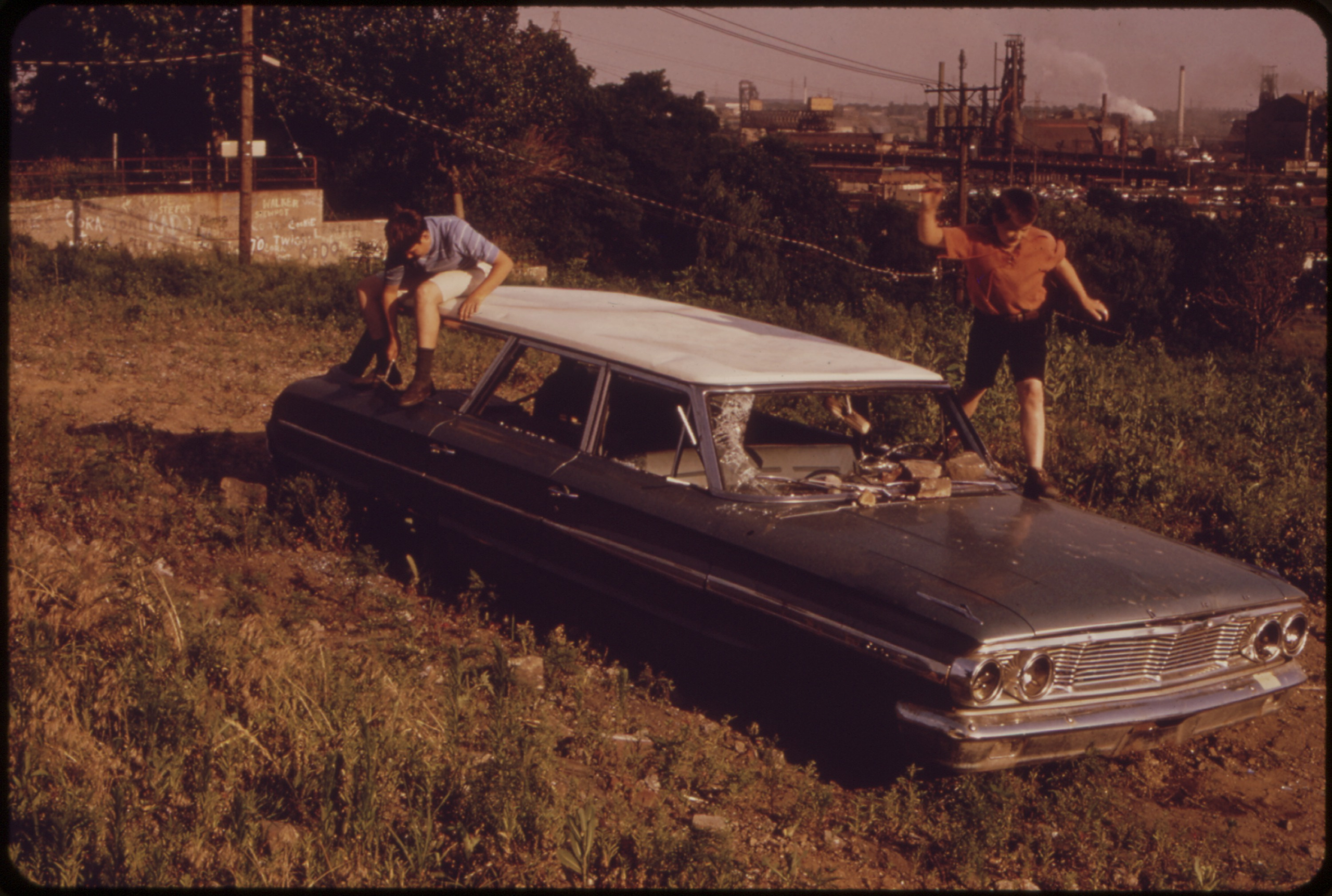
In 1974 almost every street had a gap in it – an unbuilt parcel, a demolished house, a field waiting for a developer – and everybody understood that ground belonged to the children.
They built forts out of lumber scavenged from building sites. They picked teams in public and played games with rules they made and enforced themselves. They tied ropes to branches nobody had checked, dammed water nobody had tested, and dismantled whatever had been dumped there. And no adult knew where any of them were for hours at a time.
Here are sixteen things every kid did in the vacant lot in 1974, and what became of each one.
1. Every Neighbourhood Had One and It Belonged to the Children
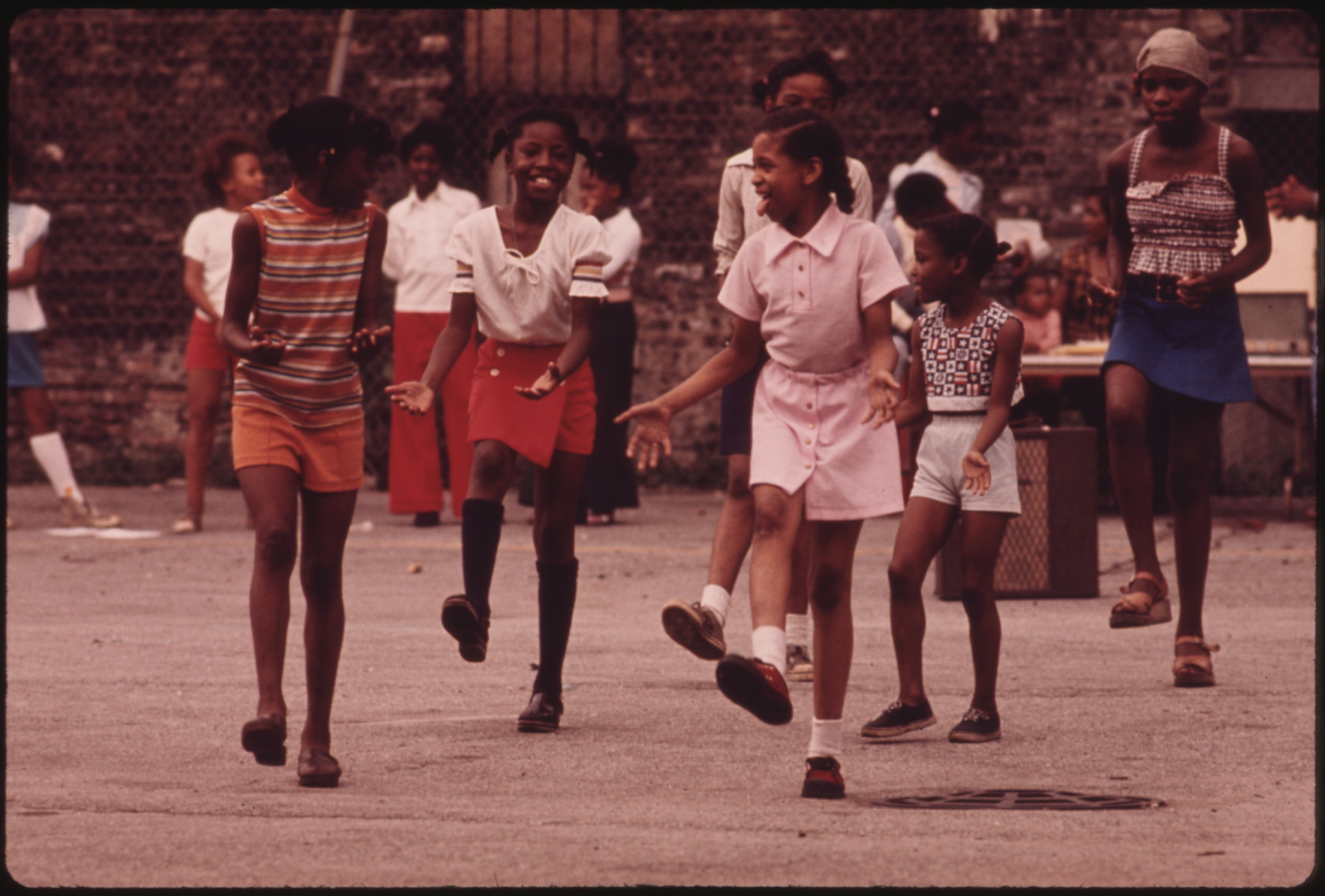
Almost every street had a gap – a parcel that had not been built on, a lot where a house had been demolished, land behind a plant, the strip beside a railway, a field awaiting a developer – and that ground was understood by everybody to be children’s territory.
Infill development has taken almost all of it. The lots were not public, not maintained and not anybody’s responsibility, and that absence of ownership is exactly what made them usable: nobody could tell you to get off because nobody was watching.
The economics behind it are worth stating. A vacant lot exists when land is cheap enough to leave idle, and land stopped being cheap enough. Rising values, infill zoning and liability concerns together closed almost all of them, which means the disappearance of unsupervised children’s space was not a parenting decision at all – it was a property market.
Like our content? Follow us for more.
2. The First Thing You Built Was a Fort Out of Other People’s Lumber
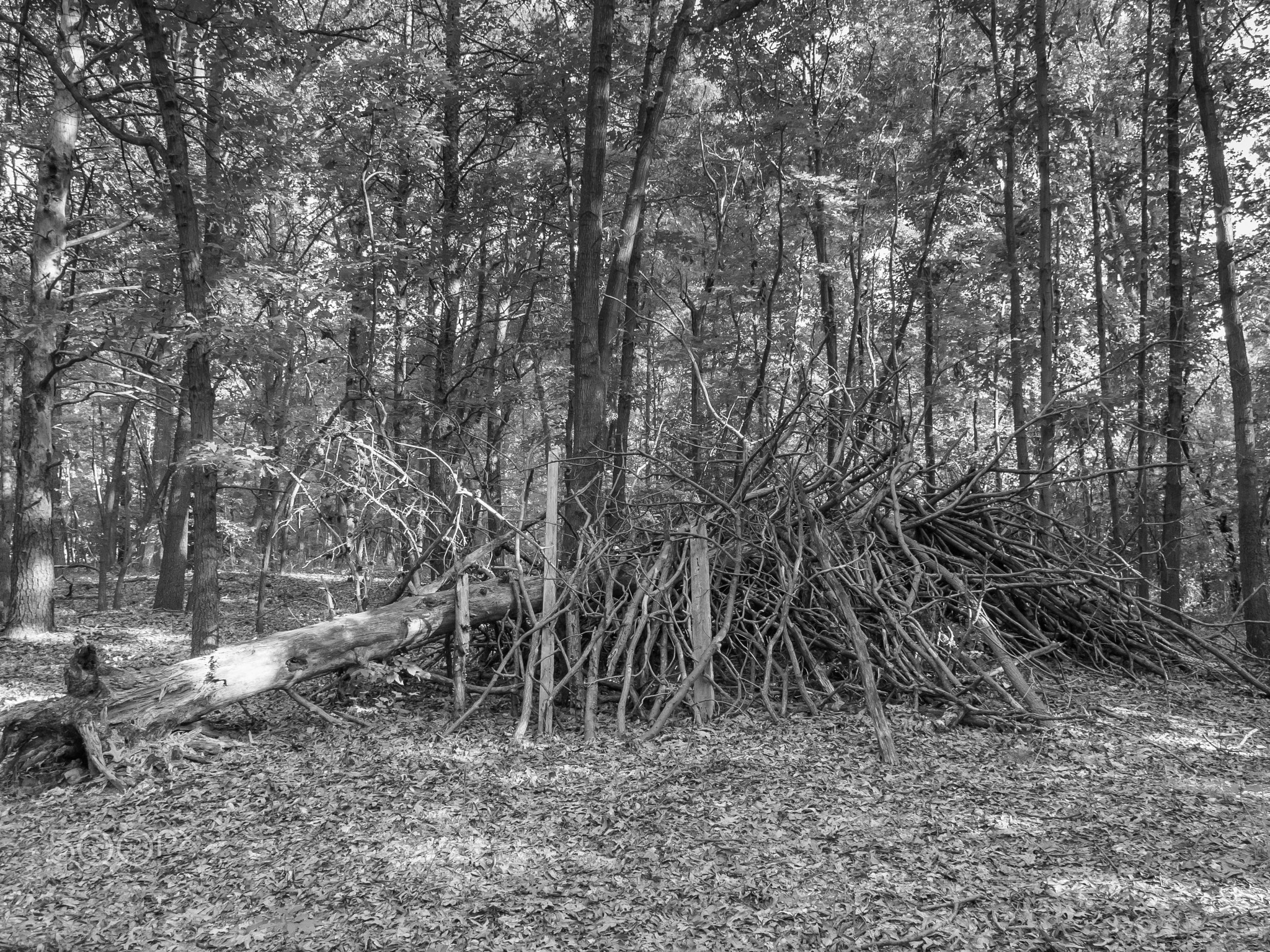
Construction materials were scavenged – offcuts from building sites, pallets, sheets of plywood, doors, corrugated panels, carpet, crates and nails pulled out of other wood and straightened – and assembled into a structure by children with a hammer and no plan.
Garden structures are bought flat-packed and erected by adults. The scavenging was half the project and involved a working knowledge of which sites had offcuts, when they were unattended and what could be carried by two children.
Nobody taught any of this and the results were structurally variable. A fort built by eleven-year-olds from salvaged material with bent nails is not safe, which everybody involved understood as a matter of practical experience rather than as a risk assessment – and the collapses, the splinters and the nails through shoes were part of the curriculum.
3. The Game Was Organised Entirely by the Children Playing It
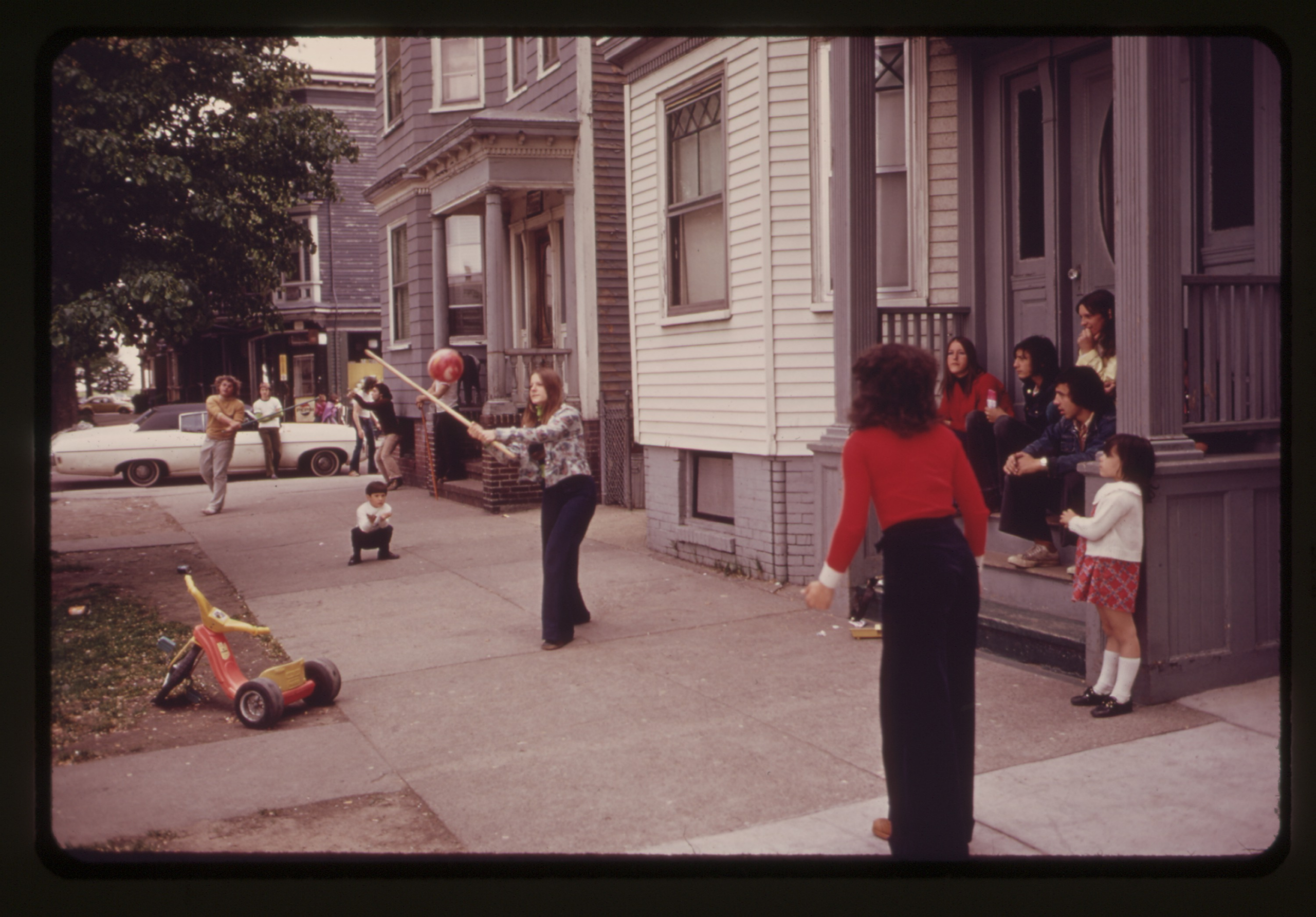
Ball games happened without adults – teams picked on the spot, bases improvised from whatever was lying about, boundaries agreed by argument, local rules established for the trees, the fence and the ditch, and disputes settled by negotiation or by whoever owned the ball.
Youth sport is organised, coached, scheduled, uniformed and refereed. The self-organisation was the substantial part: assembling two teams, agreeing rules, resolving disputes and keeping a game running for three hours with no authority present is a demanding social exercise.
That is the strongest claim anybody makes for this kind of play and it holds up. Children running their own game must negotiate, compromise, enforce, include the weaker players enough to keep the game going and manage the one who cheats – and none of those skills are exercised at all when an adult with a whistle makes every decision.
4. Teams Were Picked in Public and Somebody Was Always Last
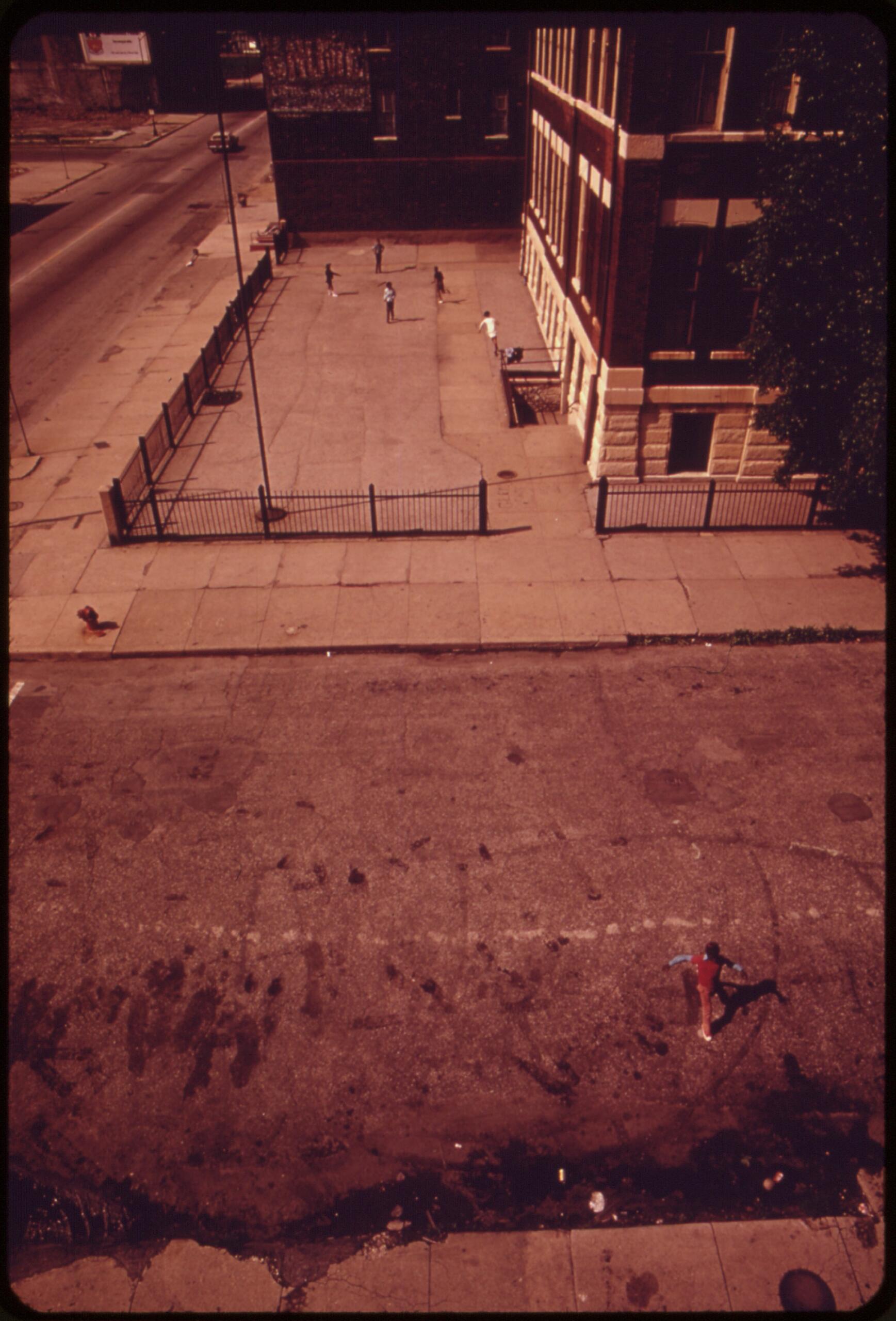
Captains were chosen or self-appointed and selected alternately from the assembled group, out loud, in front of everybody, until nobody was left.
Pre-assigned teams, random allocation or rotation, specifically to avoid public selection. The practice was universal and the consequence was obvious to everybody present, including the child picked last, every time.
It is worth holding both halves of this. The system produced balanced teams efficiently and was understood as fair, because the captains wanted to win and therefore picked on ability rather than on friendship. It also told one child, publicly and repeatedly across a childhood, exactly where they ranked – and the people who were picked last remember it with a precision that suggests the modern objection to it is not misplaced.
5. The Rope Swing Was Tied By Children to a Branch Nobody Checked
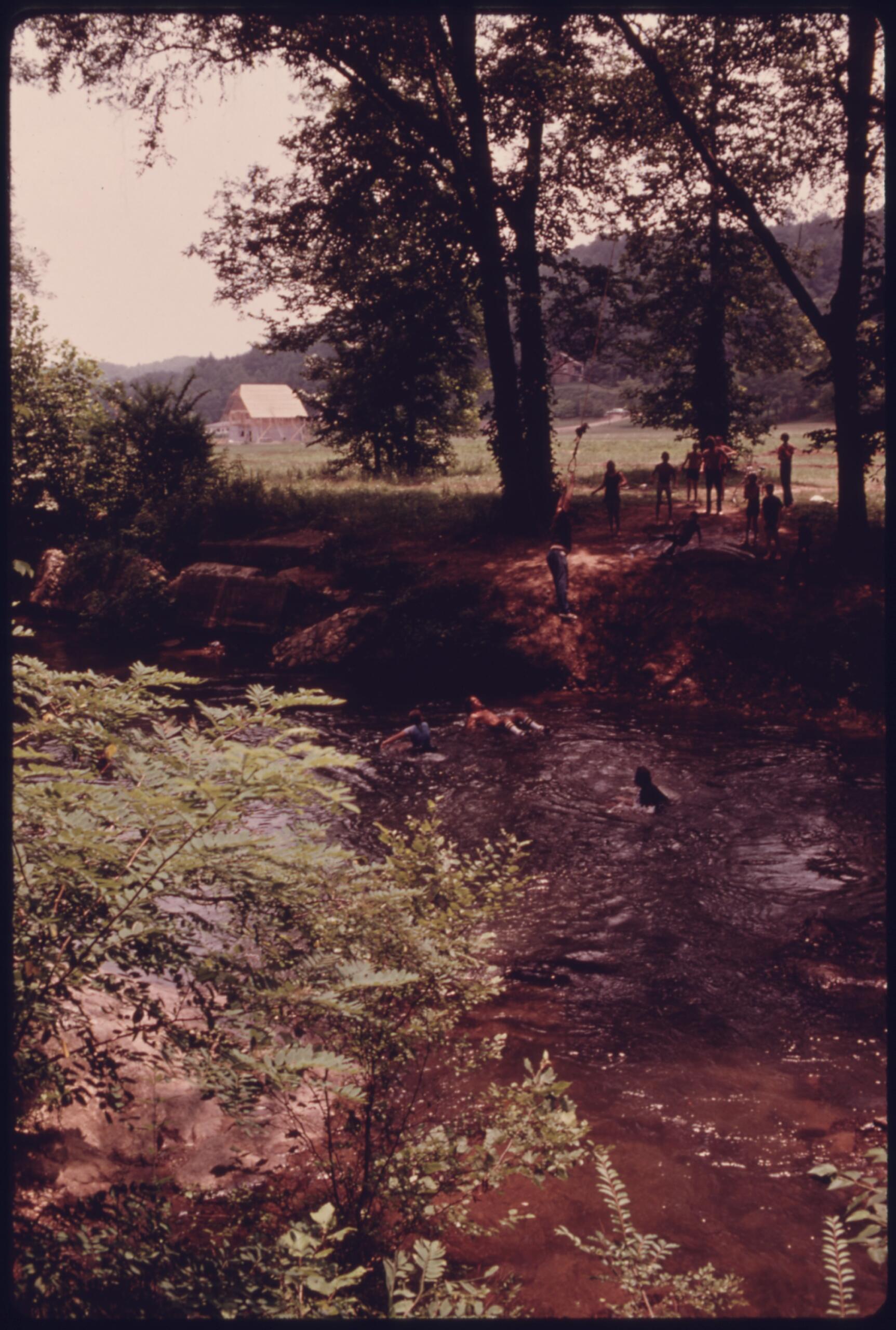
A length of rope – frequently salvaged, sometimes frayed – was thrown over a limb and knotted, with a stick, a tyre or a knot as the seat, over ground that was occasionally soft and frequently not.
Manufactured swings on inspected frames over impact-absorbing surfacing. The swing was assessed by the simple method of the heaviest child trying it first, which is a real test and not a complete one.
The failures were the rope rather than the branch, and they were predictable. Natural fibre rope left outdoors through a winter loses a great deal of its strength, and a rope tied in April and used in August is a different rope – which is a thing nobody knew and everybody discovered.
6. There Was Water and It Was Not Clean
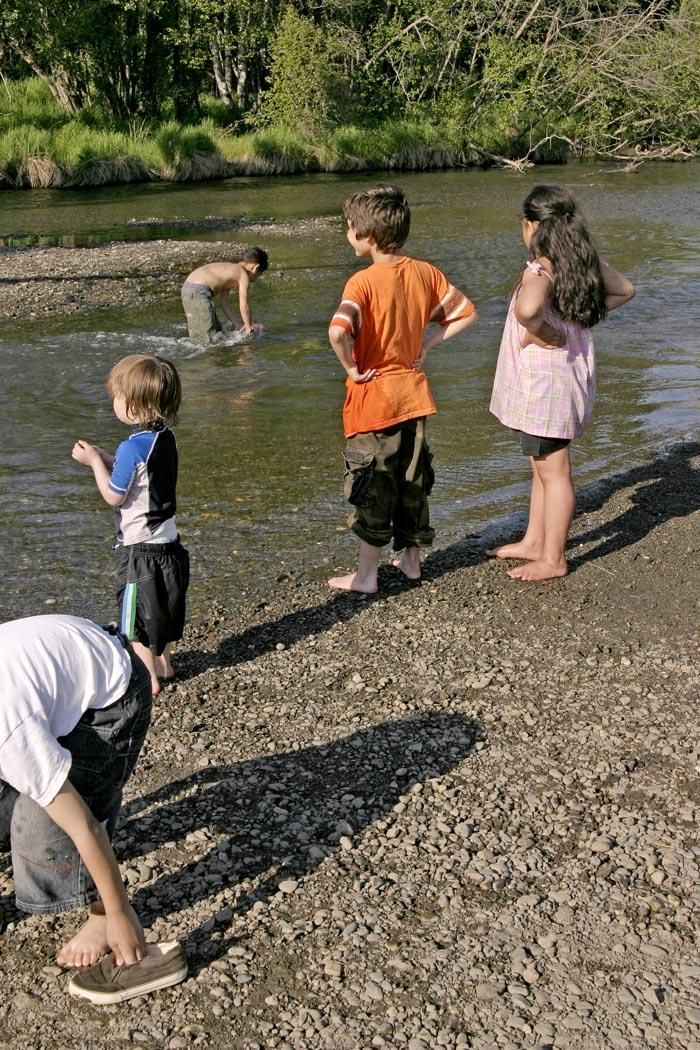
A creek, a ditch, a drainage channel, a flooded excavation or a pond collected on the lot, and children went in it – wading, damming, catching things, floating constructed rafts and falling in.
Water features on accessible land are fenced, drained or filled, and children are not in drainage channels. The water on a vacant lot was runoff from streets and whatever had been tipped upstream, which nobody considered.
Damming was the universal activity and it is genuinely good engineering practice for a nine-year-old – you learn about flow, pressure, materials and failure in an afternoon, with immediate feedback. The water being contaminated is the unarguable reason it cannot be repeated, and it is a real loss, because almost nothing else teaches those lessons as fast.
7. The Junk Pile Was the Best Part
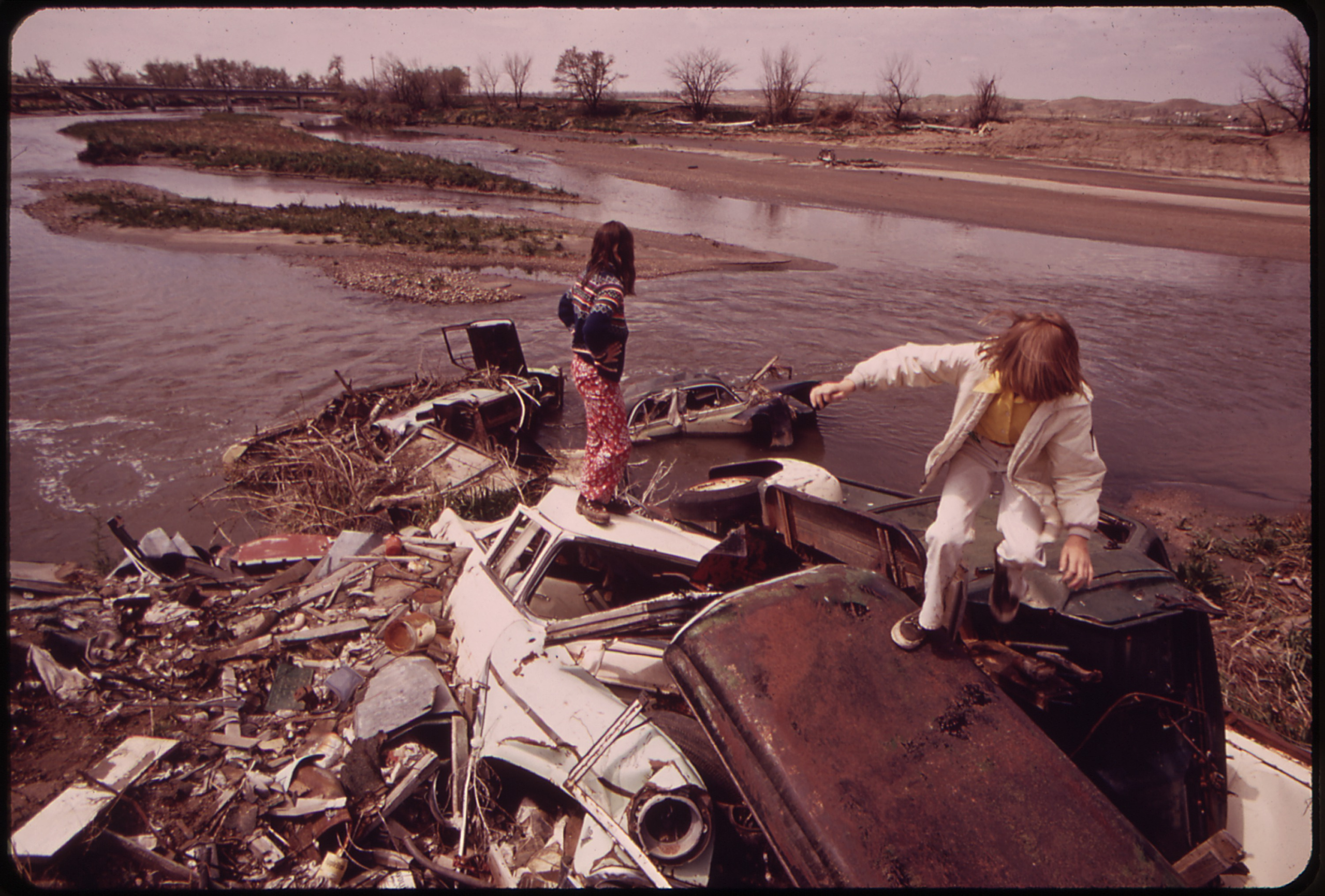
Lots accumulated discarded material – old appliances, bedsteads, tyres, furniture, bicycle frames, car parts, pipe, drums and bottles – and children dismantled it, rearranged it, built with it and climbed on it.
Illegal dumping is cleared and the hazards are well understood. The pile was a free supply of materials and components and was the reason a lot was interesting rather than merely empty.
The specific hazards in it are the reason this ended and they are not trivial: discarded refrigerators that latched shut from outside, bedsprings, broken glass, rusted sheet metal edges, tyres full of standing water, and containers whose contents nobody could identify. Several of those are the subject of specific safety campaigns that followed, and the campaigns were not an overreaction.
8. Nobody Knew Where You Were for Hours at a Time
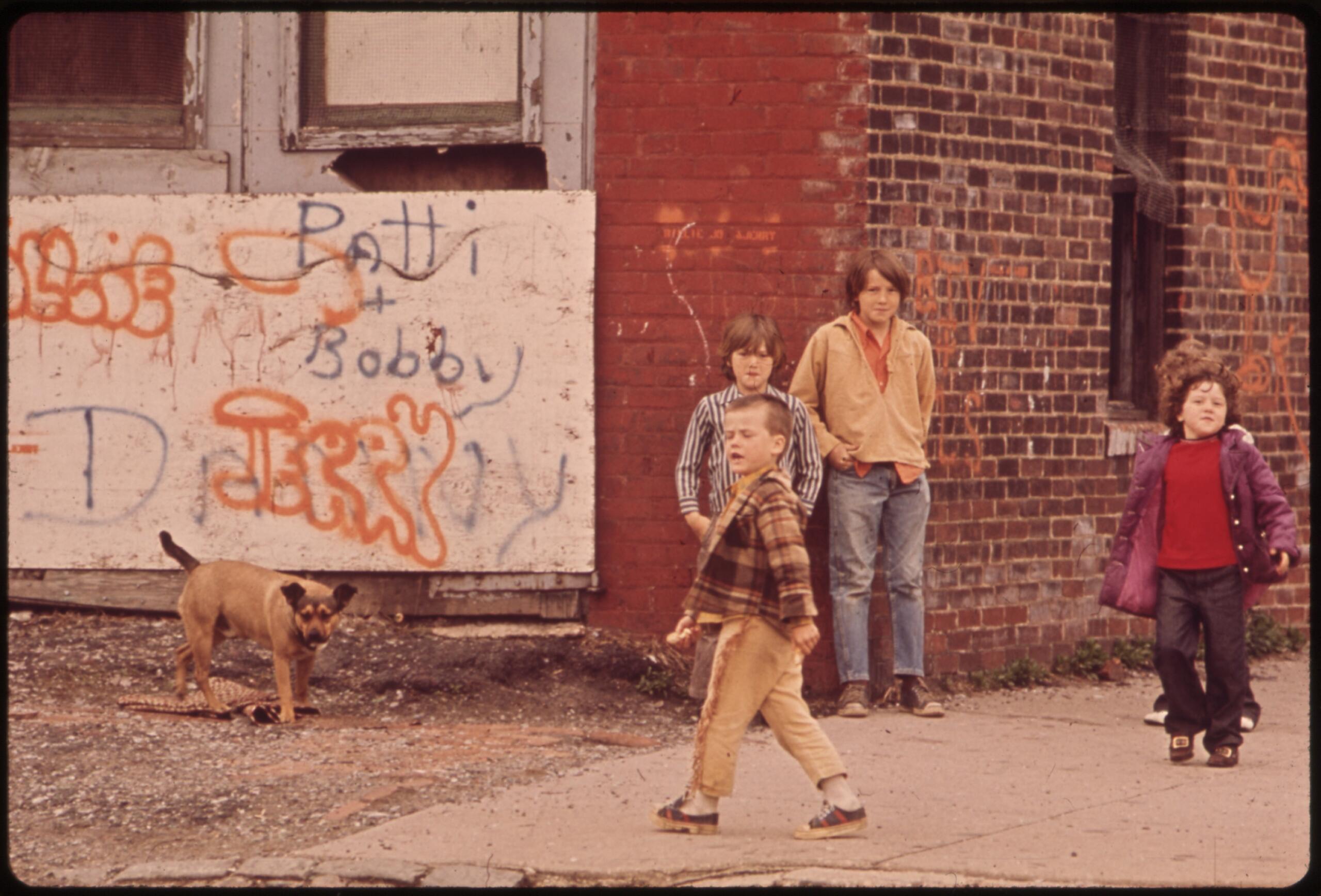
Children left after breakfast or after school and were not located again until a meal – no telephone, no means of contact, and frequently no clear statement of where they had gone beyond out.
Mobile phones, location sharing and a general expectation that a parent knows where a child is. The absence of contact was total: a parent wanting a child had to go and look, and a child needing a parent had to come home or knock on a door.
The thing that made it workable was the density of adults who knew you. A street in 1974 had people at home during the day, neighbours who knew whose child you were, and a shared assumption that any adult would intervene – which is the part that has changed most, and which explains why the same freedom now feels unavailable rather than merely unfashionable.
9. You Came Home When a Specific Sound Happened
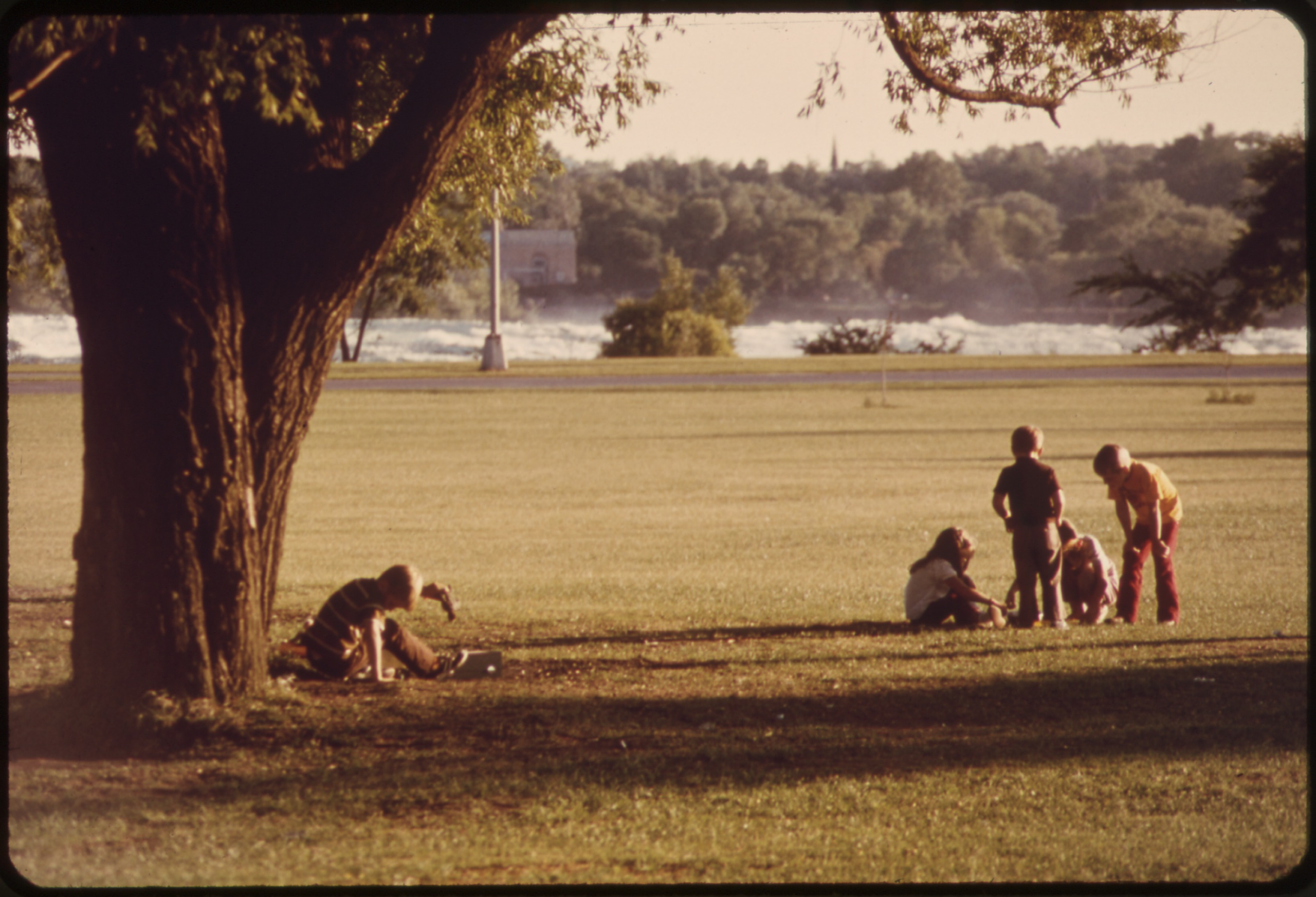
Recall was by signal rather than by time: a parent’s whistle, a bell, a car horn, a shouted name carried down a street, or the streetlights coming on – and every child knew their own household’s signal.
A text message. The signal system worked because the acoustic range of a shout or a whistle defined the area a child was permitted to be in, which meant the boundary enforced itself without anybody specifying it.
The streetlight rule is the one almost everybody had and it was beautifully practical. It is a boundary that adjusts automatically with the seasons, requires no clock, needs no negotiation and is visible from anywhere – and it is a genuinely elegant piece of parenting that worked because the entire neighbourhood used the same one.
10. Injuries Were Dealt With at Home and Not Reported

Cuts, splinters, stings, sprains, scrapes, bruises and the occasional more serious injury were handled by a parent with whatever was in the cupboard, and a great many were not mentioned to anybody at all.
Far lower threshold for seeking medical attention, better first aid, and awareness of infection, tetanus and head injury that was not in general circulation then. Children concealed injuries routinely, because reporting one risked losing access to the lot.
That concealment is the part that should give anybody pause. A system in which a child hides a wound from a rusted nail in order to be allowed out tomorrow is not a system anybody would design, and the modern reflex to have an injury looked at is straightforwardly better – whatever else was lost alongside it.
11. The Rules Were Made and Enforced by the Children Themselves
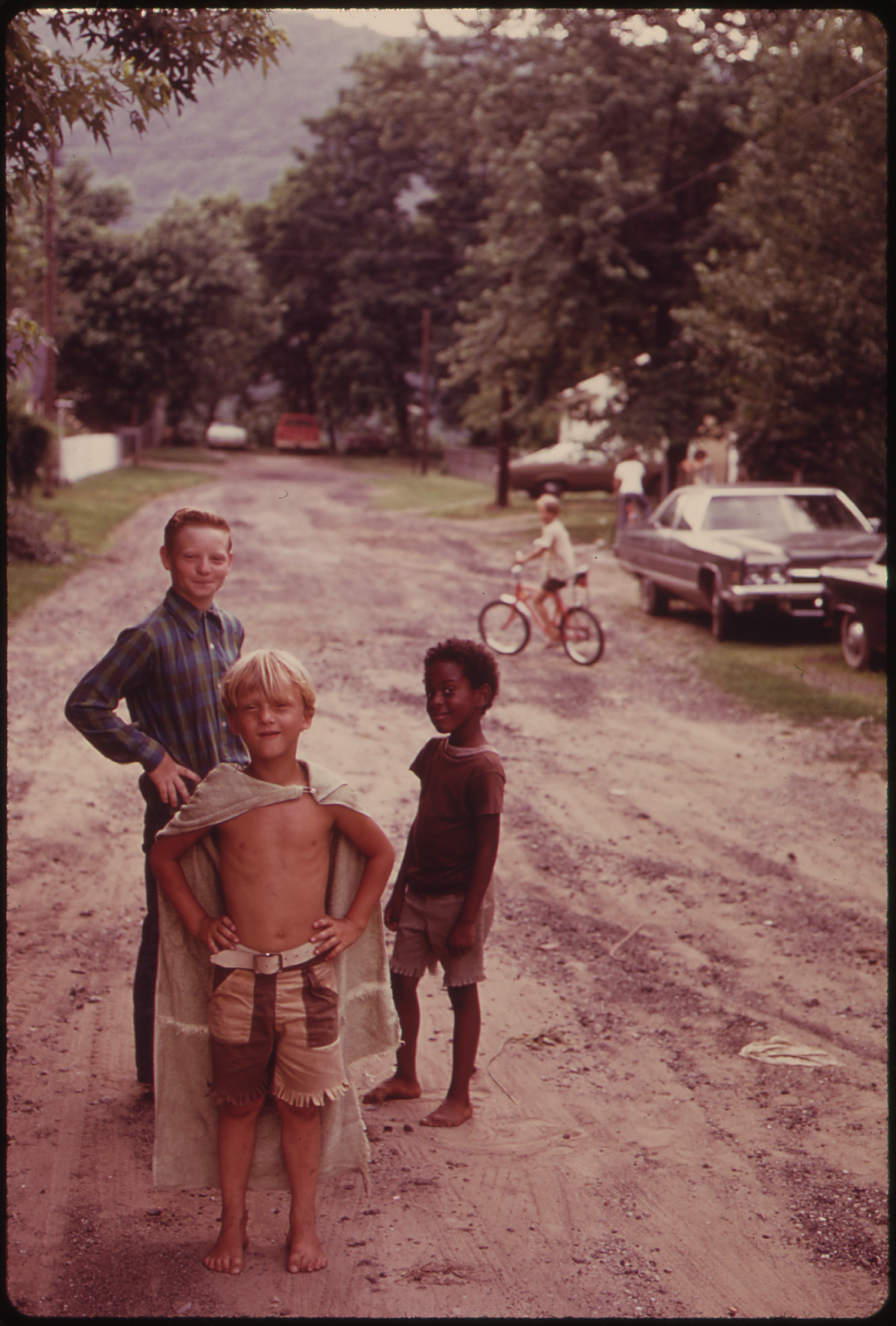
Territory, turns, who was allowed in the fort, who was too young, what counted as cheating and what the penalties were – all of it was determined by the group, enforced socially, and revised constantly.
Adult-mediated conflict resolution in supervised settings. The self-government was real and so were its failures: the rules favoured whoever was oldest, strongest or most persuasive, and exclusion was the standard sanction.
Which is the honest version of unsupervised play, and it is usually left out. A group of children governing themselves produces negotiation, cooperation and genuine social learning, and it also produces bullying, hierarchy and the exclusion of the youngest and the odd – with no adult to appeal to. Both of those were happening on the same lot on the same afternoon.
12. The Bikes Were the Transport and the Terrain Was the Point
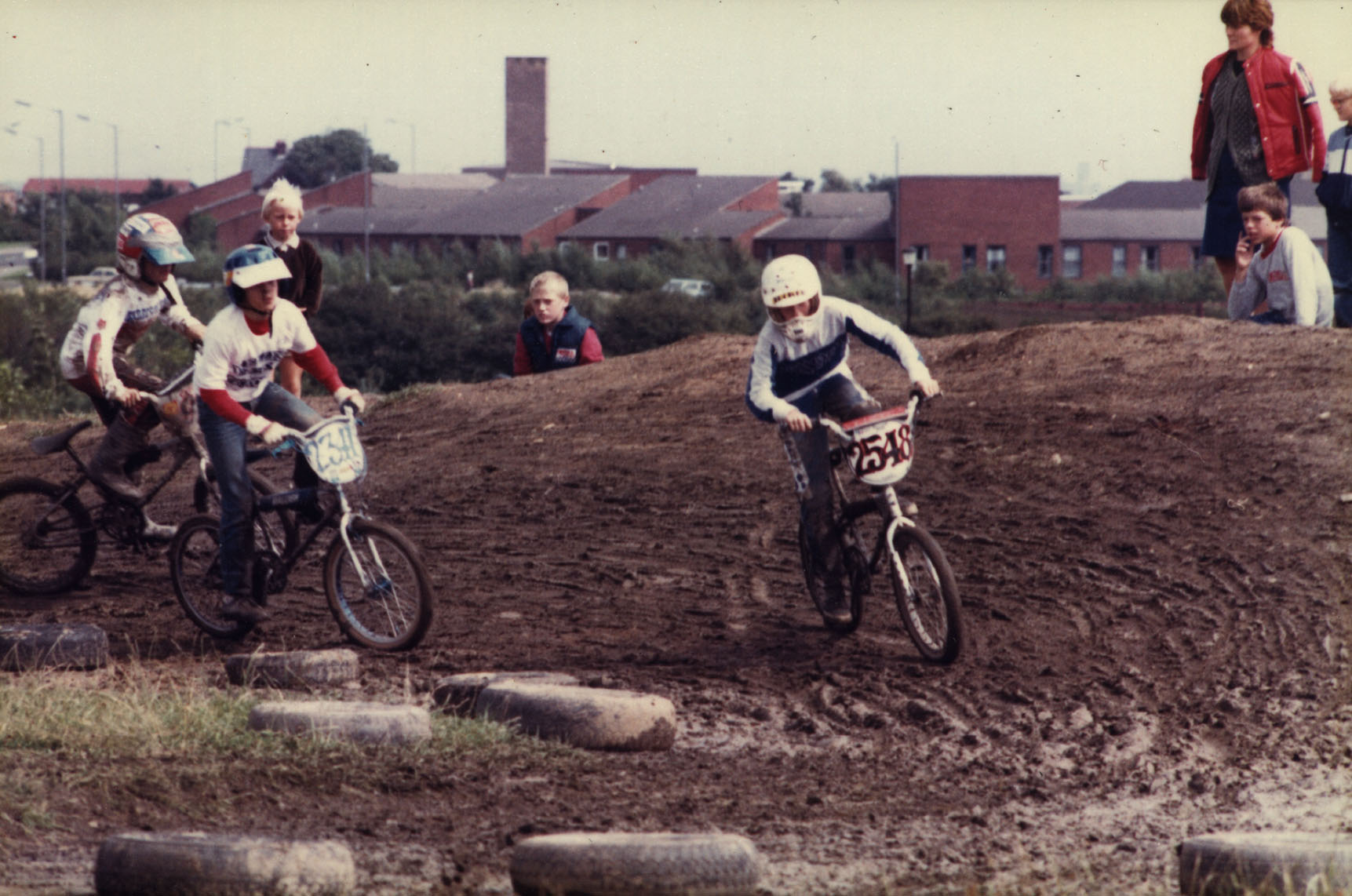
Lots had dirt, slopes, ruts and the remains of excavation, and children rode across them – building ramps from planks and blocks, digging jumps, riding the same line repeatedly until it was smooth.
Purpose-built bike parks with graded features, and helmets. The ramp was two bricks and a plank, the landing was whatever was on the other side, and the helmet did not exist in any household.
It is also where a very large number of people learned to ride properly, in the strict sense of handling a bicycle on a bad surface. Riding a rutted dirt lot teaches balance, weight transfer and recovery far faster than riding on pavement, which is why the generation that grew up on vacant lots was conspicuously competent on bikes and conspicuously unprotected.
13. Everything Got Named and the Names Lasted for Years
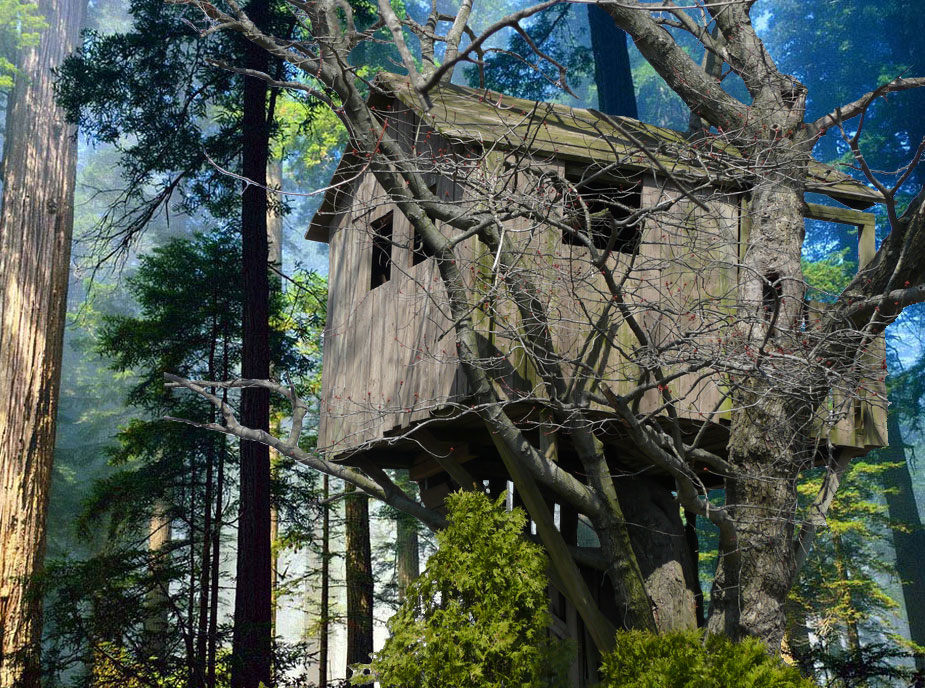
Features acquired names – the big tree, the hill, the pipe, the pit, the wall – and those names were used by every child on the street, were passed down to younger siblings, and were entirely unknown to any adult.
No equivalent, because the places are gone. The naming is the clearest evidence that this was genuinely children’s territory: a parallel geography, mapped and labelled by the people who used it, invisible to everybody else.
Adults who grew up on the same street can still use those names to each other fifty years later and be understood immediately. It is a small private language attached to a piece of ground that has had three houses on it since – which is probably the most complete thing anybody lost when the lots were built on.
14. The Lot Was the Social Centre and Attendance Was Daily
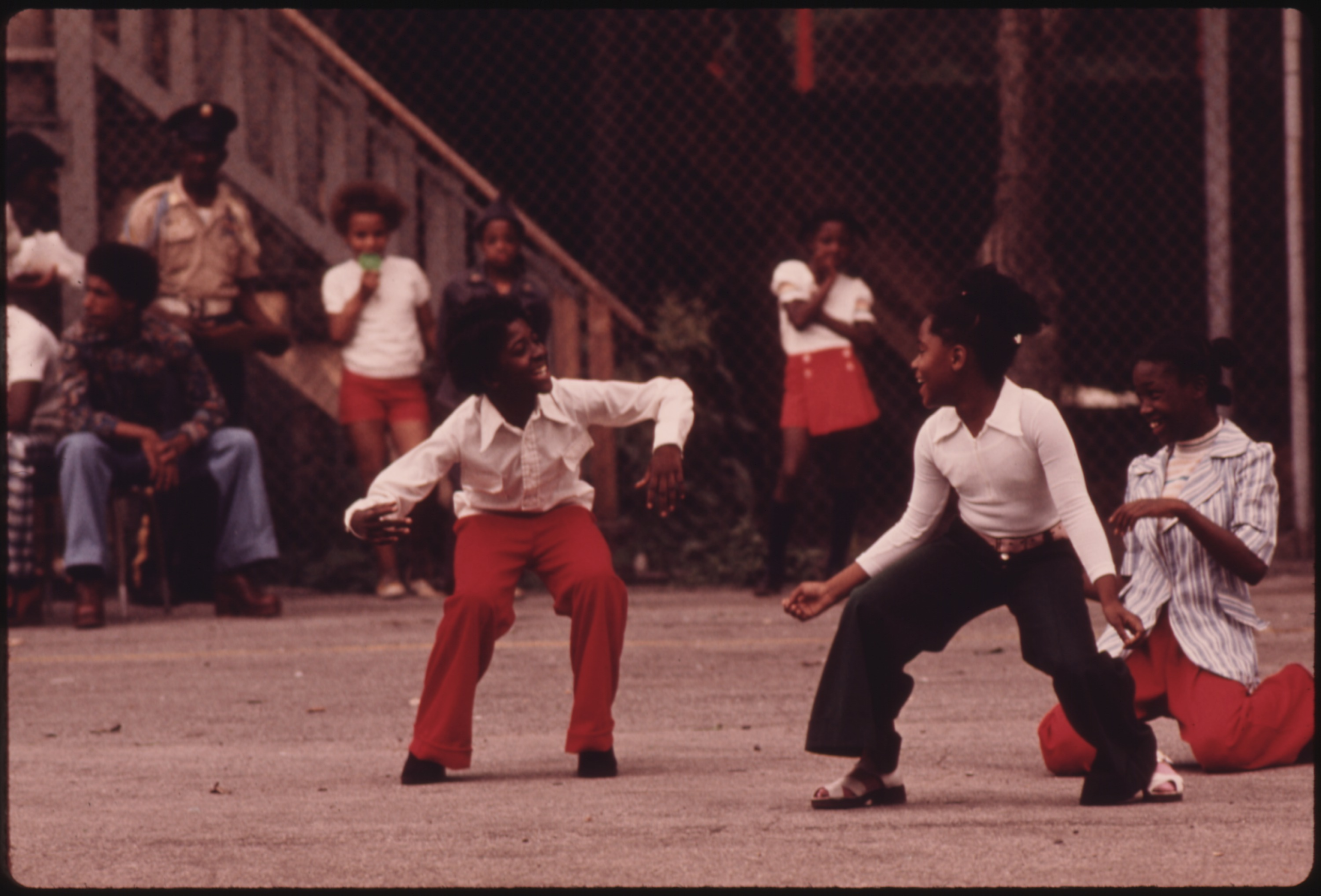
Children went to the lot without arrangement, found whoever was there, and joined whatever was happening – with no invitation, no planning, no scheduled time and no need for anybody’s parents to be involved.
Arranged playdates, scheduled activities and organised clubs, all requiring adult coordination. The unarranged nature was the whole mechanism: a place everybody went by default produces constant unplanned social contact.
That is the structural difference that people are describing when they say children do not play out any more. The issue is not willingness but infrastructure – unarranged play requires a place everybody already goes, and once that place does not exist every meeting has to be organised by two sets of adults, which is a far higher barrier than it sounds.
15. Then Somebody Bought It and Put Houses On It
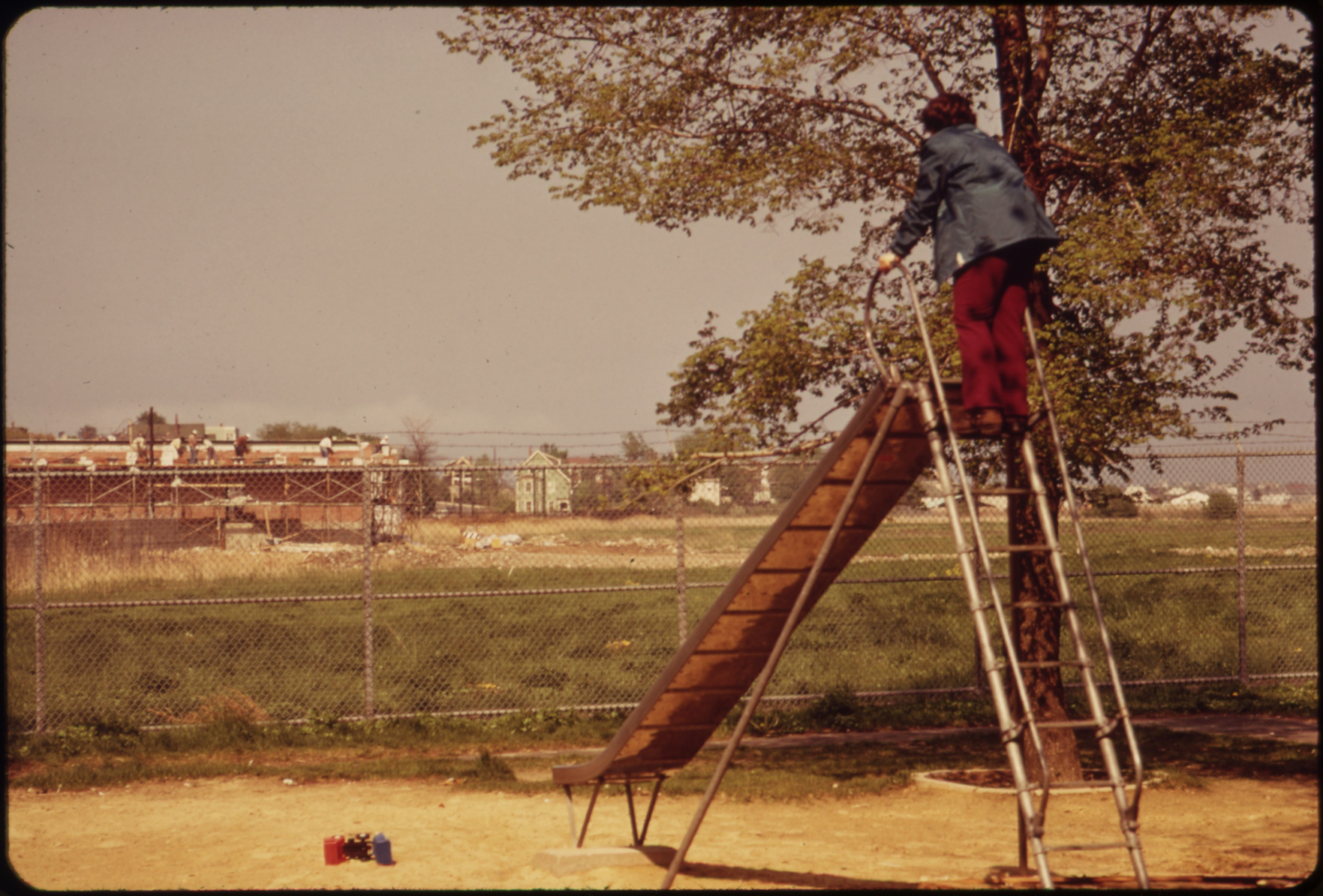
The lot was private land, held by an owner waiting for the right moment, and the children using it had no claim on it whatever.
Built on. The arrival of surveyors, then stakes and string, then machinery, is a memory a very large number of people share and describe in almost identical terms – the fort demolished, the tree taken out, the ground levelled, and no notice given to anybody who used it.
It was also entirely legal and entirely unremarkable, which is the part that stung. Children had built a complete world on ground they had no right to be on, and the ending was not a dispute or a decision – it was simply the owner selling, which they had always been entitled to do.
16. What Replaced It Is Better in Every Way Except One
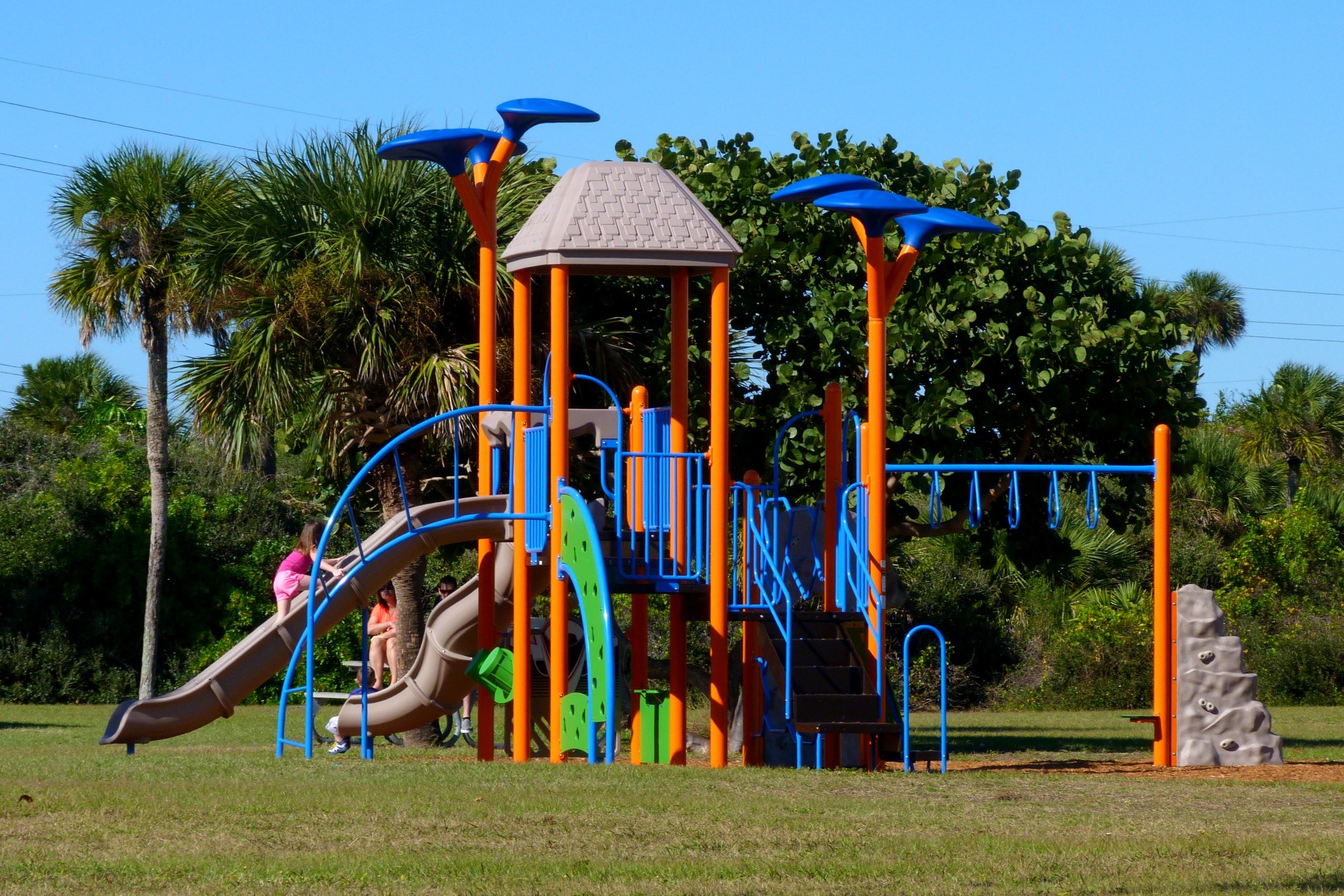
The lot was unowned, unmaintained, contaminated, hazardous and unsupervised, and children were injured on it regularly.
Designed playgrounds with inspected equipment and impact surfacing, organised sport with qualified coaching, safe water, cleared dumping and a general expectation that children are supervised. Every one of those is an improvement and the injury figures prove it.
The one thing none of it supplies is ground that belongs to children because no adult is interested in it. A designed playground is adult provision for children; a vacant lot was territory children took because nobody stopped them, and the difference is the whole thing. Nobody is going to recreate it deliberately, because the conditions that produced it were cheap land, absent liability and streets full of adults at home – and all three are gone.
It Disappeared for Economic Reasons, Not Parenting Ones
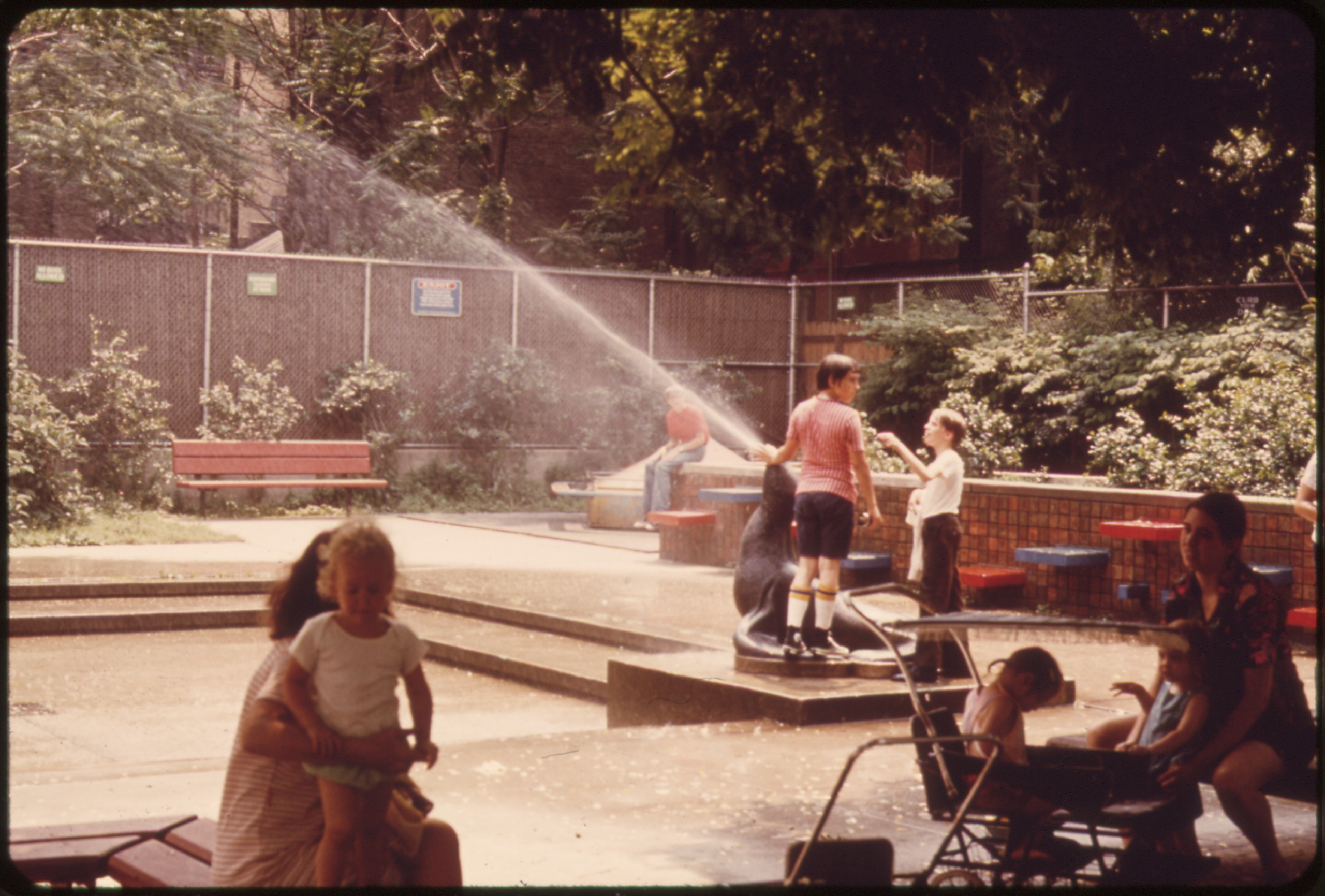
The standard explanation for the end of unsupervised childhood is that parents became fearful. That is part of it and it is not the main part.
A vacant lot exists under one condition: land cheap enough that an owner will leave it idle for years. That condition held across a very large number of American neighbourhoods into the 1970s and then stopped holding. Values rose, infill zoning made small parcels developable, and liability concerns made owners far less willing to leave land open to trespass.
So the lots were built on. Not because anybody decided children should not play there, but because the land became worth too much to leave empty – and once it was gone, there was nowhere to send a child with the instruction to be back when the streetlights came on.
The second structural change matters as much. The system worked because streets were full of adults during the day who knew whose child you were, and who would intervene with any child on the street as a matter of course. Two-earner households emptied the streets. A signal-and-streetlight system depends on a neighbourhood being populated, and it stopped being populated.
Put those together and the freedom was not withdrawn; the infrastructure for it was dismantled. A parent now cannot send a child to the vacant lot because there is no lot, and cannot rely on the street because there is nobody on it.
It is worth being clear-eyed about what was on that lot, though, because the nostalgia tends to skip it. Contaminated water. Discarded appliances. Rusted metal. Structures built by eleven-year-olds out of bent nails. Children concealing injuries so as not to lose access. Teams picked in public, with somebody last every time. Self-government that produced genuine negotiation and also produced bullying with no adult to appeal to.
Designed playgrounds, organised sport and supervised activity are better than all of that, and the injury figures are not close.
The one thing they cannot provide is ground that belongs to children because no adult wants it. That was never provided in the first place – it was taken, from owners who were not paying attention – and nothing a municipality builds can reproduce it.
If you had one of these, you can still name the features – the big tree, the hill, the pit – and anybody who grew up on your street would know exactly what you meant.
And there are houses on it now.
Like our content? Follow us for more.