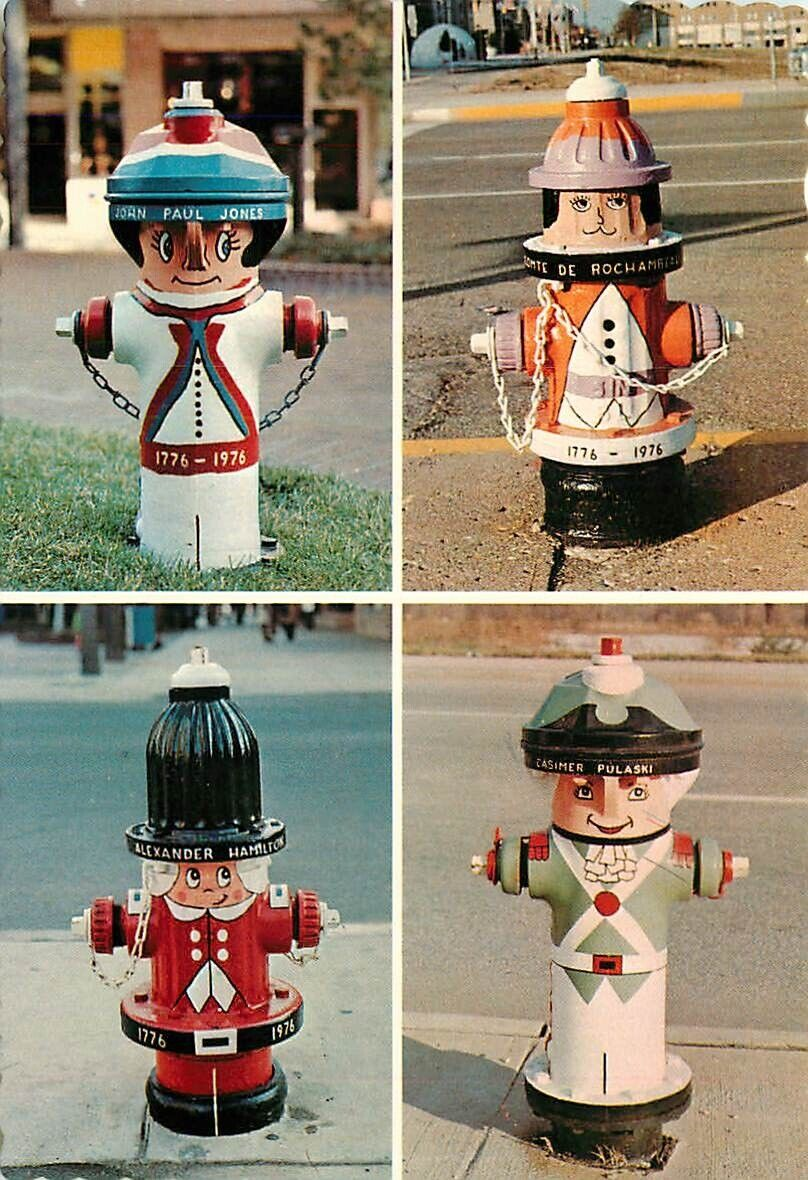
In 1976 the kerbs, benches, water towers and fire hydrants of an enormous number of American towns were repainted red, white and blue – and a great many hydrants were turned into small figures in colonial dress with painted faces and hats.
Towns had formal committees that had been meeting for two or three years. Men were expected to grow beards and were fined by a mock court if they did not. A wagon train crossed the continent. And a sixty-second television segment explained the Revolution one day at a time for two years.
Here are sixteen things every American town did for the Bicentennial in 1976, and what became of each one.
1. Everything in Town Was Painted Red, White and Blue
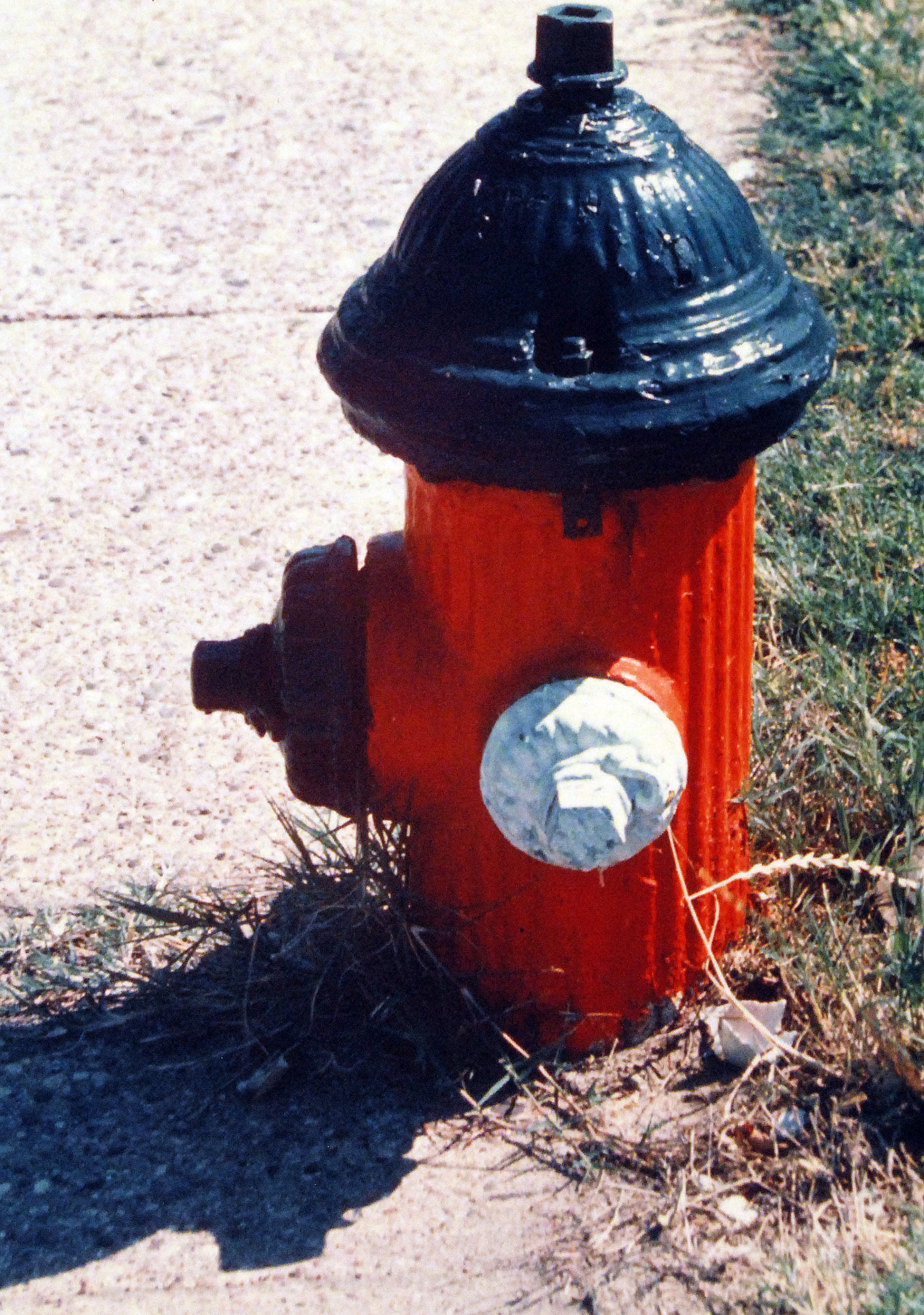
Kerbs, benches, bandstands, bridge railings, water towers, post boxes and most memorably fire hydrants were repainted in the national colours – and a very large number of hydrants were turned into small figures in colonial dress, with painted faces, hats and coats.
Gone, mostly repainted within a few years as the paint faded and as fire departments pointed out that a hydrant needs to be identifiable by colour code rather than decorated. A few survive, maintained deliberately, and they are now local landmarks.
The hydrant painting is the single most widely shared memory of the whole year and it was frequently a school or scout project. It is also the clearest illustration of how total the thing was: a municipality agreed that its fire-fighting infrastructure should be dressed as eighteenth-century soldiers, and nobody involved regarded that as an odd decision.
Like our content? Follow us for more.
2. The Town Had a Bicentennial Committee and It Met for Two Years
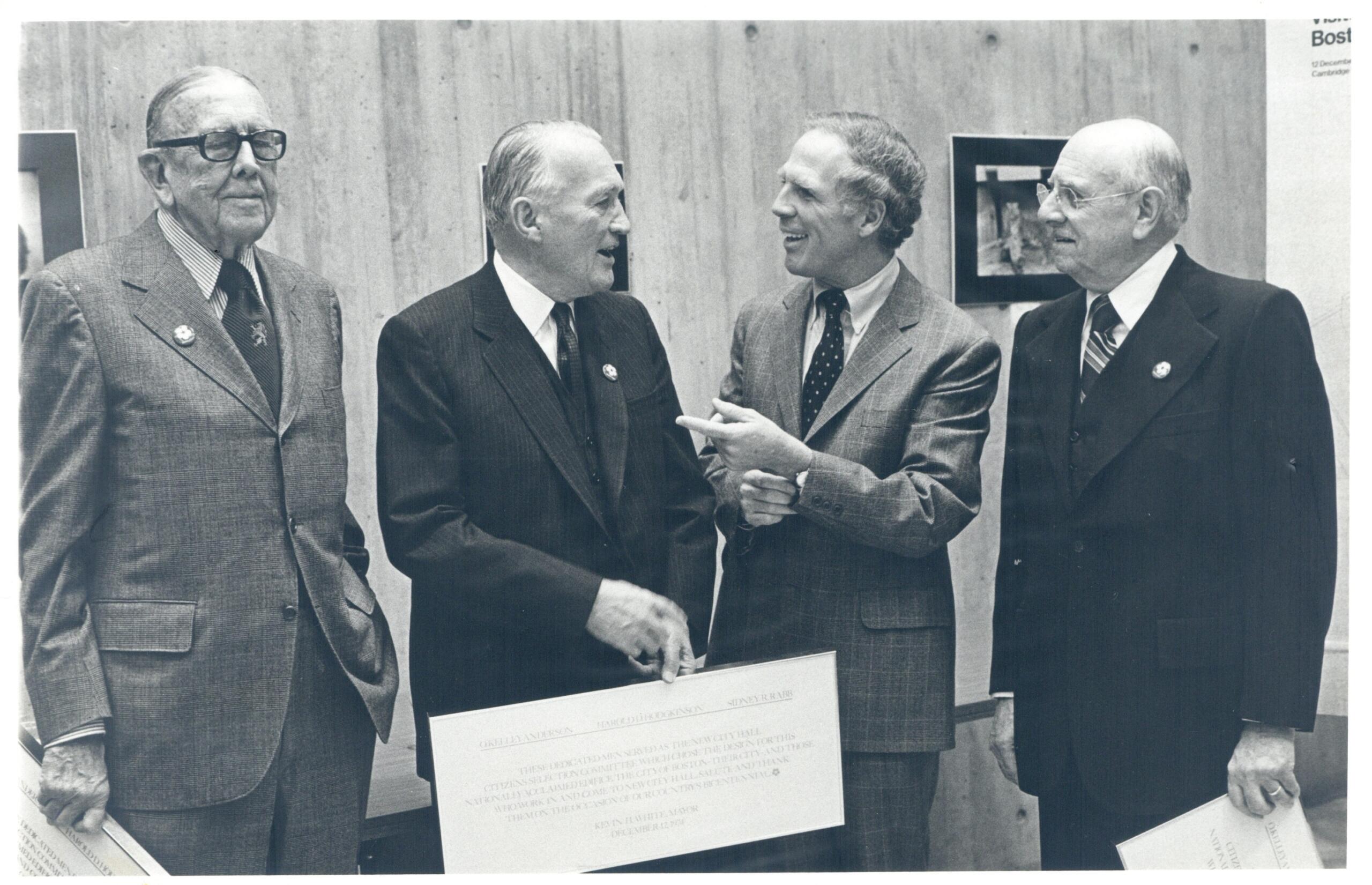
Communities formed official committees – with a chair, minutes, subcommittees for the parade, the pageant, the fundraising and the publications – and many of them were constituted two or three years in advance and met monthly throughout.
Nothing comparable exists for any current anniversary. The committees were formal bodies, frequently recognised by the municipality, and in a great many towns they were the most active civic organisation of the period.
The paperwork they generated is the reason local historical societies have such detailed records of 1976. A committee that kept minutes for two years, published a programme, commissioned a history and produced a report has left a documentary trail that ordinary civic life never produces – which means a great deal of what is known about small-town America in the mid-1970s comes from Bicentennial committee files.
3. Somebody Buried a Time Capsule and Nobody Can Find It
Burying a sealed container of contemporary items – newspapers, photographs, coins, a letter to the future, local directories, school lists – was close to universal, with a plaque or a marker and an opening date typically set at fifty or a hundred years.
Still done occasionally and far less often. The capsules are the lasting physical legacy of the year and an enormous number of them are now lost, because the marker was removed during landscaping, the building was demolished, the records went with a committee that dissolved, or nobody wrote down precisely where it was.
There is a genuine small industry in locating them, and the common failure is documentation rather than the capsule itself. A sealed container two feet under a lawn is perfectly findable if anybody knows which lawn – and the committees that were exacting about what went in were frequently casual about recording exactly where it went.
4. The National Anniversary Was Explained in Sixty-Second Television Segments
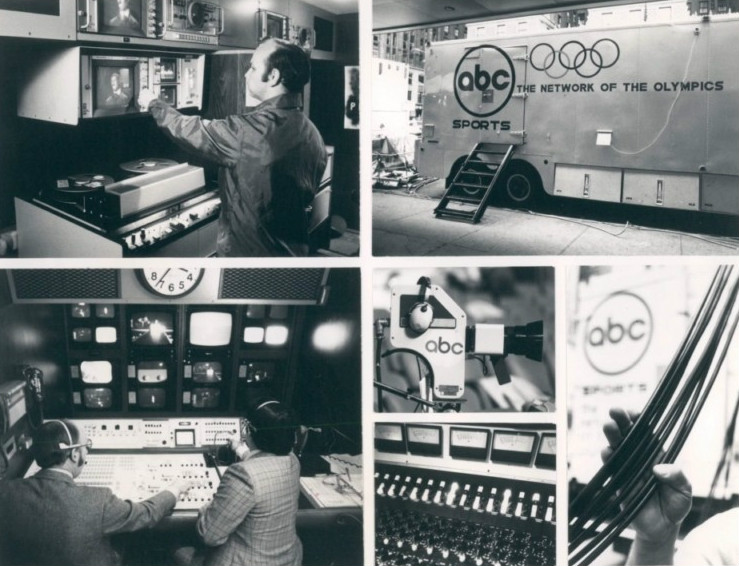
Short daily broadcast segments recounted what had happened on that date two hundred years earlier, dramatised or narrated, running for the whole of the lead-up period and through the year itself.
No equivalent exists. The format was extremely effective for the reason all short repeated broadcast content is effective: a minute a day, every day, for two years, delivered to a three-channel audience, produces retention that no documentary achieves.
A substantial number of people who were children then can still recall specific episodes, and in several cases can recall the historical fact and not where they learned it. It is the same mechanism as the educational interstitials between cartoons – brief, repeated, musical or dramatic, encountered passively – and it taught a generation a rough chronology of the Revolution almost incidentally.
5. Everything Sold in a Shop Was Commemorative
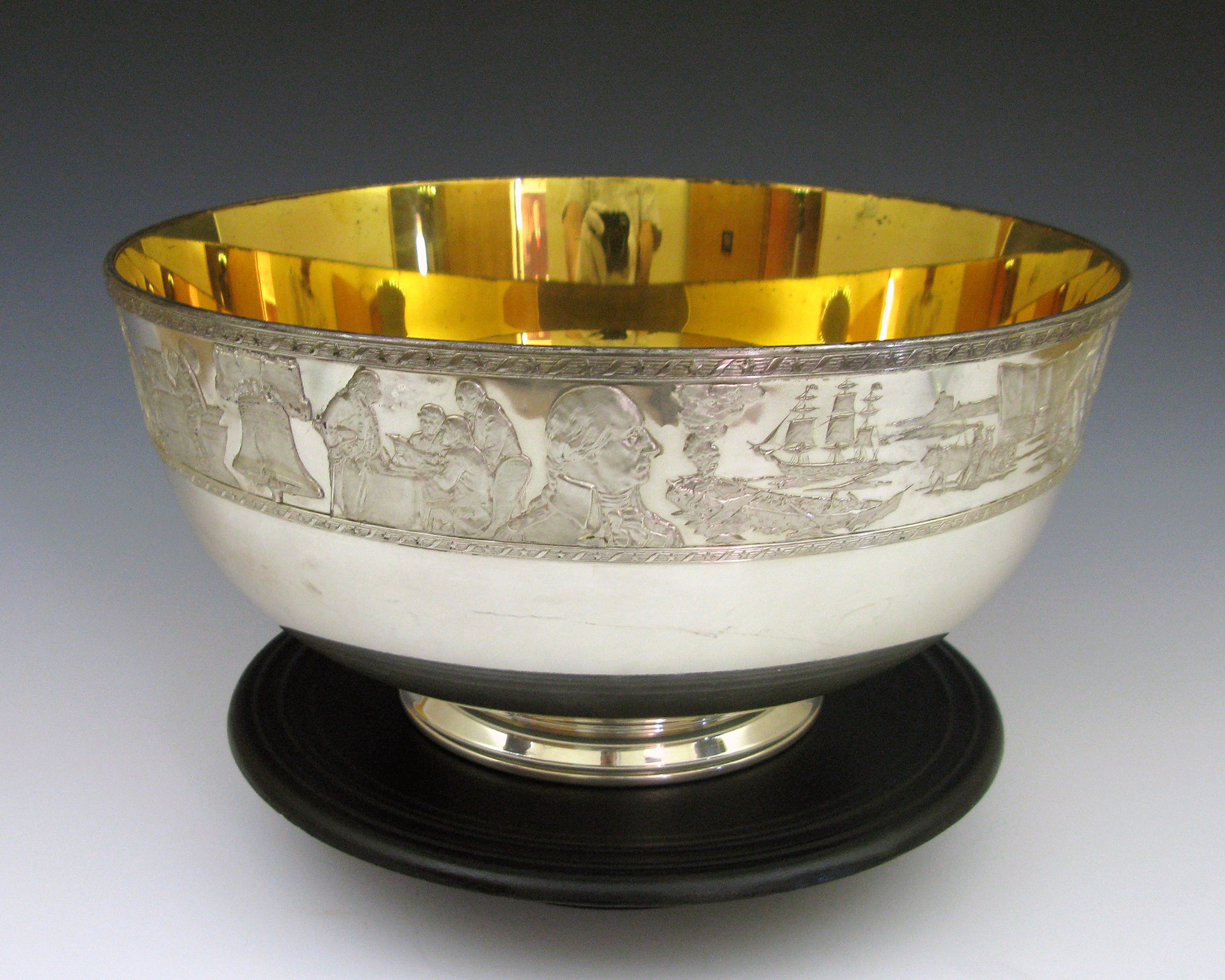
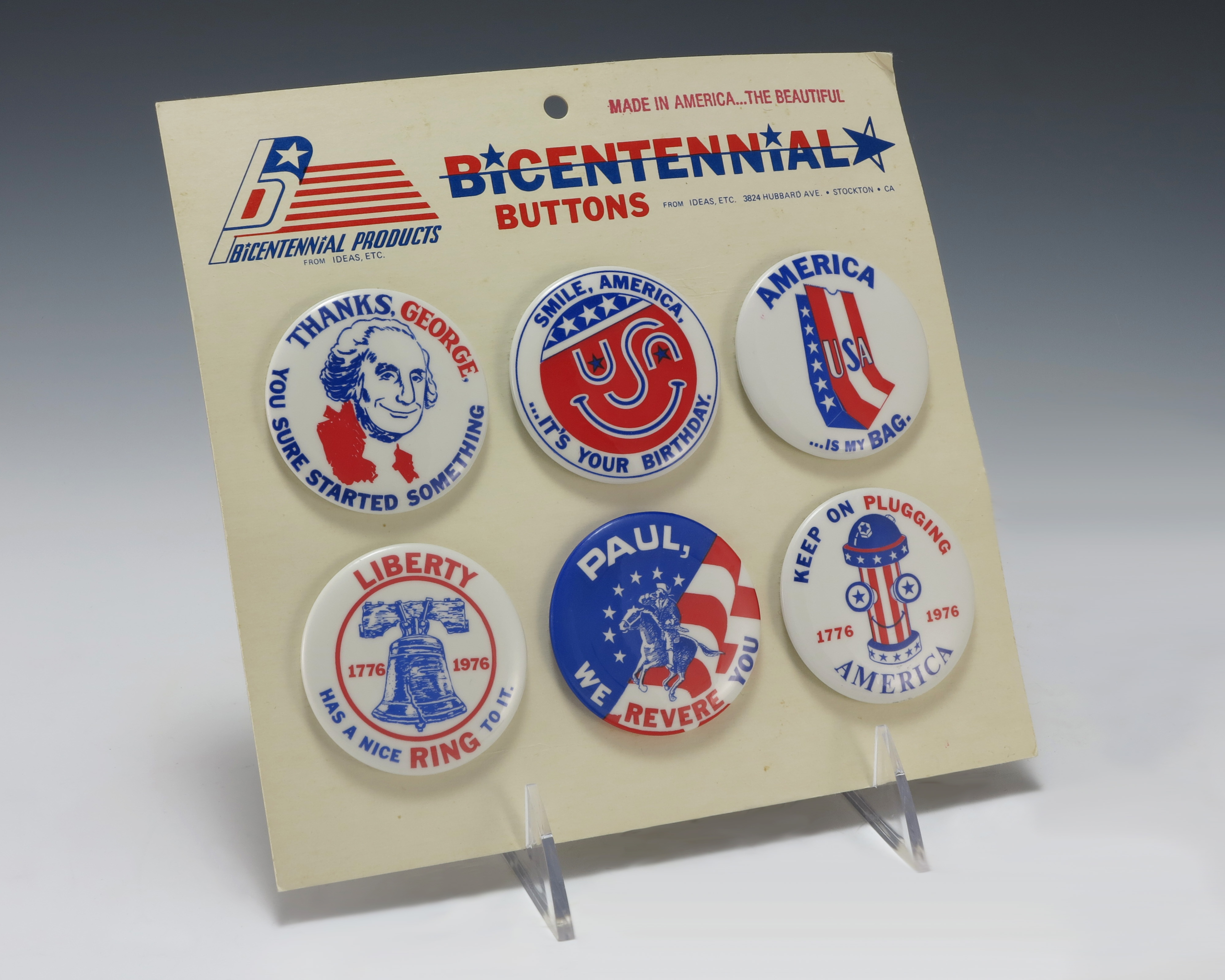
Commemorative editions were produced of plates, mugs, glasses, tins, spoons, bells, thimbles, towels, playing cards, belt buckles, bottle openers, lighters, jigsaw puzzles, tea towels and essentially any object capable of carrying a printed date.
The merchandise category was enormous, has no modern parallel at that scale, and is now almost worthless because so much of it was produced and so much of it was kept. A commemorative plate from 1976 is a common object.
That abundance is the reason it is remembered as faintly ridiculous rather than as treasured. A limited edition that was limited to several million units is not scarce, and a great many households ended up with a cabinet of items bought as investments or keepsakes that are now worth less than the postage to sell them – which is the standard outcome for commemorative merchandise and was not obvious at the time.
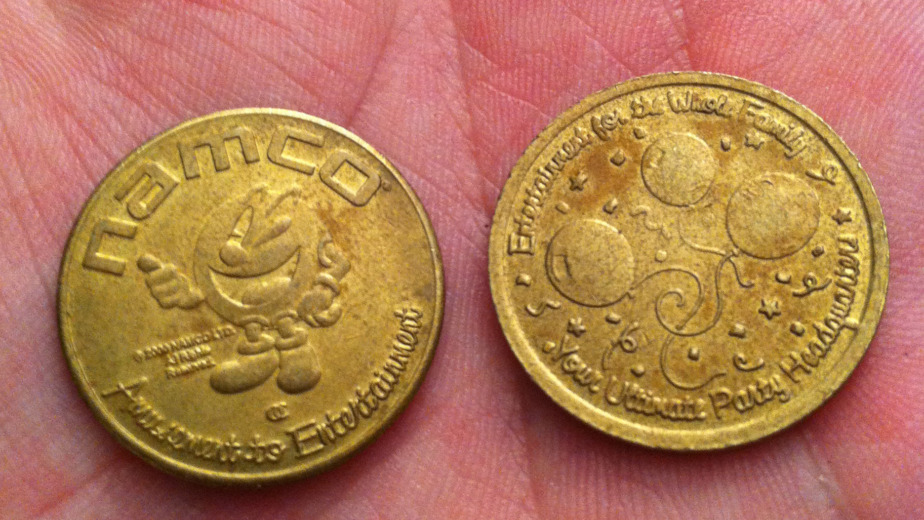
6. The Coins in Your Pocket Were Redesigned and Double-Dated
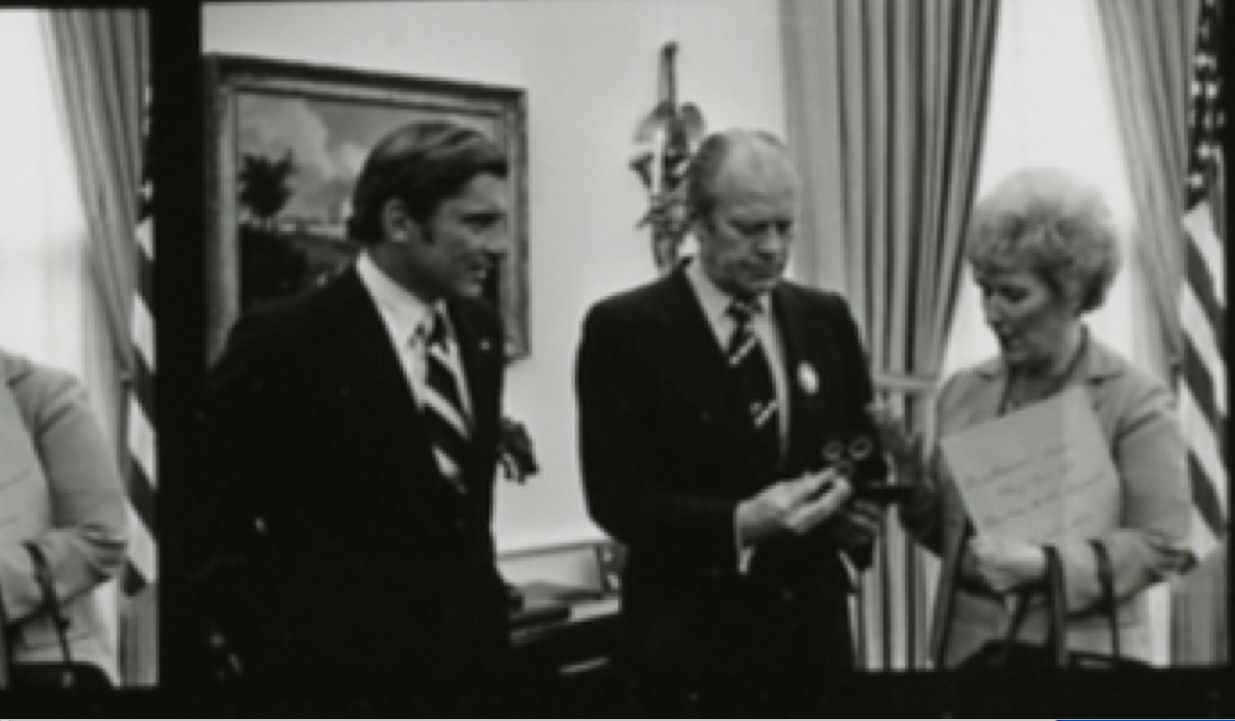
Circulating coinage was altered for the anniversary, with the reverse designs of several denominations replaced by commemorative images and the obverse carrying two dates rather than one.
The designs reverted afterwards and the coins remained in circulation for decades. Because they were struck in enormous quantities for general circulation rather than as collectables, they are still turning up in change today.
This is the part of the whole year that is still physically in people’s pockets, and it produced a durable minor confusion. An enormous number of people have set aside a double-dated coin believing it to be valuable, when it was made in the hundreds of millions and is worth its face value in circulated condition – which is a reasonable mistake and a very common one.
7. A Wagon Train Crossed the Country and People Went to Watch It
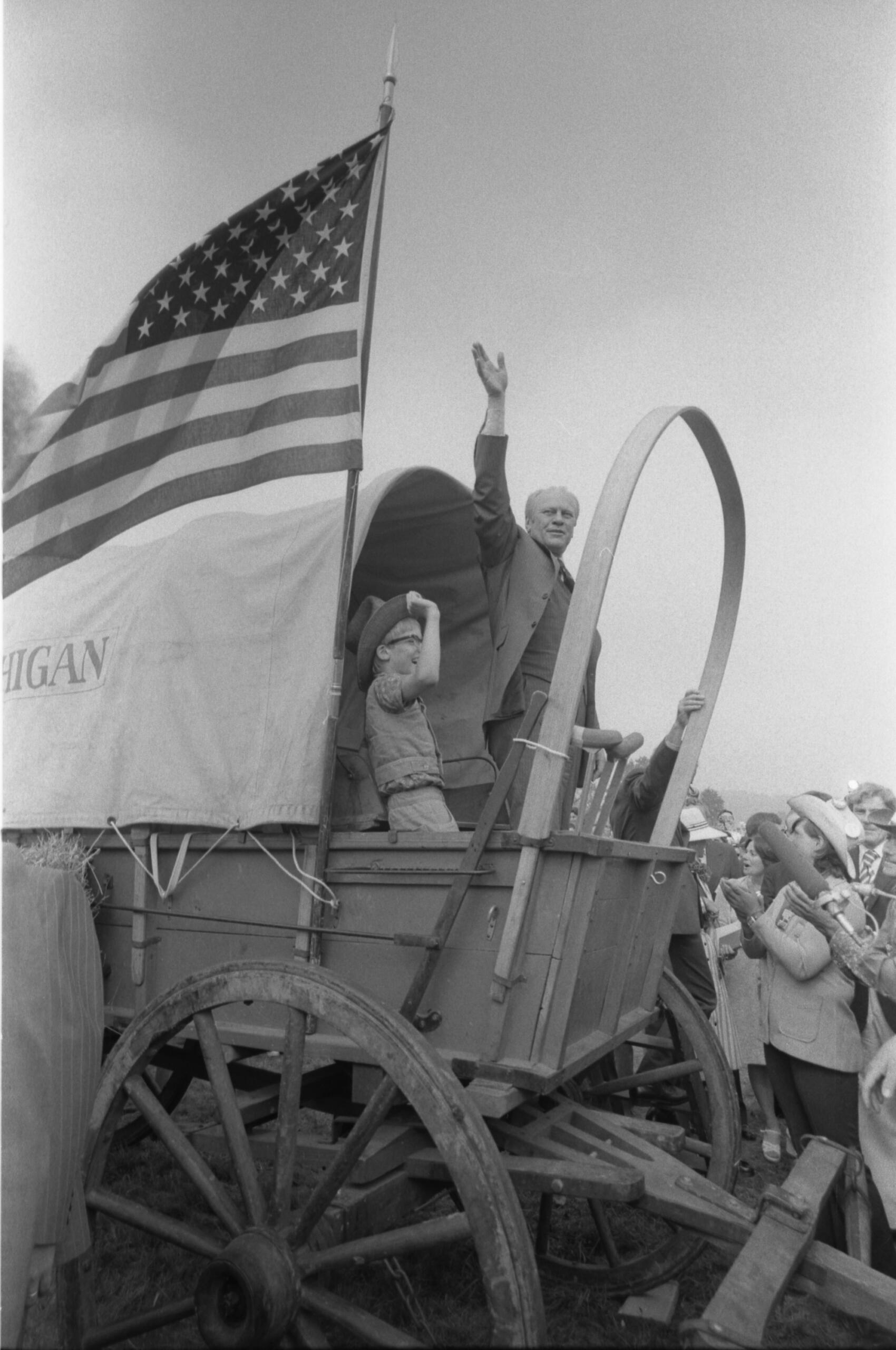
A caravan of horse-drawn covered wagons travelled across the continent over many months, following historic routes, stopping in towns along the way, with crowds turning out to meet it and local riders joining for a stretch.
Nothing of comparable scale is attempted. The logistics were considerable – animals, farriers, feed, veterinary care, camp sites, escorts and a schedule maintained across thousands of miles and a whole year.
For the towns on the route it was the central event of the year, and for a child it was a line of covered wagons coming down the main street, which is not a thing that happens. The participants have been interviewed extensively since, and the consistent note is that the crossing was considerably harder than the publicity suggested and that the animals determined the pace entirely.
8. Tall Ships Came From Around the World and the Harbour Filled Up
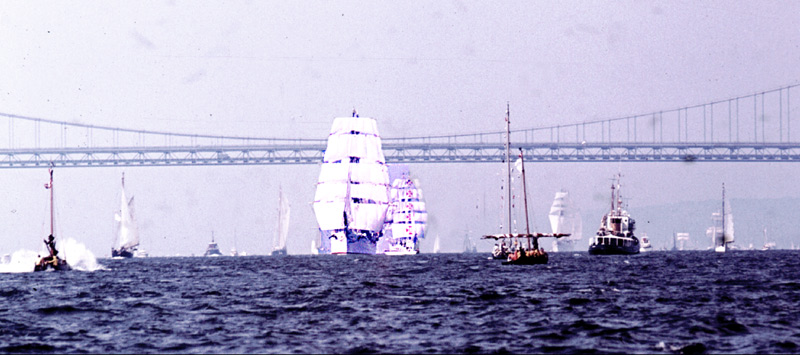
Sailing vessels from many nations – full-rigged ships, barques and training vessels – assembled and sailed in review, with crowds along the waterfront and on every available roof, pier and boat.
Gatherings of sail training vessels continue on a regular international circuit, well attended and well organised. The 1976 assembly is remembered as the one that established the format in public consciousness.
The scale of the crowd is the part people describe. A waterfront with every vantage point occupied, boats on the water in numbers that created their own hazard, and the vessels under sail – and it was broadcast live, which meant the households that could not get there watched it anyway, which is a large part of why it is the single most widely remembered national event of the year.
9. Every School Put On a Pageant and Everybody Wore a Costume
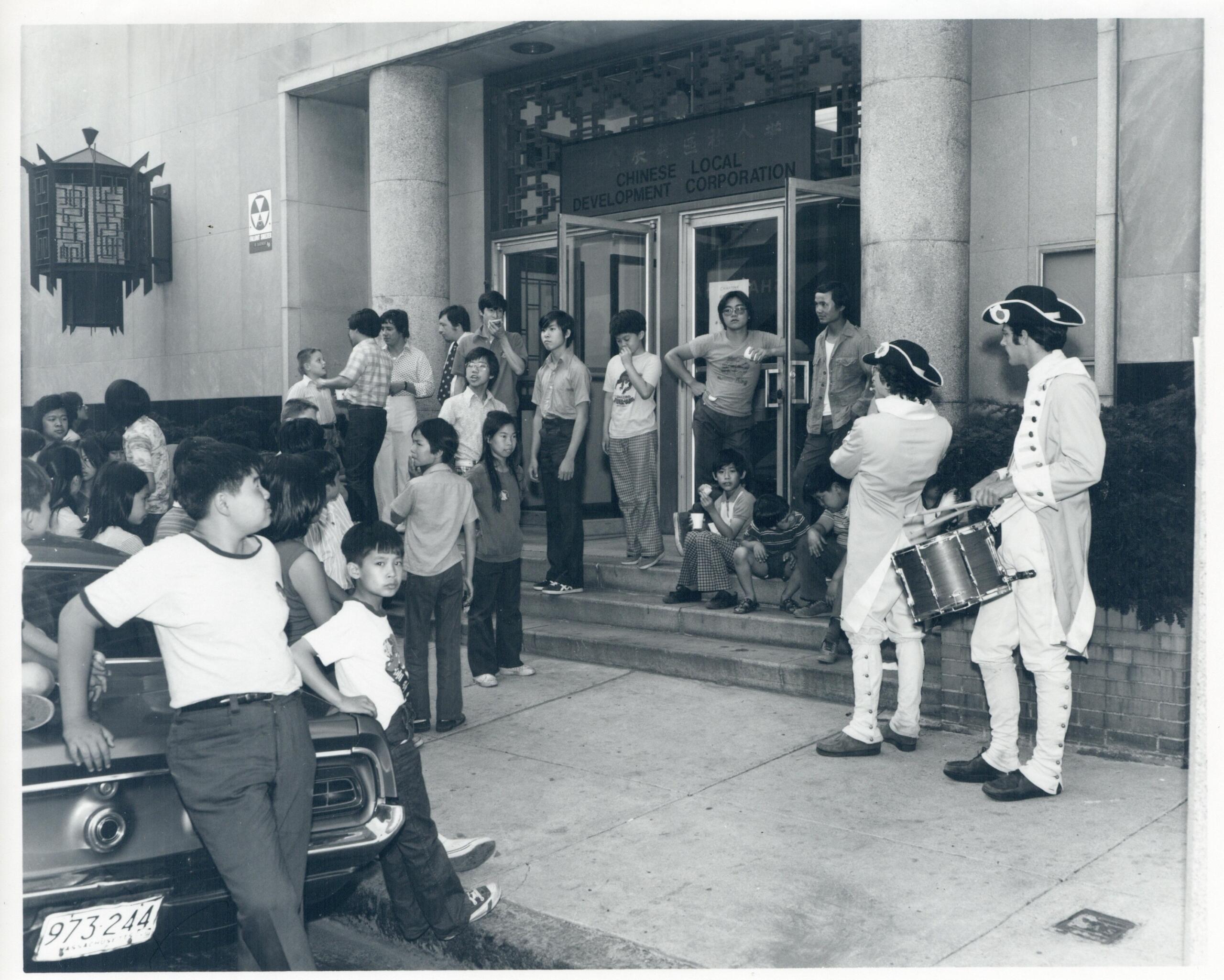
Schools staged historical pageants, tableaux and plays, with children in colonial dress made by parents from patterns, sheets, cardboard and buckled shoes, performing scenes from the founding period to an audience of families.
School historical performance continues on a far smaller scale. The costume was the significant part for the children involved: tricorn hats, mob caps, breeches, waistcoats, aprons and paper buckles, assembled at home over weeks.
The photographs are the legacy and there are a great many of them, because this was one of the occasions a household brought the camera out. An entire year group in homemade eighteenth-century dress, photographed on a stage or a school field, is one of the most reliably findable images in any American family’s collection from that year.
10. Grown Men Grew Beards and Were Fined If They Did Not
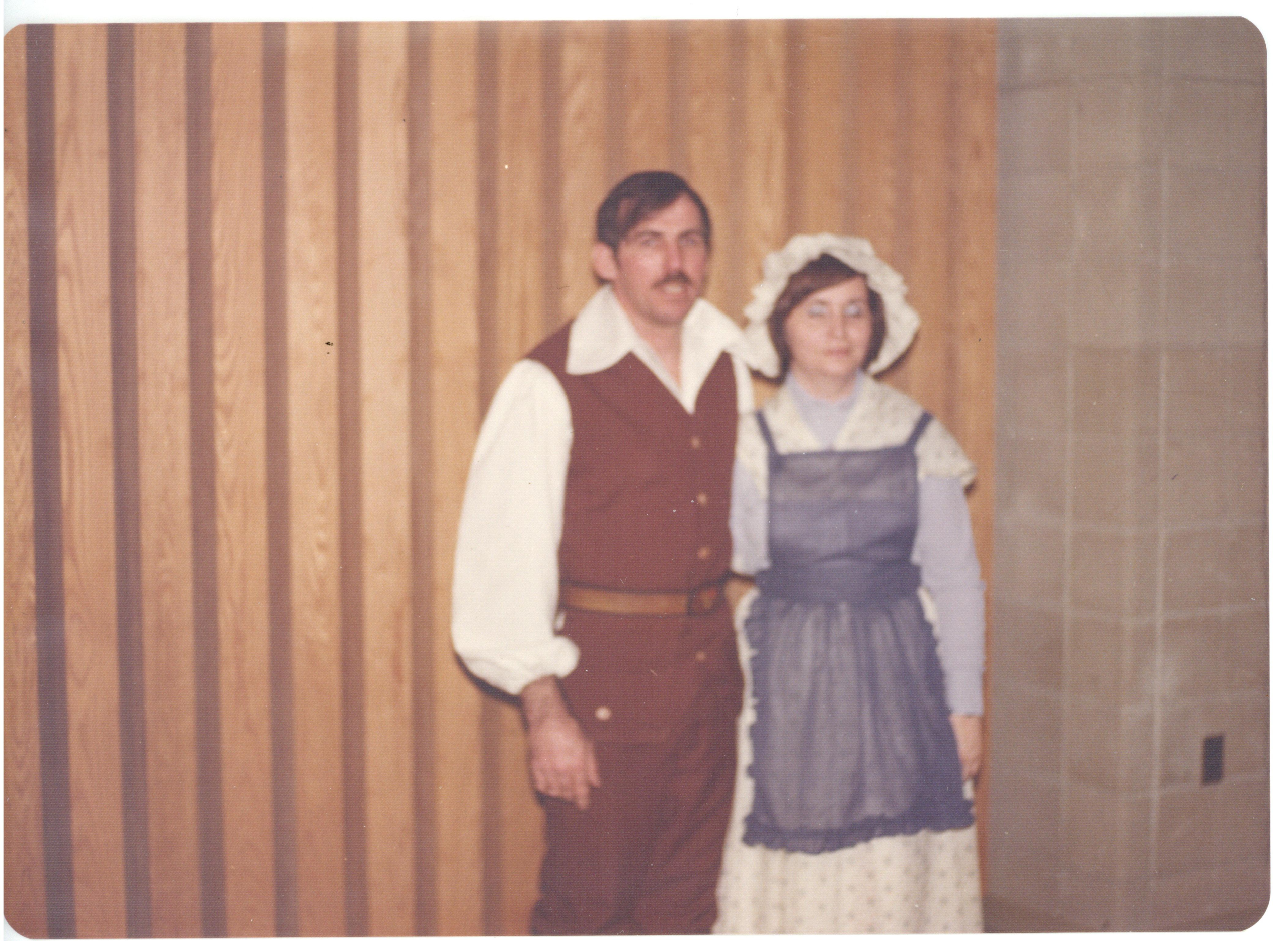
Towns ran period-dress and beard-growing campaigns, with men expected to grow facial hair for the year, women and men wearing period costume on designated days, and a mock court or committee issuing fines or penalties to those who refused.
Entirely gone, and the enforcement element would not be attempted now. The fines were nominal, went to the committee’s funds, and were part of the fundraising rather than a genuine penalty – but they were issued publicly and participation was socially expected rather than optional.
It is the item that sounds most invented and is thoroughly documented. Photographs of local officials, bank managers and schoolteachers in full period dress with grown beards, standing outside ordinary 1970s buildings, exist in large numbers – and the slight self-consciousness in those pictures is visible and is the most human thing about the whole year.
11. Barns, Mailboxes and Water Towers Were Painted With the Emblem
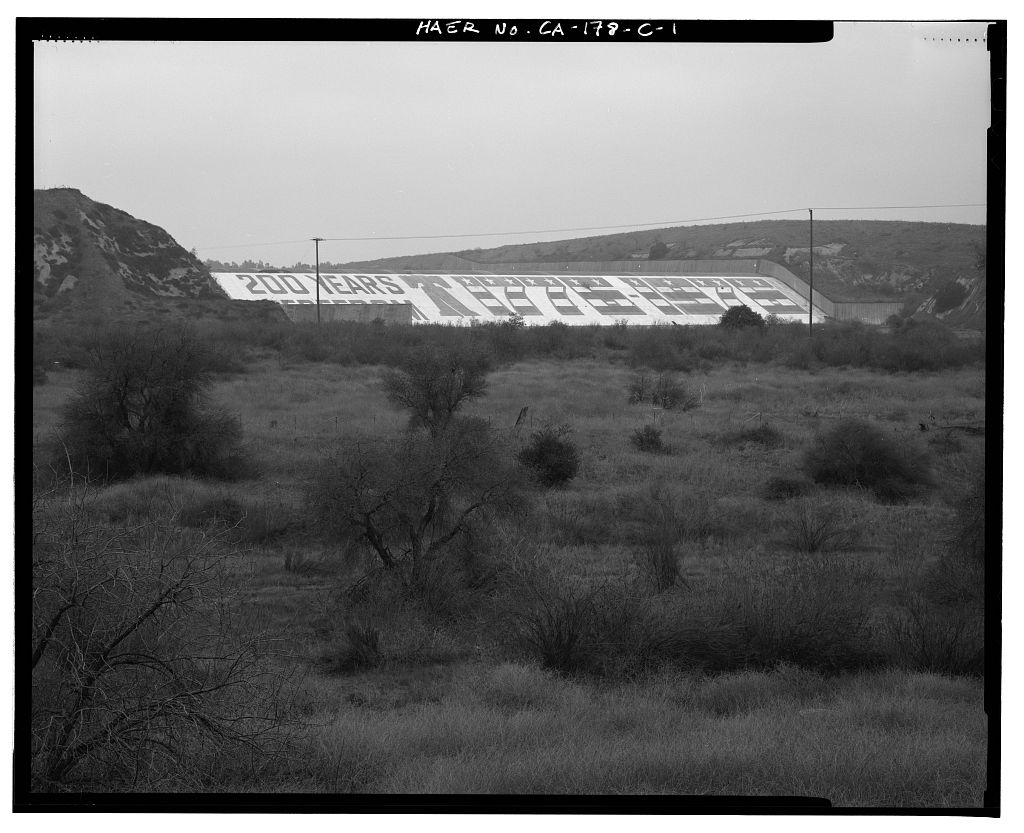
The commemorative emblem and flag motifs were painted on barn roofs and sides, mailboxes, silos, water towers, garage doors and highway overpasses, frequently by volunteers working from a supplied template.
Weathered away or repainted, with a number of barn paintings maintained or restored by local groups as heritage objects. The barn programme was organised, with paint supplied and a design standard, rather than spontaneous.
Those that survive have become a minor tourism category, documented and mapped by enthusiasts. A faded emblem on a barn roof visible from a highway is now a dated historical artefact in open country, and the farmers who allowed it in 1976 generally had no expectation that anybody would care fifty years later.
12. The Parade Included Every Organisation in Town, With No Exceptions
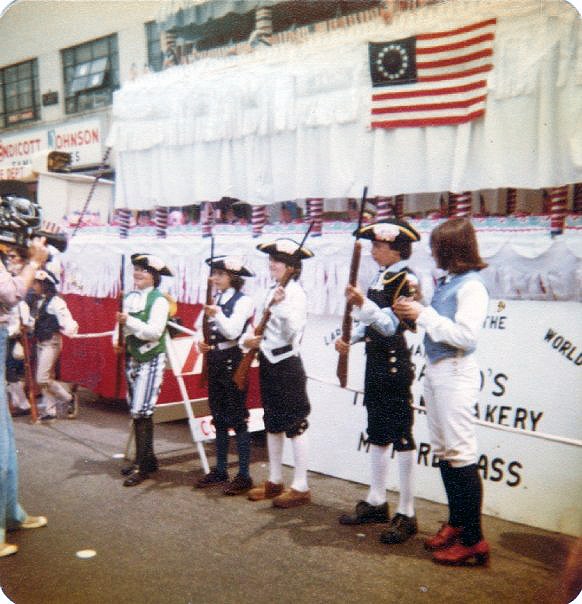
Parades ran long – the fire department, the band, veterans’ organisations, scouts, the church groups, the sports teams, the historical society, the businesses, the tractors, the horses, the floats and anybody with a vehicle willing to decorate it.
Parades continue and are considerably shorter. Inclusiveness was the organising principle rather than quality: the point was that everybody was in it, which is why they ran for hours and why the audience was largely composed of people waiting for their own relatives to pass.
That produces the structural comedy of a small-town parade, which everybody who has attended one recognises. If every organisation marches, almost everybody present is related to a participant, which means the spectators and the parade are substantially the same group of people taking turns – and it works perfectly well.
13. The Fireworks Were the Biggest Anybody Had Seen
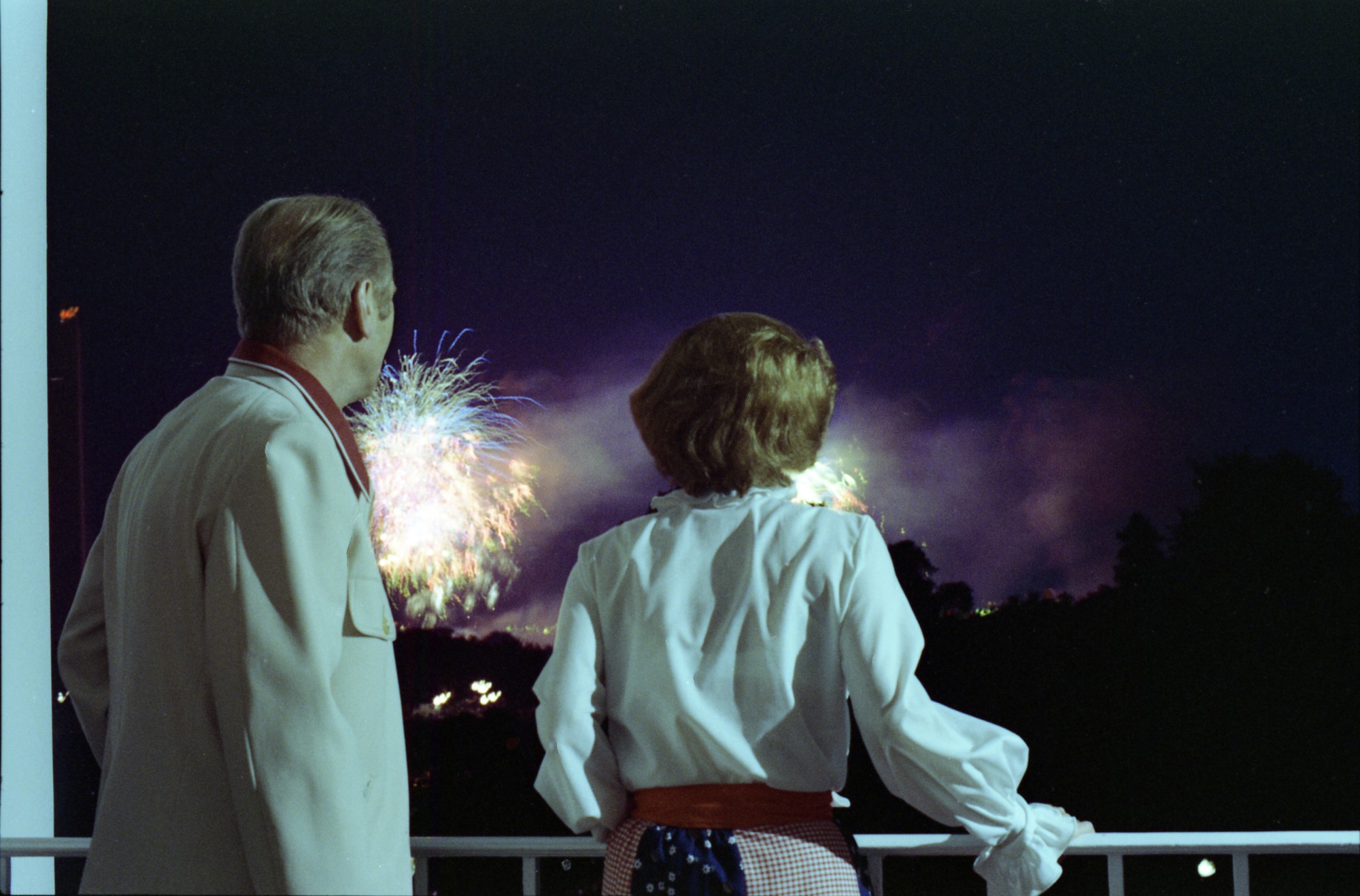
Displays on the Fourth were scaled far beyond the normal, with municipalities spending considerably more than usual, coordinated across multiple towns, and a national broadcast assembling displays from across the country into one programme.
Large displays are routine and better engineered, with firing systems, exclusion zones and safety standards that did not exist then. The 1976 displays were the benchmark against which people in a great many towns measured every subsequent year.
The informal side of it is the part that has changed most. Private fireworks in quantity, bought and let off by families in yards and streets, were far more common and far less regulated, and the injury figures from that period are the reason for the restrictions that followed – which is the familiar pattern of a practice ending because the record of it became impossible to ignore.
14. A Train Toured the Country Carrying Historical Objects
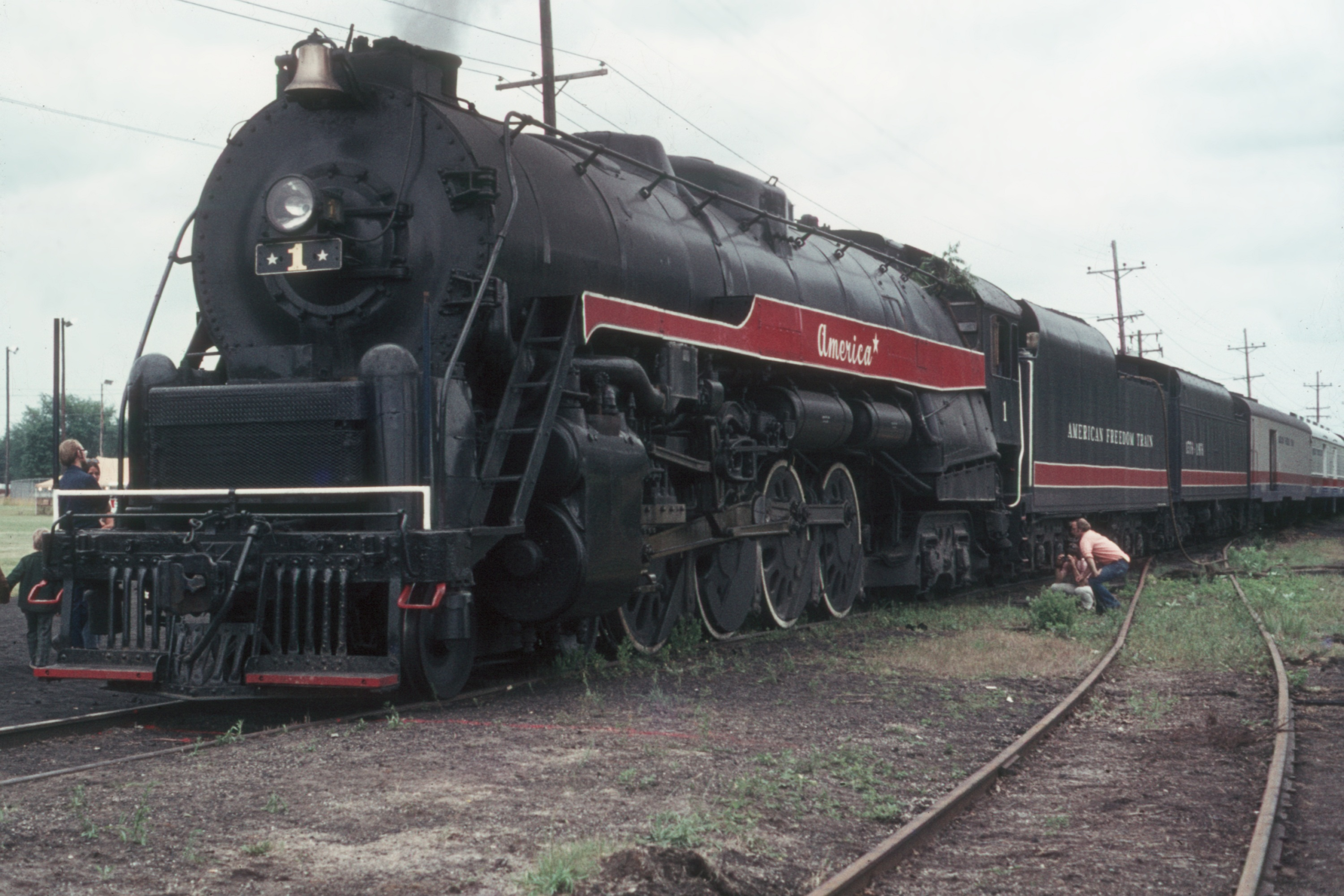
An exhibition train travelled the nation with carriages converted into galleries holding documents, artefacts and displays, stopping in cities and towns, with visitors queuing for hours to walk through it.
Travelling exhibitions continue, usually by road and at a far smaller scale. The train format worked because it brought national objects to places that would otherwise never see them, which for a town without a museum was genuinely significant.
The queues are what people describe, and they were long – several hours in some places, in summer, with families waiting to shuffle through a converted railway carriage. For a very large number of people it was the first time they had seen an original historical document of any kind, which is worth more than the slight absurdity of the arrangement suggests.
15. Trees Were Planted and Plaques Were Set Into Everything
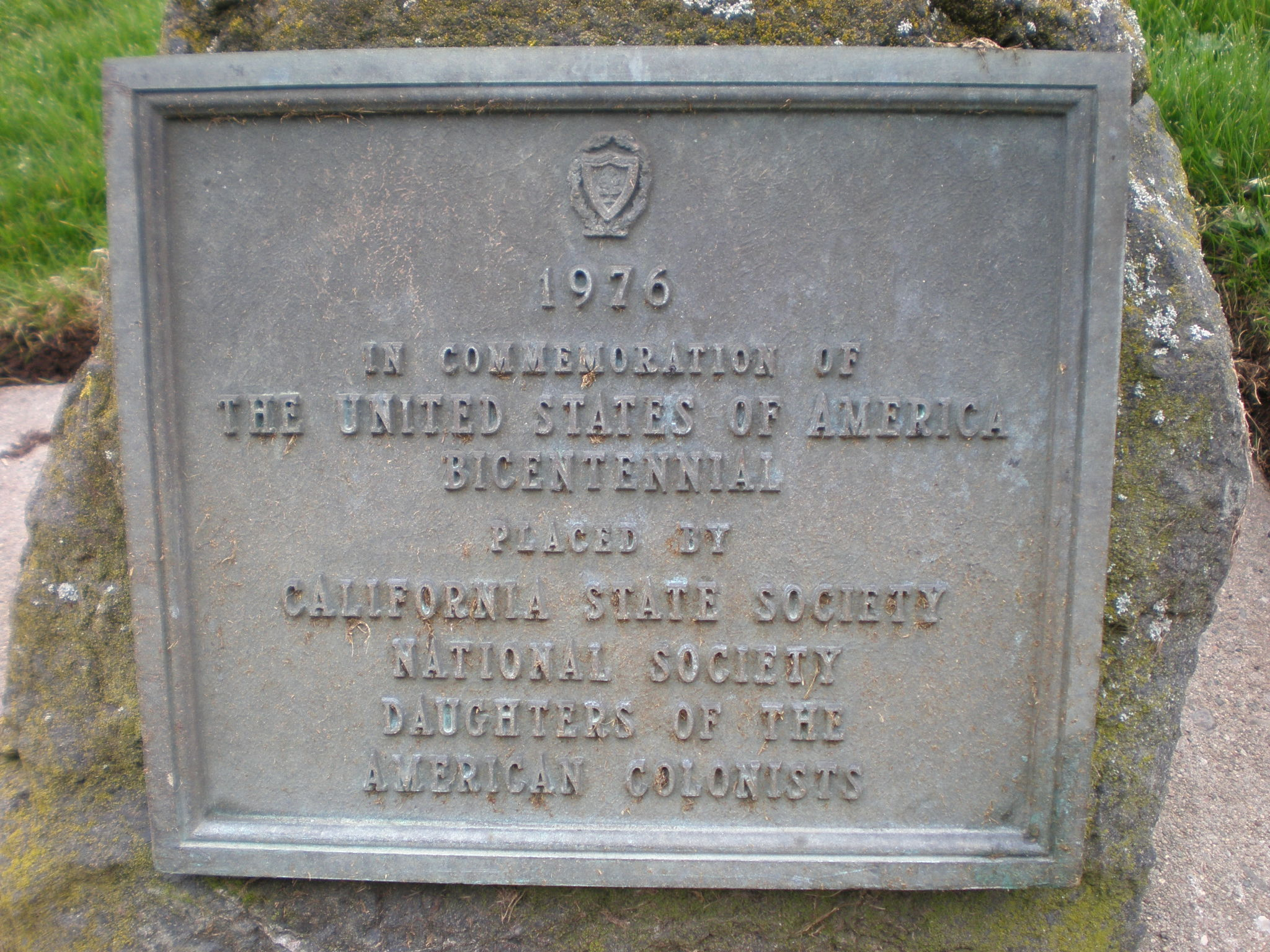
Commemorative tree plantings, benches, markers, cairns, flagpoles, fountains, plaques and dedicated buildings were established in enormous numbers, each with a date and a form of words.
The plaques remain and are largely unread. It is the longest-lasting physical legacy of the year by a wide margin: almost every American town has at least one object dated 1976 with a dedication on it, and most residents have walked past it for decades without reading it.
The trees are the better memorial and nobody planned it that way. A tree planted in 1976 is now a substantial mature specimen, frequently the largest thing in whatever park or verge it stands in, and in a great many cases the plaque beside it has corroded into illegibility while the tree has grown into the reason anybody uses the space.
16. Then It Stopped, All at Once, in July
The commemoration had been building for three years, saturated the entire first half of 1976, peaked on the Fourth, and then ended – with committees dissolving, merchandise discounted, bunting taken down and the whole apparatus packed away within weeks.
The abruptness is the thing former participants mention most. An intense, universal, two-year civic project finished on a date and had no second phase, which left towns with a dissolved committee, a surplus of commemorative stock and a plaque.
What it demonstrated, briefly, is that American towns retained the capacity for large-scale voluntary collective organisation well into the 1970s – the committees, the volunteers, the parades, the pageants and the fundraising all worked. Whether that capacity still exists is a fair question, and the answer most people give when they talk about 1976 is that the year is remembered less for the history than for the fact that everybody in town was doing something together.
It Proved the Country Could Still Organise Itself, and That Is the Part Worth Keeping
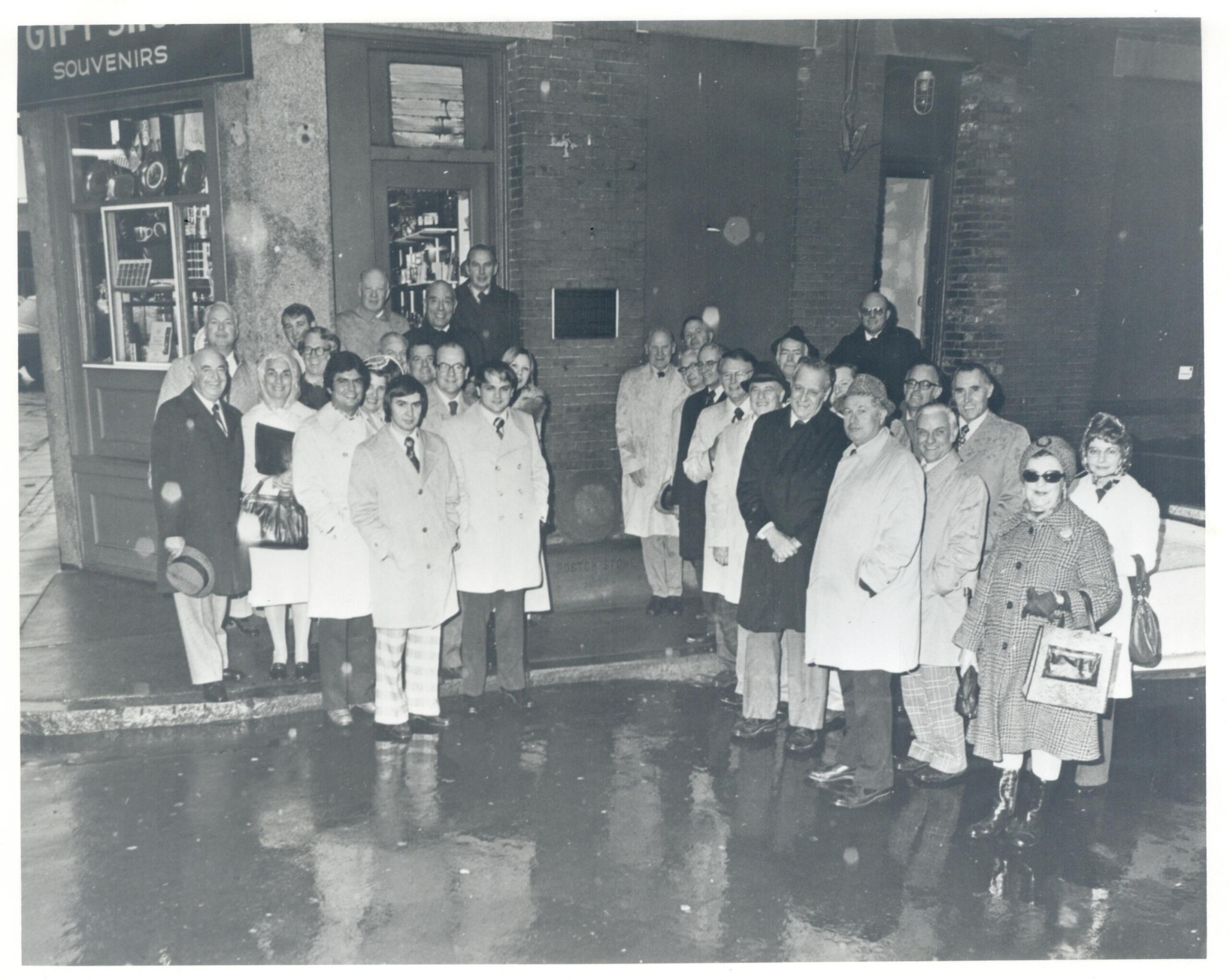
Most of this reads as faintly absurd now, and the absurdity is the easy part. Painted hydrants in tricorn hats. Bank managers fined for not growing a beard. A commemorative thimble. Several million limited editions.
Underneath it is something harder to dismiss.
To do any of that, a town needed a committee that would meet monthly for two years and keep minutes. It needed volunteers to paint the hydrants, sew the costumes, build the floats, bake for the fundraisers and organise a parade in which every organisation in town marched. It needed enough people willing to give up evenings for a project with no personal benefit whatever, sustained across three years, ending on a fixed date.
And essentially every town managed it. Not the large cities with budgets and staff – the ordinary towns, with a volunteer chair and a church hall to meet in.
That is a genuine civic capability and it was in working order in 1976. The committees formed, the minutes were kept, the money was raised, the pageants were staged, and the whole thing came off more or less everywhere simultaneously.
Then it stopped, in July, completely. The committees dissolved, the bunting came down, the surplus plates went to the basement, and the apparatus was packed away inside a few weeks.
What is left is a plaque nobody reads and a tree that has grown into the largest thing in the park. The plaque was the intended memorial and the tree is the better one, which is a reasonable summary of commemoration generally.
The open question is whether the capability survived the occasion. The volunteers are now in their seventies and eighties, the organisations that marched have mostly shrunk, and the number of people who will reliably attend a monthly meeting for two years about anything has fallen a long way.
So the thing to take from 1976 is not the merchandise. It is that a country full of ordinary towns was able, at the same time, to organise itself into doing something enormous and pointless and collective – and that they remember the doing of it far more warmly than anything they actually commemorated.
If you were there, you wore a costume your mother made, and there is a photograph of it.
And there is an object in your town with 1976 on it that you have walked past a thousand times without reading.
Like our content? Follow us for more.