The Point Was Not the Cartoons. It Was the Control
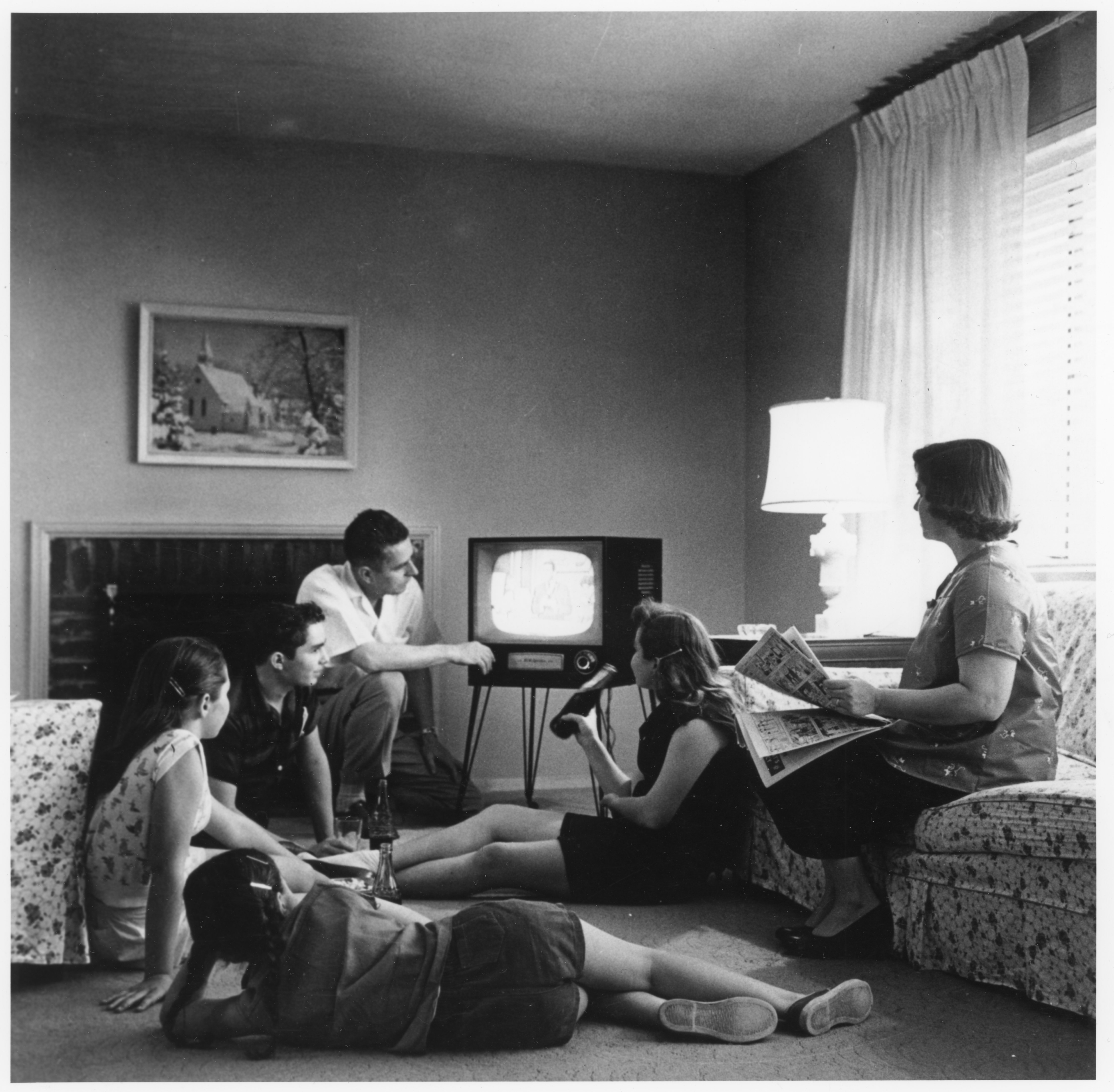
There were three channels, one television, and an adult who decided what was on it. Through the week, a child watched what their parents watched, when their parents watched it, and the question of preference did not arise.
Saturday morning was the exception. From about seven until noon, the schedule was aimed entirely at children, the adults were asleep or elsewhere, and whoever got to the set first held the dial.
That is the thing that made it the high point of the week, and it is almost always left out of the nostalgia. The programmes were, by any objective measure, not very good – cheaply made, heavily repetitive, crudely animated and frequently reruns of reruns. Children did not care, because the quality was not the point.
For five hours, a child was in charge of a piece of household equipment, choosing between three options, with nobody supervising. In a 1974 household that was a genuinely unusual amount of autonomy, and it arrived once a week.
Like our content? Follow us for more.
You Got Up Earlier Than You Did for School
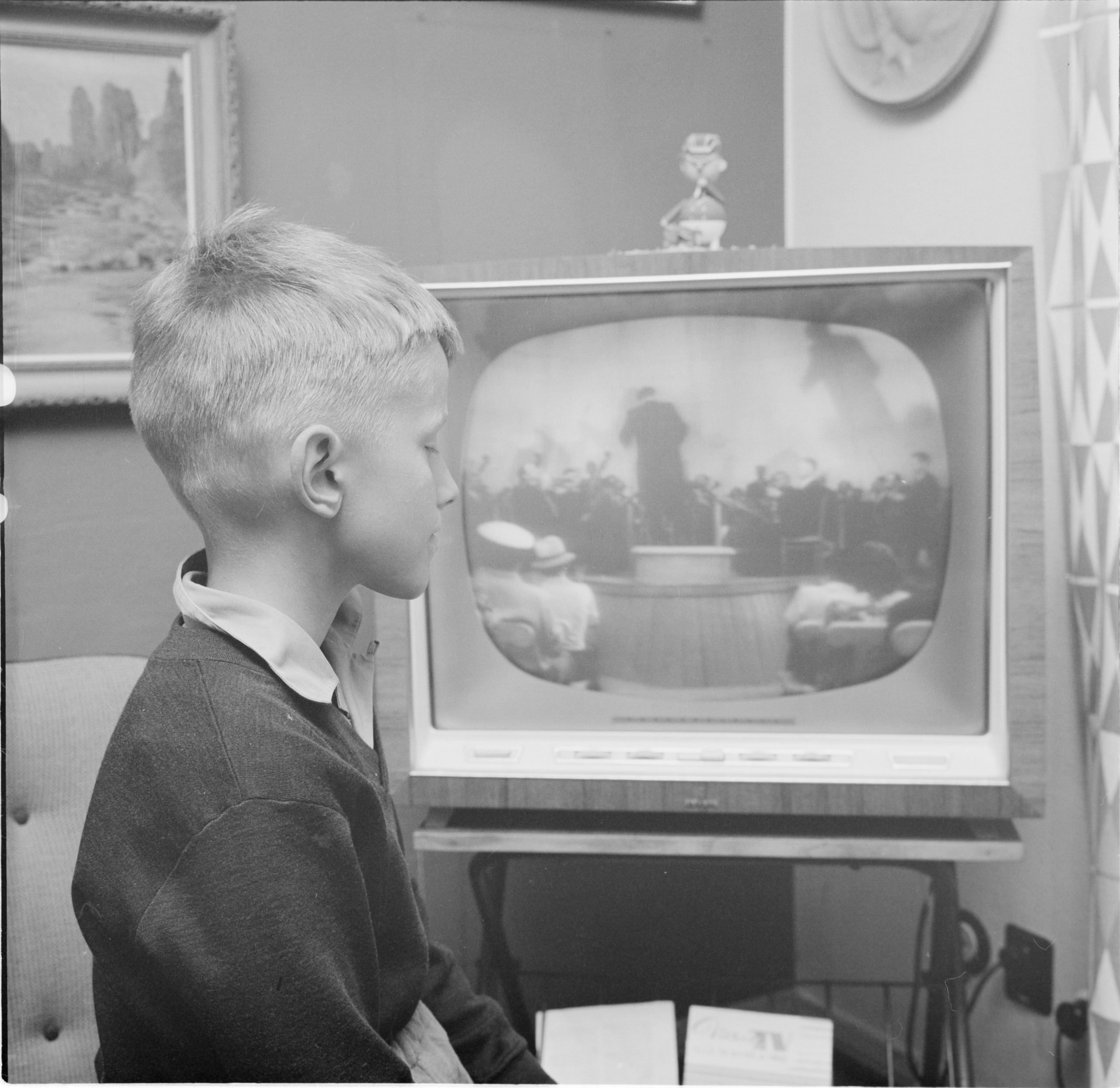
The universally reported detail is that children woke voluntarily, early, on the one morning nobody was making them – frequently before the programming started, to sit in front of a test pattern or a farm report and wait.
Nothing requires this now, because nothing is scheduled. The waking early was a direct consequence of broadcast time: the block started when it started, it was not recoverable, and anything missed was missed for good.
That is a category of experience that has disappeared entirely rather than merely changed. Appointment viewing creates urgency, and urgency in a seven-year-old looks like getting up at six on a Saturday without being asked.
The parents’ side of it is the part people now find startling. A household where children got themselves up, got their own breakfast and watched television unsupervised for five hours while the adults slept was not regarded as neglectful; it was regarded as Saturday, and it was arguably the single most useful five hours of the parental week.
The Breakfast Was Part of the Ritual and It Was Mostly Sugar

Cereal eaten in front of the set, poured by the child, in a bowl carried from the kitchen to the floor in front of the television – and the cereal was overwhelmingly the sweetened kind marketed directly at the audience watching.
The circularity was total and nobody was hiding it. Children watched programmes funded by advertisements for cereal, eating the cereal, which was sold in boxes carrying the characters from the programmes, with a toy inside the box and a cut-out on the back.
That integration is the part that eventually drew attention. A programme, an advertisement, a product, a character and a prize operating as one system aimed at pre-school and primary-age children was a commercial arrangement of considerable efficiency, and the regulatory interest that followed was not unreasonable.
What children experienced was simply breakfast in front of the television, which they were not otherwise allowed to do.
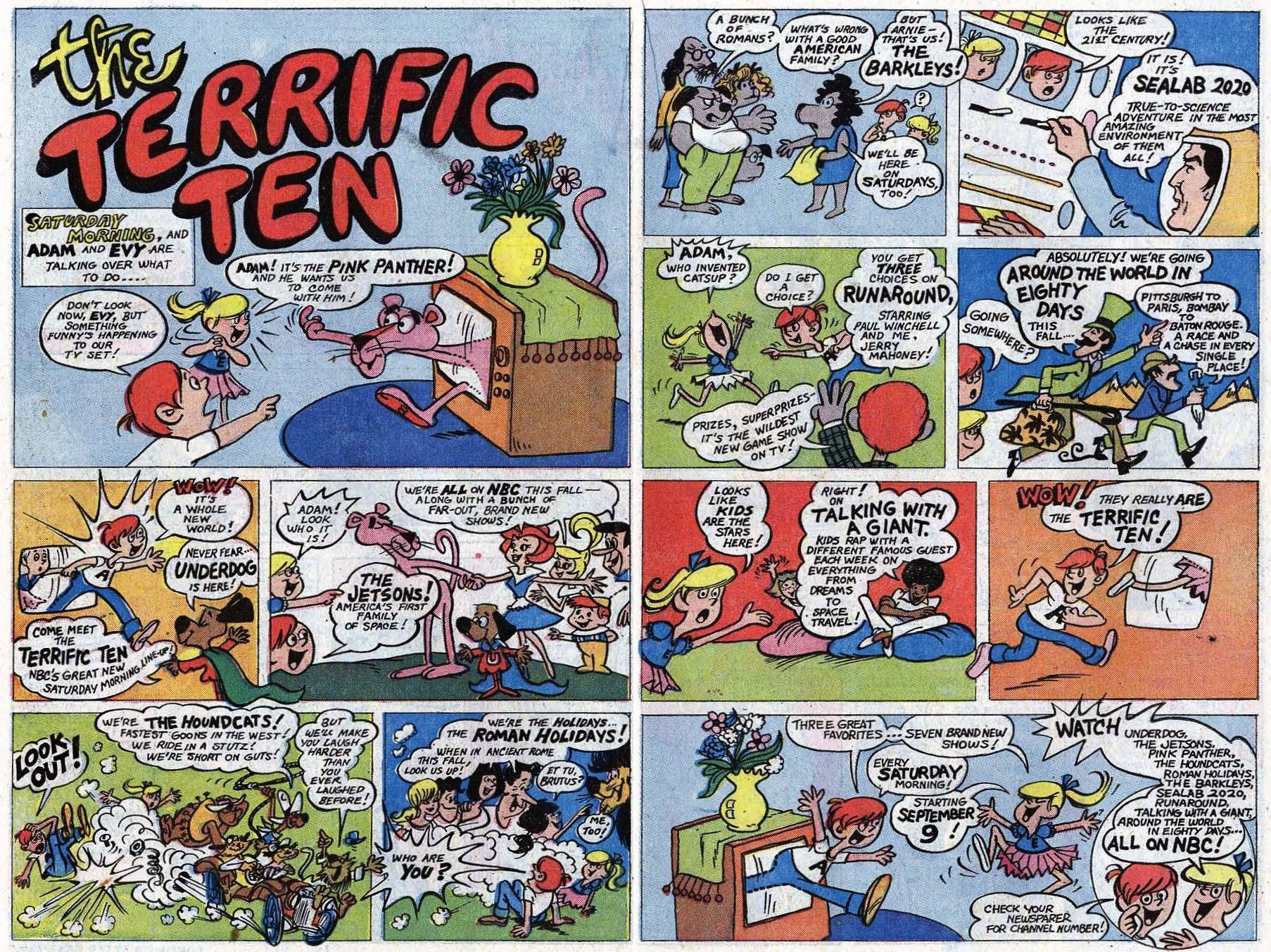
Three Networks Ran Competing Blocks and You Had to Choose

Each network scheduled a full morning of children’s programming against the others, in half-hour slots, which meant every choice was an exclusion: watching one thing meant losing the other two permanently.
There was no recording, no catch-up and no second showing that week. The schedule was printed in a magazine or a newspaper, and a child who cared planned the morning in advance, negotiated with siblings and accepted the outcome.
Sibling negotiation over the dial is remembered more vividly than most of the programming, and it was a real conflict with real stakes – one television, three options, two or three children with different preferences and no mechanism for resolving it except seniority, volume or whoever had got there first.
The arrival of recording equipment removed the conflict and, with it, the entire structure of the morning. Once a programme could be kept, nothing had to be chosen.
The Animation Was Cheap and You Could See It
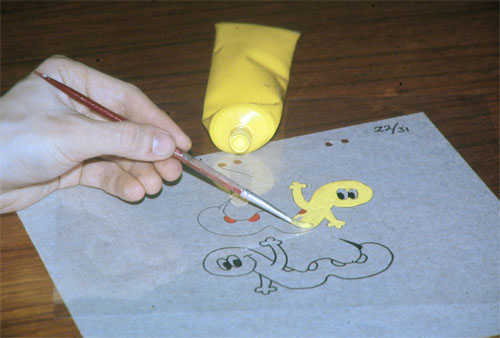
The programmes used limited animation – held backgrounds, reused cycles of movement, characters animated from the neck up, the same running sequence repeated across a scene, dialogue carrying the action because movement was expensive.
This was an economic decision rather than an artistic one. A half-hour of fully animated film costs a great deal and takes a long time; a half-hour of limited animation can be made to a weekly broadcast schedule at a price a network will pay for a children’s slot.
Children noticed. Everybody who watched can describe the recycled running cycle, the character whose mouth was the only thing that moved, the background that scrolled past the same lamppost four times – and watched anyway, happily, for five hours.
It is a useful reminder about audiences. The idea that children require high production values to engage is contradicted by an entire generation that watched visibly cheap animation with total attention, because what they wanted was a story, a character and control of the dial.
Something Educational Was Slipped In Between the Programmes

Between shows ran short animated segments with an instructional purpose – grammar, arithmetic, civics, history, basic science – set to music, two or three minutes long, repeated for years until children knew them by heart.
They were the most effective teaching anybody did to that generation and they were an interstitial. The format worked for the same reason advertising works: short, musical, repeated relentlessly, and encountered in a state of relaxed attention rather than in a classroom.
An enormous number of adults can still recite material learned from those segments decades later, and in many cases cannot recall ever having learned it. That is the definition of successful teaching and it happened in ninety-second gaps between cartoons.
The segments existed partly because broadcasters were under pressure to demonstrate some public value in a block otherwise dedicated to selling cereal, which means a commercial defence produced the best educational television of the period almost by accident.
The Commercials Were Aimed at You and You Memorised Them
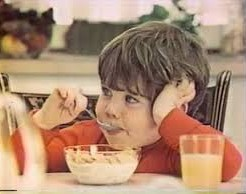
Children in that block were the entire target audience, which is a position no other television slot put them in, and the advertising was built accordingly.
The products were toys, cereal, sweets, soft drinks and mail-order novelties, and the advertisements were short, loud, repeated and designed to be remembered and repeated aloud. A child who watched five hours of the block saw the same commercial a dozen times, and by week three could recite it.
Two things followed that people now find striking. The first is the volume: a far higher proportion of the hour was advertising than would be permitted now, and it was permitted because nobody had yet made the argument that a five-year-old cannot reasonably distinguish a programme from a pitch.
The second is the shopping. The block functioned as a catalogue. A child watched, decided what they wanted, and spent the following weeks asking for it – which is why the commercials around the autumn schedule were timed at a season that had nothing to do with the programming and everything to do with December.
The regulatory response, when it came, was essentially a recognition that an audience of small children watching a continuous commercial for five hours is a different proposition from an adult watching one between news items.
It Ended at Noon, Abruptly, and the Set Went Back to the Adults
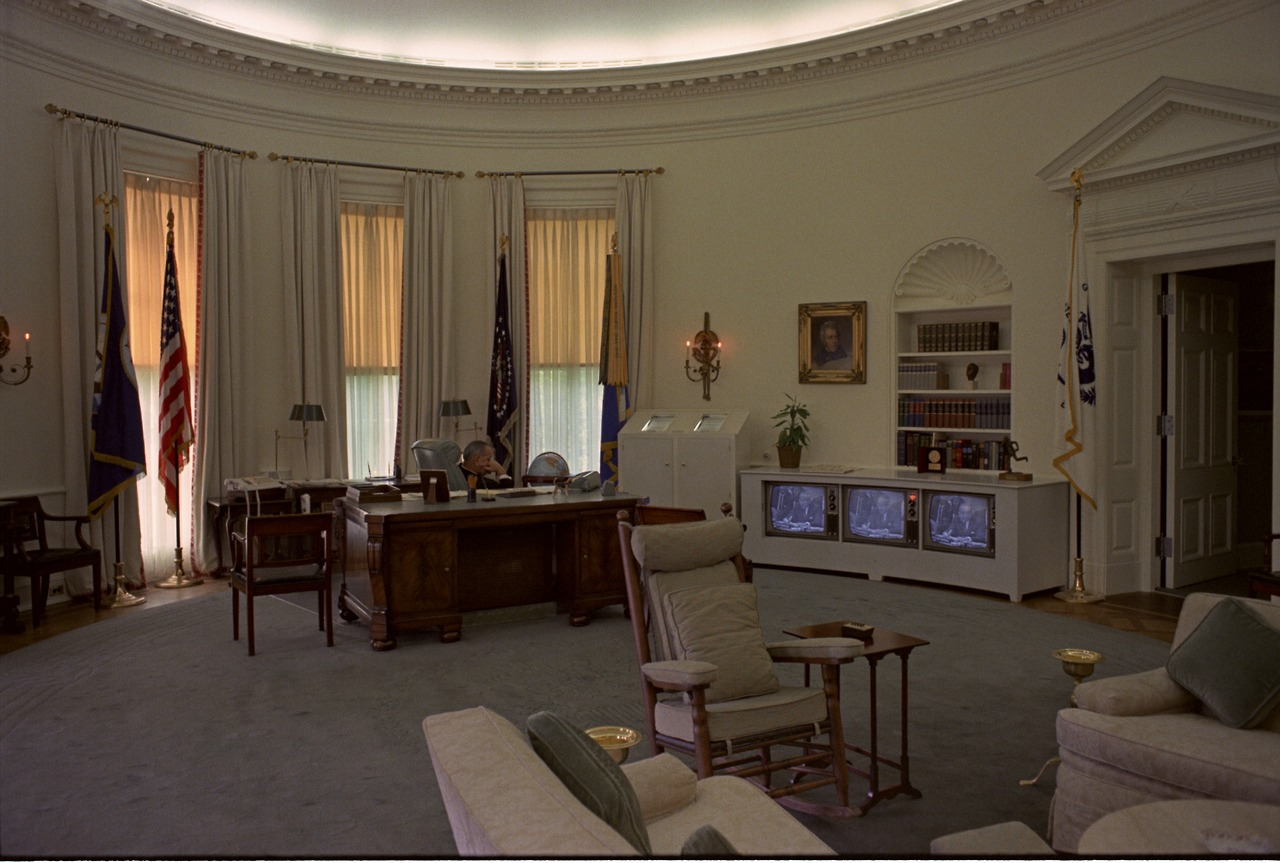
The block finished and the afternoon schedule began – sport, in most cases – and the television reverted to adult control for the next seven days.
The transition was sharp and is remembered as such. One moment the morning was yours; the next a game was on, an adult was in the chair, and the week’s allocation was spent.
That cliff edge is why the morning had the intensity it did. A resource available for a fixed, short, non-negotiable period is consumed differently from one that is always there, and children treated those five hours with an attention that nothing in a modern child’s media life requires.
Which is the honest comparison, rather than a complaint about modern children. Unlimited access to better programming at any hour is obviously preferable. It simply cannot produce the specific experience of a seven-year-old sitting on a floor at six in the morning in front of a test pattern, waiting.
Four Things Killed It and Only One Was Technological
Cable arrived, and then dedicated children’s channels running cartoons continuously, which destroyed the scarcity the whole format depended on. A block is only special if the rest of the week has nothing in it.
Home recording removed appointment viewing, and with it the choosing, the planning and the loss.
Advertising rules tightened, limiting commercial minutes in children’s programming and restricting the integration of characters with the products advertised around them, which made the block substantially less profitable.
And educational programming requirements meant networks had to carry a quota of instructional children’s content, which they satisfied with cheaper material than the entertainment blocks had been.
The last network Saturday morning cartoon blocks were wound down in the 2000s and the format is now entirely gone from broadcast television. What replaced it is better by every measure except the one that mattered to the people watching, which was that for five hours a week, nobody was telling them what to put on.
Like our content? Follow us for more.