It Was a Loop With No Beginning and No End
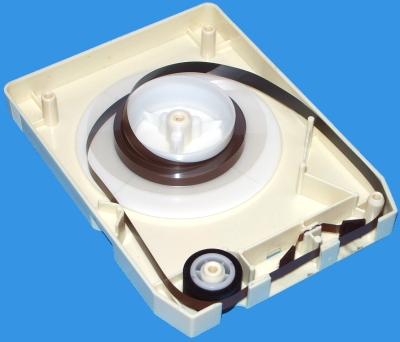
An 8-track cartridge contains a single continuous loop of tape. The tape is pulled out from the centre of the spool, passes the head, and is wound back onto the outside of the same spool – which means it never needs rewinding and never actually stops.
That is the whole design and it explains everything else about the format. There is no rewind, because there is nowhere to rewind to. There is no way to go back to the previous track. There is no beginning, so inserting a cartridge starts it wherever the tape happened to be when it was last removed.
The tape carries eight parallel channels of recorded audio – four stereo pairs – and the player reads one pair at a time by physically moving the head up or down to the next position.
So a cartridge is not an album in the sense a record is. It is four separate programs recorded side by side on one loop, played in sequence, with the machine stepping between them whenever the loop comes round to a splice.
Like our content? Follow us for more.
The Program Change Cut Songs in Half
The four programs on the loop must be the same length, because they are the same physical tape. The album being recorded onto it was not written to that constraint.
So the record company had a problem with no clean solution: fit the album’s running order into four equal blocks. Where a song straddled the boundary, three options existed and all of them were bad. Reorder the album so the breaks fell between tracks, which changed the sequence the artist had intended. Insert silence to pad a short program, which left dead air. Or split the song – fade out, let the machine clunk over, fade back in.
Splitting happened constantly, particularly on albums with long tracks, and listeners accepted it as a property of the format rather than as a fault. You knew which songs on which cartridges were cut, and where.
The clunk itself is the single most remembered thing about the format: a mechanical thud as the head stepped position, audible over the music, in the middle of whatever was playing.
Albums Were Resequenced and Nobody Was Consulted
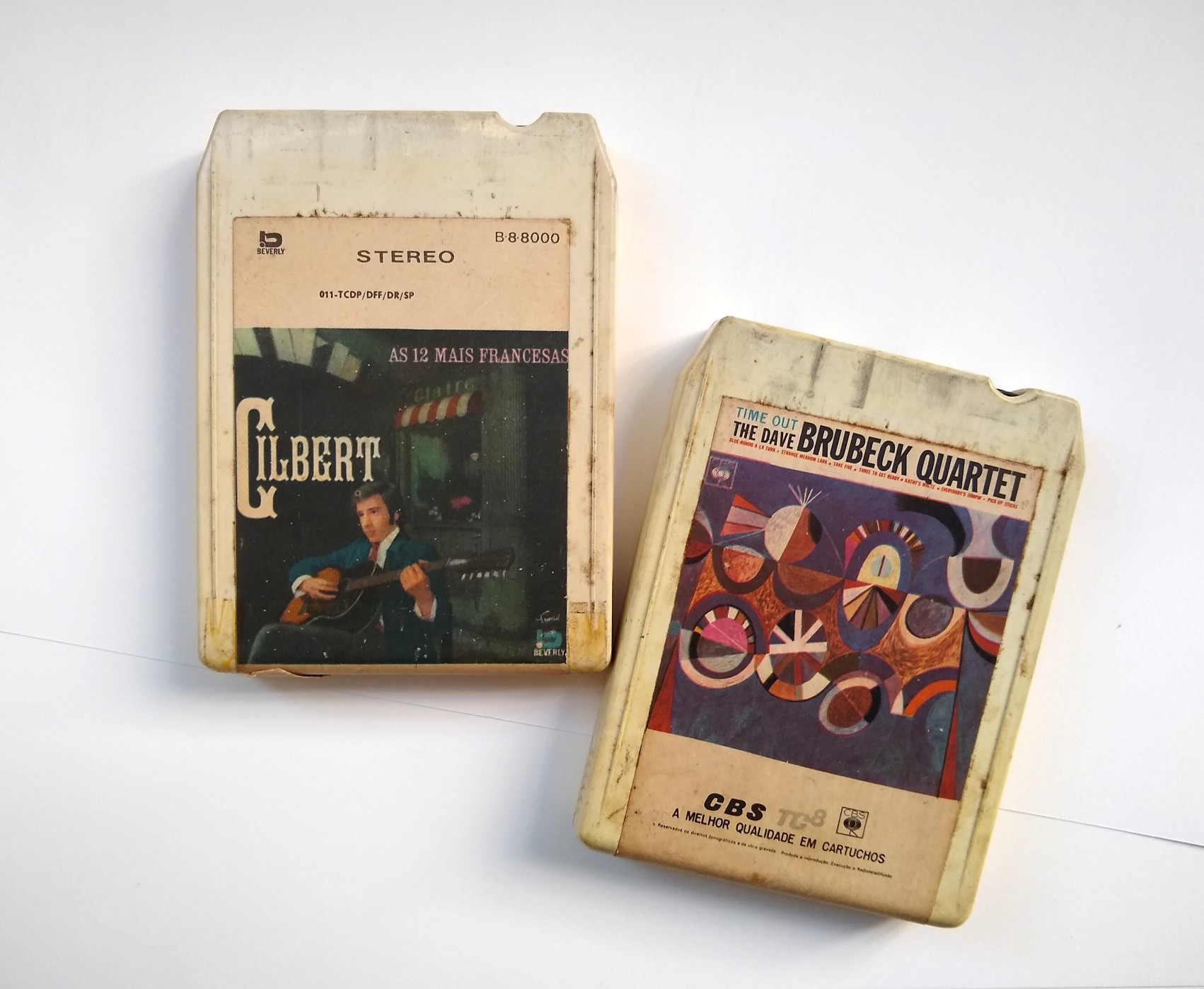
The reordering is the part that matters musically and is largely forgotten.
A great many albums exist in a different running order on 8-track than on record, because the tracks were shuffled to make the program lengths work. Songs were moved, occasionally repeated to fill space, and in some cases a track was dropped entirely.
For a listener whose only copy was the cartridge, that resequenced version was the album. People who grew up with 8-track know certain records in an order that nobody else recognises, and are genuinely surprised later to find the songs in different places.
Artists had varying amounts of say in this, and in a lot of cases none at all. The decision was made by whoever was preparing the tape master to a running-time constraint, and the artistic sequence of an album – which a serious musician will have thought about carefully – was treated as adjustable.
It Existed Because of the Car
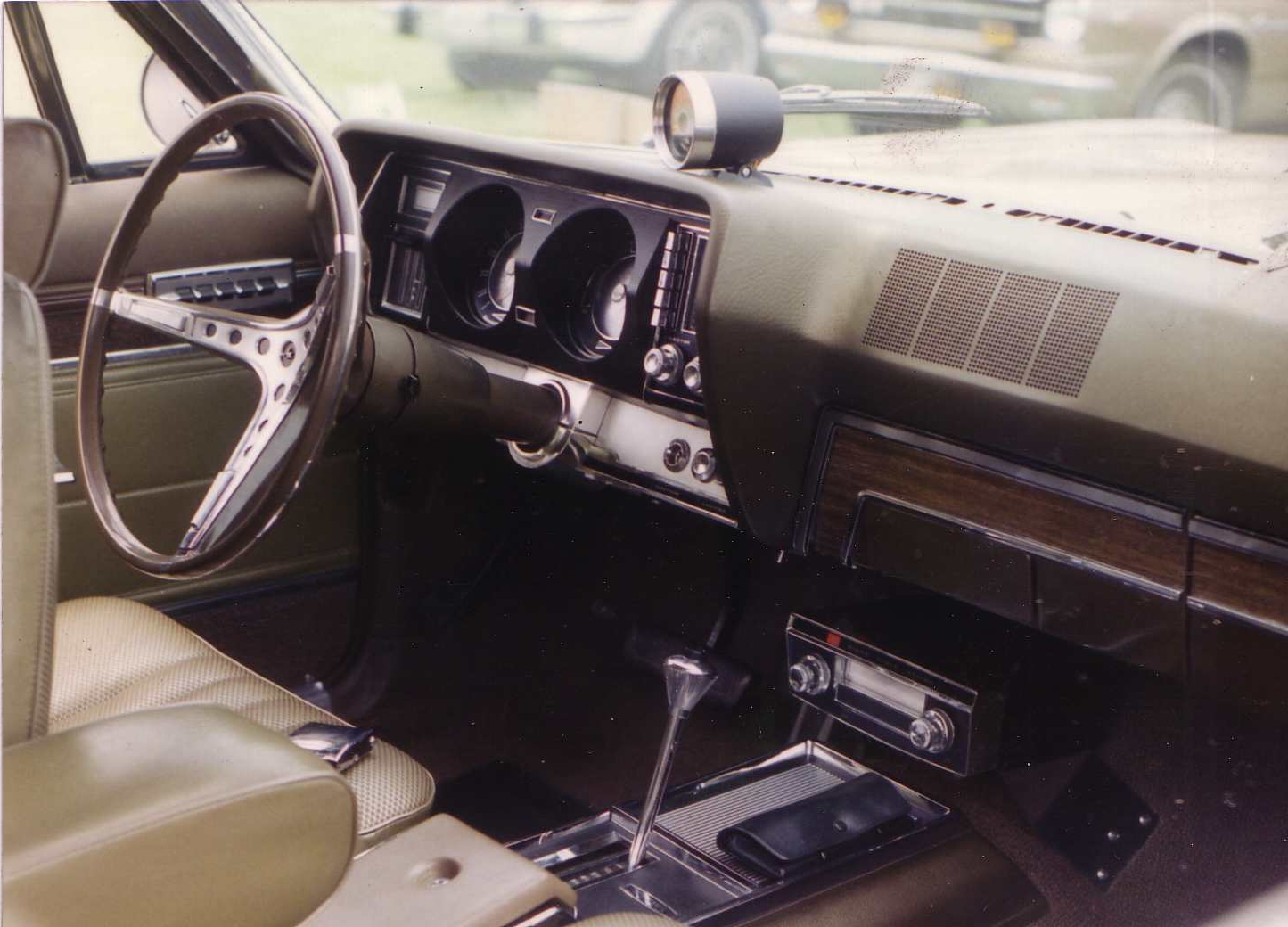
The format’s advantage over everything else was not sound quality, which was mediocre, or convenience, which was limited. It was that it worked in a moving vehicle.
A record player cannot be used in a car. The cassette existed but early cassettes were noisy and were positioned as a dictation medium rather than a music one. The 8-track’s loop needed no rewinding, its cartridge could be pushed in one-handed without looking, and the mechanism tolerated vibration.
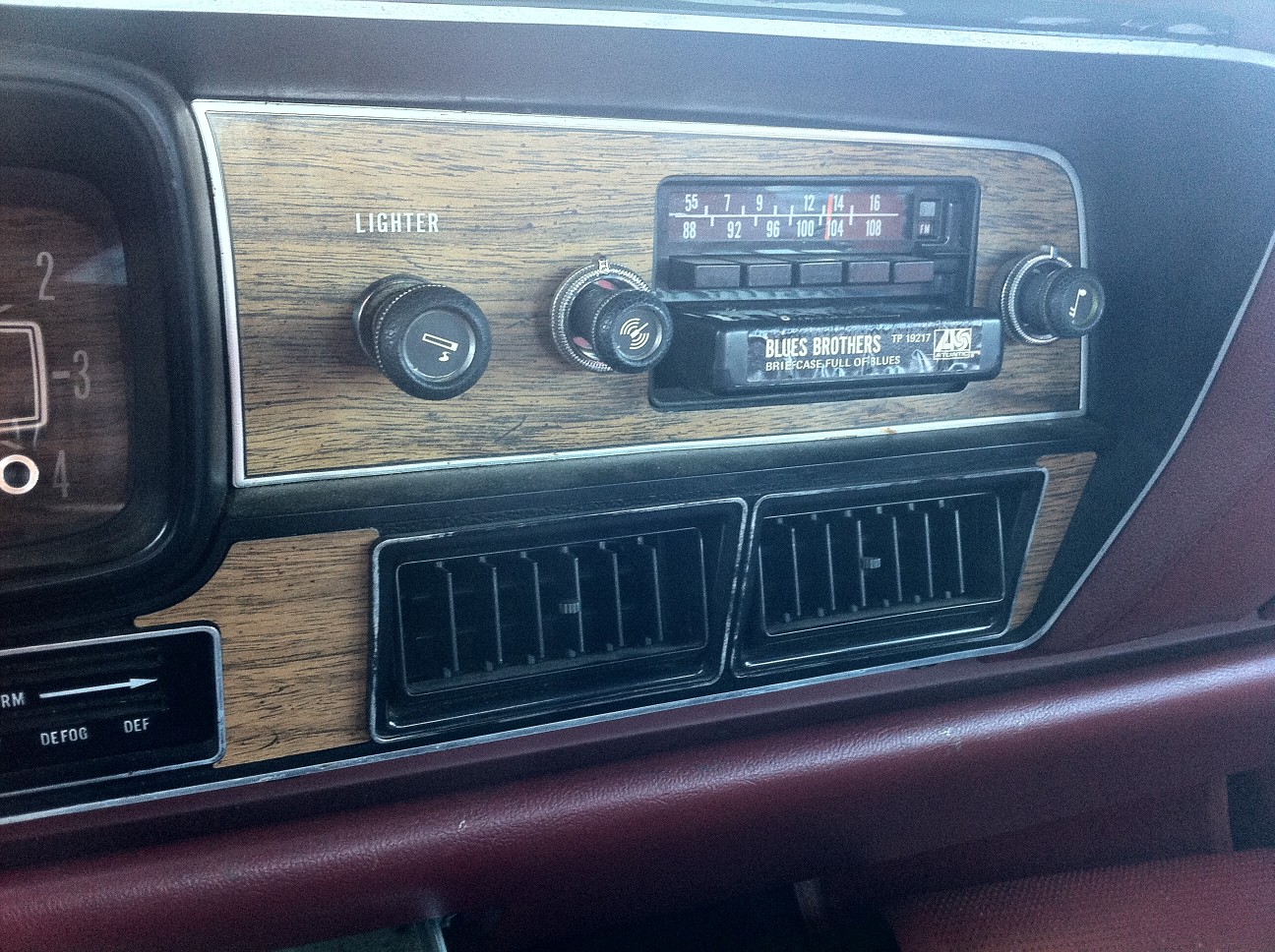
So the format took the car market, which in the 1970s was an enormous market, and the car is where almost all 8-track listening happened. The home players existed and were always secondary.
That is why the whole thing feels like a car memory rather than a music memory. The cartridge box on the transmission hump, the player hanging under the dash, the tape that had been in the car so long it had warped in the sun – all of it is automotive, and it is the reason the format’s death and the rise of in-car cassette happened at the same moment.
You Could Not Find a Song and You Could Not Go Back
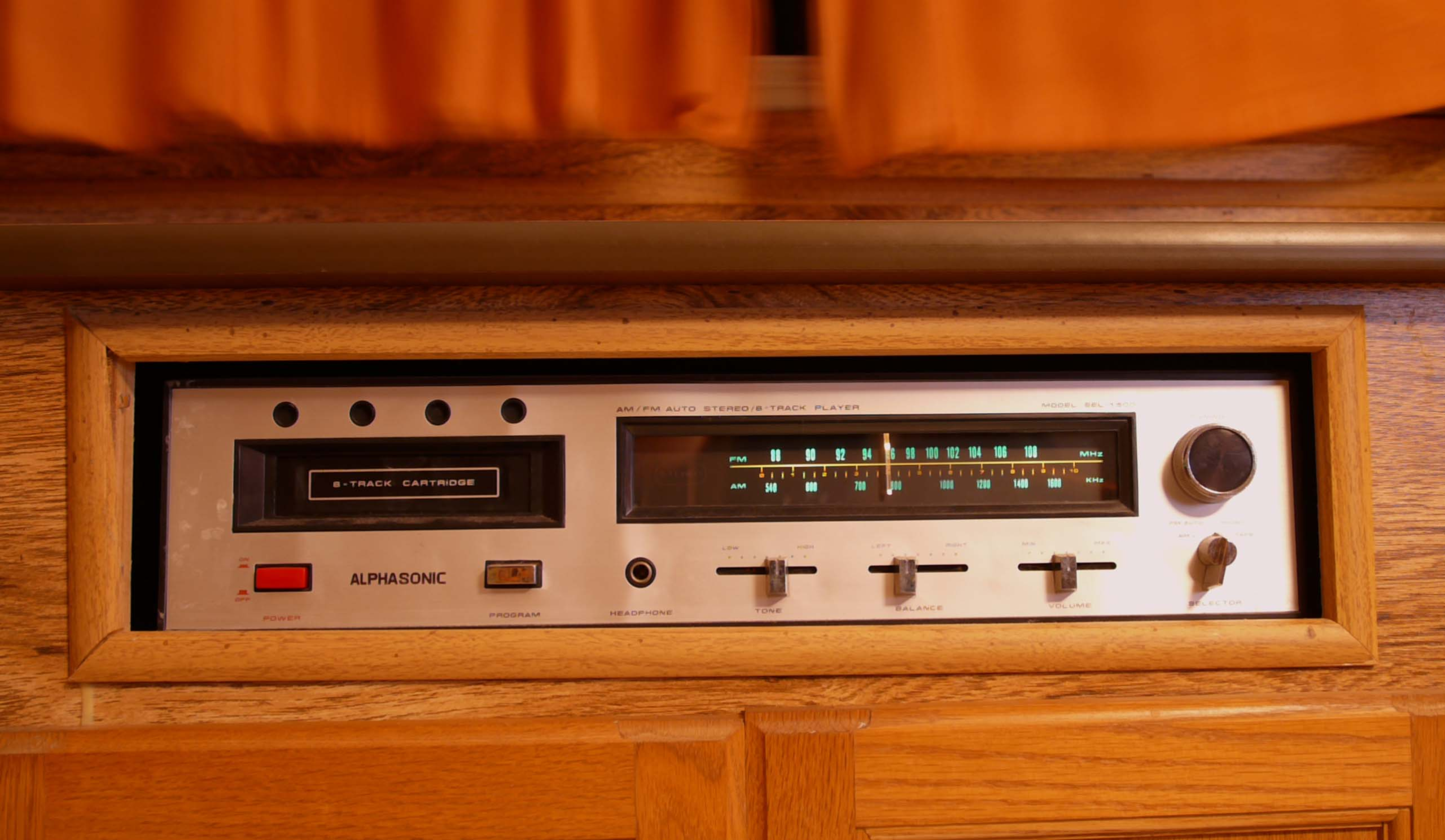
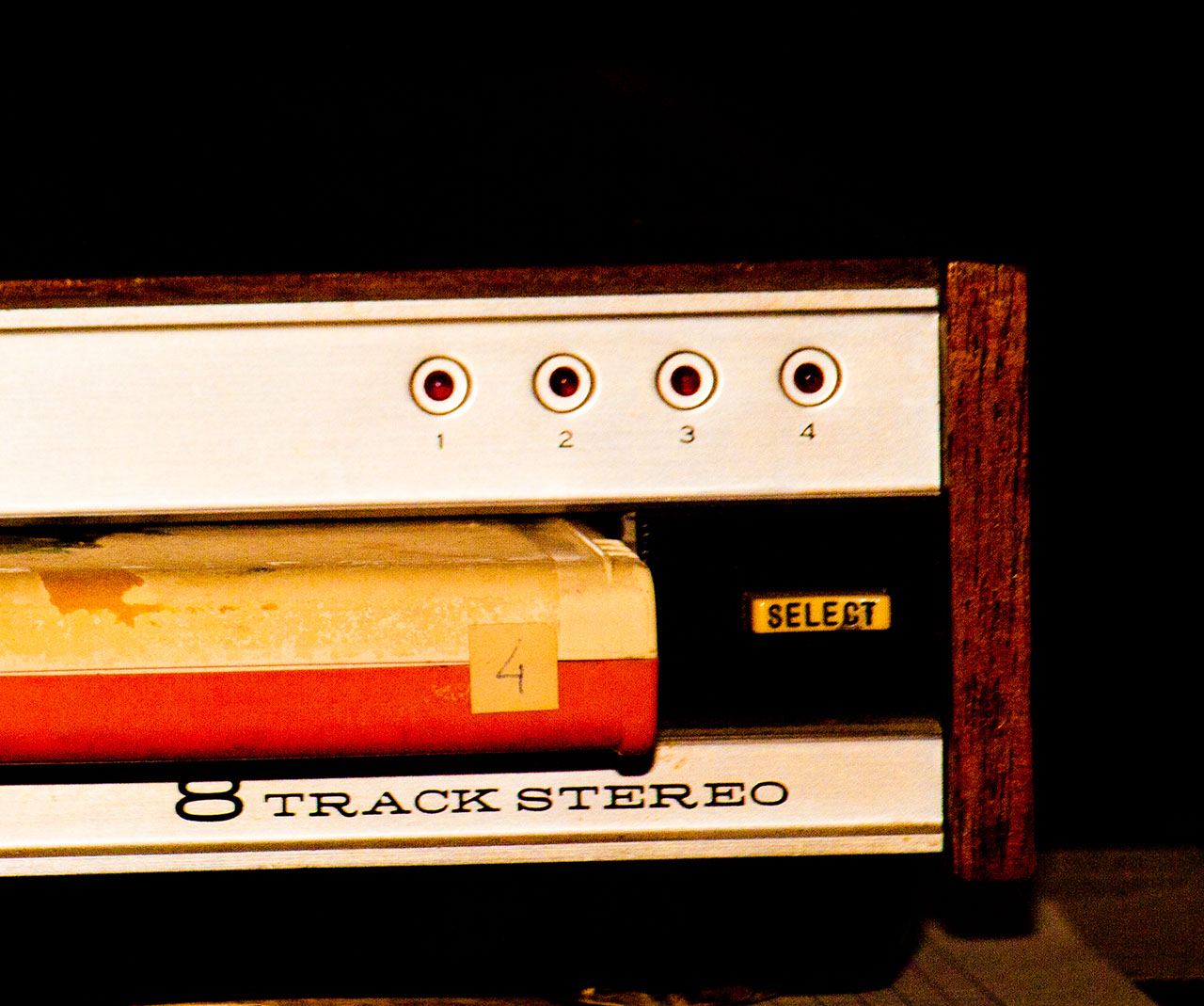
The controls were a program selector and nothing else. Pressing it stepped to the next program; pressing it four times brought you back to where you started.
There was no fast forward on most players, no rewind on any of them, and no way to repeat a song. If you wanted to hear a track again, you waited for the loop to come round – potentially twenty minutes.
Listening was therefore passive in a way that is hard to recapture. You put the cartridge in, it started wherever it had stopped, and you listened to whatever came next. Skipping an individual song was not an option, so you heard the album tracks as well as the singles, repeatedly, and you came to know them.
A fair argument is made that this produced a deeper familiarity with whole albums than any format since, and the argument holds – though it is worth noting that the familiarity was involuntary and that nobody chose it.
The Cartridges Ate Themselves
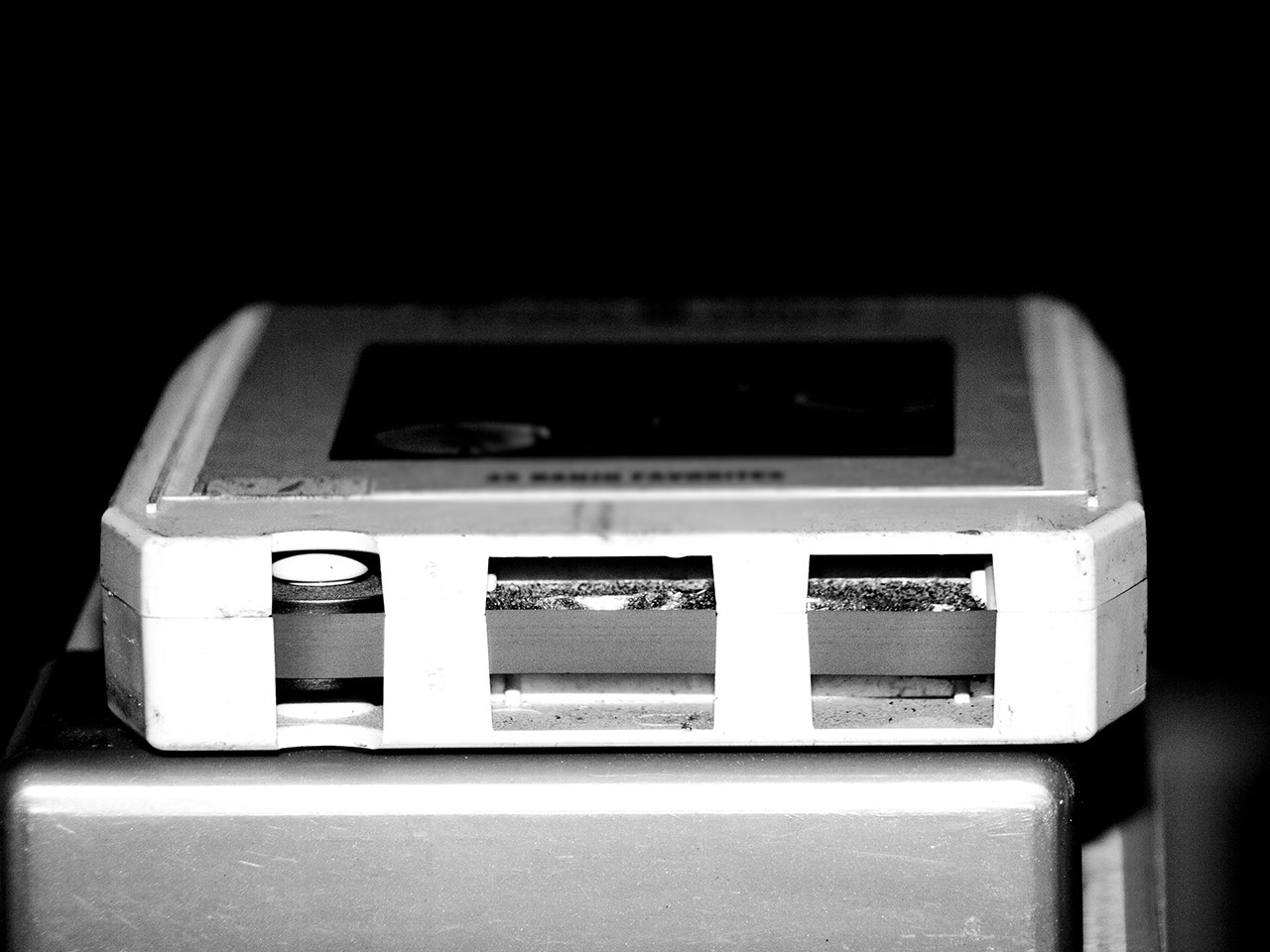
Mechanically, the format was fragile in several specific ways that every owner encountered.
The loop is spliced, and the splice is the weak point – it dried out, failed, and the tape came apart inside the cartridge. The pinch roller, a rubber wheel inside the cartridge itself rather than in the player, hardened, went out of round or disintegrated with age and heat. The internal felt pad wore. And the tape, being pulled from the inside and wound onto the outside of a single spool under tension, gradually stretched.
The failure mode everybody remembers is the tape jamming and spooling out, so that opening the player produced a cartridge trailing several feet of ribbon.
The repair was universal and crude: a matchbook, a folded piece of cardboard or a coin wedged under the cartridge to change the angle at which it sat against the head. A dashboard in 1976 frequently had a matchbook in it for exactly this purpose, and it worked often enough that everybody did it.
The Car Was Where They Died, and Heat Was Why
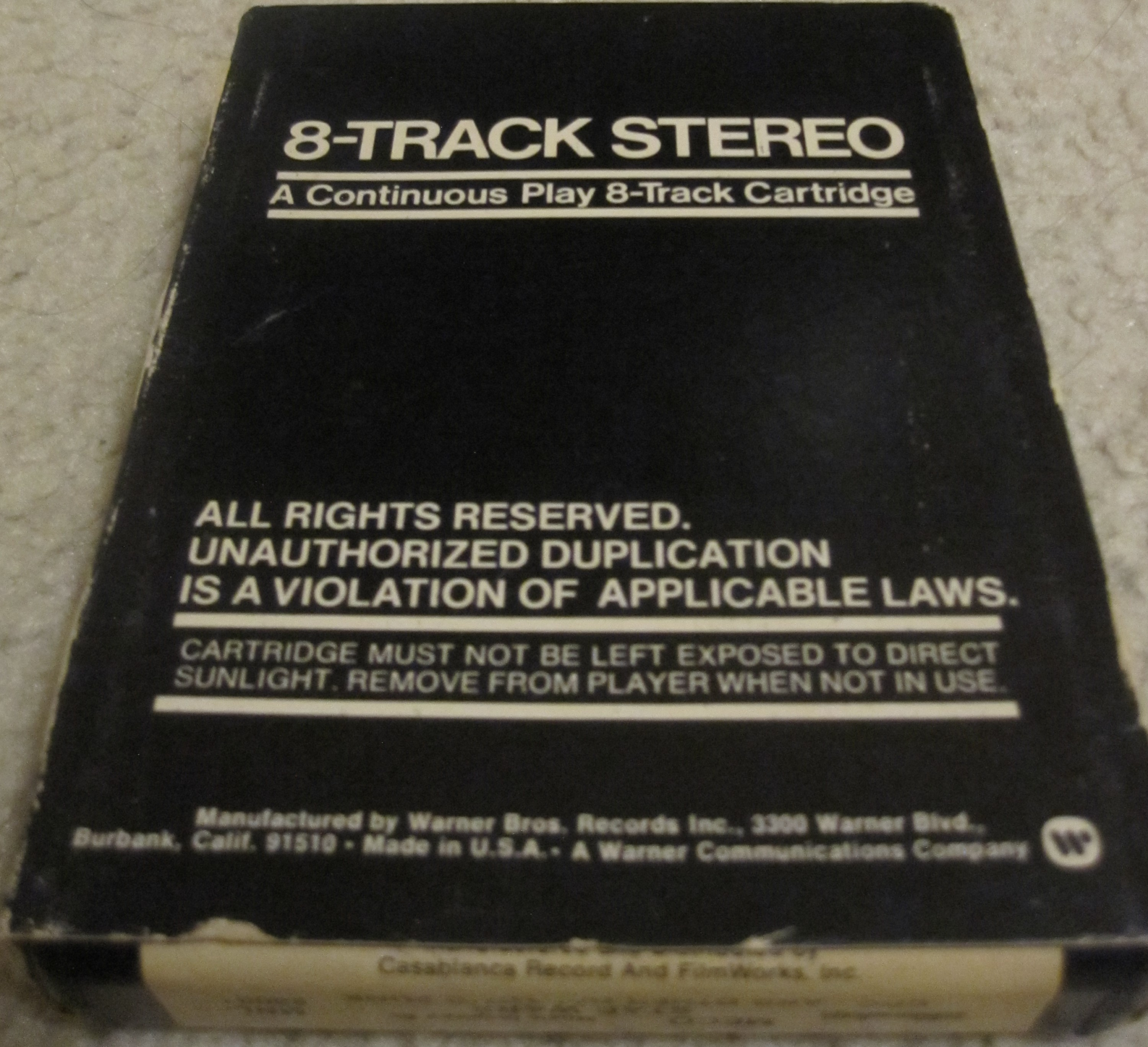
The failure rate was not evenly distributed across the format’s life. It was concentrated in cartridges that lived in cars, and the reason was temperature.
A car parked in summer sun reaches an interior temperature far above the outside air, repeatedly, for months. The things inside an 8-track cartridge that fail are the ones temperature attacks: an adhesive splice, a rubber pinch roller, a felt pad and a polyester tape under constant tension. Cycle all four between a hot afternoon and a cold night a few hundred times and the cartridge is finished.
Which is why the format’s reputation for unreliability is worse than its engineering deserves. A cartridge kept indoors and played on a home deck could last for years. The same cartridge left on a transmission hump through two summers warped, the splice let go and the roller went hard.
And because the car was where almost all listening happened, the version of the format most people experienced was the one being slowly destroyed by its own environment.
It is a genuine engineering lesson rather than a nostalgic one. A product succeeded because it worked in cars, and then acquired a reputation for falling apart because cars are a hostile place to keep anything made of rubber, adhesive and plastic film.
It Lost to the Cassette on Every Measure Except One
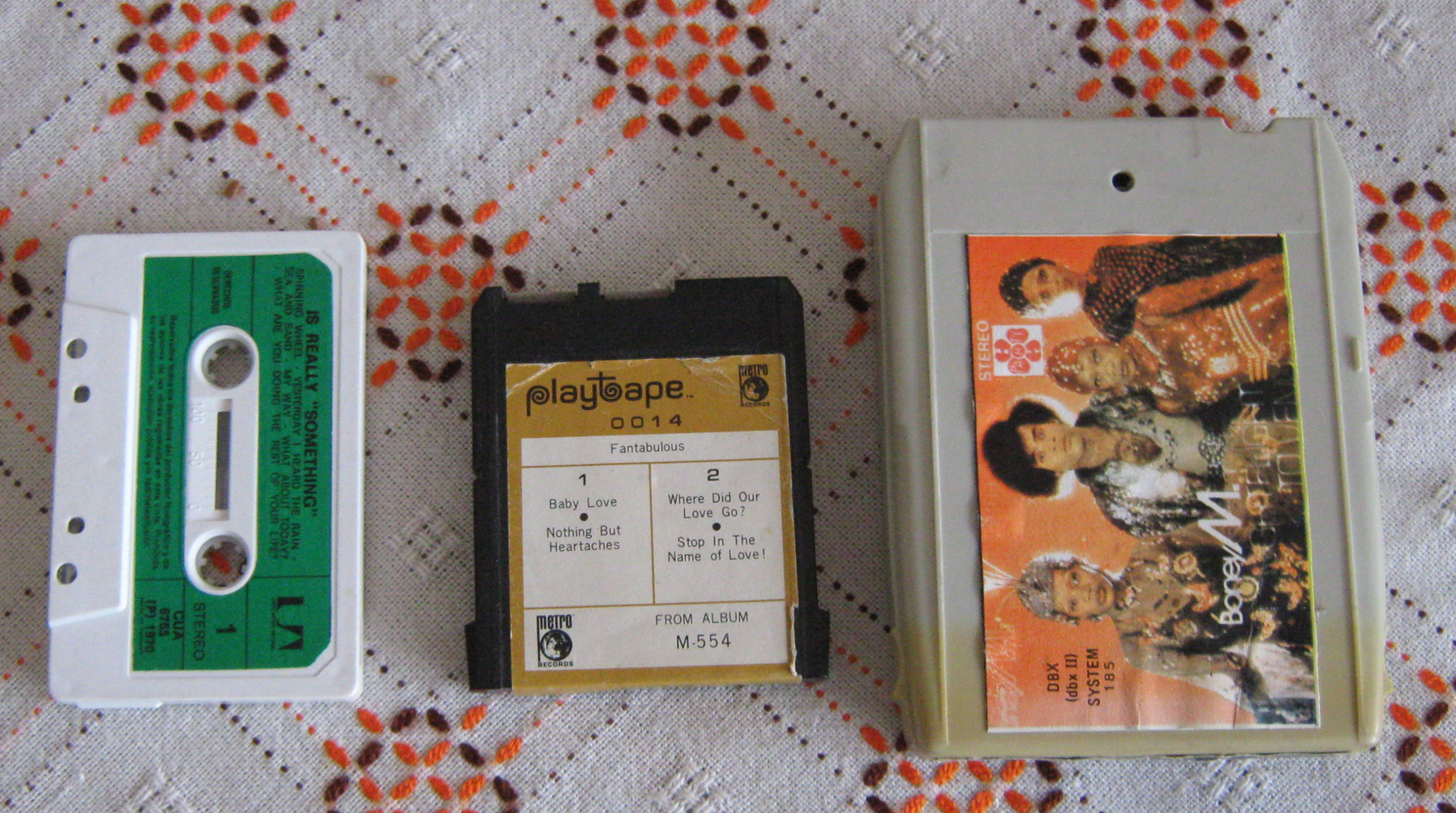
The cassette won within a few years and the comparison was not close once in-car cassette players became common.
A cassette rewinds, so you can go back. It fast forwards, so you can find a song. It holds a whole album in sequence without splitting anything. It is smaller. It is mechanically simpler, with the pinch roller in the player rather than in the tape, which removes the commonest failure. It can be recorded on at home, which the 8-track essentially could not. And the sound was better and got better still.
The 8-track’s one remaining advantage was that it did not need rewinding, which stopped mattering once rewinding worked reliably.
Commercial production ended through the later 1970s and into the early 1980s, with cartridges moving to discount bins and then disappearing. It is one of the shortest commercial lifespans of any mass consumer format – roughly fifteen years from introduction to obsolescence.
The Clunk Is the Part That Survived
What is left is not the music, because all of it exists elsewhere in better quality. What is left is a specific set of physical memories that the format produced and nothing else has.
The weight of the cartridge. The way it pushed in with a resistance and seated with a click. The tiny light. The box of them in the car with the labels worn off, so you selected by handwriting on tape. The matchbook. And the clunk, mid-song, which everybody who owned one can reproduce from memory.
It is also a reasonably pure example of a format that was adopted widely despite being technically inferior, because it solved one problem – music in a moving car – that nothing else solved at the time. Being first and adequate beat being better and later, until better and later caught up.
Which is the honest epitaph. The 8-track was not good. It was available, it worked in the car, and for about a decade that was enough.
Like our content? Follow us for more.