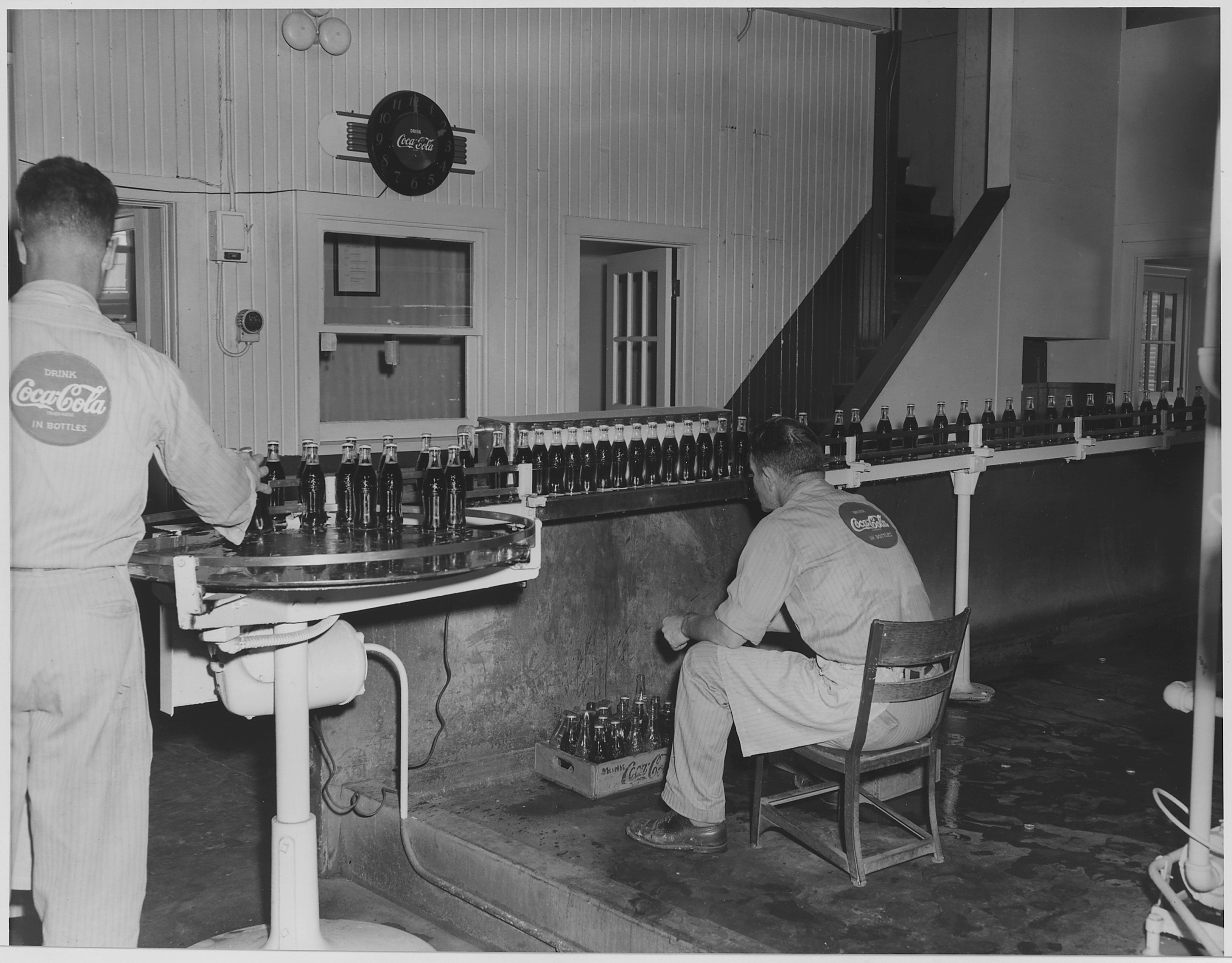
In 1960 soft drinks came in glass bottles that came back. The empties returned filthy, were washed in hot caustic, were inspected by one person watching them pass an illuminated screen, and were filled again – dozens of times over a bottle’s life.
The syrup was mixed by hand from a written formula and tasted by the man mixing it. The drink was made under franchise by an independent local bottler, because water is heavy and shipping it was uneconomic. And the bottles sometimes burst.
Here are twelve things that were ordinary in a bottling plant in 1960, and what each one became.
1. Every Bottle Came Back and Was Washed to Be Used Again
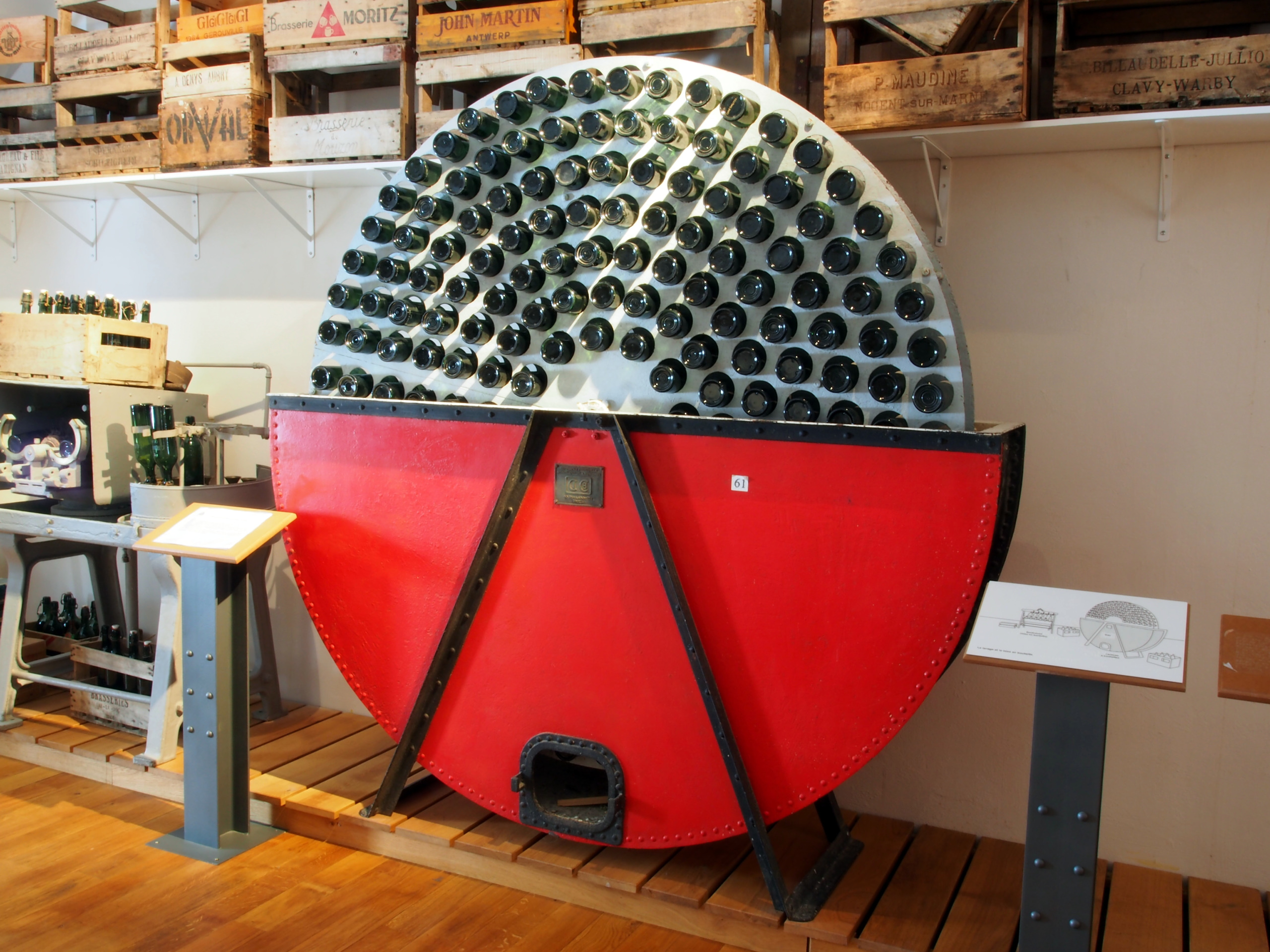
Glass bottles were returnable. They came back from shops and homes, filthy, and went through a soaker – a long machine washing them in hot caustic solution, rinsing, and delivering them to the filler. A bottle might make dozens of round trips over several years.
Returnable glass largely gave way to one-trip glass, then cans, then plastic, because a returnable system requires collection, storage, transport of empties, and a washing plant – all of which cost money and space. Deposit return schemes have brought parts of it back in several countries, and the environmental case for refillable glass is considerably better than for anything that replaced it, which is why it keeps being reconsidered.
Like our content? Follow us for more.
2. The Bottles Came Back With Anything Inside Them
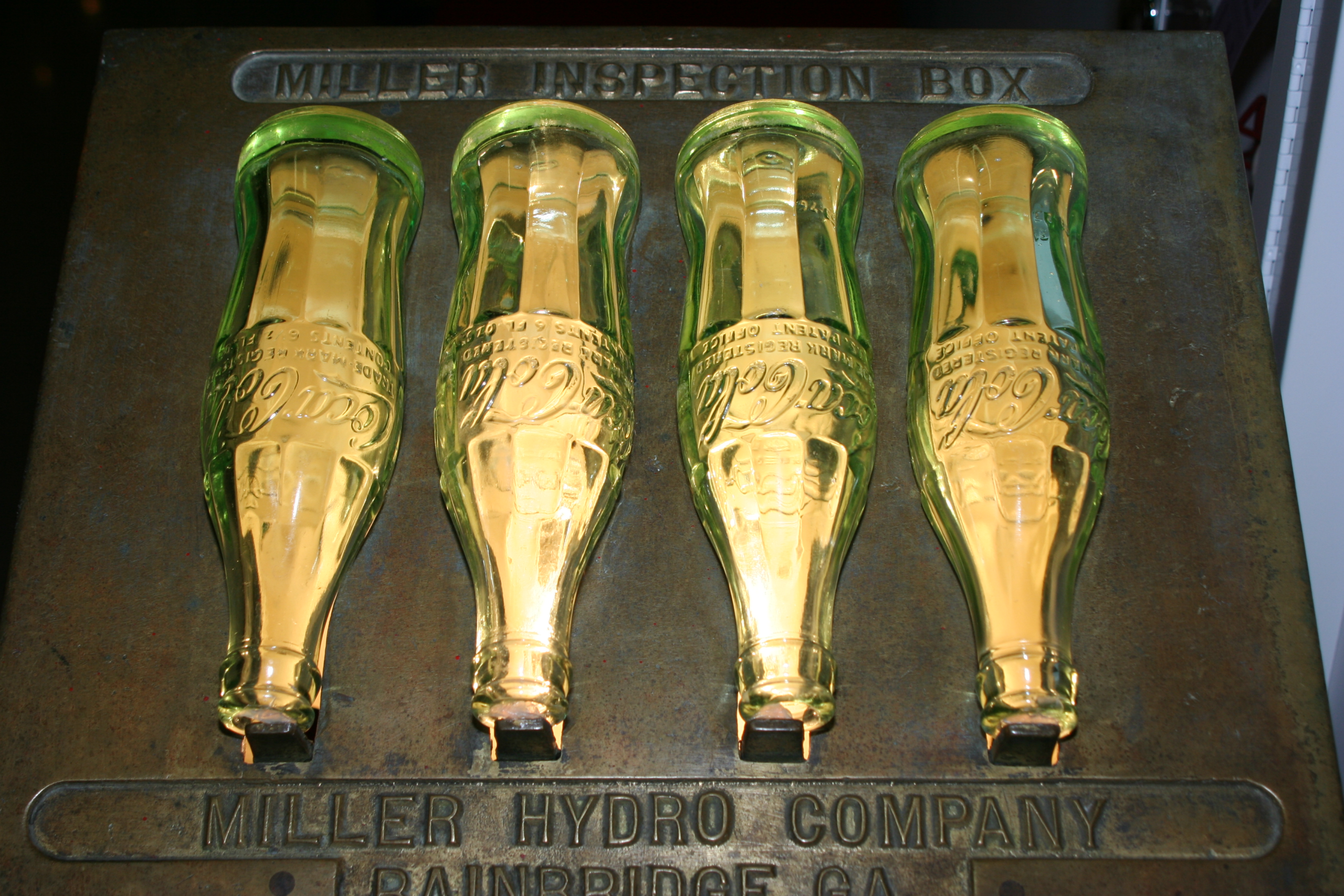
Returned bottles arrived containing cigarette ends, oil, paraffin, nails, insects and worse, because people used them for whatever they liked once the drink was gone. Inspection was a person sitting beside the line watching bottles pass a lit screen.
That inspection job – staring at an illuminated screen for a shift watching for contamination – was one of the most monotonous in food manufacturing and is now done by cameras examining every bottle at rates no person could manage, checking the base, the sidewall and the finish. Automated inspection also removed the one real weakness of the human version, which is that attention declines over a shift.
3. Bottles Exploded and People Lost Eyes
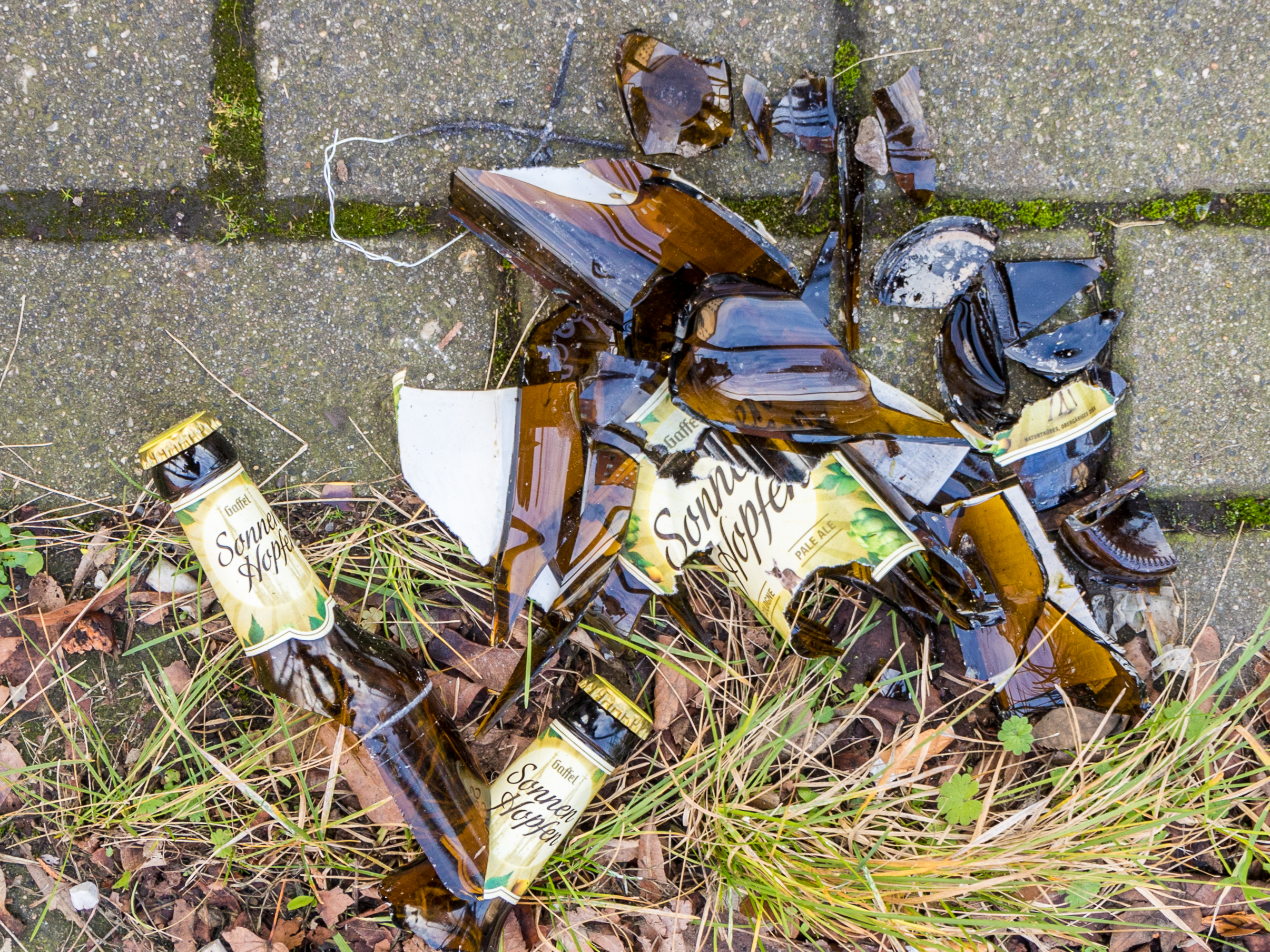
Carbonated drink in a glass bottle is a pressure vessel, and a bottle weakened by scuffing, a chip on the rim, or a flaw could burst during filling, capping or handling. Operators worked beside the line with no screens and no eye protection.
Guarding and polycarbonate screens around fillers, mandatory eye protection, automatic rejection of damaged bottles, and the shift away from returnable glass – which accumulates surface damage with every trip – between them removed the hazard. Bottle bursts were a recognised cause of serious eye injuries both to workers and to customers, and are one of the clearest reasons the industry moved away from refillable glass.
4. The Syrup Was Mixed by Hand to a Recipe in a Book
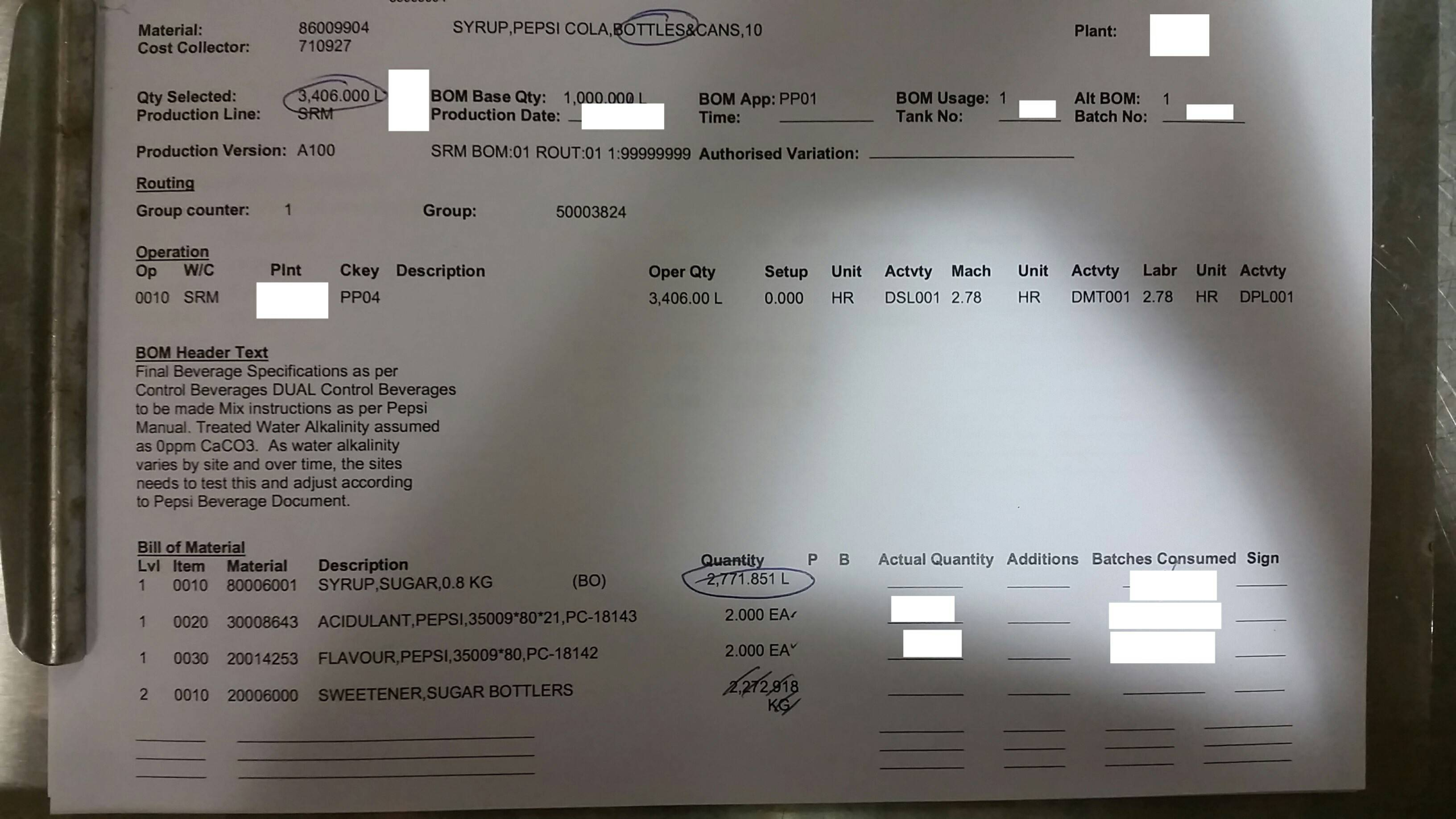
Concentrate, sugar, acid, flavouring and water were mixed in open tanks by a man working from a written formula, with the quantities weighed or measured by eye and the result tasted. Batch-to-batch variation was real and was managed by the person doing it.
Automated proportioning, inline blending, continuous carbonation and laboratory quality control replaced it, and a modern line produces a product that is identical everywhere. Franchise bottling in particular depended on this – a brand sold nationally had to taste the same in every town, and achieving that with local bottlers mixing by hand was a genuine problem the industry spent decades solving.
5. Local Bottlers Made National Brands Under Franchise
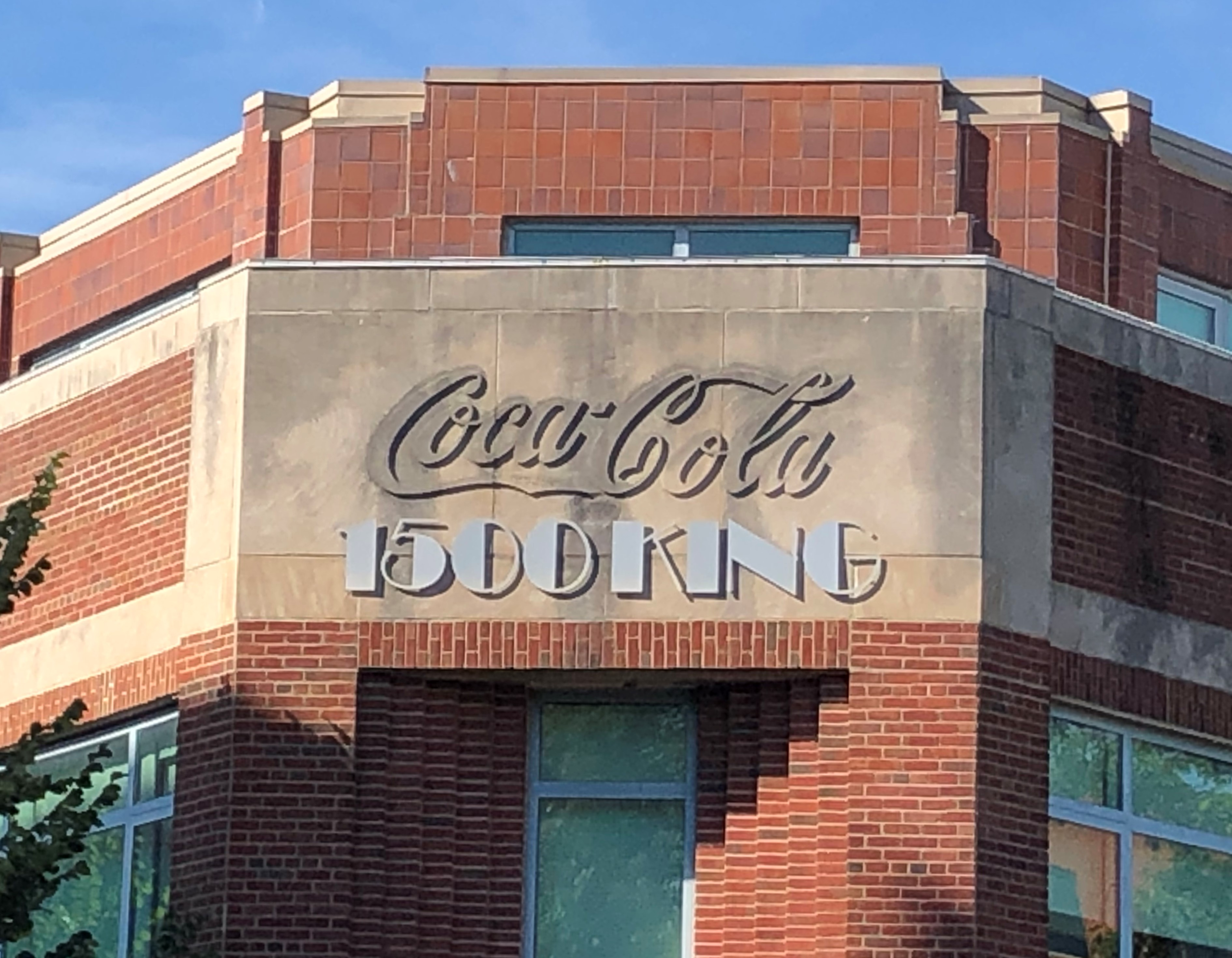
A national soft drink was frequently not made by the brand owner. It was made under licence by an independent local bottler who bought concentrate, added water and sugar locally, bottled it and delivered it within a defined territory.
The model existed because water is heavy and shipping finished drink any distance was uneconomic – so you shipped concentrate and added the water at the far end. Consolidation of bottlers into far fewer and far larger operations followed better roads and bigger plants. The territorial franchise shaped the entire industry for most of a century and is largely gone.
6. The Delivery Round Was a Flatbed Lorry and a Man With a Hand Truck
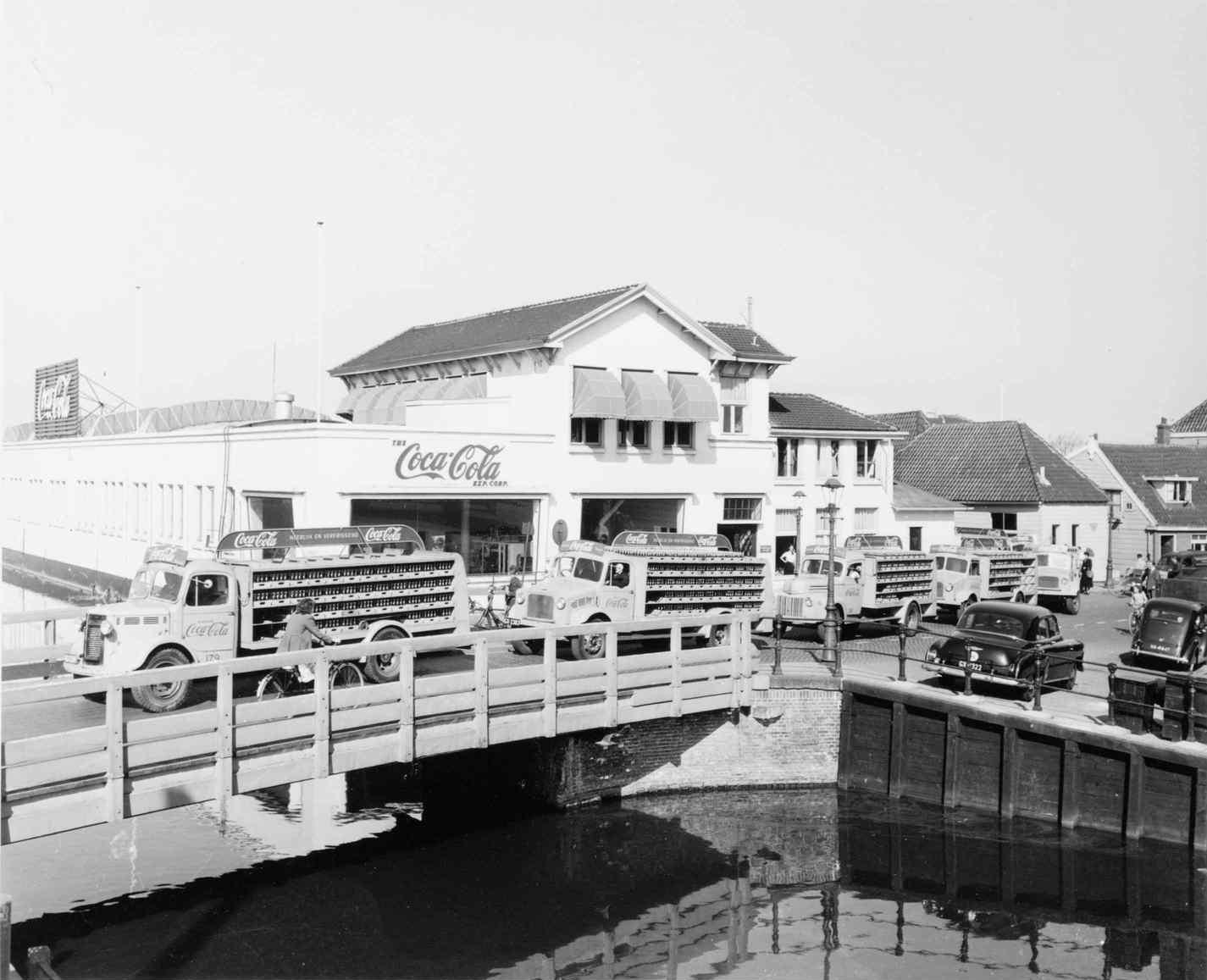
Crates of glass were loaded by hand, driven a local round, carried into shops on a sack barrow, and the empties collected on the same visit. A driver knew every shop on his route and did the ordering with the shopkeeper on the spot.
Palletisation, forklifts, lighter packaging and central ordering changed all of it. A modern delivery is a pallet moved by machine against an order placed by computer, and the driver does not decide anything. The weight is the part people underestimate – a crate of full returnable glass bottles is a serious lift, repeated hundreds of times a day, and the backs of that generation of draymen show it.
7. Sugar Arrived in Sacks and Dust Was Everywhere
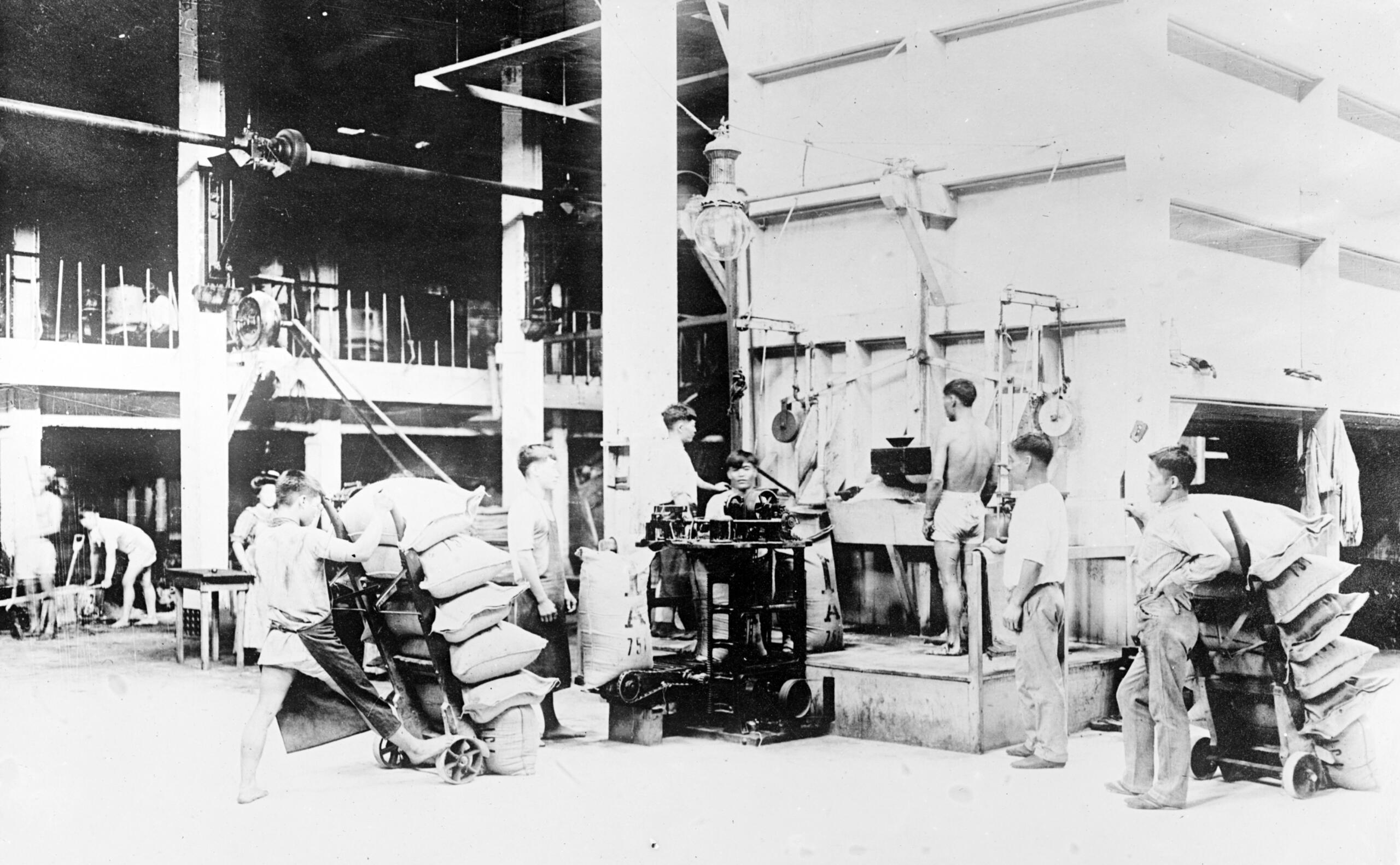
Sugar came in hundredweight sacks that were cut and tipped by hand into dissolving tanks. The dust got into the air, onto the floors and into the machinery.
Bulk delivery by tanker, enclosed handling and automated dosing replaced the sack. Sugar dust is also combustible in suspension in the same way grain and wood dust are, and dust control in food plants now treats it as the hazard it is. The sack tipping job disappeared with the sack, which is one of the few on these lists that nobody misses at all.
8. Crown Caps Were Applied by a Machine Somebody Fed
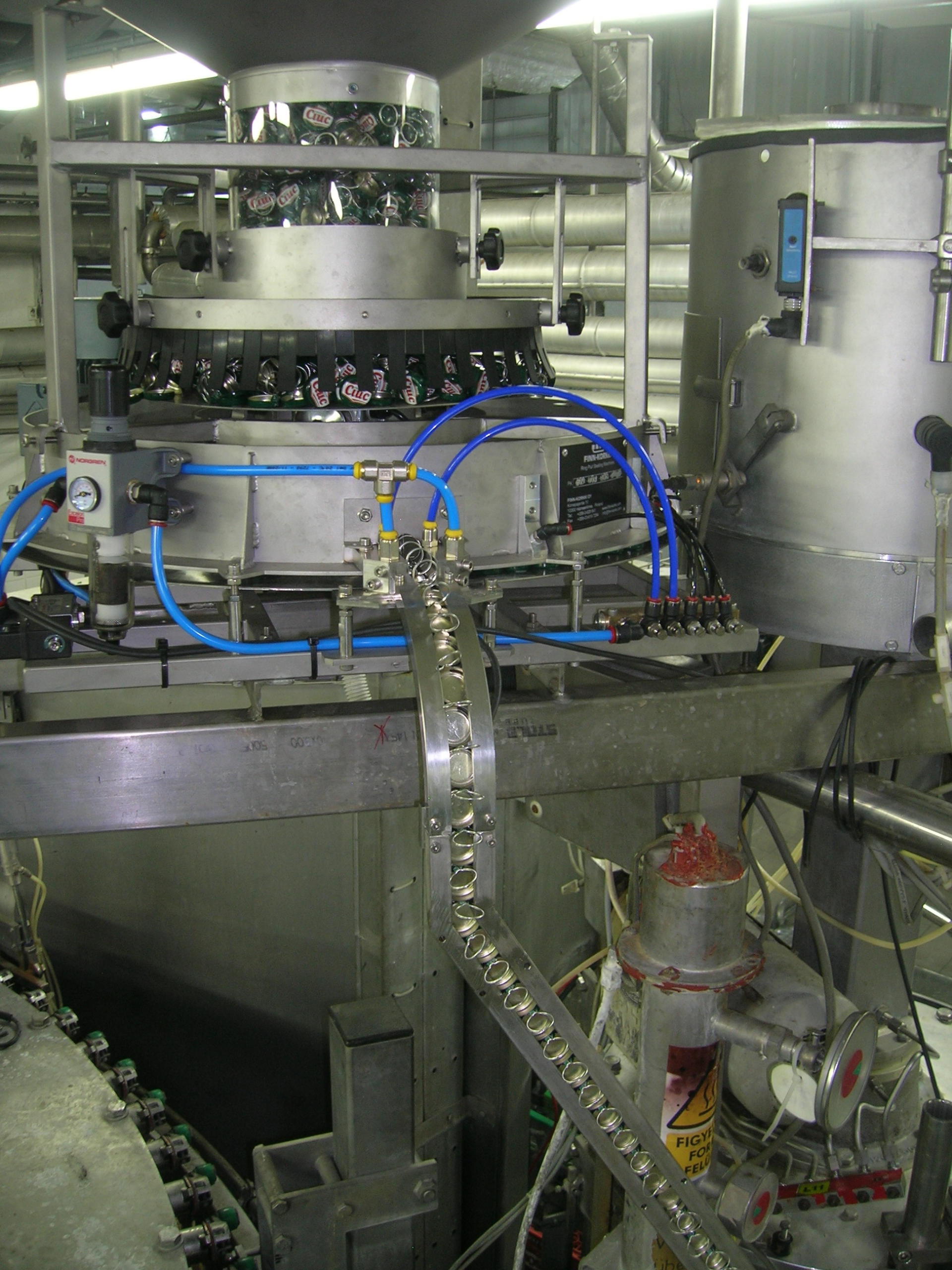
The crown cap – a pressed metal cap crimped over the bottle lip with a cork and later plastic liner – was applied by a capper that had to be kept loaded, adjusted and cleared when it jammed, by an operator standing at it.
The crown cap itself has barely changed and is still used, which makes it one of the more durable pieces of packaging design anywhere. What changed is everything around it – automated feeding, detection of missing or misapplied caps, and rejection of under-pressure bottles. The cork liner went in favour of plastic, which is why a modern cap does not leave a disc of cork in the bottle neck.
9. Flavours Were Regional and Frequently Local to One Plant
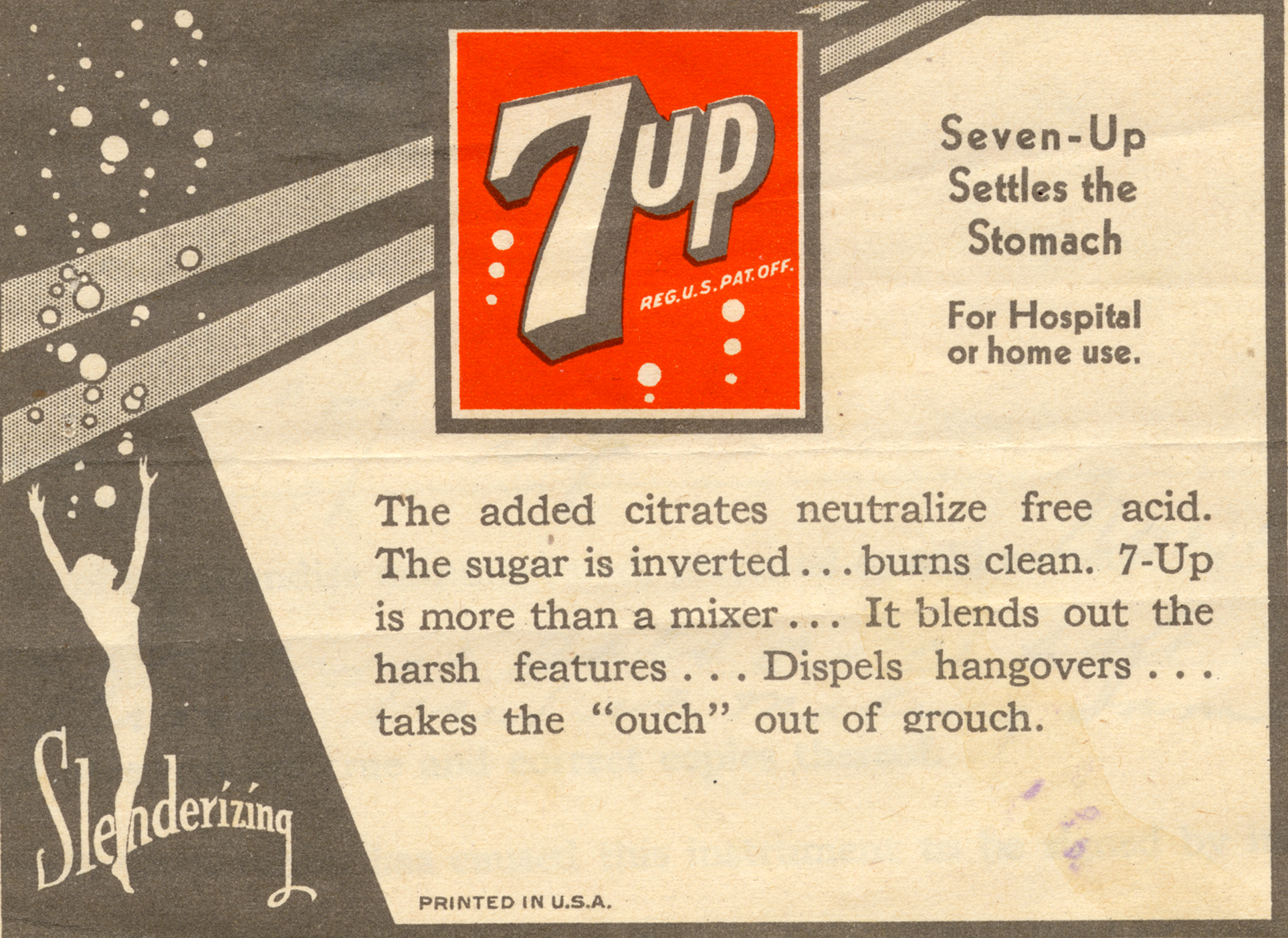
Independent bottlers produced their own lines alongside the franchised brands – local flavours, regional preferences, drinks that existed in one state or one county and nowhere else, made because the bottler thought they would sell there.
Consolidation removed most of them, and national and then global brand portfolios replaced local range with the same products everywhere. A number of regional drinks survived by becoming cult products with a distribution well beyond their origin, which is the standard escape route. The rest are remembered only by people from the right few counties.
10. The Plant Took School Visits and Gave Away Samples
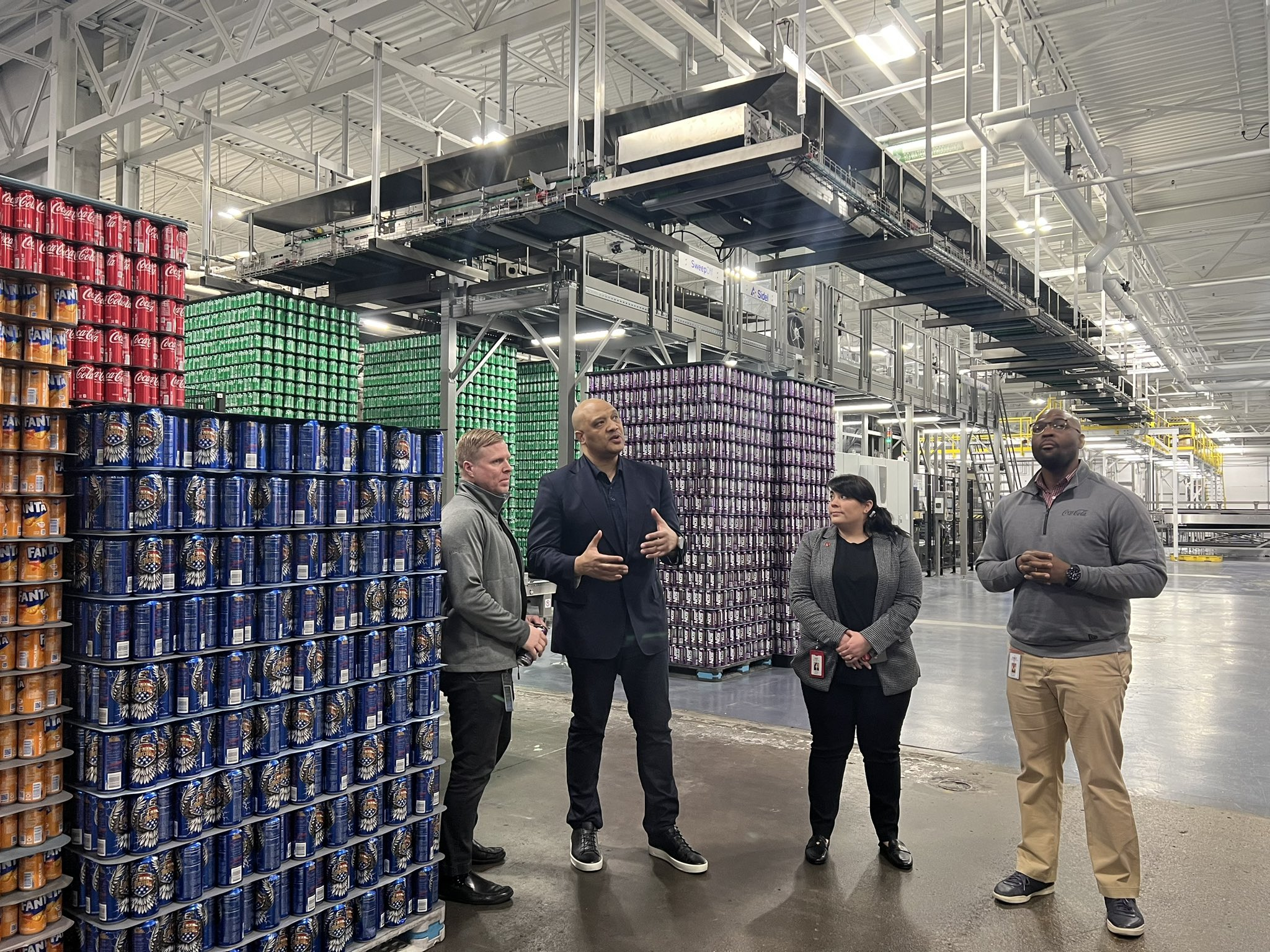
Bottling plants ran tours. Children were walked along a gallery above the line, watched the bottles go round, and were given a drink at the end. It was an ordinary thing for a local factory to do.
Food safety, hygiene zoning, insurance and commercial confidentiality between them ended the casual factory tour almost everywhere. The surviving versions are purpose-built visitor centres separated from production by glass, which is safer and considerably less interesting. The sight of a bottling line running at speed is genuinely hypnotic and almost nobody gets to see one now.
11. The Water Was Whatever Came Out of the Local Main
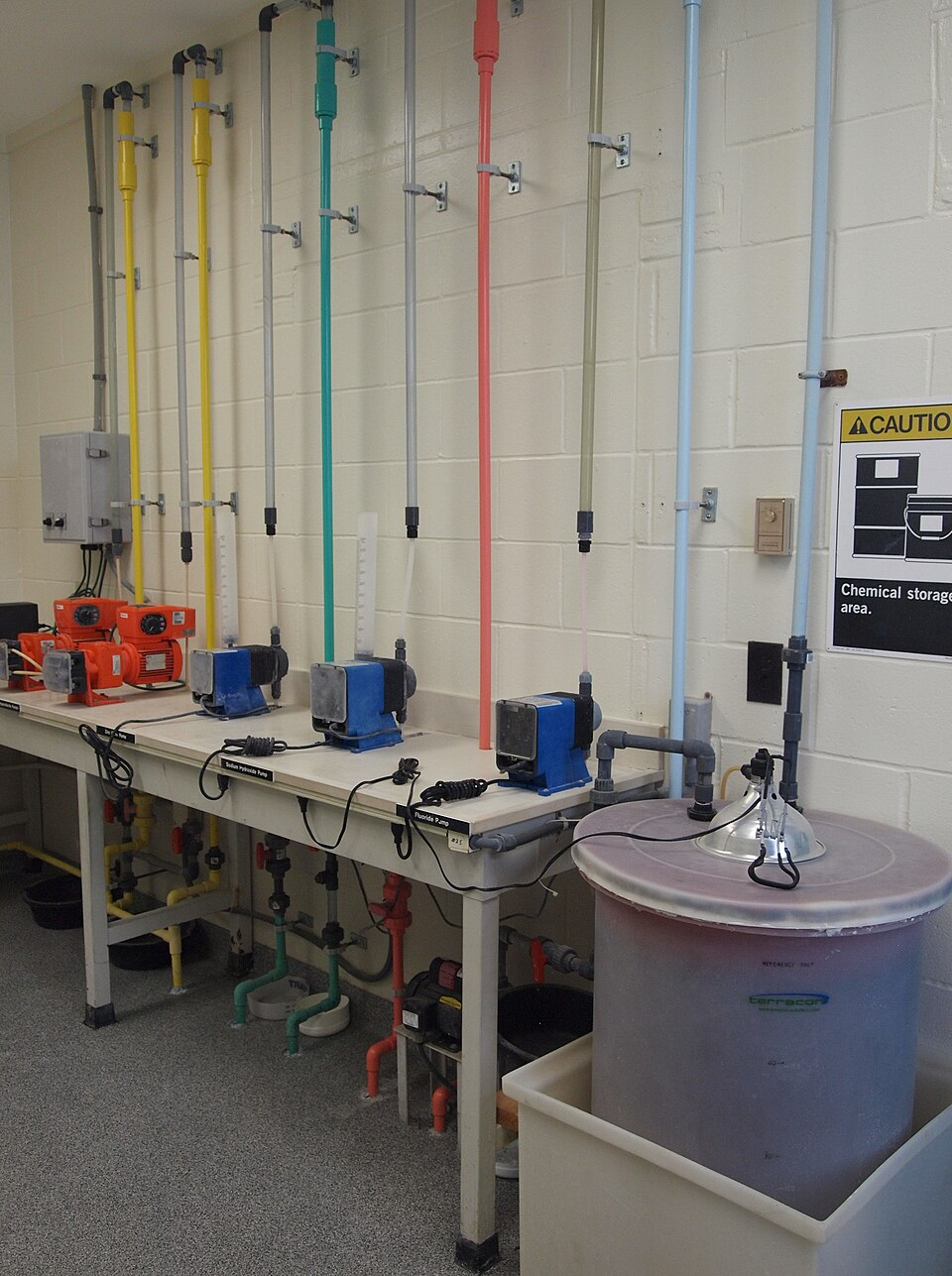
A franchise bottler added local water to the concentrate, and local water varies – in hardness, in mineral content, in chlorination and in taste. The same brand could and did taste measurably different from one town to the next.
Water treatment at the plant – filtration, carbon treatment to remove chlorine, and adjustment of mineral content to a specified profile – is now standard and is the single largest reason a global brand tastes the same everywhere. It is also one of the more surprising facts about soft drinks manufacture: a substantial part of the technical effort goes into making ordinary tap water into a precisely defined and entirely neutral ingredient before anything else is added to it.
12. Nobody Thought Plastic Would Take the Market
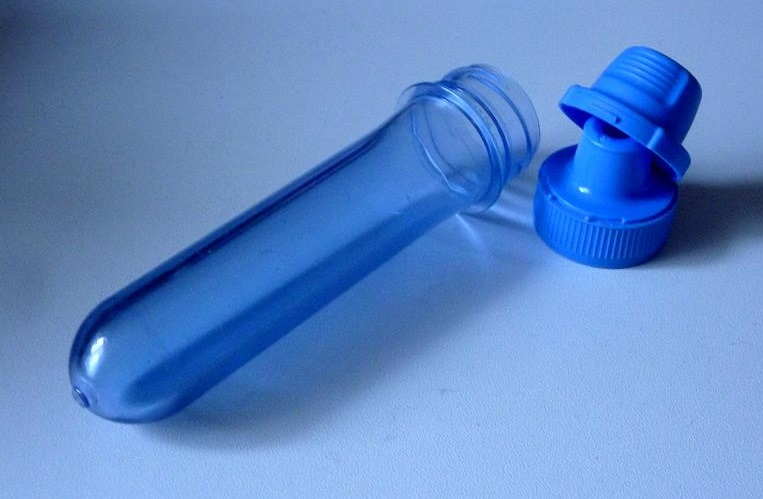
In 1960 soft drinks meant glass, and the returnable bottle with its deposit was the system. Plastic bottles for carbonated drinks did not yet exist in a usable form.
The development of a plastic that could hold carbonation without deforming changed the industry completely from the late 1970s – lighter, unbreakable, cheaper to transport, and available in sizes glass could not practically offer. It also ended the deposit-and-return habit in most markets and created the litter and recycling problem that deposit schemes are now being reintroduced to address. The industry has gone round a full circle in about sixty years and is arriving back at a version of the system it abandoned.
The Circle It Has Travelled
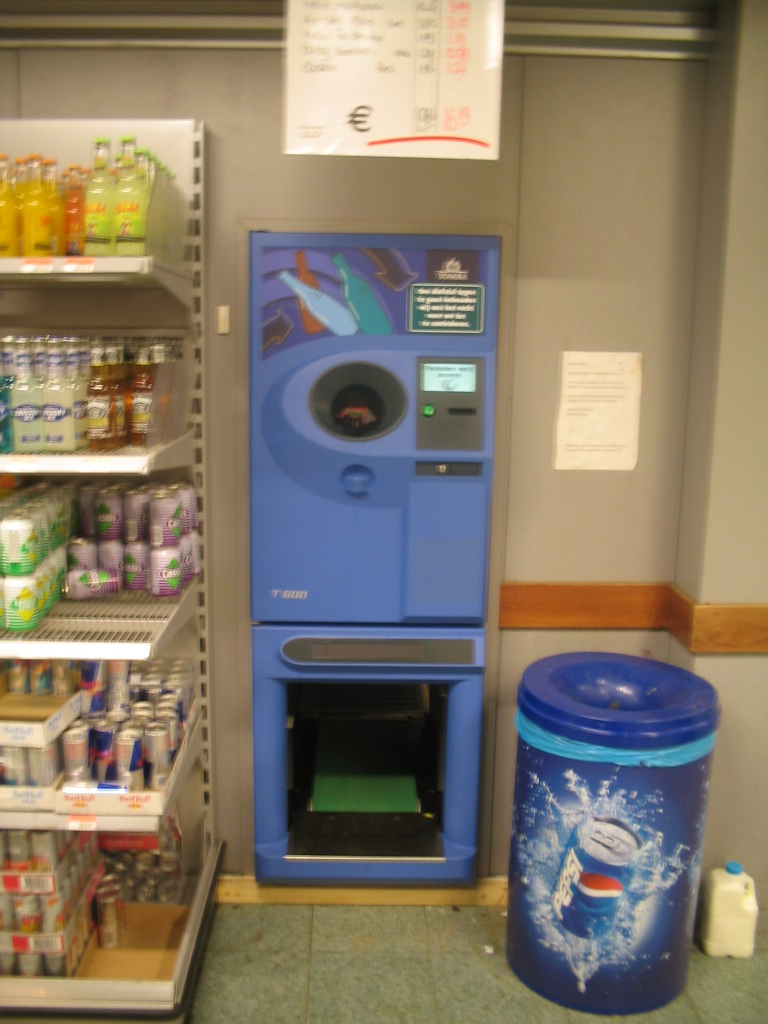
This industry is unusual in these lists because it is in the process of reversing.
The 1960 system was refillable glass with a deposit, collected on the same round that delivered, washed and reused many times. It was labour-intensive, it required a washing plant and a great deal of storage, and the bottles were heavy to move and occasionally dangerous.
Plastic solved every one of those problems. It is light, it does not break, it needs no return journey, it permits larger sizes, and it is cheaper to make and to transport. On the industry’s own terms it was simply better, and it took the market comprehensively within about fifteen years.
What it created was a disposal problem at a scale nobody costed at the time, because the container stopped being an asset the bottler wanted back and became something the customer had to get rid of.
Deposit return schemes are now being introduced or reintroduced in a growing number of places, and they work by doing exactly what the 1960 system did – attaching a value to the empty container so that somebody has a reason to bring it back. The material is different and the logistics are better, but the mechanism is the one the industry abandoned.
Which is worth remembering whenever a long-established system is replaced by something obviously superior: the thing being discarded may have been solving a problem nobody had noticed it was solving.
If there was a bottling plant in your town, somebody took you round it and you were given a bottle at the end.
Which plant, which drink, and was there a local flavour nobody outside the county had heard of?
Like our content? Follow us for more.