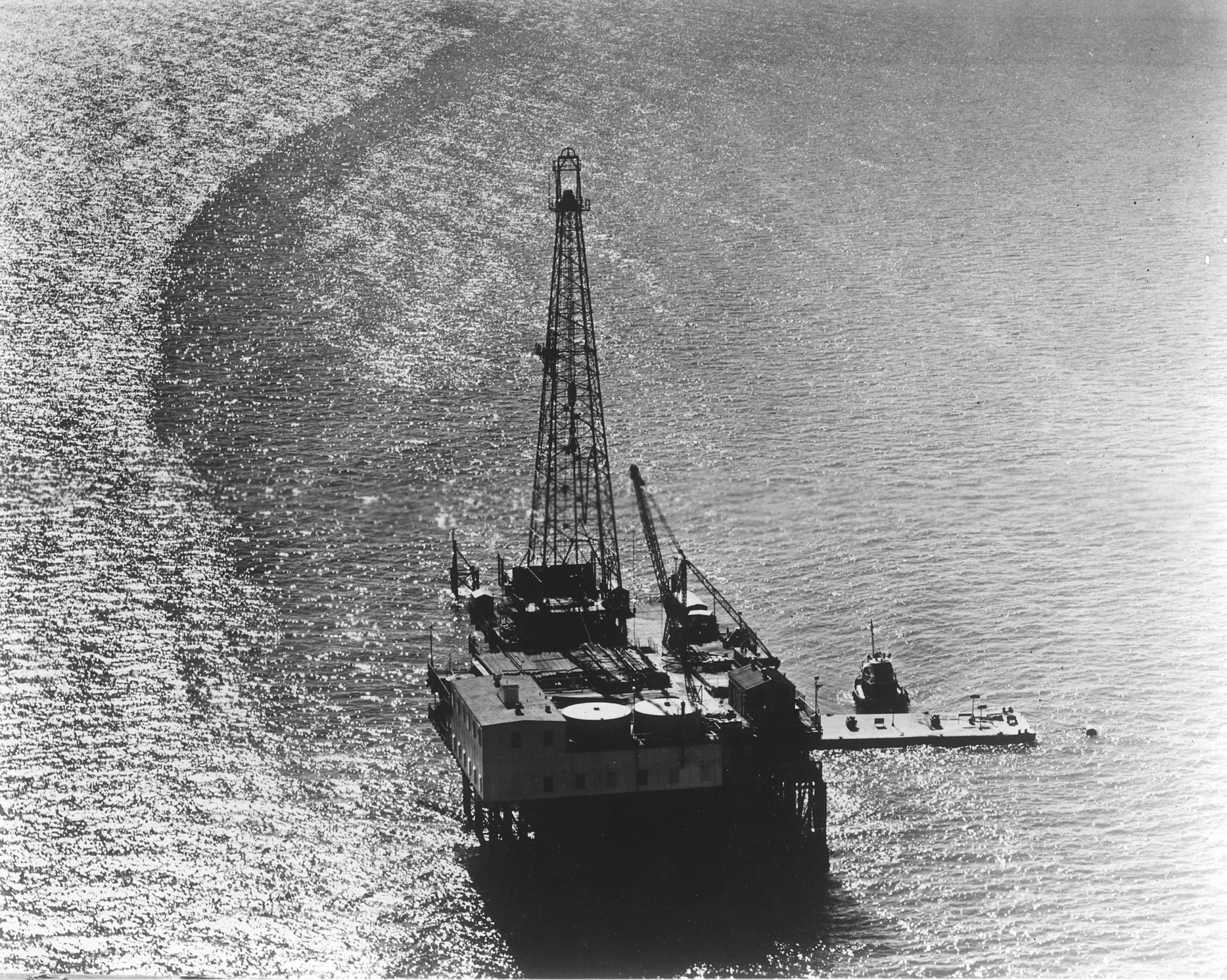
Offshore oil in 1975 was a young industry expanding at extraordinary speed, operating on rules borrowed from onshore drilling and from shipping, with accommodation bolted to the same structure as the wellhead and a safety culture that consisted largely of posters.
Men flew out by helicopter with no escape training, worked twelve-hour shifts for a fortnight at a stretch on a steel floor among machinery that removed fingers routinely, and had one telephone between them.
Here are twelve things that were ordinary offshore in 1975, and what each one became.
1. You Got to the Rig by Helicopter and Nobody Trained You for It
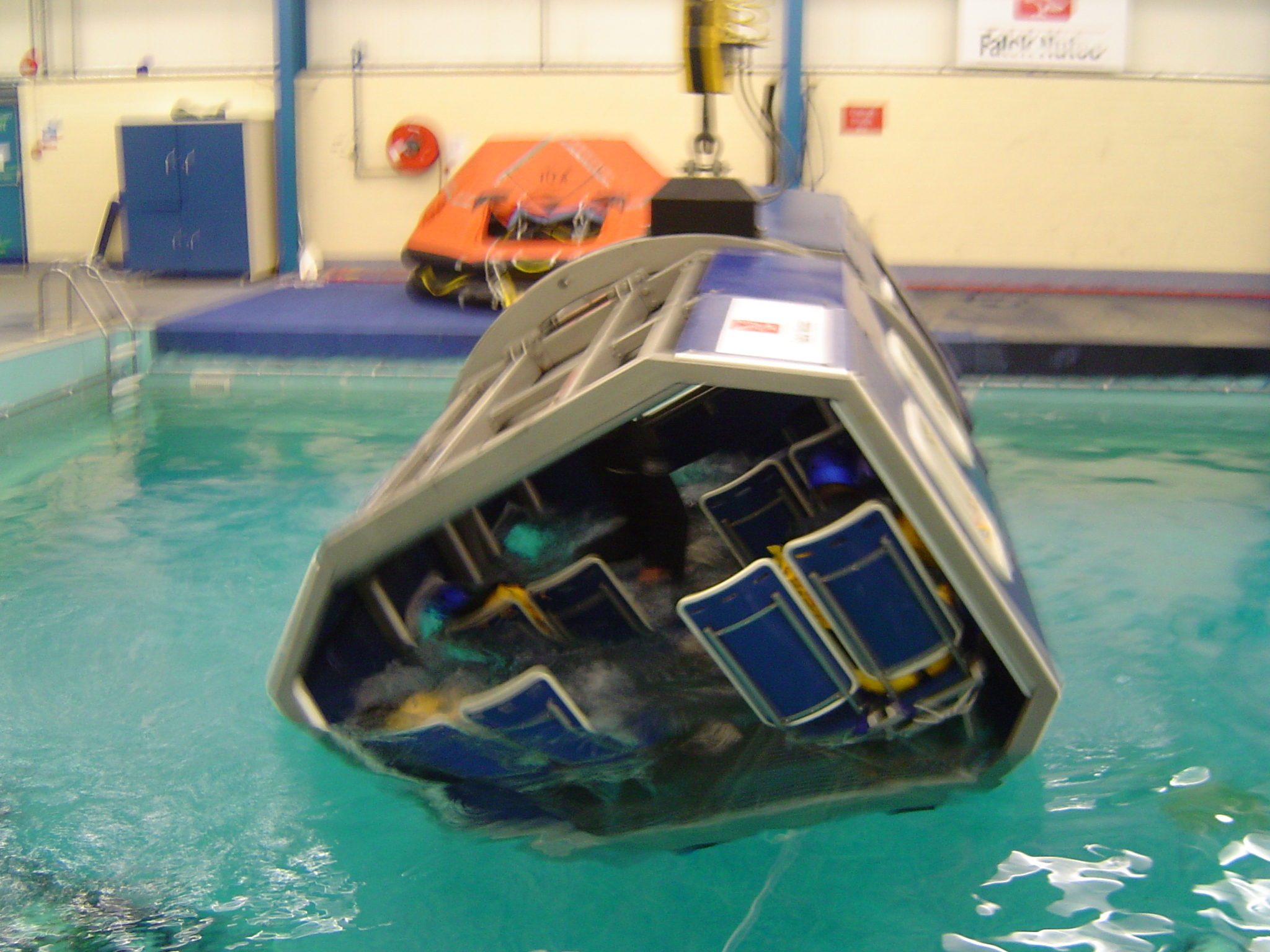
Crew change meant a helicopter flight over open water, often in marginal weather, in a machine full of men in ordinary work clothes. Survival suits were not standard on early offshore flights, and the safety briefing in the 1970s was frequently a shouted sentence.
Helicopter underwater escape training is now mandatory before anybody flies offshore, and it is repeated every few years. Passengers wear survival suits with rebreathers, seats are fitted with push-out windows, and flights are governed by sea state and weather limits. The training exists because a series of ditchings established that people who had not practised escaping an inverted, flooding, dark cabin generally did not.
Like our content? Follow us for more.
2. The Derrick Floor Was the Most Dangerous Workplace in Industry
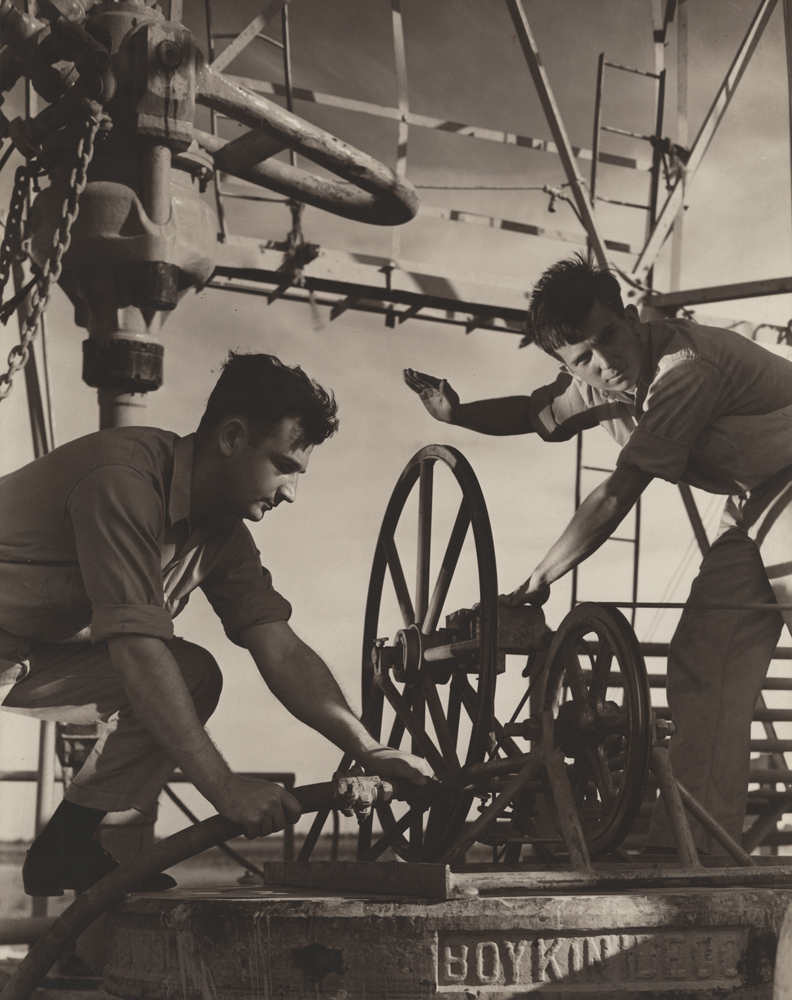
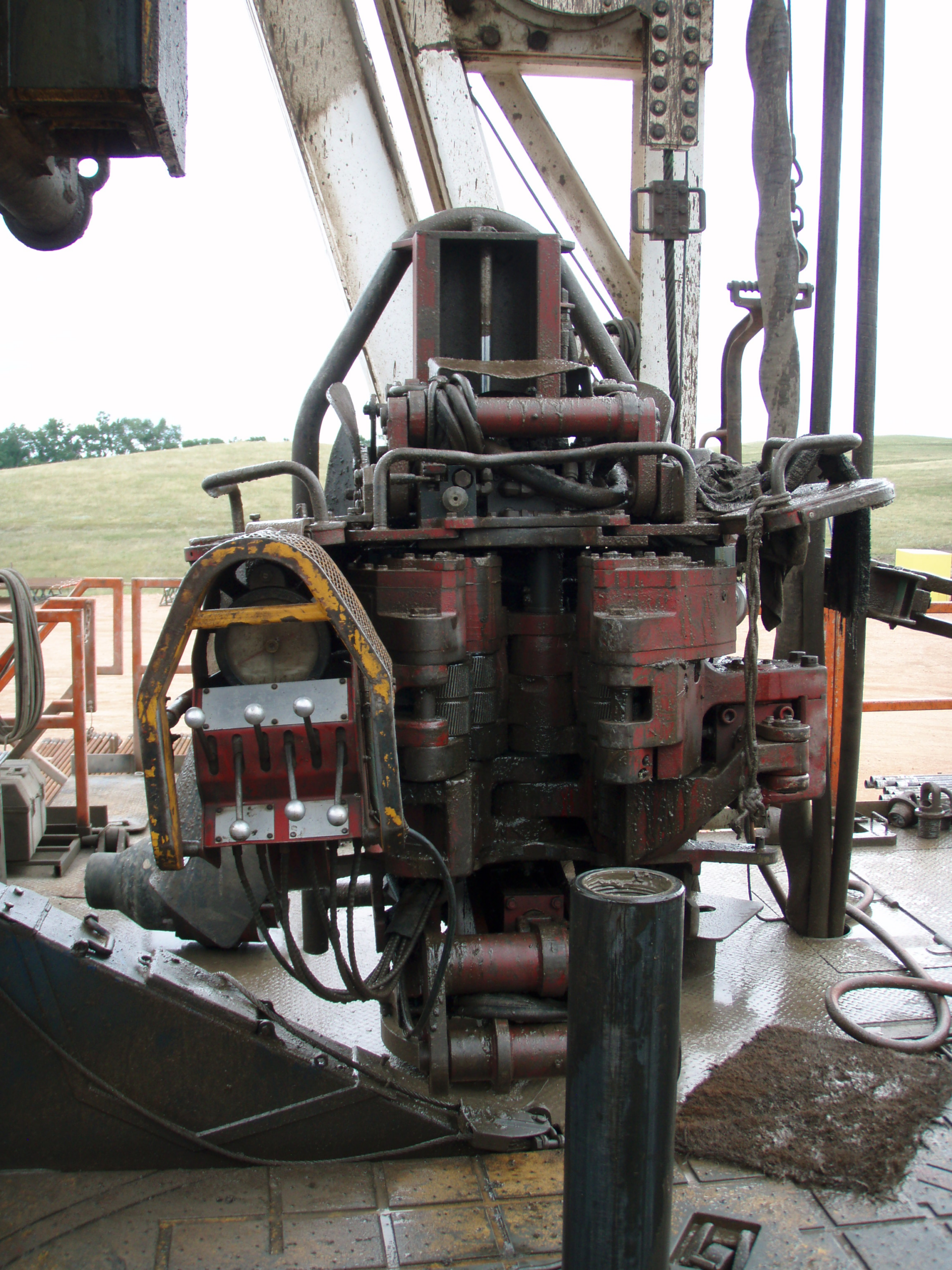
Drill pipe under tension, spinning chain, tongs weighing hundreds of pounds swinging on a slippery steel floor, and a crew of roughnecks making a connection every half hour through a twelve-hour tour. Fingers, hands and arms were lost regularly enough that the industry had a vocabulary for it.
The spinning chain in particular – a length of chain thrown round the pipe by hand to spin it up – has been replaced by hydraulic iron roughnecks and top drives that keep hands off the pipe entirely. Automated pipe handling, remote operation and hard rules on the red zone around the rotary table have transformed the injury figures. The job is still physical and still dangerous; it is no longer a place where losing a finger is routine.
3. Twelve Hours On, Twelve Hours Off, for Two or Three Weeks
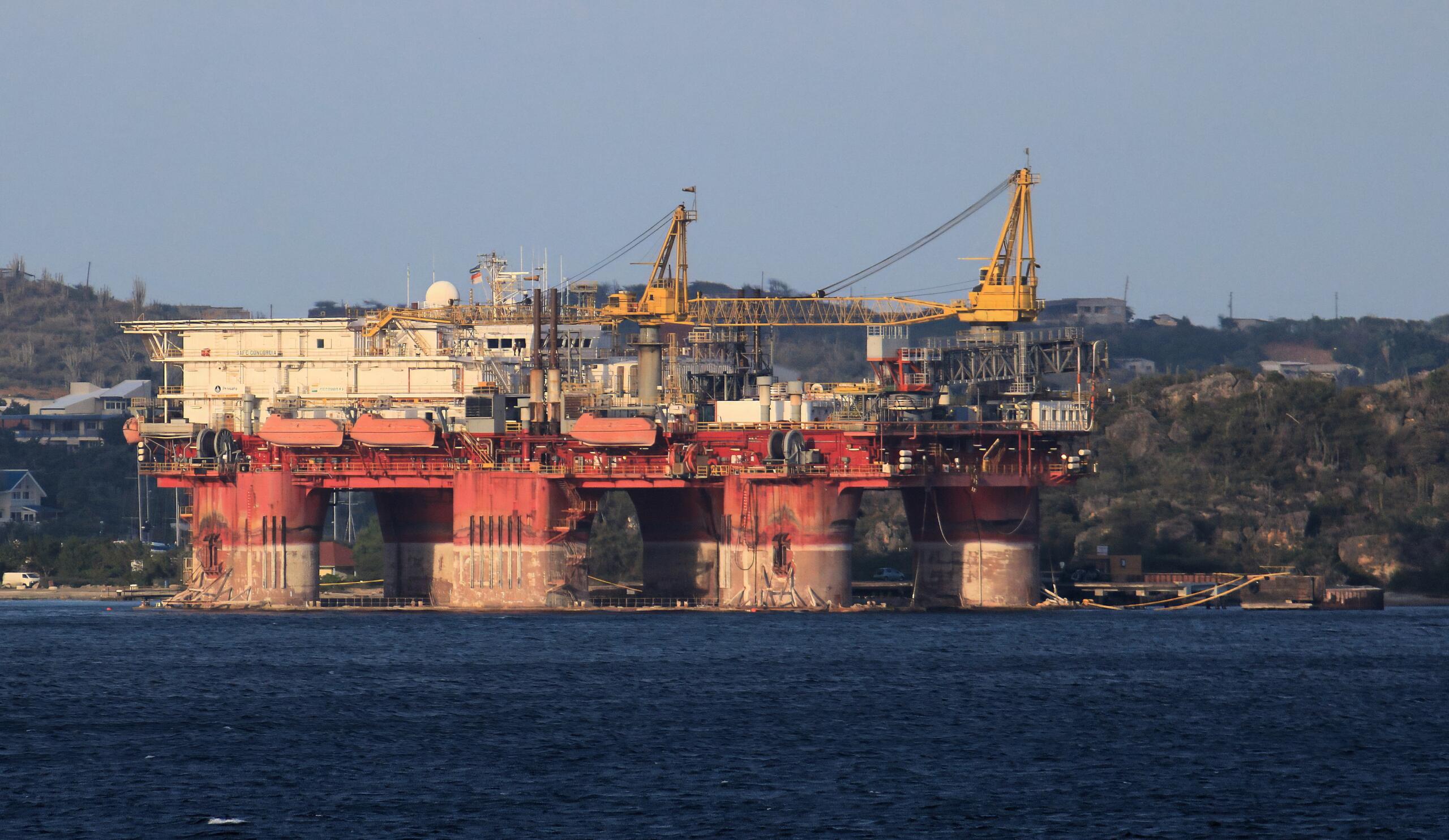
The standard offshore tour was two weeks on and two off, or longer, with twelve-hour shifts every day of the hitch and no days off within it. Day shift and night shift hot-bunked in some installations, sharing the same bed in rotation.
The rotation itself survives and is still the basic structure of offshore work. What changed is the accommodation – single or twin cabins to specified standards rather than hot-bunking – and the recognition of fatigue management as a safety issue with defined rest periods. The two-weeks-on pattern remains one of the most disruptive work schedules in any industry for family life, and the industry knows it.
4. Nobody Measured What Anybody Was Breathing
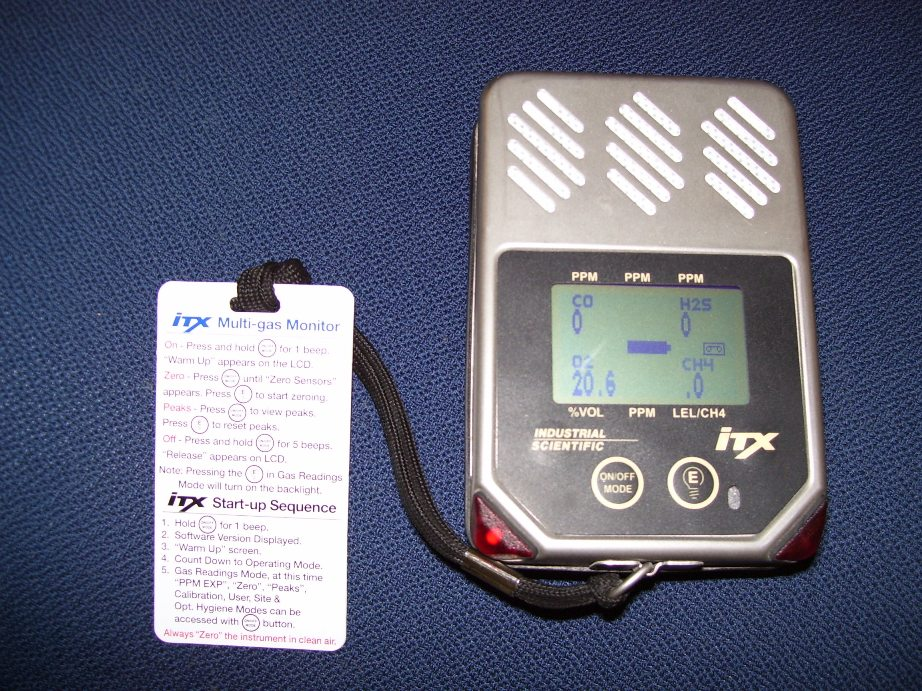
Drilling mud containing diesel and chemical additives, hydrogen sulphide from sour formations, welding fumes, solvents and asbestos lagging on the older installations. Exposure was managed by whether it smelled bad, and hydrogen sulphide notoriously deadens the sense of smell before it reaches a lethal concentration.
This is occupational history. Fixed and personal gas detection, mandatory monitors for hydrogen sulphide, breathing apparatus stationed at muster points, substitution of water-based muds where possible, and exposure limits with measurement all arrived through the following decades. Anybody with an offshore exposure history should raise it with a doctor rather than with an article.
5. Safety Was a Poster and a Weekly Meeting
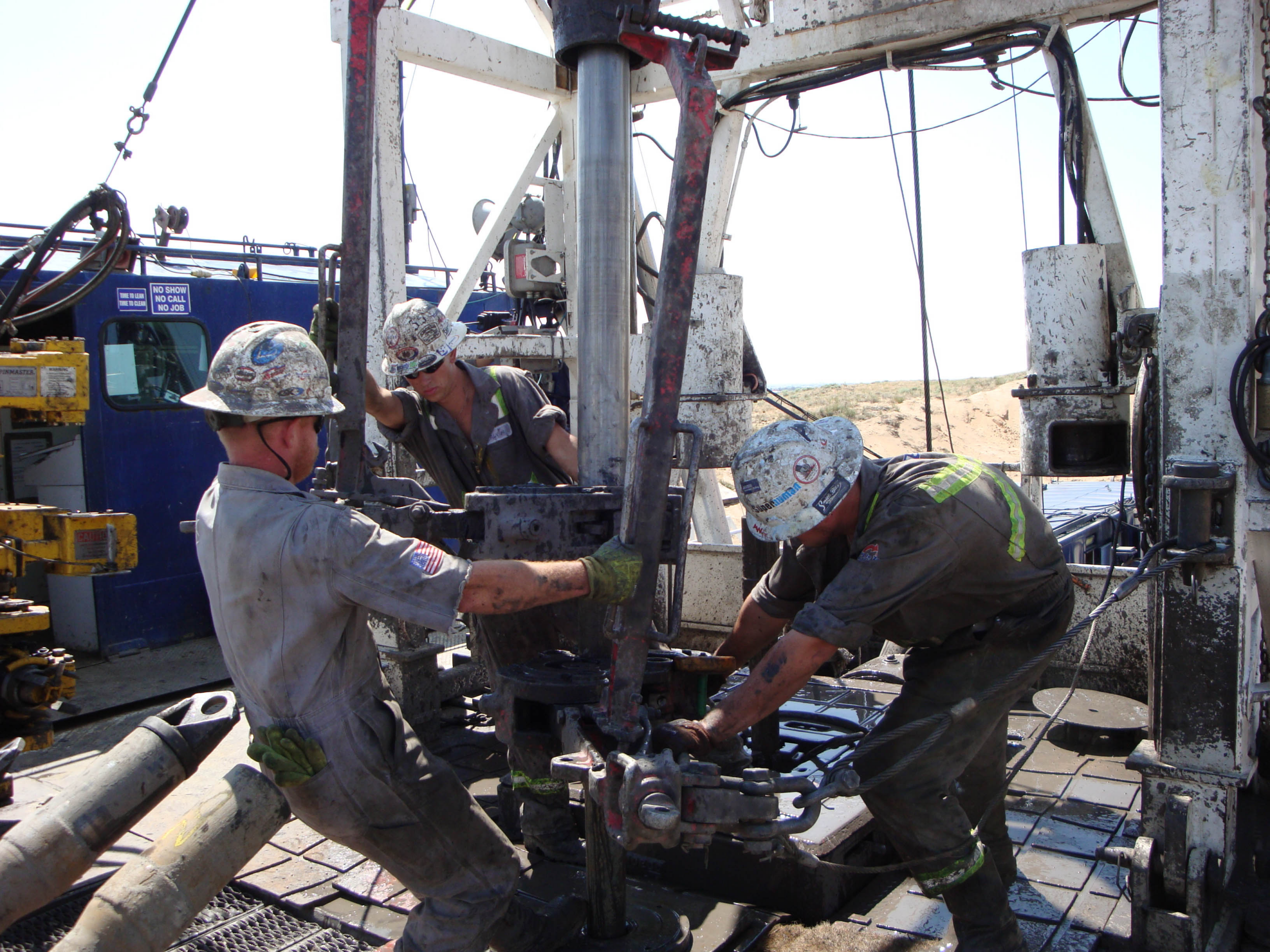
The safety culture of the early 1970s offshore consisted largely of exhortation – signs, a toolbox talk, an award for days without an accident, which created a direct incentive not to report minor injuries. Production pressure overrode almost everything, and a man who stopped a job was a man with a problem.
Stop-work authority – the right of any worker to halt an operation without needing permission and without consequence – is now a formal and heavily promoted principle across the industry. Permit-to-work systems, formal risk assessment, and independent safety cases replaced the poster. The change was not voluntary and did not come from within: it came after disasters, and the industry says so itself.
6. The Accommodation Was Bolted to the Same Structure as the Wellhead
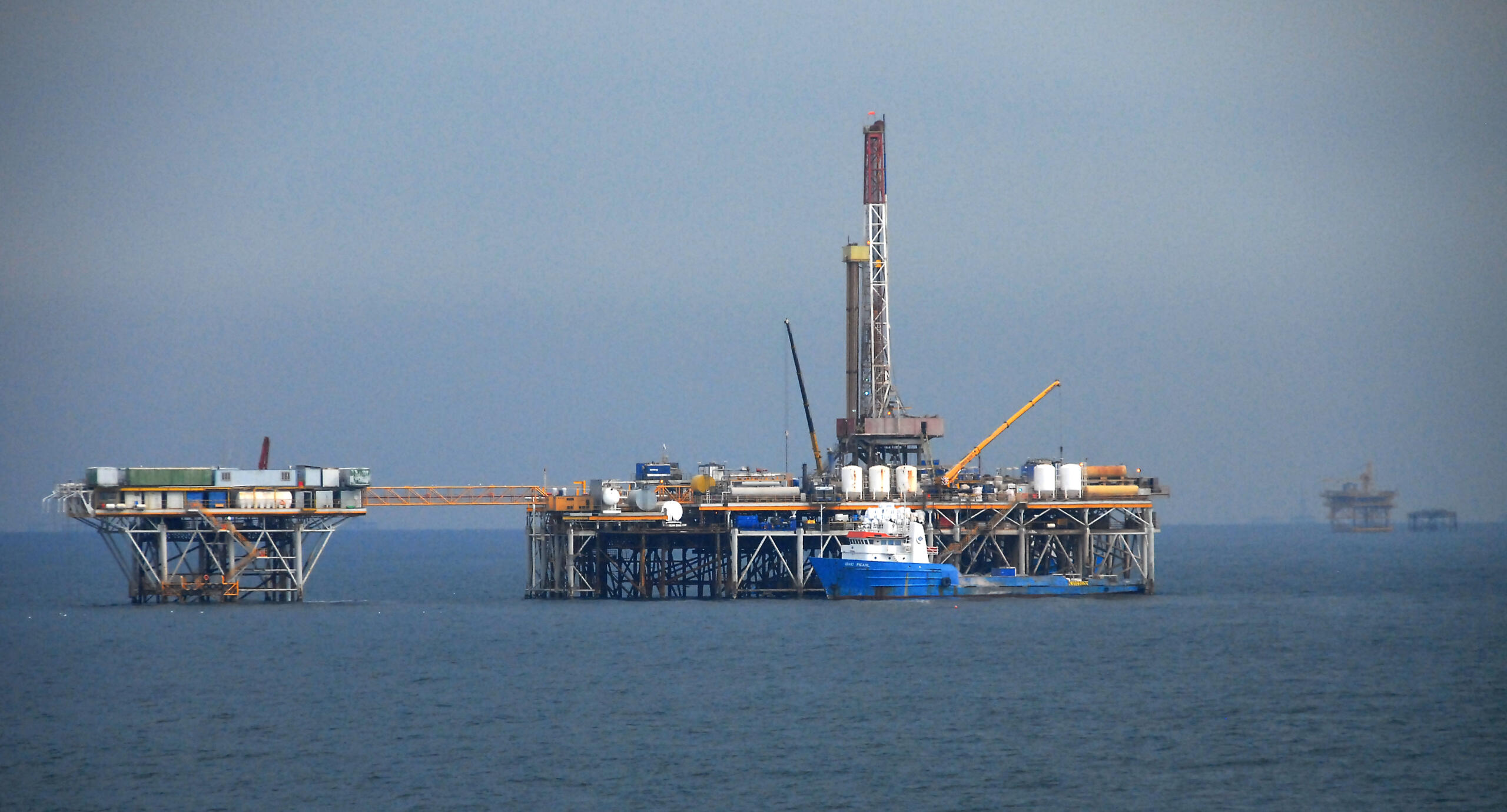
Living quarters, galley, recreation room and the drilling operation occupied one platform, with no meaningful fire separation on many early installations and escape routes that led past the hazard rather than away from it. Lifeboats were frequently positioned where a fire would make them unreachable.
Temporary refuge standards, fire and blast walls, protected escape routes, and the siting of accommodation away from or separate from process areas are now fundamental to offshore design. Every one of those requirements traces to specific catastrophes in which people died because the safe place and the escape route were on the wrong side of the fire, and the resulting public inquiries rewrote offshore regulation internationally.
7. Diving Was Done With Equipment and Tables That Were Still Being Worked Out
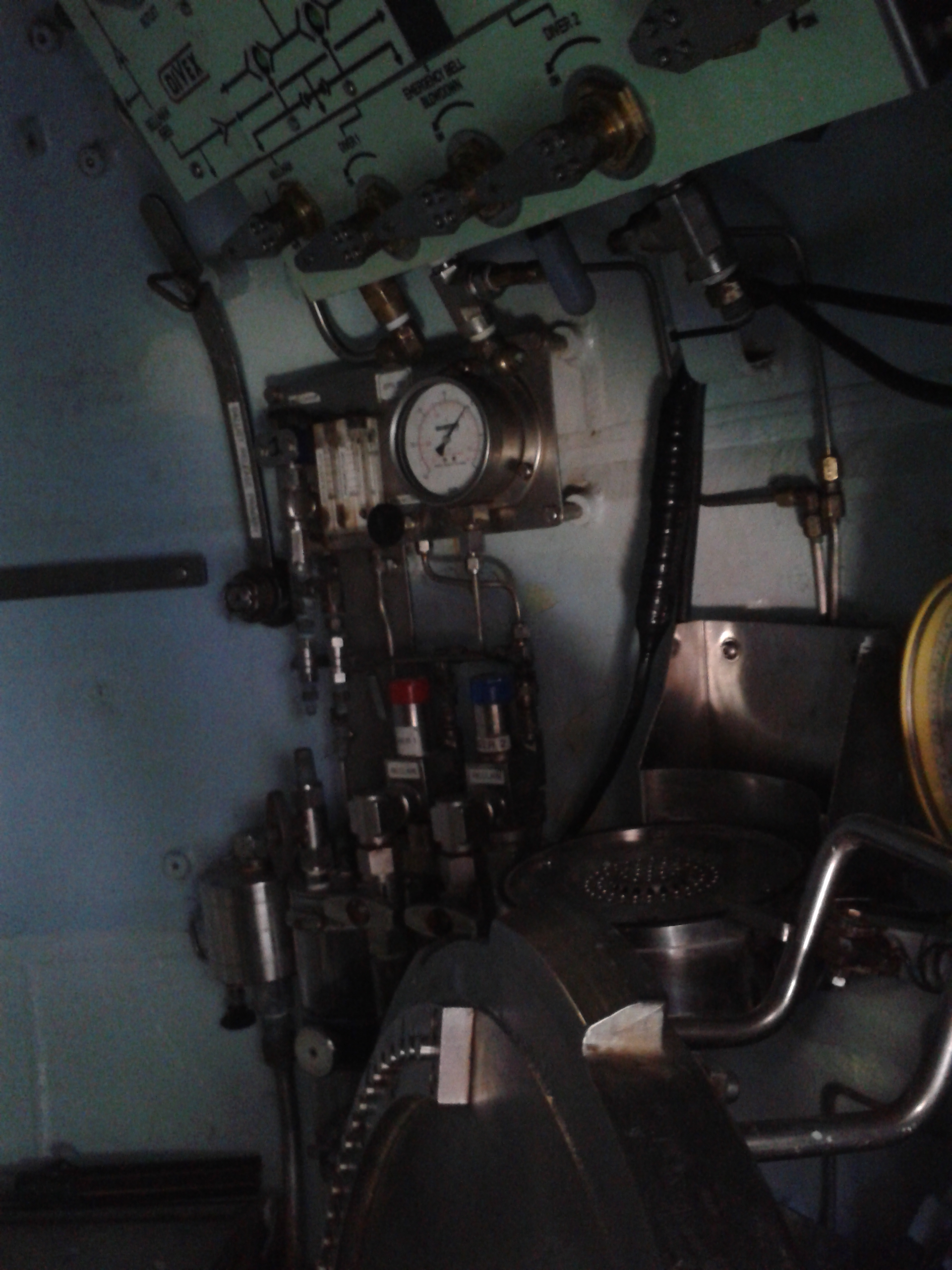
Saturation diving – keeping divers at working pressure in a chamber for weeks so they only decompress once – was new and expanding fast through the 1970s. Procedures, gas mixes, decompression schedules and equipment were being developed in commercial operation rather than in advance of it.
Offshore diving in that period had a fatality rate that the industry does not dispute was unacceptable, and it produced the diving regulations, certification regimes, equipment standards and medical surveillance that govern it now. Remotely operated vehicles have since replaced divers for a great deal of deep work, which removed the exposure rather than managing it – the most effective control there is.
8. Everybody Smoked, Including Places They Should Not Have
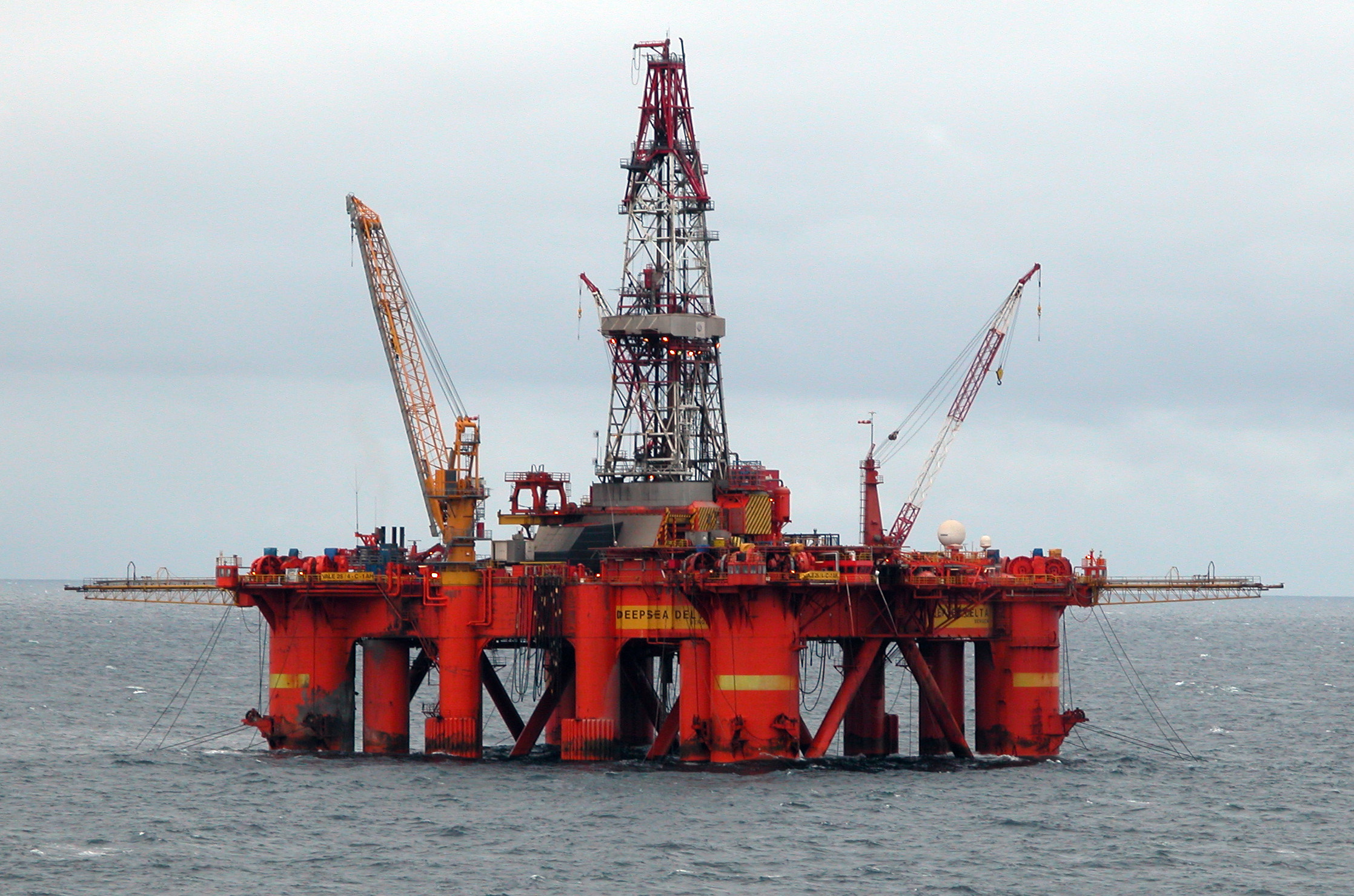
Smoking was permitted in the accommodation, the galley, the recreation room and – in the accounts of people who were there – in places on the installation where it plainly should not have been. Hot work control existed on paper and was applied unevenly.
Designated smoking areas with interlocked doors, rigorous hot work permits with gas testing and fire watch, and ignition source control are now absolute. On an installation handling hydrocarbons the relationship between a cigarette and a gas release is not an abstraction, and the tightening of ignition control is among the clearest before-and-after changes in offshore operation.
9. The Food Was Enormous and That Was Deliberate
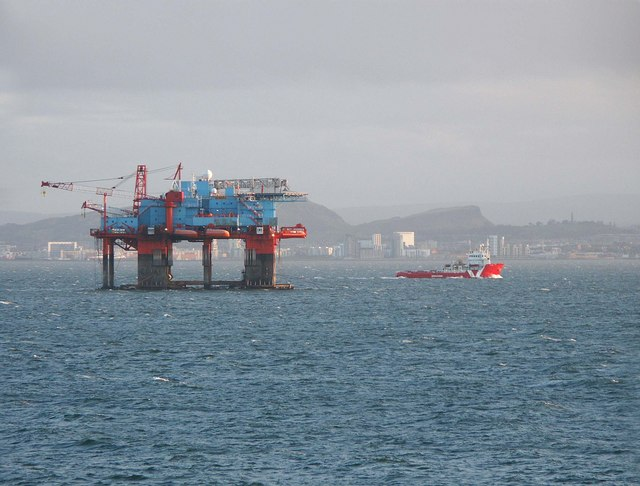
The galley ran twenty-four hours with a full menu at every meal, steak regularly, and unlimited quantities. Catering was understood as the main lever on morale on an installation nobody could leave, and operators spent accordingly.
This has not changed much and is one of the few items on any of these lists where the old practice simply continued. What has changed is the addition of lighter options, gyms on most installations, and some attention to the health consequences of the rotation – though the standing joke about what a hitch does to a waistline is the same joke it was in 1975.
10. Communication Home Was a Queue for One Telephone
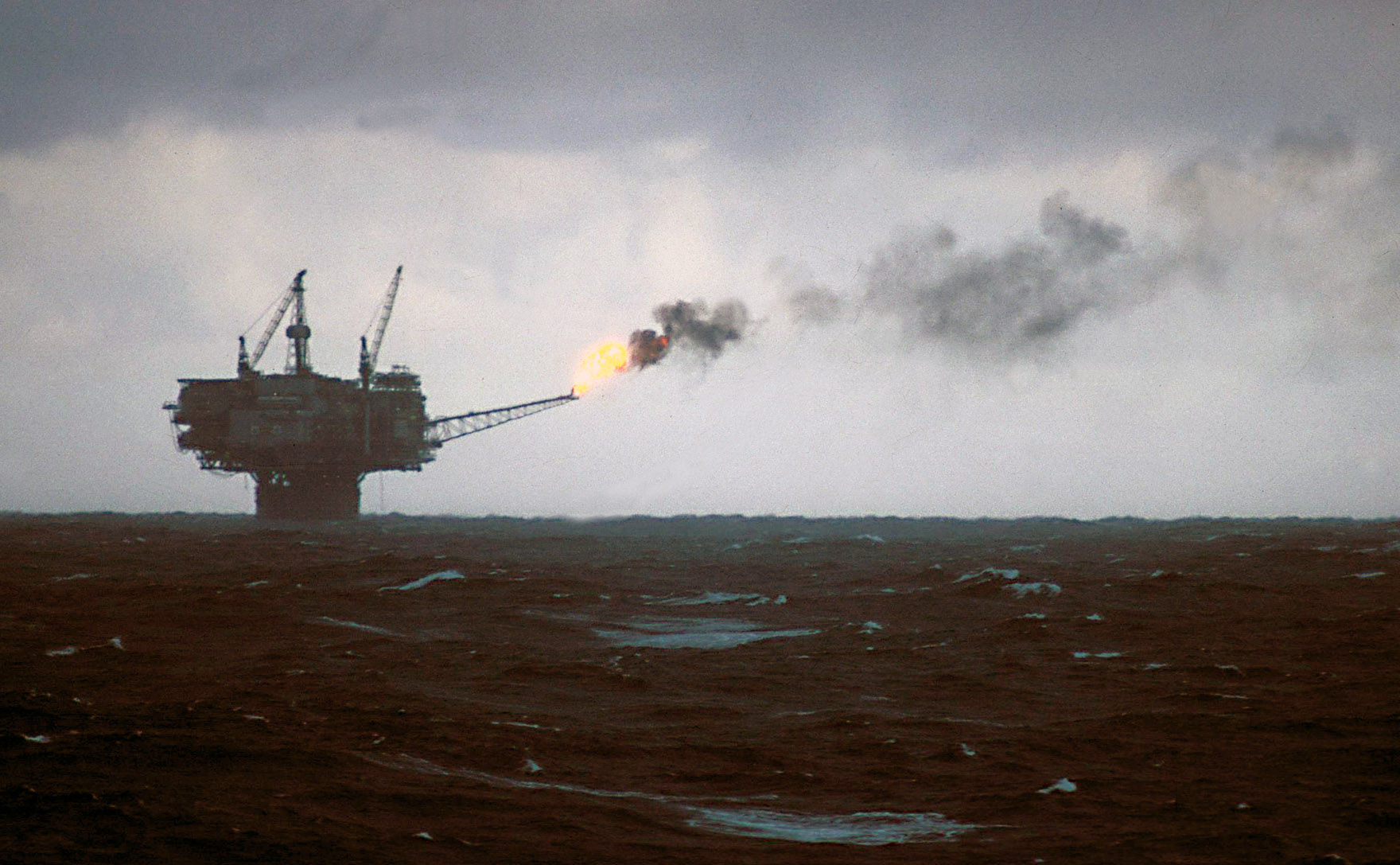
A radio link or a single satellite telephone, expensive, queued for, and frequently of poor quality. A man offshore for three weeks might speak to his family twice. News arrived with the crew change.
Broadband to installations has made video calls routine, and the isolation that defined offshore work has substantially gone. The effect on the culture is described by long-serving offshore workers as the single biggest change of their careers – bigger than the automation, bigger than the safety regime – because the installation stopped being a place cut off from everything and became somewhere you could see your children from.
11. Women Were Essentially Absent
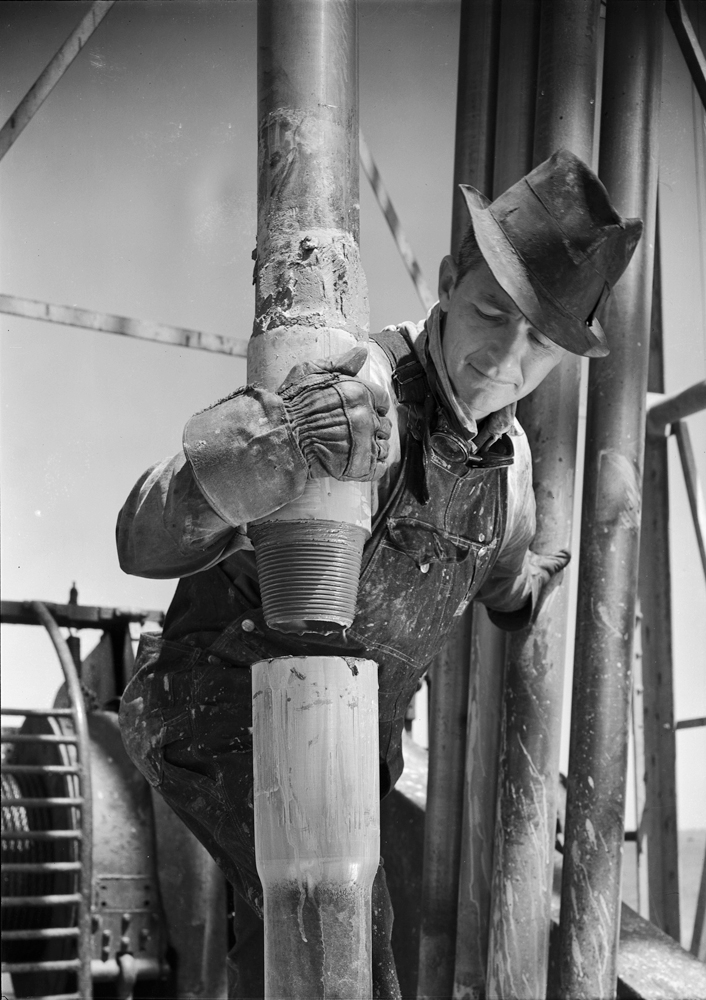
Offshore crews in 1975 were almost entirely male, in some cases by stated policy and in others by an absence of facilities and a culture that made it unworkable. The few women present were usually in catering or medical roles.
Women now work offshore in drilling, engineering, geoscience, marine and management roles, though the industry remains heavily male and acknowledges it. The practical barriers – accommodation, facilities, the two-week rotation against caring responsibilities – took decades to address and the last of them has not been. Policy changed considerably faster than the numbers did.
12. Nobody Had Yet Had the Accident That Changed Everything
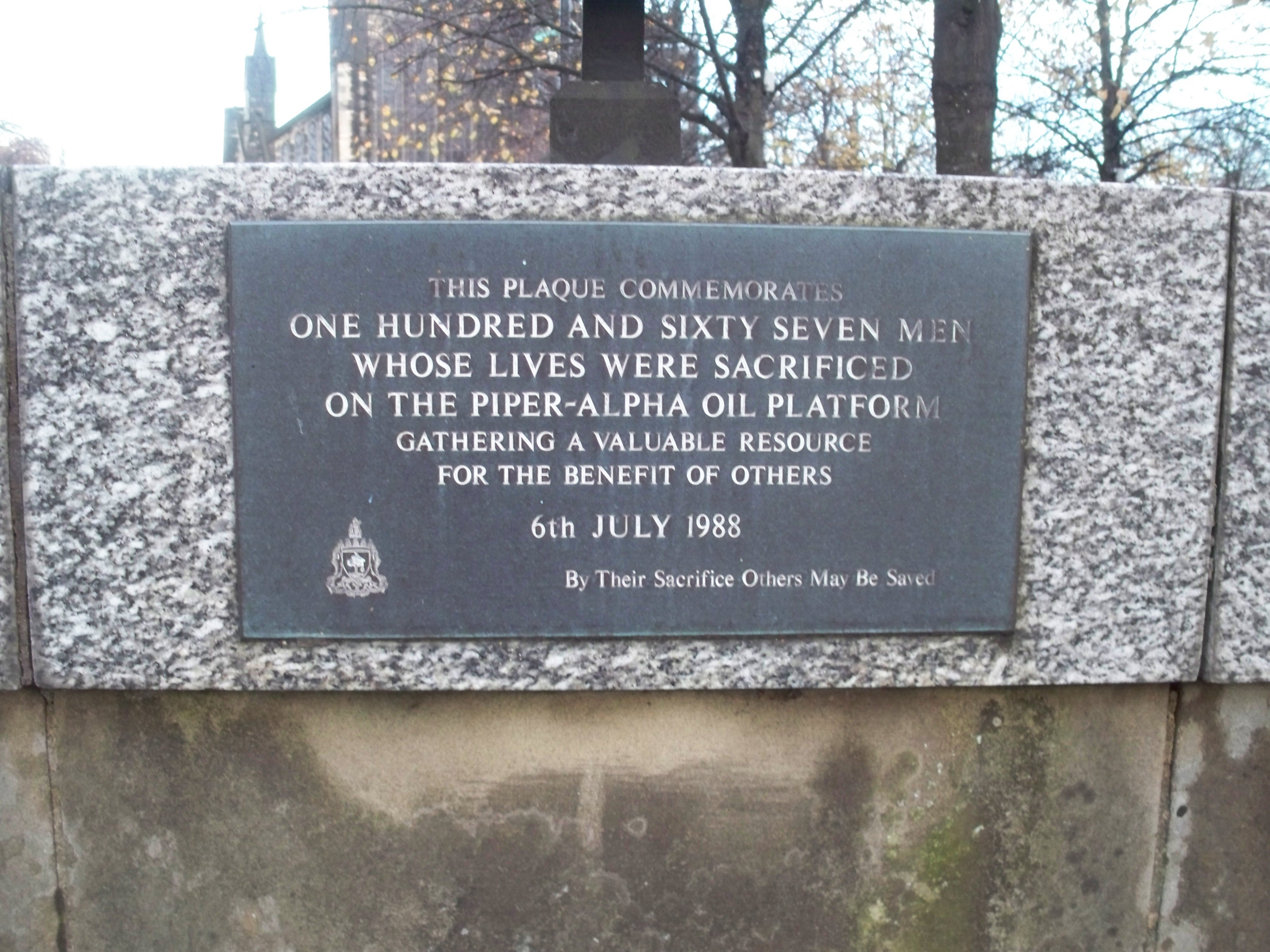
In 1975 the offshore industry was young, expanding at enormous speed, and operating on regulations largely adapted from onshore oil and from shipping. The belief that the existing arrangements were adequate had not yet been tested at scale.
A series of major offshore disasters over the following fifteen years – capsizings, blowouts and one catastrophic platform fire in particular – killed hundreds of people and produced public inquiries whose recommendations rebuilt offshore safety regulation from the foundations, replacing prescriptive rules with a requirement that the operator demonstrate the installation is safe. Almost every item above was changed by that process. The men working in 1975 were not being careless; they were working inside a regulatory framework that had not yet been written.
What Rewrote the Rules
Offshore safety regulation was not reformed by foresight. It was reformed by inquiry reports written after people died in large numbers, and the industry is unusually candid about this.
The sequence runs through a series of disasters over roughly fifteen years from the mid-1970s – capsizings, blowouts, and a platform fire that killed most of the men aboard. Each produced an investigation, and the investigations found the same things repeatedly: accommodation sited beside the hazard, escape routes leading past the fire, no fire separation, control rooms that could not isolate the process, permit systems that existed on paper, and production pressure that overrode judgement at every level.
The regulatory answer was a shift from prescriptive rules to a duty on the operator to demonstrate, in a formal document accepted by a regulator, that the specific installation is safe and that the risks have been reduced as far as reasonably practicable. That approach spread internationally and is now the basic structure of offshore regulation in most jurisdictions.
The practical answer was stop-work authority, which is the single most important thing on this list. A man in 1975 who stopped a job was a problem. A worker offshore today who stops a job is doing exactly what the system requires, and every account of why that matters points back to the same inquiries.
If you worked a hitch in that era, the helicopter and the one telephone are usually the two things that come up first.
Which field, which installation, and what was the rotation?
Like our content? Follow us for more.