In the ceiling of a fire station in Livermore, California, there is a hand-blown light bulb that has been switched on, with brief interruptions, since 1901. It has its own webcam. It has outlasted several of the webcams.
The obvious conclusion – that they knew how to make bulbs last and then stopped – is partly right, partly wrong, and the documented part of it is one of the better-evidenced cases of corporate collusion in industrial history.
What the Livermore Bulb Actually Proves
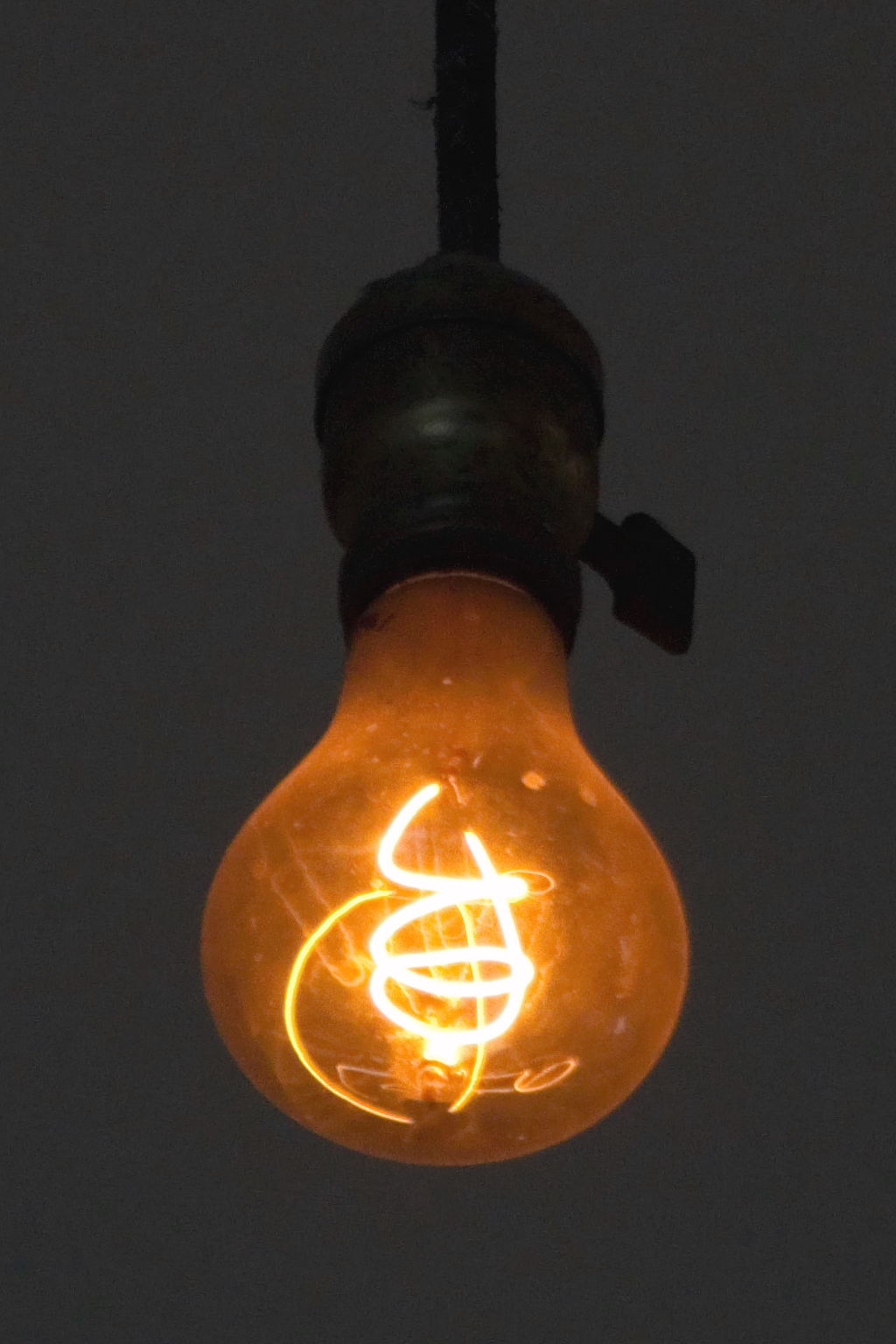
Three things about that bulb explain most of its longevity, and none of them is a lost manufacturing secret.
It is very dim. It was originally rated at something in the region of thirty or sixty watts and now produces roughly the light of a modern four-watt nightlight. A filament run far below its design temperature evaporates extremely slowly, and a dim bulb is a long-lived bulb.
It is almost never switched off. The stress that kills a filament is thermal cycling – the expansion and contraction of switching on and off, and the surge of current through a cold filament, which has much lower resistance than a hot one. A bulb left burning continuously avoids nearly all of that. This is why the bulbs that fail in your house are the ones in the hallway and the bathroom, not the ones in the attic.
And it is a carbon filament, which behaves differently from the tungsten that replaced it. Carbon is less efficient – it produces less light per watt – but it tolerates the conditions it is being run under here.
So the bulb is a genuine curiosity and a genuine survivor, and it is not evidence that a 1901 factory could make a bright, efficient bulb that lasted a century. It is evidence that a dim bulb left alone lasts a very long time.
Like our content? Follow us for more.
The Cartel Was Real and It Was Written Down
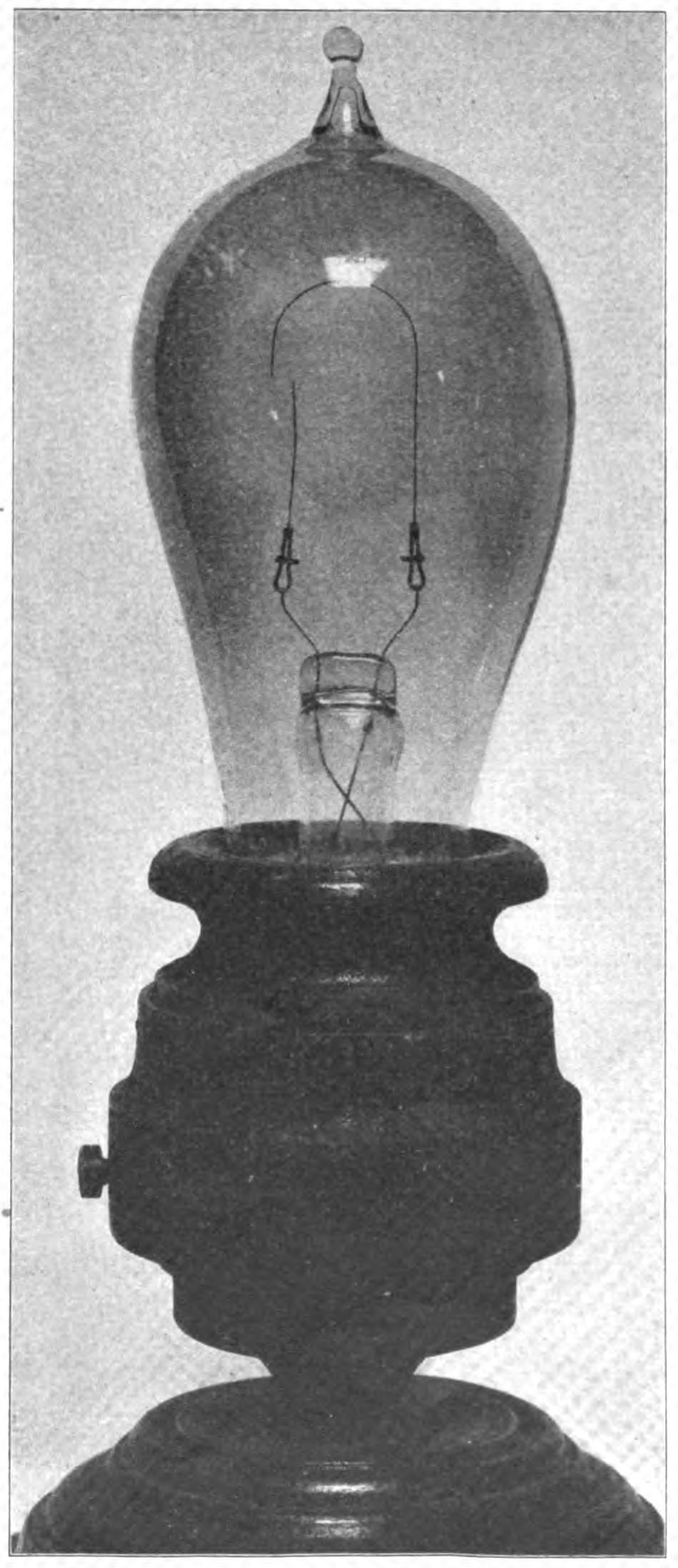
Here is the part that is not a myth.
In 1924 and 1925 the major lamp manufacturers of Europe and North America formed an agreement, administered through a Swiss-registered body generally known by the name Phoebus. The members included the largest producers in Germany, the Netherlands, Britain, Hungary and France, together with the international arm of the dominant producer in the United States.
The agreement divided world markets into territories, fixed prices, pooled patents, and – the part everybody remembers – standardised the service life of a domestic incandescent bulb at 1,000 hours. Members submitted sample bulbs for testing to a central laboratory. A manufacturer whose bulbs tested as lasting significantly longer than the standard paid a fine, on a scale that increased with the excess.
That is not an inference from circumstantial evidence. The agreement documents survive, the testing records survive, and the fine schedule survives. Before the cartel, bulbs commonly claimed lives of 1,500 to 2,500 hours. After it, 1,000 hours became the industry figure, and it remained the figure for decades after the cartel itself stopped operating around the outbreak of the Second World War.
The Defence, Which Is Not Nothing
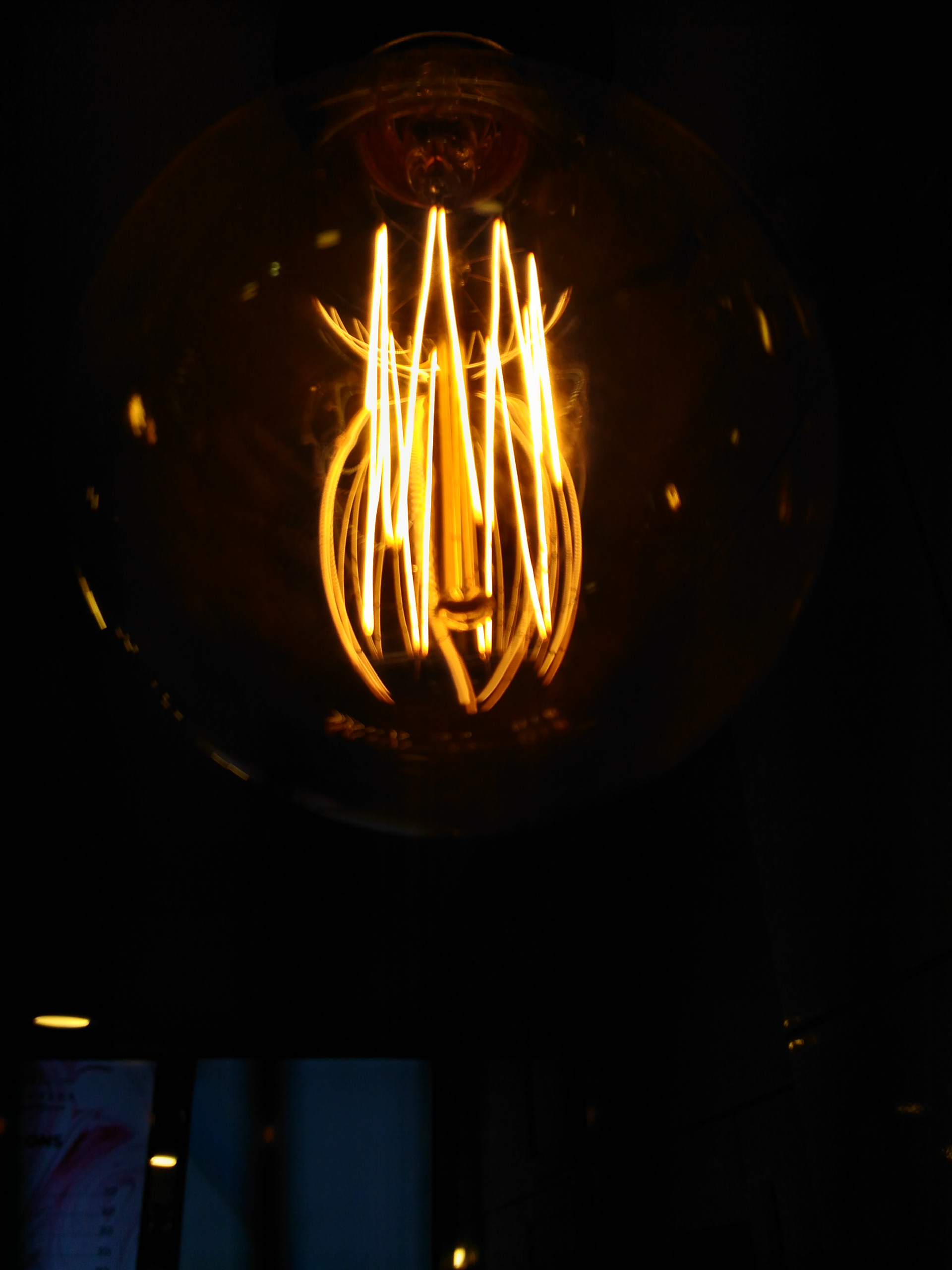
The engineering argument against the simple version of this story is real and worth understanding, because it is the reason the cartel’s members could say what they did with a straight face.
A tungsten filament’s light output and its rate of evaporation both rise steeply with temperature. Run it hotter and it produces substantially more light per watt of electricity, and burns out sooner. Run it cooler and it lasts far longer while producing less light for the same power, and a dimmer, yellower light at that.
So bulb life is a dial, not a quality. Turning it up to 2,500 hours means accepting a bulb that is noticeably less efficient, which means the customer pays more for electricity over the bulb’s life than they save on the bulb. Given the electricity prices of the 1920s and the cost of a bulb, somewhere around 1,000 hours was a defensible economic optimum, and engineers outside the cartel reached broadly similar conclusions.
What that defence does not cover is the rest of it: the price fixing, the market division, the suppression of competitors, the deliberate restriction of research, and the fining of members whose products exceeded the agreed life. If 1,000 hours were simply the right engineering answer, nobody would have needed to be fined for getting it wrong in the customer’s favour.
It Gave Us a Phrase
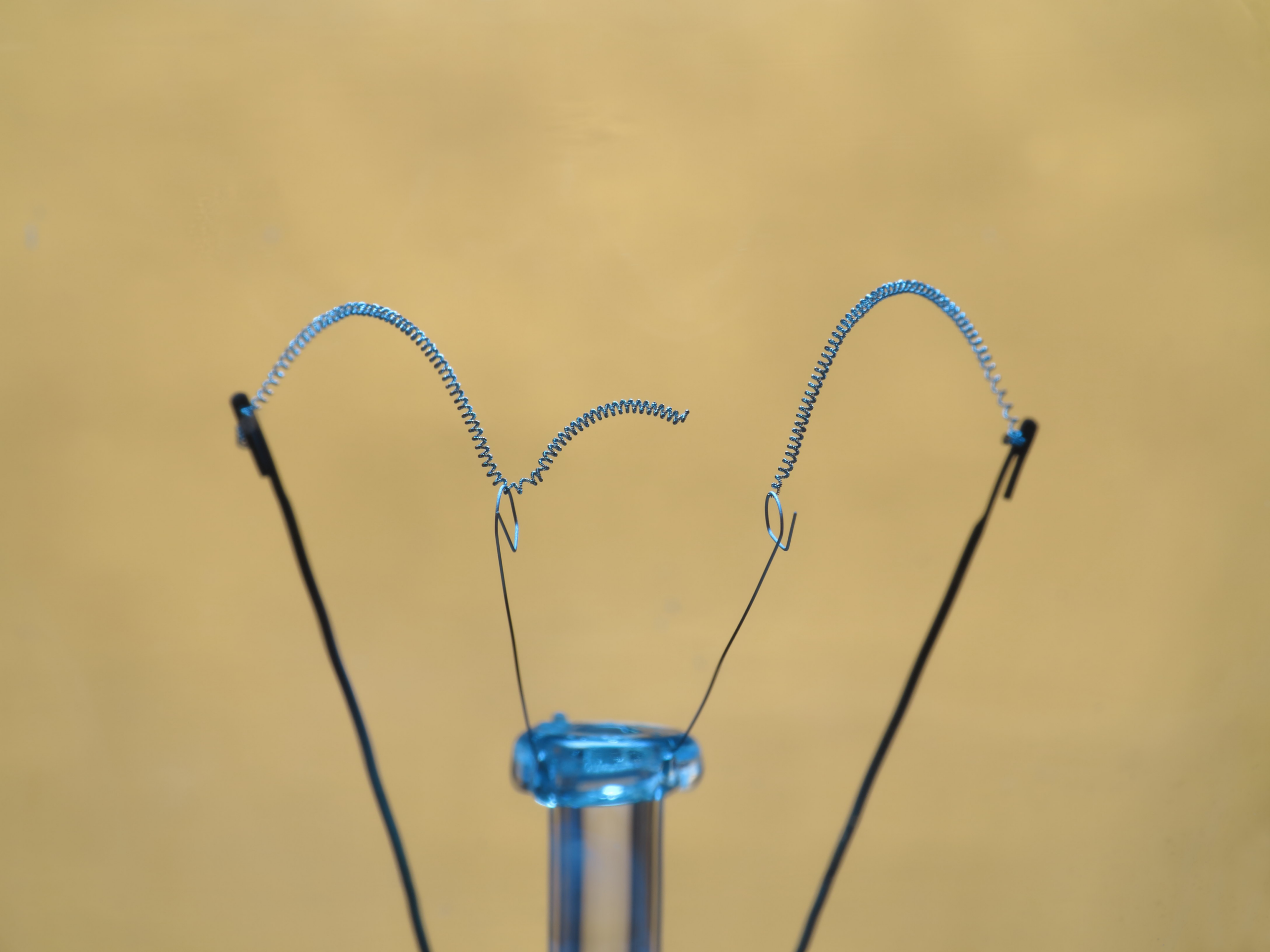
The Phoebus arrangement is the standard illustration of planned obsolescence, a term that was in circulation by the 1930s. One widely cited pamphlet of 1932 proposed that products be given legally mandated expiry dates as a route out of the Depression – the argument being that forced replacement would restart production and employment. The phrase was later popularised in the design world as a description of styling changes that made last year’s model look old.
Those are three different things that get run together: a product engineered to fail, a product made unfashionable, and a product that cannot be repaired. The bulb is the first kind, and it is the cleanest example, which is why it has carried the argument for a century.
It is worth noticing that the second kind is far more common and far harder to object to. Nobody is forcing anybody to replace a working object because a new one looks better, and yet that is what mostly happens.
What Killed the Argument
The incandescent bulb lost, and it lost on efficiency rather than on lifespan.
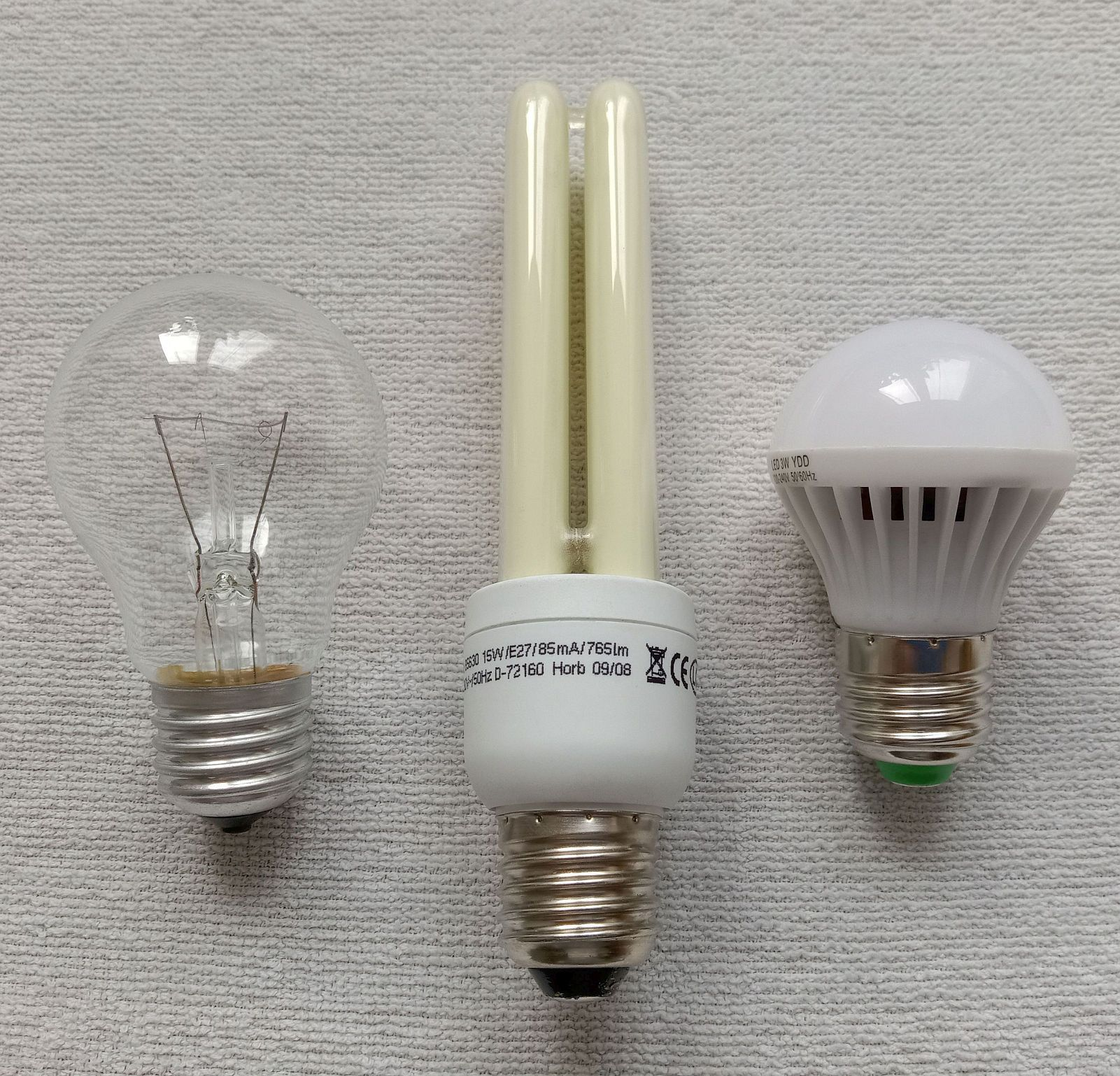
An incandescent lamp converts something like five percent of the electricity it uses into visible light. The rest is heat. That was tolerable when electricity was the cheap part of the equation, and it stopped being tolerable as both prices and emissions became political. Efficiency standards in the United States were set in legislation passed in 2007 and tightened subsequently, the European Union phased out general-purpose incandescent lamps between 2009 and 2012, and most other developed markets followed.
Compact fluorescent lamps bridged the gap awkwardly – more efficient, slow to warm up, poor colour, containing mercury, and sold with lifespan claims they frequently did not meet in real installations. Then light-emitting diodes dropped in price far faster than anybody forecast and took the market comprehensively.
An LED lamp is rated for something in the range of fifteen to fifty thousand hours, uses a fraction of the power, and is not meaningfully affected by being switched on and off. On the face of it the thousand-hour argument is over.
There Are Other Very Old Bulbs, and They Have the Same Profile
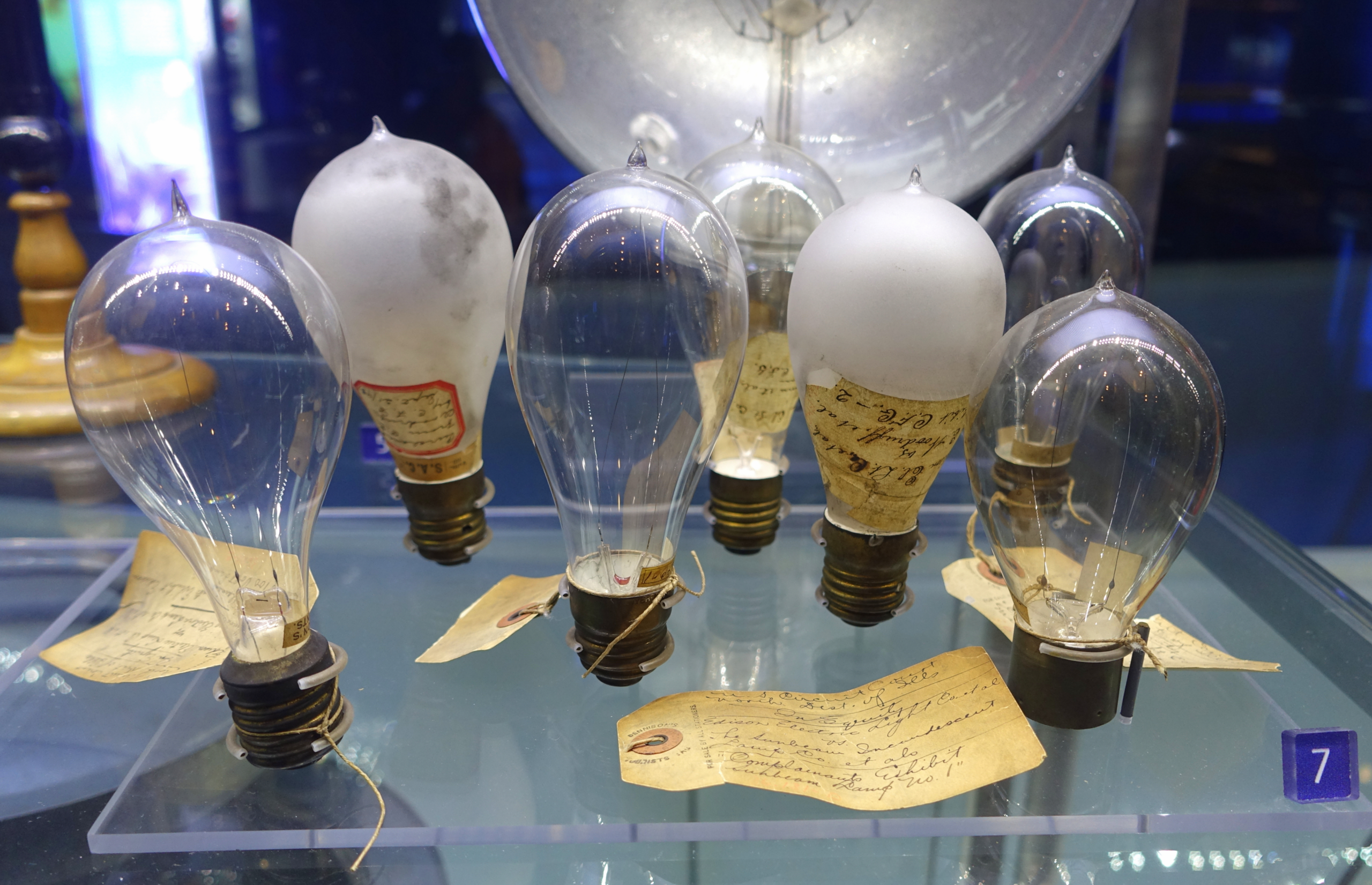
The Livermore lamp is the famous one, largely because somebody thought to photograph it and later to put a camera on it, but it is not unique, and the others make the point more clearly than it does.
There is a bulb in a Texas theatre that has been running since the early 1900s, one in a New York hardware store from a similar period, and several in municipal buildings and fire stations around the world with claims running to eighty or a hundred years. Record-keeping bodies have historically been cautious about certifying them, because the evidence is usually a local tradition rather than a documented installation date.
What is striking is how similar their circumstances are. In almost every case the bulb is low-powered, mounted somewhere out of reach, and left switched on permanently – often because somebody decided decades ago that switching it off would kill it, which is correct. Several have been damaged or destroyed by being moved, by a power cut, or by the building being rewired, which tells you how fragile a century-old filament is once anything disturbs it.
They are, in other words, a set of accidental long-term experiments that all ran the same protocol and got the same result. The conclusion is not that old bulbs were better. It is that a filament kept at a constant modest temperature and never thermally shocked will sit there almost indefinitely, and that nobody would buy a lamp that behaved that way, because it would be too dim to read by.
Except the Argument Moved
Anybody who has replaced an LED bulb after two years knows the catch, and it is a genuine one.
The light-emitting element in an LED lamp does last for tens of thousands of hours, and it rarely fails outright – it dims gradually. What fails is the driver: the small power supply circuit packed into the base of the bulb, which converts mains electricity into the low-voltage direct current the diode needs. That circuit contains components, notably electrolytic capacitors, whose life falls sharply as temperature rises, and it is sealed inside a hot, unventilated plastic housing a few centimetres from a heat source.
So the failure point moved from the part with the published lifespan to the part with no published lifespan. A manufacturer can print fifty thousand hours on a box honestly, because that is the diode’s rating, while the lamp as sold will die in three years because of a capacitor costing a few cents.
Cheaper lamps use cheaper drivers and run them hotter in smaller housings, which is why the price difference between two visually identical bulbs is frequently a real difference in life. Enclosed fittings and downlights make it worse, because heat has nowhere to go.
There is no cartel this time, and no document to point at. There does not need to be. The incentive produces the outcome on its own, which is a less satisfying story than 1924 and a more durable one – and it is why the fire station bulb is still the one everybody talks about.
Like our content? Follow us for more.