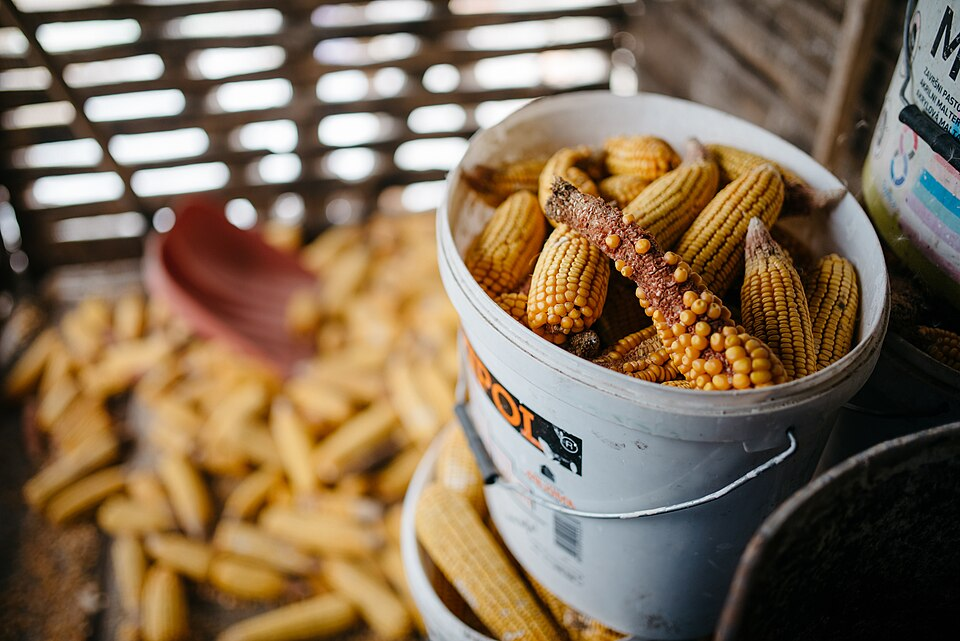
In the corn country of the Midwest, the cobs left over after shelling were a household fuel. Not a last resort – a sensible choice for a particular set of jobs.
The reasoning was sound. Shelling corn produces a cob for every ear, in enormous quantity, at the exact place where the household needs fuel, as a by-product of work that had to be done anyway. And large parts of the prairie had almost no timber, which made firewood something you hauled a long way or bought. So a free combustible material arriving in baskets-full was taken seriously.
Cobs burn fast and hot with almost no ash, which makes them excellent for boiling a kettle and poor for an overnight fire. And somebody had to feed that stove every few minutes. Here are fifteen things every American farm kitchen knew.
1. Corn Cobs Were a Fuel, Not a Waste Product
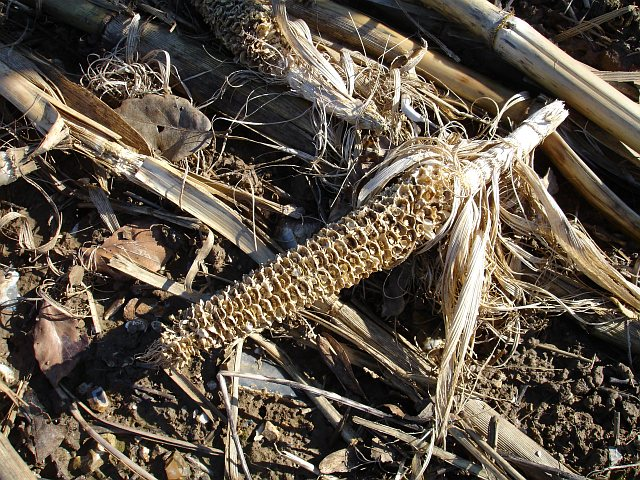
In the corn country of the Midwest, the cobs left after shelling were burned in kitchen ranges and heating stoves as an ordinary household fuel.
Gas, electricity and oil, with no household burning anything that arrives as a by-product.
Calling it a fuel rather than a scrap is the correct framing and it changes the picture entirely. These were not an emergency measure or a sign of poverty – in a region short of timber and far from coal, cobs were the sensible fuel for a particular set of jobs, and households stocked them deliberately.
Like our content? Follow us for more.
2. The Supply Arrived as Somebody Else’s Problem
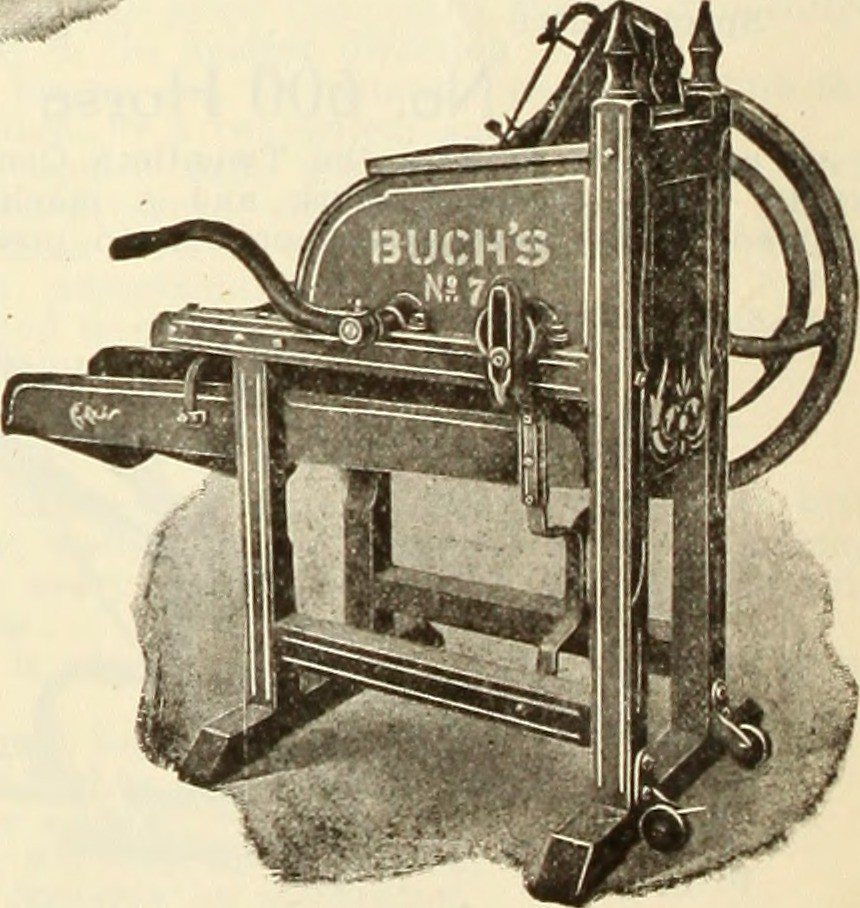
Shelling corn produces a cob for every ear, in enormous quantity, at the exact point where the farm is already working – which means the fuel accumulated without anybody gathering it.
Not applicable.
Free fuel delivered as a by-product of necessary work is about as good as an energy supply gets. The corn had to be shelled regardless, the cobs came off regardless, and the only question was whether anybody bothered to put them in a basket instead of a pile.
3. The Prairie Had No Woodlot
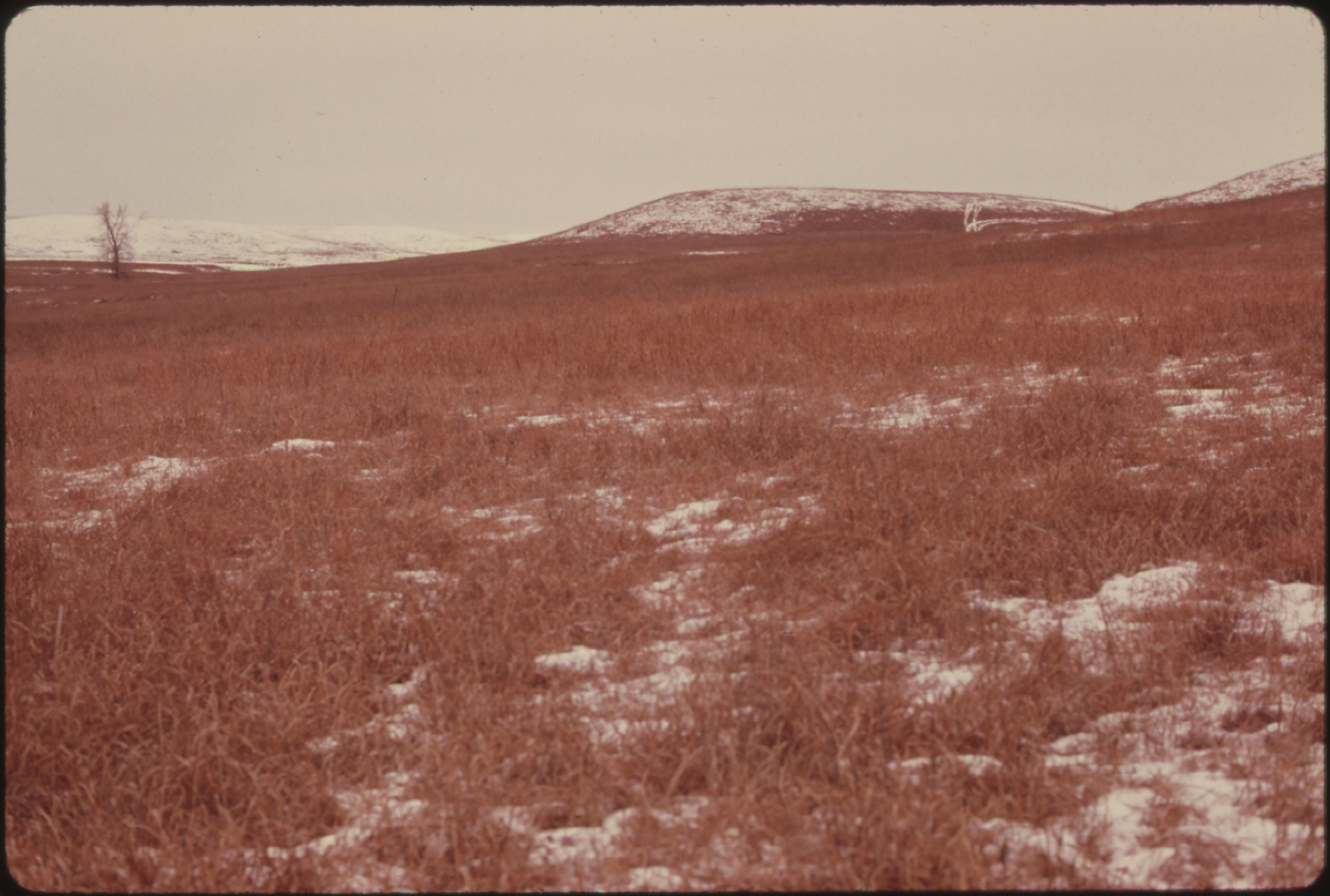
Large areas of the Midwest and Great Plains were open grassland with very little timber, which meant firewood had to be hauled a long way or bought.
Not applicable. Fuel arrives by pipe, wire or truck.
Geography is the reason this practice existed where it did. In the hardwood country of the east, nobody needed to burn cobs because there was wood everywhere – and on the prairie, a household’s fuel problem was genuinely difficult and anything combustible that arrived free was taken seriously.
4. They Burn Fast and Hot
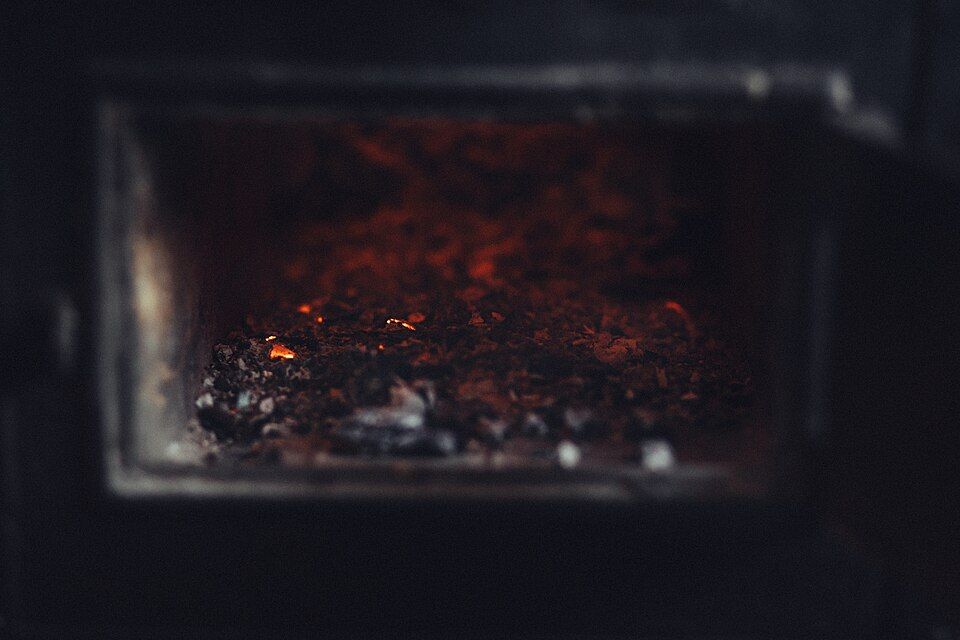
Dry cobs catch quickly, burn with a bright intense flame and are consumed rapidly, producing a lot of heat in a short time and very little ash.
Not applicable.
The burn characteristics are what made them useful for specific jobs rather than all jobs. A fast hot fire is exactly what you want to boil a kettle, start a range or get a wash boiler going, and exactly what you do not want for an overnight fire or a slow oven.
5. Which Means They Needed Constant Feeding
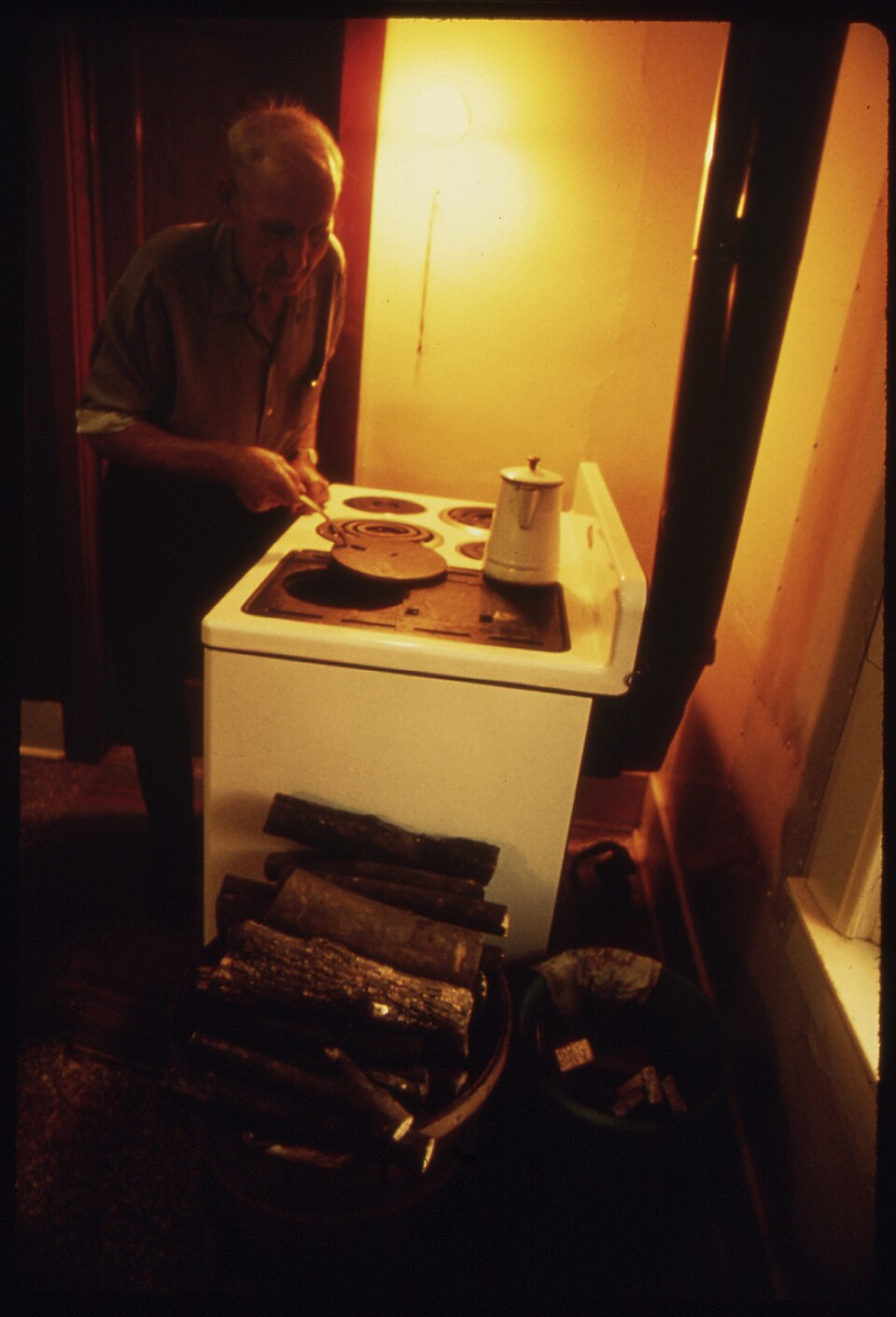
A fire of cobs required somebody to add more every few minutes, because the fuel is consumed almost as fast as it is put in.
Not applicable.
This is the real cost and it is a labour cost rather than a money one. Cobs are free and demand attention; wood and coal cost money and demand far less – so a household choosing cobs was choosing to spend a person’s time instead of cash, which is the same trade that runs through most farm thrift.
6. The Cob Basket Lived Beside the Range
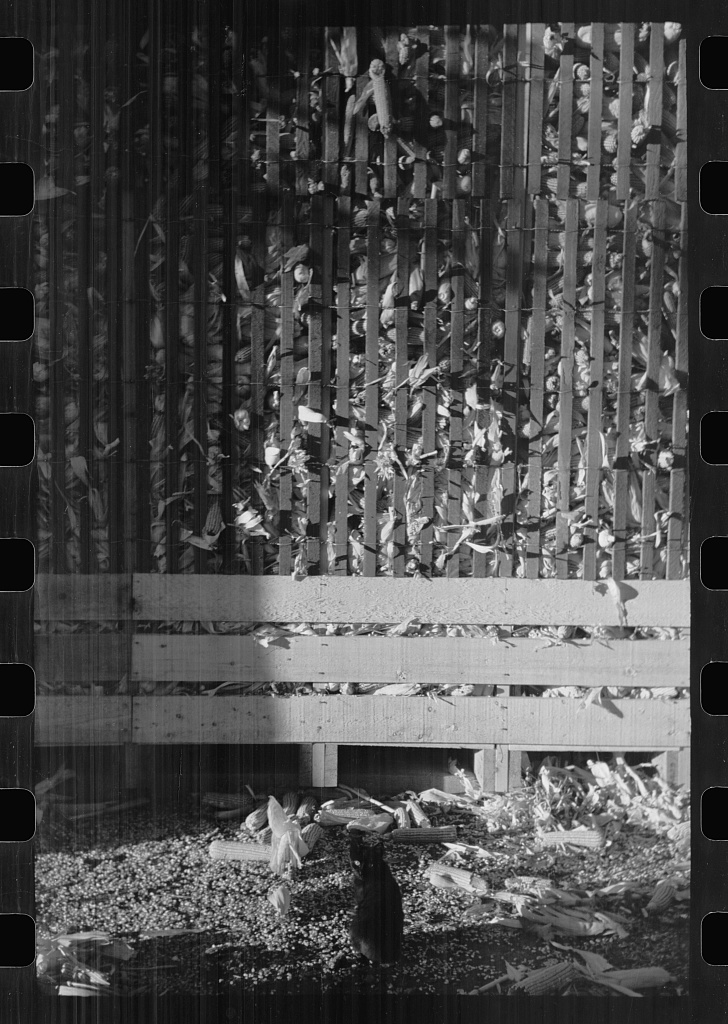
A basket or box of cobs stood next to the kitchen stove, filled from the crib, and keeping it filled was a standing chore.
Not applicable.
The basket by the stove is the detail everybody from that country remembers, and it is also the point at which this becomes a child’s job. Going out to the crib for cobs in January is the kind of errand that gets delegated downward in every household that has anybody to delegate to.
7. They Were the Standard Fire Starter
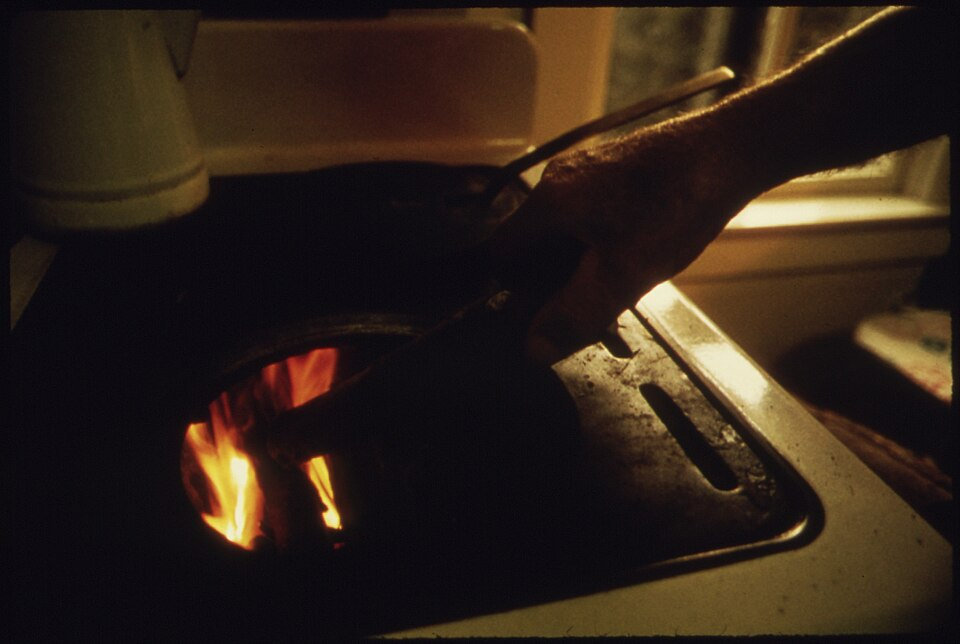
Even where wood or coal was the main fuel, cobs were used to start the fire, because they catch readily and burn hot enough to light anything else.
Manufactured firelighters, where anybody lights a fire at all.
Kindling is the function that survived longest and spread furthest. A cob soaked in kerosene was a standard starter across a very wide area, and plenty of households that burned coal for heat still kept cobs purely to get it going.
8. Cooking With Them Was a Specific Skill
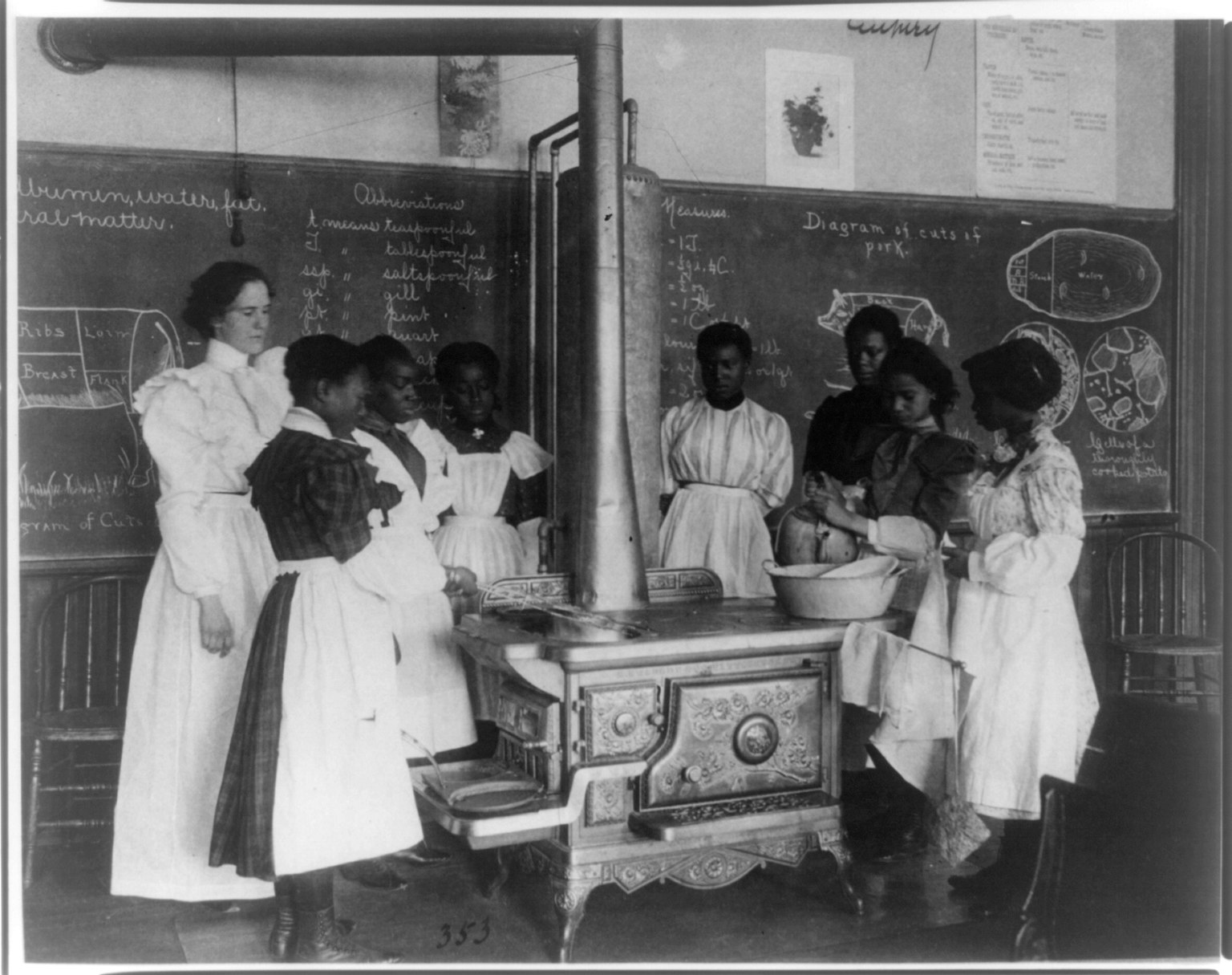
A cook working on cobs managed a fire that rose and fell quickly, which meant timing the baking and the boiling around a heat source that would not hold steady.
Thermostats.
This is the part that makes modern readers wince on behalf of the cook. Managing an oven whose temperature depends on how recently somebody threw in a handful of cobs is a genuine skill, and the women who could produce consistent baking on that kind of fire were doing something considerably harder than following a recipe.
9. They Were Used for Plenty Else Besides Burning
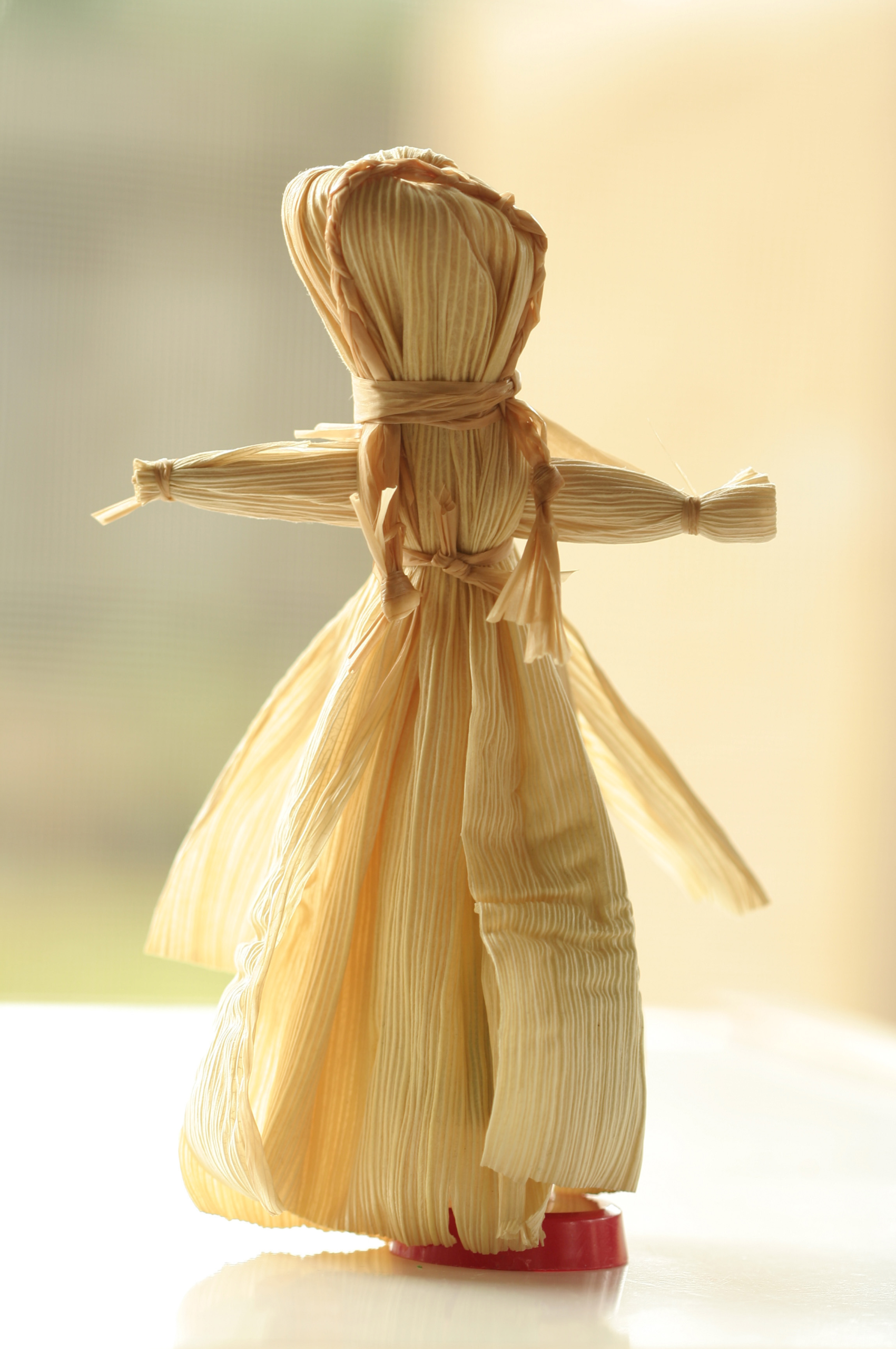
Cobs served as bottle stoppers, as scrubbing material, as pipe bowls, as packing, as livestock bedding, as a ground-up feed component and as material for children’s toys.
Not applicable.
The range of uses is a good illustration of how a free abundant material gets absorbed into a household. When something arrives in quantity at no cost, people find things to do with it – and every farm had its own list, including several uses that everybody knew about and nobody wrote down.
10. Corncob Pipes Were a Real Industry
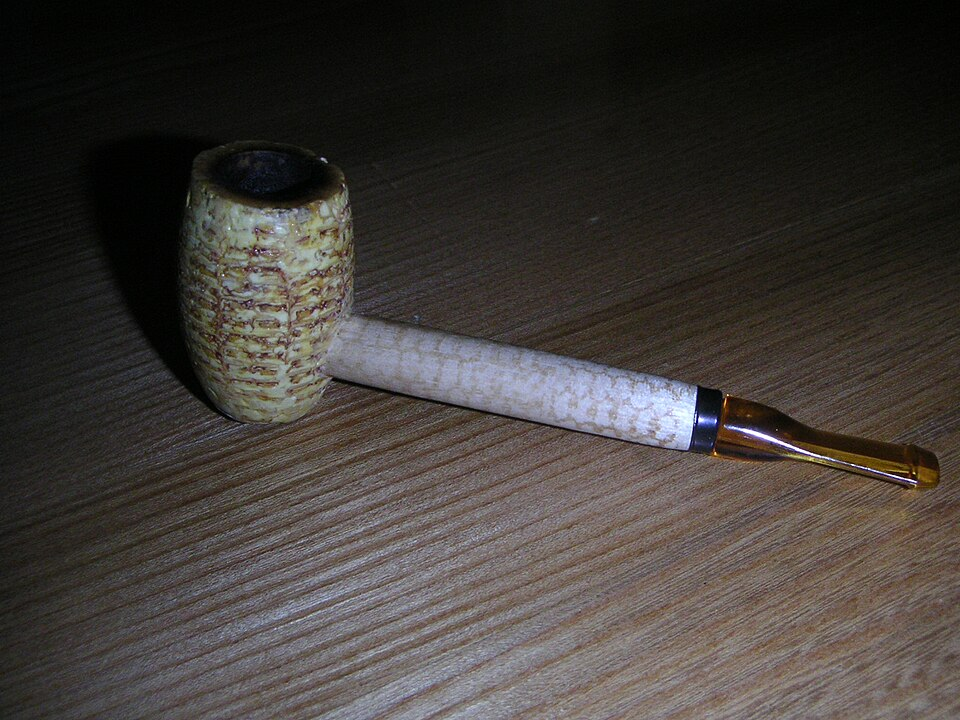
Pipes made from cured corncobs were manufactured commercially in quantity and were among the cheapest smoking articles available.
A surviving novelty product with a small market.
Worth noting as evidence of the material’s qualities rather than as an endorsement of anything. A cob is light, porous, heat-resistant and free, which happens to make it a serviceable pipe bowl – and an industry grew on exactly that coincidence.
11. The Ash Was Almost Nothing
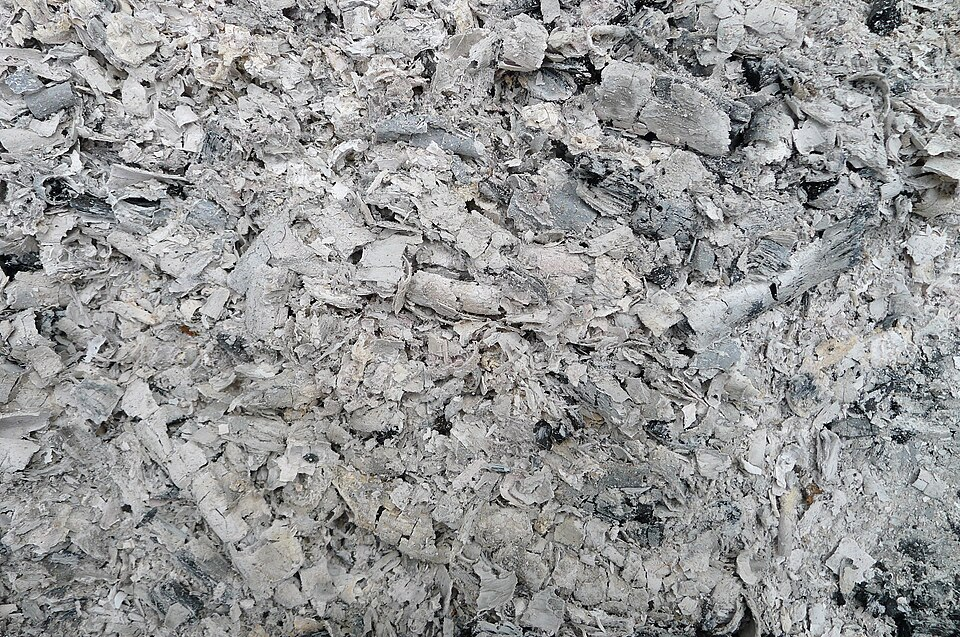
Cobs leave very little ash compared with wood or coal, which meant less cleaning out and less to carry away.
Not applicable.
Low ash is an underrated advantage because ash removal was a real daily chore. A stove burning coal produces a quantity of ash and clinker that somebody has to shovel and dispose of, and a stove burning cobs produces very little – which partly offsets the constant feeding.
12. Then Field Shelling Cut Off the Supply
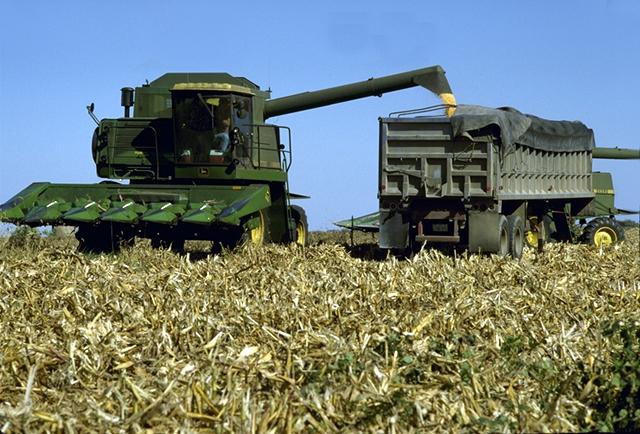
Mechanical pickers and then combines shelled corn in the field and dropped the cobs there, so cobs stopped arriving at the farmstead at all.
Universal.
This is the decisive change and it is a supply-side one rather than a question of preference. The cob fuel economy depended entirely on ear corn being brought home and shelled at the crib, and the moment the shelling moved into the field the material simply never came to the house.
13. Then Bottled Gas Arrived in the Country
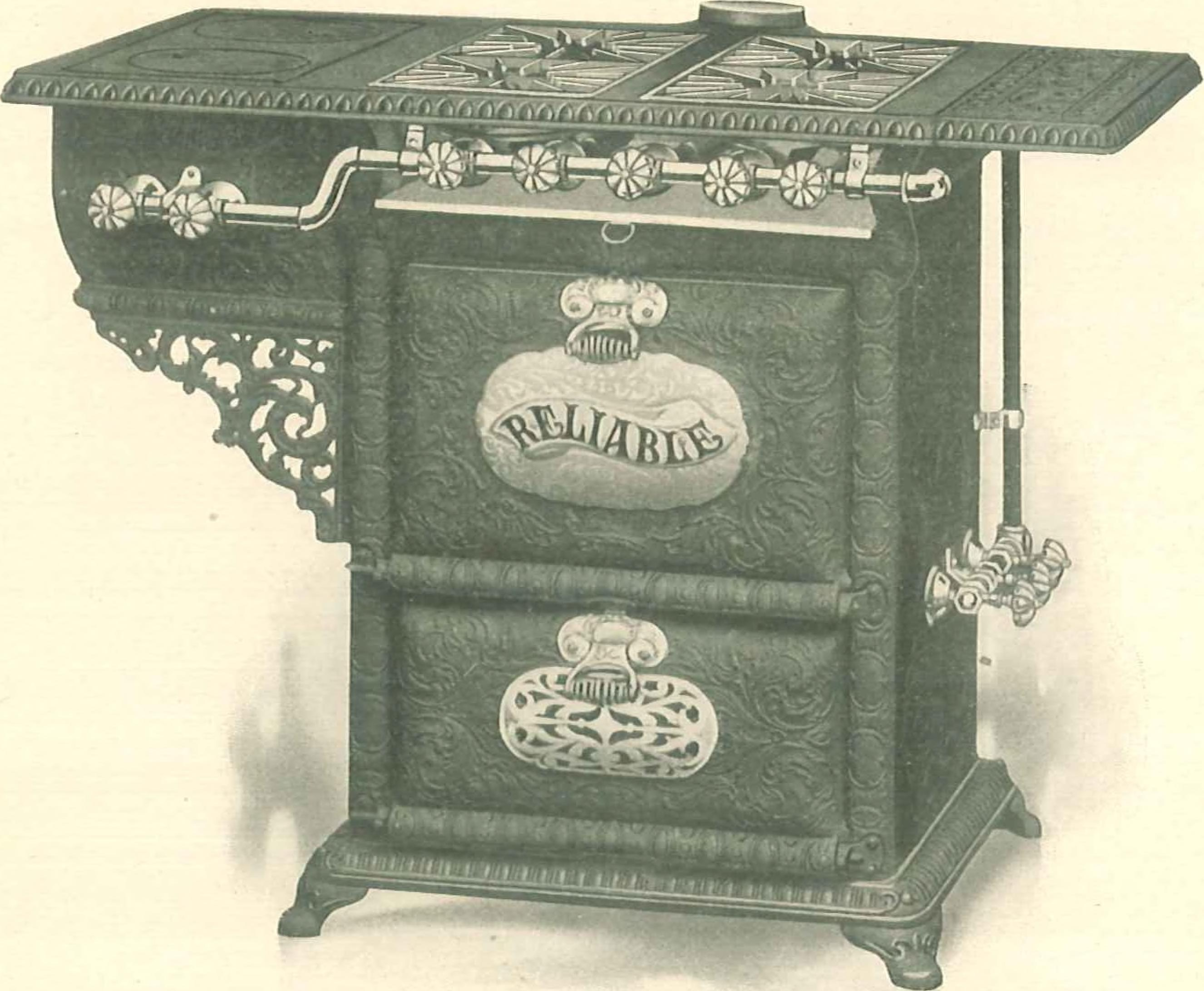
Propane and natural gas reached rural American households, delivering controllable heat on demand with no fuel handling, no carrying and no ash.
Standard.
Gas beats cobs on every dimension that mattered to the person at the stove. It holds a steady temperature, it needs no basket filled, it requires nobody to feed it every few minutes, and it produces no ash – which removes the entire labour cost that made cobs a trade-off in the first place.
14. Then the Electric Range Removed the Fire Entirely
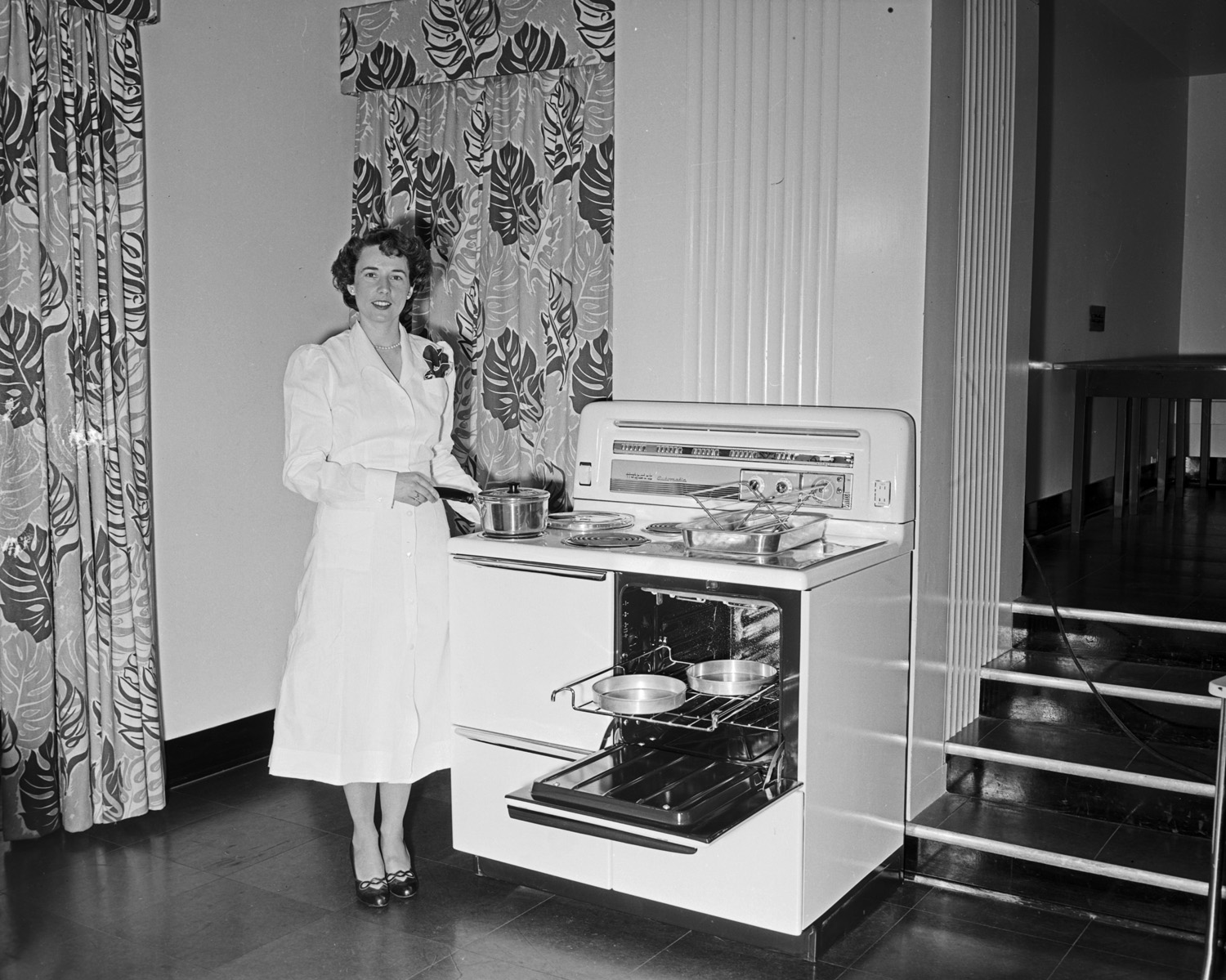
Electric cooking eliminated combustion from the kitchen, along with the fuel, the basket, the ash pan and the skill of managing a rising and falling heat.
Standard.
Taking the fire out of the kitchen is one of the largest changes in domestic life and it happened quietly. Everything upstream of a dial – the crib, the basket, the child sent out in the cold, the cook’s judgement about when to add fuel – was removed in a single step.
15. Then Nobody Remembered They Would Burn
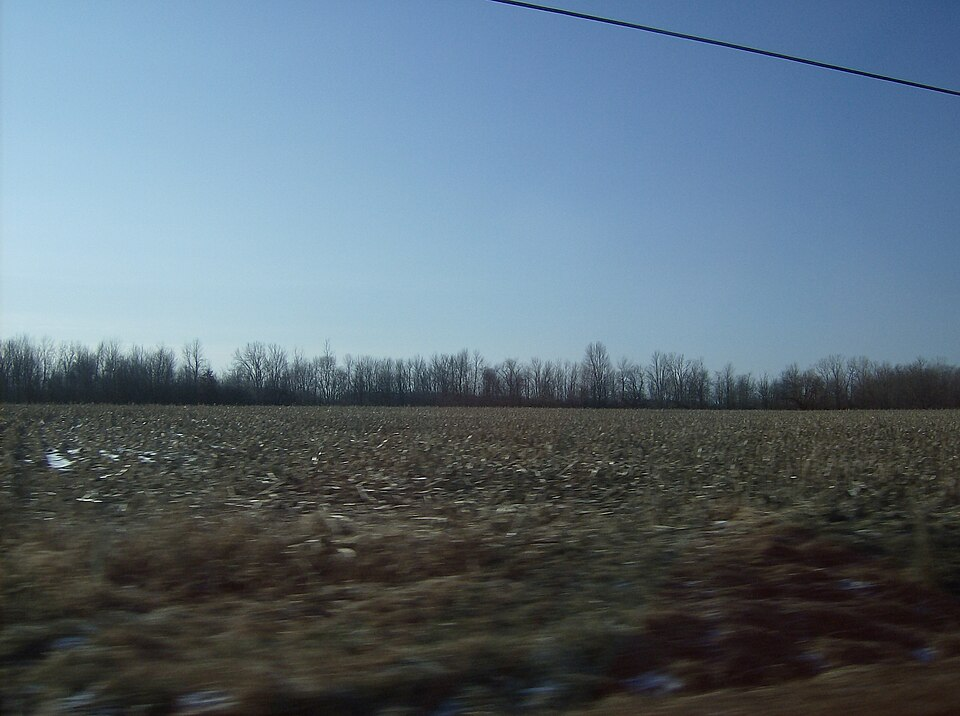
In 1964 cob burning survived in older farm kitchens and in memory, and the generation that had carried the basket was still around to describe it.
Corn residue is left in the field or used industrially, and nobody in an American house burns anything that arrives as a by-product of a harvest.
And the thing worth taking from this is that it was a genuinely well-reasoned fuel choice rather than a hardship. Cobs arrive free, in enormous quantity, as the by-product of work that has to be done anyway, at the exact place where the household needs fuel – and in prairie country with no woodlot and no coal mine nearby, that is a serious advantage. They burn fast and hot with almost no ash, which makes them excellent for the jobs that want a quick fierce heat and poor for anything slow or overnight. So households used them for what they were good at, kept a basket by the range, and sent a child to the crib to fill it. The cost was attention: somebody had to feed that fire every few minutes, which is a labour cost rather than a cash one, and that is exactly the trade farm thrift always made. What ended it was not gas or electricity, although both were better. It was the combine. Once the corn was shelled in the field and the cobs were dropped there, the fuel stopped arriving at the house – and a free material that no longer turns up is not a fuel at all.
The Combine Cut Off the Supply, and That Is What Ended It
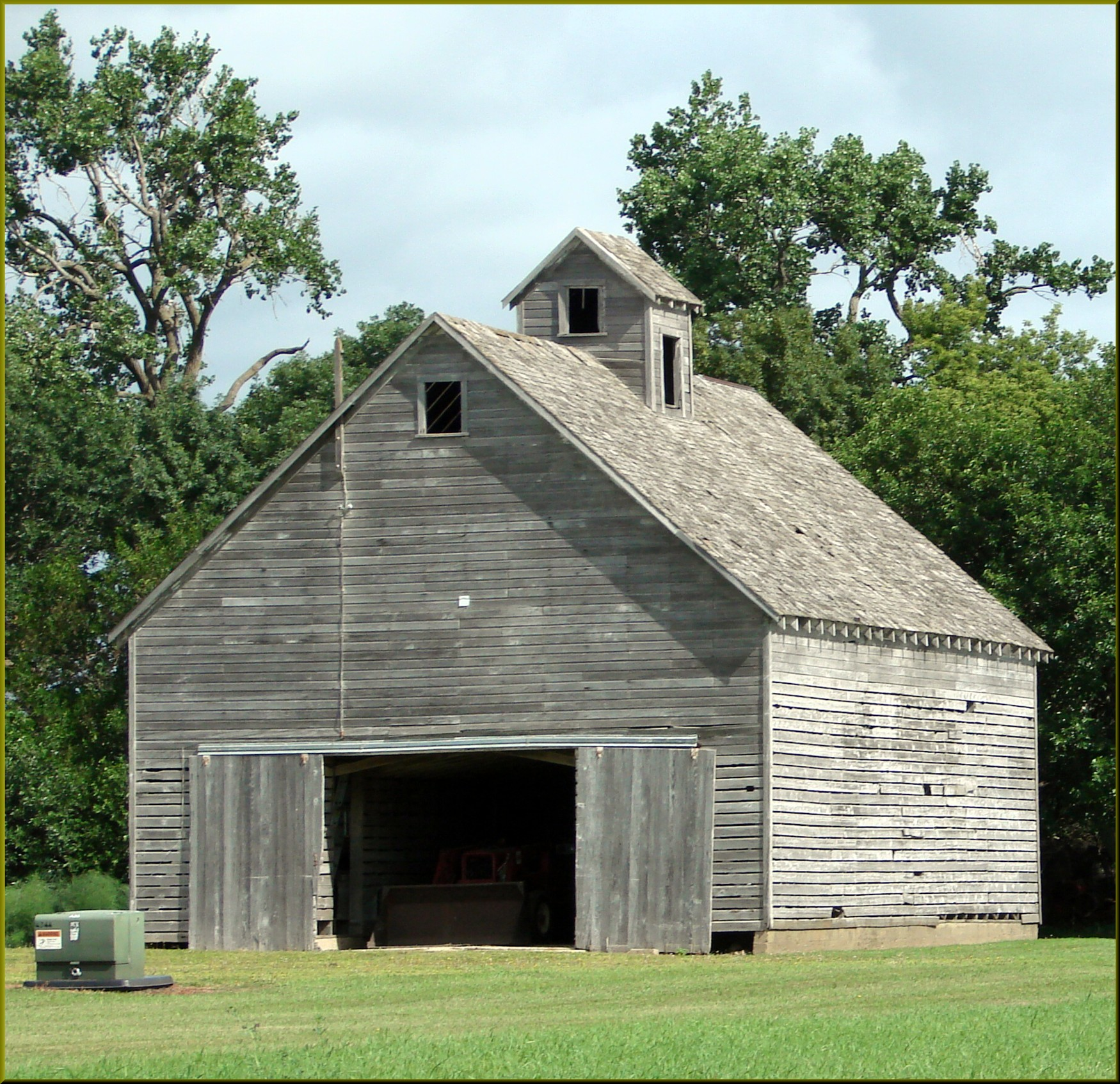
The temptation with this subject is to read it as poverty, and that is the wrong reading. Burning cobs was a well-reasoned fuel choice.
Look at the supply. Shelling corn produces exactly one cob per ear, in enormous quantity, at the farmstead, as a by-product of work that had to be done regardless. Nobody gathered it, nobody hauled it and nobody bought it – the only question was whether somebody put the cobs in a basket instead of a pile.
Now add geography. Large areas of the Midwest and Great Plains were open grassland with very little timber, which meant firewood had to be hauled a long distance or purchased. In the hardwood country of the east nobody needed to burn cobs, because wood was everywhere. On the prairie, a household’s fuel problem was genuinely hard, and anything combustible that arrived free got used.
The burn characteristics decided what they were good for. Dry cobs catch quickly, burn with a bright intense flame, are consumed fast and leave almost no ash. That is exactly what you want to boil a kettle, start a range or get a wash boiler going, and exactly what you do not want for an overnight fire or a slow oven.
Which gives the real cost, and it is a labour cost rather than a cash one. A cob fire needs feeding every few minutes, because the fuel is consumed about as fast as it goes in. Wood and coal cost money and demand far less attention; cobs cost nothing and demand a person. That is the same trade running through almost all farm thrift – time instead of money.
So the practical arrangement was a basket by the range, filled from the crib, and the filling of it was a standing chore that got delegated downward to whoever was youngest. Going out to the crib for cobs in January is the errand everybody from that country remembers.
Even households that burned coal or wood for heat kept cobs for kindling, because they catch readily and burn hot enough to light anything. A cob soaked in kerosene was a standard fire starter across a very wide area, and that is the function that outlasted all the others.
Cooking on them was a real skill. An oven whose temperature depends on how recently somebody threw in a handful is a difficult thing to bake in, and the women who got consistent results out of it were doing something considerably harder than following a recipe.
The material went well beyond burning, too – bottle stoppers, scrubbing material, pipe bowls, packing, bedding, ground feed, children’s toys. A free abundant material gets absorbed into a household, and every farm had its own list, including several uses everybody knew and nobody wrote down. The commercial corncob pipe is the clearest evidence of the material’s properties: light, porous, heat-resistant and free happens to make a serviceable pipe bowl, and an industry grew on exactly that coincidence.
Then it stopped, and the cause is the interesting part.
It was not gas, although bottled gas and natural gas were better on every count that mattered at the stove – steady heat, no basket, no feeding, no ash. It was not the electric range, although taking the fire out of the kitchen entirely removed the crib, the basket, the cold errand and the cook’s judgement in one step.
It was the combine.
Mechanical pickers and then combines shelled the corn in the field and dropped the cobs where they stood. So the cobs stopped arriving at the farmstead at all.
A free material that no longer turns up is not a fuel. The supply was cut off upstream, and no amount of willingness to carry a basket could put it back.
If you grew up in corn country, somebody sent you out to the crib for cobs in the cold.
And the basket by the stove was never full enough.
Like our content? Follow us for more.