

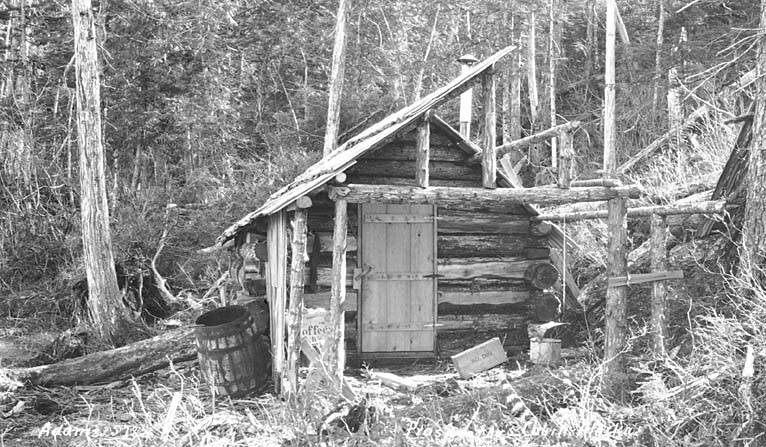
A barrel stood at the corner of the house under the end of the downspout, and the reason was chemistry.
Rain has almost no dissolved mineral in it. Well water in much of the country has a great deal, and soap in hard water turns into a curd that cleans nothing and leaves a film on everything – while a scrap of soap in rainwater lathers immediately. So the water off the roof was worth catching, and the barrel went wherever the gutter put it.
Nobody bought the barrel. It had arrived full of vinegar, flour, salt or nails and stayed after the contents were gone. Nobody drank from it either – that was the well’s job, and the distinction was absolute. Here are fifteen things every American household knew.
1. It Stood at the Corner Where the Downspout Came Down
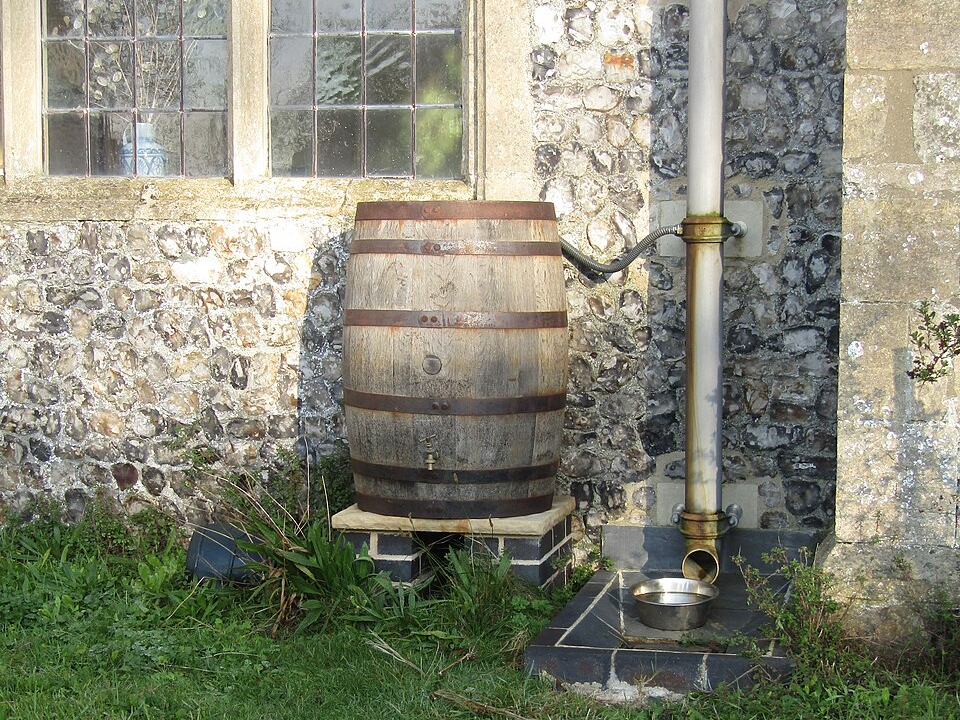
A barrel sat on the ground or on a low stand at a corner of the house, directly under the end of a gutter downspout, catching whatever ran off the roof.
Rain barrels are sold again as a garden product, with screened lids, taps and overflow fittings, and are regulated in some places.
The siting was decided entirely by the roof. Water goes where the downspout puts it, so the barrel went where the corner was – which is why the one in a photograph is always in a slightly awkward spot nobody would have chosen for anything else.
Like our content? Follow us for more.
2. The Barrel Was Something Else First
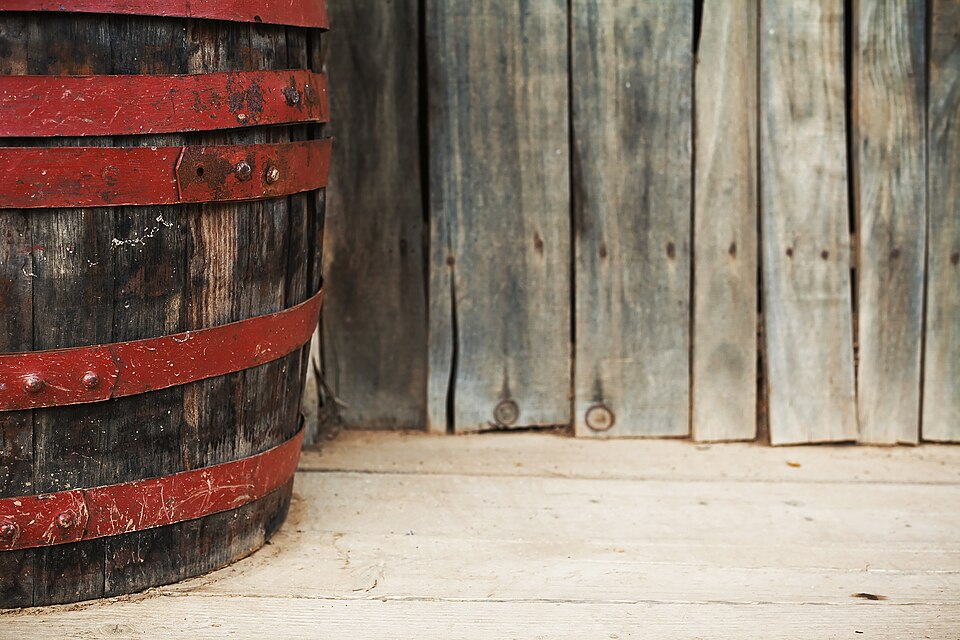
Vessels came from the trade in barrelled goods – vinegar, flour, salt, molasses, nails, crackers – and were reused once empty rather than bought new for the purpose.
Purpose-made plastic and wooden barrels sold as rainwater products.
Nothing about this was purchased, which is the pattern of the whole arrangement. Barrels arrived at a household full of something and stayed after it was gone, so the water catchment was built out of packaging – and a barrel’s previous contents determined what the water was fit for.
3. It Was Soft Water and That Was the Point
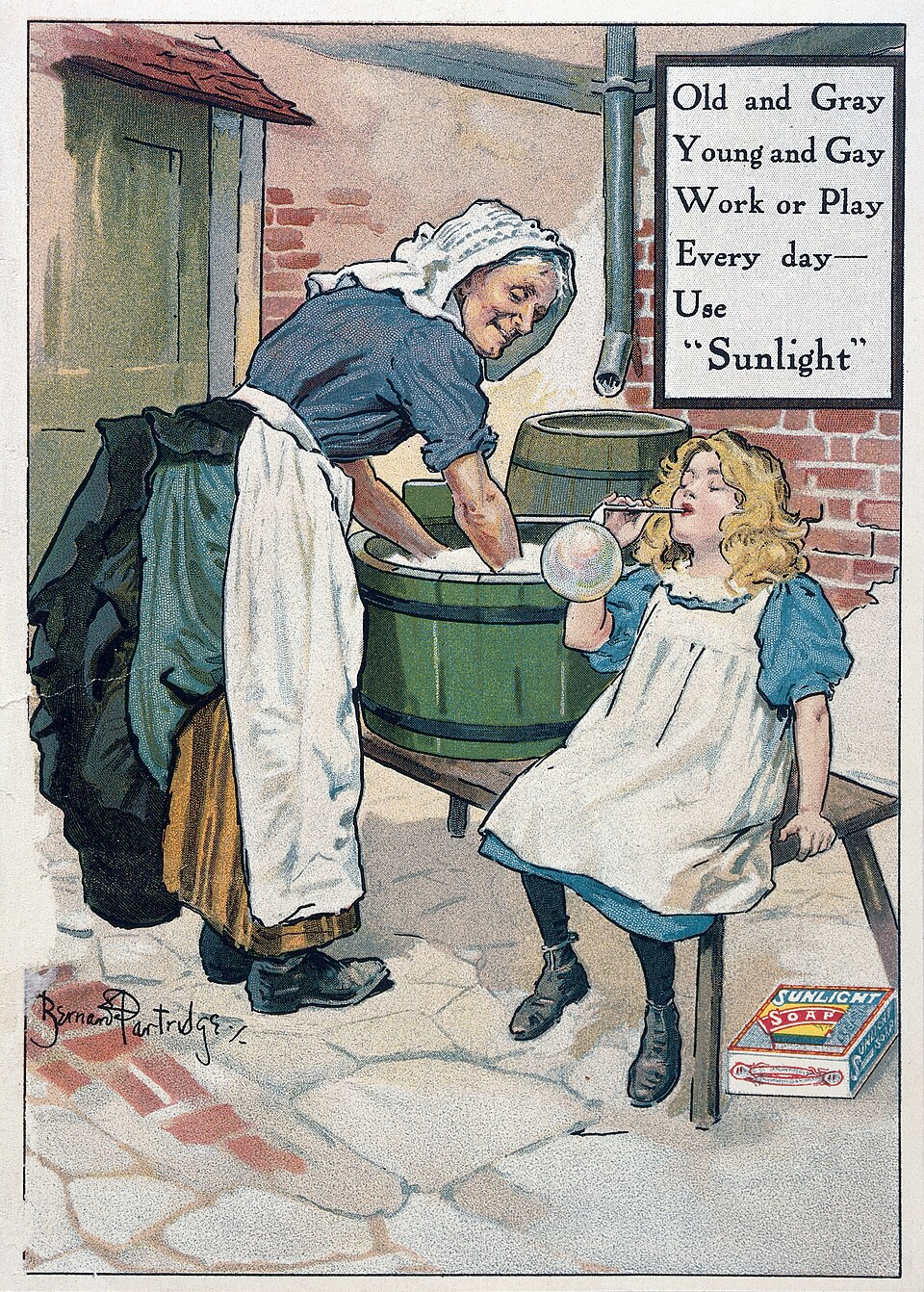
Rain has almost no dissolved mineral in it, which makes it behave completely differently from well water with soap.
Water softeners and detergents, which have made the distinction irrelevant to most households.
Softness is the reason anybody cared, and it is a chemical fact rather than a preference. Hard well water turns soap into a curd that cleans nothing and leaves a film on everything, while a scrap of soap in rainwater lathers immediately – and in hard-water country that difference shaped the whole domestic day.
4. Hair Was Washed in It
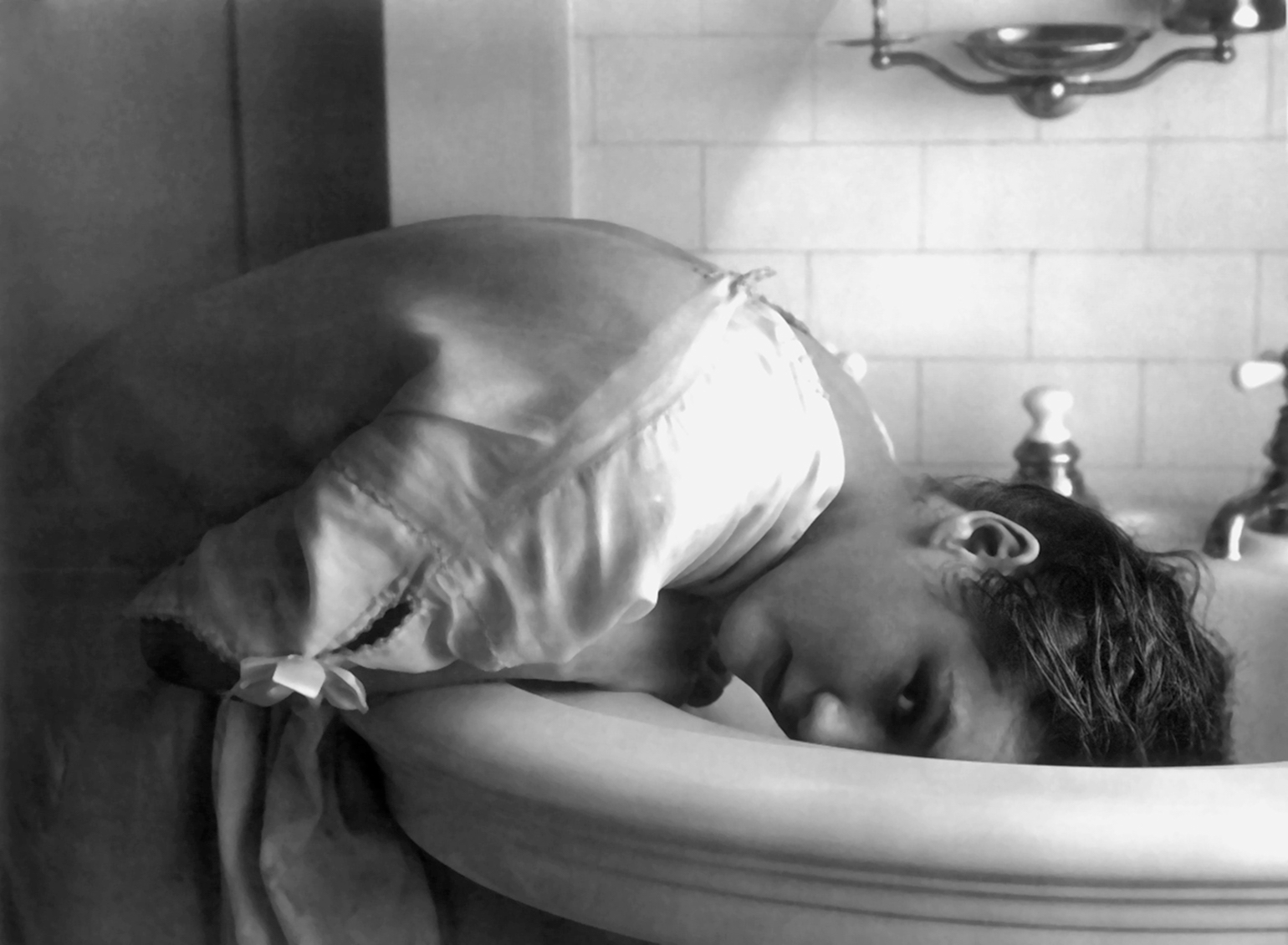
Rainwater was the preferred water for washing hair, and households with hard well water used the barrel specifically for that.
Not applicable, though the belief survives.
This is the one piece of old household lore on the subject that is straightforwardly correct. Soap rinses clean out of hair in soft water and leaves a dulling residue in hard water, so the insistence in old families that nothing washes hair like rainwater is chemistry rather than sentiment.
5. It Watered the Garden and the Houseplants
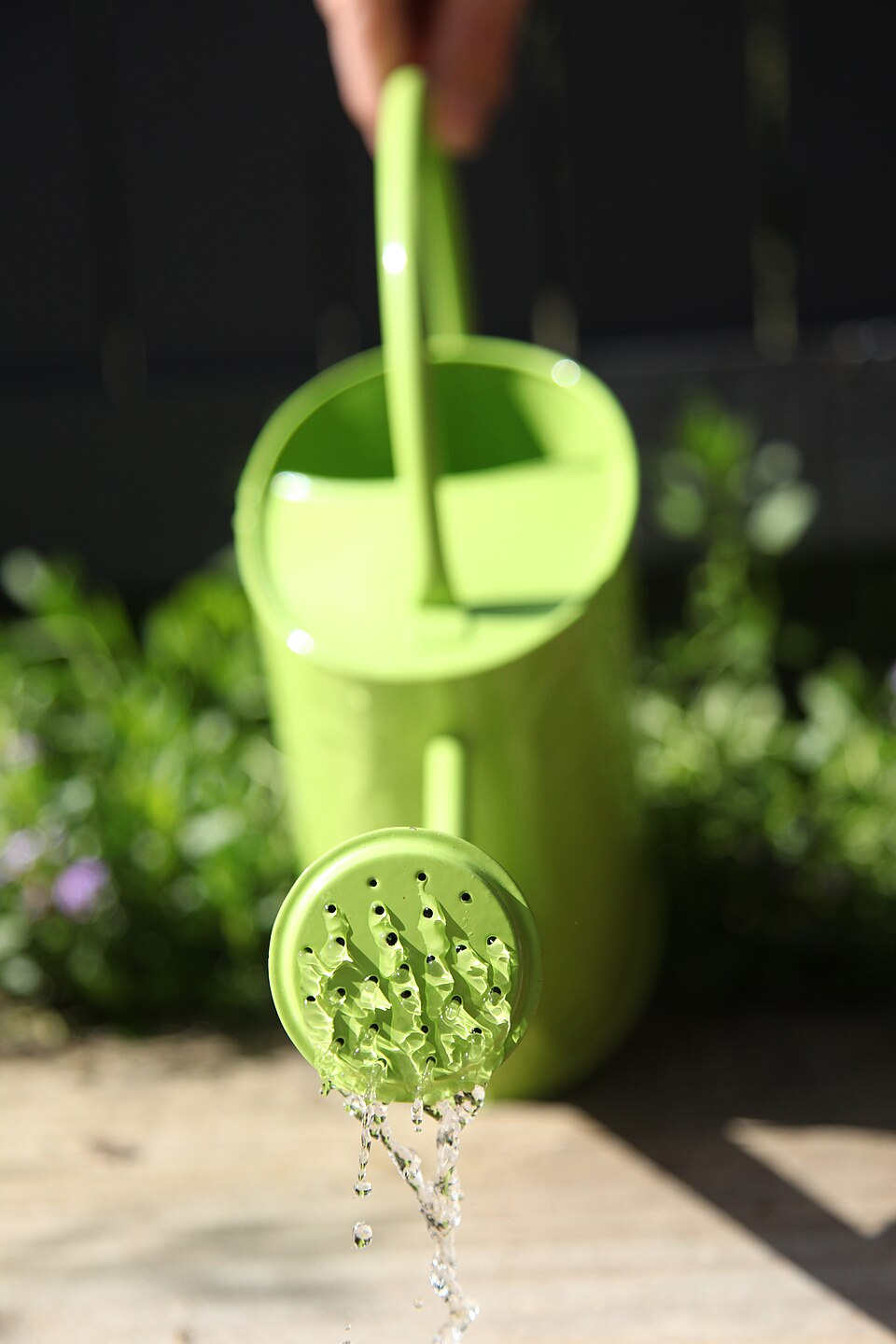
The barrel supplied water for the dooryard flowers, the garden, seedlings and the plants in the window, carried a bucket at a time.
Hoses and taps, with rain barrels now sold largely for this purpose.
Proximity decided everything. Carrying water is work, so the plants that got watered were the ones within a short walk of a full barrel – which means the barrel’s position silently determined which part of the garden thrived.
6. It Was Right Beside the Door for a Reason
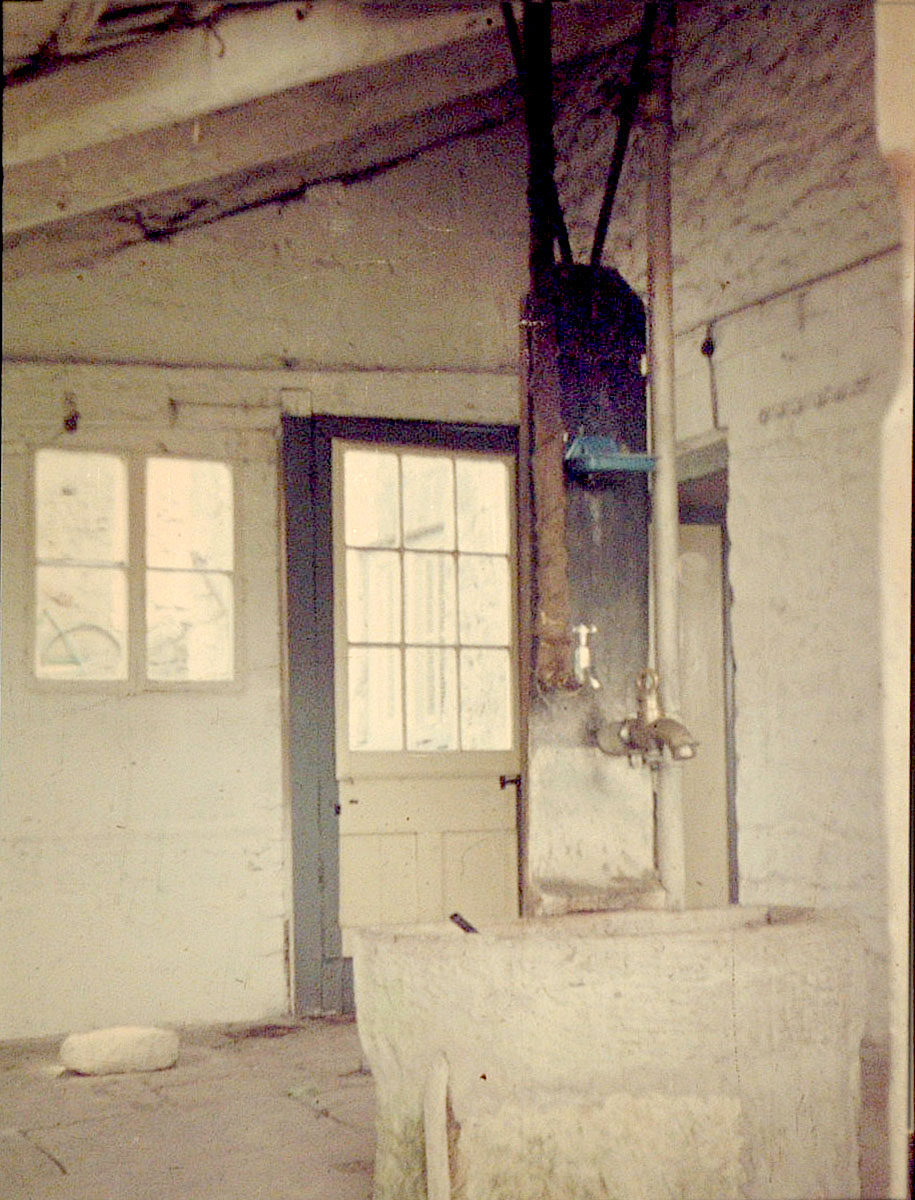
Water was wanted at the house, not at the far end of the property, so the barrel stood where a bucket could be filled in a few steps from the kitchen.
Not applicable.
Every water arrangement in a house without plumbing was organised around distance. A pump in the yard, a barrel at the corner and a reservoir on the stove were three sources at three distances, and a household used whichever was nearest to the job.
7. Nobody Drank From It
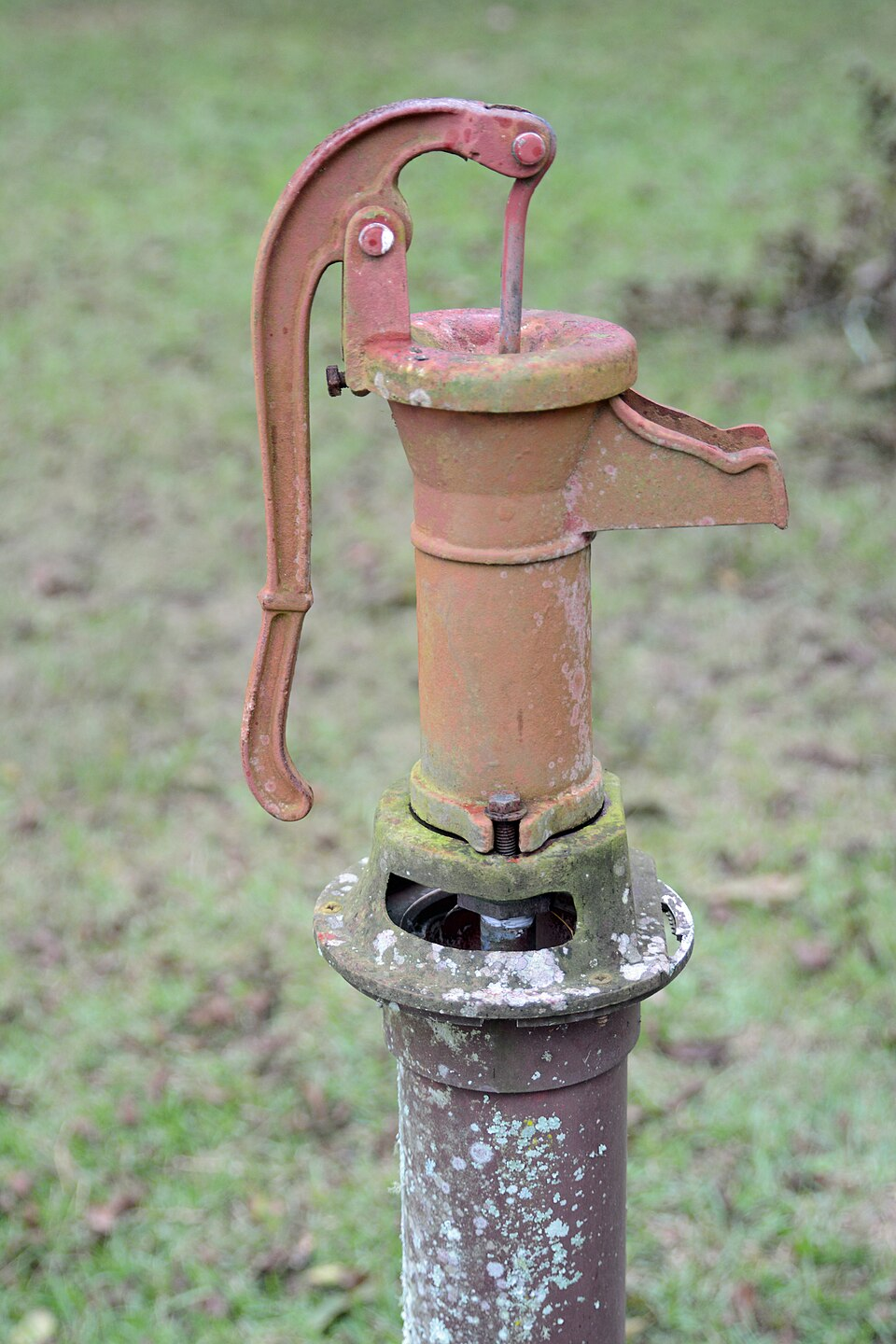
Barrel water was washing water and garden water. Drinking and cooking water came from the well, and the distinction was absolute.
Not applicable, and modern guidance on harvested rainwater is explicit about this.
The division was understood by children and never debated, which is worth stating clearly. An open barrel under a roof is not a drinking supply and nobody pretended it was – the households using these knew exactly what they had and used it accordingly.
8. It Collected Everything the Roof Had on It
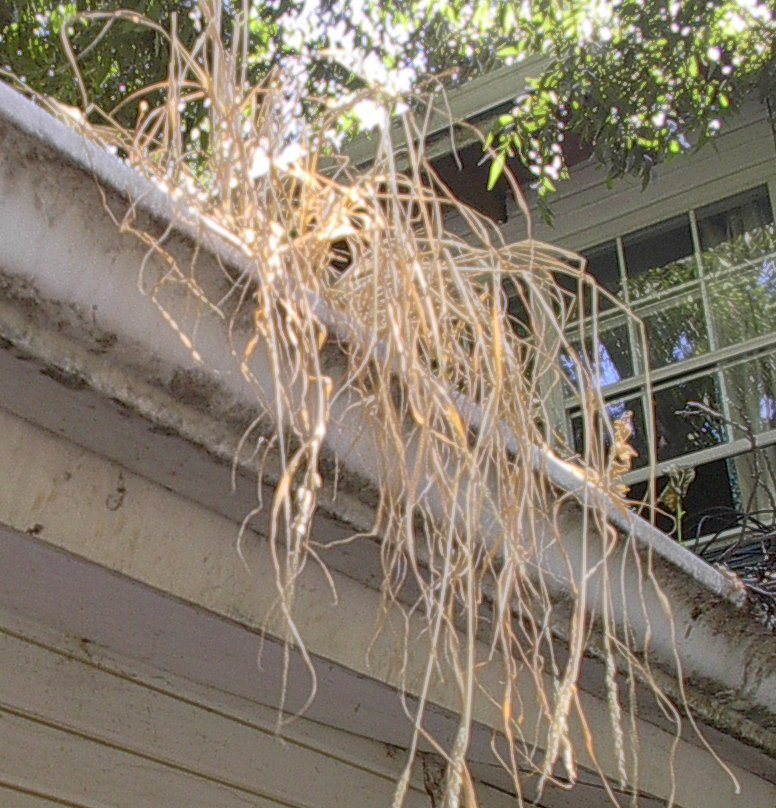
Dust, soot, leaves, grit, bird droppings and whatever had landed on the shingles all washed into the barrel when it rained.
Screened and first-flush diverting systems address exactly this.
The roof is the dirty part of the system and always was. A barrel without a cover or a screen accumulates sediment at the bottom and a film on top, which is why the better arrangements diverted the first dirty runoff and why the rest were simply tolerated.
9. Mosquitoes Bred in It
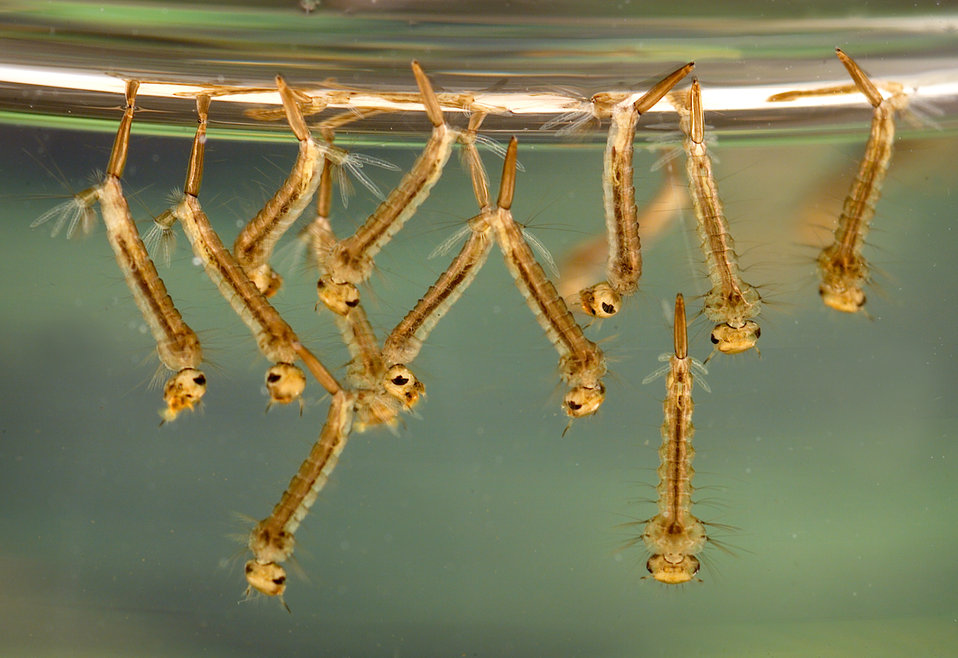
Standing open water in warm weather produces mosquito larvae, and an uncovered rain barrel is an ideal place for them.
Screened lids are standard and required by regulation in many places.
This has to be stated rather than left out. An open barrel of still water beside a house is a mosquito nursery, it was a recognised nuisance, and the modern insistence on a sealed screen on any rain barrel exists for exactly this reason.
10. Wooden Barrels Had to Stay Wet
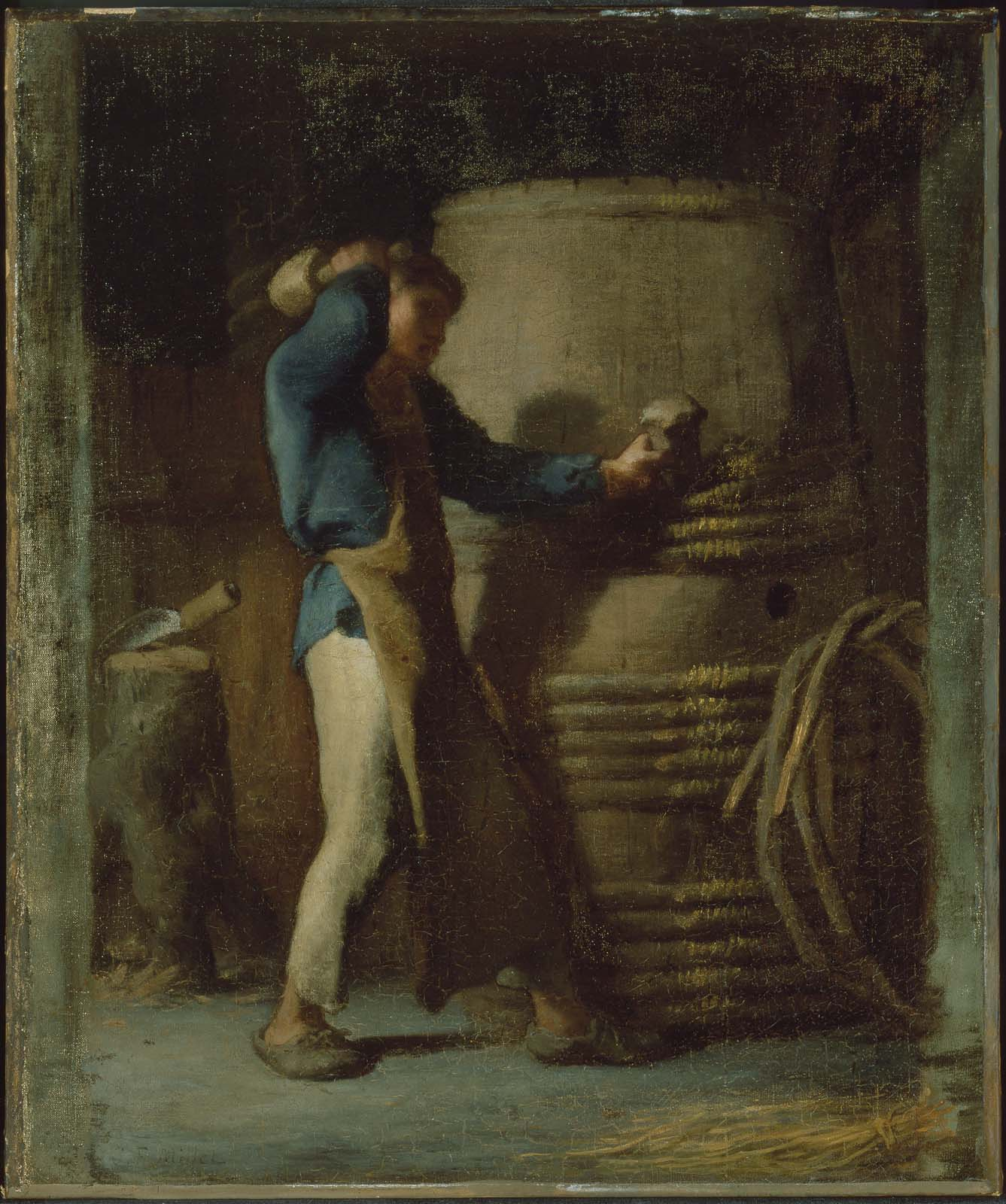
A wooden barrel holds water because its staves swell tight, so a barrel allowed to dry out shrinks, opens at the joints and leaks until it has taken up water again.
Not applicable to plastic.
The swelling is the whole engineering of a wooden barrel and it has a consequence nobody expects. Empty it in a dry spell and it will not hold water when you want it to – so a barrel was kept with something in it, and a new or long-dry one needed days to seal itself.
11. It Froze in Winter and Could Split
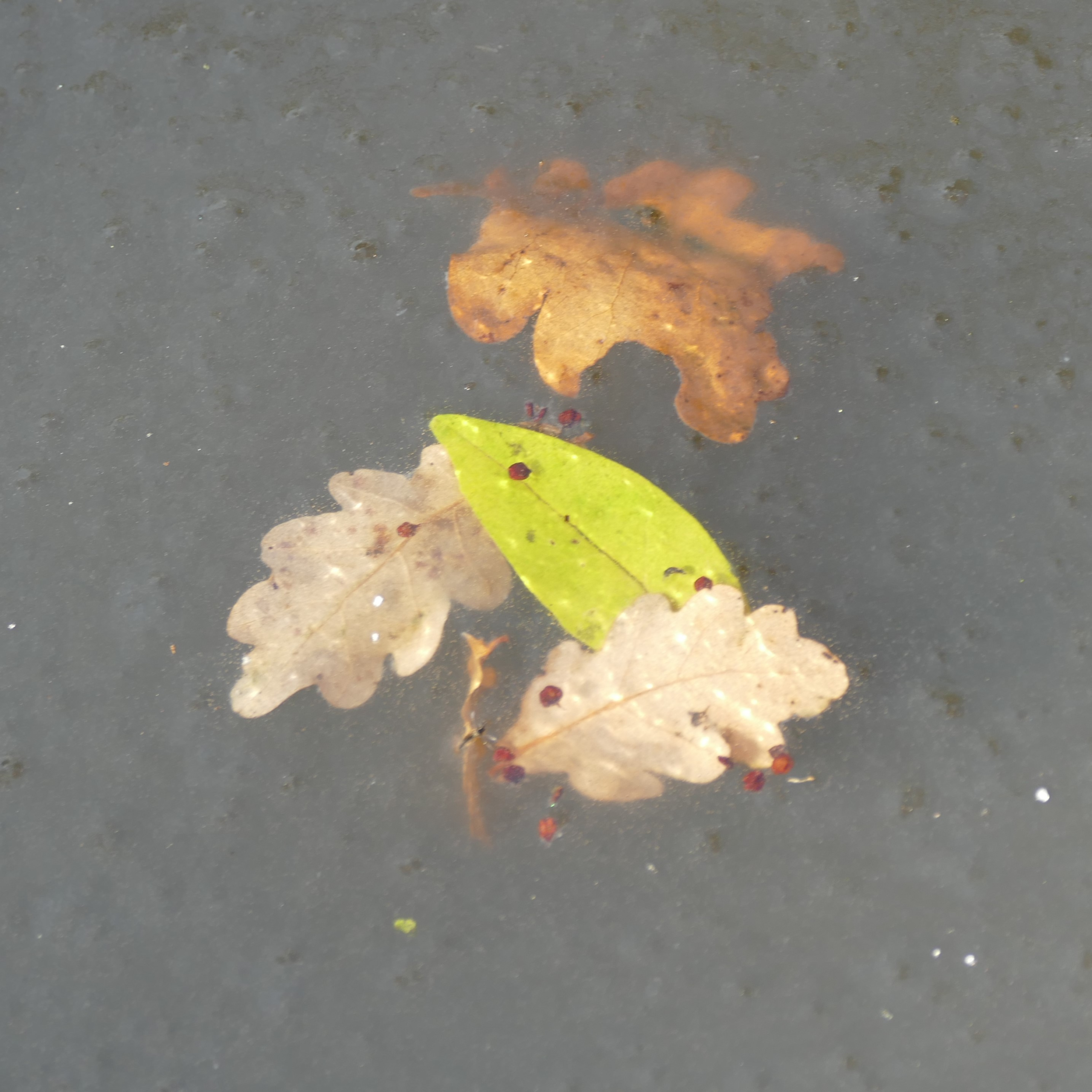
Water expanding as it freezes can burst a barrel, so it was emptied, turned over or taken in before hard weather.
Rain barrels are drained and disconnected for winter as standard practice.
Emptying for winter is the awkward half of the arrangement, because the barrel also has to stay wet enough not to shrink. Households solved it by storing the barrel in a cellar or shed, which is a small seasonal chore that nobody writes down.
12. Overflow Went Wherever It Went
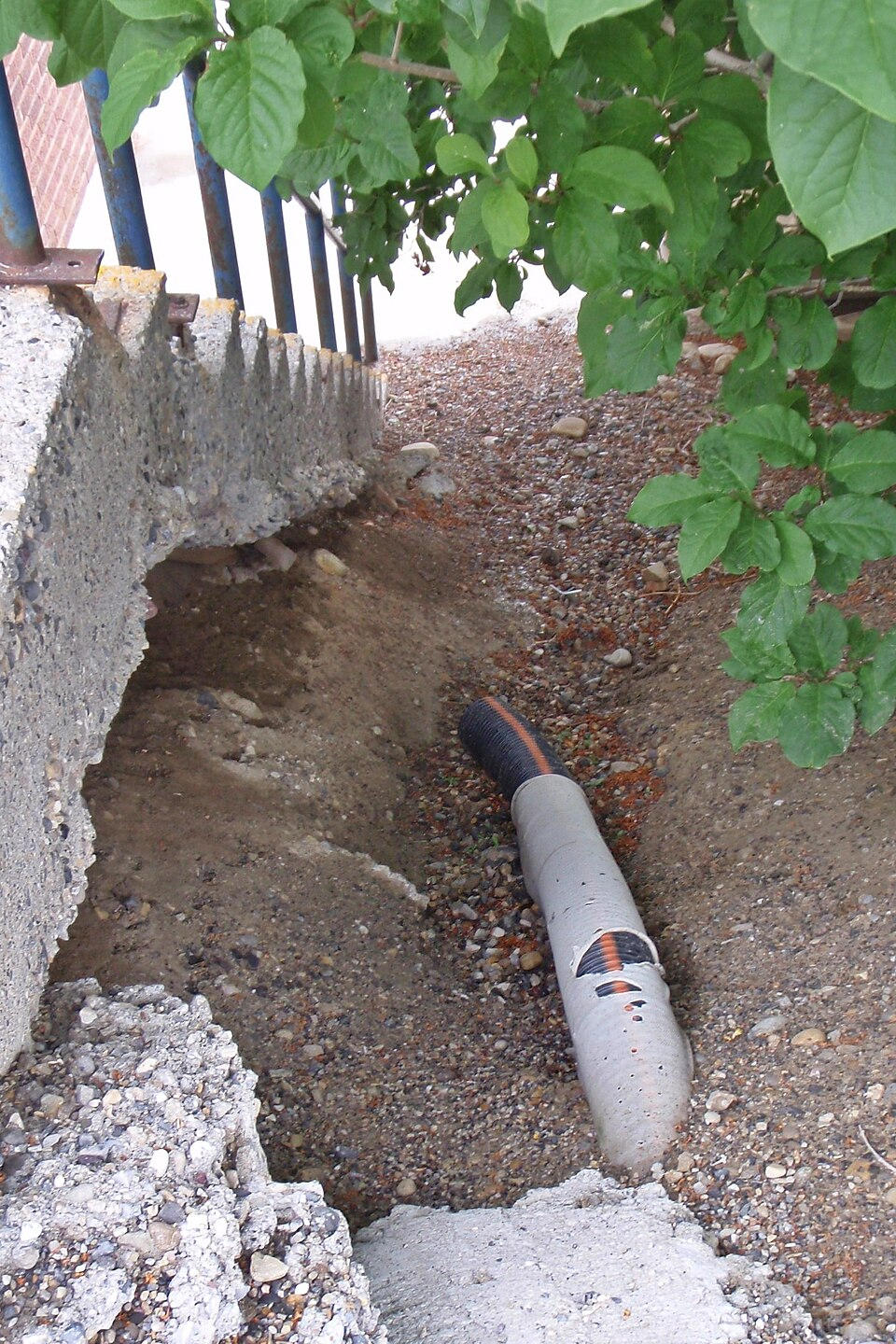
A full barrel in heavy rain simply spilled, and the water ran against the foundation of the house unless somebody had arranged otherwise.
Overflow fittings and directed discharge are part of any modern installation.
The overflow is the genuine defect in the simple version, and it is why modern systems always address it. Concentrating a roof’s worth of runoff at one corner of a foundation is exactly what a downspout is supposed to prevent, so a barrel that overflows is undoing the gutter’s job.
13. Then the Tap Made It Pointless
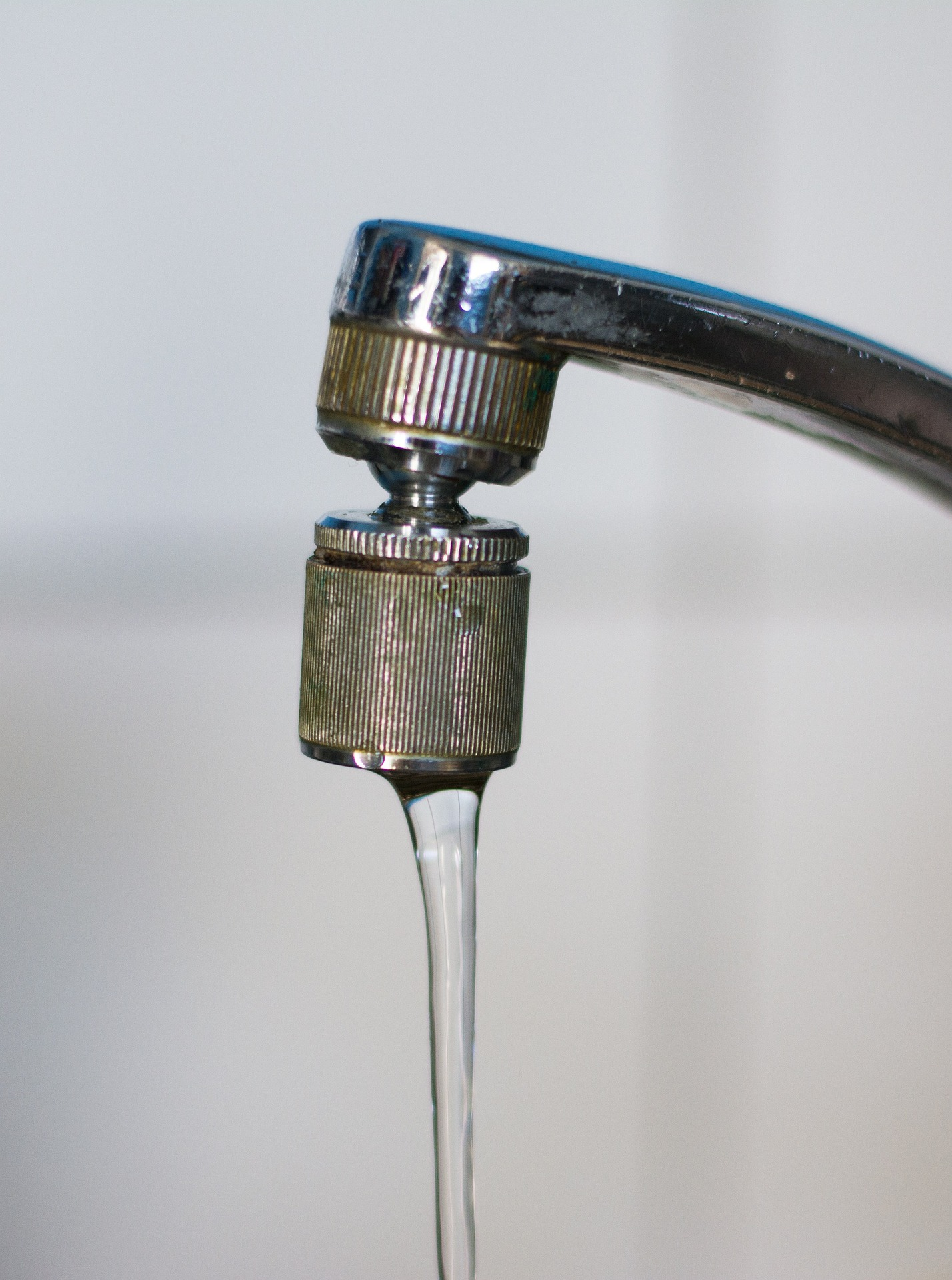
Running water in the house delivered as much as anybody wanted, at any time, already soft in many systems, with no carrying and no barrel.
Universal.
Plumbing ends the argument completely, and not because the barrel was bad. The barrel existed to supply a specific kind of water at the point of use without carrying it from a pump, and a tap does the same thing better in every respect.
14. Then Detergent Removed the Reason to Care
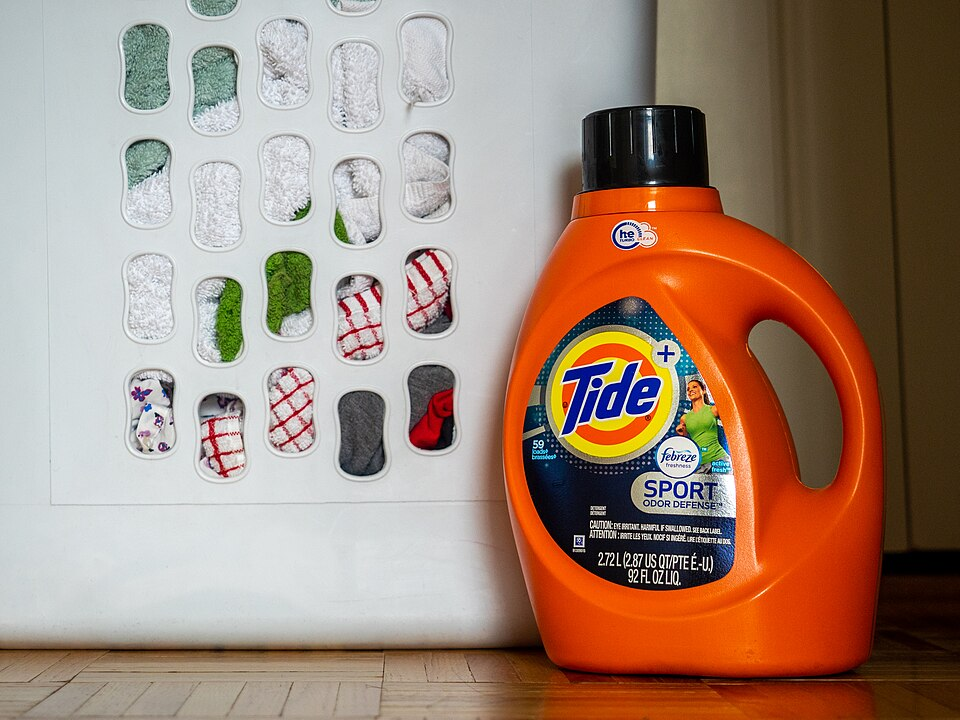
Synthetic detergents, unlike soap, do not form a curd with the minerals in hard water, which removed the daily annoyance that made softness valuable.
Universal.
This is the change that erased the knowledge rather than the practice. Once hardness stopped mattering for washing, a whole body of household understanding about water chemistry became irrelevant inside a generation, and the people who had the barrel could no longer explain to their grandchildren why they had minded.
15. Then It Came Back as a Garden Product
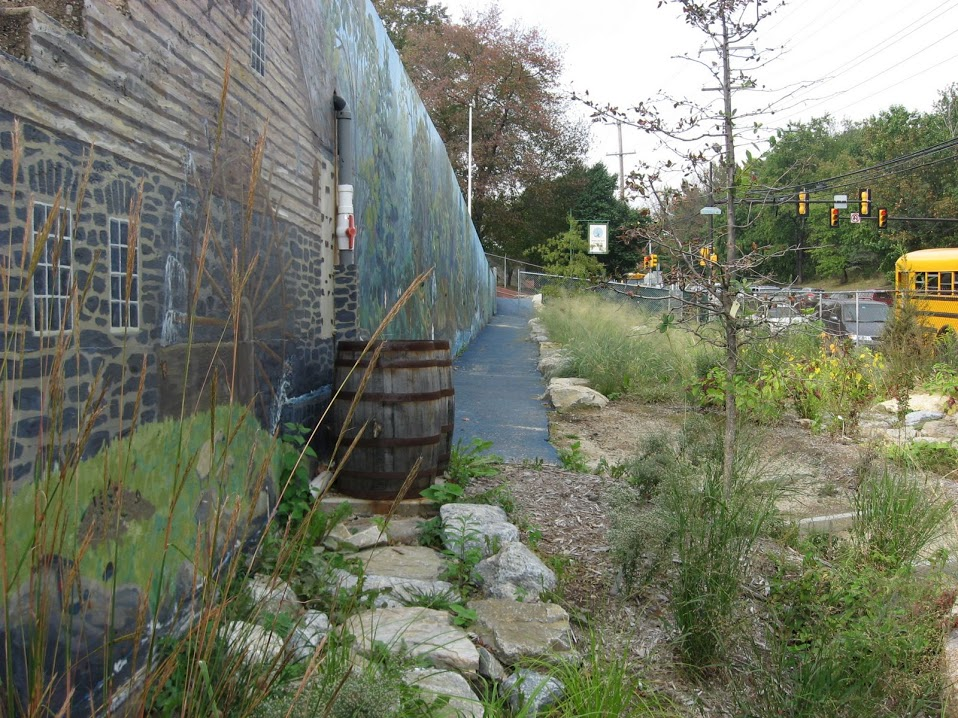
In 1964 the rain barrel was a rural survival and an old habit, while today it is sold new, screened, tapped and fitted, for watering gardens.
A purchased garden product, encouraged in some places and regulated in others, used for plants rather than for washing.
And the return is worth noticing because the purpose has entirely changed. The old barrel existed because the water coming out of the ground was chemically wrong for washing and the water coming off the roof was right, and getting it required no equipment because the barrel was already in the yard after something else had come in it. The modern one exists because somebody wants to use less tap water on a garden, and it is bought new with a screened lid, a tap and an overflow fitting – all three of which address the exact defects the old one had: insects breeding in the open water, no controlled way to draw it off, and a roof’s worth of runoff spilling against the foundation. So the object has survived while every reason for owning it has been swapped out. Nobody now washes their hair in it, which is the one use the old households were definitely right about, and nobody has to be told not to drink it, which the old households knew perfectly well without being told.
Everything About It Was Free, Including the Barrel
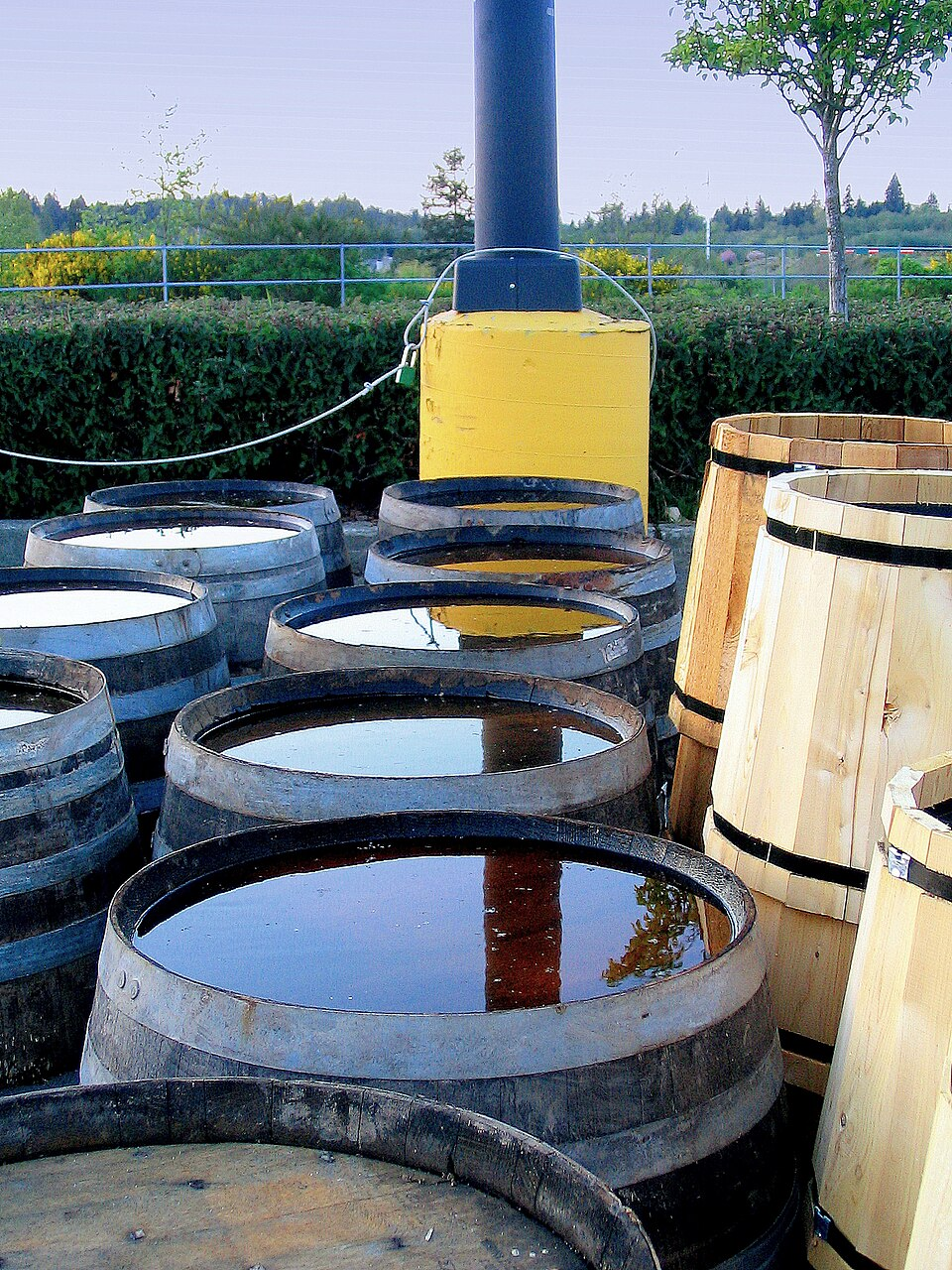
The thing that explains the rain barrel is that no part of it cost anything.
The water was free and fell on a surface the household already owned. The gutter and downspout were already there. And the barrel itself had arrived at the house full of something else – vinegar, flour, salt, molasses, nails, crackers – and simply stayed once it was empty. So the entire water catchment was built out of packaging.
What it delivered was a specific kind of water, and the specificity is the point.
Rain has been through no rock, so it carries almost no dissolved mineral. Well water across large parts of the country carries a great deal of calcium and magnesium, and those react with soap directly to form an insoluble curd – which cleans nothing, appears as grey scum in a basin and grey film on cloth, and has to be saturated before any soap is left to do actual work.
So in hard-water country, a barrel of rainwater beside the door was a genuinely useful thing. Soap lathered in it immediately. It was the water for washing hair specifically, and that piece of old household lore is simply correct: soap rinses clean out of hair in soft water and leaves a dulling residue in hard water. The insistence in old families that nothing washes hair like rainwater is chemistry, not nostalgia.
It also watered the garden, the seedlings and the plants in the window, a bucket at a time – and proximity decided everything, because carrying water is work, so the part of the garden that thrived was whichever part stood nearest a full barrel.
And nobody drank from it. Barrel water was washing and garden water; drinking and cooking water came from the well. That line was absolute and understood by children, which is worth saying plainly – the people using these knew exactly what they had.
Three things about it were genuinely awkward, and all three are worth stating.
It collected everything the roof had on it. Dust, soot, leaves, grit, bird droppings – all washed in when it rained, leaving sediment at the bottom and a film on top.
Mosquitoes bred in it. An open barrel of still water beside a house in warm weather is an ideal nursery, it was a recognised nuisance at the time, and it is exactly why any rain barrel sold today has a sealed screen on it.
And it overflowed. A full barrel in heavy rain spills, and the water runs against the foundation at that corner – which is precisely what a downspout exists to prevent, so a barrel that overflows is undoing the gutter’s work.
There was also a quirk of the hardware. A wooden barrel holds water because its staves swell tight, so one allowed to dry out shrinks, opens at the joints and leaks until it has taken water up again. But it also had to be emptied before hard frost, because freezing water will split it. Households squared that circle by storing the barrel in a cellar or shed over winter, which is one of those small seasonal chores nobody writes down.
Then plumbing ended it, and not because the barrel was bad. A tap delivers as much water as anybody wants at the point of use, with no carrying, which is the barrel’s entire job done better.
And detergent did something more interesting – it erased the knowledge rather than the practice. Synthetic detergents do not form a curd with hard-water minerals, so hardness stopped mattering for washing, and a whole body of household understanding about water chemistry became irrelevant within a generation. The people who had kept a barrel could no longer explain to their grandchildren why they had cared.
The object came back anyway, as a bought garden product with a screened lid, a tap and an overflow fitting – three features addressing exactly the three defects above.
Which means the barrel survived and every reason for owning one was replaced.
If your grandmother had one, she washed her hair in it and she was right to.
And she would never have let anybody drink out of it.
Like our content? Follow us for more.

