

The 1980s were a decade that moved. It was an era of explosive musical creativity and unforgettable dance crazes, powered by a wave of new technology and the arrival of MTV, which turned songs into must-watch mini-movies. Music spilled out of boombox speakers on street corners, played privately through Walkman headphones, and was traded between friends on hand-made mixtapes. On the dance floor and the sidewalk, breakdancing spun into the mainstream and signature moves became global sensations. From the launch of music television to the rise of the compact disc, here’s a nostalgic look at the music and dance that defined the 1980s, the sounds, formats, and moves that kept a whole generation grooving.
MTV and the Music Video

The single most transformative force in eighties music wasn’t a song or an artist, it was a television channel. When MTV launched in 1981, it made music something you watched as well as heard, and pop culture was never the same. Running music videos around the clock, the channel turned image and style into essentials, and artists who mastered the visual format became massive stars. Teenagers organized their afternoons around it, absorbing not just the songs but the fashion, hairstyles, and dance moves on display. Music videos became elaborate productions, mini-movies that could launch a hit or define an artist’s persona. MTV reshaped the entire music industry and became one of the defining cultural forces of the decade, fusing music, fashion, and visual spectacle.
Like our content? Follow us for more.
The Sony Walkman
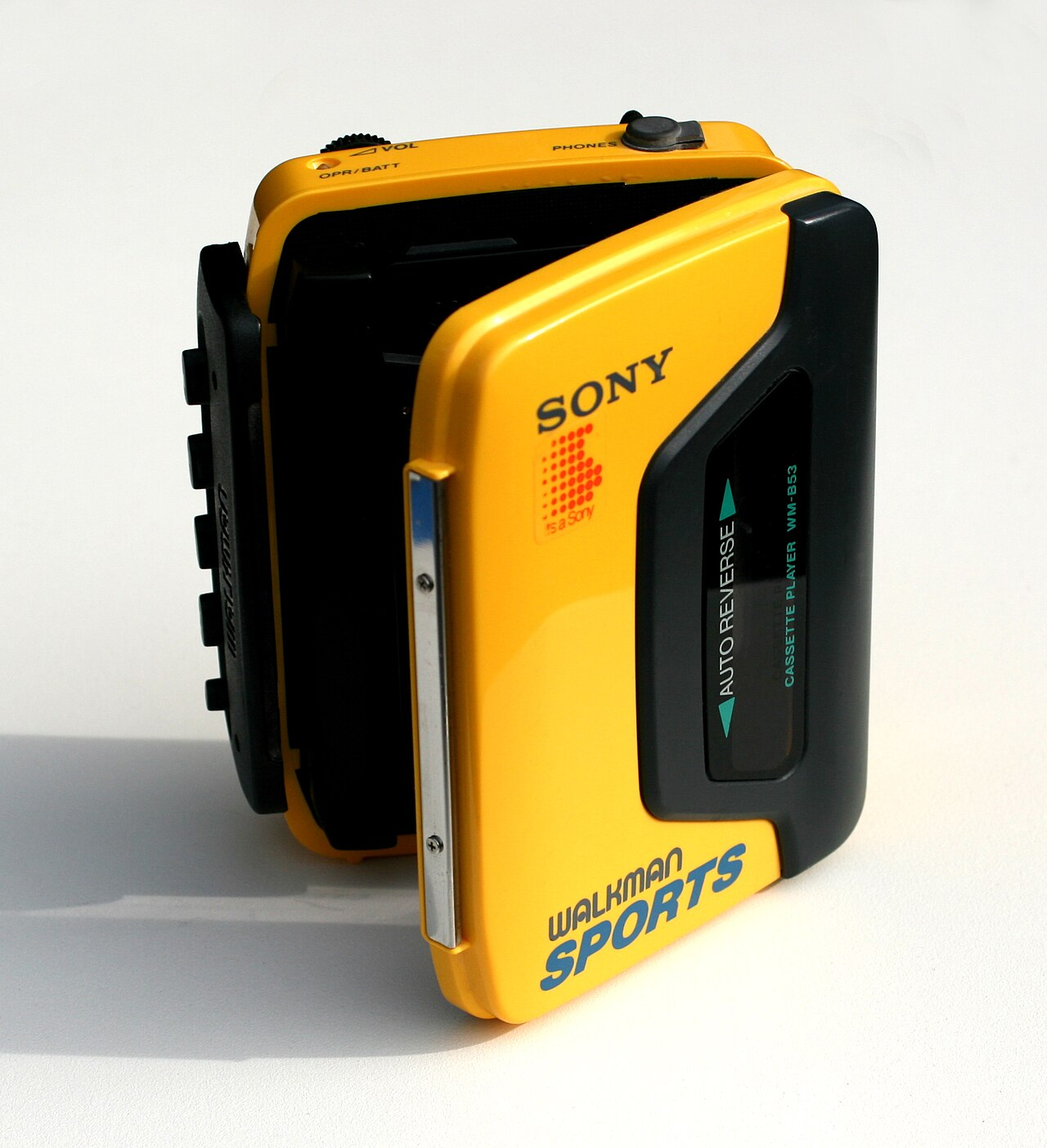
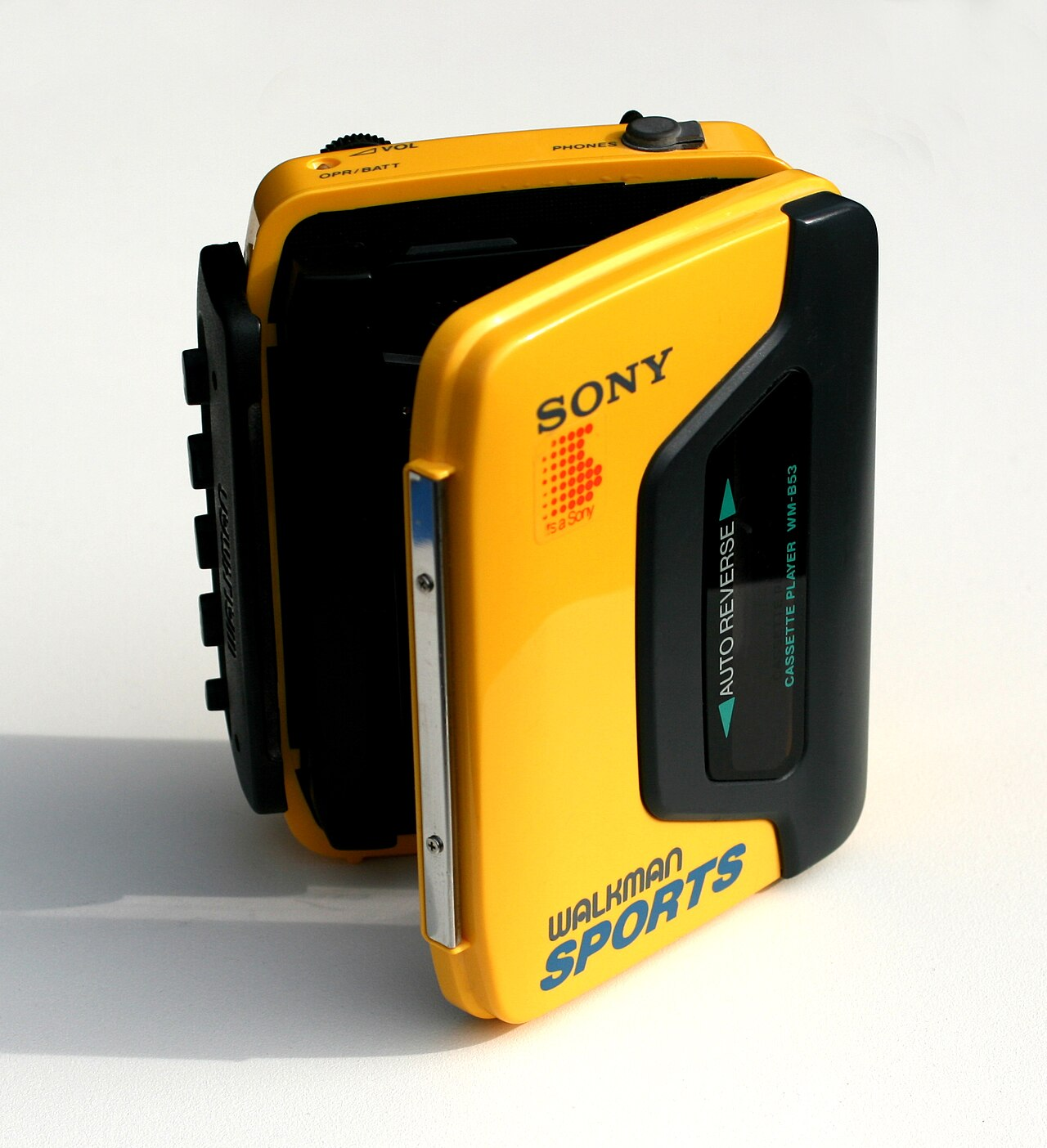
The 1980s changed how people experienced music on a personal level, and the Sony Walkman led the way. This portable cassette player let listeners carry a private soundtrack everywhere, sealed off from the world by a pair of lightweight foam headphones. For the first time, music could accompany a walk, a workout, a commute, or a study session, entirely personal and on demand. The Walkman made listening an individual, immersive experience rather than something tied to a home stereo, and it became a constant companion and a status symbol for the decade’s youth. It fundamentally reshaped our relationship with recorded music and pioneered the very idea of personal, portable listening that every music device since has built upon.
The Boombox and Street Culture
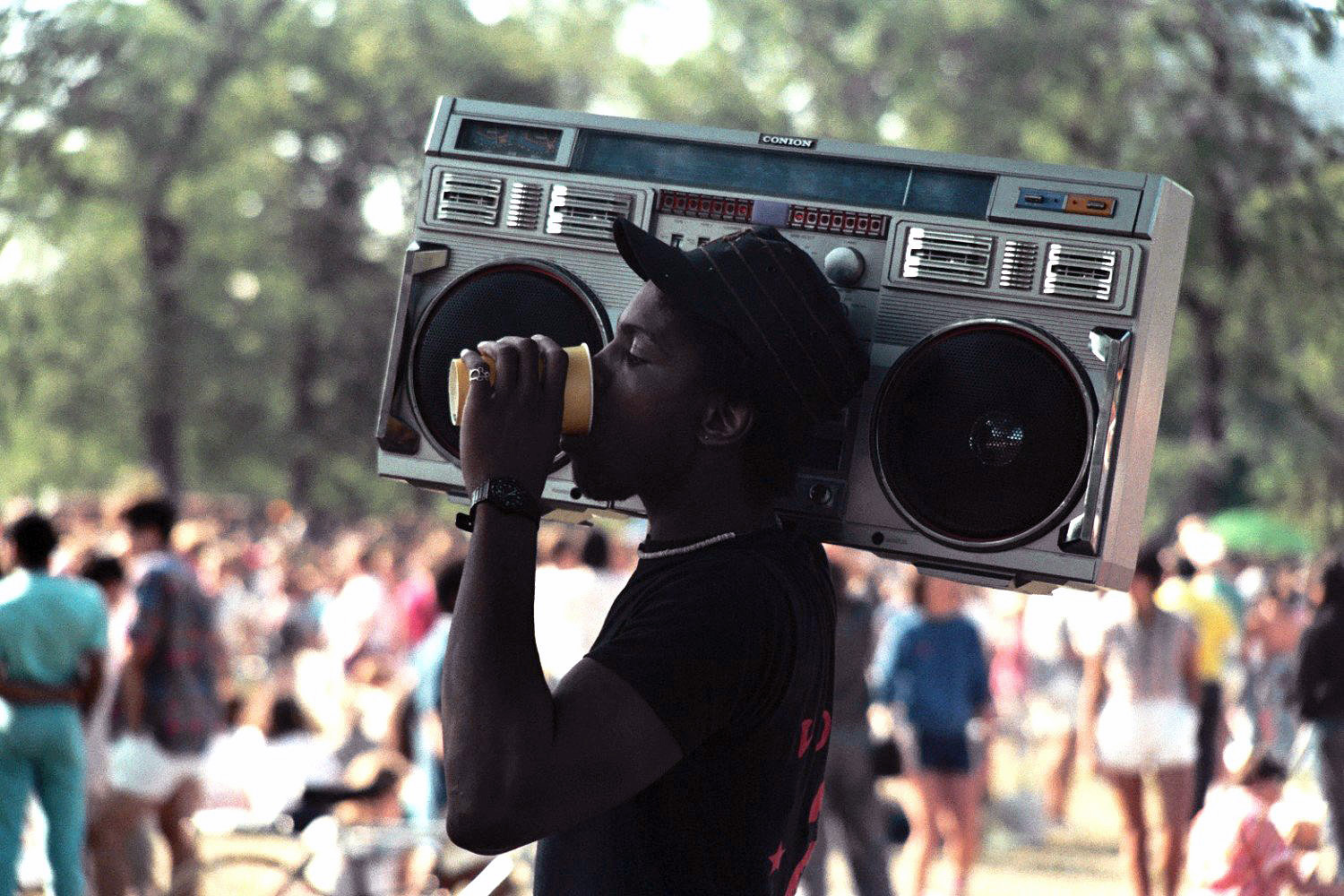
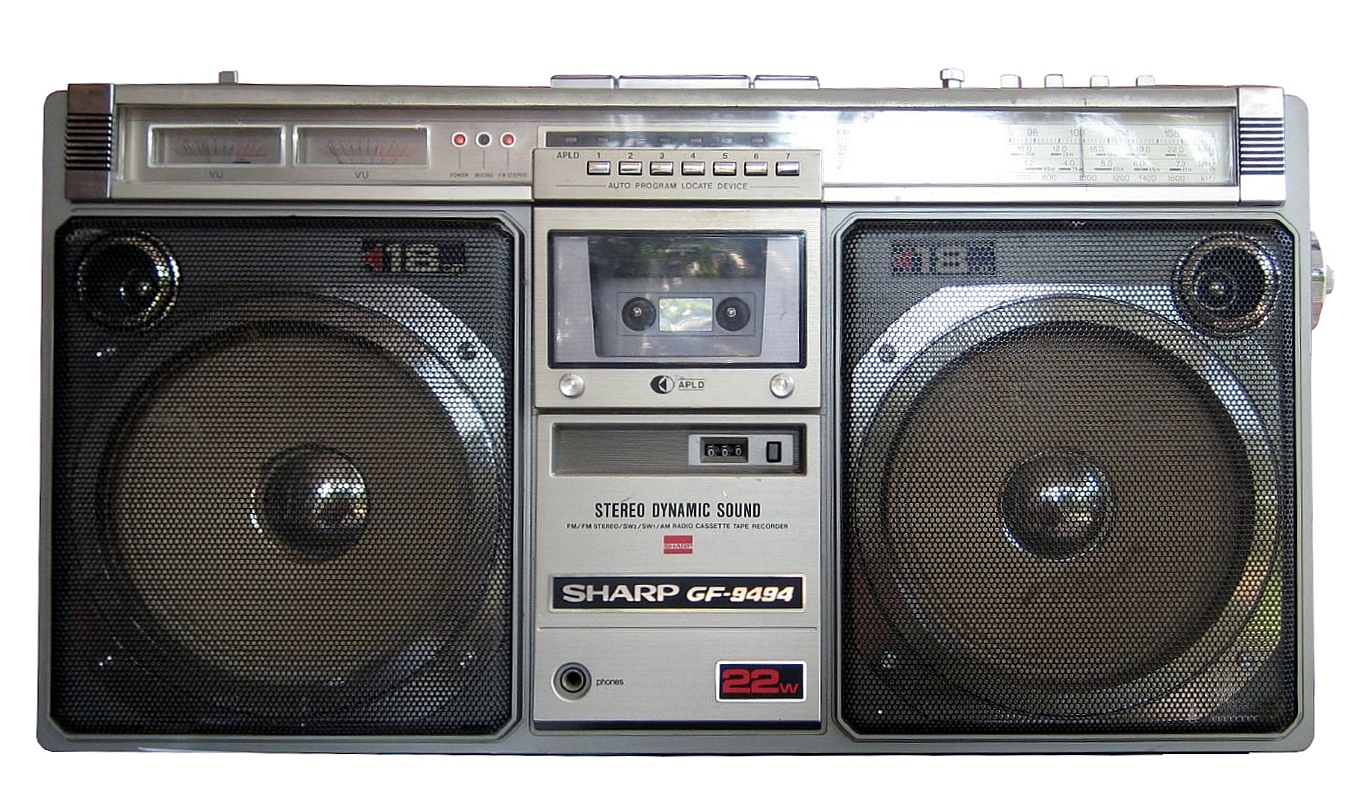
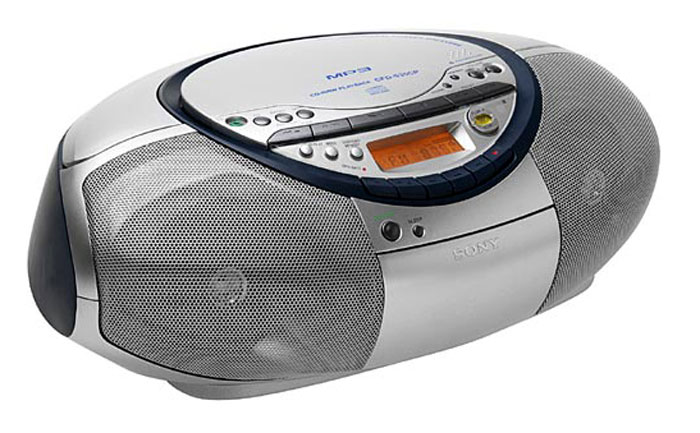
At the loud, communal end of eighties music was the boombox. This big, heavy portable stereo, hoisted onto a shoulder or set down on the pavement, blasted music for everyone to hear and became central to the decade’s street culture. Boomboxes provided the soundtrack for parties, parks, and especially the burgeoning hip-hop and breakdancing scenes, where they powered impromptu dance sessions on city sidewalks. The bigger and louder the boombox, the better, and a powerful model was a genuine point of pride. More than a gadget, the boombox was a cultural symbol of the era’s bold, social, music-driven energy. Its unmistakable silhouette remains one of the most iconic images of the 1980s, forever linked to the decade’s lively street and music culture.
Breakdancing
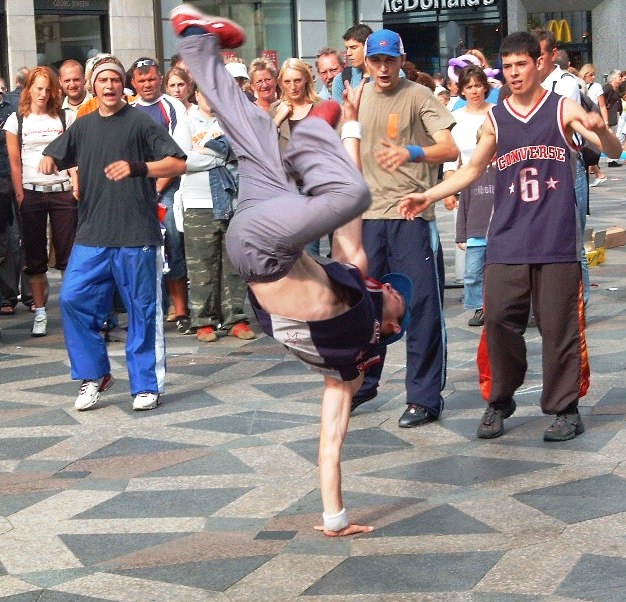
One of the most electrifying dance phenomena of the decade was breakdancing. Emerging from hip-hop culture, this athletic, acrobatic street dance style exploded into the mainstream in the early-to-mid eighties, compelling audiences with its spins, freezes, and gravity-defying floor moves. Dancers, often performing on flattened cardboard with a boombox supplying the beat, drew crowds on city streets and in talent shows everywhere. Moves like the backspin, the windmill, and the headspin showcased remarkable strength and control. Breakdancing spread rapidly through movies, music videos, and word of mouth, inspiring countless kids to try spinning on the floor. It became one of the defining dance forms of the decade and a lasting pillar of hip-hop culture, still practiced and celebrated around the world today.
Iconic Dance Moves
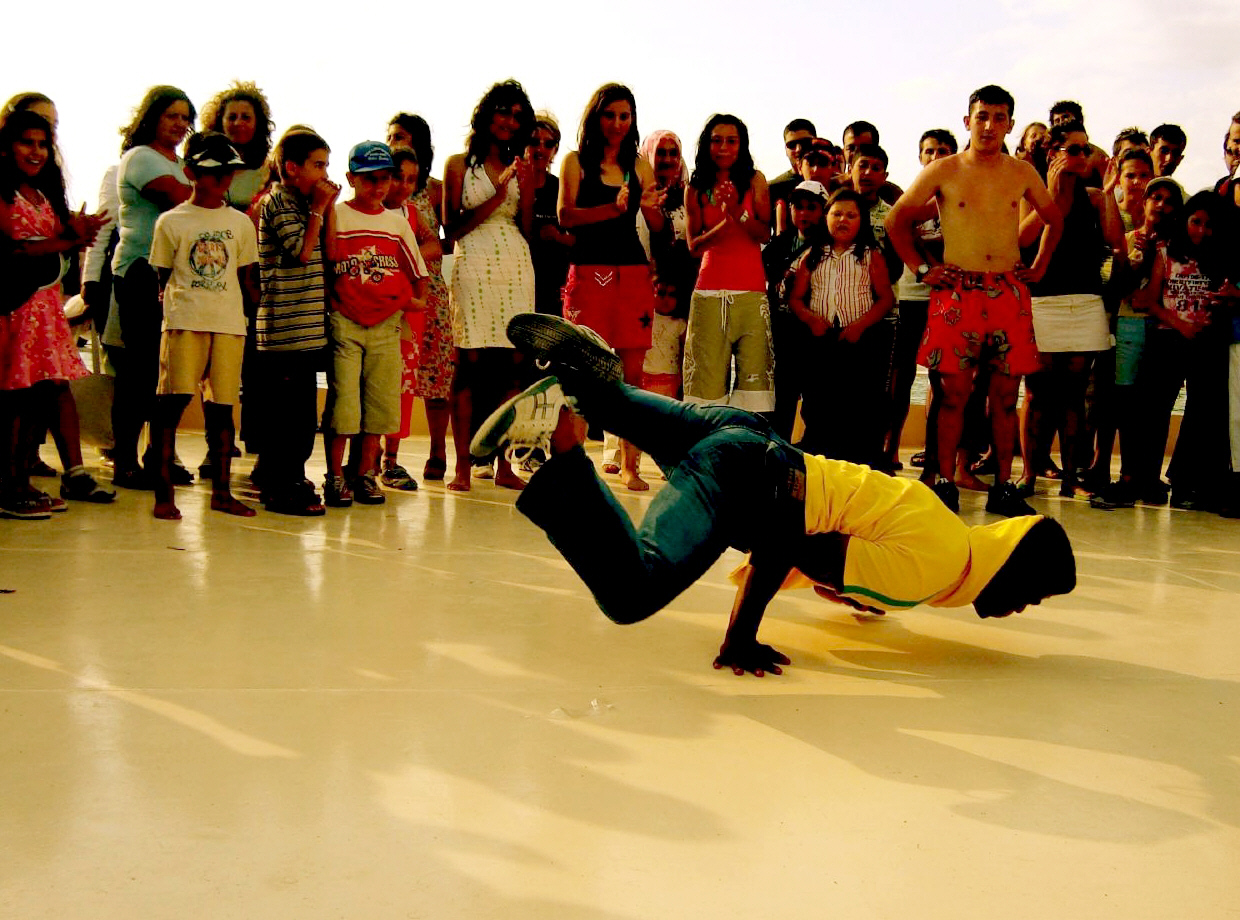
Beyond breakdancing, the 1980s produced a string of signature dance moves that became cultural sensations. The decade’s biggest pop performances popularized gliding, sliding steps that seemed to defy physics and that fans everywhere rushed to imitate. Dance crazes spread through music videos and live performances, with certain moves becoming so famous that learning them was a rite of passage at school dances and parties. The era’s emphasis on visual performance, amplified by MTV, meant that a memorable dance move could become as iconic as the song itself. From energetic group routines to show-stopping solo steps, eighties dance was expressive, athletic, and made for an audience. These signature moves remain instantly recognizable and are still revived whenever the decade’s music plays.
New Wave and Synth-Pop
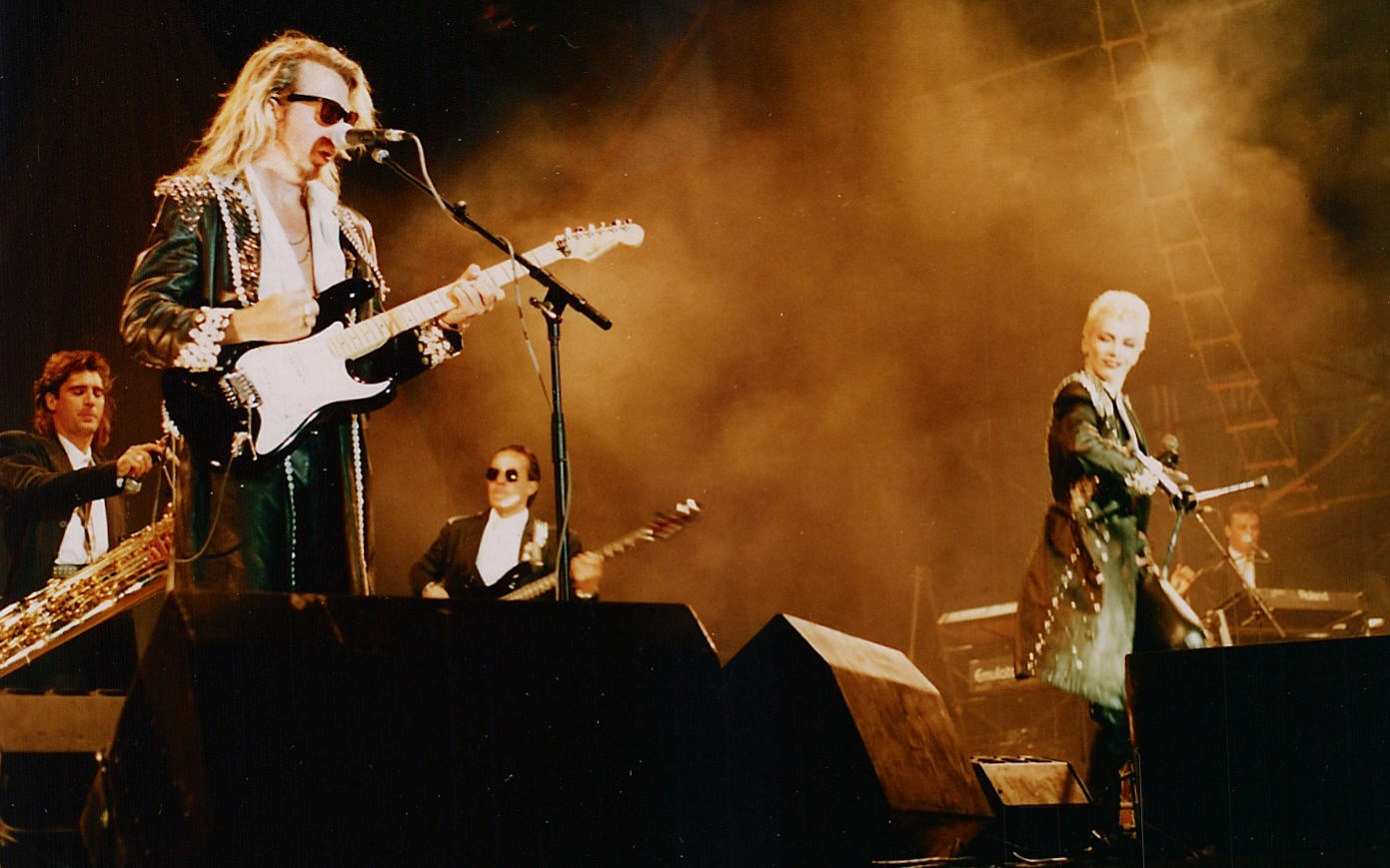
The sound of the 1980s was defined in large part by the synthesizer, and the genres of new wave and synth-pop captured the decade’s sleek, futuristic energy. Built around electronic keyboards, drum machines, and catchy hooks, these styles produced a polished, danceable sound that filled radio waves and dance floors throughout the era. The synthesizer’s distinctive electronic textures gave eighties pop its characteristic shimmer, a sound instantly identifiable as belonging to the decade. New wave blended pop accessibility with art-school style, and its visual flair fit perfectly with the new music-video age. This electronic, synth-driven sound became one of the most recognizable musical signatures of the eighties and has been hugely influential, inspiring waves of revival and homage in the decades since.
Hair Metal and Rock
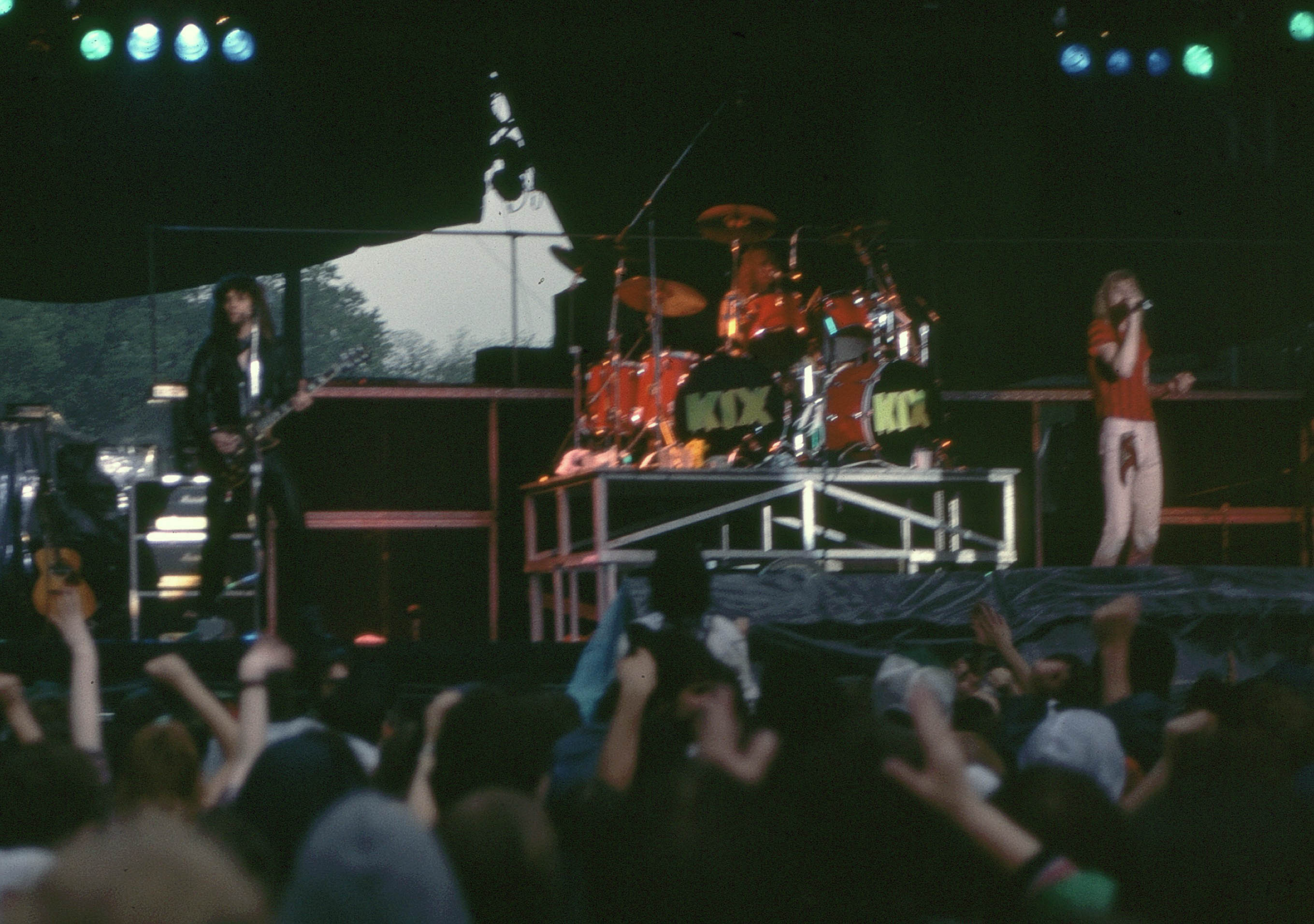
On the harder-edged side of eighties music was the phenomenon often called hair metal, a flashy, anthemic style of rock defined as much by its image as its sound. Bands sported teased big hair, leather, and flamboyant outfits, and their power ballads and arena anthems dominated rock radio and MTV through the middle and later part of the decade. Loud guitars, soaring choruses, and over-the-top showmanship made it a perfect fit for the era’s larger-than-life sensibility and the visual demands of music television. The genre filled stadiums and sold enormous numbers of records. With its spectacle, volume, and unmistakable look, eighties rock was a defining strand of the decade’s music, and its biggest anthems still pack a nostalgic punch today.
The Cassette Tape and the Mixtape
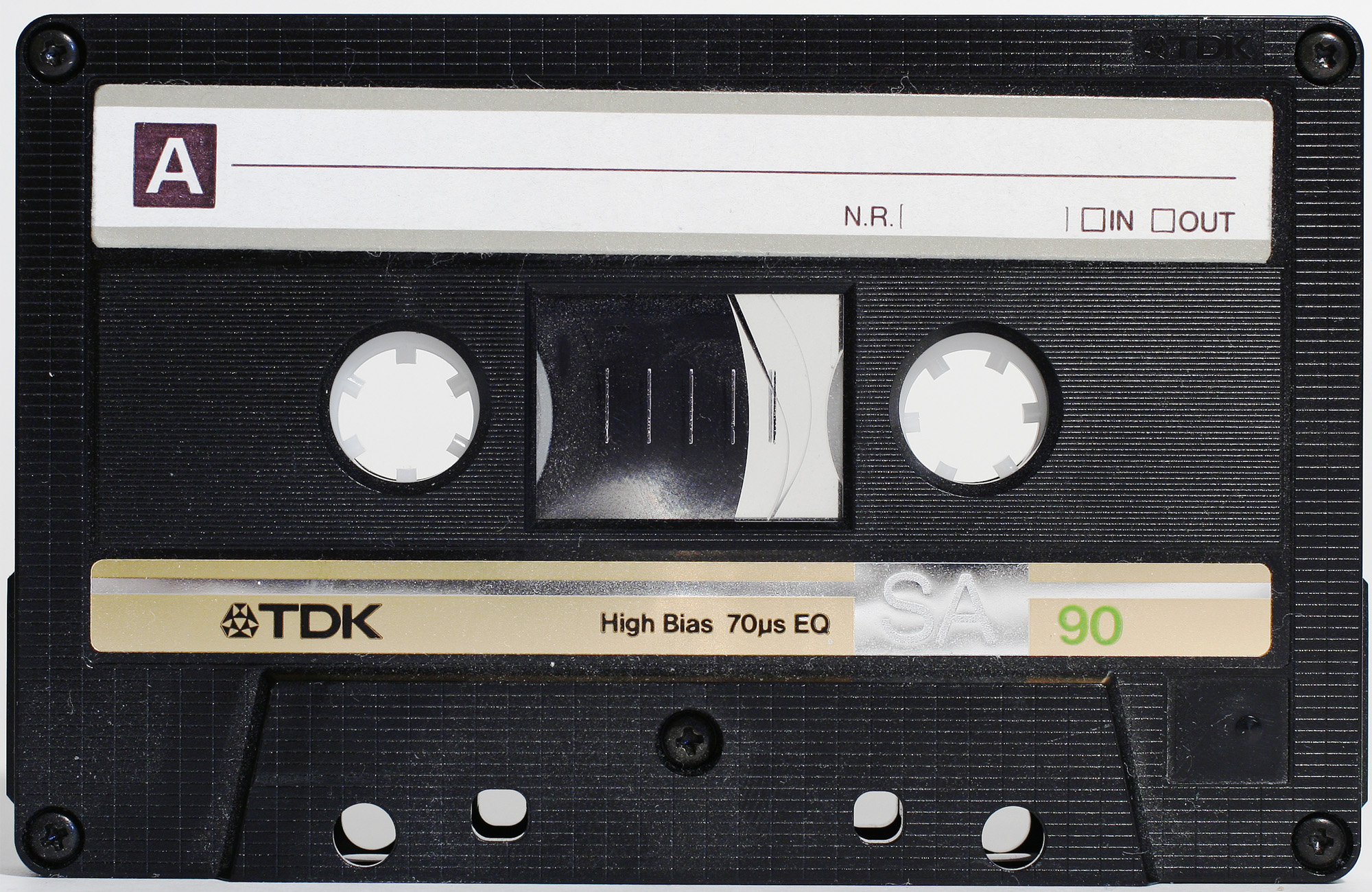
For most of the decade, the cassette tape was how people owned and shared music, and from it grew one of the era’s most cherished traditions: the mixtape. Making a mixtape meant carefully recording a personal selection of songs onto a blank cassette, often dubbing from records, the radio, or other tapes, to create a custom compilation for yourself, a friend, or a crush. It was a genuine labor of love, requiring patience to time each track and craft the perfect running order. Handing someone a mixtape was a meaningful gesture, a curated gift of music and emotion. The cassette and the mixtape defined how eighties music was personalized and exchanged, and the ritual remains one of the most fondly remembered aspects of the decade’s music culture.
Live Aid and the Charity Anthem
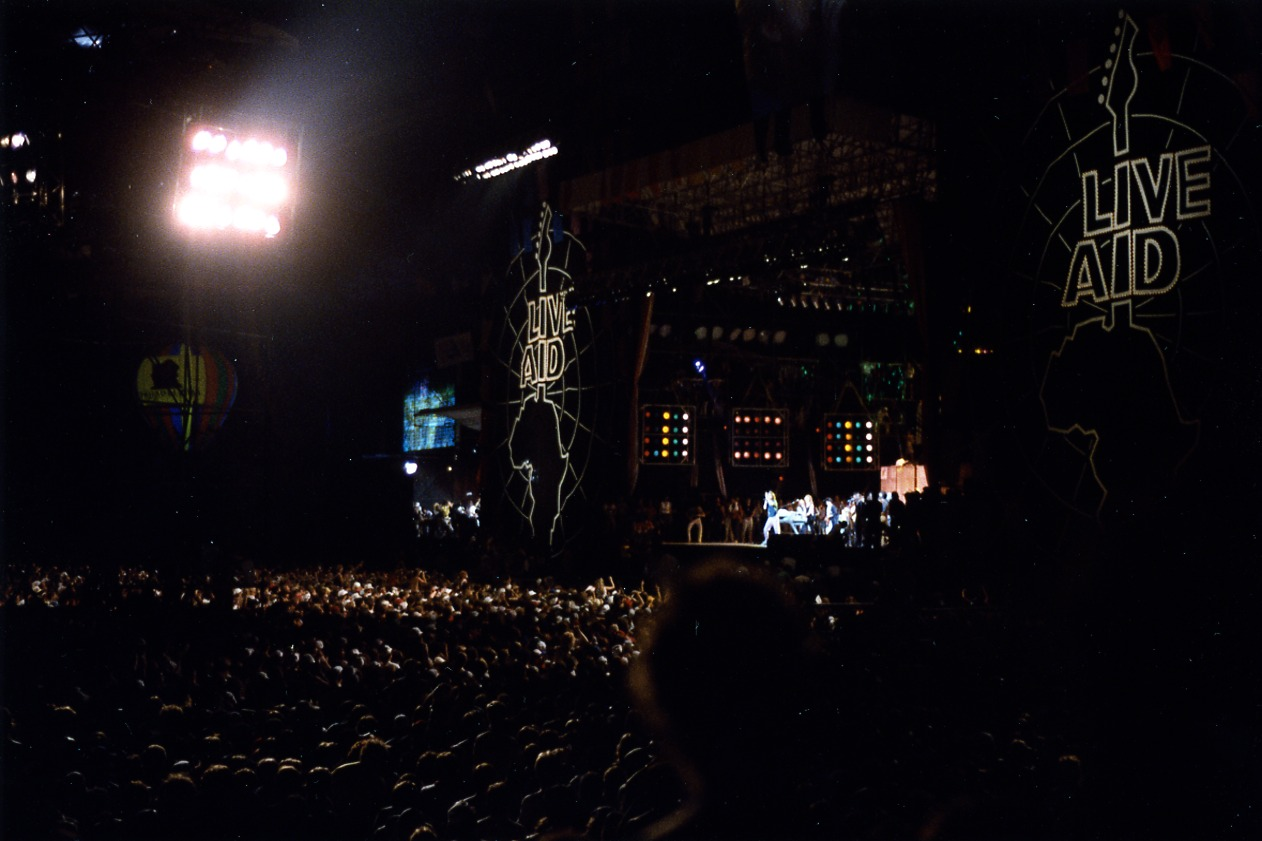
The 1980s gave rise to the mega-charity concert, and none was bigger than Live Aid in 1985. This globe-spanning benefit event, staged simultaneously across multiple continents to raise money for famine relief, drew an enormous worldwide television audience and brought together a remarkable lineup of the era’s biggest acts. It was a landmark moment that demonstrated music’s power to unite people around a cause on a global scale. The decade also produced star-studded charity singles, where groups of famous musicians recorded songs together to raise funds and awareness. These events captured a spirit of collective purpose and showcased the reach of eighties pop stardom. Live Aid in particular remains one of the most famous concerts in history and a defining cultural event of the decade.
The Compact Disc Arrives
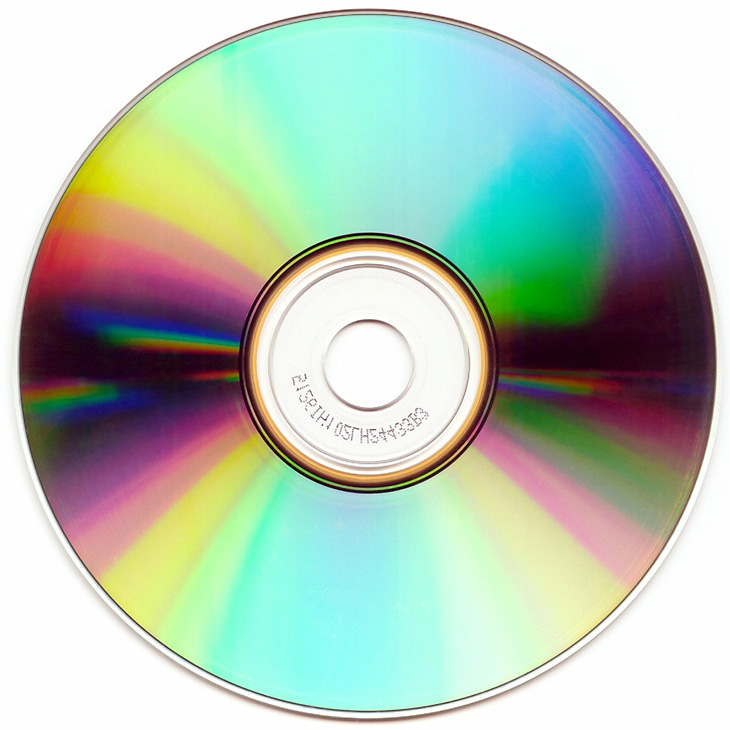
As the 1980s progressed, a new format steadily began to change music forever: the compact disc. Introduced commercially in the early eighties, the CD offered clear digital sound and durability that cassettes and vinyl couldn’t match, with no hiss, no rewinding, and no wear from repeated play. The shimmering silver discs felt futuristic, and as CD players gradually became more affordable, music lovers began rebuilding their collections in the new digital format. The CD marked the beginning of the shift from analog to digital sound that would define music in the decades to come. By the end of the eighties, it was clear the compact disc represented the future, even as cassettes and the mixtape culture they enabled still ruled the day.
A Decade With an Unforgettable Soundtrack
The music and dance of the 1980s were as bold and energetic as the decade itself, a creative explosion powered by new technology and the visual revolution of MTV. From the personal magic of the Walkman and the communal blast of the boombox to the acrobatics of breakdancing and the synth-driven shimmer of new wave, the eighties kept the world moving. The cassette and the mixtape made music personal and shareable, mega-events like Live Aid showcased its global power, and the compact disc pointed toward the digital future. For anyone who lived through it, the soundtrack of the eighties is woven into the memory of the decade, and its sounds and moves remain instantly recognizable, guaranteed to get a generation back on its feet.
Like our content? Follow us for more.
