Before mechanical pinsetting machines became standard in the 1950s, bowling alleys relied on a human pinsetter, usually a teenage boy, perched behind the lane to manually clear fallen pins, reset a fresh rack, and send the ball rolling back, all in a matter of seconds between frames. It was fast, physical, occasionally dangerous work that most bowlers never thought much about. Here are eleven things every American bowling alley pinsetter did before automation, counted down one by one.
1. Perching on an Elevated Bench Behind the Pins
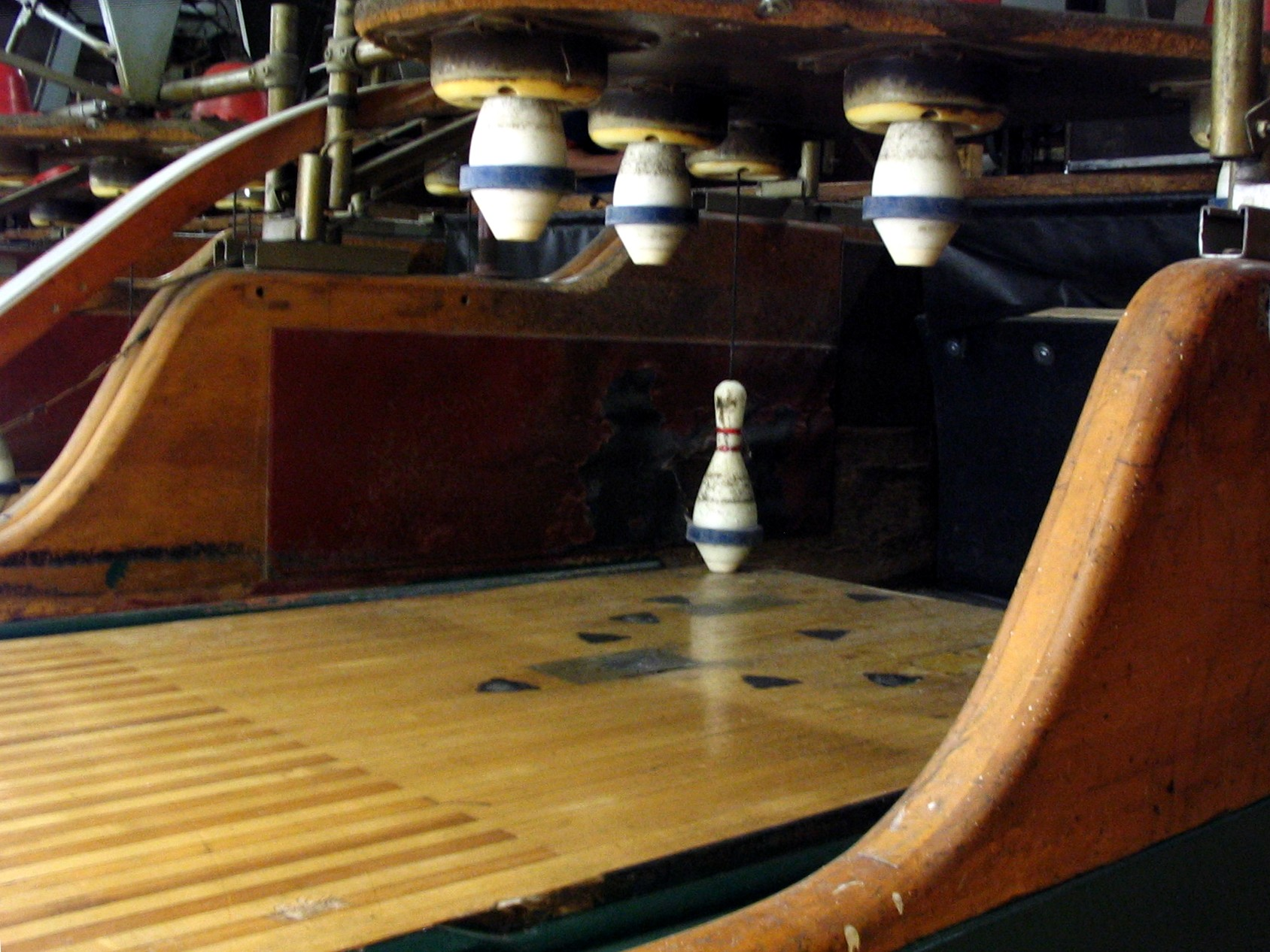
Pinsetters sat above the pin deck between frames. The elevated position kept their legs safely out of the way.
Between frames, the pinsetter perched on a small elevated bench positioned above and behind the pin deck, legs tucked safely out of the path of the lane while waiting for the next ball to arrive. Timing the jump down to reset pins required real practice. Perching on an elevated bench behind the pins is the defining image of the job, the vantage point that let a pinsetter watch every roll and react instantly once the ball reached the end of the lane.
Like our content? Follow us for more.
2. Manually Clearing Fallen Pins by Hand
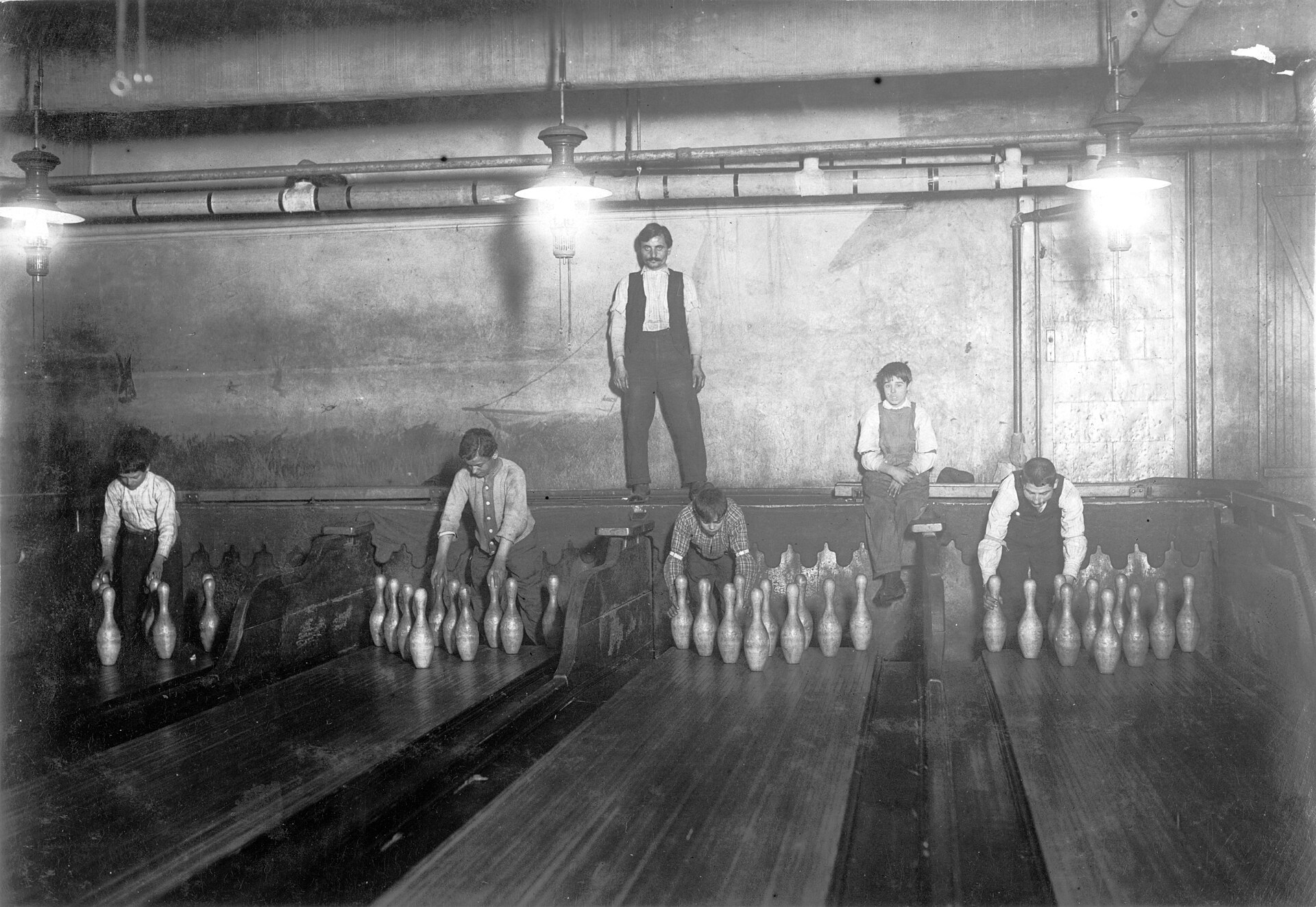
Downed pins had to be gathered quickly by hand. Speed mattered to keep the lane moving for waiting bowlers.
As soon as the ball struck, the pinsetter hopped down and quickly gathered the fallen pins by hand, sorting them for reuse and clearing the deck for the next roll. Doing this quickly, without holding up the bowlers waiting their turn, was essential to the job. Manually clearing fallen pins by hand is the core physical task of the pinsetter’s work, the fast, repetitive labor that kept an entire evening of league bowling moving at a reasonable pace.
3. Placing Each Pin Precisely on Its Spot
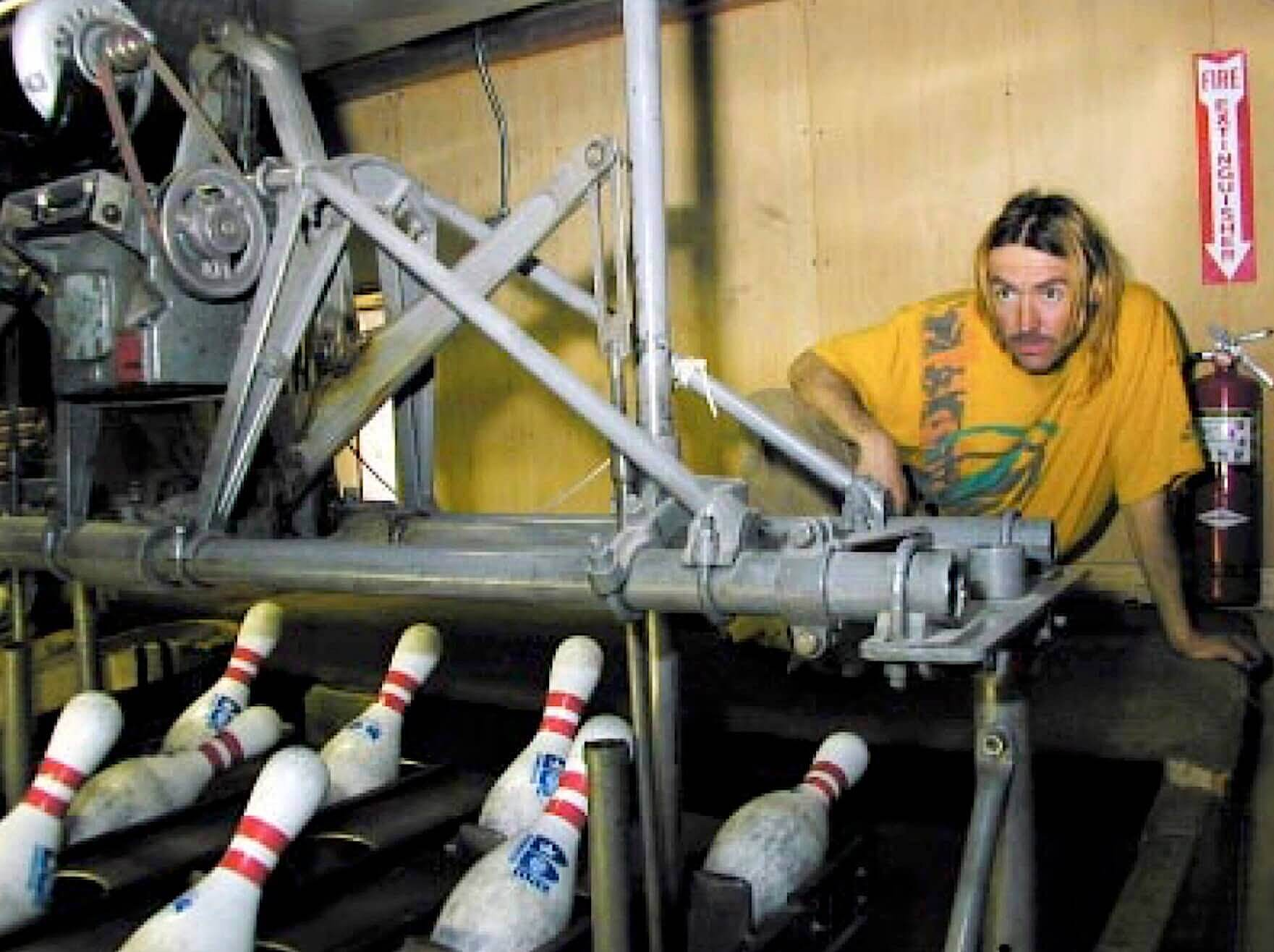
Pins had to be set exactly on marked positions. A misplaced pin could throw off the whole next frame.
Resetting the rack meant placing all ten pins precisely on their marked spots on the pin deck, a task requiring real accuracy since a pin even slightly out of position could affect the fairness of the next roll. Doing this from memory, quickly and repeatedly, took genuine skill. Placing each pin precisely on its spot is an underappreciated pinsetter skill, the exacting attention to detail that ensured every bowler faced a properly arranged rack, frame after frame, all night long.
4. Sending the Ball Back Through the Return
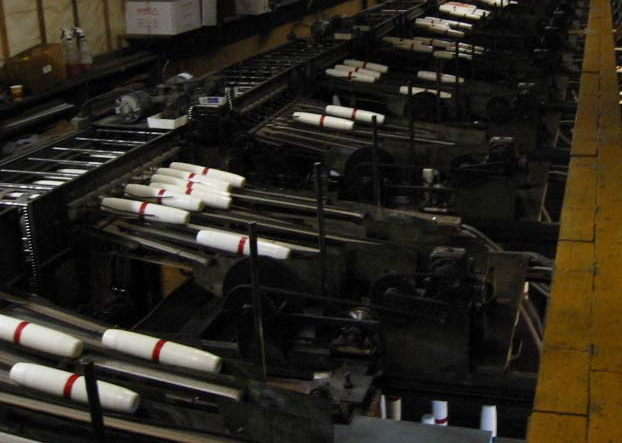
A manual return mechanism or direct roll sent the ball back. The pinsetter often helped guide it along.
Depending on the alley’s setup, the pinsetter sometimes had to manually guide the bowling ball back toward the bowler through a return track or chute, ensuring it made the trip smoothly without getting stuck. This added another task to the tight window between frames. Sending the ball back through the return is a practical part of the pinsetter’s job, the extra responsibility that kept the entire lane functioning smoothly for the bowlers waiting at the other end.
5. Working Multiple Lanes Simultaneously
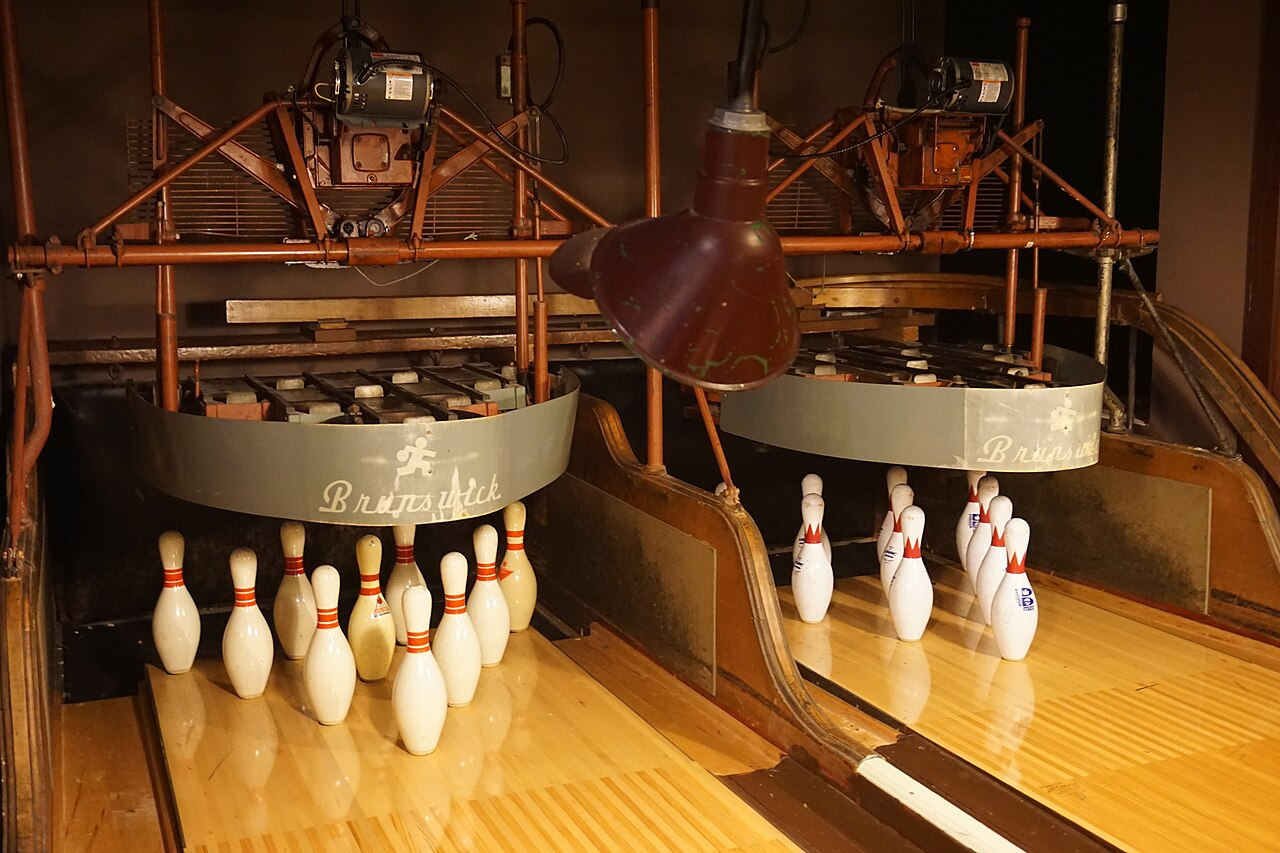
Busy alleys required a pinsetter to cover several lanes. Constant movement between lanes was demanding.
During busy league nights, a single pinsetter often had to cover two or more lanes at once, hustling back and forth to reset each one in turn as bowlers rolled in a staggered rhythm. Keeping up with multiple lanes simultaneously required real stamina and quick thinking. Working multiple lanes simultaneously is a demanding aspect of the job, the physical endurance test that turned a single busy evening into hours of near-constant motion for the boys working the pit.
6. Dodging Stray Pins and Wild Balls
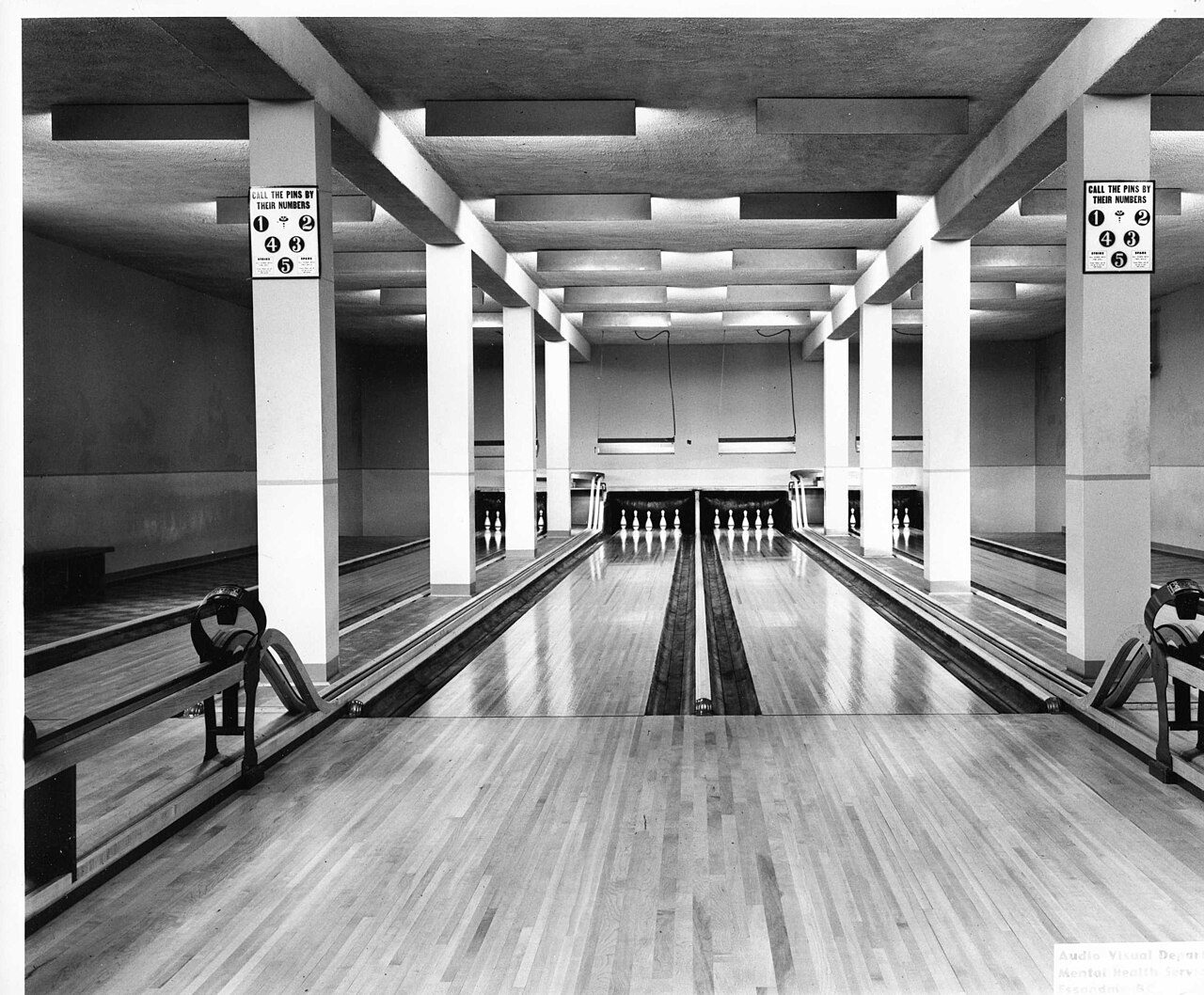
The job carried genuine physical risk. A stray pin or errant ball could cause real injury.
Working directly behind the pins meant real physical risk, an errant ball arriving early, or a pin bouncing unpredictably, could result in a painful hit if a pinsetter wasn’t paying close attention. Staying alert to the sound and timing of an approaching ball was a genuine survival skill. Dodging stray pins and wild balls reflects the surprisingly hazardous nature of the job, a physical risk that most bowlers on the other end of the lane never fully appreciated while enjoying their game.
7. Earning Tips From Generous Bowlers
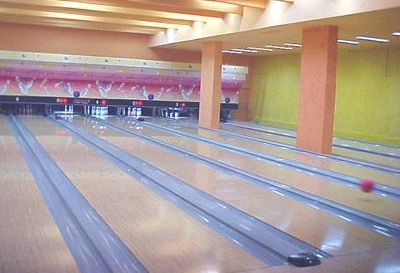
Bowlers often tipped pinsetters directly. Extra effort or friendliness could mean better tips.
Beyond their base pay, pinsetters often received small tips directly from bowlers pleased with quick, efficient service, extra spending money that made the physically demanding job feel a bit more worthwhile. A friendly rapport with regular league bowlers sometimes meant better tips over time. Earning tips from generous bowlers added a welcome incentive to the job, the small financial reward that gave many a teenage pinsetter genuine motivation to work quickly and cheerfully.
8. Learning the Job From an Older Sibling or Friend
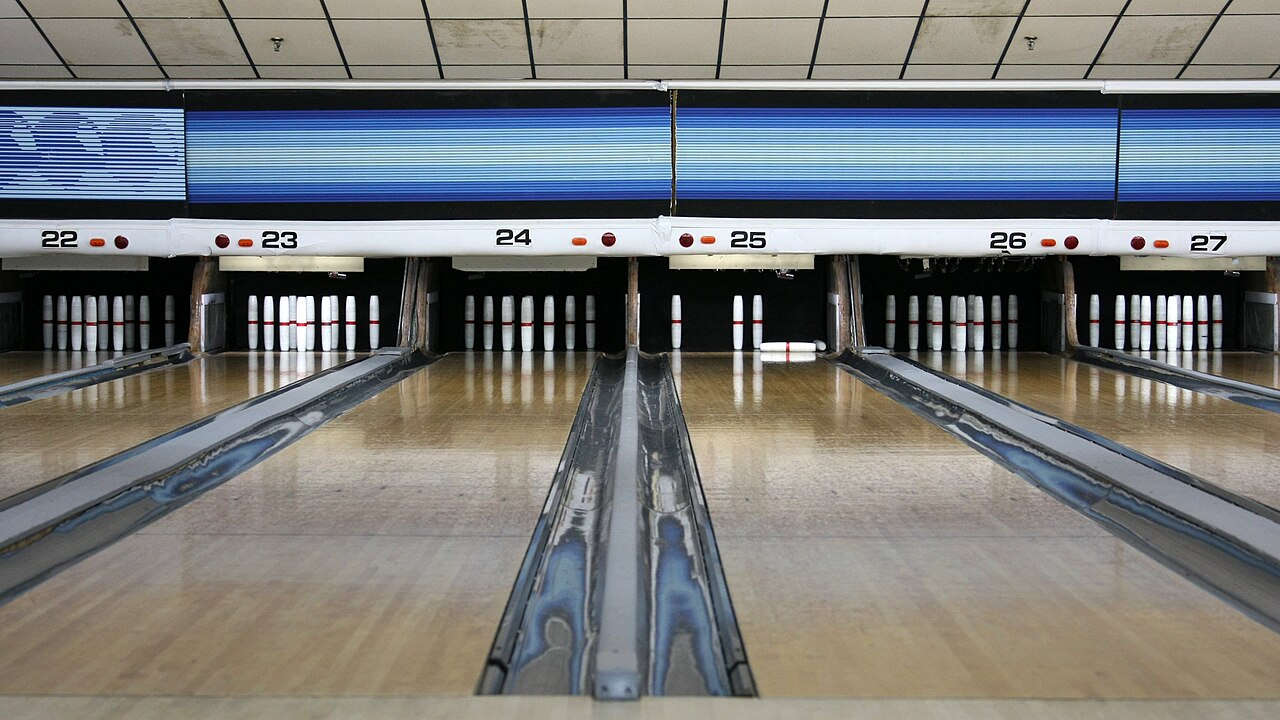
Pinsetting was often passed down informally. New pinsetters learned the ropes from someone already on the job.
Many pinsetters got their start through an older sibling, cousin, or friend already working at the local alley, learning the job’s particular rhythm and safety habits through informal, hands-on mentorship rather than any real formal training. It was a classic first job passed down through teenage social networks. Learning the job from an older sibling or friend reflects how pinsetting spread through communities, an early job opportunity that many teenage boys stepped into through a personal connection rather than a formal hiring process.
9. Working Late Into League Nights
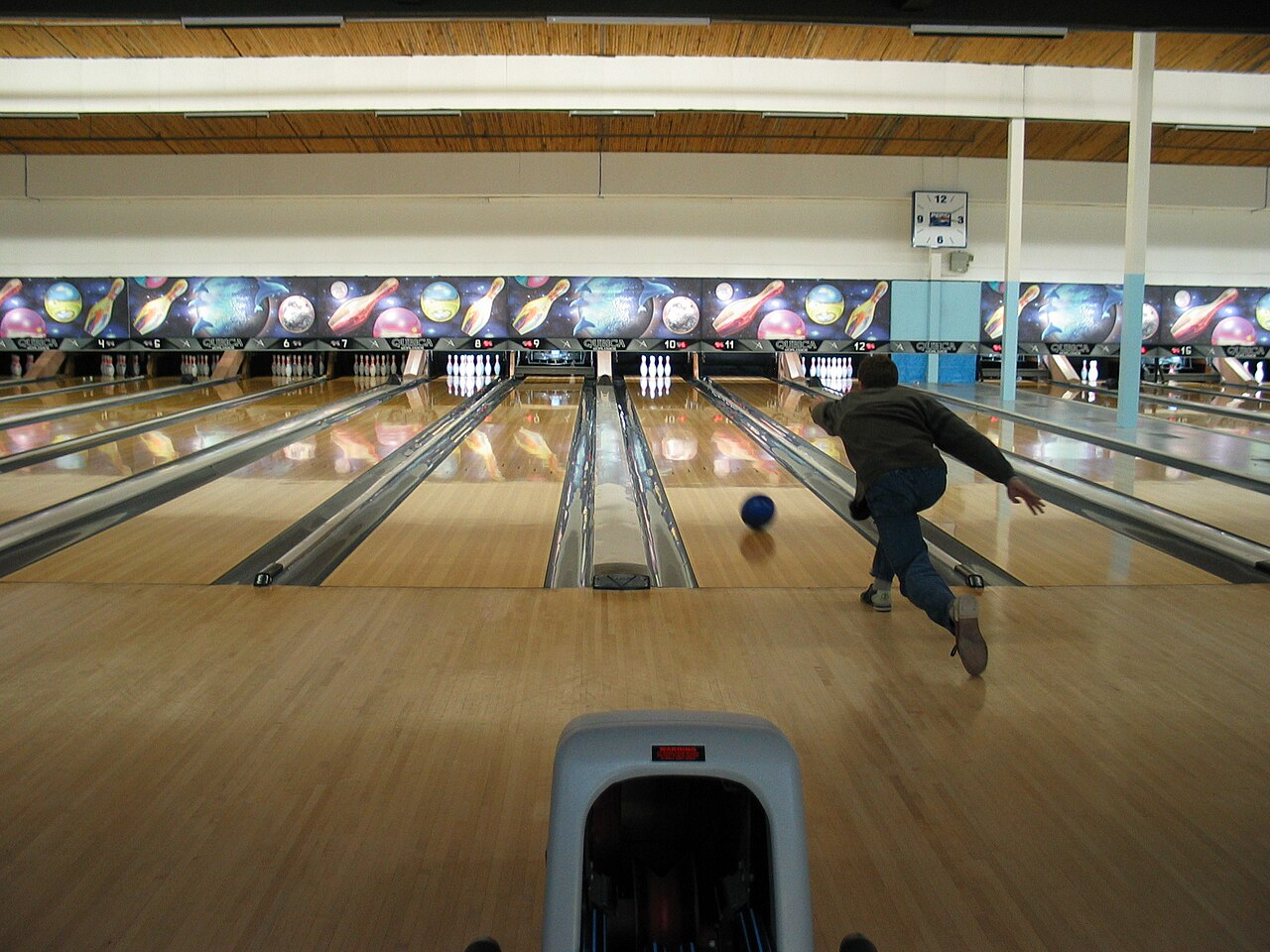
Bowling leagues ran well into the evening. Pinsetters worked long, late shifts to keep up.
Bowling leagues, a major source of the alley’s business, often ran well into the evening, meaning pinsetters worked long shifts covering hours of continuous league play late into the night. It was tiring, physically demanding work for what was often a teenager’s part-time job. Working late into league nights reflects the real time commitment the job required, hours of repetitive physical labor that extended well past when many of the pinsetters’ peers had already gone home.
10. Taking Genuine Pride in Speed and Accuracy
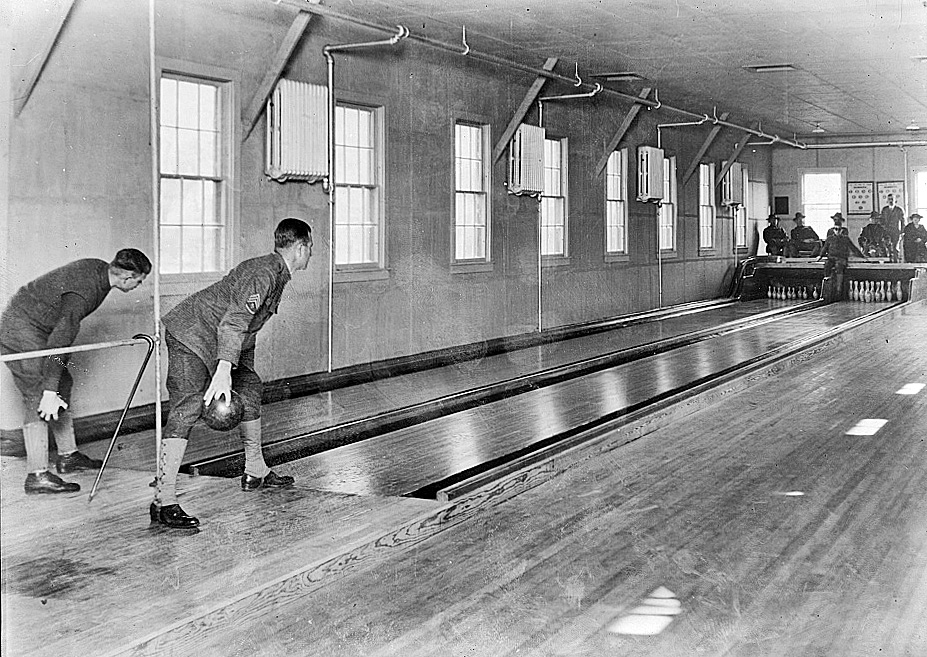
A fast, accurate pinsetter was valued and respected. Skill at the job was a point of real pride.
A skilled pinsetter took genuine pride in resetting pins quickly and accurately, developing a reputation among alley owners and regular bowlers for being reliable and fast under pressure. This kind of skilled manual labor, however overlooked, carried real respect within the bowling alley community. Taking genuine pride in speed and accuracy is the heart of the pinsetter’s work ethic, the professional satisfaction that came from doing a demanding, physical job well, night after night.
11. Watching the Job Disappear With Automation
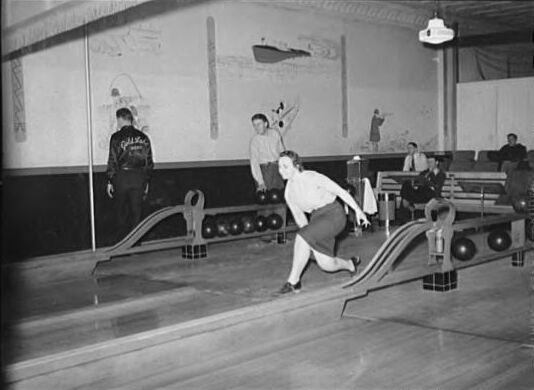
Mechanical pinsetters gradually replaced human workers. An entire once-common job vanished within a couple of decades.
Starting in the 1950s, mechanical pinsetting machines began rolling out across American bowling alleys, gradually eliminating the need for human pinsetters entirely over the following couple of decades. What had been a common teenage job simply disappeared as automation took hold. Watching the job disappear with automation is the bittersweet final chapter of the pinsetter’s story, a once-common occupation that technological progress rendered obsolete within a single generation.
A Physically Demanding Job Hiding in Plain Sight
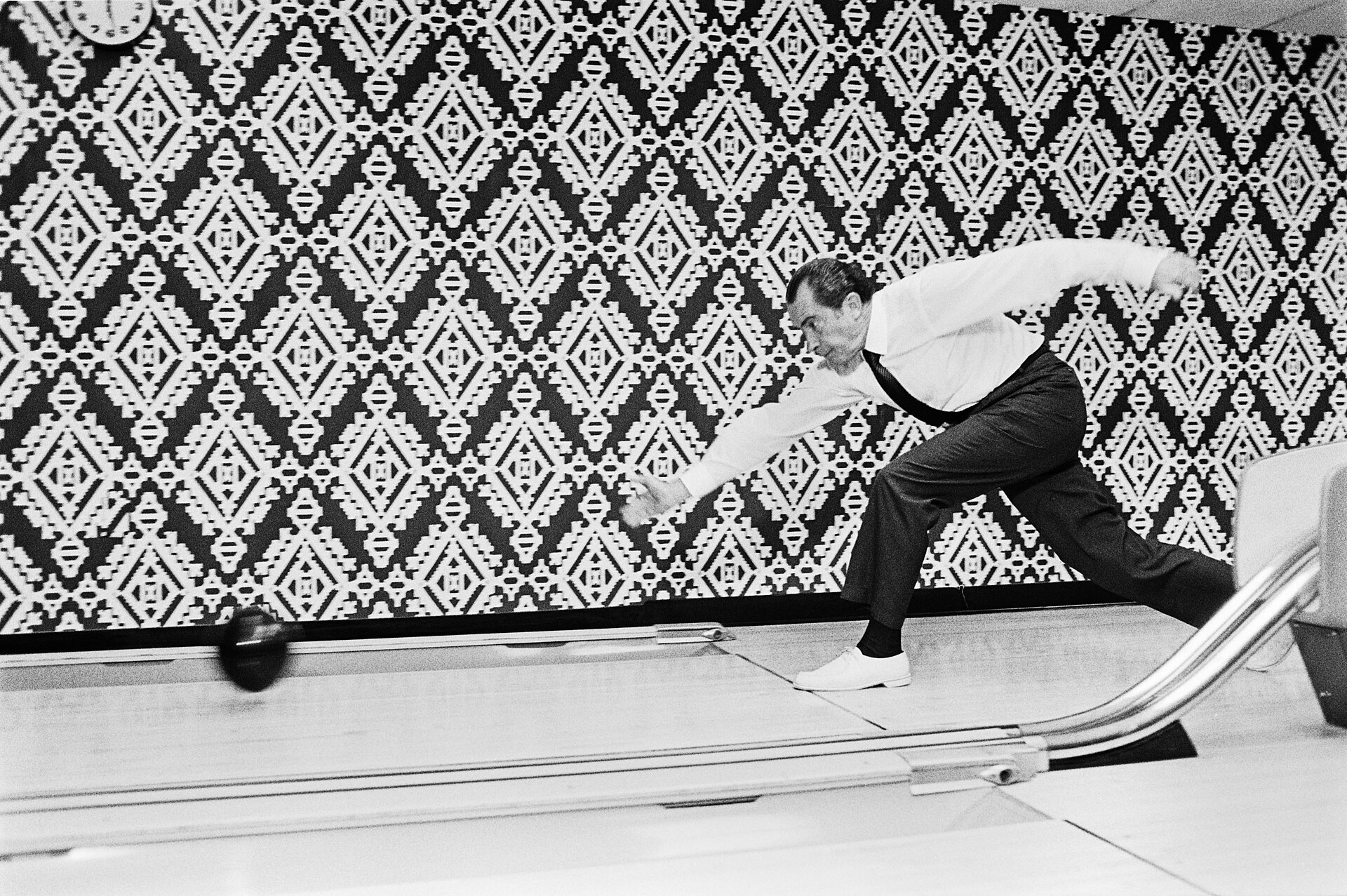
Taken together, these eleven things capture the world of the bowling alley pinsetter, from the elevated bench and the precise pin placement to the stray-ball risks and the pride taken in quick, skilled work. It was a genuinely demanding job that most bowlers barely noticed, performed largely by teenage boys who mastered a fast, physical craft that technology would eventually replace entirely.
The rise of automatic pinsetting machines transformed bowling alleys completely, eliminating both the job and the particular rhythm of manual pin resetting that had defined the sport for decades. The change reflects broader mid-century automation trends that reshaped countless jobs once performed by hand. Yet for those who remember pinsetting, or watching one work behind the lanes, these details bring it all back: the elevated bench, the quick scramble to clear pins, the satisfying thud of a well-set rack. Looking back at the work of the bowling alley pinsetter is a tribute to a genuinely demanding job that technology would eventually make entirely obsolete.
Like our content? Follow us for more.