
In 1974 a twenty-year class reunion existed to answer a question that had no other answer: what had happened to the eighty people you spent twelve years of childhood with.
Finding them took the committee months – addresses assembled from parents still in town, from siblings, from the school office, from anybody who happened to know. Every reunion had a lost list of classmates nobody could locate, circulated beforehand and read aloud on the night in case somebody present had information.
And the name tags carried each person’s graduation photograph, because after twenty years a substantial number of people were not recognisable. Here are fifteen things every graduate knew.
1. A Committee Formed About a Year Ahead
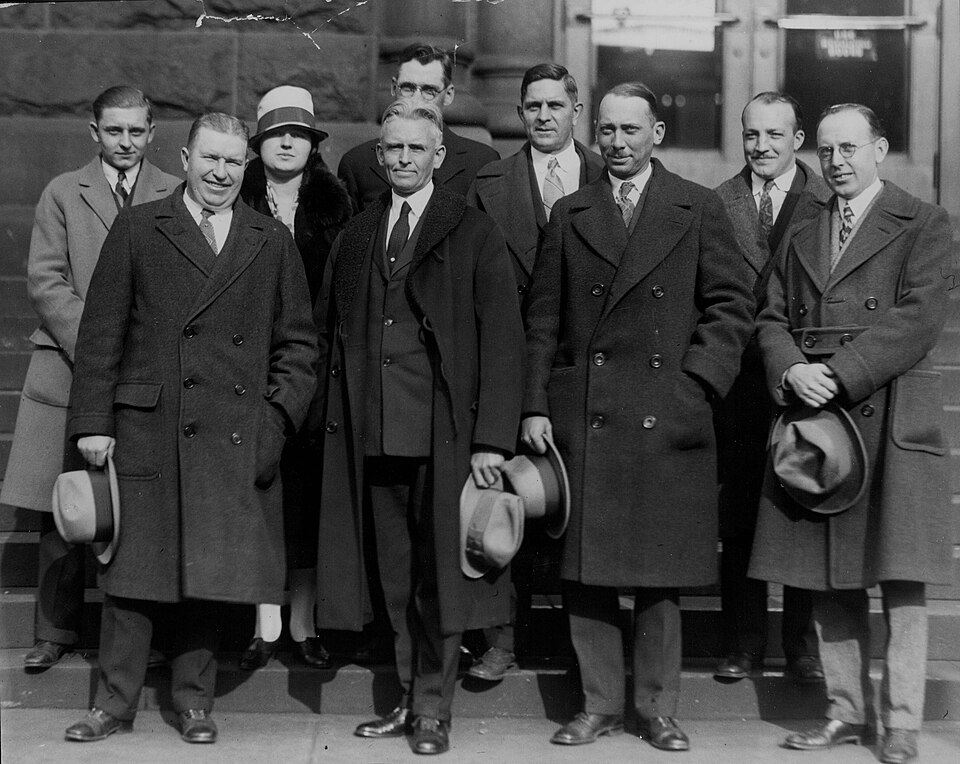
Four or five classmates who had stayed in the area took it on – booking a room, setting a date, costing it out, arranging food and music, and above all working out where everybody had gone.
Still organised by volunteers, with a committee page, a group chat and online ticketing doing most of the administrative work in an evening.
The committee was always the people who stayed, which is worth noticing. The reunion was organised by the fraction of a class that had remained within driving distance, for the benefit of the fraction that had left – which shaped what the evening was like before anybody arrived.
Like our content? Follow us for more.
2. Finding People Was the Hardest Part by Far
Addresses were assembled from parents still in town, from siblings, from the school office, from church records, from people who had kept in touch, and from anybody who happened to know – a process that took months.
Essentially instant. Almost anybody can be located in minutes, and the people who cannot be found have generally chosen not to be.
That search was the committee’s real work and it was genuinely difficult. A class of a hundred people scattered over twenty years across a continent, with women’s surnames changed and no central record of anybody, had to be reassembled by asking around – which took letters, telephone calls and a great deal of time.
3. There Was a Lost List and It Was Read Out
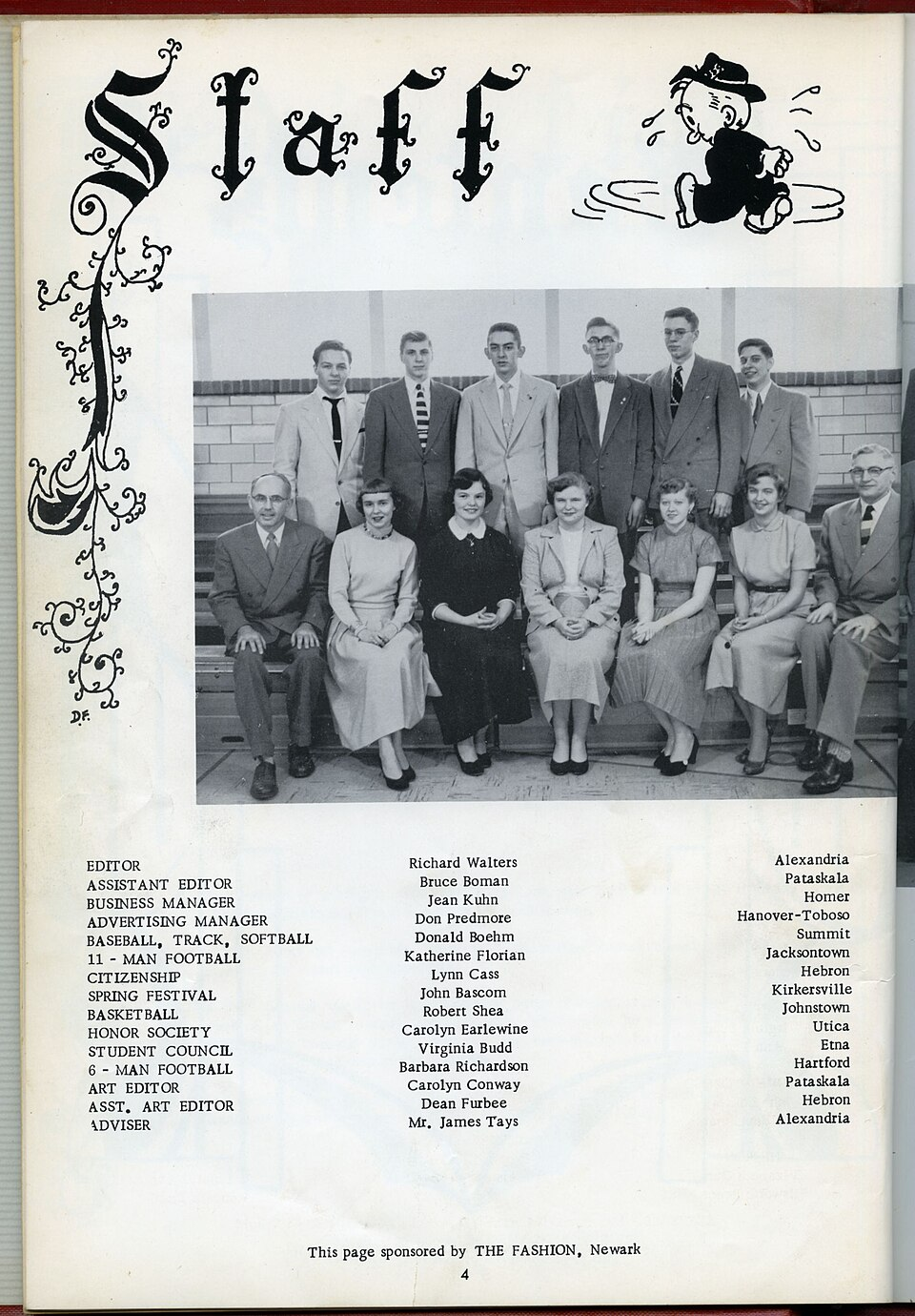
Every reunion had a list of classmates nobody could locate, and it was circulated beforehand and frequently read aloud on the night in case anybody present had information.
Gone completely. There is no lost list, because there is almost nobody who cannot be found.
The lost list is the single clearest marker of how much has changed. A document naming the people a community had entirely lost track of is unimaginable now, and in 1974 every class had one and it was never short.
4. The Name Tag Had Your Yearbook Photograph On It
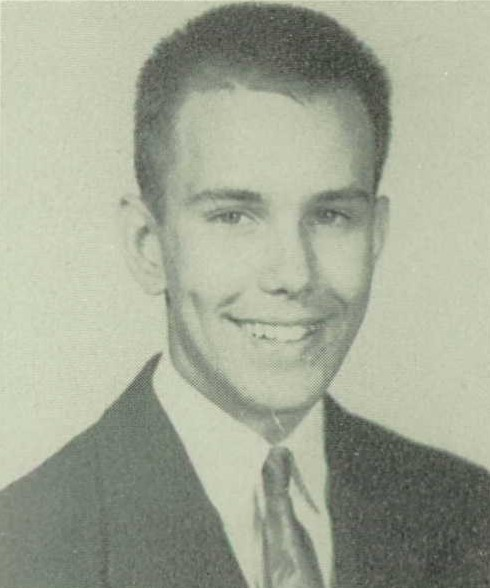
Tags were made up in advance with each person’s graduation photograph and their name as it had been at school, because after twenty years a substantial number of people were not recognisable.
Still done, and still useful, but now largely as a joke – since everybody has seen everybody’s current face for years.
The photograph on the tag was a practical necessity rather than a gag. People genuinely did not know each other, and the tag solved a real and otherwise excruciating problem about ten times in the first twenty minutes of every reunion.
5. The Surprise Was the Entire Experience
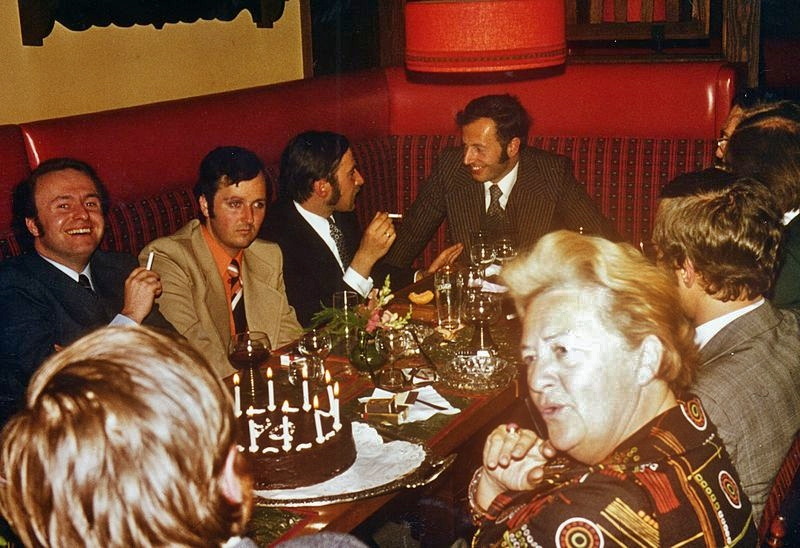
Attendees arrived knowing essentially nothing about most of their classmates – not their work, their family, their appearance, their circumstances or in some cases whether they were alive.
Nothing is a surprise. Attendees arrive already knowing each other’s jobs, children, holidays, politics, health and opinions in continuous detail.
This is the function that has been abolished rather than changed, and everything else follows from it. The reunion existed because there was no other way to find out what had happened to eighty people you had spent twelve years with, and that information problem simply does not exist any more.
6. The Venue Was the Gym, a Hall or a Hotel Ballroom
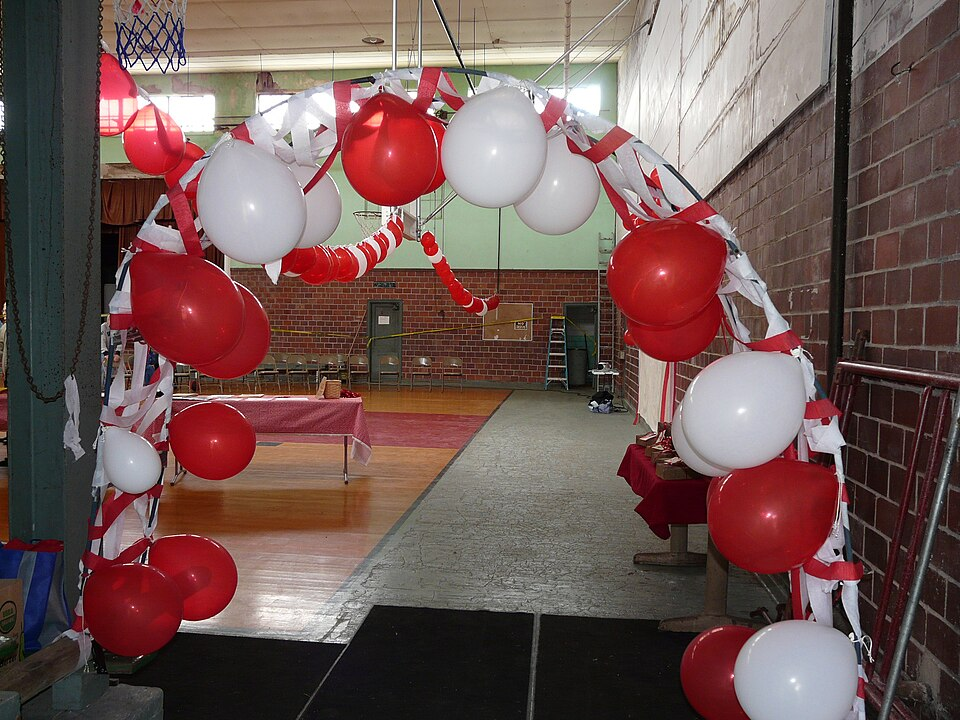
Depending on the class and the budget – the school gymnasium with crepe paper, a lodge hall, a church basement, a country club or a hotel function room with a bar.
Much the same range, with hotel and restaurant venues more common and school buildings less so.
Holding it in the actual school was always the most effective and the most uncomfortable option. Standing at forty in the room where you were seventeen produces a specific effect that no neutral venue reproduces, and committees knew it and used it deliberately.
7. There Was a Band and It Played the Right Years
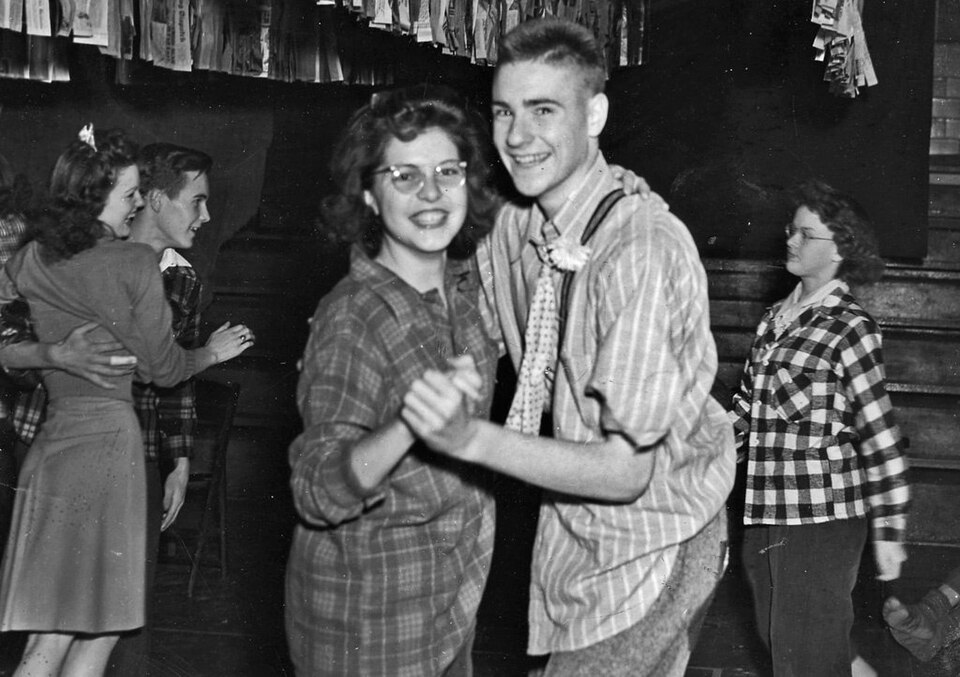
Live music, or a disc jockey, working almost entirely through the material that had been current during the class’s years at school – a repertoire selected by the calendar rather than by taste.
The same principle, with playlists assembled instantly and a far wider range available.
Music keyed precisely to four specific years is a remarkably efficient way to move a room, and every reunion committee understood the mechanism. The songs were chosen because of exactly when they were popular, not because anybody thought they were good.
8. A Table Held the Photographs of the Dead
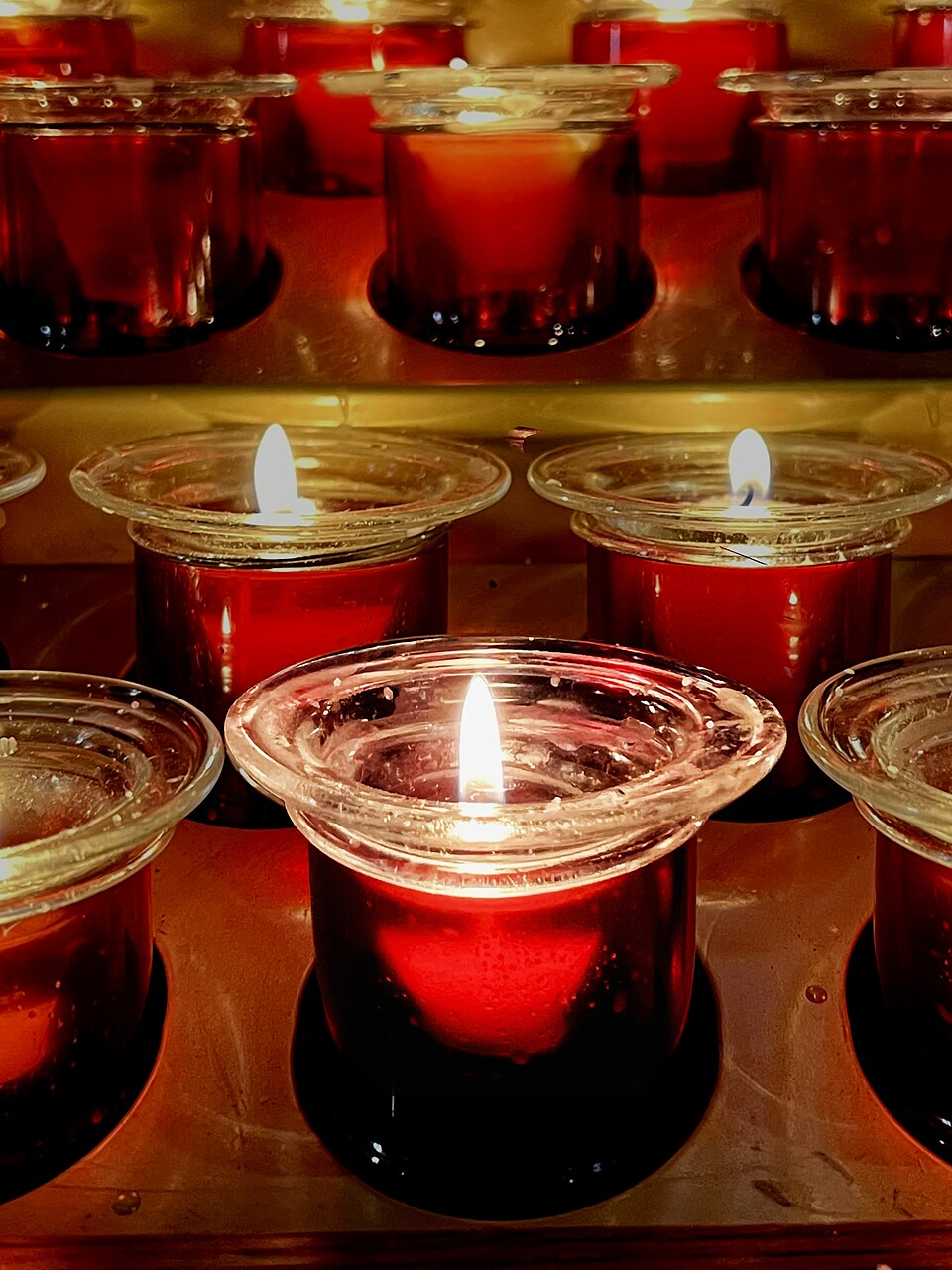
A memorial table with photographs, names and a candle recorded the classmates who had died – a list that at twenty years was short, and that grew at each subsequent reunion.
The same practice, universally, and now frequently with a slide included in the presentation.
The memorial table is the part of a reunion that nobody plans for emotionally and everybody remembers. A twenty-year list is mostly accidents and illness, and standing in front of it is the moment the evening stops being a party.
9. Awards Were Given and They Were Not Kind
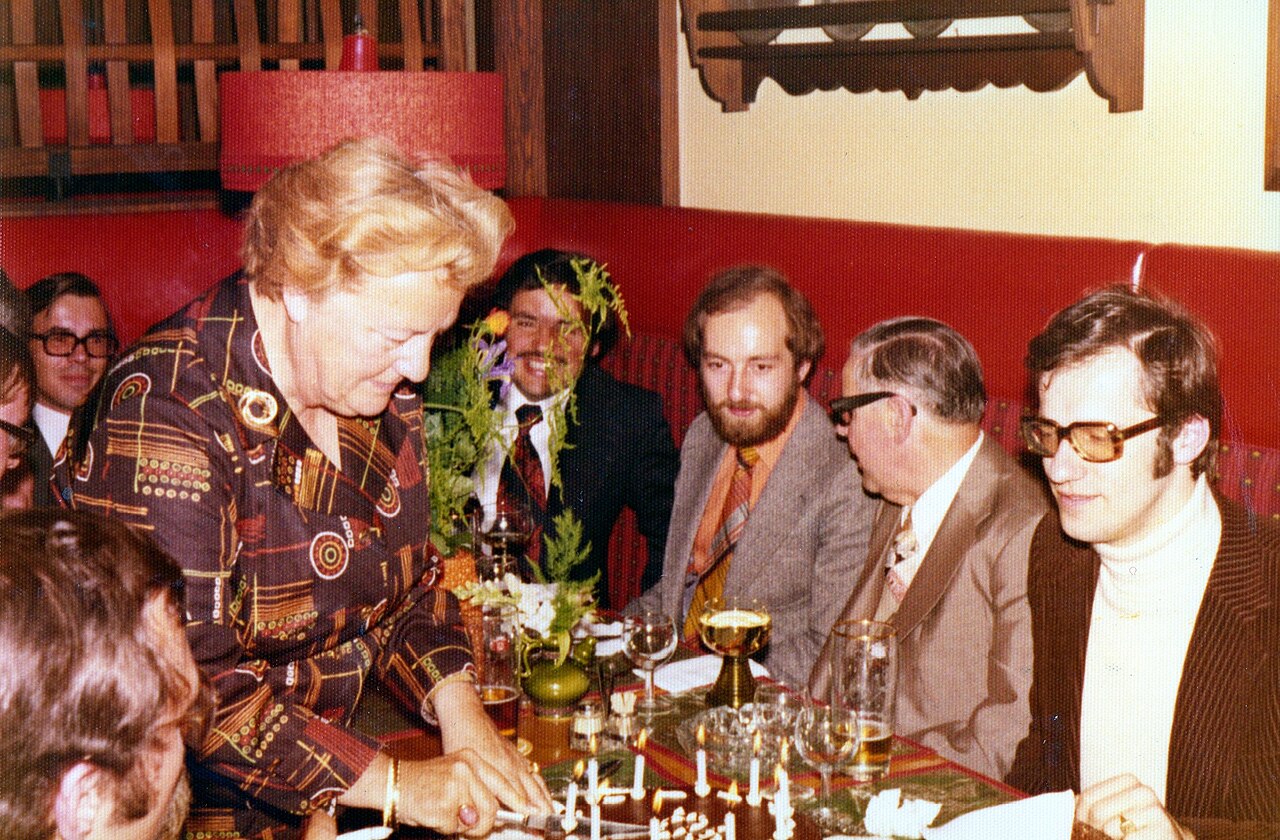
Prizes for the most children, the travelled farthest, the least changed, the most changed, the first married, the baldest – presented from the stage to applause and a certain amount of wincing.
Much gentler where they survive, with the categories about appearance and family status largely dropped.
The awards were affectionate and they were also a public accounting, which is exactly what people had come for. A category like most changed is a measurement of twenty years, delivered in front of everybody, and the discomfort was part of the point.
10. Spouses Came and Had a Dreadful Time
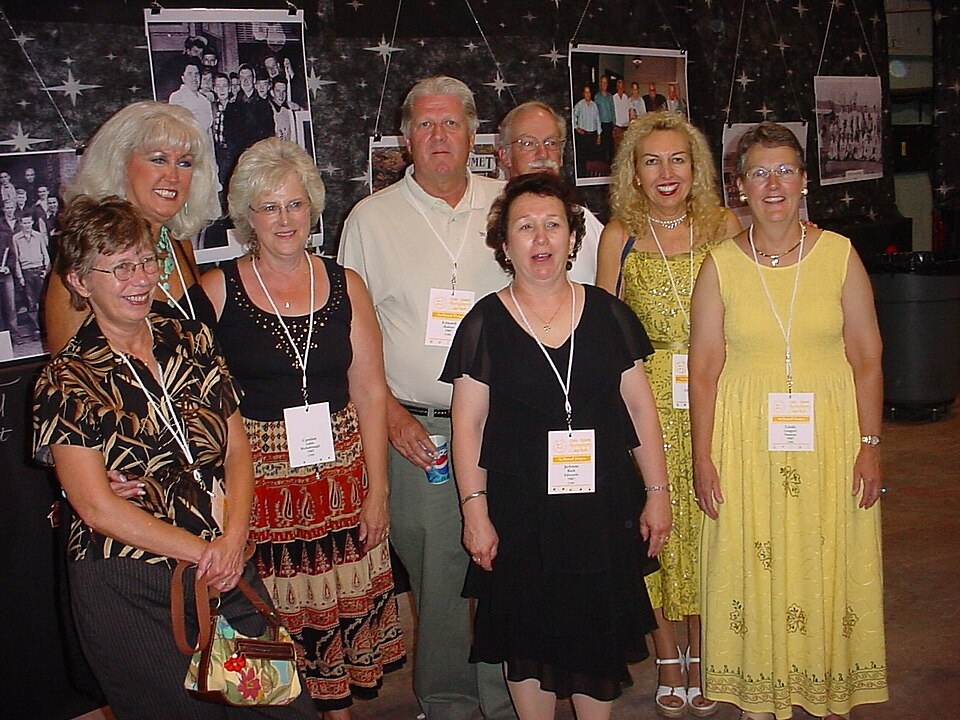
Husbands and wives who had not attended the school came along, knew nobody, understood none of the references, and stood at the edge of a room full of people recalling 1954 for four hours.
Identical, and now compounded by the fact that attendees have less to catch up on and therefore spend longer on reminiscence.
The spouse at a reunion is one of the most reliably thankless positions in American social life. Everybody has been that person, everybody knows it is awful, and no committee in history has solved it.
11. Everybody Brought Their Yearbook

Copies came out on tables and were passed around, signed again, argued over and used to settle disputes about who had been in which class and what somebody had looked like.
Less common, since the yearbook’s contents are frequently online and the settling of disputes happens on a telephone.
The yearbook was the class’s only shared document and that gave it real authority. It was the record – of the team, the play, the clubs, the quotations, the photographs – and in a disagreement about the past it was the thing everybody accepted.
12. The Divide Was Between Those Who Left and Those Who Stayed
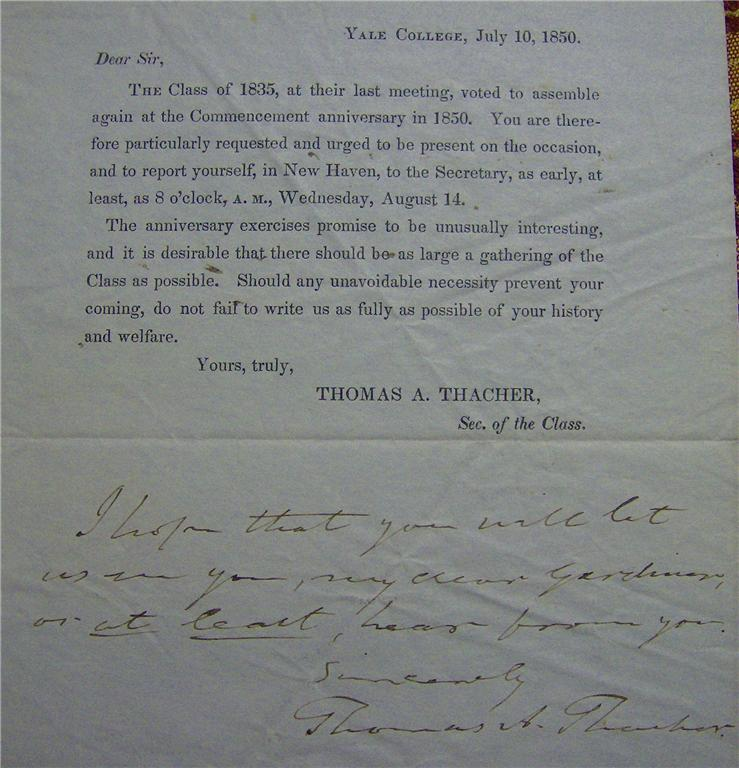
The most visible fault line was not money or occupation but geography – the classmates who had remained in the area and seen each other constantly, and those who had gone and were returning.
Much less visible, since continuous contact means the people who left have remained inside the group’s conversation.
That divide produced the awkwardness everybody remembers. One half of the room had twenty years of shared ordinary life and in-jokes; the other half had a twenty-year gap, and bridging it in four hours at a party was frequently not possible.
13. Some People Deliberately Did Not Come
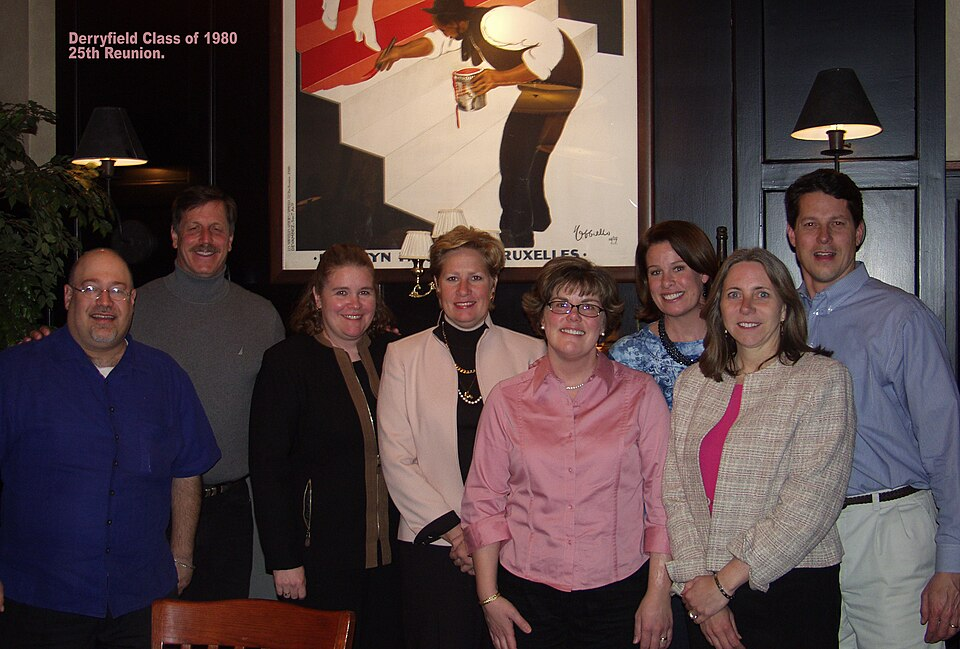
Classmates who had disliked school, done badly, been treated poorly or simply moved on declined – and their absence was noticed, remarked on and occasionally speculated about.
The same, with the significant difference that non-attendance no longer means the class loses contact with somebody.
Not attending used to cost something real, and that has changed completely. A person who skipped a reunion in 1974 might genuinely vanish from the class’s knowledge for another ten years; a person who skips one now is still visible to everybody the following morning.
14. It Cost Money and the Committee Carried the Risk
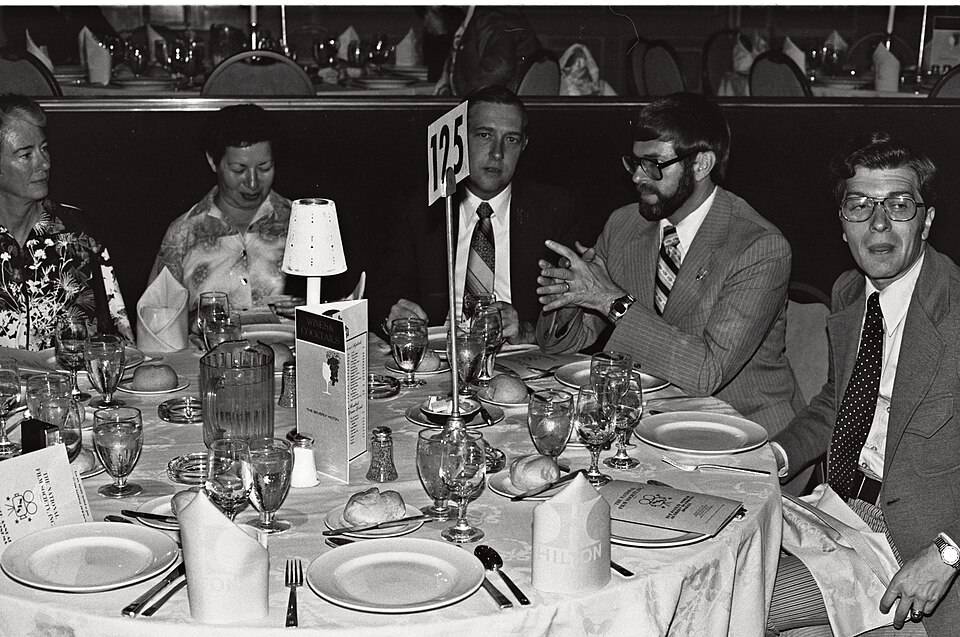
Tickets were priced to cover the room, the food and the band, with the committee personally exposed if attendance fell short – and attendance was impossible to predict with any accuracy.
Online ticketing with payment in advance, which transfers the risk and makes numbers known before anybody commits to a venue.
Financial risk on a volunteer committee is an underrated reason these events were stressful to organise. A hall booked for two hundred with ninety people turning up was somebody’s personal problem, and it happened.
15. Then Everybody Already Knew Everything
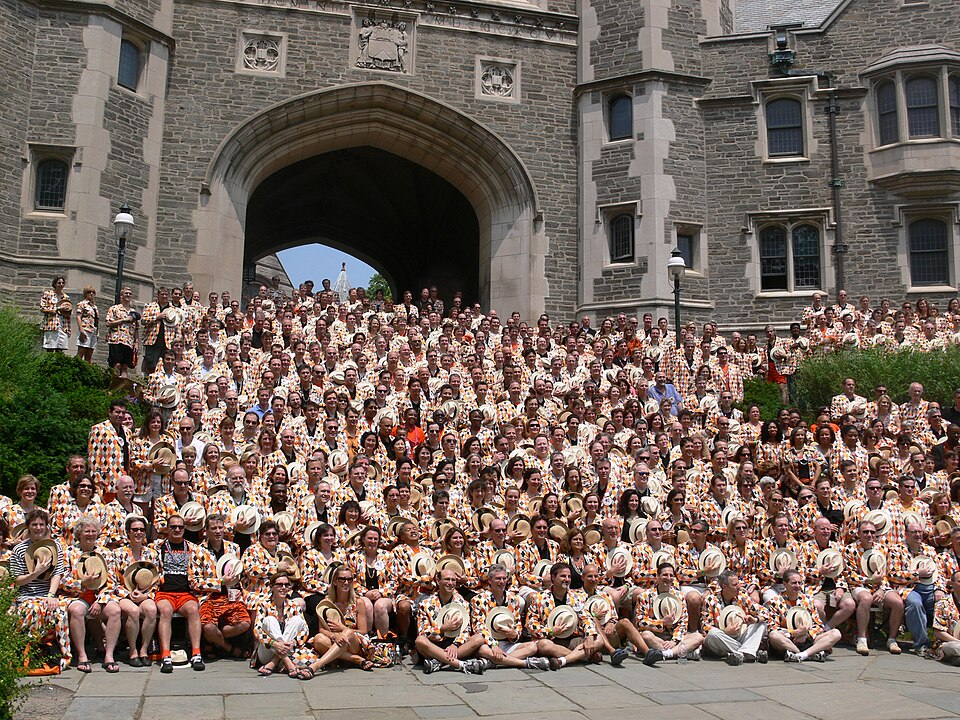
In 1974 a twenty-year class reunion existed to answer a question that could not be answered any other way: what happened to the eighty people you spent twelve years of childhood with.
Reunions continue, are easier to organise in every respect, and no longer answer that question – because it has already been answered, continuously, for years, by everybody about everybody.
And what that did is not kill the reunion but change what it is for, which is a more interesting outcome than simple decline. Every piece of friction in the old version was doing work. The months spent tracking addresses meant the committee had genuinely reassembled something that had come apart. The lost list was a real document naming real people a community had entirely misplaced. The yearbook photograph on the name tag solved an actual problem, because people were genuinely unrecognisable and genuinely unknown. And the central experience of the evening – walking into a room and finding out, face by face, what twenty years had done to eighty people – was available in no other way and could not be rehearsed or prepared for. All of that has gone, and good riddance to most of it: nobody should have to spend four months finding an address, and nobody should disappear from the knowledge of everybody they grew up with. But the reunion that remains is doing something different from the one it replaced. It is no longer an information event, because there is no information left to exchange. It is a presence event – the experience of being in one room, physically, with the specific set of people who were there at the time, which is a thing a screen cannot supply and which turns out to be why people still come. That is a narrower purpose than the old one and it is a real one. It just means that what the evening delivers now is the opposite of a surprise: it is the confirmation, in person, of something everybody already knew.
It Was an Information Event. Now It Is a Presence Event.
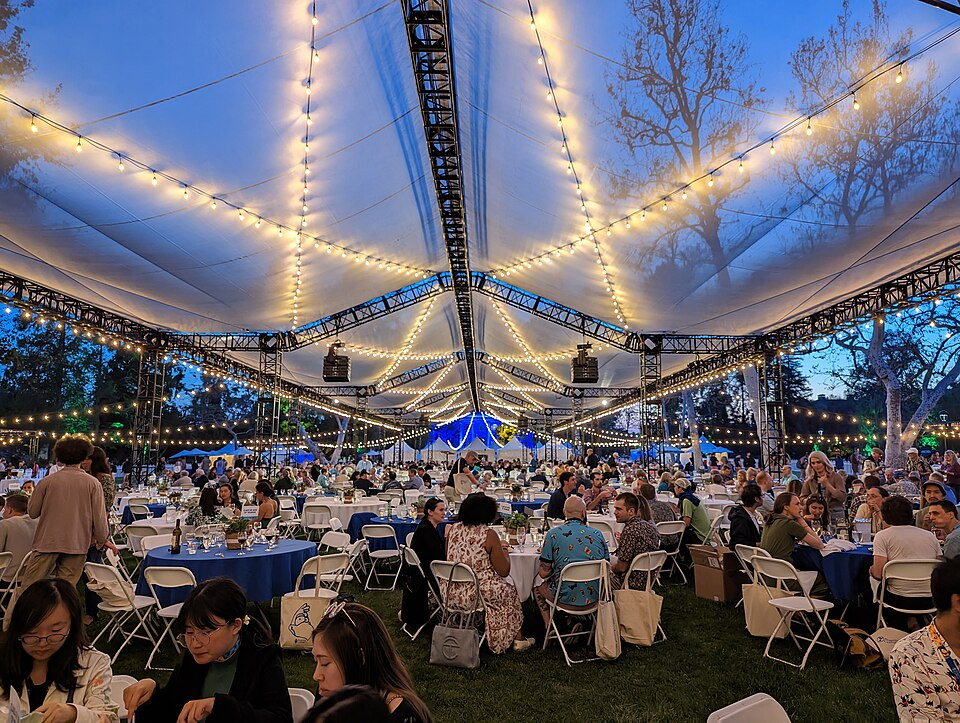
The class reunion did not decline. It got easier to organise in every single respect, and it changed into something else entirely while keeping the same name.
Consider what the 1974 version was actually solving.
You spent twelve years with roughly the same hundred people. Then everybody scattered – to work, to service, to marriage, to cities, across a continent – and the connections simply broke. Letters lapsed. Telephone calls across long distances were expensive and infrequent. Women’s surnames changed, which removed even the possibility of looking somebody up. And there was no central record of where anybody had gone.
So after twenty years, the honest situation was that you did not know what had become of most of them. Not their work, not their family, not their circumstances, not their appearance – and in some cases not whether they were alive.
That is an information problem, and the reunion was the technology for solving it.
Every bit of apparatus around the event was addressed to it. The committee spent months reassembling the class from parents still in town, from siblings, from church records and school files and anybody who happened to know somebody – which was difficult, skilled, unpaid work, and the reason the organisers were always the people who had stayed. The lost list existed because the search genuinely failed for some people, and reading it aloud was a last attempt to recover them. The yearbook photograph on the name tag was not a joke; it was a solution to the real and excruciating problem of not recognising somebody you sat beside for four years.
And the central experience of the evening was discovery. You walked into a room and found out, face by face, in real time, what twenty years had done to eighty people. That was unrepeatable, unrehearsable and available nowhere else.
All of that has been abolished, and almost all of the abolishing is good.
Nobody should have to spend four months tracking an address. Nobody should fall out of the knowledge of everybody they grew up with. The disappearance of the lost list means the disappearance of people being genuinely lost, which is an unambiguous improvement in the texture of ordinary life.
But it does mean the reunion arrives with nothing to tell you. Everybody already knows who has which job, how many children, what they look like now, what they think about everything, where they went last summer and how their parents are. The surprise has been fully consumed in advance, continuously, for years.
So the event that remains is doing a different job, and it is worth naming precisely what that job is, because it explains why people still go.
It is no longer about information. It is about presence – being in one room, at one time, physically, with the specific set of people who were there when you were seventeen. That is the one thing continuous contact cannot provide. You can know everything about eighty people and still never have stood in a room with all of them at once.
Which makes the modern reunion a narrower event than the old one, and not a worse one. It delivers the opposite of a surprise: the in-person confirmation of something everybody already knew.
And the memorial table, it should be said, works exactly the same way it always did.
If you went to one of these, you remember whether you recognised people, and you remember who you were secretly looking for.
And you remember the exact moment you got to the table with the photographs on it.
Like our content? Follow us for more.