In 1974 the tree rows standing on the north and west sides of American plains farmsteads were mature, deliberate and doing five jobs at once.
They were not a line of trees. A proper windbreak was layered – a low shrub row on the windward side, dense small trees next, tall conifers behind – and it was built permeable on purpose, because a porous barrier slows wind over a much longer distance than a solid one does.
They held soil, caught snow away from the road, sheltered stock, measurably cut the farmhouse heating bill, and became the only woody habitat for miles. Here are fifteen things every plains farmer knew.
1. The Rows Stood on the North and West Sides
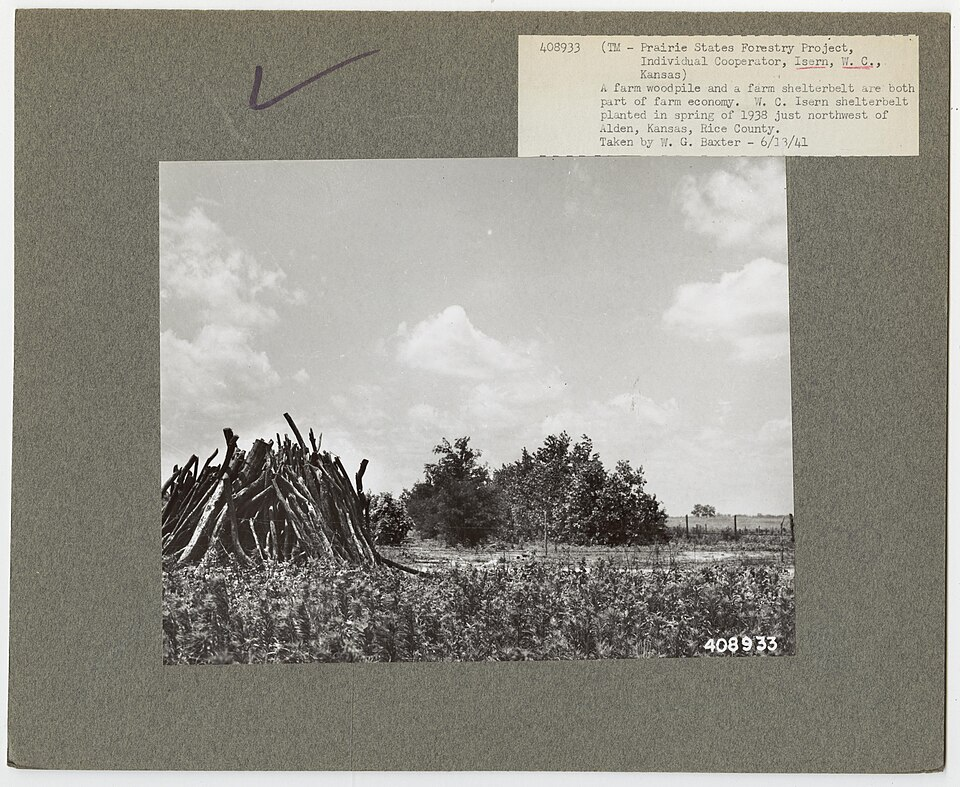
A farmstead windbreak was planted on the sides the hard weather came from, wrapping the house, the barn and the yard in several parallel rows of trees and shrubs set at a measured distance from the buildings.
Many of the originals are still standing, aging and thinning, with replanting at a small fraction of the rate at which the old ones are being lost.
The siting was calculated rather than casual. The distance from the buildings determines where the sheltered zone falls and where snow drops out of the wind, and planting too close puts the drift on the yard instead of in front of it.
Like our content? Follow us for more.
2. It Was Several Rows, Not a Line of Trees
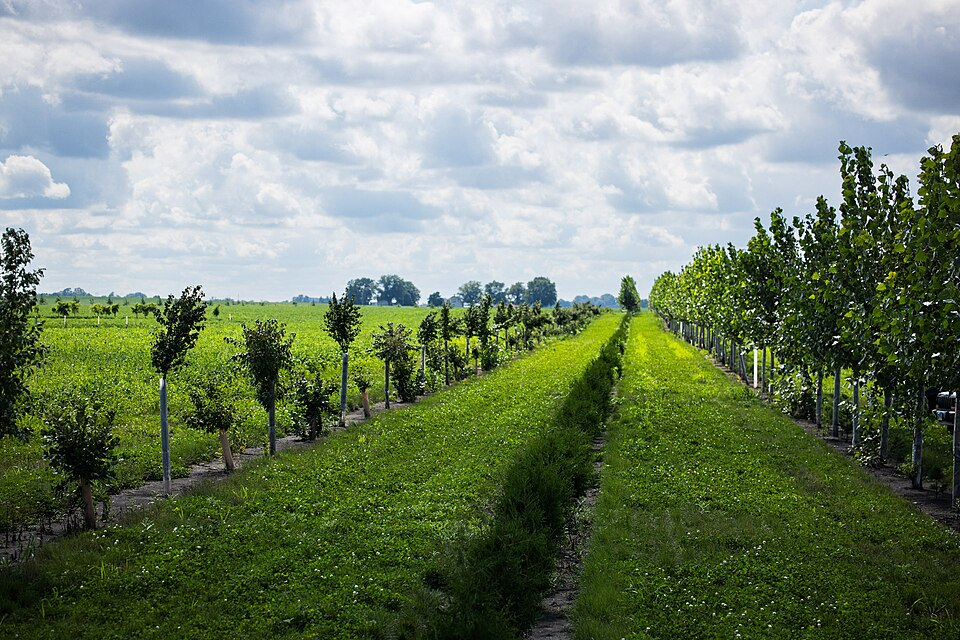
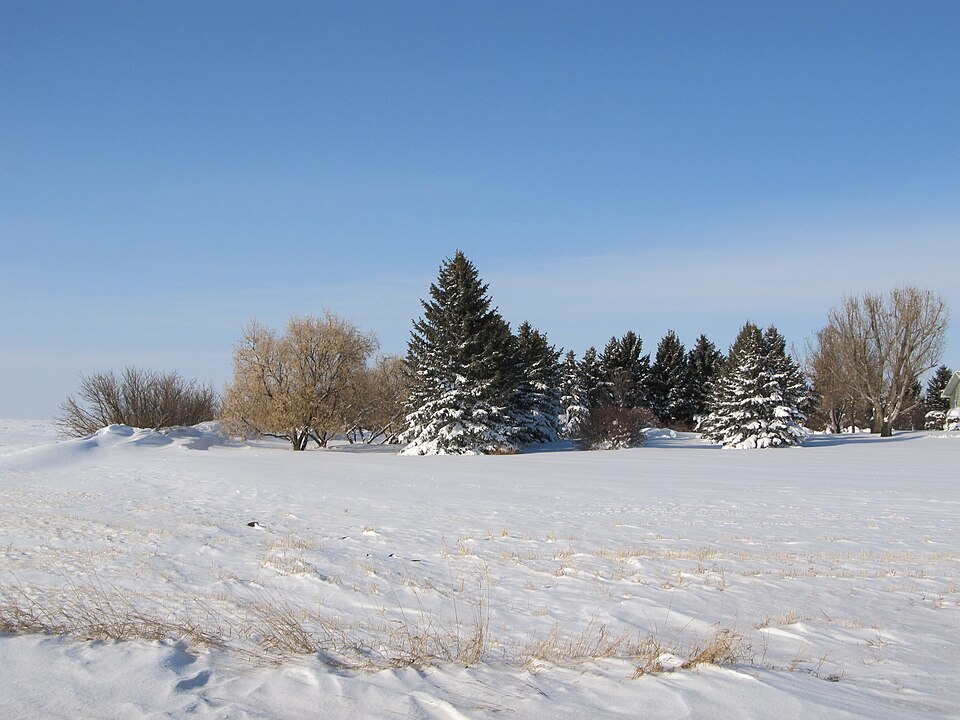
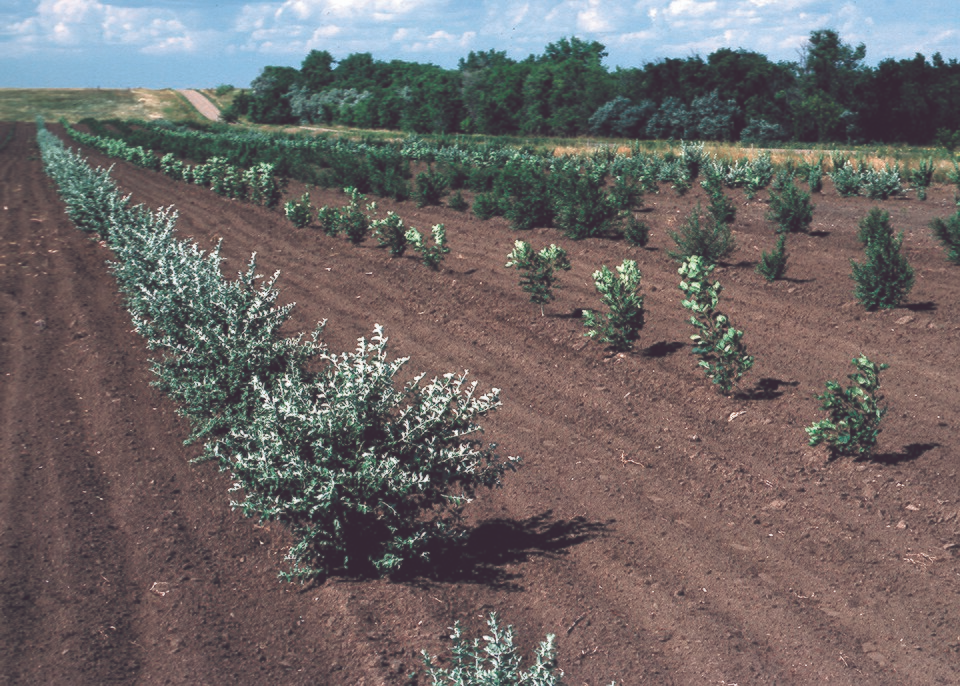
A proper windbreak was layered – a low shrub row on the windward side, then a row of dense small trees, then taller conifers, sometimes a deciduous row behind – each with a job.
The same design principles in current planting recommendations, with updated species lists and spacing.
The layering is the engineering and a single row of trees is not a windbreak. The shrub row catches the wind at ground level, the dense middle rows do the main work, and the tall backbone extends the sheltered zone downwind – and a gap anywhere in the structure funnels wind through at speed.
3. A Windbreak Does Not Block Wind, It Slows It
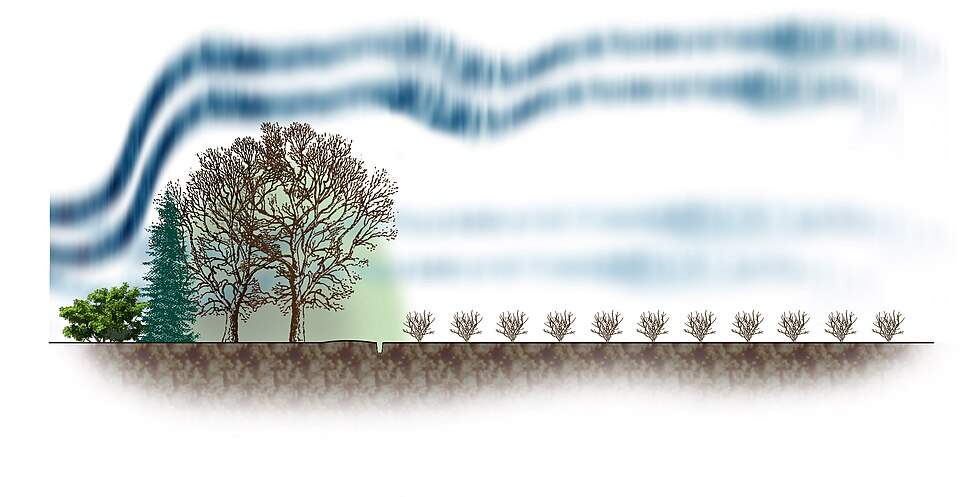
The structure is deliberately permeable rather than solid, allowing some air through, because a porous barrier produces a longer and more useful zone of reduced wind speed than a solid one does.
Exactly the same principle, now quantified in detail, with porosity being a design specification in modern plantings.
This is the counterintuitive part and it is why a board fence is not a substitute. A solid barrier creates violent turbulence immediately behind it and the wind recovers quickly; a permeable one bleeds air through, suppresses the turbulence and extends the quiet zone a long way downwind.
4. Millions of Them Were Planted Deliberately
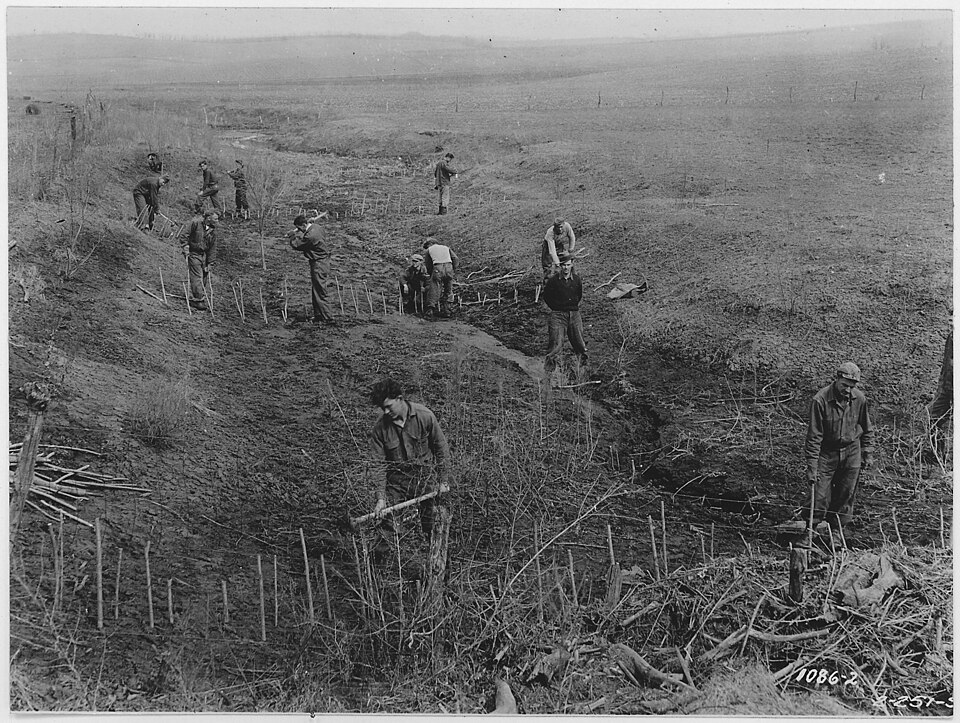
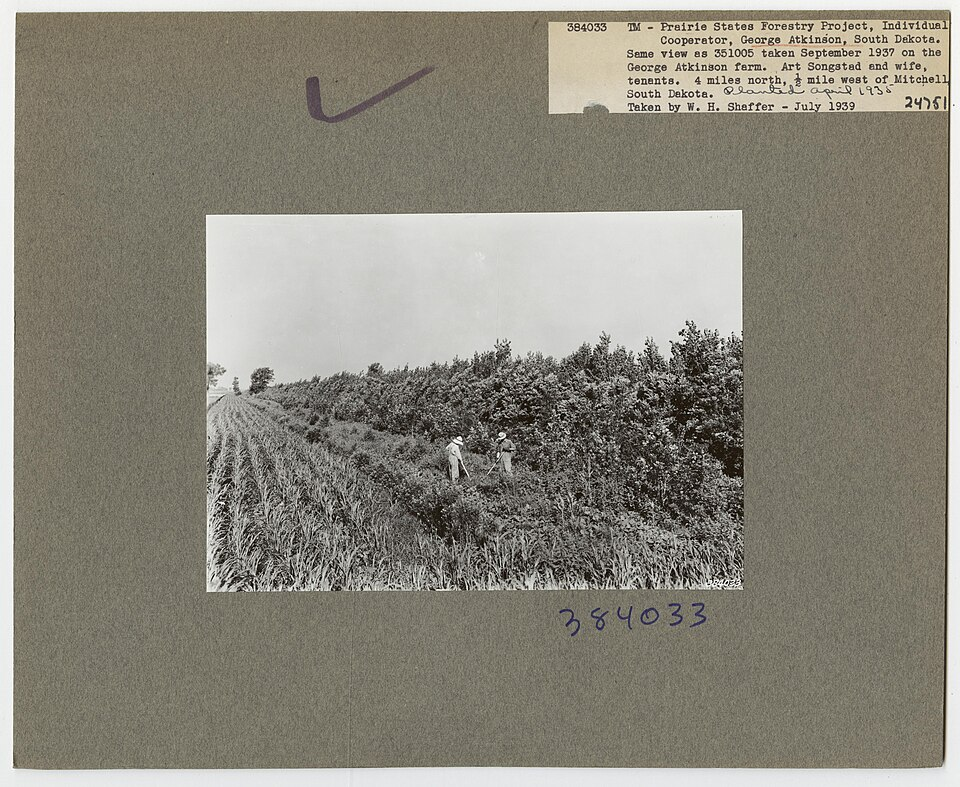
Across the American plains, enormous numbers of trees were planted as shelterbelts in a sustained programme through the middle decades of the twentieth century, with seedlings supplied and plantings laid out to a design.
No comparable effort at that scale, with planting now done farm by farm, frequently with cost-share assistance.
That was one of the largest deliberate landscape interventions in American history and it is almost entirely unremembered by the public. The rows of trees that define the look of the plains states are not natural features and in most cases are not accidents – they were put there on purpose, to a plan.
5. They Were Built to Catch Snow
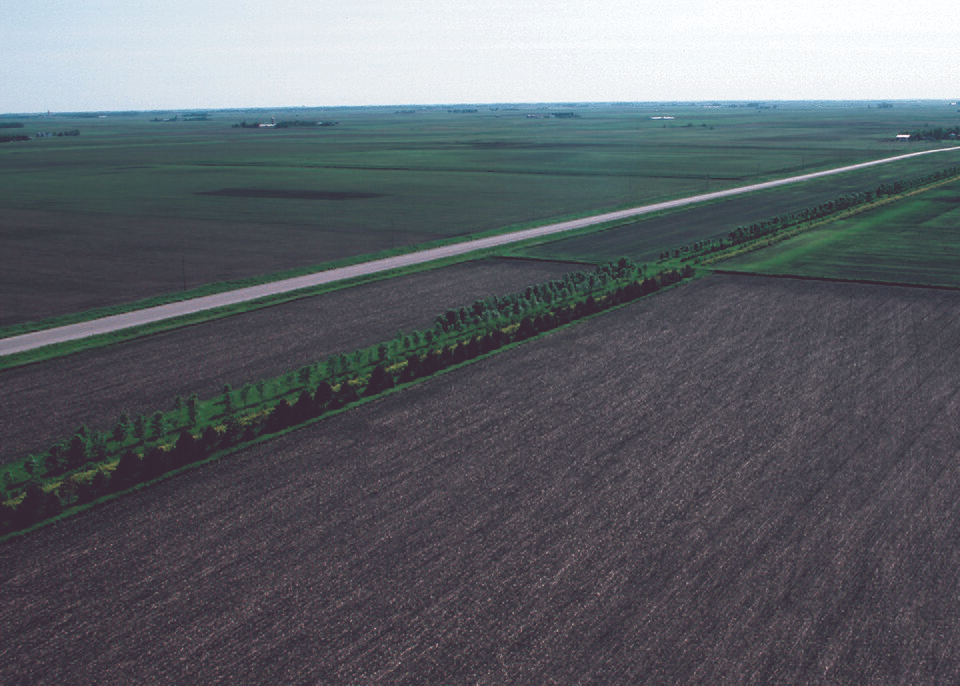
On the plains, a windbreak’s most immediately valuable function was dropping blowing snow where you wanted it rather than across the yard, the road or the driveway.
Living snow fences are still planted and promoted specifically for this purpose, particularly along roads, where the economics are straightforward.
Snow management is the benefit that pays for itself fastest and is easiest to measure. A road that drifts shut every winter costs money in plowing and closures, and a row of trees set back the right distance from it stops the drift forming on the pavement at all.
6. The Farmstead Windbreak Cut the Heating Bill
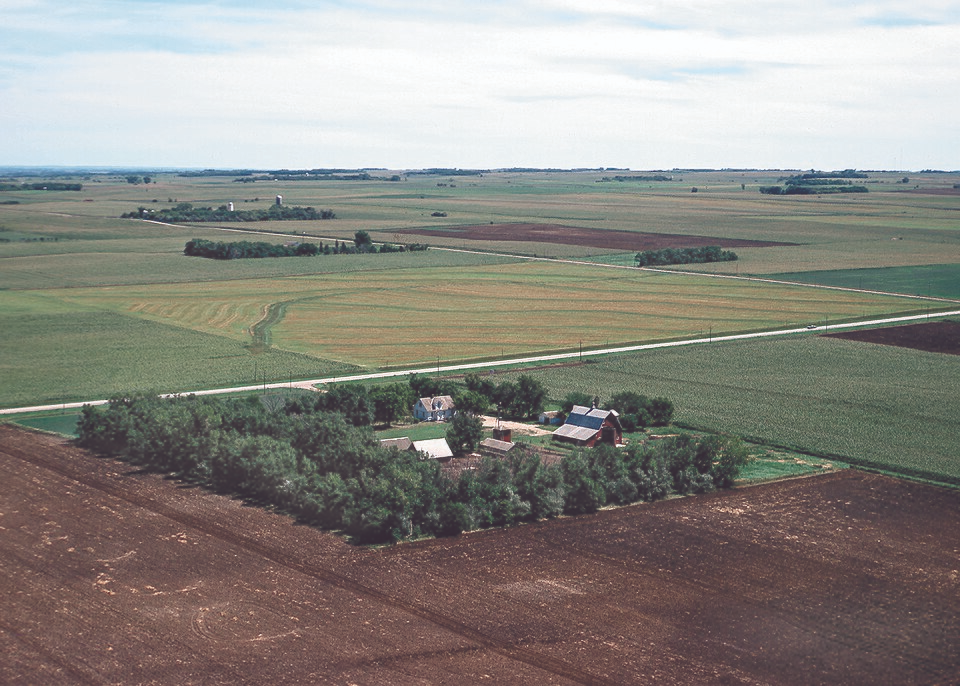
A house inside a windbreak loses less heat, because wind stripping warmth off a building’s surfaces is a substantial part of winter heat loss – and the reduction was large enough to be noticed on the fuel account.
The same effect, now measured and quantified, and still cited as one of the most reliable arguments for planting one.
The fuel saving is real and it compounds over decades, which is the whole case for a long-lived planting. A windbreak costs money once and reduces a heating bill every winter for fifty years, which is an unusually good return for something that also does four other jobs.
7. Livestock Behind Them Did Measurably Better
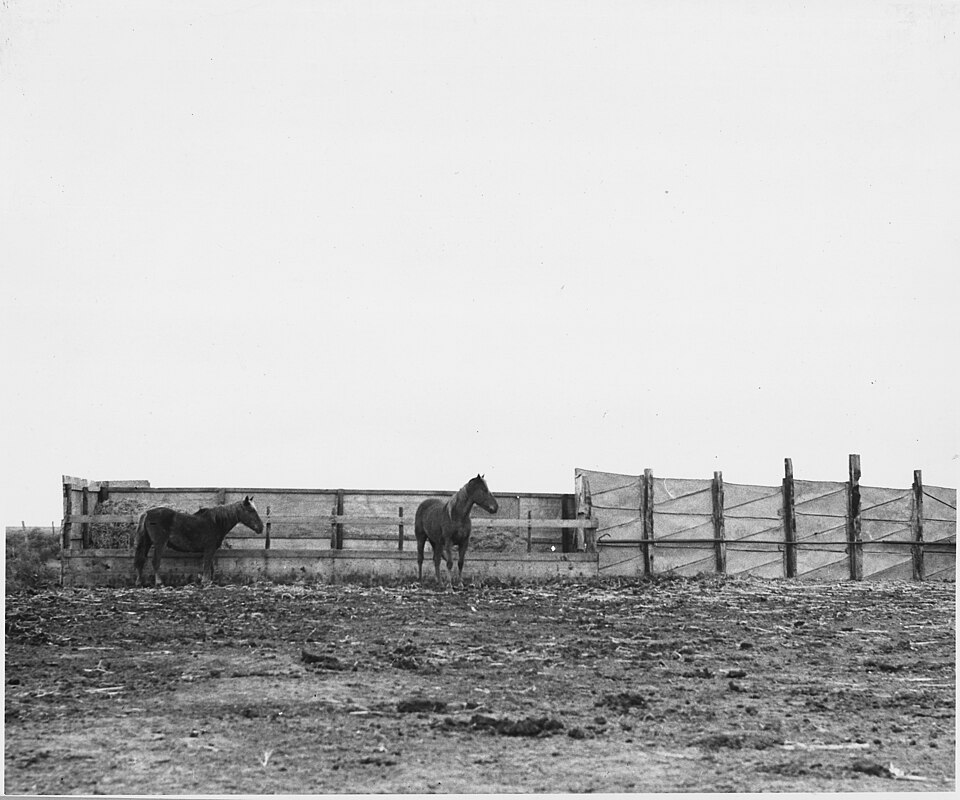
Cattle and other stock sheltered from winter wind use less feed to stay warm, gain better and come through hard weather in better condition than animals standing in the open.
Identical, with the effect well documented and shelter design treated as a standard part of winter livestock management.
Wind is the variable that matters most for stock in cold weather, more than the temperature itself, because moving air strips heat away far faster than still air at the same reading. Breaking the wind is the cheapest intervention available.
8. They Became the Only Habitat for Miles
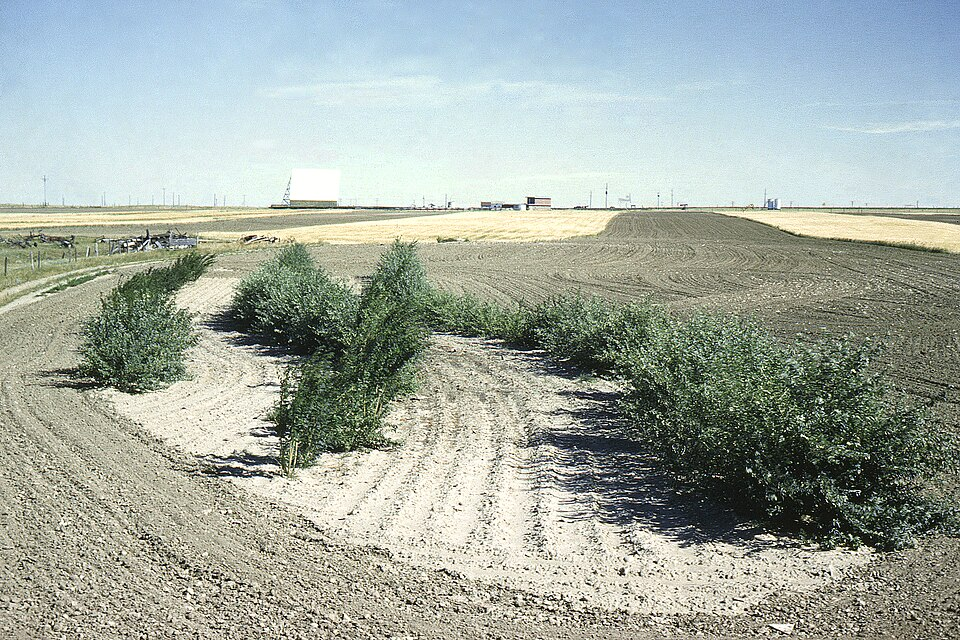
On open cropland, a shelterbelt is frequently the only woody cover in a very large area – so birds, small mammals, pollinators and game concentrated in them in numbers out of all proportion to their size.
Still true where the belts remain, and their removal is a recognised concern for wildlife in intensively farmed landscapes.
The habitat function was entirely accidental and turned out to be one of the most valuable things about them. Nobody planted shelterbelts for wildlife; they planted them for wind, and in doing so created a connected network of woody cover across country that had almost none.
9. They Took Land Out of Production
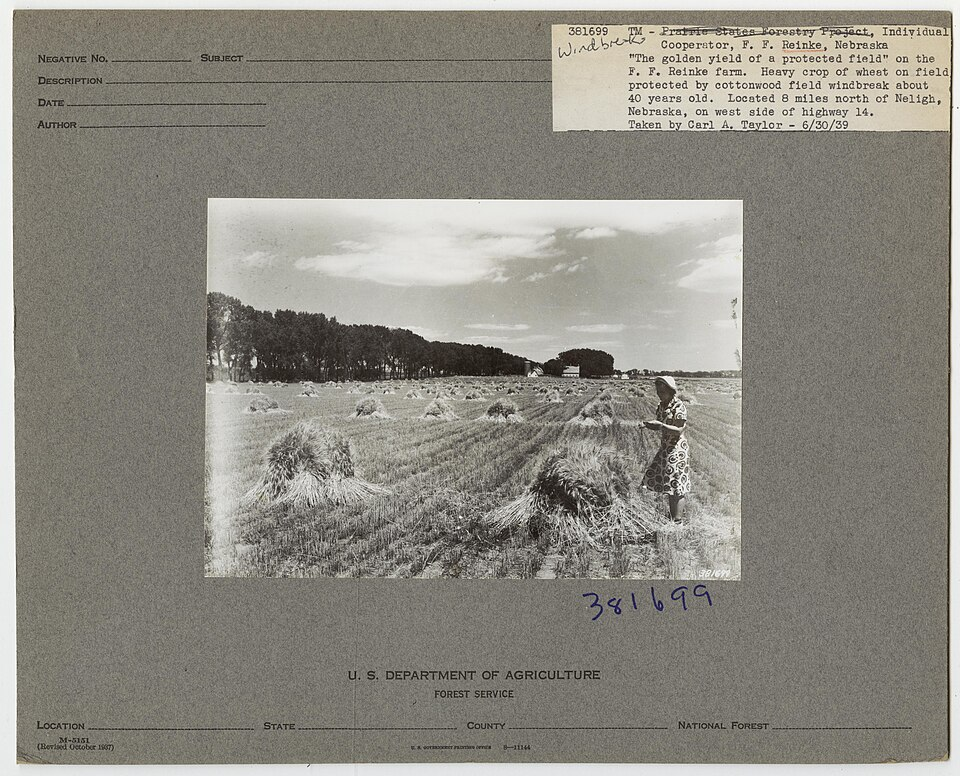
A multi-row belt occupies a strip of ground, shades and competes with the crop for some distance into the adjacent field, and interrupts the shape of the area being farmed.
The same cost, and a considerably heavier one now, because the value of the land and the efficiency of the equipment working it have both risen.
This is the honest argument on the other side and it has always been real. A farmer giving up a strip of productive ground plus a competition zone alongside it is paying a continuing cost, and whether the shelter benefits exceed it depends entirely on the farm, the crop and the climate.
10. Big Equipment Made Field Edges Expensive
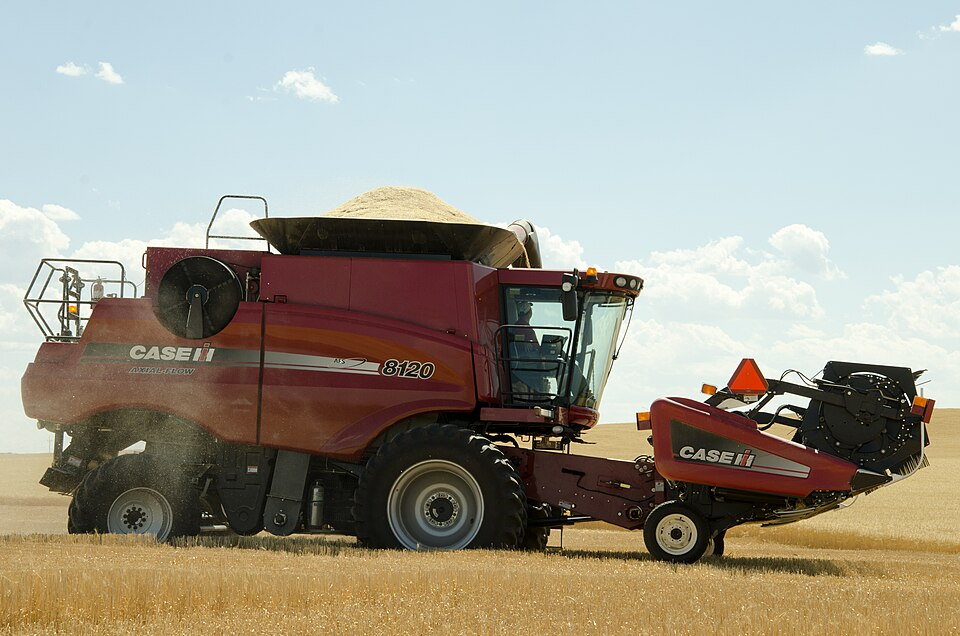
As machinery got wider, the time and fuel lost turning at the end of a row grew, and short or awkwardly shaped fields became significantly less efficient to work than long open ones.
The dominant consideration in field layout, with very large equipment and guidance systems making long uninterrupted runs more valuable again.
Equipment size is one of the two main reasons belts come out and it has nothing to do with anybody’s opinion of trees. A wide machine wants a long straight run, and every obstruction in a field is a cost that gets larger every time the equipment does.
11. Centre Pivot Irrigation Could Not Work Around Them
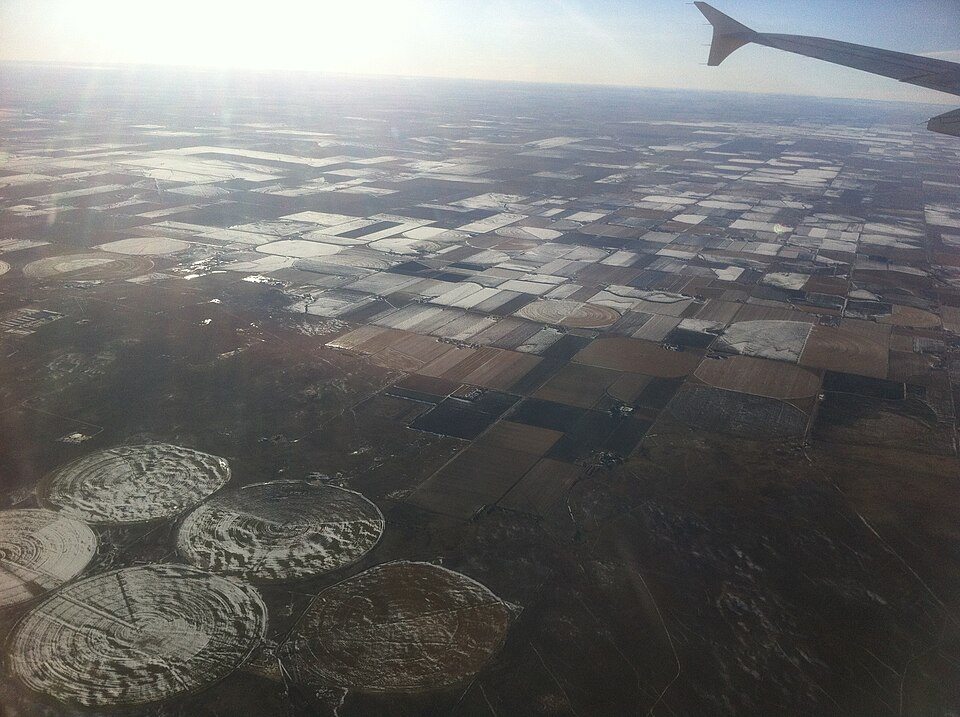
A centre pivot sweeps a circle, and a tree row standing in that circle either has to come out or the system has to be shortened – which takes irrigated acres out of production permanently.
The same conflict, and a decisive one wherever irrigation is the difference between a crop and no crop.
This is the other main reason, and it is the one with no compromise available. A farm that can irrigate will irrigate, the geometry of a pivot is fixed, and a tree row intersecting the circle is simply incompatible with the system.
12. The Old Ones All Got Old at Once
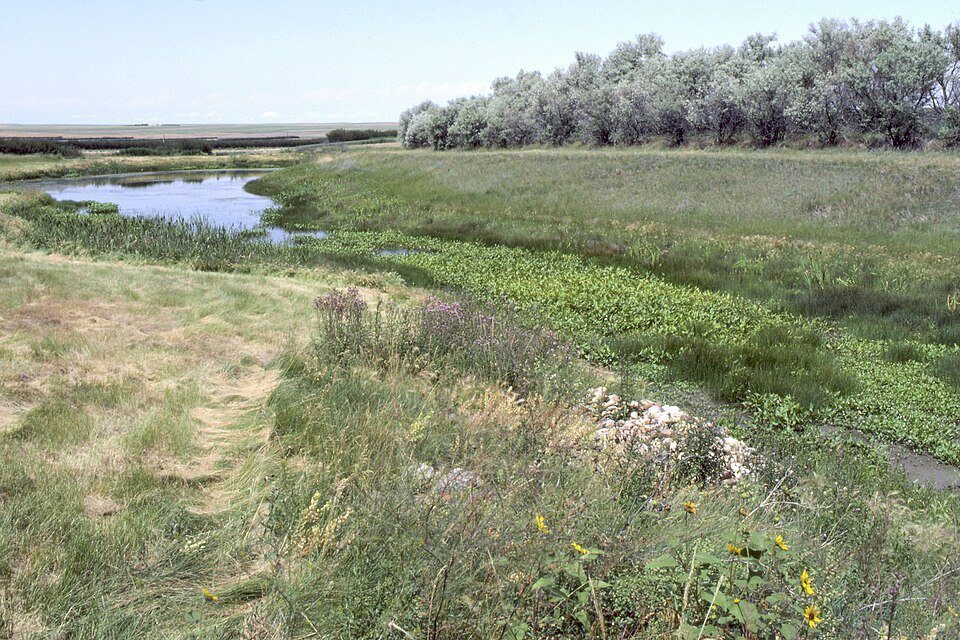
Belts planted in the same decades reached the end of their useful lives in the same decades – thinning, dying out from the bottom, losing the low density that makes them work, and requiring replacement rather than repair.
A widely recognised problem across the plains, with the rate of loss substantially exceeding the rate of renewal.
Simultaneous planting produces simultaneous failure and that is the quiet crisis in this subject. A belt that has lost its shrub row and its lower branches is no longer a permeable barrier – it is a row of tall trunks that wind passes straight under, which means it has stopped working long before it looks dead.
13. No-Till Offered a Different Way to Hold the Soil
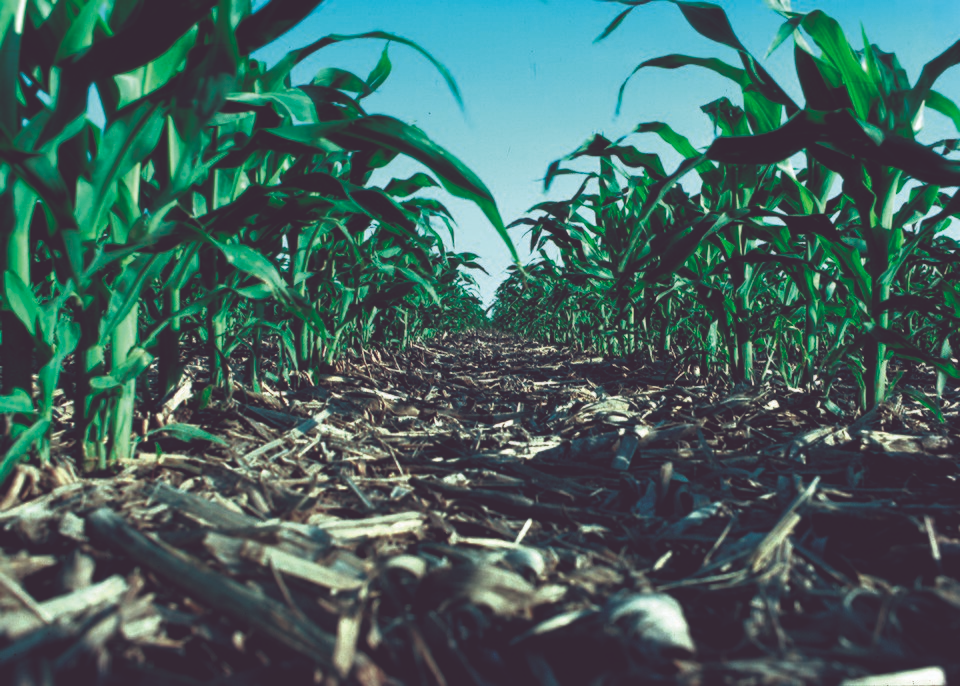
Leaving crop residue on the surface and not ploughing protects soil from wind at ground level, achieving a major part of what shelterbelts were planted for, without taking any land out of production.
Widely adopted across American cropland, and genuinely effective at reducing wind erosion.
This is the most important item on the list and it reframes the whole subject. The erosion control that shelterbelts were originally planted for is now substantially provided by a completely different technology that costs no acres – so the main original justification for the trees has been met another way.
14. But Residue Does Not Do the Other Four Jobs
Crop residue holds soil. It does not shelter livestock, trap snow away from a road, reduce the heating bill of a farmhouse, or provide habitat for anything.
Increasingly recognised, with current planting advice emphasising exactly these non-erosion functions as the reason to keep and renew belts.
Which is the honest summary of where this stands. One of the five benefits was replaced by something better and cheaper; the other four were not replaced by anything at all, and those are the ones quietly disappearing as the old plantings fail.
15. Then the Rows Started Coming Out and Mostly Were Not Replaced
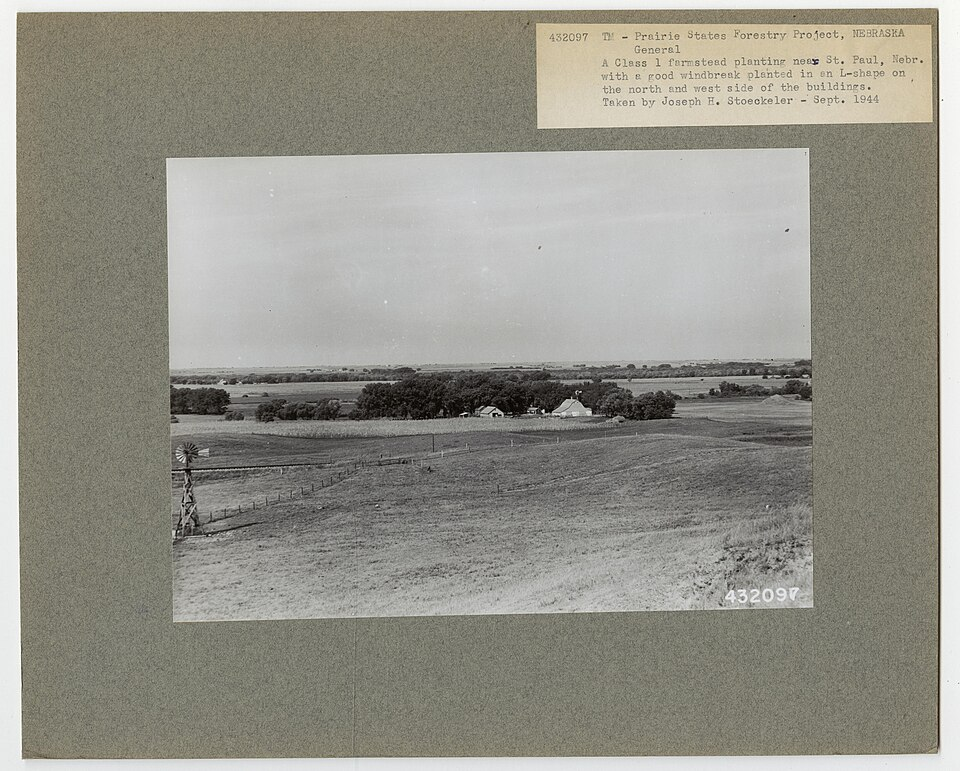
In 1974 the windbreaks across the American plains were mature, functioning and doing five separate jobs at once – holding soil, catching snow, sheltering stock, cutting fuel bills and housing nearly all the wildlife in the county.
Thinning, aging and being removed at a rate well above replanting, with most of the original plantings now past their useful life and the main original justification for them met by other means.
And the reason this is not a simple story about short-sightedness is that the farmers removing them are, in most cases, making a defensible decision. Equipment got very large, and a tree row in a field costs real time and fuel on every pass, every year. Centre pivot irrigation is geometrically incompatible with an obstruction in its circle, and a farm that can irrigate is not going to choose trees over water. Land values rose, which raised the cost of the strip the belt occupies. The old belts reached the end of their lives all together, because they were planted all together, which turned a maintenance question into a replacement decision requiring new money for something that will not function for twenty years. And the single biggest original justification – stopping soil blowing off the field – has been substantially met by residue management and reduced tillage, which work well, cost no acres and were not available when the belts went in. Add all of that together and removal is frequently the rational choice on the farm making it. The difficulty is that four of the five jobs those trees did are not being done by anything else. Residue on a field does not shelter a cow, does not keep a county road open in a blizzard, does not reduce the fuel burned heating a farmhouse, and does not provide the only woody habitat for ten miles in a landscape that has almost none. Those benefits were never the reason the belts were planted and they were never priced, which is exactly why nothing is picking them up. They came free with a soil conservation measure, for about fifty years, and they are leaving quietly as that measure is retired.
One Job Was Replaced. The Other Four Were Not.
The temptation with this subject is to write it as farmers tearing out trees their grandfathers planted, and that framing is both unfair and wrong about the mechanics.
Take the removals seriously first, because the reasoning behind them is sound.
Equipment got very large. A wide machine with a guidance system wants a long uninterrupted run, and every obstruction in a field costs time and fuel on every pass, every year, forever. That cost scales with the size of the equipment, which has only gone one direction.
Centre pivot irrigation is geometrically unforgiving. A pivot sweeps a circle, and a tree row intersecting that circle means either the trees come out or the system is shortened, permanently removing irrigated acres. On a farm where irrigation is the difference between a crop and no crop, that is not a close call.
Land values rose, which raised the continuing cost of the strip the belt occupies plus the competition zone alongside it – a real cost that has always been part of the calculation and is simply larger now.
And the old belts reached the end of their lives all at once, because they were planted all at once. A belt that has lost its shrub row and its lower branches has stopped being a permeable barrier and become a row of trunks with wind passing underneath it – which means it has quit working long before it looks dead. That turns a maintenance question into a replacement decision: new money, now, for something that will not function properly for twenty years.
Then the decisive one. The original and primary justification for all those plantings was stopping soil blowing off fields, and that problem is now substantially addressed by a completely different technology. Leaving crop residue on the surface and reducing or eliminating tillage protects soil at ground level, works well, is widely adopted across American cropland, and costs no acres at all. It was not available when the belts went in.
So a farmer facing an aging belt that costs him acres and turning time, with a better and cheaper answer to the erosion problem already in use on his own fields, is making a defensible decision when he takes it out. Most of them are not being careless. They are solving the problem the belt was planted for, by other means, and declining to pay for the rest.
The difficulty is the rest.
A shelterbelt did five jobs. Residue management replaced one of them. The other four have no substitute and nothing is picking them up.
Crop residue does not shelter livestock, and wind rather than temperature is what costs animals condition in winter, because moving air strips heat away far faster than still air at the same reading. Residue does not catch blowing snow, so a county road that used to stay open now drifts shut and somebody pays to plough it. Residue does not reduce the wind stripping heat off a farmhouse, which was a real and compounding saving on fifty winters of fuel. And residue is not habitat – a shelterbelt in open cropland is frequently the only woody cover for a very long way, holding birds, small mammals and pollinators in numbers wildly out of proportion to its acreage, in a landscape that otherwise offers almost nothing.
Here is the thing that explains why those four are disappearing so quietly: none of them was ever the reason anybody planted a tree. They came free, as side effects of a soil conservation measure, for about fifty years. Nobody priced them, nobody owned them, and no line in any farm’s accounts has ever reflected them.
Which means that when the measure they came attached to is retired, they go with it, and nothing registers the loss.
If you grew up behind one of these, you know exactly where the drift formed every year and exactly how still the yard was.
And you know which row your grandfather planted, and roughly when.
Like our content? Follow us for more.