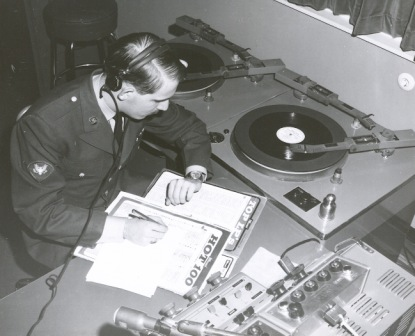
In 1968 a Top 40 disc jockey ran a radio station almost single-handed for four hours at a stretch: cueing every record by hand on two turntables, firing commercials off tape cartridges, answering the request line, reading the weather, and hitting the top of the hour exactly, while talking over the introduction of every record and stopping precisely on the vocal.
He was also a local celebrity, was probably being offered things he was not supposed to accept, and could lose the job overnight if the owner decided to change format.
Here are fifteen things that were ordinary in a radio studio in 1968, and what each one became.
1. The Disc Jockey Physically Cued Every Record by Hand
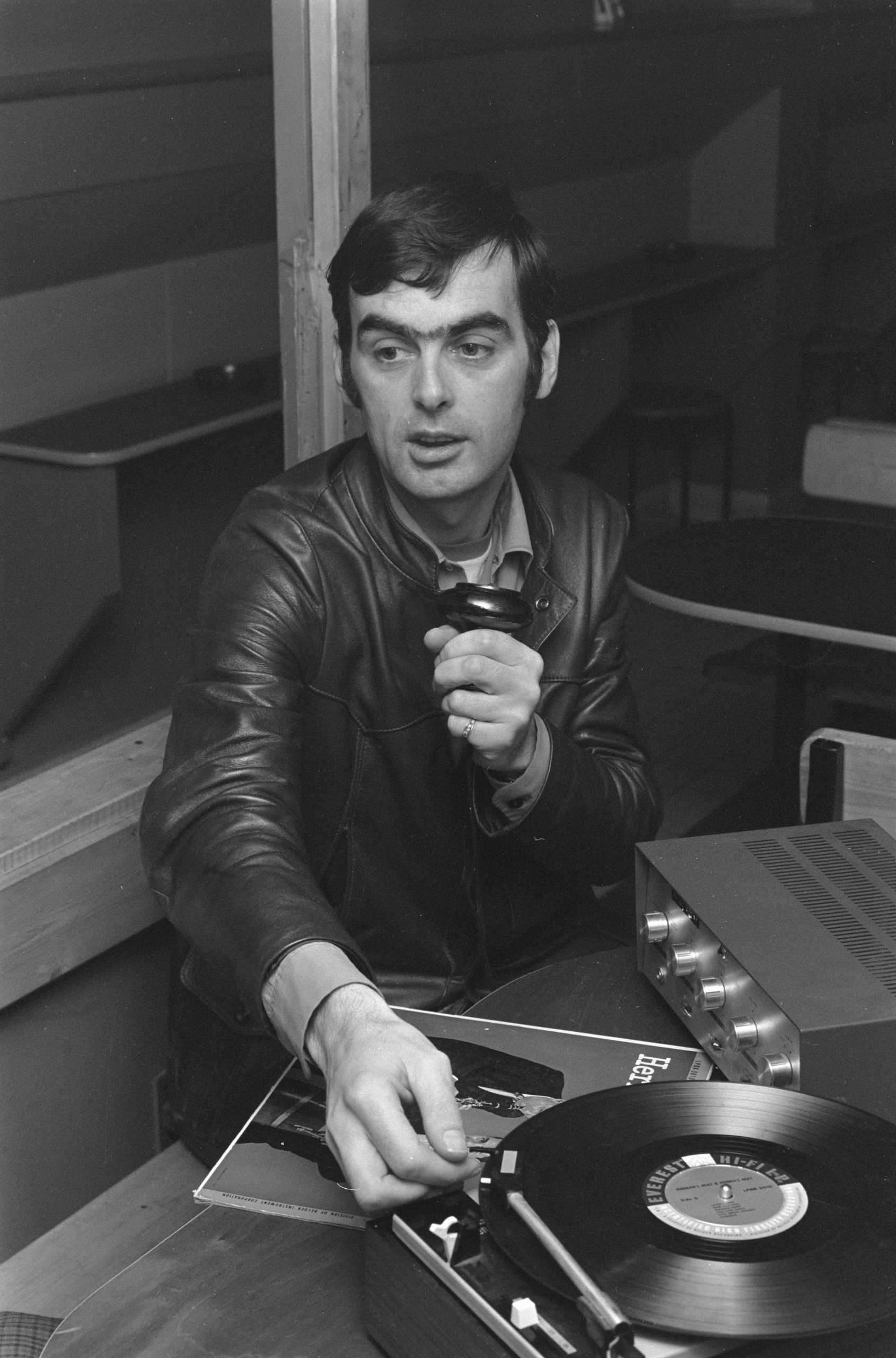
Two turntables, a stack of singles, and a technique: drop the needle in the groove, rock the record back and forth by hand until you found the exact instant the sound began, then back it off a quarter turn so the platter would be at speed by the time the audio arrived. Get it wrong and the record started with an audible wow or a half second of silence.
Every element of that is now automated. A modern station plays from a scheduled playout system that cues to the sample, fades on a clock and never misses. The hand-cueing skill survived in club disc jockeying, where it became the basis of an entirely different art form, which is an unusual afterlife for a radio station technique.
Like our content? Follow us for more.
2. He Talked Over the Introduction and Stopped Exactly on the Vocal
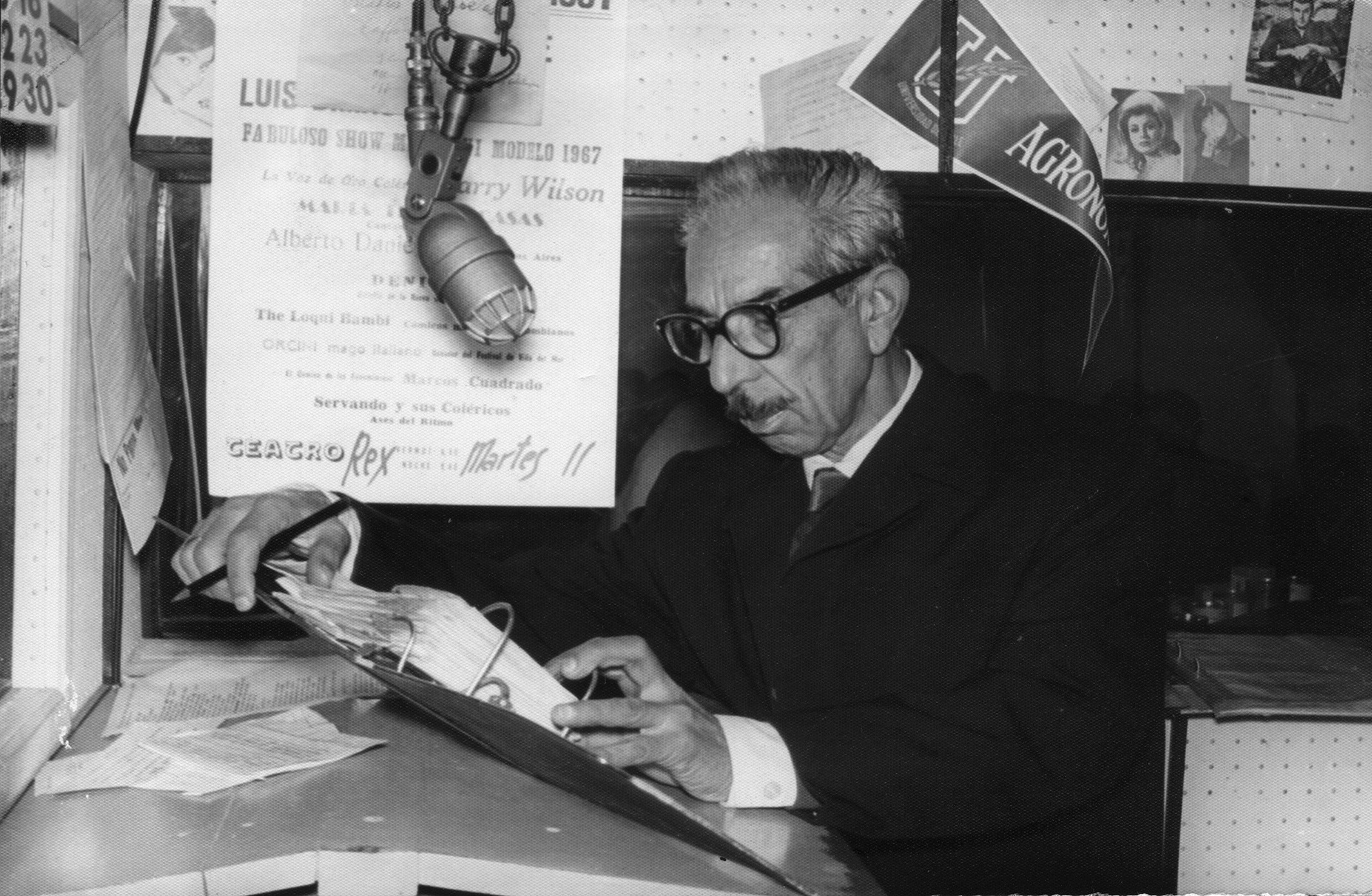
The ramp – the instrumental introduction before the singer comes in – was the disc jockey’s canvas, and the craft was filling it precisely and finishing on the beat the vocal started. Good ones knew the ramp length of several hundred records from memory.
This is the single most recognisable skill of the era and the thing imitators always reach for. The information is now printed on the screen in front of the presenter, down to the tenth of a second, along with the outro length and whether the record has a cold ending. Knowing it by heart is no longer an advantage, which has made the technique more widely achievable and less impressive.
3. The Playlist Was Short, Tight and Played Relentlessly
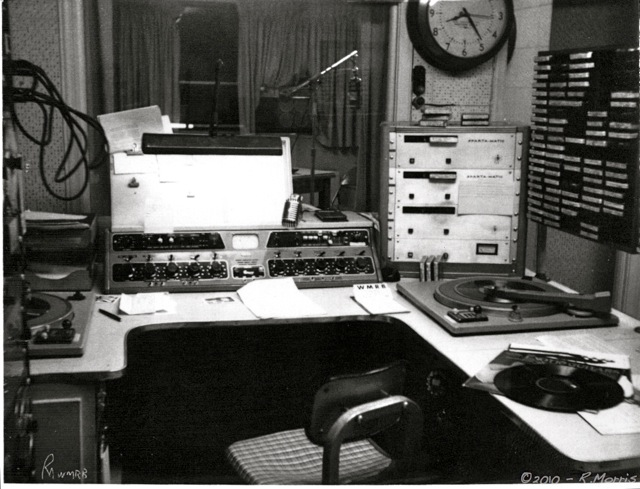
Top 40 radio played a small rotation very frequently. The biggest records might air once an hour or more, all day. The theory, developed in the 1950s and refined through the 1960s, was that audiences tune in for short periods and want to hear hits, so the way to hold a market is to play the hits constantly.
The format was spectacularly successful and is the direct ancestor of every contemporary hit station running today. What changed is the measurement: rotation is now set by audience research, streaming data and call-out testing rather than by a programme director’s judgement and the local record shop’s sales. The logic is identical and the instrumentation is far better.
4. The Chart Was Partly Assembled by Telephoning Record Shops
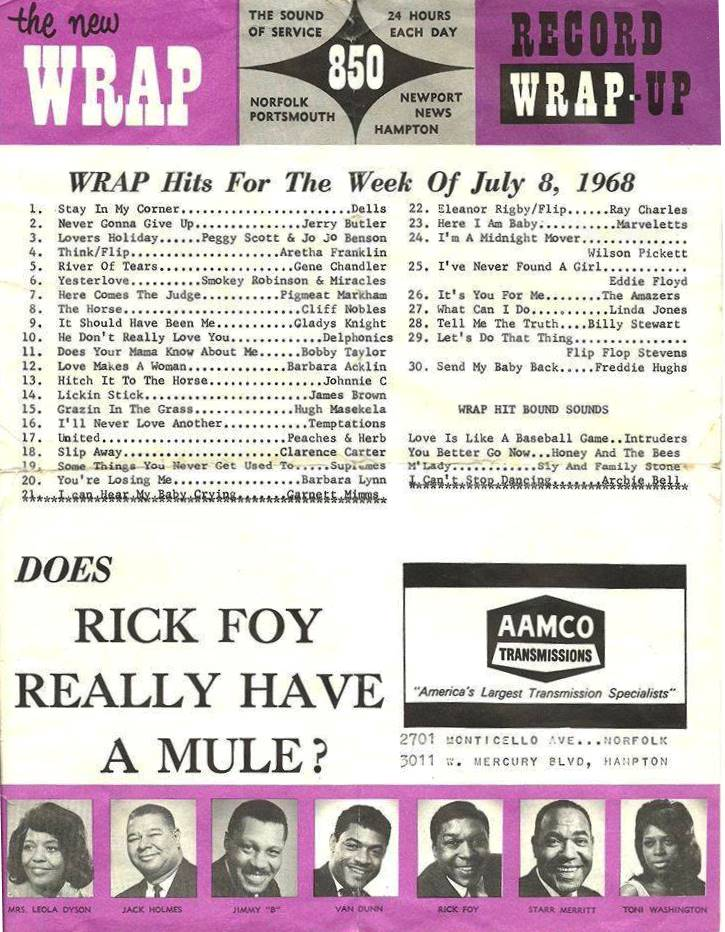
Station music directors called local shops and asked what was selling, counted requests on the request line, and read the trade papers. The local chart that got read out on air was a mixture of national data, regional sales, and what the station had decided to get behind.
Point-of-sale scanning and then streaming data made chart compilation an automated measurement rather than a survey, which removed an enormous amount of error and an equal amount of manipulation. The local chart – genuinely different from one city to the next, reflecting what that town actually bought – disappeared with it, and with it the ability of one market to break a record nationally.
5. Payola Had Been Made Illegal and Was Still Happening
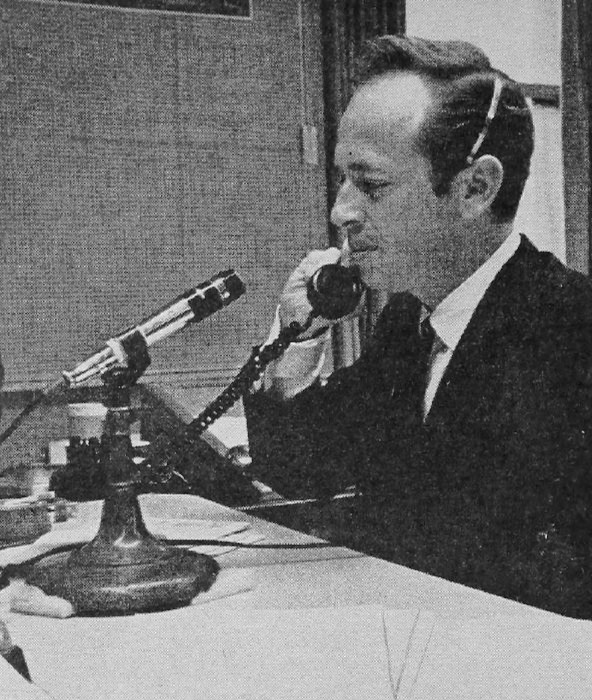
Paying a disc jockey to play a record had been the subject of congressional hearings in 1959 and 1960 and was made a criminal offence, with disclosure required for anything of value received. It carried on in modified forms through independent promoters for decades afterwards.
The practice was never fully eliminated so much as repeatedly restructured, with a series of investigations and settlements through the following decades targeting the independent promotion system that grew up to replace direct payment. Consolidation of station ownership and centralised playlisting changed the economics substantially, because there was no longer a local disc jockey with the authority to add a record.
6. The Station Signed Off at Night and the Frequency Went to Somebody Else
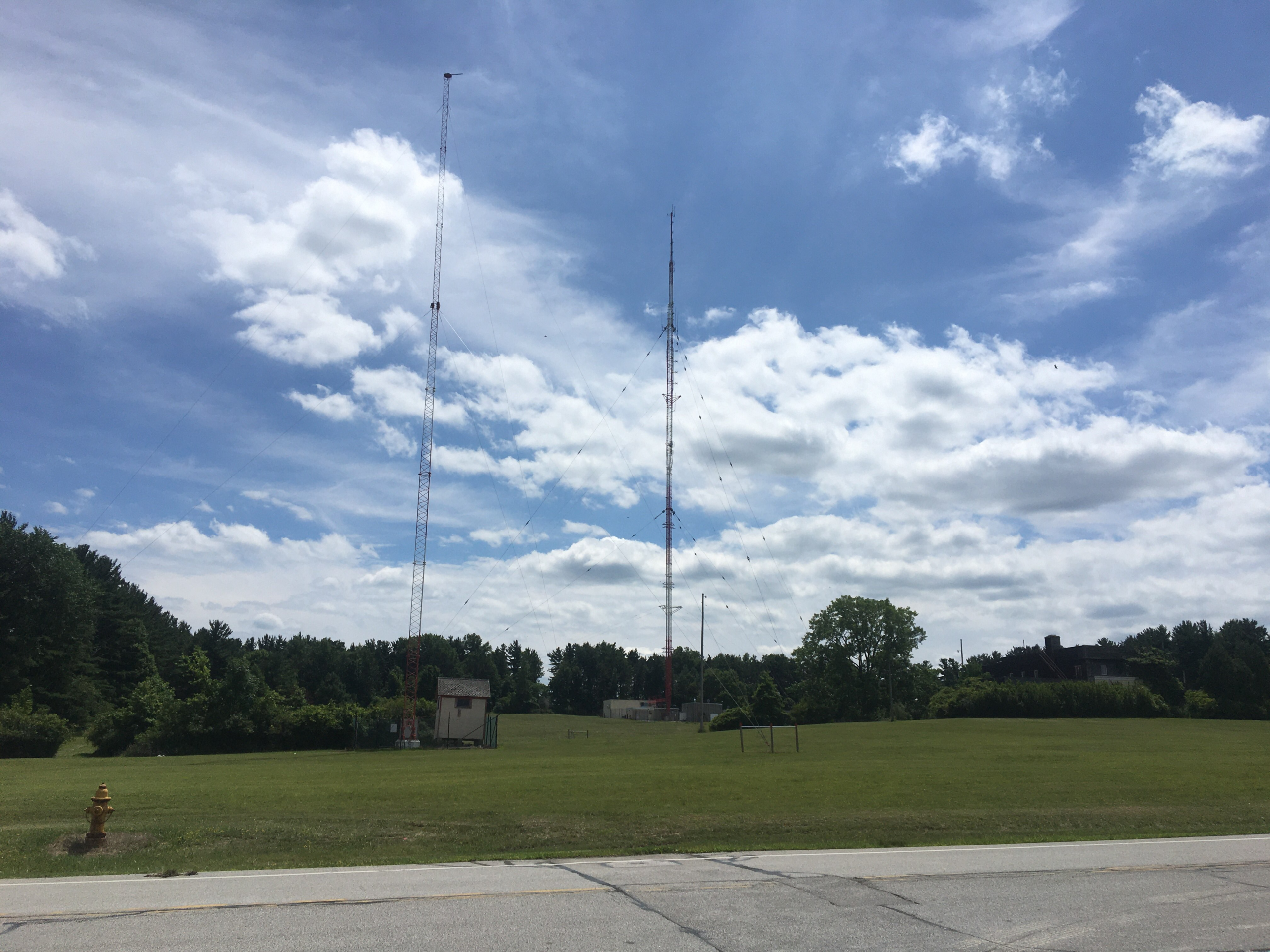
A great many stations held daytime-only licences and were required to shut down at sunset, because AM signals travel enormously further after dark by bouncing off the ionosphere and would otherwise interfere with distant stations on the same frequency.
This is why a listener in the Midwest could pick up a clear-channel station a thousand miles away at two in the morning and hear music that was not being played locally, and why those stations had a cultural reach completely out of proportion to their city. The physics has not changed; the significance has, because nobody needs a skywave signal to hear a station in another state.
7. Everything Was on Tape, Cartridge or Vinyl, and Could Be Destroyed
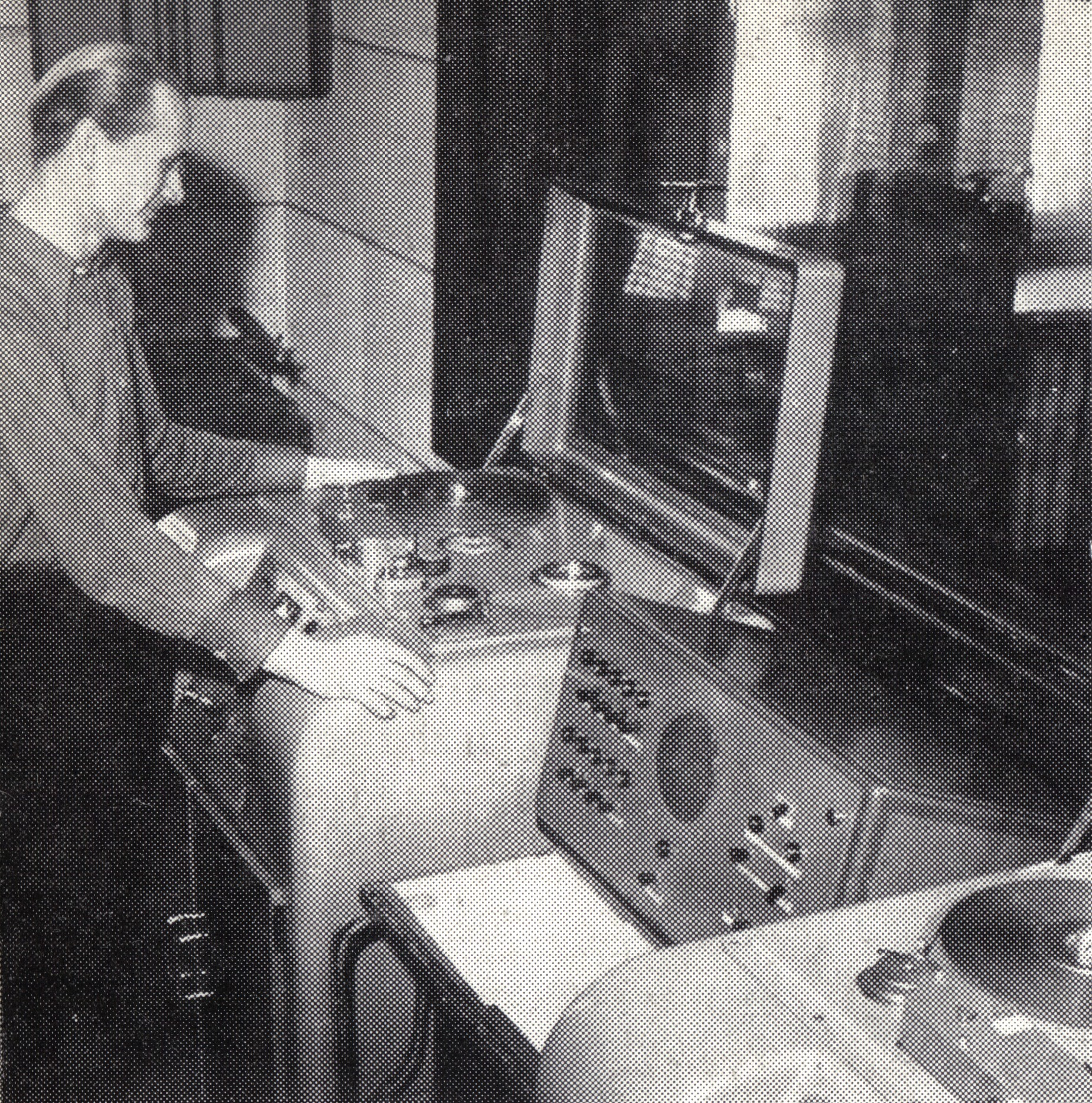
Commercials, jingles and station identifications ran from tape cartridges – continuous loops in plastic shells, racked by the hundred. Programmes were recorded on reel-to-reel. Music was on vinyl, which scratched, warped in the sun and wore out.
A warped record, a cartridge that failed to recue, or a reel that snapped mid-broadcast were daily hazards, and recovering from them live was a core competence. Solid-state playout removed the failure mode entirely. The cartridge is also the reason radio people still say cart when they mean a recorded element, decades after the last one was thrown out.
8. The Request Line Was a Telephone and a Person
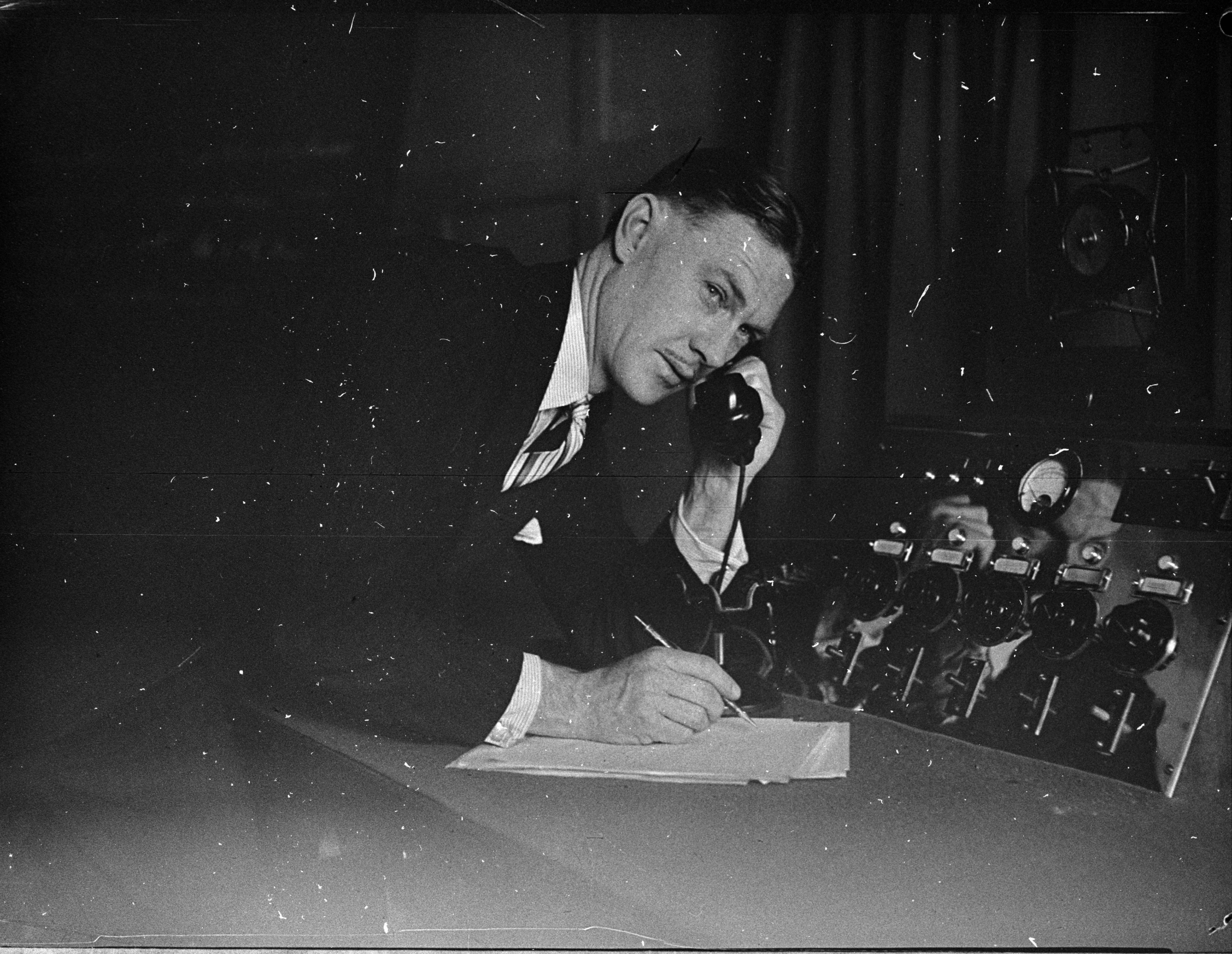
Listeners rang the studio and the disc jockey or a board operator answered, took the request, and sometimes put the caller on air without any delay system. Request counts were tallied by hand and fed into the playlist.
Broadcast delay systems – a few seconds of buffer allowing an operator to dump the audio – became standard after enough incidents, and are now universal on any live call. Requests themselves have become decorative: a modern station’s music is scheduled days ahead and a request that does not fit the rotation does not get played, which every presenter knows and most listeners do not.
9. The Disc Jockey Was a Local Celebrity and Appeared in Person Constantly
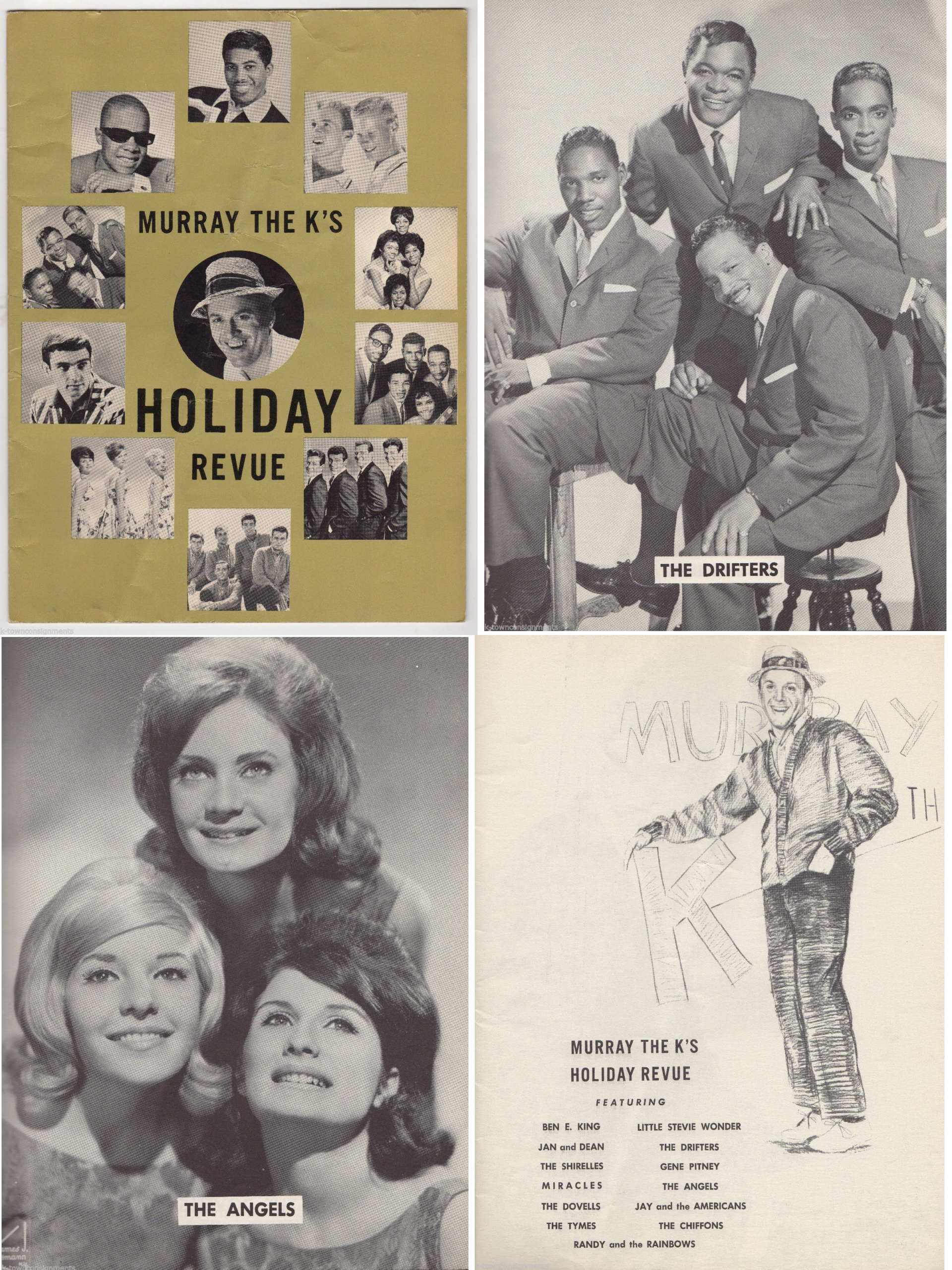
He opened supermarkets, judged contests, hosted record hops, broadcast live from car dealerships, and was recognised in the street. The voice belonged to the town, and the station’s promotion budget was largely spent putting it in front of people.
Ownership consolidation from the 1990s onward, enabled by the relaxation of station ownership limits, produced centralised programming and voice-tracking, in which a presenter records links for several markets from one studio. A listener may hear a show that sounds local and is not. The genuinely local presenter still exists and is now a deliberate and expensive choice rather than the default.
10. Format Changes Happened Overnight With No Warning
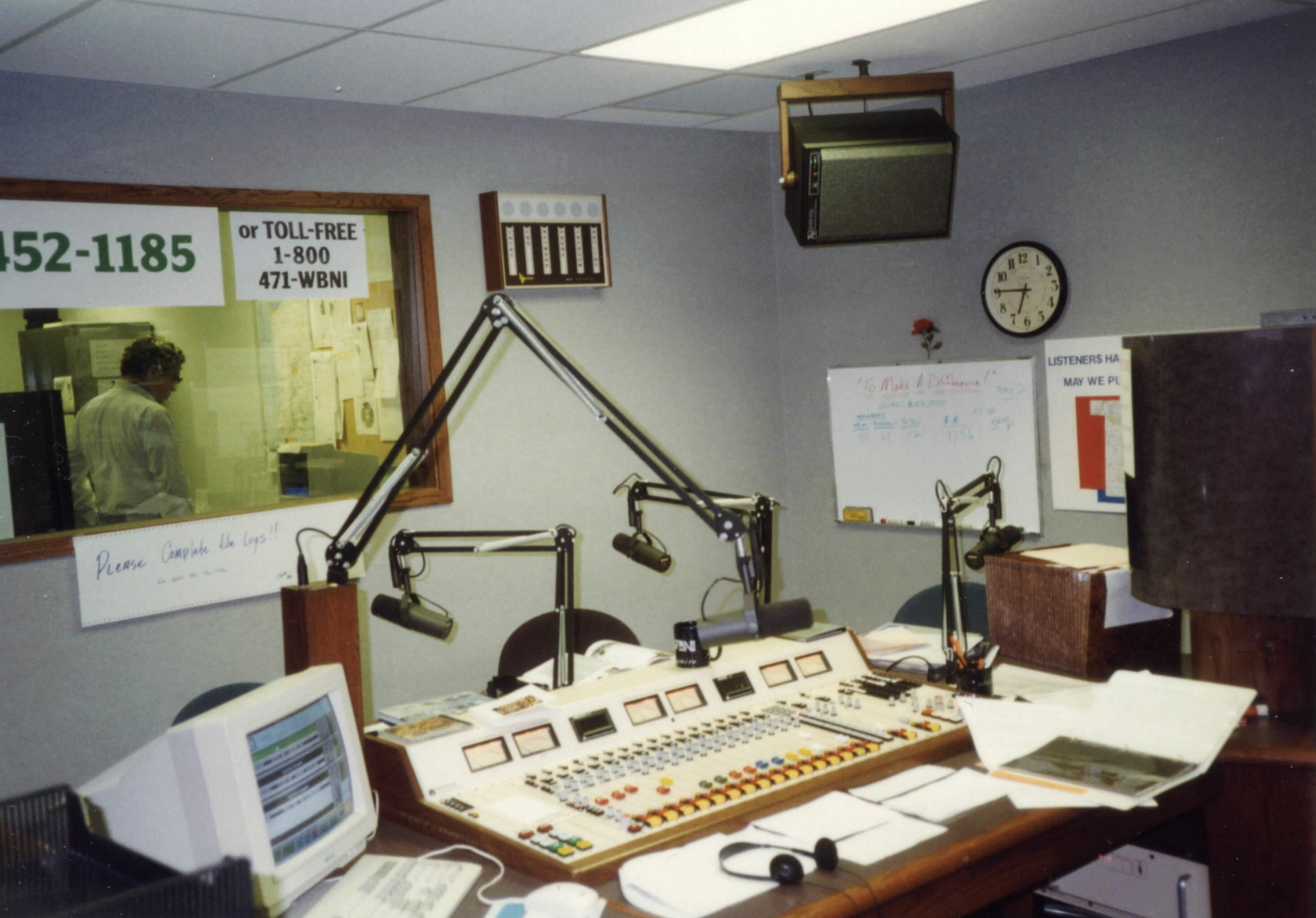
A station could go to bed playing one thing and come back the next morning playing another, with the entire air staff dismissed in a single afternoon. Listeners found out by turning the radio on. Staff frequently found out the same way.
Format flips remain a feature of the industry and are handled with marginally more process, but the brutal version – everybody out, new format at six in the morning – still happens. What has changed is the stakes for the audience: a listener who loses a format now has streaming alternatives, where a listener in 1968 had the other stations in town and nothing else.
11. Nobody Knew Who Was Listening Except Through a Paper Diary
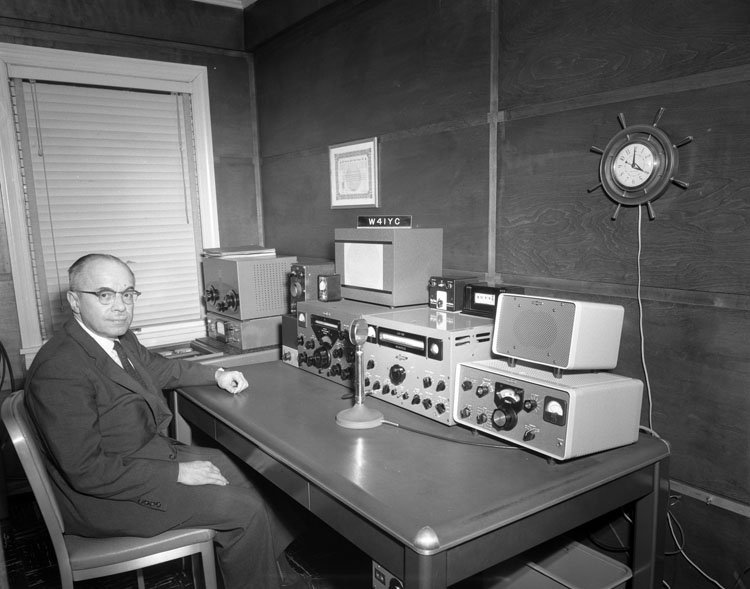
Audience measurement meant a sample of households keeping a written diary of what they listened to and when, posted back at the end of the week. Entire formats, careers and advertising rates rested on a few hundred people’s recollection of their own radio habits.
Portable electronic meters that detect station audio, and streaming analytics, replaced the diary with measurement rather than recall. The diary systematically favoured stations people remembered and stations with memorable names, and it undercounted background listening – which means some of the received history of which stations were big is built on a measurement instrument with known and substantial biases.
12. The Engineer Was a Separate Person With a Licence
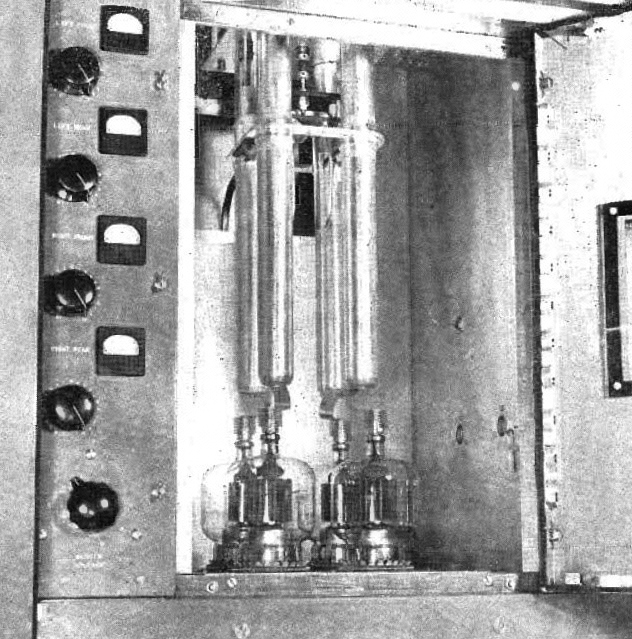
Transmitter operation required a licensed operator, and stations employed engineers who took readings, logged power and frequency, maintained the transmitter and kept the station legal. The log was a legal document and inspectors checked it.
Licensing requirements for operators were substantially relaxed from the 1980s, transmitters became self-monitoring and remotely controlled, and the staff engineer at a single station became a contractor covering a dozen. It is the same pattern as the projection booth and the roundhouse: automation did not make the work disappear so much as concentrate it into far fewer people.
13. Music Radio Was Where Records Were Broken, and It Knew It
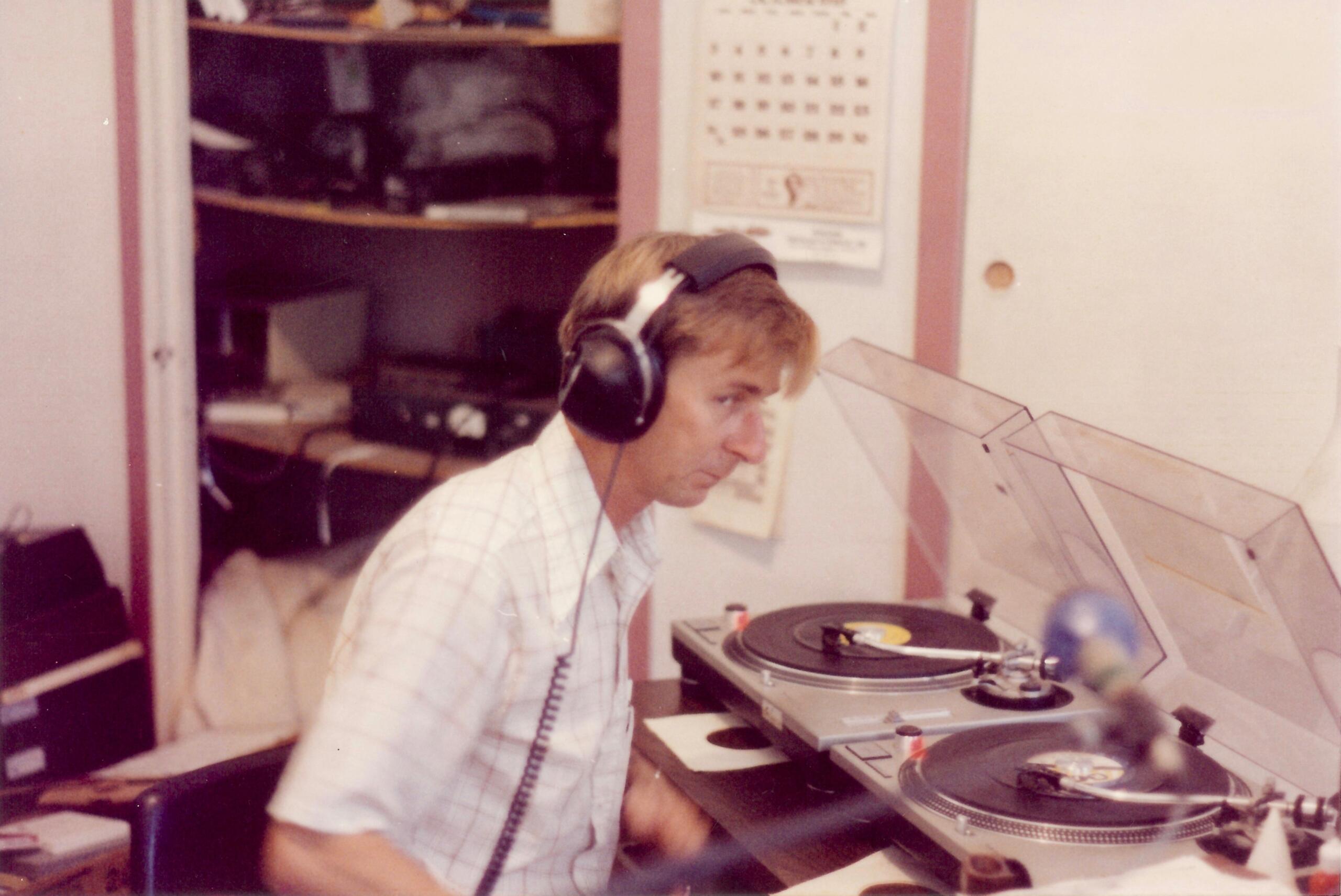
In 1968 a record became a hit substantially because radio played it. Labels promoted to radio because there was no other route to a mass audience, and a station with a large audience had real power over what the country heard.
Streaming inverted the relationship. Records now arrive at radio already successful, with the data to prove it, and radio increasingly follows rather than leads. The power that programme directors held – and that made payola worth prosecuting – moved to playlist curation at the streaming platforms and to whatever is happening on social video that week.
14. The Whole Thing Ran on a Clock Drawn on Paper
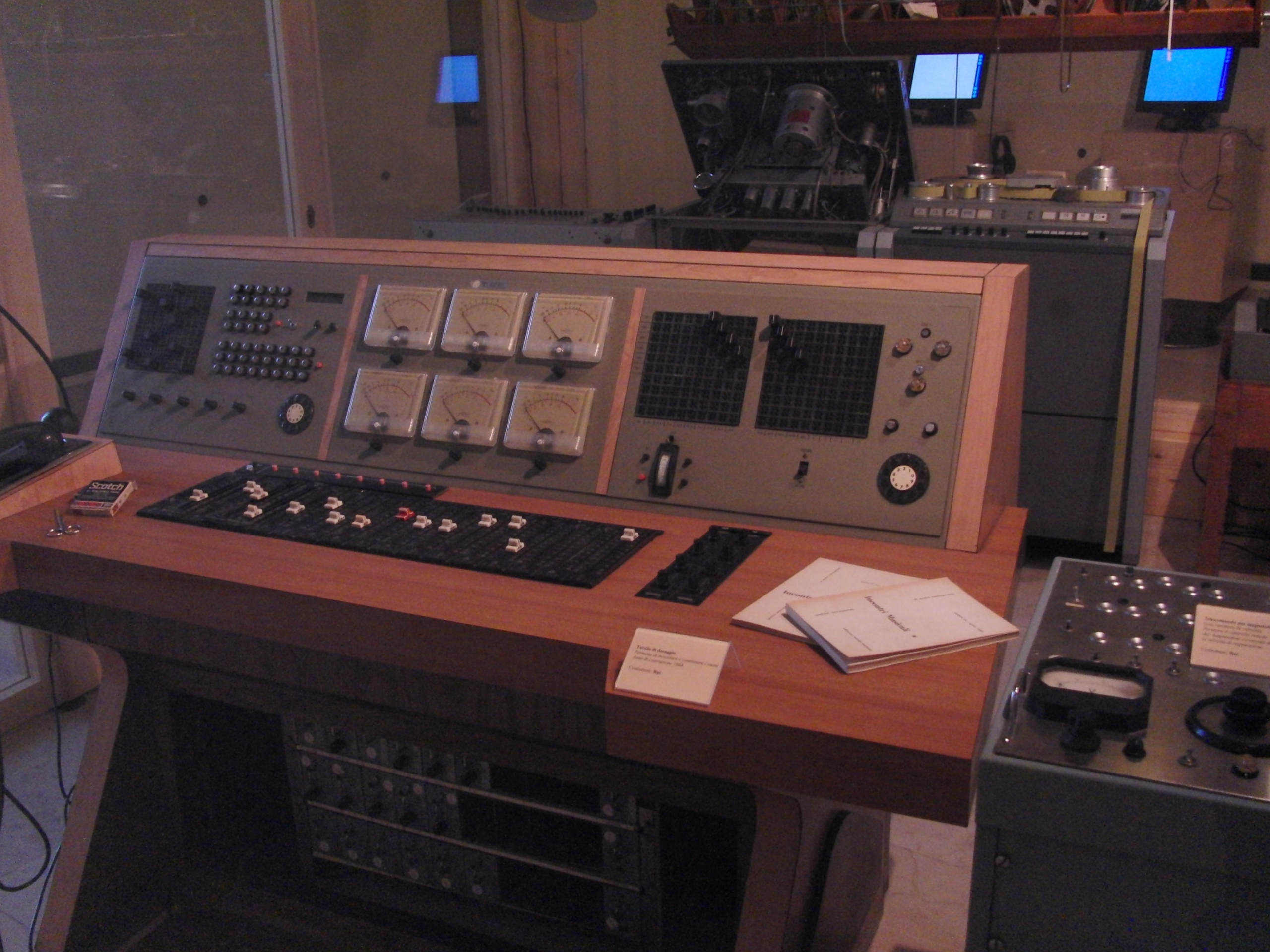
The hour was divided on a printed wheel: music sweep here, commercial break there, news at the top, jingle, weather, identification on the half hour. Every hour of every day followed it, and the presenter’s job was to fill the segments and hit the posts exactly.
The clock is still the governing structure of commercial radio and is now enforced by software that will not allow an element to overrun. The discipline it demanded – finishing a thought in eleven seconds, every time, without sounding rushed – is the skill that separates radio presenters from everybody else who talks for a living, and it is the one item on this list that has not changed at all.
15. Then FM Took the Music and AM Kept the Talking
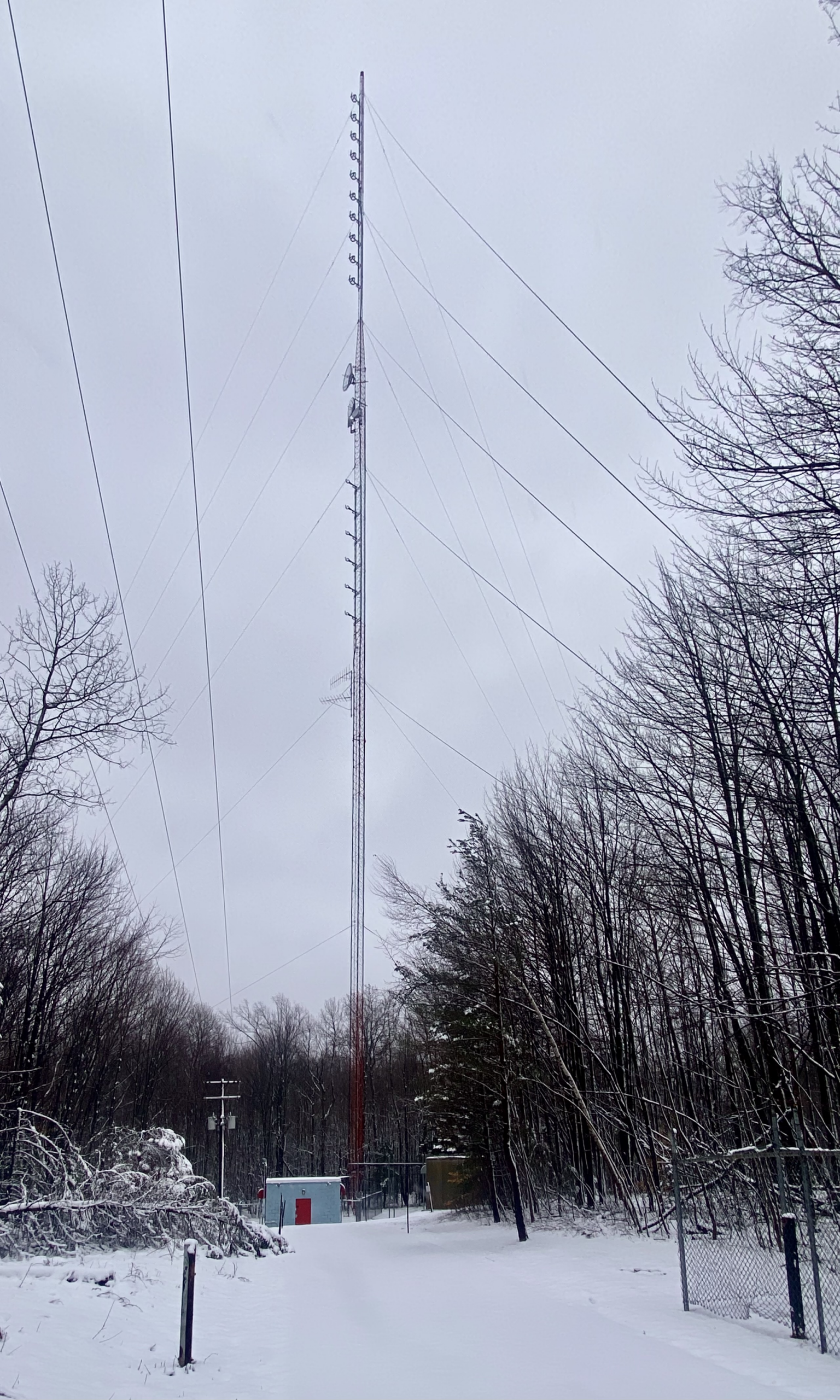
In 1968 the big music stations were on AM, and FM was a secondary band with few listeners and cheap licences, used for classical, easy listening and experimental free-form programming. Within about a decade that reversed completely.
A regulatory decision requiring stations in larger markets to stop simply duplicating their AM programming on FM forced owners to find something else to put there, and what they put there was music – which sounded better in stereo on FM and drew the audience across. By the early 1980s FM carried the music audience and AM had become the home of news, sport and talk, which is broadly where both remain.
What Automation Actually Took
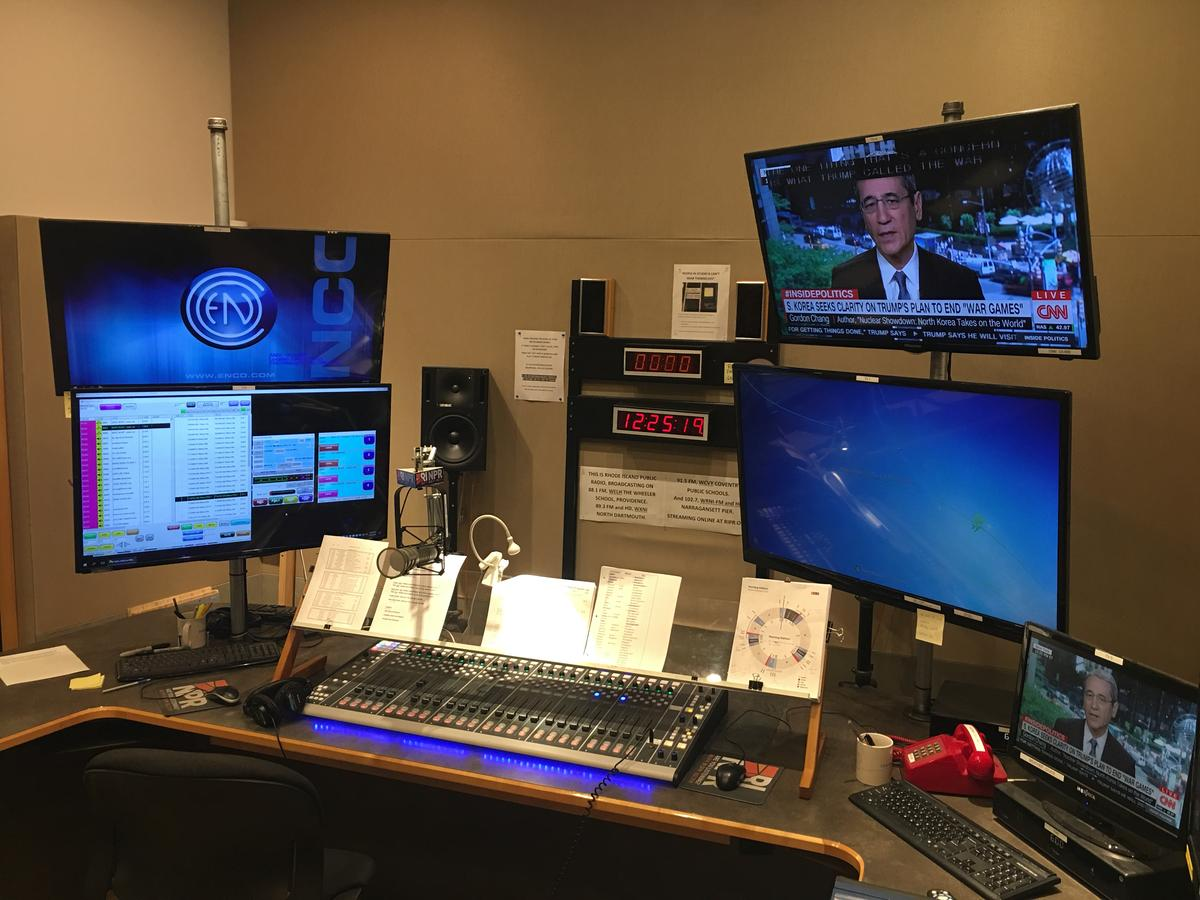
Radio did not shrink. There are more stations than there were in 1968 and vastly more audio being produced. What changed is where the decisions are made.
In 1968 almost everything that reached a listener was decided in the building they could drive to: which records were added, how often they played, who talked between them, what the commercials were, and what the station sounded like at two in the morning. The disc jockey was the last link in a short chain and he had real latitude within it.
Automation, consolidation and centralised playlisting moved every one of those decisions upward and outward. The playout system schedules the music, the group programmes the format across markets, and the voice between records may be recorded four states away. The result is more consistent, cheaper, and far harder to tell apart from one city to the next.
The craft itself did not die – it moved. Hand-cueing became club disc jockeying. Talking up a ramp became podcasting’s informality. Breaking records became playlist curation. What has no modern equivalent is the particular thing a town had in 1968: one voice, in that building, playing records somebody in that town had chosen, who would be at the supermarket opening on Saturday.
If you grew up with a transistor under the pillow, you can probably still name the station and the man on at night.
Which city, which frequency, and what was the record you rang in to request?
Like our content? Follow us for more.