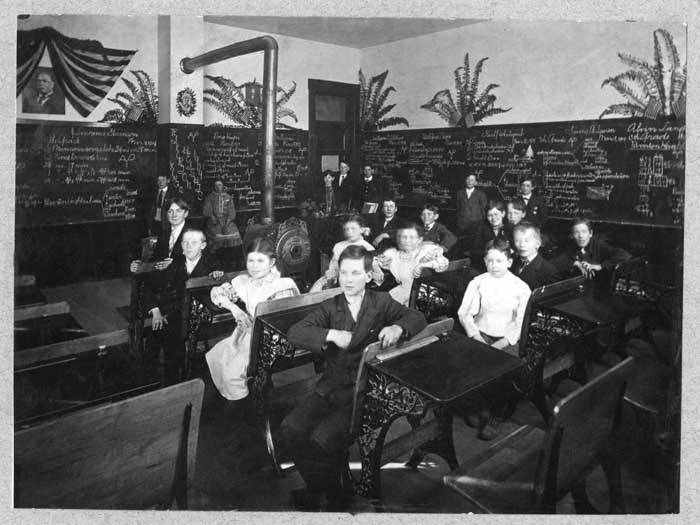
For a long stretch of American history, eighth grade was not a step on the way to anything. It was where school ended.
And it ended with an examination – set and marked not by the child’s own teacher but by the county, on the same papers every candidate in the county sat. Children travelled to the county seat on a fixed day, frequently to a courthouse, and sat alongside a hundred strangers after eight years in one room with a dozen familiar faces.
The papers covered arithmetic, reading, grammar, spelling, geography, history, civics, physiology and penmanship, usually across a full day or more. Pass, and you received a certificate that a great many families framed, because it was the only one anybody in the house would ever get. Here are sixteen things every American family knew.
1. Finishing Eighth Grade Was a Real Credential
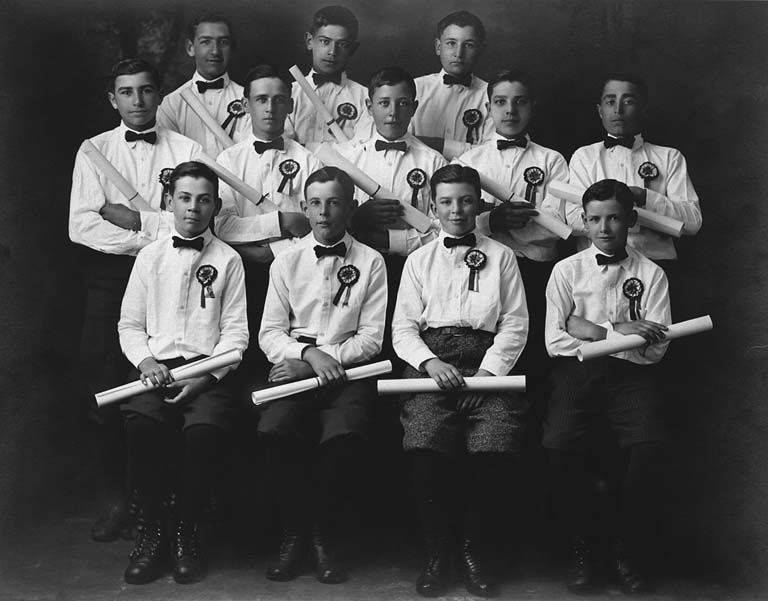
For a large part of American history, eighth grade was where formal education ended for most rural children, and completing it was a genuine qualification rather than a step on the way to something else.
High school completion is near-universal and eighth grade is an unremarked waypoint.
The status of the thing is what has shifted entirely. An eighth-grade graduate was an educated person by the standards of their community, and the certificate was a document people kept, framed and mentioned – because for most of them it was the last one they would ever receive.
Like our content? Follow us for more.
2. You Had to Pass a County Examination to Get It
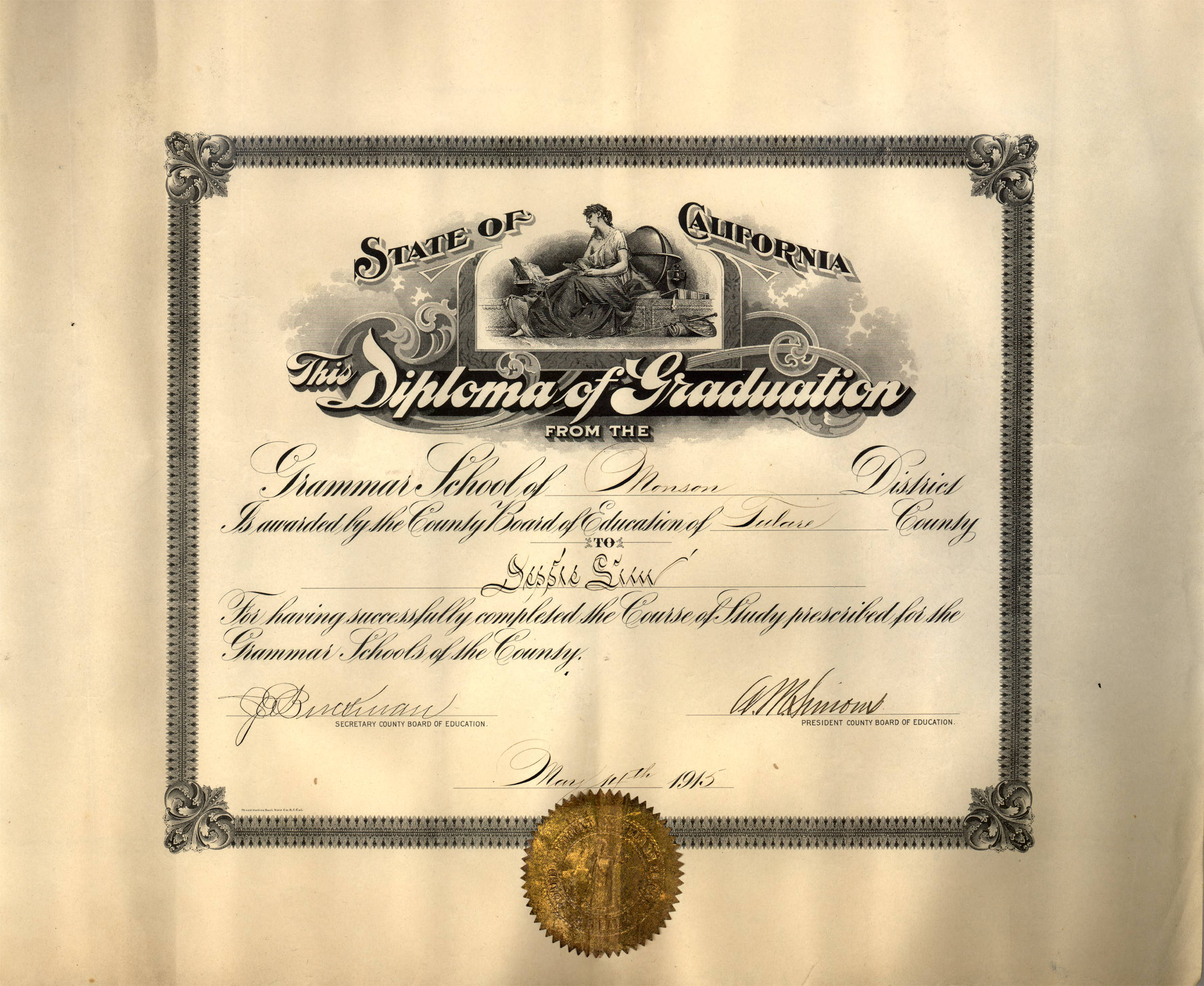
In many states, promotion out of eighth grade and the certificate that came with it depended on a written examination set and marked by the county rather than by the child’s own teacher.
Standardised testing exists in quantity, but it does not gate the end of a child’s education.
External examination is the part that gave it weight. A teacher in a one-room school could not simply declare a pupil finished – the judgement came from outside, on the same paper every child in the county sat, which meant the certificate meant the same thing in every township.
3. It Was Held at the County Seat
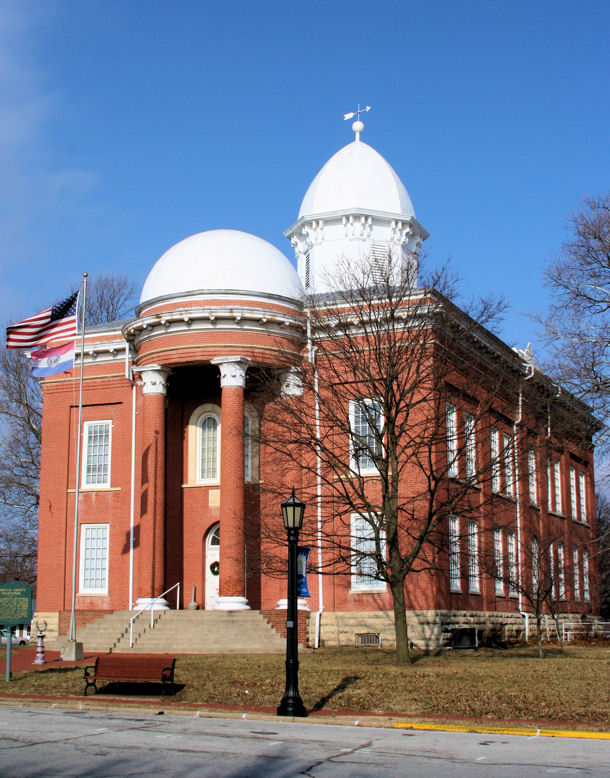
Candidates travelled to a designated place – the courthouse, a town school, the county superintendent’s office – on a fixed day, and sat the papers alongside children they had never met.
School-based testing in a familiar classroom.
The journey was part of the experience and it is heavily remembered. For a child who had spent eight years in a single room with a dozen others, going to the county seat to be examined with a hundred strangers was the largest formal occasion of their life so far.
4. The Papers Covered Everything
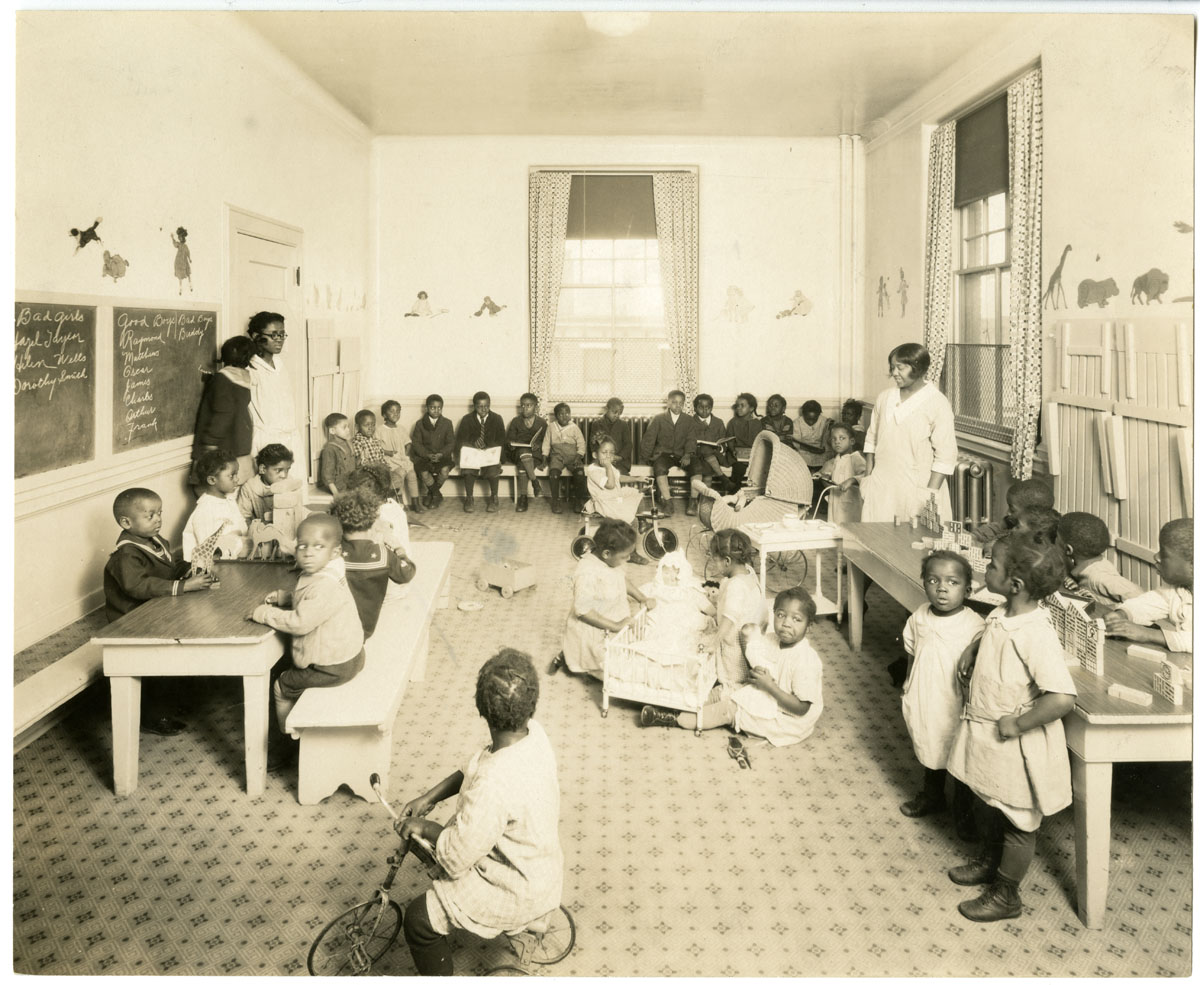
Examinations ran across arithmetic, reading, grammar, spelling, geography, history, civics, physiology and penmanship, usually over a full day or more.
Testing concentrates on reading and mathematics, with other subjects assessed separately or not at all.
The breadth is what people notice when they look at surviving papers. A single day’s examination touched most of what the school had taught across eight years, which means the test was a survey of an entire education rather than a sample of two skills.
5. The Questions Were Harder Than People Expect
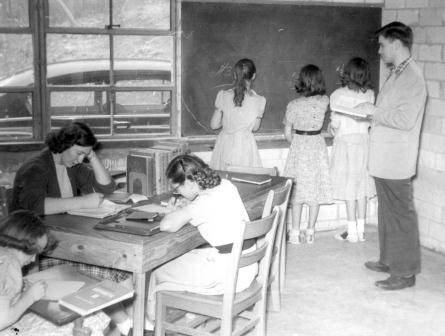
Surviving examination papers include long division and complex arithmetic worked by hand, grammatical parsing, geographical and historical recall, and questions requiring written exposition.
Different content, different emphases, and calculators.
These papers circulate online periodically with the claim that modern children could not pass them, and that framing is misleading in both directions. The questions are genuinely demanding in recall and in hand computation, and they are also narrow – they reward memorisation of a specific body of fact and offer almost nothing on analysis, which is a different standard rather than a higher one.
6. Spelling and Penmanship Were Examined Subjects
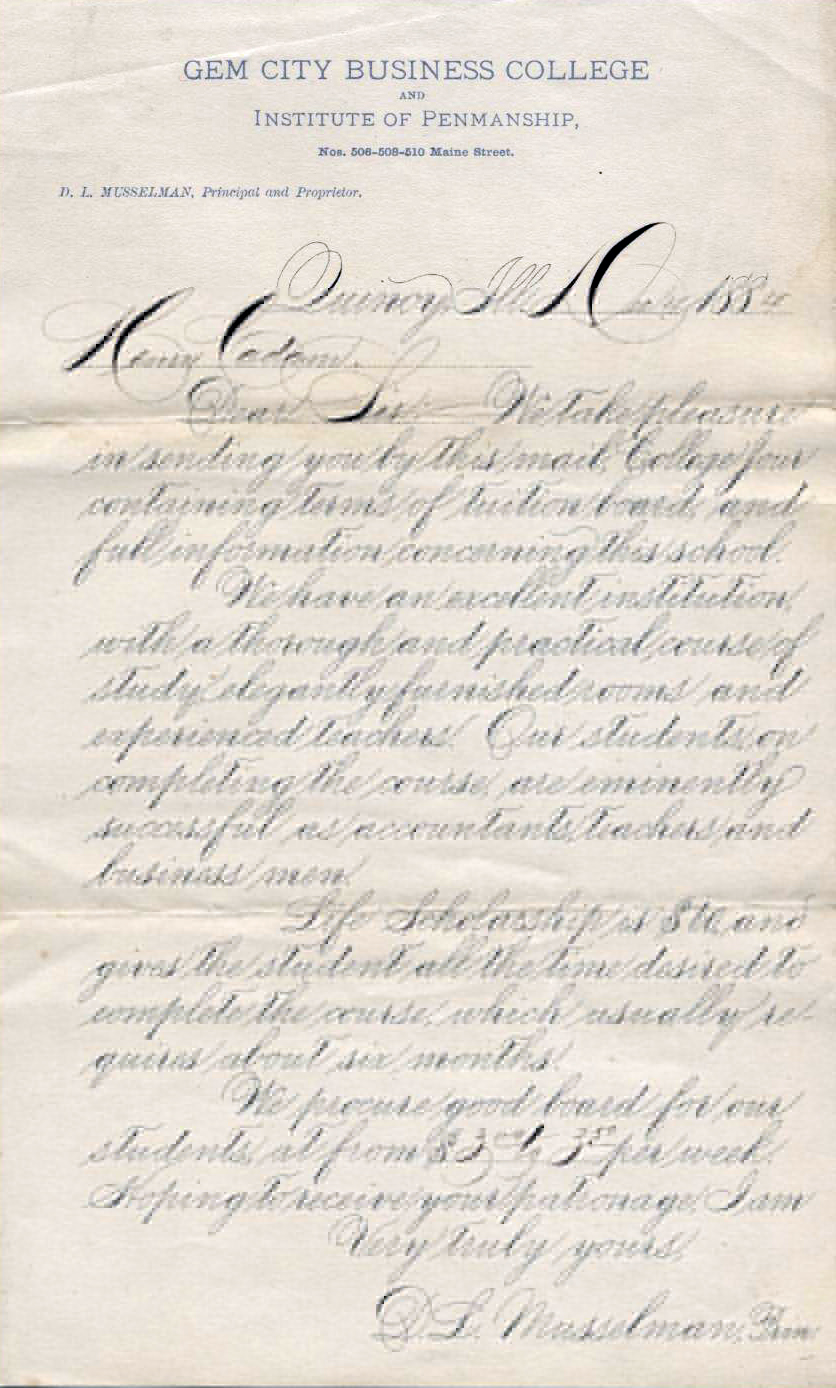
Both were assessed in their own right, with marks for the quality of handwriting and for orthography independent of content.
Handwriting is barely taught and spelling is assessed incidentally.
Examining penmanship looks strange until you remember what it was for. Legible, uniform handwriting was a vocational skill in a world of handwritten ledgers, letters and records, and a clerk who could not write clearly was unemployable – so it was tested like any other competence.
7. Physiology Was on the Paper
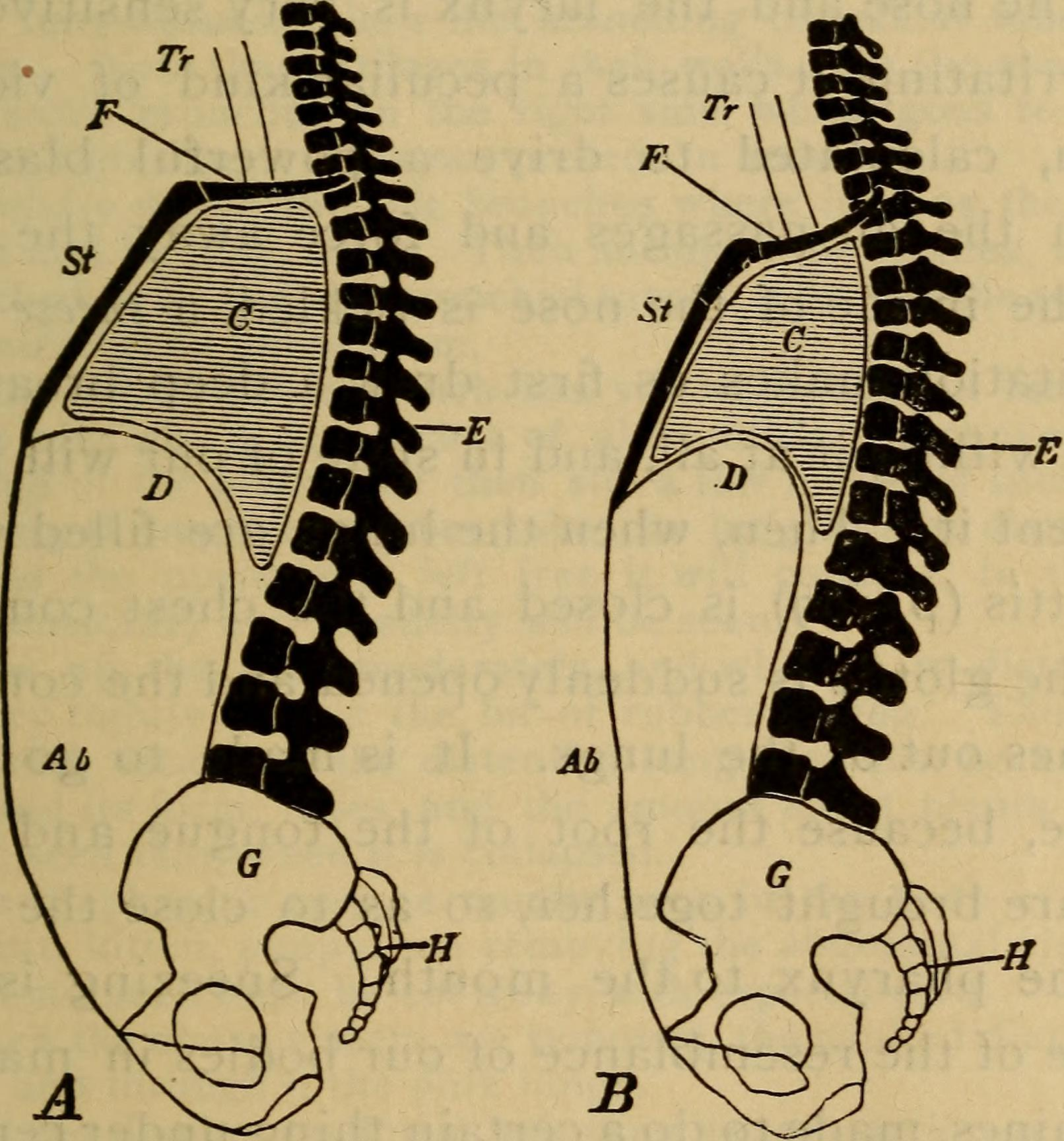
Examinations commonly included questions on the human body and on health, which was a standard elementary subject of the period.
Health education exists in a different form and is not usually examined as a gate.
The presence of physiology tells you something about what elementary education was expected to deliver. This was practical knowledge for people who would have limited access to a doctor, taught alongside arithmetic because it was considered equally necessary.
8. Preparation Dominated the Final Year
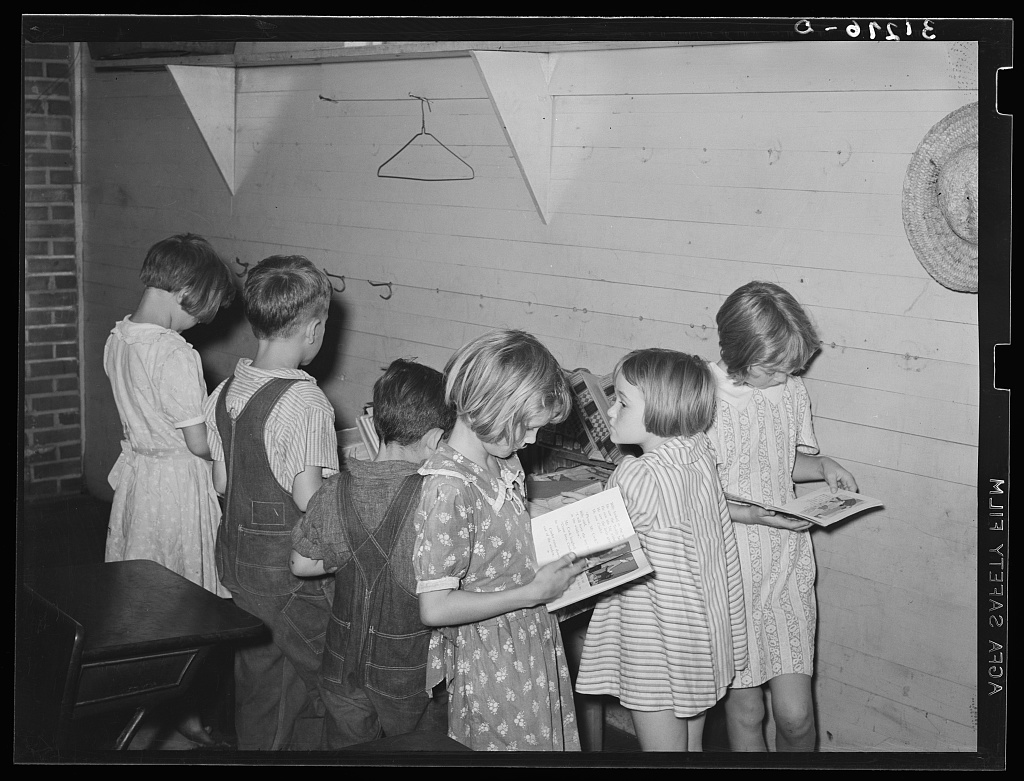
Teachers drilled eighth-grade pupils specifically for the examination, using past papers and recitation, and the whole school knew who was sitting it.
Examination preparation is universal but it does not carry the same finality.
Teaching to the test is not a modern invention, and here it had an unusually honest justification. The examination determined whether a child’s eight years amounted to a credential, so preparing for it was not a distortion of the teacher’s job – it very nearly was the job.
9. Failing Meant Sitting It Again
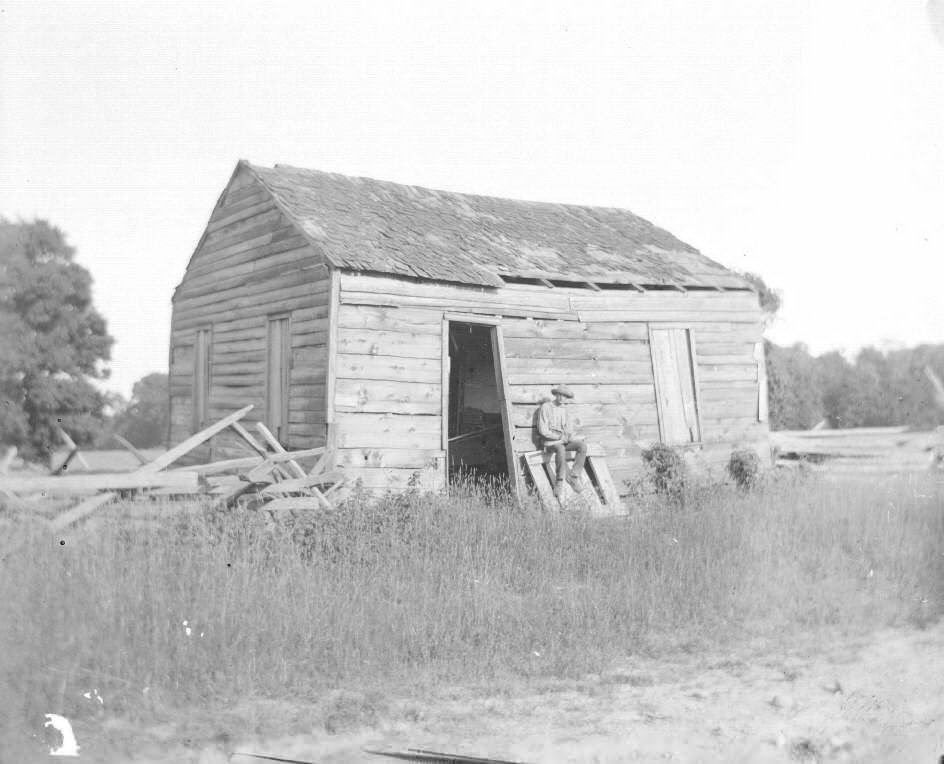
A candidate who did not pass could retake the examination, which meant another term or another year in the same school, in the same room, in front of the same pupils.
Grade retention exists but is managed differently and carries different consequences.
Repeating was common enough to be unremarkable and humiliating enough to be remembered. It also meant one-room schools frequently contained pupils well into their teens, which changed the character of the room considerably.
10. Not Everybody Got to Sit It
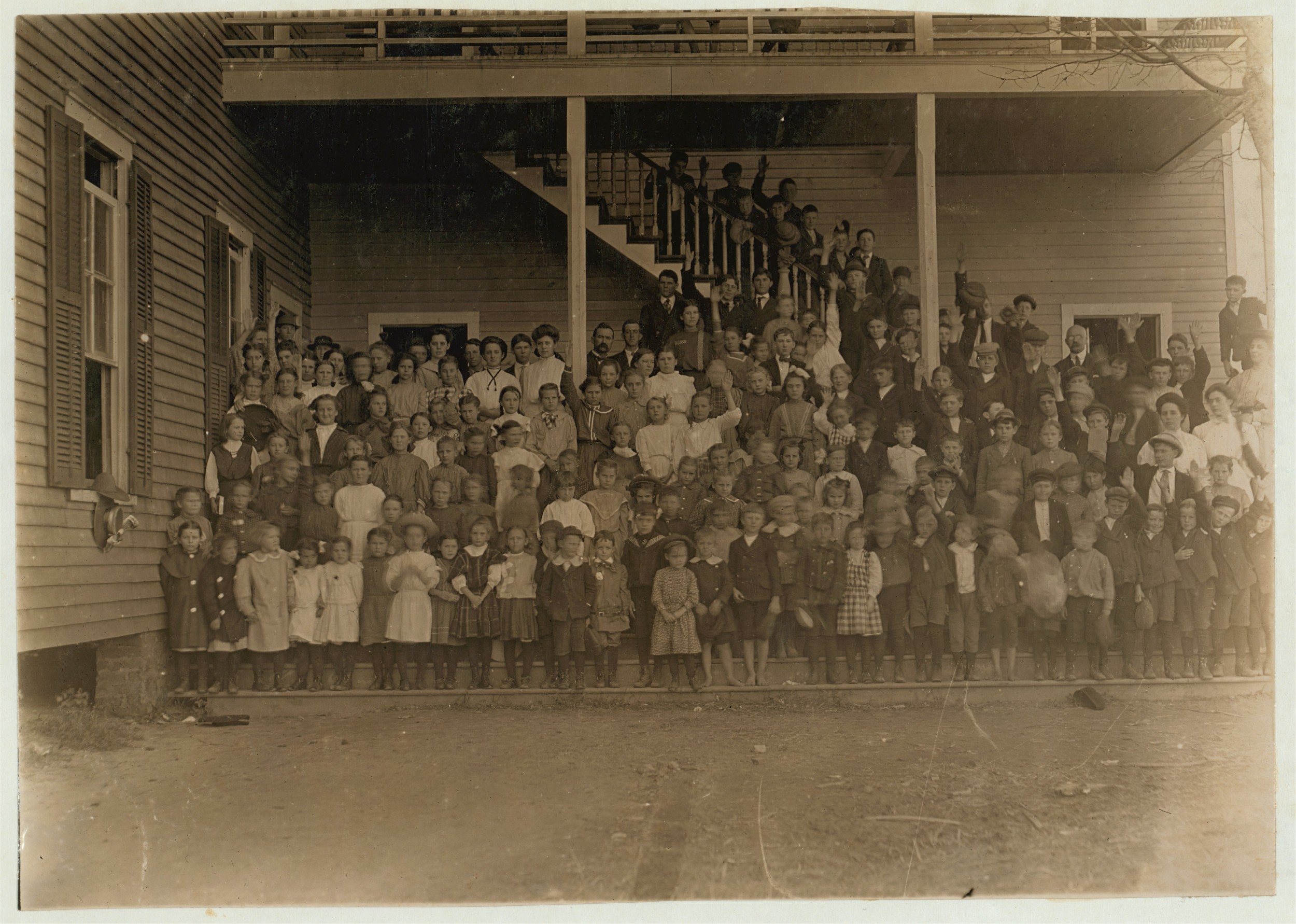
Children were kept out of school by farm work, weather, distance, illness, family circumstances and the simple need for their labour, and a great many never reached the examination at all.
Compulsory attendance to a much later age, enforced far more consistently.
This has to be said plainly, because the celebratory version of this story leaves it out. The certificate was meaningful partly because a substantial number of children did not get one – not through any failure of ability, but because the household needed them more than the school did.
11. Graduation Was a Public Occasion
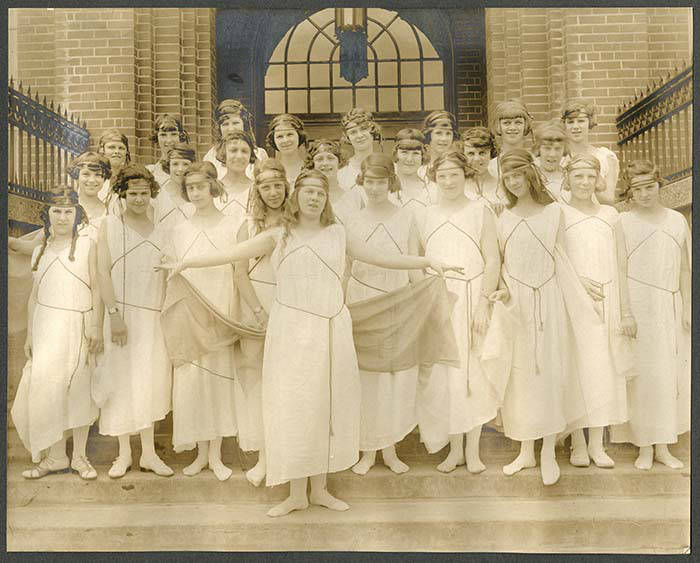
Counties held ceremonies for successful candidates, sometimes bringing together graduates from dozens of rural schools, with addresses, music and printed programmes.
Eighth-grade promotion ceremonies exist but mark a transition rather than a completion.
The ceremony makes sense once you accept what it was marking. These were not children moving up – most of them were finishing, permanently, and the occasion was treated with the gravity that a terminal qualification deserves.
12. High School Meant Leaving Home
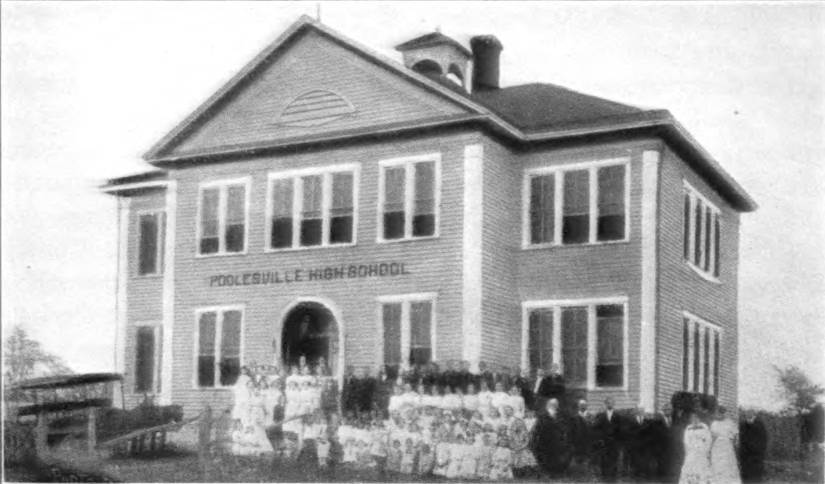
Rural districts frequently had no high school, so continuing meant boarding in town, travelling long distances daily, or moving in with relatives – at a cost in money and labour the family had to absorb.
Consolidated districts with bus transport, so continuing requires no relocation.
Geography is the principal reason eighth grade was the end. The decision was not usually about ability or ambition but about whether a household could lose a worker and pay for board – and for most families, most of the time, the answer was no.
13. Then the School Bus Changed the Arithmetic
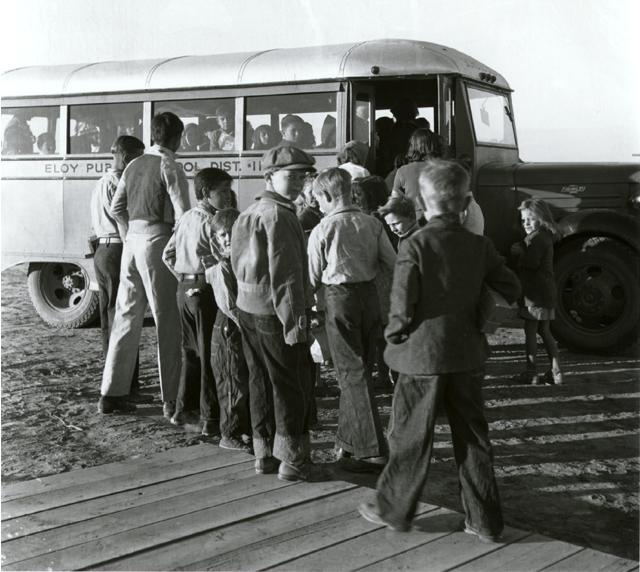
Motor transport and improved roads allowed children to be carried daily to a consolidated school, which made high school attendance possible without leaving home.
Universal.
The bus is the single most consequential piece of educational technology in this story and it is rarely described as one. It did not improve teaching at all – it simply removed distance as a barrier, and that one change moved the end of education from eighth grade to twelfth across rural America.
14. Then Consolidation Closed the Schools
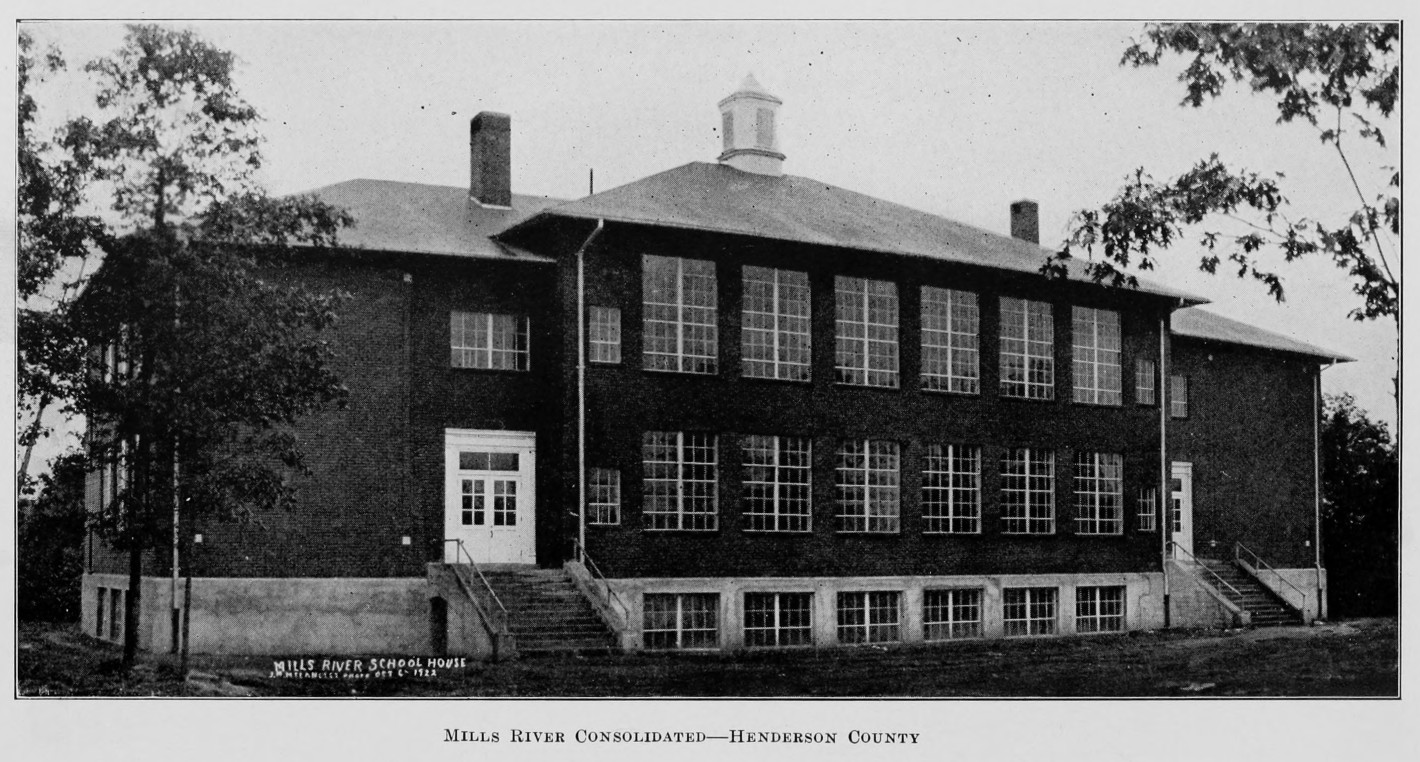
One-room districts were merged into larger schools with graded classes and specialist teachers, and the institutions that eighth grade had been the summit of ceased to exist.
Standard. Consolidated districts are the norm.
Once a child progressed through grades in a building that also contained a high school, there was no natural stopping point at eight. Consolidation removed the structural boundary that made eighth grade a terminus, which is why the examination disappeared without needing to be abolished.
15. Then the Credential Lost Its Value
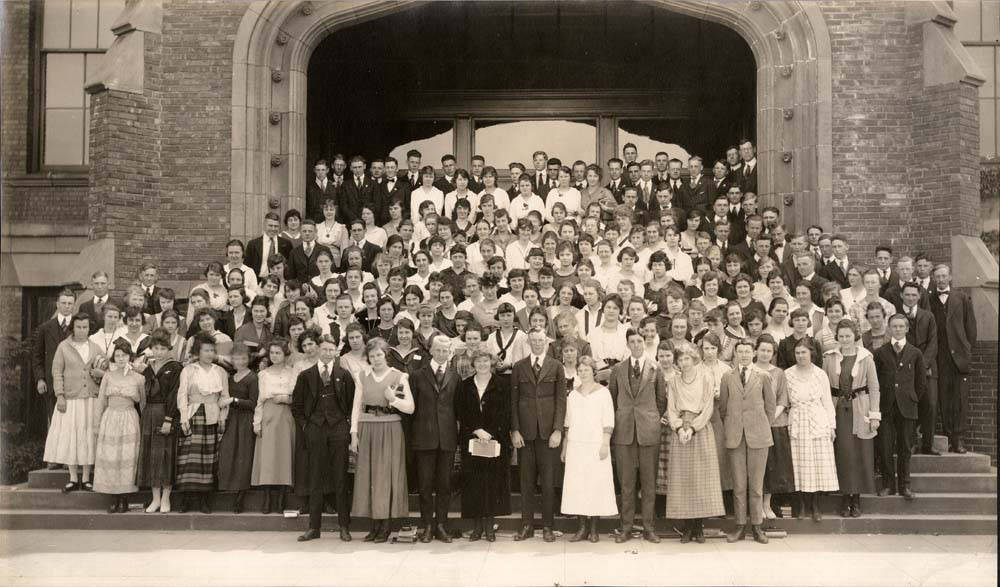
As high school completion became common and then expected, an eighth-grade certificate stopped signalling anything to an employer and the examination that produced it became pointless.
An eighth-grade education is not a qualification in any labour market.
Credential inflation did the rest, and it was quick. A document that marks you as educated only works while most people do not have more, and once the majority were finishing high school the certificate became evidence of having stopped early rather than of having achieved something.
16. Then the Certificate Became a Keepsake
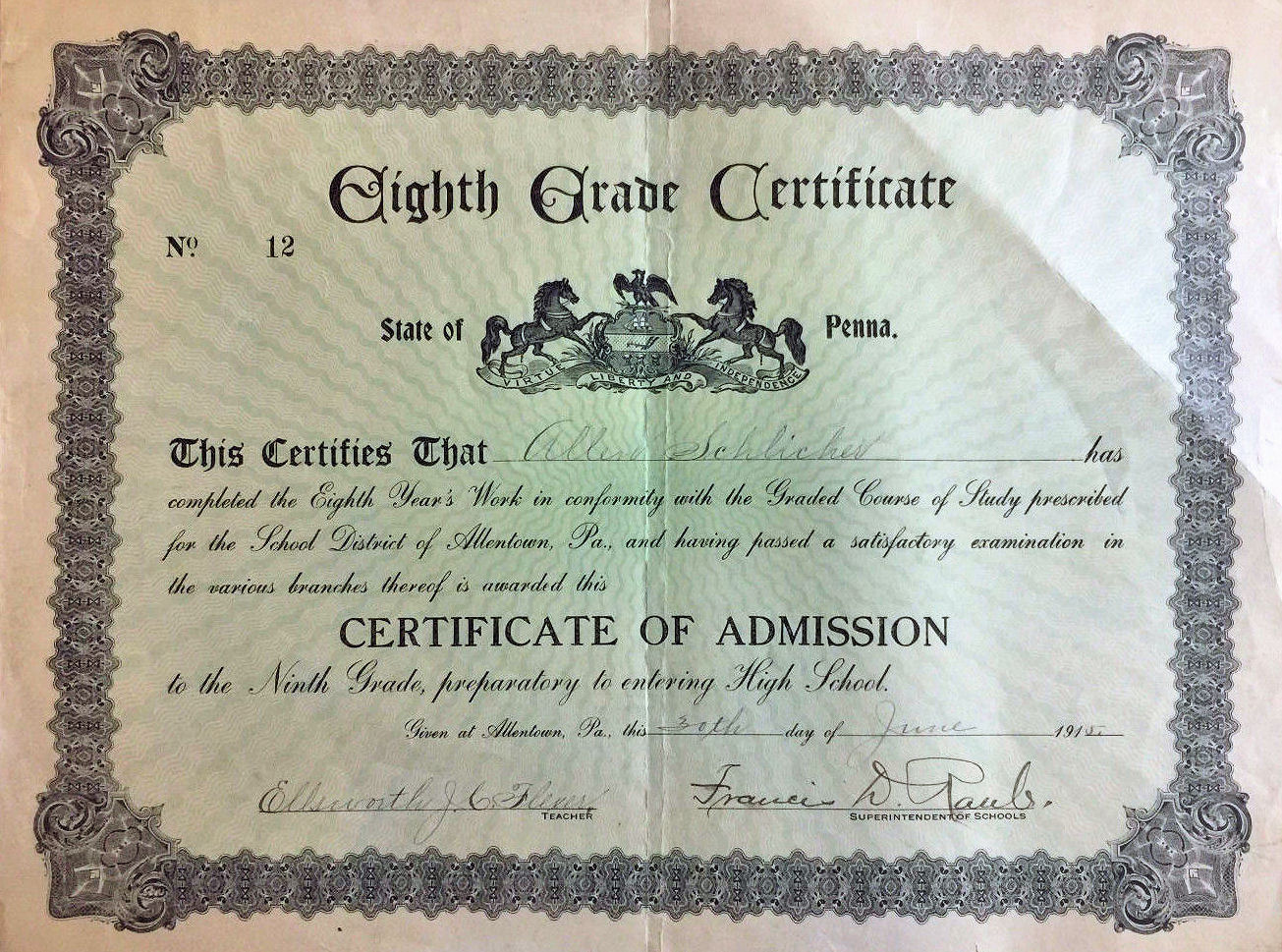
In 1964 the eighth-grade examination was already history in most of the country, surviving mainly as framed certificates on American walls and as papers in courthouse files.
High school completion is the baseline, eighth grade is a waypoint nobody certifies, and the old papers circulate online as curiosities.
And the right way to read those papers is neither of the two ways people usually read them. They are not proof that education has collapsed, and they are not quaint. They are a measurement instrument built for a specific purpose: to establish, from outside the schoolroom, whether a child who was about to stop being educated had got enough out of eight years to be considered schooled. That is why they were set by the county rather than the teacher, why they covered every subject rather than two, why penmanship and physiology were on them, and why the result was marked by a ceremony. The examination was the end of a road, and it was built to be one. What dissolved it was not a judgement about standards. It was a bus. Once children could be carried daily to a consolidated school that happened to contain a high school, the structural reason to stop at eight disappeared, and with it the need for anybody to certify that stopping. The gate stopped being a gate. If there is a framed certificate in your family, it is worth noticing whose name is on it and how old they were – and then noticing that somebody in the same household probably never sat the examination at all, because the farm needed them that spring.
It Was Built to Be the End of a Road, and a Bus Dissolved It
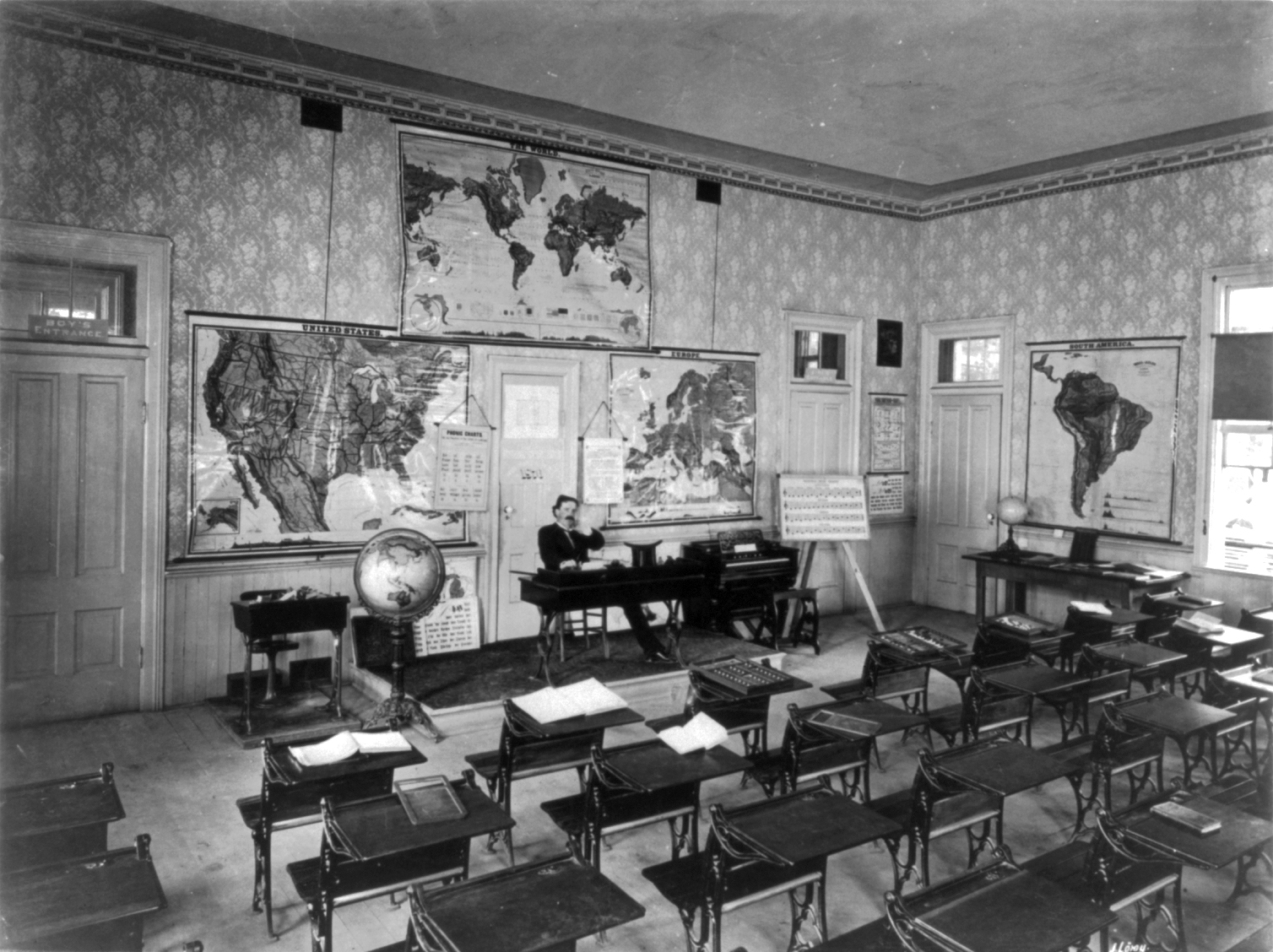
These examination papers turn up online every few years with a caption claiming no modern child could pass them, and both the admiring and the dismissive readings of them are wrong.
They are not proof that education has declined. They are also not quaint.
They are a measurement instrument, built for one specific job: to establish from outside the schoolroom whether a child who was about to stop being educated had got enough out of eight years to count as schooled.
Every feature of the examination follows from that purpose.
It was set and marked by the county rather than by the teacher, because a teacher in a one-room school declaring her own pupils finished is not a credential – and because the certificate had to mean the same thing in every township.
It covered everything rather than sampling two skills. Arithmetic, reading, grammar, spelling, geography, history, civics, physiology, penmanship – a survey of an entire education rather than a test of literacy and numeracy, because there was no later stage at which anything would be assessed again.
Penmanship was examined on its own merits, which looks odd until you remember that legible uniform handwriting was a vocational skill in a world of handwritten ledgers and letters, and a clerk who could not write clearly was unemployable.
Physiology was on the paper because practical knowledge of the body mattered to people with limited access to a doctor, and was considered as necessary as arithmetic.
And the result was marked with a public ceremony, frequently gathering graduates from dozens of rural schools, because most of these children were not moving up. They were finishing, permanently, and the occasion was given the gravity a terminal qualification deserves.
On the question of difficulty, the honest answer is that the papers are demanding in recall and in hand computation and narrow in what they ask for. They reward memorisation of a specific body of fact and offer almost nothing on analysis. That is a different standard, not a higher one.
Two things about it should not be smoothed over.
Failing meant sitting it again, which meant another term or another year in the same room in front of the same pupils – common enough to be unremarkable and humiliating enough to be remembered, and one reason one-room schools often held pupils well into their teens.
And a great many children never sat it at all. Farm work, weather, distance, illness, family circumstance and the plain need for their labour kept them out, which means the certificate was meaningful partly because a substantial number of their neighbours did not have one. Not through any failure of ability. Because the household needed them more than the school did.
The reason eighth grade was the end, for most, was geography rather than ambition. Rural districts frequently had no high school, so continuing meant boarding in town, travelling long distances daily, or living with relatives – a cost in money and in lost labour that the family had to absorb, and for most families most of the time the answer was no.
Which brings us to what actually ended all of this, and it was not a decision about standards.
It was the school bus.
Motor transport and better roads let children be carried daily to a consolidated school, and that single change removed distance as a barrier without improving a single lesson. Consolidation then merged the one-room districts into graded schools that contained high schools, so there was no longer a structural stopping point at eight – and a gate that nobody has to pass through stops being a gate.
Credential inflation finished it. A document marking you as educated only works while most people have no more, and once the majority were completing high school, an eighth-grade certificate became evidence of having stopped early.
So the examination was not abolished. It simply ran out of a purpose, and the certificates went on the wall.
If there is one of these framed in your family, look at the name and the year.
And then ask who in that same house never got to sit it.
Like our content? Follow us for more.