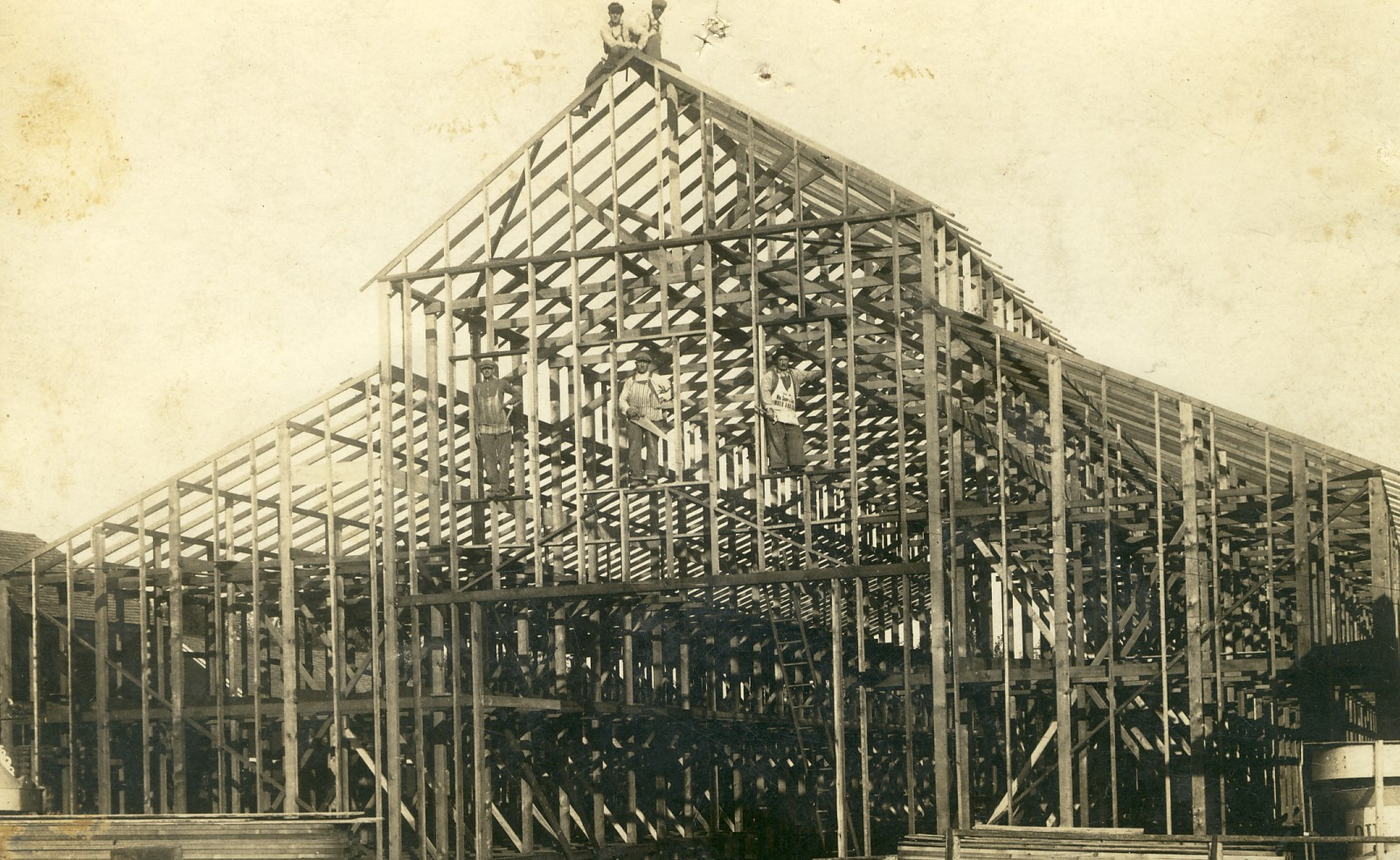
A barn frame goes up in one heave, and the number of men is set by the weight.
Timber walls are assembled flat on the ground as complete cross-sections, and each one then has to be tipped upright and held there. That cannot be done slowly by three people. It is one coordinated lift by thirty, and everything about the day follows from that.
The skilled work was done long before. A carpenter laid out and cut every joint over weeks, numbering each piece, because nothing was interchangeable – every tenon was cut to one specific mortise. So the frame arrived as a kit with no two identical parts and the scribed marks for instructions, and raising day was assembly rather than construction. Here are sixteen things every American farm district knew.
1. A Barn Frame Could Not Be Raised by One Family
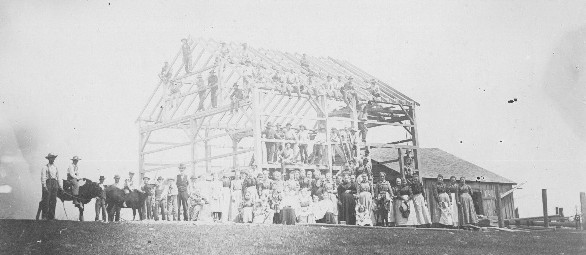
The assembled timber walls of a barn weigh more than any small group can lift, and they have to go up in one motion – so the whole neighbourhood came.
Cranes do it, and modern farm buildings are erected by contractors in days.
Start with the physical fact, because it is the only reason the institution existed. A timber frame is built flat on the ground as complete wall sections, and each section then has to be tipped upright and held there. That is not a job that can be done slowly by three people – it is one heave by thirty, and the number is set by the weight.
Like our content? Follow us for more.
2. The Frame Was Cut Long Before Raising Day
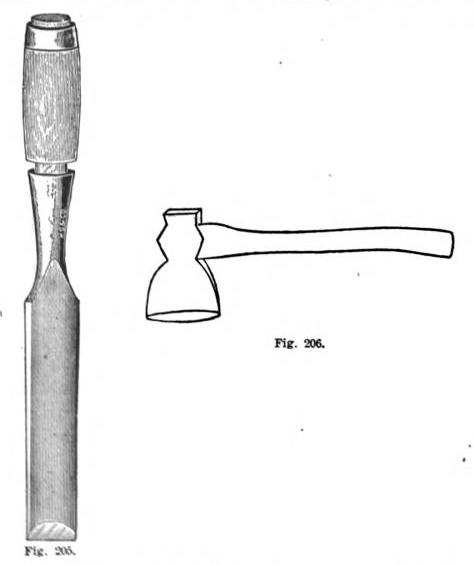
A carpenter laid out and cut every joint over weeks or months beforehand, so that the day itself was assembly rather than construction.
Prefabrication by machine, to the same logic.
The separation of the two phases is what people miss. The skilled work – measuring, cutting mortises, fitting tenons, numbering the pieces – was done quietly by one or two men over a long period. The raising was a single day of unskilled muscle at the end of it, and the day gets all the attention.
3. Every Joint Was Wood Into Wood
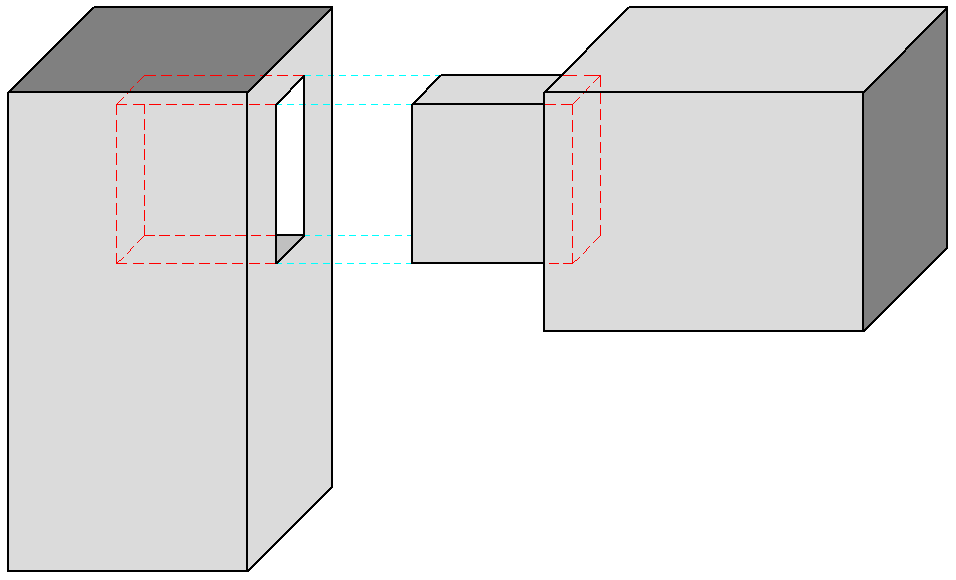
Timbers were joined by cutting a hole in one piece and a matching tongue on the other, locked with a tapered wooden peg driven through both.
Steel plates, bolts and engineered fasteners.
The joint is the whole reason the frame can be handled this way. A pegged mortise and tenon holds a wall section together rigidly enough to be lifted as a unit, which steel fasteners of the period could not do economically – so the carpentry is not traditionalism, it is what made a one-day raising possible.
4. The Timber Usually Came Off the Farm Itself
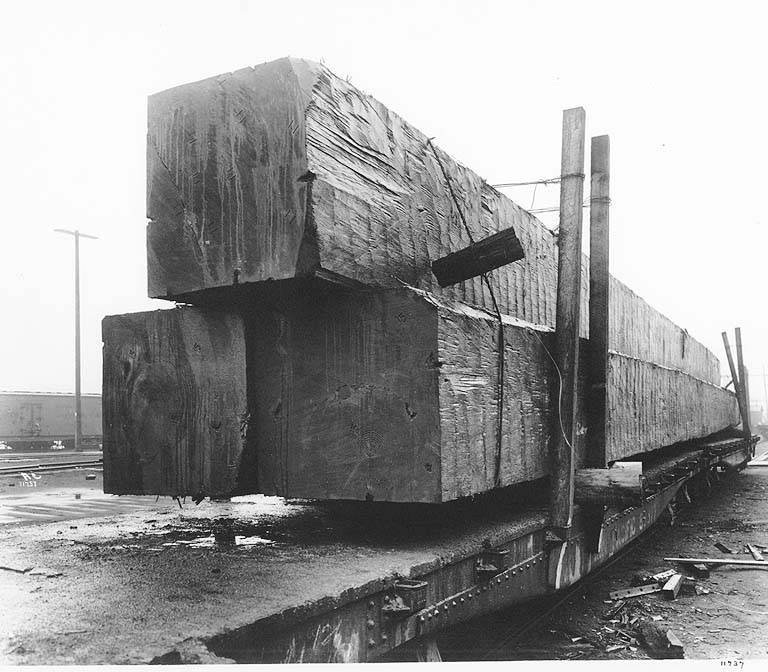
Trees were cut on the place in winter, hauled in, and hewn or sawn into the sizes the frame needed, often a year or more before anything was assembled.
Lumber is bought, graded and delivered.
The source of the material explains the timescale. A barn is a crop of timber converted into a building, which means the project began in a woodlot with an axe long before any carpenter laid out a joint – and a household was effectively saving for years in the form of standing trees.
5. The Pieces Were Numbered Because They Only Fitted One Way
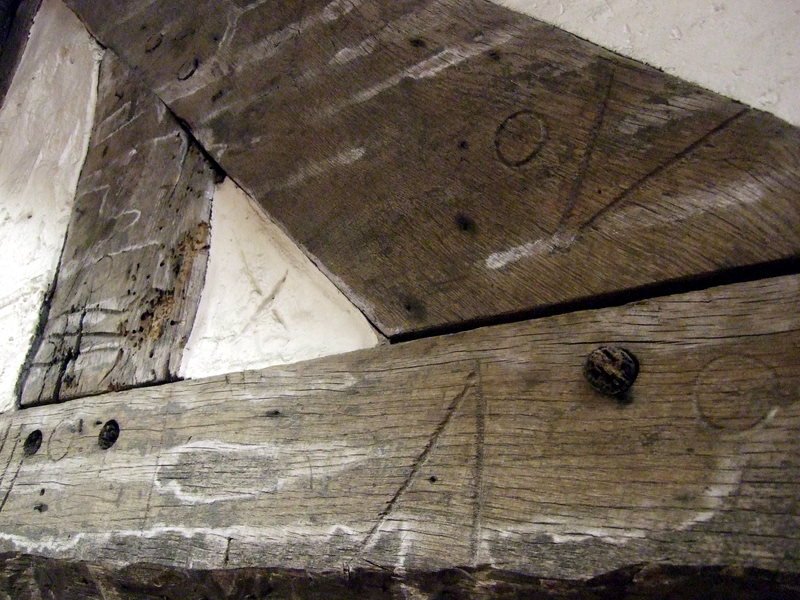
Each joint was cut to its own mating partner and marked with a scribed number or symbol, so that assembly followed the marks rather than any measurement.
Not applicable in the same way.
This is my favourite detail and it reveals how the work was actually done. Nothing was interchangeable – every tenon was cut to one specific mortise – so the frame is a kit with no two identical parts, and the scribed marks are the instructions. You can still read them on surviving frames.
6. The Bent Was the Unit of Lifting
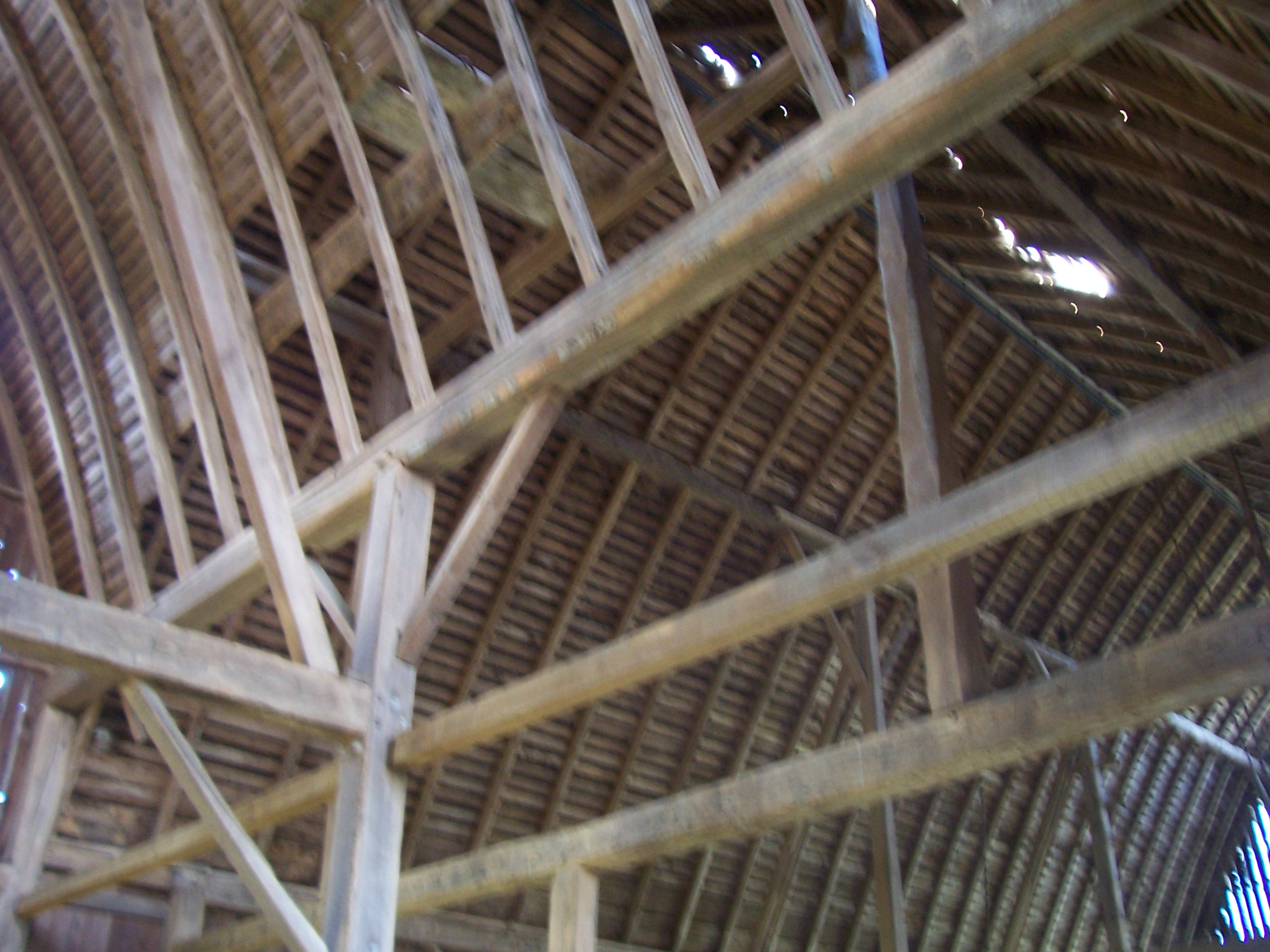
A barn frame goes up as a series of complete cross-sections, each assembled flat on the floor and then tipped upright one after another.
Not applicable.
The sequence is the engineering of the day. One cross-section standing alone is unstable, so it is braced temporarily while the next goes up, and the two are then tied together by the long timbers that run the length of the building – at which point the structure becomes self-supporting and the dangerous part is over.
7. Pike Poles Did the Last Part of the Lift
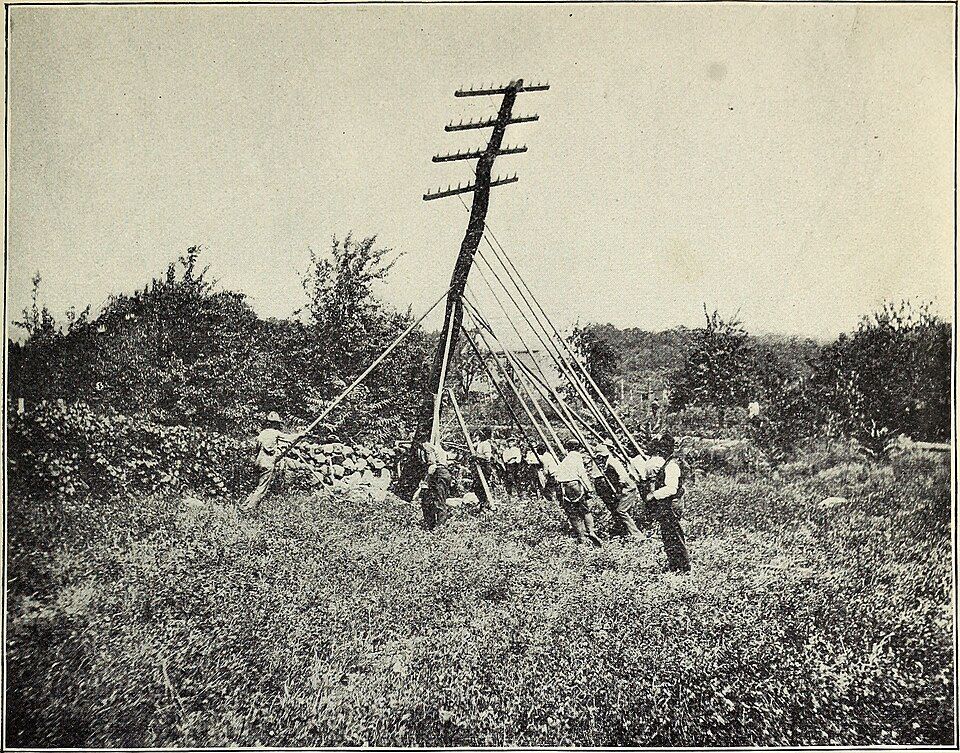
Men lifted the base of a section by hand until it was too high to reach, then pushed it the rest of the way with long poles fitted with iron points.
Not applicable.
The poles are a genuinely clever solution to a geometry problem. Once a wall is partly upright your hands can no longer reach anything useful, and a pole lets a man standing on the floor apply force high up the frame – which is exactly where it is needed to carry it past the point where it will stand on its own.
8. One Man Was in Charge and Nobody Argued
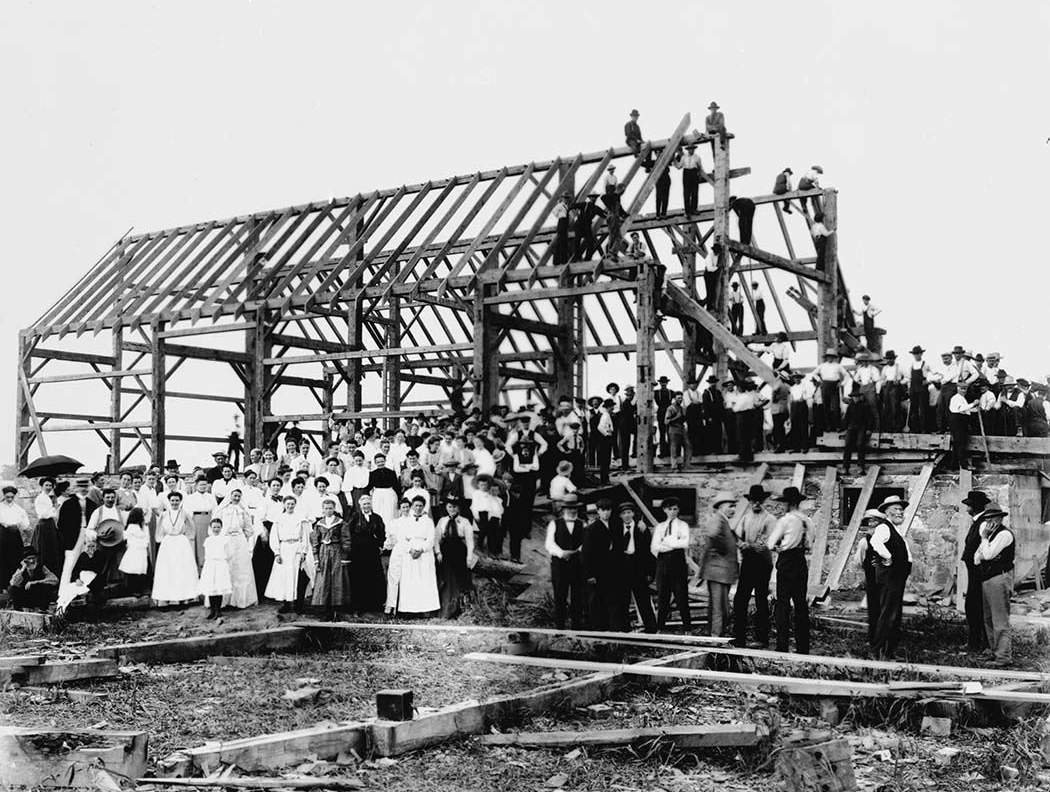
The framer or a designated boss called every move, and the crowd worked to his voice alone.
Site supervision, to the same principle.
Single command was not ceremony, it was the safety system. Thirty men lifting an enormous object need one source of instruction and absolute silence otherwise, because a section pushed unevenly or released early will go over – and everybody present knew that the worst possible outcome came from two people shouting different things.
9. It Was the Most Dangerous Day in a District’s Year
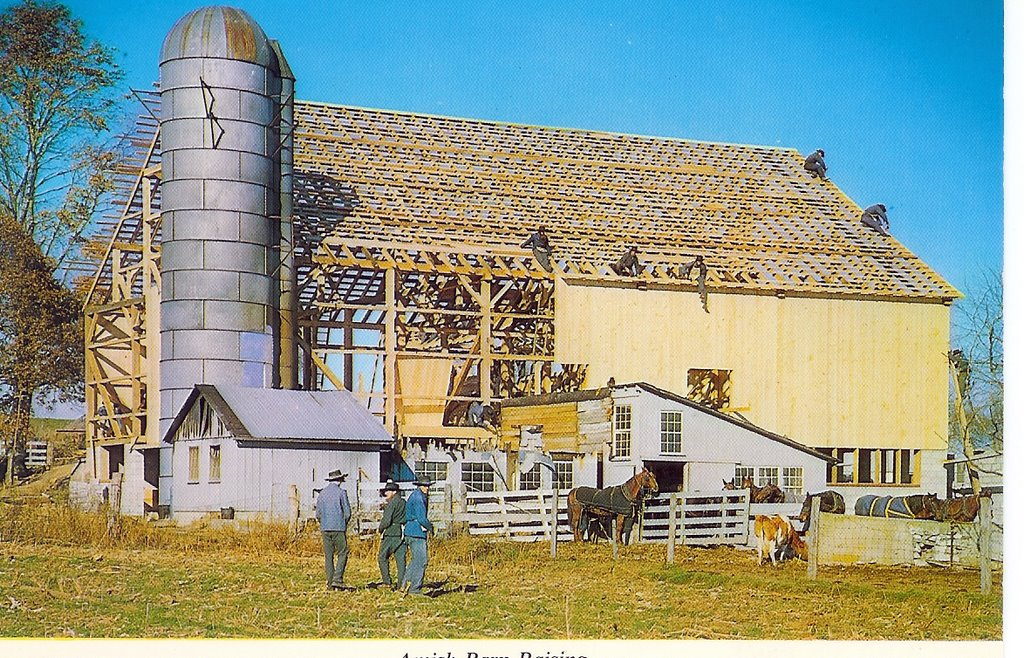
Heavy timber moving under human power, men working at height on a bare frame, and a crowd of spectators including children made for a genuinely hazardous occasion.
Regulated, engineered and mechanised to an entirely different standard.
This has to be said plainly. The hazards were well understood by the people doing it, which is precisely why there was one voice, why the sequence was fixed, why spectators were kept back and why the boss could send anybody home. This file gives no method, no dimension and no instruction of any kind.
10. Everybody Who Could Not Lift Had a Job
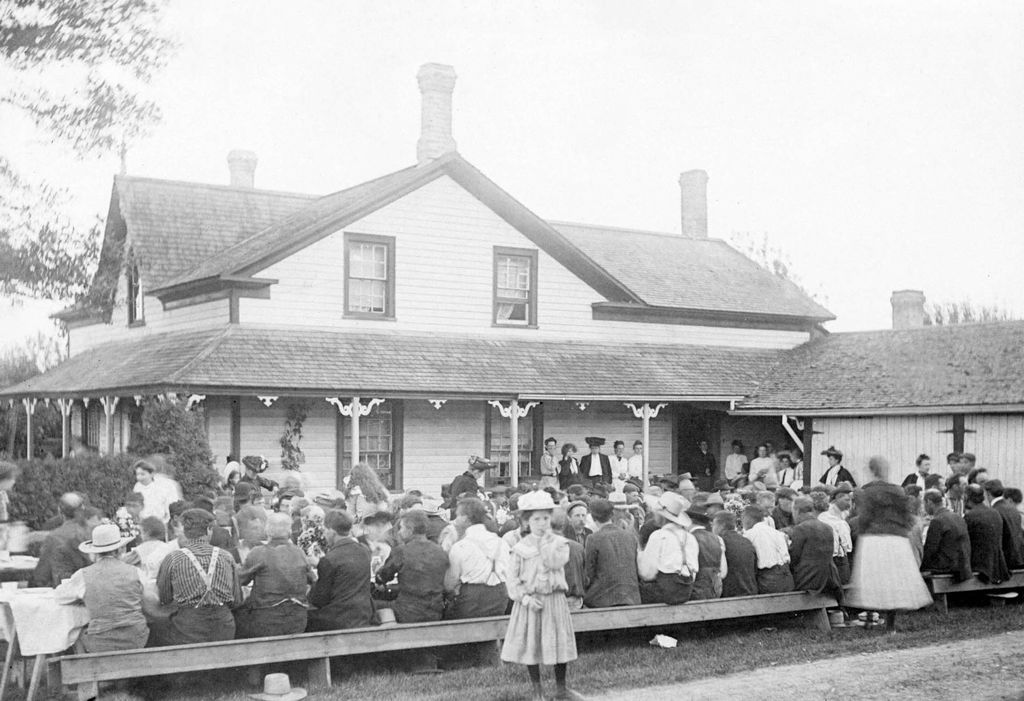
Older men handled tools and pegs, boys fetched and carried, women ran a kitchen for the whole crowd, and the organisation was as substantial as the lifting.
Not applicable.
The division of the day is worth noticing. A raising is thirty men for two hours and a hundred people for a whole day, which means the catering, the water, the horses and the children were an operation in themselves – run by the host household and the neighbouring women, and planned for weeks.
11. The Obligation Was Recorded and Returned
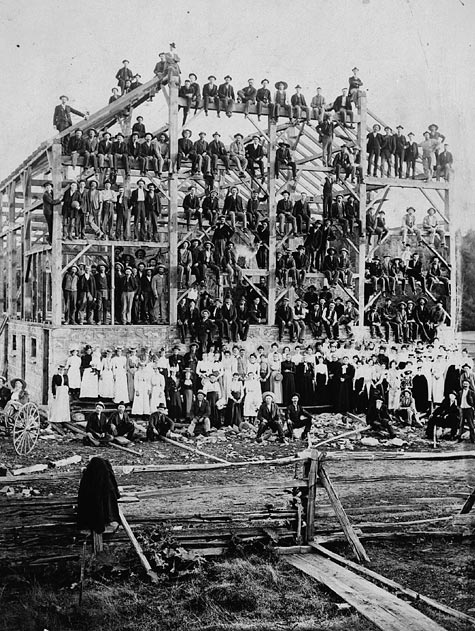
Attendance at a raising was a debt. The men who came expected the host at their own raisings, and a household that did not turn up was noticed.
Not applicable.
The reciprocity is the institution and the barn is almost incidental. Nobody was paid, there was no contract, and the whole system ran on a ledger nobody wrote down – which worked because everybody in a district would eventually need thirty men for two hours, and because failing to show up was remembered for a very long time.
12. A Barn Was the Most Valuable Thing on the Farm
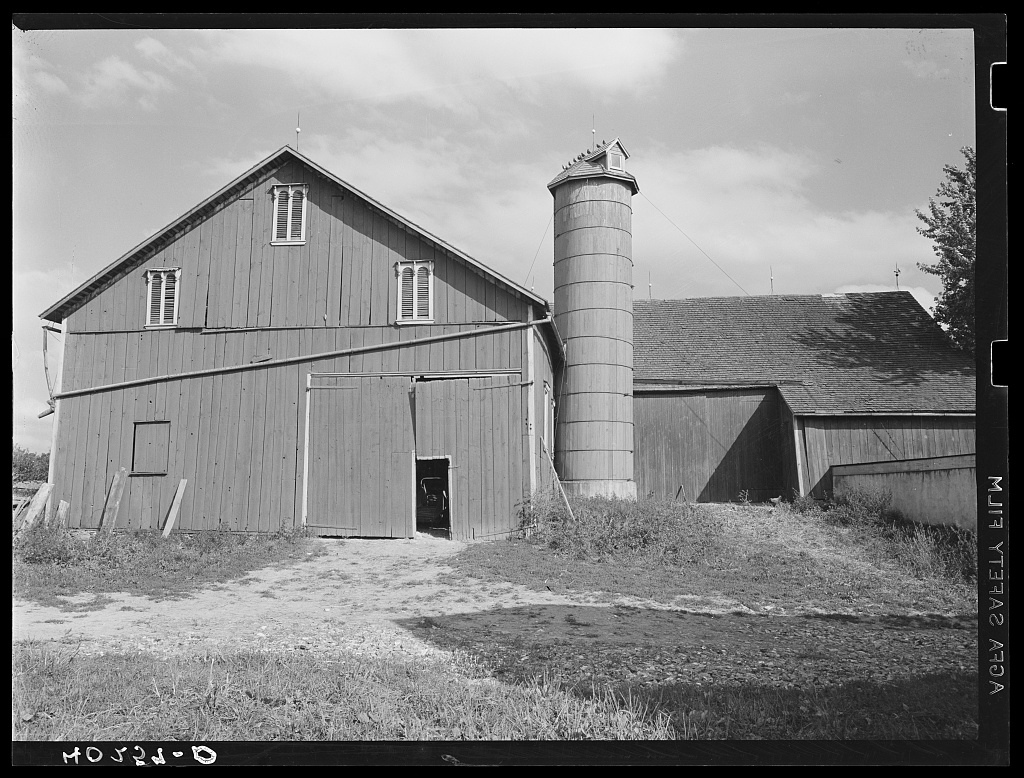
The barn frequently cost more and mattered more than the house, because it protected the crop, the animals and the equipment that the household’s survival depended on.
Still substantial, but no longer the centre of the operation.
The priority order surprises people and it is simply rational. A family can live in a poor house; a farm with nowhere dry to put its hay and no shelter for its stock cannot function at all – so the barn got the money, the good timber and the big day.
13. The Food Was the Host’s Public Obligation
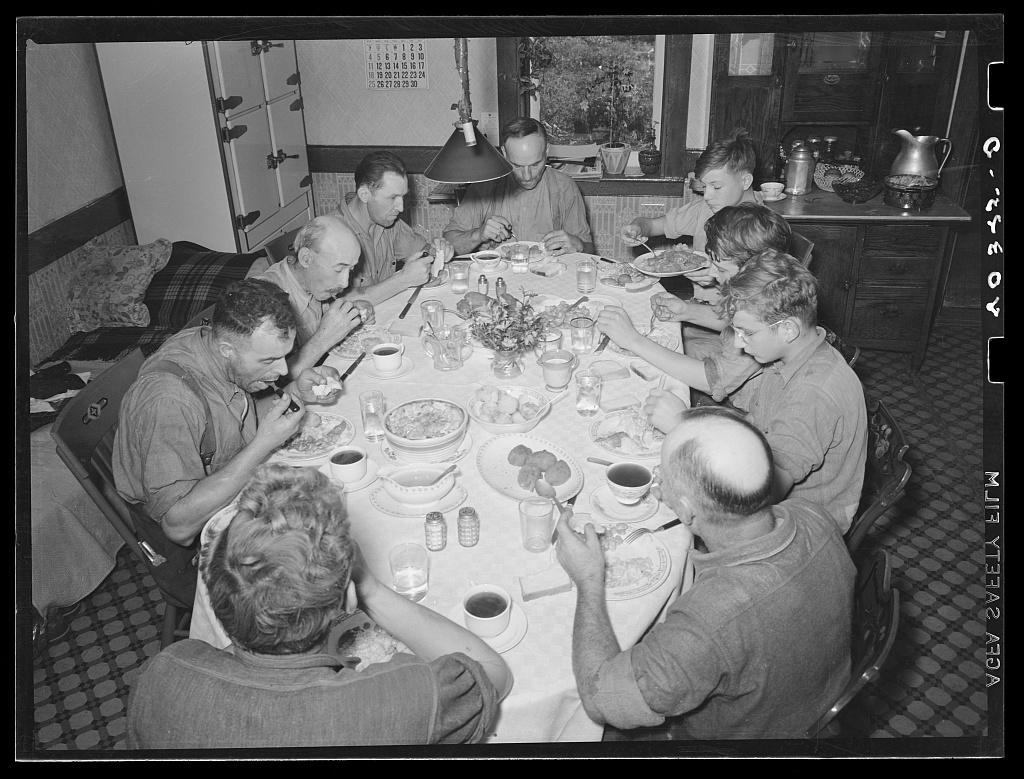
Feeding the entire crowd was the host household’s payment for the labour, and the quality of it was discussed across the district.
Not applicable.
This is the only currency involved and it should be taken seriously as such. Nobody was paid in money, so the meal was the consideration in the transaction, and a household that fed a raising badly had failed to settle its account – which put the whole burden of that settlement on the women of the house.
14. The Frame Went Up in a Day and the Rest Took Months
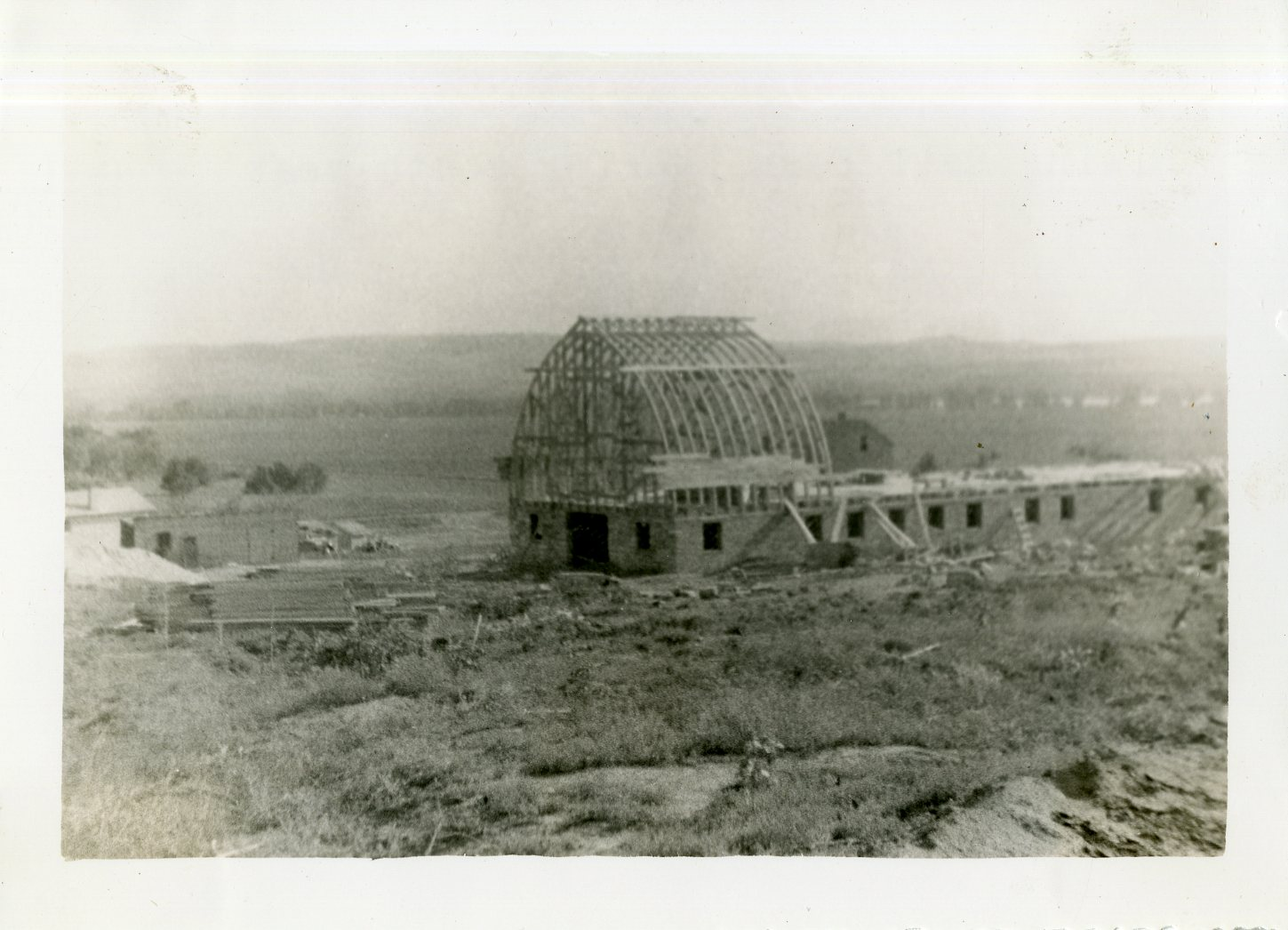
Siding, roofing, flooring, doors and interior fittings were finished afterwards by the family and a hired carpenter over the following season.
Not applicable in the same way.
Separating the raising from the building corrects the usual impression. One day produced a standing skeleton and nothing else – no walls, no roof, no floor – and the household then spent months closing it in. The famous day is the shortest part of the project.
15. Then Balloon Framing and Sawn Lumber Changed Everything
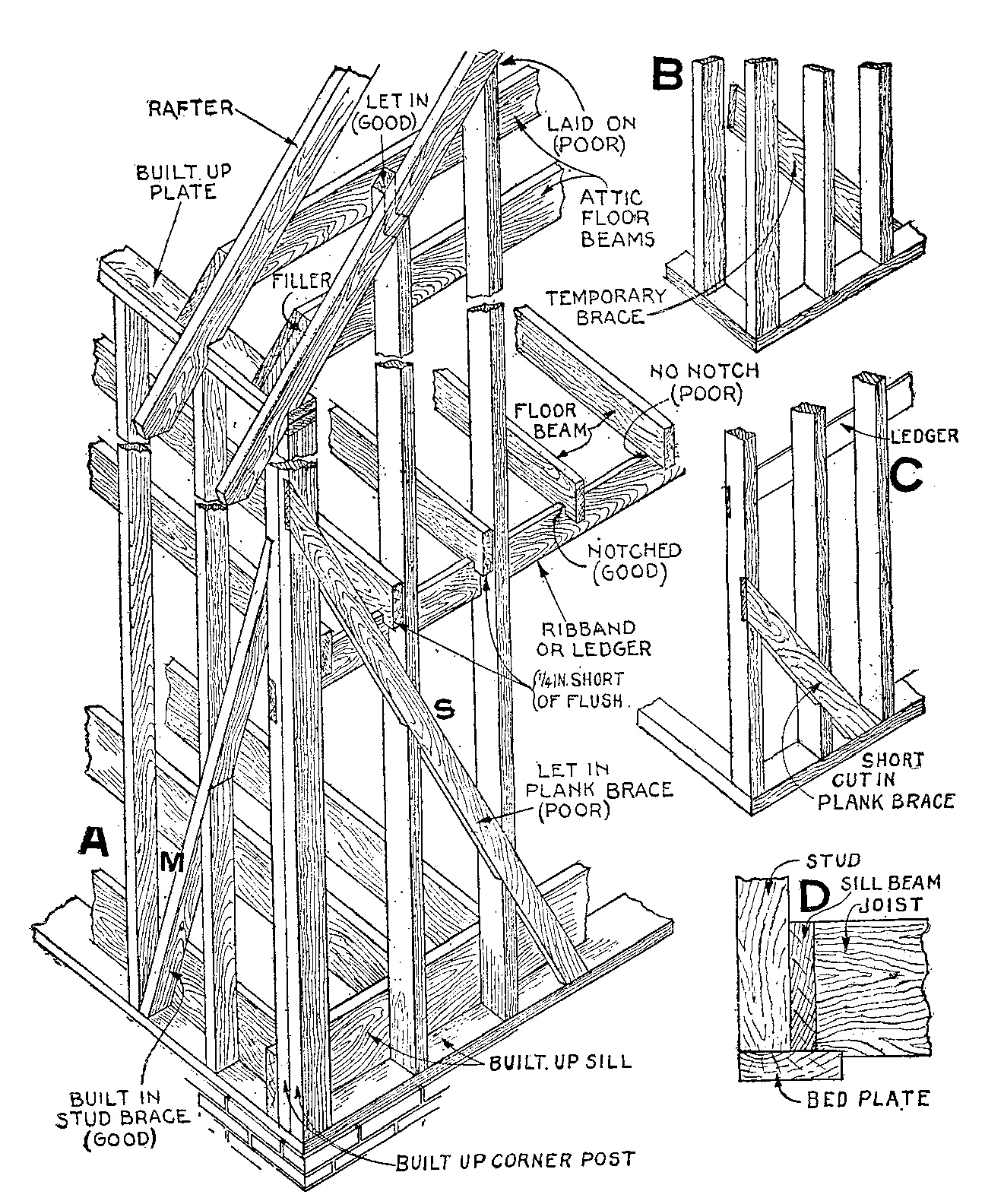
Light machine-sawn studs nailed together let a small crew build a wall in place, piece by piece, without ever lifting anything heavy.
Standard construction practice.
This is the technical change that ended the institution, and it is usually overlooked in favour of the romantic explanation. Once a building could be assembled from light members nailed in position, there was no heavy section to tip upright, no single heave, and therefore no reason for thirty men to be in the same place on the same morning.
16. And by 1964 the Last Raisings Were Memories or Revivals
Timber-frame barns were no longer being built in most places, the skills had passed to a few specialists, and surviving frames were being torn down for the lumber.
A specialist craft, with timber framing revived deliberately and barn frames now salvaged and valued.
And what deserves the last word is that the day was a consequence of a joint. Because American carpenters joined heavy timbers with pegged mortises and tenons, a barn wall could be built flat on the ground as a rigid unit – and a rigid unit of that weight can only be raised by one enormous coordinated heave, which means thirty men, which means a district, which means an obligation, which means a meal, which means a day everybody remembered for the rest of their lives. Change the fastener to a nail and a light sawn stud and all of it dissolves – not the barn, which got cheaper and faster, but the reason a hundred people had to stand in one farmyard on one morning. The institution was never about community spirit. It was about the weight of an assembled wall, and when nobody had to lift one any more, nobody did.
The Institution Was a Consequence of a Joint
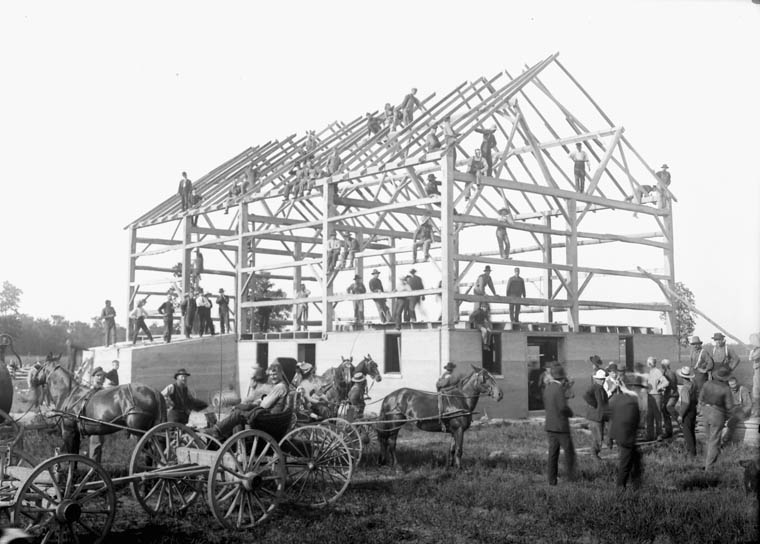
A barn raising is remembered as community spirit. It was actually a consequence of how heavy timbers were joined together, and the chain of reasoning is worth following all the way.
Start with the joint. Timbers were fastened by cutting a hole in one piece and a matching tongue on the other, locked with a tapered wooden peg driven through both. That connection is rigid – which means a complete wall section can be assembled flat on the ground and then lifted as a single unit without falling apart.
Now the consequence. A rigid assembled wall of heavy timber weighs more than any small group can move, and it has to go upright in one motion rather than gradually. So the lift requires something like thirty men, simultaneously, to one voice.
Which is where everything else comes from.
The skilled work happened first and quietly. A carpenter laid out and cut every joint over weeks or months, numbering the pieces, because nothing was interchangeable – each tenon was cut to one specific mortise. The frame was a kit with no two identical parts and the scribed marks were the instructions, and you can still read them on surviving frames. Raising day was assembly.
The day proceeded by cross-sections. Each was assembled flat, tipped upright, braced temporarily while the next went up, and then tied to it by the long timbers running the length of the building – at which point the structure became self-supporting and the dangerous part was over.
Men lifted the base of a section by hand until it was too high to reach, then pushed with long iron-pointed poles. That is a neat answer to a geometry problem: once a wall is partly up, hands cannot reach anything useful, and a pole lets a man on the floor apply force high on the frame, which is exactly where it is needed to carry it past the point where it stands on its own.
One man called every move and nobody argued, and that was the safety system rather than a ceremony. Thirty men lifting an enormous object need one source of instruction and silence otherwise, because a section pushed unevenly or released early goes over – and the worst outcome available came from two people shouting different things.
It was the most dangerous day in a district’s year, and it needs saying plainly: heavy timber moving under human power, men working at height on a bare frame, and a crowd of spectators including children. The hazards were well understood, which is exactly why there was one voice, why the sequence was fixed, why spectators were kept back and why the boss could send anybody home.
And the lifting was only part of the day. A raising is thirty men for two hours and a hundred people for a whole day. Older men handled tools and pegs, boys fetched and carried, and the women of the host household and its neighbours ran a kitchen for the entire crowd – an operation planned for weeks.
That meal was the only currency in the transaction. Nobody was paid in money, so feeding the crowd was the host’s consideration for the labour, and a household that fed a raising badly had failed to settle its account. Which put the whole burden of settlement on the women of the house, and made the quality of it a matter of district discussion.
The rest of the system was a ledger nobody wrote down. Attendance was a debt: the men who came expected the host at their own raisings, and a household that did not turn up was noticed. It worked because everybody would eventually need thirty men for two hours, and because failing to appear was remembered for a very long time.
Two corrections to the usual picture. The barn frequently cost more and mattered more than the house, which is simply rational – a family can live in a poor house, while a farm with nowhere dry for its hay and no shelter for its stock cannot function. And the famous day produced only a standing skeleton: siding, roofing, flooring and doors took months afterwards, so the raising is the shortest part of the project.
What ended it was not a decline in neighbourliness. It was balloon framing and machine-sawn lumber. Once a building could be assembled from light studs nailed in position, there was no heavy section to tip upright, no single heave, and therefore no reason for thirty men to be in one farmyard on one morning.
So follow the chain backwards. A pegged joint makes a rigid wall. A rigid wall of that weight needs one enormous coordinated lift. That needs thirty men, which needs a district, which creates an obligation, which requires a meal, which produces a day everybody remembered for the rest of their lives.
Change the fastener to a nail and all of it dissolves – not the barn, which got cheaper and faster, but the reason a hundred people had to stand in a farmyard together.
The institution was never about community spirit. It was about the weight of an assembled wall.
If a barn near you is being torn down, look at the joints before it goes.
The numbers scribed next to them are instructions somebody cut by hand.
Like our content? Follow us for more.