In 1962 a household had one telephone, in one place, and it gave no indication whatever of who was calling. That single fact explains everything else: because every ring was answered blind, whoever picked up had to be ready for a relative, a neighbour, somebody’s employer, a wrong number or a stranger with the same opening words. Frequently that was a child, which is why children were drilled in a script, told never to give their name, and instructed exactly what to say if they were on their own. Here are fifteen things every American kid was taught about answering the telephone in 1962, and why no child learns any of it now.
1. There Was One Telephone and Answering It Was a Job
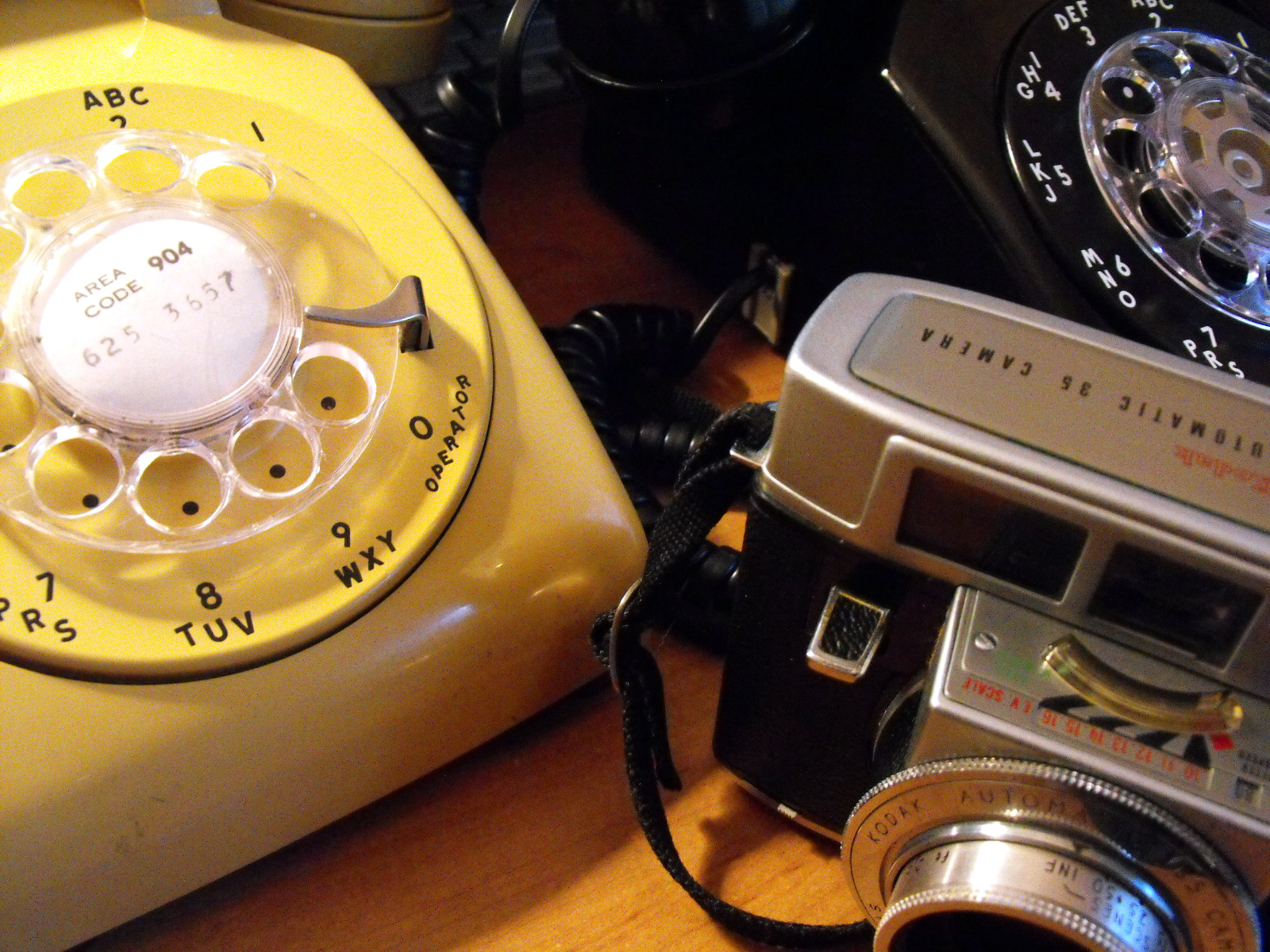
A household had a single instrument in a single place, and whoever was nearest when it rang had an obligation.
The scarcity created the duty. One line, one handset and no way of knowing who was calling meant every ring had to be answered by somebody, and the nearest person was the one who went.
Children were therefore conscripted. A child in the hall when the thing rang was the household’s representative to whoever was on the other end, which is a responsibility nobody today would hand a seven-year-old without preparation.
Like our content? Follow us for more.
2. You Were Taught a Script and Expected to Use It
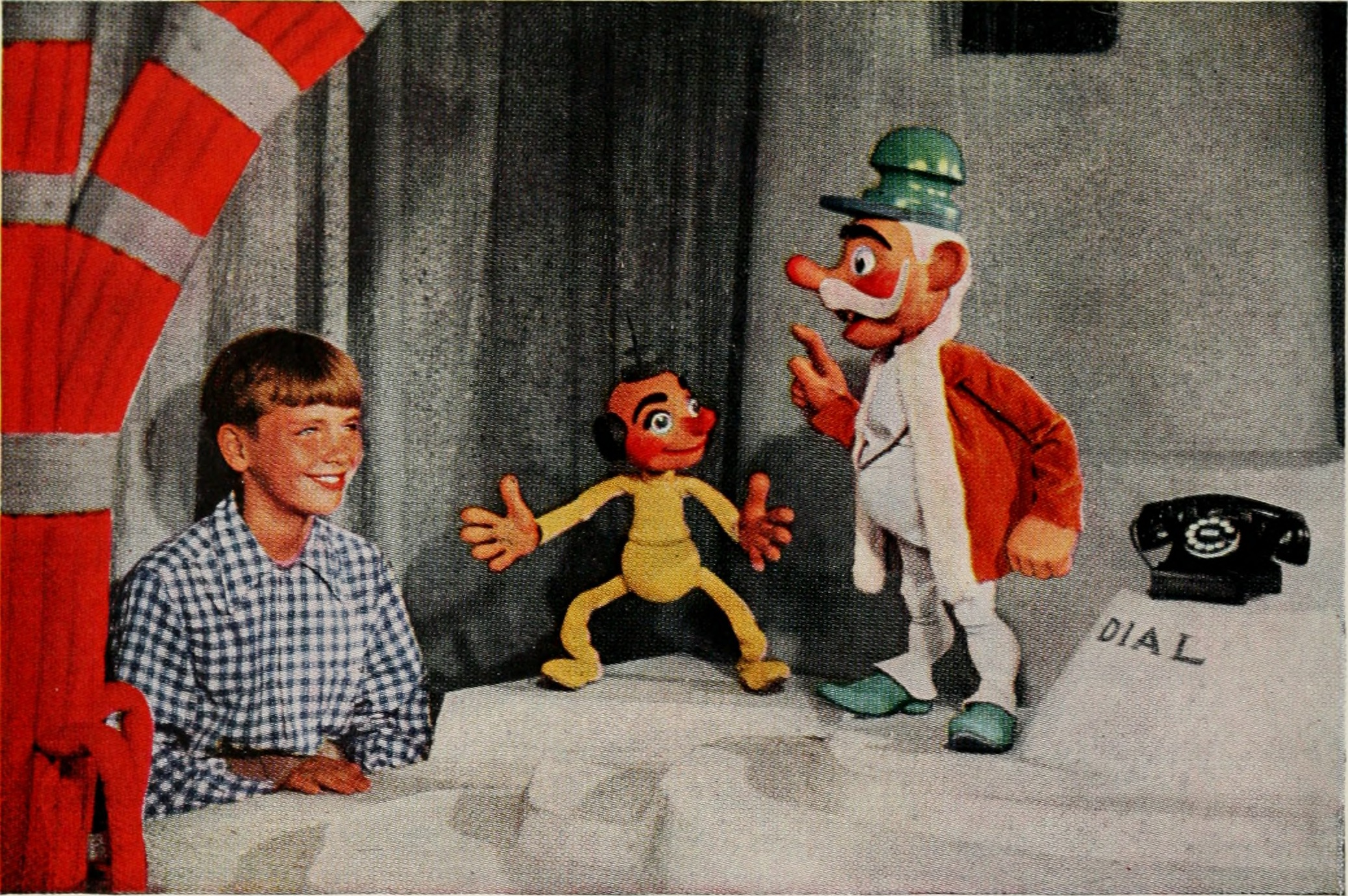
Households had a form of words, children were drilled in it, and deviation was corrected afterwards.
The script existed because the stakes were real. A caller had no idea who would answer, which meant the first few seconds had to establish the household, the willingness to help and the competence of whoever was speaking.
The drilling was surprisingly thorough. Children were made to repeat the formula, were told what tone to use and were given specific instructions about what not to say, which is more formal training than most children now receive in anything.
3. Nobody Knew Who Was Calling and That Changed Everything
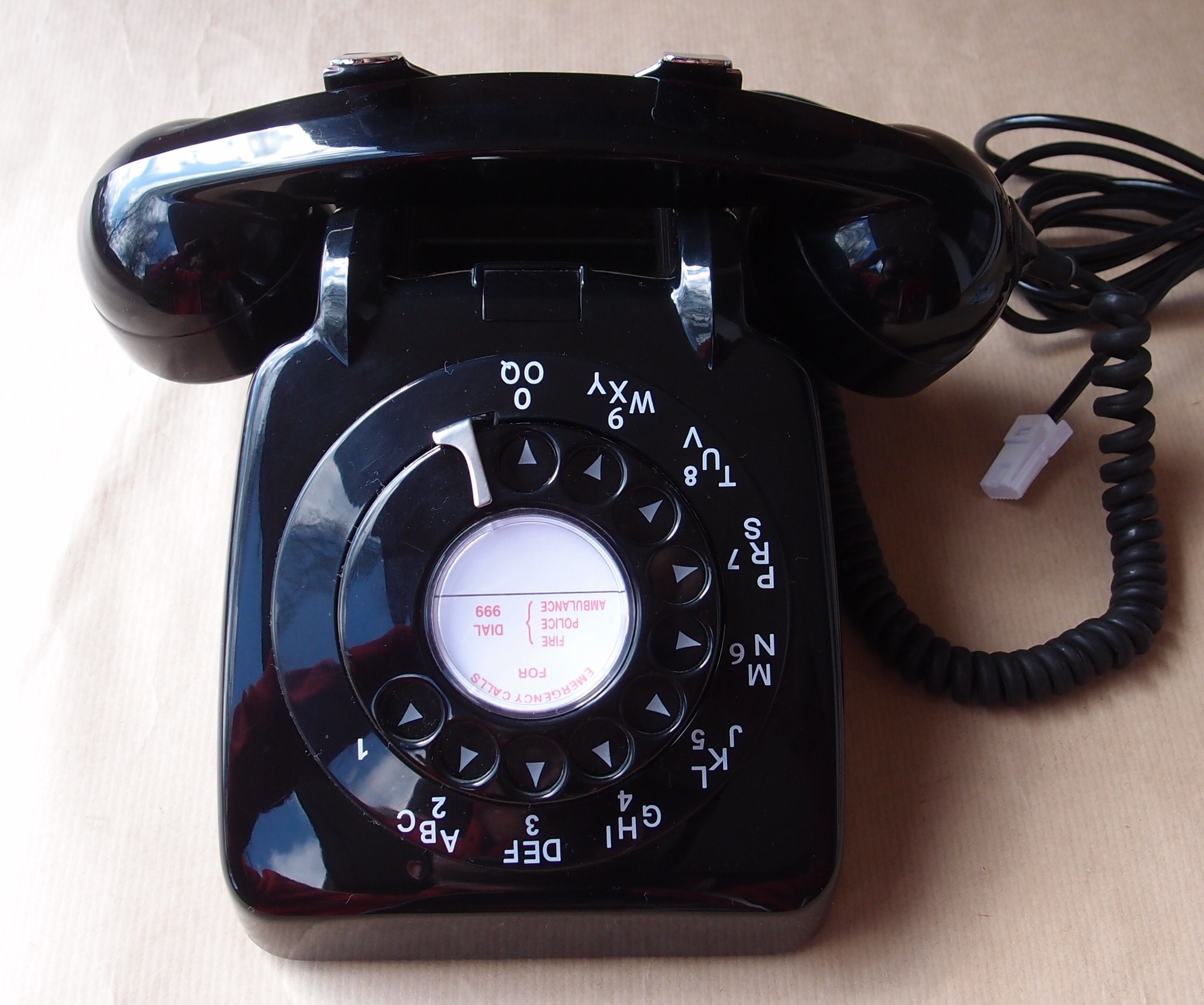
Without any indication of the caller, every ring was answered blind, which is the single fact that explains all the rest.
The uncertainty was total. It might be a relative, a neighbour, somebody’s employer, a wrong number or a stranger, and the person answering had to be ready for any of them with the same opening words.
That is why the manners mattered so much. A household could be judged by whoever happened to pick up, and since that was frequently a child, the child’s performance was the household’s public face.
4. Saying Who You Were Was Forbidden and Saying the Number Was Not

Children were told never to give their name, and in many households were taught to recite the telephone number instead.
The rule had a clear logic. A name tells a stranger who is in the house and a number tells them only whether they have reached the right place, which is exactly the distinction households wanted drawn.
It was the first security instruction most children received. Nothing else in a child’s upbringing of the period involved being told to withhold specific information from an unknown adult, and almost every child was given this one.
It is also the reason so many adults of that generation still hesitate before giving their name on a telephone. An instruction delivered at six, repeated for a decade and never formally withdrawn does not stop operating simply because the technology changed underneath it, and a great many people who could not say where the rule came from still follow it.
5. Being Home Alone Required a Completely Different Answer
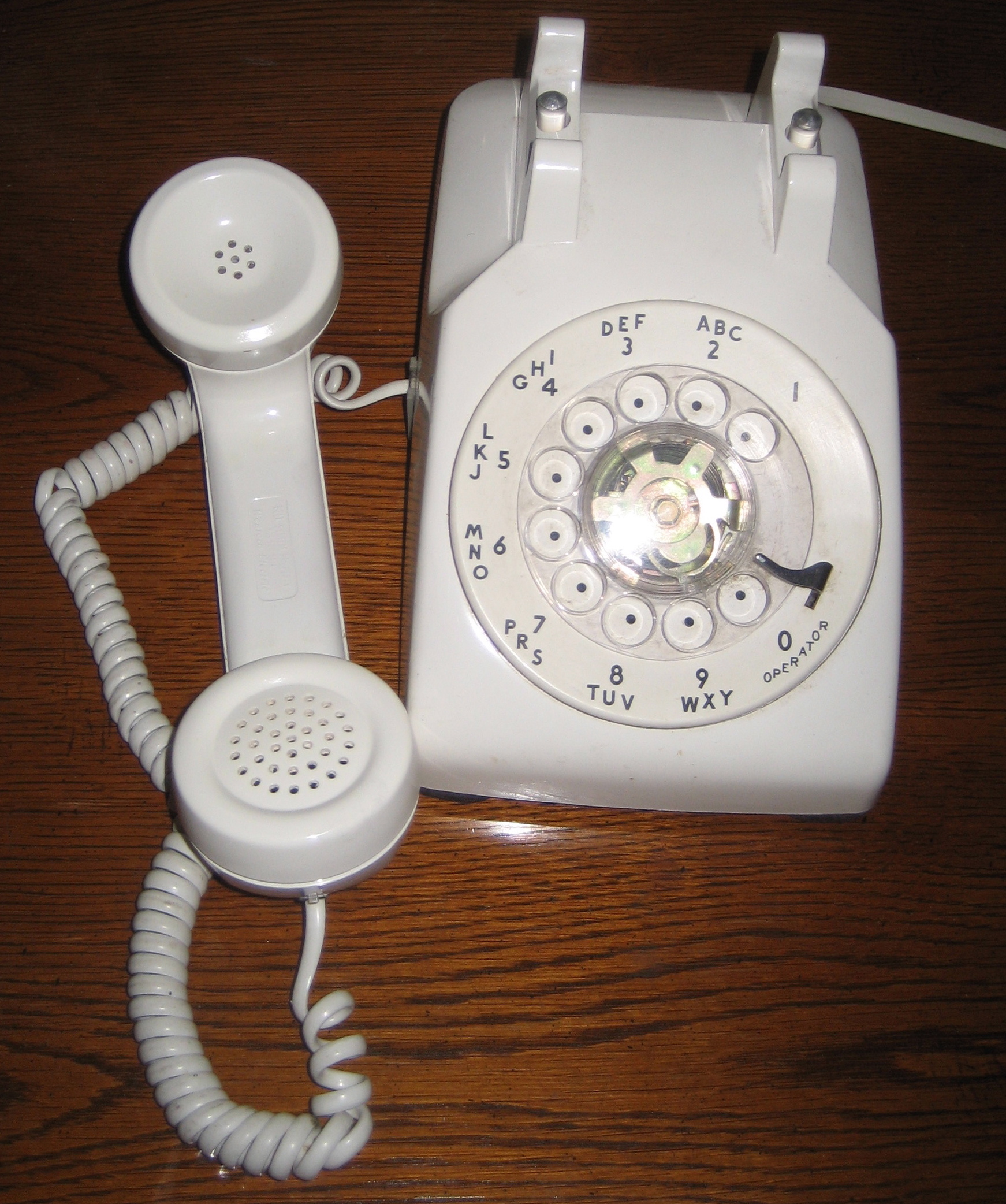
A child by themselves was taught to say an adult was busy, not that an adult was absent.
The deflection was universal and deliberate. Households understood perfectly well that announcing an empty house to an unknown caller was unwise, and the instruction was given to children as a flat rule with no discussion.
Children executed it without understanding it. A child who had been told to say somebody was in the garden did so convincingly for years before working out why they had been told to, which is how most of these instructions were absorbed.
6. Taking a Message Was a Test You Could Fail
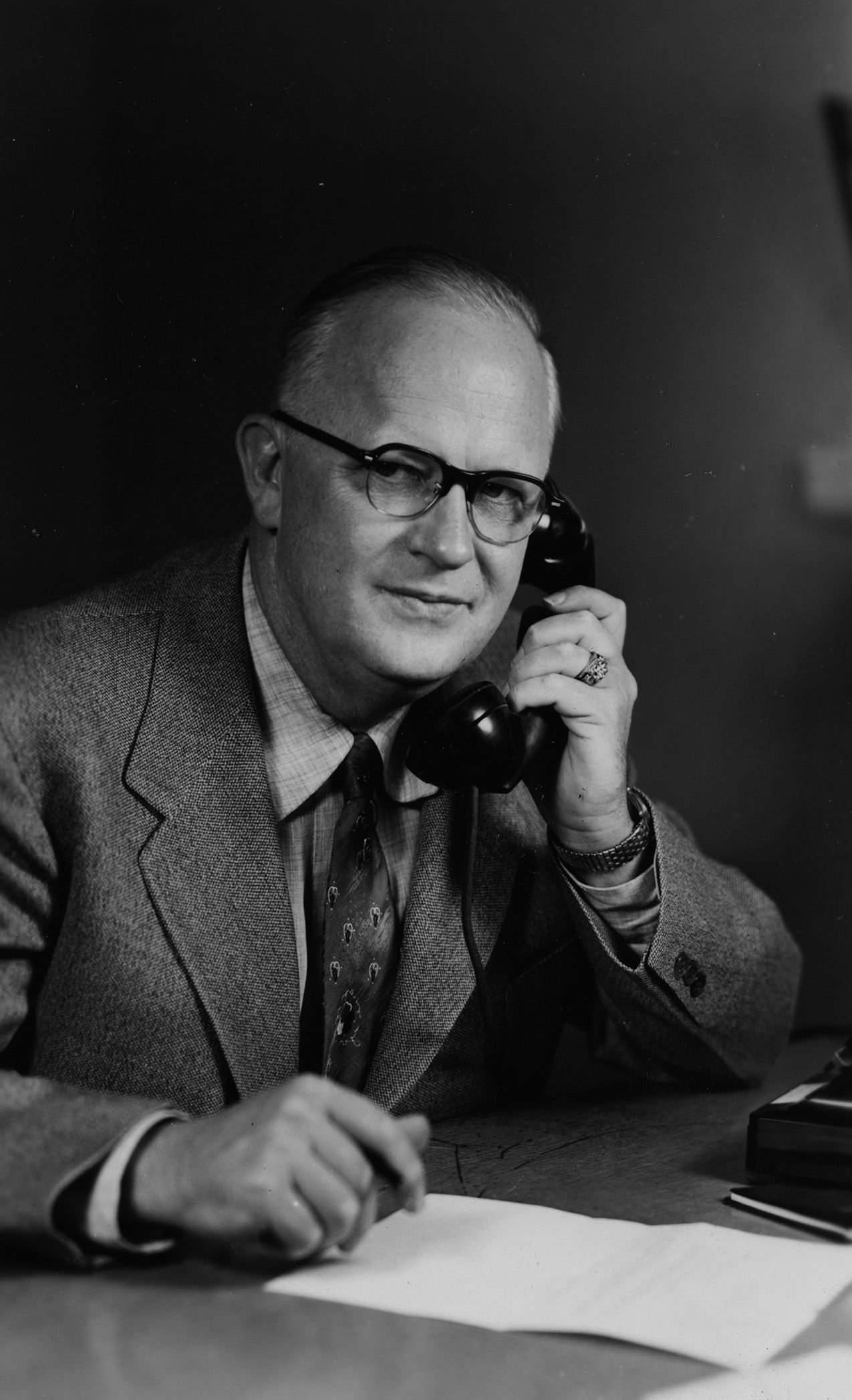
A caller who wanted to leave a message required a child to listen, understand and write down something that mattered.
The difficulty is easy to underestimate. An unfamiliar adult voice, a name the child could not spell, a reason they did not understand and no means of asking the caller to wait produced a genuinely demanding task.
The failures were consequential. A message half-taken, mis-spelled or simply forgotten had effects the child heard about later, which is why the pad and pencil by the telephone existed in almost every household.
7. The Pad by the Telephone Was a Household Institution

A notepad and something to write with lived beside the instrument, and their absence caused immediate trouble.
The arrangement was a direct response to the problem. A message cannot be remembered reliably, which means the ability to write it down had to be available within arm’s reach of the handset at all times.
The pad accumulated a strange record. Names, numbers, half-sentences and notes about things long since resolved built up on it for months, and anybody reading it afterwards had a fragmentary account of a household’s business.
8. You Had to Learn to Shout for Somebody Without Shouting Into the Receiver
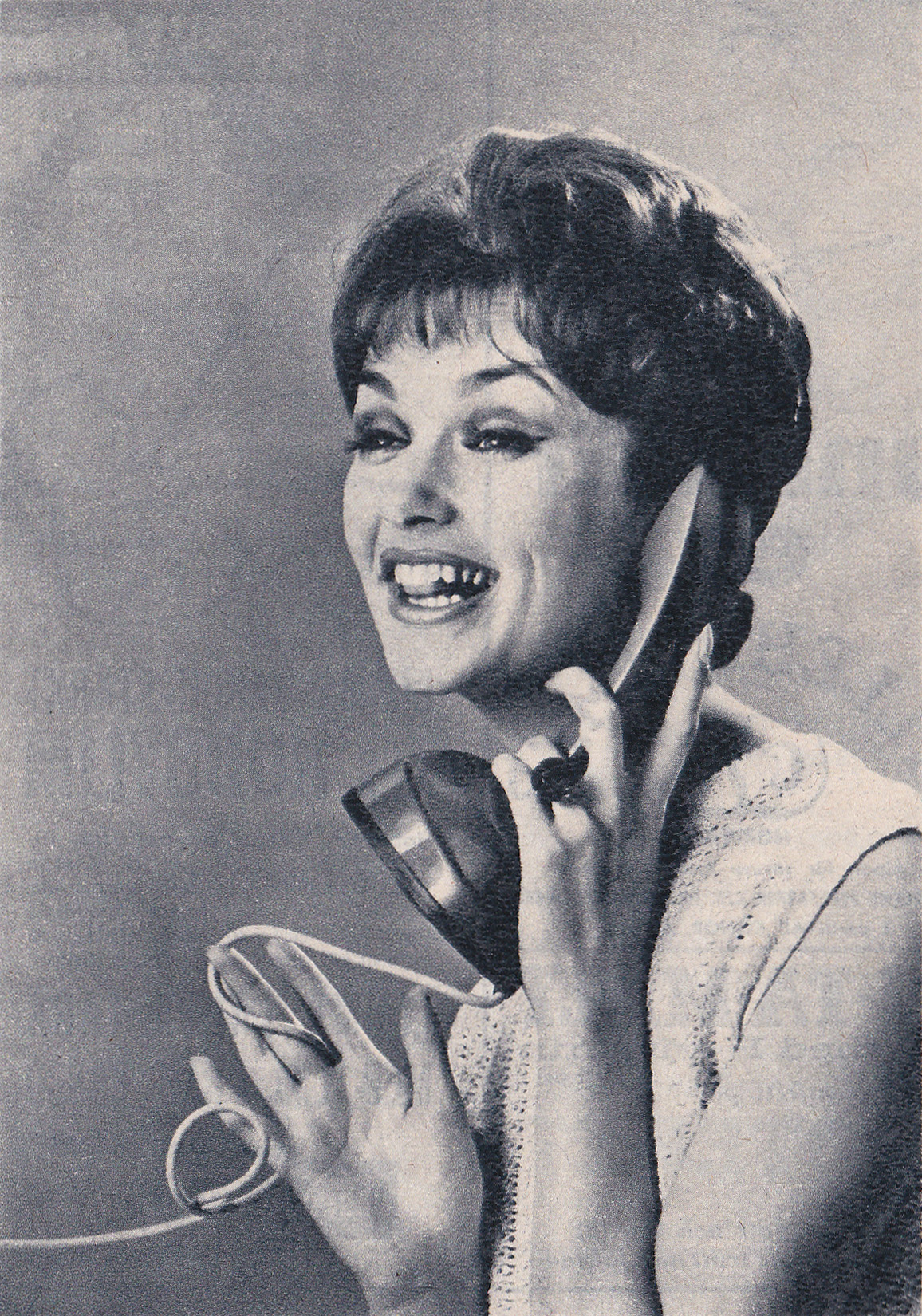
Calling an adult to the telephone required covering the mouthpiece, which children consistently forgot to do.
The technique had to be taught explicitly. A handset held away from the mouth still transmits, which means a child yelling for their mother delivered that yell directly into a caller’s ear at considerable volume.
Everybody did it wrong at least once. The memory of having shouted into the receiver, and of having been told about it afterwards, is one of the more common recollections of the whole business.
9. Wrong Numbers Were Frequent and Had to Be Handled Politely
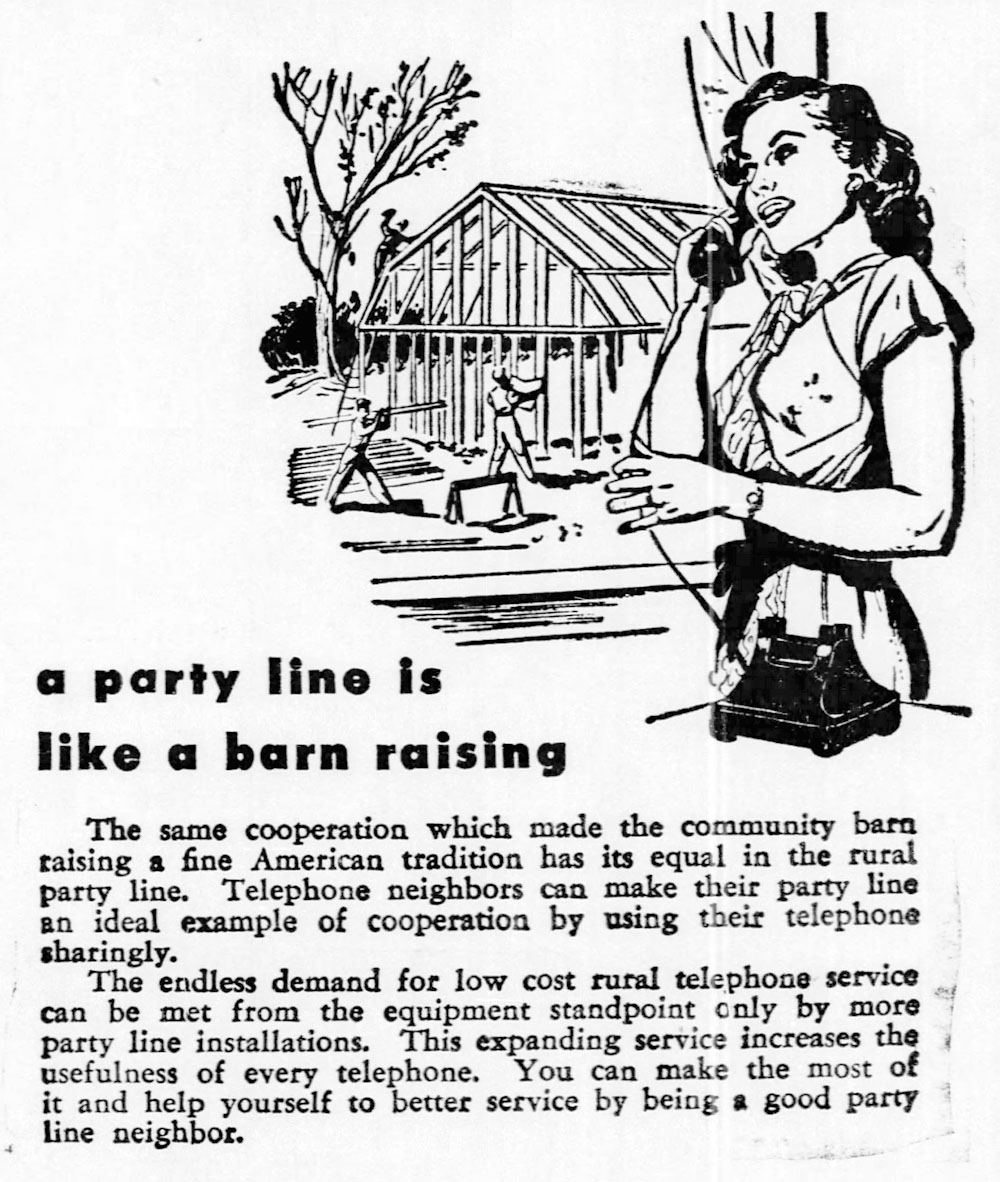
A substantial proportion of calls were simply misdialled, and children were expected to deal with them courteously.
The frequency was a function of the system. Numbers were dialled by hand, digits were easily mistaken and there was no verification of any kind, which meant reaching the wrong household was an ordinary daily event.
The courtesy was insisted upon. A child who was abrupt with a wrong number was corrected, because a misdialled call was understood to be an honest mistake anybody might make, including somebody in that household.
Households varied in how far they took it. Some taught a child to say nothing at all beyond the number, some permitted a first name, and a few insisted on a full form of words that took several seconds to deliver. The variation was never discussed between households, which means almost every child believed their own version was the universal one.
10. Long-Distance Calls Arrived With Their Own Atmosphere
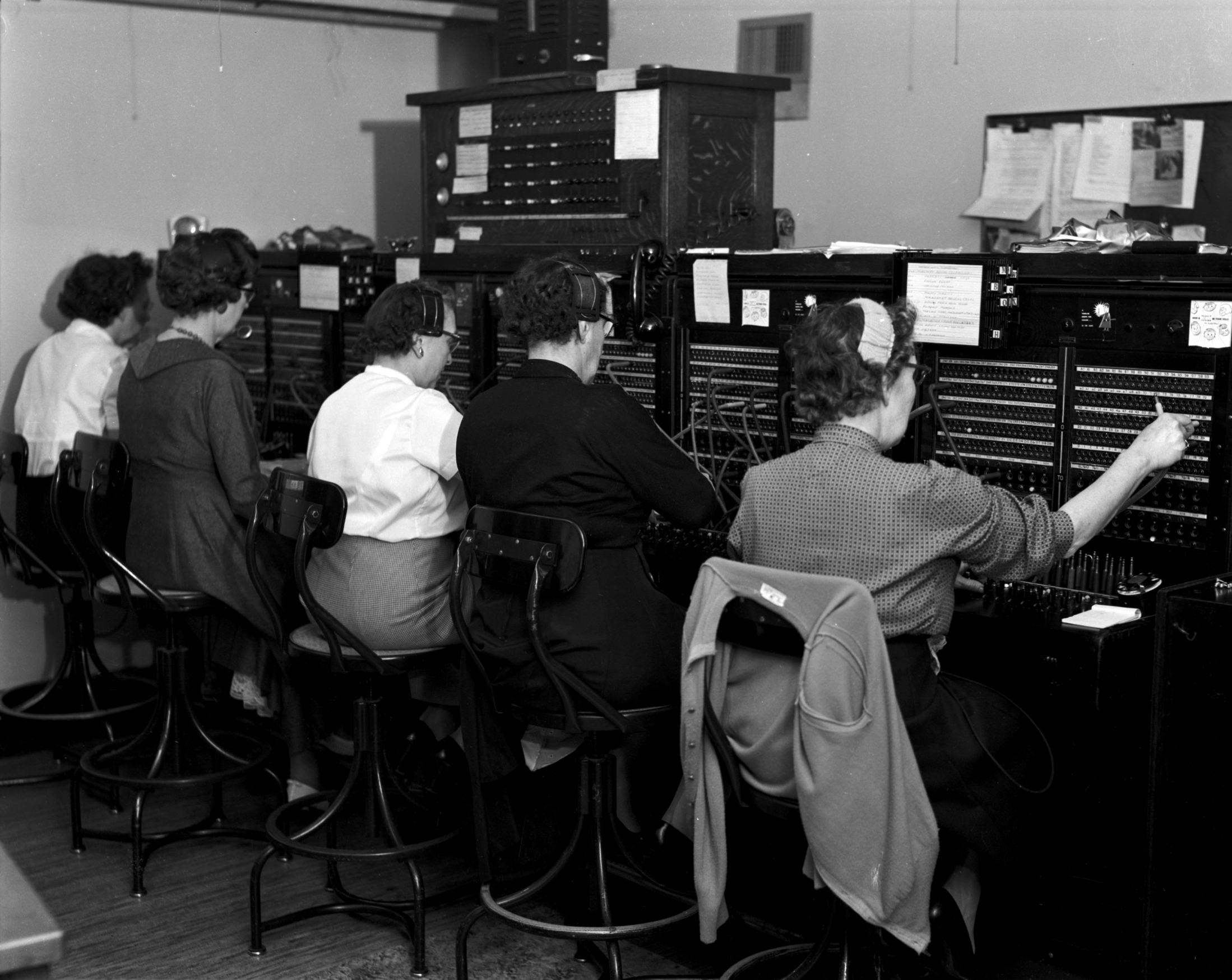
A call from far away sounded different, cost somebody money and was treated by everybody as an event.
The signal quality itself was the announcement. A thinner, more distant voice with delay on it told whoever answered immediately that this was not a local call, and the household’s behaviour changed accordingly.
Children knew to fetch an adult at once. No child was expected to conduct a conversation that somebody was paying for by the minute, and the correct response to that particular sound was to hand the handset over immediately.
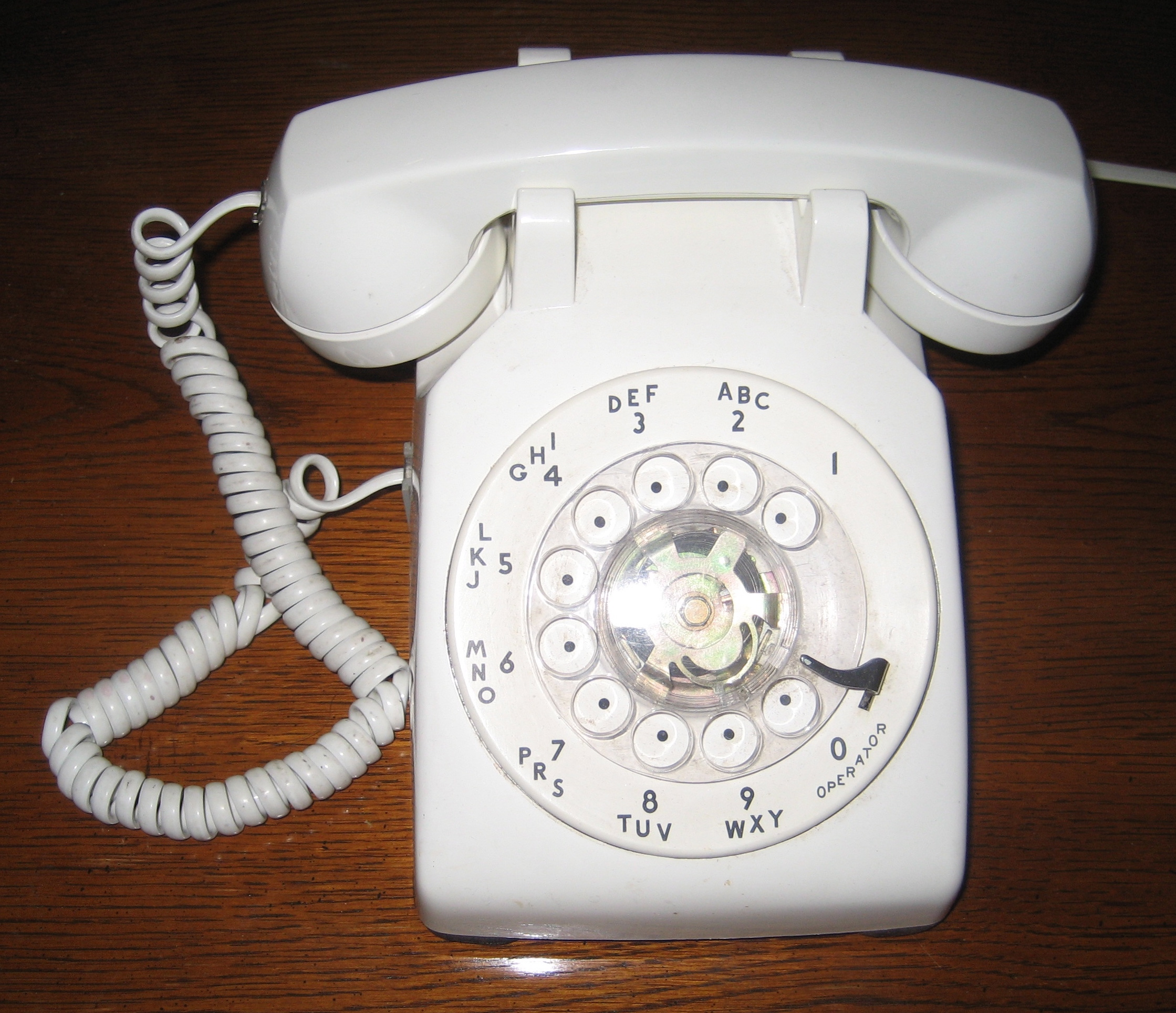
11. The Instrument Itself Was Heavy and Attached to the Wall
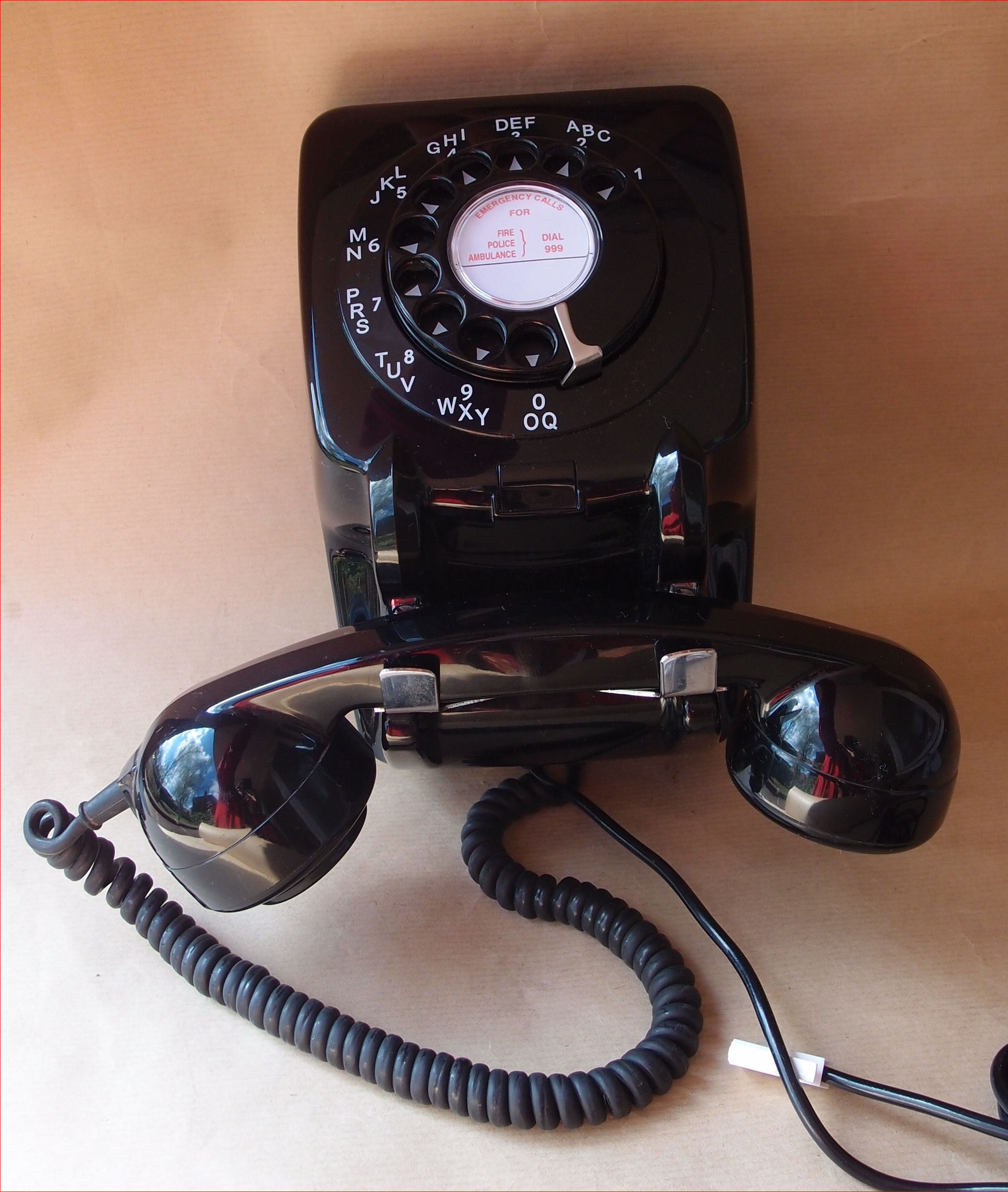
A handset with real weight on a cord of limited length meant the whole conversation happened in one spot.
The physical constraints shaped the experience. A child answering had to stand where the instrument was, hold something substantial to their ear and remain there for the duration, with no option of walking away.
That made the hall a waiting area. Everybody in the household knew who was on the telephone and roughly how long they had been there, because the location was fixed and visible to anybody passing.
12. Answering It at Night Was Genuinely Frightening
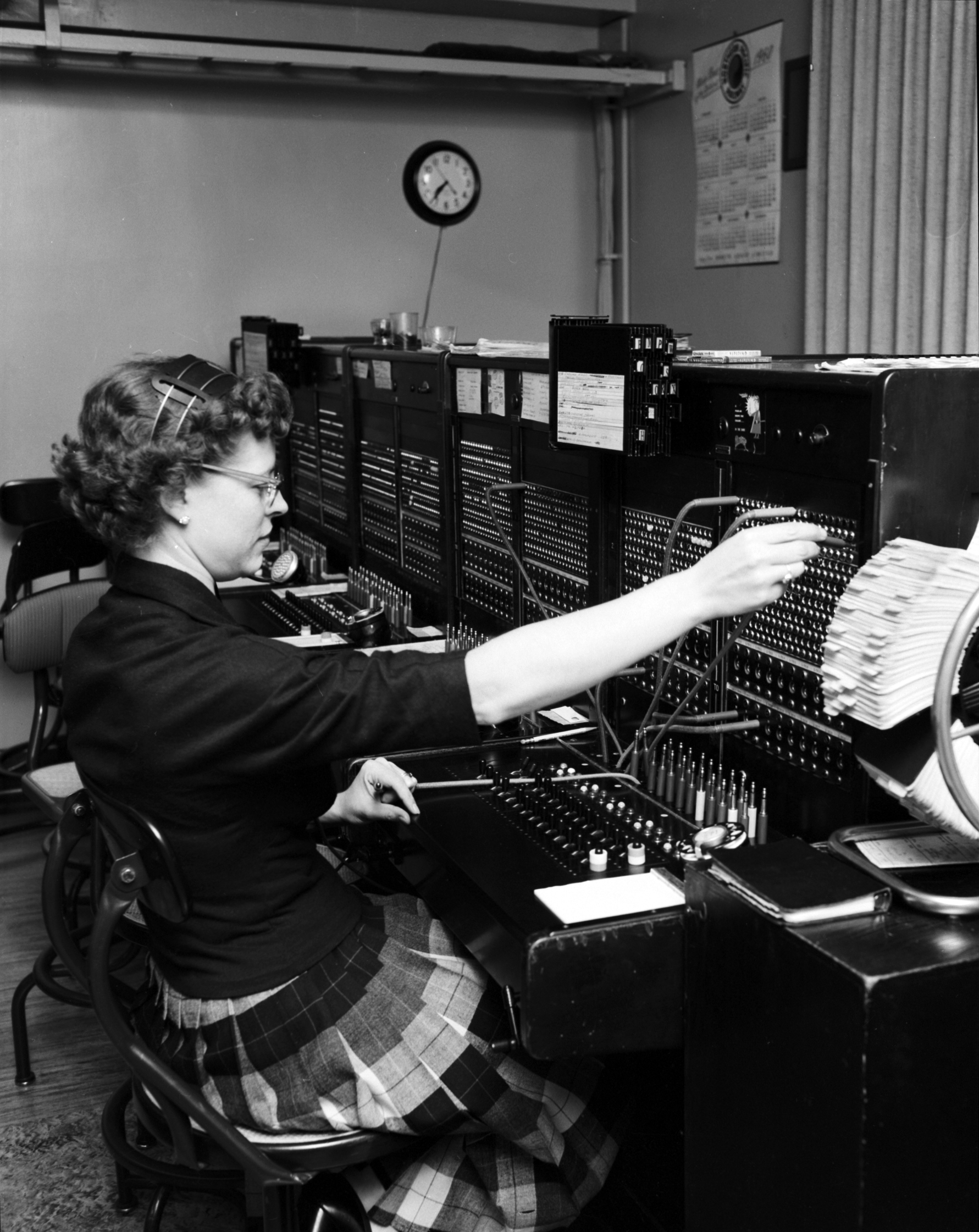
A telephone ringing after everybody had gone to bed meant something, and children knew it meant something.
The inference was correct and universally understood. Nobody called a household late without a reason, which meant a ring at that hour carried information before anybody had picked up.
Children were usually beaten to it. An adult getting to the instrument first is one of the clearest memories of the period, along with standing on the stairs listening to one side of a conversation nobody was going to explain.
13. Listening In Was Possible and Was Policed
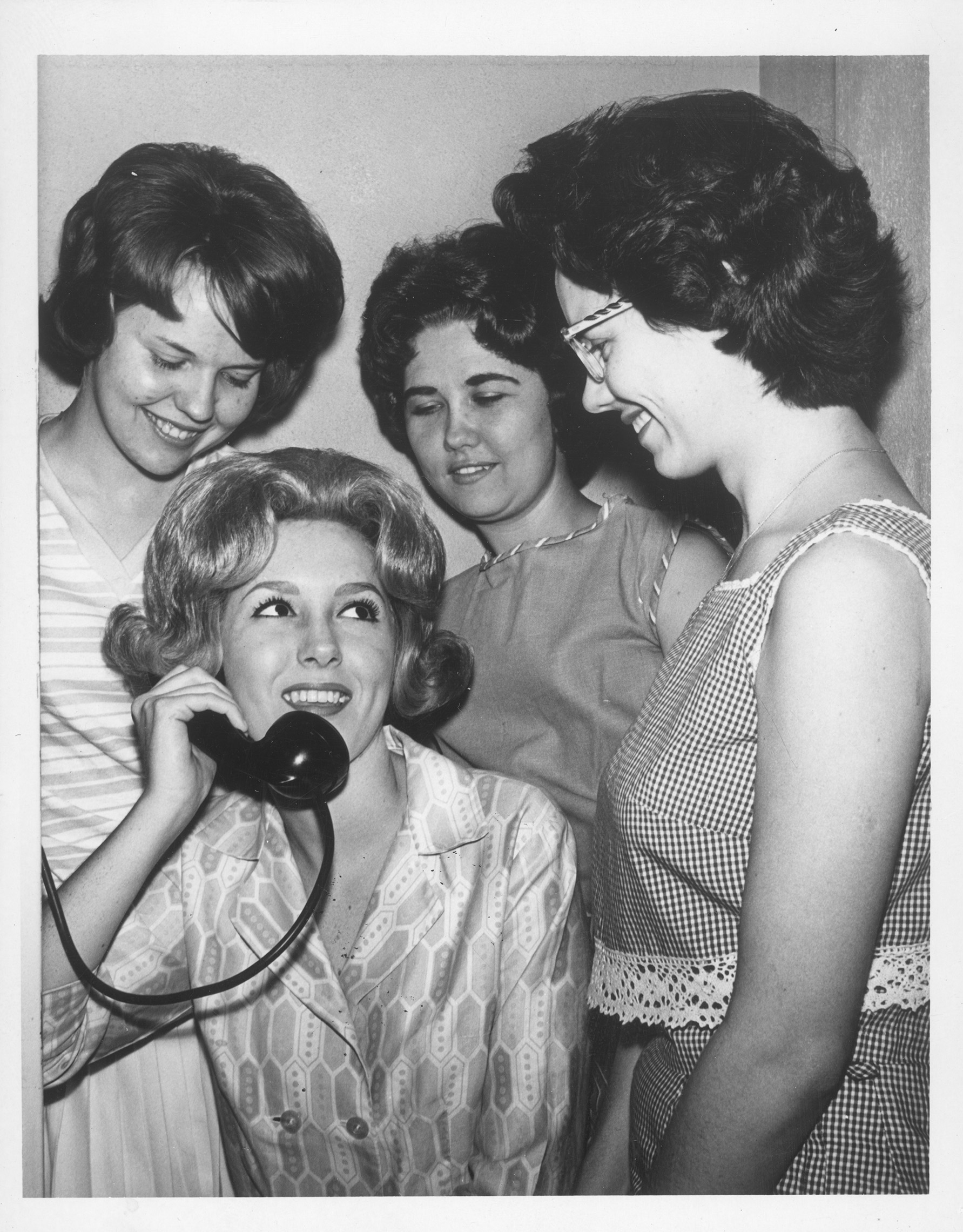
A second handset in a household, or simply standing nearby, made overhearing easy, and adults took it seriously.
The concern was about information rather than privacy as such. A household’s business – money, relatives, employment, difficulties – was discussed on that instrument, and a child in earshot acquired things they were not meant to have.
It was the main reason children were sent out of the hall. Being told to go elsewhere while an adult took a call is how a great many children learned that there were categories of household business they were excluded from.
14. The Manners Were Practised on Relatives First
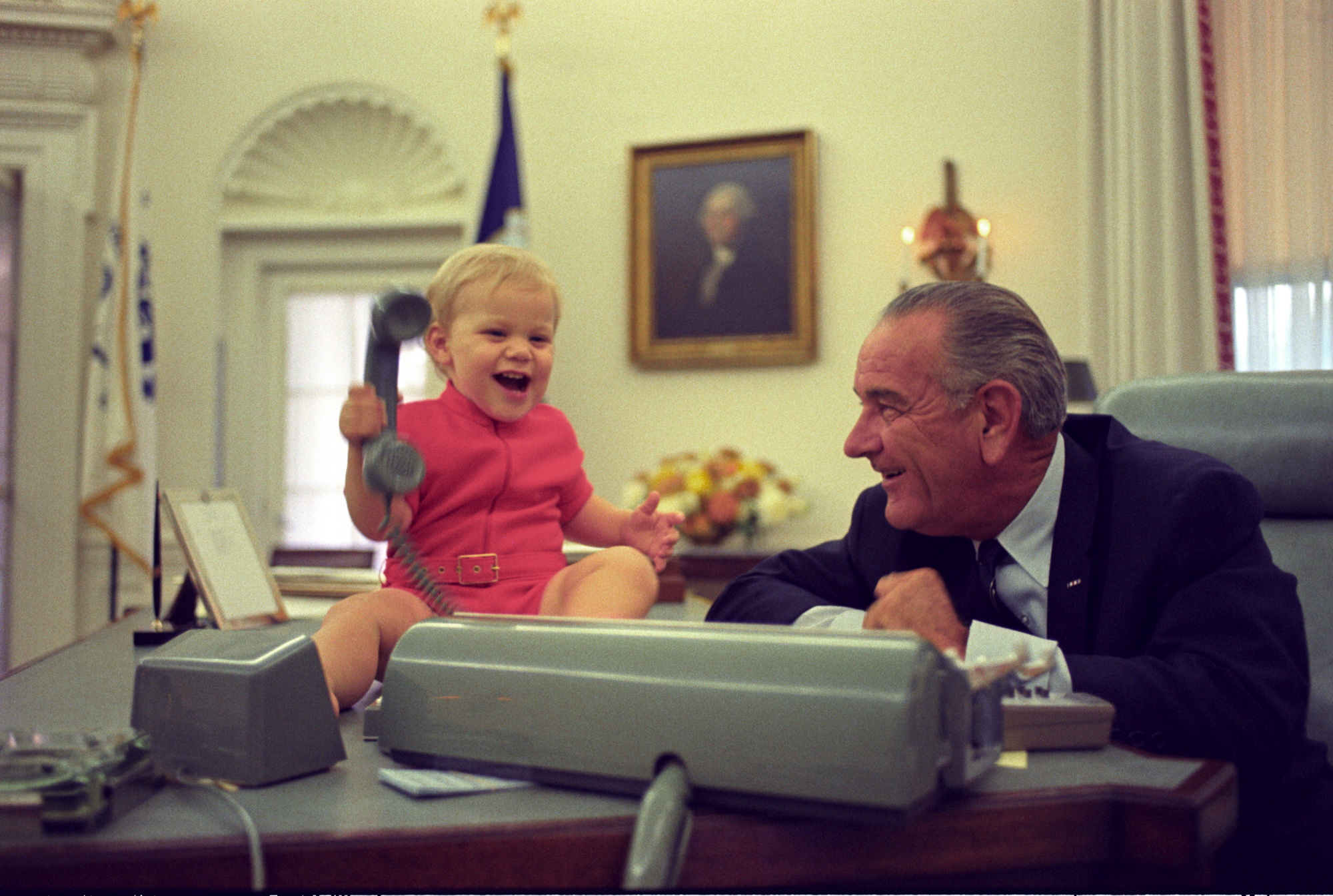
A call from a grandparent or an aunt was the training ground, with a known voice and low stakes.
The arrangement worked because the audience was forgiving. A relative who had known the child since birth tolerated a mangled greeting and reported it with amusement rather than correcting it, which let children practise without cost.
Those conversations had a fixed structure. A greeting, an inquiry after school, an answer the child had given before and a handover to an adult, conducted identically every time for several years.
Those calls were also where the formula got embedded. A child who had delivered the household greeting forty times to an aunt who always rang on the same evening had it available automatically when somebody unknown rang on a different one, which is precisely what the practice was for, whether or not anybody had planned it that way.
15. Then Everybody Had Their Own Line and the Job Disappeared

Caller identification, individual devices and the end of the shared household telephone removed the entire role.
The uncertainty went first and the duty followed. A device that tells you who is calling before you answer makes the blind greeting unnecessary, and a device belonging to one person means nobody answers on anybody’s behalf.
What went with it is a specific kind of training. A seven-year-old standing in a hall holding something heavy, reciting a formula to an unknown adult, withholding their own name, deflecting a question about whether anybody was home, and writing down a message that mattered on a pad somebody had left there for exactly that purpose.
What the Blind Ring Produced
Read in order, the fifteen all descend from one property of the system: you could not know who was calling. That produced the script, because the first few seconds had to establish the household and the competence of whoever was speaking. It produced the prohibition on giving a name, because a name tells a stranger who is in the house while a number tells them only whether they have reached the right place. It produced the instruction to say an adult was busy rather than absent, which children executed convincingly for years before understanding why. And it produced the pad and pencil, because a message taken by a child from an unfamiliar adult voice could not be remembered and had consequences if it was lost.
The training was more formal than it is usually remembered as being. Children were made to repeat a formula, told what tone to use, given specific instructions about what to withhold, and corrected afterwards when they got it wrong – which is more deliberate instruction than most children now receive in anything, and all of it for a single object in a hallway.
The role existed because of an absence of information, and it ended when that absence did. A device that tells you who is calling before you answer makes a blind greeting pointless, and a device belonging to one person means nobody answers on anybody else’s behalf. Nothing about that is a loss worth mourning.
What went with it is a particular piece of childhood training that has no modern equivalent: a seven-year-old standing in a hall holding something heavy, reciting a formula to an unknown adult, withholding their own name on instruction, deflecting a question about whether anybody was home, and writing down on a borrowed pad a message that somebody was going to need.
Like our content? Follow us for more.