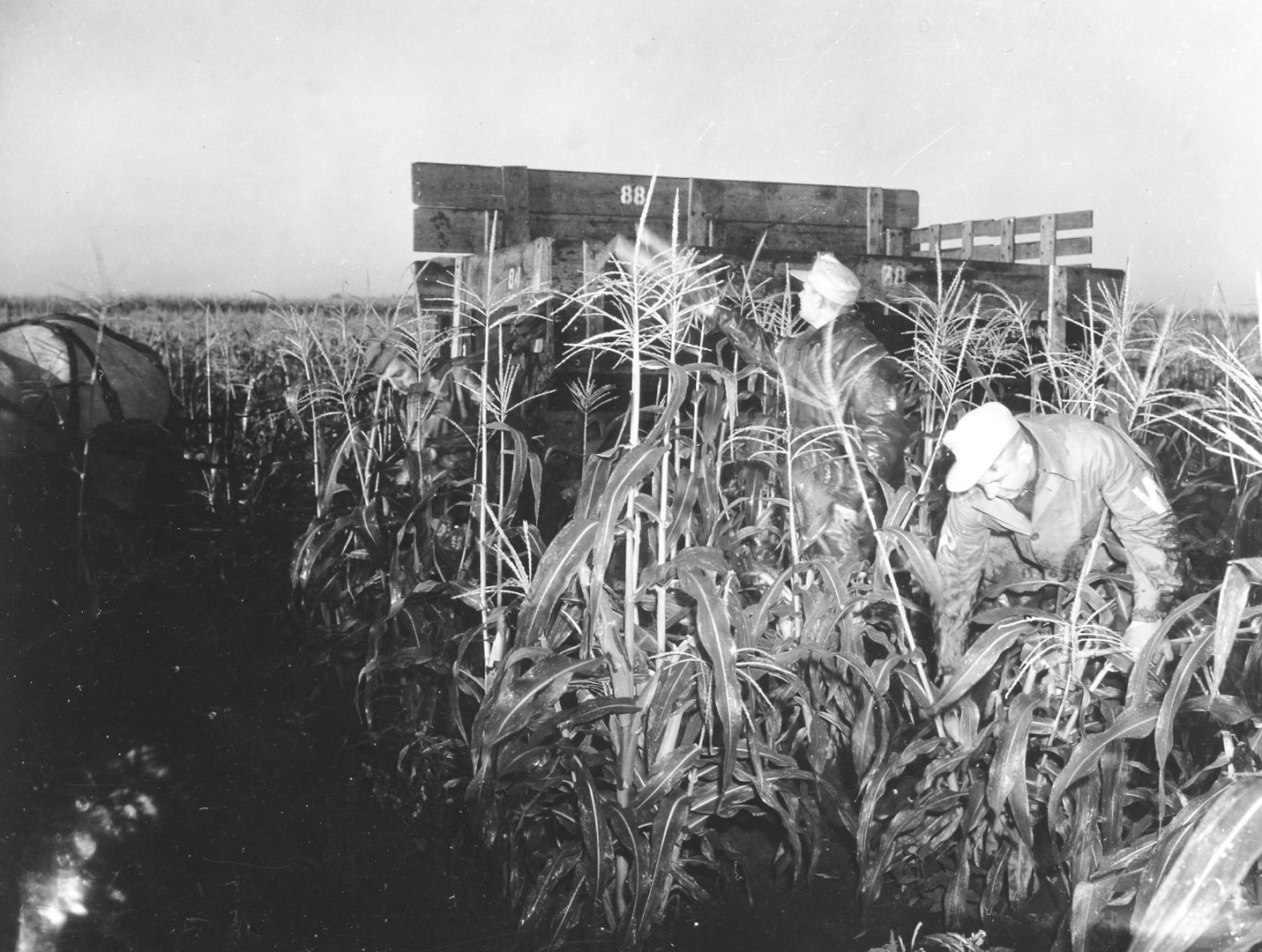
Before machinery, every ear of corn on an American farm was handled individually by a person.
A husker walked between the standing rows with a metal peg strapped to his palm. One stroke ripped the husk open, the second snapped the ear free, and then he threw it hard at the wagon rolling alongside him – which had a tall board along the far side so that an ear thrown without aiming would hit it and drop in. That board is why he never had to look up.
It ran from October into winter, because the corn had to dry on the stalk first. So it was done in frost, mud and snow, and it wrecked the hands of everybody who did it. Here are sixteen things every farm family knew.
1. Corn Was Picked by Hand, Ear by Ear, Across the Whole Field
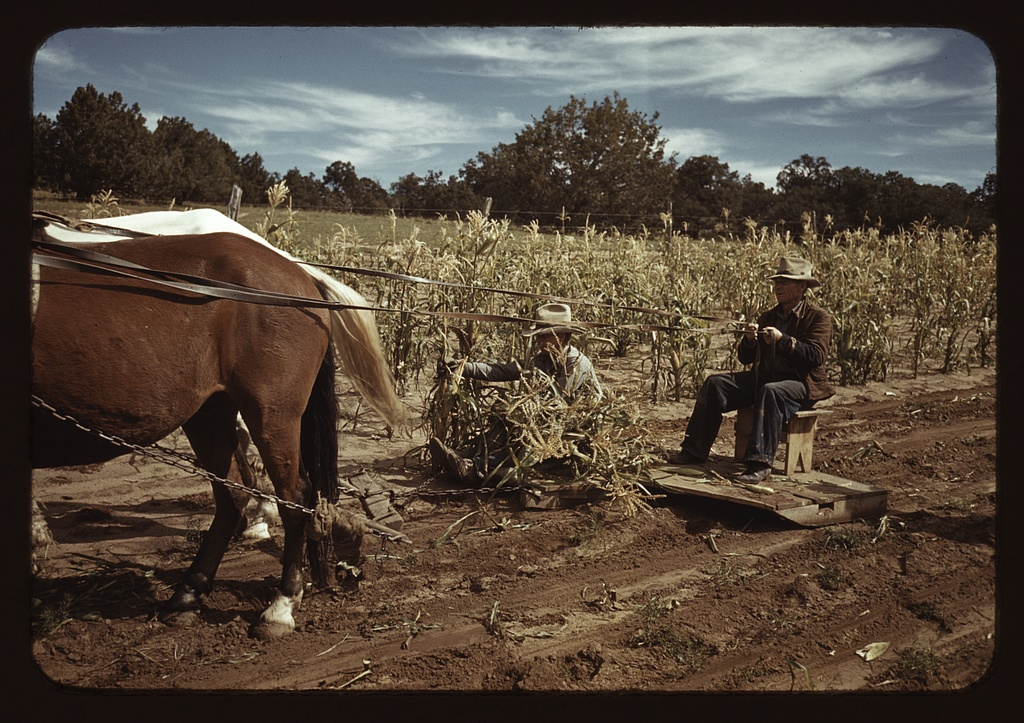
A man walked between standing rows, pulled each ear off the stalk, stripped the husk from it and threw it into a wagon moving alongside – repeated for every ear on every stalk.
A combine with a corn head does the picking, husking and shelling in one pass at several acres an hour.
The scale of this is the thing that does not translate. A field of corn contains an enormous number of ears, and every single one of them was handled individually by a human being who had to find it, pull it, open it, clean it and throw it accurately into a moving target.
Like our content? Follow us for more.
2. The Husking Peg Was the Essential Tool
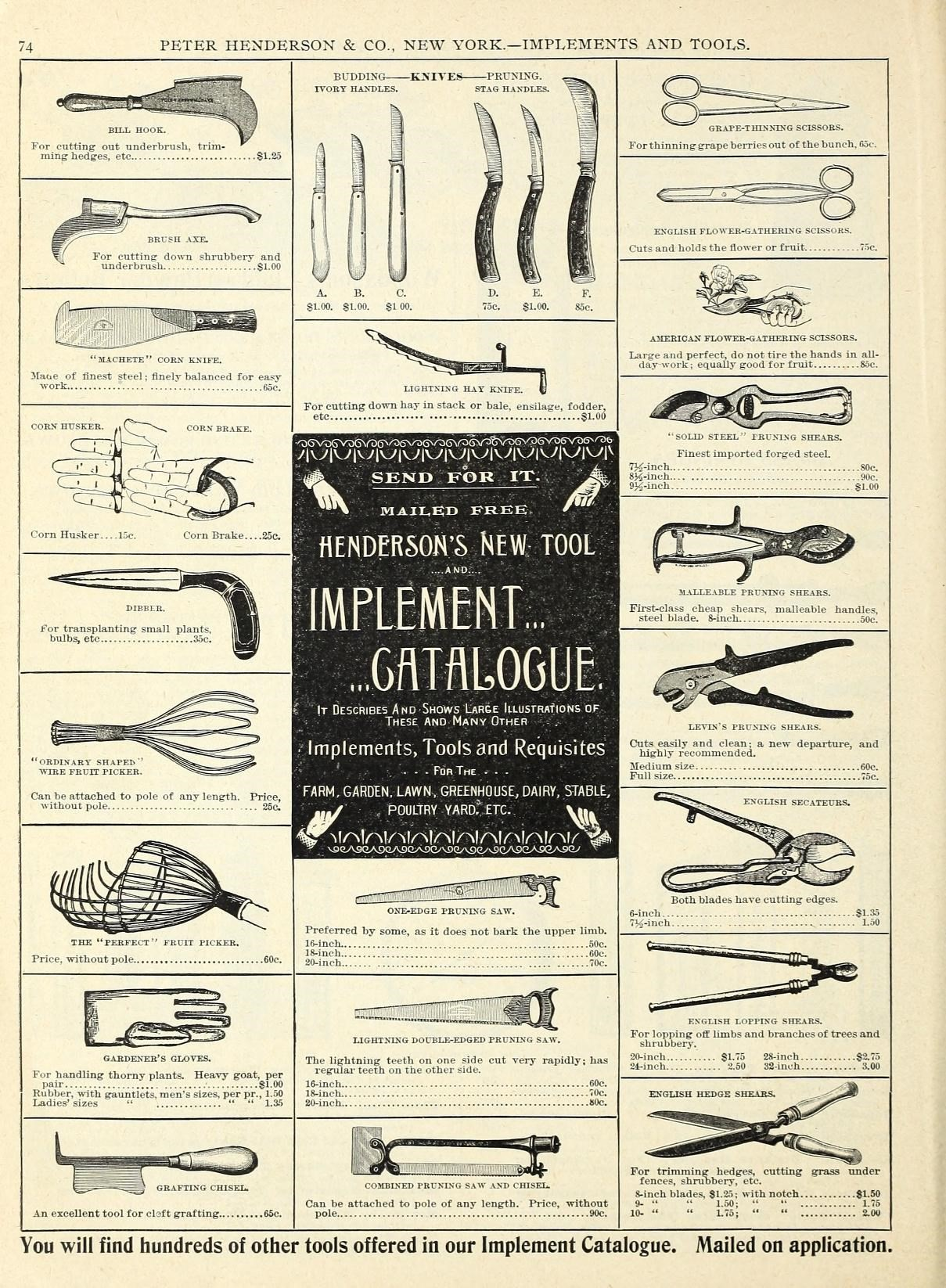
A hook or peg of metal, bone or wood was strapped to the palm or a finger, used to rip the husk open in one stroke so the ear could be snapped free.
Not applicable. No hand tool is involved in corn harvest.
The peg is the whole technique and the reason husking was a skill rather than just labour. One motion opens the husk, the second breaks the ear loose, and a good hand did both in a single continuous movement without looking – which is why experienced huskers were two or three times faster than beginners.
3. You Threw Without Looking
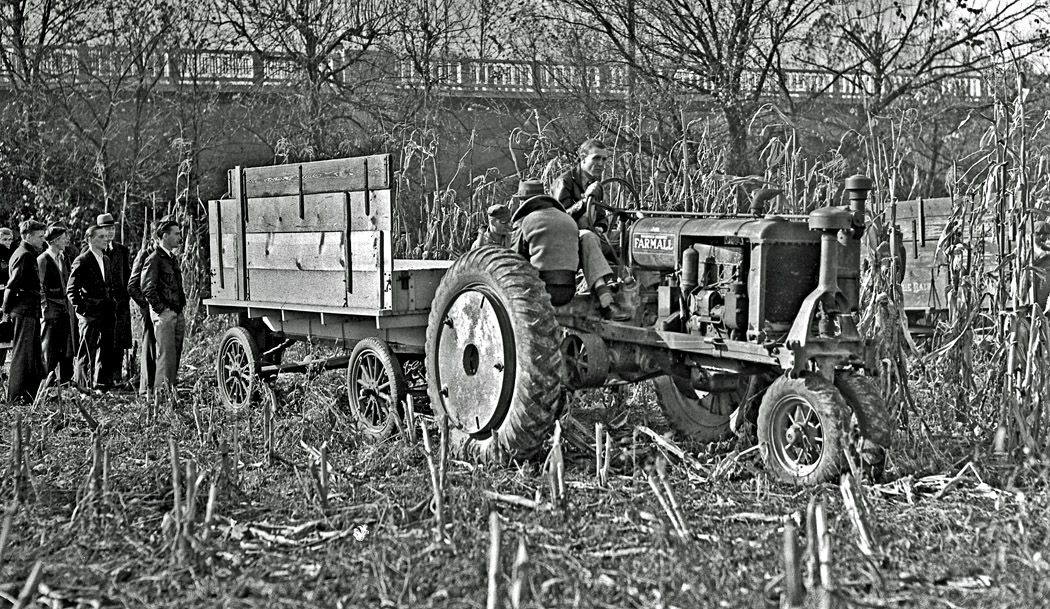
The wagon had a high bangboard on the far side so that ears thrown hard across it would hit the board and drop in, which meant the husker never had to aim or look up.
Not applicable.
The bangboard is a genuinely clever piece of design. It converts a job needing accuracy into a job needing only direction, which means the husker keeps his eyes on the corn and his rhythm unbroken – and it is the difference between a day’s work and an exhausting day’s work.
4. A Good Husker Was Known by Name
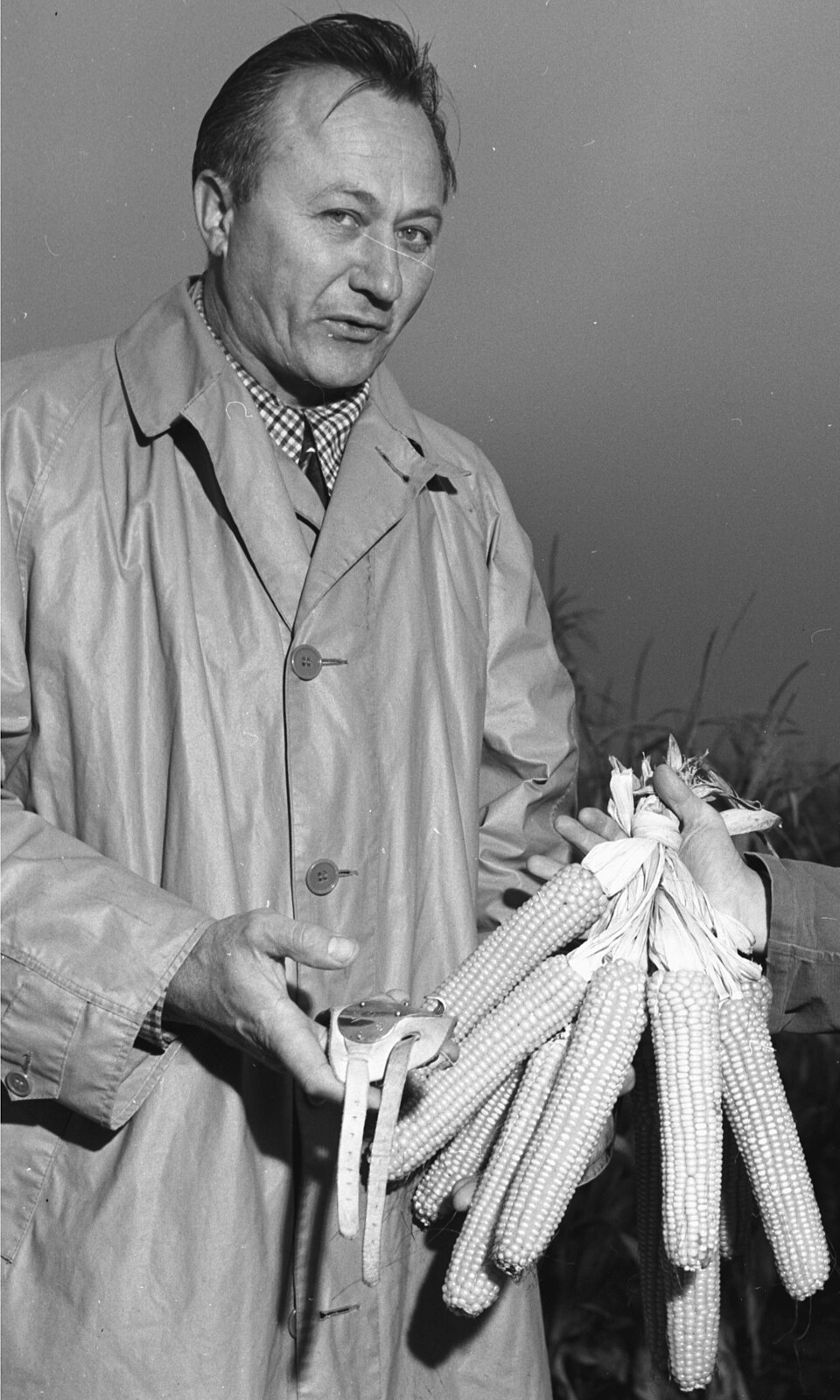
Output was measured in bushels per day, it varied enormously between men, and the fast ones had reputations across a township.
Not applicable. Harvest output is a function of machinery.
Being fast at this was a form of local fame, and it was worth money because huskers were frequently paid by the bushel. It is one of the few farm tasks where individual ability translated directly into a published-sounding number that everybody knew.
5. There Were Husking Contests, and They Were Serious
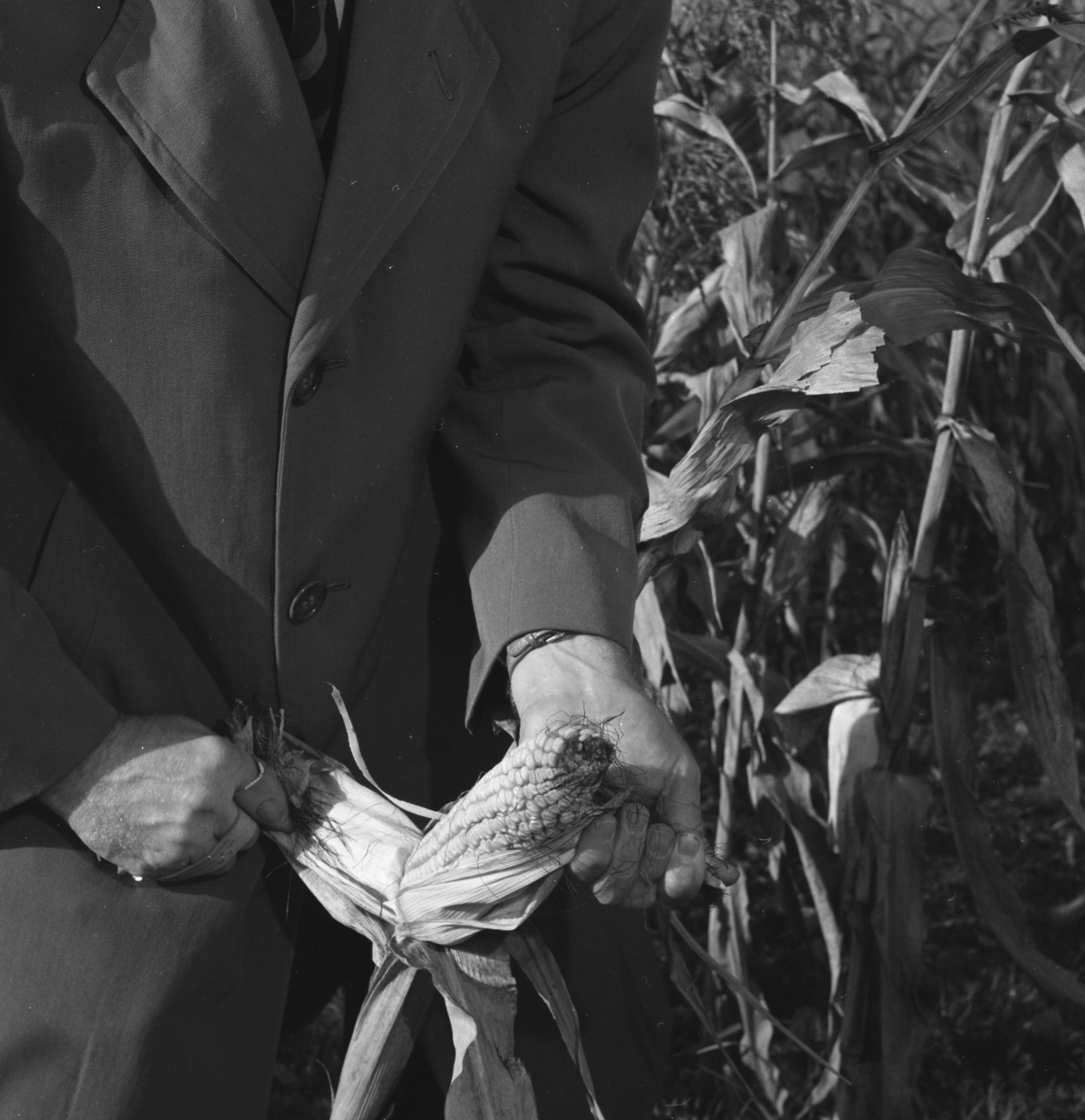
Competitions were held at county, state and national level, with timed rounds, judges, deductions for husks left on and for ears missed, and very large crowds.
Not applicable. The contests ended when the job did.
This deserves emphasis because it sounds unlikely. Corn husking championships drew crowds in the tens of thousands, were covered in the press, and produced recognised champions – a national spectator event built entirely on a manual farm task, which is a thing that could only exist while enough people did the task to care who was best at it.
6. It Was Done in the Cold
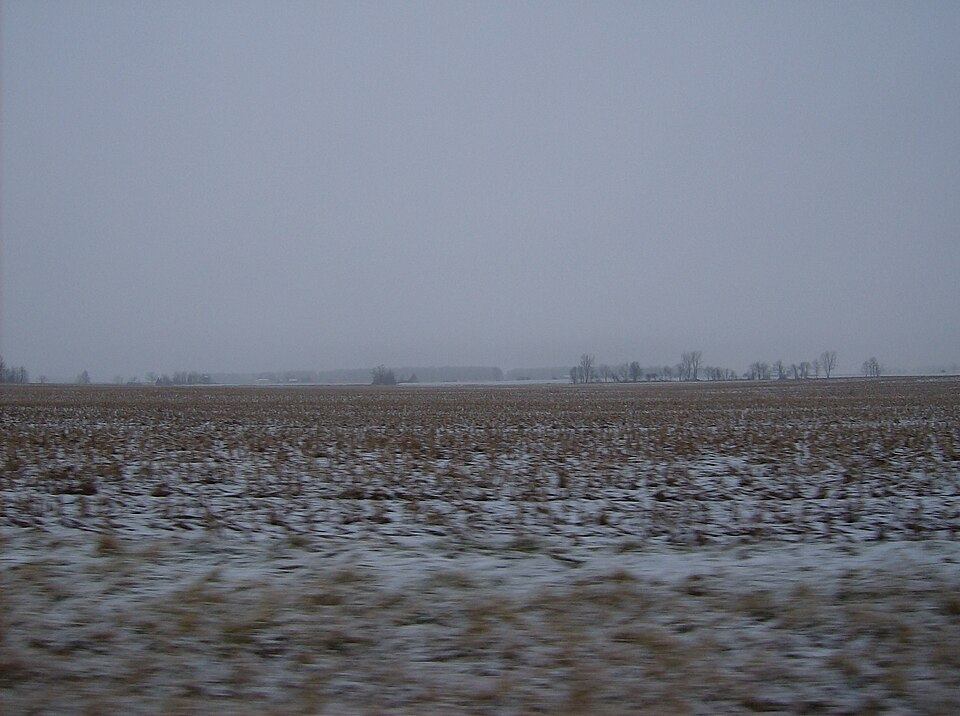
Husking ran from October into winter, after the crop had dried in the field, which means it was done in frost, mud, wind and frequently snow.
Not applicable. Modern harvest happens earlier, faster and from inside a cab.
Late harvest was not a choice. The corn had to dry on the stalk before it could be stored on the cob, which puts the work squarely into the worst weather of the year – and a man husking in December was working wet hands against frozen husks all day.
7. The Hands Were the Price
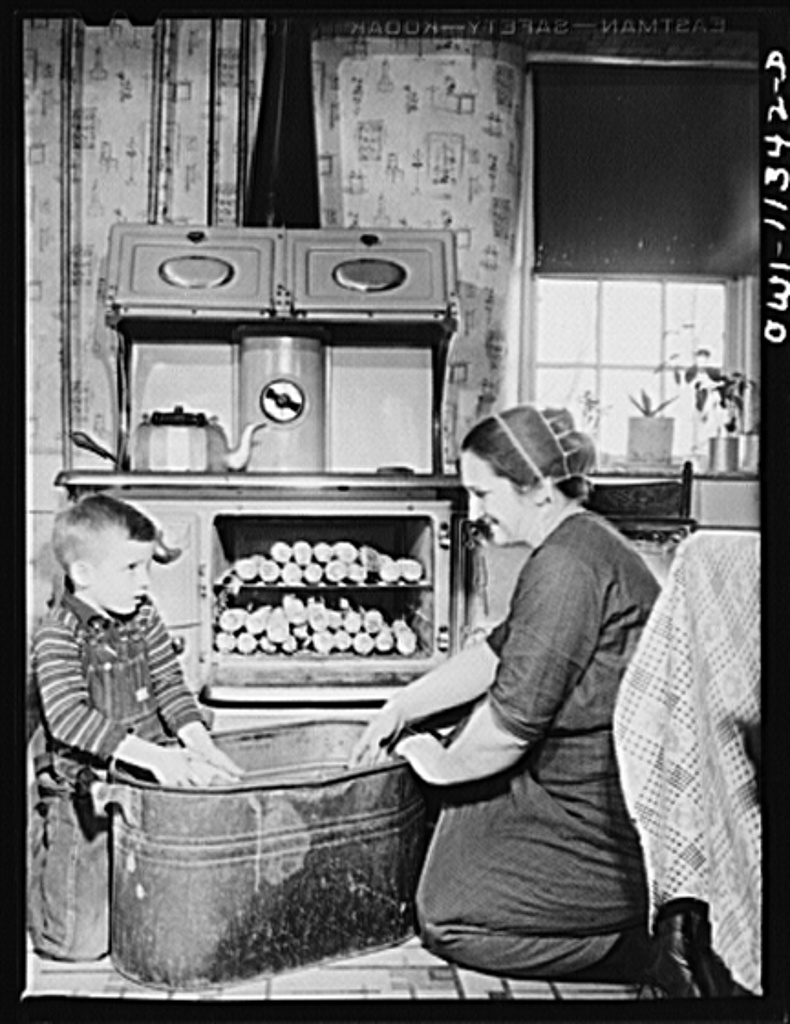
Husking wrecked hands. Cuts from husk edges, cracked skin, swollen knuckles and the particular damage from working wet and cold were accepted as part of the season.
Not applicable.
People who did it remembered their hands rather than their backs, which is unusual for farm work. The husk edge is sharp, the work is continuous, and doing it in cold and wet means nothing heals until the field is finished.
8. Neighbours Came and It Became an Event
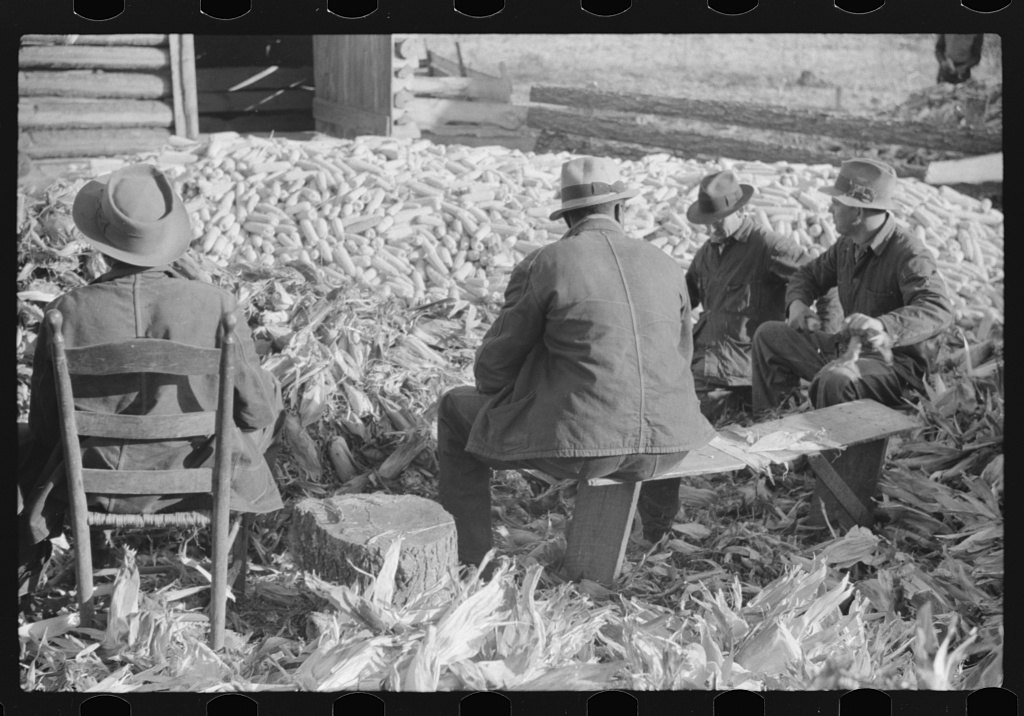
On many farms the last of the husking was done as a gathering – several families working through a crib or a field together, with a meal at the end.
Not applicable as a work gathering, though community meals obviously persist.
The social version has been heavily romanticised and it is worth being accurate. These gatherings were real and they were genuinely enjoyed, but they existed because the work was overwhelming for one family, and the meal was payment in kind rather than hospitality.
9. Children Were in the Field
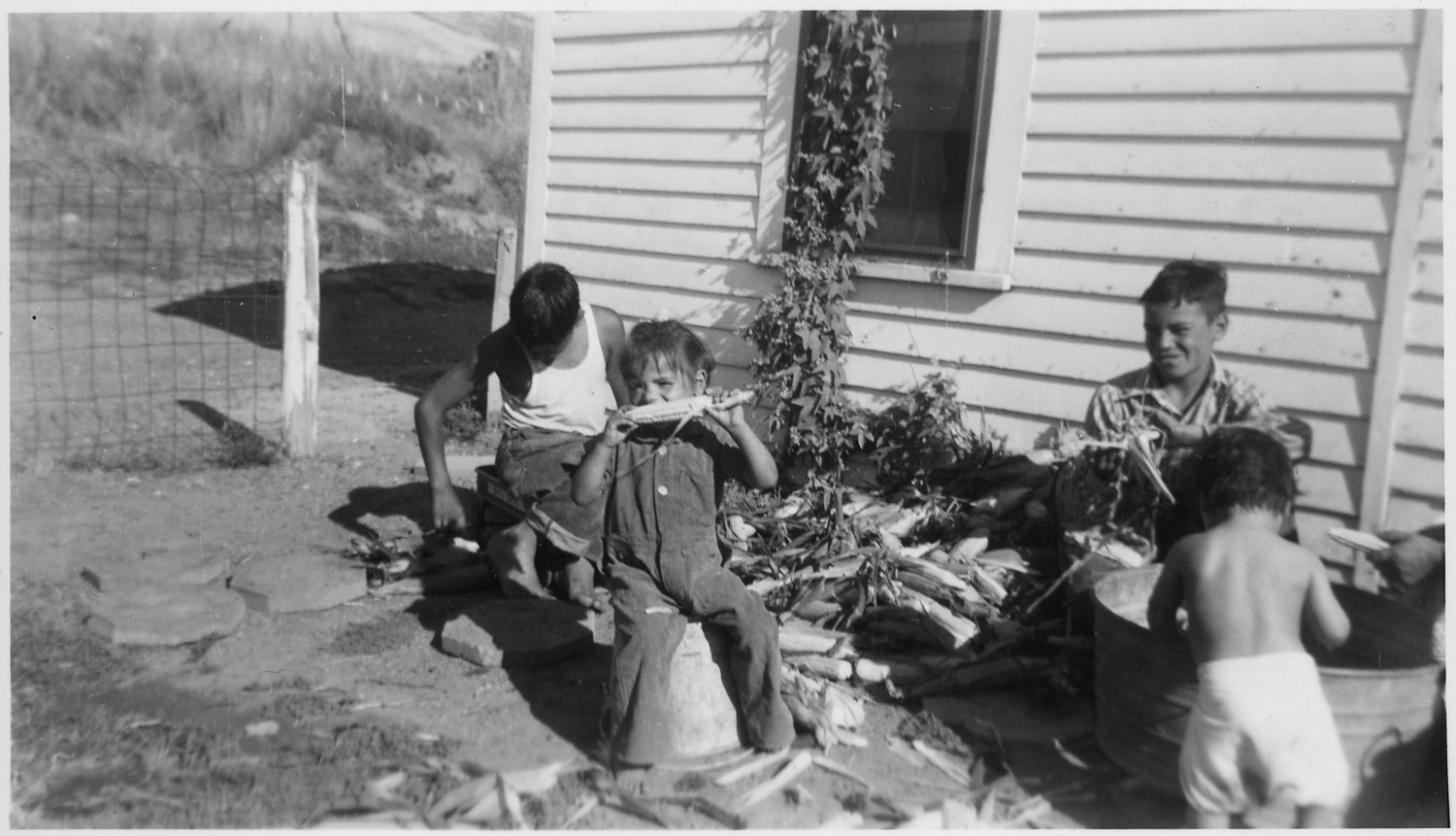
Family members of all ages worked at husking, and children did lighter versions of the same job or drove the wagon team.
Not applicable.
This was ordinary and unremarkable at the time, and it is one of the places where a clear-eyed account matters more than a warm one. School terms in farm country were arranged around it, which tells you that the work took precedence over the schooling of the people doing it.
10. The Stalks Were Left Standing
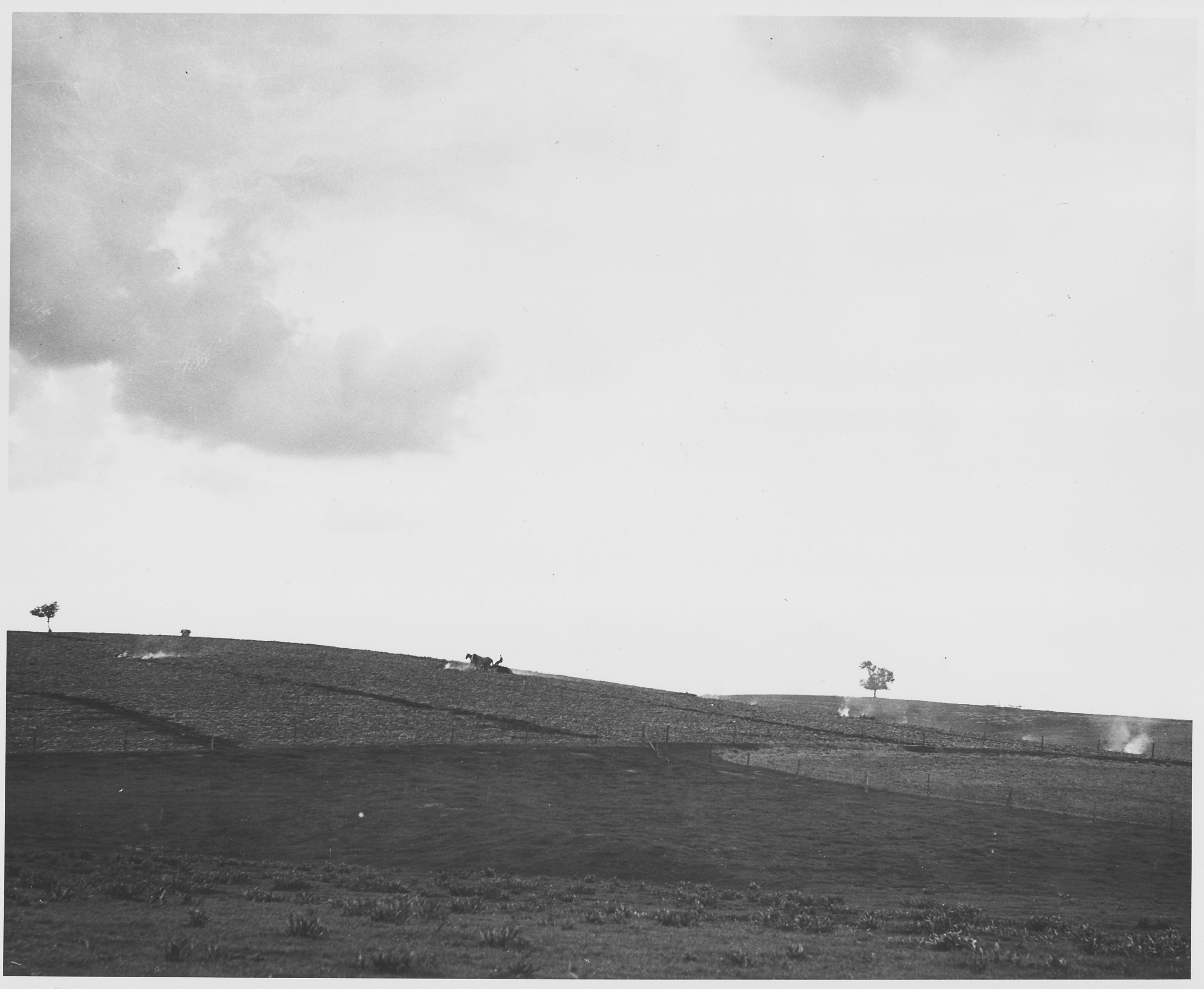
Hand husking took the ears and left the stalks in the field, where stock were turned in afterwards to graze the leaves and whatever had been dropped.
Residue is chopped and left as ground cover, with grazing of corn stalks still practised in places.
Using the field twice is the efficient part of the old system. The ears went to the crib and the remaining plant became feed on the spot, with the animals doing the gathering – which costs nothing and puts the fertility back where it came from.
11. The Corn Went Into a Crib, Not a Bin
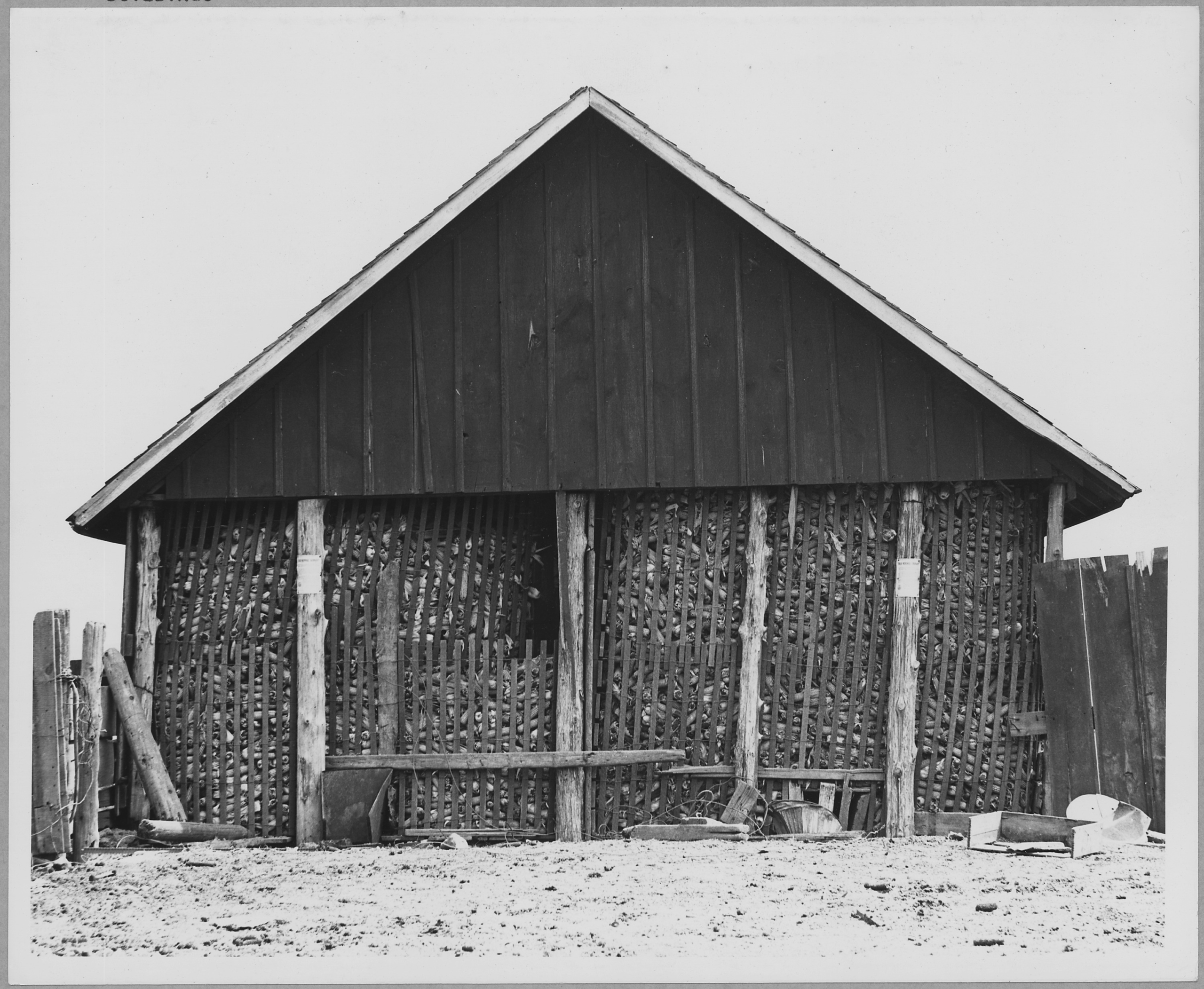
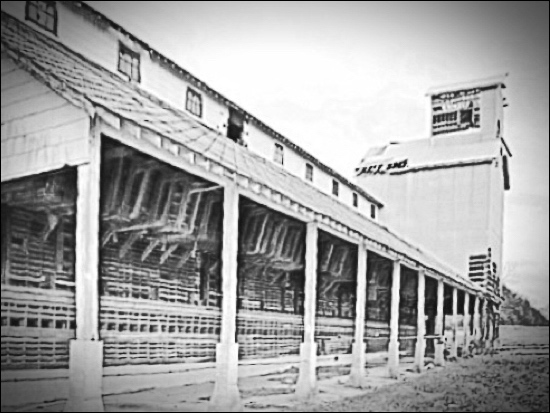
Hand-picked corn went into storage as whole ears in a slatted crib so that air could continue drying it, rather than as loose grain.
Grain goes straight from the combine to a sealed bin or an elevator as shelled corn.
Ear storage is the other half of the hand system and it explains the buildings. A crib exists because hand harvest produces ears, and the moment machinery started shelling in the field, cribs became redundant – which is why so many stand empty.
12. The Mechanical Picker Came First
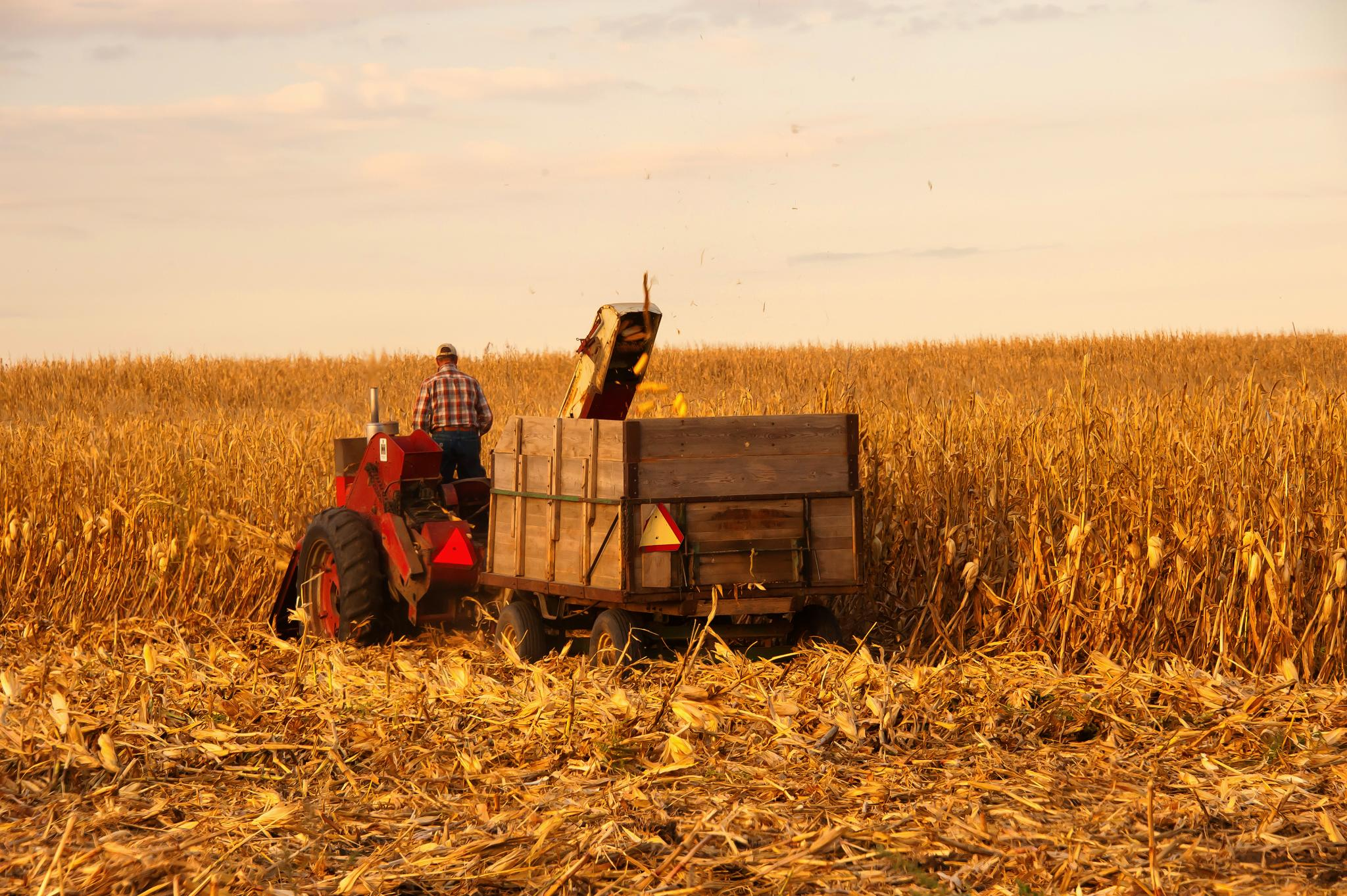
A tractor-mounted or pull-type picker snapped the ears off the stalks and husked them mechanically, delivering ears to a wagon – doing the husker’s job without doing the sheller’s.
Superseded entirely by the combine.
The picker is the interesting intermediate step. It eliminated the hand labour while keeping the rest of the system intact – still ears, still a crib, still shelling later – which means for a couple of decades farms had mechanised the painful part and left the rest alone.
13. Pickers Were Dangerous Machinery
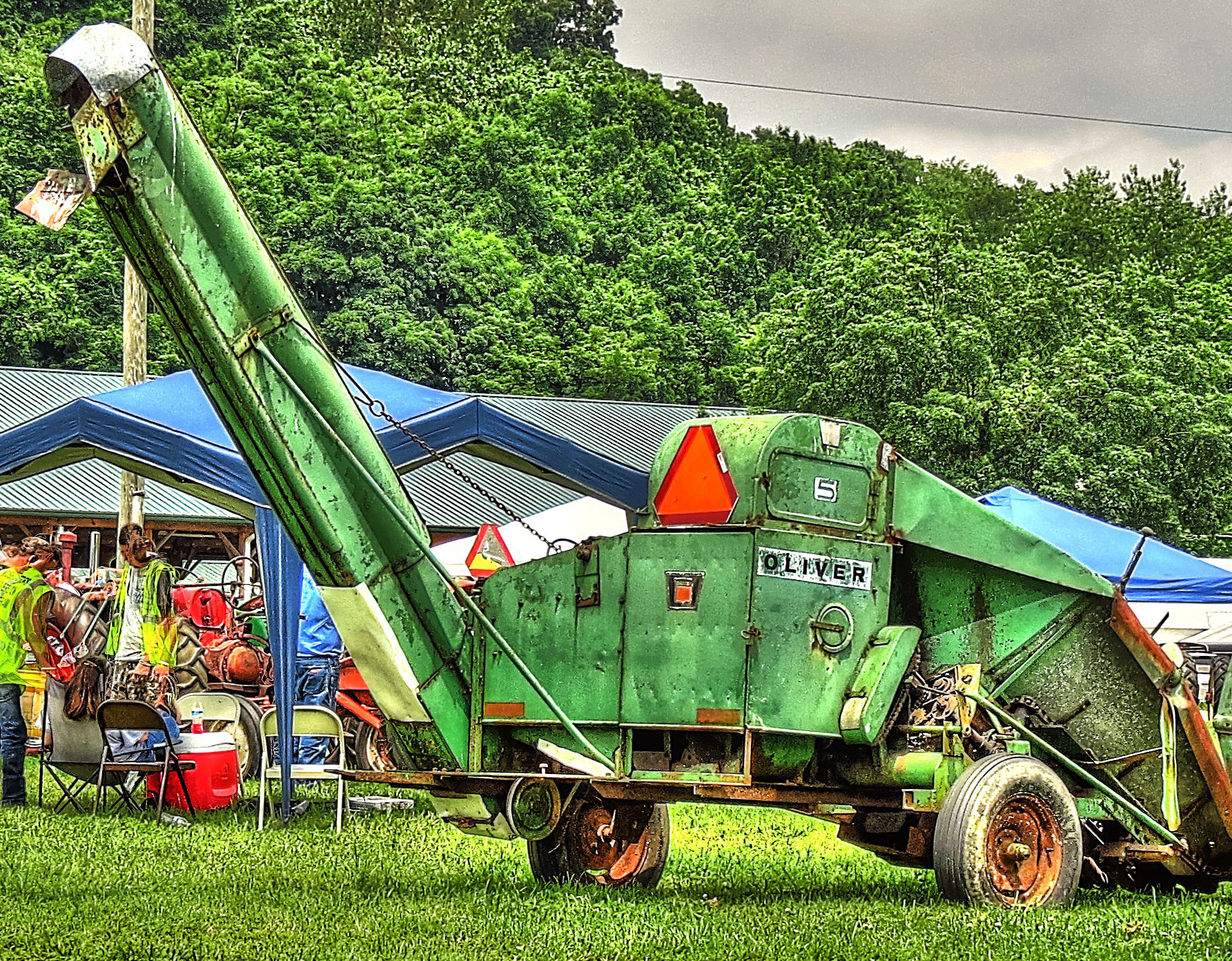
Corn pickers had a serious record of injury, and the hazard was well known to everybody who used one.
Modern equipment is far better guarded and operated from an enclosed cab.
This has to be said rather than left out, because the transition from hand to machine was not a straightforward improvement in every respect. The hand job destroyed hands slowly; the machine that replaced it could do far worse far faster, and farm communities knew it.
14. Then the Combine Absorbed Everything
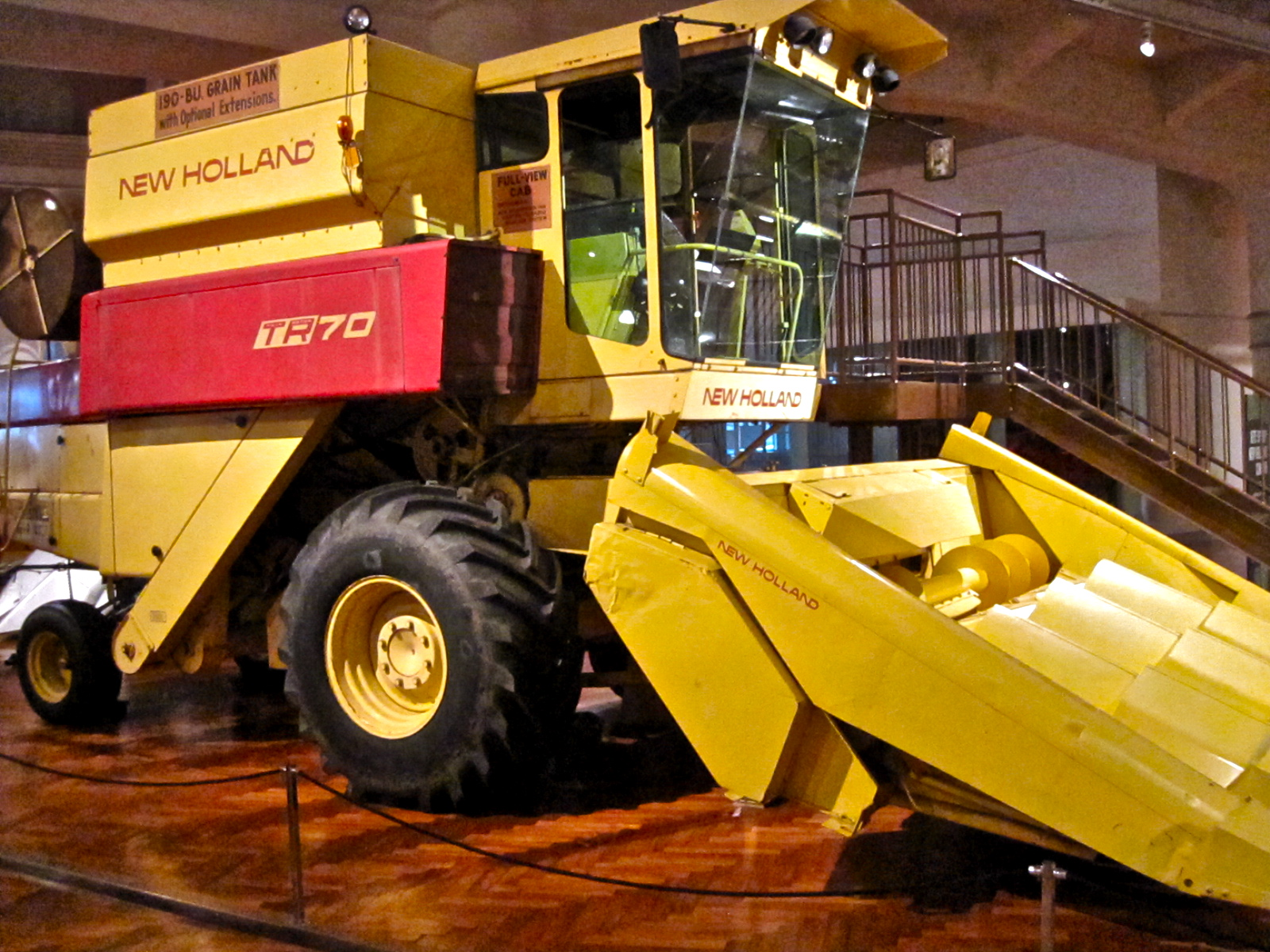
A combine with a corn head picks, husks and shells in one pass, delivering clean loose grain to a tank and dropping the residue in the field.
Universal in American corn production.
The combine did not just replace the husker. It replaced the picker, the crib, the sheller and the wagon with the bangboard, collapsing four operations and several buildings into one machine – which is why the whole apparatus of hand harvest disappeared together rather than piece by piece.
15. Drying Moved Off the Stalk
Mechanical grain drying let corn be harvested earlier at higher moisture and dried under control, instead of being left in the field until the weather had done it.
Standard practice, and the reason harvest now happens in autumn rather than winter.
This is the change that removed the misery. The whole reason husking happened in frost and snow was that the crop had to dry where it stood, and a dryer takes that requirement away – which means the modern harvest is earlier, warmer and shorter for reasons that have nothing to do with the machinery doing the picking.
16. Then an Entire Winter’s Work Became an Afternoon
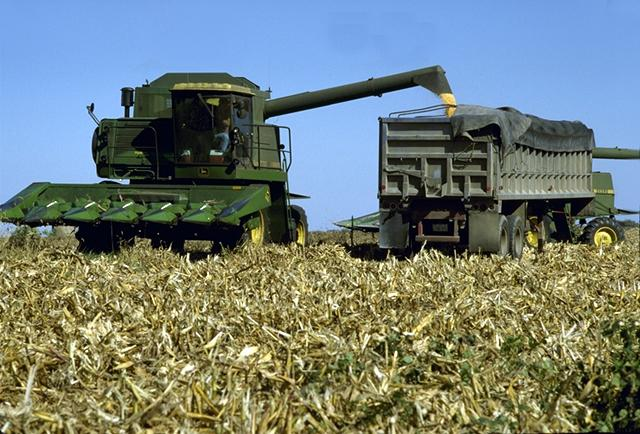
In 1964 the memory was recent of a harvest done ear by ear with a peg strapped to the palm, thrown against a bangboard without looking, in frost and mud from October into winter, by every member of a family and whatever neighbours could be gathered.
One machine with one operator does the picking, husking, shelling and cleaning in a single pass, in autumn, from inside a heated cab.
And the thing that makes this more than a story about machines getting better is the husking contests. A manual farm task became a national spectator sport with judges, deductions, champions and crowds in the tens of thousands – which can only happen when a very large number of people do a thing, care how well it is done, and have a basis for comparing one man against another. That is a whole structure of meaning built on top of a job, and it is the part that vanished first and most completely. The hand work itself was genuinely bad. It was done in the worst weather of the year because the corn had to dry on the stalk, it destroyed hands by the end of a season, and it took every available person including children whose school terms were arranged around it. Nobody should want it back and nobody who did it did. But when the combine collapsed four separate operations into one pass, it did not only remove the labour. It removed the reason a township knew which of its men was the fastest husker, and the reason that was a thing worth knowing – and there is no machine that gives that part back.
The Contests Are the Part That Explains Everything
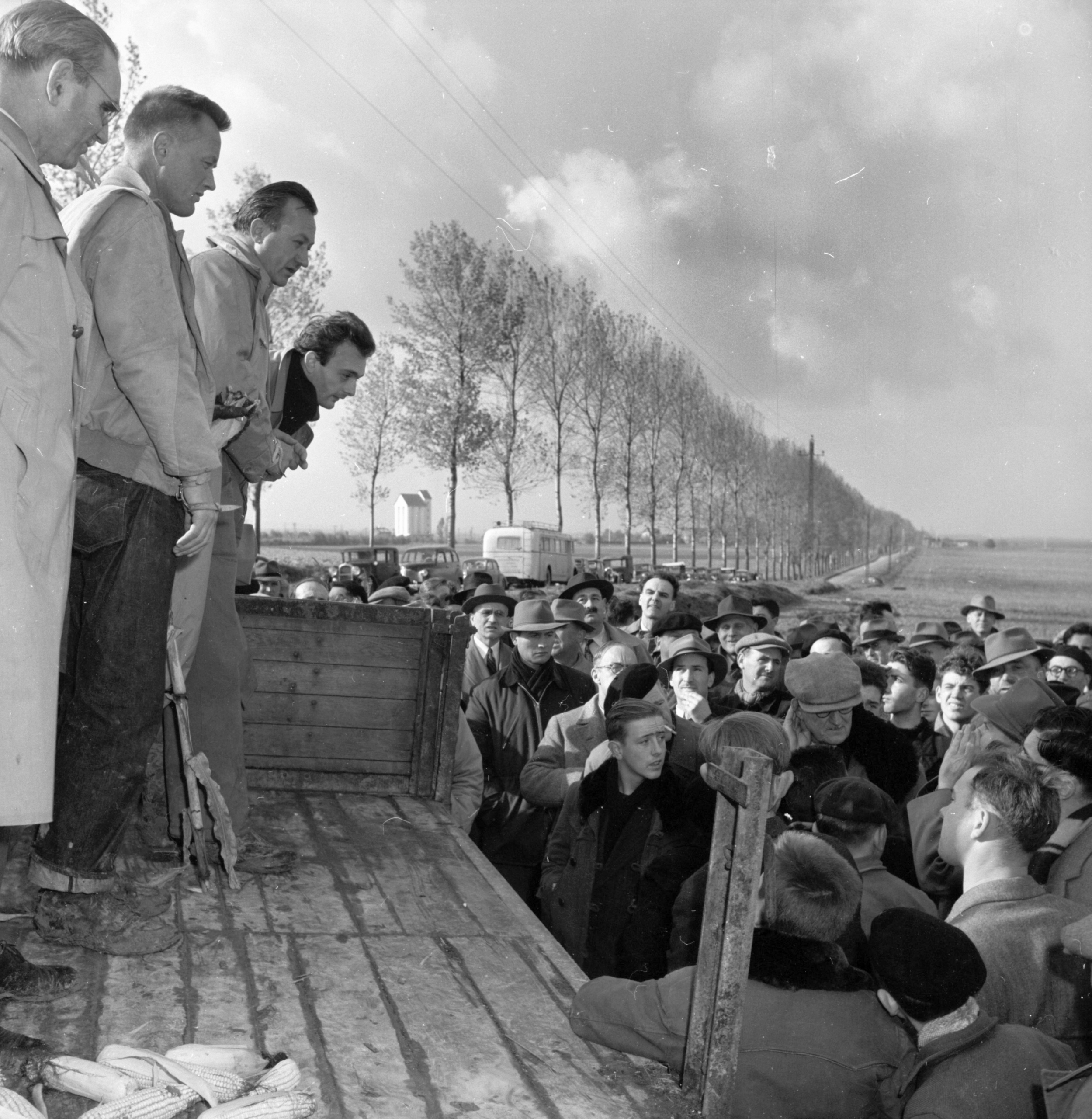
Of everything in this subject, the detail that tells you the most is the one that sounds least believable: corn husking was a national spectator sport.
Not a county fair novelty. Organised competition at county, state and national level, with timed rounds, judges, measured weights, and deductions for husks left on the ear and for ears missed in the row. Recognised champions. Press coverage. And crowds in the tens of thousands standing at the edge of a field to watch men pick corn.
That only happens under one condition, and it is worth spelling out. A very large number of people have to be doing the thing, they have to care how well it is done, and there has to be a shared basis for judging one man against another.
All three were true. Huskers were frequently paid by the bushel, which gave output a number. The number varied enormously between men, because the technique genuinely rewarded skill – the peg strapped to the palm, one stroke to open the husk and one to break the ear loose, done as a single continuous motion without looking, is something a good hand did two or three times as fast as a beginner. And because everybody in a township had done it, everybody could appreciate exactly what they were watching.
So a whole structure of reputation, local fame and competition grew on top of a farm chore, and it is the part of this that disappeared first and most completely.
The chore itself does not deserve to be missed.
The timing was forced. Corn had to dry standing in the field before it could be stored on the cob, which put the harvest squarely into the worst weather of the year – husking in frost, in mud, in wind and often in snow, with wet hands working against frozen husks from October into winter.
The cost was paid by the hands. Husk edges are sharp, the work is continuous, and doing it cold and wet means nothing heals until the field is finished. People who did this remember their hands rather than their backs, which is unusual for farm labour and tells you how bad it was.
And it absorbed everybody. Families worked it entire, children included, doing lighter versions of the job or driving the wagon team – and school terms in farm country were arranged around the harvest, which is to say the work took precedence over the education of the people doing it.
The social gatherings were real and were genuinely enjoyed, but they existed because the job overwhelmed one family, and the meal at the end was payment in kind rather than hospitality.
The mechanisation came in two stages and the first one is easy to miss.
The mechanical picker snapped and husked the ears and delivered them to a wagon. It removed the hand labour and left everything else intact – still ears, still a crib, still shelling to do later. For a couple of decades farms had mechanised the painful part and nothing else. Pickers also had a serious injury record that everybody who used one knew about, which is worth saying plainly: the hand job destroyed hands slowly, and the machine replacing it could do far worse far faster.
Then the combine with a corn head arrived and absorbed the lot. Picking, husking and shelling in one pass, clean loose grain into a tank, residue dropped in the field. That collapsed four operations and made the crib, the sheller and the bangboard wagon redundant at once, which is why the entire apparatus of hand harvest vanished together instead of piece by piece.
Mechanical drying finished the transformation by removing the reason for the dates. Once corn could be taken earlier at higher moisture and dried under control, the harvest stopped having to wait for the weather – which is why it now happens in autumn rather than winter, for reasons entirely separate from the machine doing the picking.
What is left is a lot of empty slatted buildings, and the fact that nobody in any township now knows who the fastest man with his hands is, because there is no longer anything for him to be fast at.
If your father or grandfather did this, he had opinions about bangboards and he could still show you the motion.
And his hands told you about it for the rest of his life.
Like our content? Follow us for more.