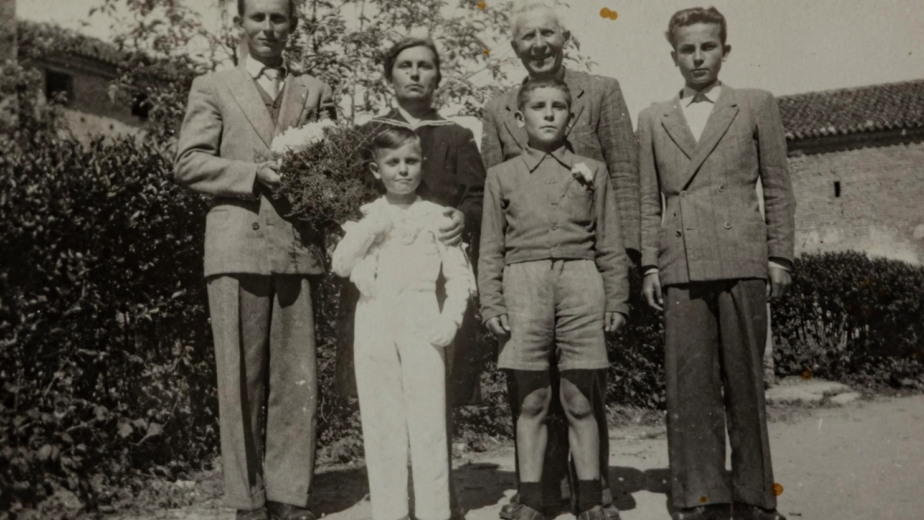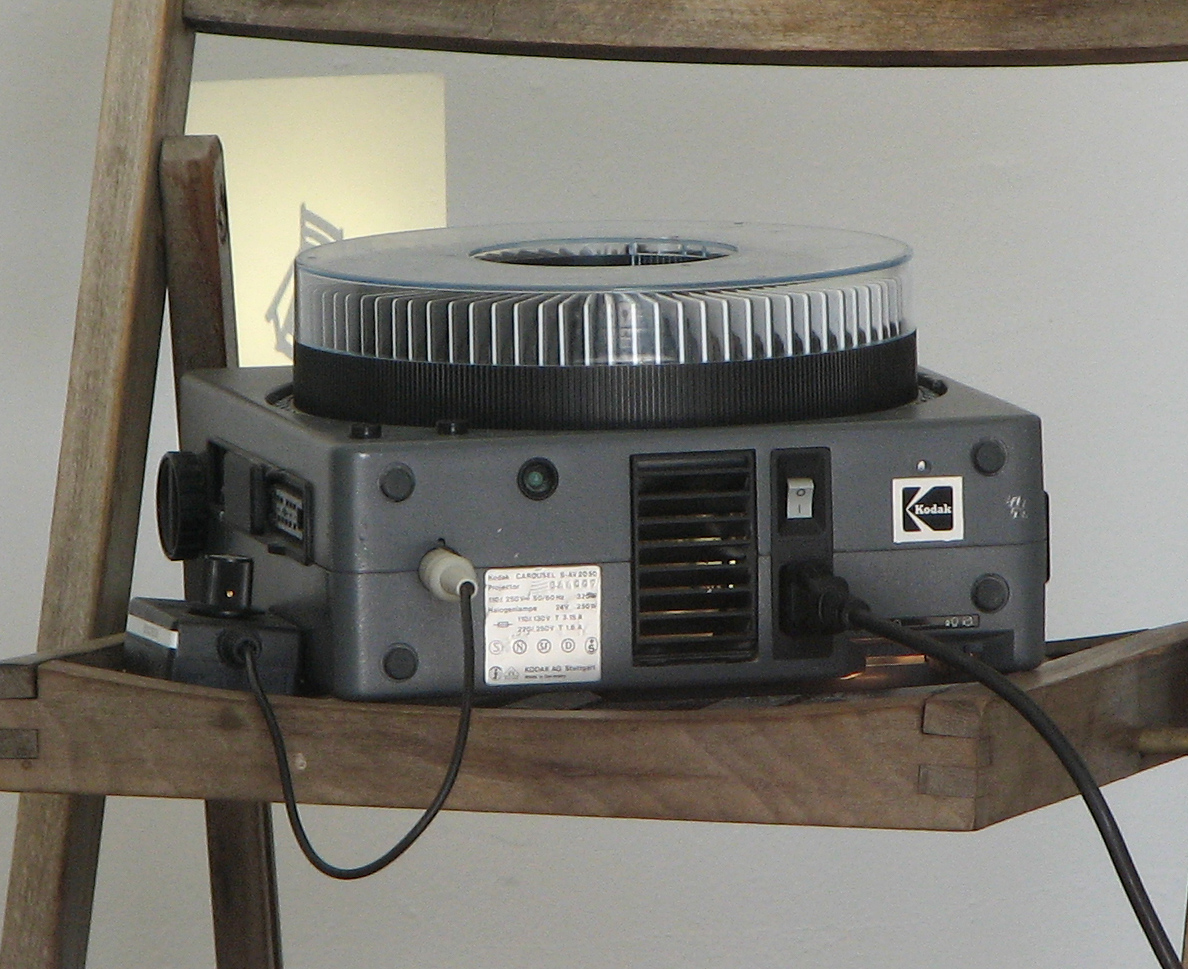
Somebody announced slides after dinner and the whole evening changed shape. The lamp went off, a sheet or a screen went up, the projector came out of its case and warmed up with that particular smell of hot dust, and for the next hour the family sat in the dark looking at itself. In 1970 that was an ordinary way to spend an evening, and the reason it worked had almost nothing to do with the pictures.
A Slide Is a Positive, Which Is Why It Looked So Good
Start with the technical fact that explains the appeal, because it is genuinely the reason. A slide is a transparency – the actual film that was in the camera, developed into a positive image rather than printed onto paper.
Light passes through it instead of bouncing off it, which gives a range from bright to dark that a print on paper simply cannot reach. So a projected slide looked startlingly better than the same shot as a photograph, and everybody could see that it did without knowing why.
Like our content? Follow us for more.
The Picture Was Big, Which Changed What It Was For
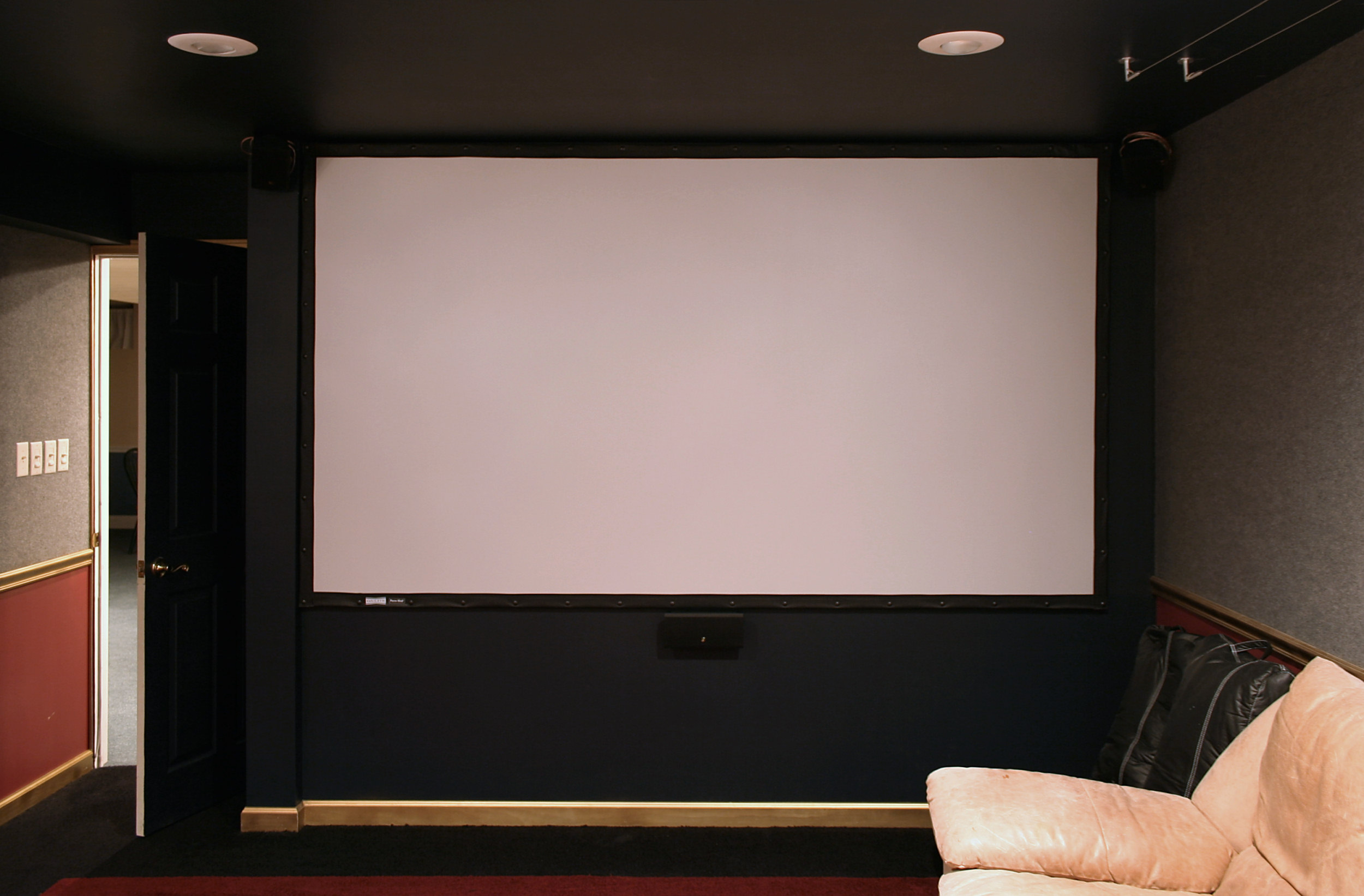
A print is held and looked at by one or two people. A projected slide is six feet across on a wall, which makes it something a room looks at together.
That difference turns a photograph from an object into an event. Nobody passes a projected image around, nobody puts it in a pocket, and everybody in the room is looking at the same thing at the same moment – which is why slide evenings produced conversation and albums produce quiet.
You Could Not See the Pictures Without Setting It All Up
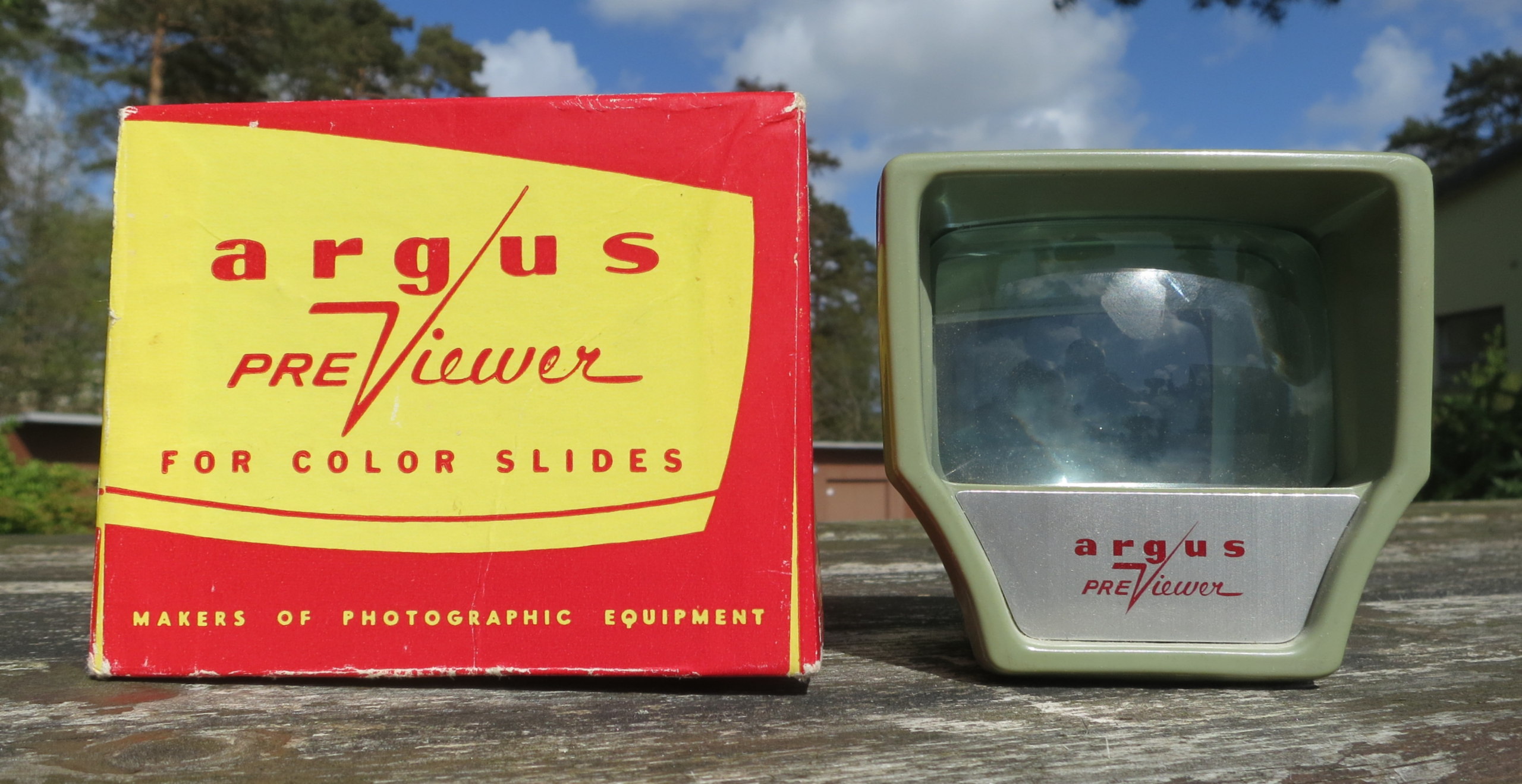
Slides had one enormous disadvantage, and it is the hinge of the whole subject. You could not glance at them.
A print can be looked at in a second, anywhere. A slide needs a dark room, a projector, a surface and a plug – so the pictures were invisible until somebody committed to an occasion. That friction is exactly why slide viewing became a scheduled social event rather than a casual act.
The Carousel Solved the Jamming Problem
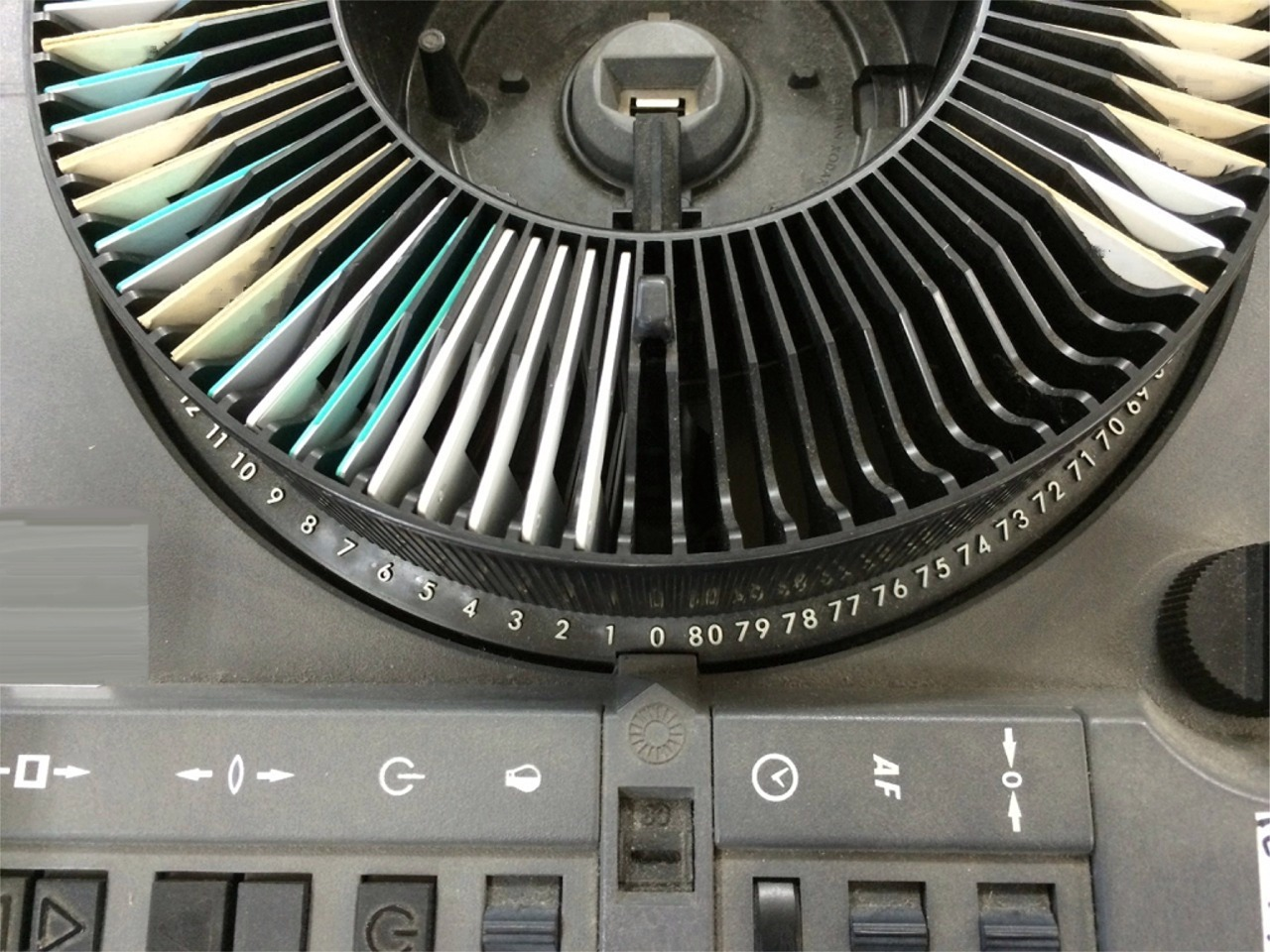
Early projectors were fed by hand or by a straight magazine, and both arrangements jammed, dropped slides and got them out of order.
The circular tray was the fix: slides sit in numbered slots around a rotating disc, drop into the gate by gravity and return to the same slot. Which means the sequence is physically preserved between showings, and an evening’s running order survives in the tray itself rather than in somebody’s memory.
Loading the Tray Was the Actual Work
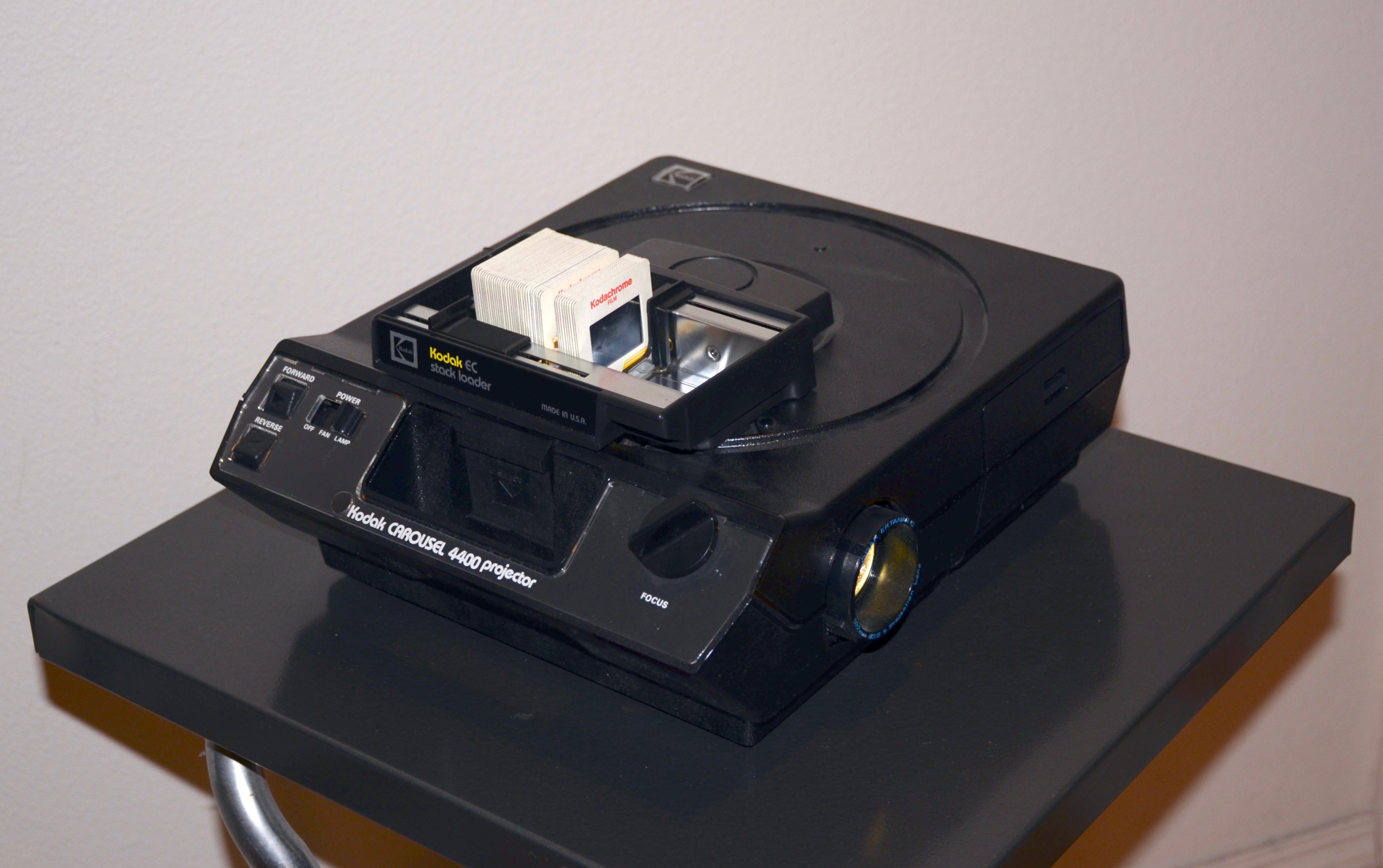
A slide can go into a projector eight ways and only one of them is right – and because the optics invert the image, the correct way is upside down and reversed.
So loading was a slow, fiddly job done in advance, with the slides held up to a window one at a time. Anybody who has done it remembers the thumb-spot: a notch or a mark on the corner of the mount, placed so you could feel which way round a slide went without needing light.
One Slide Upside Down Stopped the Whole Evening
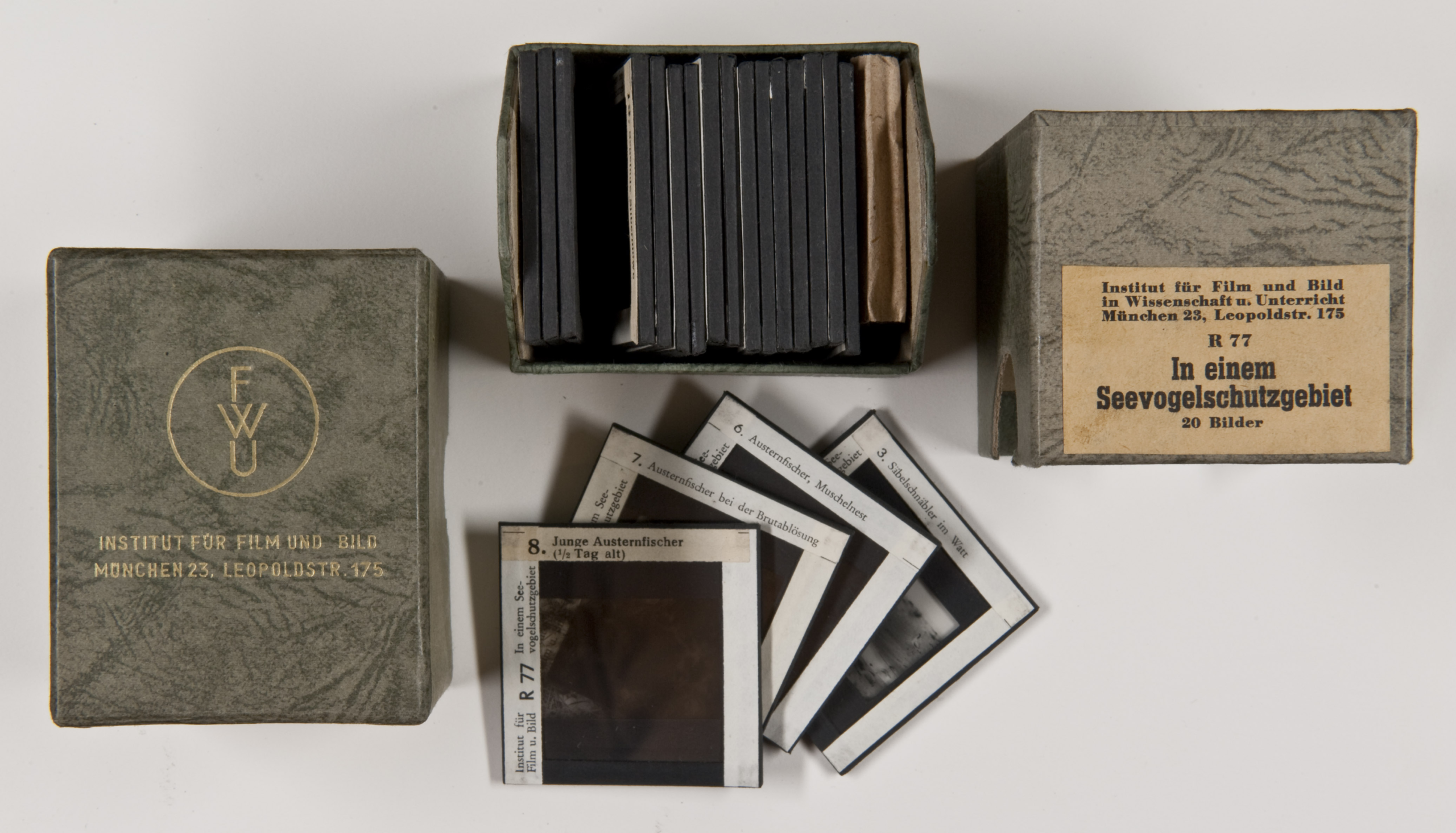
Because the tray ran in sequence, a single mistake interrupted everything in a way nobody could ignore.
An inverted or mirrored slide appeared full size on the wall, got laughed at, and had to be pulled out, turned and put back while everybody waited. That was so routine it became part of the ritual – and it is the clearest example of a failure mode that an evening absorbed rather than minded.
Somebody Had to Narrate, and It Was Always the Same Person
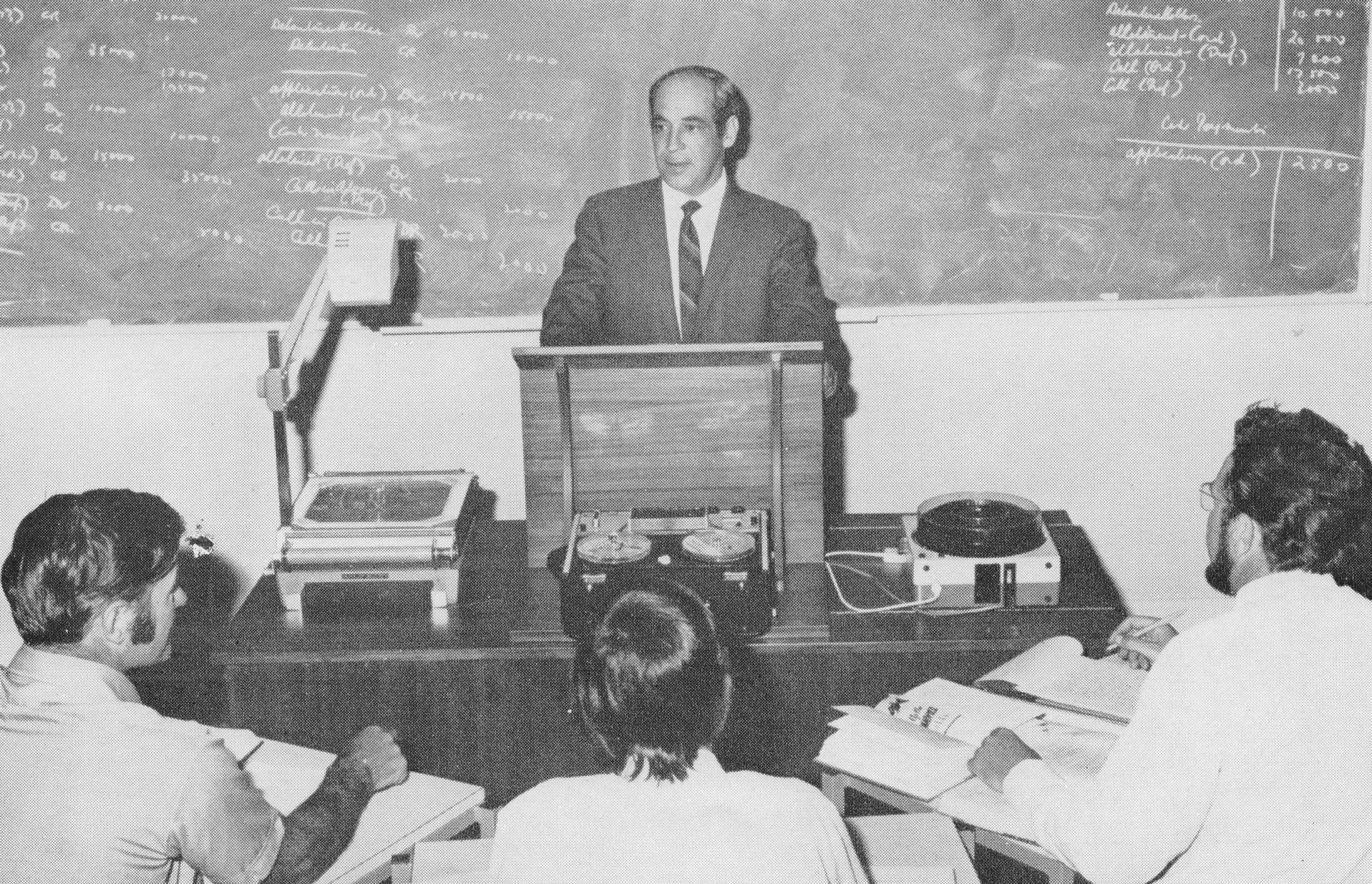
A projected slide with no commentary is just an image. The narration is what made it a showing.
Every family had one person who ran the evening, who knew which shot came next, who the people were and what happened immediately afterwards. The slides were prompts and the story was live – which means the content of a slide evening was spoken, not photographic, and almost none of it was ever written down.
The Audience Talked Back
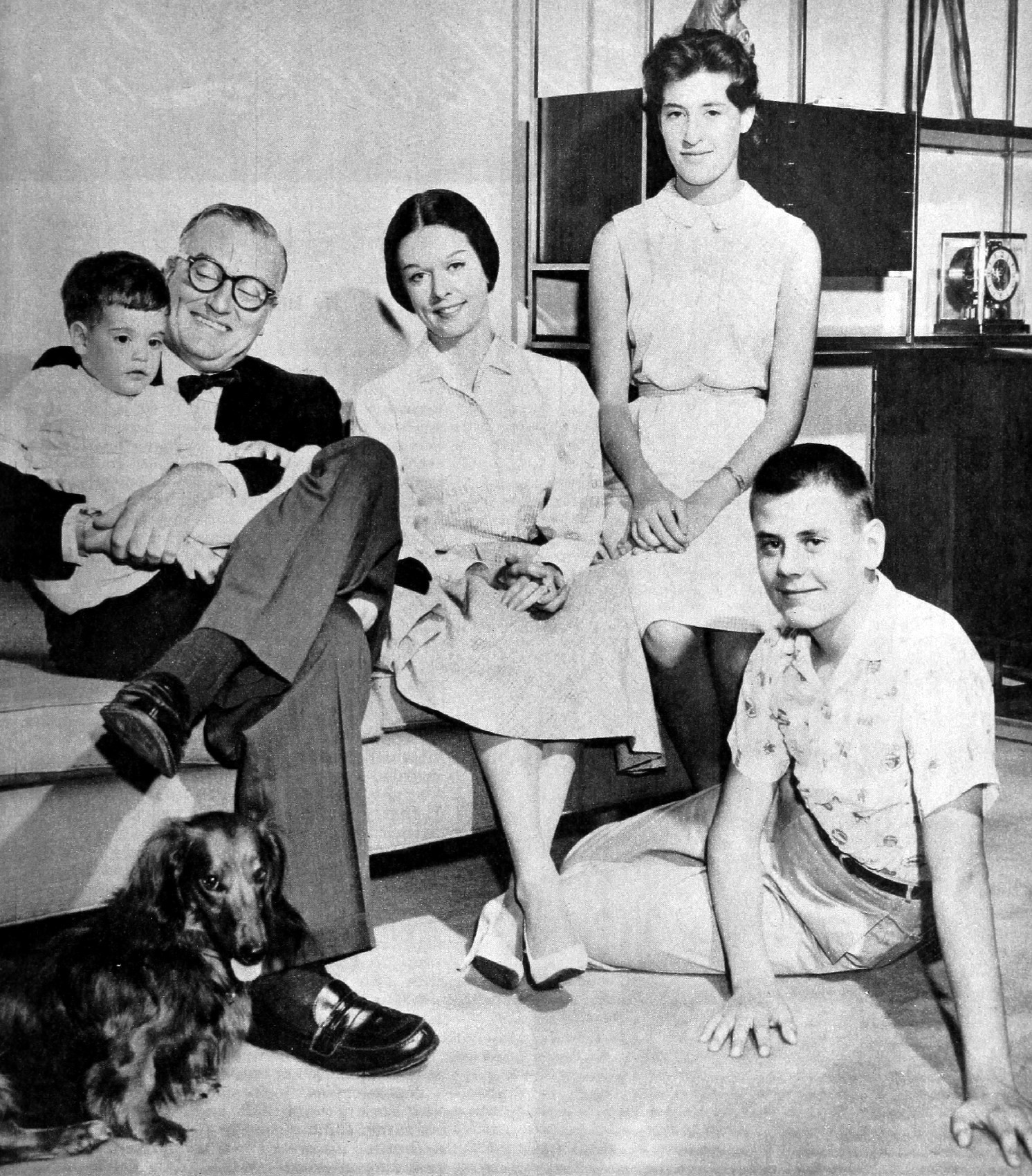
Unlike a film, a slide stays on the wall until somebody advances it, which means the pace was set by the conversation rather than by the medium.
That is the structural reason these evenings worked. A picture could sit there for four seconds or four minutes depending on how much there was to say about it, so the family was not watching a presentation – it was having a conversation with illustrations, and the projector waited.
The Machine Got Dangerously Hot
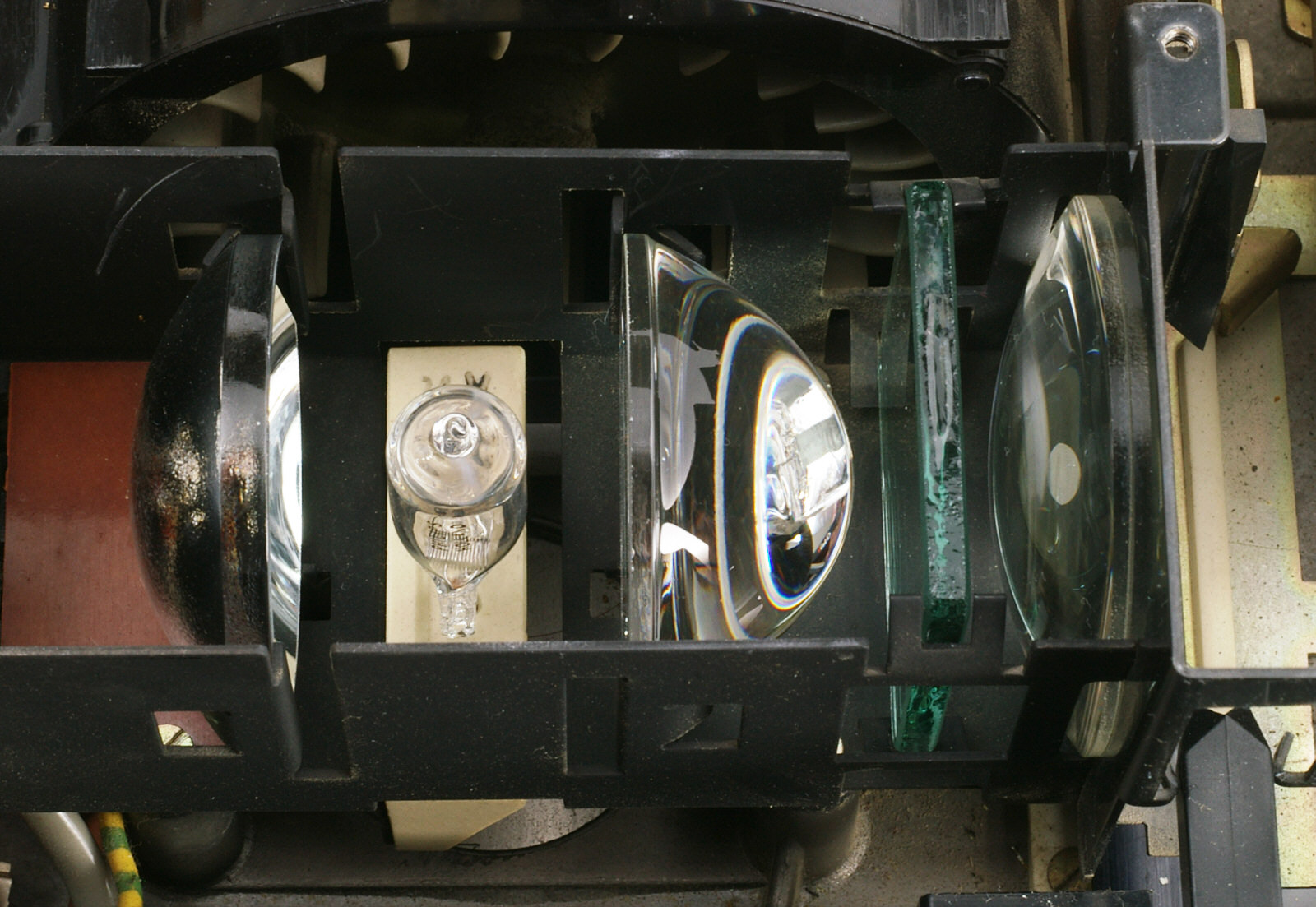
A bright projected image needs a powerful lamp in a small housing, which means a great deal of heat in a confined space with film passing in front of it.
Hence the fan, which ran constantly and was the loudest thing in the room, and hence the rule that the fan kept running after the lamp went off. A slide left in the gate too long could buckle, and everybody who used one of these knew the smell of a machine that had been on too long.
The Bulb Was Expensive and Always Failed Mid-Evening
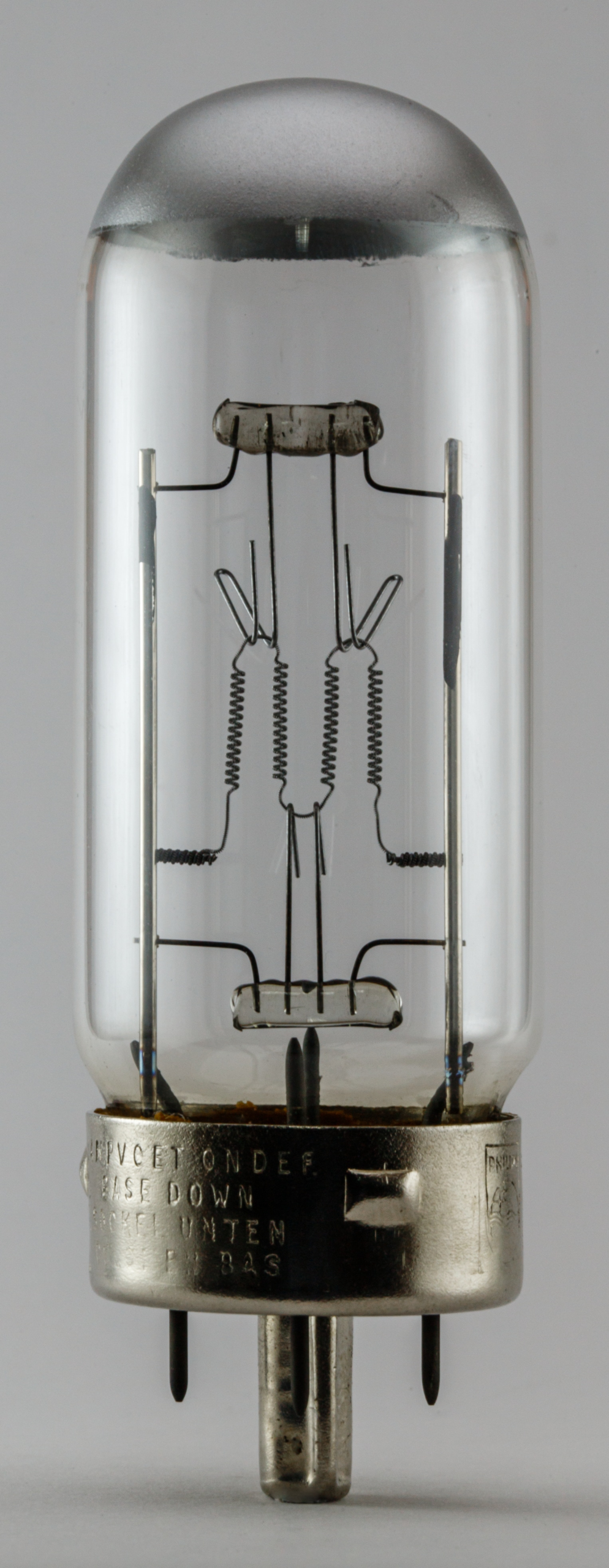
Projection lamps had short lives, cost real money and were not the sort of thing a household kept two of.
So the evening ended when the bulb went, which it did without warning, usually in the middle of a sequence. A spare in the case was the mark of somebody serious about the whole business, and a dead projector with no spare meant the pictures went back in the cupboard for weeks.
The Screen Was Half the Equipment and Usually Improvised
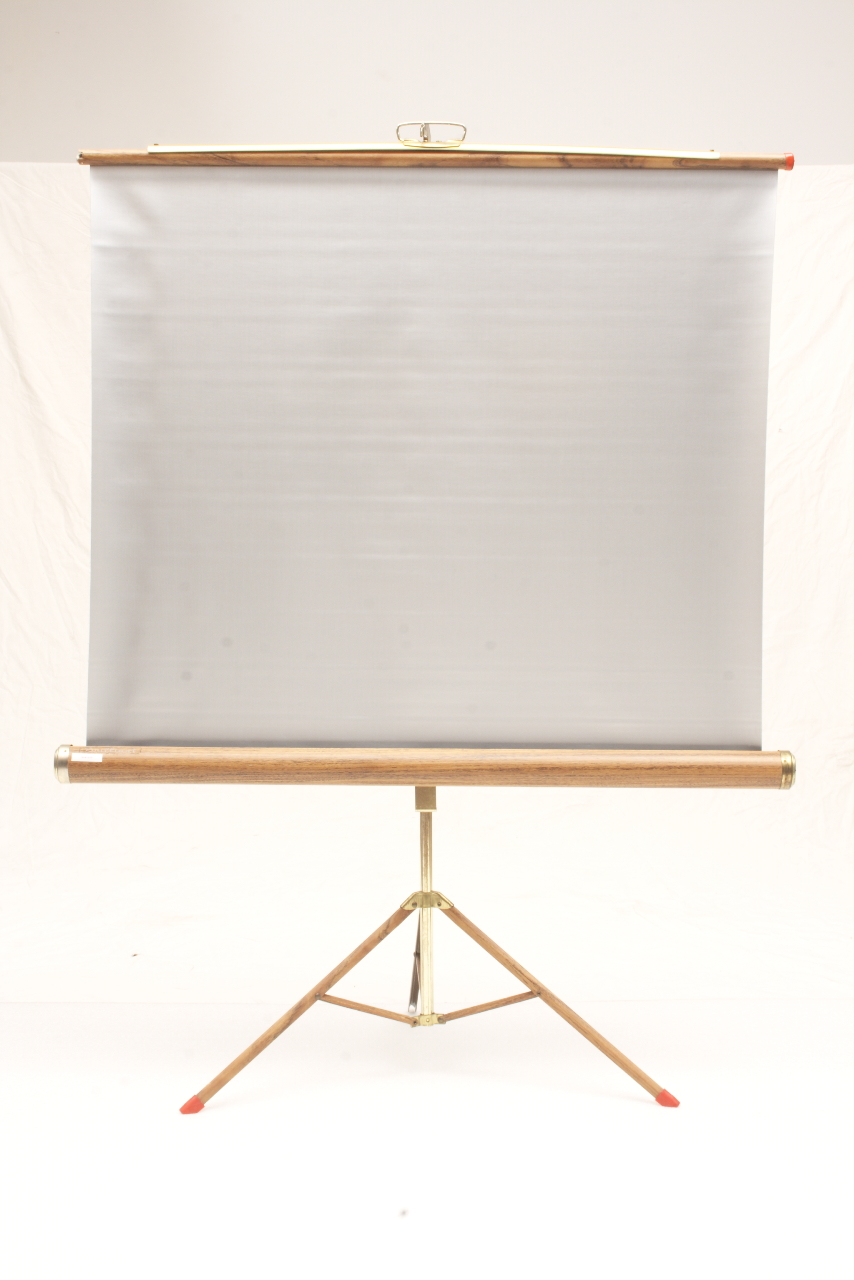
A proper screen is a tripod and a roll of silvered fabric, and plenty of households never owned one.
A sheet pinned to a door, a pale wall, the back of a map – any flat light surface did the job, at some cost in brightness and evenness. Which meant the quality of a family’s slide evenings depended partly on the architecture of its living room, and people learned which wall in the house was the good one.
The Order of the Tray Was an Editorial Decision
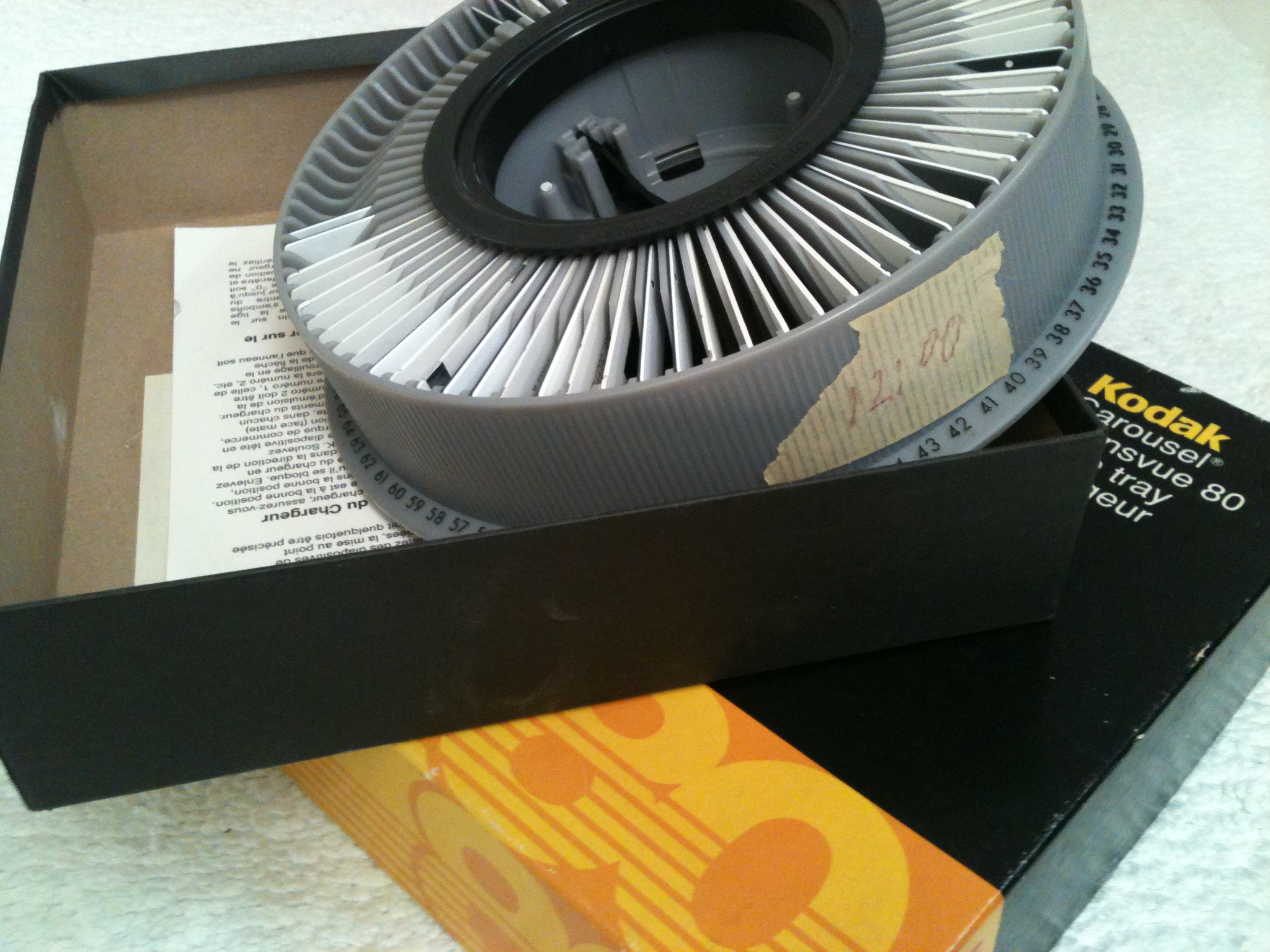
Somebody chose what went in, in what sequence, and what was left out – and that choice was never discussed.
A slide evening is a chosen and arranged thing. The bad exposures stayed in the box, the unflattering shots quietly did not make the tray, and the trip was told in the order the narrator wanted to tell it. So the family’s record of itself was shaped by whoever loaded the carousel.
Vacations Were the Main Subject and the Main Risk
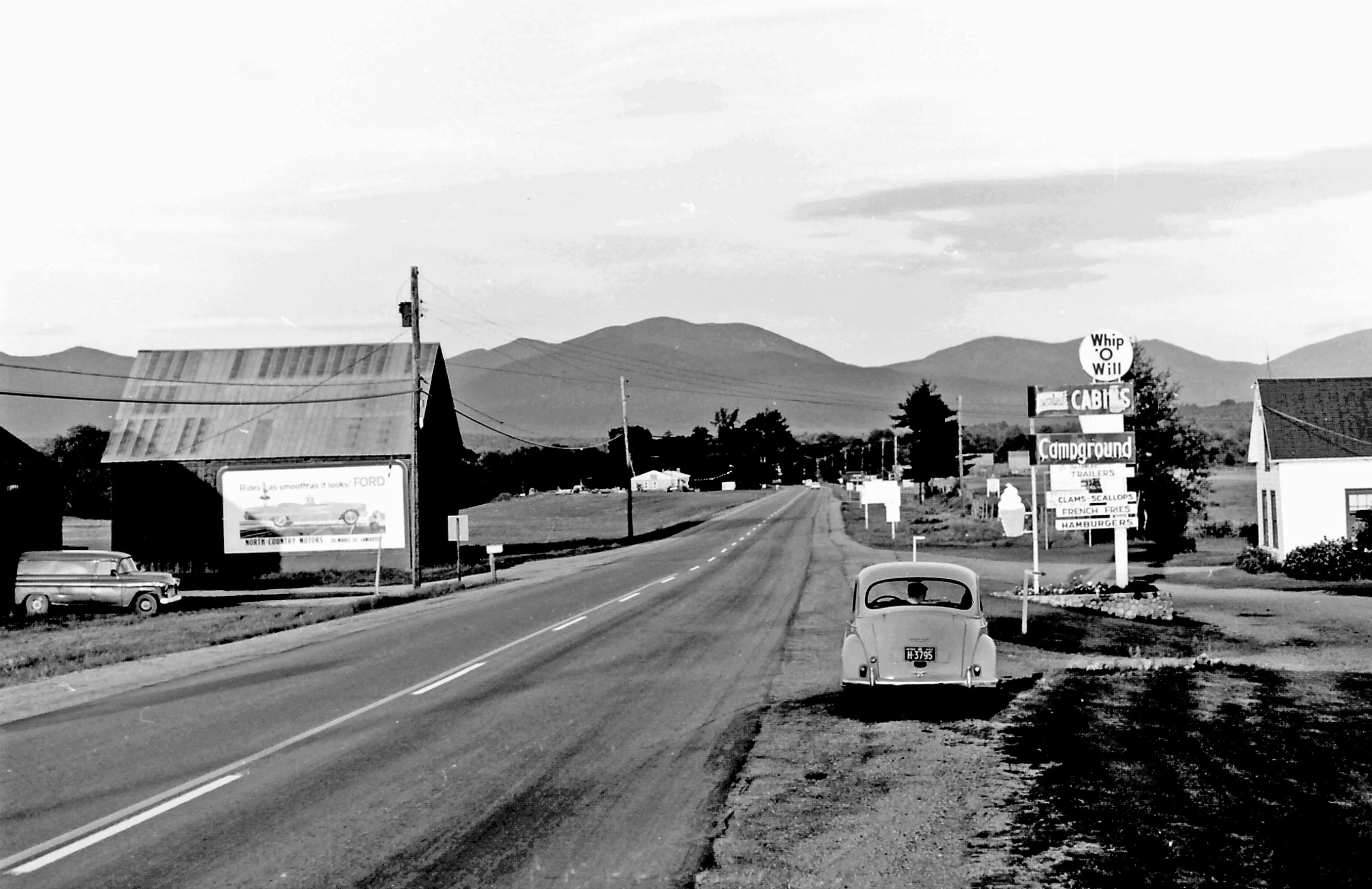
Slides and travel went together, because a trip is the one occasion a household photographs heavily and in sequence.
It is also the origin of the joke. A tray of somebody else’s holiday, narrated at length, to a captive audience in a dark room, with no way to skip ahead – that is a specific social hazard, and it was understood as one at the time by everybody except the person holding the advance button.
Slides Did Not Get Shown to Visitors by Accident
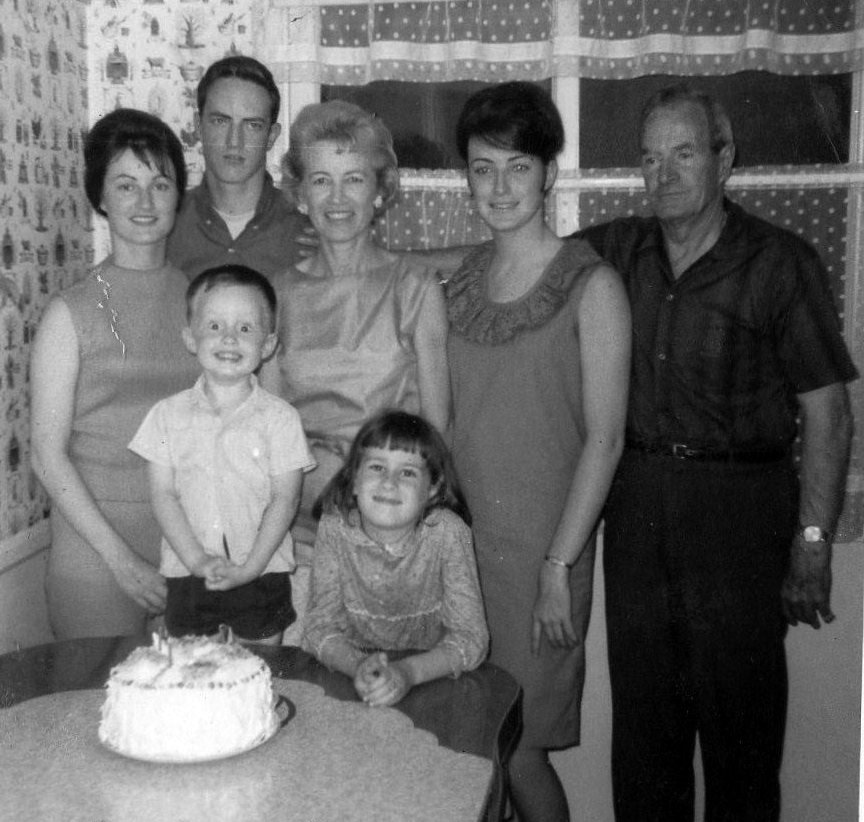
Because the setup was deliberate, showing slides to guests was a decision – which made it an act of some intimacy.
You do not put up a screen for somebody you barely know. So being shown a family’s slides placed you inside the household in a way that being handed an album did not, and the effort involved was itself the message.
The Boxes Outlived the Projector by Decades
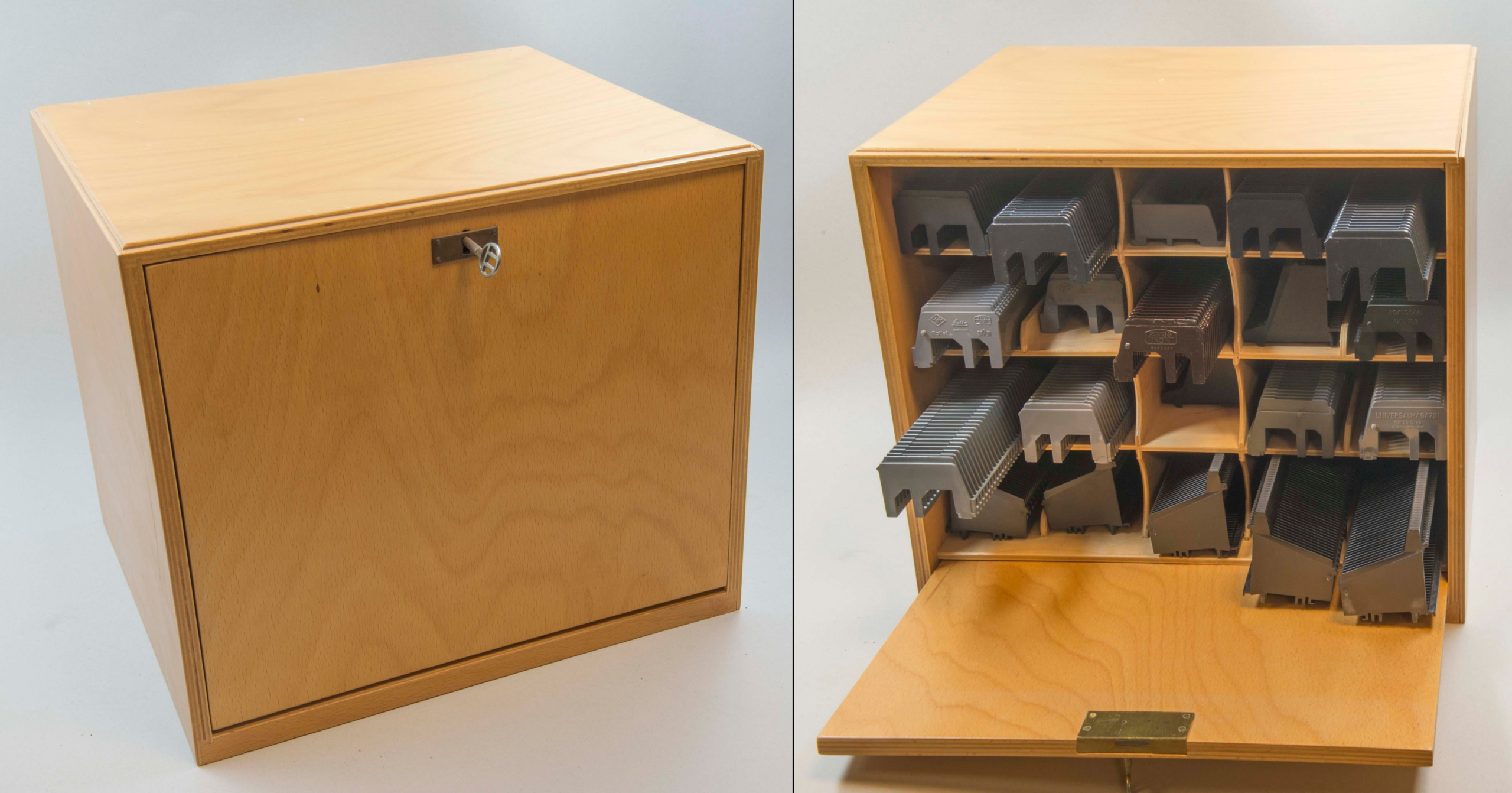
Slides store well. They are small, they survive handling in a mount, and a carousel or a box holds hundreds in order.
Which is why so many households still have them, long after the machine has gone and the bulb became unobtainable. The record survived perfectly and the means of reading it did not – which is an unusually literal version of a problem every generation of media has had since.
Prints Were Cheaper, Easier and Won on Convenience
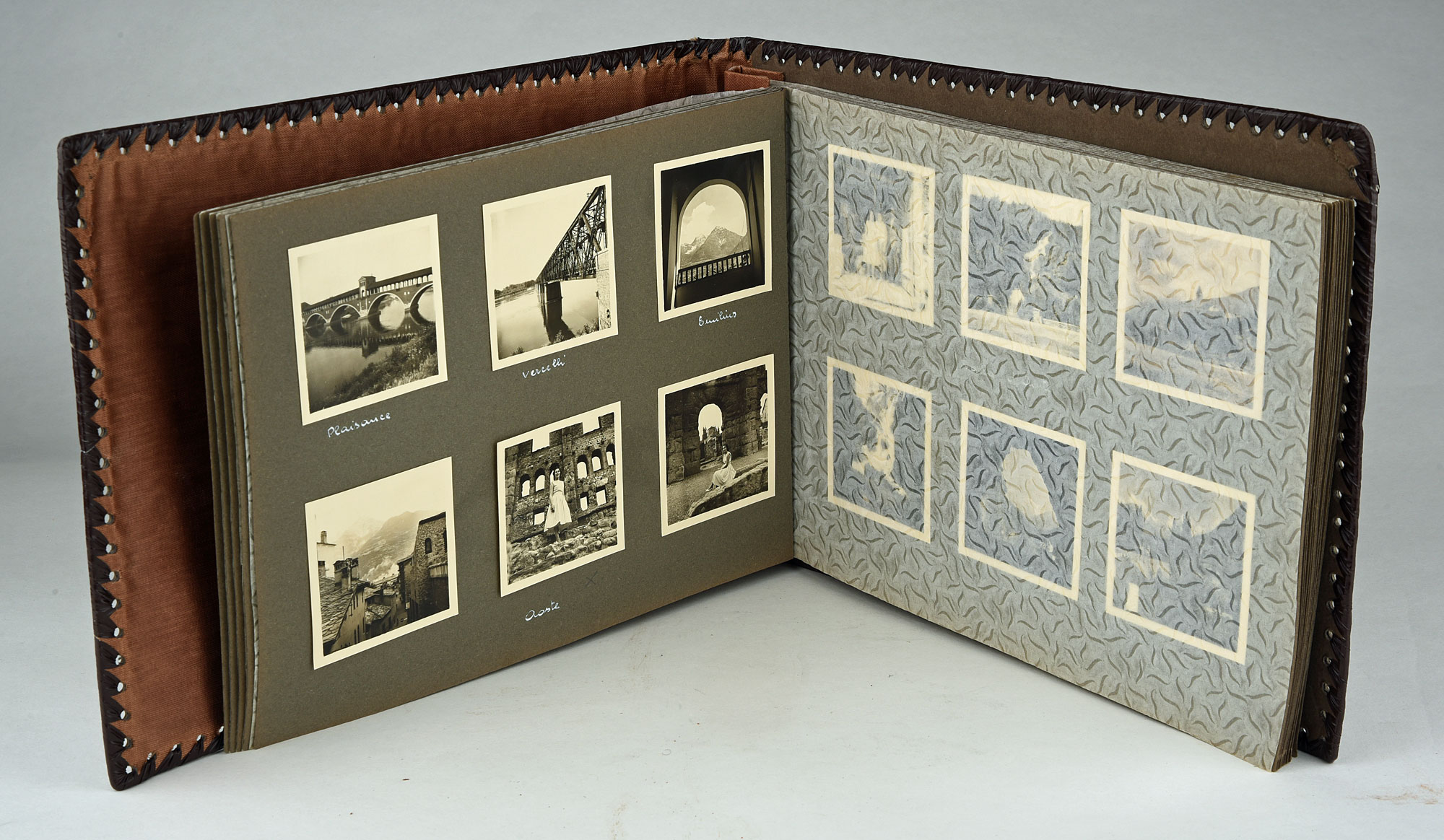
Colour printing got good and cheap, and a print needs no machine, no darkness, no screen and no occasion.
That is the whole story of the changeover. A print is worse to look at and infinitely easier to look at, and easier wins – which is the same trade as every other convenience in this period, made in favour of the thing you can do without planning an evening around it.
Video Removed the Need to Sit Together at All
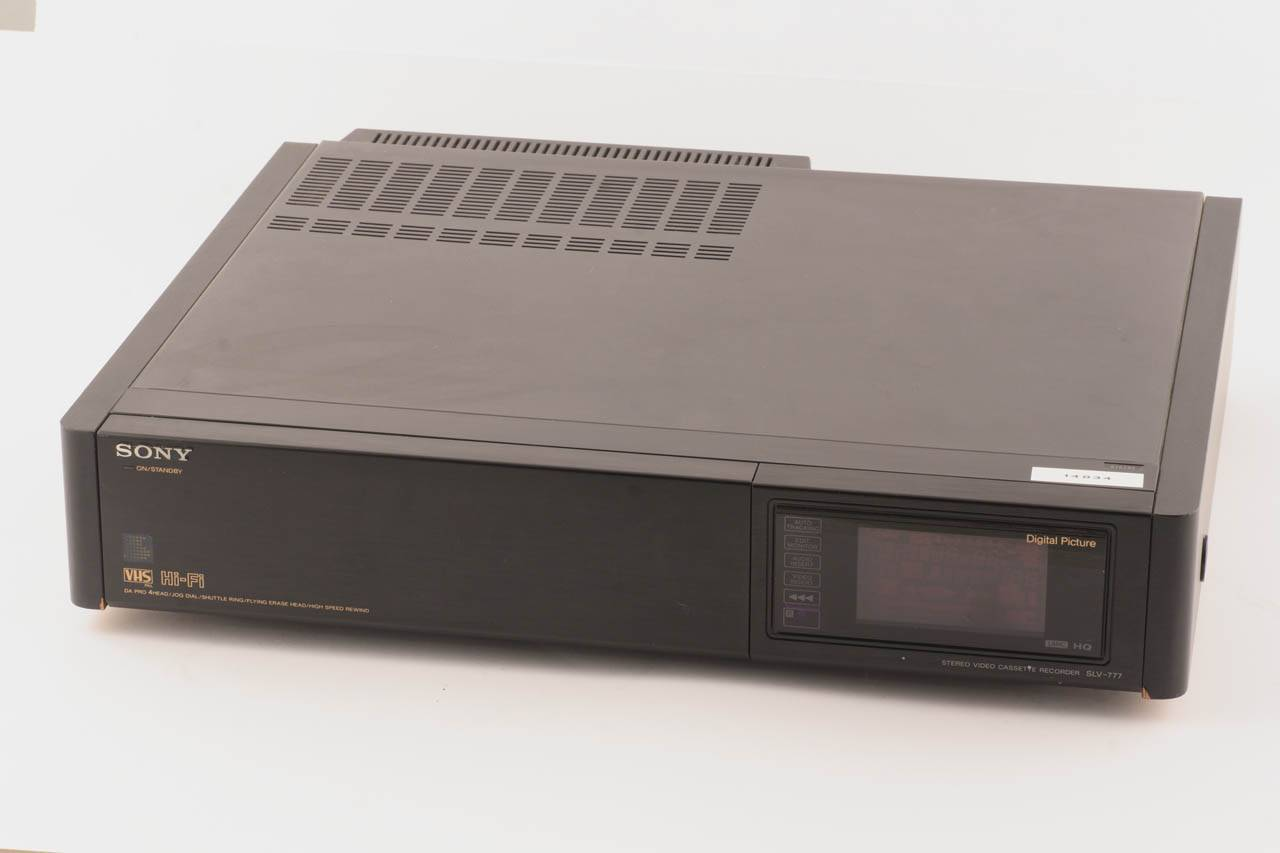
Then moving pictures came into the house on tape, and later anything could be watched by anybody at any time on a screen in their hand.
The slide evening did not lose to a better slide. It lost to the disappearance of its own precondition: an occasion at which a whole household sat in one room, in the dark, looking at a single surface because that was the only way to see the thing.
And What Was Lost Was the Occasion, Not the Pictures
The honest reckoning is that the images are all still here and better cared for than ever, and the thing that has gone is everything around them.
Every photograph a family has ever taken is now viewable instantly by one person on a device, which is a complete victory for access and a total defeat for the evening. Nobody narrates. Nobody has to be told who that is in the back row, because nobody is in the room to ask. The friction that made slides annoying – the darkness, the setup, the fixed sequence, the fact that you could not look at them alone – is precisely what made the family sit down together and talk about where it had been. The pictures were never the point. The dark room was.
Like our content? Follow us for more.