

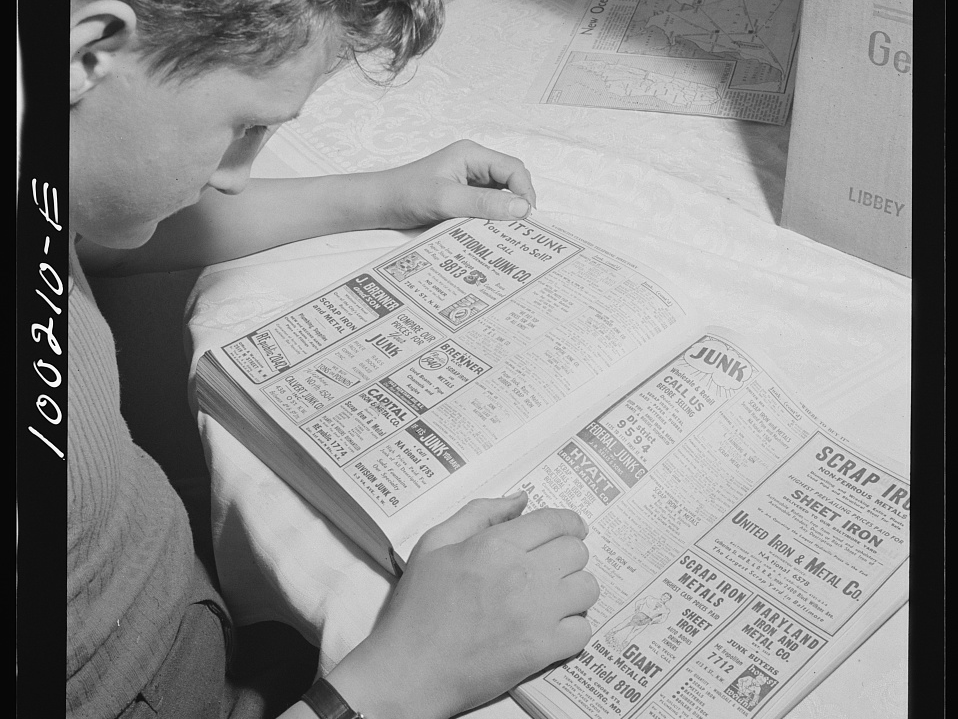
Every house in America had the same book in 1970, and nobody thought of it as a book. The telephone directory arrived free, sat by the telephone, got written in, got torn, and was thrown out once a year when the new one came. It was the only complete list of the people in your town that any household possessed, and the strange thing is that nobody found that remarkable at the time.
It Was Delivered, Not Bought
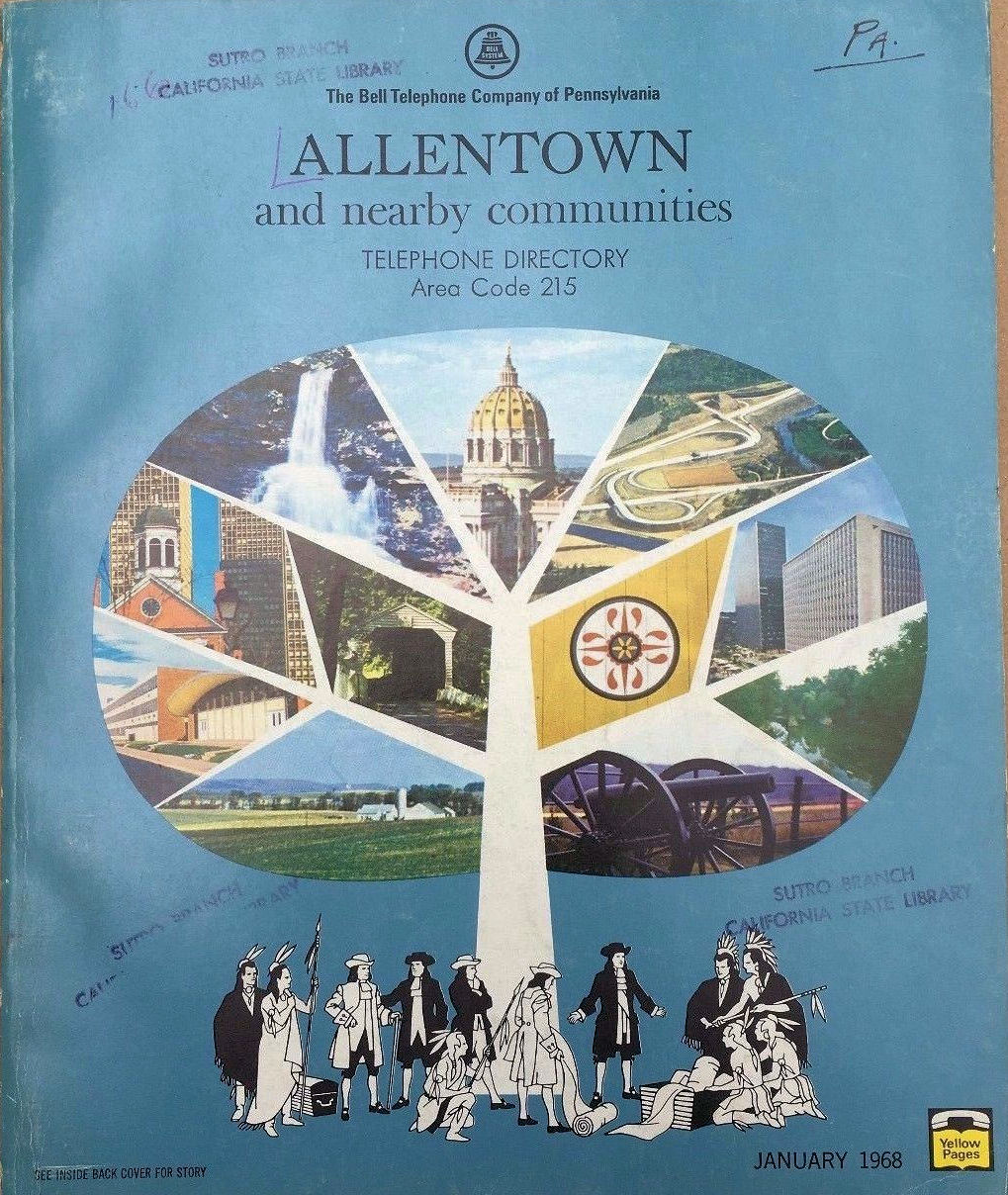
Start with the economics, because they explain the object. The directory was given away, to every subscriber, at no charge, in a quantity that meant printing one for nearly every household in the country.
That only makes sense if somebody else is paying, and somebody was: the advertising. A directory is a mass-circulation publication with guaranteed total household penetration, which is an advertiser’s dream – so the free book was funded by the businesses listed in the back of it.
Like our content? Follow us for more.
The Front Half and the Back Half Were Different Products
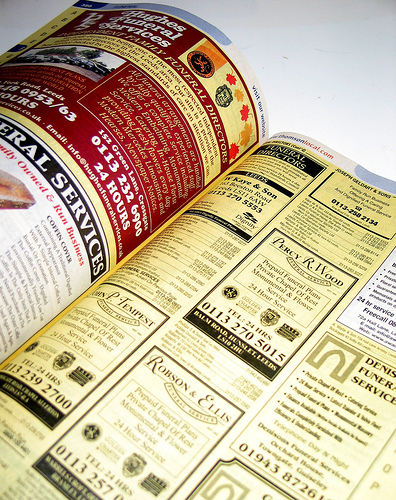
The white pages listed people and the yellow pages listed businesses, and they worked on opposite principles.
A residential listing was free, minimal and alphabetical – a name, an address, a number. A business listing was sold, and what was sold was prominence: size, position, a border, bold type. So the front of the book was a public utility and the back of it was a marketplace, bound together and delivered as one.
Being Listed Was the Default
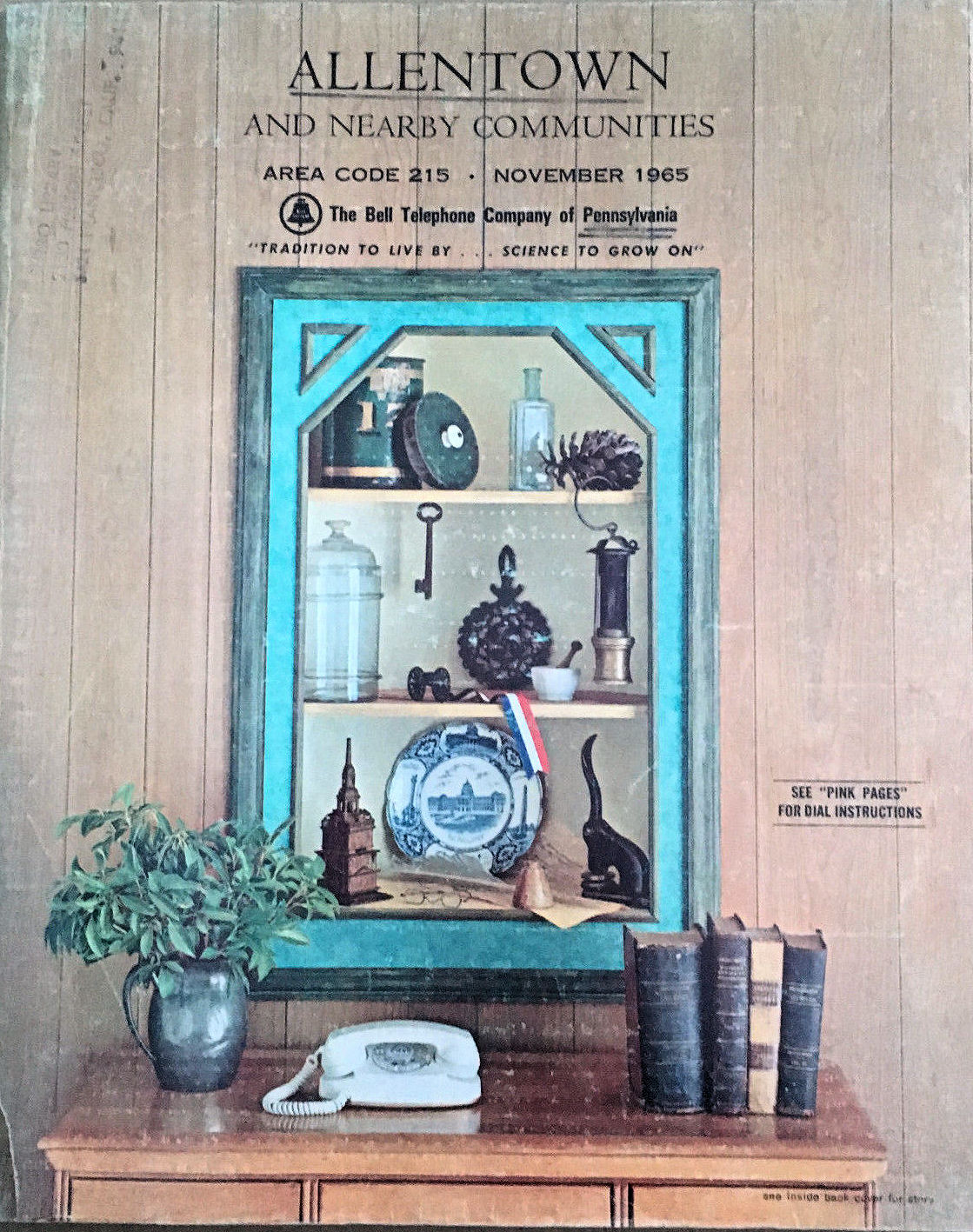
A household with a telephone was in the book unless it paid not to be, which is the exact reverse of how anybody would arrange it now.
Publication was automatic. Your name, your street address and your number went out to every house in the area as a matter of course, and keeping them out cost money – an unlisted number was a paid service. Privacy was the thing you bought; disclosure was free.
An Address in the Book Was the Normal Thing
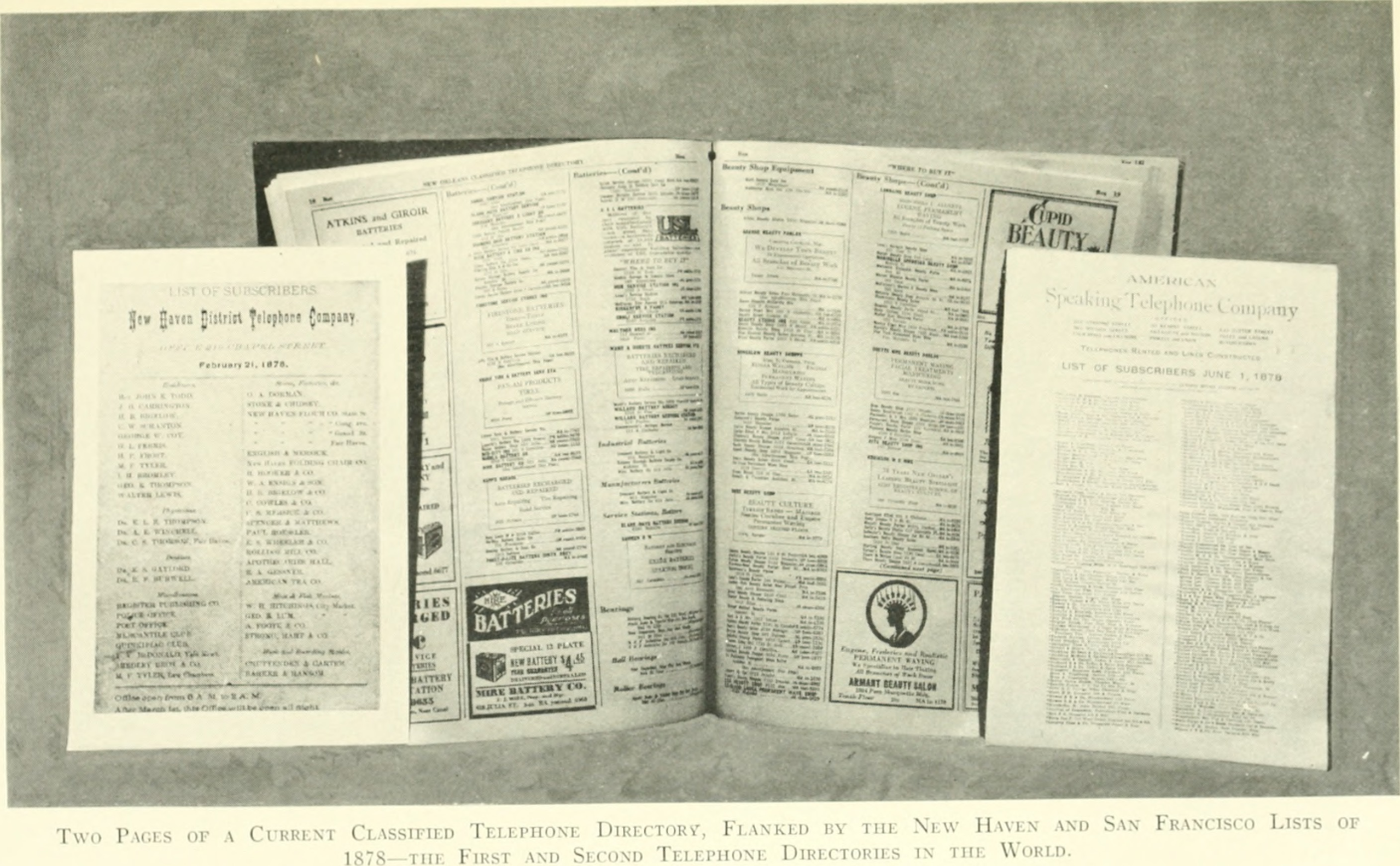
Residential listings routinely carried the street address alongside the number, which means the directory was an address book for an entire town.
It is worth sitting with that for a moment. Anybody who could pick up a book sitting in every house, office and phone booth could find out where a named person lived. Nobody experienced that as exposure, because the alternative – a telephone system you could not look anybody up in – would have made the telephone far less useful.
Alphabetical Order Was the Only Search Function There Was
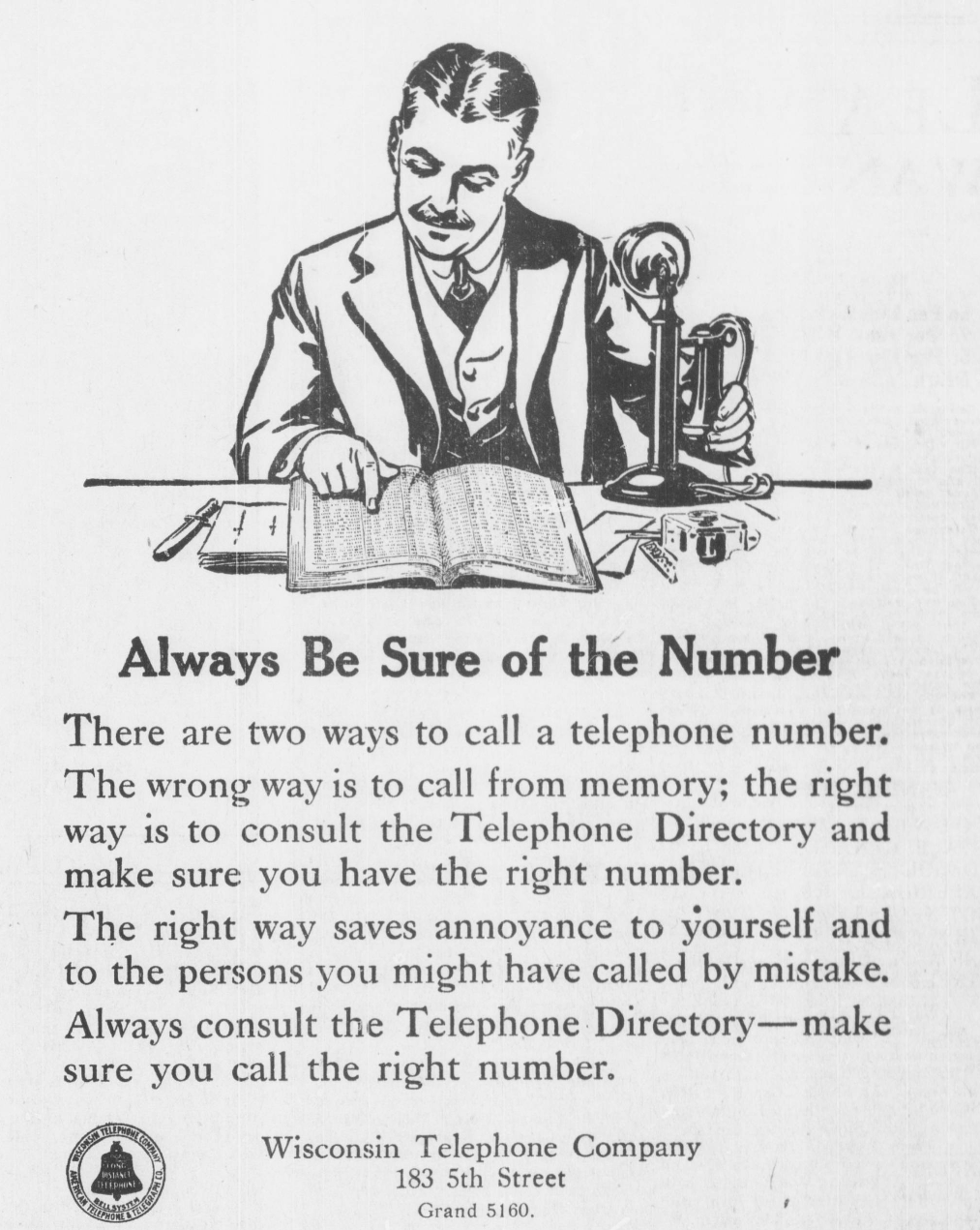
The book had no index, no cross-reference and no way in except the alphabet, which made spelling a practical skill rather than an academic one.
If you did not know how a surname was spelled you could not find it, and common names ran for columns. So people learned to narrow by first initial, by street, by neighbourhood – and a name you could not spell was a number you could not get.
Finding a Business Meant Guessing Its Category
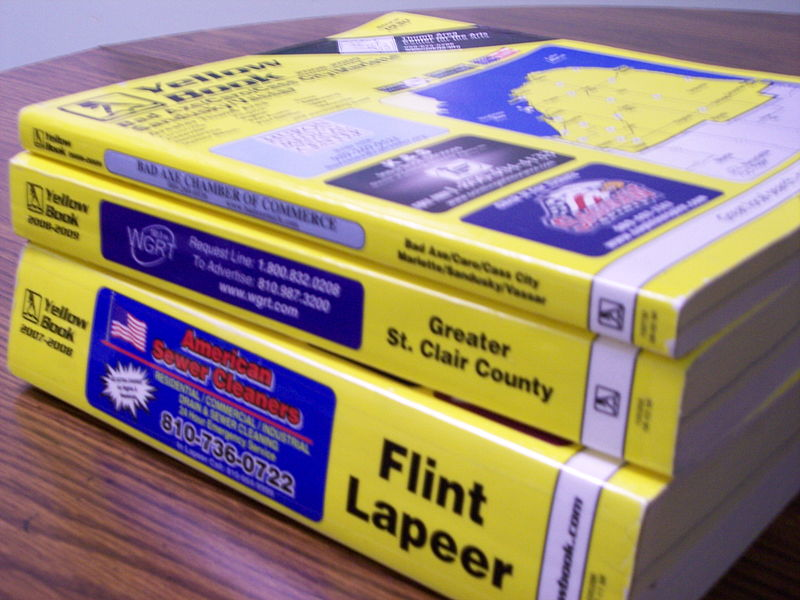
The yellow pages were organised by heading, which means the skill was predicting what somebody else had decided to call the thing you wanted.
A plumber might be under plumbing, under contractors or under heating. A shop might be under its trade or under a term nobody used any more. This is a genuinely interesting problem: the reader had to reconstruct an editor’s classification scheme from the outside, and the headings became a kind of shared local vocabulary because of it.
Businesses Gamed the Alphabet Openly
Because listings within a heading ran alphabetically, position was free advantage – so companies renamed themselves to get it.
Names beginning with A, with AA, with AAA, and eventually with digits were a straightforward response to a ranking rule. That is the same behaviour that search engines produced decades later, running on paper, and it was entirely visible to anybody reading the page.
The Thickness of the Book Told You Where You Lived
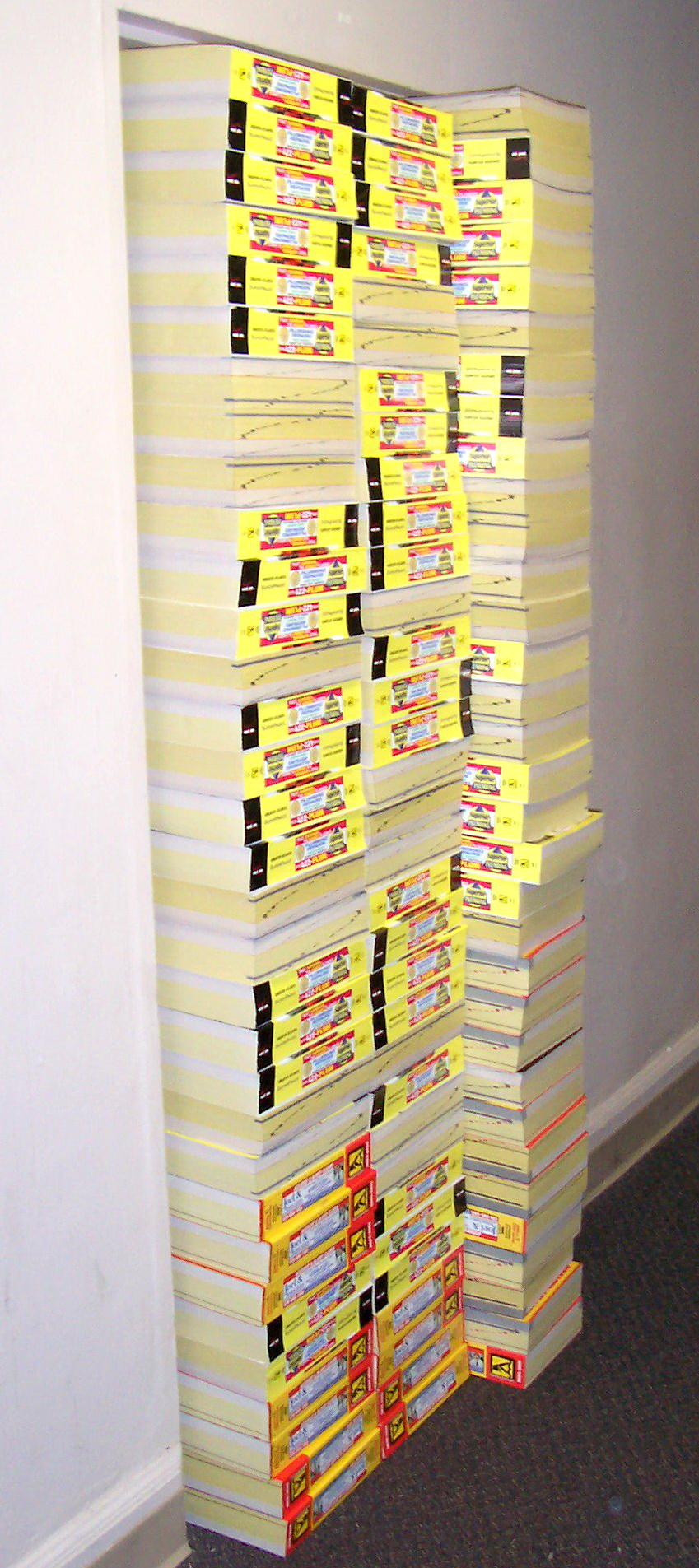
A directory’s size was a direct readout of the population it covered, and everybody had a rough sense of what a normal one looked like.
A small-town book was thin enough to hold open in one hand; a city book came in volumes and would not. That made the object a crude piece of civic information all by itself – you could tell something about a place from the weight of the book in its phone booth, and people moving between a town and a city noticed the change immediately.
The Book Was the Household’s Working Notebook
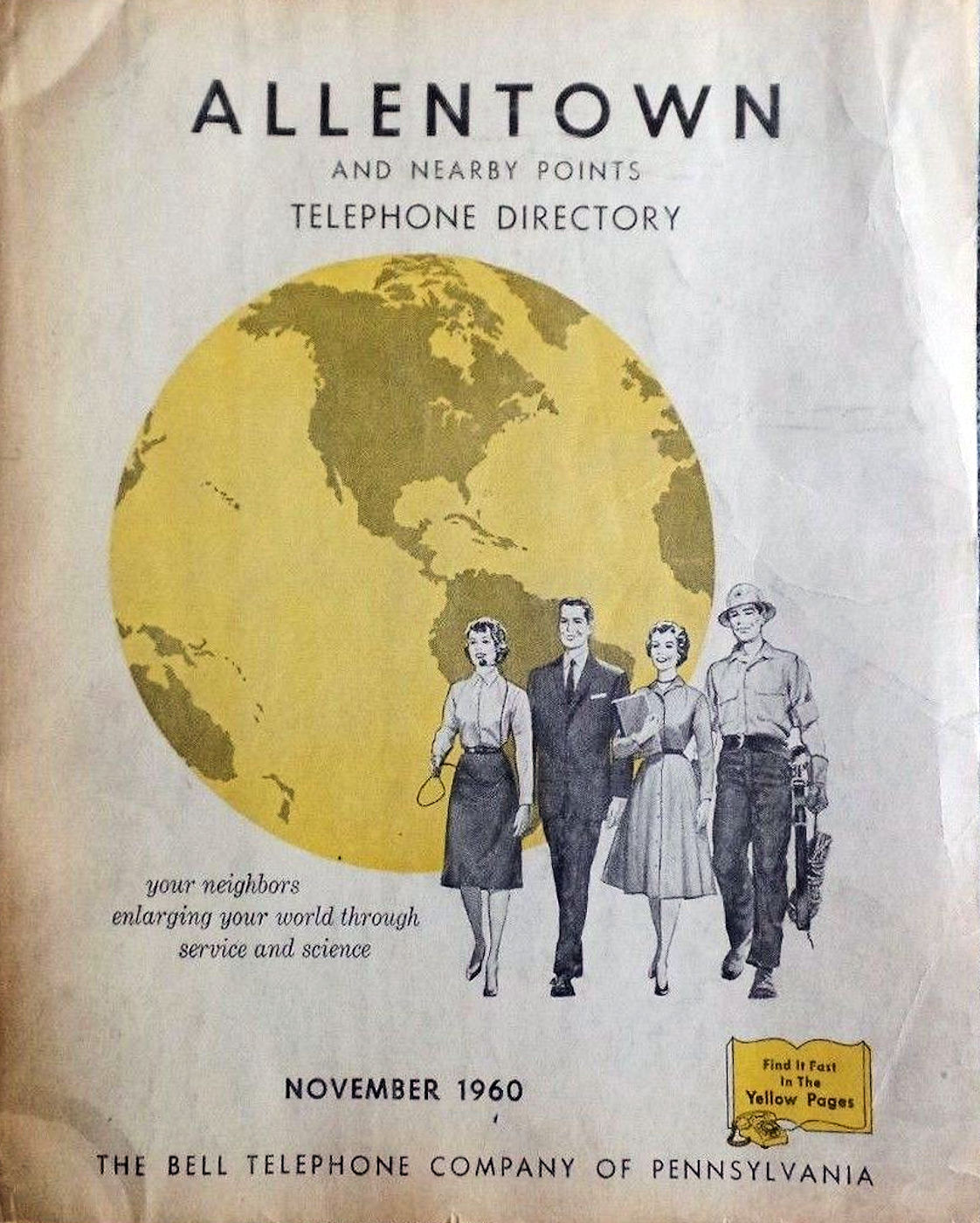
The directory’s real use was not looking things up. It was the flat surface by the telephone that everybody wrote on.
Numbers that were not in it went on its covers. Messages got taken on the margins of the first page. Appointments, addresses and reminders accumulated on the inside front cover over a year – which means the book that got thrown out each December was also a year’s record of a household’s business, discarded without a thought.
The Phone Booth Copy Was Always Ruined
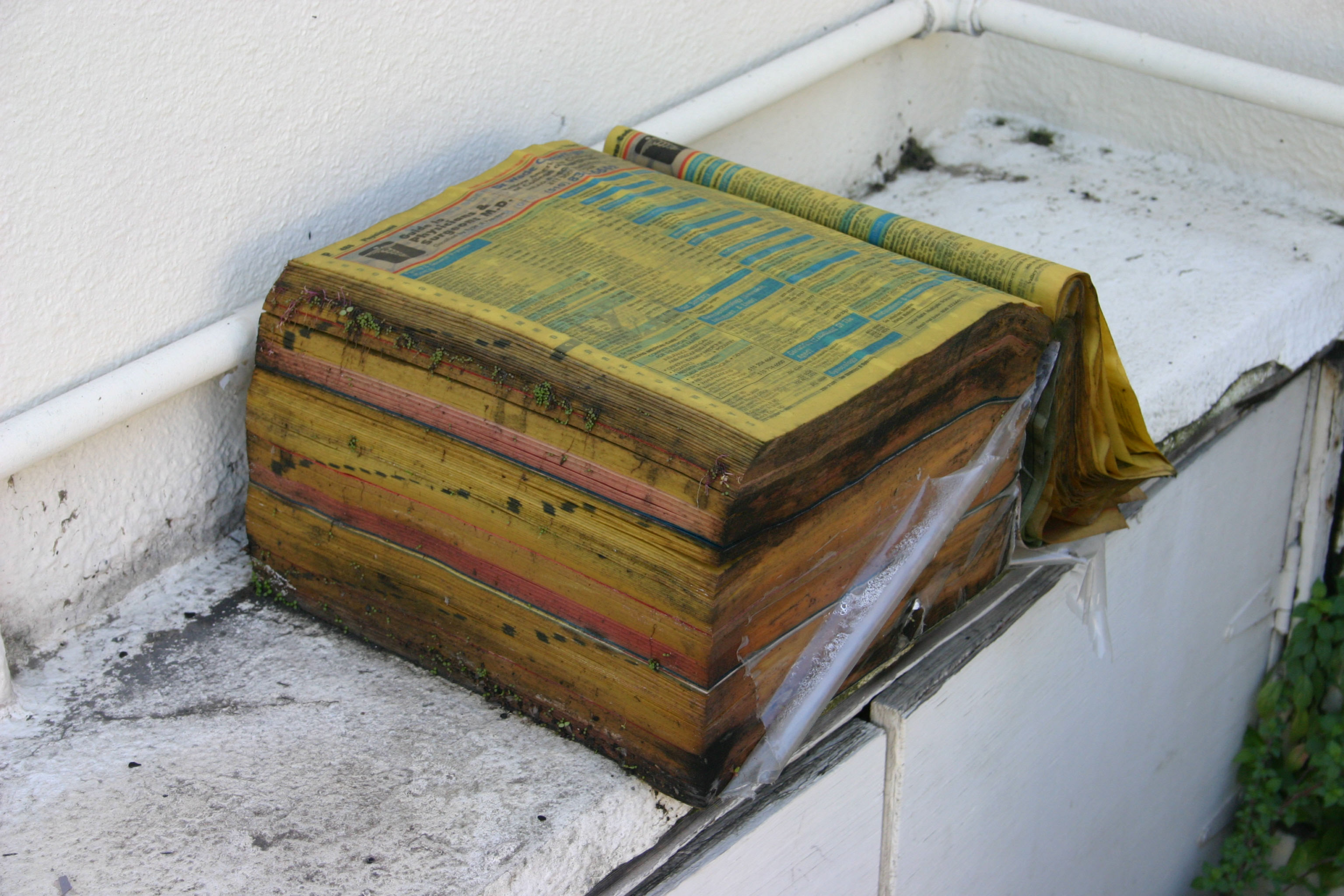
A public directory lived chained to a booth, exposed to weather, and was handled by everybody – which meant it was torn, swollen, missing pages and frequently gone.
The failure was predictable and never solved. A shared reference book with no guardian in a public place is going to be destroyed, and the standard fallback was to call the operator instead – which is why the operator remained a real part of using a telephone long after automatic switching arrived.
The Operator Was the Backup Index
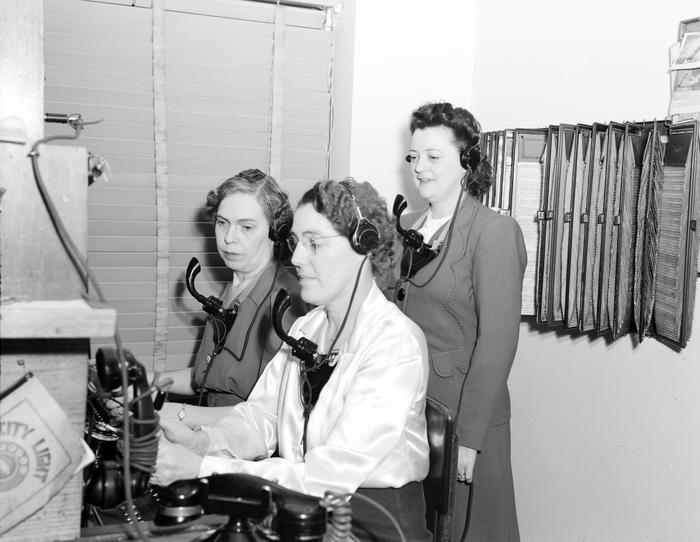
When the book failed, a person answered and performed the lookup for you, which means directory assistance was a human search service staffed around the clock.
That is an enormous amount of labour devoted to a problem now solved by typing. And it worked by conversation: you described who you wanted, the operator interpreted, narrowed and spelled, and the two of you arrived at a number together.
A New Book Came Once a Year and That Was the Refresh Rate
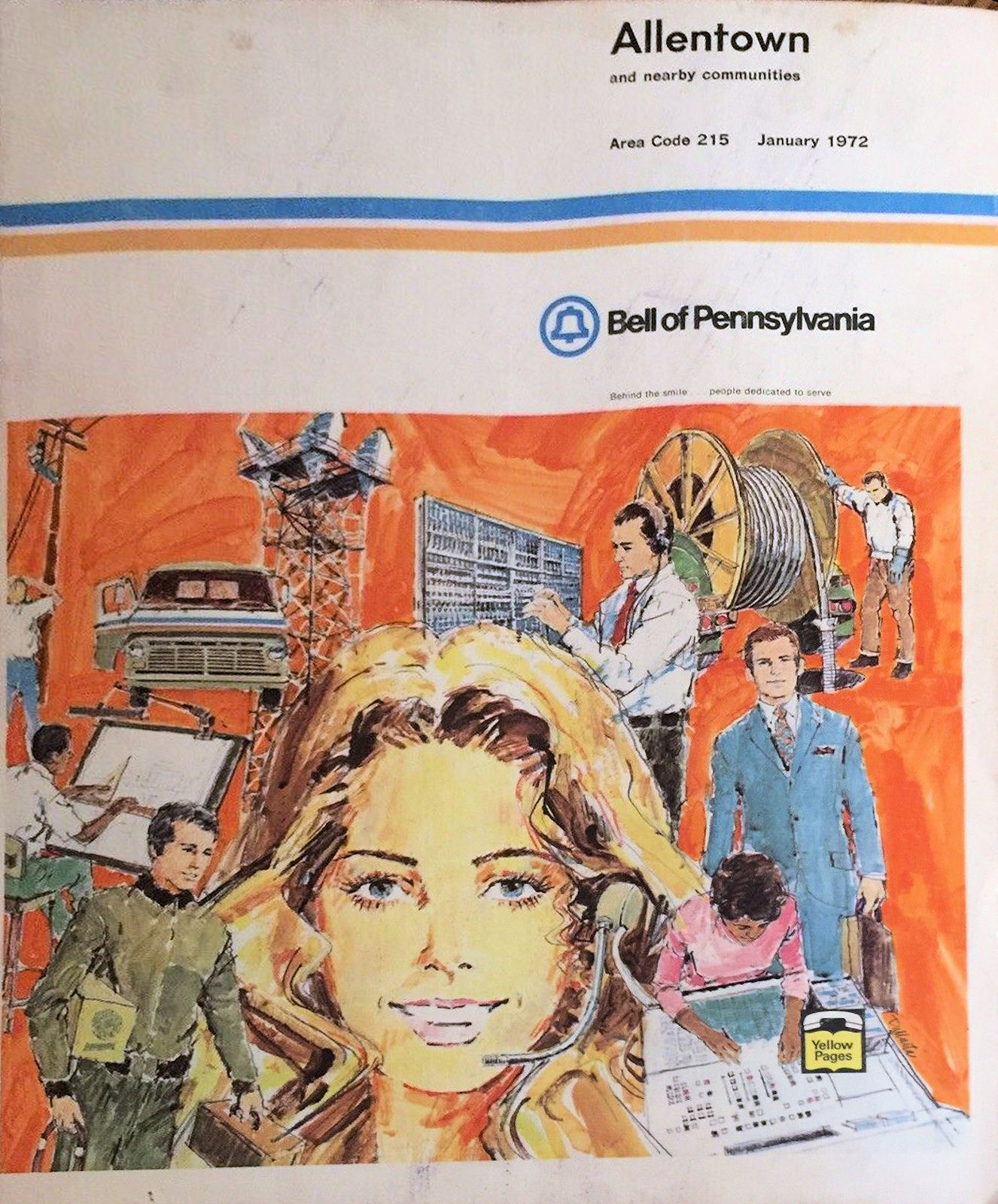
The directory was annual, so the information in it was correct on the day it was printed and decayed for twelve months afterwards.
Everybody understood this. A number from an old book might work or might not, people who had moved during the year were simply wrong in it, and new arrivals were absent until the next edition. The accepted state of a household’s reference data was up to a year out of date.
The Old Ones Did Not Go to Waste
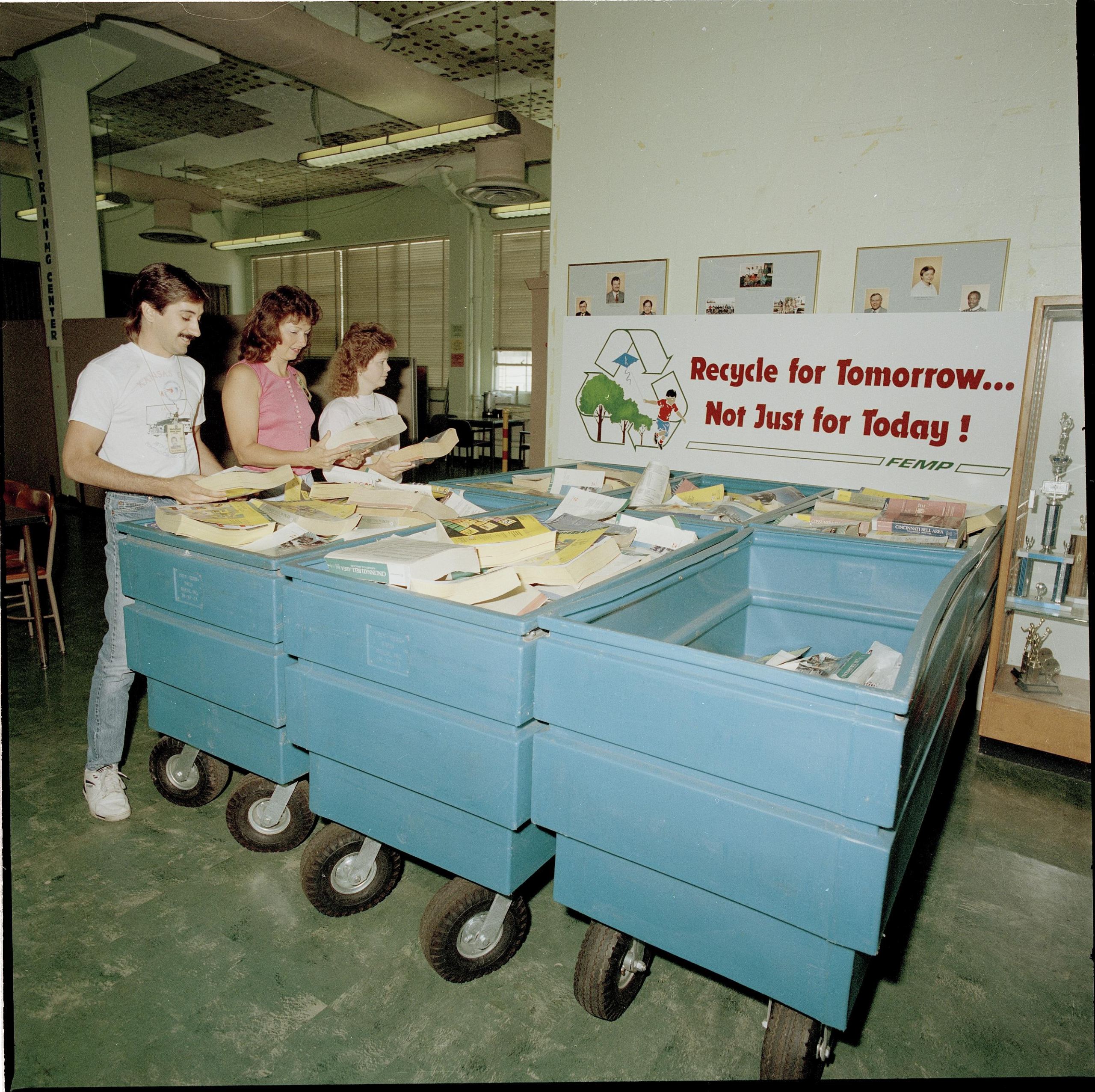
A superseded directory was thick, soft paper with a stiff cover, and it was kept for that rather than for the numbers.
Old books propped up furniture, raised a child at the table, lined drawers, started fires and got torn up for scrap paper. The annual arrival of a replacement produced a reliable supply of free bulk paper in every house, which is a small economy nobody planned.
Looking Somebody Up Was a Social Act
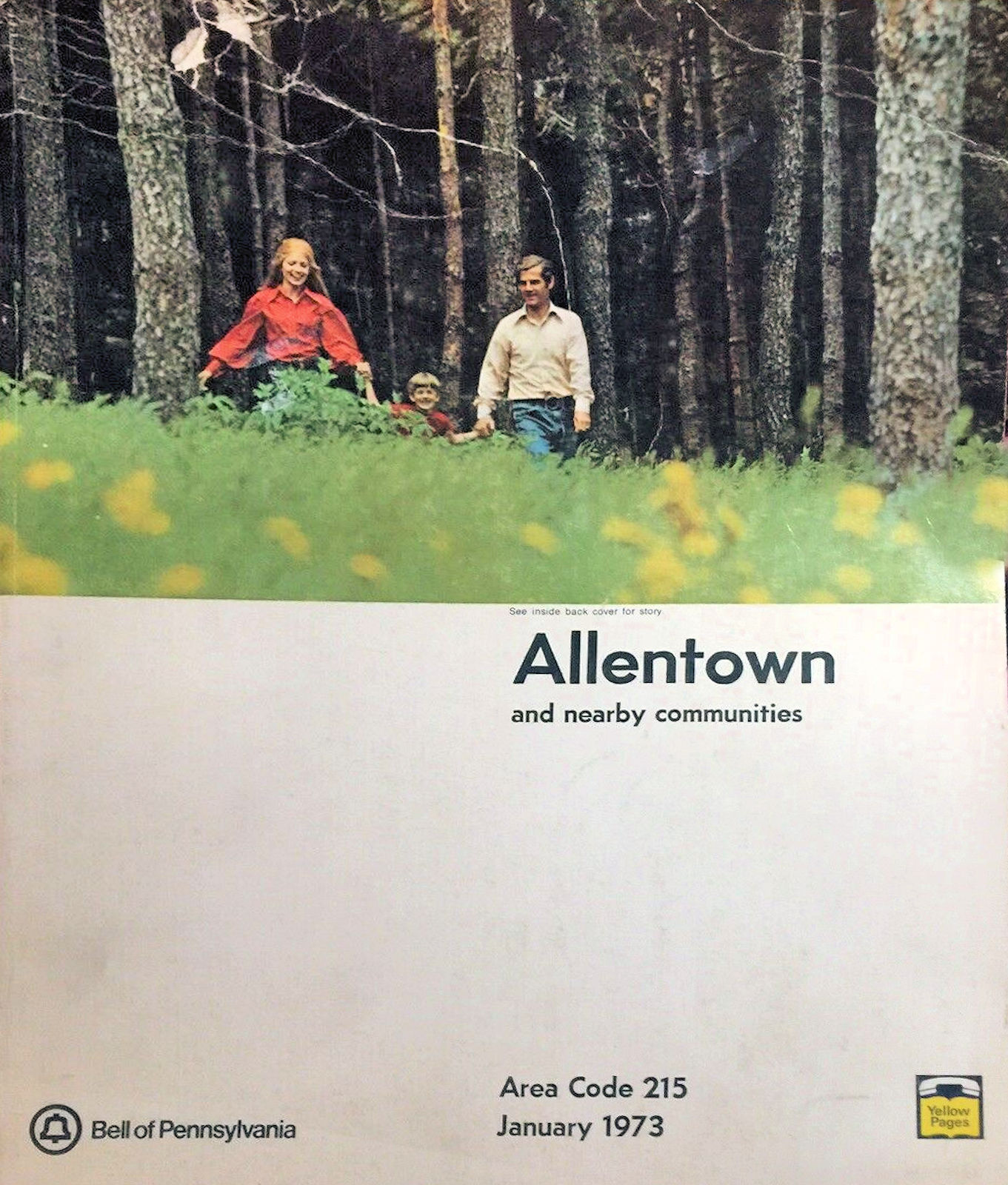
Because the book covered one defined area, finding a name in it placed that person – and not finding them meant something too.
A listing told you somebody lived in town, roughly where, and under which initial. An absence meant they had moved, were new, were unlisted or had no telephone, and each of those meant something different. The book was a rough census that everybody could read.
Then Long Distance and Mobility Broke the Local Model
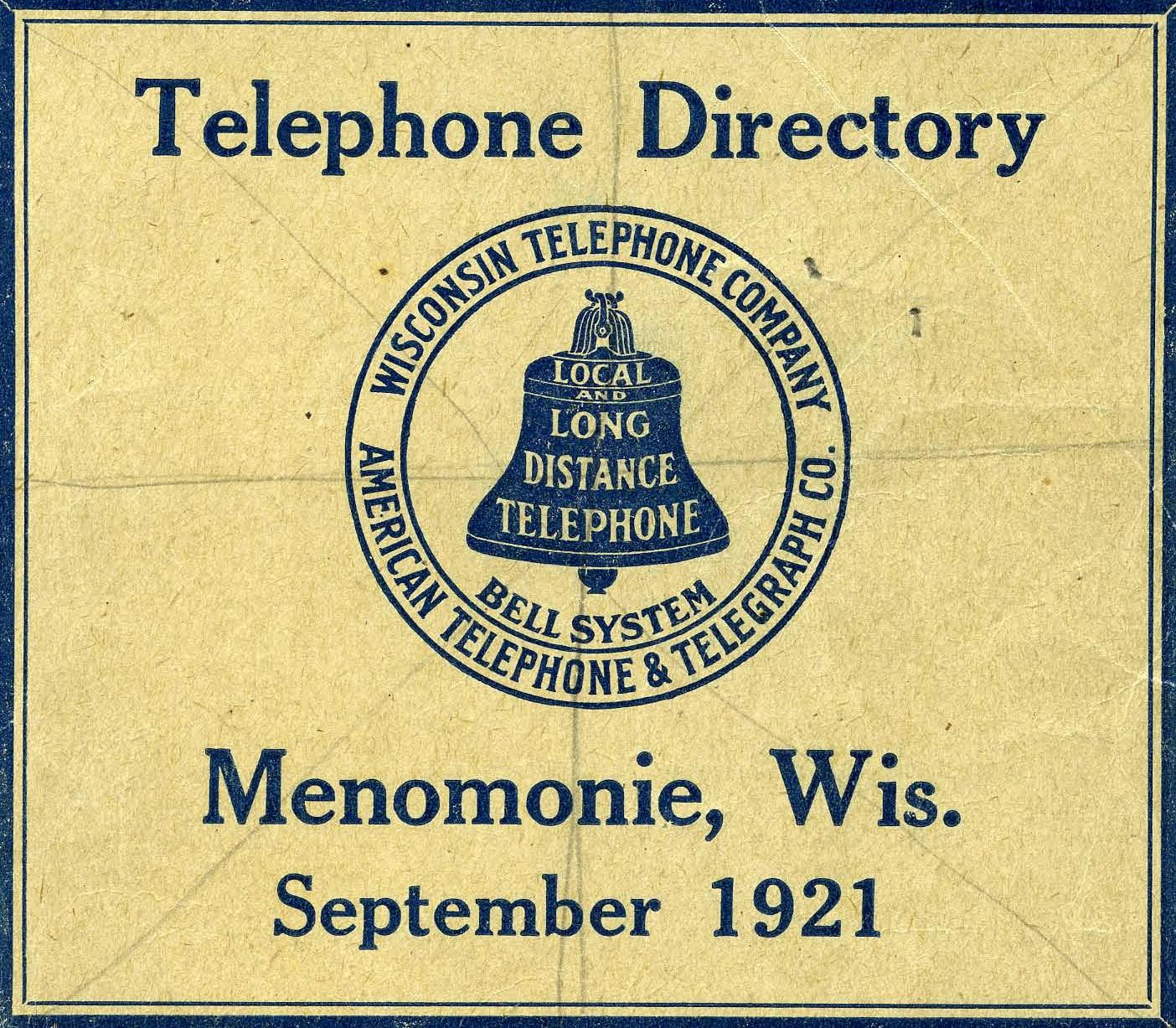
A directory works because a community is bounded. As people moved more, called further and lived in larger metropolitan areas, the single local book stopped being able to describe the relevant world.
Books split into volumes, volumes got thicker, and the fraction of the calls a household made that the local book could answer kept falling. The object did not get worse – the world it indexed got bigger than it.
Writing In It Was Not Vandalism, It Was Expected
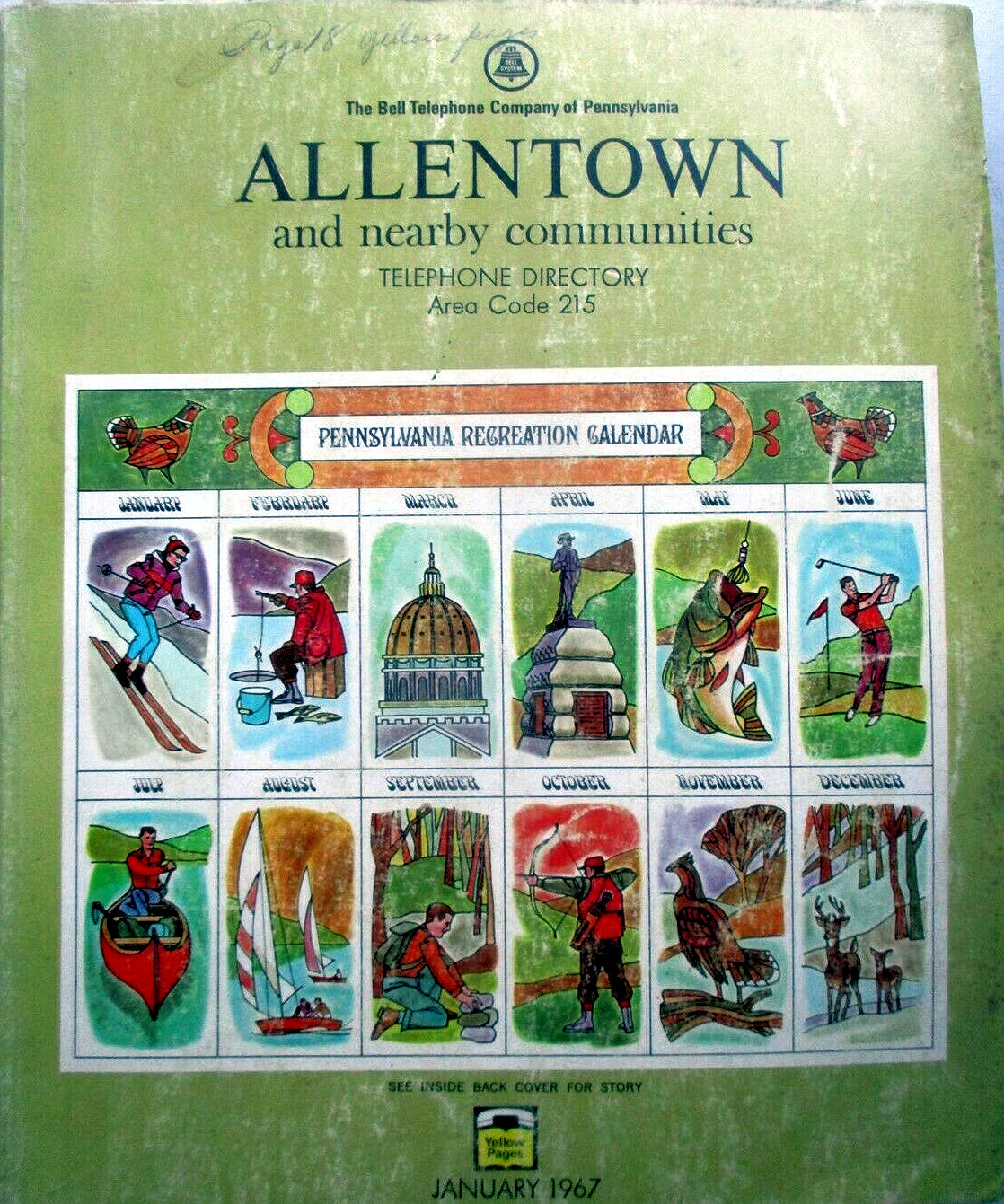
Nobody treated the directory as a book to be preserved, and that is the key to understanding how it was used.
It was free, it was replaced annually and it was going to be discarded, which removes every reason to keep it clean. So a household wrote on it freely in a way nobody would write in a book they had paid for – and the result is that the most-used reference object in the house was also the most heavily defaced, entirely on purpose.
Then Search Removed the Last Reason to Keep One
An electronic lookup is current rather than annual, searchable by any fragment rather than by spelling, and does not need a category guess.
Every structural weakness of the paper book – the twelve-month decay, the alphabet as the only route in, the guessing of headings – is solved at once by a search field. So the directory was not improved. It was made redundant by something that answered the same question in a way paper could not.
And Delivering It Became the Problem Instead of the Service
The ending is unusually literal, and it is a neat inversion of where the object started.
A book funded by guaranteed delivery to every household kept being delivered long after anybody wanted it, and at that point the thing that had made it valuable to advertisers – that it arrived whether you asked for it or not – turned into the reason people objected to it. It had gone from the only list of your neighbours anybody owned, to several pounds of paper on a doorstep that went straight into the recycling, and the free book’s one unbeatable feature became its final liability.
Like our content? Follow us for more.
