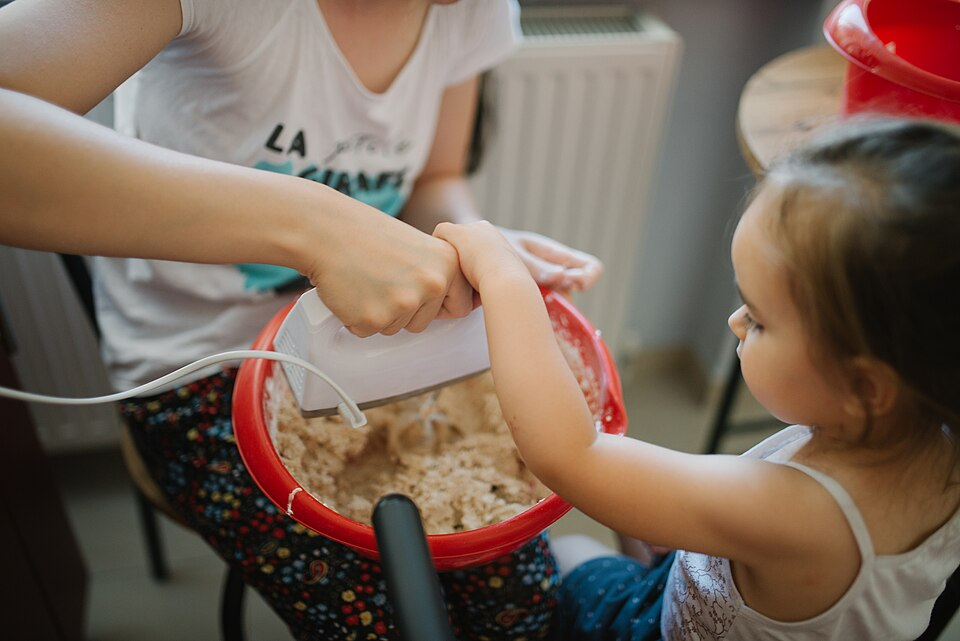
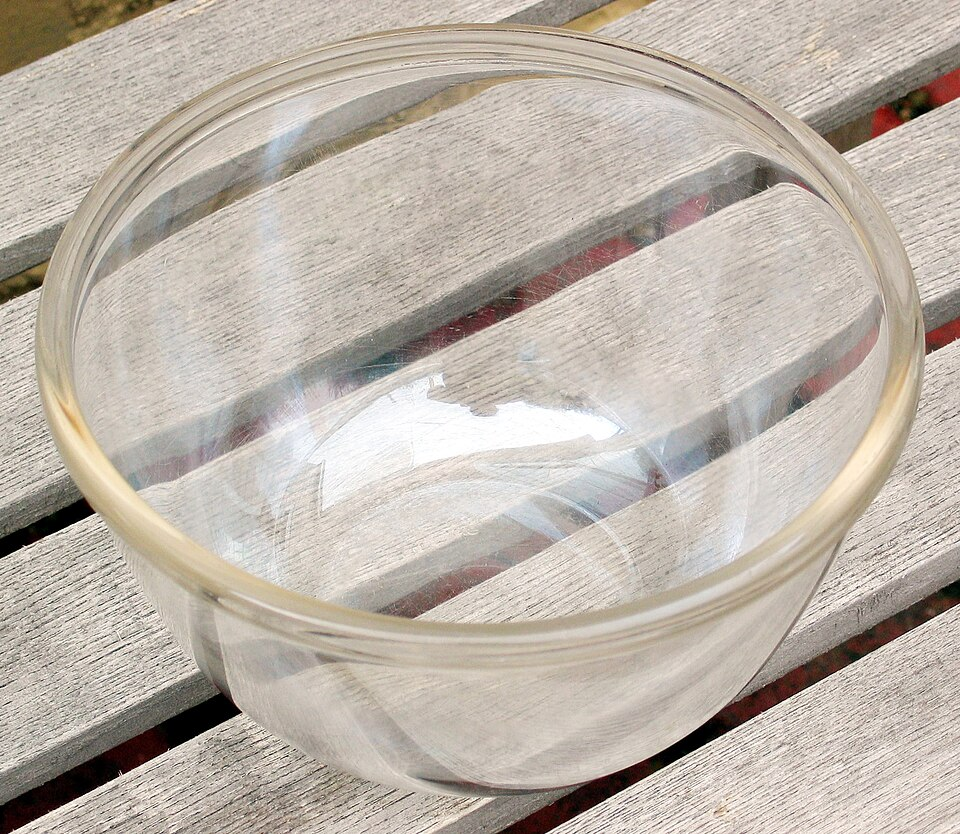
In 1962 the bowl was the payment. A child who had stood in a kitchen for twenty minutes doing nothing in particular, fetching one thing, holding one thing and otherwise simply being present, received at the end of it whatever was left in the mixing bowl, and the transaction was never described as a transaction by anybody involved.
The Arrangement Was Never Stated Out Loud
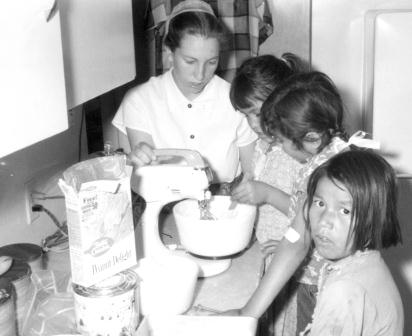
No household explained the rule, and every child in the country knew it. A child who was in the kitchen while something was being mixed had a claim at the end; a child who wandered in at the last moment did not. The entitlement was earned by presence, nobody had set out the terms and nobody had to, because the whole thing was understood within about two occurrences.
Like our content? Follow us for more.
Being There Was the Entire Qualification
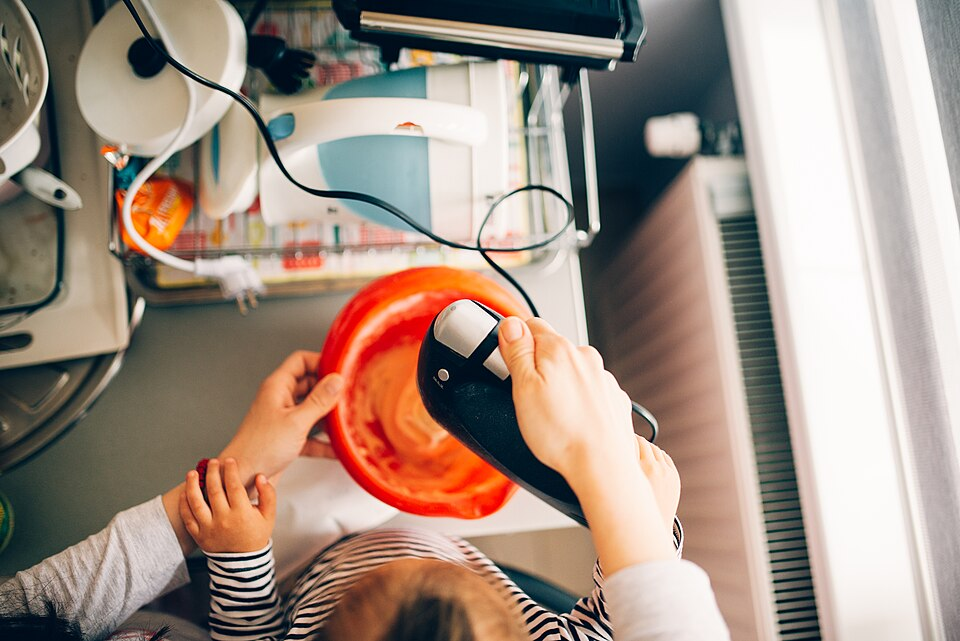
The work required of the child was almost nothing. Passing something within reach, holding a bowl steady for ten seconds, standing where they were told to stand. None of it was necessary and all of it was accepted, because the adult doing the actual work understood perfectly well what the child was waiting for and had decided to make them wait for it visibly.
There Was a Recognised Way of Loitering
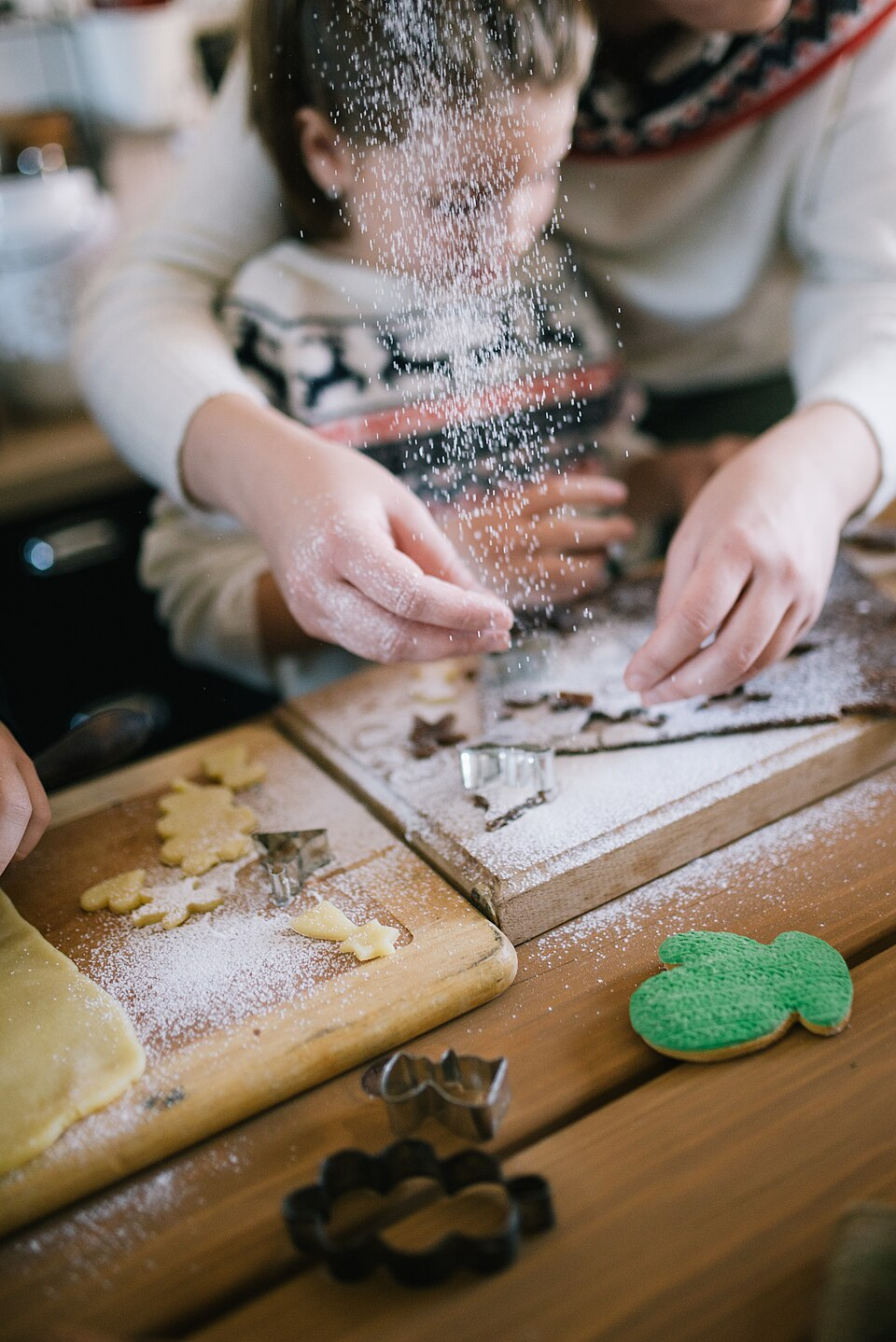
A child who wanted the bowl could not simply stand and stare, because an adult who noticed a child doing nothing in a kitchen generally found them something to do. The solution, arrived at independently in every household, was to appear occupied with something adjacent and unimportant, which allowed a child to remain in the room for twenty minutes without being assigned anything.
It had to look accidental. The whole performance depended on neither party acknowledging what was happening, and a child who said out loud that they were waiting for the bowl had broken the convention and frequently lost it.
The Timing Had to Be Judged Precisely
Arriving too early meant twenty minutes of standing in a kitchen with nothing to do, which a child of eight experiences as considerably longer than it is. Arriving too late meant the bowl had already been handed to somebody else or, worse, put in the sink. Children developed an accurate sense of how long these operations took and when to materialise, which is a scheduling skill nobody taught.
There Was Always a Rival
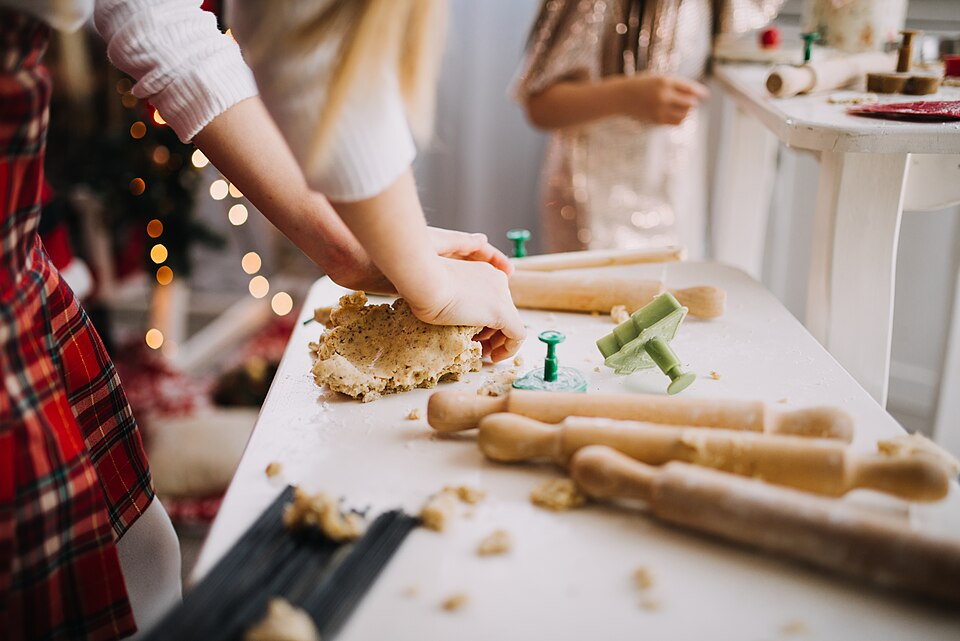
A household with more than one child had a competition, and the competition was not conducted openly. Two children who both wanted the bowl did not argue about it; they simply both turned up, stood about and waited to see which of them the adult handed it to, and the decision was made on grounds nobody ever explained.
The Adult Decided and the Decision Was Final
Whoever was doing the mixing had complete discretion, exercised it without comment and was never challenged. A child who had been passed over had no appeal, no stated reason and no recourse beyond turning up earlier next time, which is exactly what they did.
Splitting It Was Worse Than Losing It
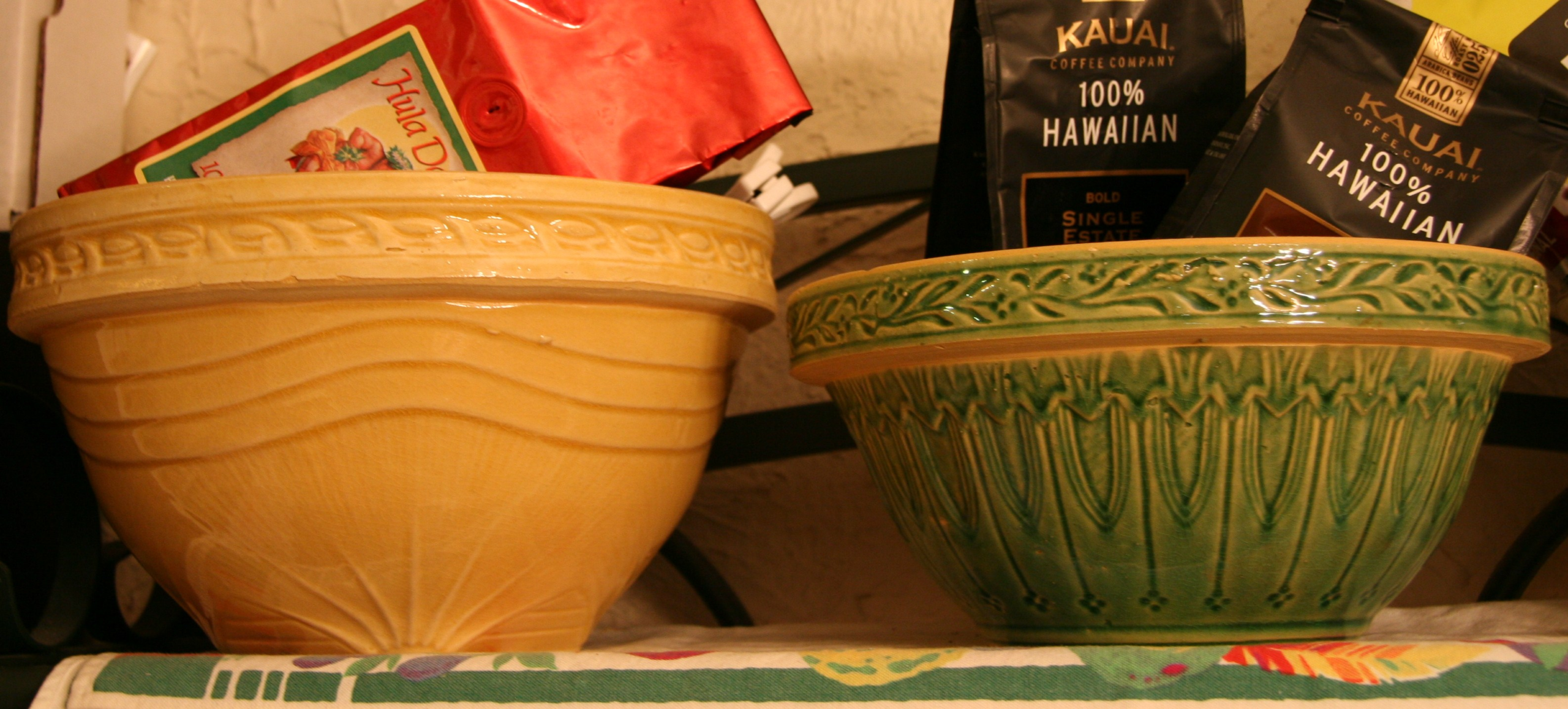
The compromise outcome, in which a bowl was divided between two children, satisfied neither of them. A share of something that was understood to be awarded whole converts a prize into a ration, and most children would rather have lost outright than received half, which no adult of the period ever appeared to grasp.
The Spoon Was a Separate Prize Entirely
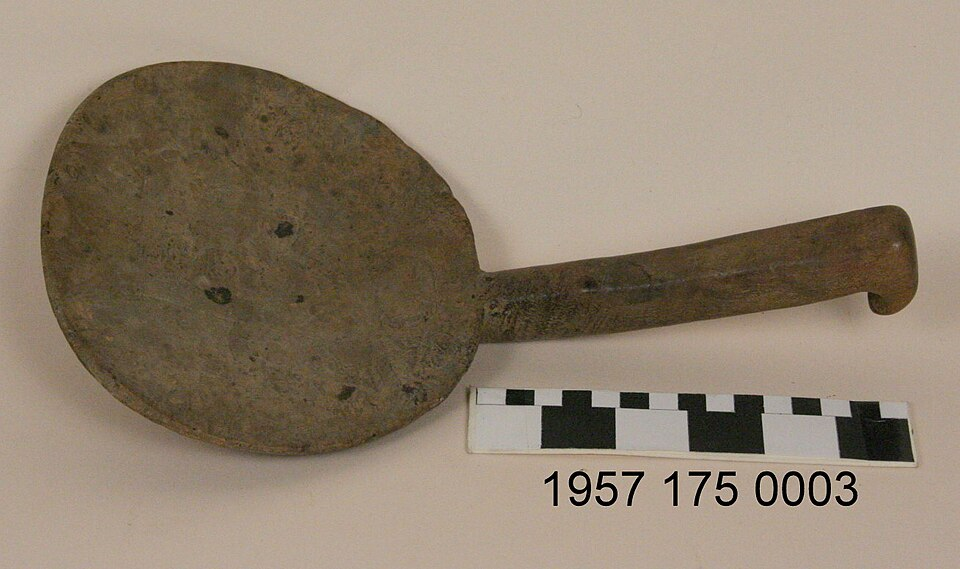
The implement used for the mixing carried its own claim, and in many households it was awarded to a different child from the bowl. That created a two-prize system with its own hierarchy, and children were perfectly clear that the bowl outranked the spoon, though the spoon was considerably easier to obtain.
The Beaters Changed Everything
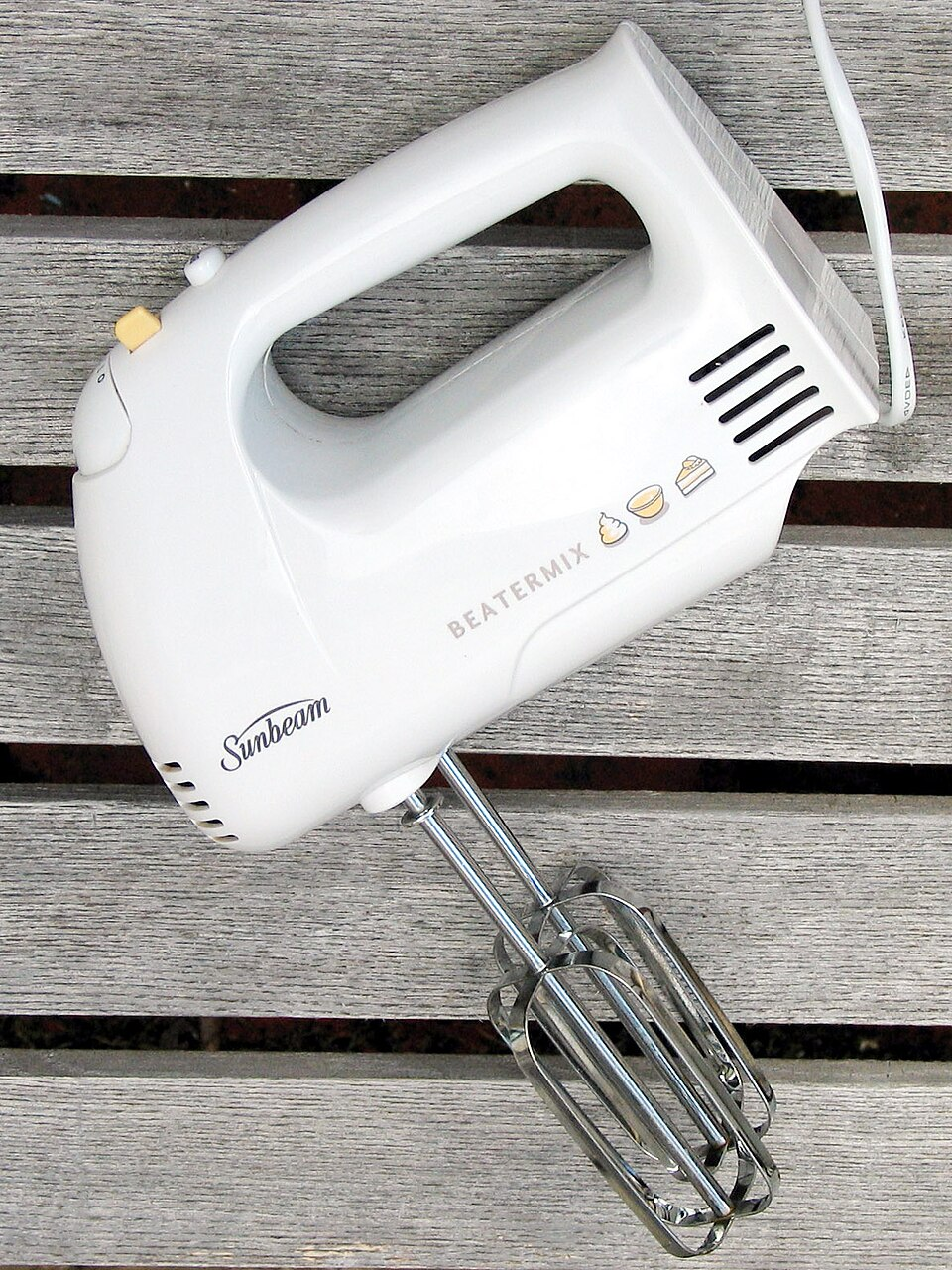
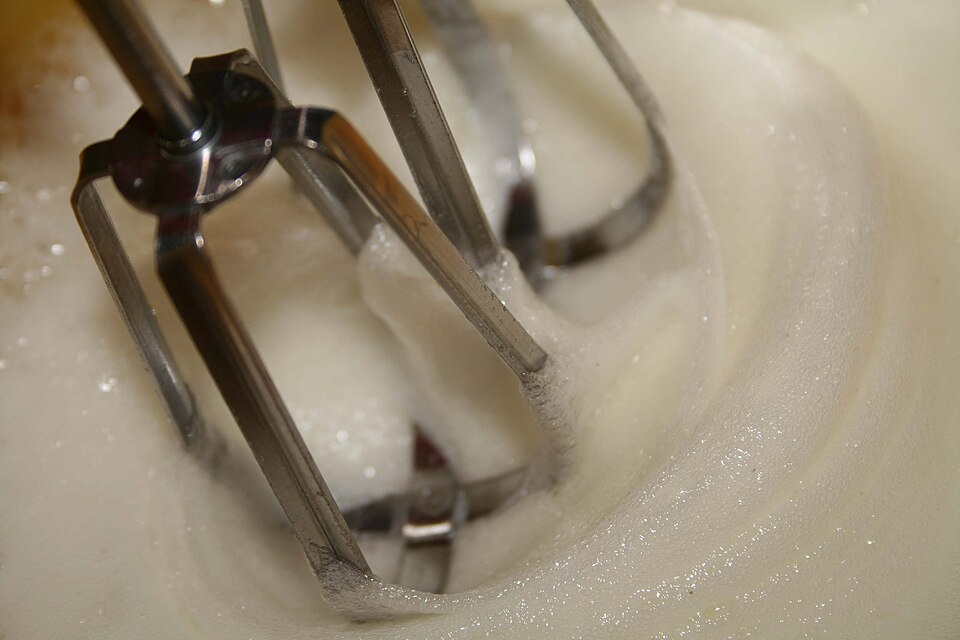
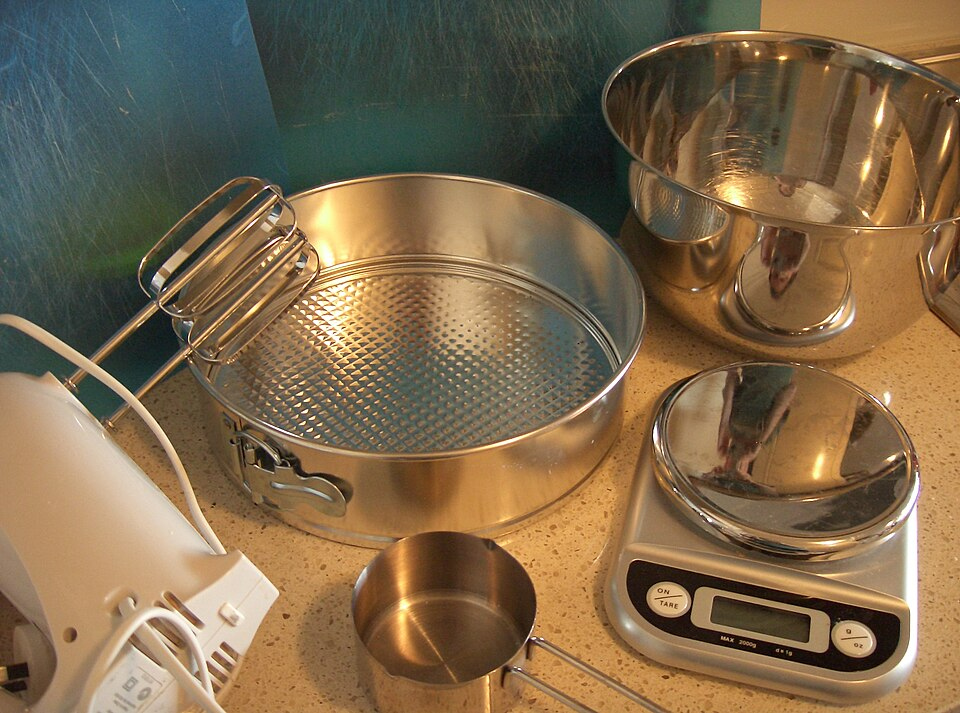
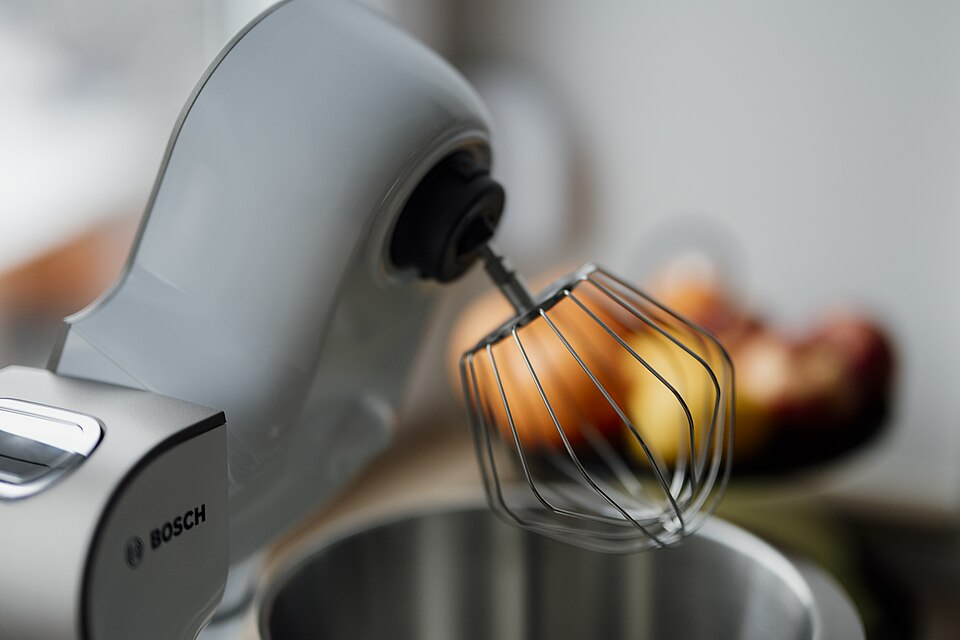
A household that acquired an electric mixer introduced two additional components into the arrangement overnight. Where there had been one bowl and one spoon, there were now two detachable beaters as well, which meant the number of available prizes doubled and the competition between siblings became markedly less bitter within a single season.
The Scraping Was Done in Full View
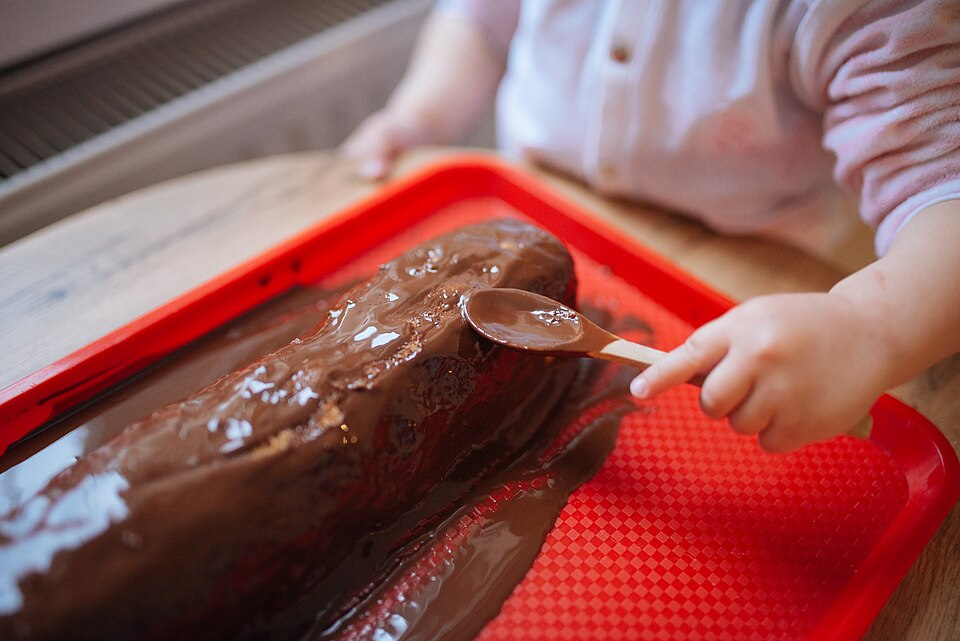
Whatever decision the adult made about how much to leave was made while the child watched. There was no moment when the bowl went out of sight, which meant the quantity awarded was visibly determined in real time by somebody who knew they were being observed and scraped accordingly.
That made the final few seconds the only part that mattered. A generous adult could be seen stopping early, and a thorough one could be seen going on longer than was necessary, and in both cases the child had watched the whole thing happen and said nothing.
Nobody Washed Anything First
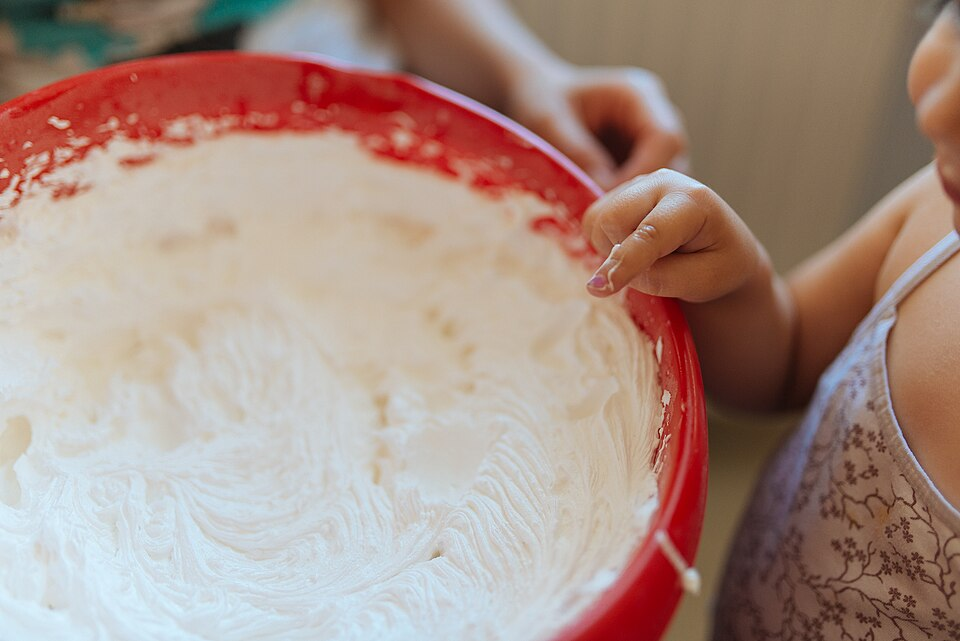
The bowl was handed over in the state it was in, which is the whole point. A child receiving something that had been rinsed, scraped or tidied in any way had received nothing, and the value of the thing consisted entirely in the quantity that had been left behind by an adult who had decided how thoroughly to scrape it.
How Much Was Left Was a Verdict
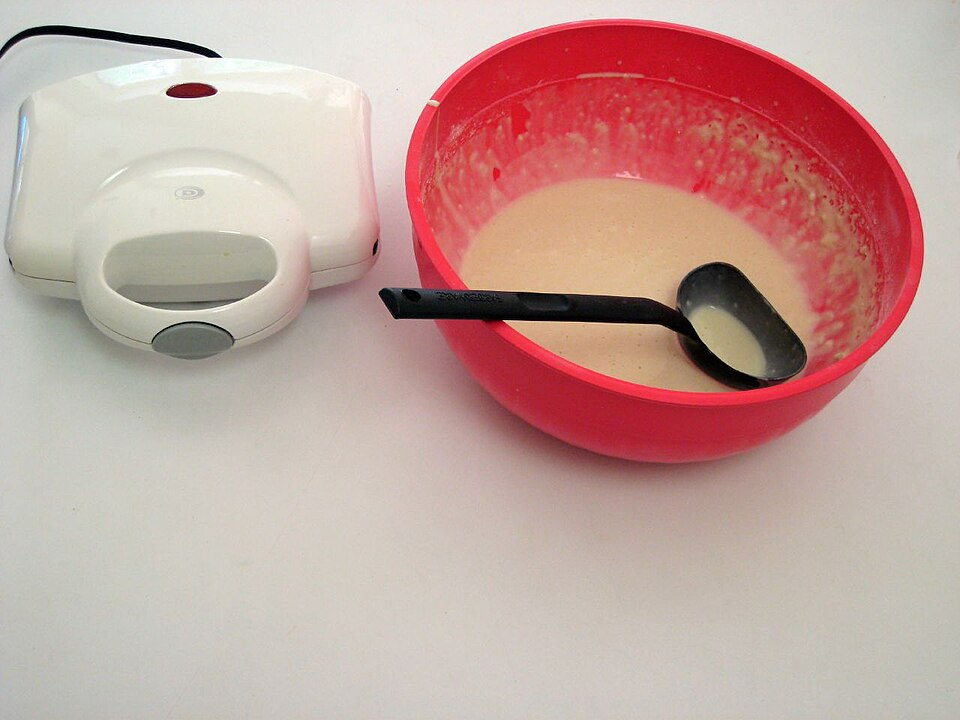
An adult who scraped the bowl out completely had delivered a message, and an adult who left a generous amount had delivered a different one. Children read the quantity accurately and drew conclusions about where they stood that afternoon, which is a considerable amount of information to convey without saying anything at all.
It Was Done Standing Up, Usually in the Way
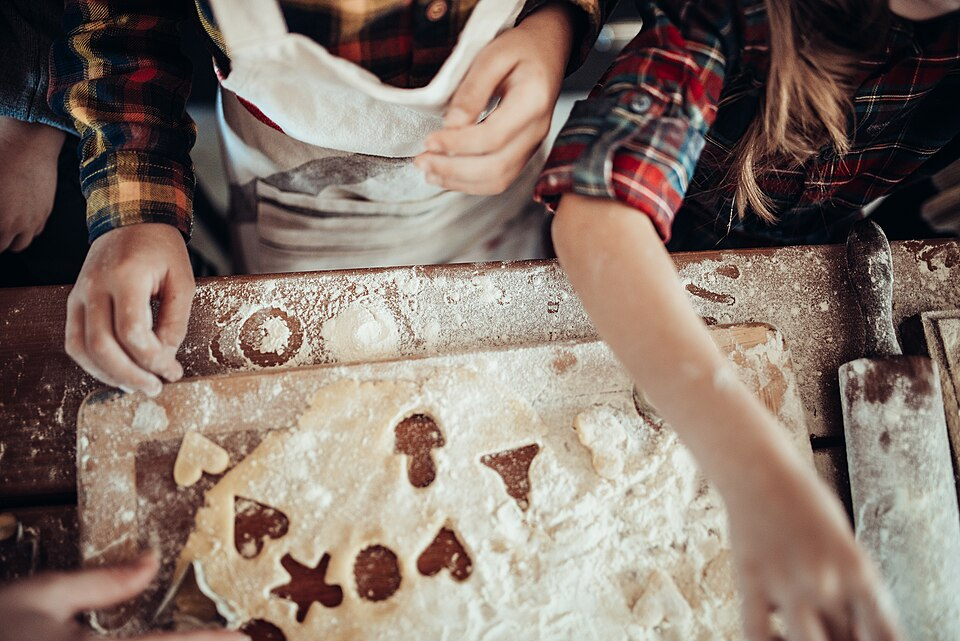
No child sat down for this. The whole business was conducted on foot, in the middle of a kitchen somebody else was trying to work in, which meant the adult who had handed the bowl over spent the next several minutes asking the recipient to move.
The Hygiene Question Did Not Exist
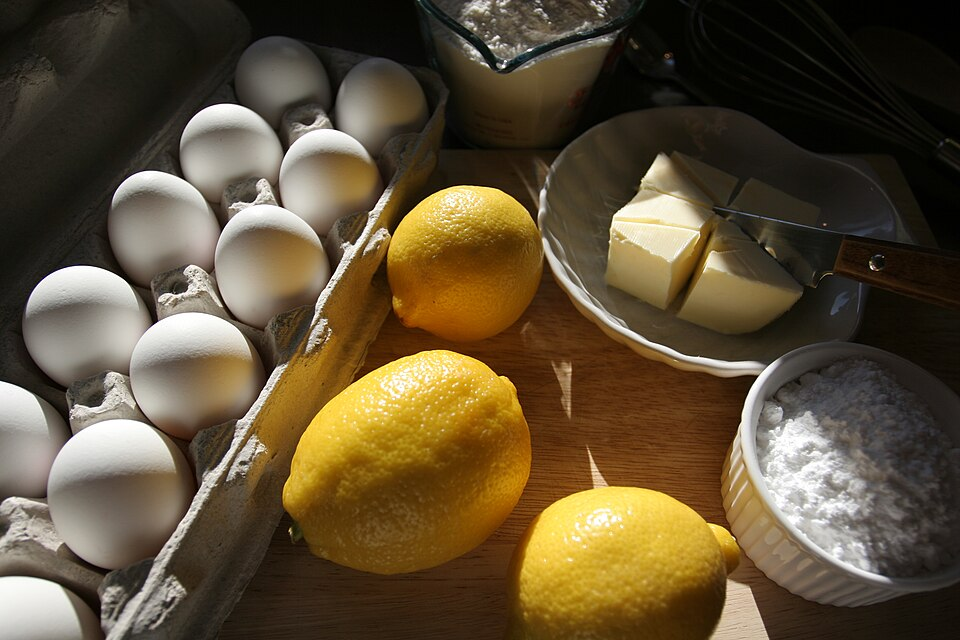
Nobody of that period gave a moment’s thought to what was in an uncooked mixture, and present-day advice on the subject is well founded and should be followed. The reasons for current guidance about raw ingredients are not in dispute, and nothing in this piece is a recommendation to anybody. It is a description of what households did before any of that was understood.
The Advice Has Changed and the Change Is Right
It is worth stating plainly rather than treating as fussiness. Current guidance exists because of real knowledge that households of 1962 did not have, the practice described here is not one anybody should revive, and the correct response to all of it is to follow what is recommended now.
What Was Being Mixed Was Almost Irrelevant
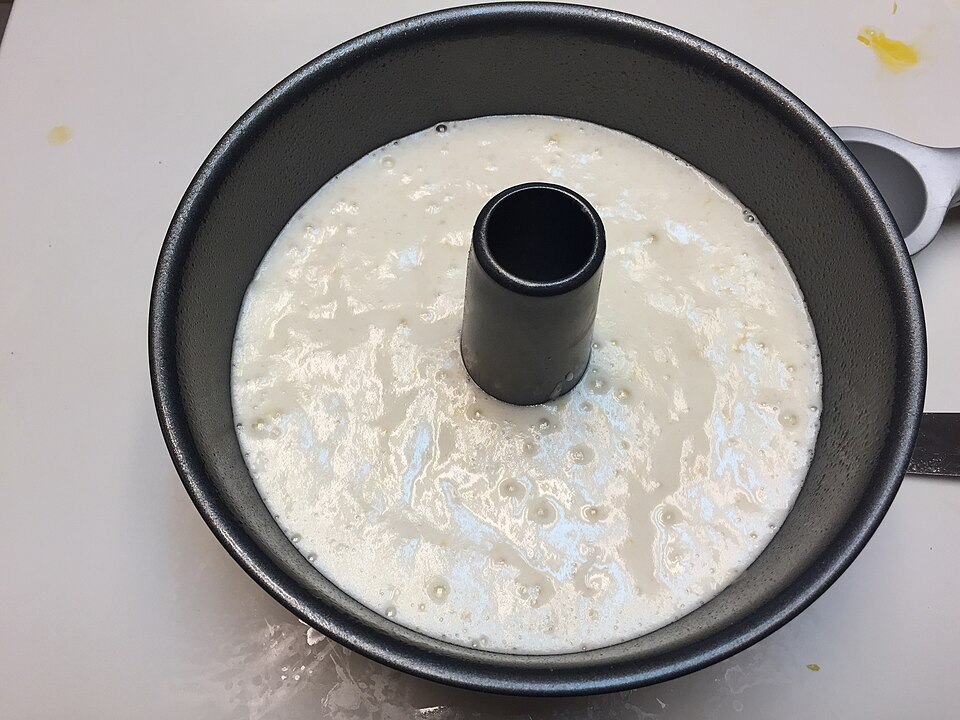
Children who did this hundreds of times frequently cannot say what the mixture usually was. The memory is of the bowl, the waiting, the decision and the handing over, which suggests that what was actually being competed for was not the contents at all.
It Was One of Very Few Rewards That Came Without Conditions
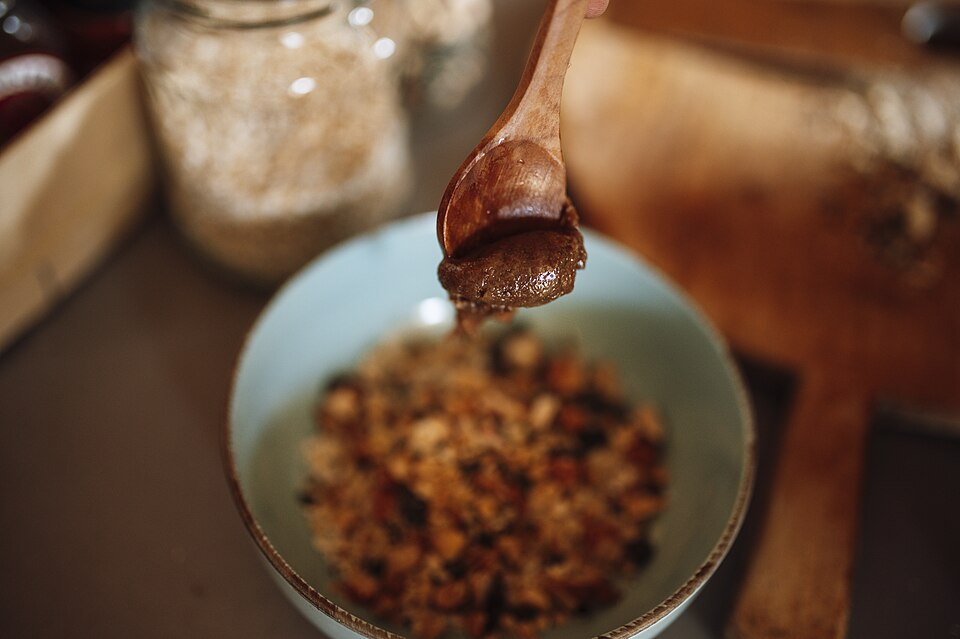
Most things a child of that period received were attached to something: a mark, a chore, a birthday, a report. This one was attached to nothing except having been in the room, which made it the only unconditional award most children ever got, and probably explains the disproportionate place it occupies in people’s memories.
The Kitchen Was Otherwise Not a Child’s Room
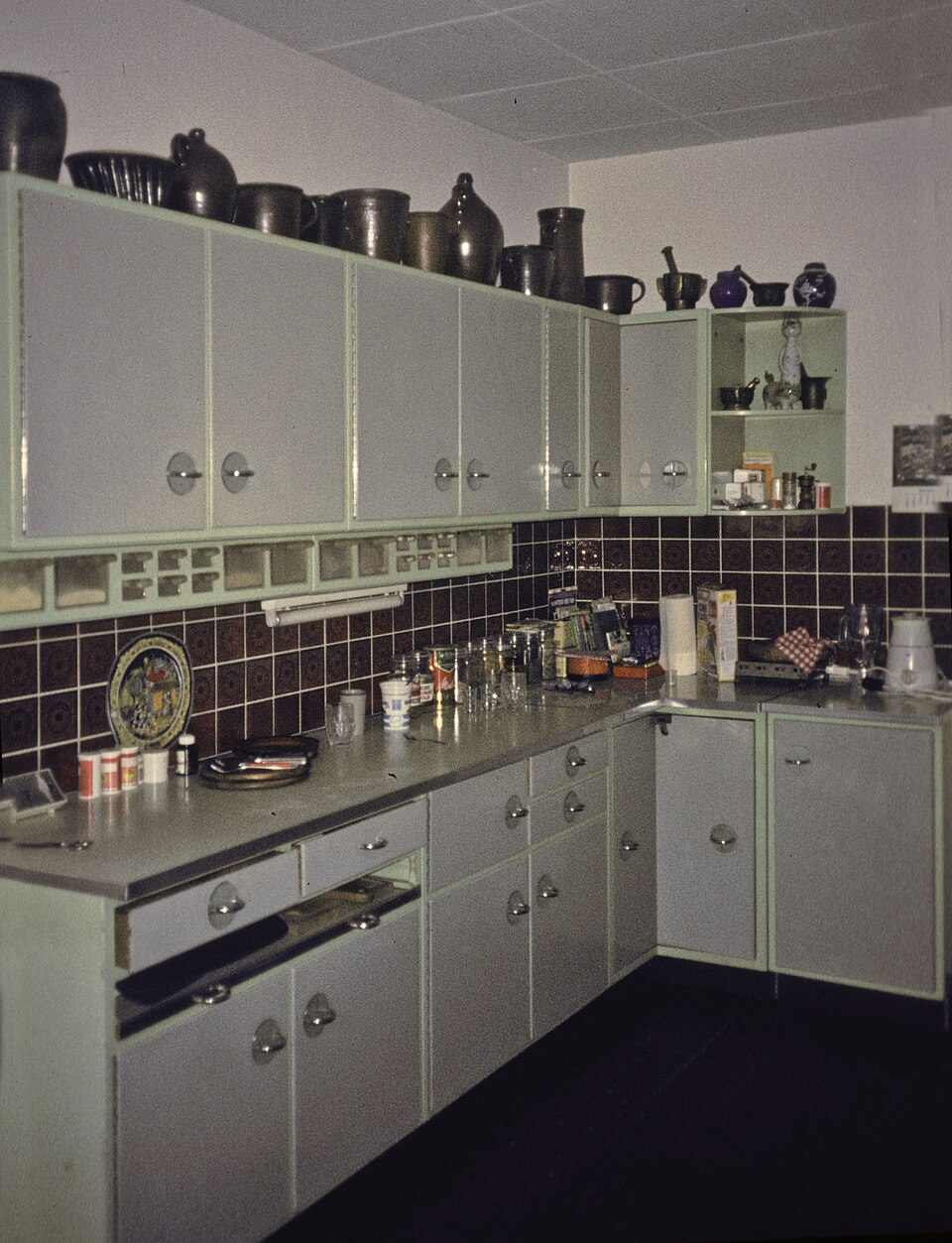
A kitchen of the period was a working space with an adult in charge of it, and children were generally not welcome in it for long. The bowl was one of the very few reasons a child had standing to be there at all, which made it an entry ticket as much as a reward.
It Was Also an Excuse to Watch
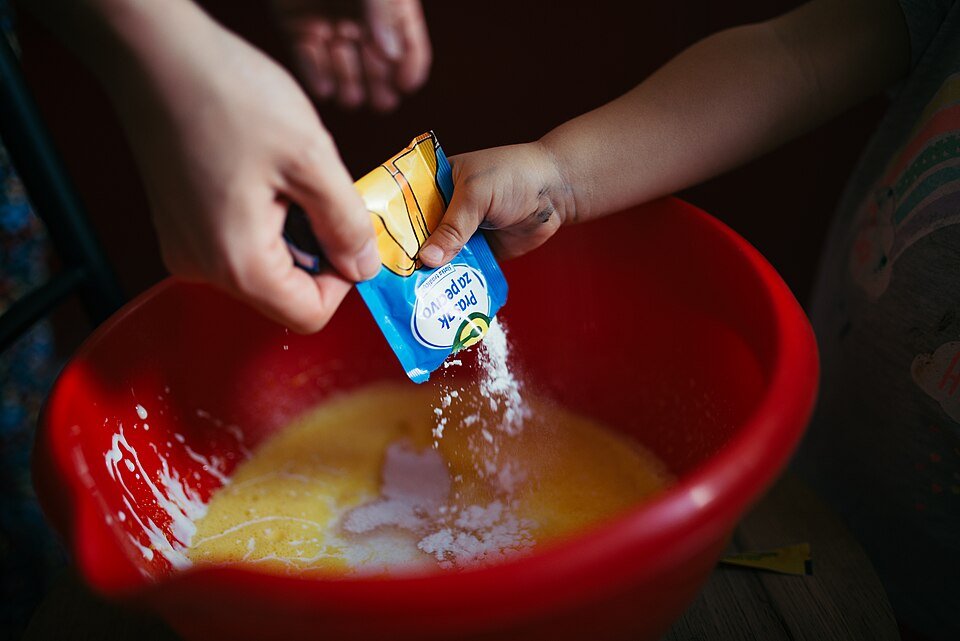
A child standing in a kitchen waiting for a bowl spent twenty minutes observing an adult do something competently, at close range, with no instruction being given. A good deal of what people of that generation know about cooking was absorbed in exactly that position, without either party intending it.
Guests Suspended the Whole System
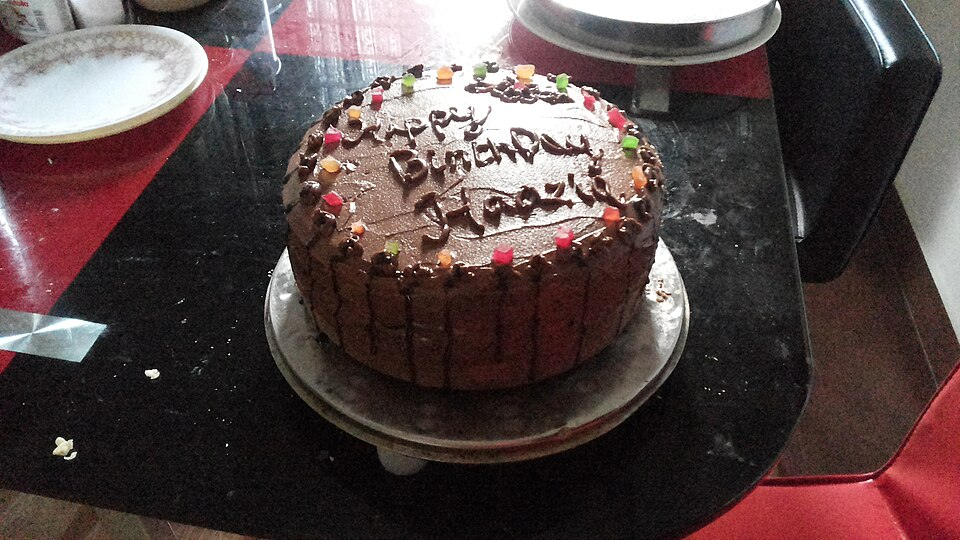
When something was being made for other people, the arrangement was cancelled without discussion. A household preparing for visitors had other priorities, the bowl went straight into the sink, and the child who had turned up in good faith discovered that the rule had exceptions nobody had mentioned.
The Last Time Was Never Marked
Nobody remembers the final occasion. The practice simply stopped at some point, as children got older and stopped turning up, and no household recorded the end of an arrangement that had operated reliably for a decade.
Then the Reason for Standing There Went Away
Prepared mixtures, better advice about uncooked ingredients, smaller households and kitchens that children were not excluded from in the first place removed both the prize and the circumstances. Nobody should want the old version back, and the modern position on what is safe to eat is correct.
What Actually Disappeared
An unstated rule, understood by every child in the country without anybody explaining it, under which twenty minutes of standing uselessly in a kitchen entitled you to whatever an adult had decided to leave in a bowl – and the quantity they left told you precisely how the afternoon had gone.
Like our content? Follow us for more.