The school year ran on small rituals that nobody had written down anywhere.
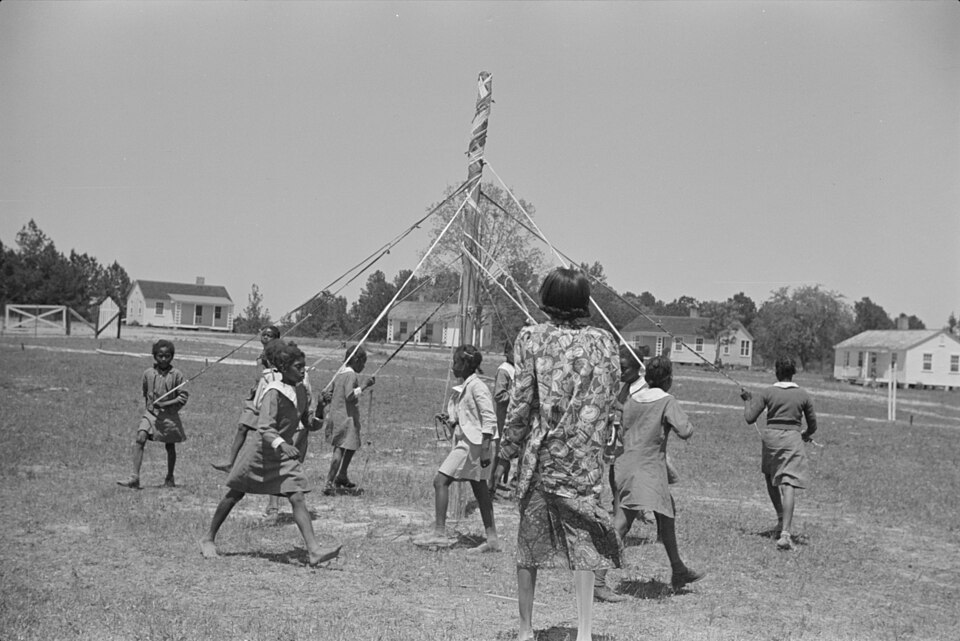
A dozen fixed observances punctuated it – a spring pole wound with ribbons, a first-day photograph on the steps, a last-day clearing out of desks, a seasonal assembly – and not one of them appeared in any curriculum, record or plan.
That is why they vanished so completely. A practice that exists only because last year’s teacher did it is held in nothing but institutional memory, which means a single change of staff can end it permanently. Anything written into a curriculum survives a personnel change; anything carried in a habit does not, and all of these were habits. Here are twelve things every school did.
1. The School Year Ran on Small Rituals Nobody Wrote Down
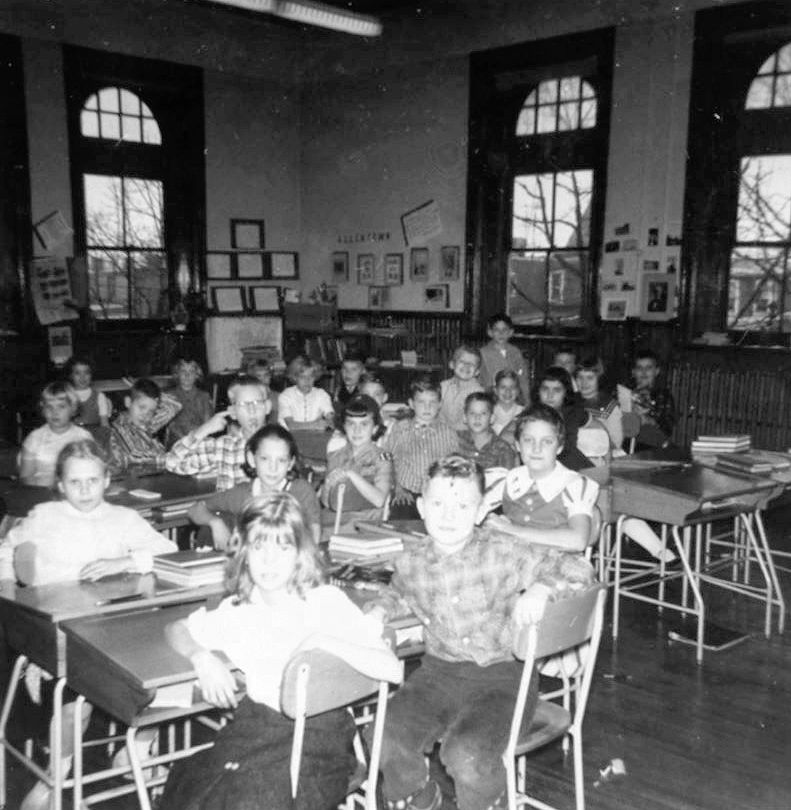
A dozen fixed observances punctuated the year – a spring pole, a first-day photograph, a last-day cleaning out, a seasonal assembly – none of which appeared in any curriculum.
Mostly gone, or replaced by organised events.
Start with the invisibility of these in any official record, because that is why they vanished so completely. A practice that exists only because last year’s teacher did it is held in nothing but institutional memory, which means one change of staff can end it permanently.
And that fragility is the whole story of this category. Anything written into a curriculum survives a personnel change; anything carried in a habit does not, and these were all habits.
Like our content? Follow us for more.
2. Winding Ribbons Round a Pole Required Everybody to Get It Right
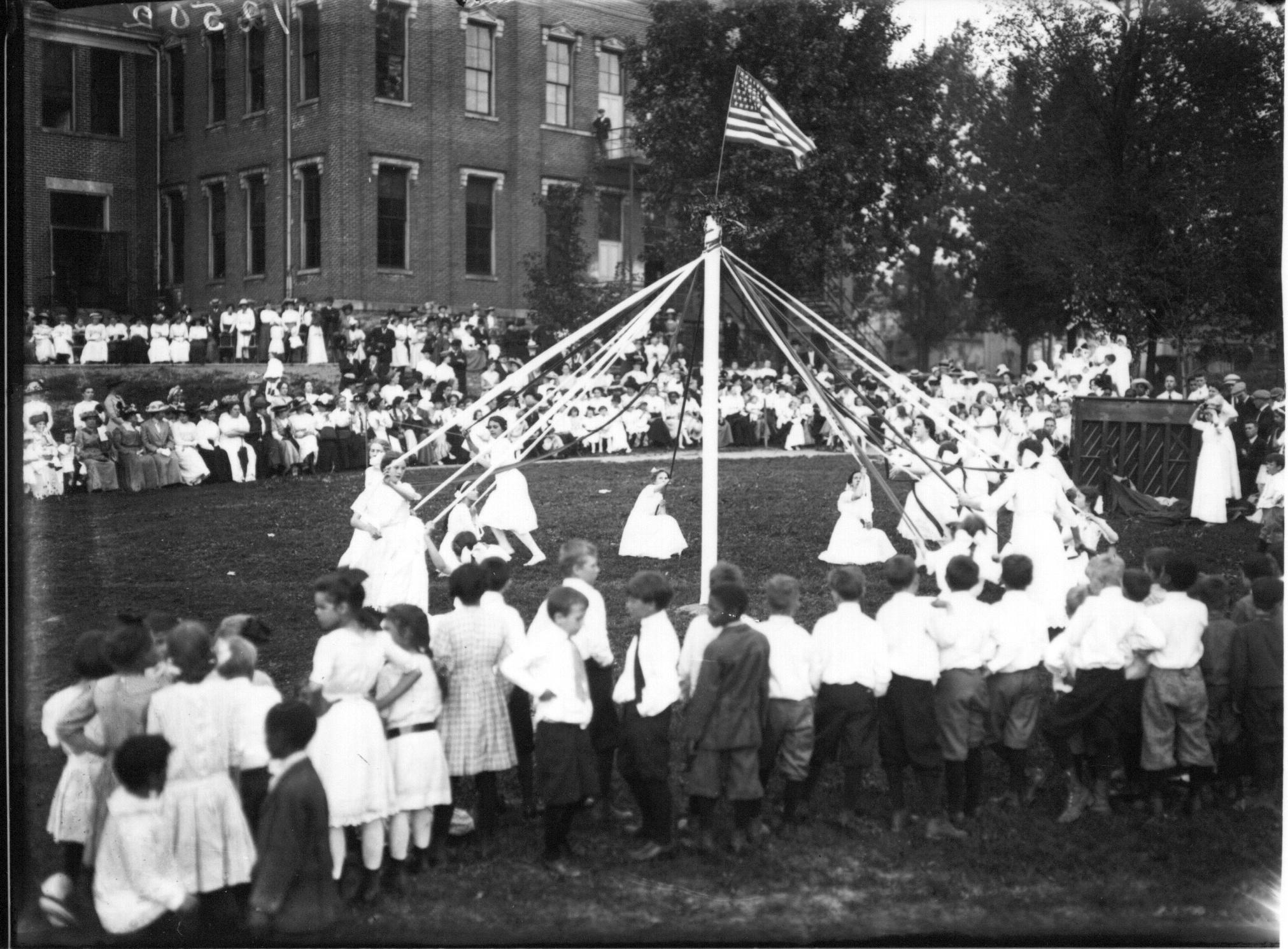
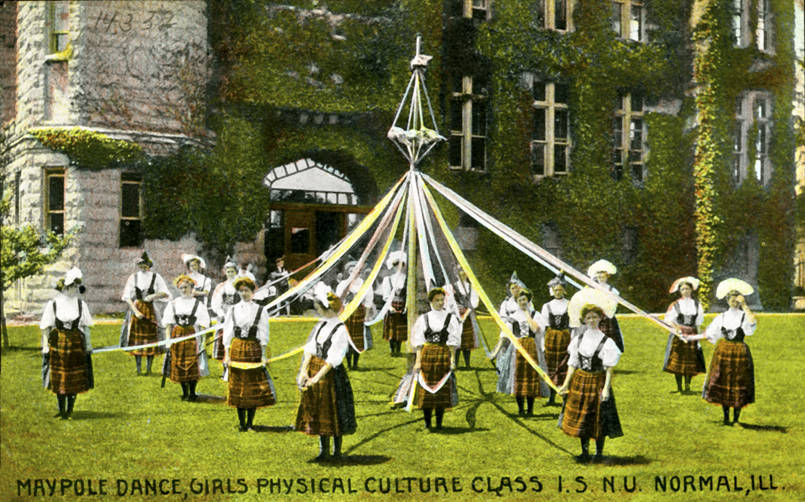
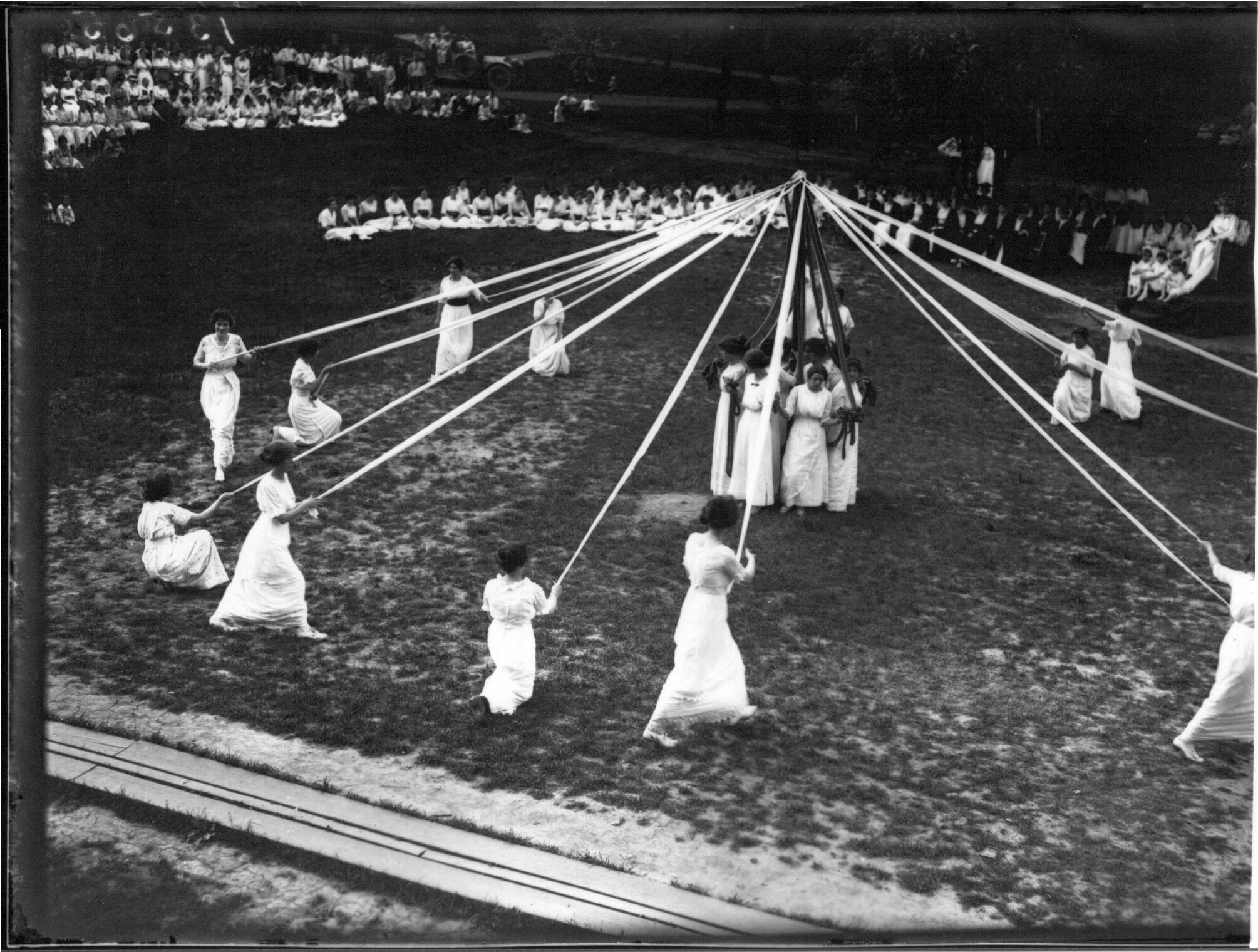
Children took a ribbon each and walked in alternating directions around a pole, weaving the ribbons into a pattern down its length.
Rare.
The mechanics deserve stating because the thing is genuinely a group problem. Two sets of children moving in opposite directions, passing alternately inside and outside each other, produce a woven pattern – and a single child going the wrong way ruins the whole weave visibly and immediately.
Which makes it an unusually honest piece of collective work. There is no way to hide a mistake and no way for one child to carry the group, so the result on the pole is a direct readout of whether thirty people managed to follow a sequence together.
3. The Practice Took Longer Than the Performance
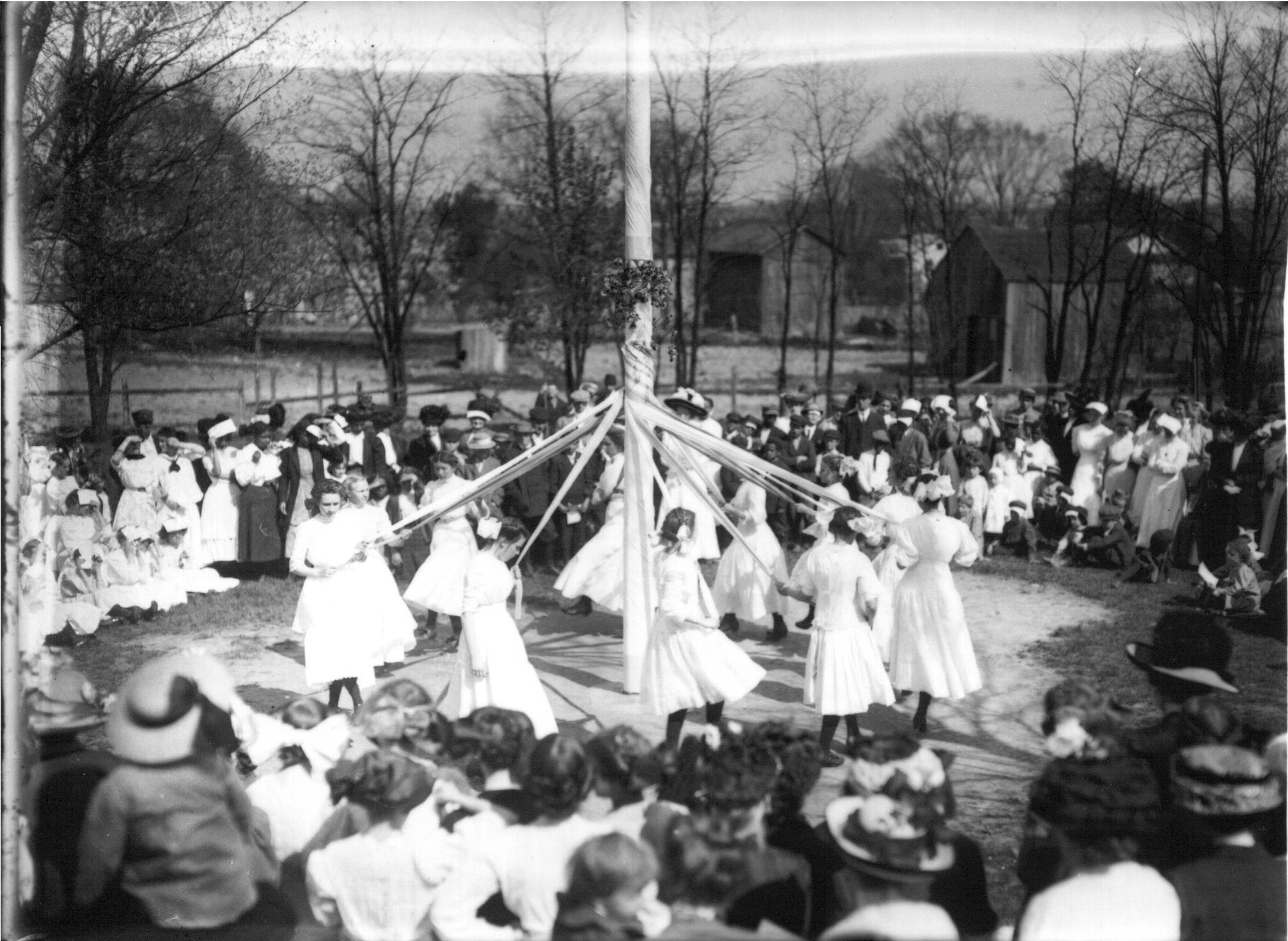
Rehearsal consumed afternoons, because the pattern only works if the alternation is maintained the whole way down.
Not applicable.
The rehearsal time is the part nobody remembers and it is where the actual experience was. Learning a sequence that depends on everybody else’s timing is a specific skill, and it was practised repeatedly for a performance lasting a few minutes.
It also tied up a teacher and a class for several afternoons in the spring term. Nobody questioned whether that was a reasonable use of the time, which tells you how much value was placed on the school producing something to show.
4. Parents Came, Which Was the Real Purpose
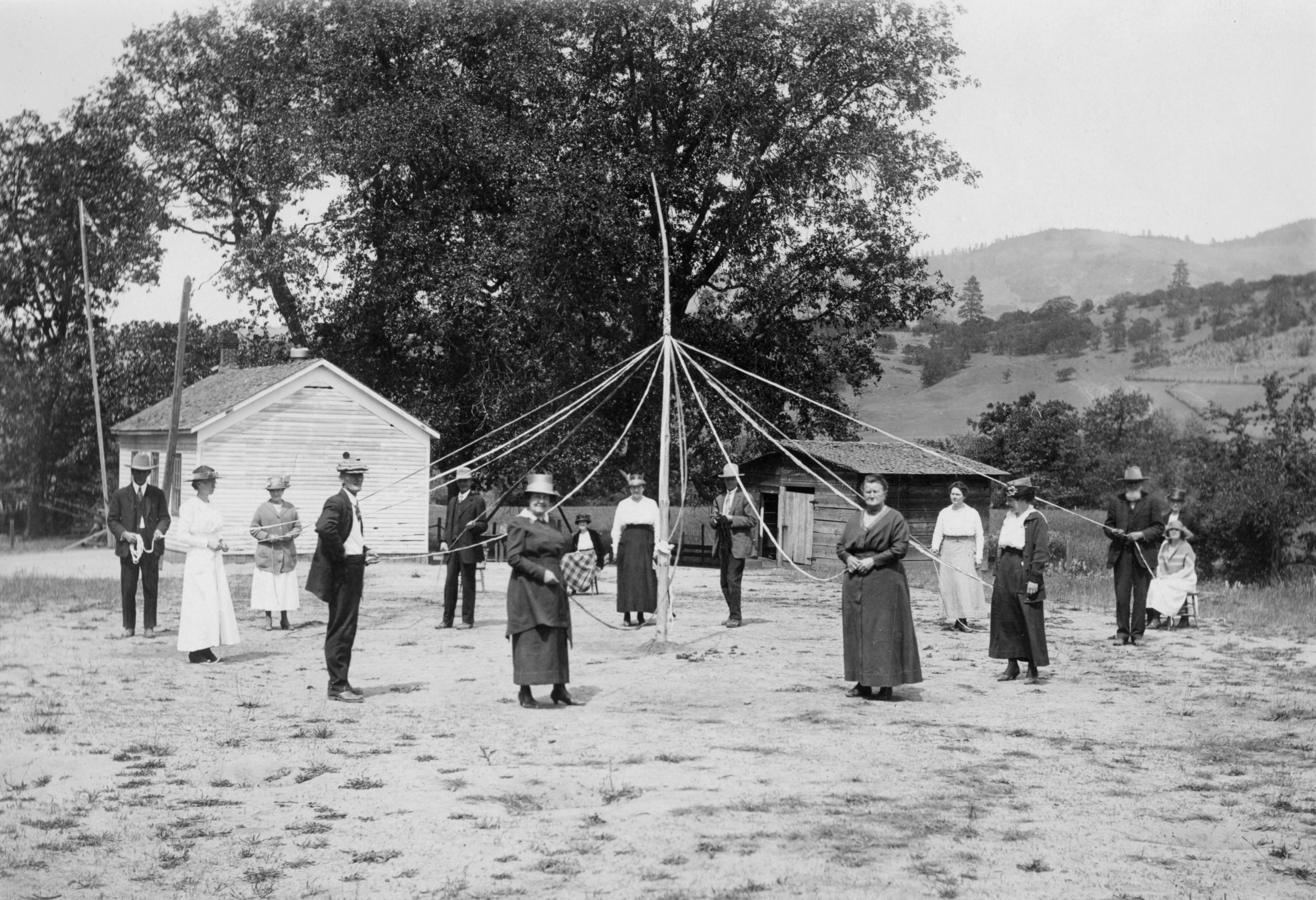
These events existed so that families could be invited into the school and shown something their children had produced.
Organised differently.
The audience is the reason any of it happened, and that is worth being clear about. A ritual with no spectators is a lesson, and a ritual with the parents standing in rows is an institution demonstrating itself to the community that funds and fills it.
Which also explains why these were scheduled in spring. Good weather, an outdoor space and long evenings make a parent far more likely to attend, so the calendar was set by what would produce an audience.
5. Every Child Had a Part, by Design
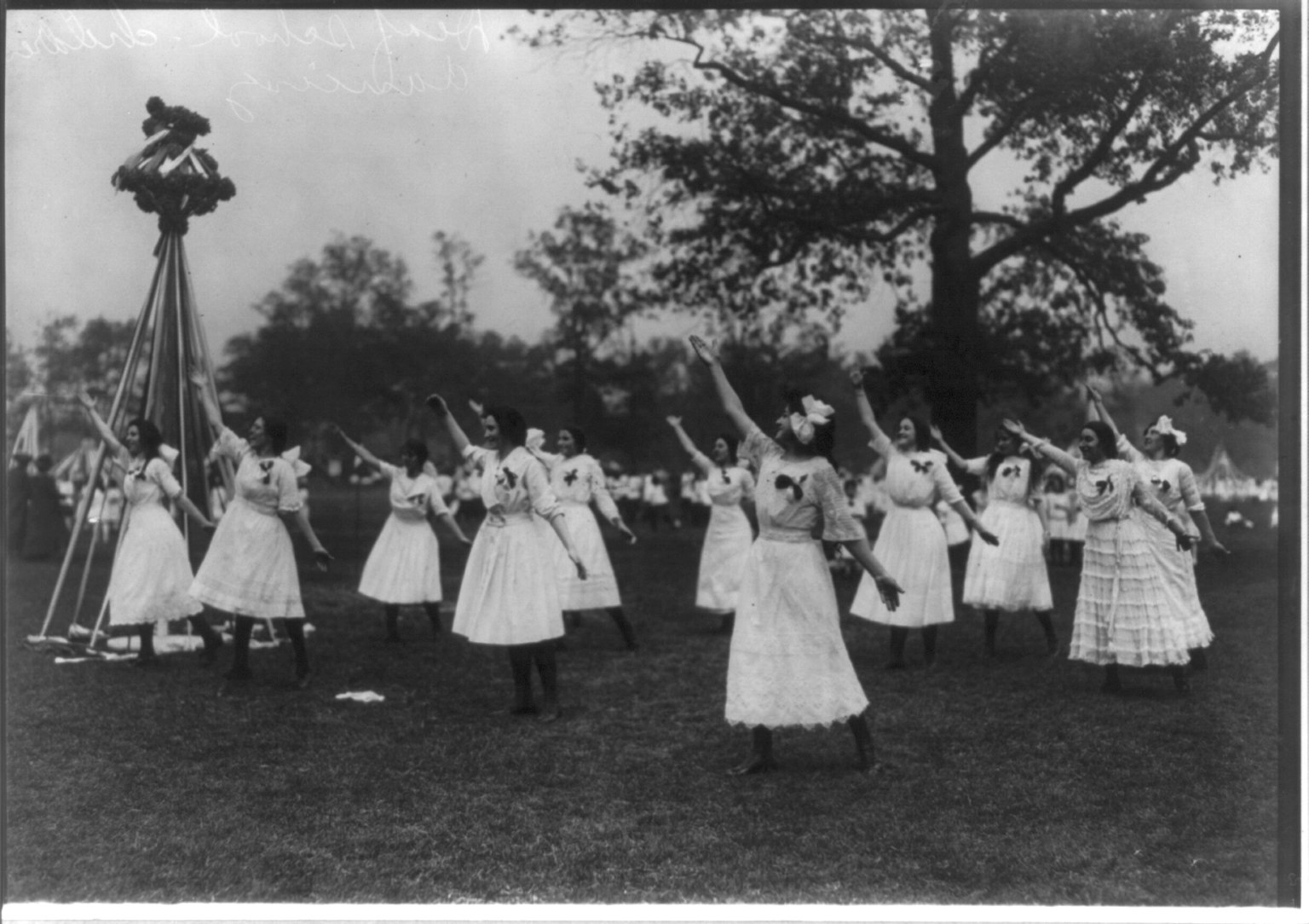
Casting was arranged so that nobody was left out, because the point was for every family to see their own child doing something.
Varies.
Universal inclusion was structural rather than sentimental, and the logic is the same as the classroom valentine rule. A parent who attends and does not see their child is a parent who will not attend next year, so the event had to give everybody a visible part.
It also produced some fairly transparent casting. Thirty parts of wildly uneven importance were distributed, and both the children and the parents could read the hierarchy immediately – which is the cost of needing everybody on the field at once.
6. Costumes and Props Were Made at Home on Short Notice
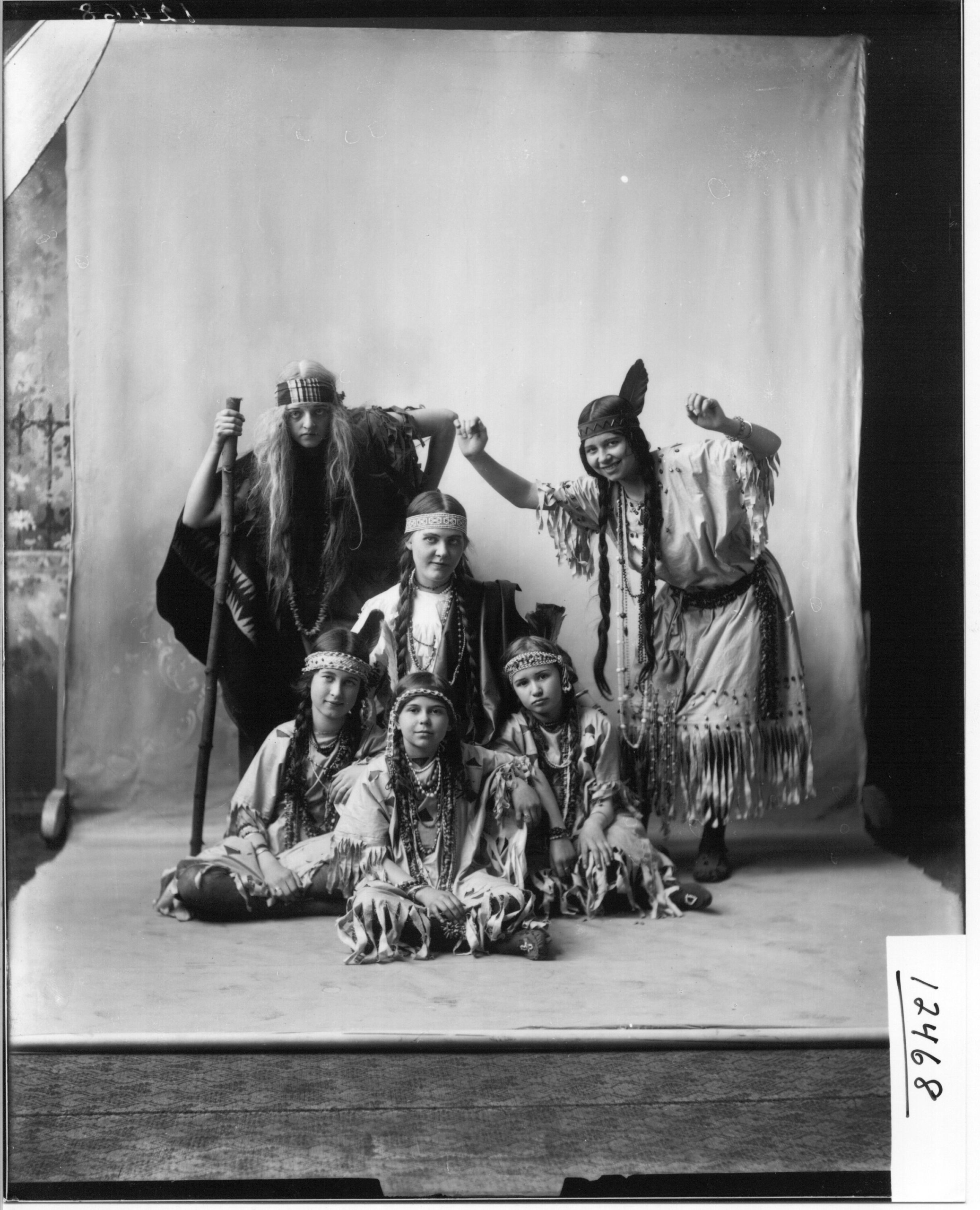
A note went out asking for something white, something in a particular colour, a hat or a length of ribbon, and households produced it.
Supplied or bought.
The supply arrangement is identical to the bake sale and it landed on the same people. A request made with two days’ notice assumes a household with materials, a sewing machine and an evening – and a child without the right thing on the day was visible to everybody in the audience.
Which made the notes a genuine source of anxiety in houses that could not easily meet them. The school was requesting a small thing and the request was not small for everybody receiving it.
7. The Whole Thing Depended on the Weather and There Was No Plan B
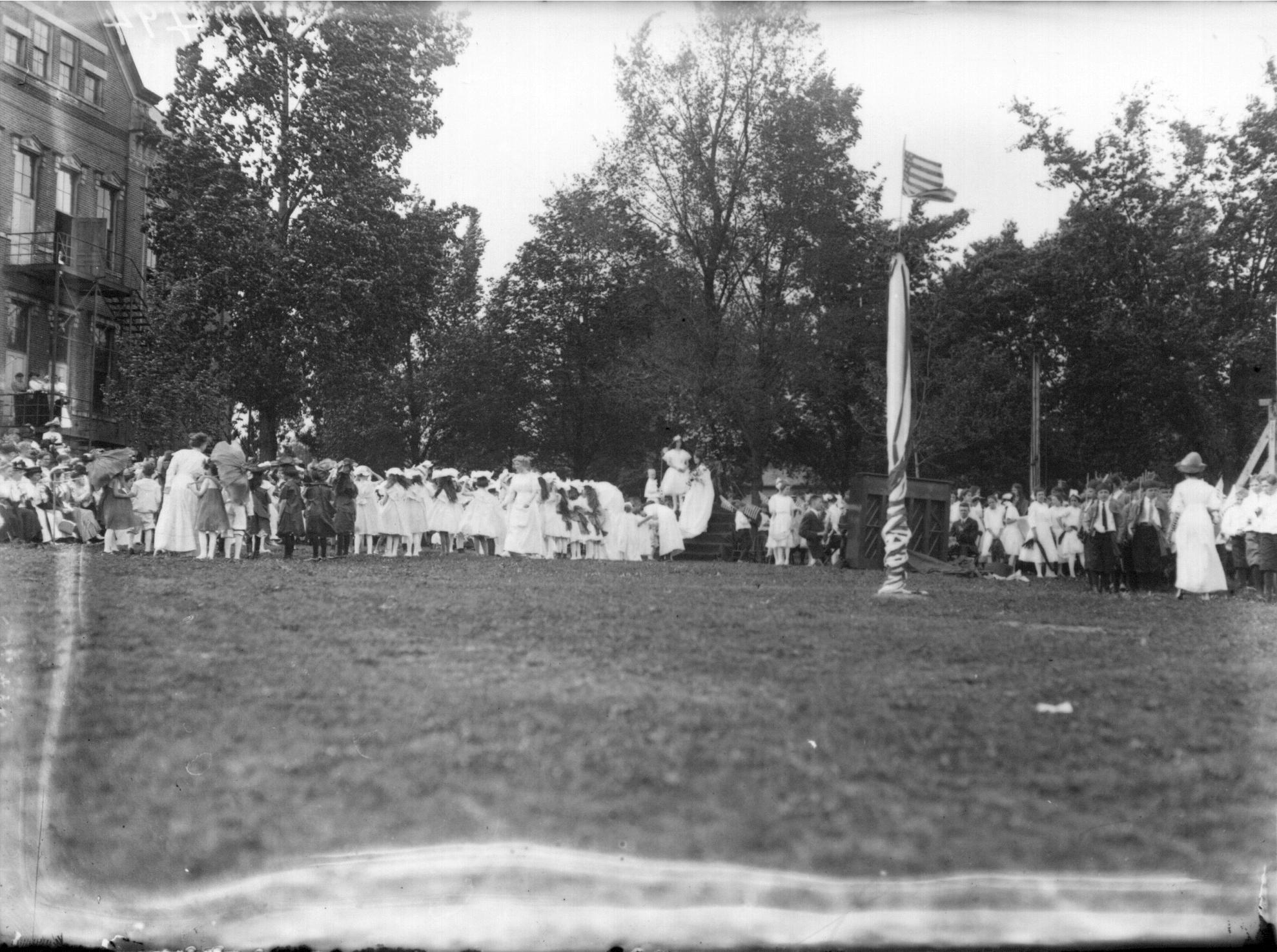
An outdoor spring event in uncertain weather was postponed, moved indoors in a compromised form, or simply rained off after weeks of rehearsal.
Indoor alternatives.
The absence of a contingency is characteristic of the period and it was accepted. A ritual requiring an outdoor space, a pole and an audience cannot be relocated into a gymnasium without losing most of what it was, so the alternative was usually cancellation.
That made the whole investment contingent on a single afternoon’s weather. Weeks of rehearsal could produce nothing at all, and a certain number of classes every year got exactly that outcome.
8. Photographs Were Taken and Are Now the Only Record
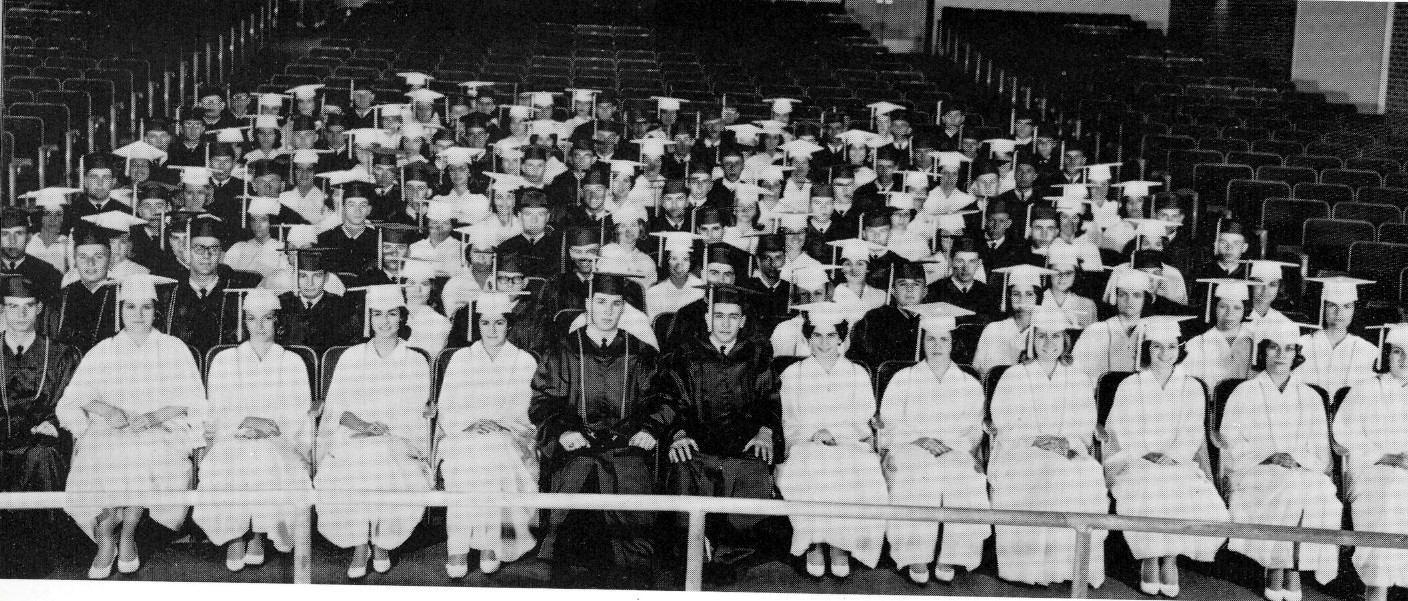
Families brought cameras, and those pictures are frequently the sole surviving evidence that any of this happened at a given school.
Documented continuously.
The documentation gap is why these practices are so hard to trace. There were no school records of a ribbon pole, no minutes, no curriculum entry and no photographs by the institution – only whatever a parent happened to take, printed once and put in a drawer.
Which is also why these appear so suddenly in family albums and nowhere else. A tradition can run for thirty years in one school and leave behind eleven photographs, all of them in different houses.
9. The Origins Were Mostly Unknown to Everybody Involved
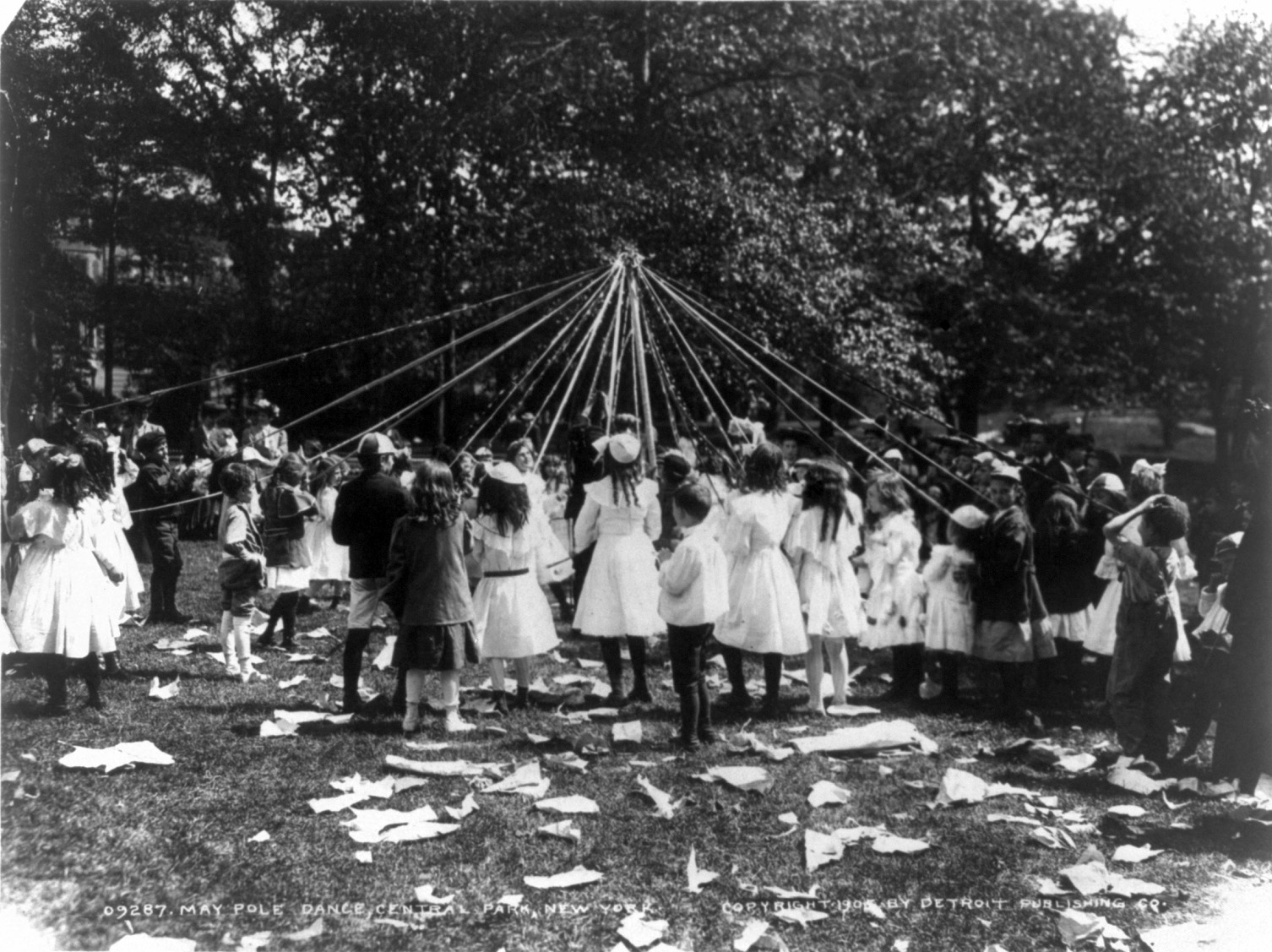
Nobody taking part could usually say where the practice came from or what it had originally meant, and it had generally been simplified considerably.
Not applicable.
The loss of meaning is normal in transmitted practice and it is not a criticism. A ritual carried from teacher to teacher for decades becomes whatever the last person remembered of it, which means the version performed in 1964 may bear little resemblance to anything older.
It is also why the explanations offered at the time were often wrong. Somebody has to say something to the parents, so an origin story gets improvised and then repeated, and the improvised version is what everybody remembers.
10. Other Fixed Observances Did the Same Job at Other Times of Year
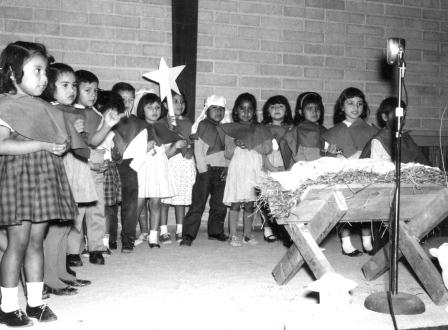
A seasonal concert, a first-day photograph on the steps, a final-day clearing of desks and an end-of-year assembly all served the same function.
Partly surviving.
Seeing these as a set rather than individually is the useful shift. Each one is a marker that converts an undifferentiated year into a structure with recognisable points in it, which is a real service to anybody – and children especially – trying to locate themselves in time.
And they were distributed deliberately through the calendar. A marker at the start, one in the middle of the spring term and one at the end gives a year a shape, and losing them makes a school year much harder to remember in order.
11. Then Liability, Timetables and Curriculum Pressure Squeezed Them Out
Supervision requirements, insurance considerations, crowded timetables and pressure on teaching time all made a week of rehearsal for an outdoor event harder to justify.
Universal.
Every one of those pressures is individually reasonable, which is how a practice disappears without anybody deciding to end it. Nobody abolished the ribbon pole – it simply became the thing that got dropped when something had to go, repeatedly, in school after school.
And once it had been skipped twice, the institutional memory was gone. The teacher who knew how the alternation worked retired, nothing was written down, and the following year there was nobody left who could have run it.
12. And by 1964 Many Schools Had Already Quietly Stopped
The pole was in a store room, the ribbons were in a box, and the last class that had done it properly had moved up two years ago.
Gone.
And what deserves the last word is that these rituals were held in nothing but habit, which is exactly why they went. Nothing about a spring pole appeared in a curriculum, a record or a plan – it existed because last year’s teacher had done it, which means one retirement could end a thirty-year practice permanently. The ribbon weave itself was an unusually honest piece of collective work, because two sets of children passing alternately in opposite directions produce a visible pattern that one person going the wrong way ruins immediately, and there is no way to hide a mistake or carry the group. The rehearsal took afternoons and the performance took minutes. The audience was the point, which is why every child was given a part and why the date was set in spring. The costumes were requested at two days’ notice from households that found that easy or did not. And the only surviving record of any of it is whatever a parent happened to photograph, printed once, and put in a drawer.
They Were Held in Nothing but Habit
The small fixed rituals of a school year are the most thoroughly vanished thing in this whole subject, and the reason is structural rather than cultural.
None of them was written down. No curriculum entry, no record, no plan, no minutes – a spring pole existed because last year’s teacher had run one, which means the entire practice lived in one person’s memory of how it worked. One retirement could therefore end a thirty-year tradition permanently, and frequently did.
The ribbon pole itself deserves describing, because it is a genuinely interesting piece of group work. Two sets of children walk in opposite directions around a pole, passing alternately inside and outside each other, and the ribbons weave into a pattern down its length. A single child going the wrong way ruins the weave visibly and immediately.
Which makes it unusually honest. There is no way to hide a mistake and no way for one child to carry the group, so what appears on the pole is a direct readout of whether thirty people managed to follow a sequence together.
The rehearsal took afternoons and the performance took minutes – and the rehearsal is where the actual experience was, learning a sequence that depends entirely on everybody else’s timing. Nobody questioned whether several spring afternoons were a reasonable use of a class’s time, which tells you how much value was placed on the school producing something to show.
Because the audience was the point. These events existed so families could be invited in and shown something their children had made or learned. A ritual with no spectators is just a lesson; a ritual with parents standing in rows is an institution demonstrating itself to the community that fills and funds it.
That explains two further things. The date was set in spring because good weather, an outdoor space and long evenings produce an audience. And every child was given a part by design, on the same logic as the classroom valentine rule – a parent who attends and does not see their own child will not attend next year. The cost of that was fairly transparent casting, with thirty parts of wildly uneven importance distributed in front of everybody.
The costumes came from home at two days’ notice, which is the bake sale arrangement landing on the same people. A note asking for something white, something in a particular colour, a hat or a length of ribbon assumes a household with materials and an evening – and a child without the right thing on the day was visible to the whole audience. The school was requesting a small thing, and the request was not small for everybody receiving it.
There was no contingency for weather. An outdoor event with a pole and an audience cannot move into a gymnasium without losing most of what it is, so the alternative was cancellation – and weeks of rehearsal producing nothing at all was the outcome for a certain number of classes every year.
Two things follow from the absence of records.
The only documentation is whatever a parent photographed, printed once and put in a drawer. A tradition can run for thirty years in one school and leave eleven photographs behind, all in different houses.
And nobody knew where any of it came from. A practice carried teacher to teacher for decades becomes whatever the last person remembered of it, so somebody improvises an explanation for the parents, the improvised version gets repeated, and that is what everybody remembers.
These are best understood as a set. A marker at the start of the year, one in the spring and one at the end converts an undifferentiated year into a structure with recognisable points in it – which is a real service to anybody, and to children particularly, trying to locate themselves in time.
Then supervision requirements, crowded timetables and pressure on teaching time made a week of rehearsal harder to justify. Every one of those pressures is individually reasonable, which is precisely how a practice disappears without anybody deciding to end it: it becomes the thing that gets dropped when something has to go.
And once it had been skipped twice, the memory was gone. The teacher who knew how the alternation worked had retired, nothing was written down, and there was nobody left who could have run it.
If you ever wound ribbons round a pole, there is probably no record of it anywhere.
Except in whatever your mother photographed that afternoon.
Like our content? Follow us for more.