

Sorghum syrup was the only sweetener an American farm could produce without buying a single thing.
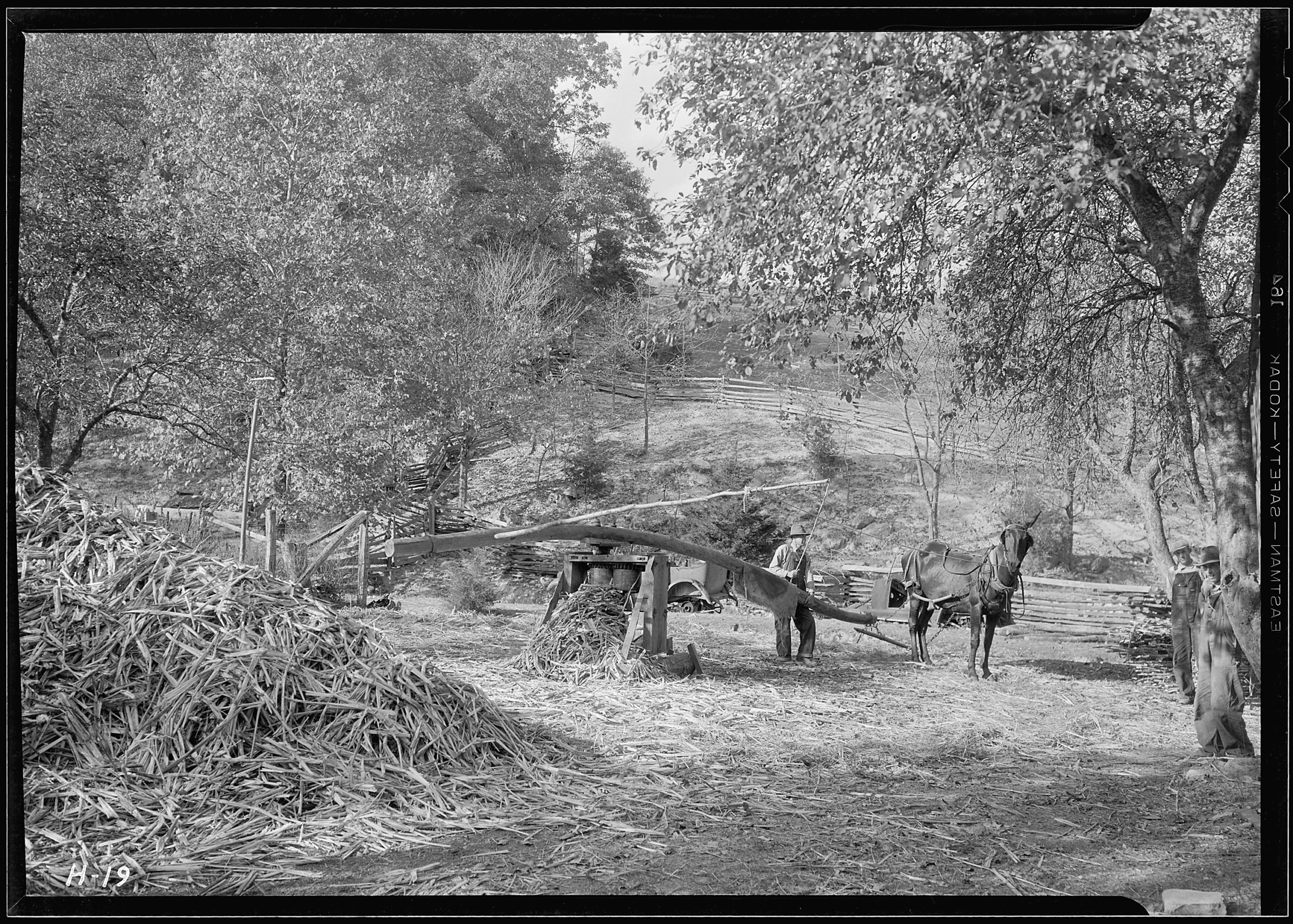
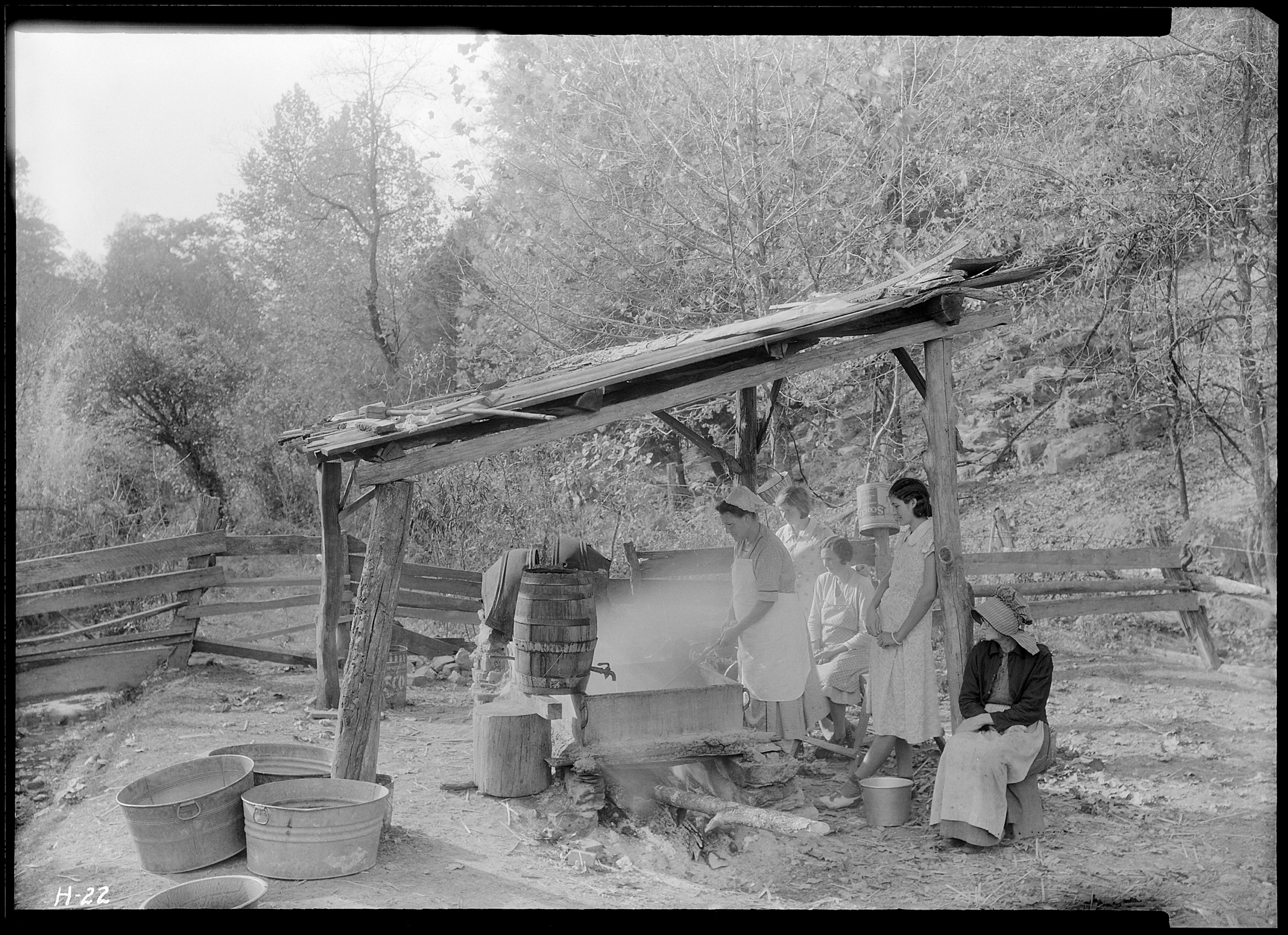
Sweet sorghum is a tall annual grass that grows where sugar cane cannot – through heat, drought and a short season – so it put a sugar crop within reach of farms that could never have had one. It was planted from seed, cut when the heads were right, stripped of its leaves by hand, and fed between heavy iron rollers turned by a horse walking in a circle on the end of a long sweep. The juice went straight to a long pan over a brick furnace, because fresh juice ferments within hours.
Then somebody skimmed it all day and judged by eye alone exactly when to draw it off. Here are sixteen things every farm knew.
1. It Was the Sweetener a Farm Could Make Without Buying Anything
Sweet sorghum was planted as a field crop, cut, crushed for its juice and boiled down into syrup entirely on the farm, using nothing the household had to purchase.
Sugar and manufactured syrups bought at a store, with no household production anywhere.
That is the whole reason it existed and it is the point to hold onto. Sugar required cash, and cash was the scarcest thing on a farm. Sorghum required land, labour and a mill – all of which a farm either had or could borrow – which made sweetness something a household could grow instead of buy.
Like our content? Follow us for more.
2. The Plant Is a Grass, Not a Cane
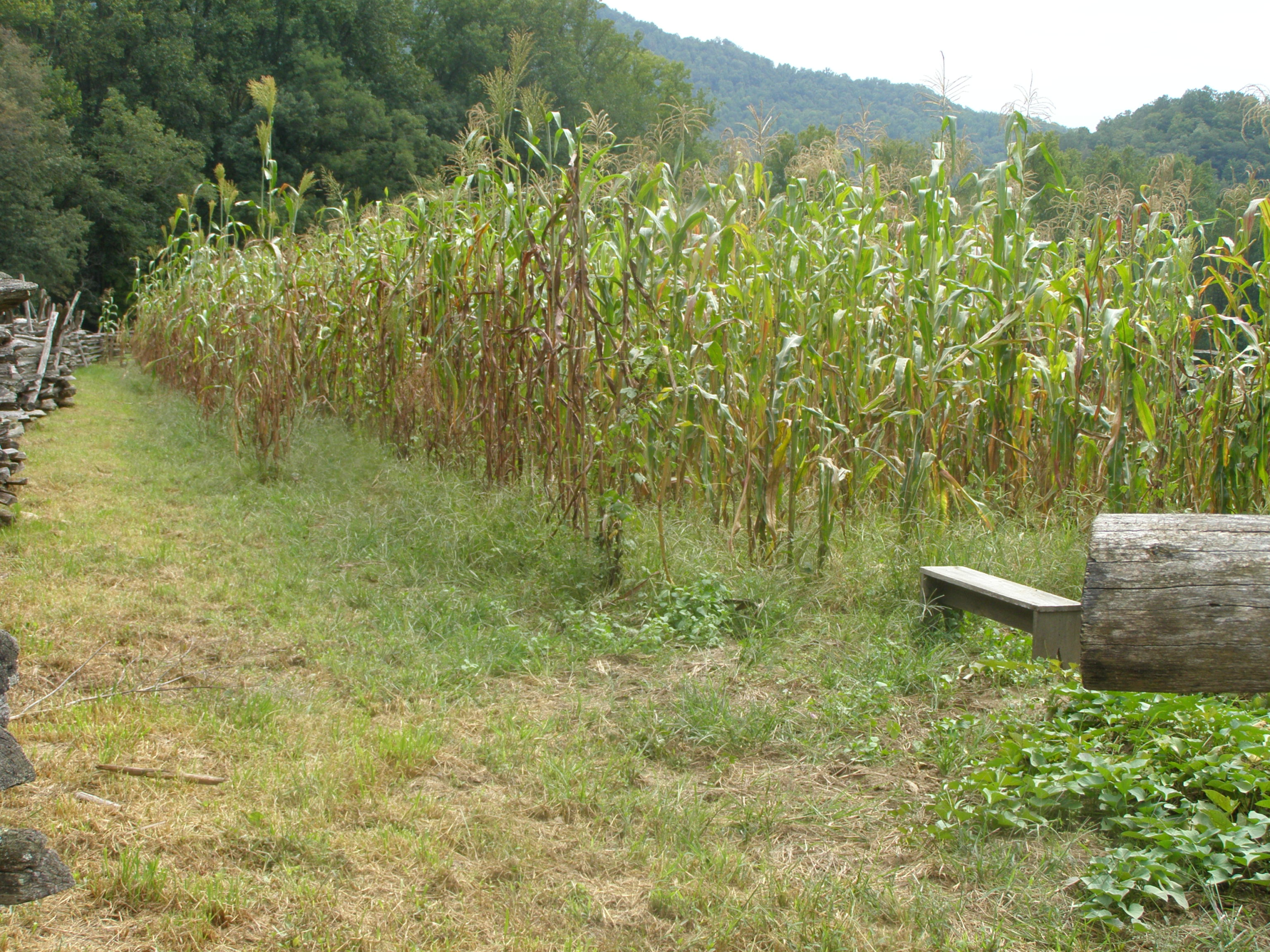
Sweet sorghum is a tall annual grass grown from seed each year, with a thick stalk carrying sweet juice, and it grows in places far too cold and dry for sugar cane.
Grown commercially on a small scale, with the great majority of sorghum now raised for grain and forage rather than syrup.
The agronomy is what made it an American crop rather than a tropical one. Sugar cane needs a long hot wet season and will not grow across most of the country, while sweet sorghum tolerates heat, drought and a short season – which put a sugar crop within reach of farms that could never have had one.
3. Harvest Was a Race Against Frost
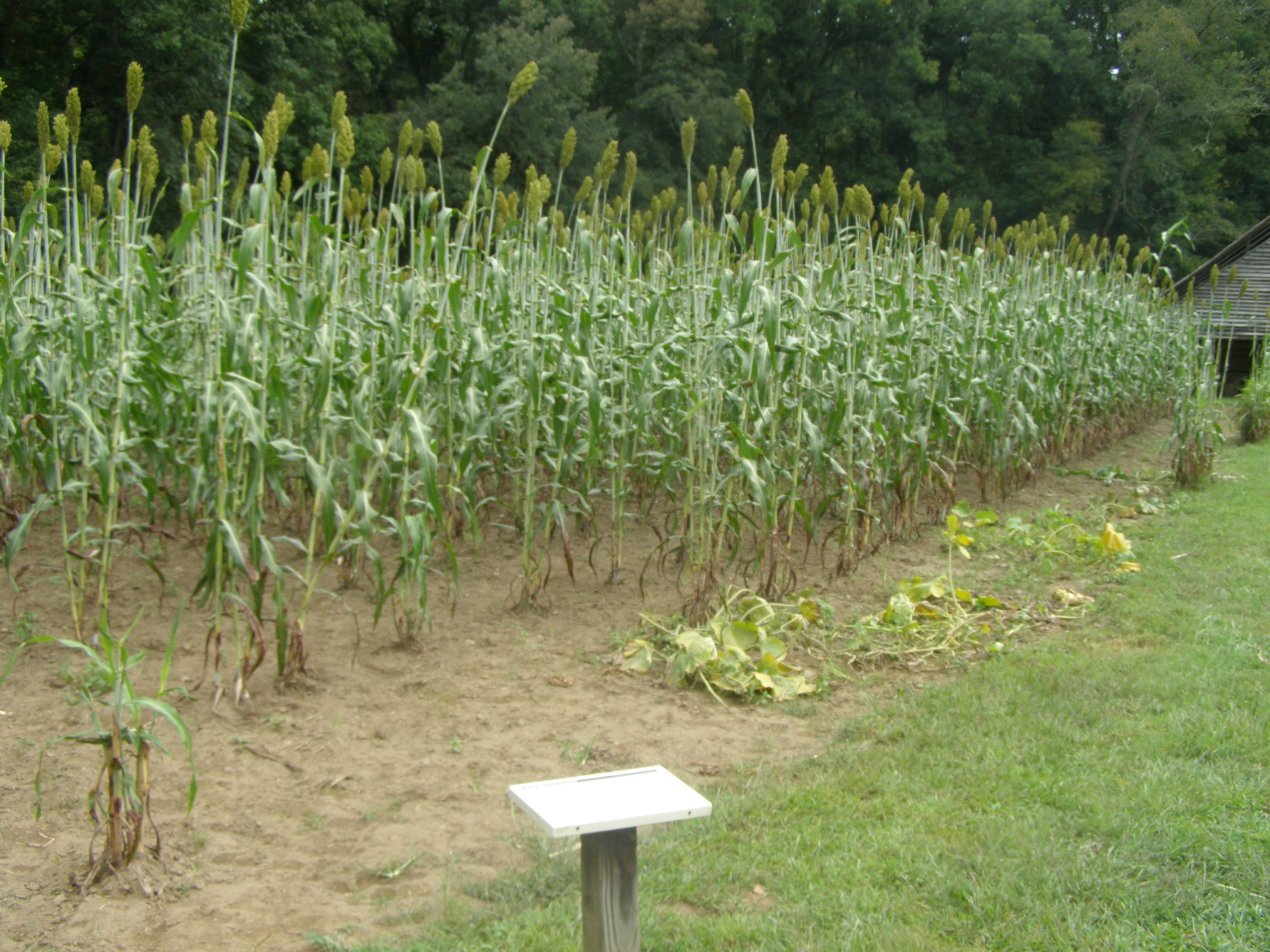
The crop was cut when the seed heads were right and had to be crushed within a short window, because stalks left standing or sitting too long lose quality.
Not applicable at household scale.
The timing pressure is what made this a community operation rather than a family one. A whole district’s crop ripened at roughly the same moment and had to go through the same mill, which means the schedule was tight, public and negotiated.
4. The Stalks Were Stripped by Hand
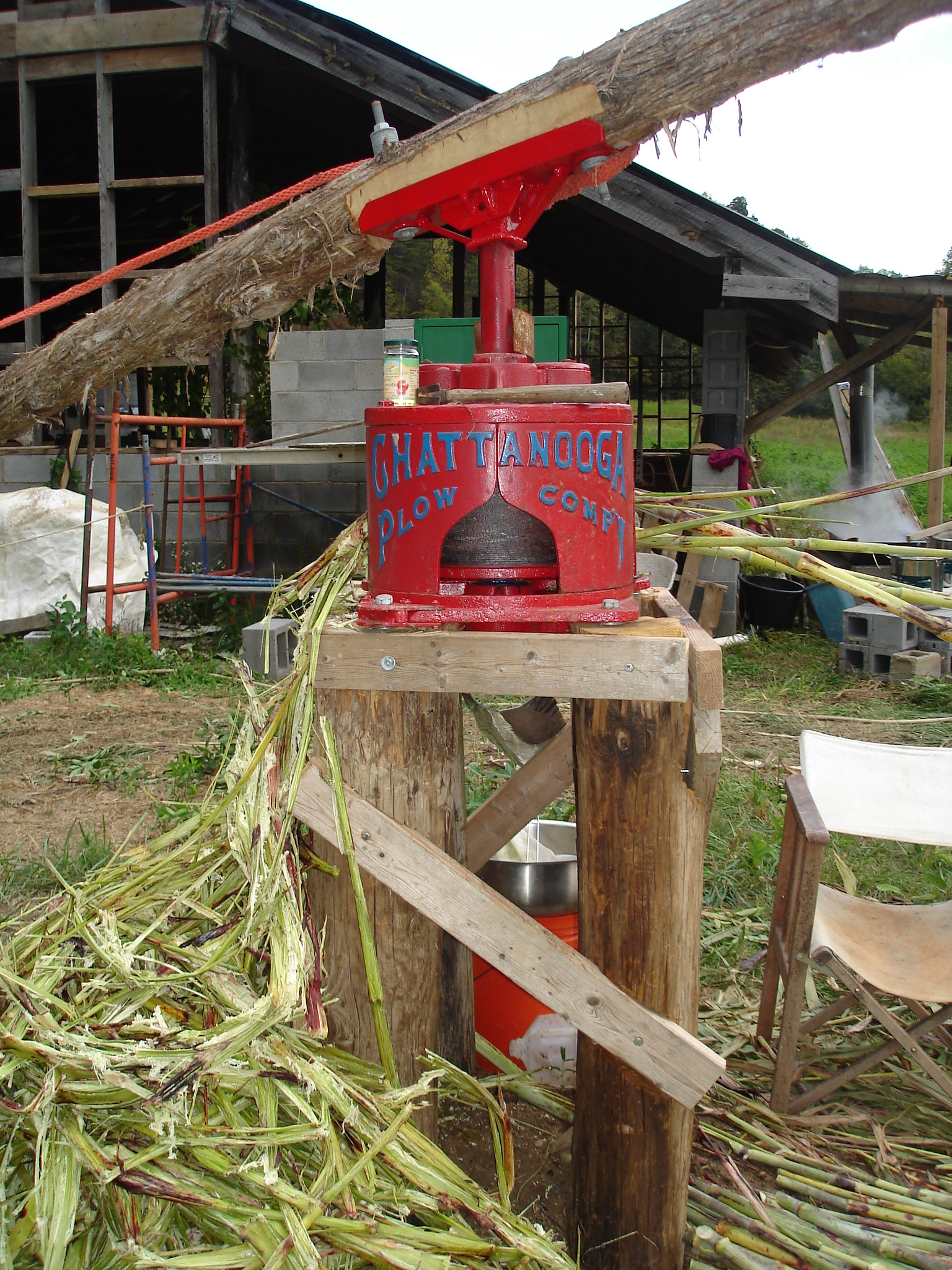
Leaves were stripped off the standing or cut stalks and the seed heads removed, usually with a wooden paddle or a knife, before anything went to the mill.
Not applicable.
Stripping is the labour nobody mentions and everybody who did it remembers. It is slow, repetitive work done in the field in heat, on a crop taller than the person doing it, and it had to be finished before the interesting part could start.
5. The Mill Was Three Rollers and a Horse
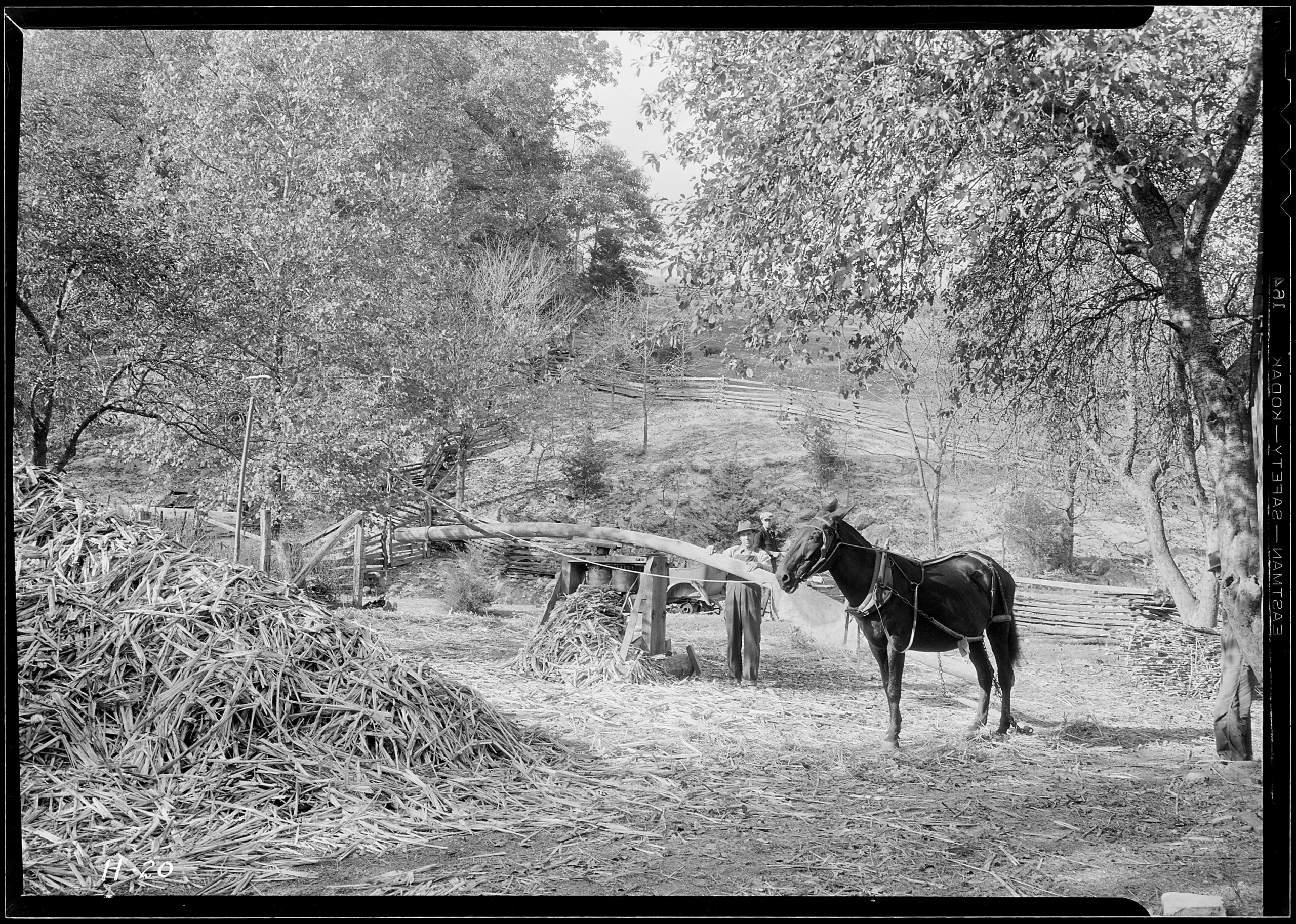
Stalks were fed between heavy iron rollers that squeezed the juice out, with the rollers turned by a horse or mule walking in a circle on the end of a long sweep.
Not applicable.
The sweep mill is a beautifully simple machine – an animal walking in a circle converted into a continuous crushing force, with no fuel, no engine and nothing to go wrong. The animal did the same circle for hours and generally knew the job better than whoever was supposed to be driving it.
6. Somebody Fed the Rollers All Day
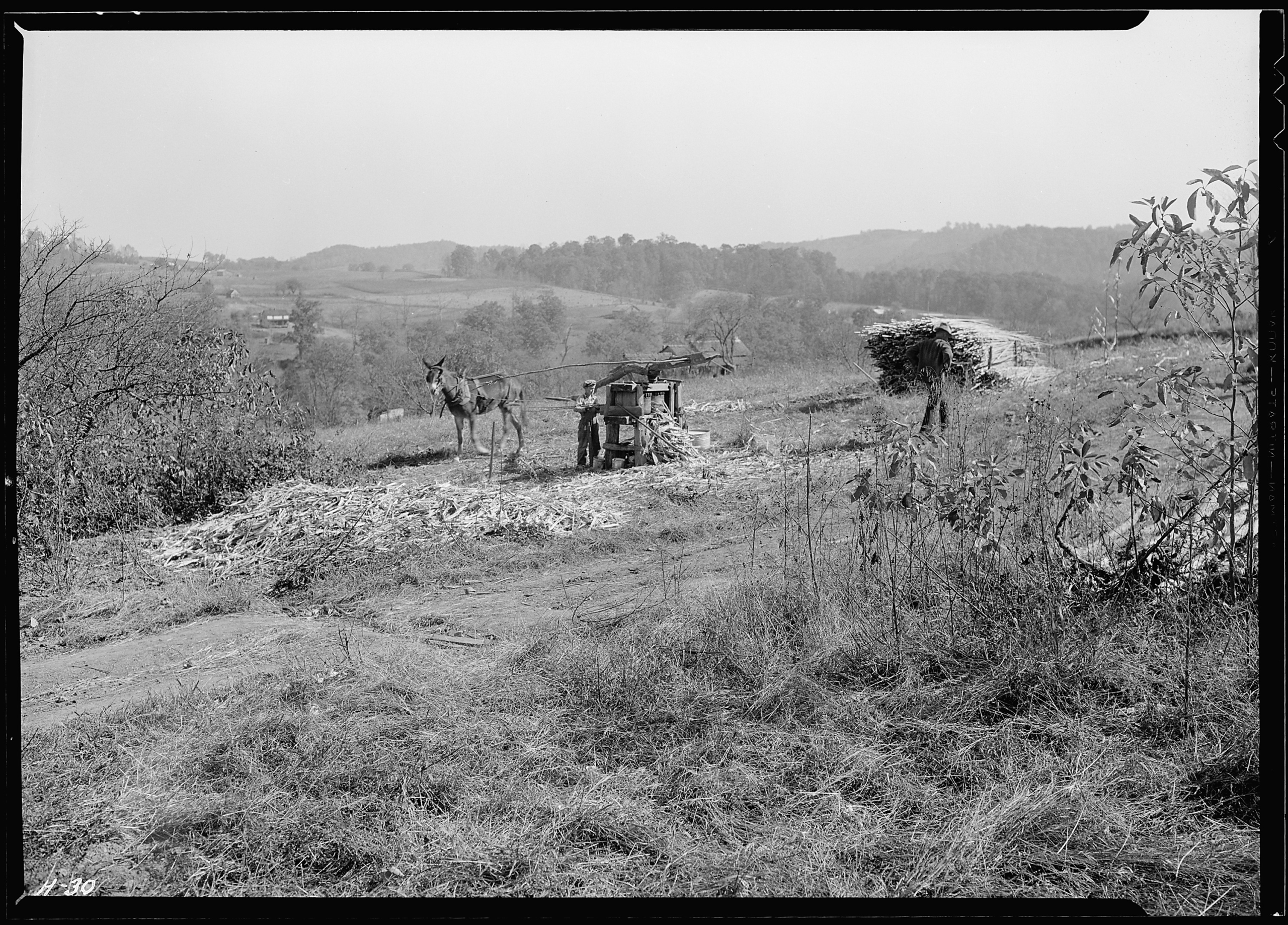
One person stood at the mill feeding stalks in continuously, a few at a time, by hand, while the rollers turned.
Not applicable.
This was the dangerous job and it was understood as such. A set of powered rollers that grips and pulls whatever enters it does not distinguish between a stalk and a sleeve, and the job required constant attention of a kind that a long day steadily erodes.
7. The Juice Had to Be Boiled the Same Day
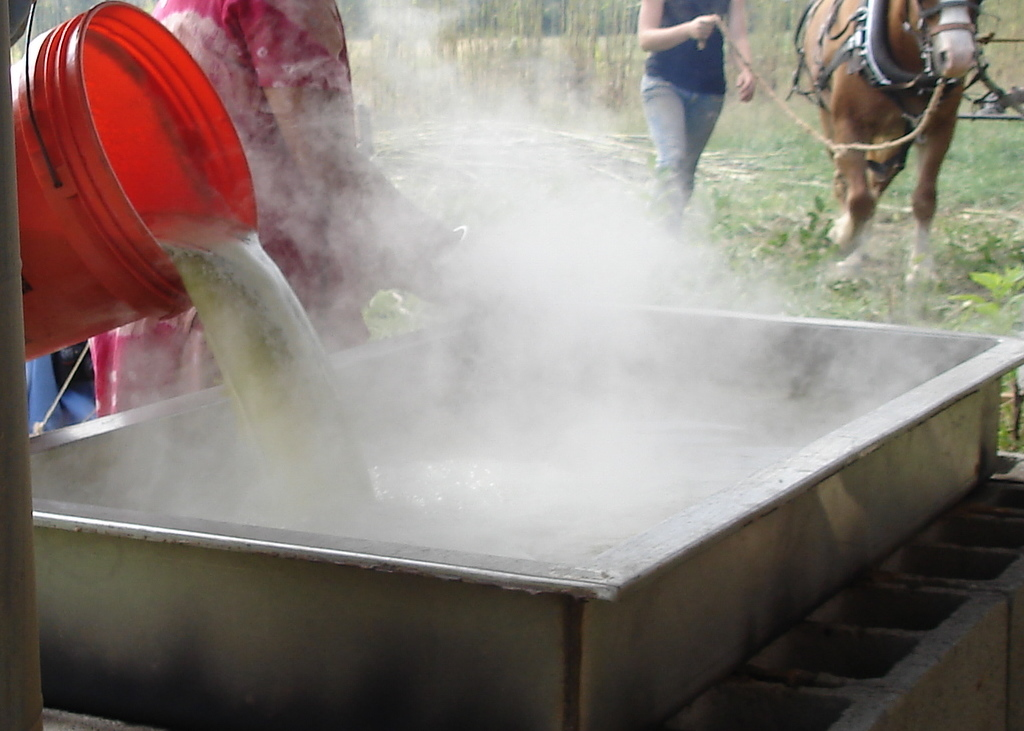
Fresh juice ferments quickly, so it went from the mill into the evaporator within hours, and a mill and a furnace therefore operated together at the same site.
Not applicable.
The perishability is what dictated the whole layout. You cannot crush in one place and boil in another on a different day, which is why sorghum making is a single continuous operation with the mill and the pan standing side by side and everybody working at once.
8. The Evaporator Was a Long Shallow Pan Over a Fire
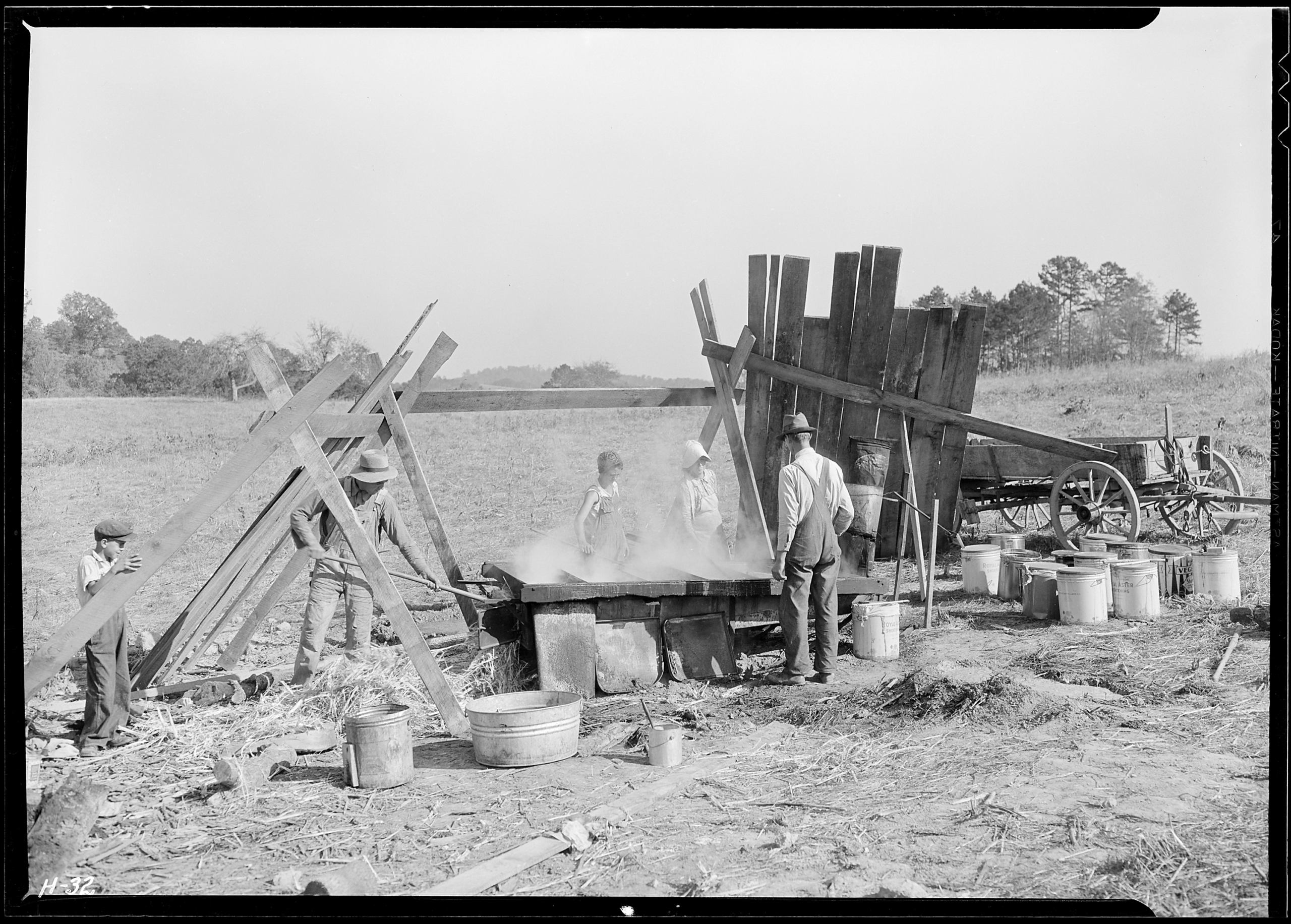
Juice was boiled in a long metal pan set over a brick or stone furnace, frequently divided into compartments so the liquid moved progressively from one end toward the finished end.
Not applicable at household scale.
The compartmented pan is the clever part, because it turns boiling into a flow rather than a batch. Raw juice enters one end, thickens as it travels, and finished syrup is drawn off the other – which means the operation runs continuously for as long as somebody keeps feeding the mill.
9. Skimming Was Constant and Never Stopped
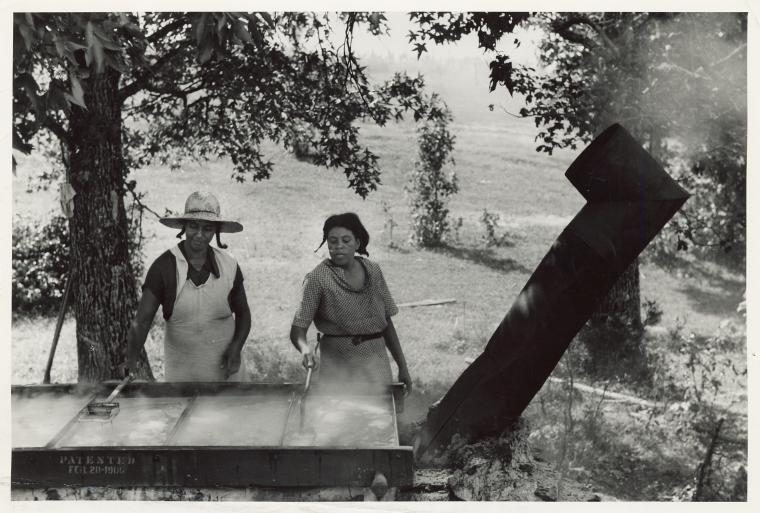
Green scum rose continuously as the juice boiled and had to be skimmed off throughout, with the skimmings carried away in buckets.
Not applicable.
Skimming is the quality control step and it is relentless. Anything left in the pan ends up in the syrup, which means somebody stood over a boiling pan in the heat for the entire run with a skimmer, and the difference between good syrup and poor syrup was largely that person’s diligence.
10. Knowing When to Stop Was the Whole Skill
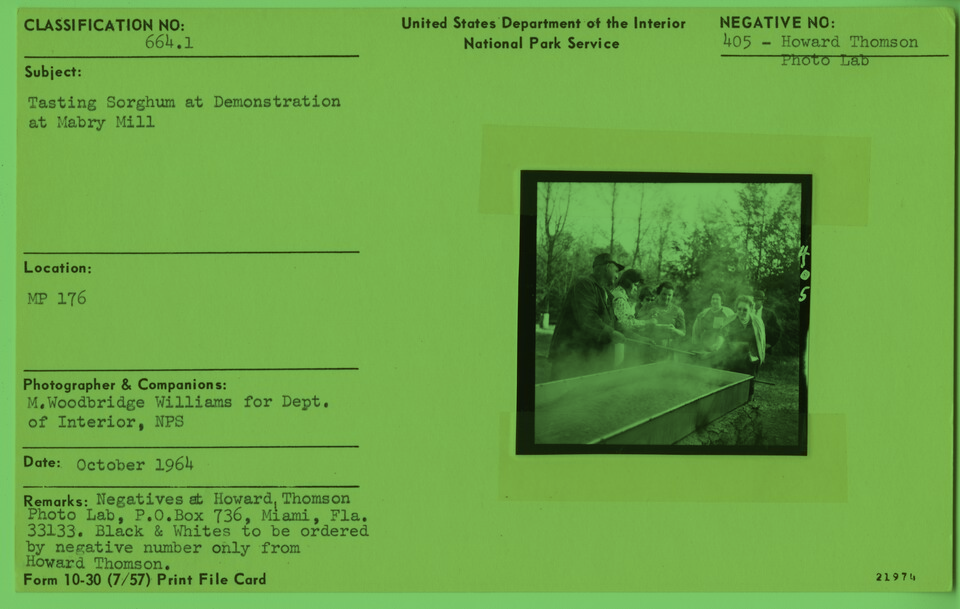
The syrup maker judged the finish by how the liquid dripped from a paddle, by its behaviour in the pan and by experience, and drew it off at exactly the right moment.
Not applicable.
There was no instrument and no number. Pull it early and the syrup is thin and will not keep; leave it late and it darkens, scorches or crystallises, and a whole district’s crop is diminished. One person’s judgement, repeated over a long hot day, determined the outcome – and good syrup makers were known by reputation across several counties.
11. The Mill Was Shared and Paid in Syrup
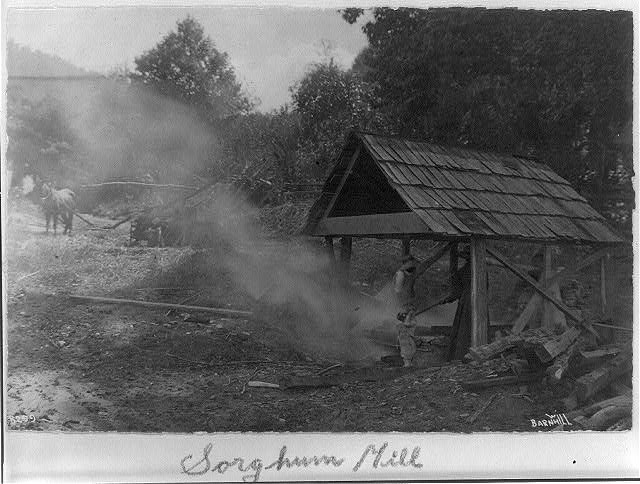
Few farms owned a mill, so one operator in a district did the work for everybody, taking a share of the finished syrup as payment rather than cash.
Not applicable.
Payment in kind is the detail that completes the picture of a cashless system. The crop was grown without purchase, processed without purchase, and the processor was paid out of the product – so a household could end the autumn with a winter’s sweetening having spent no money at any point.
12. It Was a Social Occasion as Much as a Job
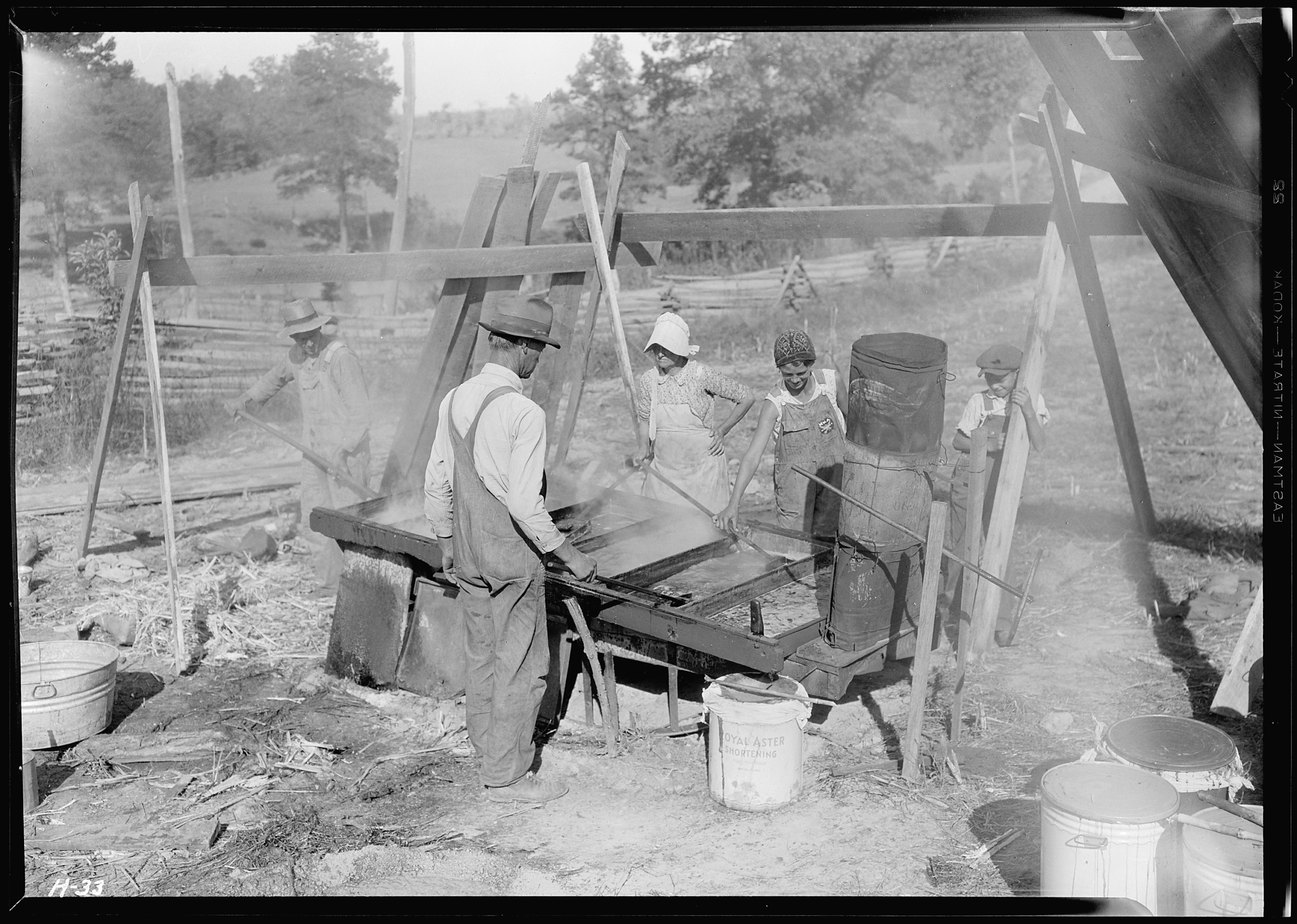
Sorghum making drew people. Neighbours helped, children came for the fresh juice and the skimmings, and the mill site was a gathering place for the duration of the run.
Not applicable.
The gathering was real and it was also practical. The operation needed many hands at once – stripping, feeding, firing, skimming, carrying – and the social character of the week was the mechanism by which that labour was assembled.
13. The Flavour Was Strong and Divided Opinion
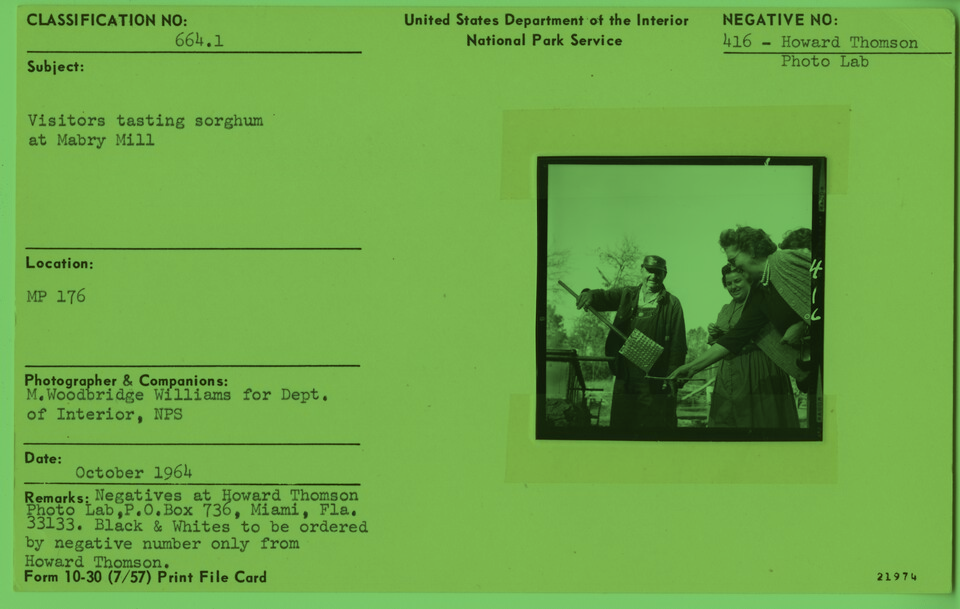
Sorghum syrup has a distinct, slightly sharp, mineral-edged taste quite unlike cane syrup or honey, and people either grew up loving it or never came to like it at all.
Available as a specialty product, with a small devoted market and very little general recognition.
The taste is the honest reason it lost rather than a sentimental one. It is not a neutral sweetener and it does not substitute invisibly for sugar, so households that could afford to choose frequently chose something milder – which is worth saying plainly.
14. Then Cheap Sugar Removed the Need
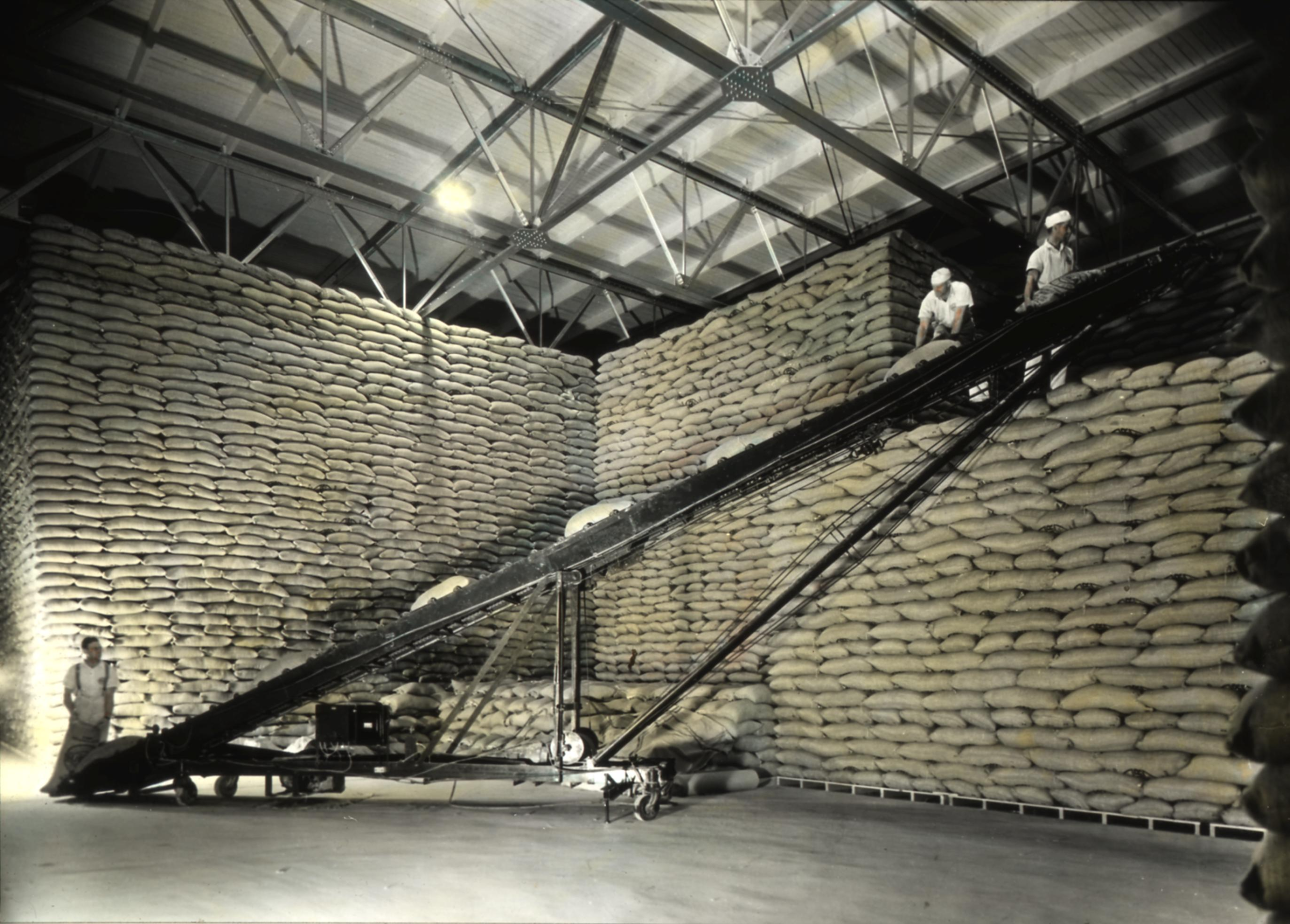
Refined sugar became inexpensive, consistent, neutral in flavour and available everywhere, which made growing and processing your own sweetener an expensive way to get an inferior product.
Universal.
This is the decisive change and the economics are unforgiving. Sorghum’s whole advantage was that it cost no money, and that only matters while money is the binding constraint – once a household had cash income, several weeks of labour to produce a strongly flavoured syrup stopped making any sense at all.
15. Then the Labour Became the Expensive Part
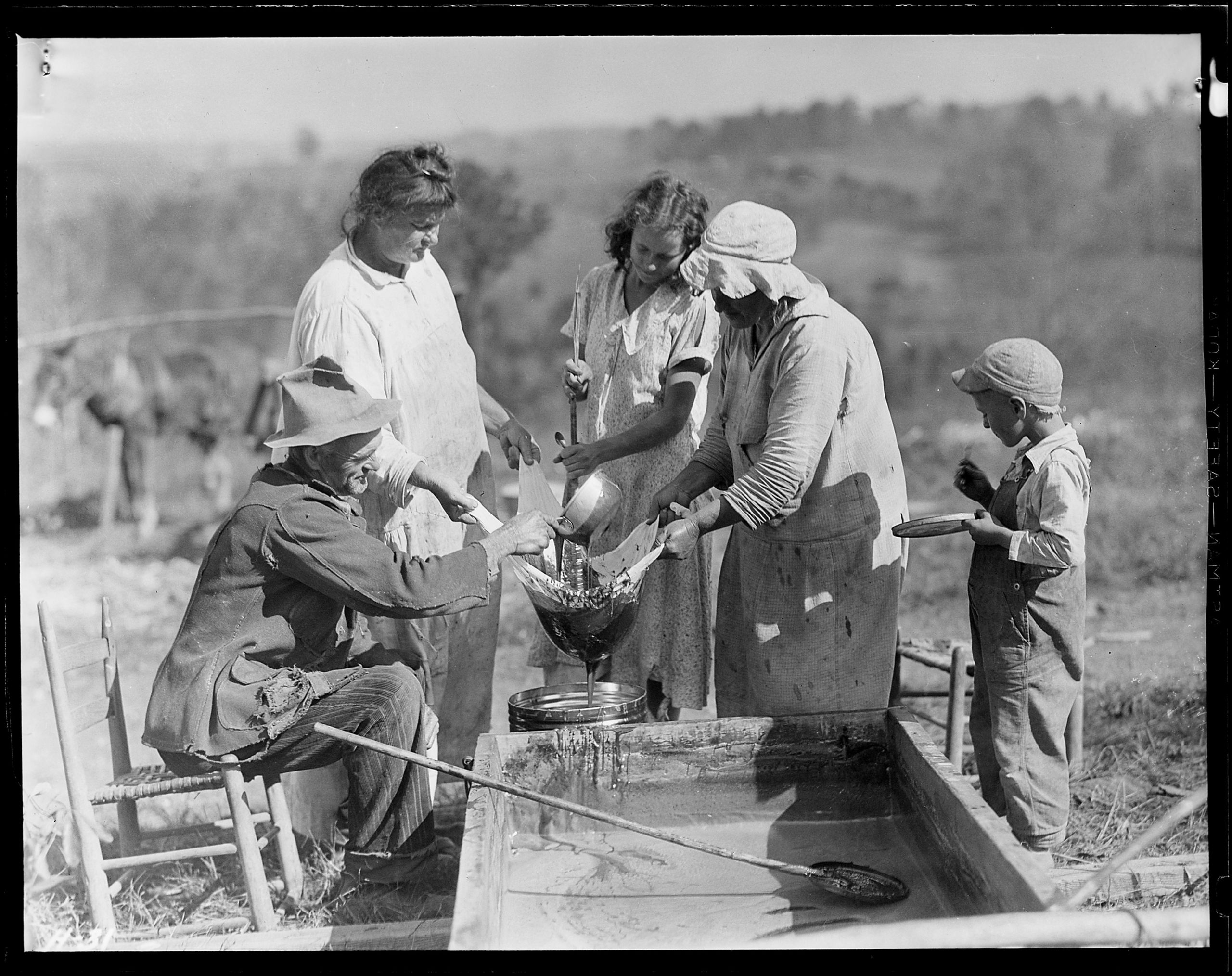
As farm labour grew scarce and valuable, an operation requiring a crop, a crew, a mill, a furnace and a week of continuous attention became impossible to justify.
Standard. Specialty producers survive on price premiums rather than on thrift.
The reversal is complete and it is the same reversal that ended most household production. The thing sorghum saved – cash – became abundant, and the thing it spent – labour – became the scarce resource, which turns a thrifty practice into a luxury one.
16. Then It Became a Festival Instead of a Harvest
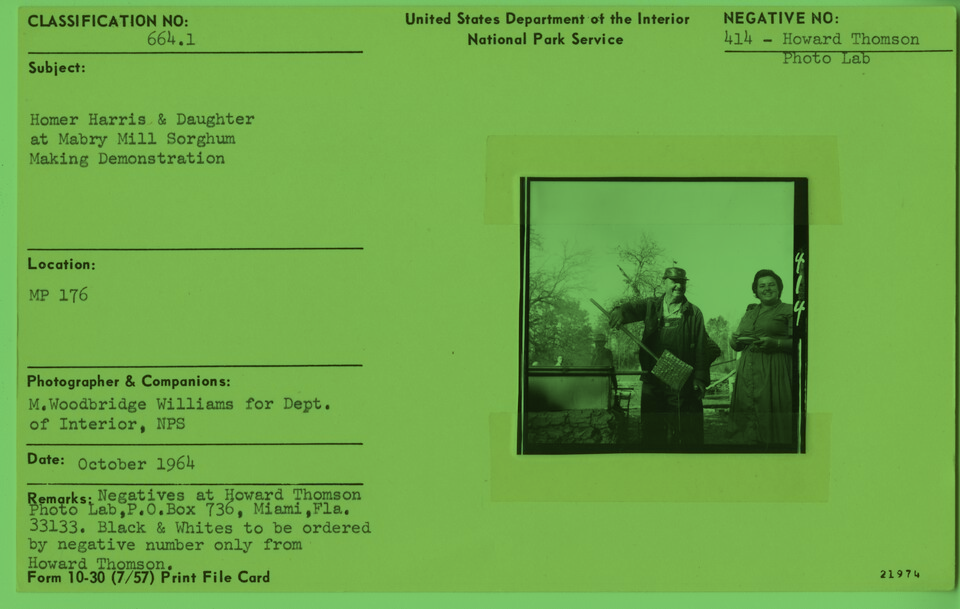
In 1964 sorghum making survived in pockets, mostly in the hill country, and increasingly as a demonstration at fairs and festivals rather than as a household’s winter supply.
A specialty product sold in small quantities, made by a handful of producers and demonstrated at heritage events.
And the thing that makes it worth understanding is that it was a complete manufacturing process carried out by farm households with no purchased inputs at all. Think about what that actually required. The crop had to be planted and grown. It had to be cut and stripped by hand at exactly the right moment. A mill had to crush it, powered by an animal walking in a circle. The juice had to reach a furnace within hours because it ferments. A long compartmented pan had to turn boiling into a continuous flow, with somebody skimming it without pause for an entire day, and one person’s unaided judgement had to decide the exact moment to draw it off. And the operator was paid in syrup rather than money, which means the whole chain from seed to jug ran without a single purchase. That is the reason it existed. Not tradition, not flavour, not craft – a household with no cash could still have something sweet all winter. Cheap sugar did not beat sorghum on quality grounds, and plenty of people preferred the sorghum. It beat it by making the one problem sorghum solved stop being a problem.
A Complete Manufacturing Process With No Purchased Inputs
The reason to pay attention to sorghum is not nostalgia about flavour. It is that a farm household ran a genuine multi-stage manufacturing process, start to finish, without buying anything.
Follow the chain.
The crop was planted from saved or locally obtained seed – a tall annual grass that tolerates heat, drought and a short growing season, which is exactly why it worked across American farm country where sugar cane will not grow at all. Cane needs a long hot wet season. Sorghum does not, and that single agronomic fact is what put a sugar crop within reach of an ordinary farm.
It was cut when the seed heads were right, in a short window, because stalks left standing or sitting lose quality. That timing pressure is what made the whole thing a community operation rather than a family one – a district’s crop ripened at roughly the same moment and had to pass through the same mill, so the schedule was tight, public and negotiated between neighbours.
The stalks were stripped of their leaves by hand with a paddle or a knife, which is the part nobody mentions and everybody who did it remembers: slow repetitive work in the heat on a crop taller than the person doing it.
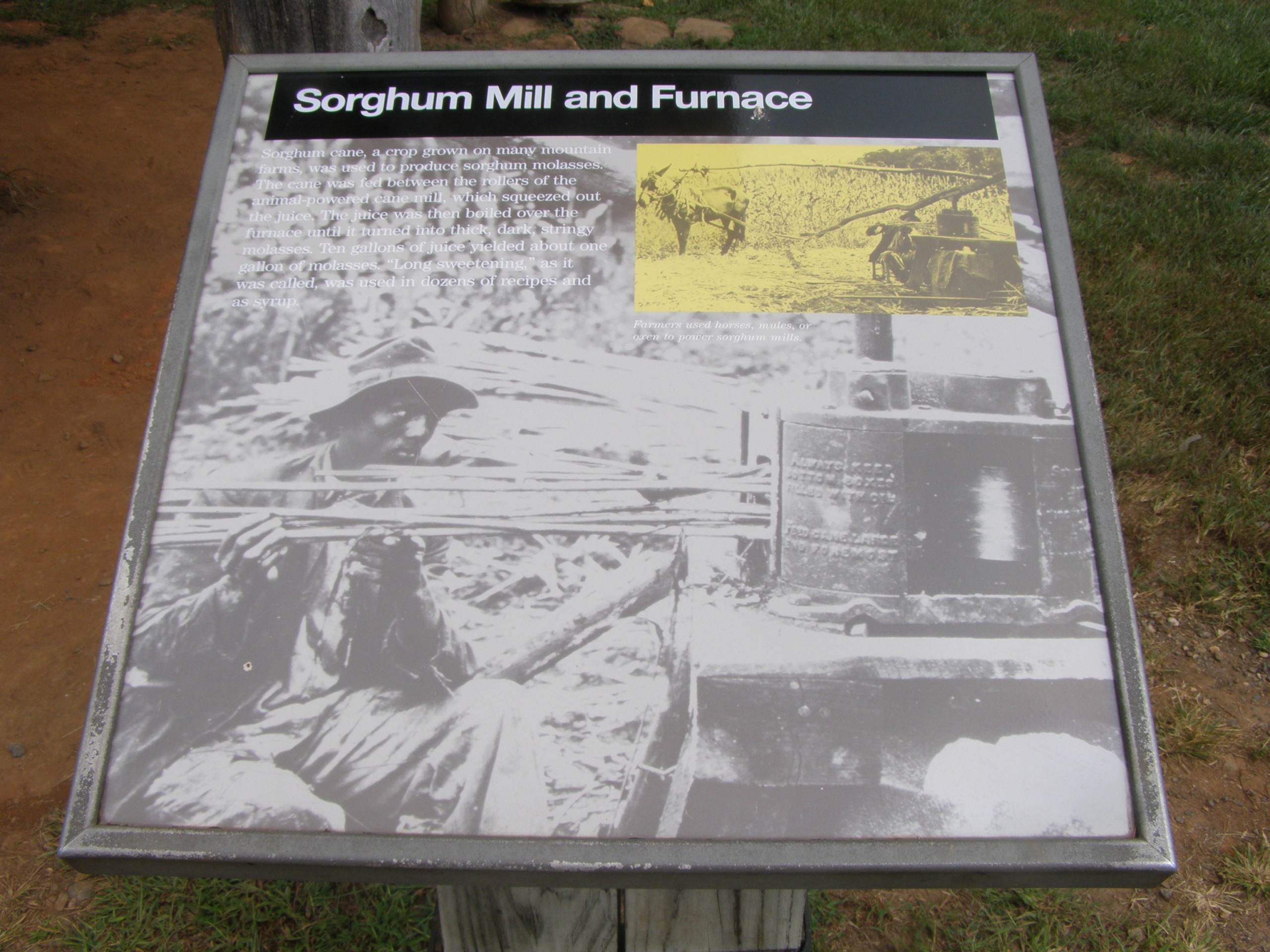
Then the mill, which is a lovely piece of machinery. Heavy iron rollers squeezing the juice out of the stalks, turned by a horse or mule walking a circle on the end of a long sweep – an animal’s steady pace converted into continuous crushing force, with no fuel, no engine and essentially nothing to break. The animal generally knew the job better than whoever was nominally driving it.
Somebody stood at those rollers all day feeding stalks in a few at a time. That was the dangerous position and everybody understood it to be, because a set of rollers that grips and pulls whatever enters does not distinguish a stalk from a sleeve, and the attention it demands is exactly the thing a long day wears away.
Fresh juice ferments within hours, which dictated the entire layout. You cannot crush in one place and boil somewhere else the next day, so the mill and the furnace stood side by side and everybody worked at once.
The evaporator was a long shallow metal pan over a brick or stone furnace, frequently divided into compartments so the liquid progressed from the raw end to the finished end as it thickened. That compartmenting is the clever bit – it turns boiling from a batch process into a flow, so raw juice goes in one end, finished syrup is drawn off the other, and the operation runs continuously for as long as the mill keeps feeding it.
Green scum rose the whole time and had to be skimmed off without pause, because anything left in the pan ends up in the syrup. Somebody stood over boiling liquid in the heat for the entire run with a skimmer, and the difference between good syrup and poor syrup was largely that person’s diligence.
And the finish was judged by eye. No instrument, no number – the way the liquid dripped from a paddle, how it behaved in the pan, and experience. Pull it early and it is thin and will not keep. Leave it late and it darkens, scorches or crystallises, and a district’s whole crop is diminished. Good syrup makers were known by reputation across several counties, and they had earned it.
Payment completed the circle: few farms owned a mill, so one operator did the district’s work and took a share of the finished syrup rather than cash.
So the entire sequence from seed to jug ran without a single purchase. A household with no money at all could have sweetening all winter.
Which is precisely why cheap sugar ended it, and the mechanism is worth being exact about. Sugar did not win on quality – sorghum has a strong, slightly sharp, mineral-edged taste that plenty of people preferred and still prefer. It won because sorghum’s only real advantage was costing no money, and that stops mattering the moment a household has cash income. Several weeks of labour to produce a strongly flavoured syrup makes no sense against a bag of neutral sugar off a shelf.
Then farm labour itself became the scarce and expensive input, which finished the argument. The thing sorghum saved became abundant and the thing it spent became precious.
If your family made it, somebody remembers chewing the stalks and drinking the raw juice.
And somebody had strong views about whose syrup was best.
Like our content? Follow us for more.
