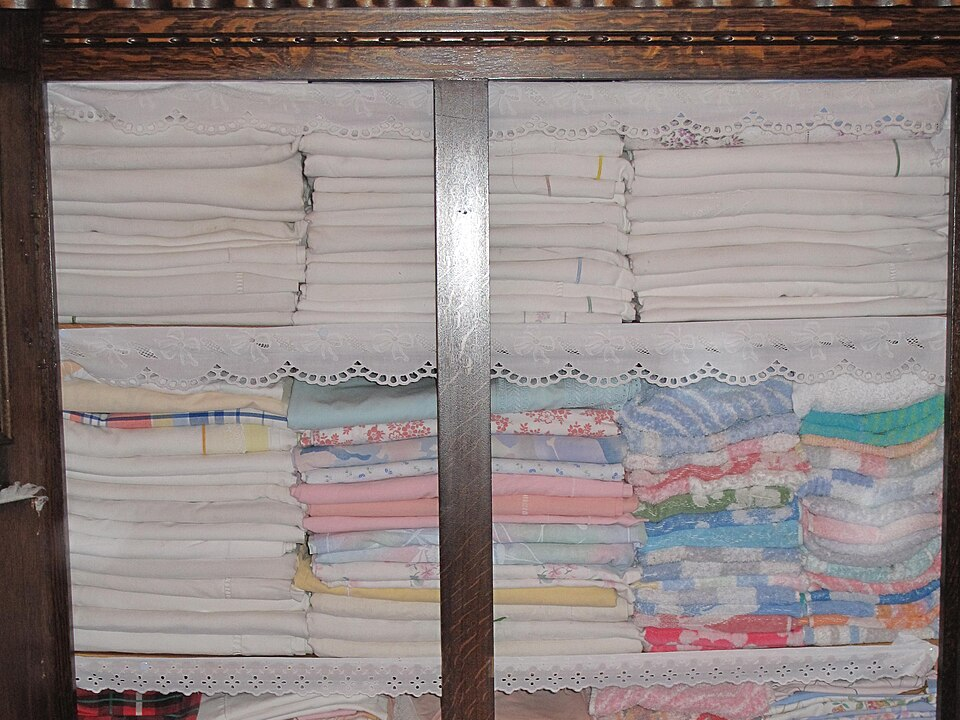
Houses built before the twentieth century frequently had one small closet or none at all, and the reason is not that people were deprived of storage. It is that there was very little to store.
A household with one good outfit and two or three sets of working clothes per person does not need a room for them. It needs a cupboard – and because the shaped clothes hanger was not in general household use for most of this period, there was nothing to hang a garment on, so clothes were folded. Folded clothing needs shelves. A tall case piece full of shelves behind doors is a clothes press.
Linen and bedding went in the same furniture. The best clothes went in and stayed in, coming out for church and funerals. Here are fifteen things every household knew.
1. Old Houses Had Almost No Closets
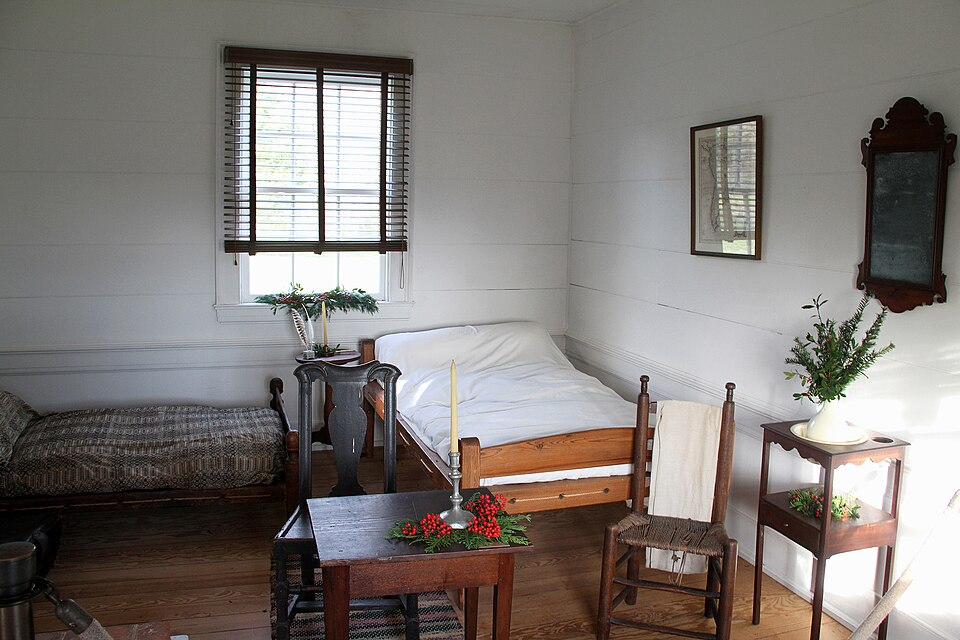
Houses built before the twentieth century frequently had one small closet or none at all, and clothing was kept in freestanding furniture instead.
Built-in closets in every bedroom, with walk-in closets normal in newer houses.
The absence of closets is the fact that explains the whole category of furniture, and the reason is simple: there was not much to store. A household with a few garments per person does not need a room for them – it needs a cupboard.
Like our content? Follow us for more.
2. The Clothes Press Was a Cupboard, Not a Wardrobe
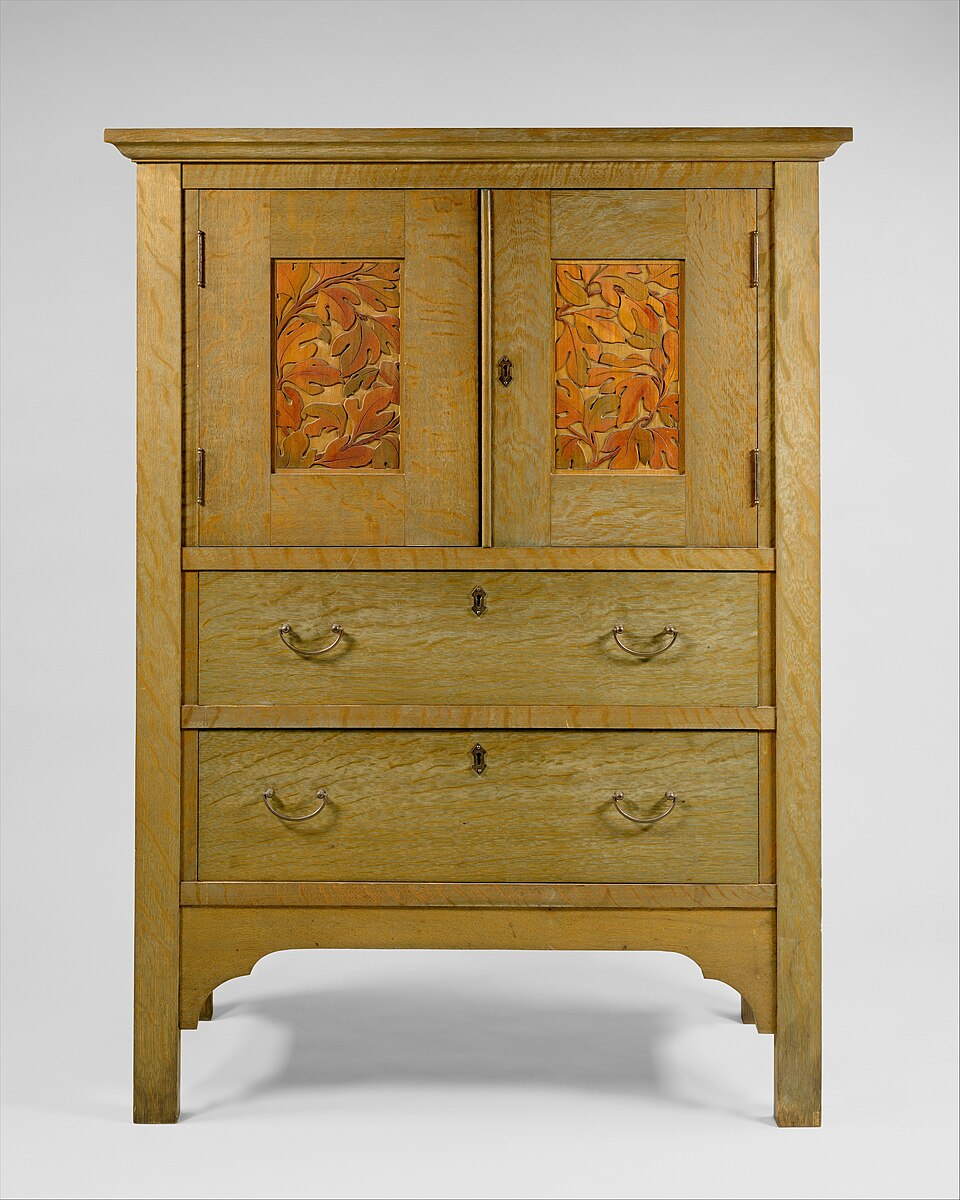
A press was a tall case piece with shelves behind doors, and clothing was folded and laid flat on those shelves rather than hung.
Hanging storage on rails, with folded storage secondary.
Folding rather than hanging is the distinction that matters and it is almost always misunderstood. A press has shelves. A wardrobe has a rail. They are different pieces of furniture answering the same question in opposite ways, and for a long period the shelved version was the normal one.
3. Folding Was Normal Because Hanging Was Not Possible
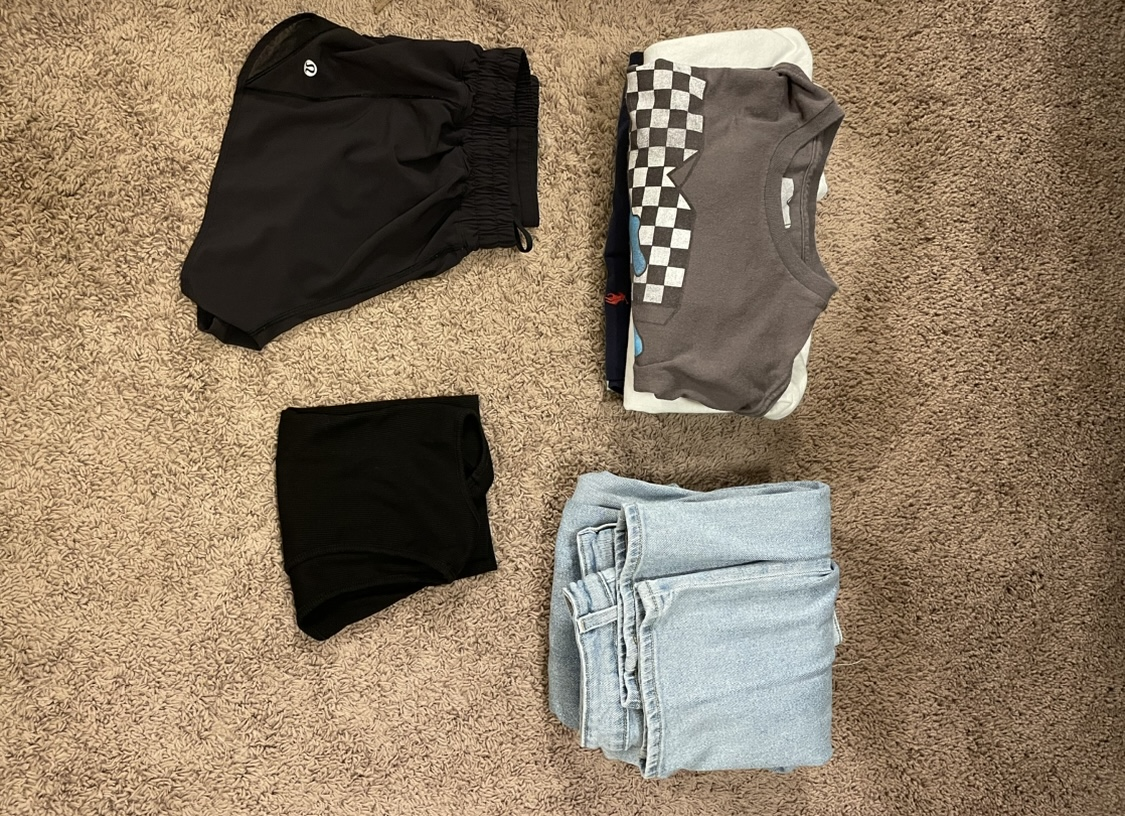
Clothes hangers as we know them were not in general household use for most of the period these pieces were made, so there was nothing to hang a garment on.
Hangers by the dozen, in every closet, free with dry cleaning.
This is the small invention that changed furniture. Without a shaped hanger, a hung garment distorts at the shoulders – so clothing was folded, and folded clothing needs shelves, and a cupboard full of shelves is a clothes press. Change the hanger and the furniture becomes obsolete.
4. Pegs and Hooks Did the Rest
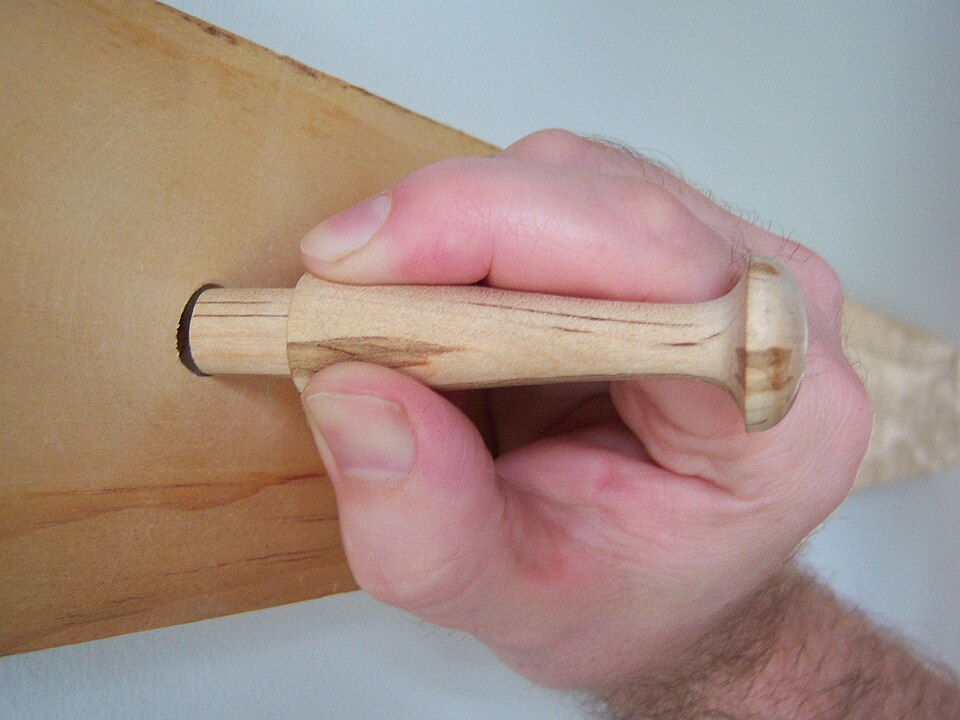
Garments in daily use hung on pegs, hooks and rails on the back of doors and along walls, in the open, rather than being put away.
Everything behind a door.
Open storage was ordinary and nobody thought it untidy, which is a different standard of domestic appearance than the current one. A row of pegs with coats and working clothes on them was simply how a room worked, and the peg rail survives in halls and mudrooms as the last trace of it.
5. The Press Held More Than Clothing
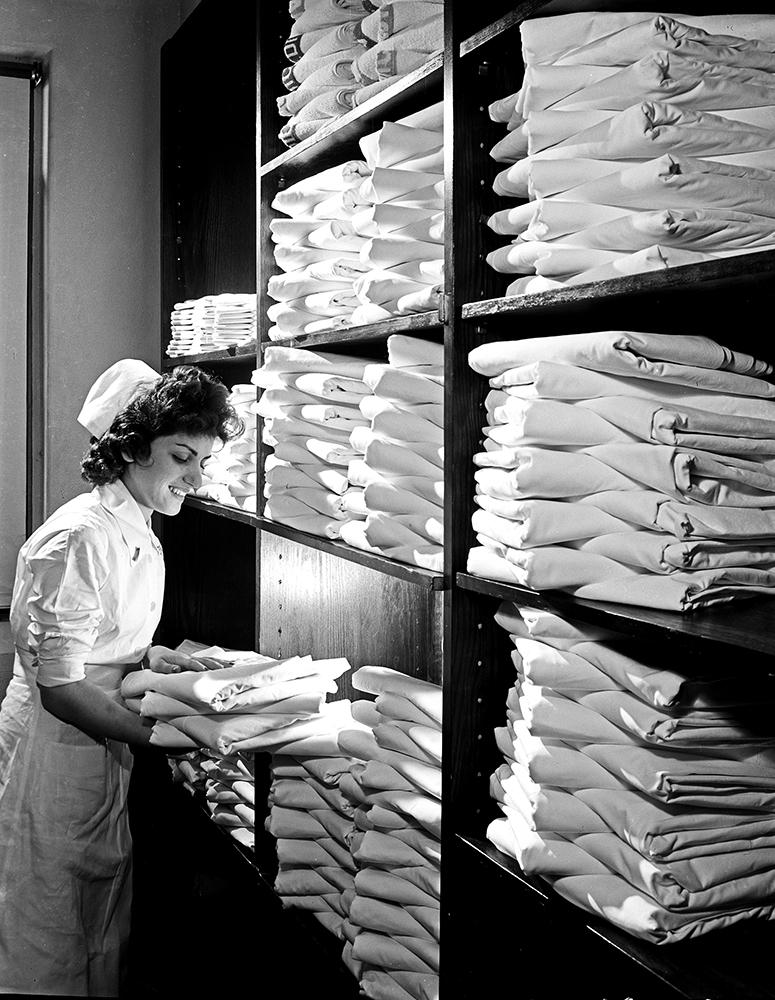
Linen, bedding, blankets, towels and household textiles were kept in the same furniture, frequently on the upper shelves.
Linen closets, built in, separate from clothing storage.
Textiles of all kinds went together because they were all the same category of valuable folded goods. The modern separation of clothing from household linen into different rooms is a consequence of having enough of both to need two spaces.
6. Good Clothes Were Put Away and Not Worn
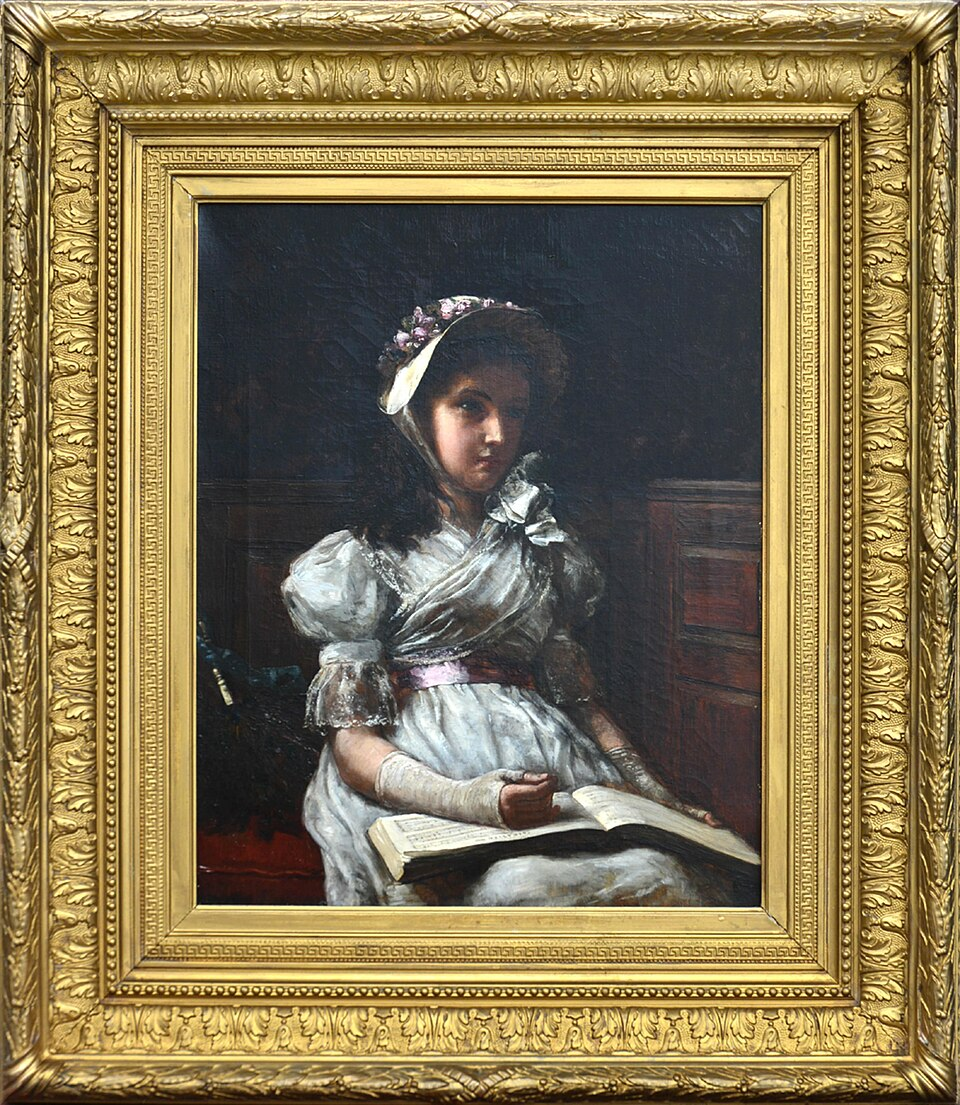
A household’s best clothes were kept in the press and brought out for church, funerals, weddings and formal visits, which is why they lasted for years.
Clothing is worn in rotation, and formal clothes are a small specialised category.
The sharp division between everyday and good is the key to understanding how little storage was needed. One good outfit per person, worn perhaps weekly and otherwise shelved, plus two or three sets of working clothes in constant use – that is a very small quantity of cloth, and it fits in a cupboard.
7. Moths and Damp Were the Real Enemies

Stored woollens were protected with cedar, camphor, herbs or paper, and the press was kept in a dry room because damp ruined stored textiles.
Climate-controlled houses, washable fabrics and mothproofed synthetics.
Storage was an active problem rather than a passive one. Wool in a dark cupboard for a season is exactly what a clothes moth wants, so the furniture and its contents needed attention – checking, airing and refreshing whatever was in there to keep them out.
8. It Was Furniture You Inherited
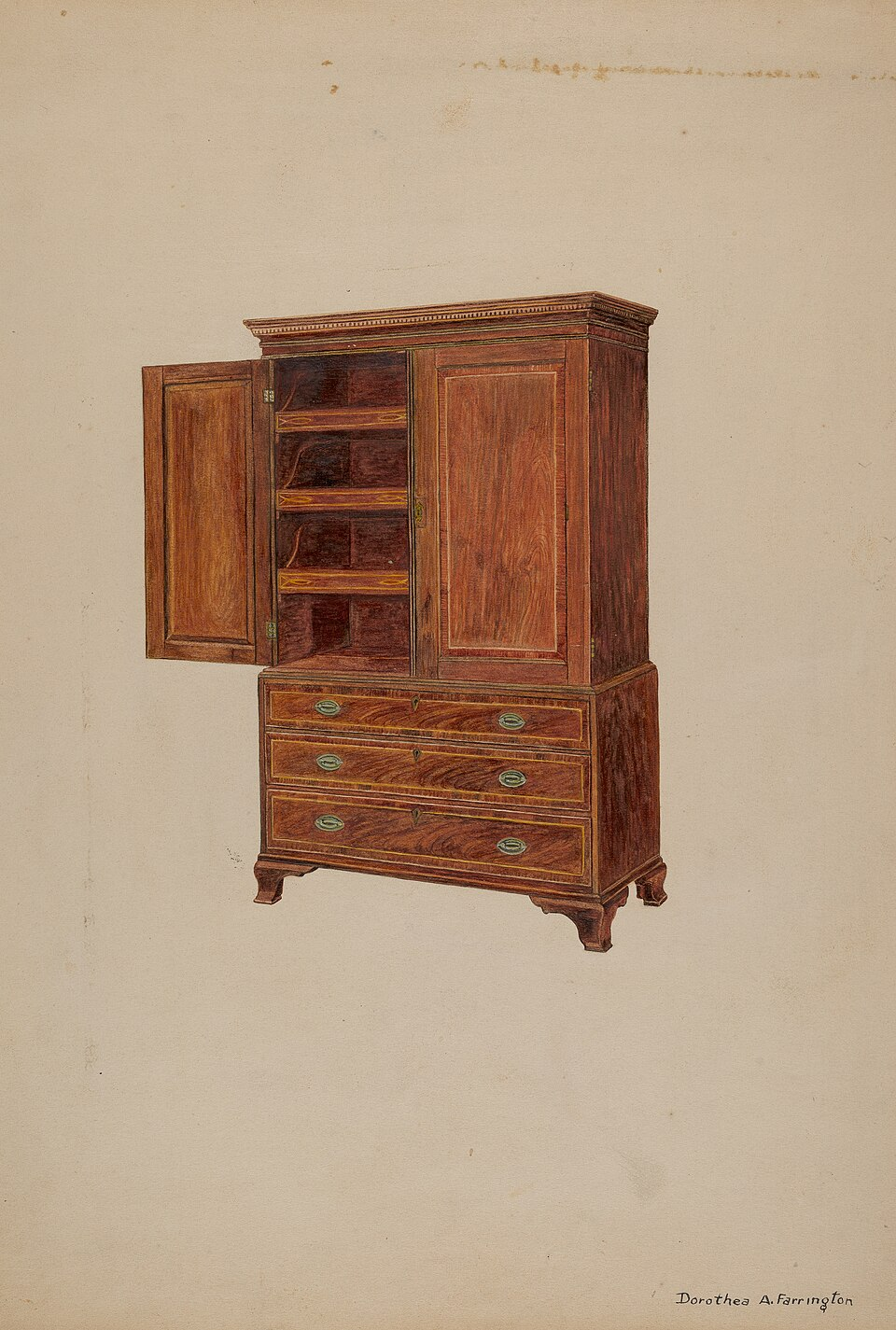
A press, wardrobe or chest was substantial, expensive, built to last and passed down, and a household frequently had one because a previous generation had bought it.
Built-in storage, which belongs to the house rather than to anybody, and freestanding furniture that is replaced.
Inheritable storage is a different relationship to a house entirely. If your clothing lives in a piece of furniture rather than in a room, then that furniture moves with you, belongs to your family, and is a possession in a way a closet can never be.
9. Everything Came Out Twice a Year
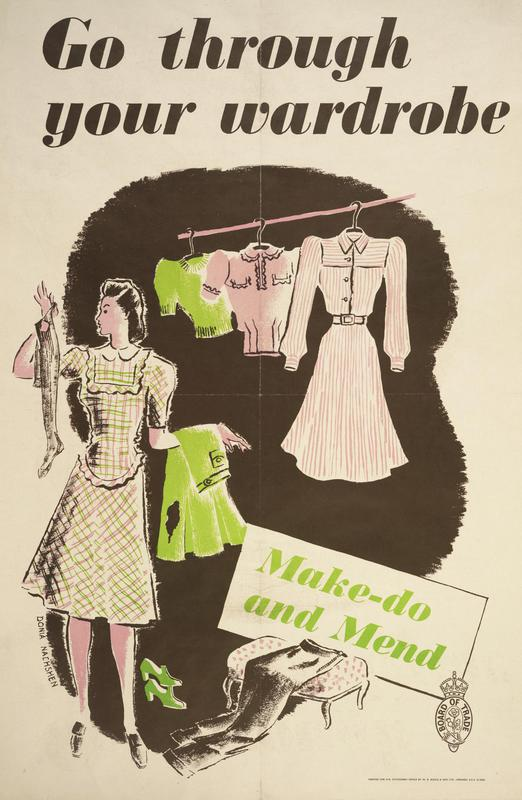
Seasonal changeover meant emptying the press, airing the contents, putting away the out-of-season clothing and bringing forward the rest.
Possible but unnecessary, since most households keep everything accessible all year.
The seasonal change was a defined household job like putting up storm windows, and it was the occasion on which everything got inspected. A twice-yearly review of every garment in the house is a quality control process, and it is how mending got identified before it became a hole.
10. Then the Closet Became Standard
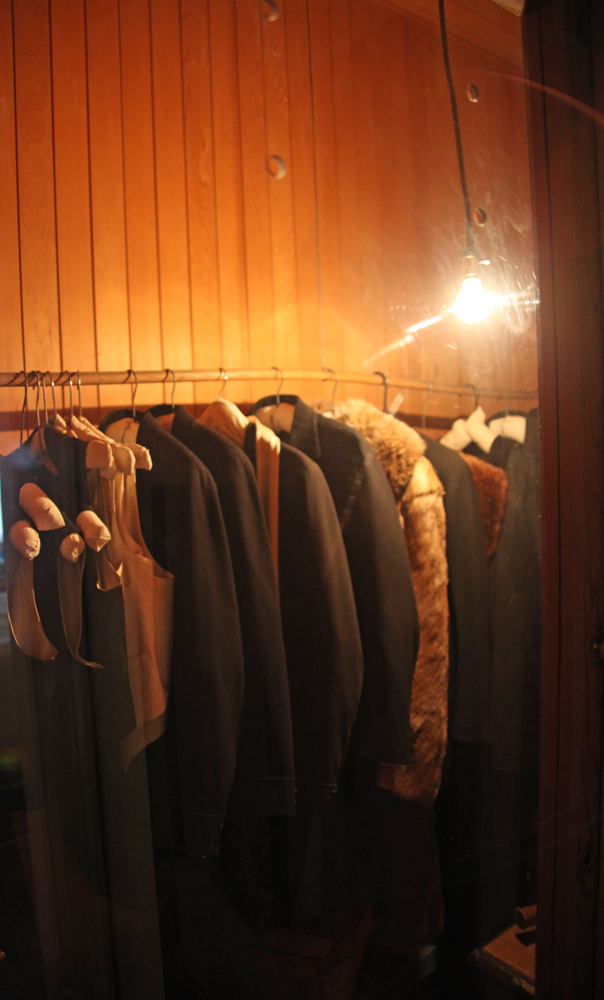
New American houses were built with a closet in every bedroom, which made a freestanding clothing cupboard redundant on the day the family moved in.
Universal, and a house without closets is now considered a defect.
Built-in storage wins for a reason nobody argues with: it costs nothing to move, it uses otherwise wasted space, and it is already there. A press has to be bought, hauled upstairs and lived around, and it occupies floor area that a closet does not.
11. Then the Hanger Changed How Clothes Were Kept
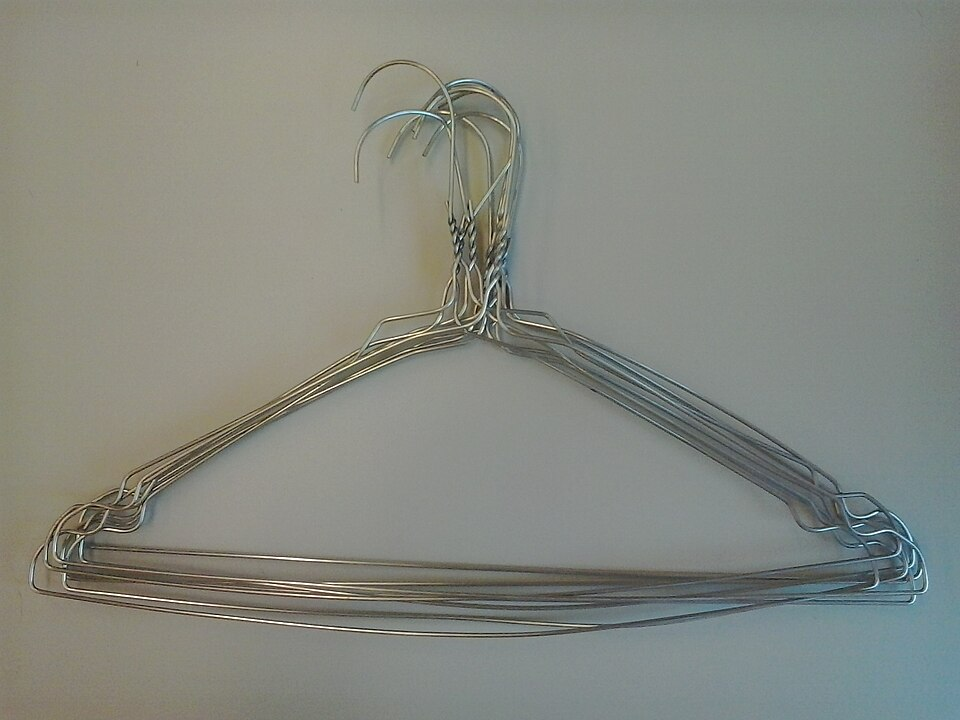
Cheap wire and wooden hangers in quantity made hanging the default, which suits a rail and a closet and does not suit shelves.
Universal.
The hanger is the quiet cause and it is worth separating from the closet. Even inside the same furniture, hanging beat folding for most garments – less creasing, faster to see and choose, no refolding – so once hangers were abundant the shelved press was storing clothes the wrong way.
12. Then People Owned Far More Clothing
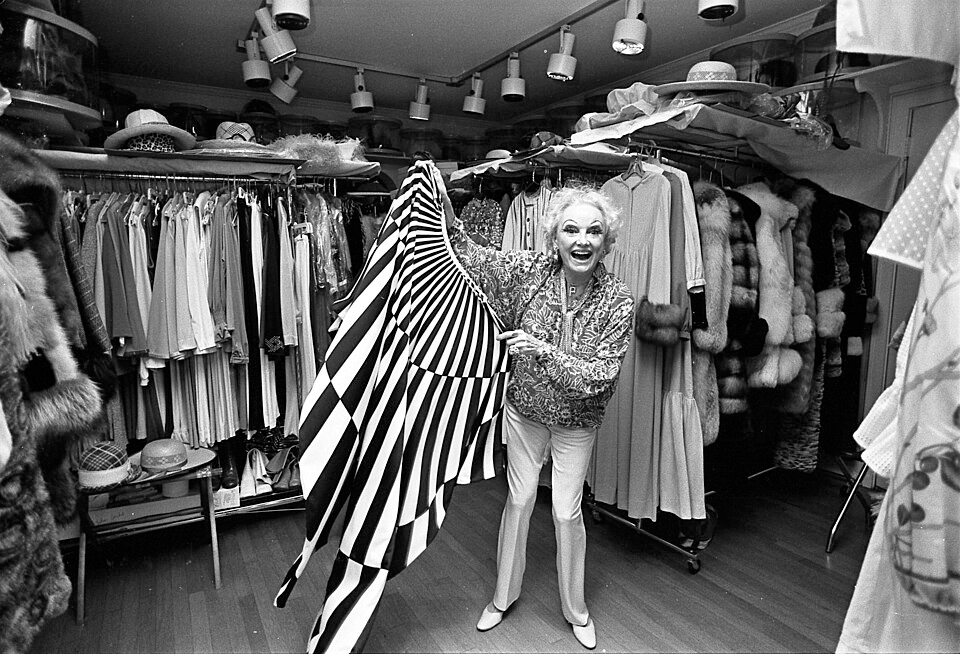
Mass production, synthetic fabric and falling real prices meant households acquired many times the quantity of clothing their grandparents had owned.
Standard. Wardrobes are large and turnover is fast.
Volume is what truly finished the press, and the arithmetic is unforgiving. A cupboard sized for one good outfit and a few working garments per person cannot hold a modern wardrobe, and no amount of careful folding closes that gap.
13. Then the Good-Clothes Distinction Collapsed
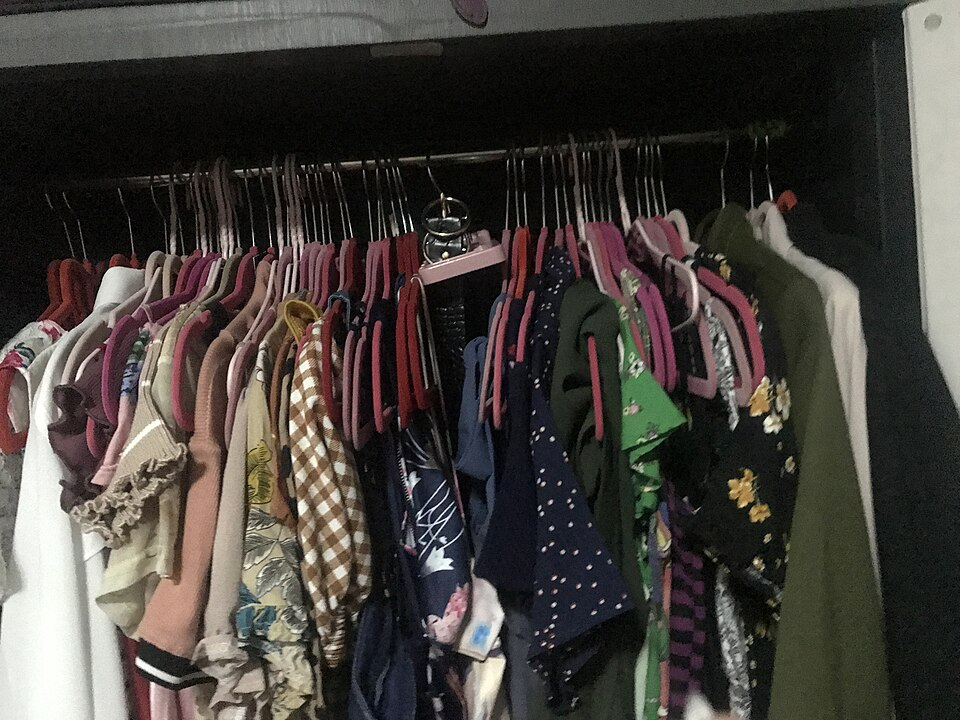
Dress became far less formal, which removed the category of clothing that was put away rather than worn.
A small formal category, with most clothing in active use.
Losing the distinction removed the press’s main function. The furniture existed largely to store the clothing nobody was wearing, and once almost everything a household owned was in rotation, long-term folded storage of good garments stopped being a requirement.
14. Then the Press Became a Linen Cupboard or a Television Cabinet
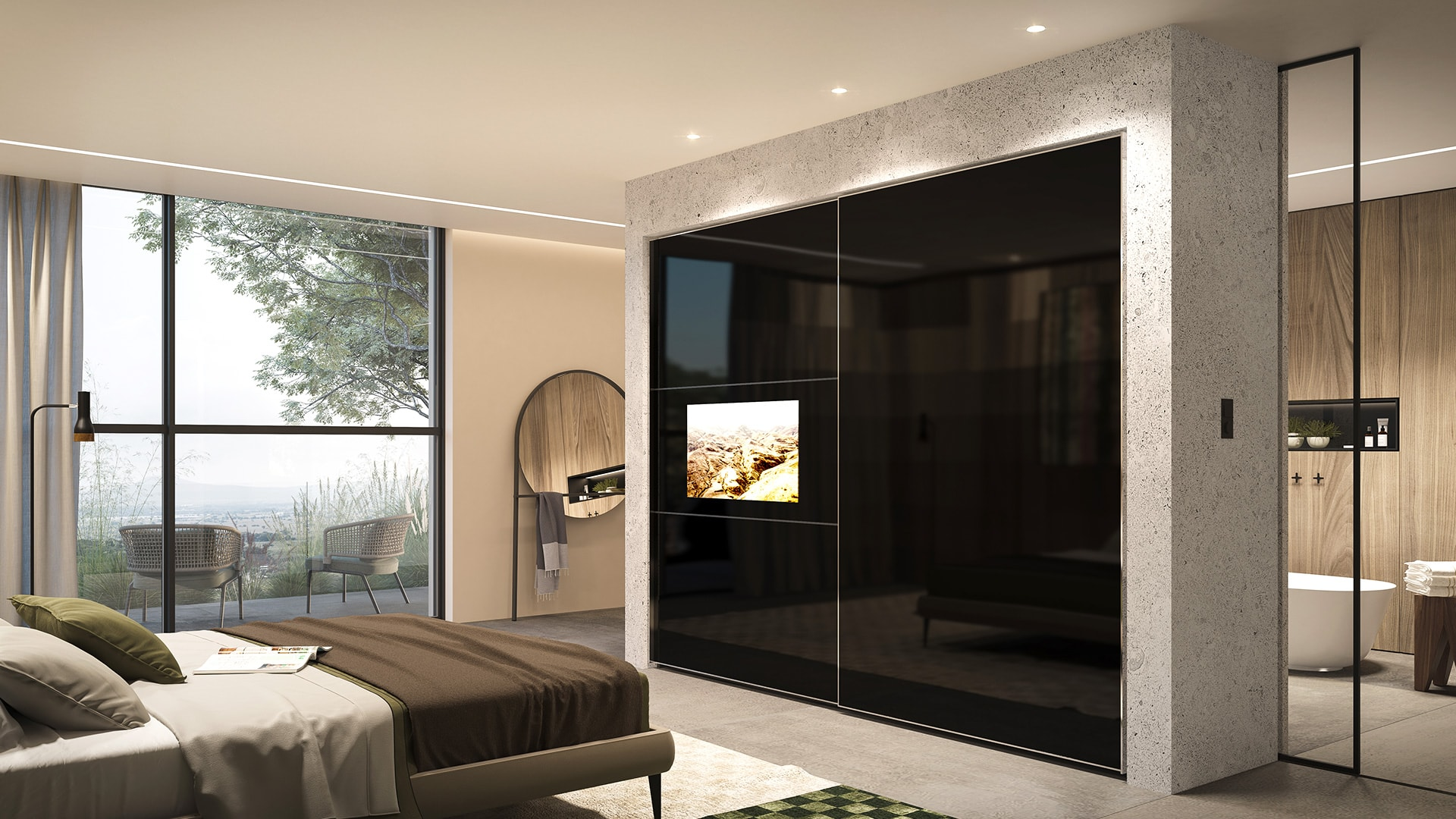
Surviving pieces were repurposed – for bedding, for storage, for a television, for a drinks cabinet – because the furniture outlasted its function.
The same, plus a secondhand market in which these pieces sell for very little relative to their quality.
The repurposing is the usual fate of good furniture with a dead function, and it is a fair outcome. A well-made shelved cupboard is a useful object regardless of what it was for, which is why so many survive in houses whose owners have no idea they were designed to hold folded clothes.
15. Then Nobody Knew What to Call It
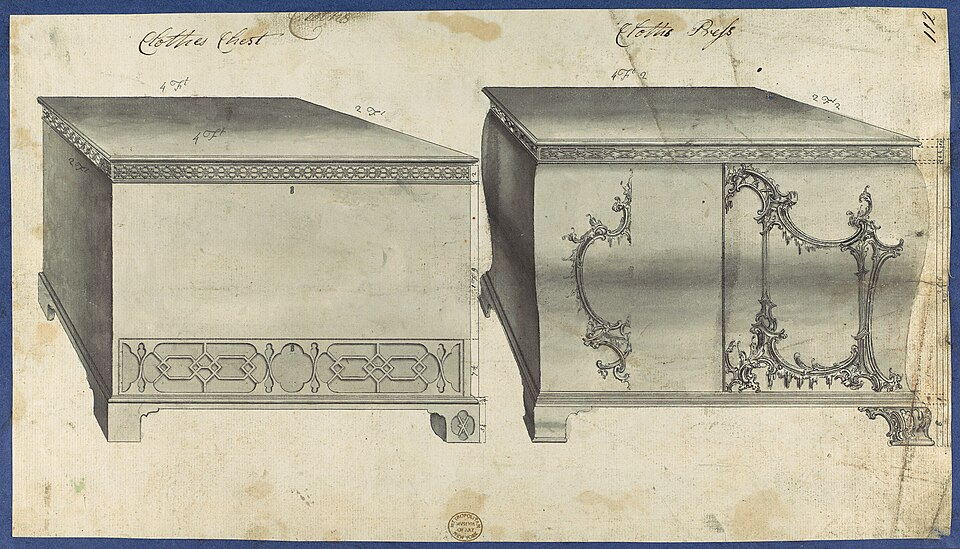
In 1964 the clothes press was already an inherited oddity in most American houses, kept for storage or because somebody’s mother had it, and the word itself was going out of use.
Built-in closets hold everything, and the word press survives mainly among dealers and in old inventories.
And the thing worth taking from it is how directly furniture follows from the quantity of possessions. A household with one good outfit and a few working garments per person needs a cupboard, not a room – and because there was no shaped hanger, that cupboard needed shelves rather than a rail. Those two facts together produce the clothes press exactly as it exists, and both of them changed. The hanger arrived in quantity and made hanging better than folding for most garments. The closet arrived in new construction and made freestanding storage redundant. And then the volume of clothing an ordinary household owned multiplied several times over, while the sharp line between good clothes and everyday clothes – which was the whole reason for storing garments nobody was currently wearing – quietly disappeared. Any one of those would have been enough. All four together left a tall well-made cupboard with shelves in it and no job to do, which is why the ones that survive are full of bedding, or a television, and why most people looking at one cannot say what it was for.
Two Facts Produced This Piece of Furniture, and Both Changed
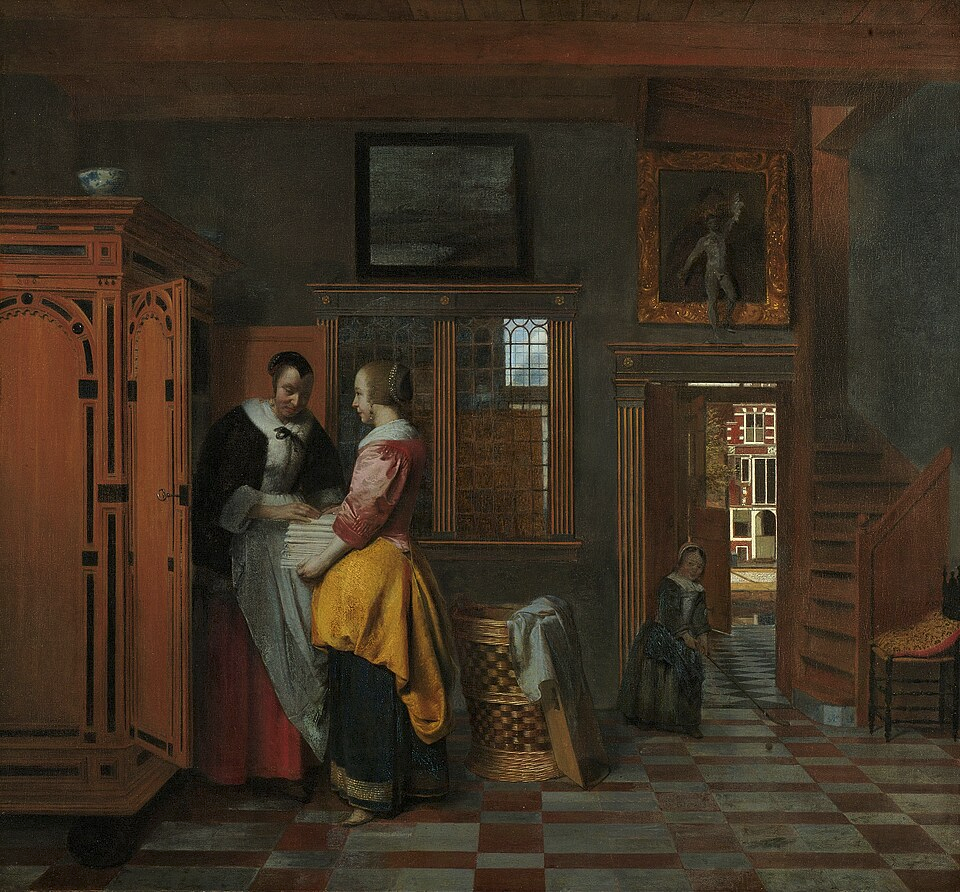
The clothes press is one of those objects that is completely explained by two conditions, and once you see them the furniture stops being quaint and becomes obvious.
The first condition is quantity. A household owned very little clothing – one good outfit per person, worn for church and funerals and otherwise put away, plus two or three sets of working clothes in constant use. That is a small amount of cloth. It does not require a room. It requires a cupboard.
The second condition is the absence of the hanger. Shaped clothes hangers were not in general household use for most of the period these pieces were made, which means there was nothing to hang a garment on – and a garment hung without one distorts at the shoulders.
So clothing was folded. Folded clothing needs shelves. And a tall case with shelves behind doors is a clothes press.
Those two facts produce the object exactly as it exists, including the things about it that look odd now. It is a cupboard rather than a wardrobe, which is the distinction people most often get wrong: a press has shelves and a wardrobe has a rail, and for a long period the shelved version was the normal one.
Everything around it follows too.
Garments in daily use did not go in at all – they hung on pegs, hooks and rails on the backs of doors and along walls, in the open, and nobody considered that untidy. The peg rail in a hall or mudroom is the last surviving trace of a domestic standard where open storage was simply how a room worked.
Linen, bedding, blankets and towels went into the same furniture, because they were the same category of valuable folded goods. The modern separation of clothing from household linen into different rooms is a consequence of owning enough of both to need two spaces.
The press was a possession rather than a feature – substantial, expensive, built to last and inherited, which is a different relationship to a house entirely. If your clothing lives in furniture rather than in a room, that furniture moves with you and belongs to your family in a way a closet never can.
And storage was an active problem. Wool folded in a dark cupboard for a season is exactly what a clothes moth wants, so cedar, camphor, herbs and paper went in with the contents, and everything came out twice a year for the seasonal changeover – which was also the occasion when every garment in the house got inspected, and therefore how mending got identified before it became a hole.
Then four things happened, and any one of them would have been enough.
The built-in closet became standard in new American houses, which made a freestanding clothing cupboard redundant on moving day. Built-in storage costs nothing to move, uses otherwise wasted space, and is already there.
Cheap hangers arrived in quantity, and hanging beat folding for most garments on creasing, on visibility and on the work of putting things away. Even inside the same piece of furniture, shelves were now the wrong answer.
The volume of clothing an ordinary household owned multiplied several times over, through mass production, synthetic fabric and falling real prices. A cupboard sized for one good outfit per person cannot hold a modern wardrobe, and no amount of careful folding closes that gap.
And the line between good clothes and everyday clothes quietly disappeared as dress became less formal – which removed the press’s main function, since it existed largely to store the clothing nobody was currently wearing.
What is left is a tall, well-made cupboard with shelves and no job. Which is why the survivors are full of bedding, or a television, and why most people looking at one cannot say what it was for.
If there is a tall shelved cupboard in your family, somebody’s good clothes lived in it.
And it came out twice a year to be aired.
Like our content? Follow us for more.