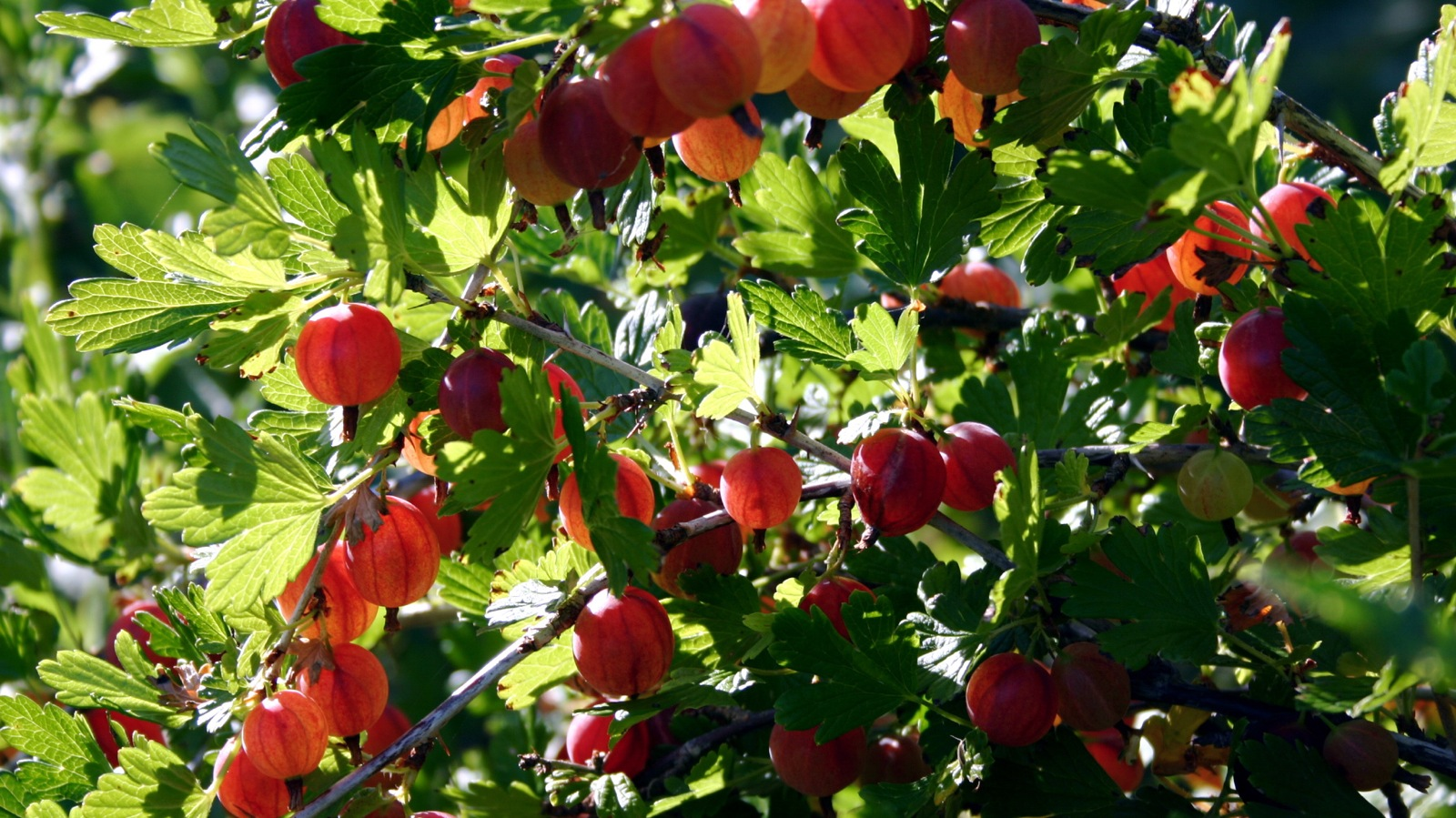
A common fruit bush became illegal, and crews came and removed it.
Gooseberry and currant bushes grew at the edge of the garden on an enormous number of farms. They fruited in the gap between the end of winter stores and the first tree fruit, they went into jars rather than being eaten fresh, and they produced for thirty years with almost no attention. Picking them meant working among thorns, and the fruit had to be topped and tailed by hand, one berry at a time.
Then a disease that kills white pines was found to need two hosts to complete its life cycle – a pine, and one of these bushes. White pine was the most valuable softwood timber in the country. So the bushes were banned, and eradication crews went through farms, woodlots and towns pulling them out. Here are sixteen things families knew.
1. Every Farm Had a Bush or Two by the Fence
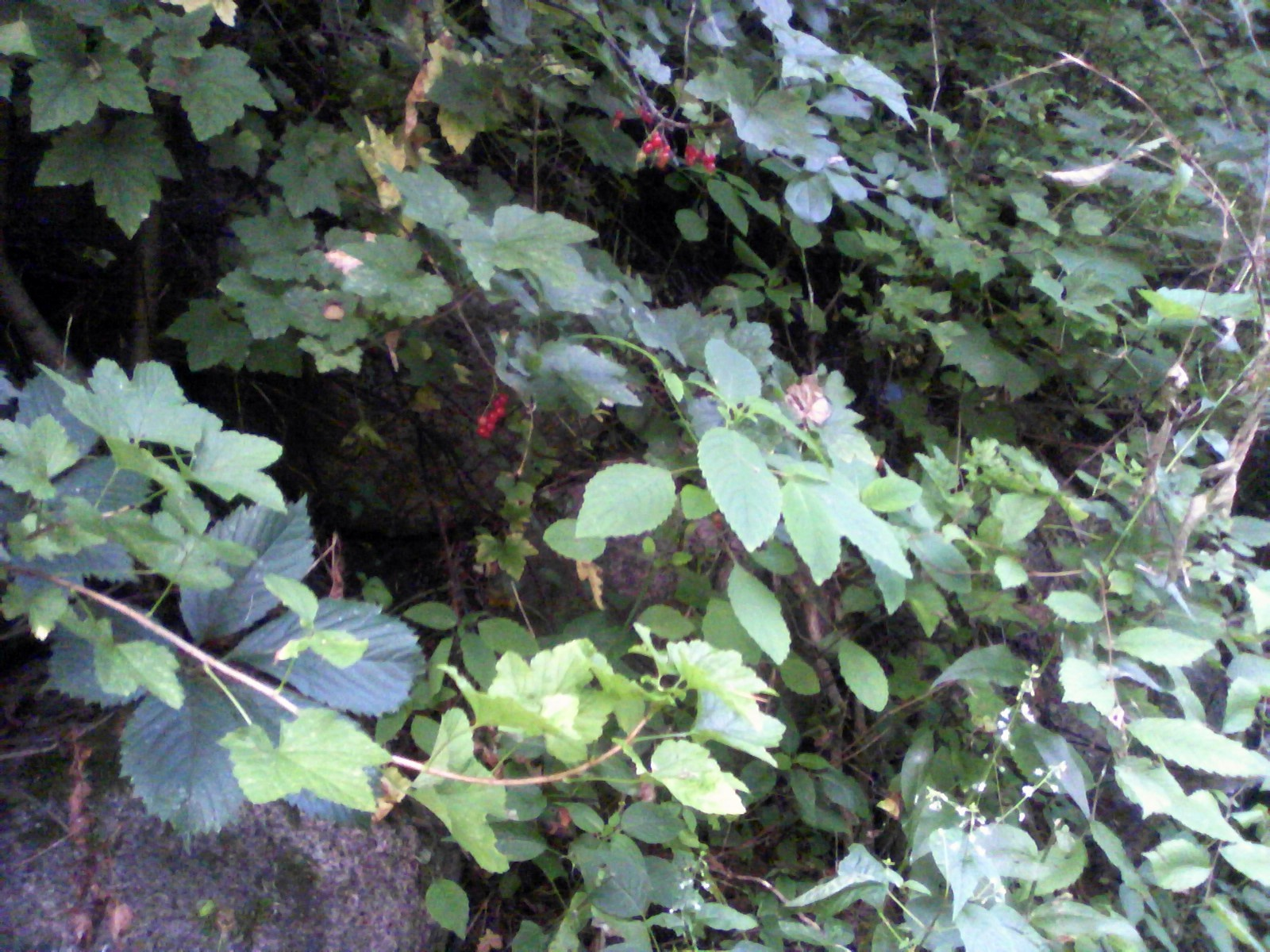
Gooseberry and currant bushes grew at the edge of the garden, along a fence or beside the house on a very large number of farms, and they had been there for decades.
Uncommon, with a modest revival in some areas and ongoing restrictions in others.
Start with how ordinary they were, because that is what makes the rest of the story strange. These were not a specialist’s fruit or a hobby planting – they were a default, as standard at the edge of a farm garden as a rhubarb row, and most households had them without anybody having made a decision about it.
Like our content? Follow us for more.
2. They Fruited When Nothing Else Did
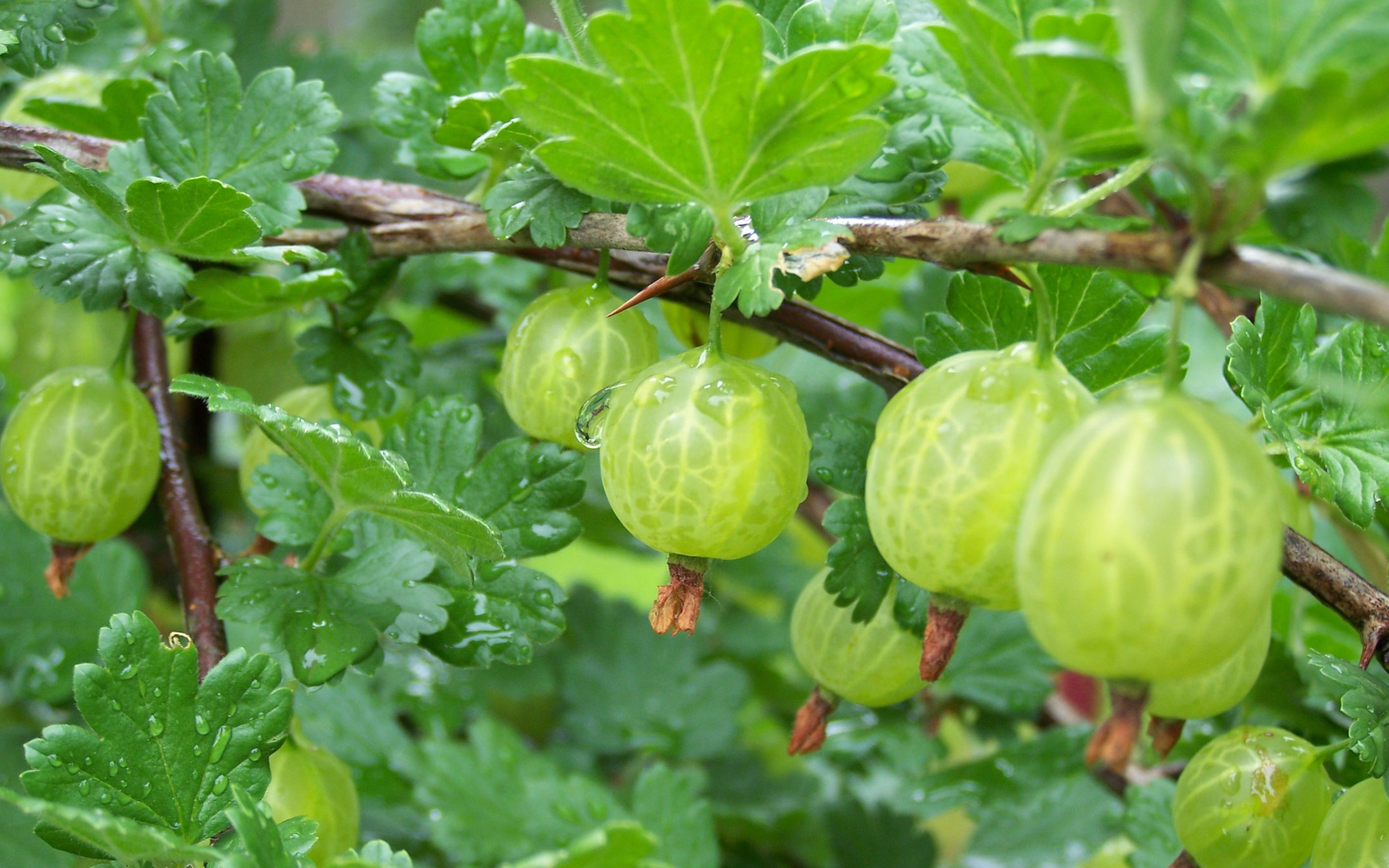
The bushes produced in early summer, before the tree fruit was ready and after the stored food was gone – which placed them in a genuinely useful gap.
The gap no longer exists.
Timing is why they were everywhere. A household with a fruit that comes in during the weeks between the end of winter stores and the first tree fruit has something nothing else was providing – which is a practical reason for a planting, not a preference.
3. They Were Grown for Preserving, Not Eating Fresh
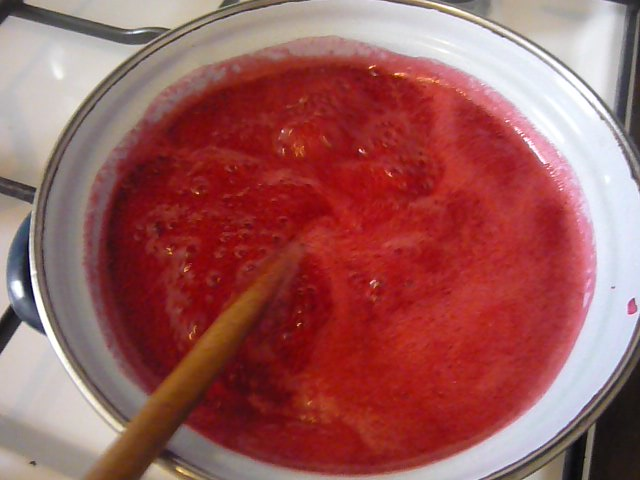
Most of the crop went into jars. The fruit was tart, it was high in the substance that makes a preserve set, and it kept well once put up.
Not applicable at that scale.
The preserving use explains the fruit’s reputation, which is worth untangling. Nobody ate much of it out of hand because it was sharp, so people who only ever met it in a jar remember it as a cooked flavour – and the setting quality made it genuinely valuable to anybody putting up fruit without added pectin.
4. The Bushes Needed Almost Nothing
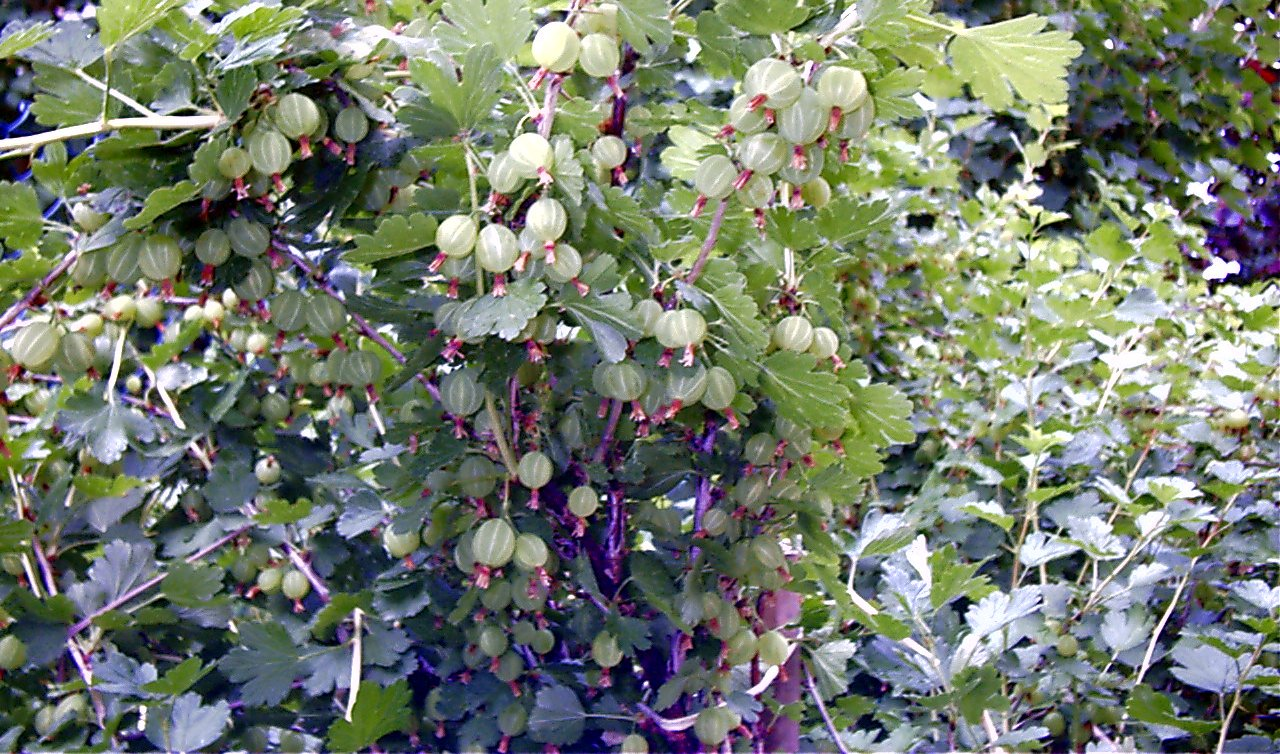
They tolerated partial shade, grew in indifferent soil, survived hard winters, lived for decades and required no attention beyond occasional pruning.
Not applicable in most places.
Durability is the other half of why they were universal. A bush that fruits reliably for thirty years with no irrigation, no spraying and almost no labour is close to free food after the first season – which is exactly the kind of planting a household with no money makes.
5. Picking Them Was the Worst Job in the Garden
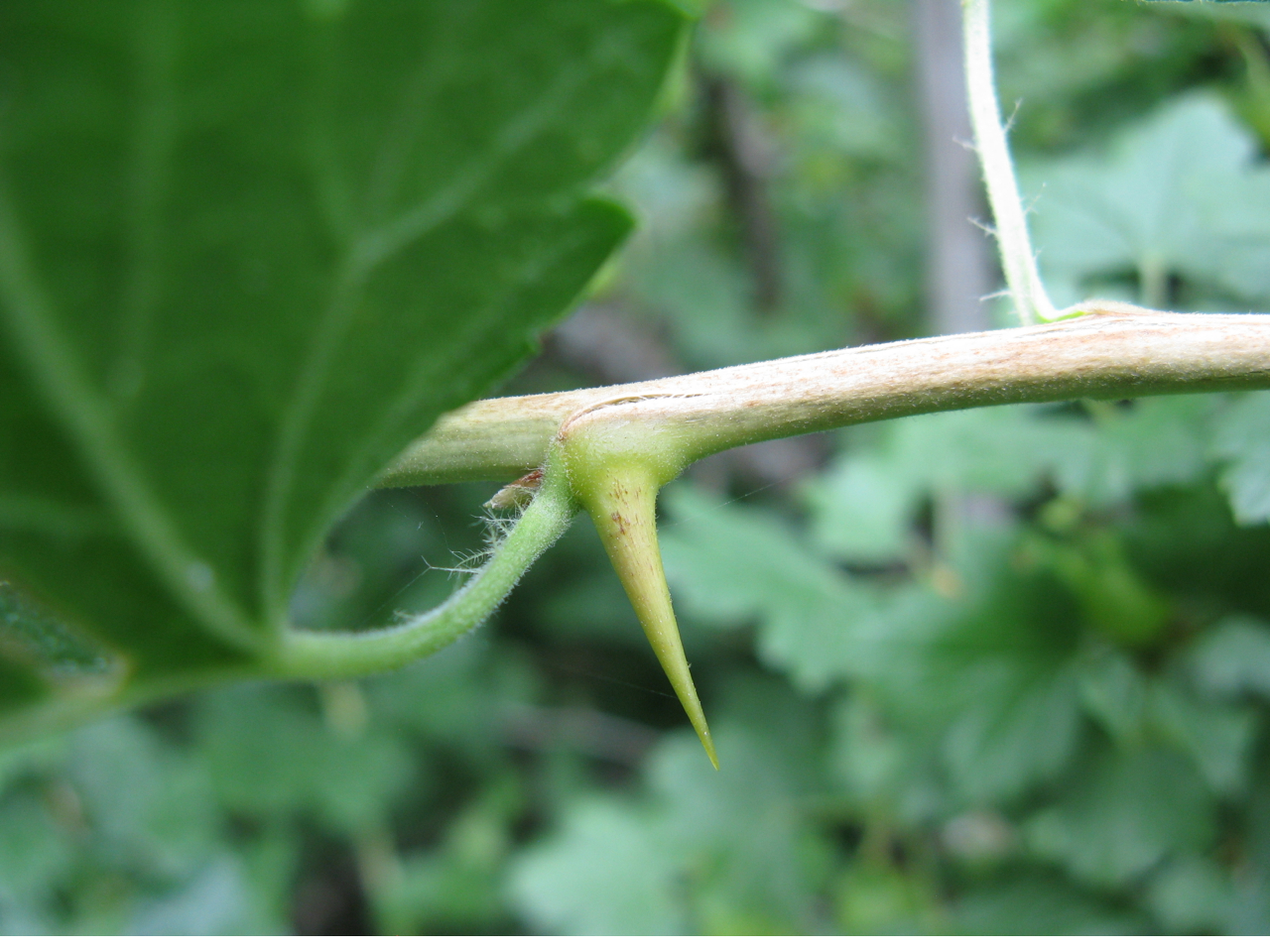
One of the two fruits grew on thorny canes, and getting the crop off meant working among them. Children were sent to do it and remembered it.
Not applicable.
The thorns are the detail everybody who picked them mentions first, which tells you something about the experience. A fruit that has to be extracted from a thorn thicket by hand, berry by berry, generates a very specific kind of family memory – and a certain amount of lifelong resentment.
6. The Fruit Needed Topping and Tailing
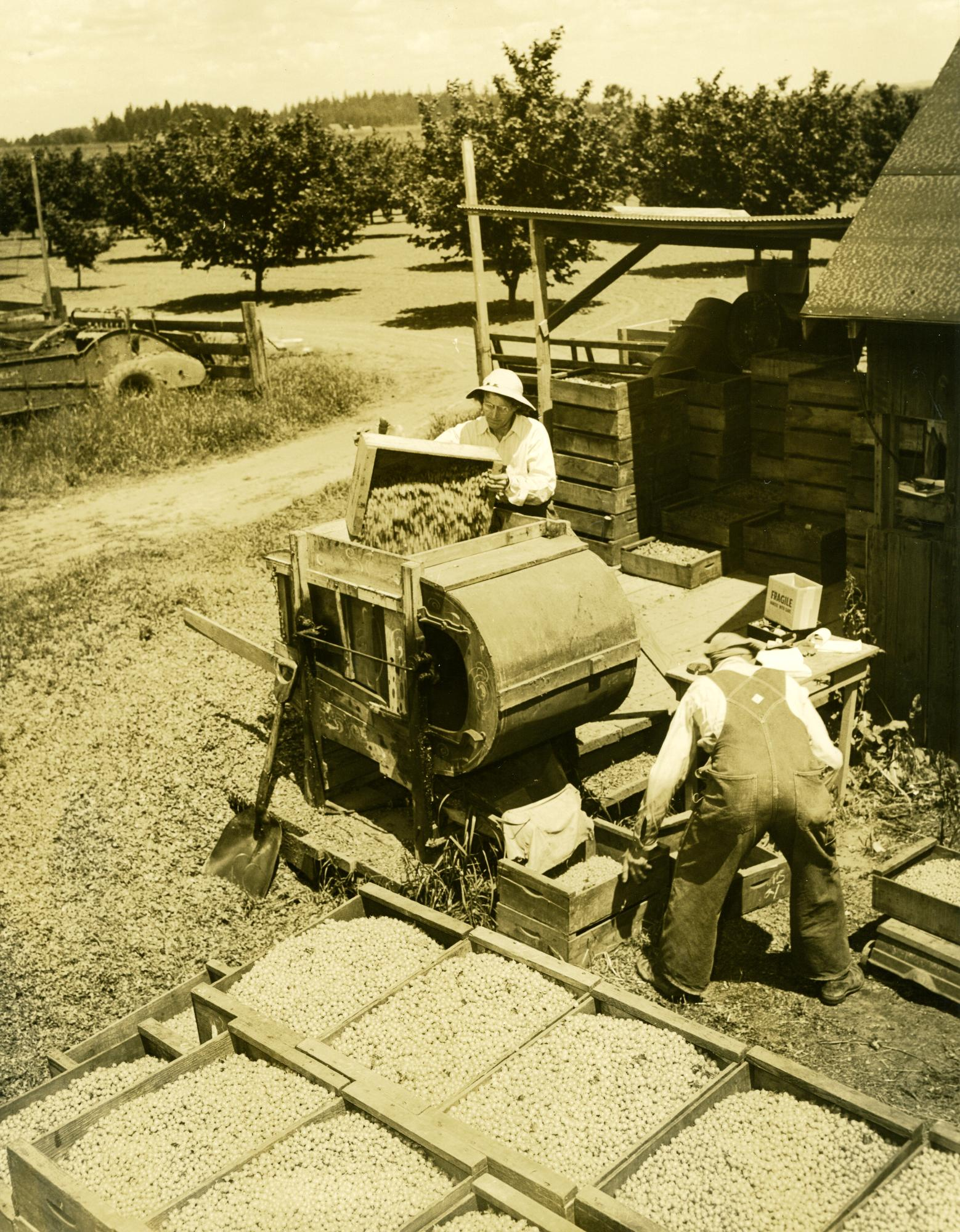
Each berry had a stem end and a flower end that were removed by hand before cooking, one at a time, by whoever was available.
Not applicable.
This is the hidden labour in the jar and it was enormous. A quantity of fruit sufficient for a winter’s preserves means that number of individual berries each handled twice – which was tedious work done sitting down, usually by several people at once, and it is why the task is remembered as an occasion.
7. Then Somebody Noticed a Disease in the Pines
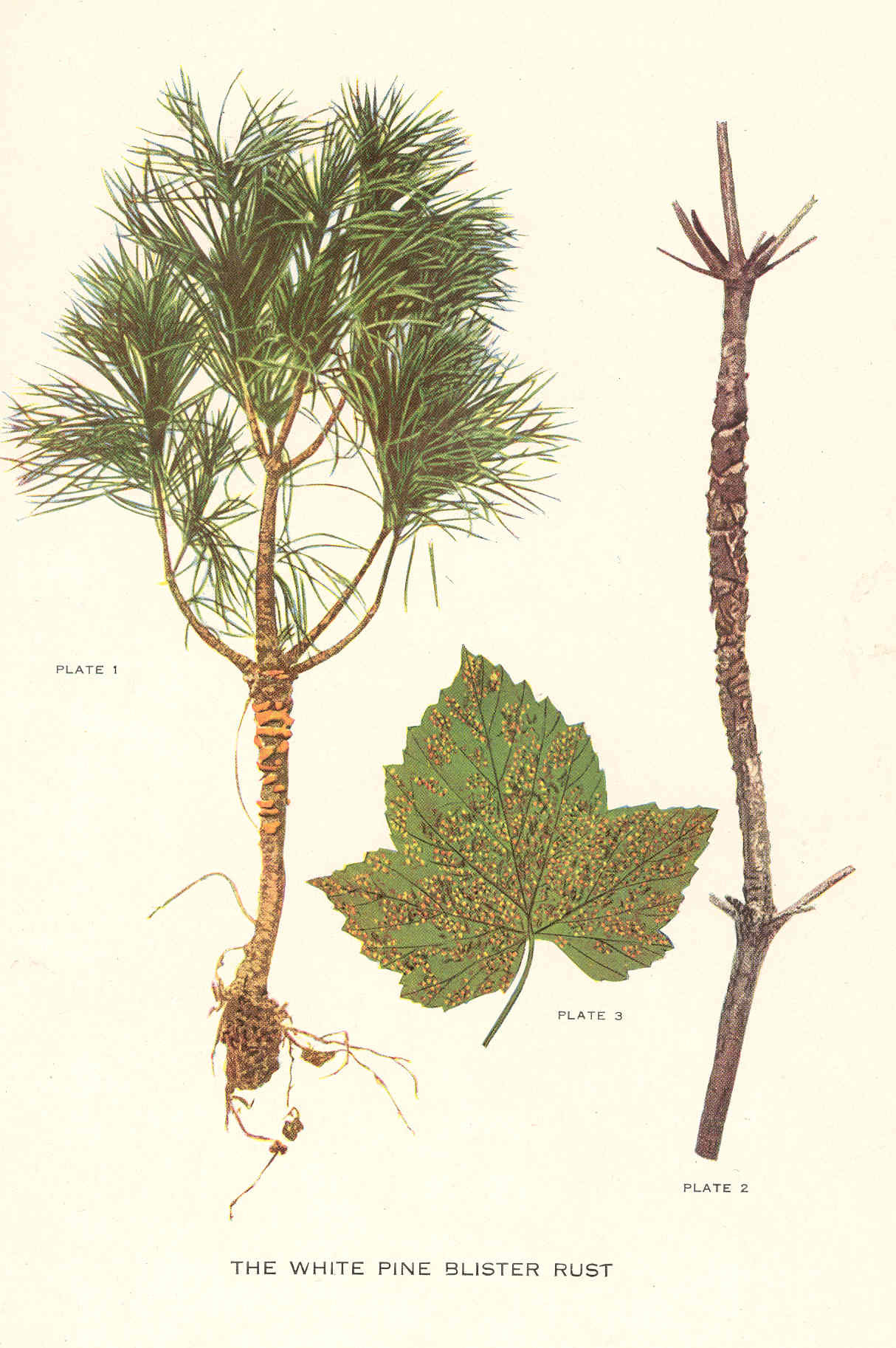
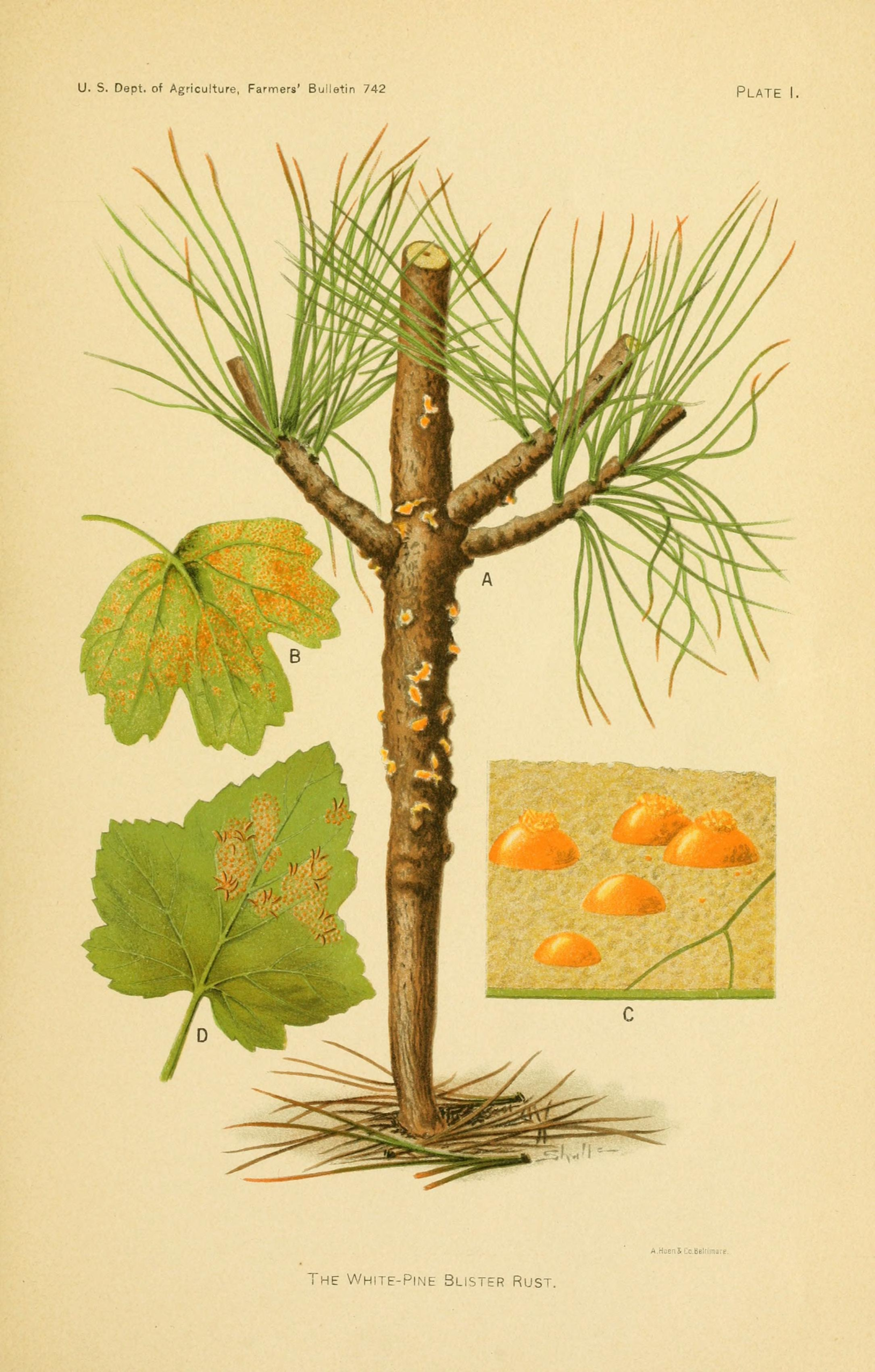
A disease that kills white pines was identified, and its life cycle was found to require two different hosts – a pine and one of these bushes – in order to complete itself.
The biology is unchanged and the disease is still present.
Here is the turn in the story and the biology is the whole of it. A pathogen that must pass through two unrelated plants to complete its cycle cannot be controlled on the pine alone, which means that an ordinary garden bush is suddenly a link in the chain of something killing a valuable timber tree.
8. The Timber at Stake Was Enormously Valuable
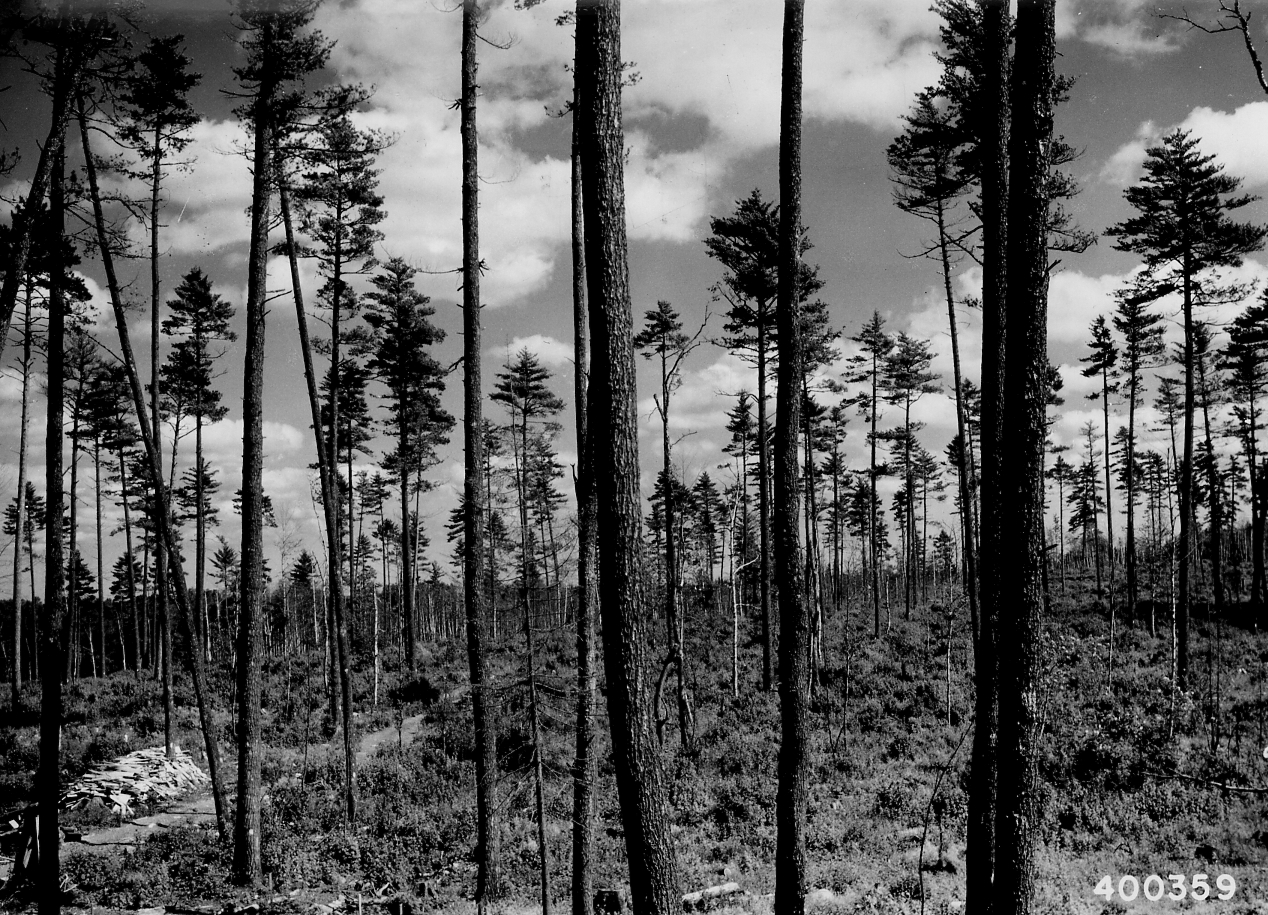
White pine was the premier softwood timber of the eastern and northern United States, and the stands and the plantings that remained represented very large commercial value.
Still commercially significant, with the disease a continuing management problem.
The economics explain the severity of what followed and they should not be skipped. A disease threatening a minor ornamental produces a pamphlet; a disease threatening the most valuable timber species in a region produces legislation – and the response was proportional to the money, not to the bushes.
9. So the Bushes Were Banned
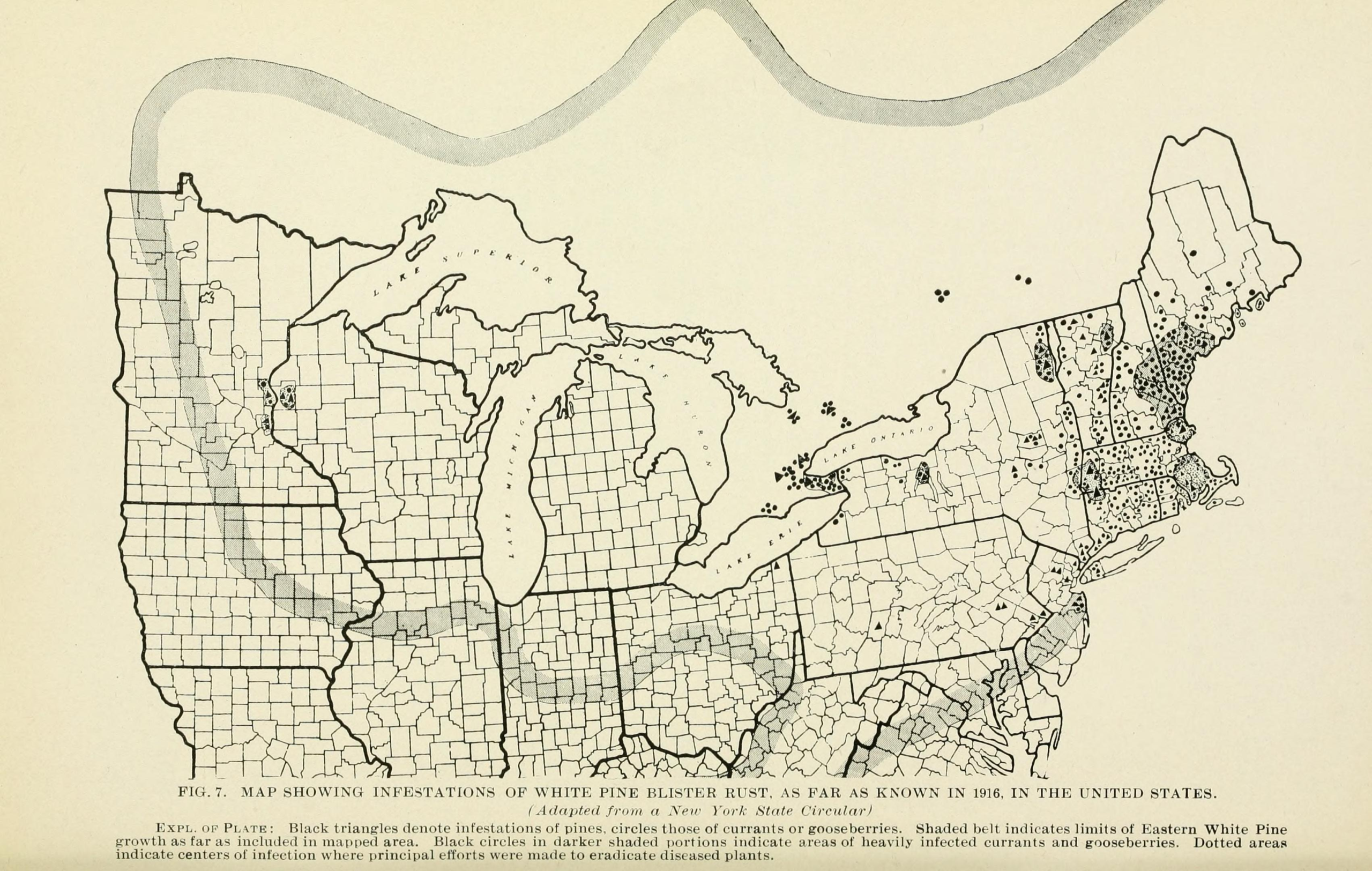
Growing, selling and transporting the plants was prohibited – under federal action and under varying state laws – across large parts of the country.
Federal prohibition was lifted, with regulation devolved to the states, so that the rules now vary enormously by state and in some places by county.
This is the part that astonishes people who hear it for the first time, and it is simply true. A fruit bush that grew in ordinary gardens became illegal to plant, and that happened not as a local quirk but as a national programme – which is a remarkable thing to have happened to a garden plant.
10. Crews Came and Pulled Them Out
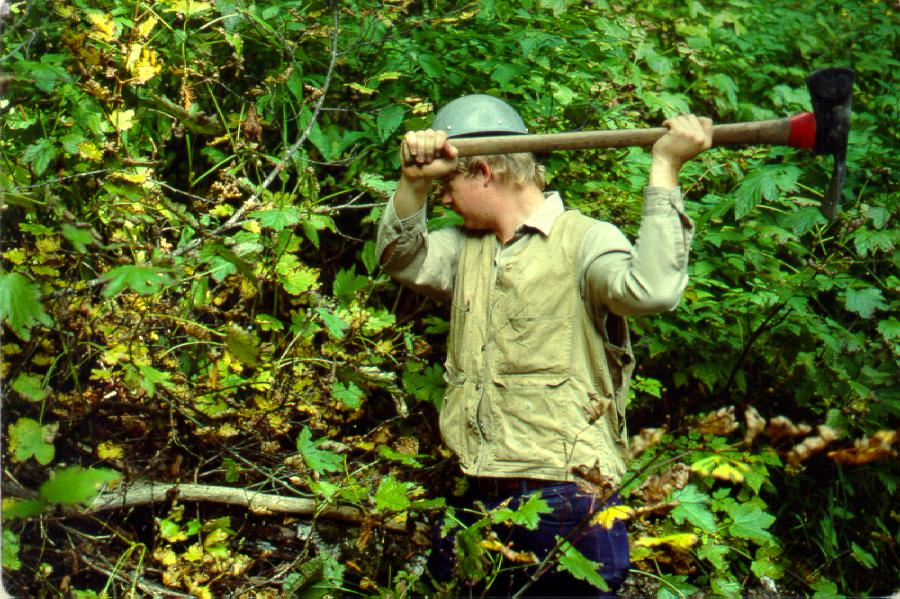
Organised eradication was carried out, with workers going through farms, woodlots and towns removing bushes – including cultivated garden plants and wild relatives.
Not practised in that form.
The eradication is the part that lands hardest and it needs stating plainly. People came onto property, found the bush at the end of the garden that the family had picked from for thirty years, and pulled it out – which was lawful, was aimed at protecting something genuinely valuable, and was experienced by the household as loss.
11. Children Were Hired to Help
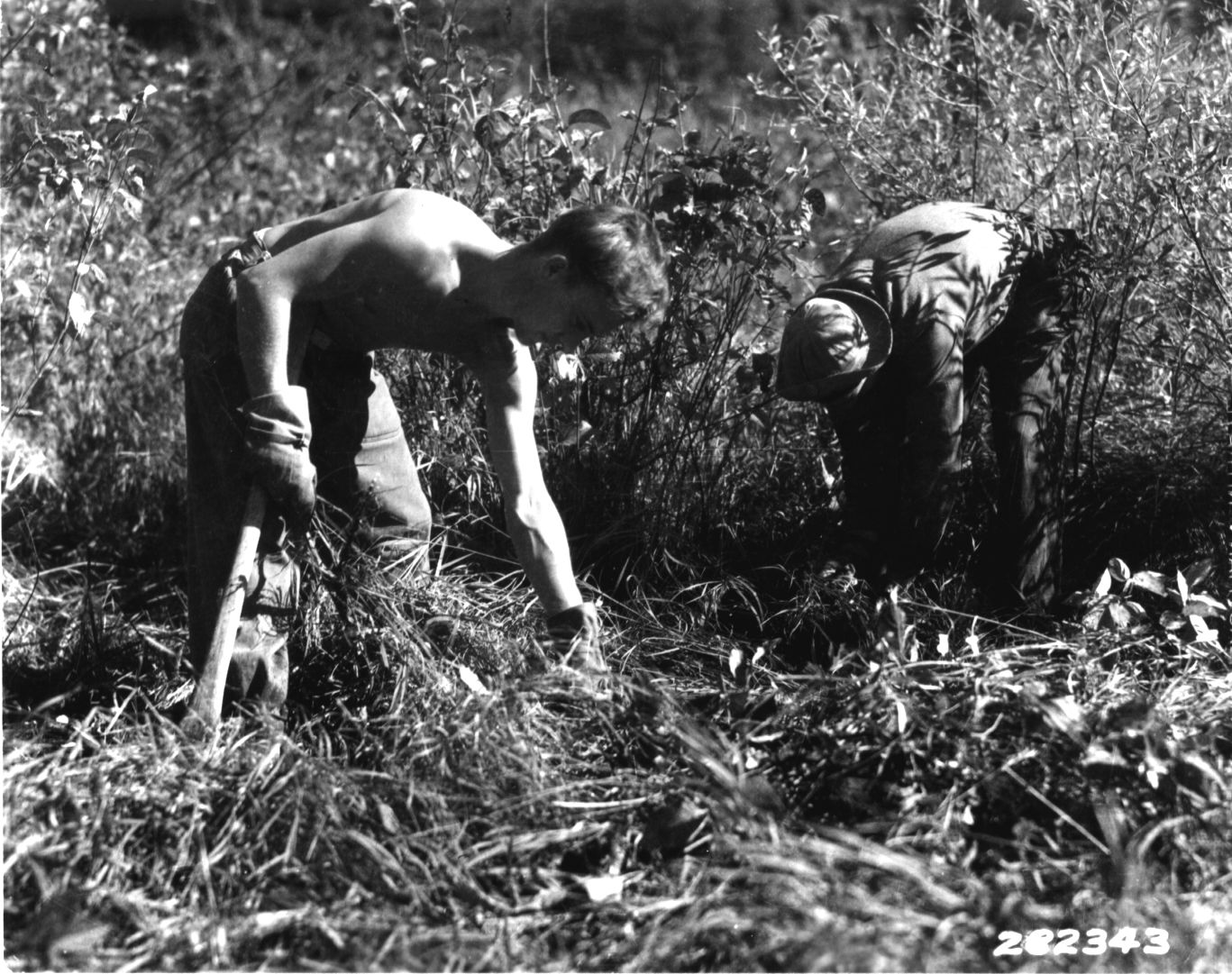
Young people were employed on eradication crews, paid to locate and remove bushes across large areas of country.
Not applicable.
Employing young people on the work is a detail worth keeping because of what it implies about scale. An operation that needs that many hands is enormous, it ran for years, and it means a generation included people who had both picked the fruit and been paid to destroy it.
12. Nobody Told the Household Why, in Terms It Found Convincing
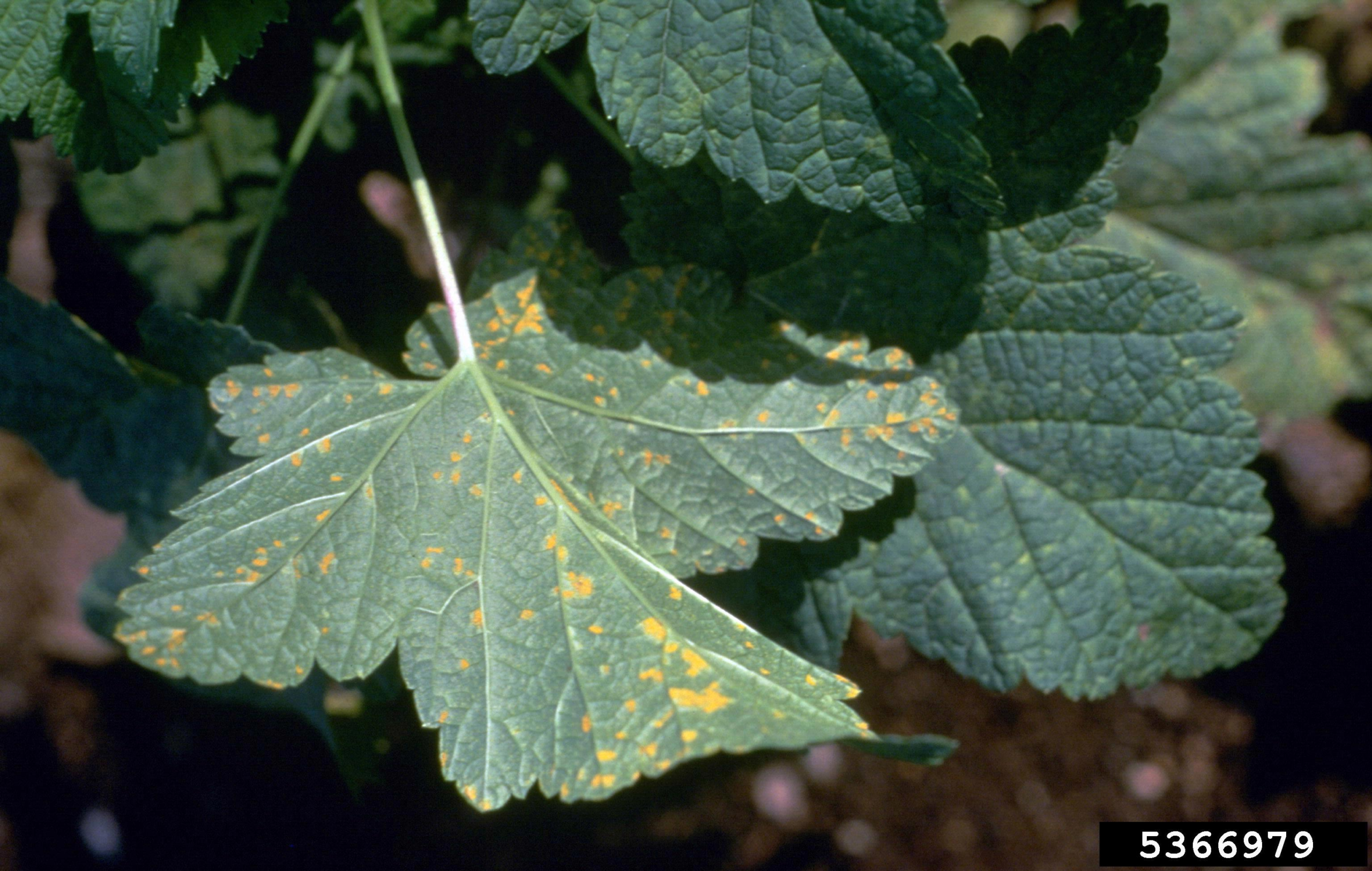
The reasoning – a disease of a tree, a two-host life cycle, a timber industry’s losses – was often not conveyed in a way that made sense to a family losing its fruit.
Not applicable.
The communications failure is the human centre of this and it explains the lasting bitterness. The science was correct and the policy was defensible, but the explanation required understanding an alternate-host pathogen and a timber market, while the experience was a man removing your grandmother’s bush – and those two things are very hard to reconcile at the garden gate.
13. Resistant Varieties Changed the Argument
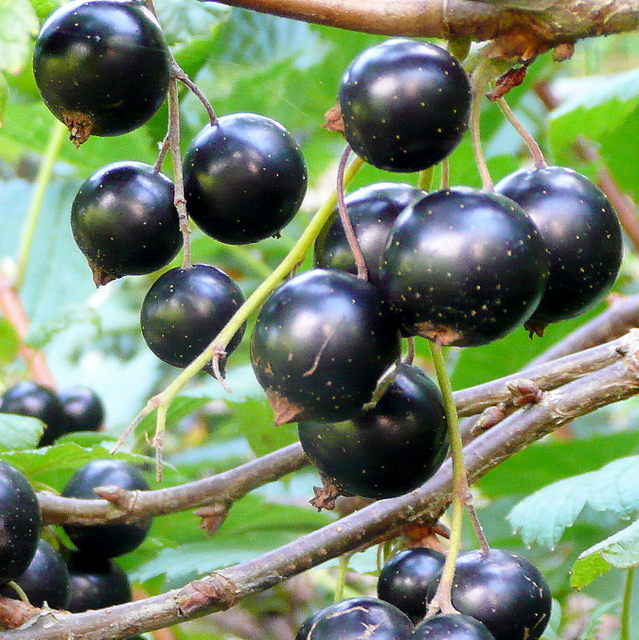
Breeding produced varieties that do not carry the disease effectively, which removed the basis for a blanket prohibition on everything.
Those varieties are the ones sold where sale is permitted.
Plant breeding is what eventually resolved the conflict, which is the satisfying part. If the problem is that a plant hosts a pathogen, then a plant that does not host it is not the same problem – and that turned an absolute ban into a question of which varieties, which is a far more sensible place to end up.
14. The Federal Ban Went, the State Rules Stayed
National prohibition was lifted and authority passed to the states, which produced a patchwork – legal in many places, restricted in some, banned outright in others.
The patchwork is the current situation, and anybody planting needs to check the rules where they live.
The devolved outcome is the right one and it is also confusing. Risk depends entirely on whether valuable pines are nearby, which varies enormously by place, so a national rule was always going to be wrong somewhere – but the result is that the legality of a fruit bush depends on your address.
15. By 1964 the Bushes Were Simply Gone From Most Farms
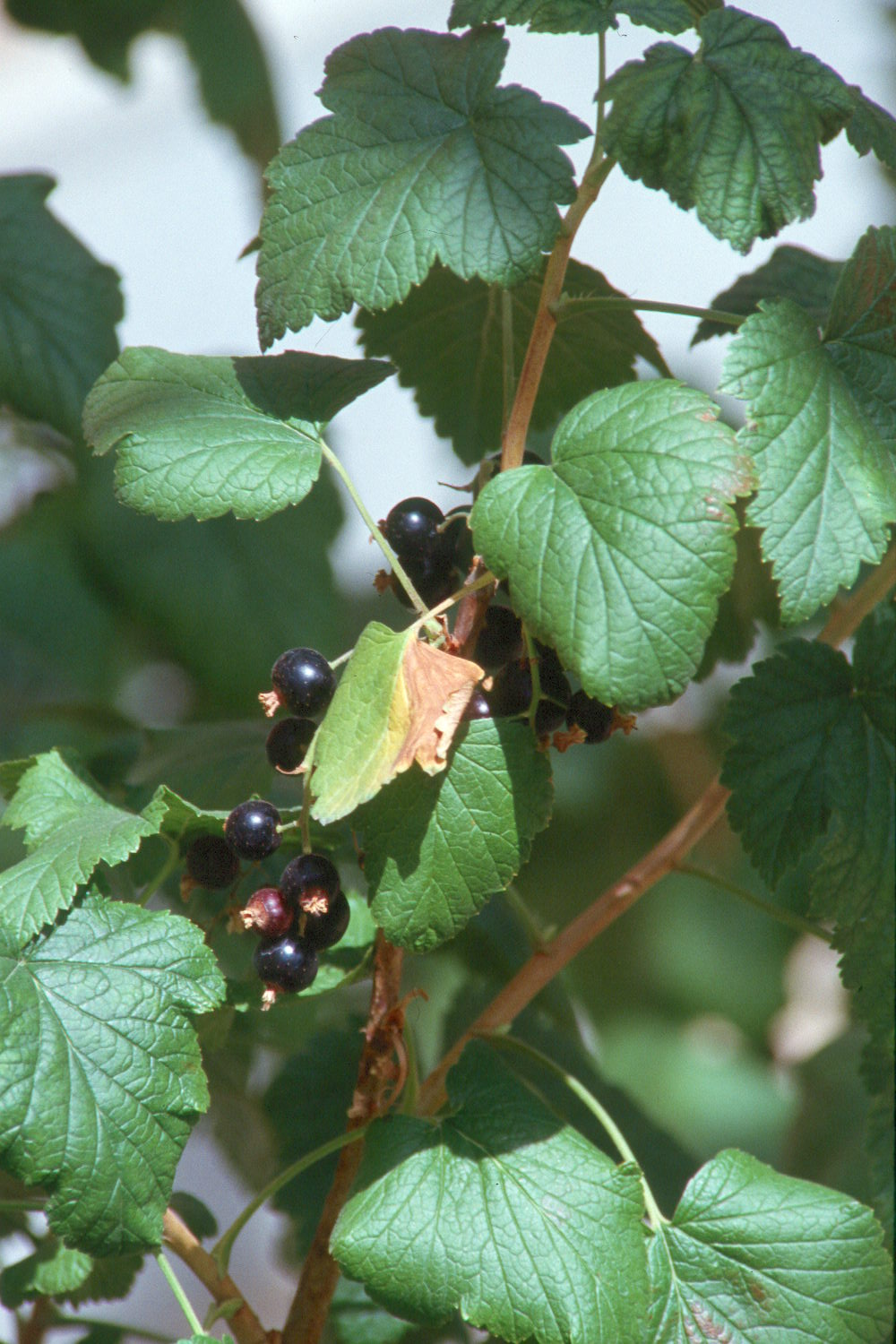
Decades after eradication, the bushes had not come back. Nobody planted them, nurseries did not sell them in many areas, and a plant that had been a default had dropped out of the standard garden.
Still uncommon, though increasingly available.
The absence is what a 1964 farm garden actually shows, and the cause is partly habit rather than law. Once a plant stops being sold, stops being planted and stops being in anybody’s garden to take a cutting from, it leaves the default – and it does not return just because the rule changed.
16. And a Generation Grew Up Never Tasting It
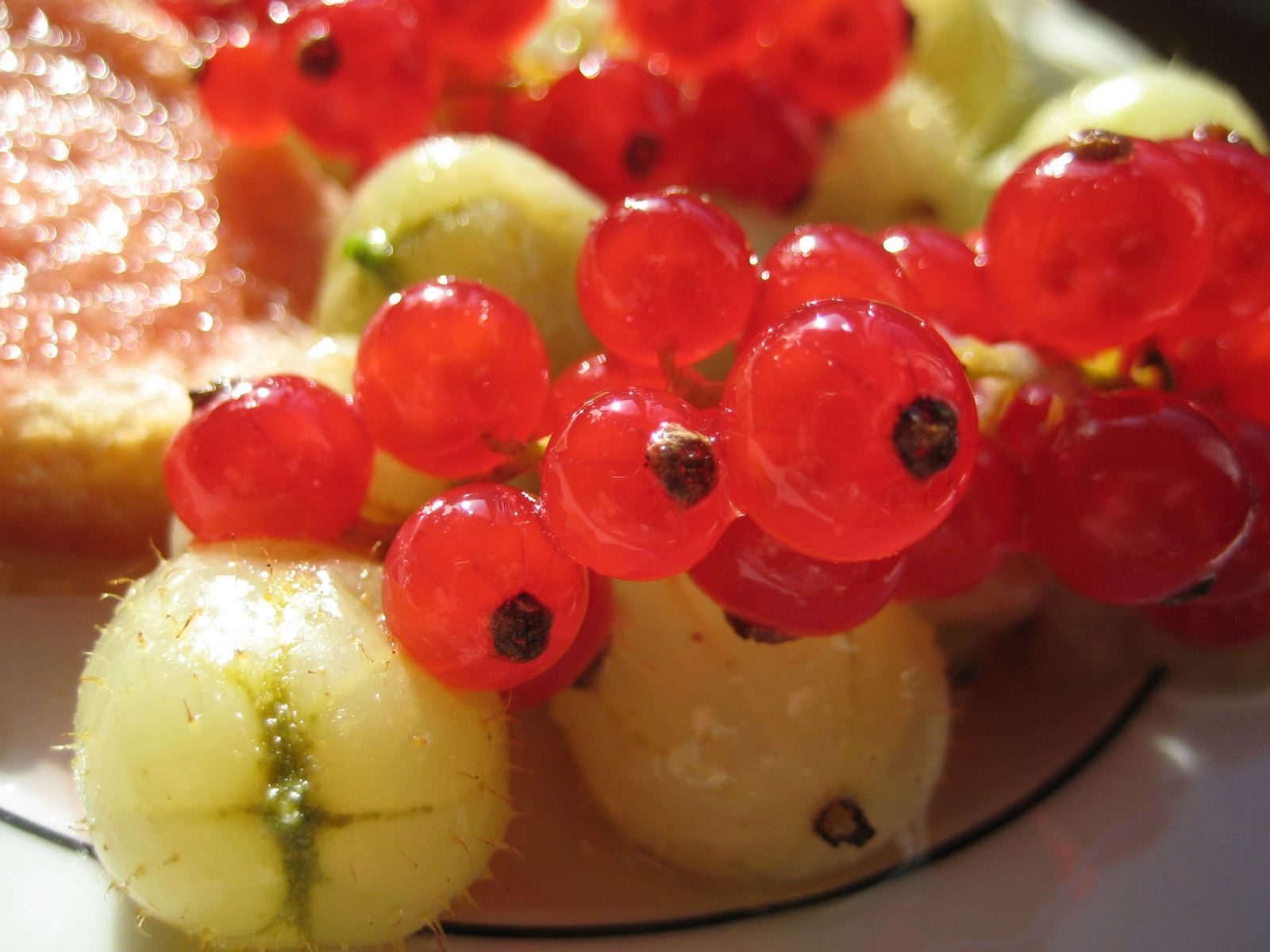
People born after eradication in the affected areas had often never eaten either fruit, did not know what the preserve tasted like, and knew the names only from older relatives.
Common.
And the thing worth sitting with is how completely a familiar food can leave a country. This was not a delicacy or a regional specialty – it was a default planting on an enormous number of farms, it filled a real gap in the fruit year, it needed almost nothing, and it fruited for decades. Then a pathogen’s life cycle happened to run through it, the tree at the other end of that cycle was worth a great deal of money, and within a generation the bush was illegal, uprooted by crews, absent from nurseries and unknown to children. The policy was not unreasonable; the timber loss was real, the biology was correct, and resistant varieties eventually made the blanket rule unnecessary. But the practical effect was that a fruit vanished from the American table for reasons that had nothing whatever to do with the fruit – and the people who lost the bush at the end of the garden were never really given an explanation that sounded like one.
A Fruit Left the Country for Reasons That Had Nothing to Do With the Fruit
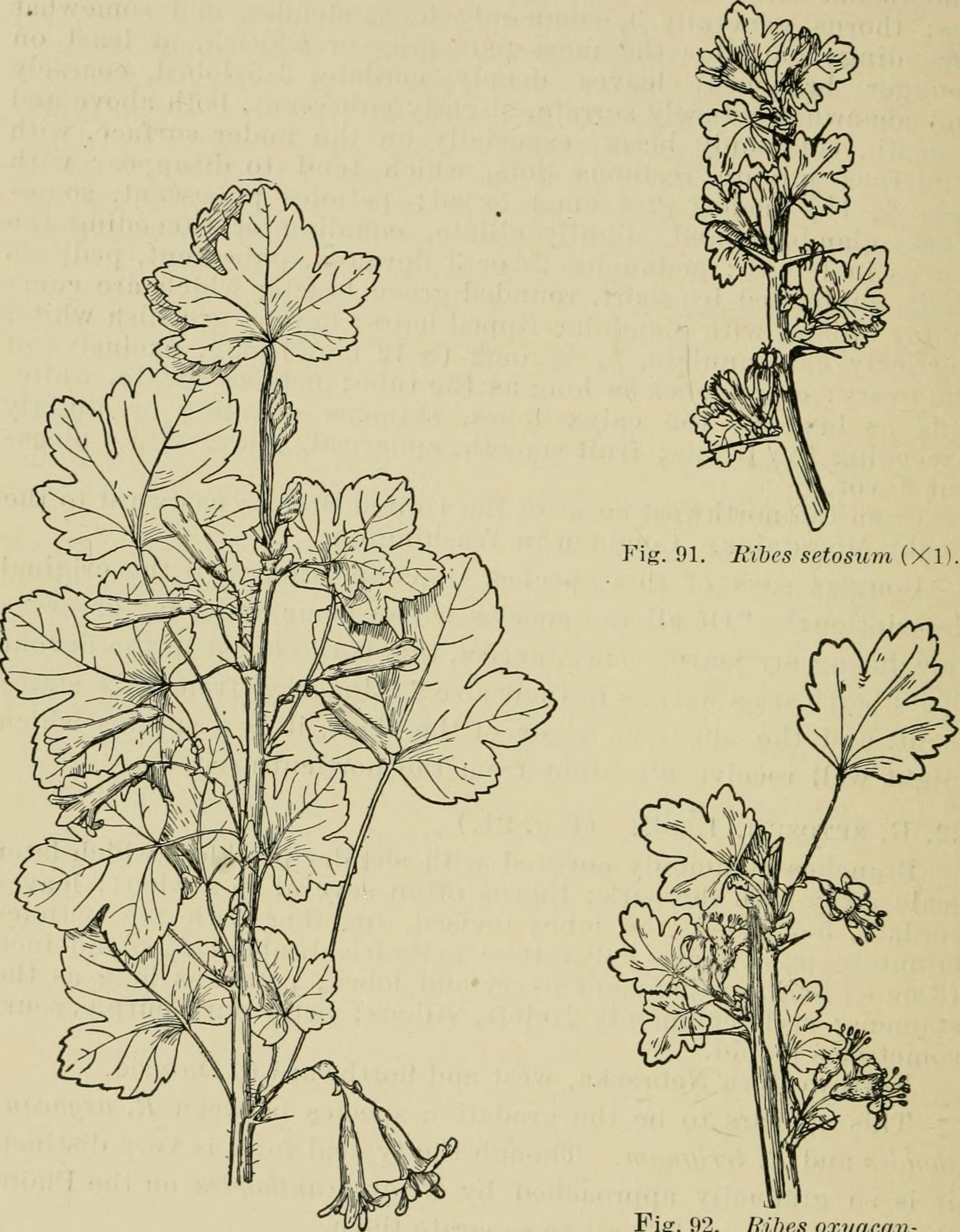
The gooseberry and the currant are a case of a completely ordinary food disappearing from a country, and the reason is one almost nobody guesses.
Start with how ordinary they were. These bushes grew at the edge of the garden, along a fence or beside the house on a very large number of American farms, and they had been there for decades. Not a specialist’s fruit, not a hobby – a default, as standard as a rhubarb row, present in most households without anybody having decided anything.
Three things made them universal.
They fruited in a real gap, during the early-summer weeks after stored food was gone and before any tree fruit was ready. They went into jars rather than onto the table, being sharp to eat fresh and high in the substance that makes a preserve set – which made them genuinely valuable to anybody putting up fruit without added pectin. And they needed almost nothing: partial shade was fine, indifferent soil was fine, they survived hard winters, and they fruited for thirty years on occasional pruning. A planting like that is close to free food after the first season, which is exactly what a household with no money plants.
They were also miserable to harvest. One of the two grows on thorny canes, and getting the crop off meant reaching among them, berry by berry – a job given to children, who remembered it. Then every berry had its stem end and flower end removed by hand before cooking, which is an enormous quantity of hidden labour sitting behind a shelf of jars.
Then the story turns, and the turn is biological.
A disease that kills white pines was identified, and its life cycle was found to require two different hosts to complete itself: a pine, and one of these bushes. A pathogen that must pass through two unrelated plants cannot be controlled on the pine alone – which means an ordinary garden bush was suddenly a link in a chain that was killing a timber tree.
And the tree mattered enormously. White pine was the premier softwood timber of the eastern and northern United States, and the stands and plantings that remained represented very large commercial value. That is why what happened next was severe: a disease threatening a minor ornamental produces a pamphlet, while one threatening a region’s most valuable timber species produces legislation.
So the bushes were banned – growing, selling and transporting them prohibited under federal action and varying state laws across large parts of the country. And organised eradication followed. Crews went through farms, woodlots and towns removing bushes, cultivated and wild alike. Young people were hired onto those crews, which tells you the scale: an operation needing that many hands is enormous, it ran for years, and it produced a generation that included people who had both picked the fruit and been paid to destroy it.
The human failure in all this was the explanation.
The science was correct. The policy was defensible. But making sense of it required understanding an alternate-host pathogen and a timber market, while the experience at the garden gate was a man pulling out the bush your grandmother had picked from for thirty years. Those two things are almost impossible to reconcile in the moment, and the bitterness lasted.
What eventually resolved it was plant breeding. Varieties were produced that do not effectively carry the disease, and if the problem is that a plant hosts a pathogen, a plant that does not host it is not the same problem. That converted an absolute prohibition into a question of which varieties. Federal prohibition was lifted and authority passed to the states, which produced the patchwork that still exists – legal in many places, restricted in some, banned outright in others, because the risk depends entirely on whether valuable pines are nearby.
But by 1964 the bushes were simply gone from most farms, and law was only part of the reason. Once a plant stops being sold, stops being planted, and is in nobody’s garden to take a cutting from, it leaves the default – and it does not come back just because a rule changed.
Which left a generation in the affected areas who had never tasted either fruit, did not know what the preserve tasted like, and knew the names only from older relatives.
A completely familiar food left the American table because a pathogen’s life cycle happened to run through it and the tree at the other end was worth money.
If an older relative talks about gooseberry preserves, this is why you never had any.
And whether you can plant one now depends entirely on what state you live in.
Like our content? Follow us for more.