For families in 1975, the weekend had a comforting rhythm, and dad was often at the center of it with a set of rituals so reliable you could practically set your watch by them. After a week of work, the American father of the era had his own weekend traditions: tasks, hobbies, and habits that defined Saturday and Sunday in countless households. These routines reflected the technology, pace, and family life of the time, a slower, more hands-on, more home-centered way of spending free time. Many of them have since faded as life, technology, and family roles have changed. Here is a fond and nostalgic tour of the things the typical American dad did on the weekend in 1975, and why so many of these familiar rituals have steadily disappeared.
Washing the Car in the Driveway
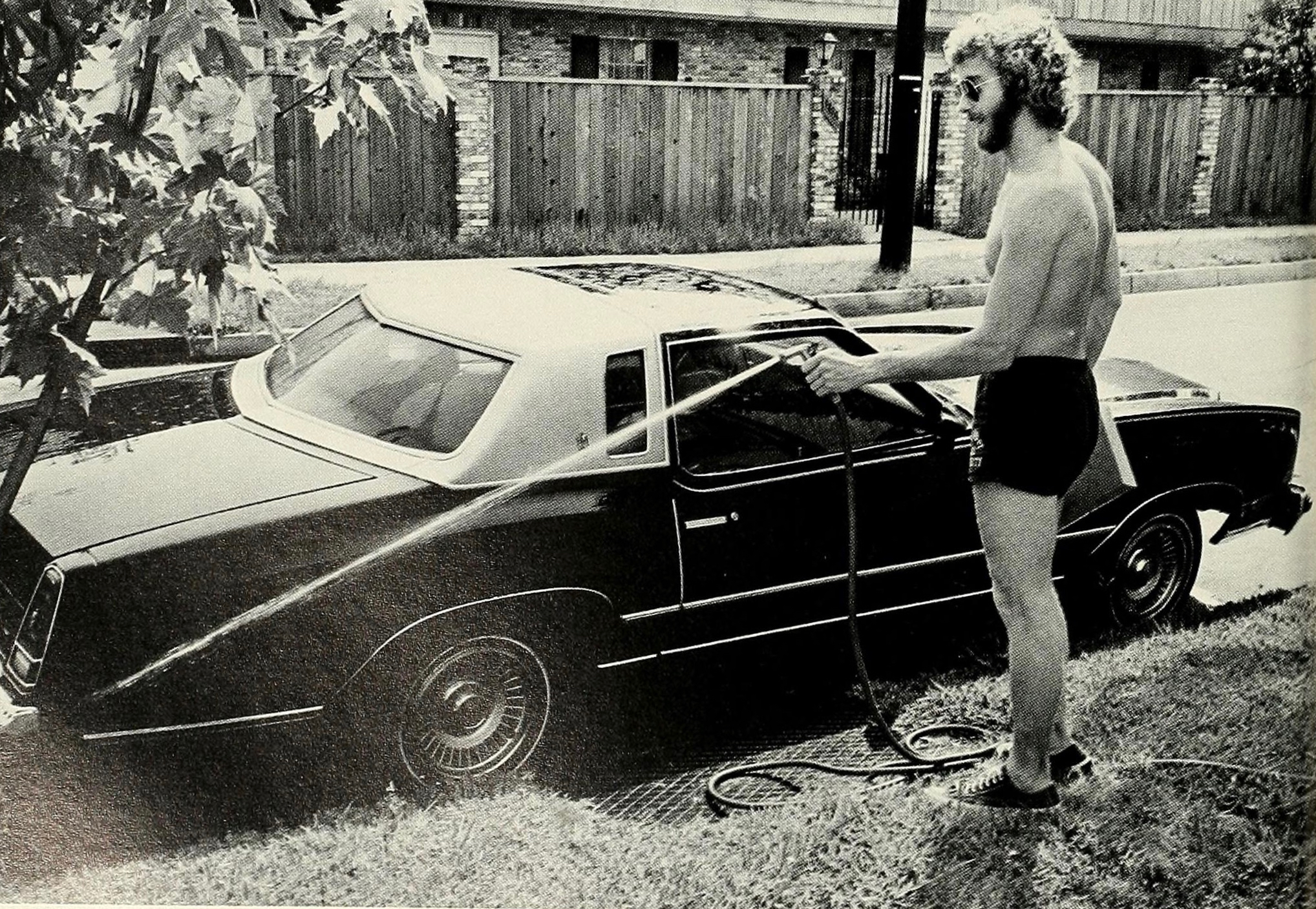
A quintessential weekend image of 1975 is dad out in the driveway, sleeves rolled up, washing the family car by hand with a bucket of soapy water, a sponge, and the garden hose. Washing the car was a beloved Saturday ritual, a point of pride, and often a chance to enlist the kids as eager, if messy, helpers.
The process was thorough and unhurried: soaping the body, scrubbing the wheels, rinsing it all down, and finishing with a chamois or towel to dry and shine the paint. It was as much a relaxing pastime as a chore. While people still wash their cars, the dedicated driveway ritual has faded as automatic car washes became convenient and common. The sight of a dad spending a sunny Saturday morning lovingly washing the car by hand, kids splashing nearby, has become a fond and increasingly rare image of the era.
Like our content? Follow us for more.
Tinkering in the Garage
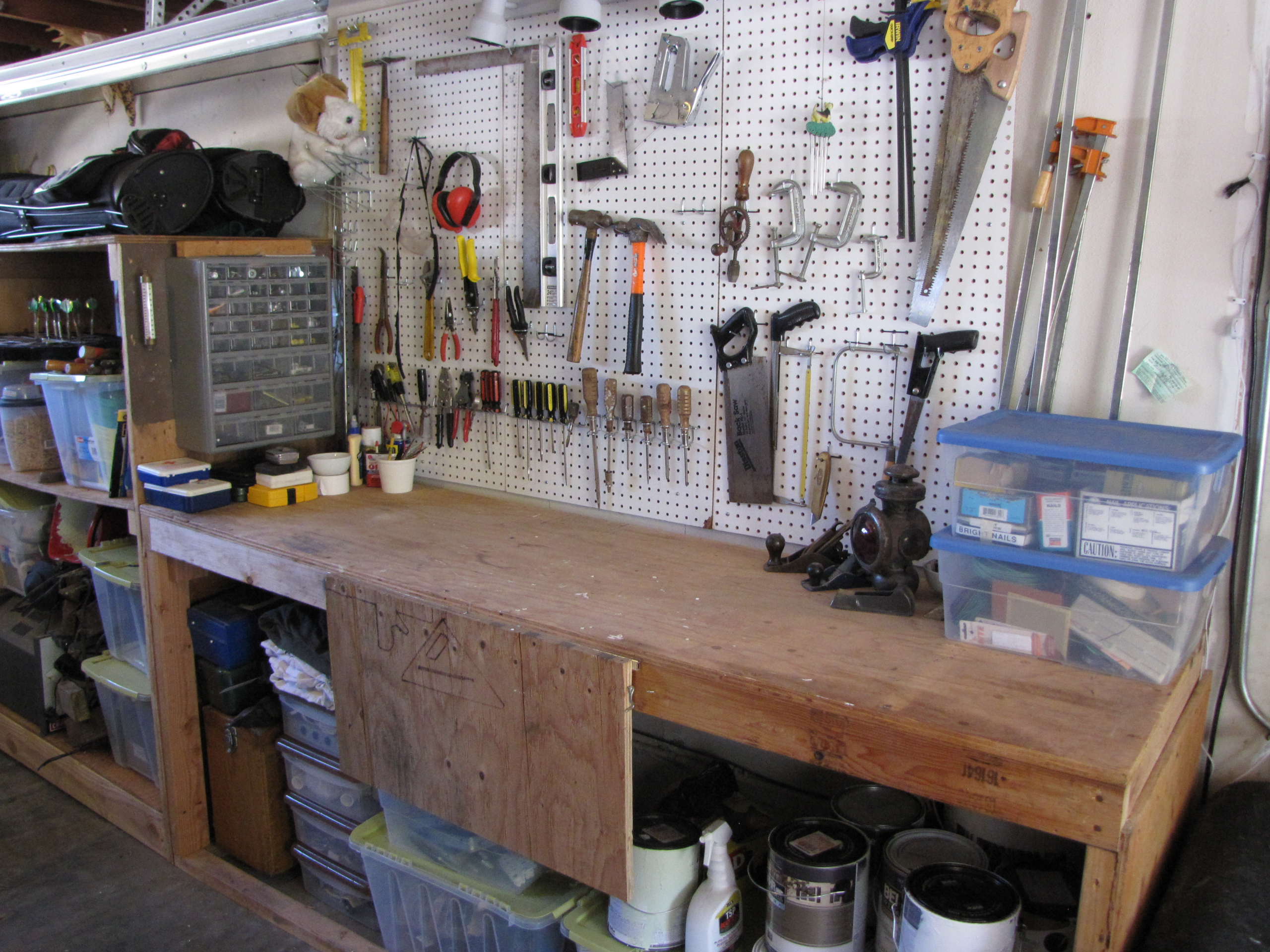
The garage was dad’s domain, and weekends often found him out there tinkering, fixing, and building. In an age when people commonly repaired their own belongings, the weekend was the time to change the car’s oil, fix a broken appliance, sharpen the lawn mower blade, or work on a home project at the workbench.
Dads of the era often had a genuine command of practical skills, and the garage was filled with tools, coffee cans of sorted screws and nails, and projects in various states of completion. Working with one’s hands to maintain the home and car was both a necessity and a satisfying hobby. As products became more complex and disposable, and as professional services grew more convenient, the tradition of the handy dad tinkering in the garage all weekend has faded. The well-used home workbench has become less central to weekend life.
Mowing and Yard Work

Saturday morning in 1975 was often announced by the roar of lawn mowers up and down the street, as dads across America tended their yards. Mowing the lawn, trimming the hedges, raking, and tending the garden were essential weekend duties, and a well-kept lawn was a matter of neighborhood pride.
The work was more manual than today, often done with a push mower and hand tools, and it filled a good portion of the weekend. Neighbors would wave and chat across fences as they worked, making yard work a social as well as practical activity. While lawn care continues, much of it has shifted to professional landscaping services or more powerful equipment, and the universal Saturday-morning ritual of every dad on the block mowing his own lawn has diminished. For many, that chorus of mowers remains a defining sound of the era’s weekends.
Firing Up the Charcoal Grill
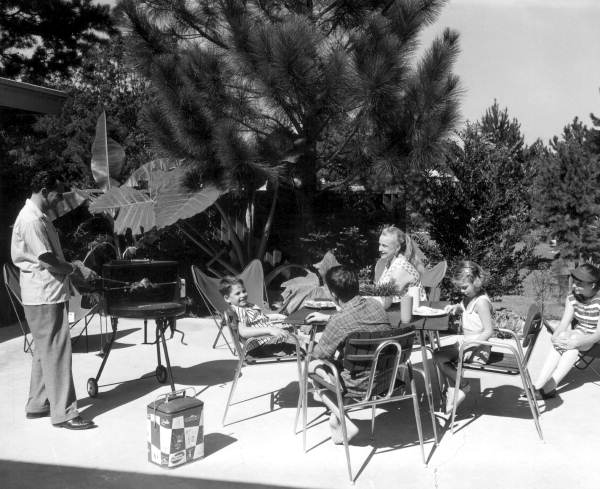
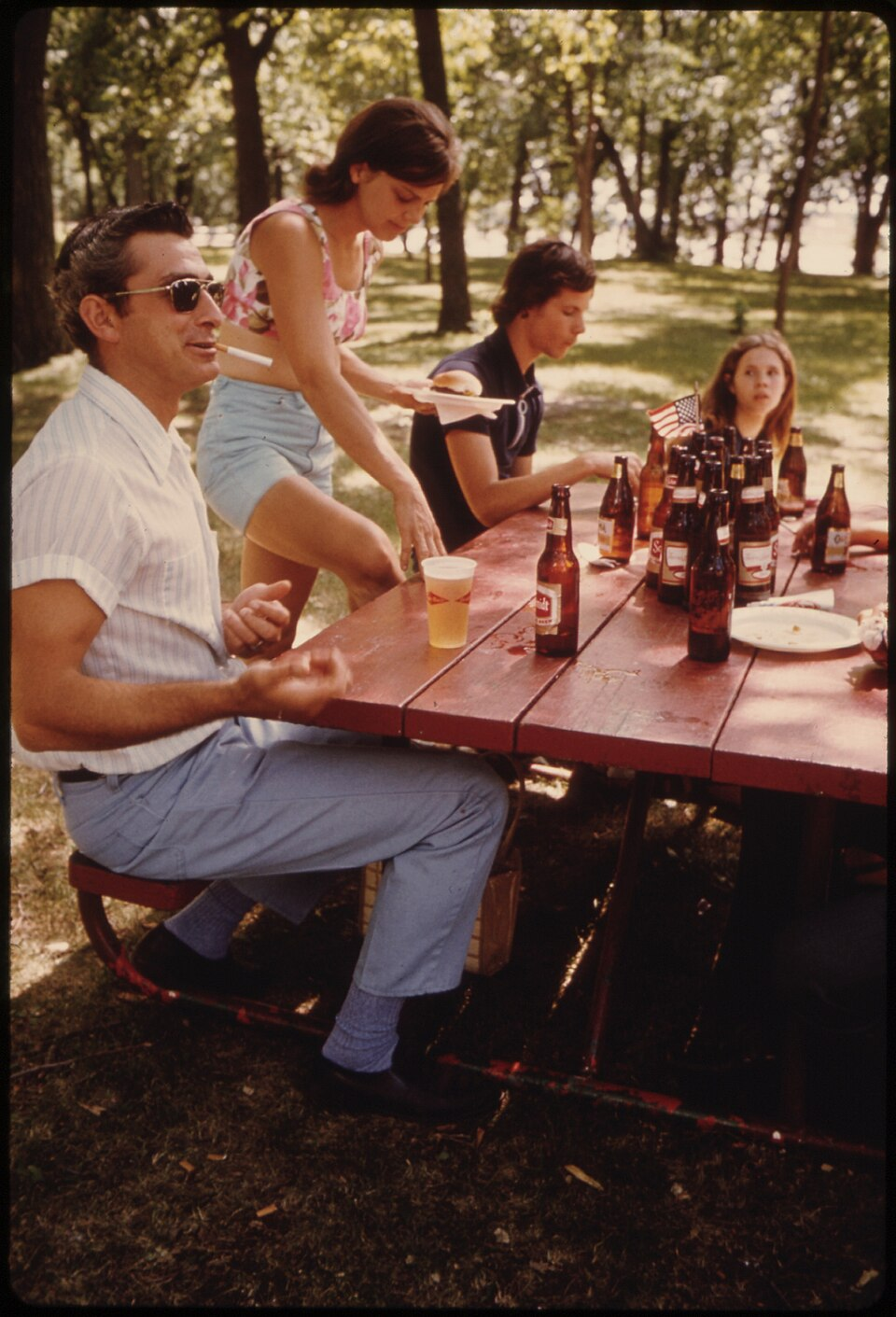
When good weather arrived, the weekend meant one thing in many households: dad at the grill. Cooking out was firmly dad’s territory, and firing up the charcoal grill in the backyard for burgers, hot dogs, and steaks was a beloved weekend ritual, complete with the distinctive smell of charcoal and lighter fluid.
The process was an event: arranging the charcoal, lighting it, waiting for the coals to turn just right, and then tending the food with great seriousness while the family gathered. Grilling was one realm of cooking firmly associated with fathers, and dad took genuine pride in his backyard barbecue skills. While grilling remains popular, the specific ritual of the charcoal grill has shifted toward convenient gas and other modern options, and the smoky, hands-on charcoal cookout of the era has become a nostalgic memory for many families.
Falling Asleep During the Game
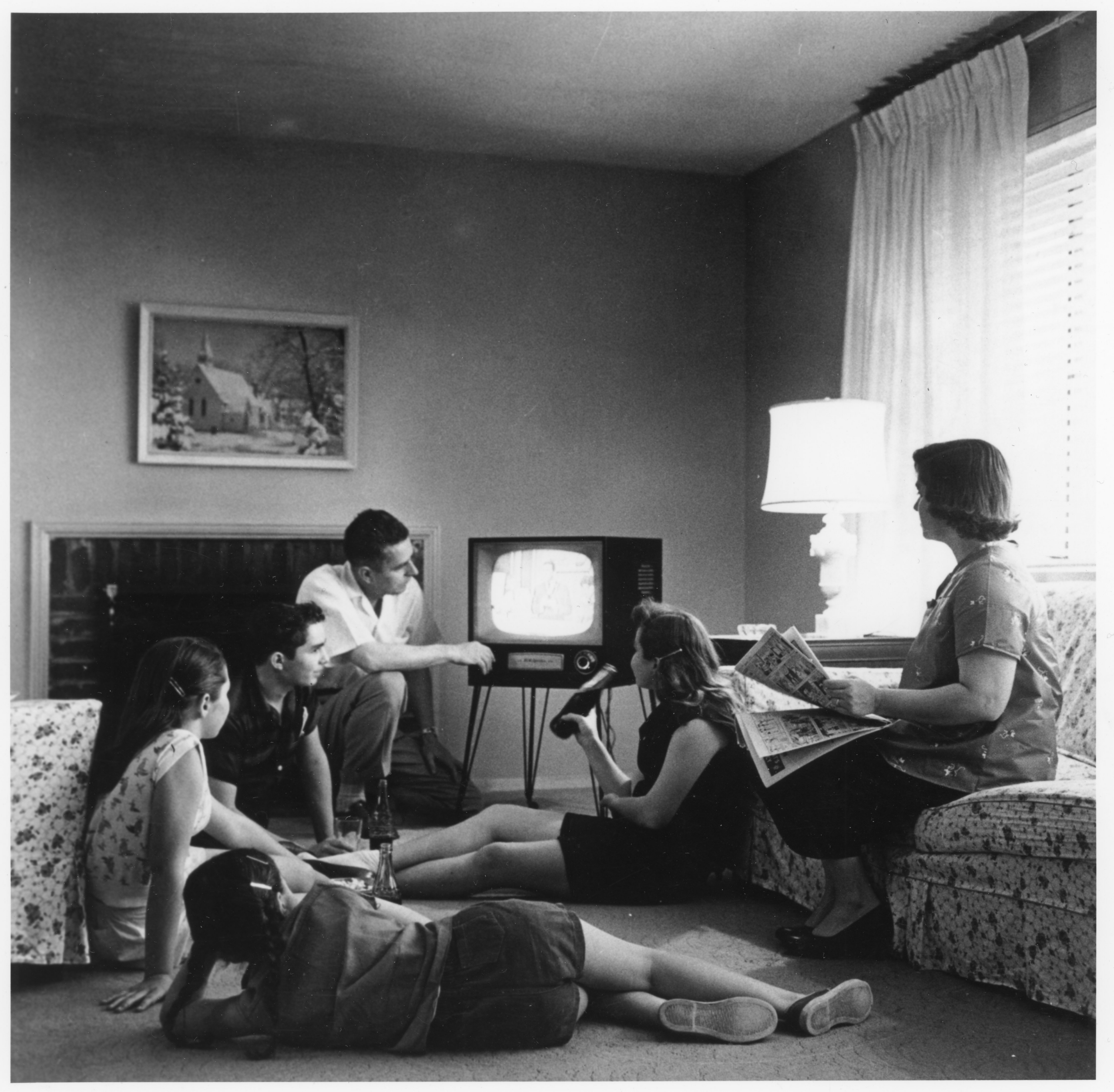
A universally remembered weekend image is dad settled into his favorite recliner or on the sofa, watching a sporting event on the console TV, only to drift off to sleep partway through, often to the gentle teasing of the family. After a week of work and a morning of chores, the afternoon game was prime relaxation time.
With only a handful of channels and the game playing on the single family television, the living room became dad’s weekend retreat. The image of a father dozing in his chair, the game droning on, is one of the most affectionate and enduring memories of the era. While weekend sports-watching certainly continues, the specific scene, the whole family around one TV, dad nodding off in the recliner, belongs to a time of shared, single-screen viewing that has largely given way to scattered, on-demand entertainment.
Saturday Errands and the Hardware Store
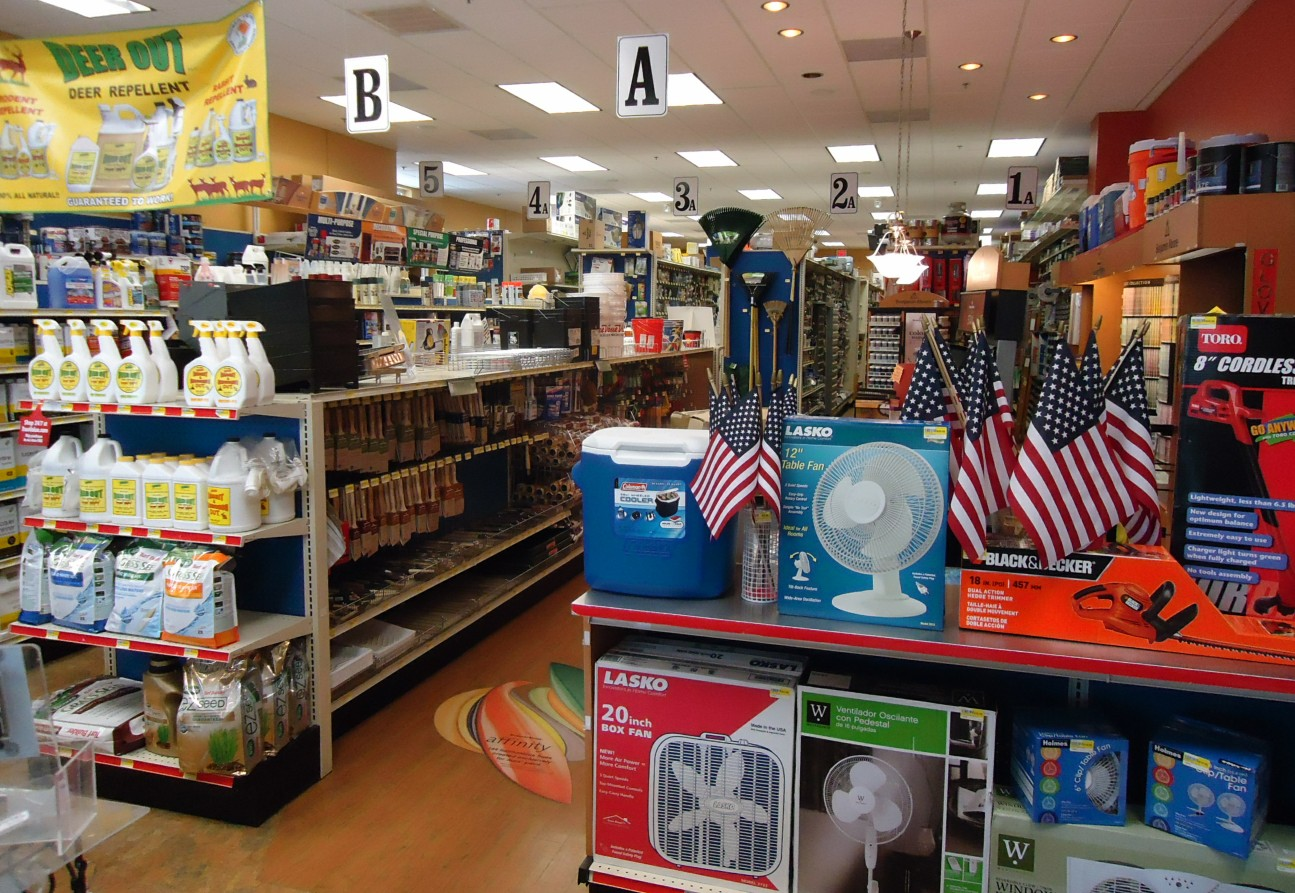
Weekends in 1975 also meant a particular set of errands, and dad often had his own circuit. A trip to the hardware store for supplies and parts was a classic weekend outing, browsing the aisles, chatting with the staff, and gathering what was needed for the weekend’s projects.
Other errands might include filling up at the gas station, where an attendant often pumped the gas and checked the oil, or stopping by the bank, which kept limited hours and required an in-person visit. These outings were unhurried and often social, with familiar faces and a slower pace. As big-box stores, self-service, and online ordering took over, the character of these weekend errands changed dramatically. The friendly neighborhood hardware store run, once a staple of dad’s weekend, has become far less common.
Hobbies, Projects, and Family Time

Beyond the chores, the 1975 dad’s weekend was filled with hobbies and home-centered pursuits. Many had workshops for woodworking, tended vegetable gardens, worked on a car in the driveway, or pursued hobbies like fishing, building models, or photography. Sunday often included church, a big family dinner, and a relaxed afternoon.
Weekends were largely spent at home and in the neighborhood, with leisure built around hands-on activities, family, and rest rather than packed schedules and screens. There was time for tinkering, puttering, and simply being around the house. This home-centered, slower-paced weekend reflected the rhythms of the era. As life grew busier and more scheduled, and as entertainment moved onto countless screens, many of these unhurried weekend traditions faded, replaced by a faster, more fragmented pace.
Why These Weekend Rituals Have Faded

The disappearance of these familiar routines reflects broad changes in technology, convenience, and family life. Conveniences like automatic car washes, professional lawn services, gas grills, and big-box stores replaced many hands-on tasks. The rise of complex, disposable products reduced the do-it-yourself repair culture. And the shift from a single family television to endless personal screens transformed how leisure time is spent.
Changing family roles played a part too, with household tasks and parenting more evenly shared than the era’s traditional divisions suggested. Few would want to return to every aspect of the past, and many changes reflect genuine convenience and progress. Yet for those who remember dad washing the car, tending the grill, and dozing through the afternoon game, these vanished weekend rituals evoke a warm nostalgia for a slower, more hands-on, more home-centered way of life, a reminder of how much the rhythm of the American weekend has changed in fifty years.
Like our content? Follow us for more.