From the way you carry your luggage to the questions you ask first, hotel staff form quick impressions that affect everything from your room assignment to your upgrade chances. Here’s what they’re actually looking at.
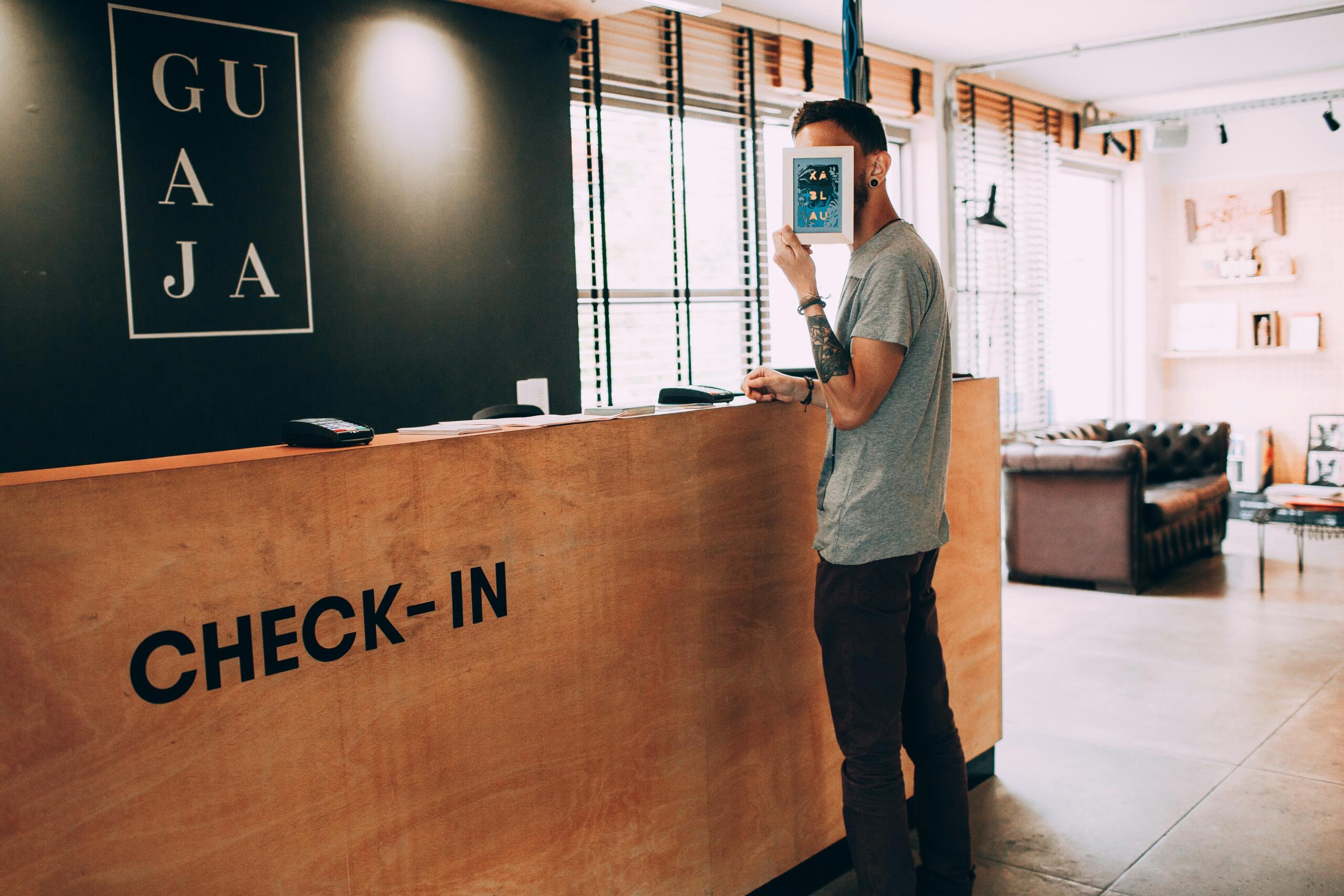
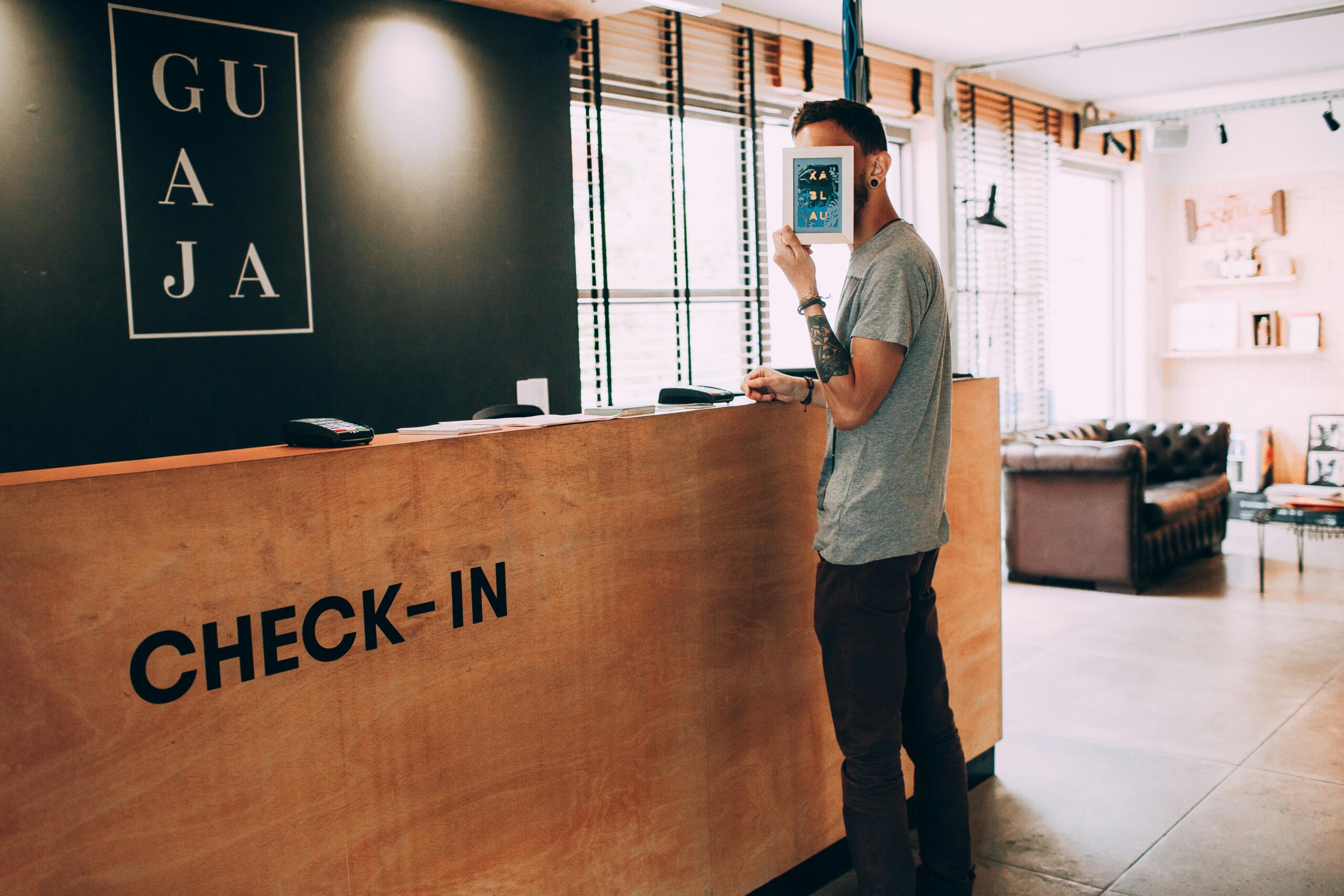
Walk up to a hotel reception desk and the person checking you in is forming a series of quick impressions before you’ve even handed over your ID. None of it is judgmental in the way you might assume — front desk staff aren’t sizing you up to decide whether you “deserve” service. They’re making practical operational decisions: which room to give you, whether you’re likely to be a problem guest, whether you might be open to an upsell, and how to manage their interaction with you efficiently.
Several published interviews with hotel staff in outlets including Conde Nast Traveler, Reader’s Digest, and former hotel manager Jacob Tomsky’s 2012 memoir Heads in Beds have offered a consistent picture of what those first 30 seconds reveal. Here are seven of the things desk agents notice — and what each one tends to mean for the guest.
1. How you handle your luggage
Front desk staff watch how guests arrive, often before the guest reaches the desk. Someone struggling with too much luggage, refusing to use a bell cart, or insisting on dragging multiple bags across a lobby floor signals — fairly or not — that the guest is likely to be stressed and demanding throughout their stay. Conversely, guests who walk in calmly with appropriate luggage for their stay tend to be flagged in staff’s mental notes as easier to work with.
The practical implication: bell cart service is usually free or low-cost. Using it actually improves your initial perception with staff, not the opposite.
2. Whether you greet the agent before stating your business
A simple “hi, how are you?” before “I have a reservation under [name]” registers more than most guests realize. Hotel staff deal with hundreds of check-ins a week, and a meaningful percentage of guests treat them as transactional vending machines rather than people. Staff remember the ones who don’t.
This isn’t a politeness lecture — it’s a practical observation. In Tomsky’s account from his New York hotel years, the guests who got upgrades, late checkouts, and other favors disproportionately were the ones who treated front desk staff as humans first.
3. The first question you ask
What you ask first reveals what kind of guest you’re going to be. “Can I get an early check-in?” signals a flexible traveler who’s done this before. “Why is the room I booked online not available?” signals you’re going to argue. “Is there anything you can do to upgrade me?” signals you’re open to spending more or might receive a courtesy upgrade.
Tomsky and other hotel insiders have noted that the question framing in the first 30 seconds often predicts the entire guest interaction. Asking “Is there anything you can do for me?” with genuine openness — rather than demanding a specific outcome — tends to produce better results than any specific demand.
4. Whether you’re alone or with someone
Front desk agents are trained to notice party size and composition for practical reasons: room assignment, key cards, breakfast vouchers, and sometimes safety. A solo female traveler may be assigned a room closer to elevators or away from stairwells. A family with children may get a room with adjoining doors. Business travelers in groups may be clustered on the same floor.
This isn’t surveillance — it’s standard hotel operations. But it’s worth knowing because it affects your room assignment in ways that are often invisible.
5. How you respond to upsell offers
The standard “Would you like to upgrade to a king suite for $30 more per night?” pitch isn’t just an upsell — it’s also a guest classification tool. The way you respond tells the agent what kind of stay you’re going to have. Polite declines, polite acceptances, and “let me think about it” all read differently than visible irritation at being offered the upgrade in the first place.
Insider note: at most major chain hotels, the upsell offered at check-in is at the agent’s discretion within a price range. Politely engaging with the offer — even if you ultimately decline — sometimes leads to a complimentary upgrade later in your stay if a higher-tier room becomes available.
6. Whether you have status with the hotel chain
Loyalty program status is shown in the agent’s reservation system, but how you handle it tells the agent something separate. Status holders who casually mention it once tend to be remembered favorably. Status holders who lead with it (“I’m a Platinum member, I expect…”) tend to be flagged as difficult, even when they technically have a right to ask for the benefits associated with their tier.
The practical move is to let your status work in the background. The agent already sees it. You don’t need to introduce it.
7. The condition of your reservation paperwork
Whether you’ve pre-checked-in via the app, have your confirmation email ready on your phone, or are searching through papers for your booking number — all of this tells the agent how organized your stay will be. Pre-checked-in guests with mobile keys tend to need less staff time. Guests who can’t find their reservation paperwork tend to need more.
This is less about being judged and more about staff allocating attention. If you’re checking in efficiently, the agent has more bandwidth to handle special requests, upgrades, or local recommendations. If you’re chaotic at check-in, you may notice the interaction is more clipped.
What this actually means for your stay
None of these observations are unfair pre-judgments — they’re practical signals that hotel staff use to manage hundreds of guest interactions a week efficiently. Most of them favor guests who are calm, organized, polite, and treat staff as people. None of them require any special skill or insider knowledge to act on.
The single most useful piece of advice from every hotel insider source: ask, don’t demand. “Is there anything you can do for me?” is more likely to produce upgrades, late checkouts, and small courtesies than any other phrase. It implicitly acknowledges that the agent has discretion, signals you’d be grateful for whatever they can offer, and treats them as a partner rather than a transaction.
A final detail worth knowing: in most hotels, the front desk shift change happens around 3 p.m. and 11 p.m. Checking in just after a shift change — when an agent is fresh and hasn’t yet been worn down by a string of difficult guests — tends to produce slightly better outcomes. Not always. But often enough that frequent travelers swear by it.