

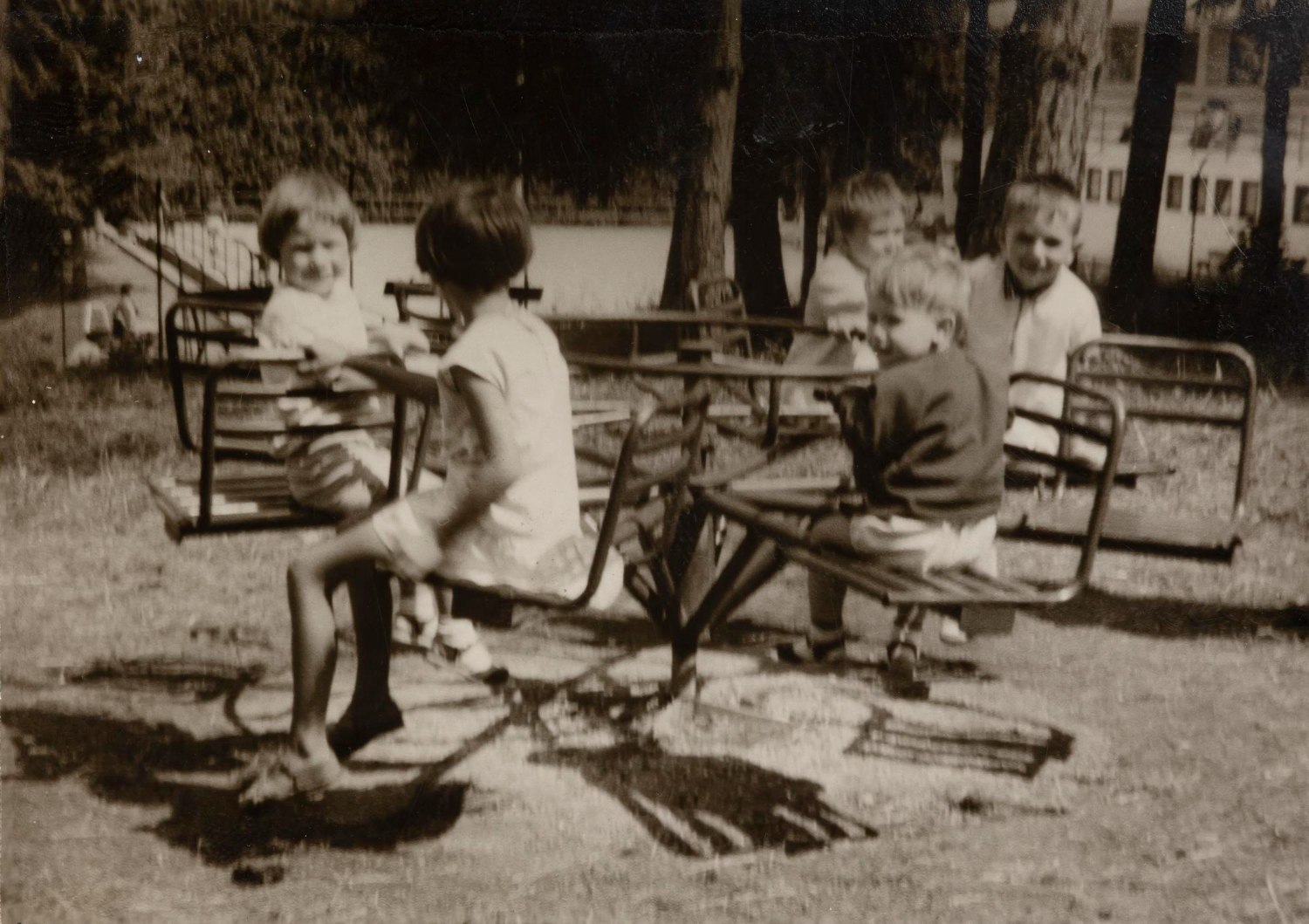
The American adult of 1975 carried a specific portfolio of practical skills that contemporary American adults largely do not. Reading a paper road map. Manually opening a stuck jar lid. Using a payphone with operator assistance. Writing a check and balancing a checkbook. Changing a car tire on the side of a road. Knowing the names of common trees in their region. Estimating the time of day by the sun’s position. Identifying poison ivy. Tying basic knots. These were not specialized skills. They were universal common-sense competencies that any 12-year-old American child in 1975 was expected to demonstrate. By 2026, each of these has either become obsolete because of changing technology or has quietly disappeared from the American practical repertoire even where the underlying need remains. The disappearance is not random. It follows specific structural causes — and the loss of these skills is producing measurable consequences in modern American life.
The starting observation is that “common sense” in 1975 was a set of specific, learnable, practical skills that American adults could be reasonably expected to demonstrate. The 1975 driver who got a flat tire on a country highway could change it. The 1975 grandmother who got a stuck jar lid could open it without calling someone. The 1975 kid who got lost in the woods could orient by tree types, sun position, and stream direction. The skills were not natural — they were taught, deliberately, by previous generations. The transmission of those skills has broken down for specific reasons, and the consequences are now visible. Below are nine specific skills with the structural reasons for each one’s decline.
1. Reading a Paper Map

In 1975, every American adult could read a Rand McNally road atlas, interpret highway numbering systems, identify state and county lines, and navigate by reference to printed turn-by-turn directions. The skill required mental rotation, scale interpretation, and the ability to estimate distances by the printed scale bar. The arrival of GPS turn-by-turn navigation in cars (TomTom 2004, smartphones 2009-2010) has effectively eliminated the practical need for map-reading. According to a 2023 AAA survey, approximately 71 percent of American adults under 40 could not successfully navigate a 50-mile road trip using a paper road atlas. The skill exists in a small minority of drivers (truckers, rural workers, dedicated outdoor enthusiasts) and has become a niche competency rather than a universal adult skill. The consequence is visible when GPS systems fail — modern drivers are stranded by dead phones, lost signal, or charging-cable failure in ways 1975 drivers were not.
2. Estimating Time by the Sun

In 1975, the average American child could estimate the time of day within approximately 30 minutes by the position of the sun in the sky — a skill taught at school, at summer camp, and by parents who themselves had been taught. The skill required understanding of seasonal sun angles, basic geography, and the relationship between the sun’s position and clock time. The arrival of universal smartphone access has eliminated the practical need to estimate time. The skill is now essentially extinct in American adults under 35. The loss is small but specific. The 2026 hiker whose phone battery dies on a remote trail cannot reliably estimate how much daylight remains. The 1975 hiker who lost track of time could.
3. Changing a Car Tire
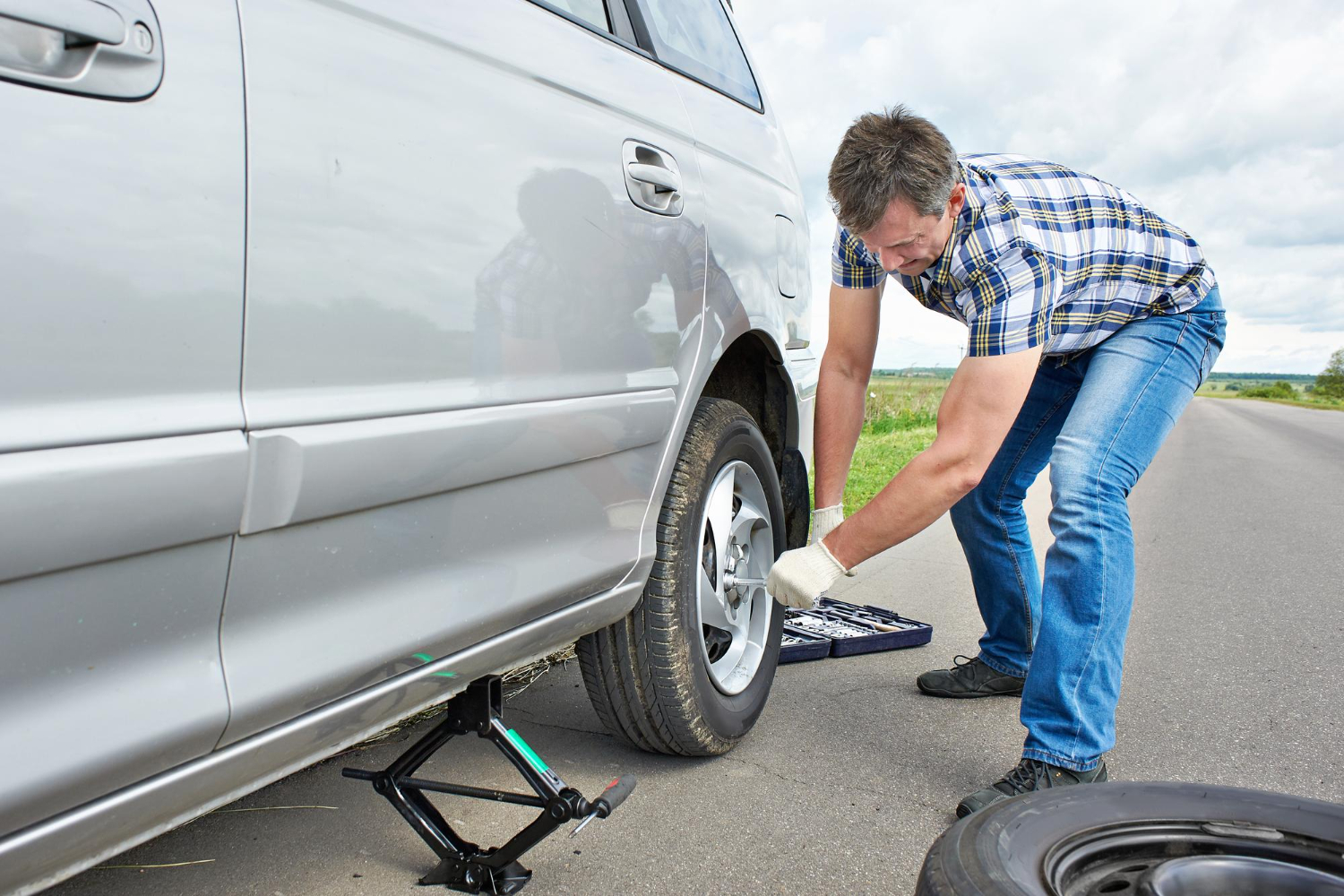
In 1975, every American driver — and every 16-year-old learning to drive — was taught how to change a flat tire using the spare and the jack. The skill was tested as part of most state drivers’ education programs through the 1980s. The decline of tire-changing competency tracks the broader decline of practical car mechanics. According to a 2024 AAA survey, approximately 64 percent of American adults under 40 cannot change a tire and would call roadside assistance if they got a flat. The decline is partly driven by changing technology — many 2026 vehicles do not come with a full spare, and run-flat tires are becoming standard on some manufacturers’ vehicles — but the underlying skill decline is real. The roadside-assistance industry, which earned approximately $14 billion in U.S. revenue in 2024, is sustained by this skill gap.
4. Writing and Balancing a Checkbook

In 1975, every adult American managed a checkbook — wrote checks for the major monthly expenses, recorded each check in the register, balanced the register against the monthly bank statement, and reconciled discrepancies. The skill required basic arithmetic, attention to detail, and the routine discipline of reviewing the previous month’s transactions. The arrival of debit cards (1980s), online banking (2000s), and account-aggregation apps like Mint (later defunct) and Empower has eliminated the practical need to write or balance checks. According to Federal Reserve survey data, approximately 67 percent of American adults under 35 have never written a paper check. The check-balancing skill that 1975 Americans considered universal common sense has effectively disappeared in one generation. The consequence is that modern Americans monitor their finances less actively than their 1975 counterparts — bank transactions occur automatically without conscious review.
5. Identifying Common Trees and Plants

In 1975, the American adult could typically identify the major tree species in their region (oak, maple, pine, hickory, birch, cottonwood depending on geography) and could distinguish poison ivy, poison oak, and poison sumac from harmless similar plants. The skill was taught at Cub Scouts, Girl Scouts, summer camps, school nature studies, and by parents on family hikes. The transmission has broken down. According to a 2022 USDA survey, approximately 78 percent of American adults under 40 cannot identify three common trees in their region by leaf, bark, or overall form. Approximately 64 percent cannot identify poison ivy. The consequences are visible in increased emergency-room visits for poison-plant rashes and in the broader inability of modern Americans to navigate natural environments competently.
6. Tying Basic Knots
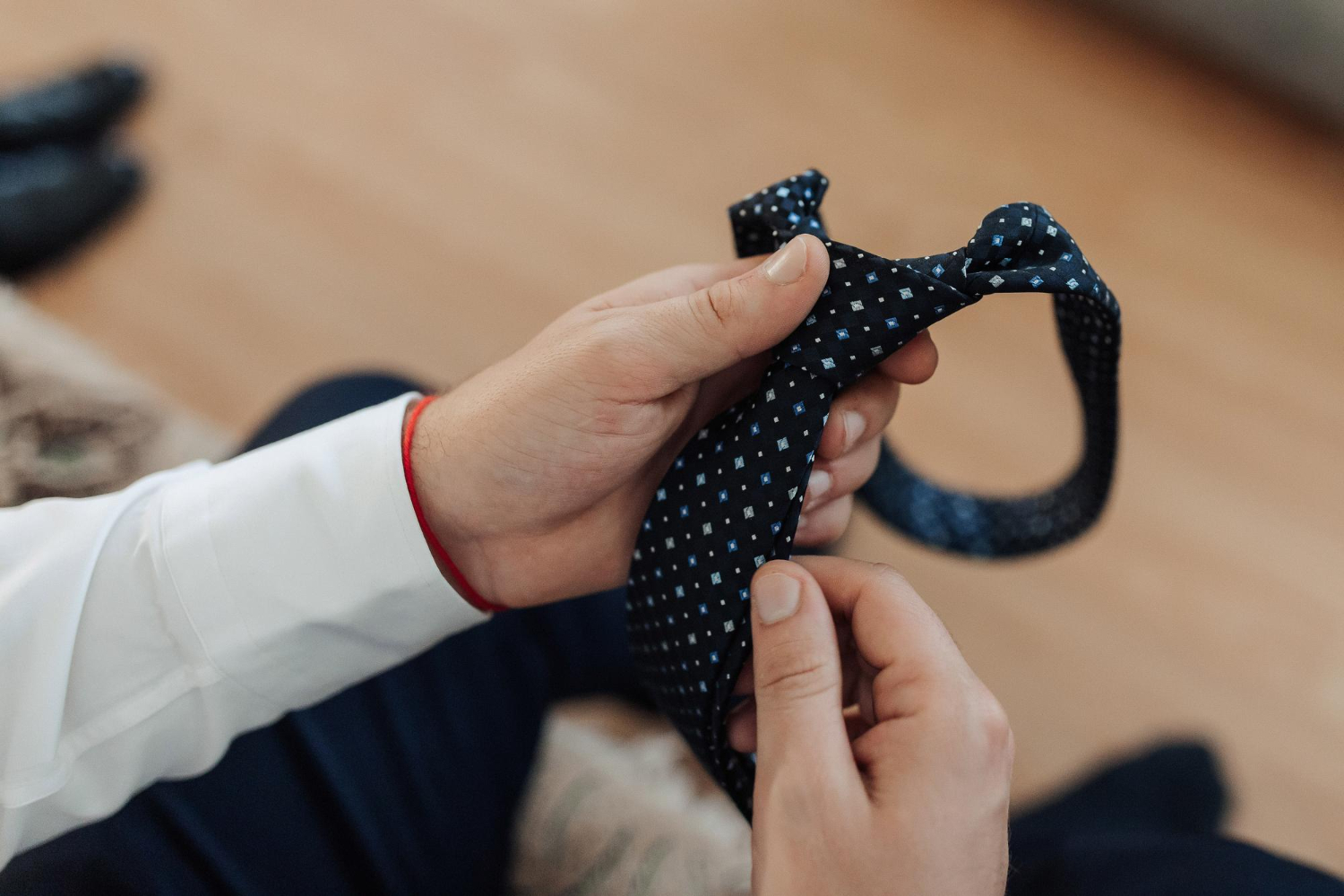
In 1975, the American adult could tie at least three or four basic knots — square knot, bowline, two half-hitches, taut-line hitch — that had practical applications for camping, sailing, hunting, fishing, securing loads on a vehicle, and general household tasks. The skill was taught at school, at scouts, and by parents in routine household work. The arrival of bungee cords, ratchet straps, paracord-bracelet keychains, and pre-tied options has reduced the practical need to tie knots. According to a 2024 Boy Scouts of America survey, approximately 47 percent of American adults under 40 cannot tie a bowline — historically considered the most useful single knot. The skill is essentially gone outside of specific user communities (sailors, climbers, ranchers, working outdoor laborers). The consequence is small but specific — modern Americans are limited in their ability to improvise solutions to physical problems.
7. Knowing Your Neighbors

In 1975, the average American knew the names and general circumstances of at least 8 to 12 of their immediate neighbors. The skill was the result of routine neighborhood interaction — kids playing on streets, adults sitting on front porches, block parties, neighborhood watch programs, and the lower turnover of postwar suburban housing. By 2024, Pew Research Center data shows the comparable figure has fallen to approximately 3 to 5 neighbors known by name, with approximately 28 percent of American adults reporting that they know none of their immediate neighbors. The decline is structural — driven by longer commutes, two-earner households, higher residential mobility, and the displacement of front-porch interaction by air-conditioned indoor leisure. The consequences include the documented increase in American loneliness, the weakening of neighborhood emergency response, and the breakdown of informal social capital that previous generations relied upon.
8. Cooking a Meal From Scratch Without a Recipe

In 1975, the American adult — particularly the American adult woman, given the gender division of cooking labor at the time — could cook a basic family meal from scratch using whatever ingredients were on hand, without referring to a recipe. The skill was the result of years of routine cooking practice, transmitted from mother to daughter and increasingly between spouses. The decline of from-scratch cooking has been measured — the American Time Use Survey shows U.S. adults spent 56 minutes per day on food preparation in 1985, falling to 38 minutes in 2024. According to a 2024 culinary industry survey, approximately 38 percent of American adults under 35 cannot cook a complete meal from scratch without consulting a recipe. The skill has been displaced by meal-kit services, restaurant delivery, and pre-prepared grocery items. The consequence is modest — modern Americans eat differently and more expensively than 1975 Americans — but the loss of this specific competency is real.
9. Patience for Slow Information

The final 1975 skill, more broadly cultural than technical, was patience for slow information. The 1975 adult who wanted to know how a baseball game ended waited for the morning paper. The 1975 adult who wanted to know what was happening in the news waited for the 6 p.m. broadcast. The 1975 adult who wanted to learn about a topic checked out a book from the library or waited for the next issue of a magazine to arrive. The skill of waiting for information has effectively disappeared in the smartphone era. According to multiple psychology studies measuring “tolerance for delayed information,” American attention patterns have changed substantially since the 2010s, with documented declines in capacity for sustained reading and increased anxiety when information is not immediately available. The consequence is not the disappearance of patience as a personality trait — it is the recalibration of an entire culture to expect information instantly, with the predictable secondary effects on attention, anxiety, and decision-making quality.
What This Pattern Means
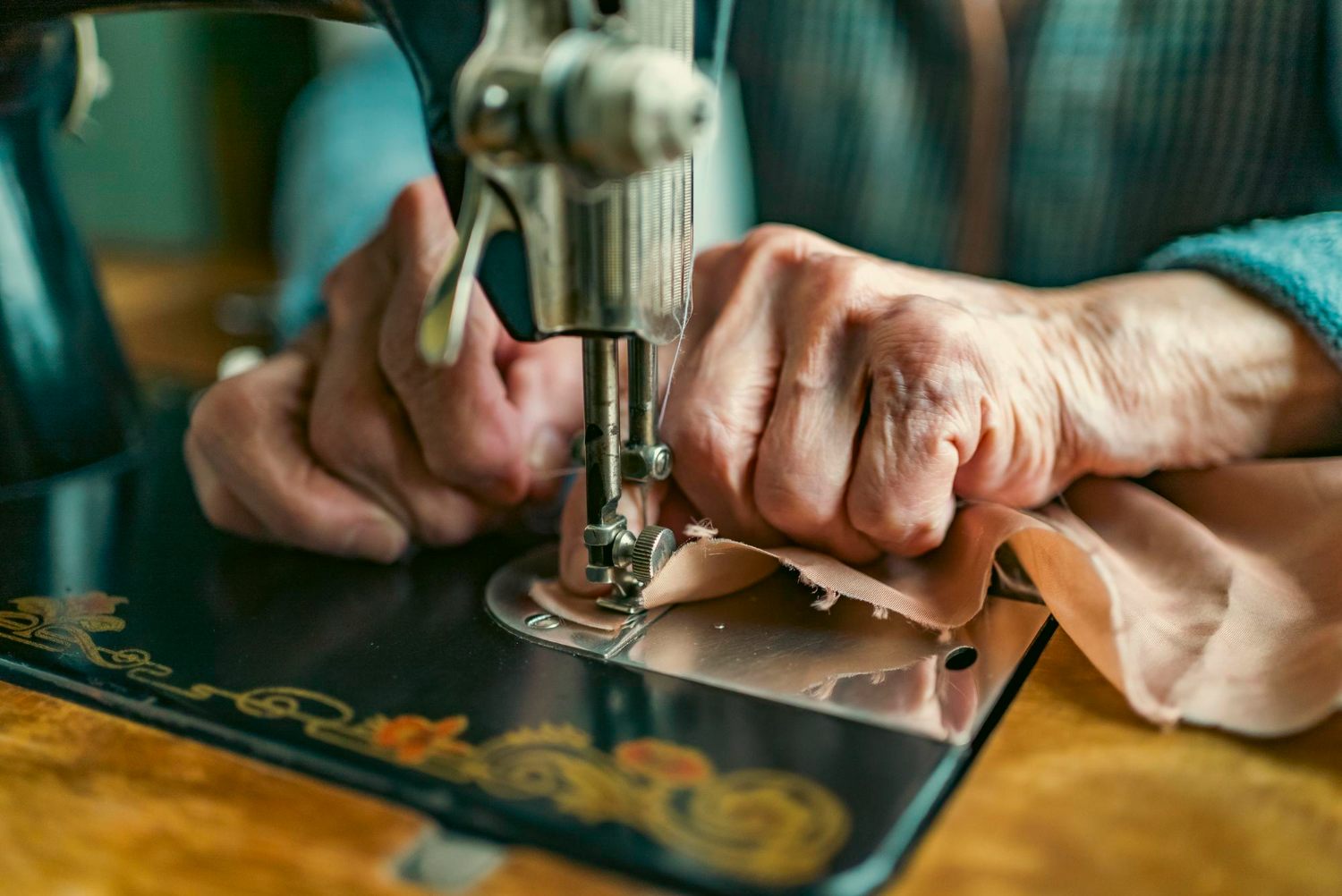
The nine skills above are not a complete list. There are dozens of others — using a manual transmission, hand-washing dishes properly, sewing on a button, mending a piece of clothing, identifying constellations, calculating a tip in your head, writing a letter by hand. Each has its own specific decline trajectory. The broader pattern is that American practical competence in 2026 has shifted from a portfolio of generalist skills toward specialist competencies. The 1975 American adult was a generalist who could do many things adequately. The 2026 American adult is a specialist who can do a smaller number of things very well, supplemented by service providers, apps, and outsourced labor for the rest. The shift is neither good nor bad in itself — it reflects a different economic and cultural structure. But the skills that 1975 Americans considered “common sense” have substantially exited the common-sense category. They are now competencies that some Americans have and most do not. The 1975 grandmother who watched her 2026 grandchildren struggle with a stuck jar lid, a paper map, or a flat tire would not be wrong to feel that something important had been lost.
