Ask anyone who grew up in the 1970s about their childhood and the same images come rushing back: bikes ditched on the lawn, games invented on the spot, and a freedom to roam that feels almost unimaginable today. The afternoon stretch between the final school bell and the call for dinner was a golden window of unstructured play, with no screens to scroll, no schedules to keep, and a whole neighborhood as the playground. It was a simpler, more analog kind of childhood, full of scraped knees, long summer evenings, and the kind of boredom that bred real creativity. Here’s a nostalgic look back at what growing up in the seventies was really like, the everyday joys of a childhood lived almost entirely outdoors and in person.
Out the Door Until the Streetlights Came On

The defining feature of a seventies childhood was freedom. After school, kids burst out the door and roamed the neighborhood, often with only one instruction: be home when the streetlights come on. Parents generally didn’t track their children’s every move; the world was the kids’ to explore, on foot or by bike, for hours at a stretch. They’d turn up at friends’ houses unannounced, wander to the park, the woods, or the corner store, and organize their own adventures from start to finish. This independence taught self-reliance and problem-solving in ways that structured activities rarely could. For seventies kids, the great outdoors after school wasn’t a special occasion; it was simply daily life, and it’s the memory they treasure most.
Like our content? Follow us for more.
Bikes Were Everything
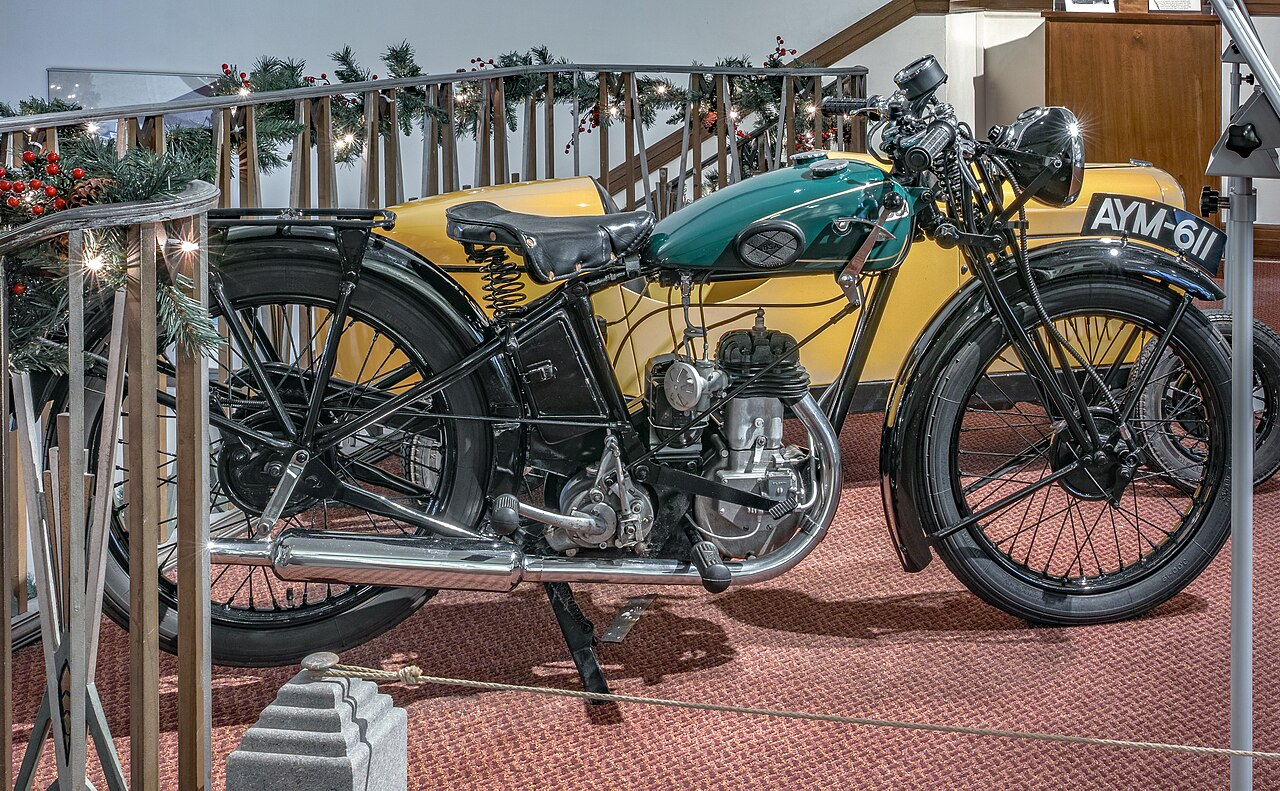
For a kid in the seventies, a bike meant freedom, and the bike of the era was a thing of glory. Many rode models with high “ape-hanger” handlebars, a long banana seat, and sometimes a sissy bar at the back, perfect for cruising the neighborhood in style. Bikes were the primary mode of transport, carrying kids to friends’ houses, the schoolyard, and adventures far from home. Groups would ride together for hours, racing, popping wheelies, and building makeshift ramps to jump. A bike was a prized possession and a ticket to independence, kept close and ridden until the tires wore thin. The sight and sound of a pack of kids pedaling through the streets was the very picture of seventies childhood.
Saturday Morning Cartoons and After-School TV

Television was a treat to be savored, not a constant stream. With a single family set and only a handful of channels, kids learned to plan their viewing around the schedule. Saturday morning was sacred: the one block of the week devoted to cartoons, when children would wake early, pour a bowl of cereal, and settle in for hours of animated programming before the lineup ended and the day’s play began. After school offered another window of kids’ programming. Because shows aired only once with no way to record them, missing your favorite was a genuine disappointment. That scarcity made TV feel special, and the shared experience of watching the same programs as everyone else gave kids plenty to talk about at school the next day.
Games Invented on the Spot
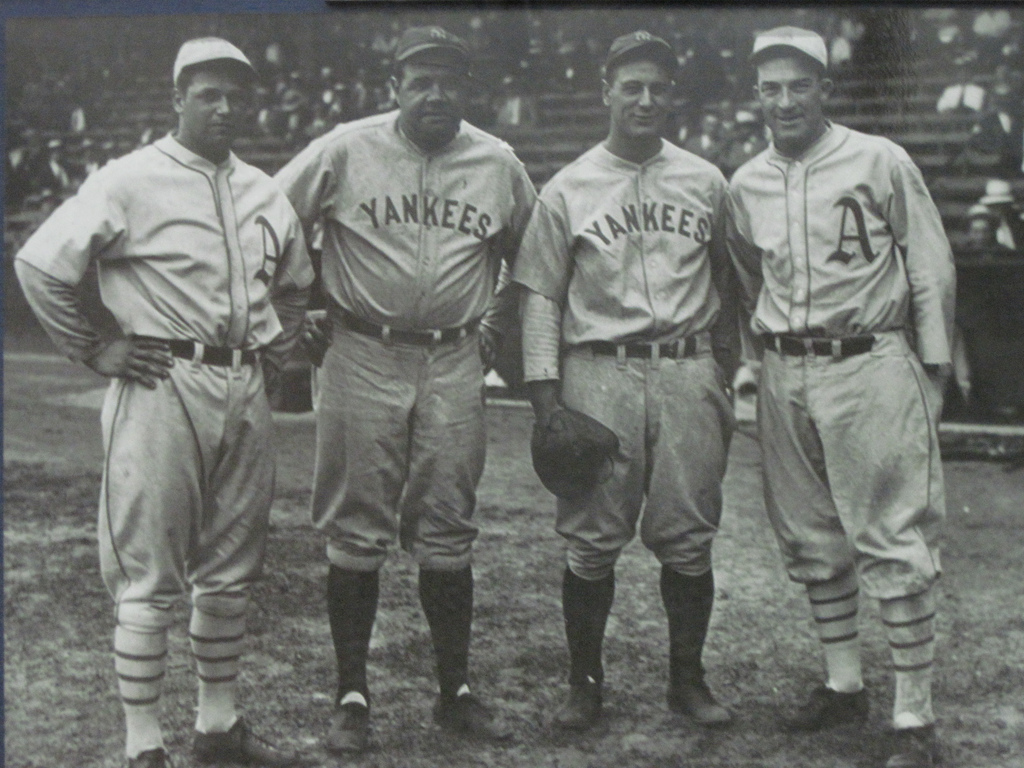
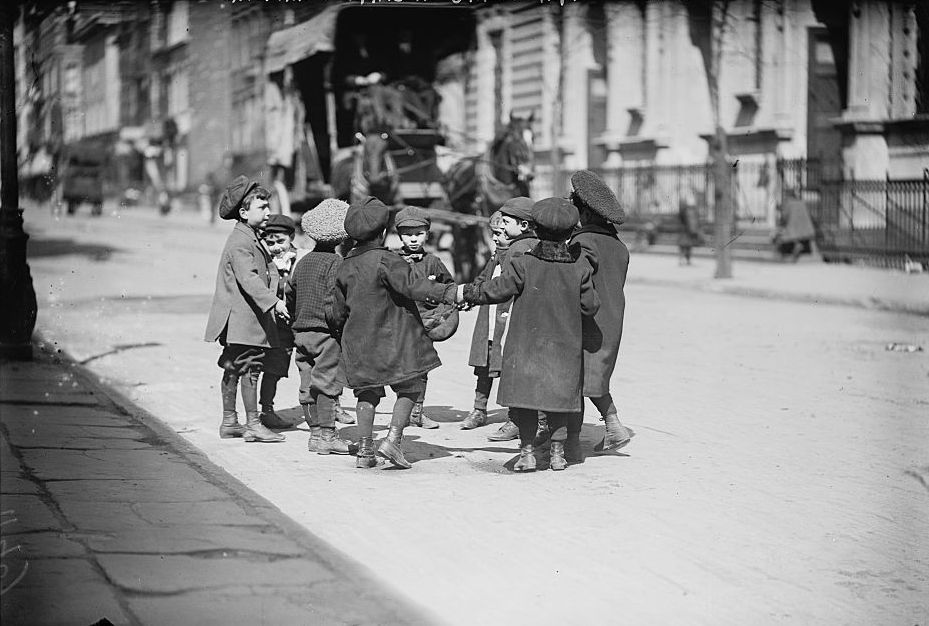
Without screens to fill the time, seventies kids became expert game inventors. Neighborhood play revolved around classics that needed nothing more than a few friends and some open space: tag, hide-and-seek, kickball, hopscotch, jump rope, and endless variations dreamed up on the fly. Pickup games of baseball or football filled vacant lots and quiet streets, with rules negotiated by the players and “home base” marked by whatever was handy. Kids organized themselves, settled their own disputes, and kept the fun going until dark. This kind of free, imaginative play, requiring creativity rather than equipment, was the heart of a seventies childhood. The games were simple, but the hours of laughter and friendly competition they produced were anything but forgettable.
The One Phone in the House
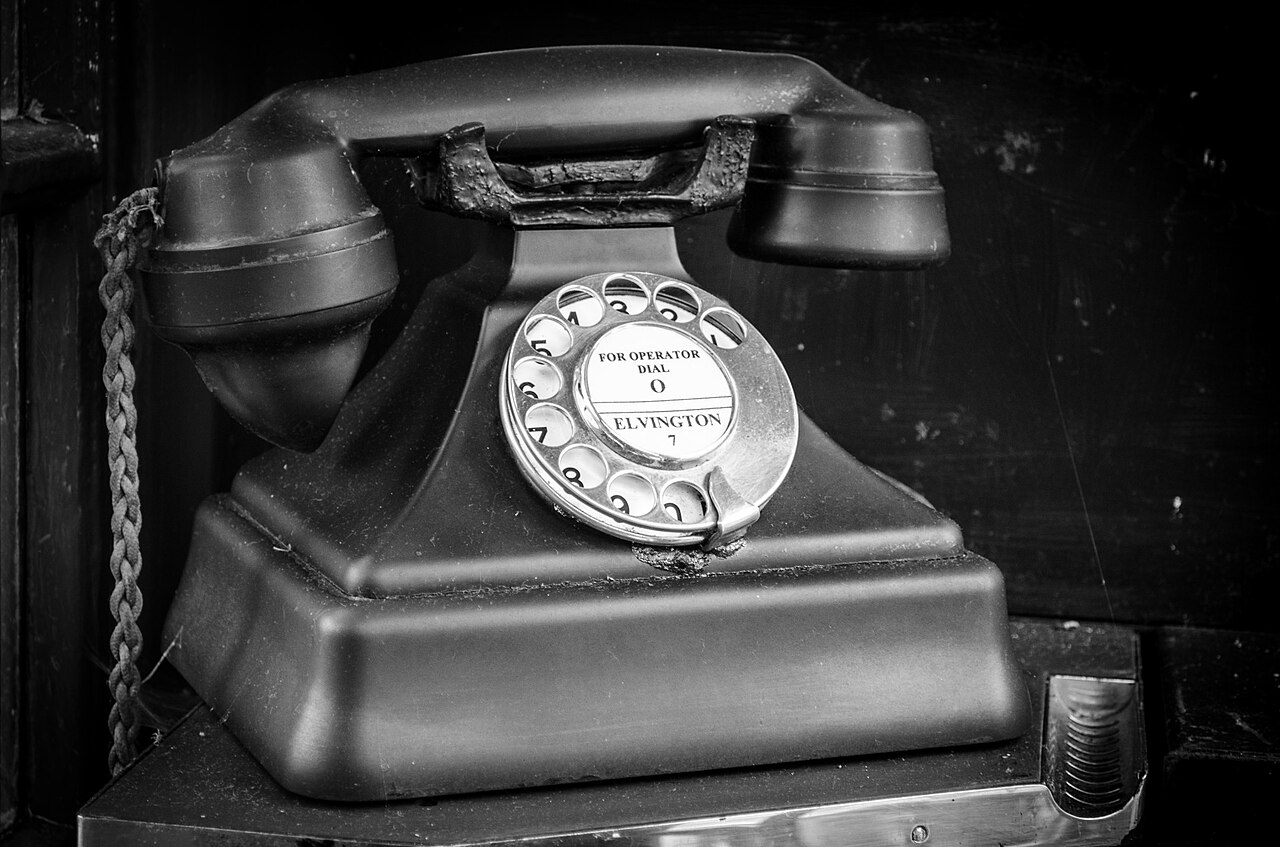
Staying in touch meant the family telephone, usually a single rotary or push-button phone tethered to the kitchen wall. Kids who wanted to call a friend did so from that one spot, often stretching the cord as far as it would reach for a sliver of privacy, well within earshot of the whole household. There was no texting, no group chat, just a phone call or, more often, simply walking or biking over to a friend’s house to see if they could come out and play. Plans were made in person or not at all, and “I’ll meet you at the park” was a binding agreement with no way to check in. This face-to-face, show-up-and-see approach to friendship defined the social life of a seventies kid.
Records, Radio, and the Top 40
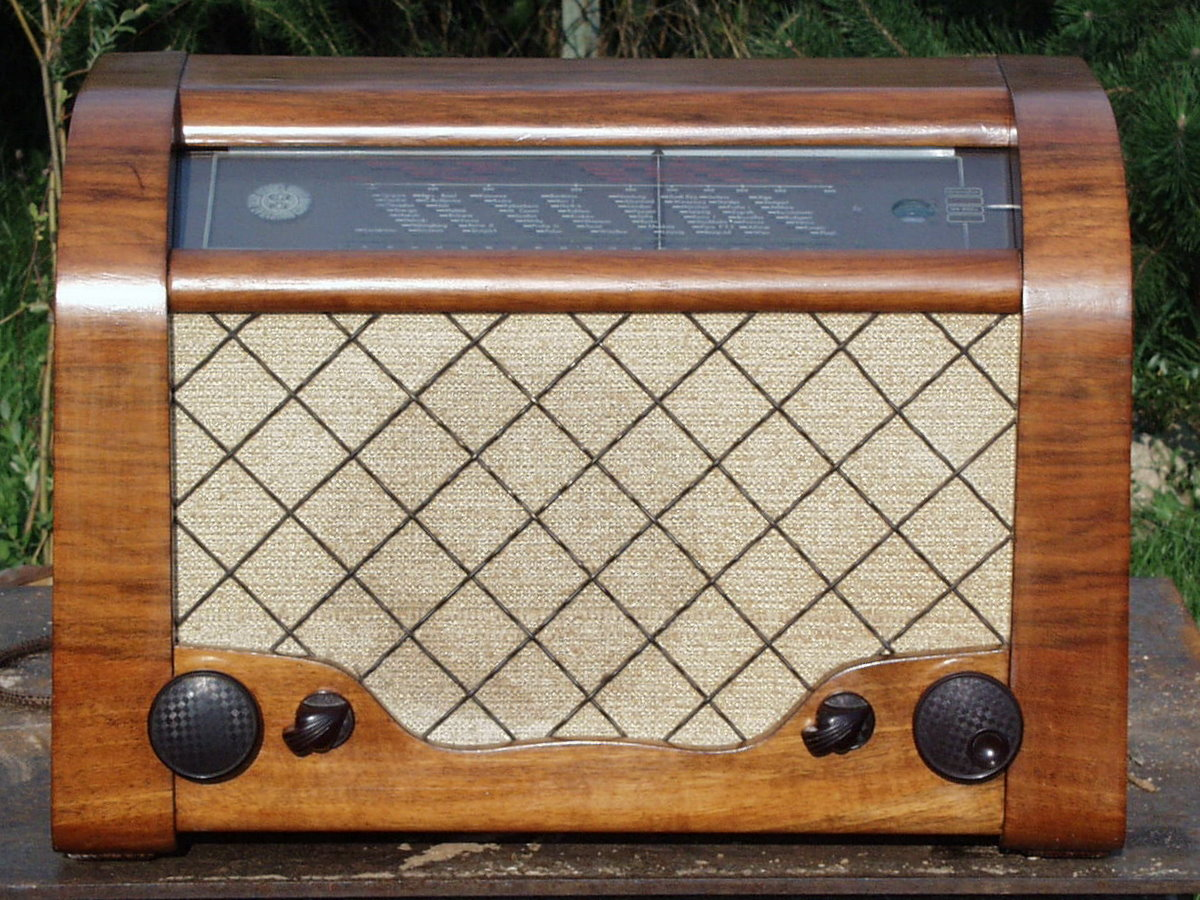
Music was a cherished part of growing up, and seventies kids consumed it actively. The family record player was a treasure, and saving allowance to buy a favorite single or album was a rite of passage. Many kids had their own transistor radio or a portable player, tuning in to local stations to hear the latest hits and waiting eagerly for a favorite song to come on. Recording songs off the radio onto tape, finger hovering over the record button to catch the start, was a beloved ritual. Music wasn’t an endless on-demand stream but something to seek out, anticipate, and collect. That effort made each song and album feel personal, and the soundtrack of a seventies childhood is burned into memory for life.
Drinking from the Garden Hose

Summer afternoons in the seventies had their own rhythm and their own rituals, and few are remembered as fondly as drinking straight from the garden hose. Kids playing outside for hours rarely trooped inside for a glass of water; they simply grabbed the hose, let it run cool, and took a long drink before racing back to the game. Running through a sprinkler on a hot day was the height of backyard fun, no pool required. These small, simple pleasures, the taste of hose water, the spray of a sprinkler, the smell of fresh-cut grass, are woven into the fabric of seventies summer memories. They capture the unfussy, outdoor spirit of a childhood spent almost entirely in motion under the open sky.
Building Forts and Claiming Hideouts
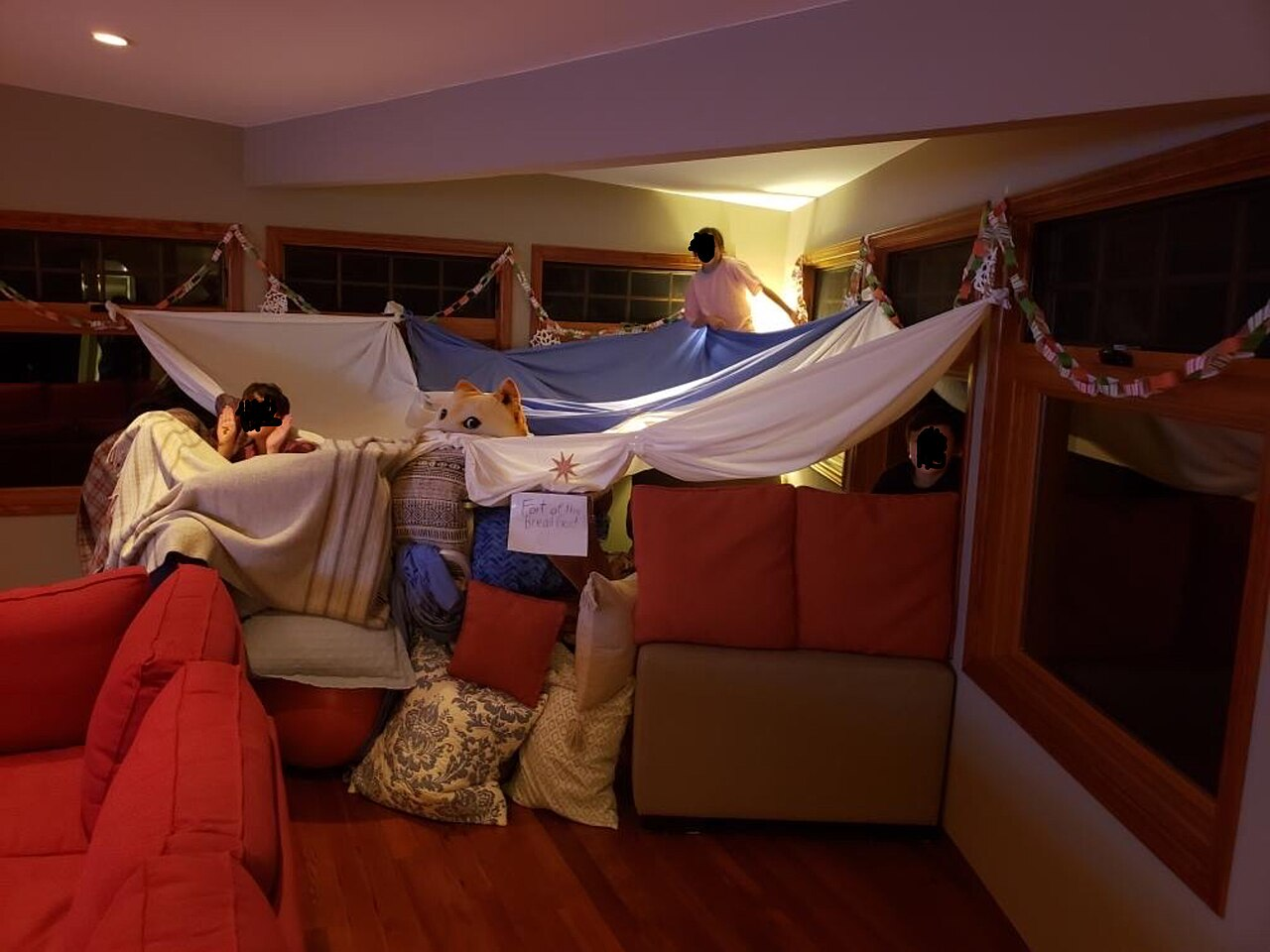
Every seventies kid wanted a place to call their own, and so the art of the fort flourished. Children built elaborate hideouts wherever they could, draping blankets over furniture indoors, hammering scrap wood into a treehouse, or claiming a patch of woods or a backyard corner as secret headquarters. These forts became clubhouses, command centers, and private worlds where imaginations ran wild and adventures were plotted. Building them was half the fun, scrounging materials, recruiting friends, and figuring it out together with no instructions or kits. A good fort could occupy a whole summer. This drive to create a space of one’s own, out of nothing but found materials and imagination, was a quintessential part of growing up in the decade.
Roller Skates and the First Skateboards

Wheels weren’t limited to bikes. Roller skates, the kind that strapped or clamped right onto your shoes, were enormously popular, and kids spent hours rolling up and down sidewalks and driveways. As the decade went on, roller rinks became a beloved social hangout, especially as skating culture grew. Skateboards also came into their own during the seventies, evolving rapidly as kids took to sidewalks, empty pools, and homemade ramps. Whether on four wheels strapped to your sneakers or a board under your feet, getting around on wheels was a defining seventies pastime that blended fun, freedom, and a bit of daring. These rolling adventures added another layer to the active, outdoor childhood the decade was known for.
When Boredom Sparked Imagination
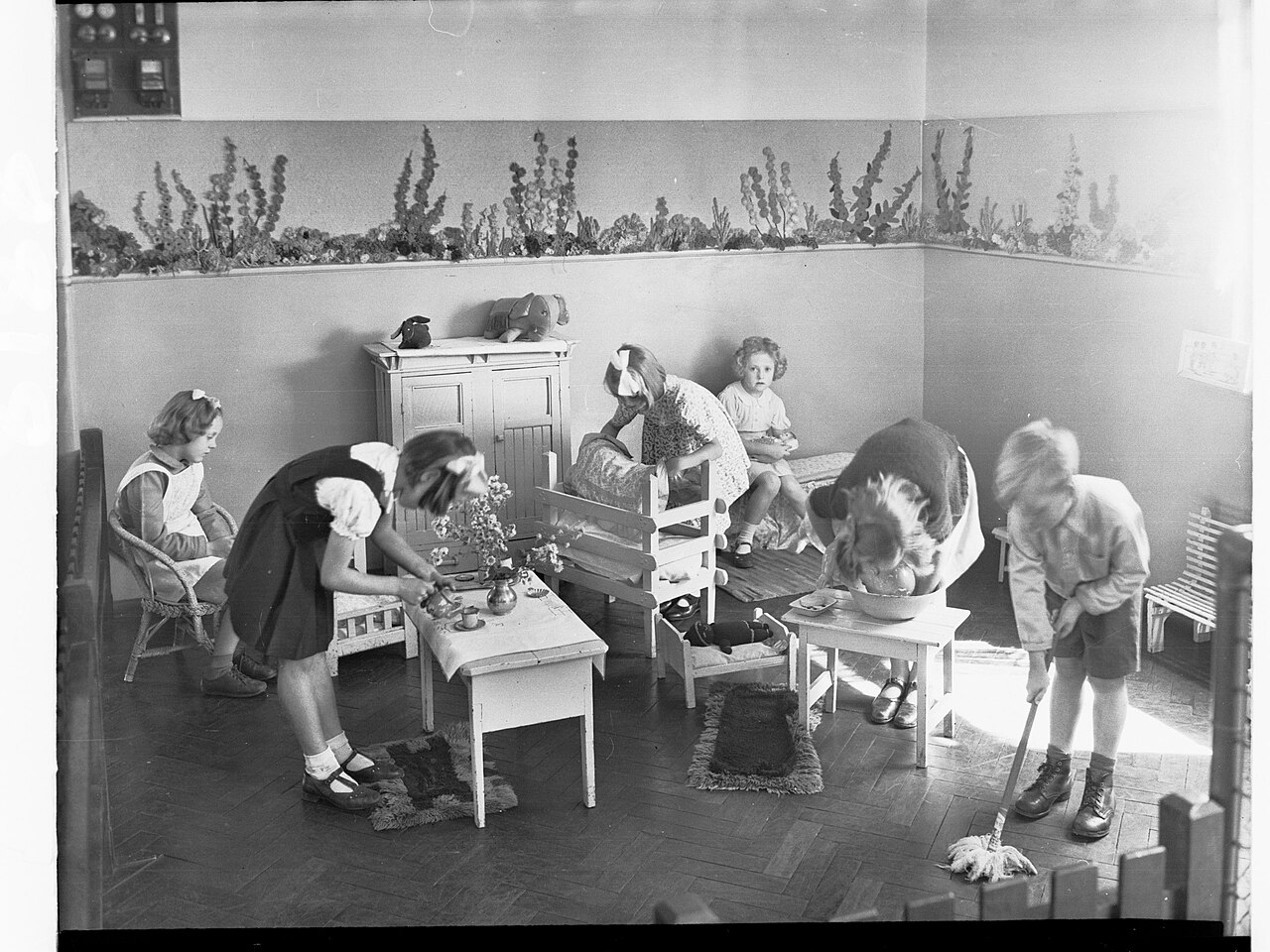
Perhaps the most valuable feature of a seventies childhood was something that sounds unappealing: boredom. With no devices to provide constant entertainment, kids regularly found themselves with nothing to do, and that empty space was where creativity flourished. A boring afternoon might turn into an elaborate make-believe adventure, a new invented game, a fort-building project, or a long, aimless bike ride that became a story worth retelling. Children learned to entertain themselves, to imagine, and to make their own fun from whatever was at hand. Far from a problem, boredom was a gift, the launching pad for the imaginative, self-directed play that defined the decade. It’s a quality many who grew up then look back on as one of the era’s greatest, if unexpected, advantages.
A Childhood Worth Remembering
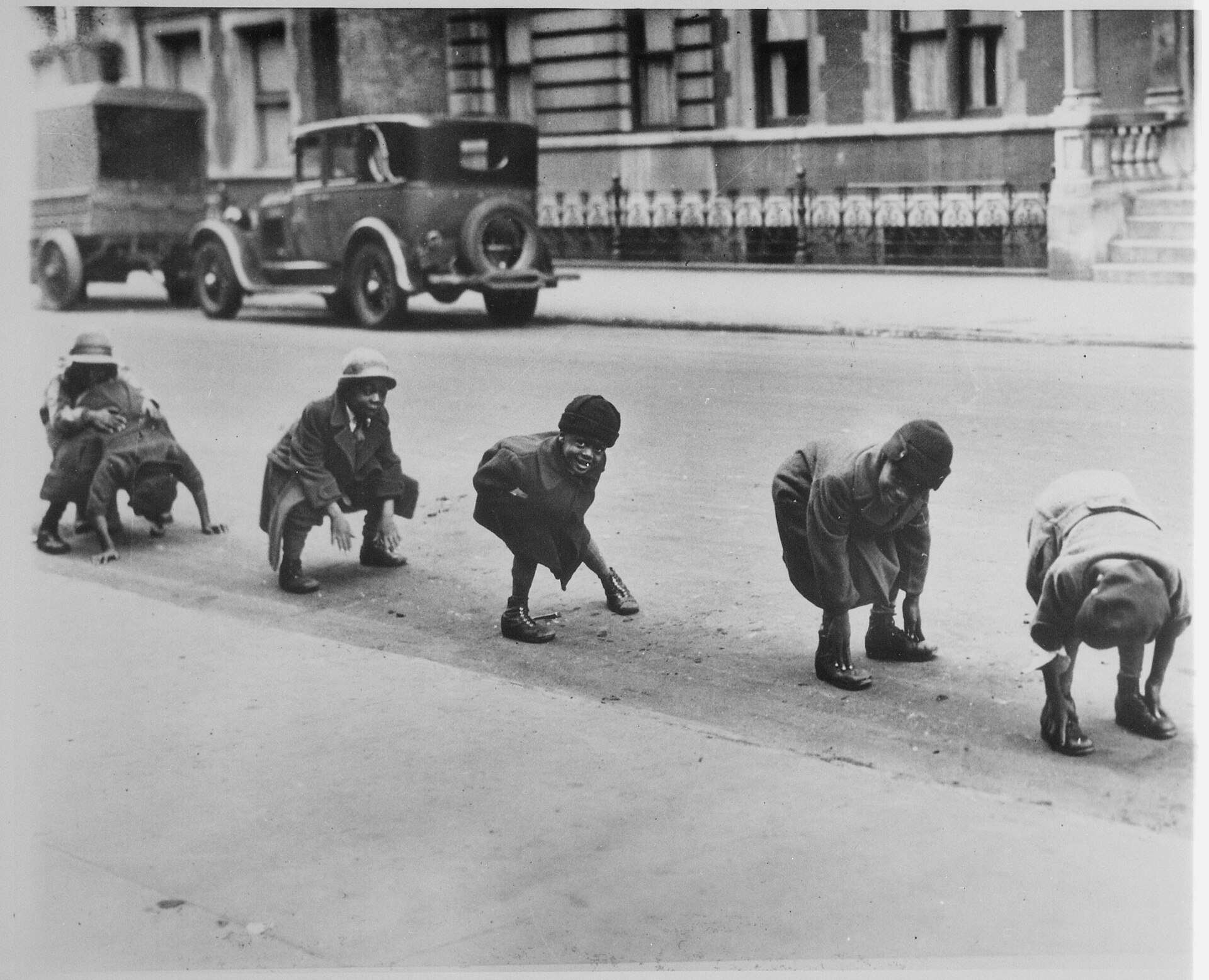
Growing up in the 1970s meant a childhood lived outdoors, in person, and largely free from adult supervision, a world of bikes, forts, pickup games, and hose water that feels almost mythical today. It was shaped by what didn’t exist as much as what did: no internet, no cell phones, no endless screens, just open afternoons and a neighborhood full of friends. That freedom came with skinned knees and the occasional adventure gone sideways, but it also fostered independence, creativity, and resilience. For those who lived it, the after-school hours of a seventies childhood remain among their warmest memories, a reminder of a simpler time when the streetlights coming on were the only clock that mattered.
Like our content? Follow us for more.