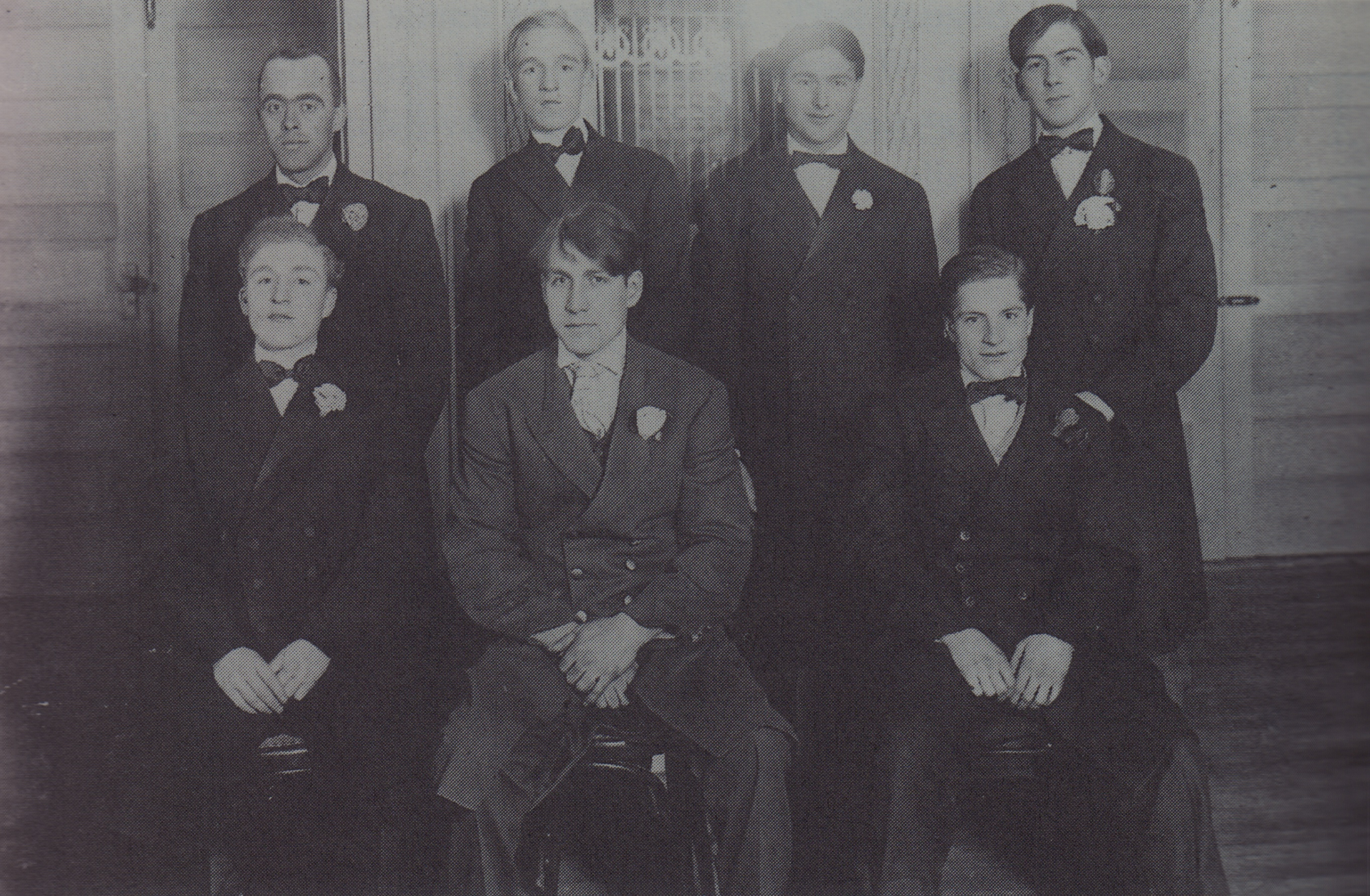
Before self-service seating and app-based tickets became standard, a trip to the movies meant handing your ticket to an usher, a uniformed staff member whose job was part guide, part enforcer, and part quiet ambassador for the whole theater experience. Ushers managed everything from seating to spilled popcorn, all while working in near-total darkness for hours at a stretch. Here are eleven things every American movie theater usher did decades ago, counted down one by one.
1. Wore a Formal, Often Elaborate Uniform
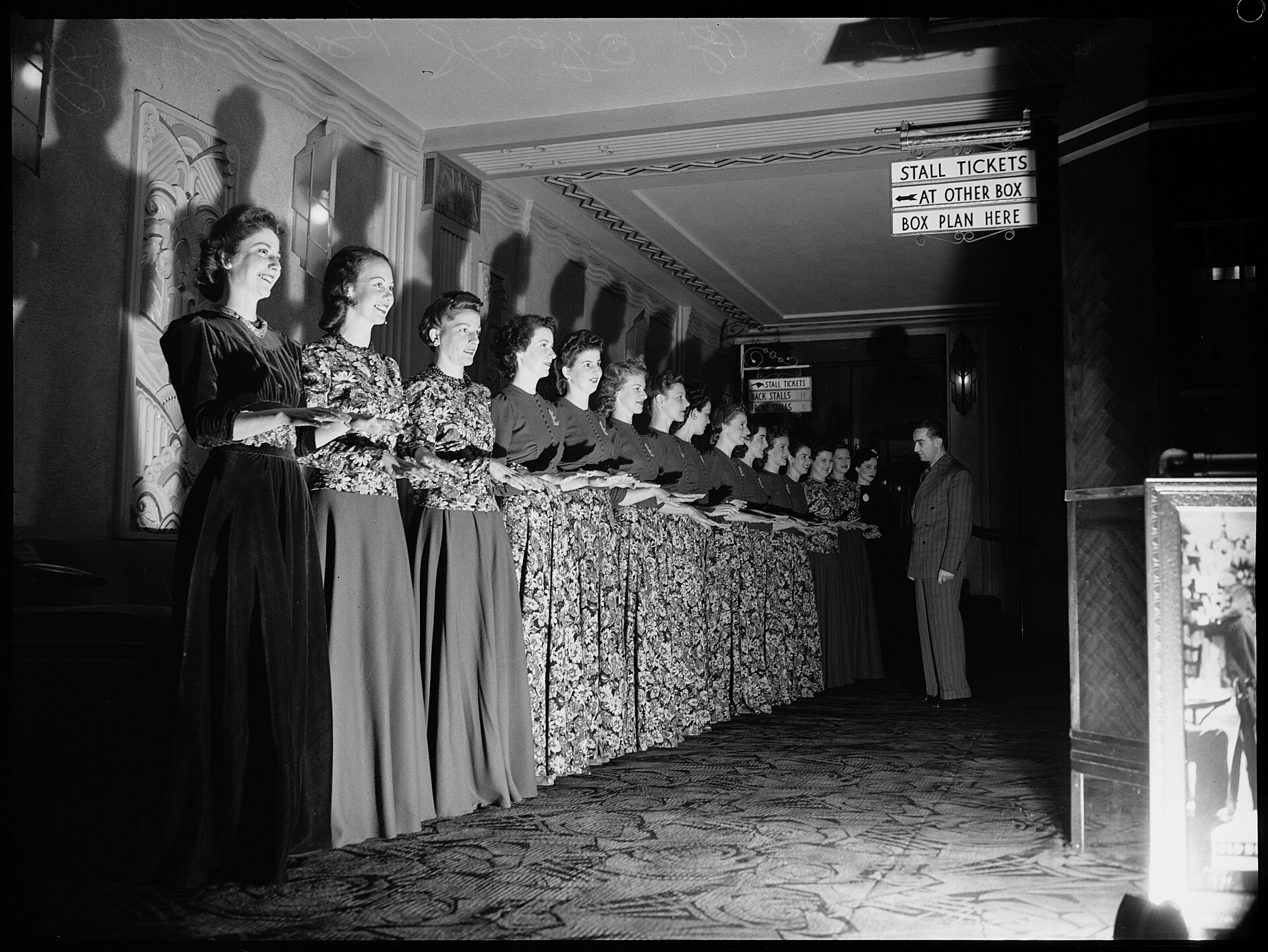
Theater uniforms ranged from simple vests to ornate jackets. The outfit set a tone of professionalism.
Depending on the theater, ushers wore anything from a simple vest and bow tie to an elaborate, almost military-style jacket with gold buttons, an outfit meant to convey professionalism and match the grandeur of many classic movie palaces. Wearing a formal, often elaborate uniform is a defining visual signature of the movie theater usher, the polished appearance that made staff instantly recognizable and reinforced the sense of occasion that going to the movies once carried.
Like our content? Follow us for more.
2. Tore Ticket Stubs by Hand
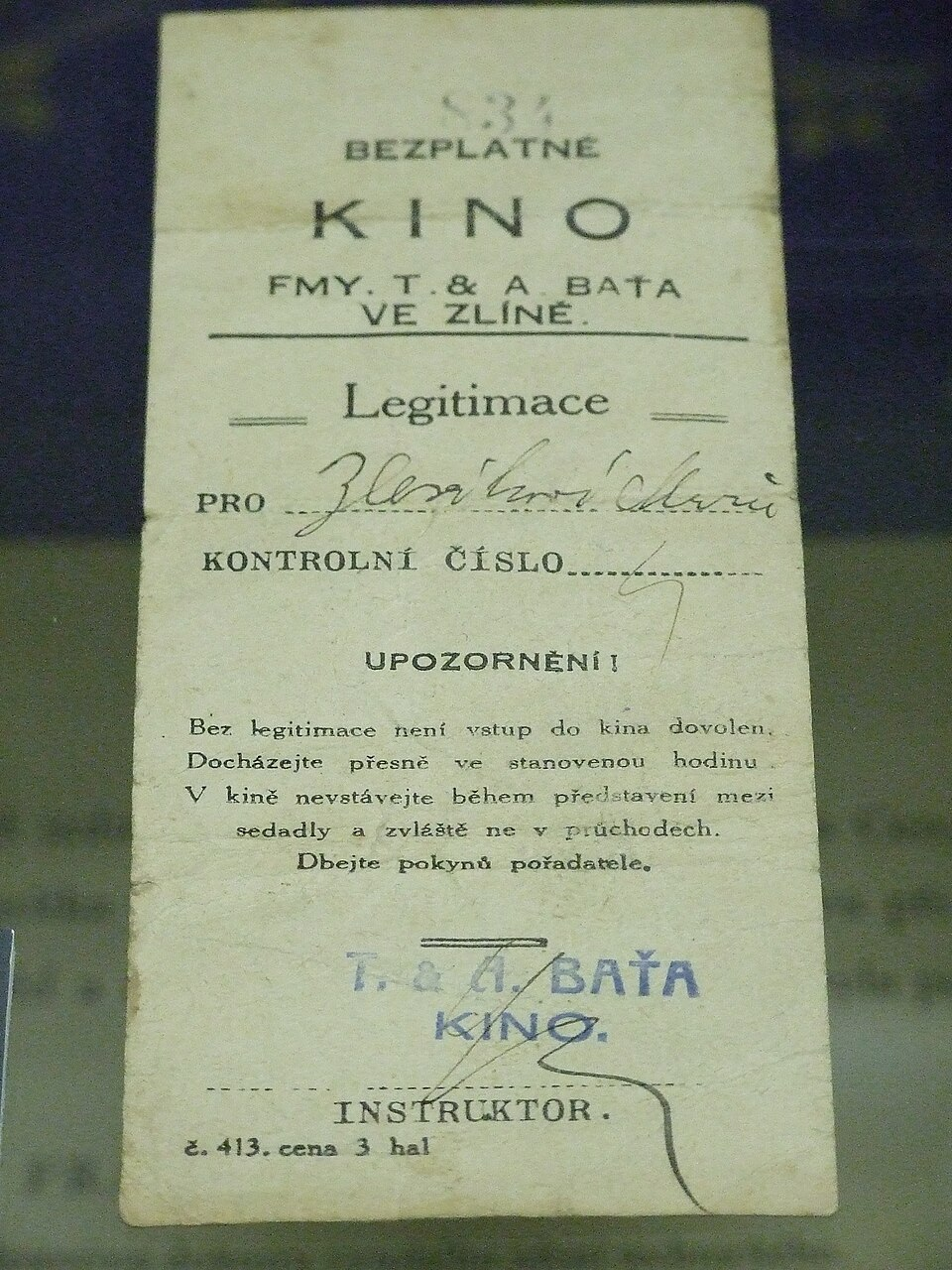
Every ticket was physically torn upon entry. It was a small but essential part of the ritual.
At the theater entrance, an usher tore each paper ticket by hand, keeping half and returning the stub to the moviegoer, a small but essential ritual that marked the official start of the movie experience. Tearing ticket stubs by hand is a classic usher task, the simple, repetitive motion performed thousands of times a week that formally welcomed each patron into the darkened theater beyond.
3. Guided Patrons to Seats With a Flashlight
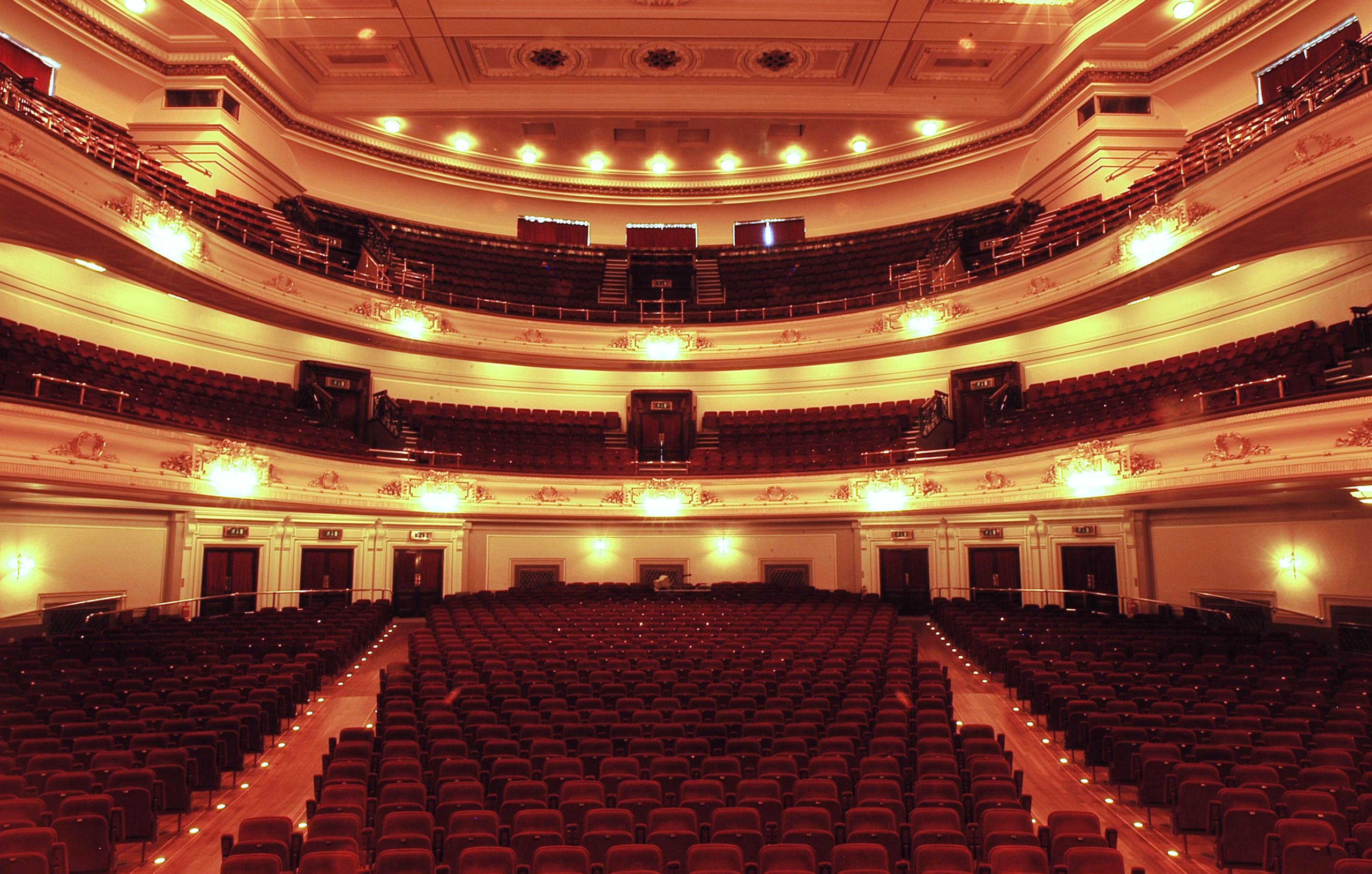
A small handheld flashlight helped guide moviegoers in the dark. It was an essential tool once the film had started.
Once a film had already started and the theater was fully dark, an usher used a small handheld flashlight, angled carefully downward, to guide latecomers safely to open seats without disturbing the rest of the audience. Guiding patrons to seats with a flashlight is one of the most iconic images associated with the job, the small beam of light that discreetly and efficiently solved the genuine challenge of seating people in a completely darkened room.
4. Enforced No-Talking and No-Feet-Up Rules
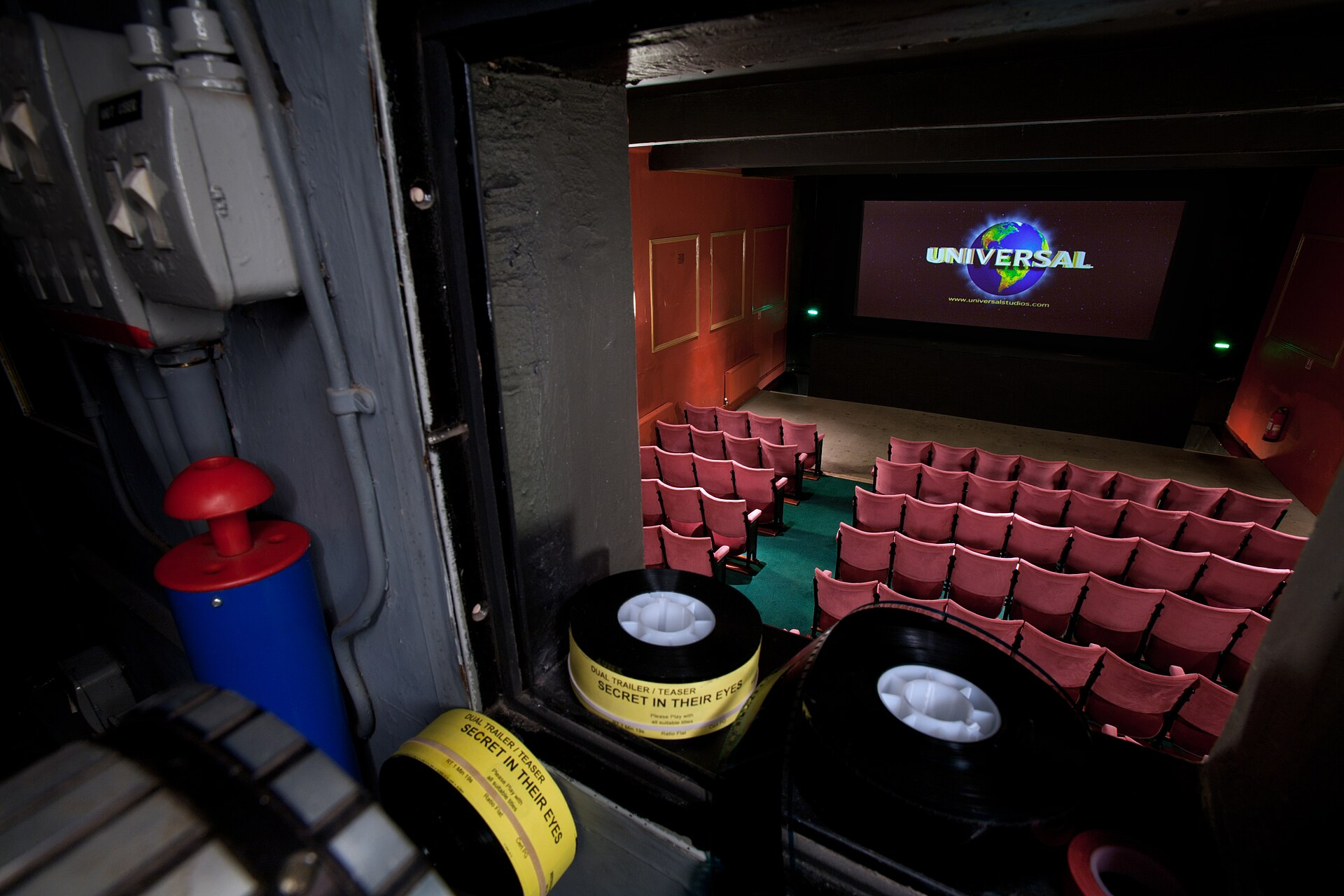
Ushers patrolled the aisles for disruptive behavior. Maintaining a quiet, respectful theater was a core responsibility.
Part of the usher’s job involved regularly patrolling the aisles during a screening, gently but firmly enforcing rules against talking, putting feet up on seats, or other behavior that might disturb fellow moviegoers. Enforcing no-talking and no-feet-up rules reflects the genuine authority ushers held within the theater, a responsibility for maintaining order and a respectful atmosphere that most patrons appreciated, even if being personally corrected felt momentarily embarrassing.
5. Cleaned Up Spilled Popcorn and Drinks

Messes happened constantly in a dark, crowded theater. Ushers handled cleanup between and during showings.
Spilled popcorn, dropped candy, and knocked-over drinks were a constant, if minor, hazard in a crowded, dark theater, and ushers were responsible for cleaning up these messes both during and between showings to keep the space presentable. Cleaning up spilled popcorn and drinks is a practical, unglamorous part of the job, the behind-the-scenes maintenance work that kept the theater looking respectable despite hundreds of moviegoers passing through every single day.
6. Managed the Line for Sold-Out Showings
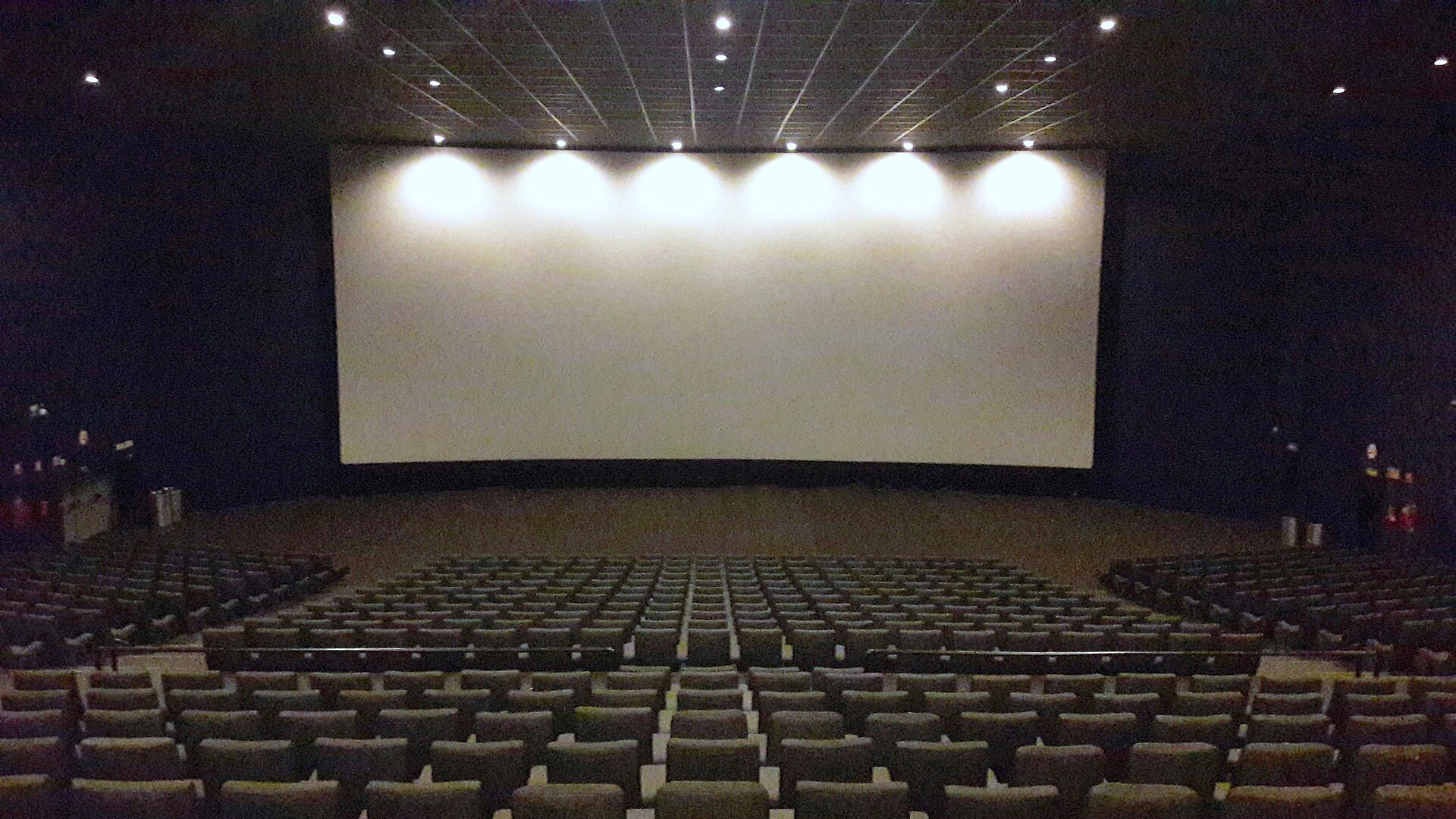
Popular films drew crowds requiring careful crowd control. Ushers organized waiting patrons into orderly lines.
For a particularly popular film, ushers helped manage a long line of eager patrons waiting for the next available showing, organizing the crowd into an orderly queue and communicating clearly about wait times and available seating. Managing the line for sold-out showings reflects a genuine crowd-control responsibility, the organizational skill required to keep a large, excited group of moviegoers patient and orderly ahead of a hotly anticipated film.
7. Checked IDs for Restricted Films
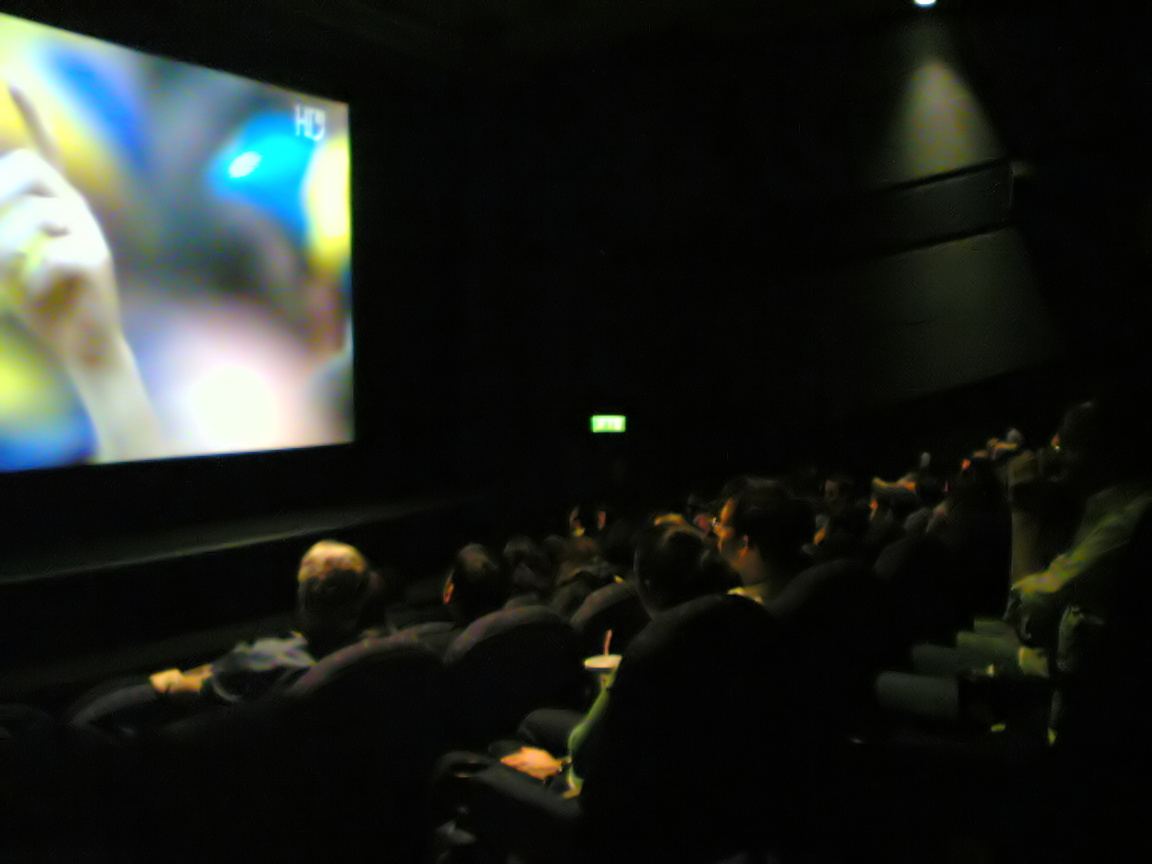
Age-restricted movies required verification at the door. Ushers handled this responsibility carefully.
For films with age restrictions, ushers were responsible for checking identification at the theater entrance, a responsibility that required both firmness and tact when dealing with underage patrons hoping to sneak into a restricted screening. Checking IDs for restricted films added a genuine gatekeeping responsibility to the job, one that required ushers to enforce theater and industry policy consistently, even when it meant turning away a disappointed customer.
8. Helped Locate Lost Items in the Dark
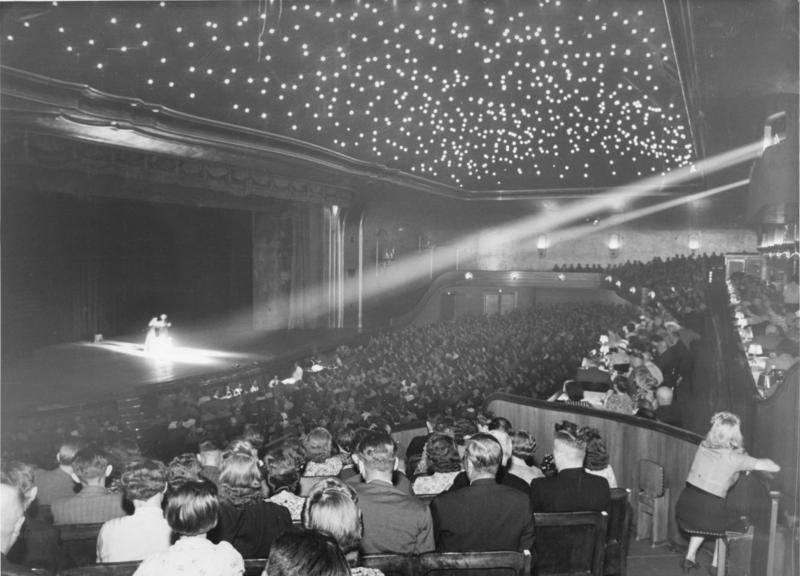
Dropped keys or glasses were a common occurrence. Ushers assisted patrons searching in low light.
When a patron dropped keys, glasses, or another item in the darkness of the theater, an usher often assisted with the search, using a flashlight to methodically scan the floor beneath rows of seats. Helping locate lost items in the dark is a small but genuinely appreciated service ushers provided, a bit of practical assistance that turned a frustrating moment into a manageable one for grateful moviegoers.
9. Announced Showtimes and Theater Numbers
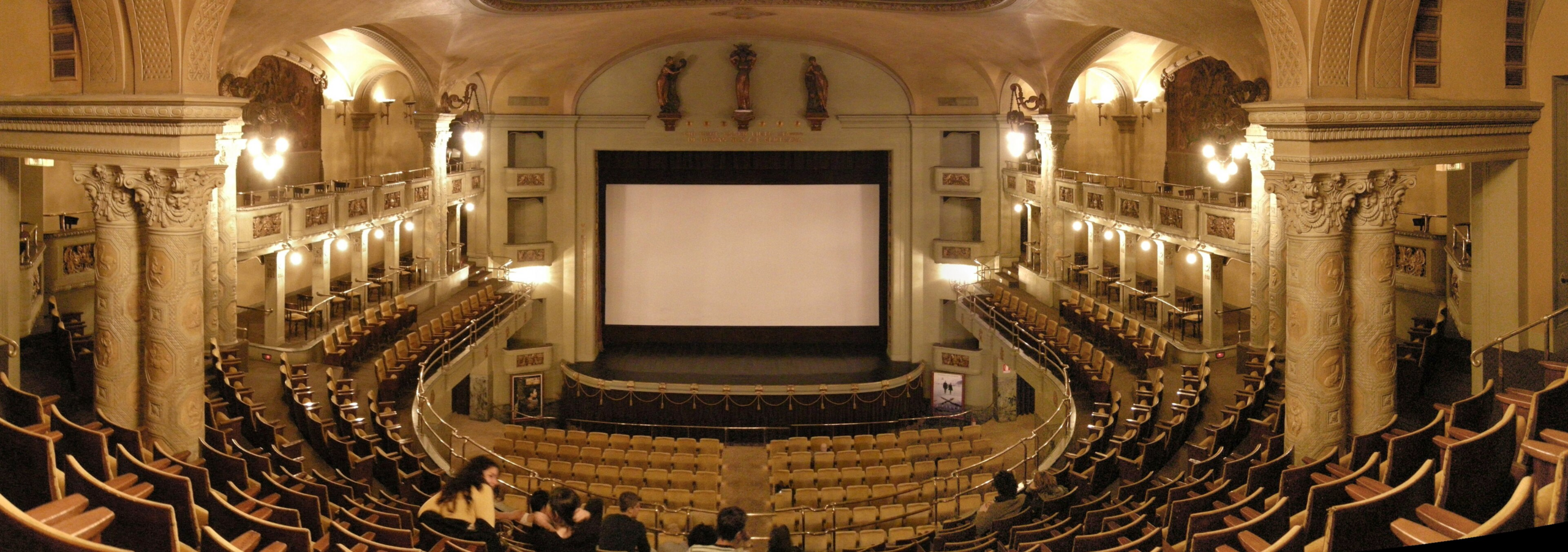
Multiplex theaters required clear directional guidance. Ushers helped patrons find the correct screening room.
As multiplex theaters with several screening rooms became common, ushers took on the added task of clearly directing patrons to the correct theater number and confirming showtimes, preventing confused moviegoers from wandering into the wrong film entirely. Announcing showtimes and theater numbers reflects an evolving part of the job as theaters grew larger and more complex, requiring ushers to serve as knowledgeable navigators within an increasingly sprawling building.
10. Worked Long Shifts Standing in Near Darkness
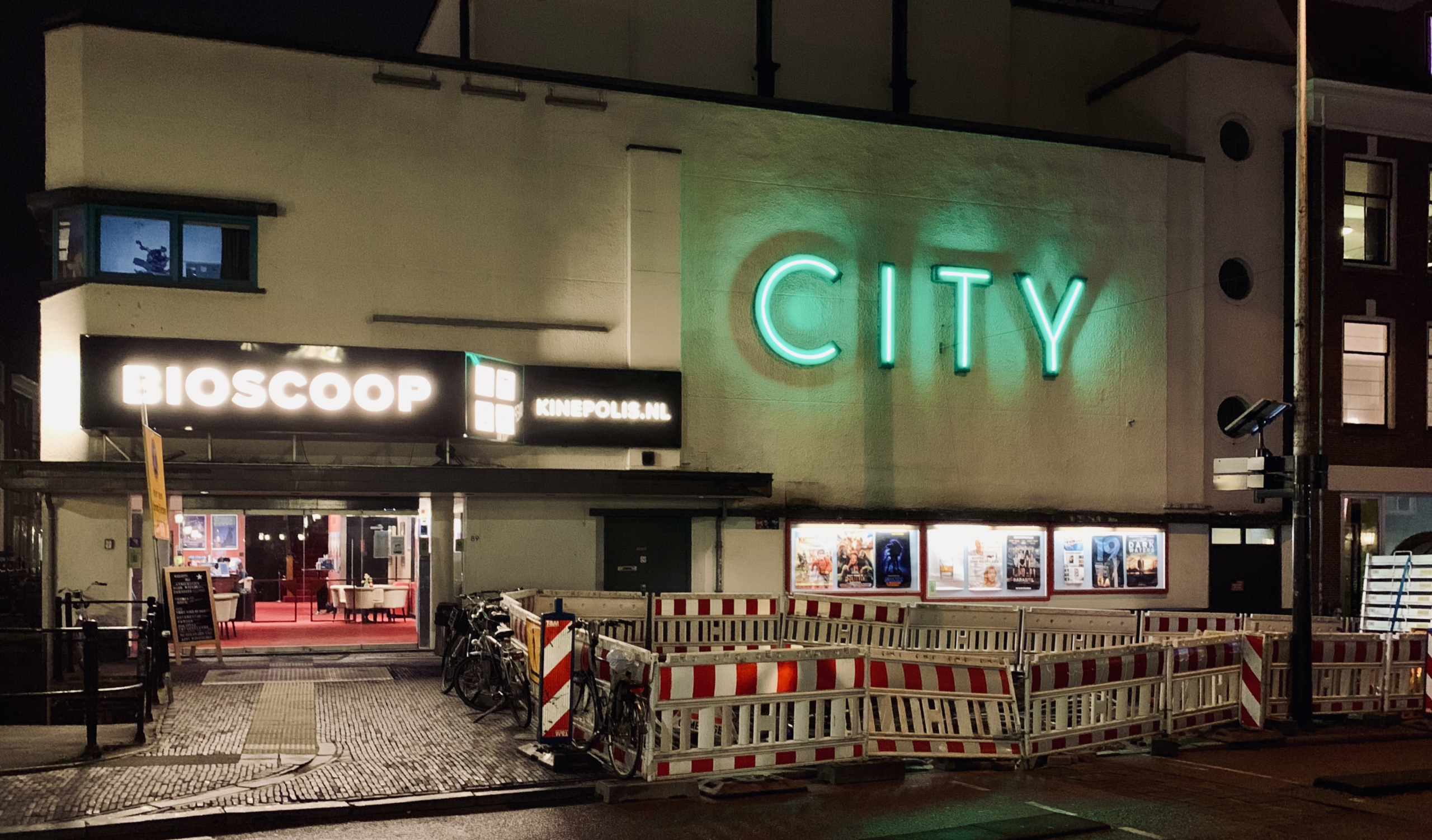
The job required standing for hours in dim lighting. It was physically demanding in ways moviegoers rarely considered.
An usher’s shift often meant standing for hours at a stretch in the theater’s dim lighting, alert and ready to assist at any moment despite the physically demanding, repetitive nature of the work. Working long shifts standing in near darkness reflects a genuinely tiring aspect of the job rarely considered by moviegoers simply enjoying a film, the sustained physical endurance required to remain attentive throughout an entire evening of back-to-back showings.
11. Took Pride in a Smoothly Run Theater
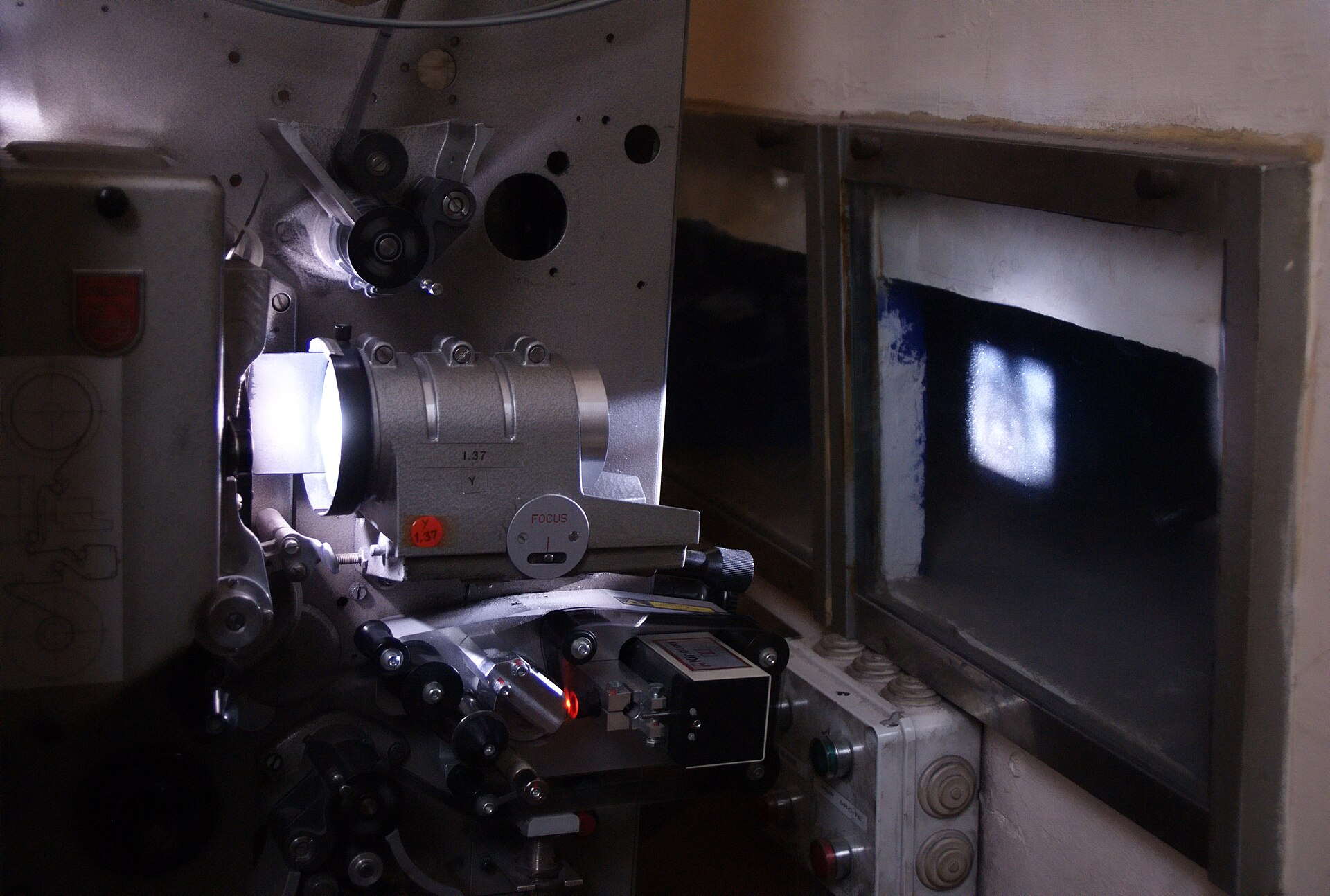
A well-managed screening reflected the usher’s quiet competence. Professional pride came from an orderly, pleasant experience.
At the end of a shift, an usher took genuine, if quiet, pride in a smoothly run theater, patrons seated efficiently, disruptions handled discreetly, and the whole moviegoing experience feeling pleasant and well-organized from start to finish. Taking pride in a smoothly run theater is the heart of the usher’s professional ethic, the behind-the-scenes competence that made an entire evening at the movies feel effortless for the patrons who rarely noticed just how much work went into it.
The Quiet Guardian of the Theater
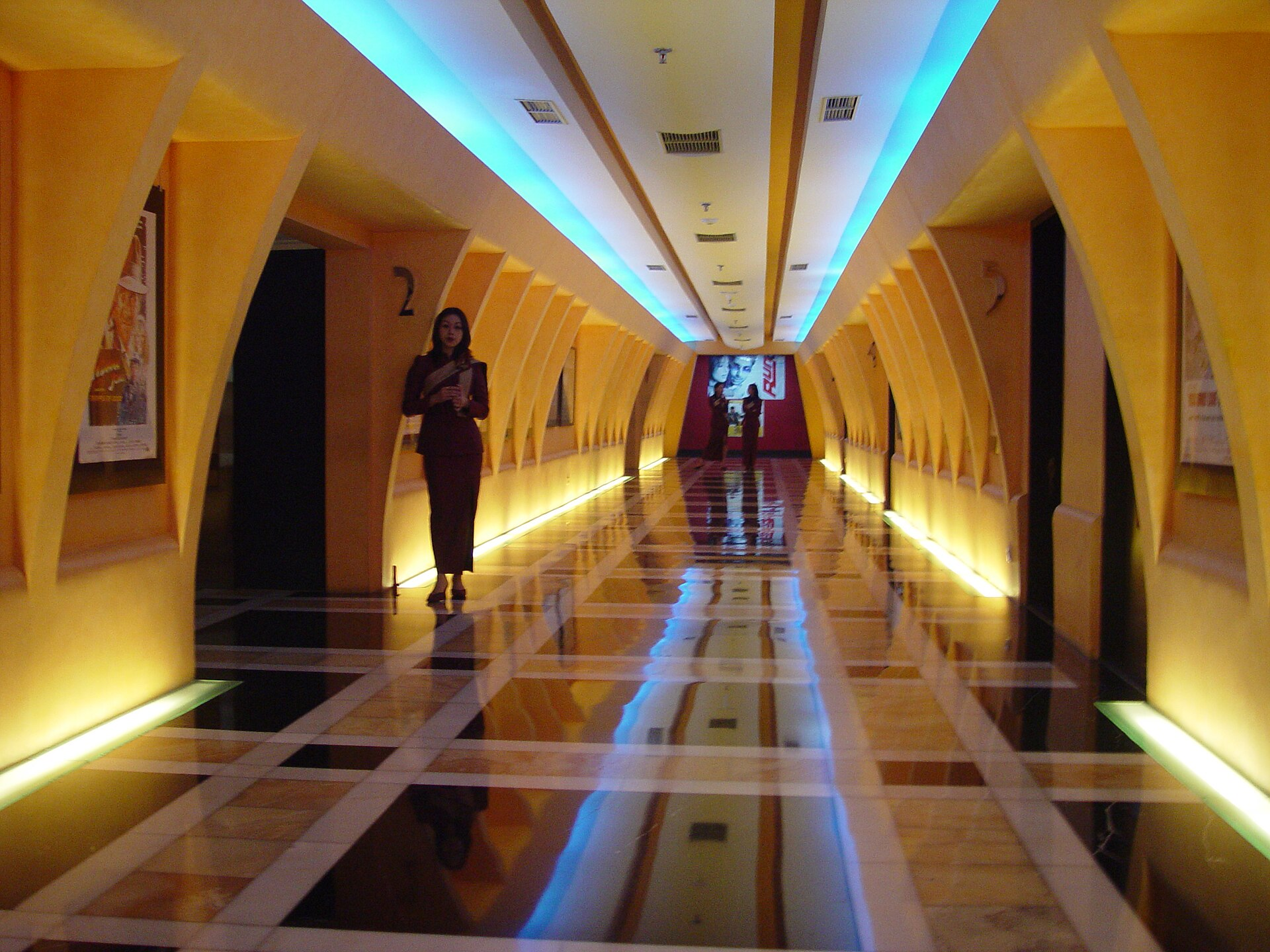
Taken together, these eleven things capture the world of the American movie theater usher, from the formal uniform and the flashlight-guided seating to the crowd management and the quiet pride in a well-run screening. It was a genuinely essential job, part hospitality and part authority, that shaped the moviegoing experience for generations of American audiences.
Modern theaters have streamlined many of these traditional usher responsibilities, with assigned digital seating, self-service ticket scanning, and fewer staff dedicated purely to in-theater patrol and assistance. The changes reflect broader shifts in technology and staffing across the entertainment industry. Yet for those who remember handing a ticket to a uniformed usher, or being guided to a seat by the beam of a small flashlight, these details bring it all back: the torn ticket stub, the quiet flashlight beam, the polite but firm reminder to keep your voice down. Looking back at the work of the movie theater usher is a nostalgic tribute to a genuinely essential job that shaped the moviegoing experience for decades.
Like our content? Follow us for more.