The variable is what is fermenting and which organisms are doing it. Bacteria produce acids and a sour taste; yeasts produce gas and alcohol; most of these involve both in some proportion. Here are twelve.
1. Kombucha – East Asian Origin, Now Global
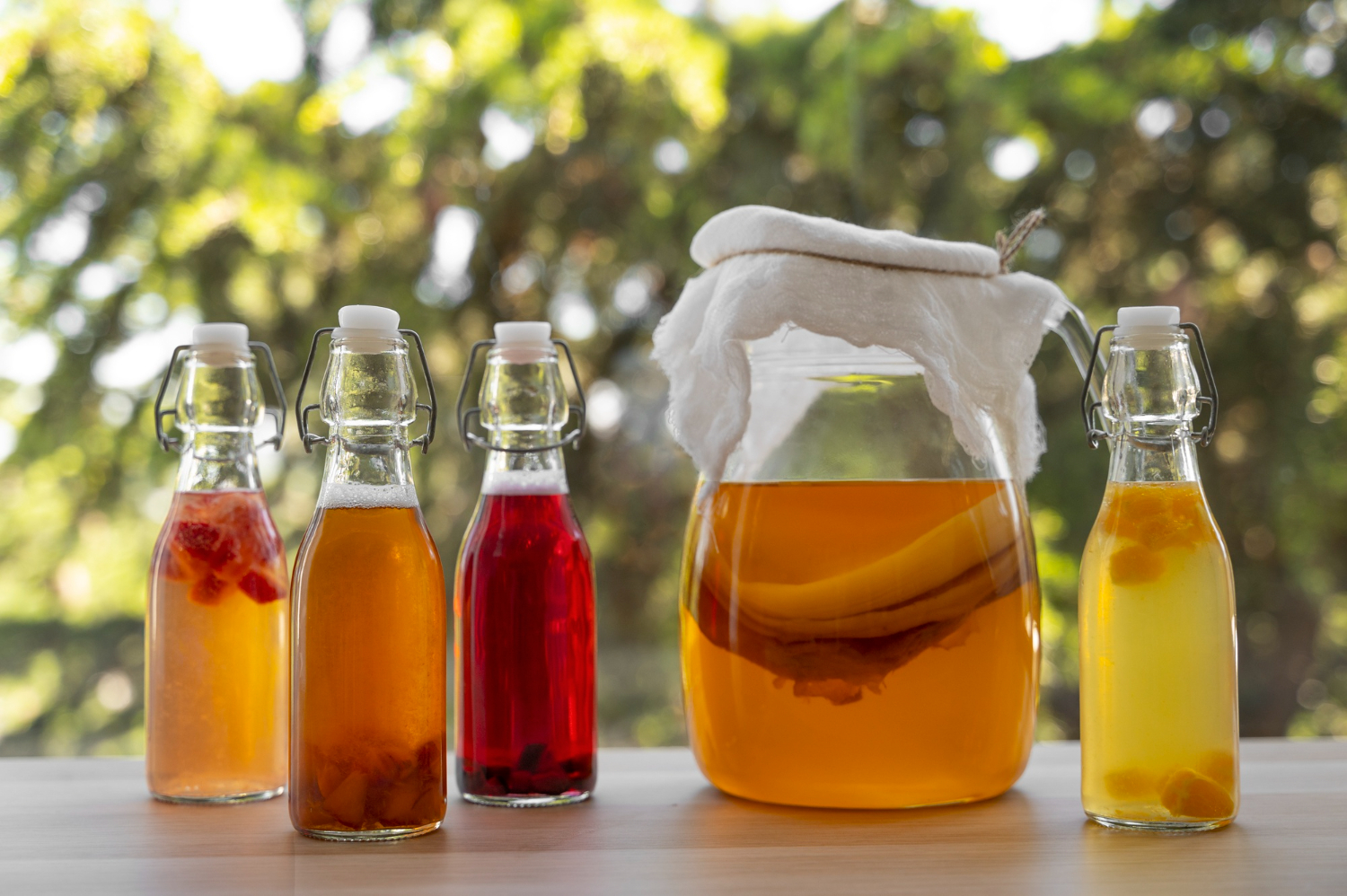
Sweetened tea fermented by a community of bacteria and yeasts that forms a visible layer on the surface, producing a mildly sour, lightly fizzy drink.
The yeasts and bacteria work in sequence, one producing what the other consumes. Kombucha is the fermented drink where the culture forms a solid disc you can lift out.
Like our content? Follow us for more.
2. Kefir – Caucasus Region
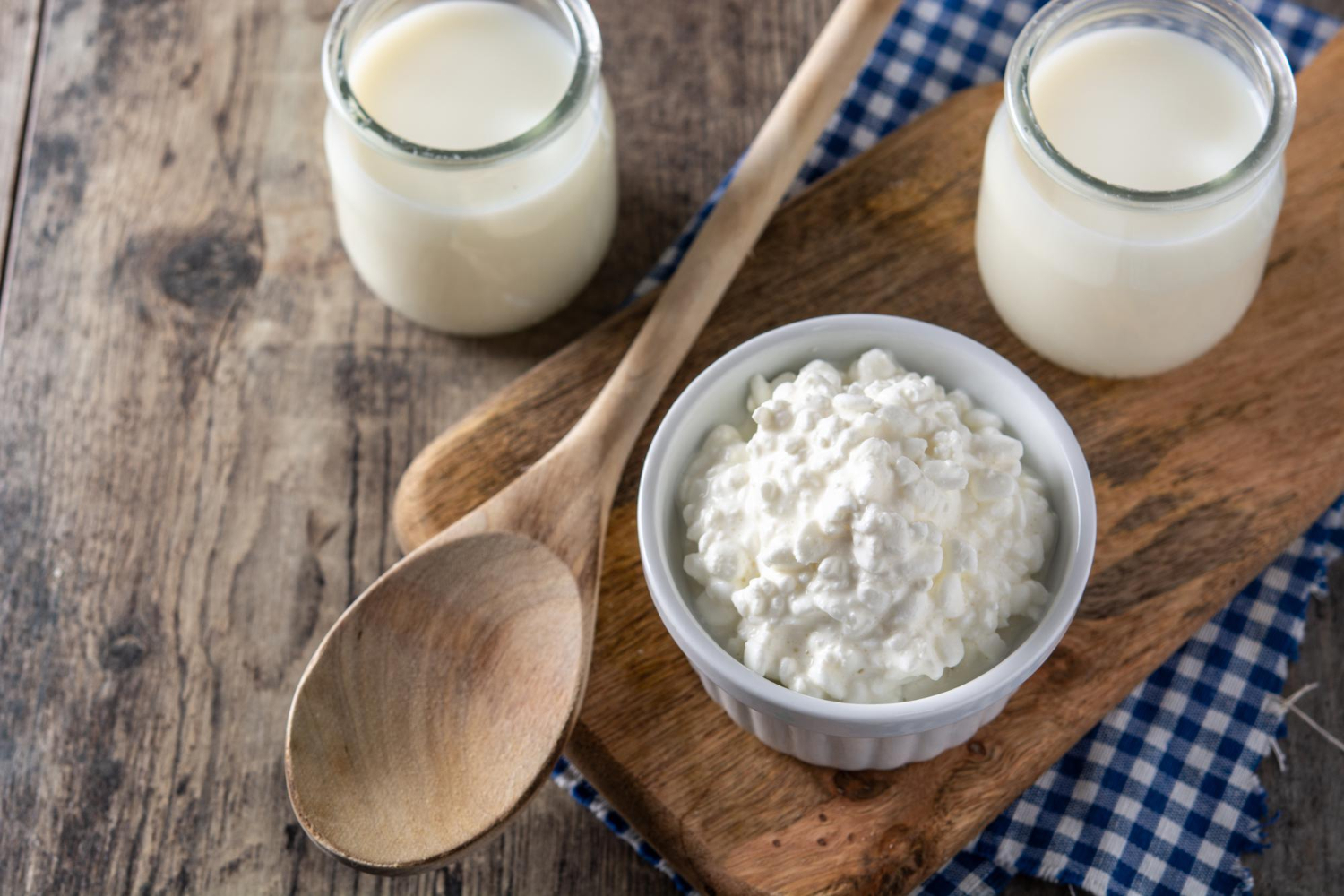
Milk fermented by clusters of bacteria and yeast that look like small cauliflower florets and are strained out and reused indefinitely.
The grains are the culture rather than a by-product, and they have been passed between households for generations. Kefir is the fermented drink whose culture is inherited rather than bought.
3. Kvass – Eastern Europe
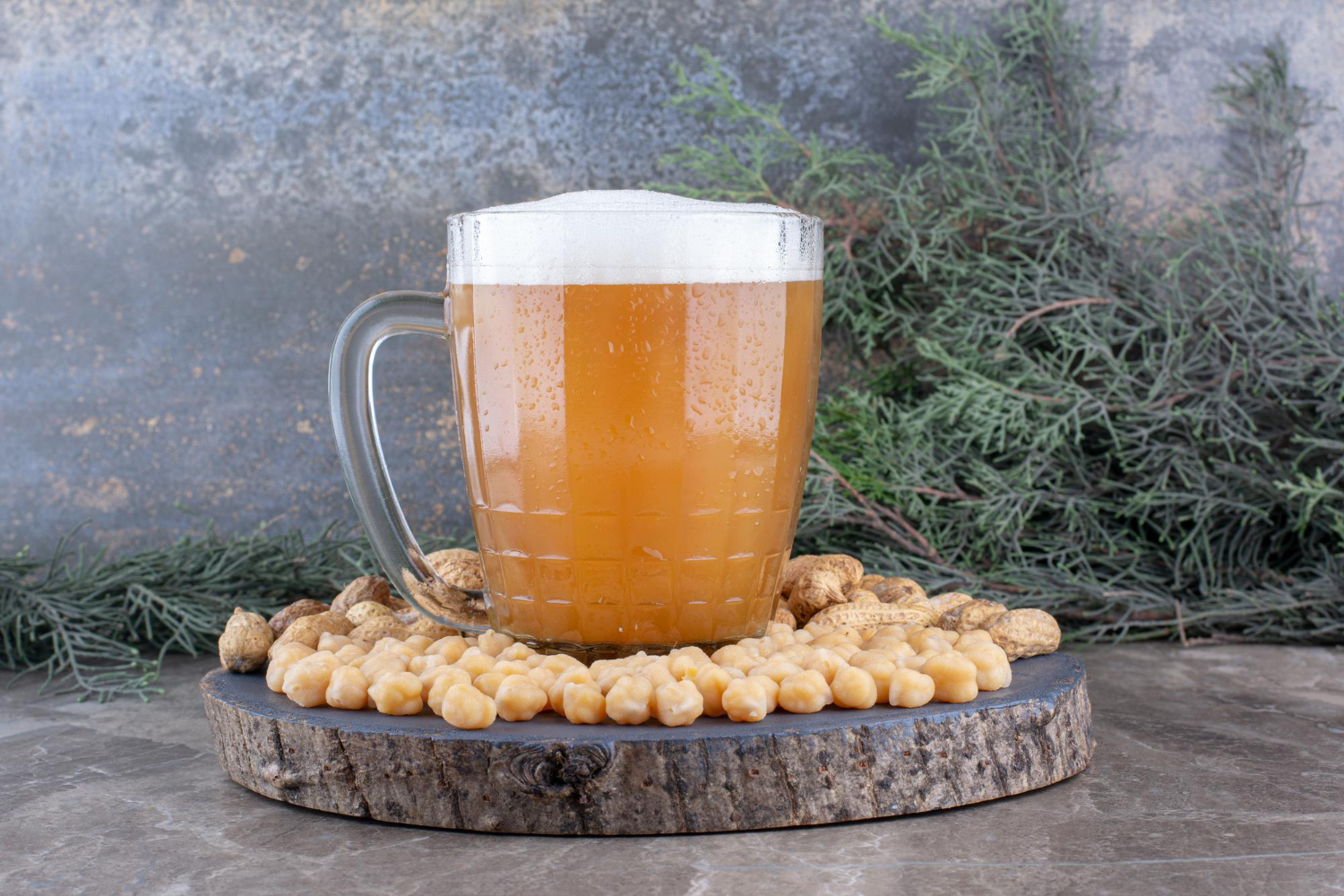
Made by fermenting stale rye bread with water and a little sugar, producing a lightly sour, barely alcoholic drink sold from street tanks in summer.
It began as a way to use bread that would otherwise be wasted. Kvass is the fermented drink invented so that stale loaves need not be thrown away.
4. Mageu – Southern Africa
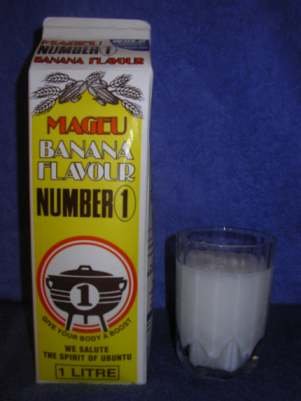
Maize porridge thinned with water and left to sour, producing a thick, filling, mildly tart drink consumed as much for sustenance as refreshment.
It sits somewhere between a drink and a meal, which is the point. Mageu is the fermented drink that functions as food.
5. Tepache – Mexico
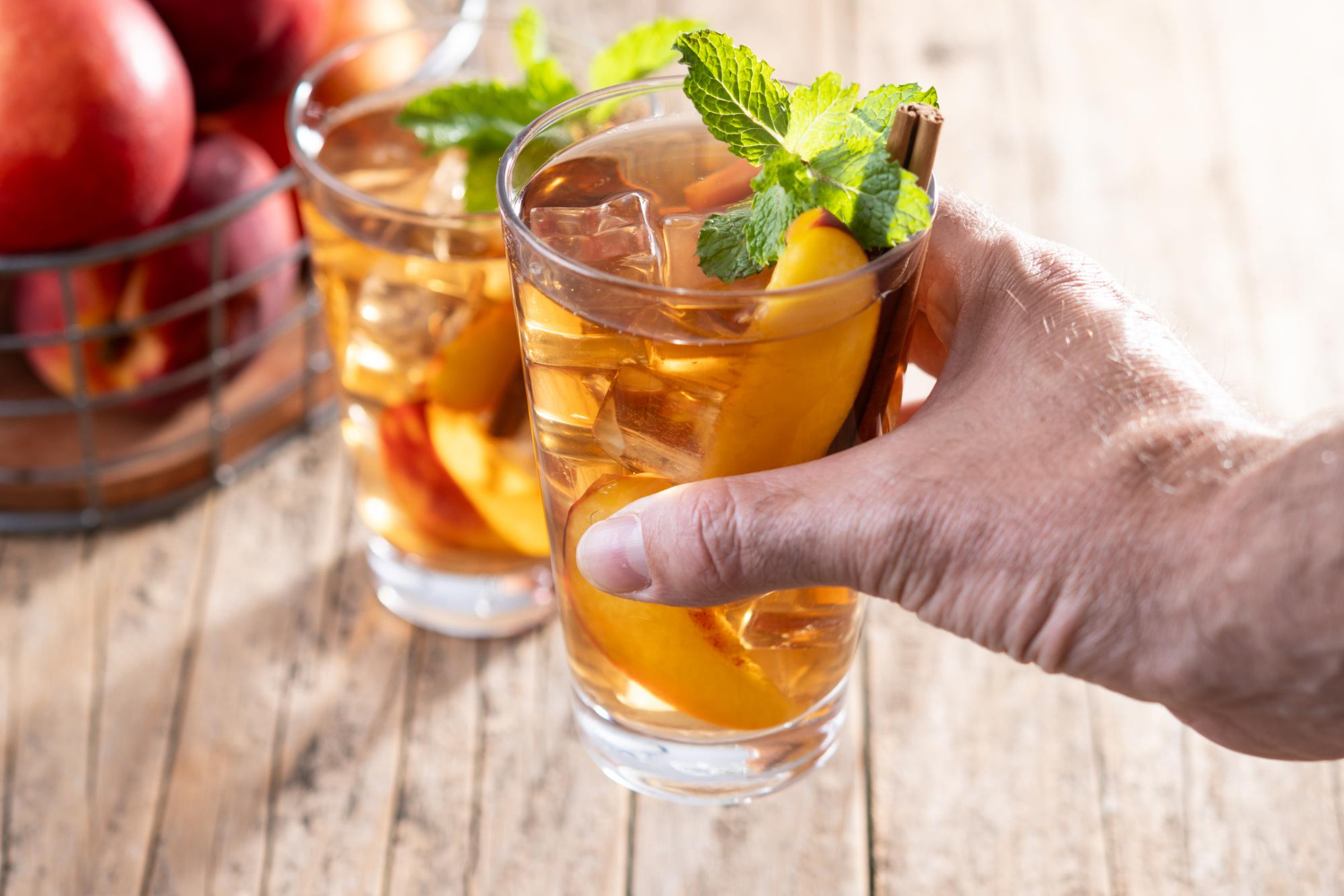
Pineapple rind and core fermented with unrefined sugar and spices for a short period, producing a light, fizzy, faintly sour drink.
It uses the parts of the fruit that would otherwise be discarded. Tepache is the fermented drink made entirely from peelings.
6. Amazake – Japan
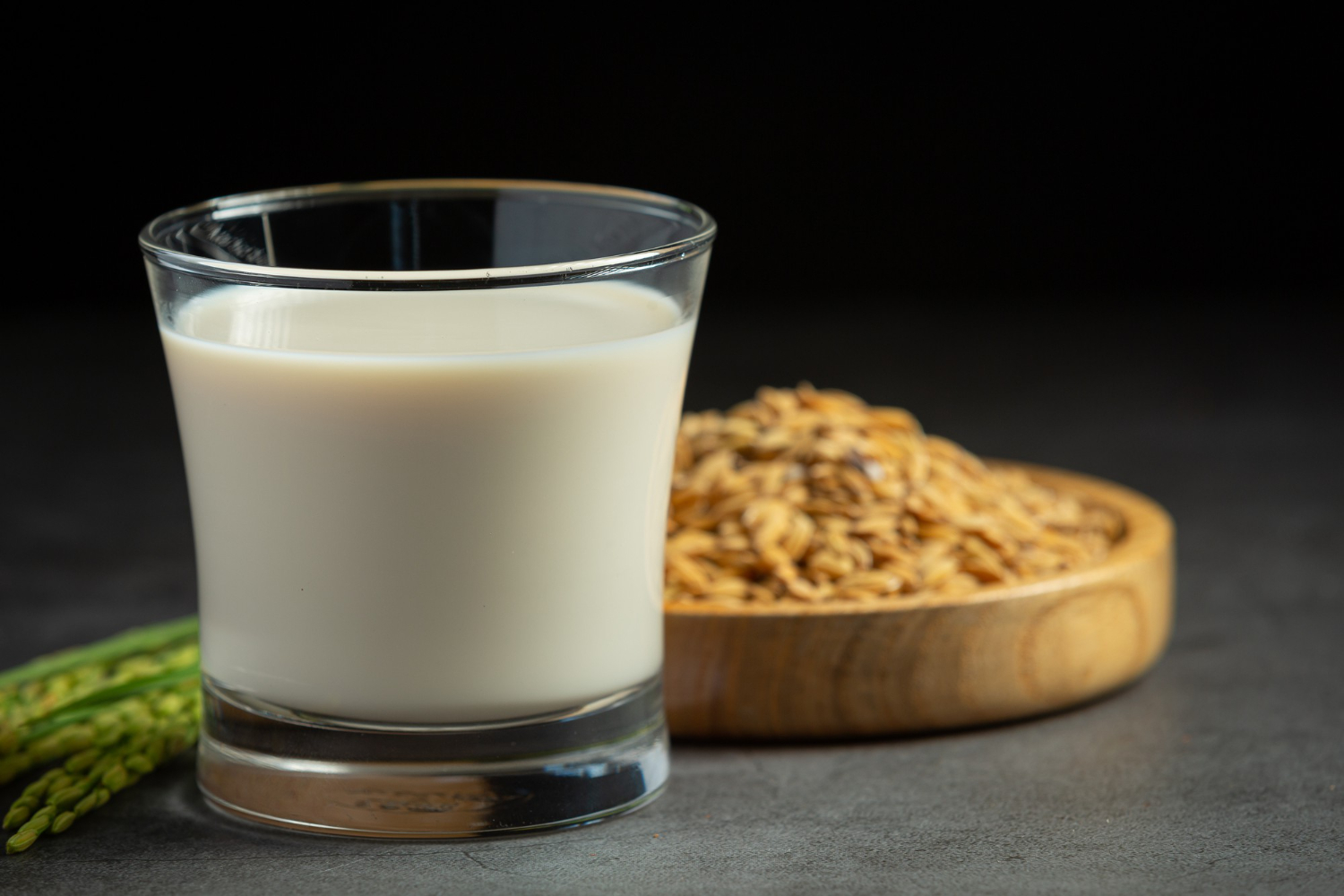
Rice fermented with a cultivated mould that converts starch into sugar, producing a thick, sweet, traditionally non-alcoholic drink served warm.
The sweetness comes entirely from the conversion rather than from added sugar. Amazake is the fermented drink that becomes sweet rather than sour.
7. Boza – Balkans and Anatolia
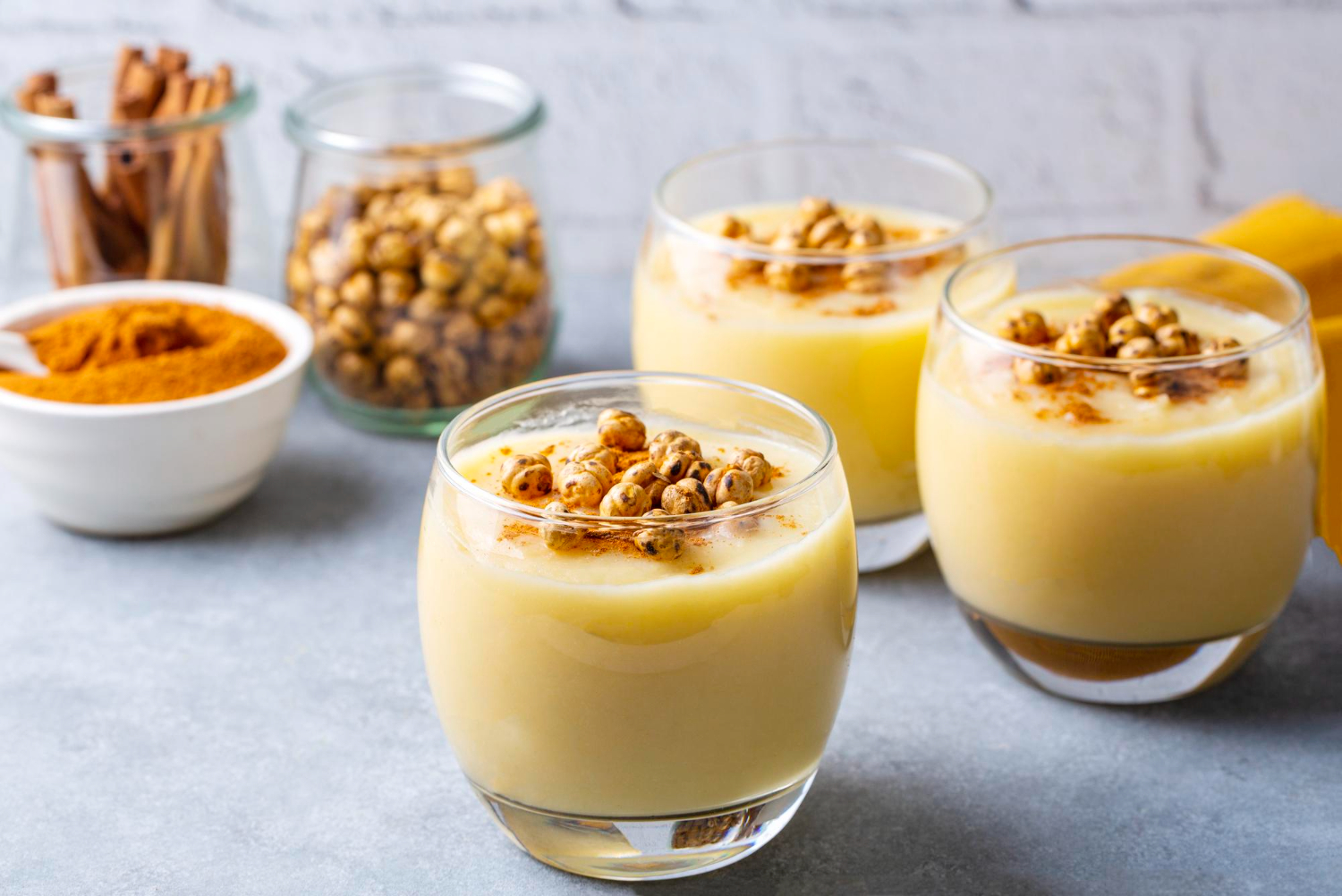
A thick fermented grain drink, mildly sweet and slightly sour, traditionally sold in winter and topped with roasted chickpeas or cinnamon.
It has been made for centuries and is strongly associated with particular cities. Boza is the fermented drink served with something crunchy on top.
8. Lassi and Fermented Dairy Drinks – South Asia
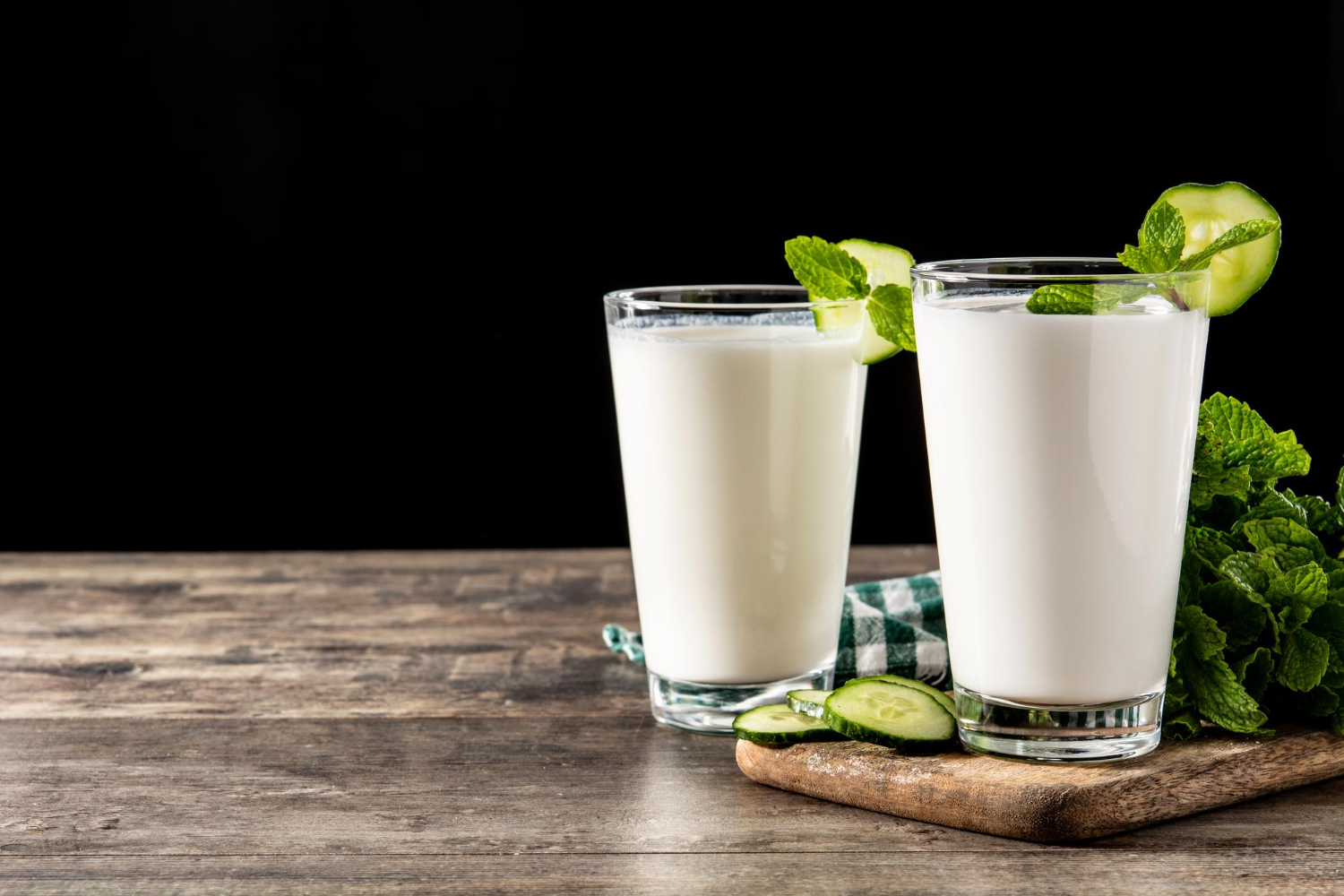
Yoghurt thinned with water and seasoned either sweet or salty, with the fermentation having happened in the yoghurt stage.
The salty version with cumin is the traditional everyday one rather than the sweet fruit versions better known abroad. Lassi is the fermented drink whose savoury form is the original.
9. Ayran, Doogh and the Salted Yoghurt Drinks – Turkey, Iran and Beyond
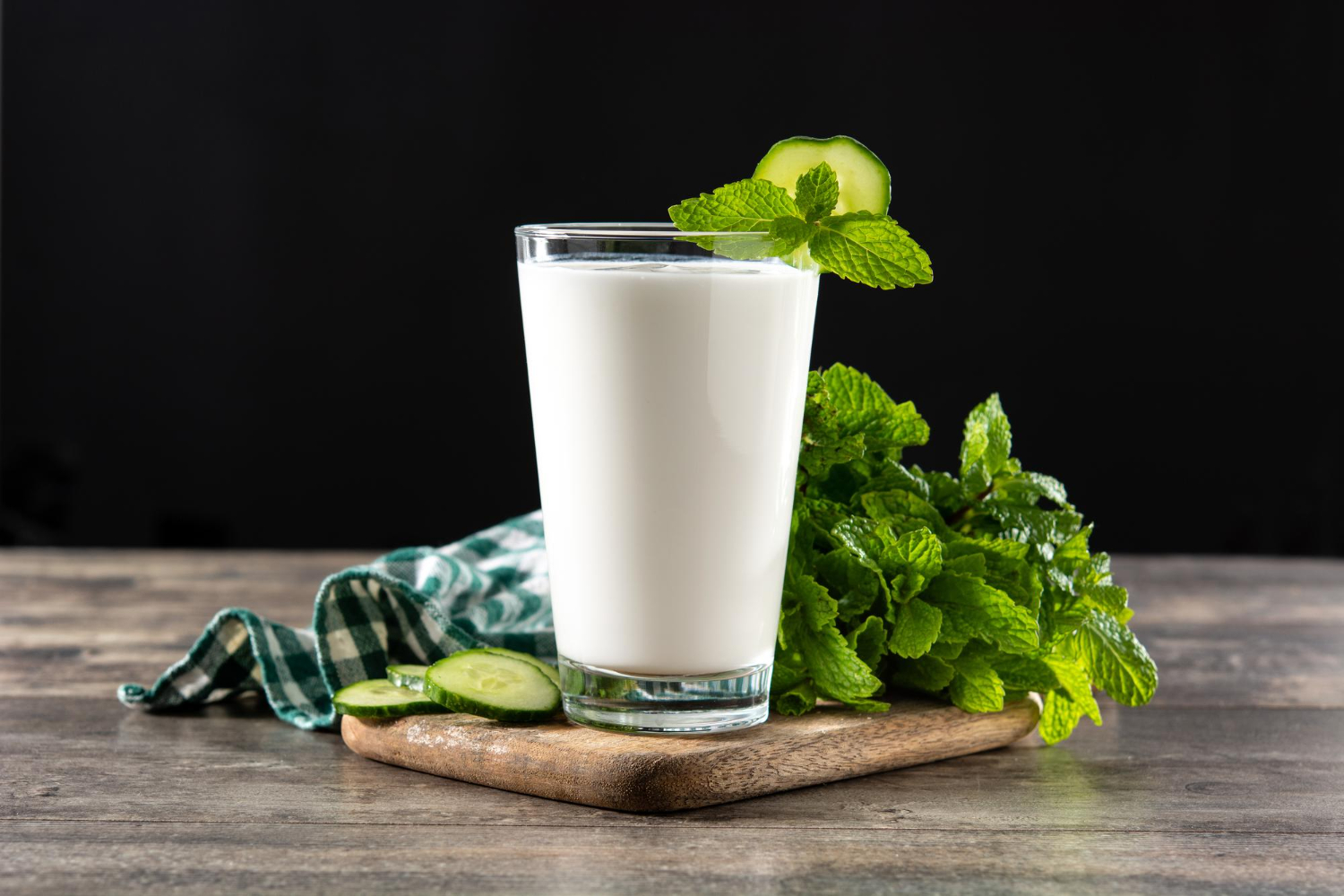
Yoghurt, water and salt, sometimes carbonated or herbed, served cold alongside grilled and spiced food.
The salt and acidity together are why it works with rich food. Ayran is the fermented drink designed specifically to sit beside a heavy meal.
10. Rejuvelac and Grain Waters
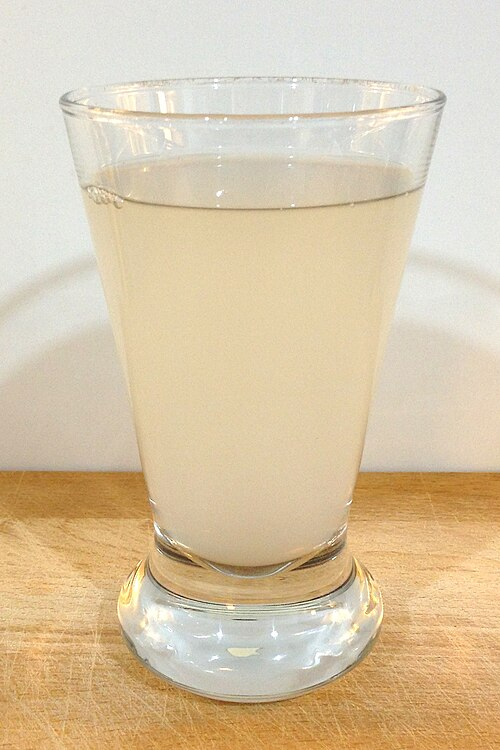
Sprouted grains steeped in water and left to ferment briefly, producing a tart liquid used in some cooking traditions and increasingly as an ingredient.
It is among the simplest fermentations there is, requiring only grain and water. Grain water is the fermented drink with the shortest ingredient list of any on this list.
11. Chicha – Andean South America
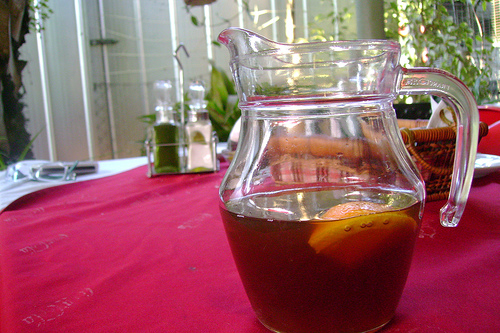
Maize-based fermented drinks with a very long history in the Andes, made in numerous regional styles and central to social and ceremonial occasions.
Some traditional methods use an enzymatic step to convert the starch before fermentation begins. Chicha is the fermented drink with the deepest ceremonial history on this list.
12. Water Kefir and the Sugar-Water Ferments
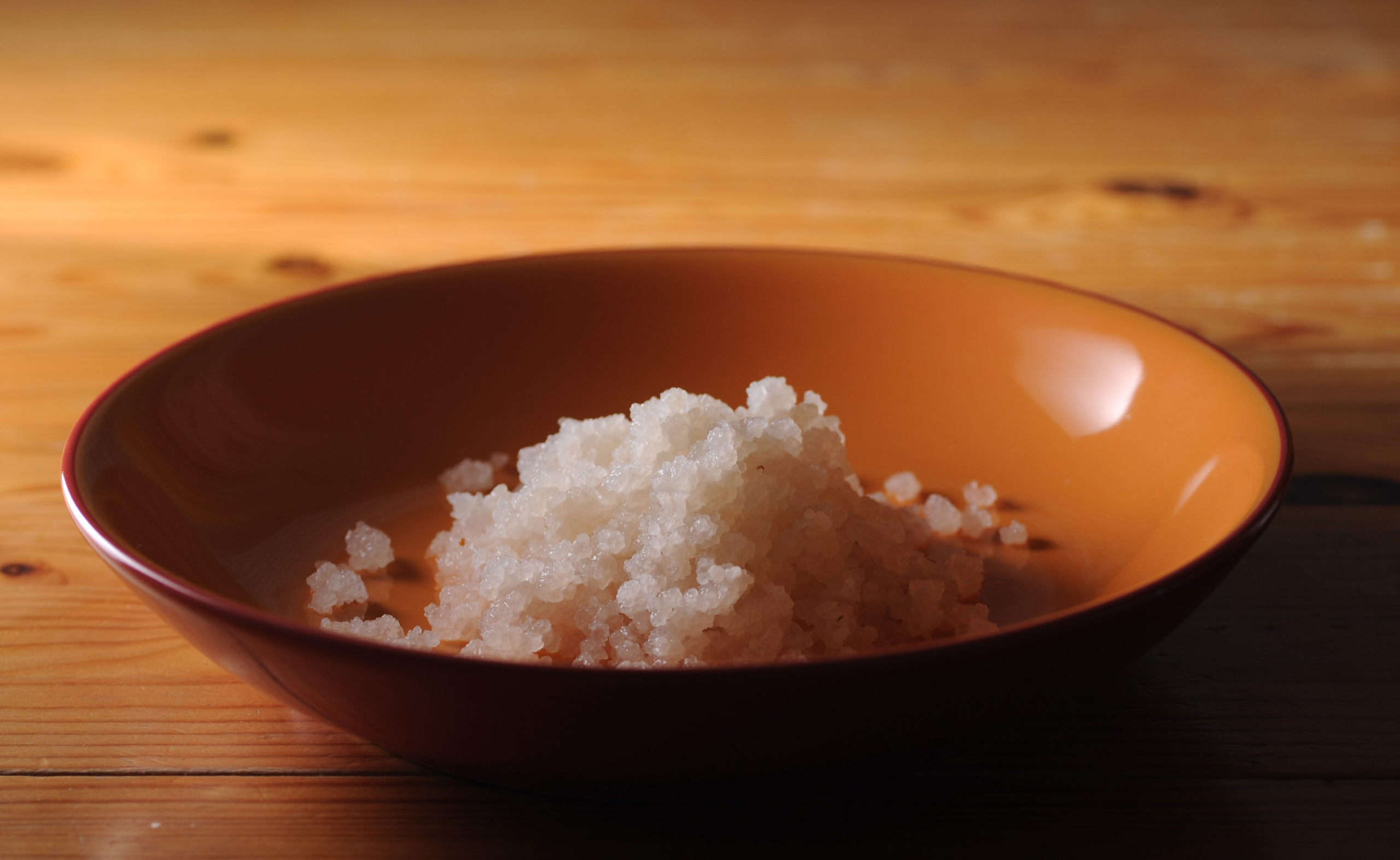
A culture fermenting sugar water rather than milk, producing a light fizzy drink and used as a dairy-free alternative to milk kefir.
The culture is similarly reusable and is passed on in the same way. Water kefir is the fermented drink that borrowed a dairy technique and removed the dairy.
Microorganisms Doing the Work
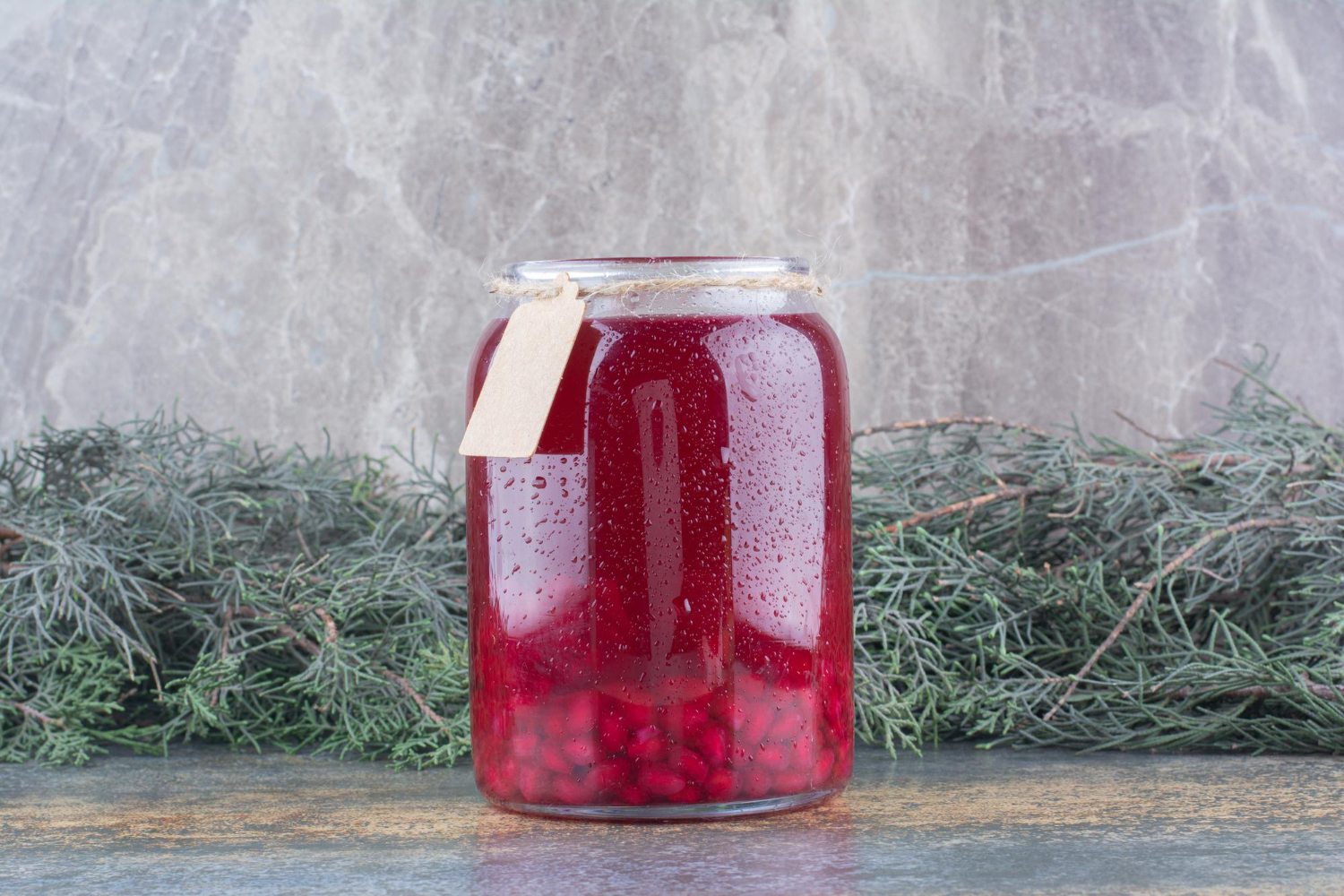
Every drink here is the same basic transaction: something sweet or starchy, a population of microorganisms, and time. What differs is the substrate, the organisms and how long anyone waits.
These are worth trying because they taste unlike anything produced by any other process – sour, funky, faintly fizzy and frequently an acquired taste. Most are sold ready-made in the regions they come from and increasingly elsewhere, which is by far the easiest way to meet them.
Like our content? Follow us for more.