In an age when almost anywhere seems a flight away, a handful of islands remain so impossibly far from everything that reaching them is an expedition in itself. These are specks of land scattered across the vast oceans, days from the nearest continent by ship, where tiny communities live in extraordinary isolation, or where no one lives at all. On the most remote inhabited island on Earth, a few hundred people share every job and may go weeks without seeing an outside face. Others are home only to penguins, seals, and the ghosts of shipwrecked sailors. Here’s a journey to some of the world’s most remote islands, the people who somehow call them home, and what makes these lonely outposts so endlessly fascinating.
A note: a few of these places can be visited by intrepid travelers, while others are effectively off-limits. Where visiting is possible, it typically requires serious planning, permits, and a tolerance for long sea voyages. Here are the loneliest islands on the planet.
Tristan da Cunha: The Most Remote of All
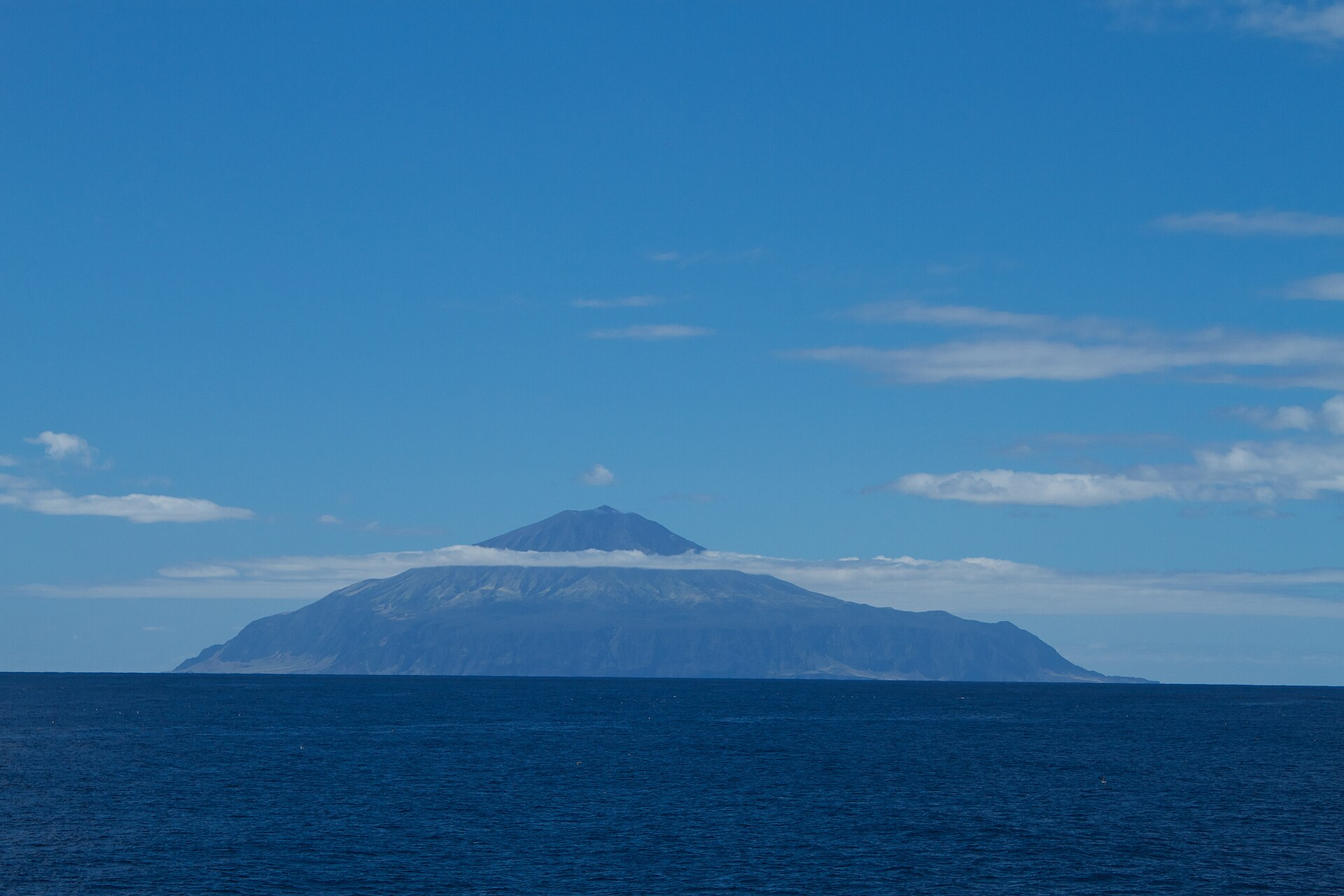
If one place earns the title of the most remote inhabited island on Earth, it’s Tristan da Cunha. This tiny volcanic island sits in the South Atlantic, roughly 1,500 miles from St. Helena, its nearest inhabited neighbor, and some 1,700 miles from South Africa, the closest continent. Around 250 people live here, in a single settlement charmingly named Edinburgh of the Seven Seas, all British Overseas Territories citizens. There is no airport; the only way in is a roughly six-day boat journey from South Africa, and visits are infrequent. The community farms, fishes, and famously shares tasks, with residents holding multiple roles out of necessity. Dominated by a cloud-wrapped volcano, Queen Mary’s Peak, and surrounded by penguins and seals, Tristan is isolation made real.
Like our content? Follow us for more.
Life on Tristan
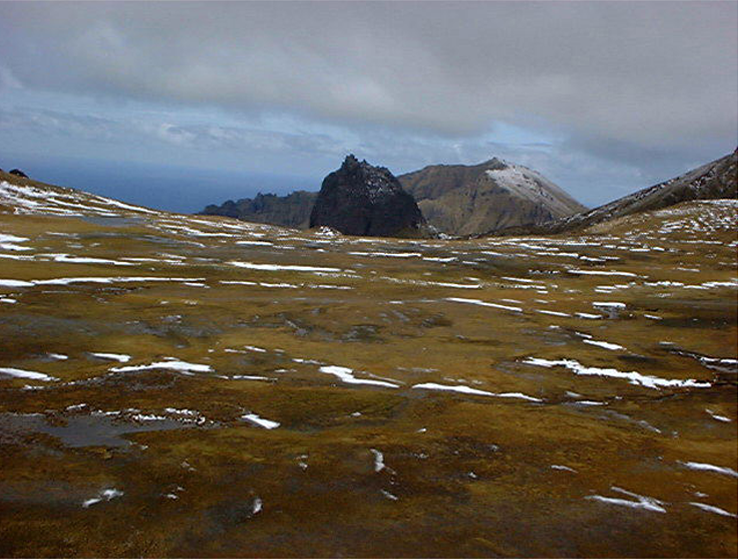
What is daily life actually like in the world’s most isolated settlement? Remarkably communal, by all accounts. With such a small population and limited resources, residents pitch in across many jobs, and the island operates almost like one extended family, with a handful of shared surnames tracing back to its original settlers. The island is also a wildlife haven: it hosts a huge share of the world’s endangered northern rockhopper penguins, along with seals and seabirds that vastly outnumber the human inhabitants. Supplies arrive by ship a limited number of times a year, so self-sufficiency is essential, and the weather can cut the island off for stretches at a time. For residents, the trade-off for such extreme remoteness is a tight-knit, peaceful community and nature on a staggering scale right outside the door.
Pitcairn Island: Home of the Bounty Mutineers
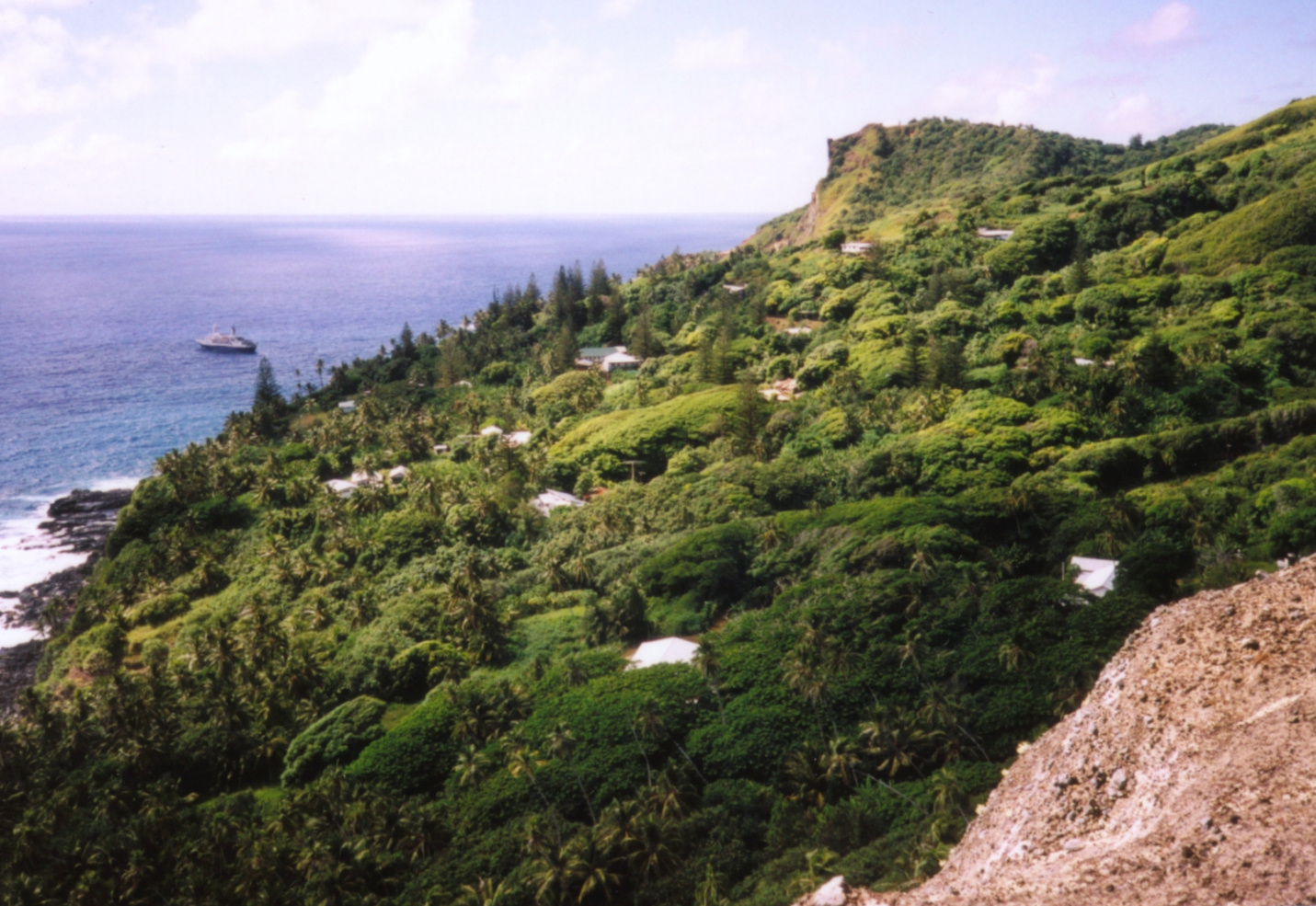
Halfway across the world, in the South Pacific, lies another contender for the world’s most remote inhabited island: Pitcairn. With a population of only around fifty people, Pitcairn holds an extraordinary claim to fame, nearly all its residents are descendants of the mutineers of HMS Bounty, the sailors who famously rebelled in 1789 and settled here with their Tahitian companions to escape capture. Reaching Pitcairn today is a genuine odyssey: travelers typically fly to Tahiti, take a connecting flight to the island of Mangareva, then board a supply ship for a voyage of more than thirty hours across open ocean. With no airport and only periodic ship connections, this British territory remains one of the hardest places on Earth to visit, and one of the most storied.
Easter Island: The Navel of the World
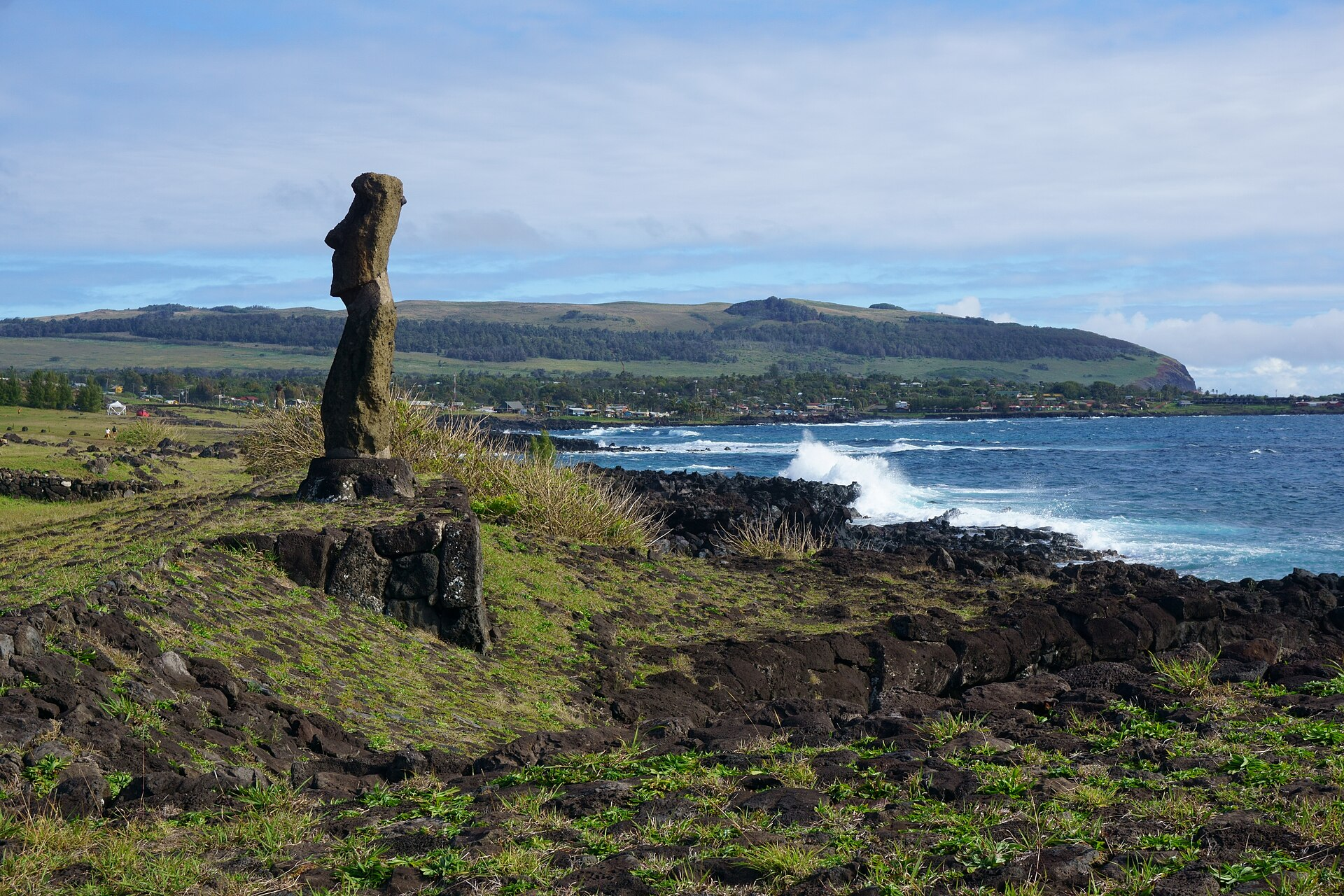
Perhaps the most famous remote island of all is Easter Island, known to its Polynesian inhabitants as Rapa Nui, “the Navel of the World.” Lying in the southeastern Pacific, it sits around 1,300 miles from the nearest inhabited island, Pitcairn, and over 2,300 miles from the coast of Chile, the country that administers it, making it one of the most isolated inhabited places on the planet. Easter Island is world-renowned for its nearly 900 moai, the enormous, enigmatic stone heads carved by its early inhabitants, which have fascinated and puzzled visitors for centuries. Unlike many remote islands, Easter Island has an airport with scheduled flights from South America, making it the most accessible entry on this list, though its profound isolation remains palpable.
Socotra: The Island That Looks Like Another Planet
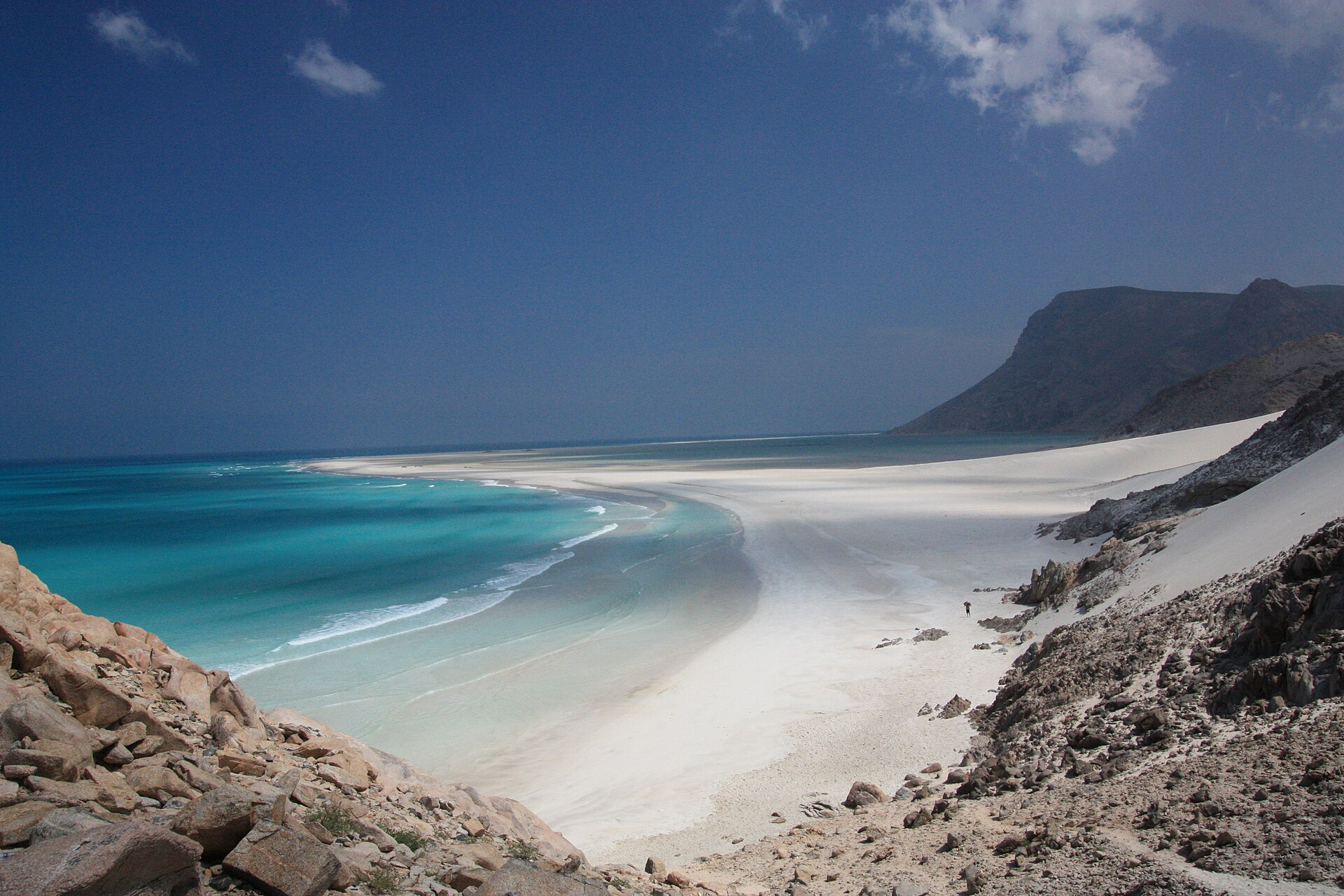
Off the coast of Yemen, in the Arabian Sea, lies Socotra, an island so biologically strange it’s often compared to an alien world. Located a few hundred miles from the mainland, Socotra has been isolated for millions of years, and that long separation has produced an astonishing array of plants and animals found nowhere else on Earth. Its most iconic resident is the dragon’s blood tree, an umbrella-shaped tree that bleeds red sap and looks like something from science fiction. A UNESCO World Heritage Site, Socotra is home to a modest local population and a landscape of bizarre flora, white-sand beaches, and limestone caves. Reaching it has long been difficult and at times impossible due to regional conditions, which has helped preserve its surreal, untouched character.
St. Helena: Napoleon’s Island Prison
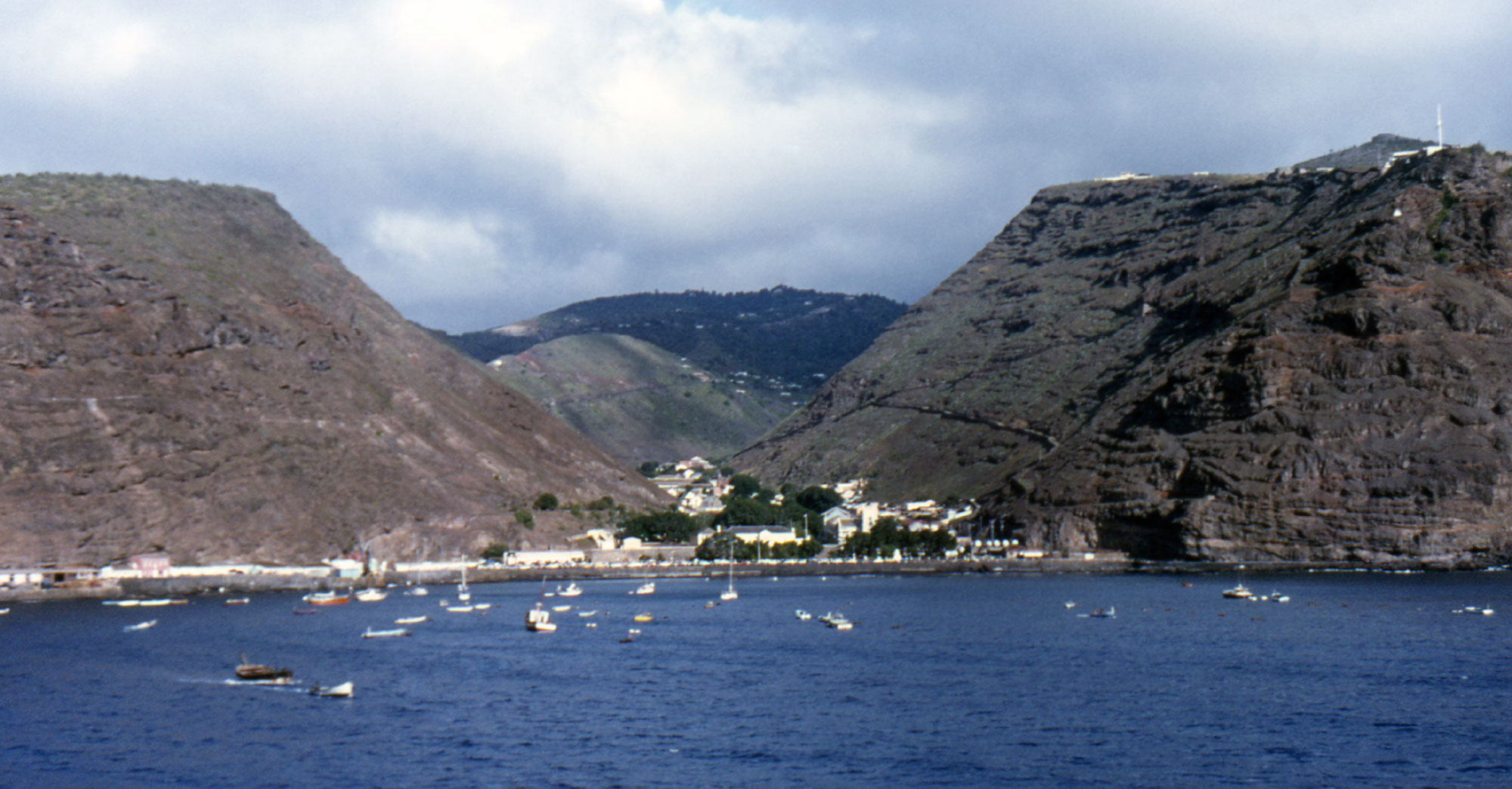
Another lonely South Atlantic outpost, St. Helena, earned its place in history as the remote island where Napoleon Bonaparte was exiled and died. Chosen precisely because of its extreme isolation, the island was for centuries reachable only by a long sea voyage, reinforcing its reputation as a place at the edge of the world. That changed relatively recently: St. Helena opened a commercial airport, dramatically improving access for the first time in its history and connecting it to the wider world via flights. Today, around 4,000 people live on this British territory, which offers dramatic volcanic scenery, rich history, and a slow, friendly pace of life. St. Helena shows how even the most isolated places are gradually becoming more reachable, even as they retain their remote character.
Kerguelen: The Desolation Islands
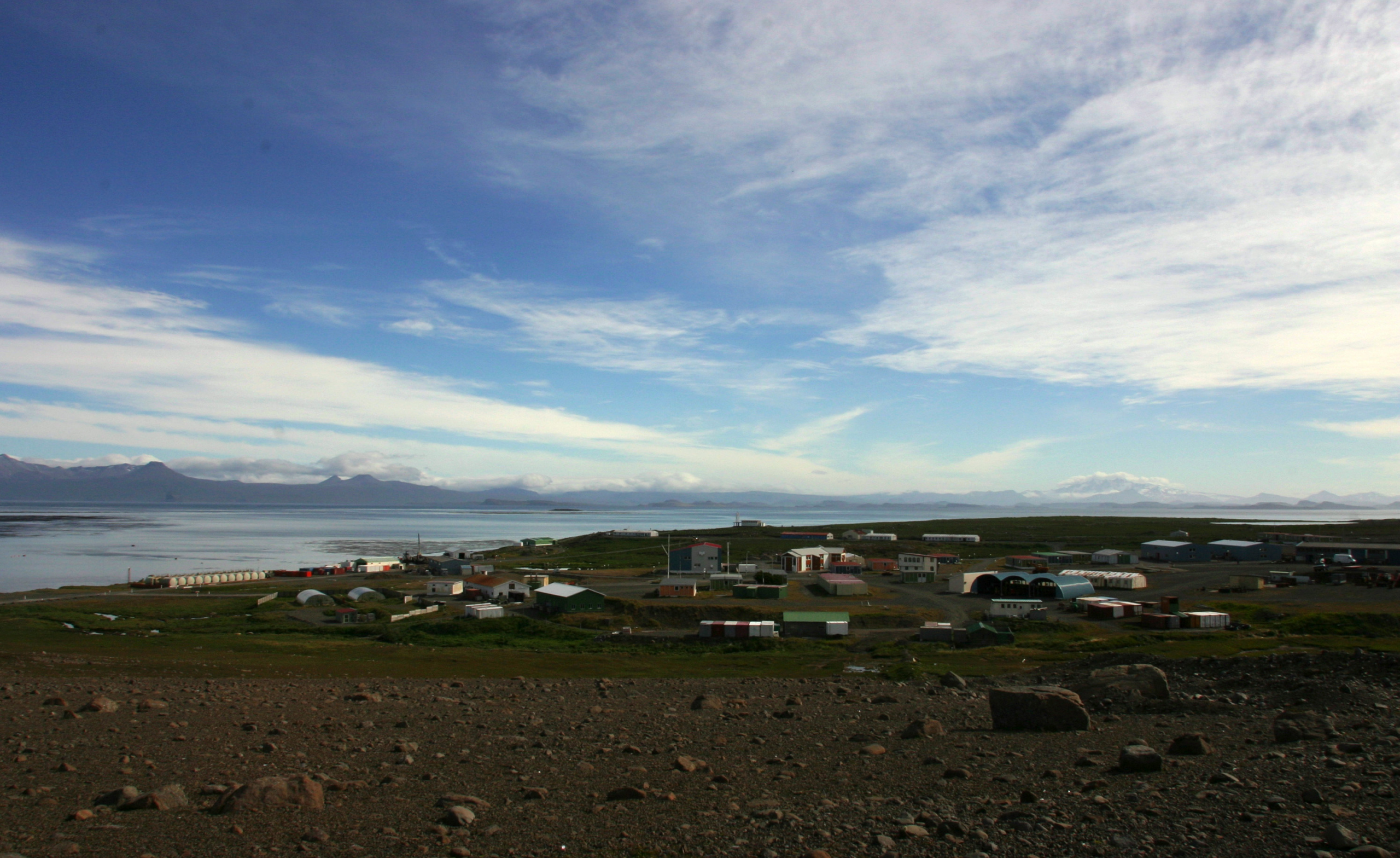
For sheer, raw isolation, few places rival the Kerguelen Islands, a French archipelago in the frigid southern Indian Ocean. So far-flung and forbidding are these islands that they earned the nickname the “Desolation Islands.” There is no airport and no permanent civilian population; the only inhabitants are scientists and support staff stationed at a research base, rotating in and out via a ship that visits just a few times a year from distant island bases. The archipelago is a windswept world of glaciers, jagged mountains, and vast empty plains, home to enormous colonies of seals, albatrosses, and penguins. Visiting is extraordinarily difficult and generally reserved for researchers and the occasional expedition, making Kerguelen one of the least-visited places on the entire planet.
Bouvet Island: The Most Remote Island of All
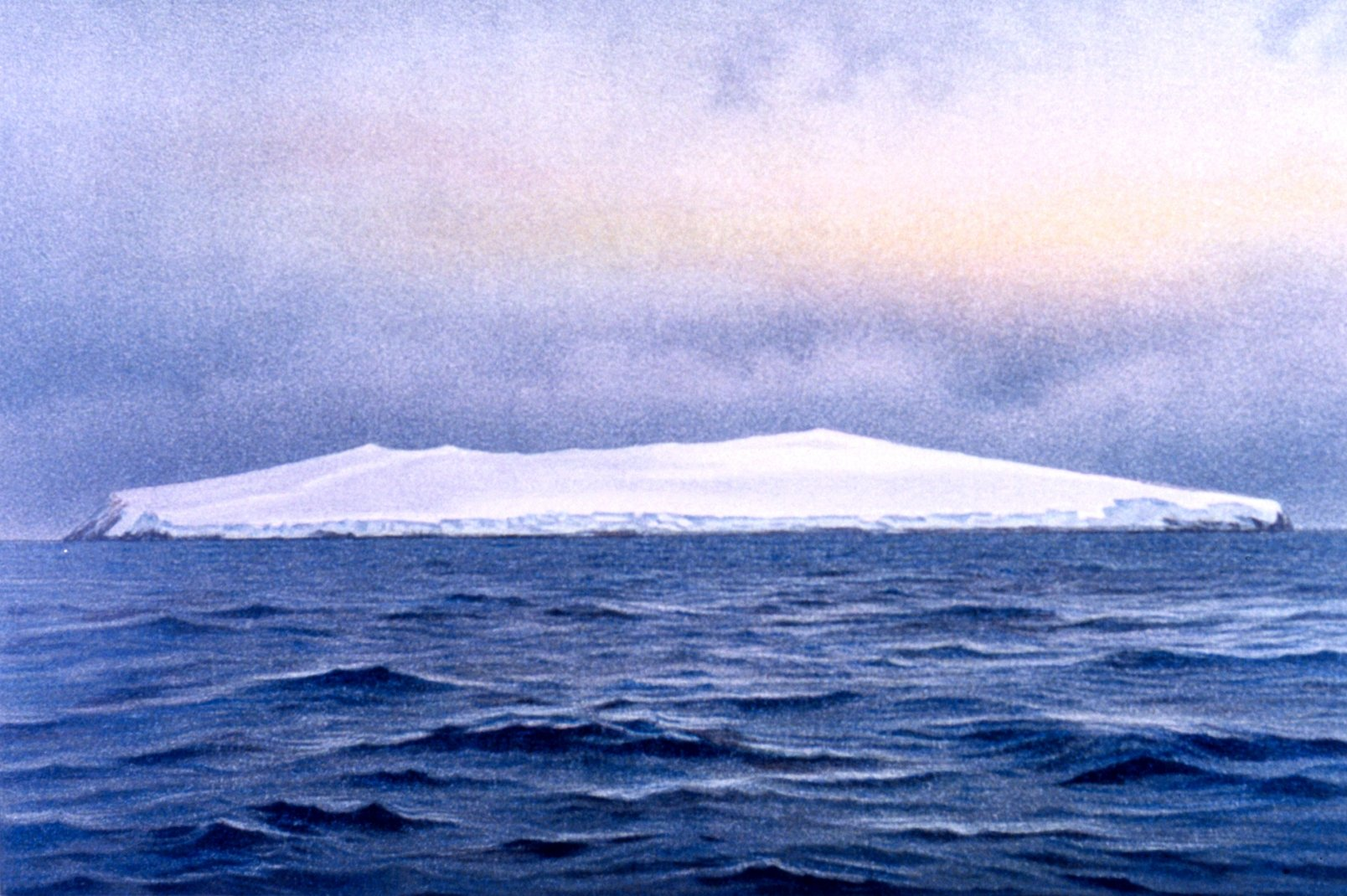
If Tristan da Cunha is the most remote inhabited island, then Bouvet Island may be the most remote island, period. This tiny, uninhabited Norwegian territory in the South Atlantic, near the edge of the Antarctic region, holds the distinction of being farther from any other land than virtually anywhere else on Earth. Almost entirely covered by a glacier and ringed by ice cliffs, Bouvet is brutally inhospitable, with no harbor and no easy way to land. No one lives there, and only the rare scientific expedition ever sets foot on it, usually arriving by ship and helicopter. A nature reserve home to seals and seabirds, Bouvet represents the absolute extreme of remoteness, a frozen dot in a vast, empty ocean.
Ittoqqortoormiit: A Lonely Outpost in Greenland
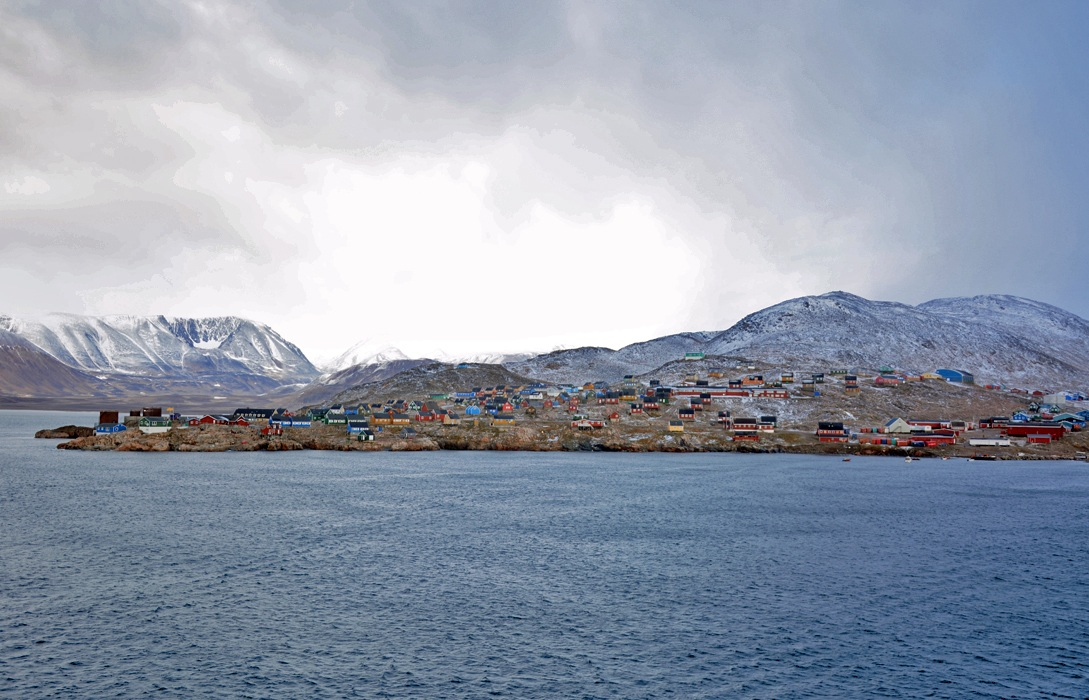
Not all remote places are islands in warm seas; some are frozen outposts clinging to the edge of the Arctic. The town of Ittoqqortoormiit, on the remote eastern coast of Greenland, is one of the most isolated settlements in the world. Home to a few hundred hardy residents, it sits beside one of the largest fjord systems on the planet, surrounded by striking Arctic wilderness. The sea around it is frozen and impassable for much of the year, and the town is reachable only by a long journey involving flights to a small airport and helicopter transfers, or by boat during the brief ice-free window. Residents rely on hunting and fishing, and life is shaped by extreme cold, polar darkness, and profound distance from anywhere else.
Why Remote Islands Captivate Us
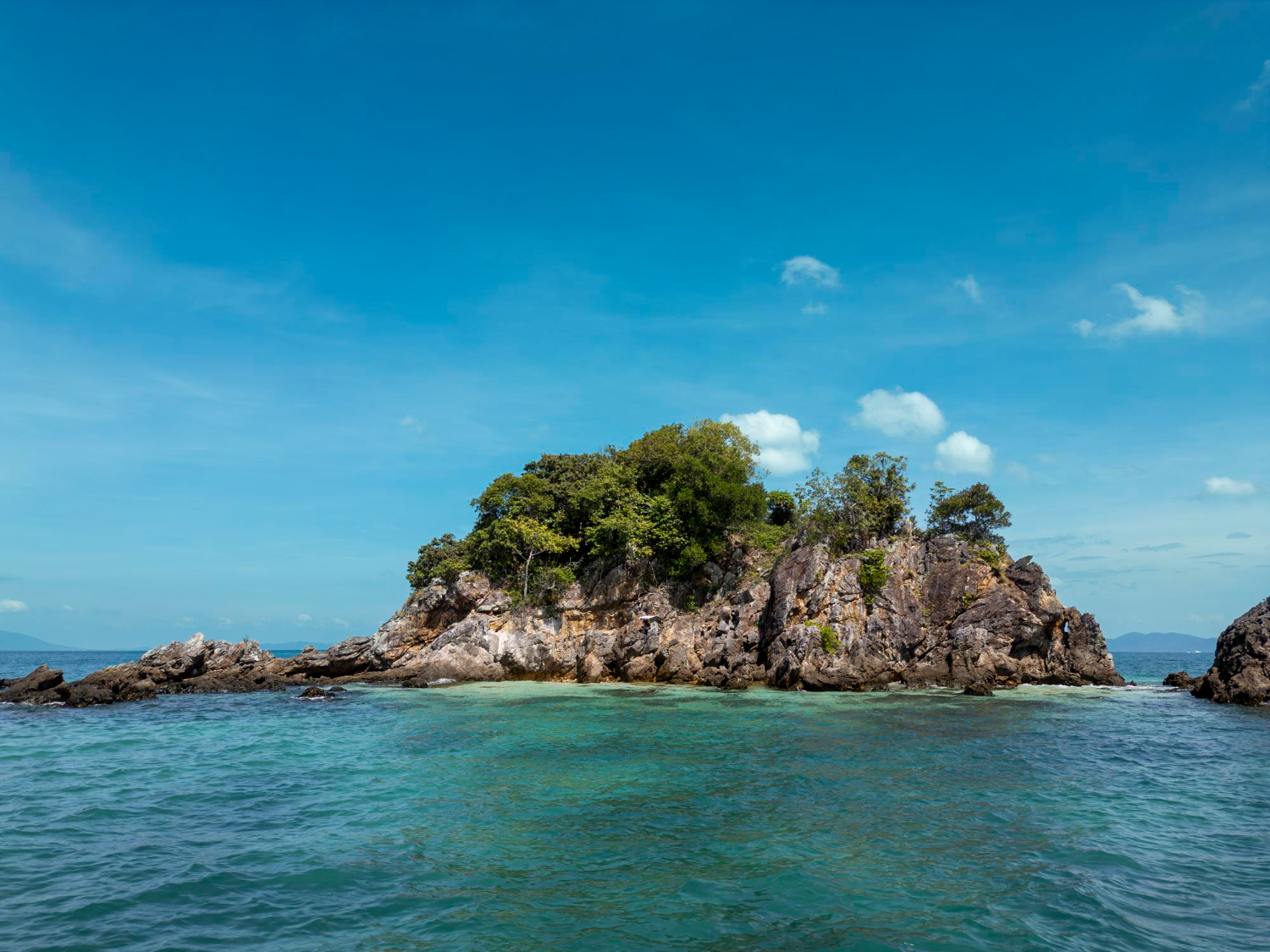
There’s something deeply compelling about these far-flung specks of land, and it’s worth asking why. Part of it is the sheer romance of isolation, the idea of a place so removed from the modern world that life there runs by entirely different rules. Part of it is admiration for the resilience of the small communities who choose, or have inherited, such extraordinary remoteness, building tight-knit societies against staggering odds. And part of it is the pull of genuine wilderness and mystery, of moai gazing out to sea, dragon’s blood trees against an alien sky, or penguins crowding a windswept volcanic shore. In a world that can feel thoroughly mapped and crowded, these islands are a reminder that true remoteness still exists, if you’re willing to travel to the very ends of the Earth.
The Ends of the Earth
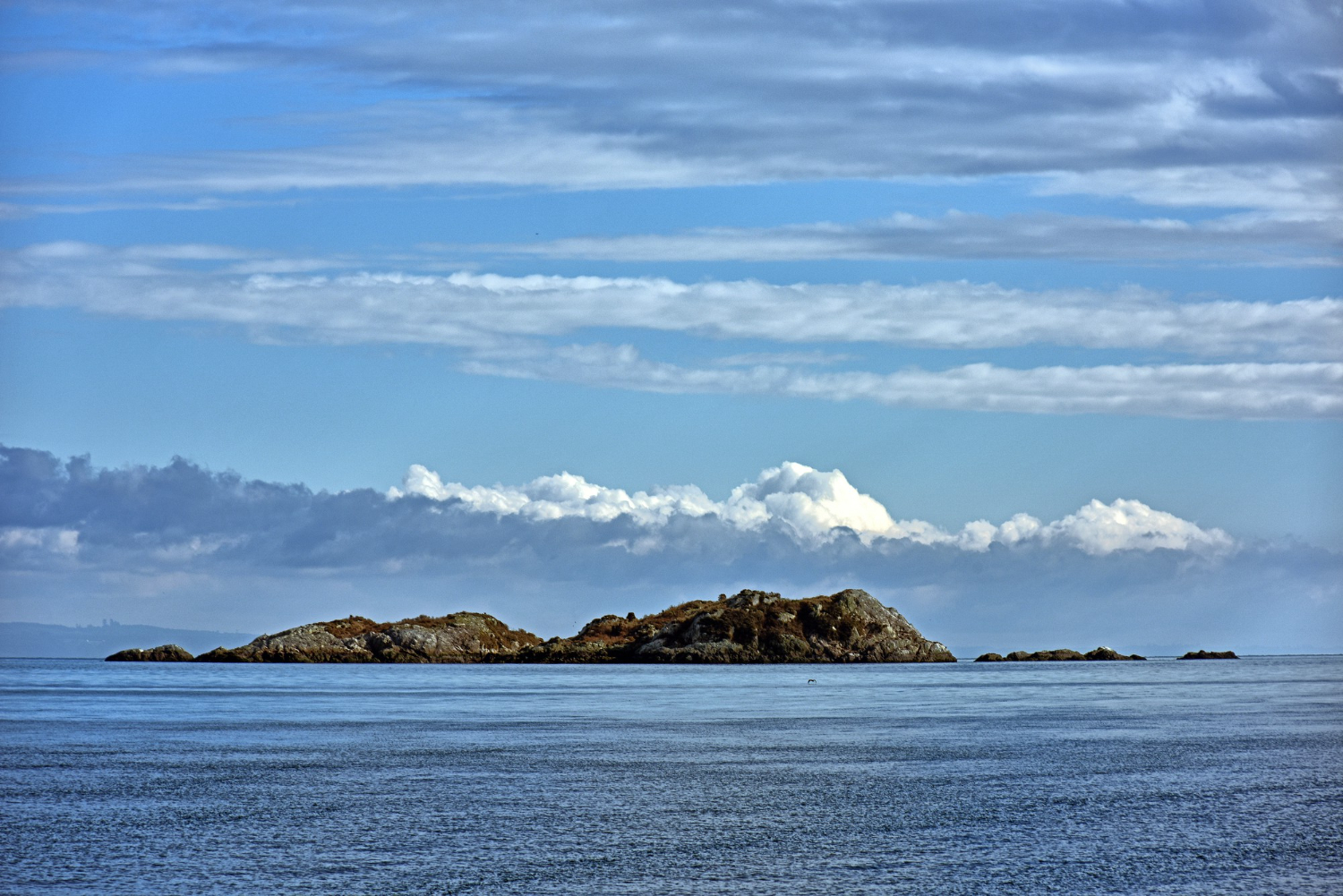
From the shared chores of Tristan da Cunha to the Bounty descendants of Pitcairn, the silent moai of Easter Island to the frozen emptiness of Bouvet, the world’s most remote islands form a portrait of life, and nature, at the absolute extremes. Some welcome the rare determined visitor; others remain the preserve of scientists, seabirds, and the elements alone. Together they remind us just how vast and varied our planet still is, and how far you’d have to go to truly get away from it all. Whether you ever set foot on one or simply marvel at them from afar, these lonely outposts hold an enduring fascination, the last truly isolated corners of a well-traveled world.
Like our content? Follow us for more.