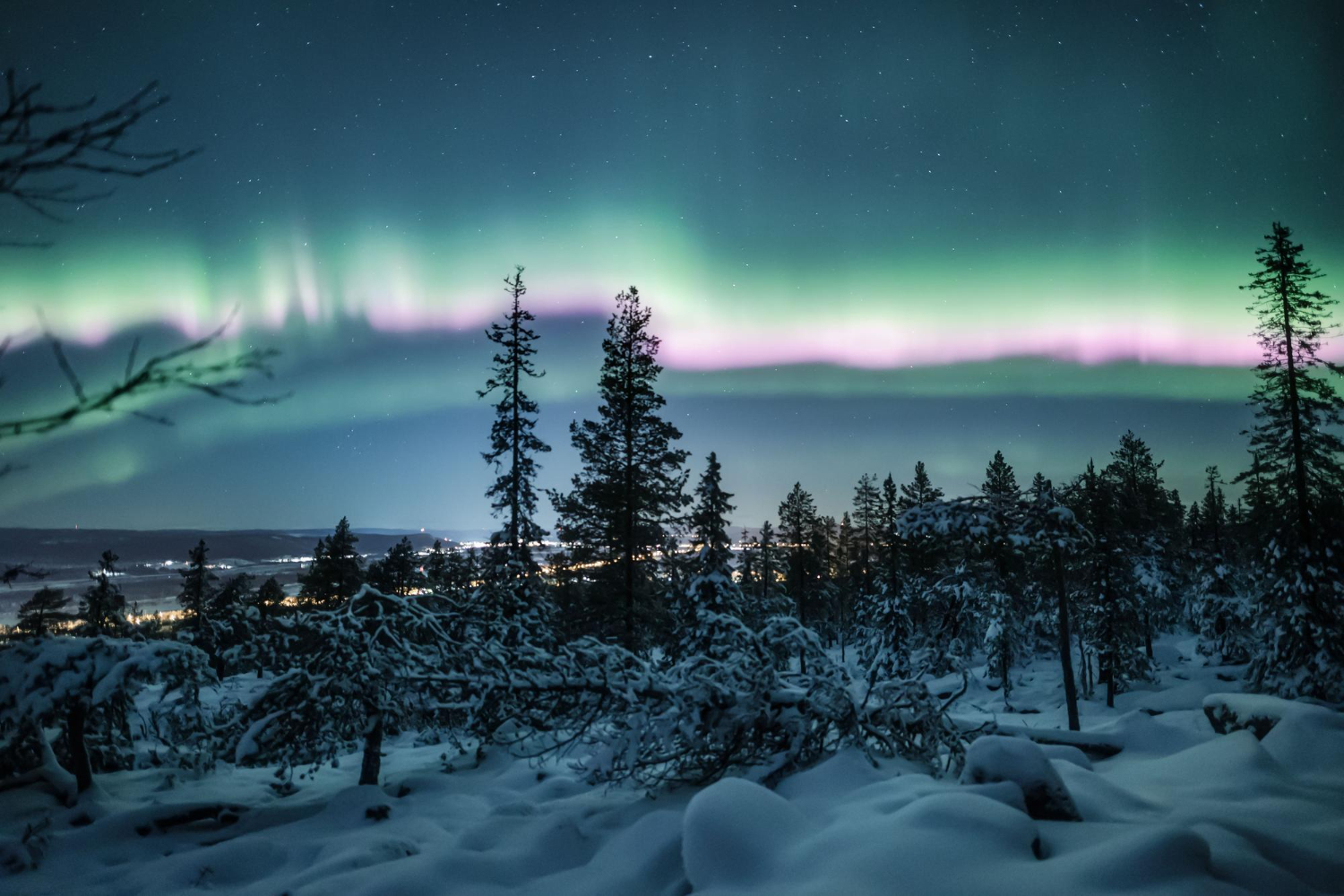
Each year, the World Happiness Report offers a fascinating snapshot of where people report feeling most satisfied with their lives. Published in 2026 by a partnership including Oxford’s Wellbeing Research Centre, Gallup, and the UN, the report ranks countries based on a simple question: people rate their own lives on a scale from zero to ten, with the scores averaged over three years. Six factors, including income, social support, health, freedom, generosity, and trust, help explain the differences. Once again, the results are striking, with familiar leaders and one notable newcomer to the top tier. Here are the ten happiest countries in the world for 2026, counted down to number one. These rankings reflect self-reported life evaluations, so they’re one illuminating measure among many.
10. Switzerland
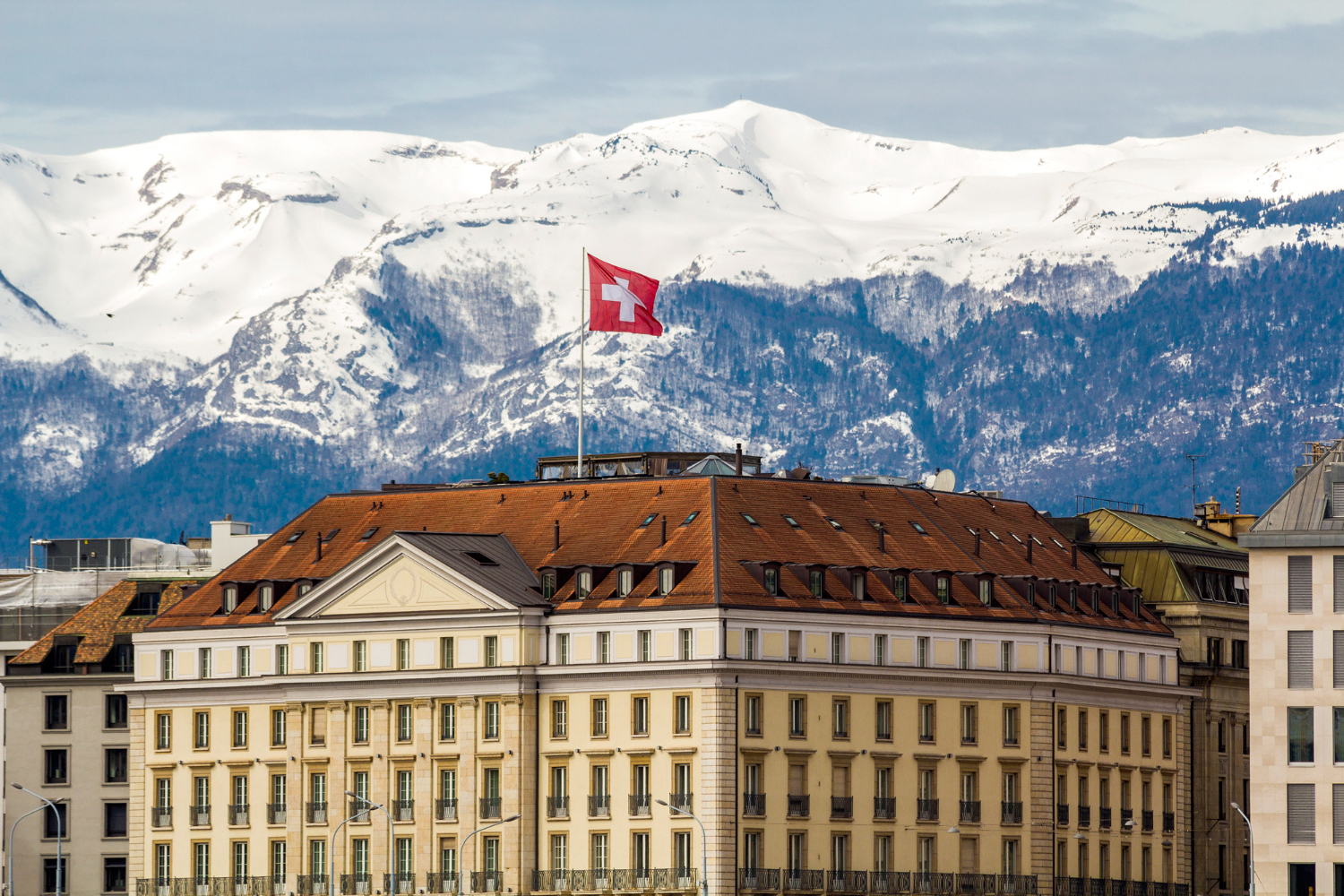
Rounding out the top ten is Switzerland, long a fixture near the top of the happiness rankings. Its stunning alpine scenery, high quality of life, strong economy, and excellent public services help keep its residents among the world’s most content.
Switzerland earns its place with a combination of prosperity, beautiful landscapes, efficient public services, and a high standard of living. Its residents benefit from strong institutions, excellent healthcare, and a stable, well-functioning society. Natural beauty is never far away. Switzerland’s tenth-place finish reflects its enduring reputation as one of the world’s most pleasant and well-run places to live, capping a top ten dominated by prosperous, well-supported societies.
Like our content? Follow us for more.
9. Luxembourg
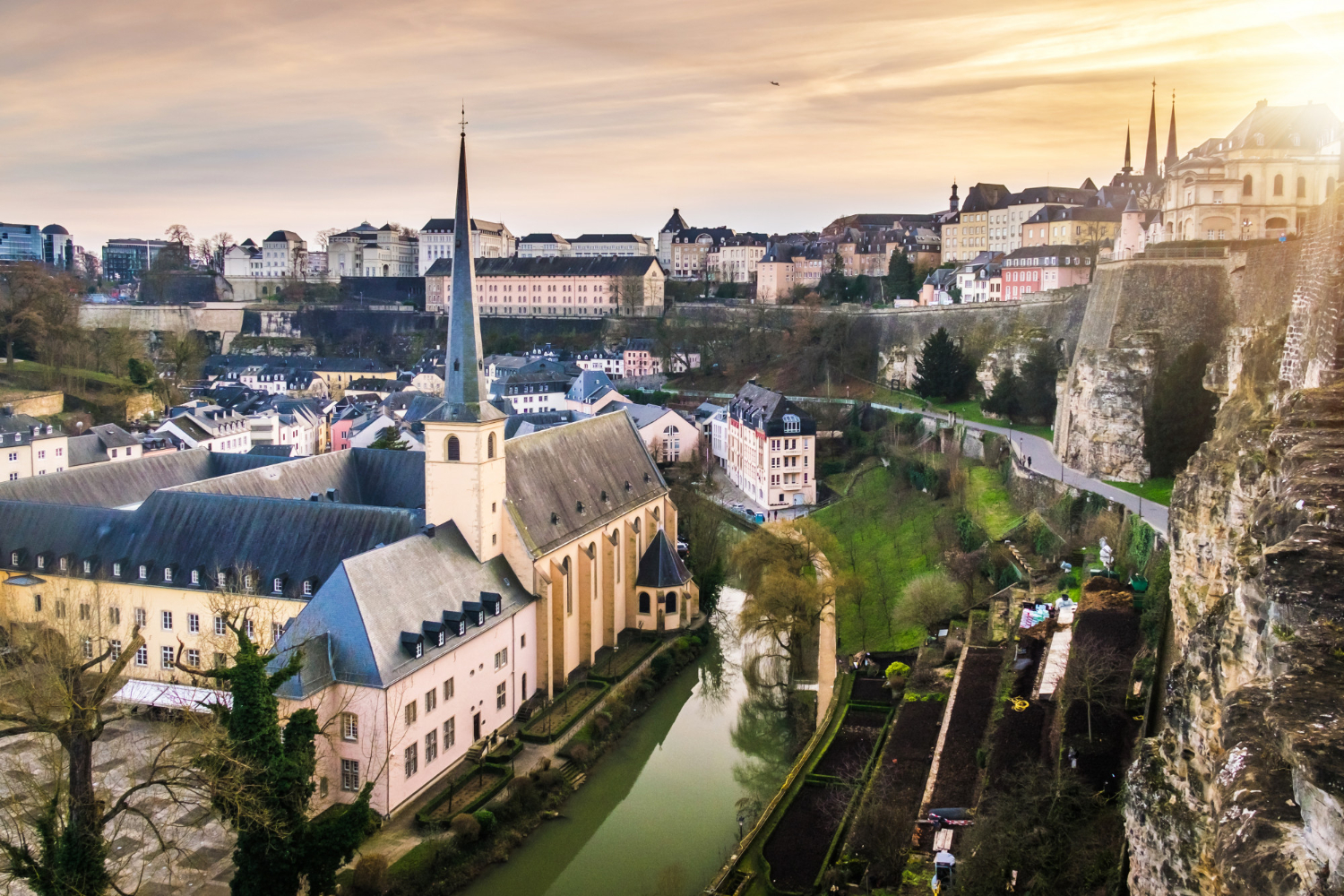
In ninth place is Luxembourg, the small but wealthy European nation. Its high incomes, strong social support, and excellent quality of life place it among the happiest countries in the world for 2026.
Luxembourg, one of Europe’s most prosperous countries, combines high incomes with strong social systems and a high standard of living to rank among the happiest. Its residents enjoy economic security, good public services, and a comfortable, stable society. Prosperity and support go hand in hand. Luxembourg’s ninth-place finish highlights how a small, wealthy nation with strong social foundations can foster high life satisfaction, securing its spot near the top of the global rankings.
8. Israel

Eighth on the list is Israel, which continues to rank highly in the World Happiness Report. Strong social bonds, family ties, and a deep sense of community contribute to its residents’ reported life satisfaction.
Israel ranks among the happiest countries thanks in large part to strong social and family connections and a powerful sense of community and belonging. These close-knit bonds and mutual support are often cited as key contributors to its high life-evaluation scores. Community is central to the picture. Israel’s eighth-place finish underscores how strong social ties and a sense of belonging can support high reported happiness, placing it among the global leaders for 2026.
7. The Netherlands
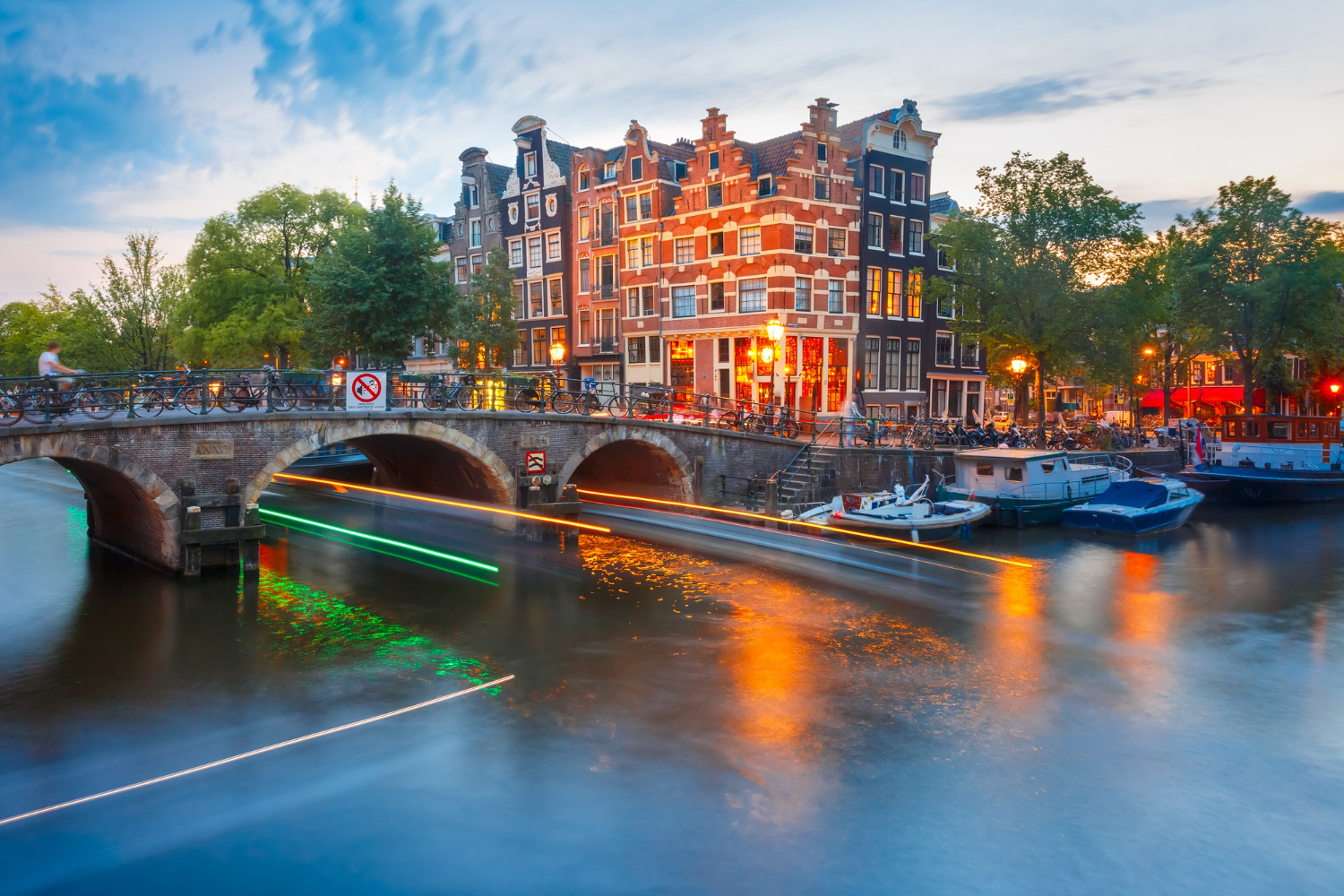
In seventh place is the Netherlands, known for its high quality of life, work-life balance, and strong social systems. Its residents consistently report high levels of life satisfaction.
The Netherlands combines a prosperous economy, excellent public services, a famous emphasis on work-life balance, and strong social support to rank among the happiest countries. Its residents benefit from good healthcare, infrastructure, and a generally high standard of living. Balance and well-being are valued. The Netherlands’ seventh-place finish reflects its reputation as a contented, well-organized society, rounding out a top ten led overwhelmingly by Northern European nations.
6. Norway
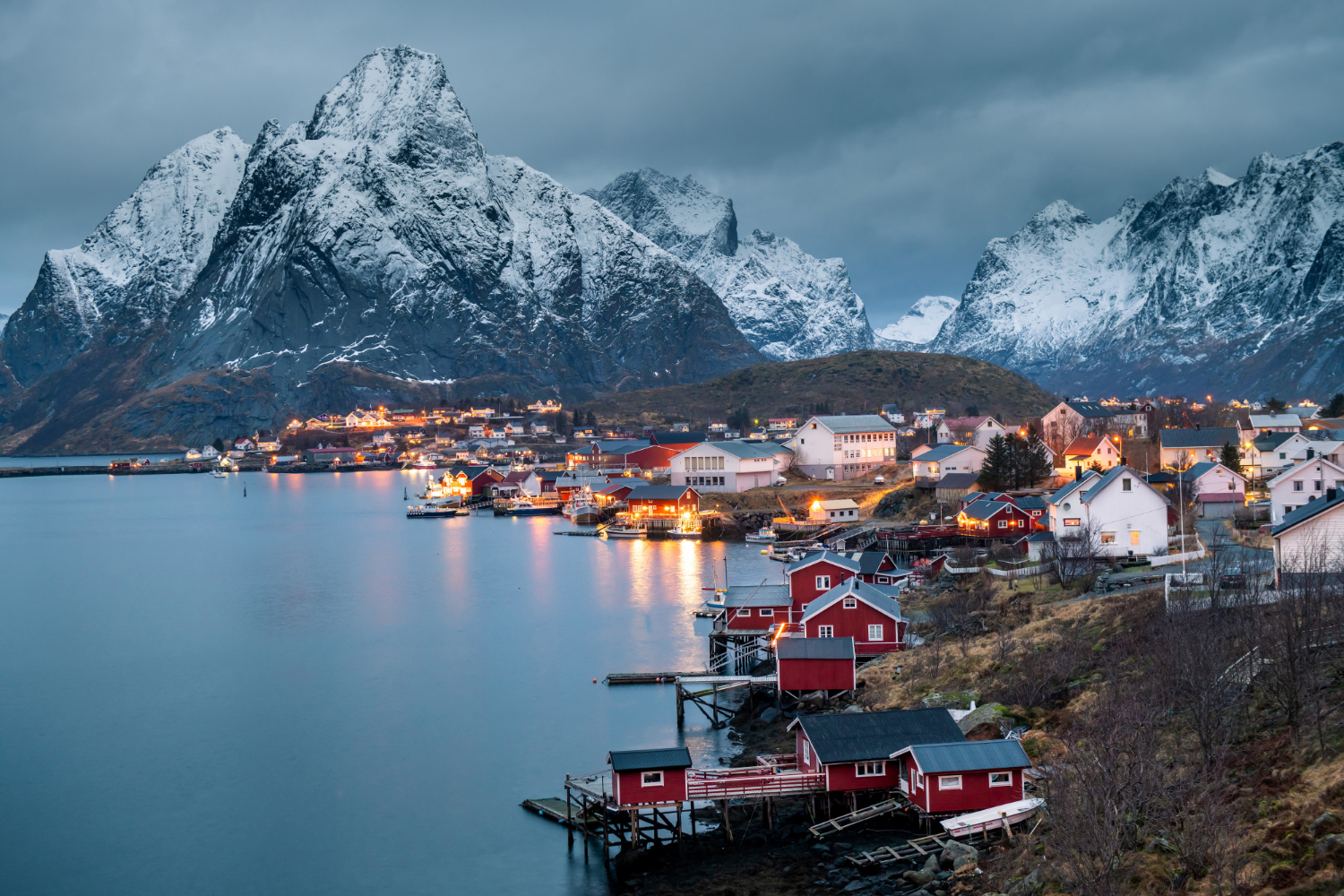
Sixth on the list is Norway, one of the Nordic countries that dominate the happiness rankings. Its prosperity, strong social safety net, stunning natural beauty, and high trust in institutions support its residents’ well-being.
Norway exemplifies the Nordic model that performs so well in happiness rankings, with high incomes, a robust welfare system, low inequality, and stunning natural scenery. Strong institutions and high social trust round out the picture. Prosperity meets a strong safety net. Norway’s sixth-place finish reflects the consistent success of the Nordic nations, whose combination of wealth, support, and trust keeps them among the happiest places on Earth year after year.
5. Sweden
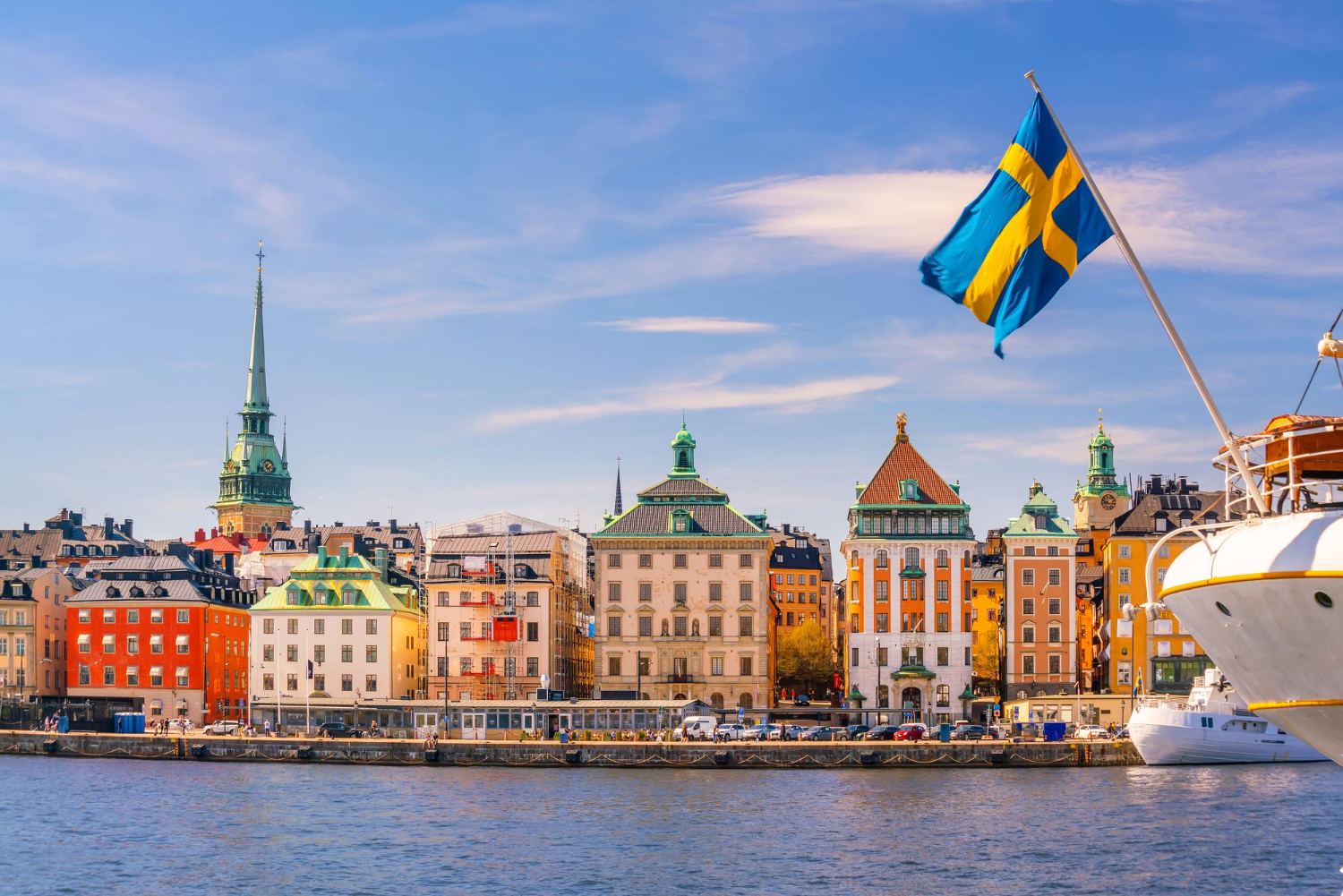
In fifth place is Sweden, another Nordic standout. Its strong social support, excellent public services, high quality of life, and emphasis on equality and balance contribute to its residents’ contentment.
Sweden ranks among the happiest with its generous welfare system, high standard of living, strong institutions, and cultural emphasis on balance and equality. Residents enjoy excellent healthcare, education, and social support. Trust and fairness are hallmarks. Sweden’s fifth-place finish reflects the enduring strength of the Nordic approach, where comprehensive social systems and a high quality of life combine to produce some of the world’s most satisfied citizens.
4. Costa Rica

Breaking into the top five is Costa Rica, the highest-ever ranking for a Latin American country and the standout surprise of the 2026 report. Its famous “pura vida” lifestyle, strong social bonds, and natural beauty have propelled it up the rankings.
Costa Rica made headlines by climbing to fourth, the highest any Latin American nation has ever ranked, in a top tier otherwise dominated by wealthy European countries. Its celebrated “pura vida” philosophy, strong family and community ties, beautiful natural environment, and investment in education and healthcare all contribute. Happiness here isn’t tied to the highest incomes. Costa Rica’s remarkable fourth-place finish shows that strong social connections and quality of life can rival wealth in fostering happiness, making it the breakout story of the 2026 rankings.
3. Denmark
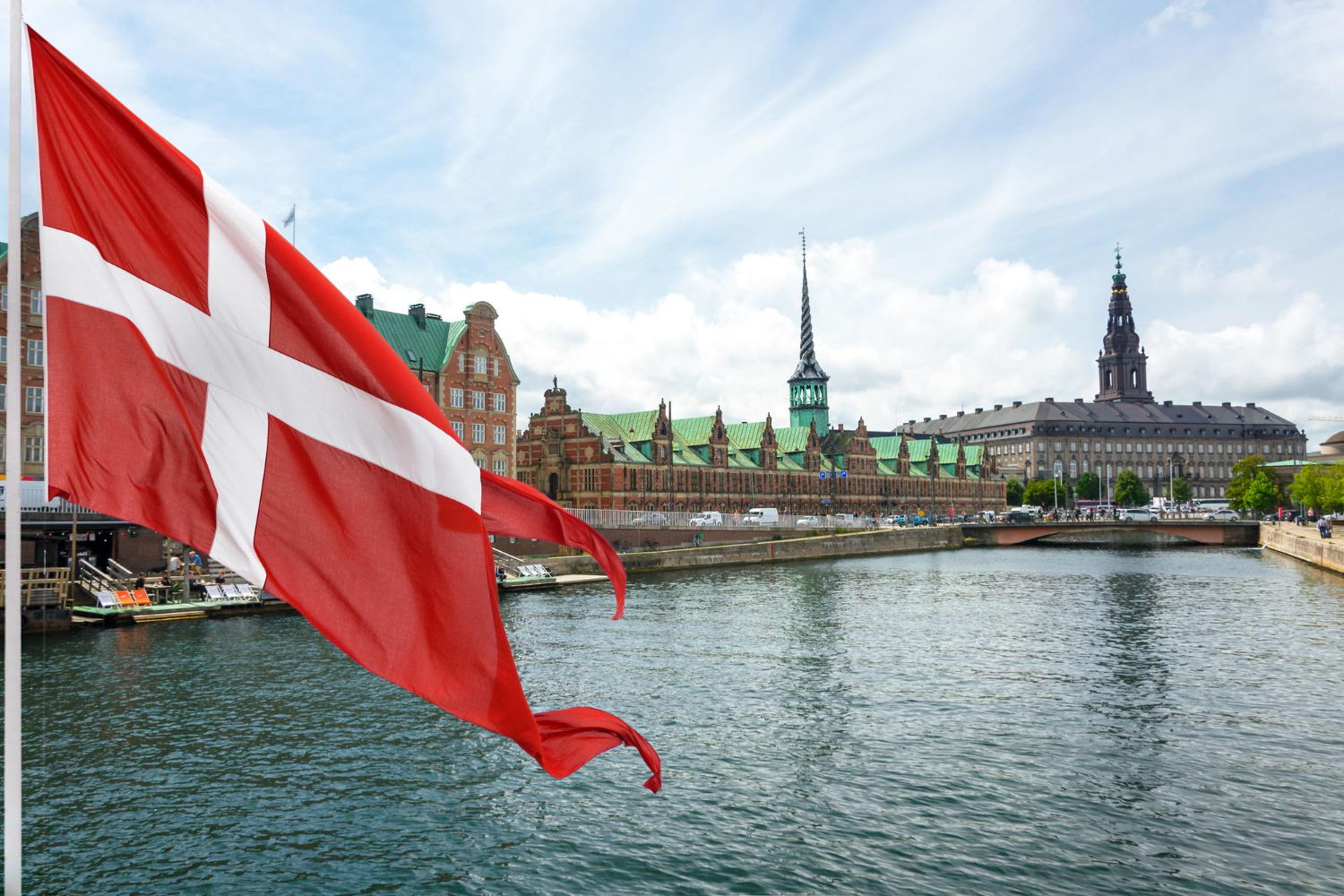
In third place is Denmark, a perennial happiness leader and home of the cozy concept of “hygge.” Its strong welfare state, high trust, work-life balance, and social cohesion keep it near the very top.
Denmark consistently ranks among the top three, thanks to its comprehensive welfare system, high social trust, excellent work-life balance, and strong sense of community. The Danish concept of “hygge,” a focus on coziness and contentment, reflects a cultural emphasis on well-being. Security and balance define daily life. Denmark’s third-place finish confirms its status as one of the happiest countries on Earth, a model of how strong institutions and social bonds support life satisfaction.
2. Iceland

Just missing the top spot is Iceland, the small Nordic island nation renowned for its tight-knit society and dramatic landscapes. Strong social connections and high trust help make it one of the happiest places in the world.
Iceland ranks second with its exceptionally strong social bonds, sense of community, and high levels of trust, all within a small, close-knit population. Its residents report being able to count on one another in times of need, a key driver of happiness. Stunning nature surrounds daily life. Iceland’s second-place finish highlights the power of social connection and mutual support, placing this remote island nation just behind the global leader as one of the happiest countries on Earth.
1. Finland
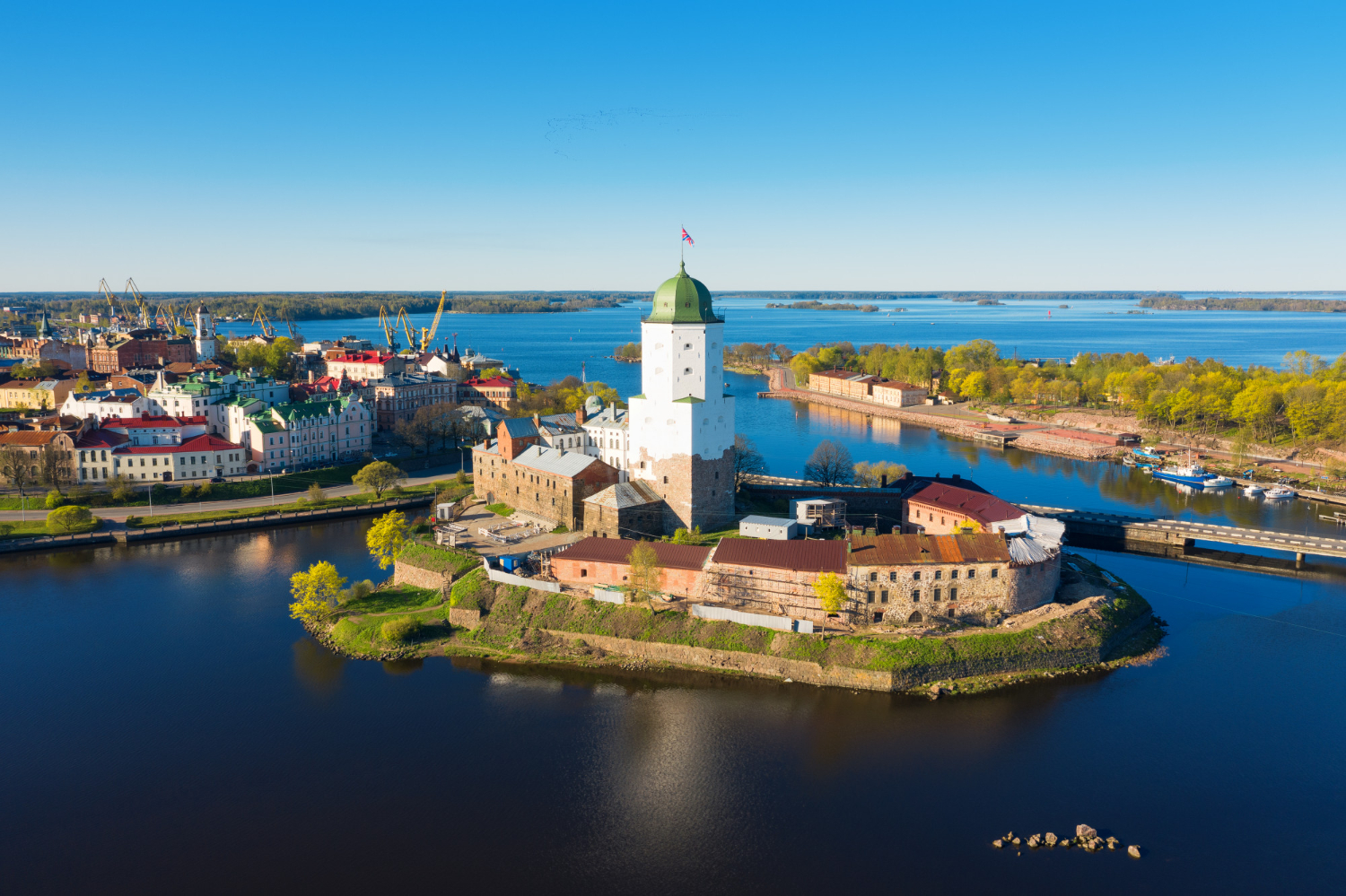
Topping the list for the ninth consecutive year is Finland, once again named the happiest country in the world. Its strong social safety net, high trust, excellent public services, and deep connection to nature continue to set it apart.
Finland claimed the number one spot for the ninth year running, with a life-evaluation score comfortably ahead of the rest. Finns benefit from a strong welfare system, free education, universal healthcare, low inequality, high social trust, and a cultural connection to nature, captured in the right to roam its forests. The Finnish quality of “sisu,” or quiet resilience, is often noted too. Finland’s first-place finish, sustained for nearly a decade, cements its reputation as the world’s happiest country, a remarkable run built on strong social foundations and a high quality of life.
What the Rankings Reveal

Taken together, these ten countries reveal what tends to underpin reported happiness: strong social support, trust in others and institutions, good healthcare and education, freedom, and a sense of community. The Nordic nations dominate, but Costa Rica’s rise to fourth shows that wealth alone doesn’t determine well-being. Strong social bonds and quality of life matter immensely.
It’s worth remembering that these rankings are based on people’s own self-reported life evaluations, so they capture subjective well-being rather than any single objective measure, and a country’s average says little about any individual’s experience. For travelers, though, the list doubles as inspiration, a roster of welcoming, high-quality-of-life destinations worth exploring, from the Nordic countries’ natural beauty to Costa Rica’s lush landscapes. The happiest countries offer not just a fascinating study in well-being, but some genuinely wonderful places to visit.
Like our content? Follow us for more.