In 1970, a do-it-yourself spirit ran through American households. When an appliance broke, a hem came undone, or the car wouldn’t start, the first instinct wasn’t to call a professional or buy a replacement, it was to roll up your sleeves and fix it. Self-reliance was a point of pride and a practical necessity, and most people had a working knowledge of repairs that has since faded as products became more complex and replacement grew cheaper than fixing. Here are twelve things Americans routinely fixed themselves at home in 1970, counted down one by one, in a look back at a more hands-on era.
1. Their Own Cars
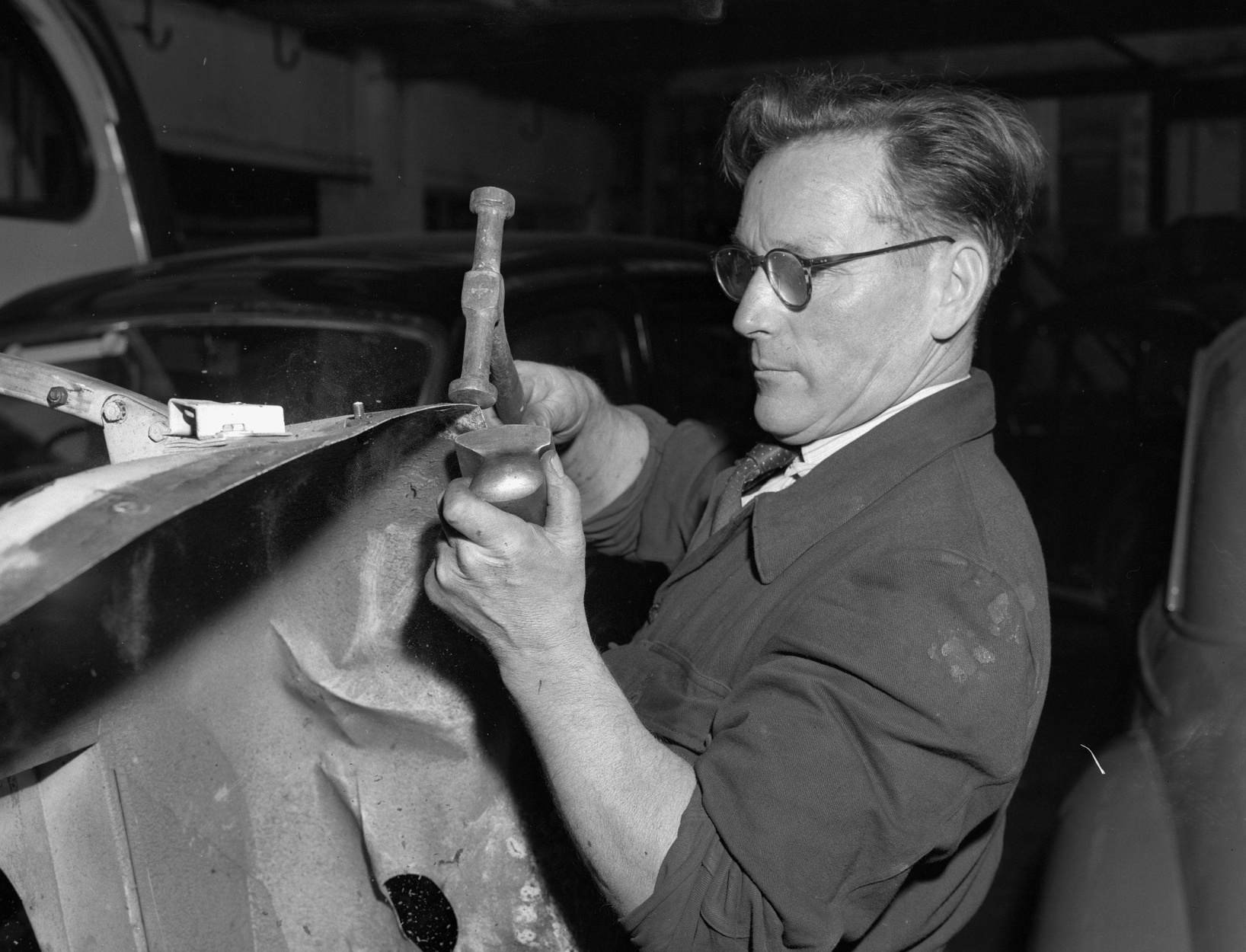
Many people did their own tune-ups, oil changes, and basic repairs in the driveway. Cars were simpler, and a home mechanic could handle a lot.
In 1970, working on your own car was common. Engines were mechanical and accessible, without the computers of today, so changing the oil, swapping spark plugs, adjusting the points, and replacing belts were tasks many drivers tackled in the driveway with a basic toolset and a manual. Saving money and understanding your vehicle were the rewards. As cars grew more complex and computerized, home car repair became far less common, making the driveway tune-up a fading skill from a more mechanically minded era.
Like our content? Follow us for more.
2. Torn and Worn Clothing
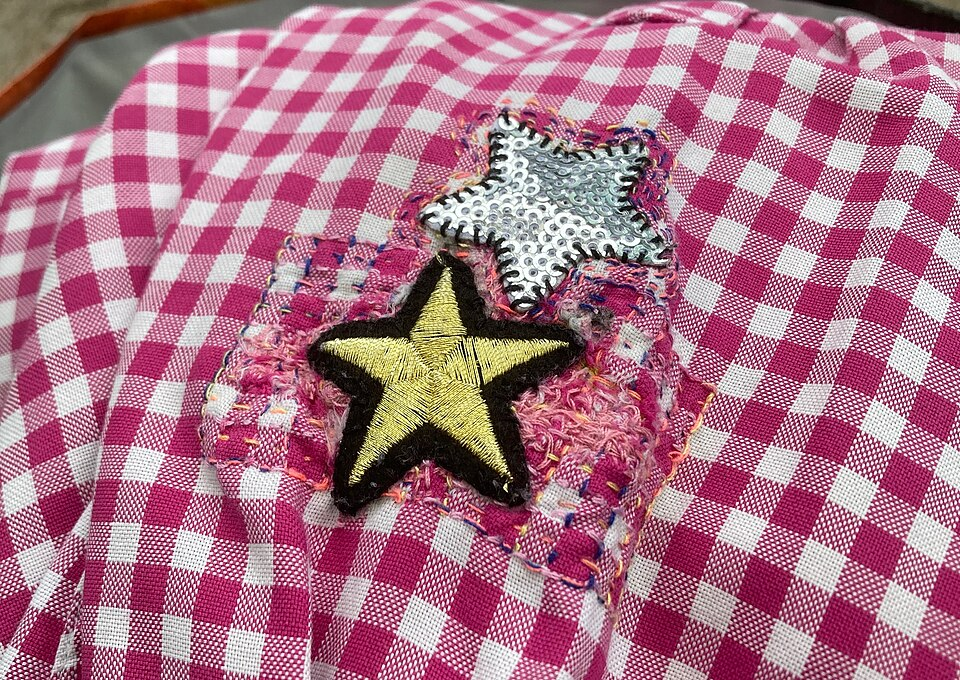
Ripped seams, missing buttons, and worn knees were mended at home rather than tossed out. Sewing was a basic life skill.
Before fast, cheap clothing made replacement easy, Americans mended what they owned. Sewing on a button, stitching a torn seam, patching worn knees, and darning socks were everyday skills most people, and many kids, learned. A sewing kit was a household staple, and clothes were expected to last. As inexpensive clothing became the norm, the habit of mending faded, and the once-universal ability to repair a garment has become far less common, a practical skill of the thriftier 1970 household.
3. Holes in the Wall
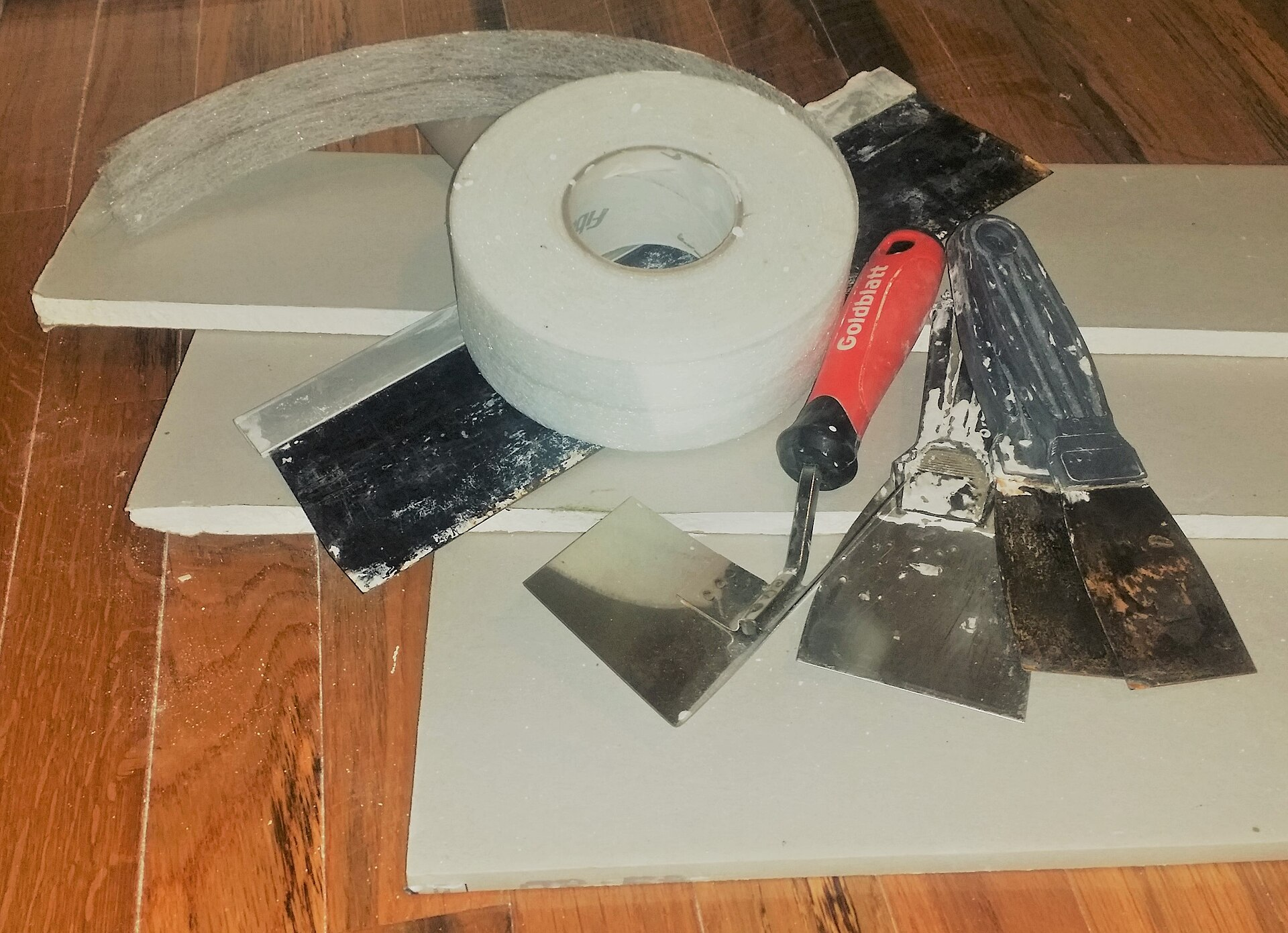
Patching a hole or crack in the plaster or drywall was a routine weekend job. A little spackle and paint made it disappear.
When a doorknob punched a hole in the wall or a crack appeared in the plaster, homeowners in 1970 reached for spackle, a putty knife, and some paint to fix it themselves. Basic patching and painting were considered ordinary household know-how, not a job for a contractor. The satisfaction of a seamless repair was its own reward. While plenty of people still patch walls today, the broad, matter-of-fact confidence to handle such fixes was a hallmark of the self-reliant 1970 home.
4. Leaky Faucets and Running Toilets

A dripping faucet or a running toilet was fixed with a new washer or flapper, not a plumber’s visit. Basic plumbing was common knowledge.
Minor plumbing problems were routinely handled at home in 1970. A dripping faucet usually meant replacing a worn rubber washer, and a running toilet was often cured by swapping the flapper or adjusting the float, simple fixes most homeowners knew. A wrench and a few cheap parts did the job. As fixtures grew more varied and specialized, many people became less comfortable with such repairs, but in 1970, tackling basic plumbing yourself was simply part of running a household.
5. Worn-Out Shoes
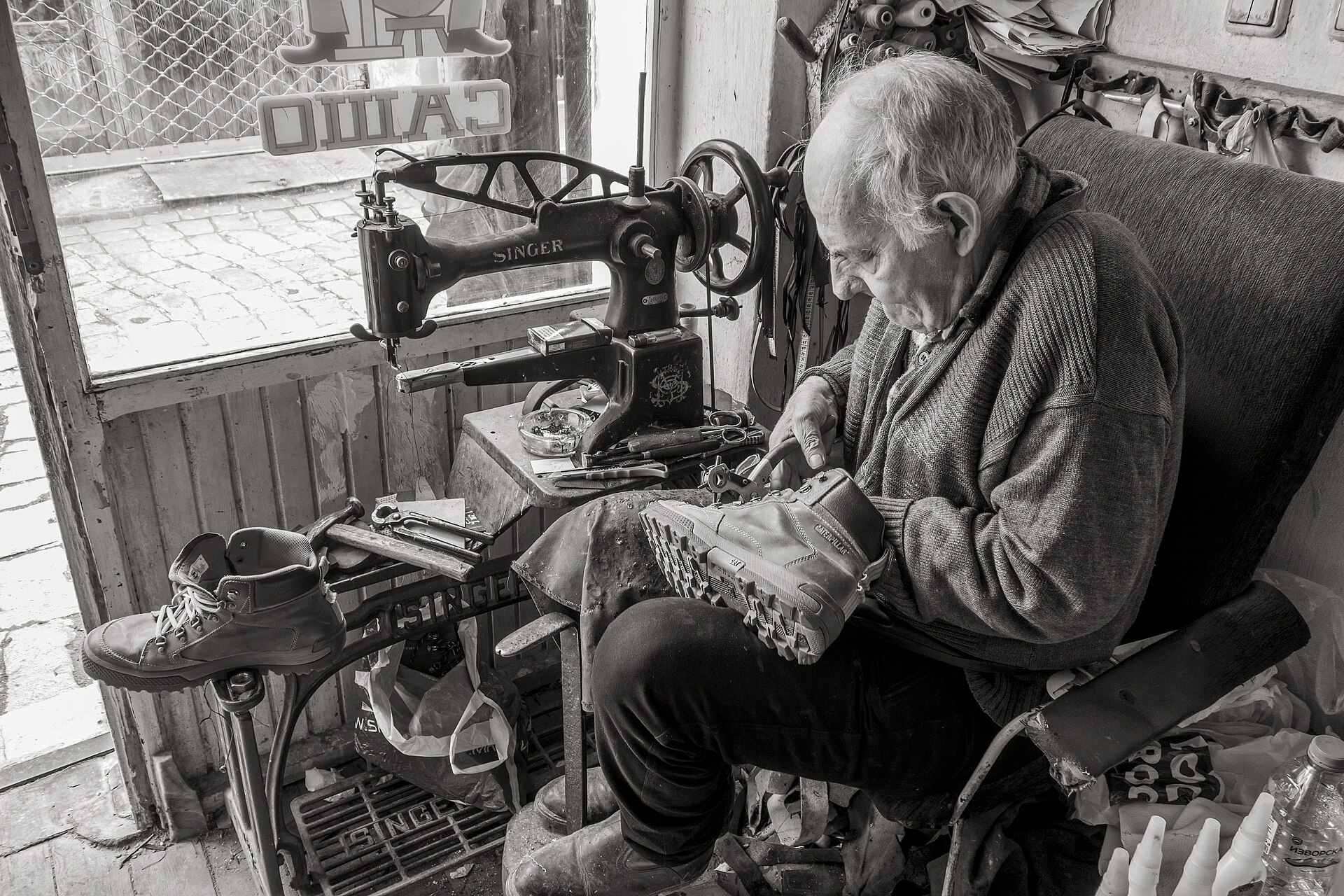
Scuffed and worn shoes were re-heeled, re-soled, and polished back to life rather than discarded. Shoes were made to be repaired.
In 1970, quality shoes were an investment meant to last, and keeping them going meant repair. People polished and conditioned their leather, replaced worn heels with stick-on or nailed-on replacements, and took shoes to a cobbler for new soles. At-home shoe care kits were common. As inexpensive, disposable footwear took over, the habit of repairing shoes faded and cobblers grew scarce. The expectation that a good pair of shoes would be mended, not thrown away, is a marker of the era’s make-it-last mindset.
6. Broken Small Appliances
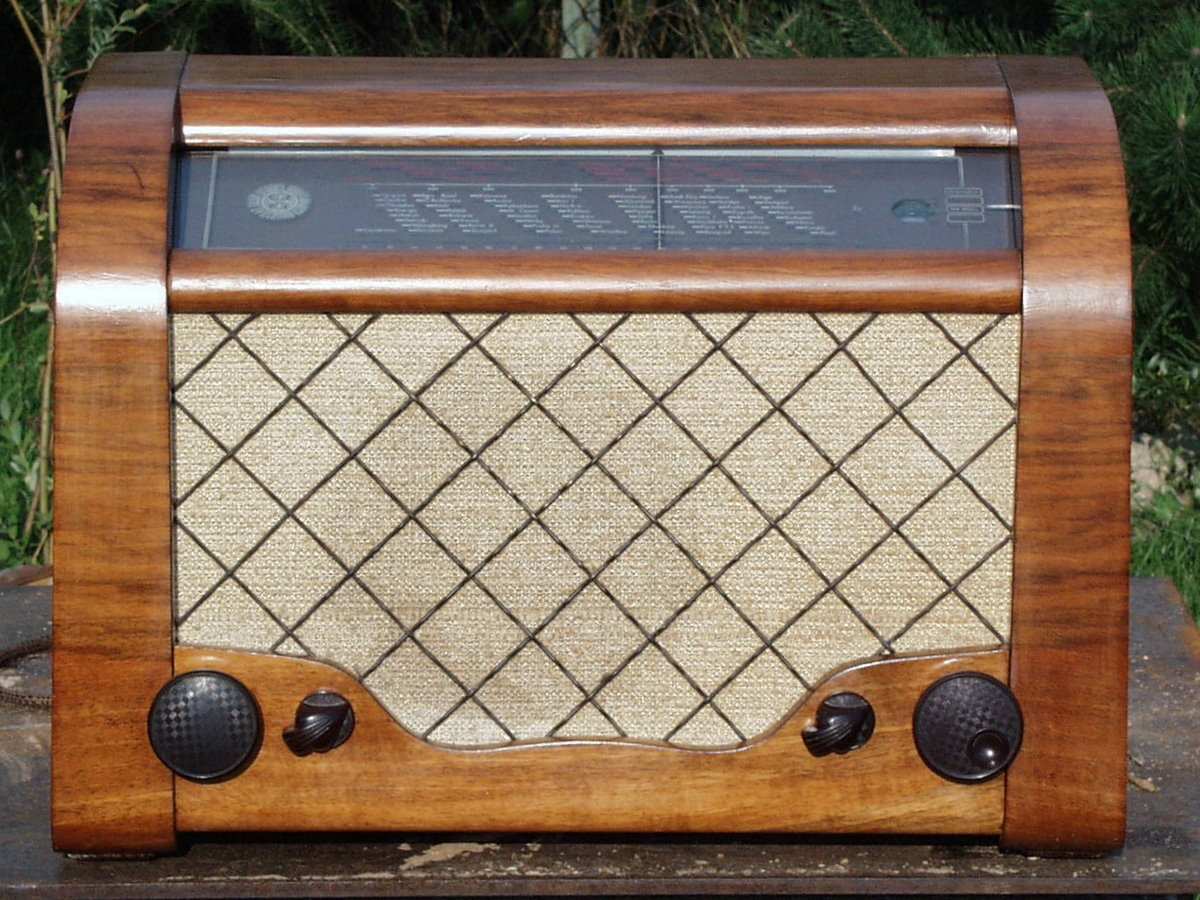
A toaster, lamp, or radio that quit working was often opened up and repaired rather than replaced. Fixing electronics was within reach.
When a toaster stopped toasting or a lamp went dark in 1970, many people opened it up to look for the problem, a loose wire, a burned-out element, a bad cord, and fixed it. Appliances were built to be serviced, with replaceable parts, and repair shops were common for bigger jobs. Replacing a frayed cord or a switch was ordinary know-how. As gadgets became cheaper, more complex, and harder to open, repairing small appliances largely gave way to simply buying new ones.
7. Furniture That Wobbled or Broke
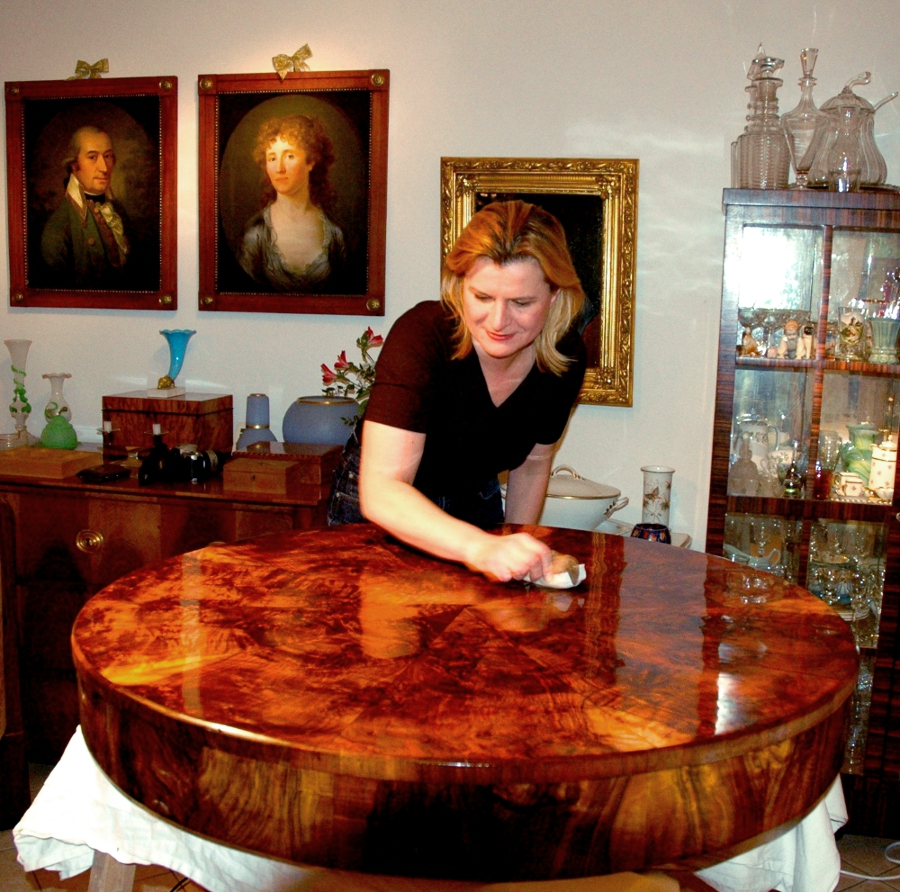
A loose chair leg or a scratched tabletop was glued, clamped, and refinished at home. People repaired and restored their furniture.
Solid wood furniture was meant to last generations, and in 1970 people kept it going themselves, gluing and clamping a wobbly chair, tightening joints, sanding and refinishing a worn tabletop, or re-caning a seat. A scratch or a loose leg was a fixable inconvenience, not a reason to replace a piece. As inexpensive, ready-to-assemble furniture spread, the skills of repairing and restoring quality pieces became less common, making the home furniture fix a craft of the more self-reliant past.
8. Bicycles
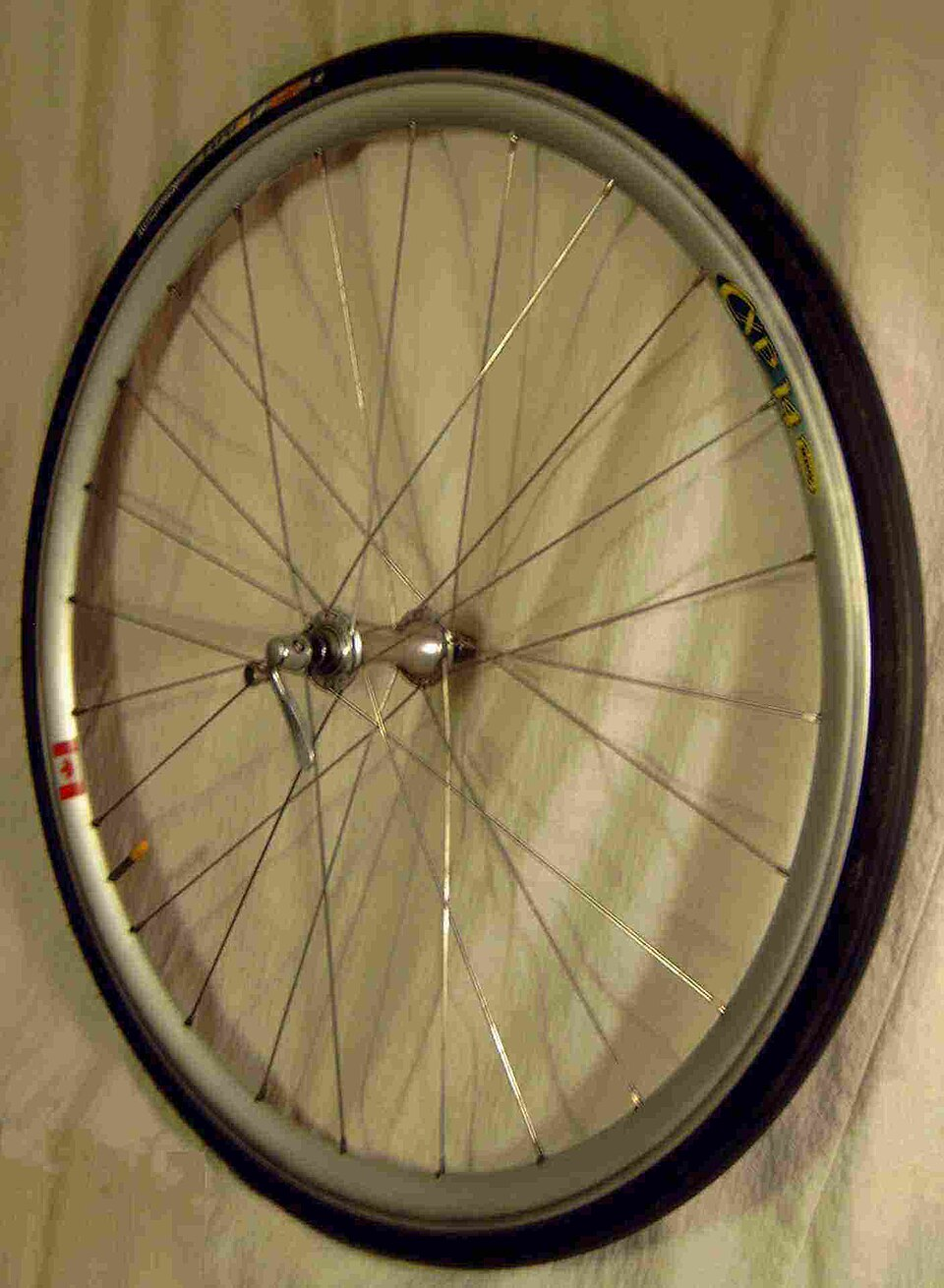
Kids and adults alike fixed their own bikes, patching tires, adjusting brakes, and oiling chains. A flat was no reason to stop riding.
In 1970, maintaining a bicycle was a basic skill, even for children. Patching a punctured inner tube, adjusting the brakes, tightening the chain, and oiling the moving parts were tasks riders handled themselves with a patch kit and a few simple tools. A flat tire meant a quick repair, not a trip to a shop. This hands-on bike know-how, passed from parents to kids, kept generations rolling, and it remains one of the more enduring, if less universal, do-it-yourself skills of the era.
9. Frayed Electrical Cords and Plugs
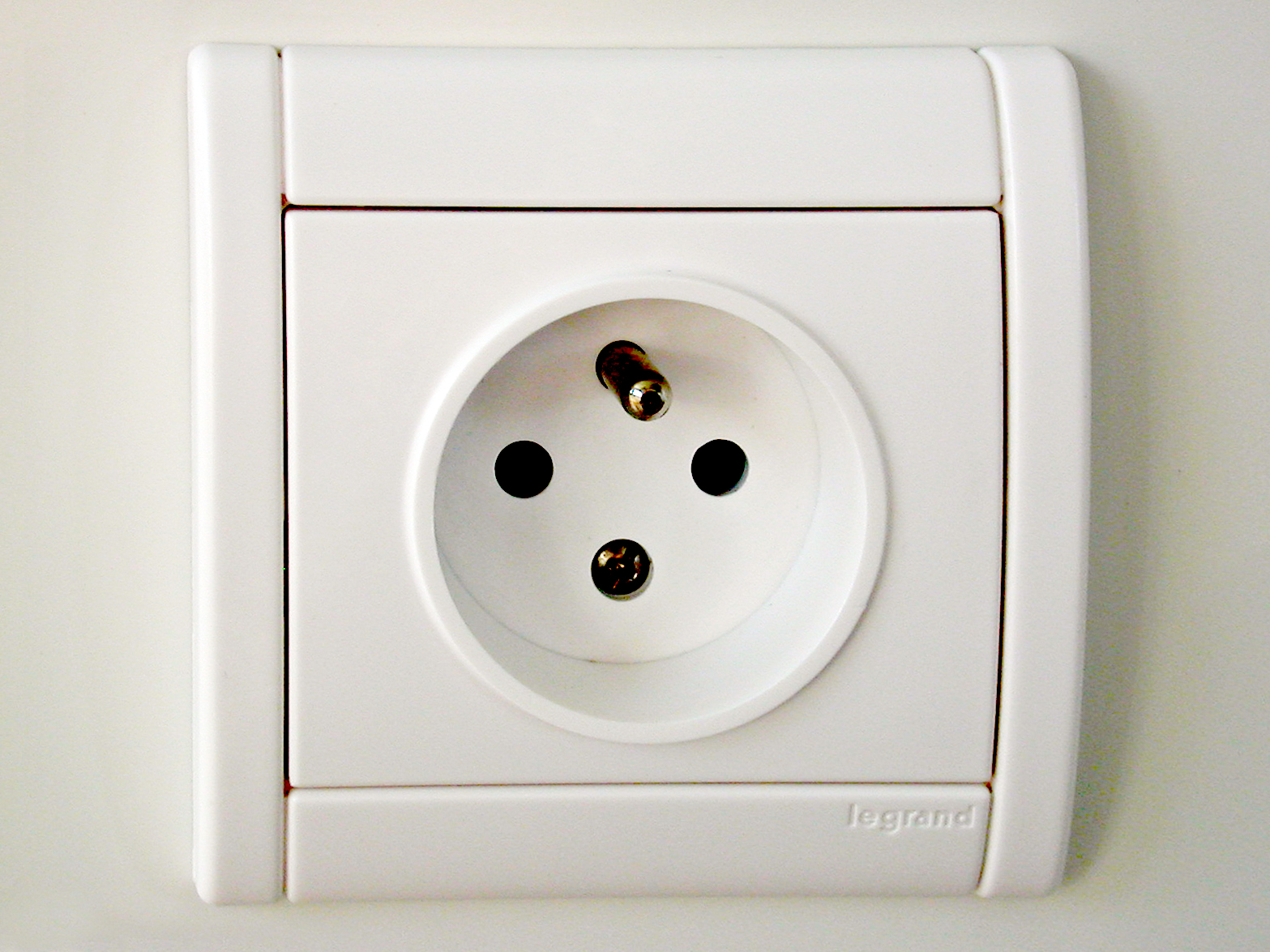
A frayed lamp cord or a broken plug was rewired at home with a bit of basic knowledge. Simple electrical fixes were routine.
Replacing a worn electrical cord or a cracked plug was a common home repair in 1970. With a screwdriver, some electrical tape, and a replacement plug from the hardware store, people confidently fixed frayed lamp cords and damaged plugs themselves. Such basic electrical know-how was widespread. As devices became sealed units and safety standards evolved, many people grew less comfortable with these fixes, but in 1970, rewiring a lamp or appliance cord was a routine, money-saving household task.
10. Hems, Curtains, and Household Linens
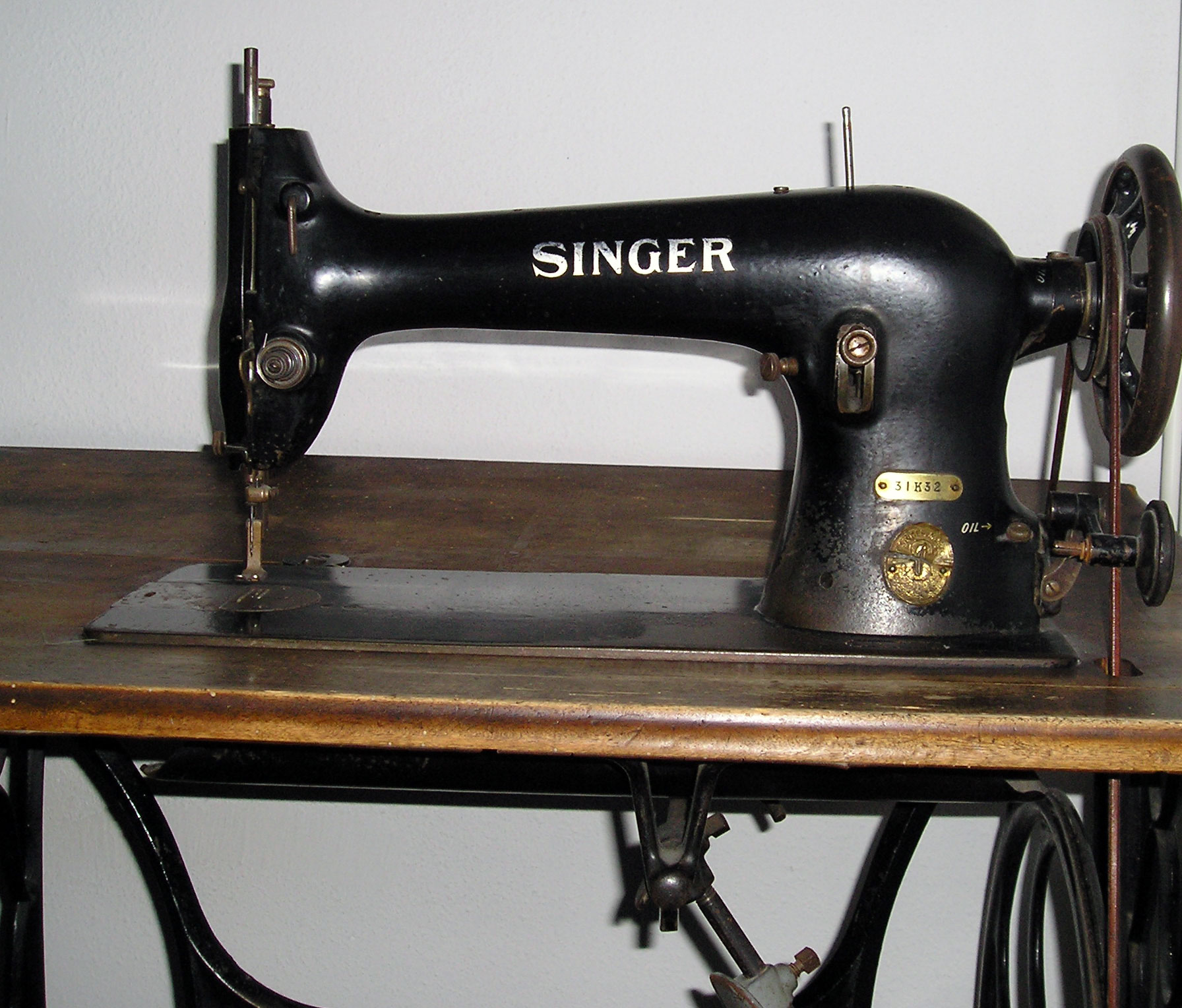
Pant hems, curtains, and worn linens were sewn and altered at home. The sewing machine was a busy household tool.
The home sewing machine got plenty of use in 1970. People hemmed their own pants, took in or let out garments, sewed curtains, and repaired worn sheets and tablecloths rather than buying new. Many women, and some men, were skilled at alterations, and home economics classes taught the basics. As ready-made everything became cheap and plentiful, home sewing for repairs and alterations declined sharply, making the well-used sewing machine a symbol of the era’s resourceful, self-sufficient households.
11. Squeaky Doors, Sticky Locks, and Loose Hinges
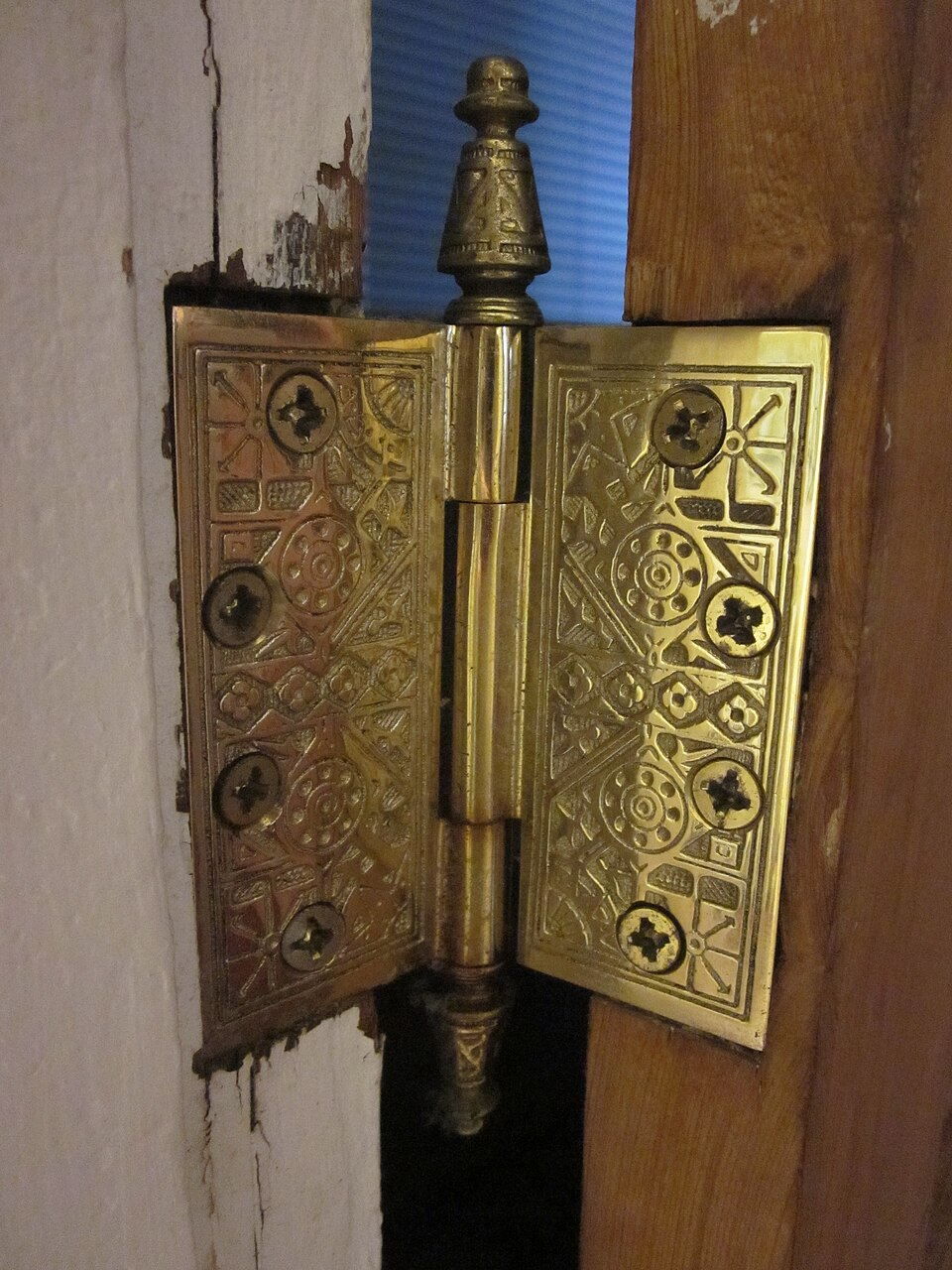
Household annoyances like squeaks and sticking doors were fixed with oil, a screwdriver, and a little patience. Small repairs were second nature.
The minor irritations of any home, a squeaky hinge, a door that wouldn’t latch, a sticky lock, a drawer that stuck, were simply handled in 1970 with a few drops of oil, a turn of a screwdriver, or a bit of sanding. These small fixes were considered basic homeowner competence, not worth calling anyone about. Knowing how to make a house run smoothly with simple tools was widespread, part of the everyday handiness that defined the self-reliant household of the era.
12. Garden Tools and Outdoor Equipment
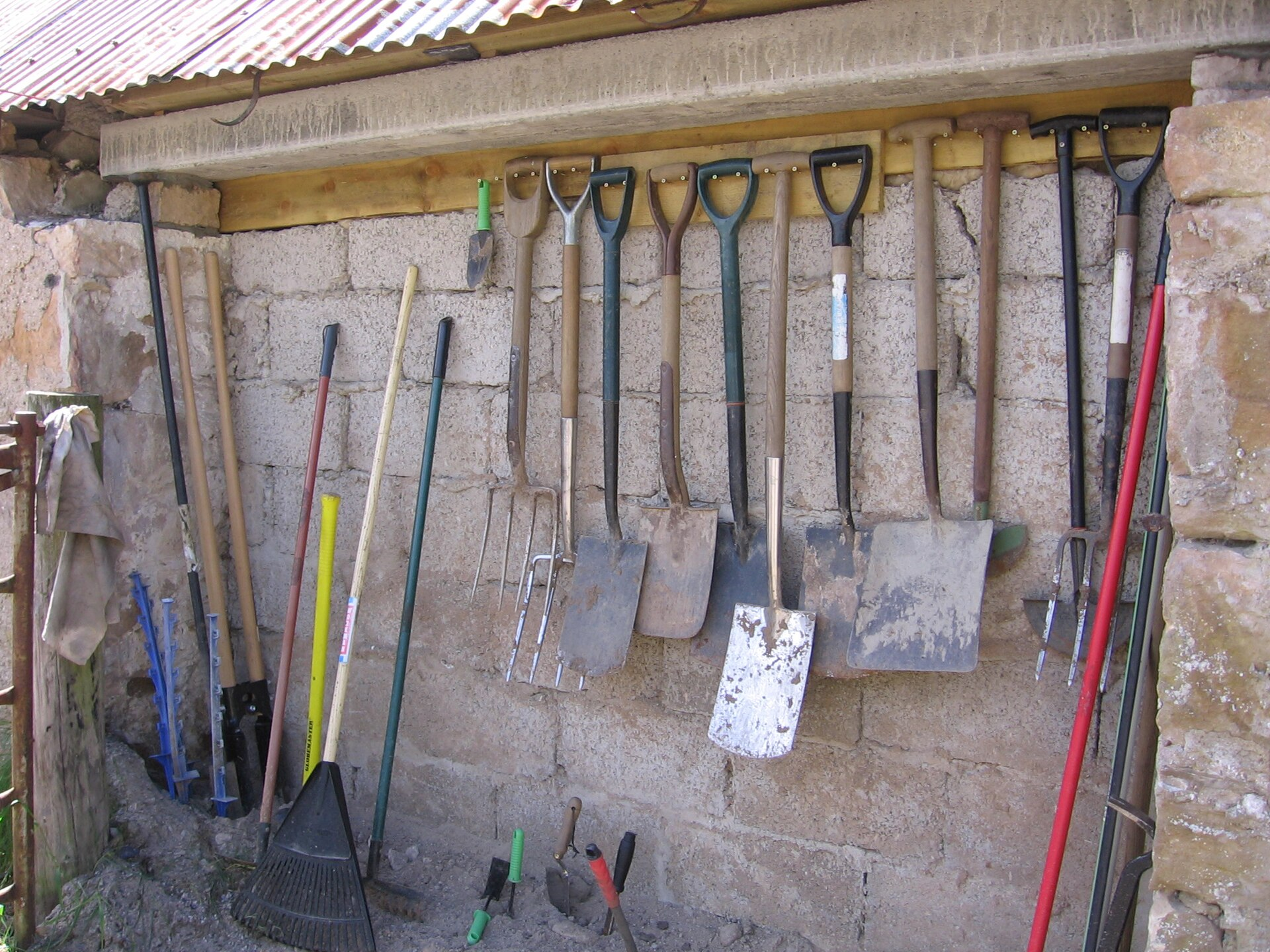
Lawn mowers, garden tools, and outdoor gear were sharpened, oiled, and repaired at home. Keeping equipment running was the owner’s job.
Maintaining outdoor equipment was a regular home task in 1970. People sharpened their own mower blades and garden tools, changed the oil and spark plug in the mower, oiled hinges and joints, and repaired hoses, rakes, and shovels. A backyard workbench and a few tools handled most of it. As equipment grew more complex and replacement cheaper, much of this upkeep shifted to shops or was skipped entirely, but in 1970, keeping your tools and gear in working order yourself was simply expected.
A More Hands-On Era
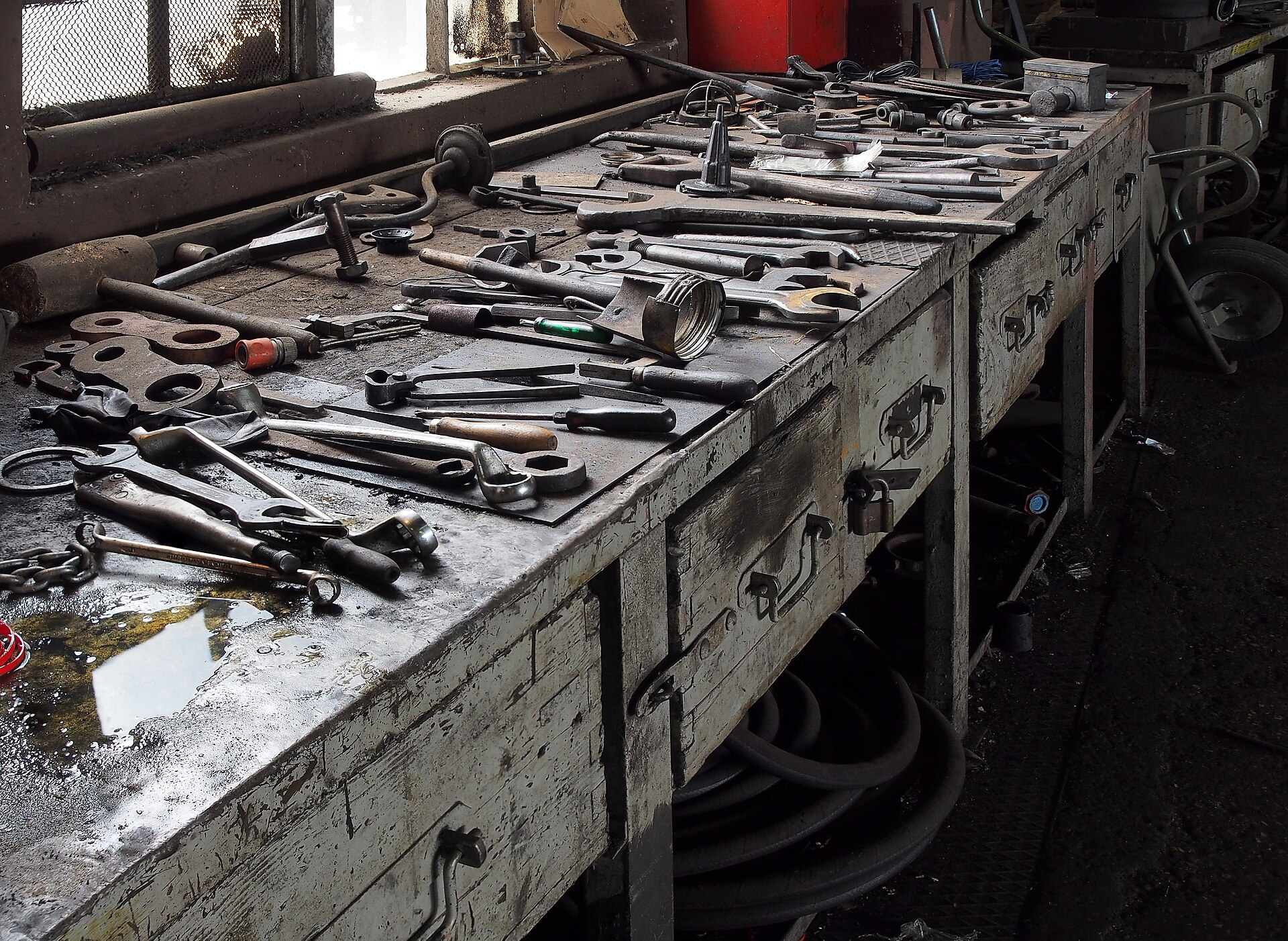
Taken together, these twelve repairs capture the do-it-yourself spirit that defined American households in 1970, when fixing things yourself, from cars and clothes to walls and appliances, was both a practical necessity and a point of pride. People had a broad working knowledge of repairs that allowed them to make things last and avoid the cost of replacement.
Much has changed since then. Products grew more complex and harder to open, replacements became cheaper than repairs, and specialized professionals took over many tasks once handled at home. As a result, many of these once-common skills have faded. Looking back at them is a reminder of a more self-reliant time, and perhaps an inspiration: a renewed interest in repairing and reusing has emerged in recent years. The hands-on know-how of 1970 reflects a resourceful mindset worth remembering, and in some ways, worth reviving.
Like our content? Follow us for more.