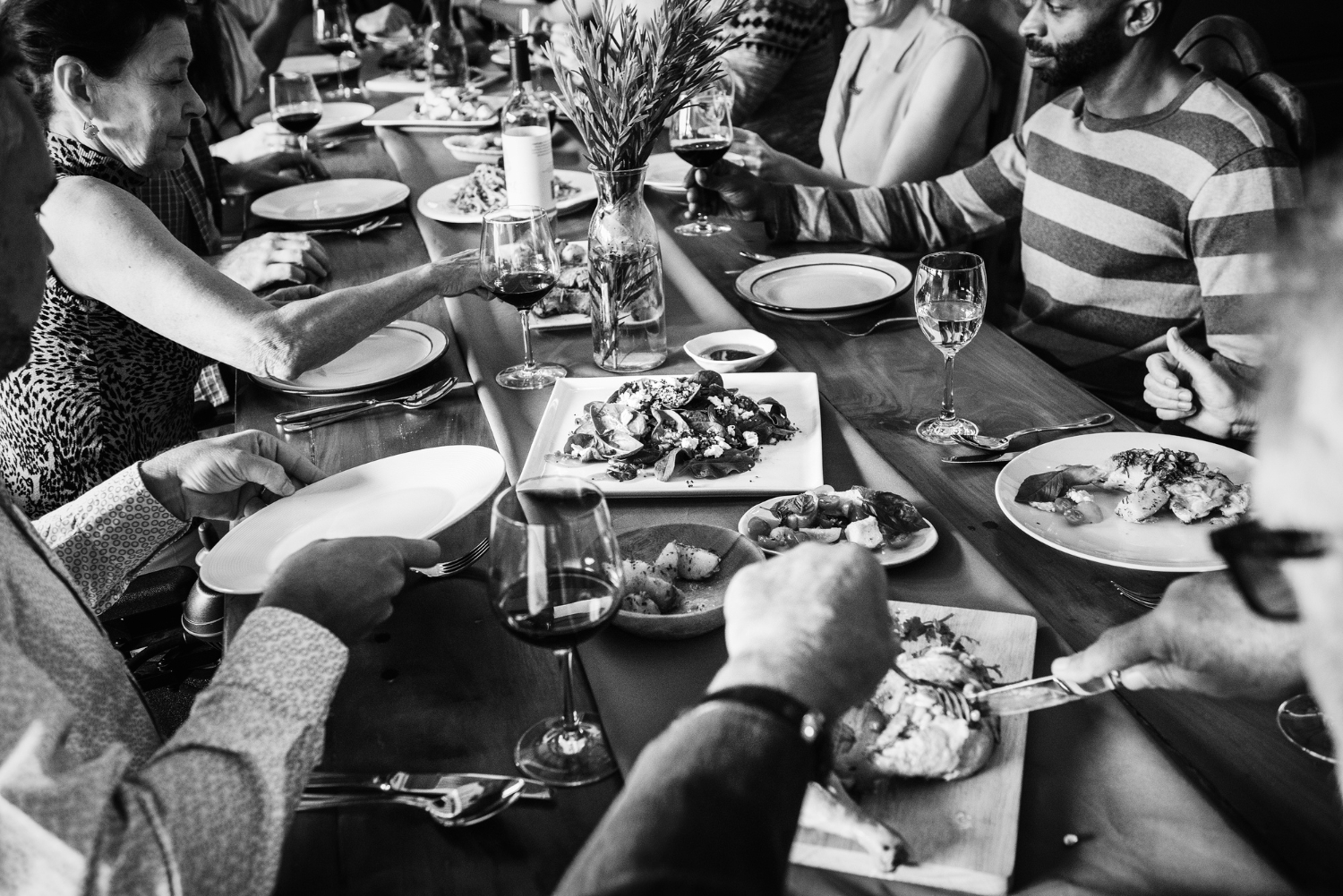
In 1960, raising a polite, well-mannered child was a top priority for American families, and a whole code of etiquette was taught from the earliest age. Many of these rules of courtesy were considered non-negotiable, instilled at home and reinforced at school. While good manners never go out of style, the specific customs of the era, and the formality with which they were taught, offer a fascinating window into the values of the time. For many, they spark fond, if occasionally strict, memories. Here are thirteen manners nearly every American child was taught in 1960, counted down one by one.
1. Say “Please” and “Thank You”
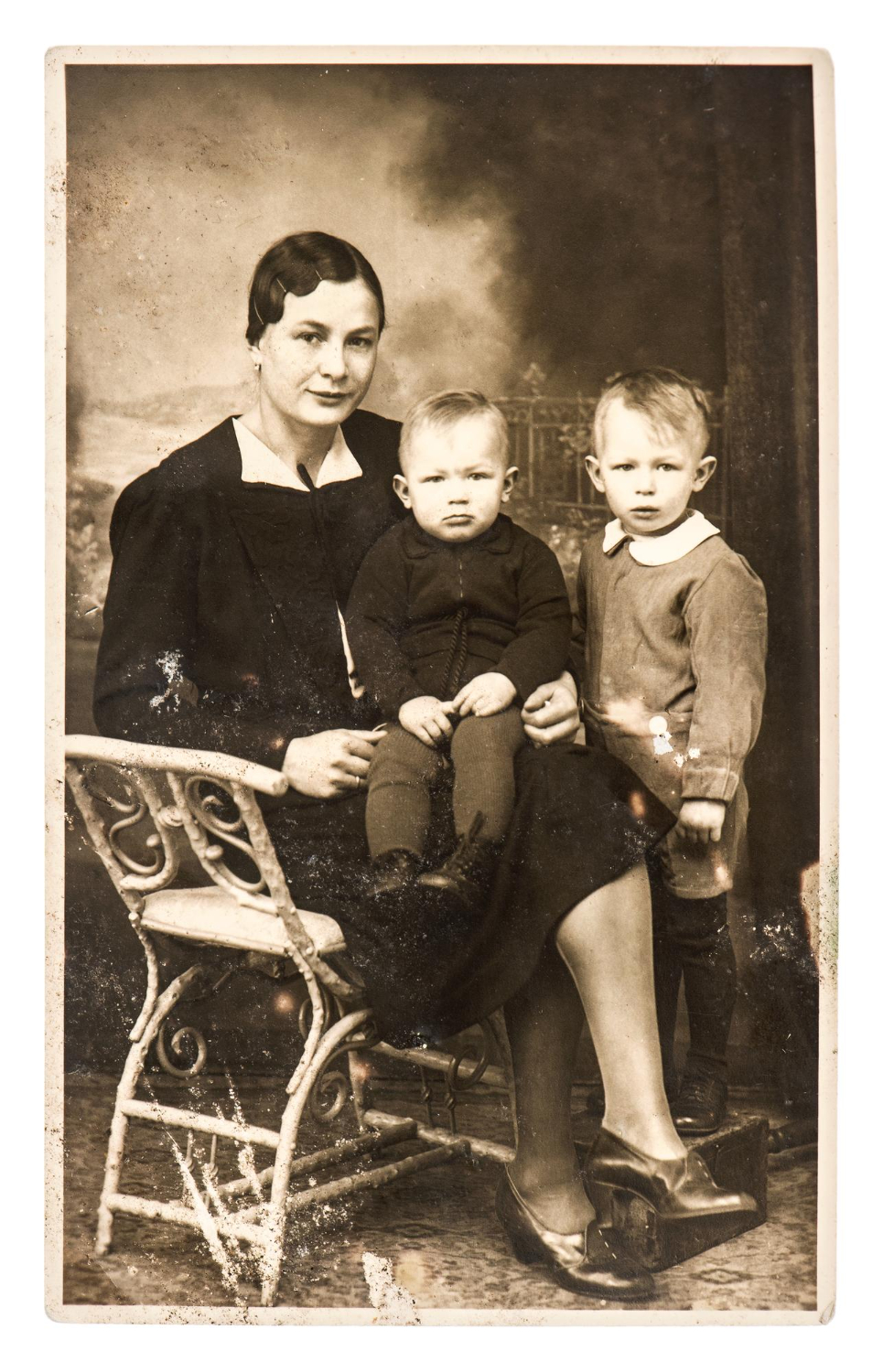
The bedrock of good manners, children were taught to say “please” when asking and “thank you” when receiving. These magic words were non-negotiable.
The very first manners a 1960 child learned were “please” and “thank you,” drilled in until they became automatic. Asking for anything required a “please,” and receiving anything, from a gift to a glass of milk, called for a “thank you.” Parents would prompt, “What do you say?” until the words came naturally. These foundational courtesies were considered essential, and teaching them was among the first lessons of childhood. The emphasis on “please” and “thank you” reflects the era’s deep belief in everyday politeness.
Like our content? Follow us for more.
2. Address Adults as “Sir” and “Ma’am”
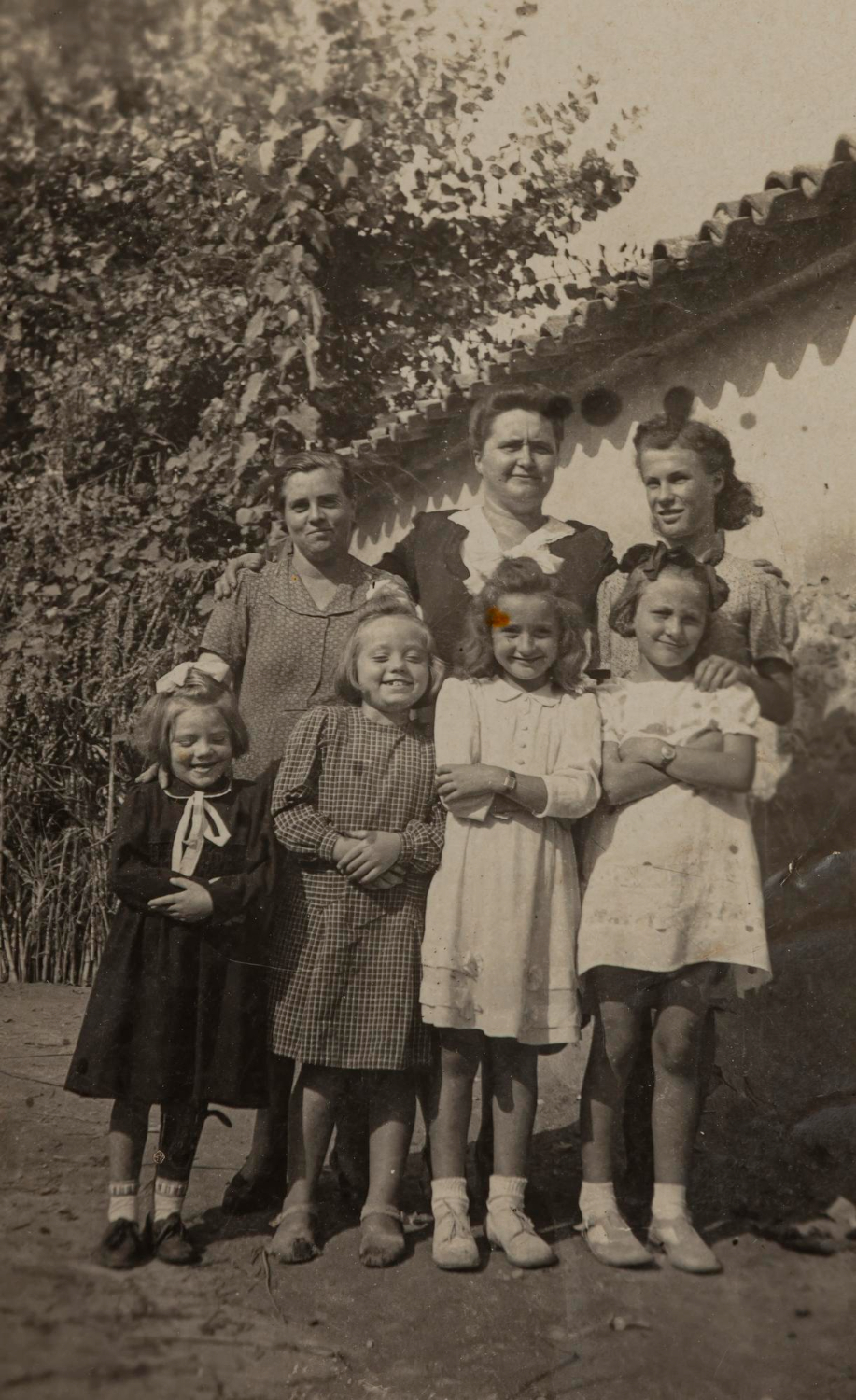
Children answered grown-ups with “yes, sir” and “yes, ma’am,” and used Mr., Mrs., and Miss. Respect for elders was shown through speech.
In 1960, children were expected to address adults with formal respect, answering “yes, sir” or “yes, ma’am” and never calling a grown-up by their first name, always Mr., Mrs., or Miss. This formality signaled deference to elders and authority. A child who replied with a casual “yeah” might be gently corrected. This habit of respectful address is a defining manner of the era, reflecting a clear sense of the relationship between children and adults that was carefully taught and expected.
3. Write Thank-You Notes by Hand
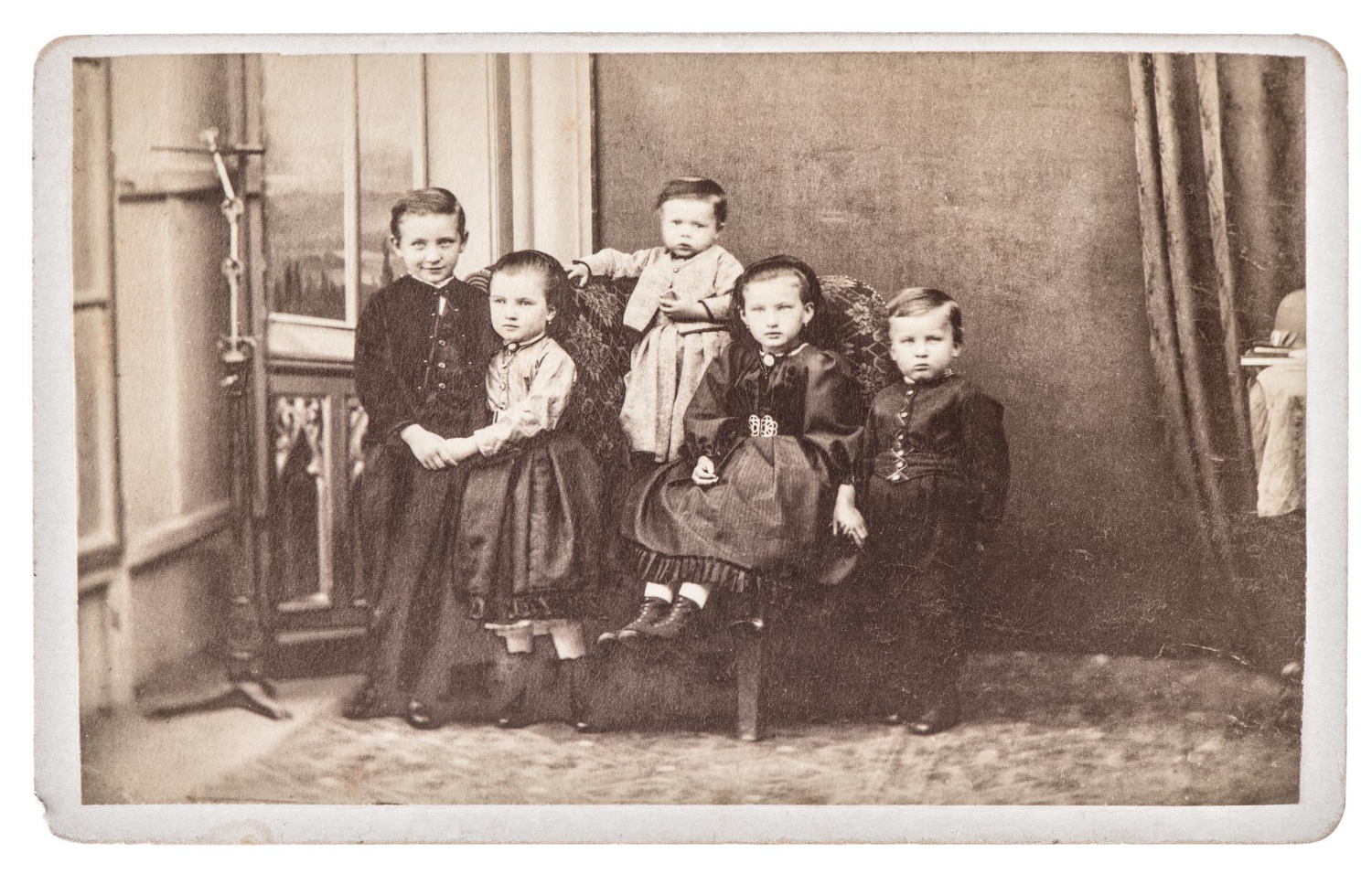
After receiving a gift, children wrote a handwritten thank-you note. Gratitude was expressed properly, in ink and on paper.
A cornerstone of 1960 etiquette was the handwritten thank-you note. After a birthday, holiday, or any gift, children were expected to sit down and write a proper note of thanks to the giver, in their own hand. It was considered rude to skip this courtesy. Parents supervised to make sure it was done promptly and sincerely. The handwritten thank-you note is a gracious custom of the era, a now-fading practice that reflected the importance placed on expressing gratitude formally and personally.
4. Don’t Interrupt When Adults Are Speaking
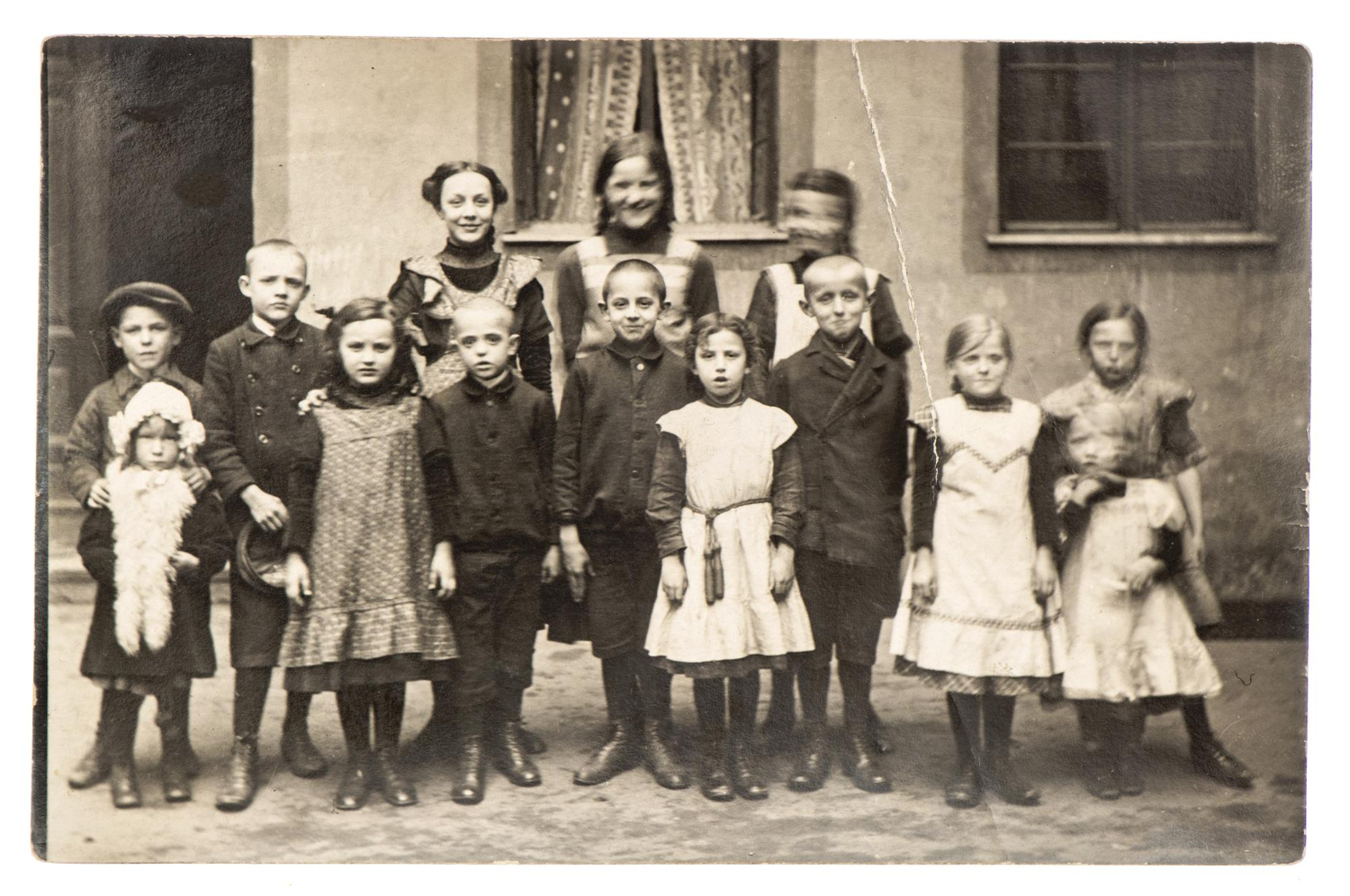
Children were taught to wait their turn and not interrupt grown-ups’ conversations. Patience and listening were prized.
In 1960, the rule “children should be seen and not heard,” while strict by today’s standards, captured an era that prized children waiting their turn to speak. Kids were taught not to interrupt adult conversations and to politely say “excuse me” if they needed to interject. Butting in was considered rude. This emphasis on patience, listening, and not interrupting reflected the period’s expectations of children’s behavior, teaching a courtesy that, in gentler form, remains valued today.
5. Proper Table Manners
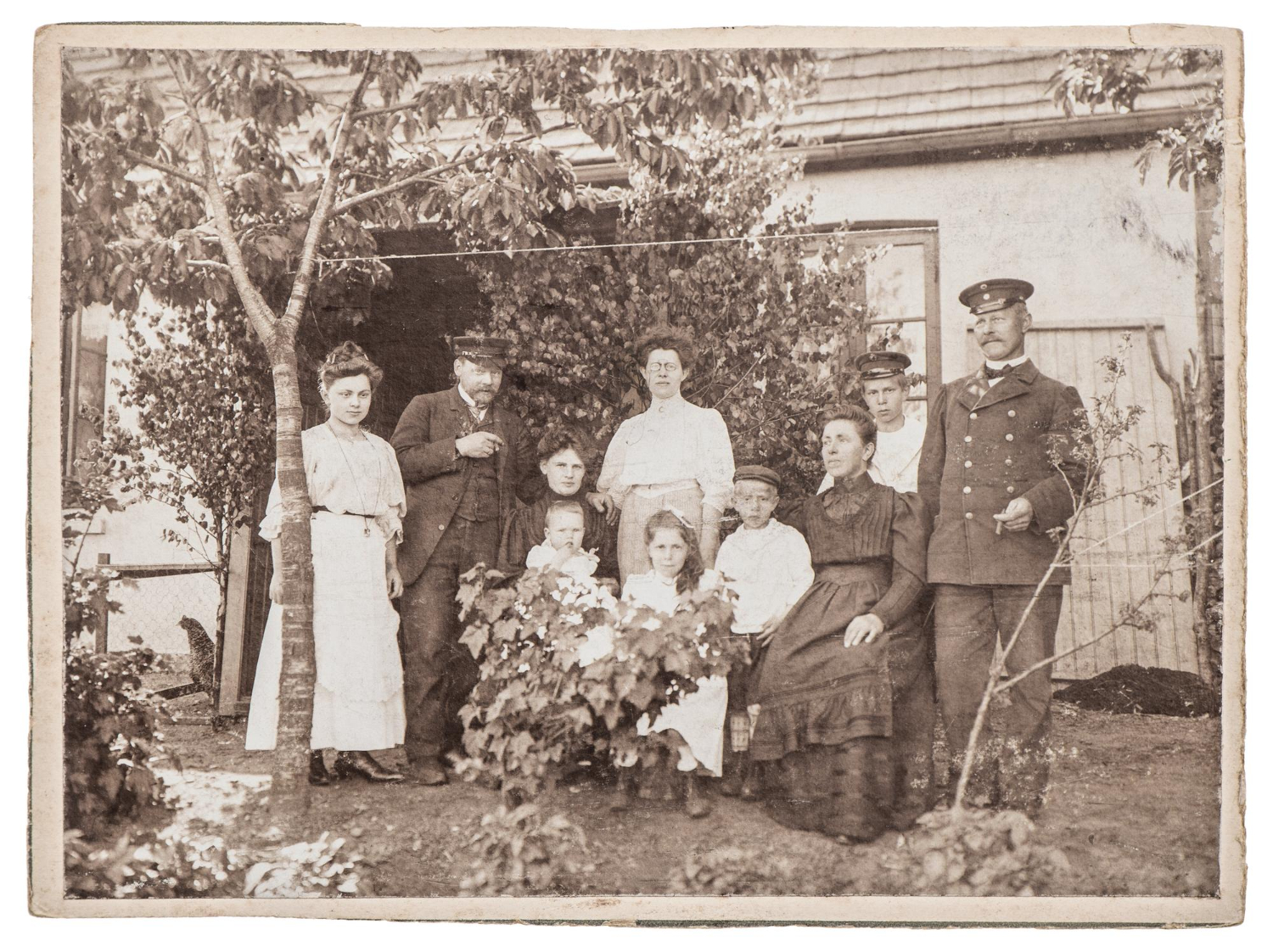
Children learned to use utensils correctly, keep elbows off the table, and ask to be excused. Mealtime had clear rules.
The dinner table was a classroom for manners in 1960. Children were taught to use the right utensils, keep their elbows off the table, chew with their mouths closed, put their napkin in their lap, and not begin eating until everyone was served. Asking “may I please be excused?” before leaving was expected. These detailed table manners were carefully instilled, reflecting an era that treated mealtime as an important occasion for displaying, and practicing, good behavior.
6. Cover Your Mouth When Coughing or Sneezing
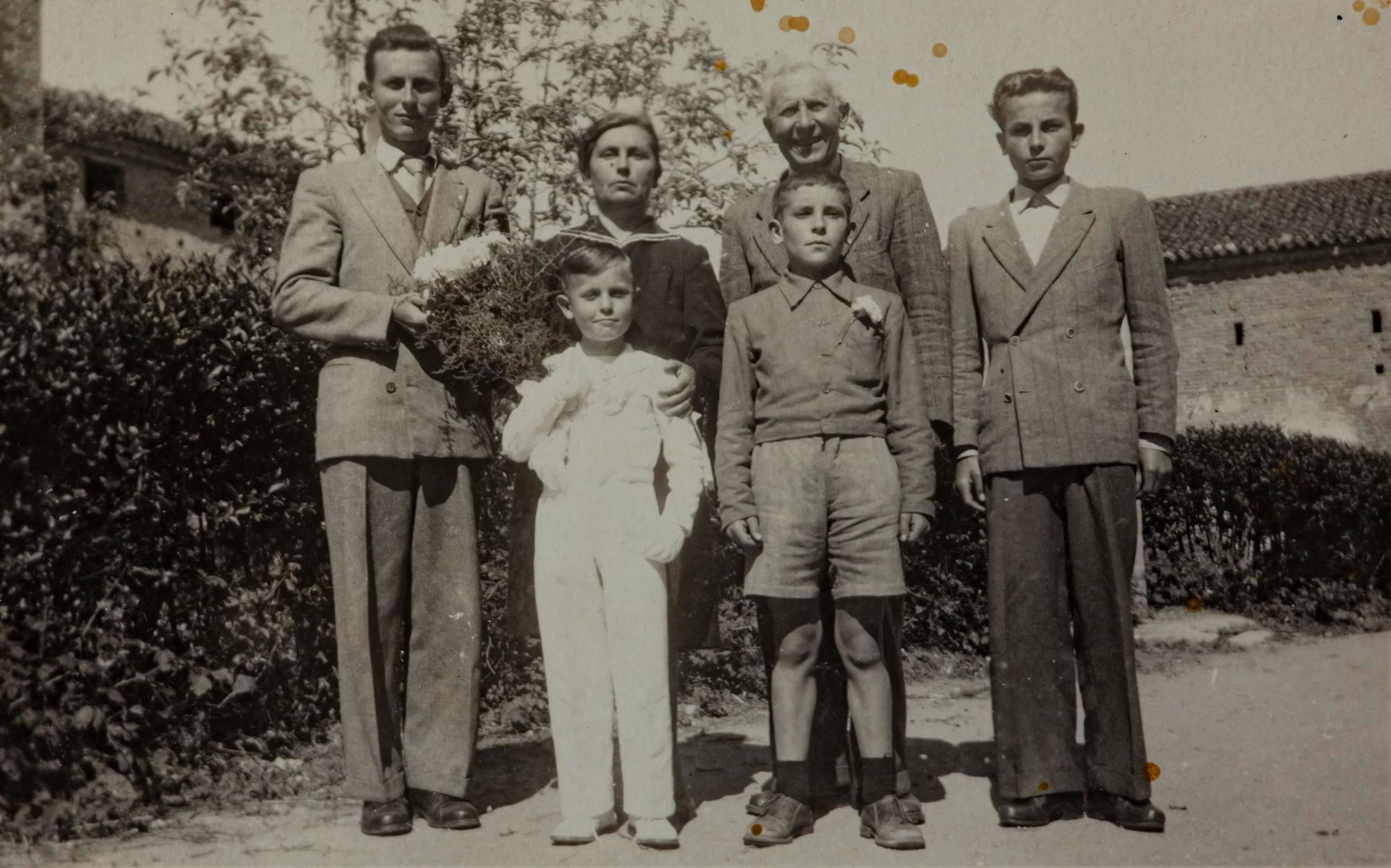
Children were taught to cover their mouths and say “excuse me” after a sneeze or cough. Consideration for others was the lesson.
Basic courtesy in 1960 included covering your mouth when coughing or sneezing and saying “excuse me” or “pardon me” afterward. Children were taught that these small acts showed consideration for the people around them. Likewise, saying “bless you” when someone else sneezed was polite. These everyday courtesies of bodily manners were instilled early as part of being considerate, reflecting the era’s attention to the small gestures that smooth social interaction.
7. Hold the Door and Offer Your Seat
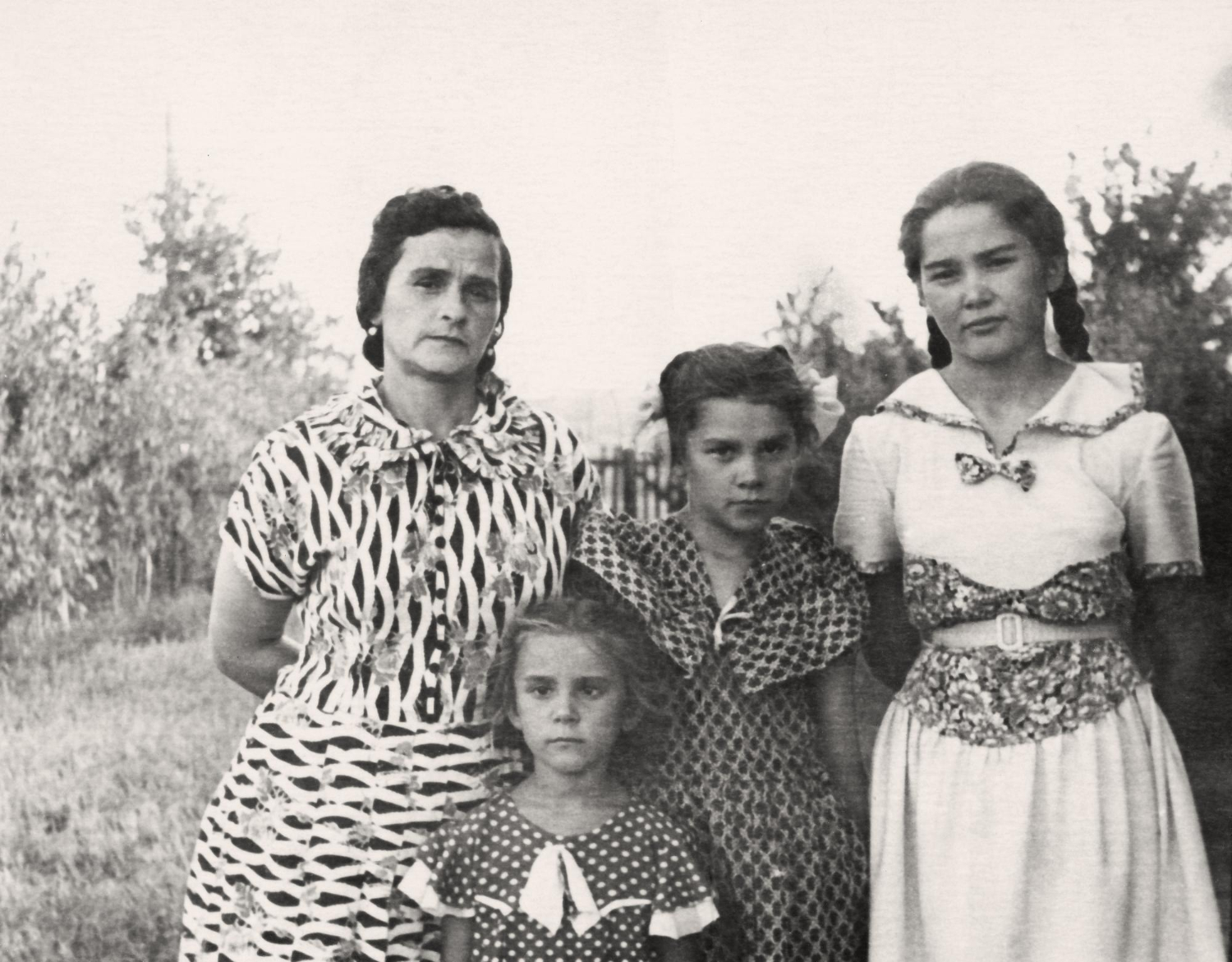
Children, especially boys, were taught to hold doors open and offer their seat to elders and ladies. Gallantry was encouraged.
Helpful courtesies were emphasized in 1960. Children were taught to hold the door for others, and offering one’s seat to an elderly person, or, per the era’s customs, to a woman, was considered proper. Carrying packages for a grandparent and similar small kindnesses were encouraged. These gestures of consideration, some reflecting the period’s particular notions of chivalry, were part of raising a thoughtful child, teaching young people to look out for the comfort of others.
8. Shake Hands and Make Eye Contact
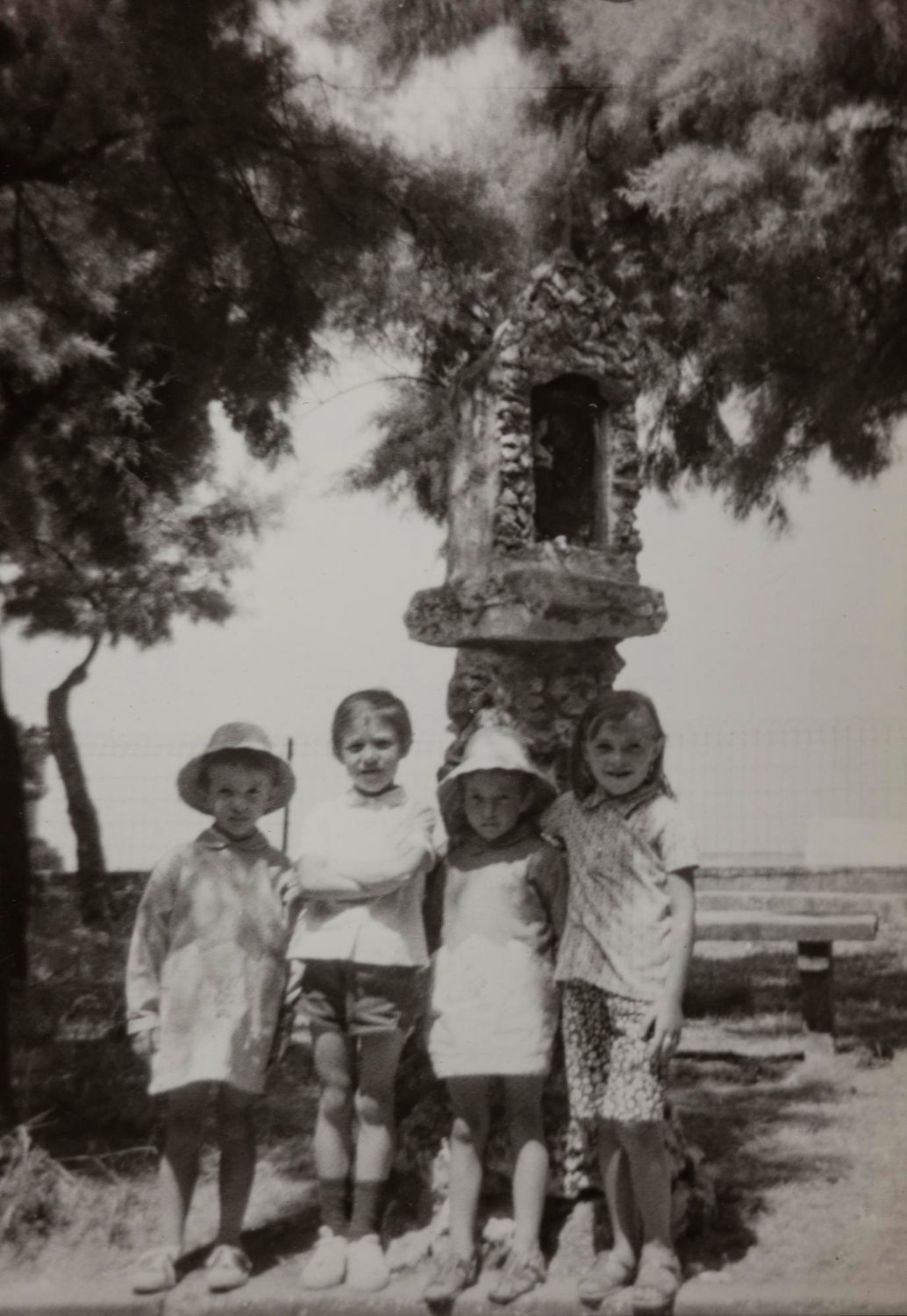
When introduced, children were taught to shake hands firmly and look the person in the eye. A proper greeting mattered.
A proper introduction was an important skill in 1960. Children, particularly when meeting adults, were taught to offer a firm handshake, look the person in the eye, and give a clear greeting such as “how do you do?” or “nice to meet you.” A limp handshake or downcast eyes were discouraged. This emphasis on a confident, respectful greeting reflected the era’s belief that first impressions and social poise mattered, and it was carefully practiced as a mark of good upbringing.
9. Don’t Point or Stare
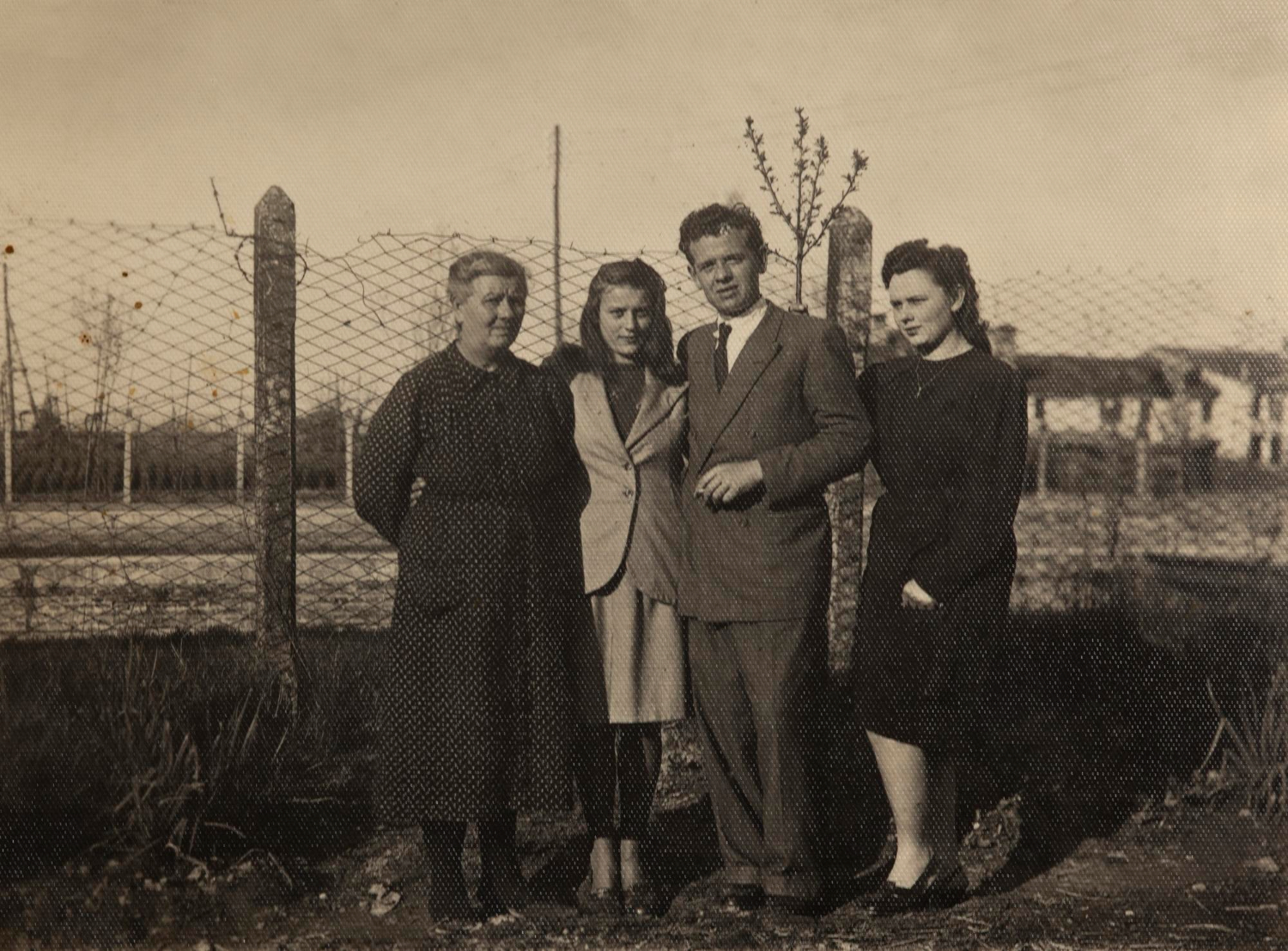
Children were taught it was rude to point at people or stare, especially at strangers. Discretion and respect were the lessons.
Among the manners drilled into 1960 children was the rule against pointing at or staring at people, behaviors considered impolite and potentially hurtful. Parents would gently remind a child, “it’s not nice to point” or “don’t stare.” Children were taught to be discreet and to treat others with respect, even out of curiosity. This lesson in social tact reflected the era’s care for others’ feelings and dignity, teaching kids to mind how their behavior affected those around them.
10. Be Quiet and Still in Church and Public

Children were expected to sit still and behave in church, restaurants, and other public places. Self-control was emphasized.
In 1960, children were taught to be on their best behavior in public settings, sitting silently and still during church services, behaving in restaurants and stores, and not running, shouting, or causing a fuss. Self-control in public was expected, and a misbehaving child reflected on the whole family. Parents prepared children for how to act before they went out. This emphasis on public composure reflected the era’s strong sense of decorum and the importance placed on a child’s conduct away from home.
11. Respect Other People’s Property
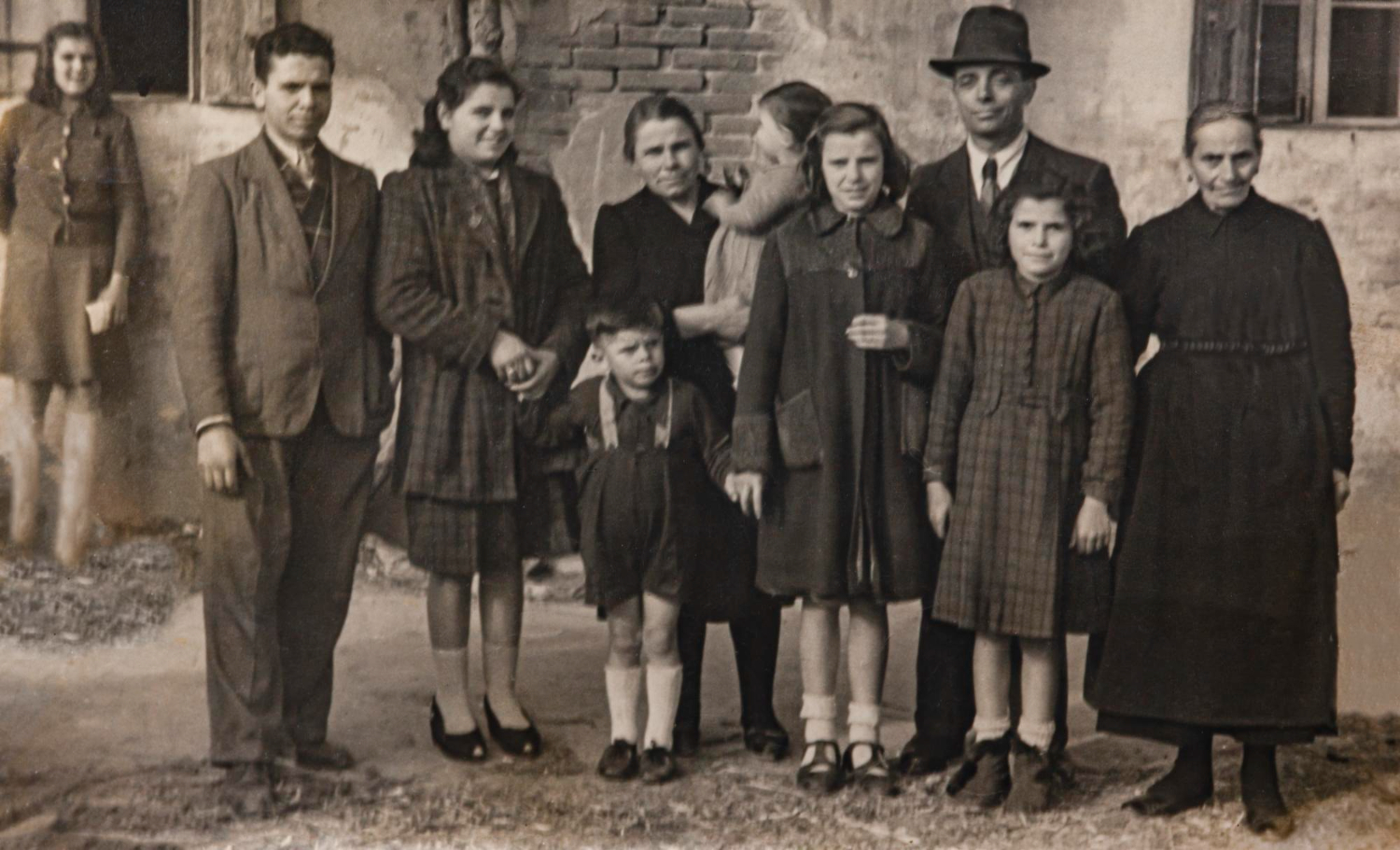
Children were taught to ask before borrowing, to be careful with others’ things, and to return what they borrowed. Respect extended to belongings.
Good manners in 1960 included respecting what belonged to others. Children were taught to ask permission before borrowing or touching someone’s things, to handle them carefully, and to return borrowed items promptly and in good condition. Taking something without asking was a serious breach. This lesson in respecting property and personal boundaries was an important part of an upbringing focused on consideration and trustworthiness, teaching children to value and care for what wasn’t theirs.
12. Greet People and Say Goodbye Politely

Children learned to greet people when arriving and to say a proper goodbye when leaving. Acknowledging others was expected.
In 1960, children were taught to acknowledge people properly, greeting family members, guests, and neighbors with a “hello” or “good morning,” and saying a polite “goodbye” and “thank you for having me” when leaving. Slipping in or out without a word was considered rude. Welcoming guests and seeing them off graciously were part of family life. This emphasis on warm, proper greetings and farewells reflected the era’s social warmth and the value placed on acknowledging the people in one’s life.
13. Apologize and Admit When You’re Wrong
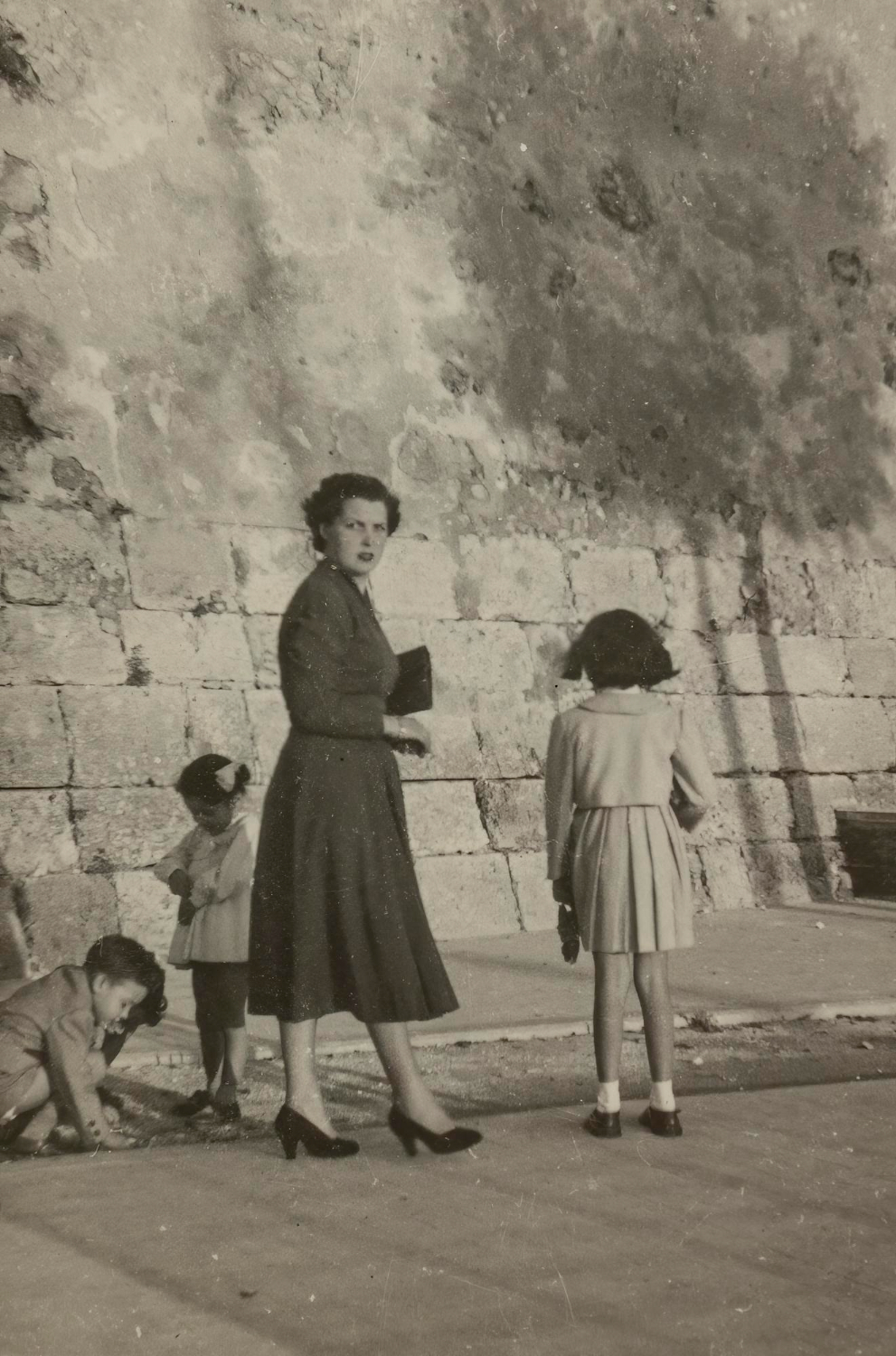
Children were taught to say “I’m sorry” sincerely and to own up to mistakes. Taking responsibility was an important lesson.
An important manner taught in 1960 was the ability to apologize sincerely and admit when you were in the wrong. Children learned to say “I’m sorry,” to take responsibility for their mistakes, and to make amends rather than make excuses. Owning up to a misdeed and apologizing properly was seen as a mark of good character. This lesson in accountability and humility was a meaningful part of raising a well-mannered child, teaching values of honesty and respect that remain timeless.
Courtesy Across the Generations
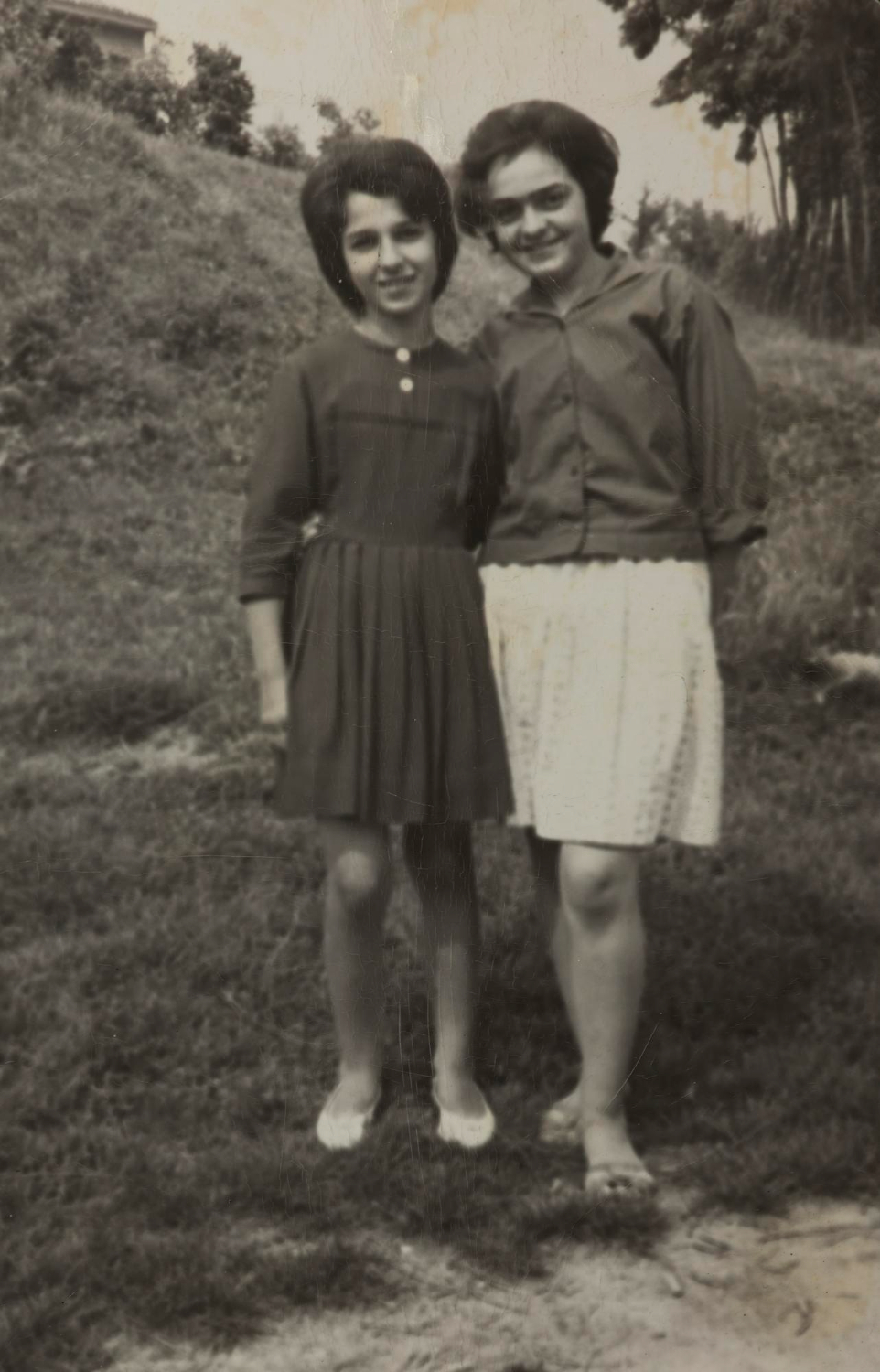
Taken together, these thirteen manners capture the strong emphasis on courtesy that shaped American childhood in 1960, from “please” and “thank you” to handwritten notes, respectful address, and proper table manners. Good behavior was carefully taught and firmly expected, reflecting an era that placed great value on politeness, respect, and decorum.
While some of these customs reflect the particular formality and social norms of their time, many of the underlying values, gratitude, respect, consideration, and accountability, remain just as meaningful today. Looking back at these manners is a fond reminder of how earlier generations were raised, and perhaps a gentle prompt to carry the best of these courtesies forward. Whether strict or sweet, the manners of 1960 reflect a heartfelt belief in treating others with kindness and respect, a lesson that never goes out of style.
Like our content? Follow us for more.