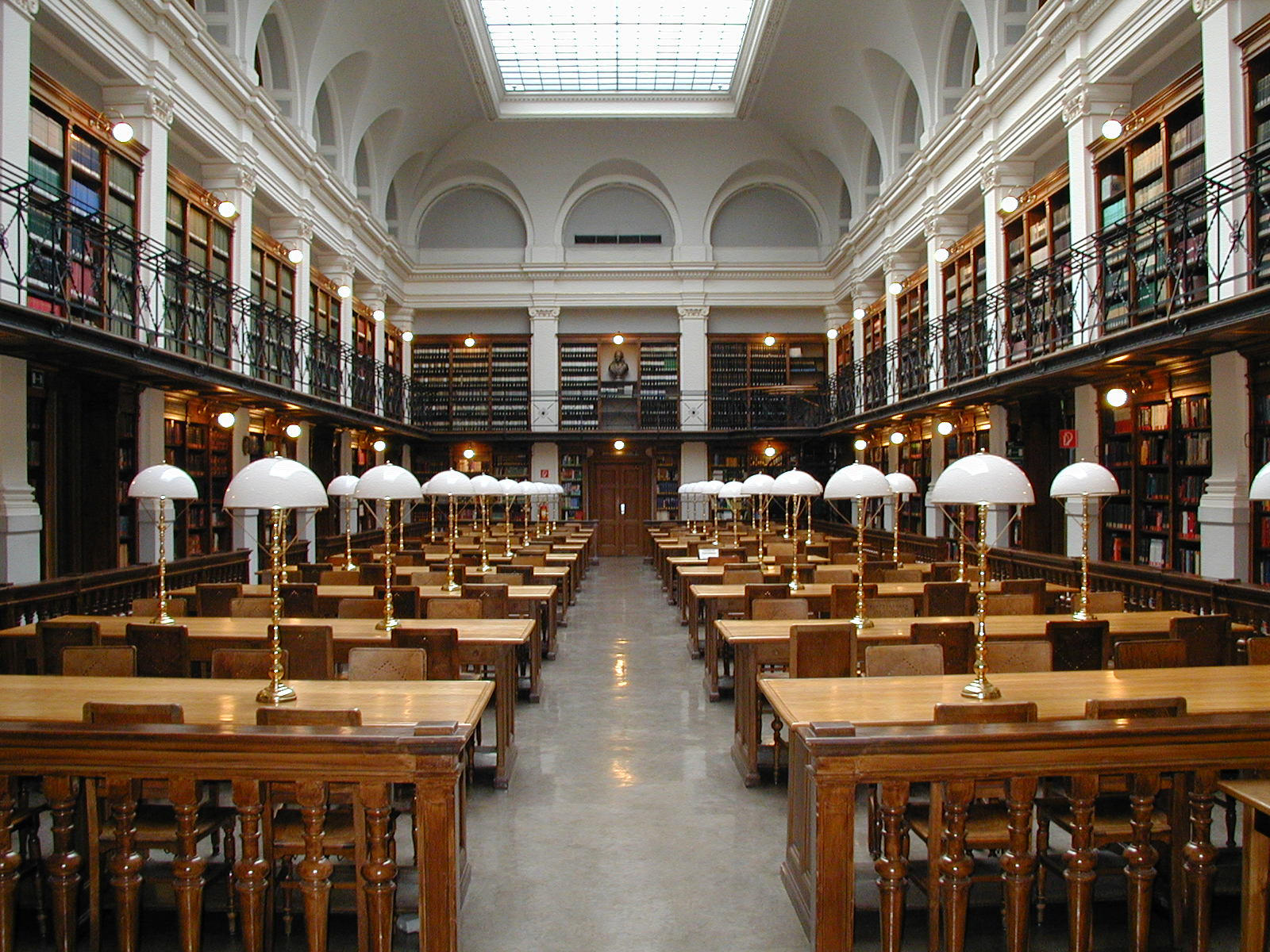
For generations, the public library was a place of knowledge that ran entirely on paper, cards, and a quiet, well-ordered system. Before computers digitized everything, finding a book, checking it out, and tracking it down again involved a whole set of tools and rituals that feel almost charming today. Anyone who grew up doing research with the card catalog or squinting at a microfilm reader remembers these features fondly. As libraries modernized, many of these classic fixtures disappeared. Here are eleven things nearly every American library had before computers, counted down one by one.
1. The Wooden Card Catalog
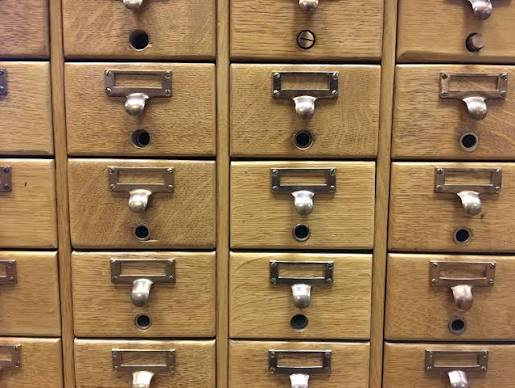
Rows of small drawers held index cards for every book, organized by author, title, and subject. It was the library’s search engine.
The centerpiece of the pre-computer library was the card catalog, a grand wooden cabinet filled with dozens of small drawers, each packed with index cards listing every book in the collection by author, title, and subject. To find a book, you flipped through the cards, jotted down the call number, and went hunting. It was the original search engine, all on paper. The wooden card catalog is the most iconic feature of the classic library, a beloved system that taught generations how to research, one little drawer at a time.
Like our content? Follow us for more.
2. The Dewey Decimal System
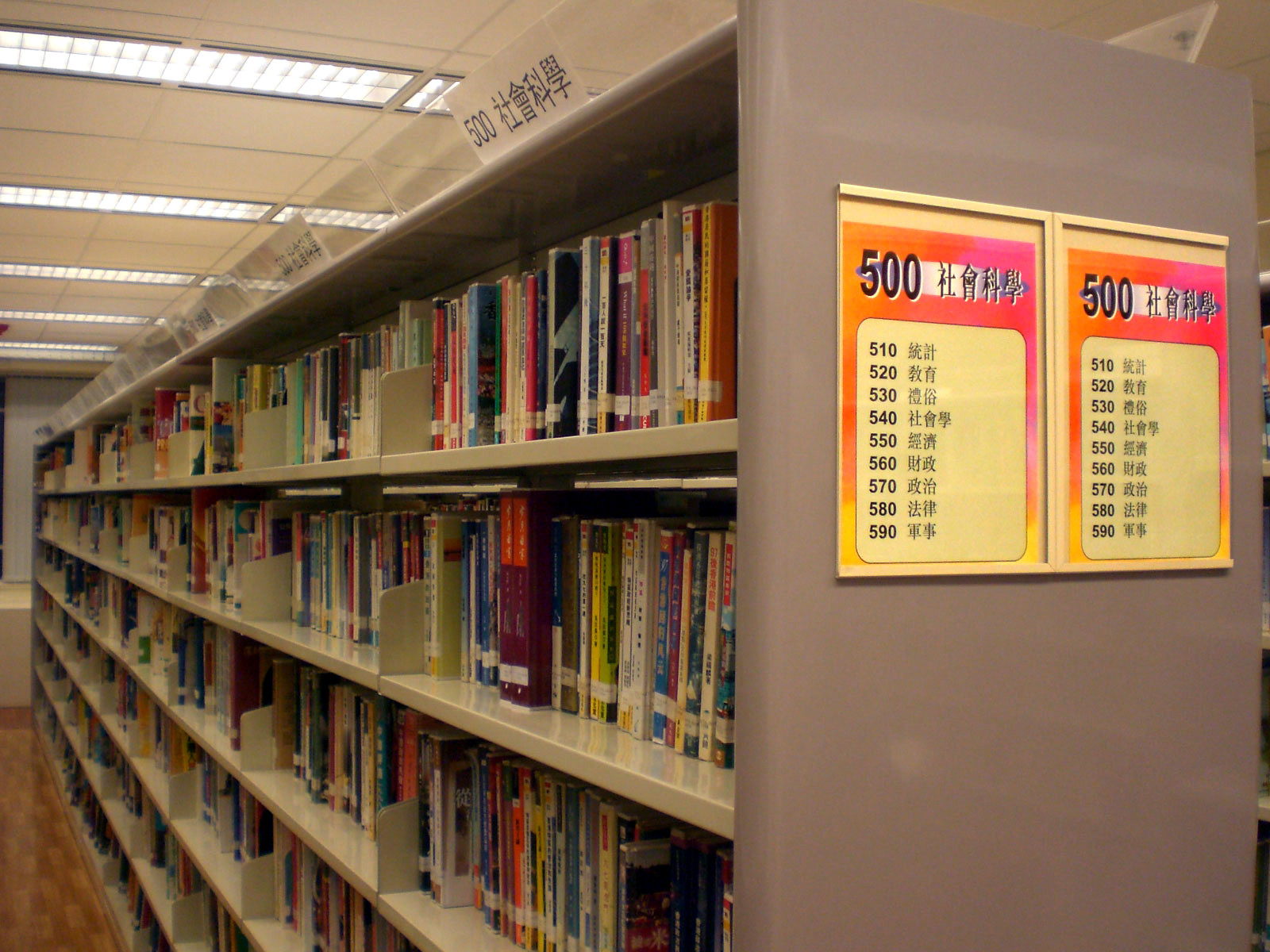
Books were shelved by number according to the Dewey Decimal System. Learning it was a rite of passage for young researchers.
Libraries organized their nonfiction collections using the Dewey Decimal System, assigning every book a number based on its subject so it could be found on the shelves. Once you had a call number from the card catalog, you followed the numbered spines to your book. Mastering the system was a genuine skill, often taught in school. The Dewey Decimal System remains in use, but learning to navigate it by hand, card catalog to shelf, is a classic memory of the pre-computer library and the research skills it instilled.
3. The Date-Due Stamp and Card

A librarian stamped the due date on a card in the back of each book. The stamp’s thunk marked every checkout.
Checking out a book meant the librarian stamped the due date onto a card, leaving a satisfying thunk and a column of past dates that showed the book’s history of readers. The date told you when to return it to avoid a fine. That inked record in the back of the book was a small piece of every reader’s library experience. The date-due stamp and card are a fondly remembered ritual of the pre-computer library, a tangible, ink-and-paper system replaced by silent digital scans and printed receipts.
4. The Pocket and Checkout Card
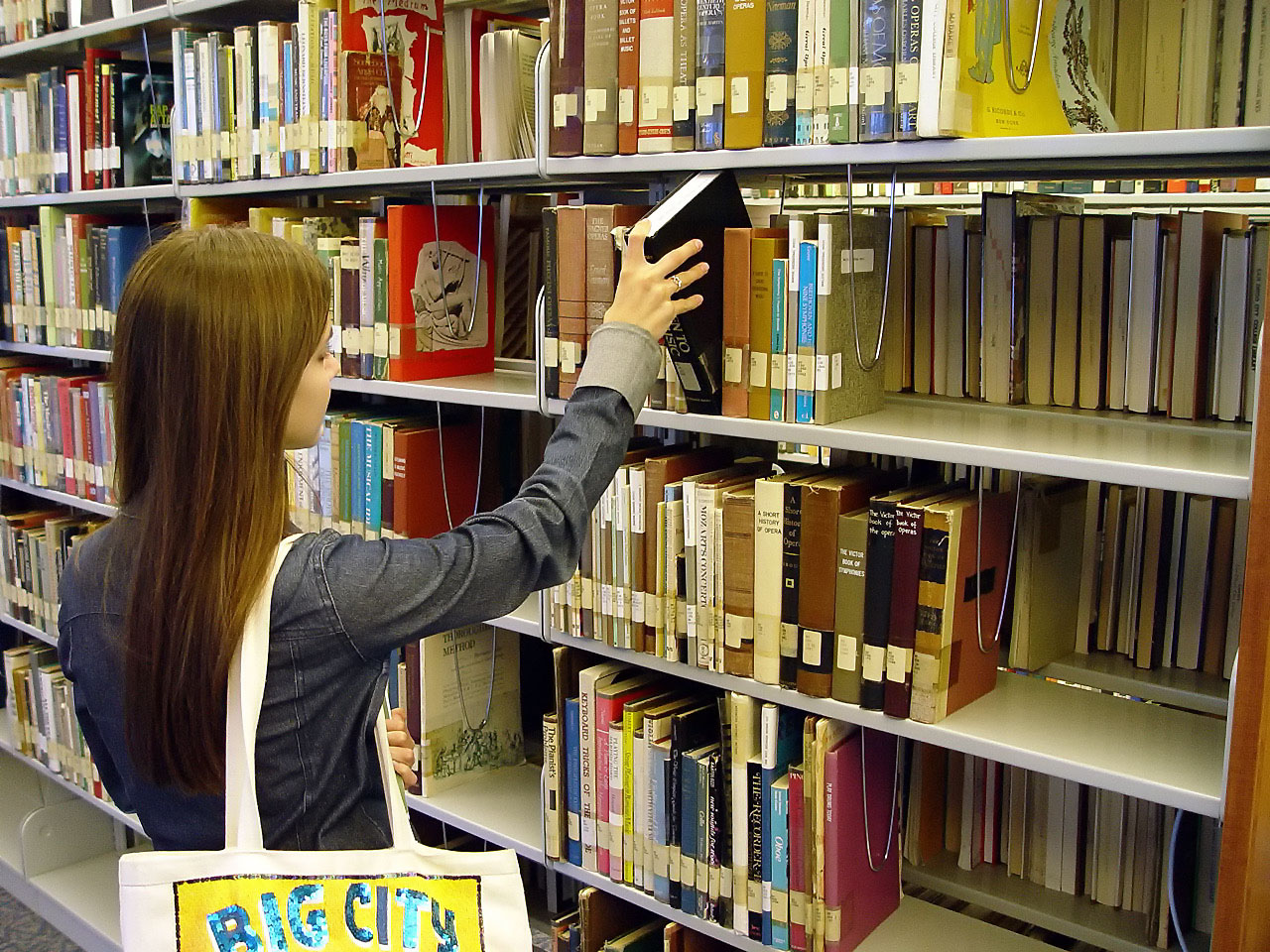
Each book had a paper pocket holding a checkout card that recorded who had it. The system tracked every loan by hand.
Glued inside the back cover of each book was a small paper pocket holding a checkout card. When you borrowed a book, the librarian removed the card, recorded your information, and filed it, returning it to the pocket when the book came back. This manual system tracked every loan in the collection. The book pocket and checkout card are a classic feature of the analog library, a simple, ingenious paper method for keeping tabs on thousands of books, long before barcodes and scanners took over.
5. The Microfilm and Microfiche Readers
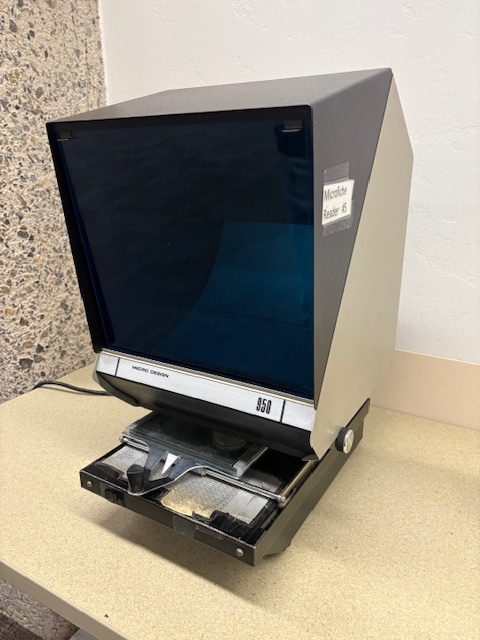
Old newspapers and records were stored on film and viewed on special readers. Researchers spun through history on the machines.
To store vast archives of newspapers, magazines, and records in limited space, libraries used microfilm and microfiche, tiny photographic images viewed on large, glowing reader machines. Researchers loaded a reel or sheet and scrolled through old issues, hunting for an article from decades past. The whir of the machine and the glow of the screen were memorable. Microfilm and microfiche readers are a nostalgic fixture of the pre-computer library, the technology that put history at researchers’ fingertips before everything moved online.
6. The Reference Desk and Encyclopedias
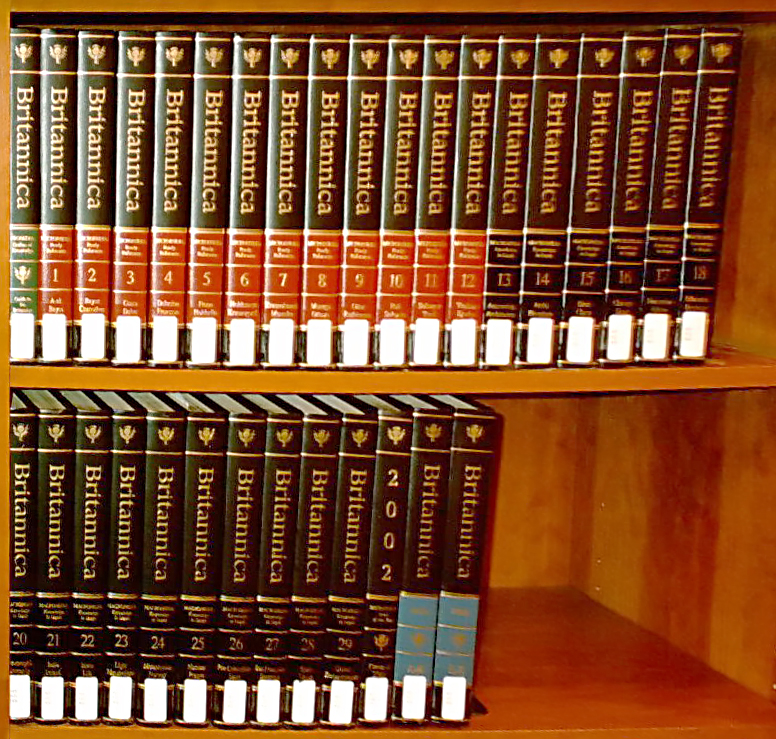
A reference librarian and a wall of encyclopedias answered any question. They were the go-to source for facts.
Before search engines, the reference desk was where you went with any question, staffed by a knowledgeable librarian who could point you to the right source. Nearby stood shelves of weighty encyclopedias, almanacs, atlases, and dictionaries, the reference collection that held the answers to nearly anything. Students relied on them for school reports. The reference desk and encyclopedia collection are a beloved memory of the classic library, the human-and-paper knowledge hub that answered the world’s questions before the internet did.
7. The “Quiet Please” Signs
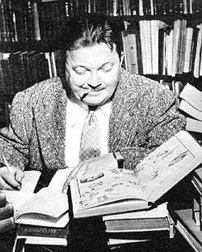
Signs and a hushed atmosphere enforced strict silence. The library was a sanctuary of quiet.
The classic library was a bastion of silence, with “Quiet Please” signs posted throughout and librarians ready to shush anyone who got too loud. The hushed atmosphere was part of the library’s character, a calm, focused sanctuary for reading and study. Whispering was the only acceptable volume. While many modern libraries have embraced a livelier, more communal vibe, the strictly enforced quiet is a defining memory of the libraries of the past, a peaceful refuge that demanded, and provided, stillness.
8. The Card-Catalog Pencils and Scrap Paper
Stubby pencils and little slips of paper were provided for jotting down call numbers. Every researcher used them.
Beside the card catalog, libraries kept a supply of short, stubby pencils and small slips of scrap paper, so patrons could jot down the call numbers of the books they wanted to find. Scribbling down those numbers was an essential step in the research process. The little pencils, often without erasers, were a humble but universal library fixture. The card-catalog pencils and scrap paper are a charming detail of the pre-computer library, the simple tools that bridged the gap between finding a book in the catalog and locating it on the shelf.
9. The Library Card
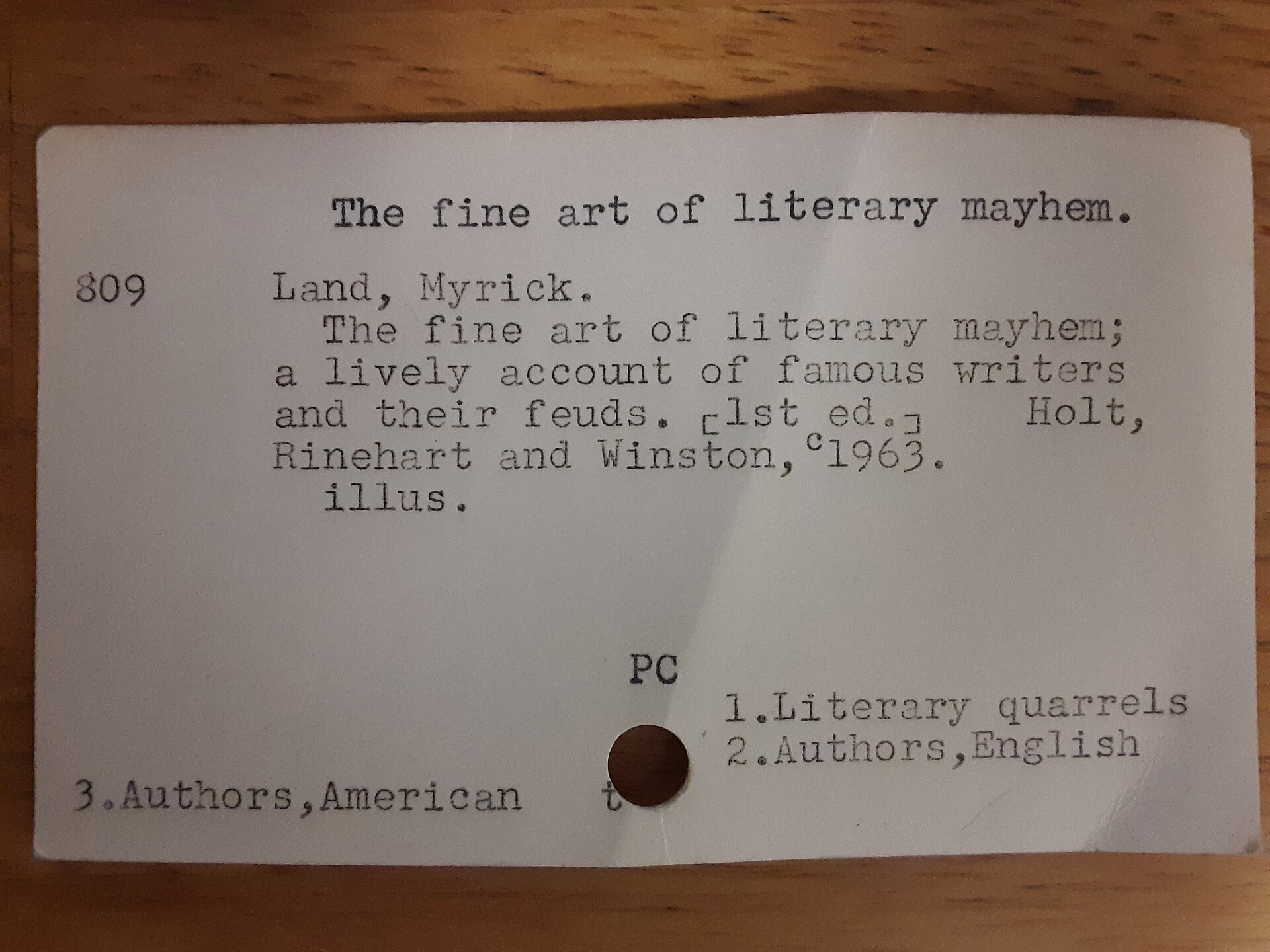
A paper or cardboard library card was your key to borrowing. Getting your first one was a childhood milestone.
To borrow books, you needed a library card, often a simple paper or cardboard card with your name and number, presented at the checkout desk. For many children, signing up for their very first library card was an exciting rite of passage, a first taste of independence and access to a world of books. The card was a treasured possession. The classic library card is a nostalgic symbol of the pre-computer library, a humble piece of paper that unlocked the shelves and, for generations of kids, represented their first membership in the world of readers.
10. The Stately Reading Room
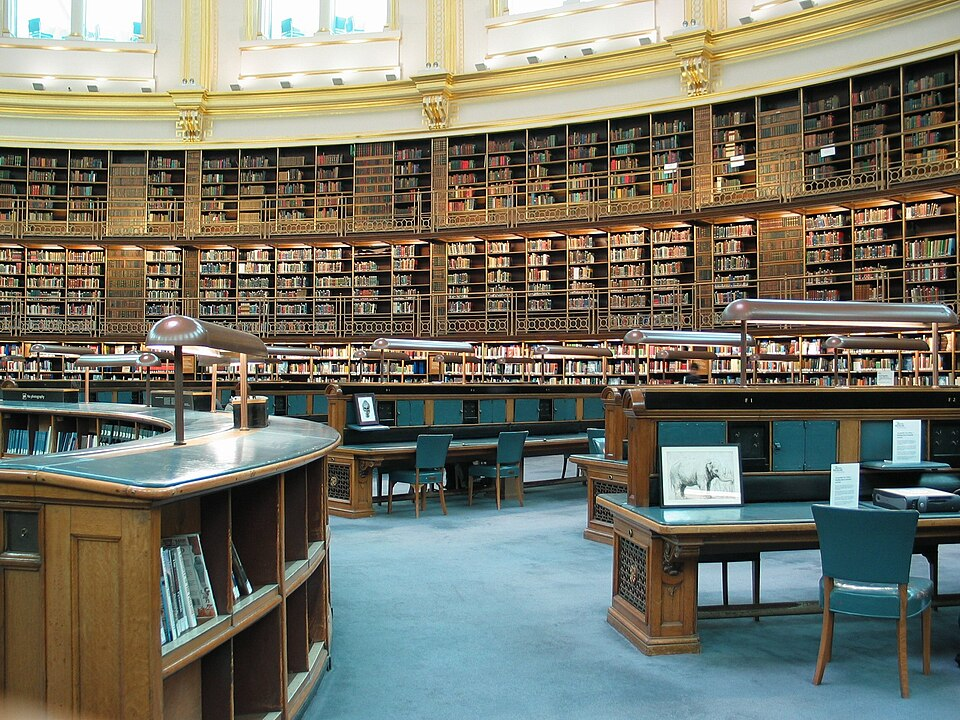
A grand reading room with long wooden tables and lamps invited hours of study. It was the heart of the building.
Many libraries featured a stately reading room, with long wooden tables, individual lamps, high ceilings, and tall windows, where patrons settled in for hours of reading and study in studious silence. The grand, calm space made learning feel important and inviting. Students, researchers, and book lovers all found a spot at the big tables. The classic reading room is a cherished feature of the traditional library, an elegant, hushed hall built for concentration that remains one of the most beautiful and beloved spaces of the analog library.
11. The Book Cart and the Reshelving Ritual
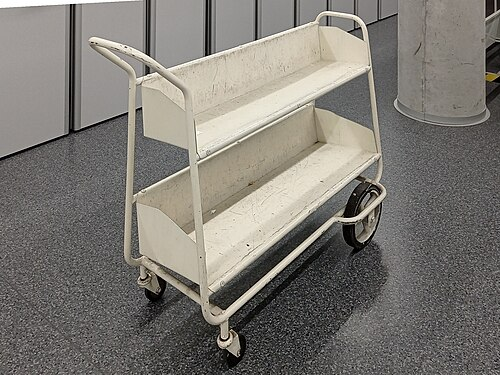
A wheeled cart held returned books waiting to be reshelved by hand. The careful reshelving kept the system in order.
Returned books were stacked on a wheeled cart and reshelved by hand, each one returned to its exact spot according to its call number, by librarians and pages who knew the collection intimately. A misshelved book was, in effect, a lost book, so the reshelving was done with care. The squeaky cart rolling through the stacks was a familiar sight. The book cart and the reshelving ritual are a quiet, fondly remembered part of the classic library, the behind-the-scenes work that kept thousands of books findable in the days before computers tracked them all.
A Quiet Place of Knowledge
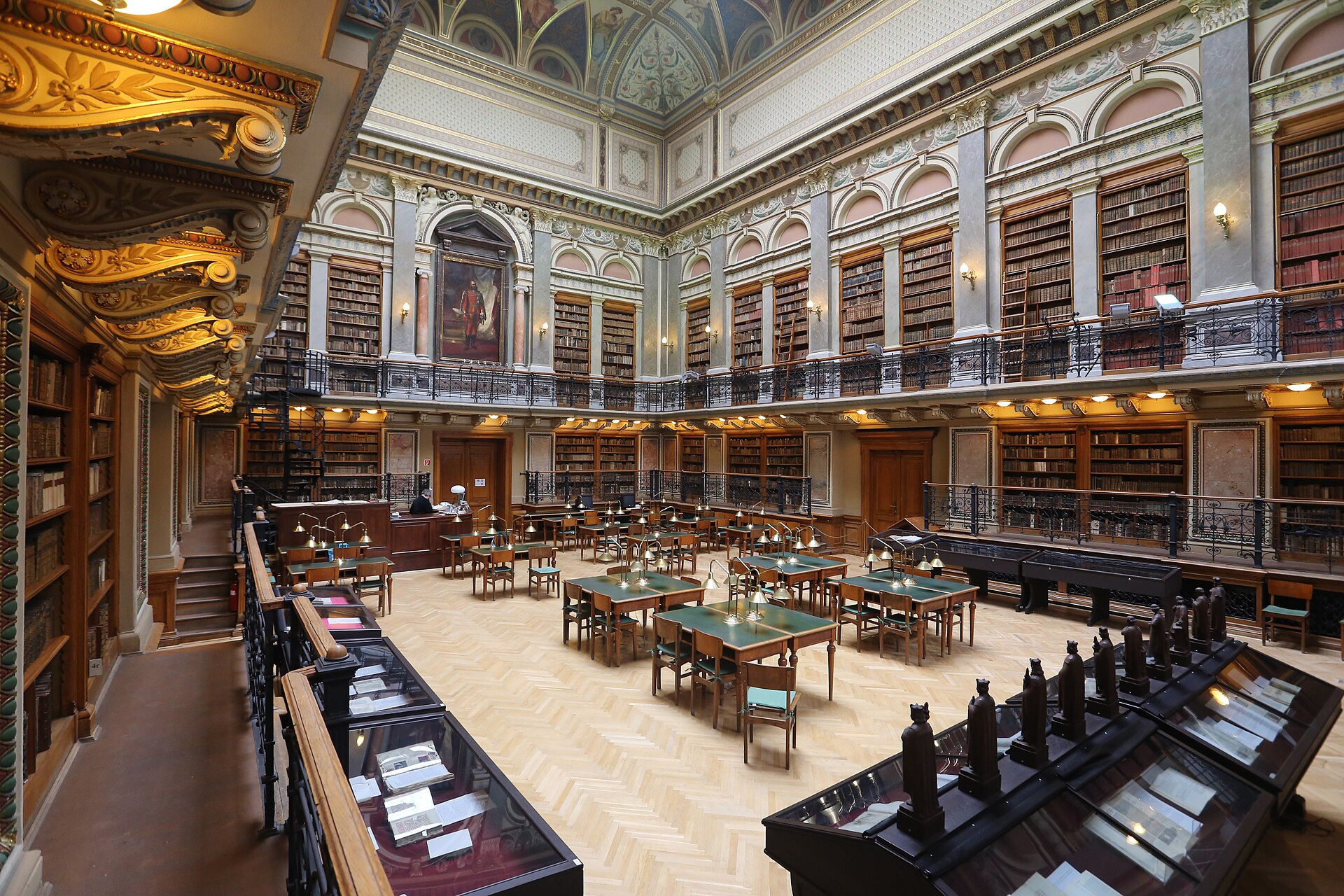
Taken together, these eleven things capture the character of the American library before computers, a paper-and-card world of the Dewey Decimal System, the date-due stamp, the microfilm reader, and the hushed reading room. It was a place of careful order, quiet study, and human expertise, where finding knowledge was a hands-on skill.
Computers and the internet transformed the library, replacing the card catalog with online searches and the date stamp with a quiet scan, while opening up vast new digital resources. Much was gained, but a certain tactile charm and quiet ritual was lost. For those who grew up doing research the old way, these details bring back the whole experience: the drawers of cards, the stubby pencils, the thunk of the stamp. Looking back at the pre-computer library is a fond tribute to a quiet place of knowledge, where the path to any book began with a little wooden drawer full of cards.
Like our content? Follow us for more.