It’s hard to imagine now, but for most of modern history, people stayed in touch without the smartphone in everyone’s pocket. Communicating took more effort, more planning, and a good deal more patience, whether it meant finding a payphone, waiting by the mailbox, or simply hoping someone was home when you called. The methods of the pre-cell-phone era have a real charm in hindsight, and many feel almost unrecognizable to younger generations. Looking back at them is a fond reminder of a slower, more deliberate way of connecting. Here are thirteen ways Americans communicated before cell phones, counted down one by one.
1. The Payphone
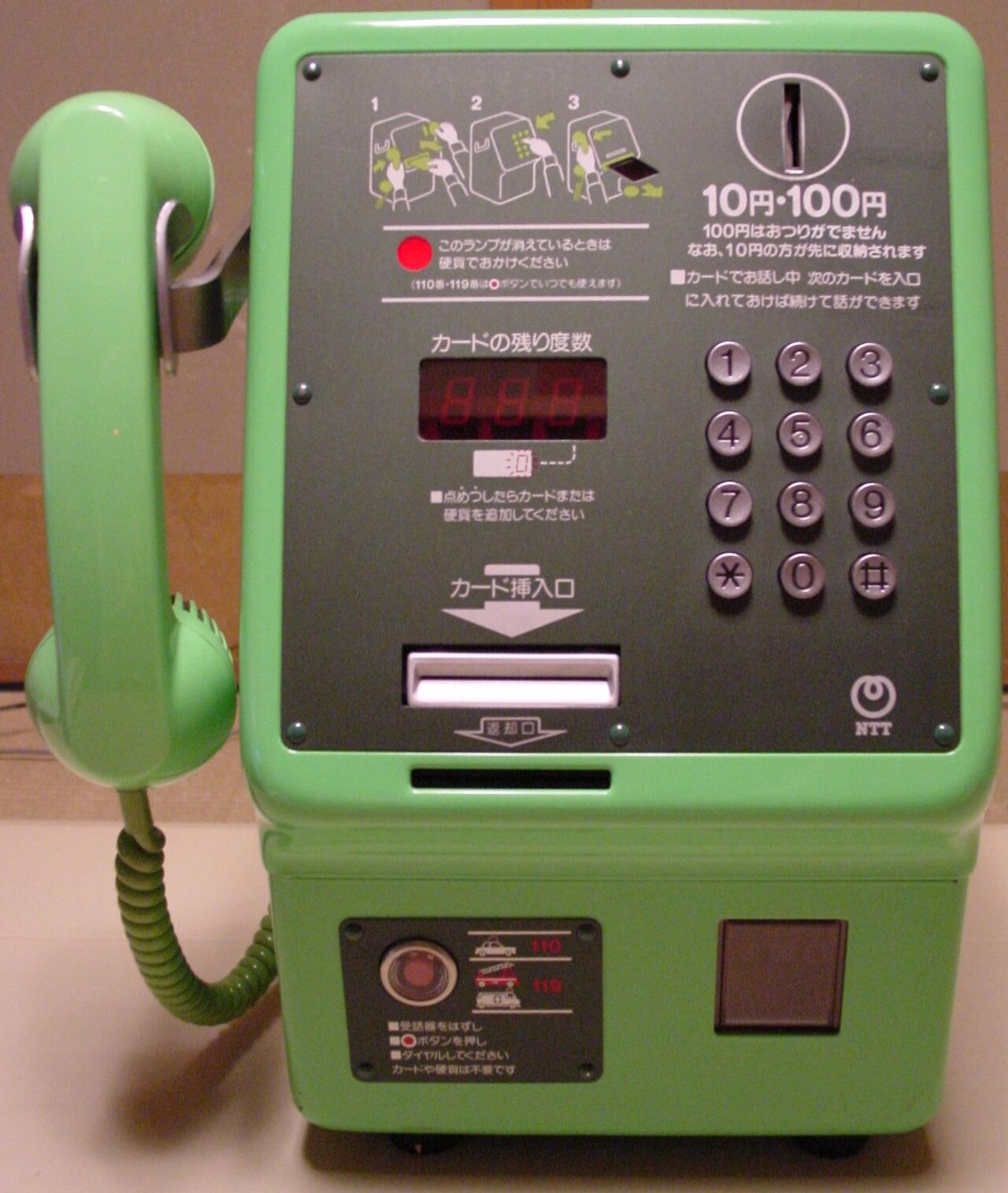
Coin-operated payphones stood on street corners and in lobbies everywhere. A pocket of change kept you connected on the go.
Before cell phones, the payphone was a lifeline for anyone away from home. Found on street corners, in restaurants, gas stations, and phone booths, these coin-operated phones let you make a call for a few cents, provided you had the change. People kept coins handy just in case, and “do you have a quarter for the phone?” was a common request. The payphone is the defining symbol of pre-cell-phone communication, a public fixture that kept Americans connected on the go and has now almost entirely vanished from the landscape.
Like our content? Follow us for more.
2. The Answering Machine
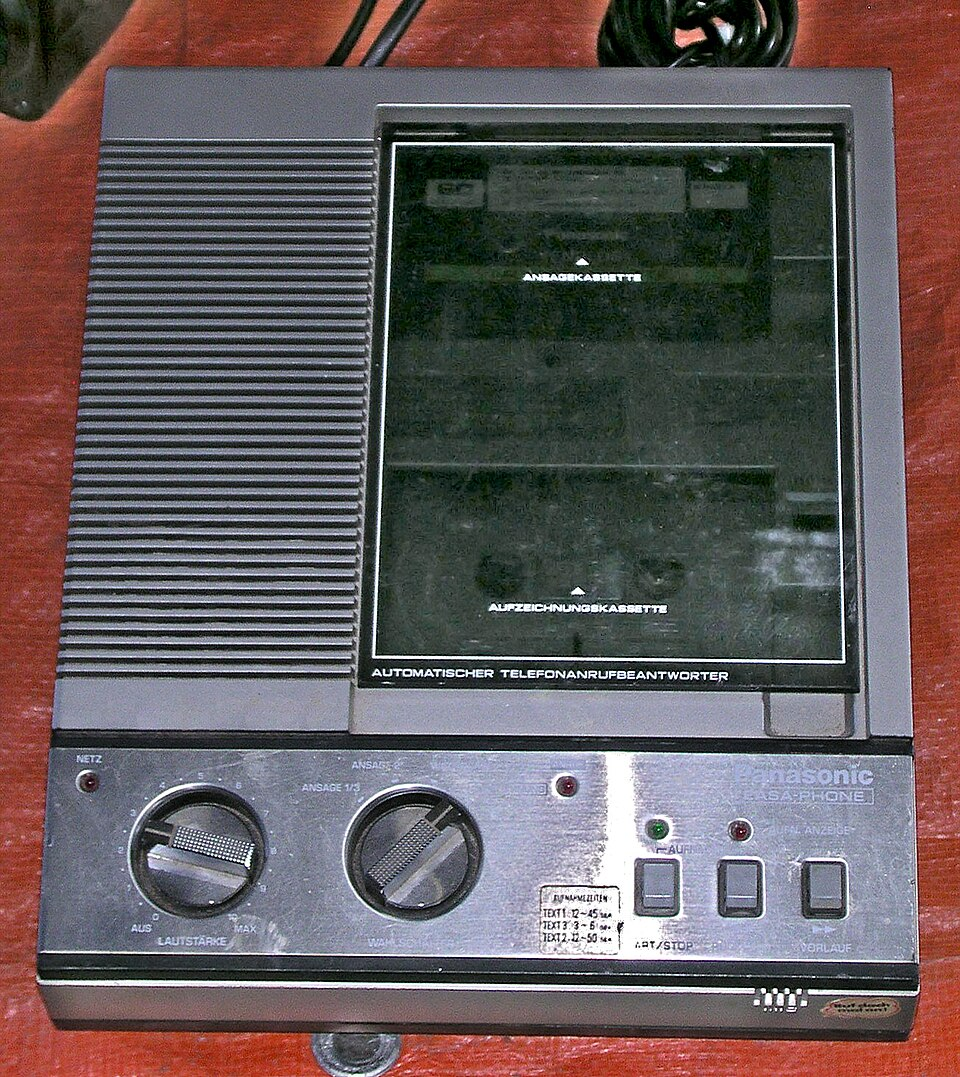
A machine recorded messages on a little tape when no one was home. Checking it was a daily ritual.
When you weren’t home to answer the phone, the answering machine took over, recording callers’ messages onto a small cassette tape after playing your outgoing greeting. Coming home to a blinking light meant you had messages waiting, and the family would gather to listen. Recording the perfect greeting was its own small art. The answering machine is a fondly remembered communication device, the home gadget that let people leave and retrieve messages and made “I left you a message” a part of everyday life before voicemail went digital.
3. Handwritten Letters
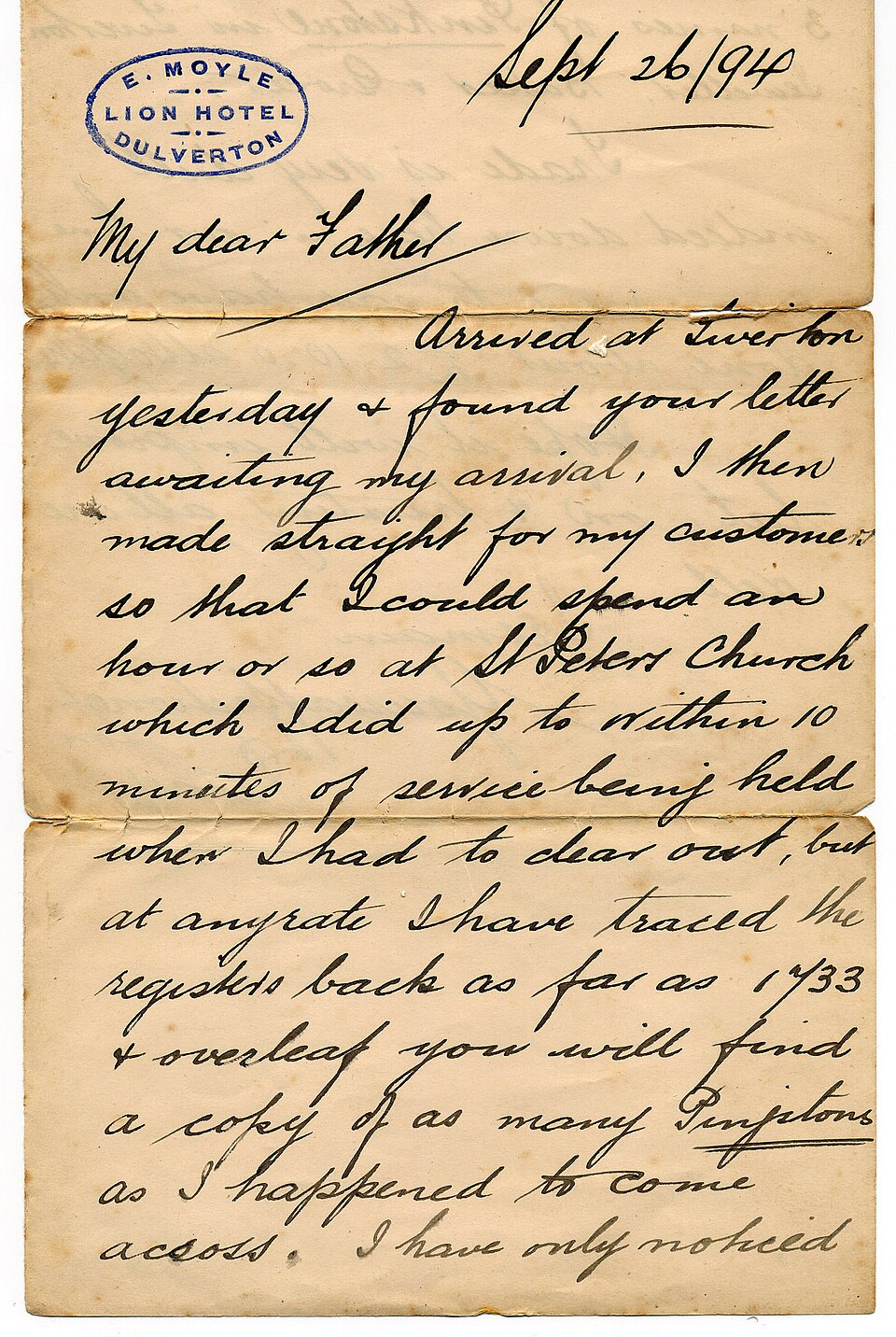
People wrote letters by hand and sent them through the mail. A letter in the mailbox was a genuine delight.
For longer or more personal communication, especially over distances, people wrote letters by hand, sealed them in envelopes, added a stamp, and sent them through the postal service. Waiting days or weeks for a reply was normal, and finding a handwritten letter in the mailbox was a real joy. People treasured and saved them. Handwritten letters are a cherished form of pre-cell-phone communication, a personal, lasting way of staying in touch that carried a warmth and permanence that quick digital messages rarely match.
4. The Phone Book
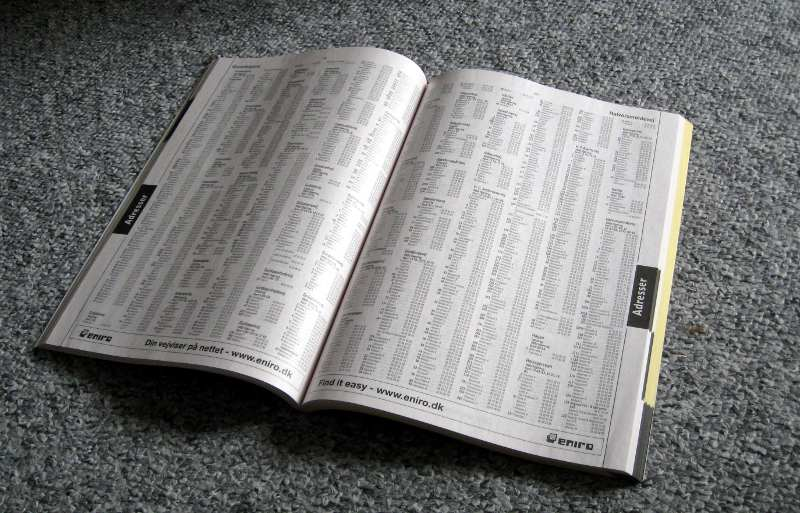
Thick directories listed everyone’s number, delivered free to every home. You looked up numbers by flipping the pages.
To find someone’s phone number, you reached for the phone book, the thick directory of residential and business listings delivered free to every household. The white pages listed people alphabetically, the yellow pages listed businesses, and you flipped through to find the number you needed. The hefty book also doubled as a booster seat. The phone book is a classic tool of pre-cell-phone communication, the universal directory that put nearly everyone’s number at your fingertips, no internet search required, and was a fixture by every household phone.
5. Telegrams
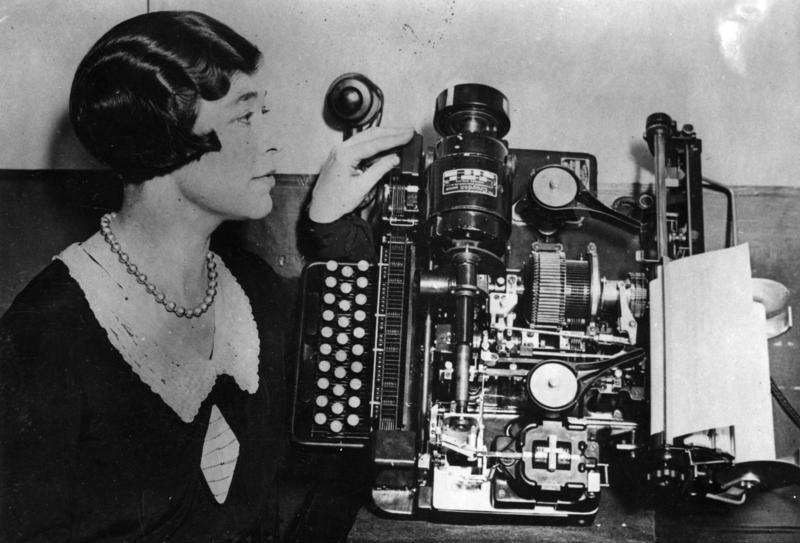
For urgent messages, a telegram delivered words quickly across great distances. They were brief, by the word, and momentous.
Before instant communication, the telegram was the fastest way to send an urgent message over long distances. You paid by the word, so messages were kept short and to the point, often ending with “STOP” in place of periods. Receiving a telegram was a notable event, sometimes bearing important news. The telegram is a historic form of communication that predated the cell phone era, a once-vital service that delivered brief, urgent words across the country and the world with a sense of real occasion.
6. Pagers and Beepers
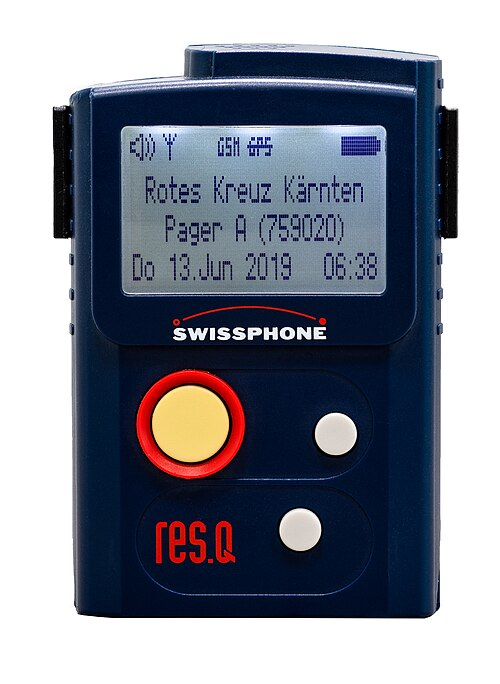
A small device buzzed to alert you to call someone back. They were a step toward being reachable anywhere.
In the years just before cell phones became widespread, pagers, or beepers, let people be reached on the go, a small device clipped to your belt that buzzed or beeped and displayed a phone number, prompting you to find a phone and call the person back. They were essential for doctors, professionals, and eventually a status symbol. Pagers and beepers are a transitional technology of the pre-cell-phone era, the first taste of being reachable anywhere, bridging the gap between landlines and the mobile phones that would soon replace them.
7. The Party Line
Several households shared a single phone line, taking turns. Privacy was limited and patience required.
In earlier decades, especially in rural areas, multiple households shared a single telephone “party line.” You might pick up to make a call and find a neighbor already talking, so you’d have to wait, and a particular ring pattern told you which household a call was for. Privacy was scarce, and eavesdropping was a known temptation. The party line is a memorable feature of early telephone communication, a shared, communal system that required patience and neighborly courtesy long before everyone had a private line, let alone a cell phone.
8. CB Radio
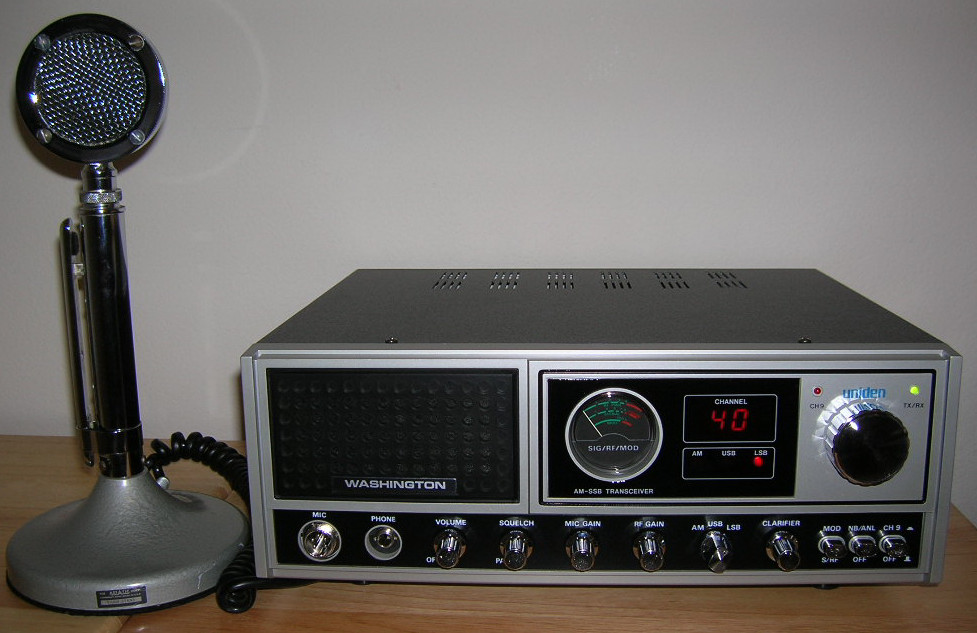
Citizens band radios let drivers and hobbyists talk over the airwaves. Truckers and enthusiasts had their own lingo.
The citizens band, or CB radio, let people communicate over the airwaves without a phone, popular with truckers, travelers, and hobbyists. Users adopted colorful “handles” and a whole slang vocabulary to chat, share road conditions, and warn of hazards. For a time, CB radio was a genuine craze. CB radio is a distinctive form of pre-cell-phone communication, a way to talk to others on the road and in the community over the airwaves that built its own culture and lingo, especially among the trucking world and radio enthusiasts.
9. Leaving Notes
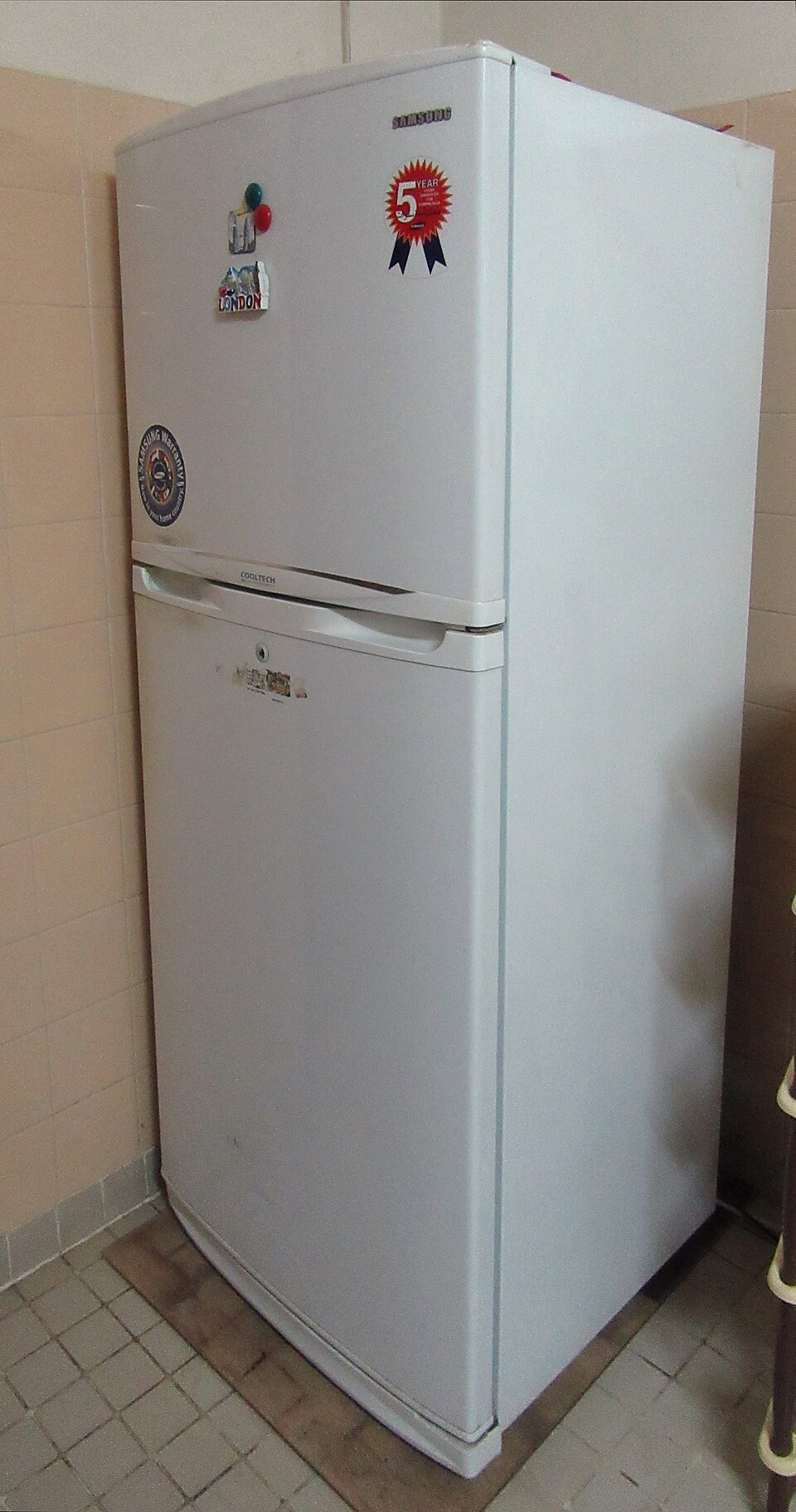
People left handwritten notes on counters, doors, and refrigerators. It was the household’s message system.
Within a household and beyond, leaving a handwritten note was the everyday way to pass along a message: a note on the kitchen counter, a reminder on the fridge, or a “back at 5” tacked to the front door. Without texting, a quick scribbled note was how families coordinated and communicated when they couldn’t talk in person. The notes piled up by the phone. Leaving notes is a humble but essential form of pre-cell-phone communication, the low-tech message system that kept households running and remains a familiar, homey memory.
10. Collect Calls and Calling Cards
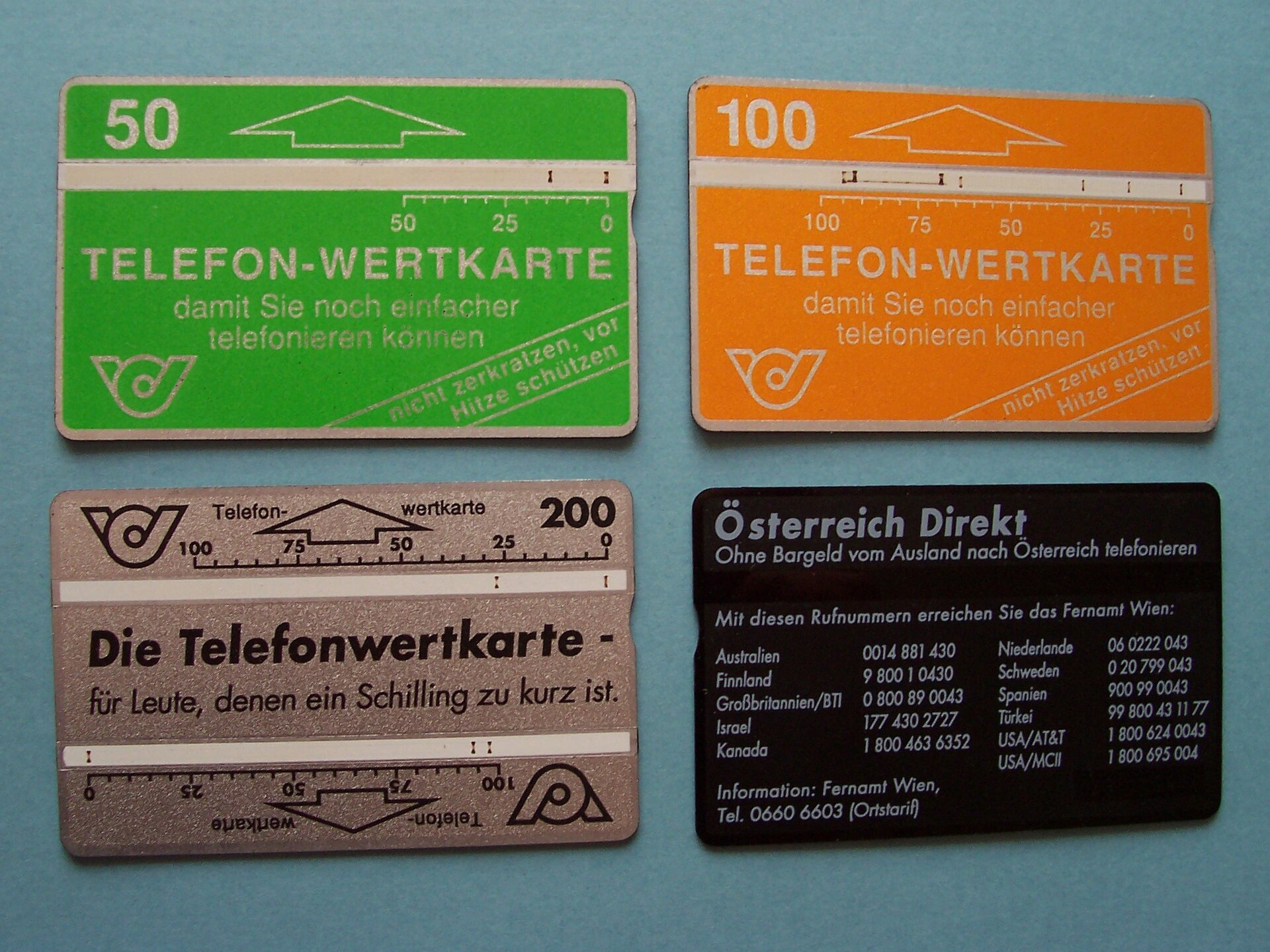
Out of money, you could call collect or use a prepaid calling card. Both were lifelines away from home.
When you needed to make a call but had no change, you could place a collect call, where the person you reached agreed to pay the charges, often by accepting the call from an operator. Later, prepaid calling cards let you dial a code and make long-distance calls on a balance you’d bought in advance. Both were vital for staying in touch away from home. Collect calls and calling cards are a well-remembered part of pre-cell-phone communication, the money-saving workarounds that let people reach loved ones when they were short on coins.
11. The Family Calendar and Message Pad
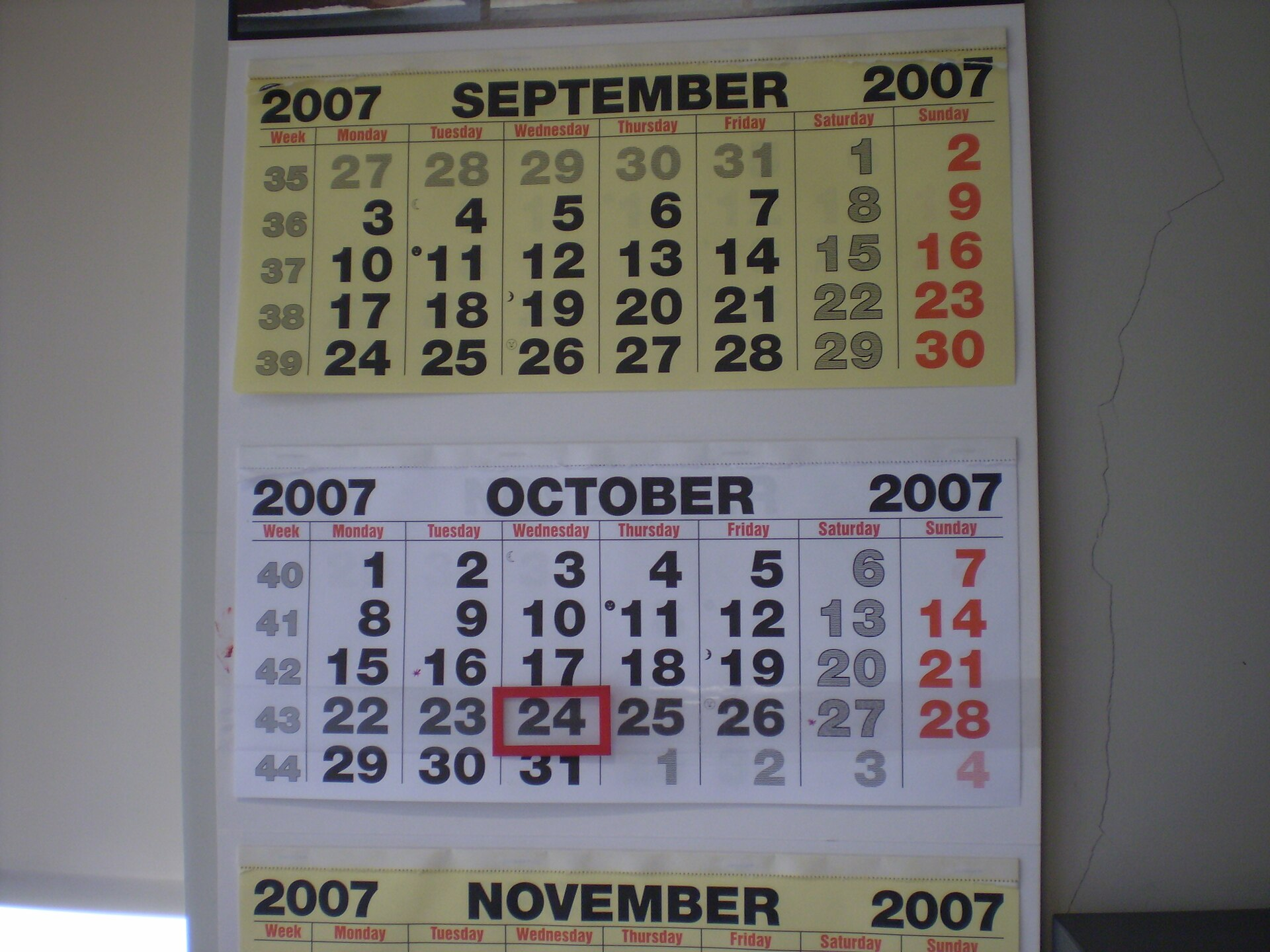
A wall calendar and a notepad by the phone tracked plans and messages. They kept the whole household organized.
Coordinating a household before cell phones relied on a central wall calendar where appointments and plans were written down for all to see, and a notepad by the phone for jotting messages when someone called. These shared tools kept everyone on the same page about who was doing what and who had called. They were the family’s information hub. The family calendar and message pad are a nostalgic part of pre-cell-phone life, the analog organizing system that kept households coordinated in the days before shared digital calendars and group texts.
12. Talking in Person and Dropping By
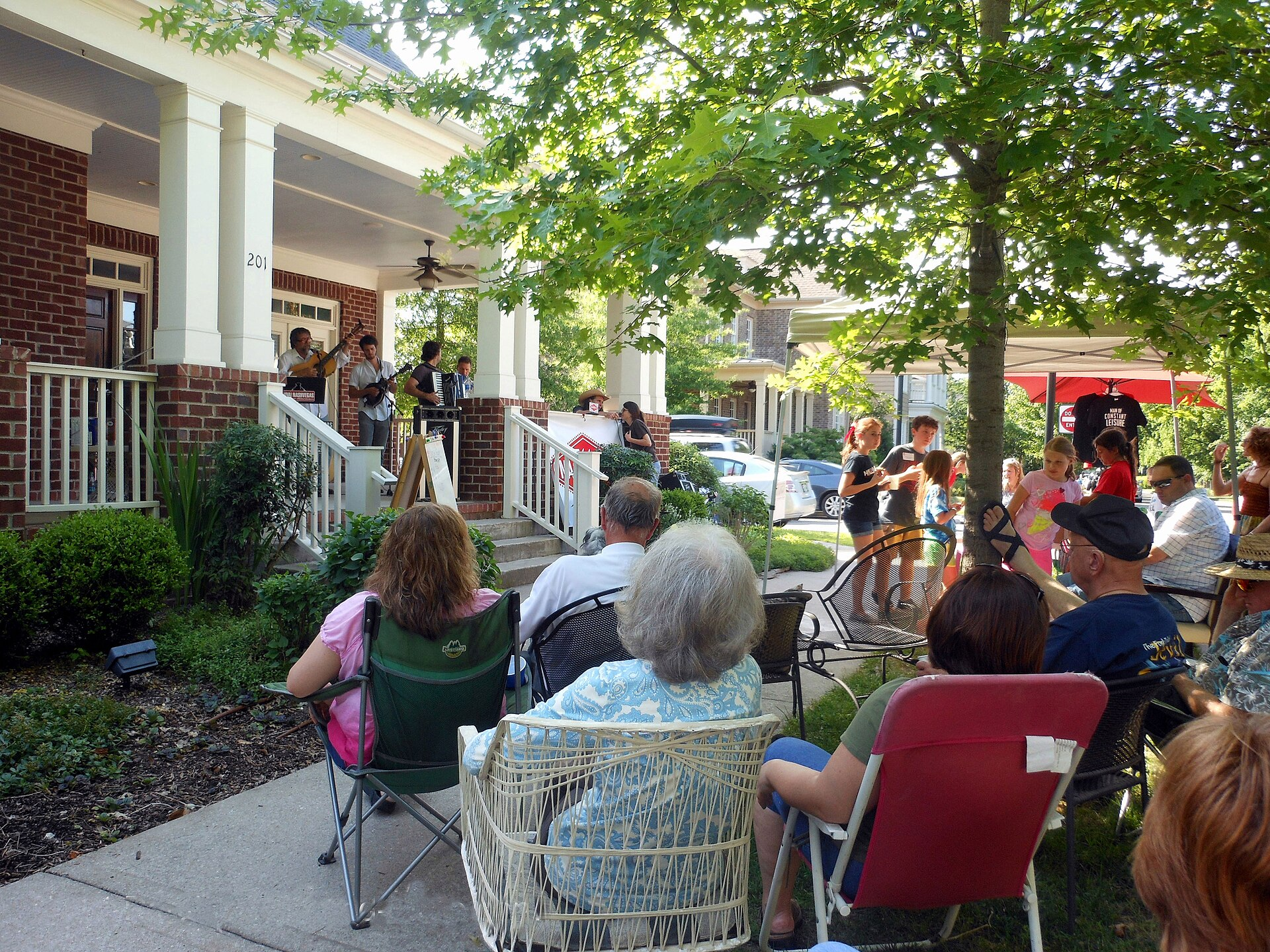
People often just visited or talked face to face. Dropping by unannounced was perfectly normal.
With communication harder at a distance, a great deal of it happened in person. People dropped by friends’ and neighbors’ homes unannounced, chatted over the back fence, and caught up face to face as a matter of course. Without the ability to text ahead, simply showing up was normal and welcomed. Conversations happened in real life. Talking in person and dropping by is perhaps the most fundamental form of pre-cell-phone communication, a reminder that before screens connected everyone, people relied on the rich, irreplaceable connection of being together in the same place.
13. Word of Mouth and the Community Grapevine
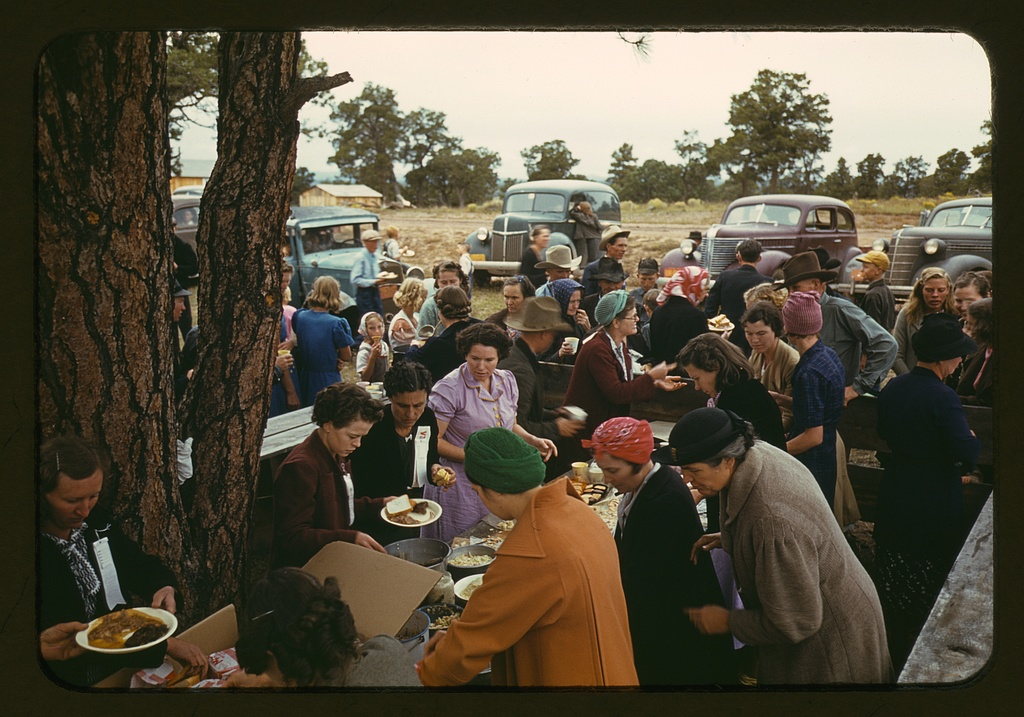
News traveled person to person through the neighborhood and town. The grapevine spread information fast.
Much of everyday news and information spread the old-fashioned way: by word of mouth. Through the community grapevine, a chat at church, the barbershop, the beauty parlor, or the grocery store, news of births, marriages, jobs, and local happenings traveled from person to person, often surprisingly fast. Staying informed meant staying connected to your community. Word of mouth is a timeless form of communication that powered the pre-cell-phone world, the human network through which news and gossip traveled, binding neighborhoods and towns together long before social media.
A Slower, More Deliberate World
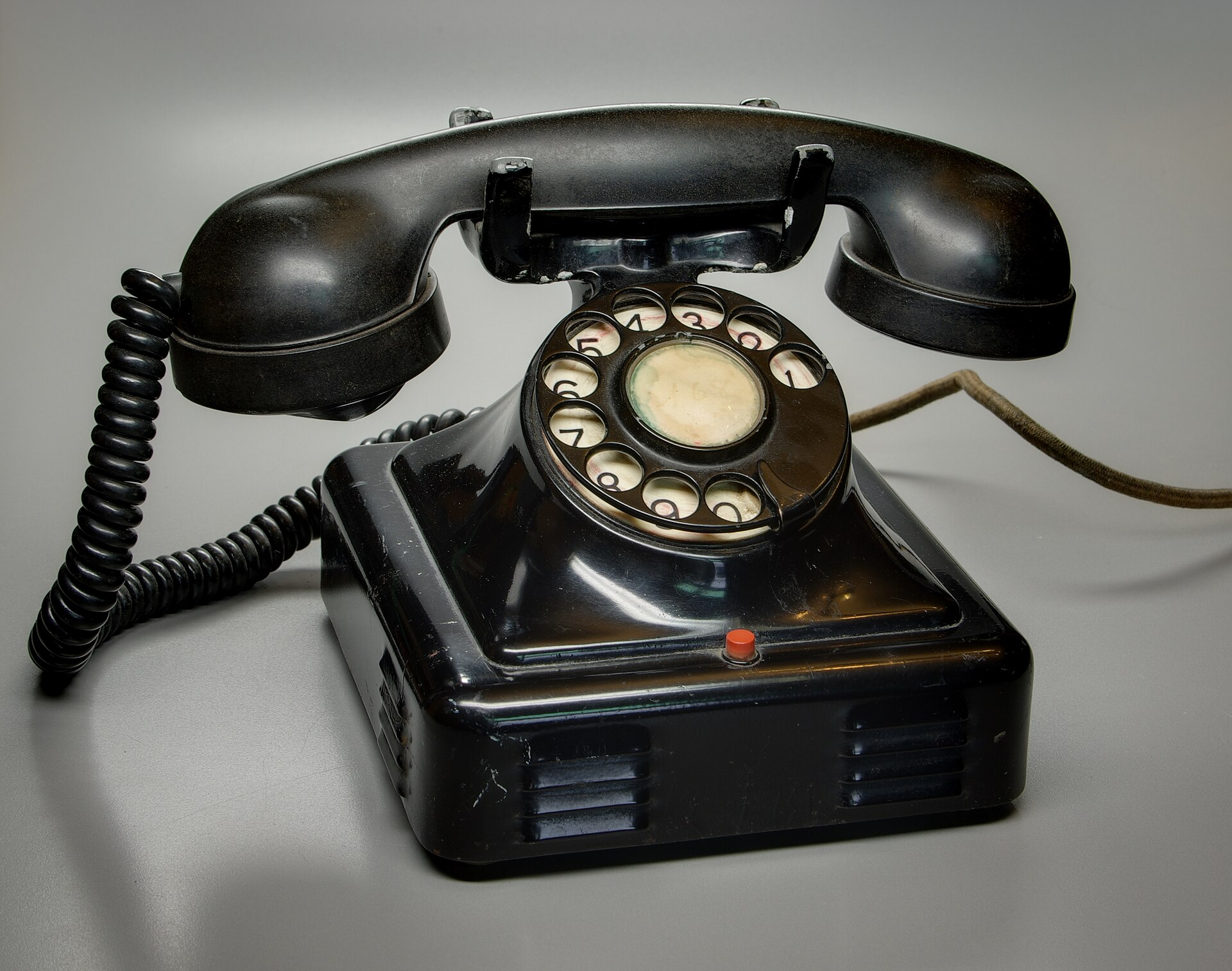
Taken together, these thirteen ways of communicating capture life before cell phones, a world of payphones and answering machines, handwritten letters and phone books, party lines and word of mouth. Staying in touch took more planning and patience, but it carried a personal, deliberate quality that many look back on fondly.
The smartphone has made communication instant, constant, and effortless, connecting us in ways that would have seemed like science fiction not long ago. Yet something of the old world’s charm, the joy of a letter, the ritual of checking the answering machine, the normalcy of dropping by, has been lost along the way. For those who lived it, these methods bring back a slower rhythm of connection. Looking back at how Americans communicated before cell phones is a fond reminder that staying in touch was once an art of patience, effort, and genuine human contact.
Like our content? Follow us for more.