Every culture has habits that feel completely ordinary to insiders and genuinely puzzling to everyone else, and Americans are no exception. Visitors from abroad, and Americans who travel or live overseas, consistently identify the same set of everyday American behaviors that strike the rest of the world as strange, excessive, or simply different. None of this is a matter of right or wrong — it’s the ordinary friction of cultural difference, and many of these habits have perfectly logical explanations rooted in American history, geography, and economics. But seeing your own normal through outside eyes is genuinely illuminating, and often funny. Here are eleven completely normal American habits that reliably baffle the rest of the world, along with the reasons behind them.
These observations come up again and again from international visitors and expatriates, and the interesting part is usually the “why” — most of these habits aren’t arbitrary but reflect something real about how America is organized. Here’s what puzzles the world, and the logic behind each.
1. Tipping for Almost Everything

The American tipping culture genuinely baffles much of the world. In many countries, service workers earn a full wage and tipping is minimal or nonexistent, so the American expectation of tipping 15 to 20 percent or more — and the expanding requests for tips at counters and screens — strikes visitors as confusing and excessive. The explanation is structural: many American service workers are paid a low base wage with the expectation that tips make up the difference, a system embedded in U.S. labor practice. To visitors it feels like being asked to pay the staff’s wages directly, which, in effect, is partly what’s happening.
2. Enormous Portion Sizes

International visitors are routinely stunned by American portion sizes — restaurant servings, drink sizes, and the general scale of food that far exceeds what’s normal elsewhere. The “small” American drink is often larger than a “large” abroad, and the free refills compound the surprise. The roots lie in American abundance, agricultural productivity, competitive value-based marketing, and cultural expectations about getting your money’s worth. To much of the world, the sheer volume of food on an American plate, and the doggy-bag culture it necessitates, is genuinely astonishing.
3. Friendliness With Total Strangers

Visitors frequently remark on Americans’ casual friendliness with strangers — the cheerful “How are you?” that isn’t really a question, the easy small talk with cashiers and seatmates, the quick warmth that can puzzle people from more reserved cultures. Some find it delightful, others find it superficial, since the friendliness doesn’t necessarily signal deeper connection. The American openness with strangers reflects a genuinely more informal, mobile, and outwardly sociable culture, though visitors from places where warmth is reserved for established relationships sometimes find the instant friendliness disorienting.
4. Flags Everywhere
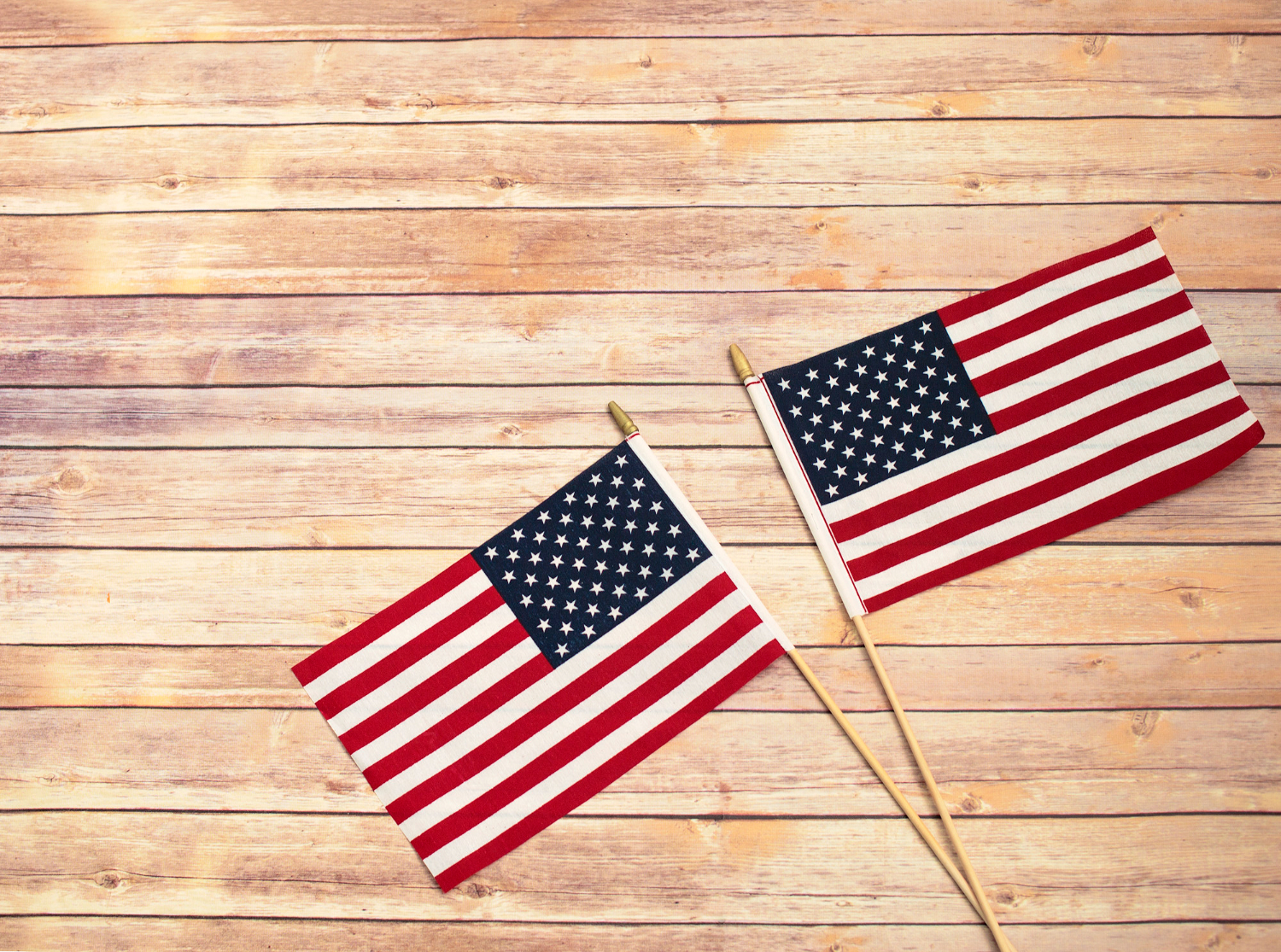
The prevalence of the national flag in everyday American life — on homes, in yards, on clothing, in classrooms, at car dealerships — strikes many visitors as unusual, since overt everyday display of the national flag is far less common in many other countries. The American flag’s ubiquity reflects a particular relationship between national identity and everyday life. To visitors from countries where prominent flag display is rare or carries different connotations, the sheer everyday visibility of the American flag is a distinctive and frequently noted feature of the culture.
5. Ice in Absolutely Everything

The American insistence on ice — glasses filled to the brim with it, ice water served automatically, cold drinks as the default — surprises visitors from cultures where drinks are served cool or room temperature and ice is used sparingly. The American ice habit reflects abundant cheap refrigeration, a hot-summer climate across much of the country, and a cultural preference for very cold drinks. To visitors, the mountain of ice in every American drink, and the automatic glass of ice water, is a small but consistently noted peculiarity.
6. Driving Everywhere, for Everything
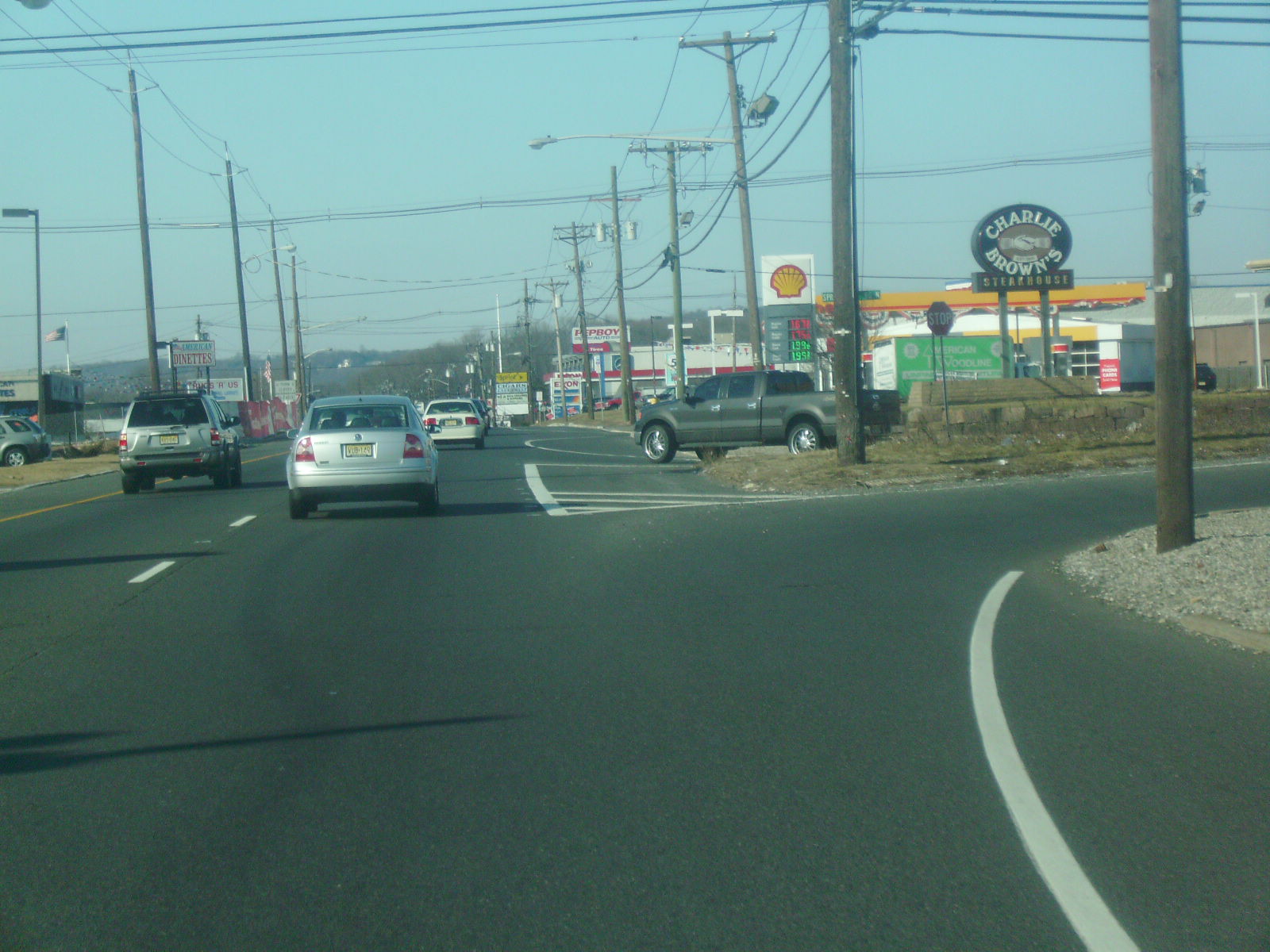
International visitors, especially from places with dense cities and strong public transit, are struck by American car dependence — driving for trips that would be walked or transited elsewhere, the scale of parking, the difficulty of getting anywhere without a car. The roots lie in American geography, postwar suburban development, and car-centric urban planning. To visitors from walkable, transit-rich cities, the American necessity of driving for even short errands, and the landscape built entirely around the automobile, is a defining and sometimes frustrating difference.
7. The Scale of Everything

Beyond food, visitors note the general American bigness — big cars, big houses, big stores, big roads, big distances. The scale of American spaces and possessions reflects the country’s physical vastness, historical abundance of land, and cultural associations between size and success. To visitors from more spatially constrained countries, the sheer scale of American homes, vehicles, retail, and infrastructure is consistently remarkable, a physical expression of a culture organized around space and abundance in a way much of the world is not.
8. Talking About Money and Work

Visitors from many cultures are surprised by American openness about money and work — asking what someone does for a living early in a conversation, a general comfort discussing salaries and careers, and the centrality of work to identity. In many cultures, such topics are considered private or impolite for new acquaintances. The American tendency to lead with “What do you do?” and to treat career as central to identity reflects a particular cultural relationship with work that visitors from more reserved or differently-oriented cultures find notably direct.
9. Massive Gaps Between Free Refills and Air Conditioning
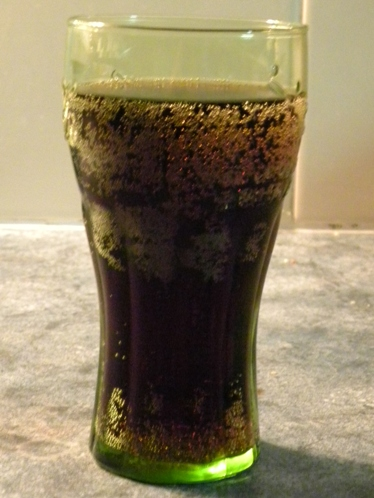
Visitors note distinctly American conveniences taken to an extreme — free refills on drinks, and air conditioning cranked so cold that Americans bring sweaters to indoor summer spaces. Both reflect American abundance and a particular approach to comfort and value. The bottomless soda and the frigid indoor air conditioning, normal to Americans, strike visitors from places where refills are paid and air conditioning is moderate as characteristic examples of American excess in the name of comfort and value.
10. Smiling a Lot

International visitors frequently observe that Americans smile more than people in many other cultures — at strangers, in service interactions, in photos, as a default social expression. In some cultures, smiling at strangers is unusual or read as insincere or even suspicious. The American default smile reflects cultural norms around friendliness and positivity. To visitors from cultures with different display norms, the constant American smiling can read as either pleasantly warm or puzzlingly performative, and it’s one of the most consistently noted features.
11. The Date and Measurement Systems

Practically, visitors are baffled by American measurement and date conventions — the use of Fahrenheit, miles, pounds, and feet rather than the metric system used by almost the entire rest of the world, and the month-day-year date format that differs from most countries’ day-month-year. These differences create genuine confusion for visitors and reflect America’s distinctive retention of customary units. The American insistence on its own measurement and date systems, isolated from global standards, is a consistently noted and practically frustrating peculiarity for the rest of the world.
Seeing Ourselves Through Other Eyes

The value of this catalog isn’t to suggest that American habits are wrong — most have entirely logical explanations rooted in the country’s geography, history, abundance, and economic structure, and many are genuinely pleasant features that visitors come to appreciate. The tipping reflects a particular labor system, the car dependence reflects how the country was built, the friendliness reflects a real cultural openness, and the big portions reflect genuine abundance. What makes the outside perspective worthwhile is simply the reminder that “normal” is always relative, and that the everyday habits we never think to question are, to much of the world, distinctive choices rather than universal defaults. Americans abroad have their own long list of things that baffle them about other cultures, and every culture’s insiders are equally blind to their own peculiarities. Seeing American normalcy through the eyes of the rest of the world is a useful and humbling exercise — it doesn’t make American habits better or worse, just visible as the particular, explainable, occasionally funny cultural choices they actually are. And for Americans planning to travel, knowing which of their automatic habits read differently abroad — adjusting the tipping expectations, the personal-space assumptions, the volume — is genuinely useful for being a welcome guest in someone else’s normal.