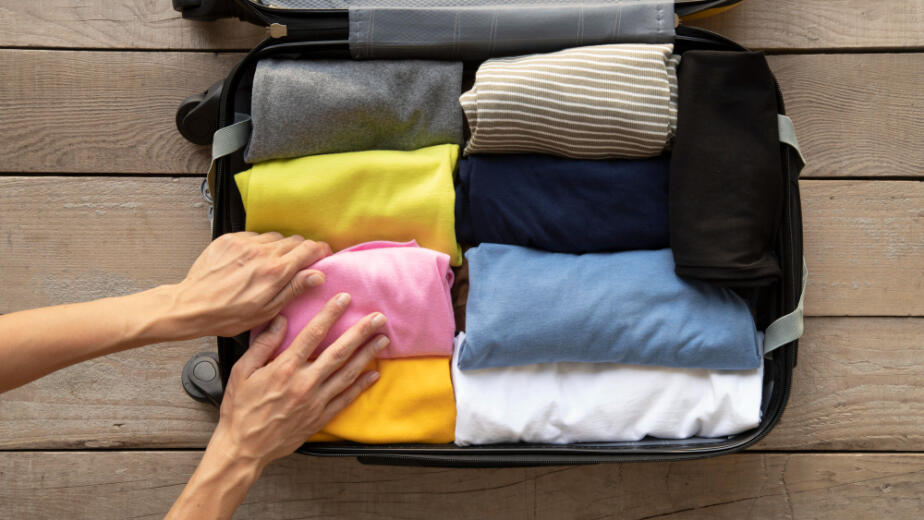
The difference between a smooth trip and a miserable one is often decided before you leave the house, in what you choose to pack — and more importantly, what you choose to leave behind. Seasoned travelers, the ones who move through airports and hotels with apparent ease, have learned through experience that overpacking is one of the most common and consequential travel mistakes, and that a long list of “just in case” items reliably stays unused while weighing down the bag and slowing the trip. They’ve also learned which items create genuine problems at security, which get ruined or stolen, and which are simply easier to buy or rent at the destination. The art of packing is mostly the art of leaving things out. Here are the items experienced travelers consistently leave out of their suitcases, and what they pack or do instead.
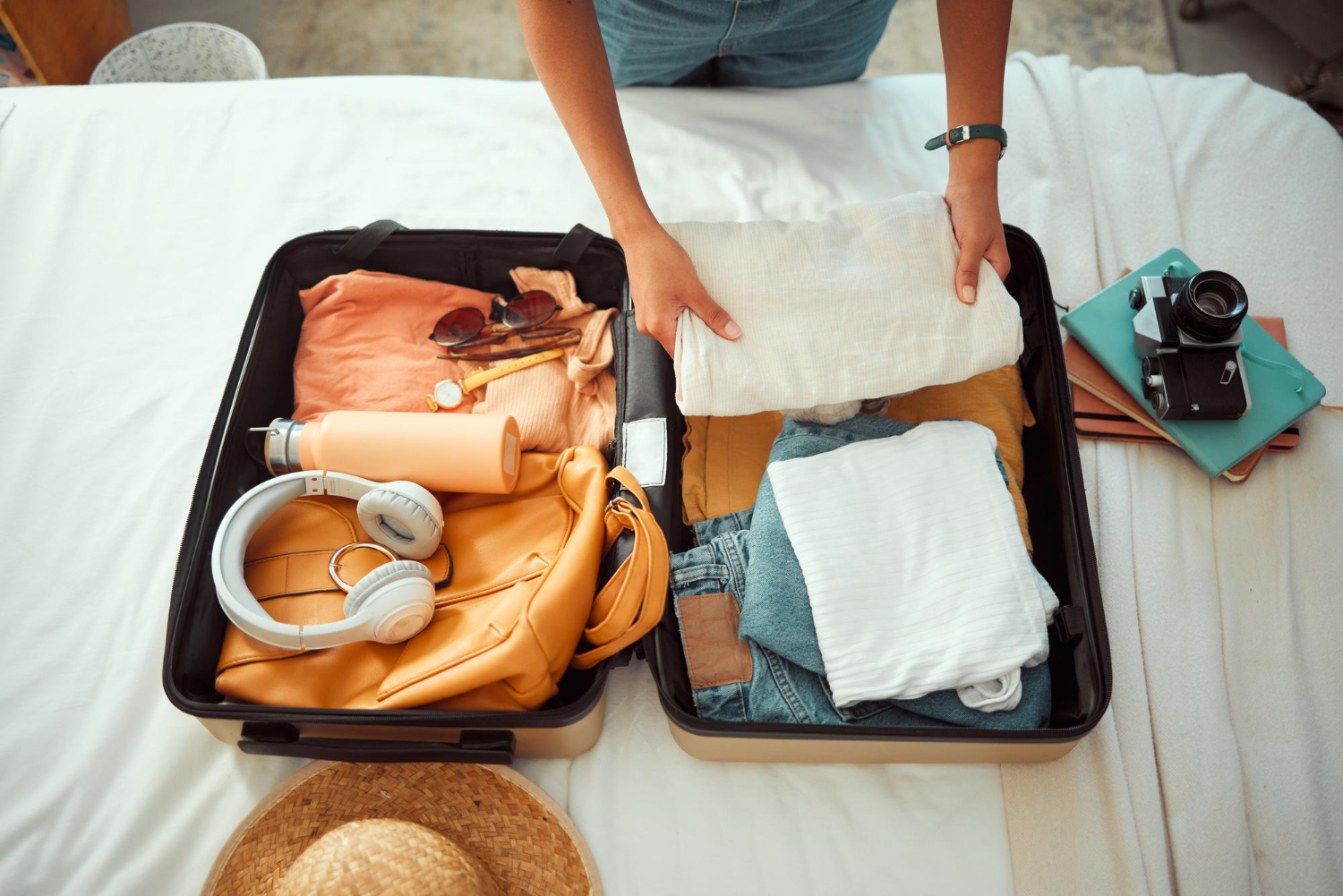
The core principle that separates experienced travelers from anxious overpackers is a shift in mindset: rather than packing for every imaginable scenario, they pack for the trip they’re actually taking and trust that almost anything genuinely needed can be bought, borrowed, or done without at the destination. That single shift eliminates most of the bulk. Here’s how it plays out item by item.
Too Many Clothes (Especially “Just in Case” Outfits)
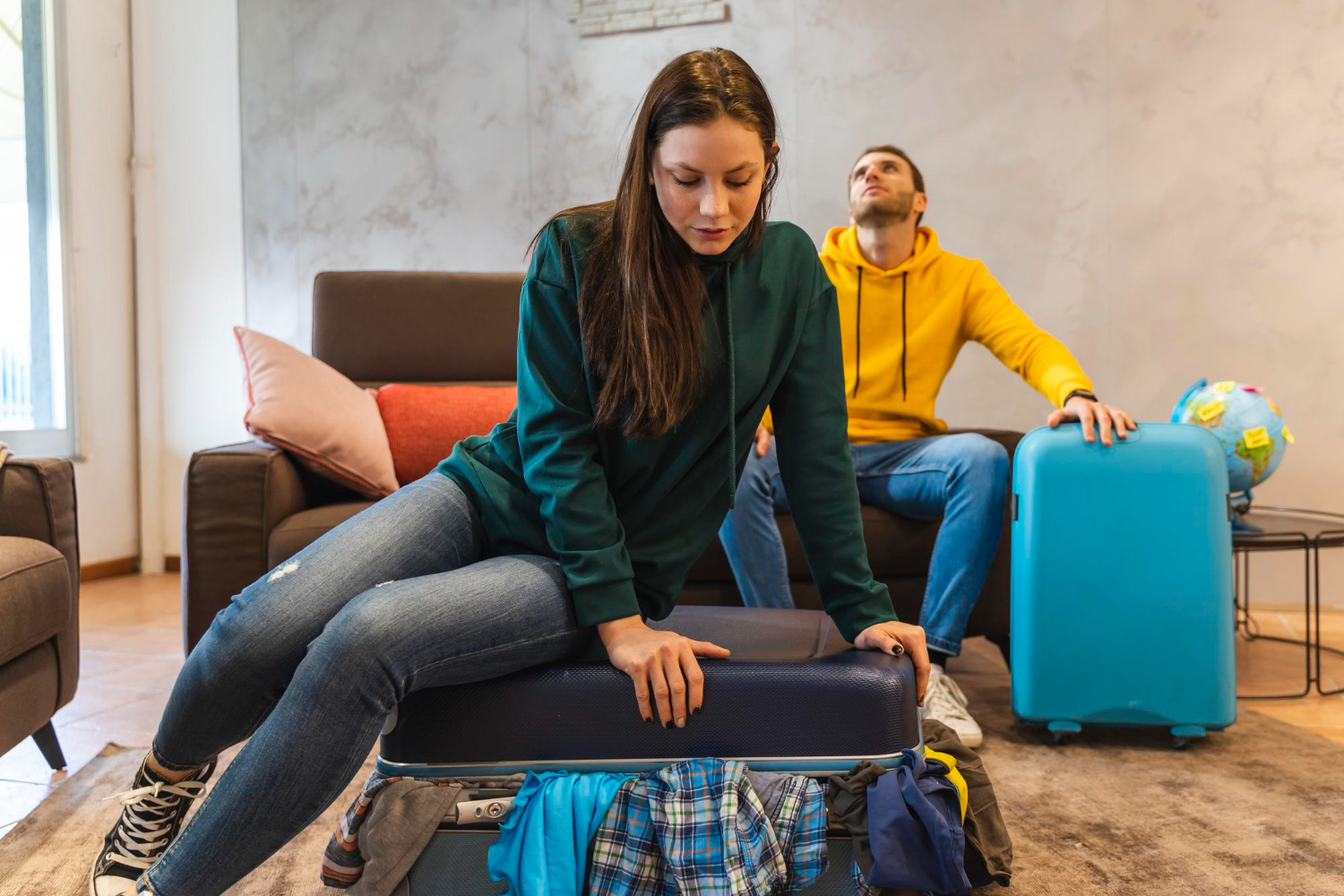
The single biggest thing experienced travelers leave out is excess clothing—the speculative outfits packed for events that won’t happen and the multiple options “just in case.” Seasoned travelers pack a small number of versatile, mix-and-match pieces in a coordinated color palette, plan to re-wear items, and do laundry on longer trips rather than packing a fresh outfit for every day. The discipline of packing fewer clothes than feel comfortable is the foundation of light travel, and experienced travelers know they’ll wear a fraction of what overpackers bring.
Full-Size Toiletries

Experienced travelers leave out full-size bottles of shampoo, conditioner, and toiletries, which are heavy, bulky, prone to leaking, and restricted by carry-on liquid limits. Instead they bring small travel sizes, use solid alternatives (bar shampoo, solid toothpaste), or simply rely on what hotels provide and buy anything else at the destination. Toiletries are available everywhere in the world, and hauling full-size bottles is a classic overpacking mistake. The travel-size-or-buy-there approach saves significant weight and avoids both leaks and security problems.
Valuable Jewelry and Irreplaceable Items

Seasoned travelers leave valuable jewelry, heirlooms, and irreplaceable items at home. The risk of loss or theft while traveling is real, and the anxiety of safeguarding valuables detracts from the trip. They travel with inexpensive, simple accessories they wouldn’t mind losing. The general principle is to never travel with anything whose loss would be genuinely devastating, whether financially or sentimentally — the trip is not the place for the expensive watch or the family heirloom, which are far better left safely at home.
More Than One or Two Pairs of Shoes
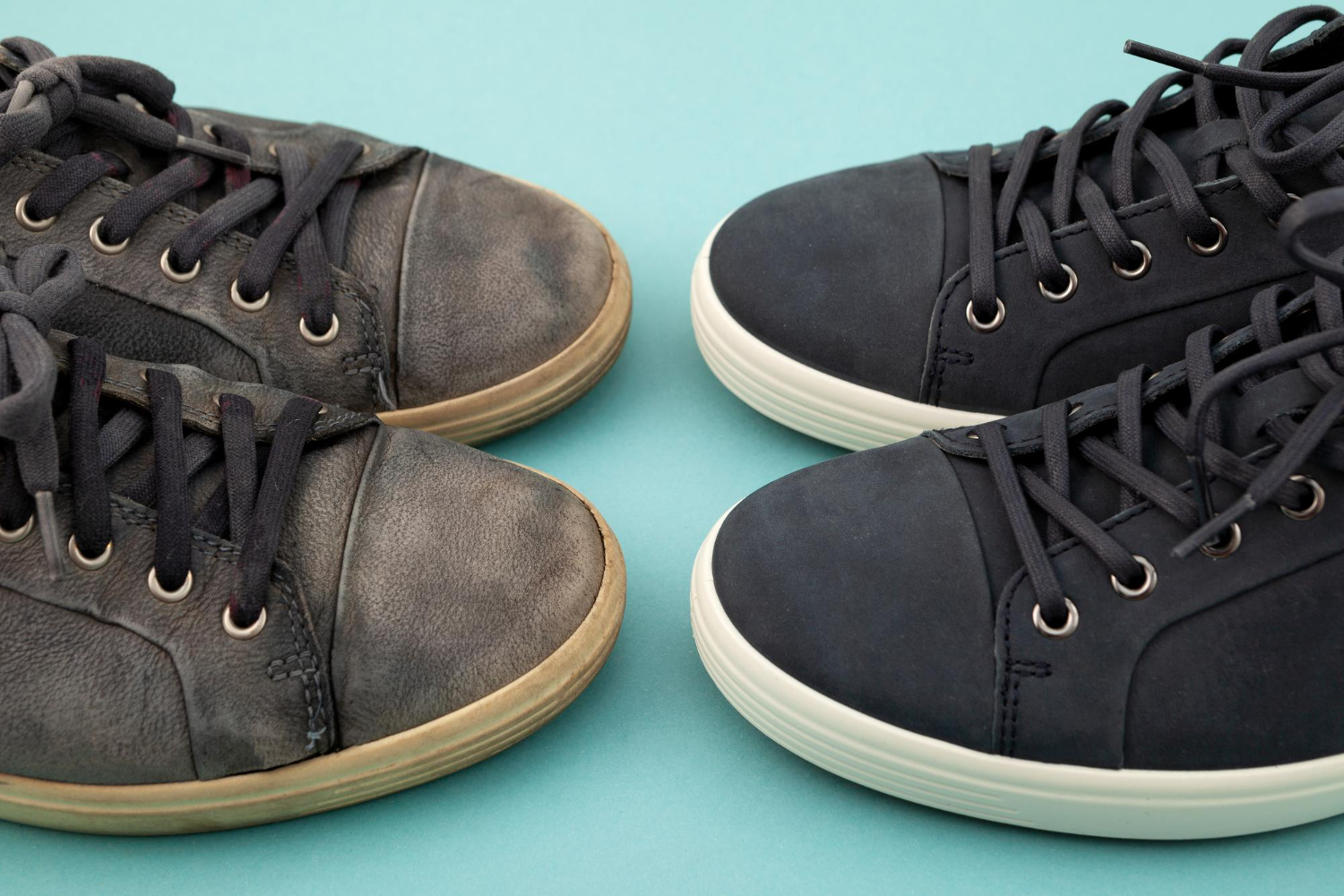
Shoes are heavy and bulky, and experienced travelers ruthlessly limit them, frequently to one comfortable pair worn in transit and at most one or two additional pairs covering the trip’s actual needs. The temptation to pack shoes for every possible occasion is a major source of luggage bulk and weight. Seasoned travelers choose versatile footwear that works across multiple situations and accept that they don’t need a different pair for every outfit. Limiting shoes is one of the highest-impact packing decisions for both weight and space.
A Hair Dryer and Bulky Appliances
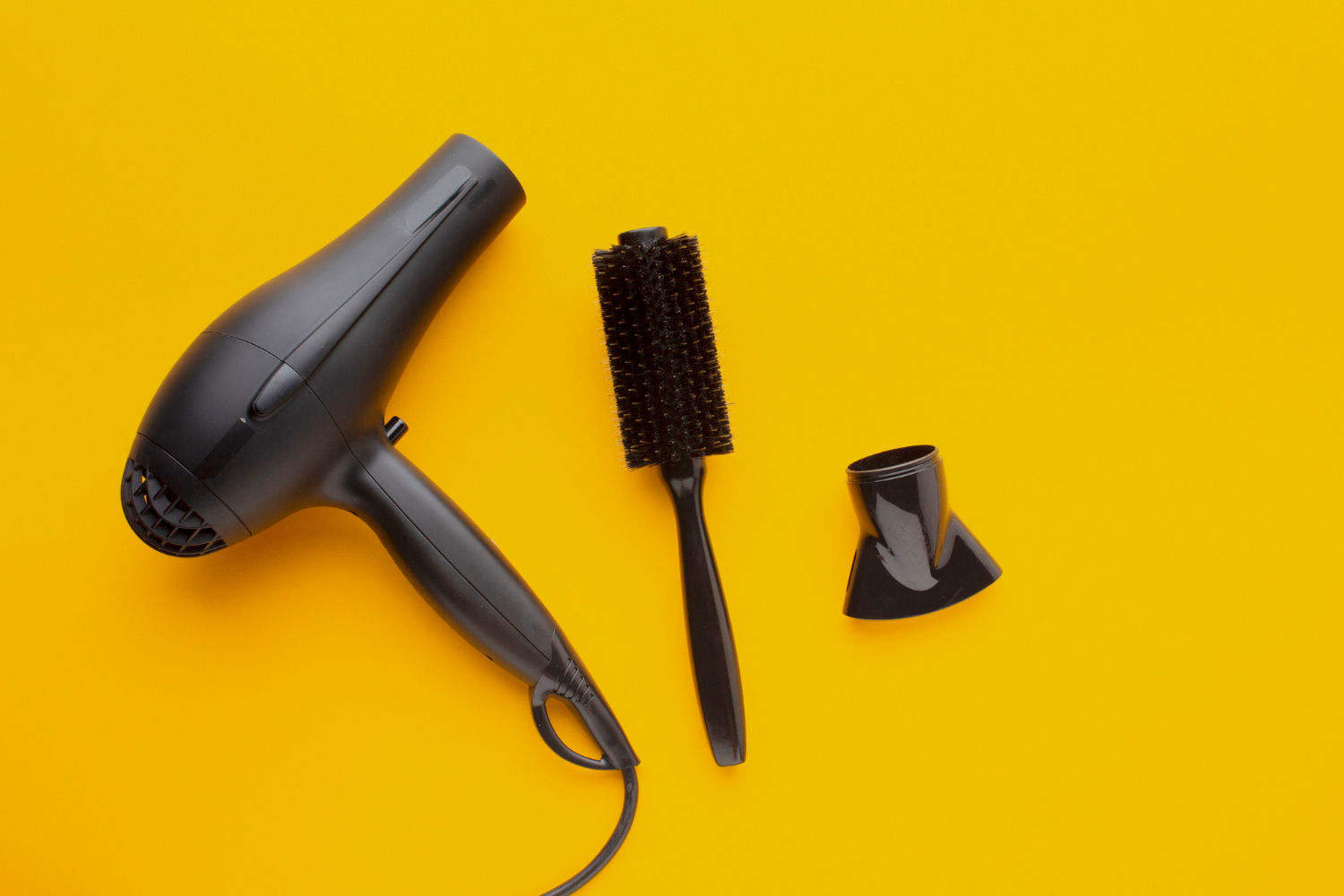
Experienced travelers leave out the hair dryer and bulky personal appliances, since virtually all hotels provide hair dryers and the devices are heavy and take significant space. They also leave out appliances that won’t work abroad without voltage converters. The general rule is to leave bulky electrical appliances at home, relying on hotel-provided equipment or doing without. Packing a hair dryer when nearly every hotel already has one is a classic example of the unnecessary bulk experienced travelers have learned to eliminate.
Too Many Books and Heavy Reading Material

Seasoned travelers leave out the stack of physical books, which are heavy and bulky, in favor of an e-reader or reading on a phone or tablet. A single lightweight device holds an entire library. The traveler who packs four hardcover books for a week-long trip is carrying significant unnecessary weight. The shift to digital reading is one of the clearest packing improvements, eliminating one of the heaviest categories of “just in case” items that travelers used to haul.
A Travel Iron and Other Single-Use Gadgets
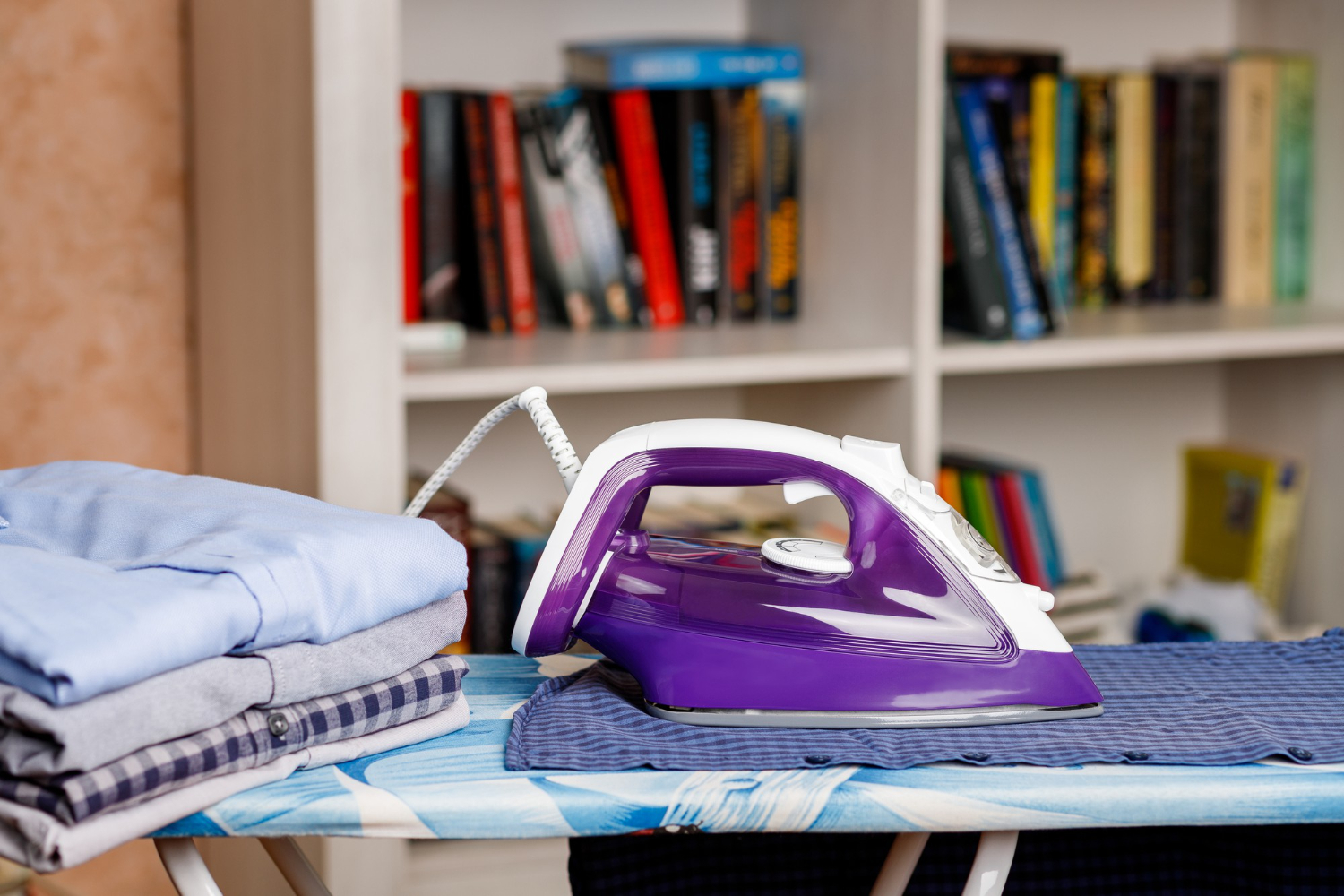
Experienced travelers leave out single-use travel gadgets — the travel iron, specialized organizers, and the array of clever-seeming devices marketed to travelers that mostly add weight and clutter. Wrinkled clothes can be hung in a steamy bathroom, smoothed by hand, or addressed with hotel irons. The general skepticism toward single-purpose travel gadgets reflects experience: most of them solve a problem more simply addressed another way, and they accumulate into exactly the kind of bulk that makes a bag heavy and disorganized.
A Full First-Aid Kit and Excess Medication
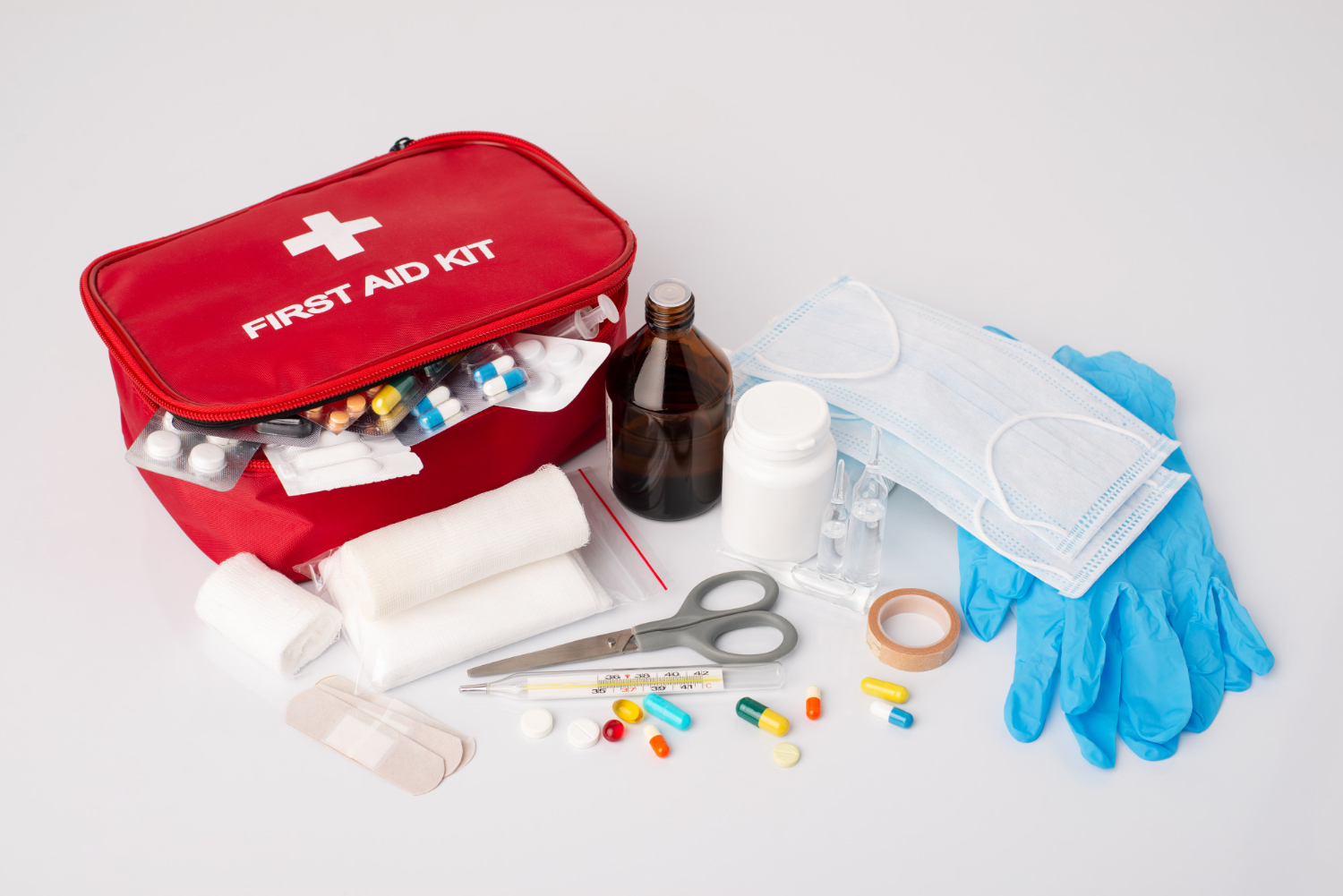
While experienced travelers carry essential personal medications (in carry-on, in original labeled containers), they leave out the comprehensive first-aid kit and the excessive “just in case” medications, packing instead a minimal kit of true essentials. Pharmacies exist at virtually every destination for anything unexpected. The bulky full first-aid kit is rarely needed in its entirety, and seasoned travelers carry only the personal essentials and the few items genuinely hard to obtain, trusting that common needs can be met at the destination.
The “Just in Case” Everything
Underlying all of these is the broad category experienced travelers leave out: the speculative “just in case” items packed against unlikely scenarios. The extra of everything, the gear for activities that probably won’t happen, the contingency items for improbable situations — these collectively account for much of the weight in an overpacked bag. Seasoned travelers have learned that the genuine cost of not having a rarely-needed item (usually a minor inconvenience or a small purchase at the destination) is far lower than the daily cost of hauling it everywhere, and they pack accordingly.
A Tangle of Cords, Adapters, and “Maybe” Electronics
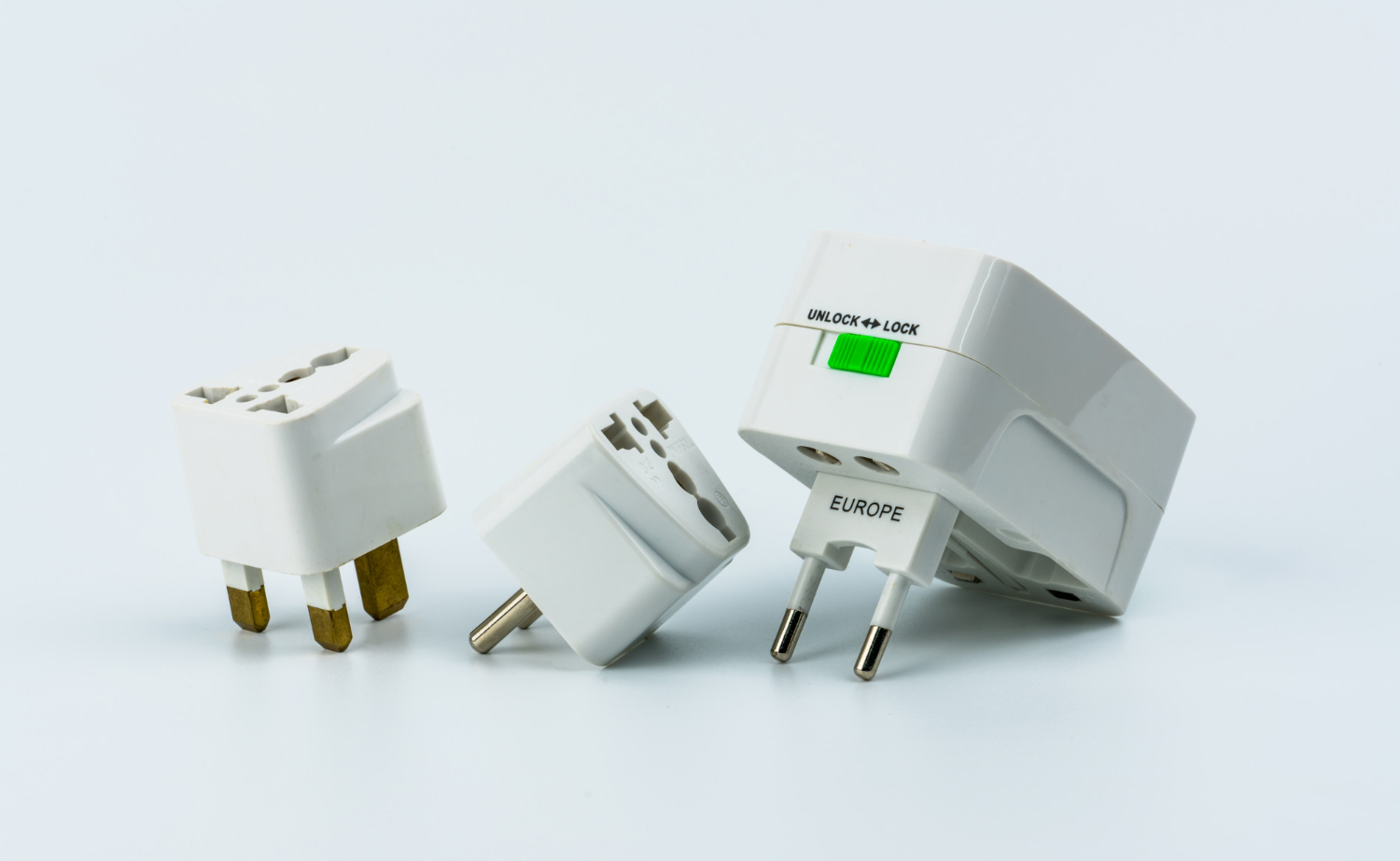
Experienced travelers leave out the drawer of cables and gadgets — the multiple chargers, the backup devices, the cords for things they won’t use, the bulky camera gear packed “in case.” They carry a single multi-port charger, the one cable that charges everything, and the camera they’ll actually use (frequently just their phone), and they consolidate rather than packing the full electronics arsenal. The tangle of cords and speculative devices is a surprisingly heavy and space-consuming category that experienced travelers ruthlessly trim, recognizing that the phone in their pocket has replaced the separate camera, music player, alarm clock, guidebook, and map that travelers once packed separately.
Paper Guidebooks, Maps, and Documents

Seasoned travelers leave out the stack of paper — the bulky guidebooks, the folding maps, and the thick folder of printed reservations — in favor of digital versions on their phone, with key documents saved offline and a single backup copy of the truly essential ones. The heavy guidebook that travelers once hauled is now an app or a few saved pages. While a minimal set of genuinely critical documents is worth having on paper as backup, the thick travel folder and the shelf of guidebooks are exactly the kind of weight experienced travelers have learned to digitize and leave behind.
Packing Lighter, Traveling Better
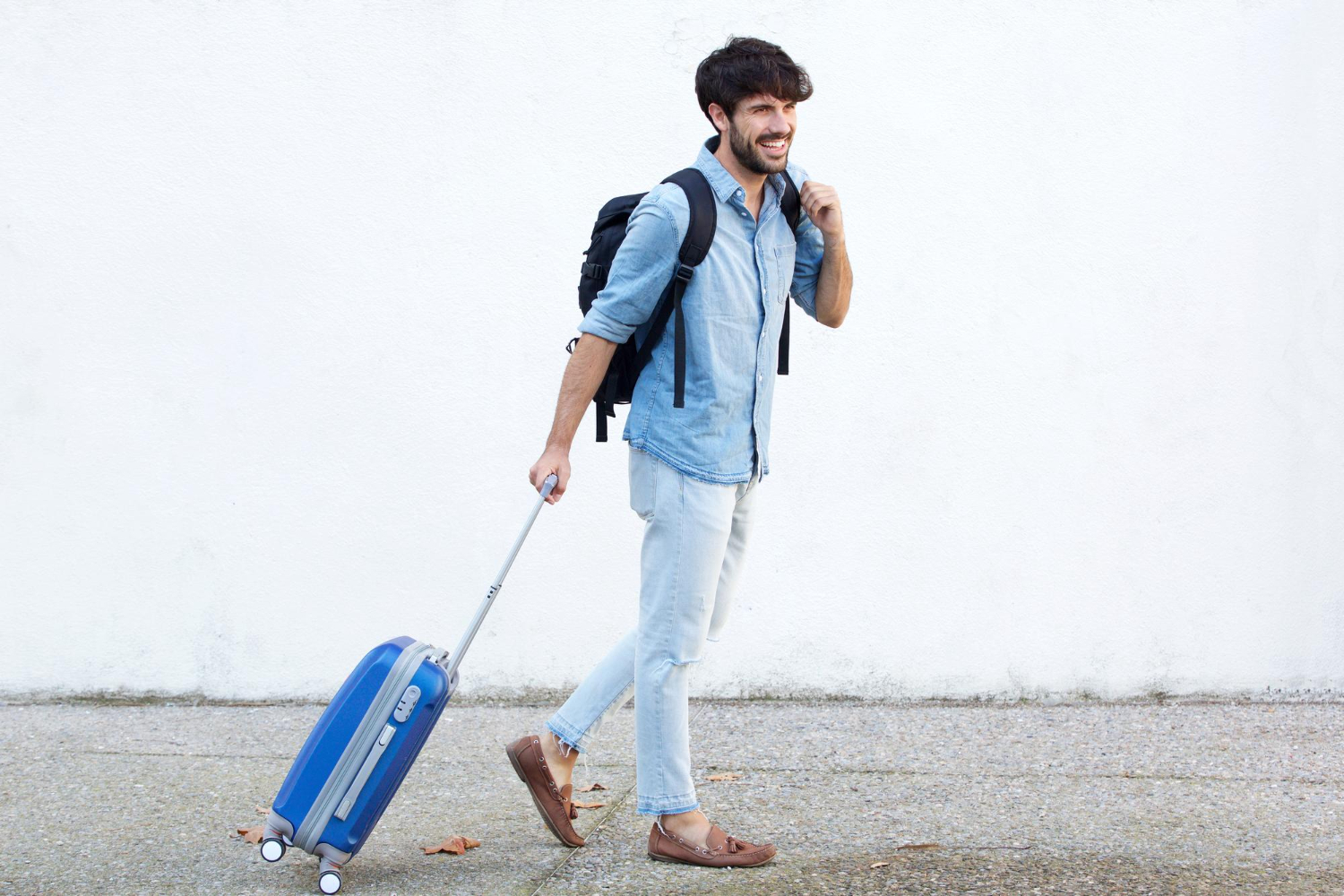
The cumulative effect of leaving these things out is transformative, and it’s the genuine secret of travelers who move through trips with ease. A lighter bag means no checked-luggage fees and no waiting at baggage claim, easier movement through airports and train stations, the freedom to walk to a hotel rather than depending on taxis, and far less physical strain. It also means a more organized, less stressful trip, since a smaller, well-curated bag is simply easier to live out of. The mindset shift is the key: experienced travelers pack for the trip they’re actually taking rather than every trip they might hypothetically take, and they trust the basic fact that the rest of the world has stores, pharmacies, and laundry. Almost everything left behind can be bought, borrowed, or done without, and the rare time something is genuinely missed, the inconvenience is minor and easily solved. The reward for the discipline of leaving things out is a lighter bag and a lighter trip — the freedom and ease that make experienced travelers look so relaxed is, to a surprising degree, simply the result of what they chose not to pack.