The homecoming day is oddly neglected. You are tired, the house is cold, and the temptation is to drop everything and deal with it later. A small amount of effort now prevents most of the annoyances that follow a trip. Here are twelve worth doing.
1. Unpack Fully, Not Partially
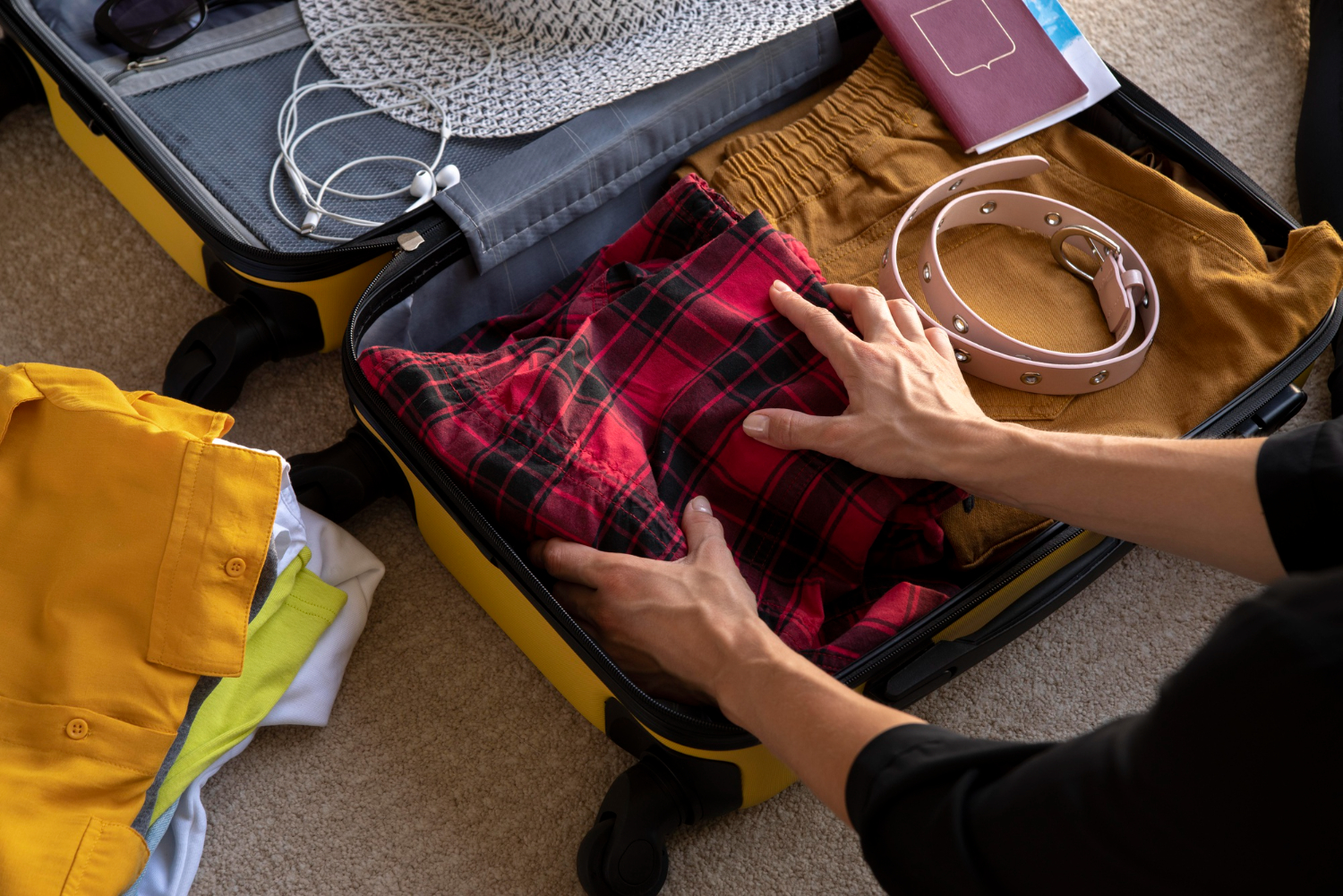
The half-unpacked suitcase in the corner is a well-known household fixture. It can sit there for weeks.
Emptying it completely in one go — including the side pockets, where things reliably hide — takes twenty minutes and removes a job that otherwise nags at you daily. Put the case away empty. Unpacking fully rather than partially is the single most useful thing to do the day you get home.
Like our content? Follow us for more.
2. Get the Laundry Started Immediately

Travel laundry does not improve with age, particularly if anything went into the bag damp. Start a load before you sit down.
Damp swimwear, walking gear and towels left sealed in a case for days develop problems that a prompt wash entirely avoids. It also gets you back to a functioning wardrobe faster. Getting the laundry started immediately is the homecoming task with the shortest window.
3. Check the Fridge Before You Trust It

Whatever you left behind has had the whole trip to deteriorate. Have a proper look before you make a sandwich out of habit.
Clear anything past its date, check that the fridge stayed running while you were away, and take the bins out. It takes five minutes and prevents an unpleasant discovery later. Checking the fridge before you trust it is a homecoming step people skip when they are tired.
4. Deal With Leftover Foreign Currency
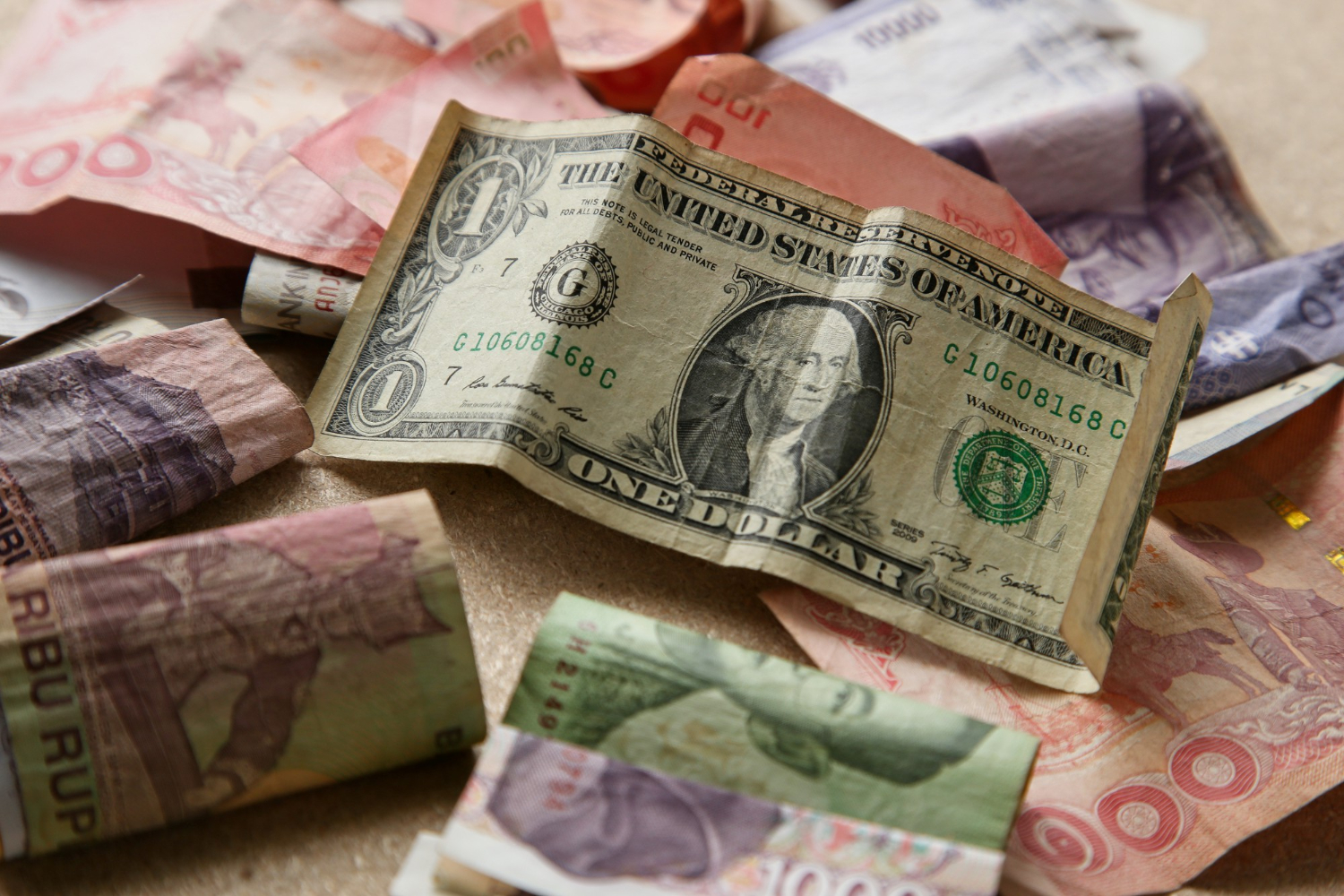
The notes and coins in your pocket will otherwise migrate to a drawer and stay there permanently.
Decide now: keep it for a future trip and store it somewhere you will actually find it, exchange it if that is worthwhile, or set the coins aside for a collection tin. Small coins are usually unexchangeable. Dealing with leftover foreign currency is worth doing the day you get home, while you still remember you have it.
5. Back Up Your Photographs

Everything from the trip currently exists on one device that you have been carrying around a foreign country. That is a fragile arrangement.
Copying the photos to a computer, an external drive or cloud storage — ideally more than one — closes the risk immediately. Do it before anything else competes for your attention. Backing up your photographs is the homecoming job with the highest cost of delay.
6. Review Your Bank and Card Statements

Look through the transactions from the trip while you can still remember what each one was. Unfamiliar charges are much easier to identify now.
Checking for duplicate charges, unexpected conversion fees, or anything you do not recognize is straightforward on the day and substantially harder six weeks later. Reviewing your statements is a sensible homecoming task that gets more difficult the longer you leave it.
7. Sort Out Anything the Trip Broke or Used Up

Every trip damages or exhausts something: a cracked case wheel, an empty first-aid kit, a charger left in a hotel, a worn pair of shoes.
Noting it now, while the memory is fresh, means the next trip does not begin with the same shortage. A running list kept with your luggage works well. Sorting out what the trip broke or used up is a homecoming habit that improves every trip afterwards.
8. Handle Any Claims or Complaints Promptly

If a flight was delayed, luggage was damaged, or something went wrong with a booking, there are usually time limits on doing anything about it.
Submitting the claim in the first days, while you still hold the boarding passes, receipts and reference numbers, is far easier than reconstructing it later. Check the deadline. Handling claims promptly is the homecoming task most likely to actually save you money.
9. Write Down What You Would Do Differently

While the trip is fresh, note what worked and what did not: the thing you overpacked, the day that was too rushed, the area you would stay in next time.
A few lines is enough, and it is remarkable how completely this evaporates within a fortnight. Keep it wherever you plan trips. Writing down what you would do differently is the homecoming step that compounds over years of travel.
10. Reset Your Sleep Deliberately

If you crossed time zones, the temptation is to sleep whenever your body demands. Some structure helps you recover faster.
Getting daylight, eating at local mealtimes and going to bed at a normal local hour, even when it feels wrong, generally shortens the adjustment. Be realistic about how long it takes. Resetting your sleep deliberately is worth the discomfort on the day you get home.
11. Restock the Basics Before Tomorrow

There is no milk, no bread, and nothing for breakfast. This becomes apparent at the worst possible moment the following morning.
A minimal shop — or an order placed on the journey home — covers the first day back and removes one thing from an already awkward re-entry. Keep it small. Restocking the basics is a homecoming task that your tomorrow-morning self will appreciate.
12. Give Yourself a Buffer Day if You Can

Where the schedule allows, avoid returning to work the morning after you land. A day in between changes the whole re-entry.
It gives you time for everything else on this list, absorbs any travel delays without consequence, and means the trip ends properly rather than being cut off mid-air. Giving yourself a buffer day is the homecoming decision that has to be made when you book, not when you land.
Ending the Trip Properly

None of this takes long, and together it is the difference between a trip that finishes and a trip that trails off into a fortnight of small unresolved jobs.
Travel writing is overwhelmingly about departure, which is understandable — that is the exciting part. But the return is where a trip either gets tidied away or lingers as admin. An hour on the day you get back buys the whole thing a clean ending, and makes the next departure substantially easier.
Like our content? Follow us for more.