

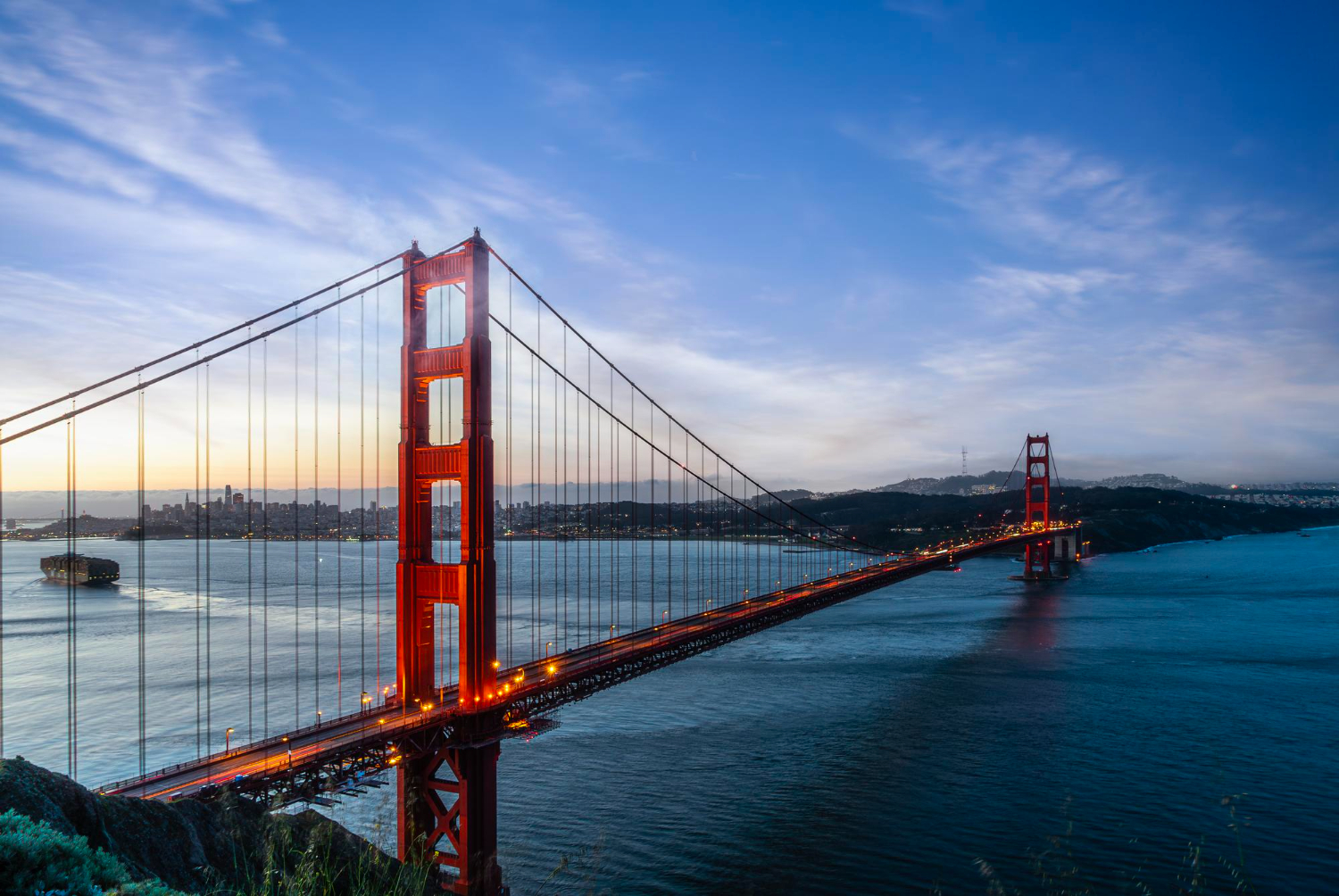
Bridges are the most public form of engineering there is: you can see the whole argument at once, and you find out immediately whether it worked. These fourteen are worth a detour, for reasons ranging from sheer scale to outright audacity.
1. Pont du Gard, France
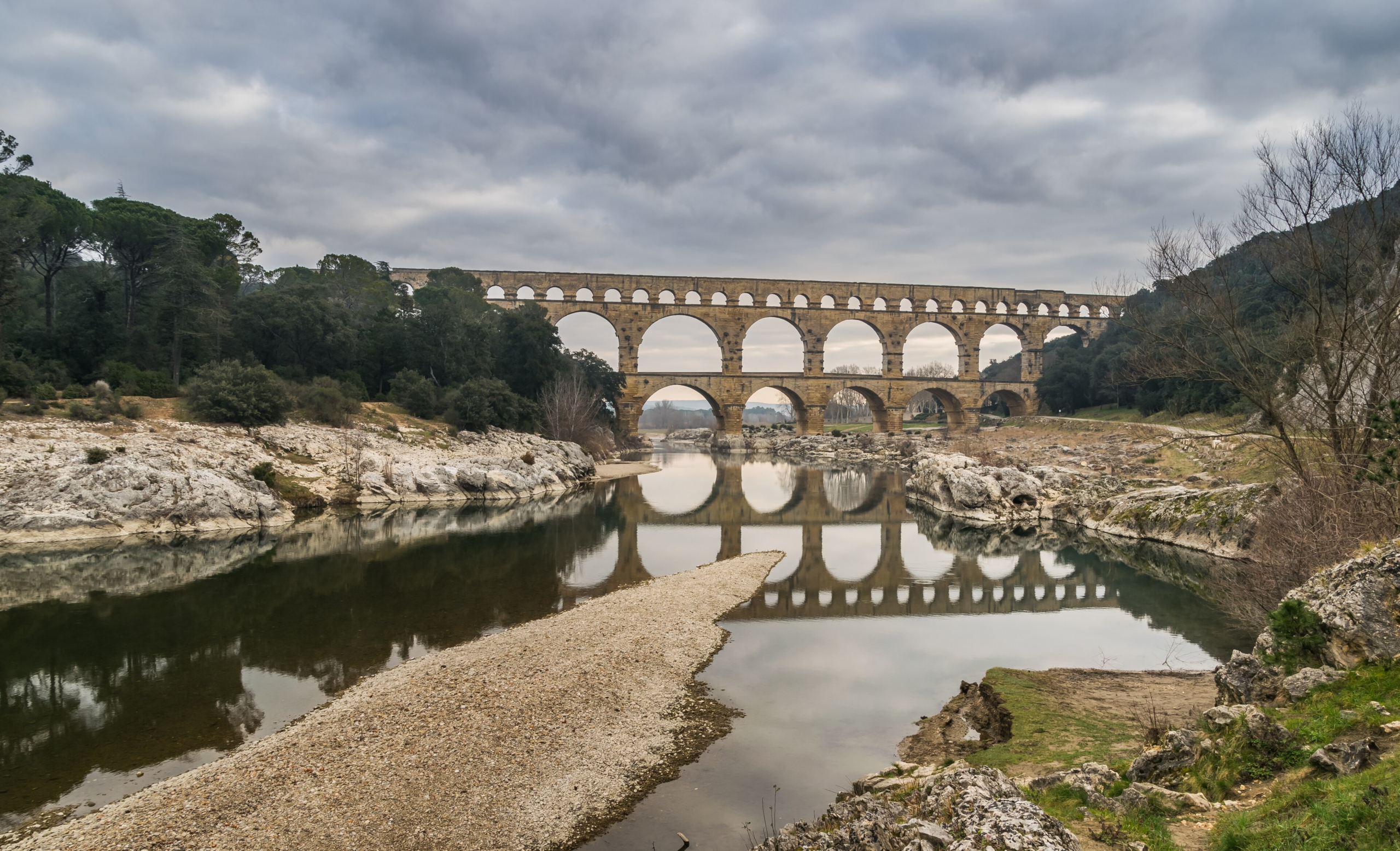
A Roman aqueduct bridge over the Gardon river in southern France, three tiers of arches stacked to nearly fifty metres, built to carry water rather than traffic.
It was assembled largely without mortar, from blocks cut so precisely that friction and gravity hold them in place, and it has stood for roughly two thousand years. You can walk the riverbank beneath it. The Pont du Gard is the spectacular bridge that was built to move water and has outlasted almost everything built since.
Like our content? Follow us for more.
2. Millau Viaduct, France
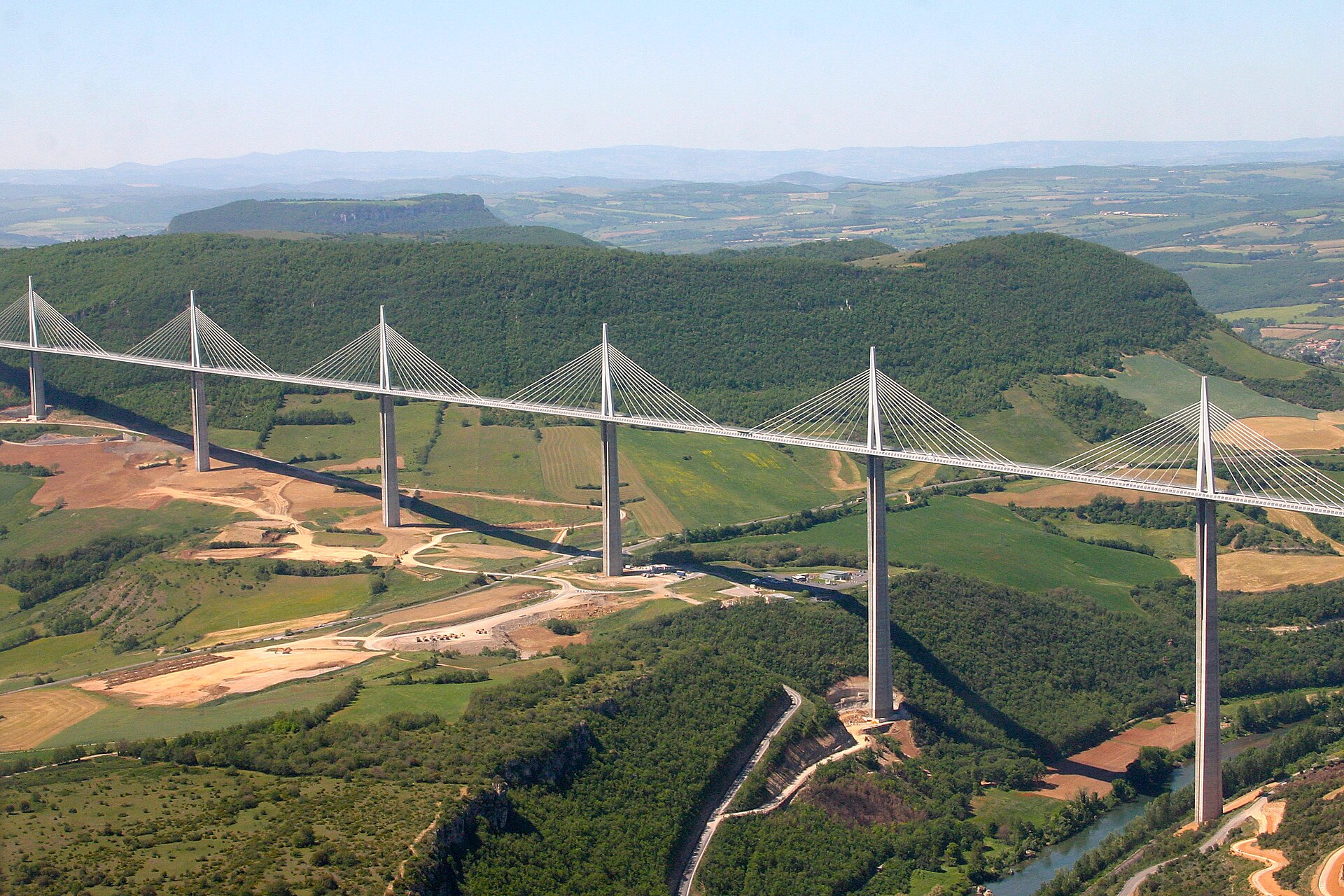
A cable-stayed road bridge carrying traffic across the Tarn valley in southern France, with masts reaching higher than the Eiffel Tower. It appears to float above the landscape.
On misty mornings the valley fills with cloud and the deck runs above it, which is the view everyone photographs. It was designed to cross the valley rather than dominate it. The Millau Viaduct is the spectacular bridge that made a motorway crossing into a landmark.
3. Ponte Vecchio, Italy
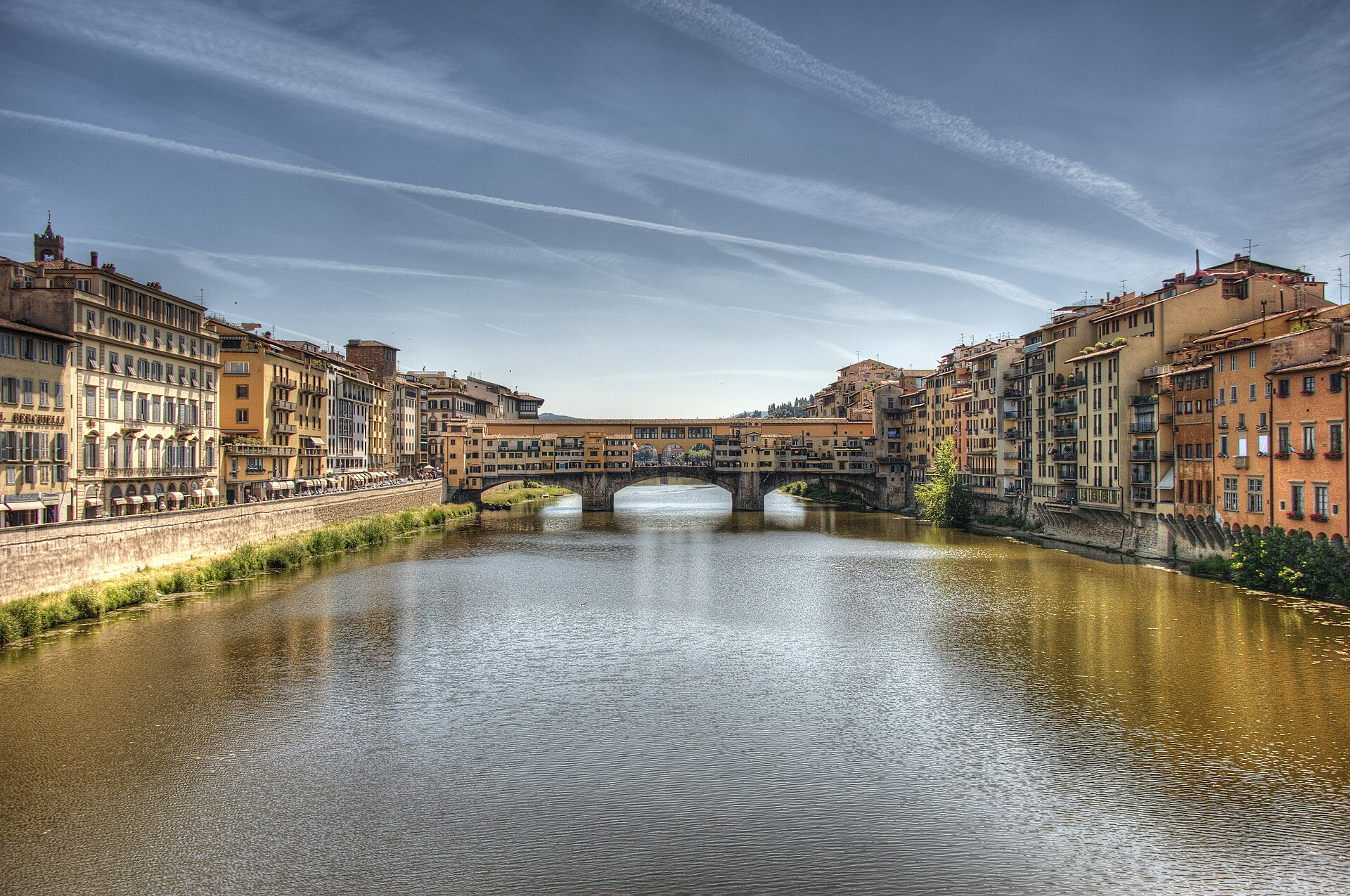
The medieval stone arch bridge over the Arno in Florence, lined with shops built directly onto it. Butchers occupied it before jewellers did.
An enclosed corridor runs above the shops, built so that the ruling family could cross the river without mixing with the public. It is a street and a bridge simultaneously. The Ponte Vecchio is the spectacular bridge you can walk across without realizing you are on one.
4. Tower Bridge, England
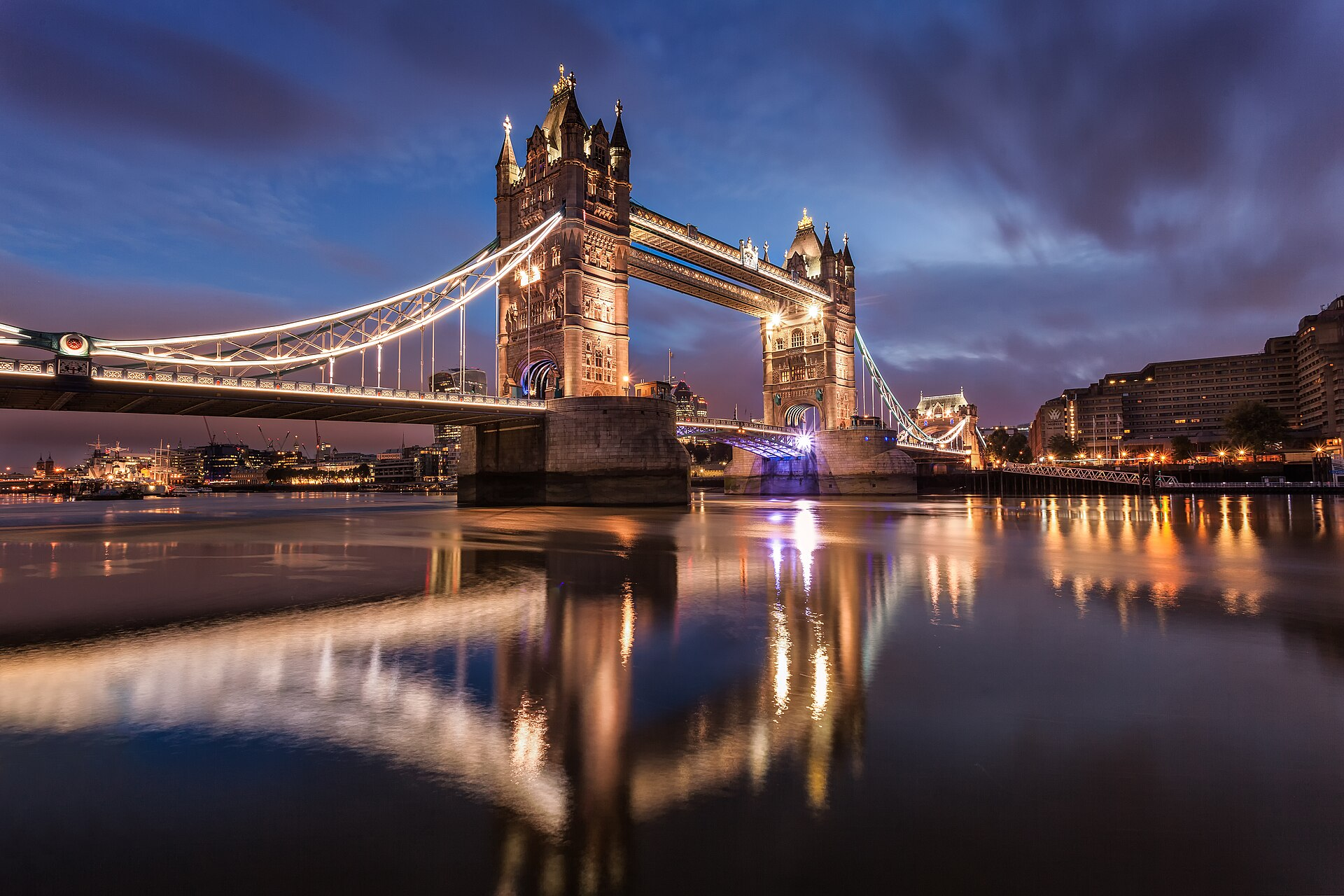
The Victorian bascule bridge across the Thames, whose two halves still lift to let tall vessels through. It is constantly mistaken for London Bridge, which is a plain crossing further upstream.
The high-level walkways between the towers are open to visitors, with glass floors looking straight down at the road and river. The Victorian engine rooms are preserved. Tower Bridge is the spectacular bridge most often confused with a much duller one.
5. Sydney Harbour Bridge, Australia
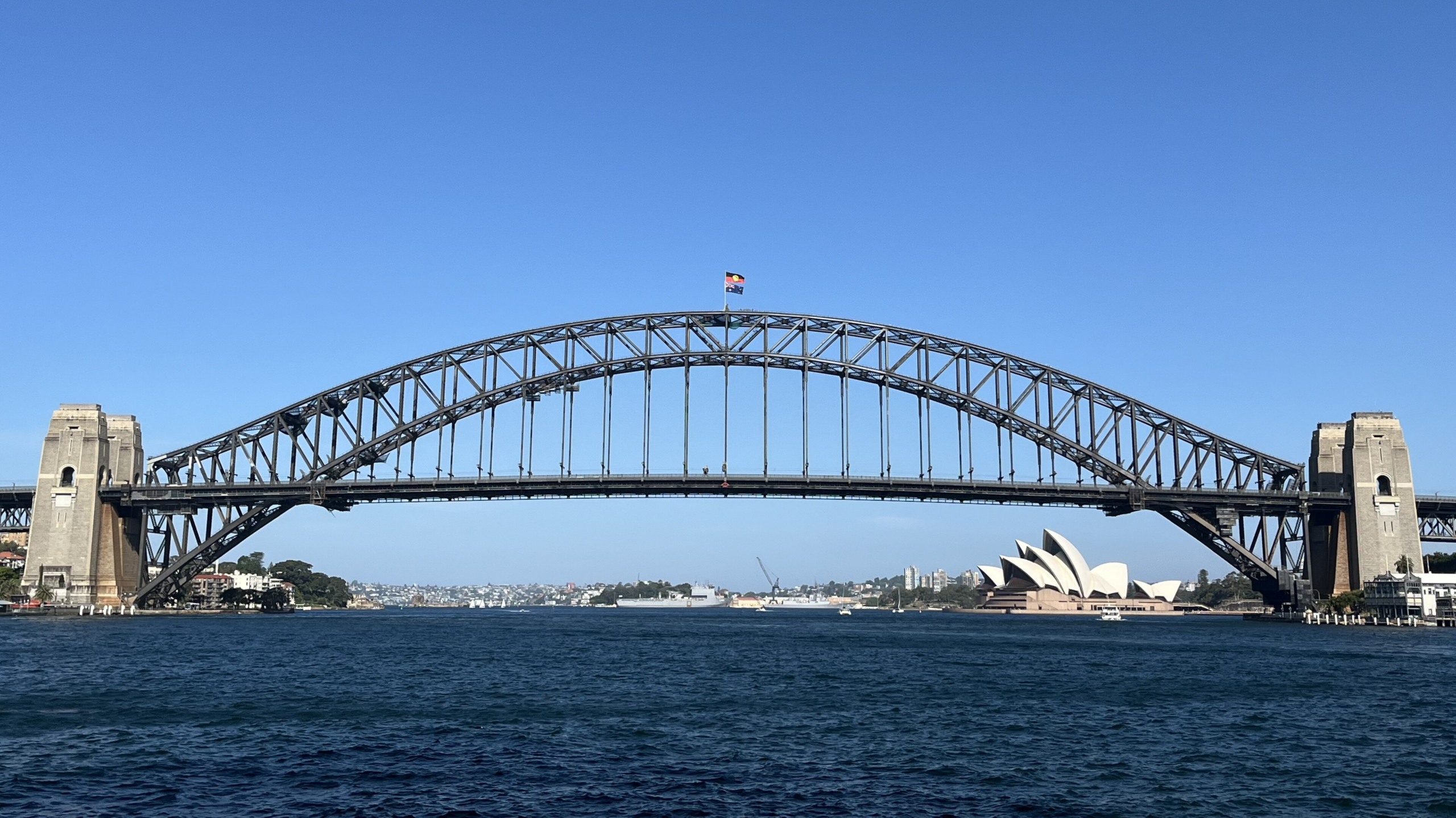
The steel through-arch bridge across Sydney Harbour, known locally as the coathanger for reasons that are obvious on sight. Climbing the arch is a licensed activity.
Guided climbs take visitors up the outer arch to the summit, and the view across the harbour and opera house is the reward. There is also a pedestrian walkway. The Sydney Harbour Bridge is the spectacular bridge people pay to walk over the top of.
6. Charles Bridge, Czech Republic
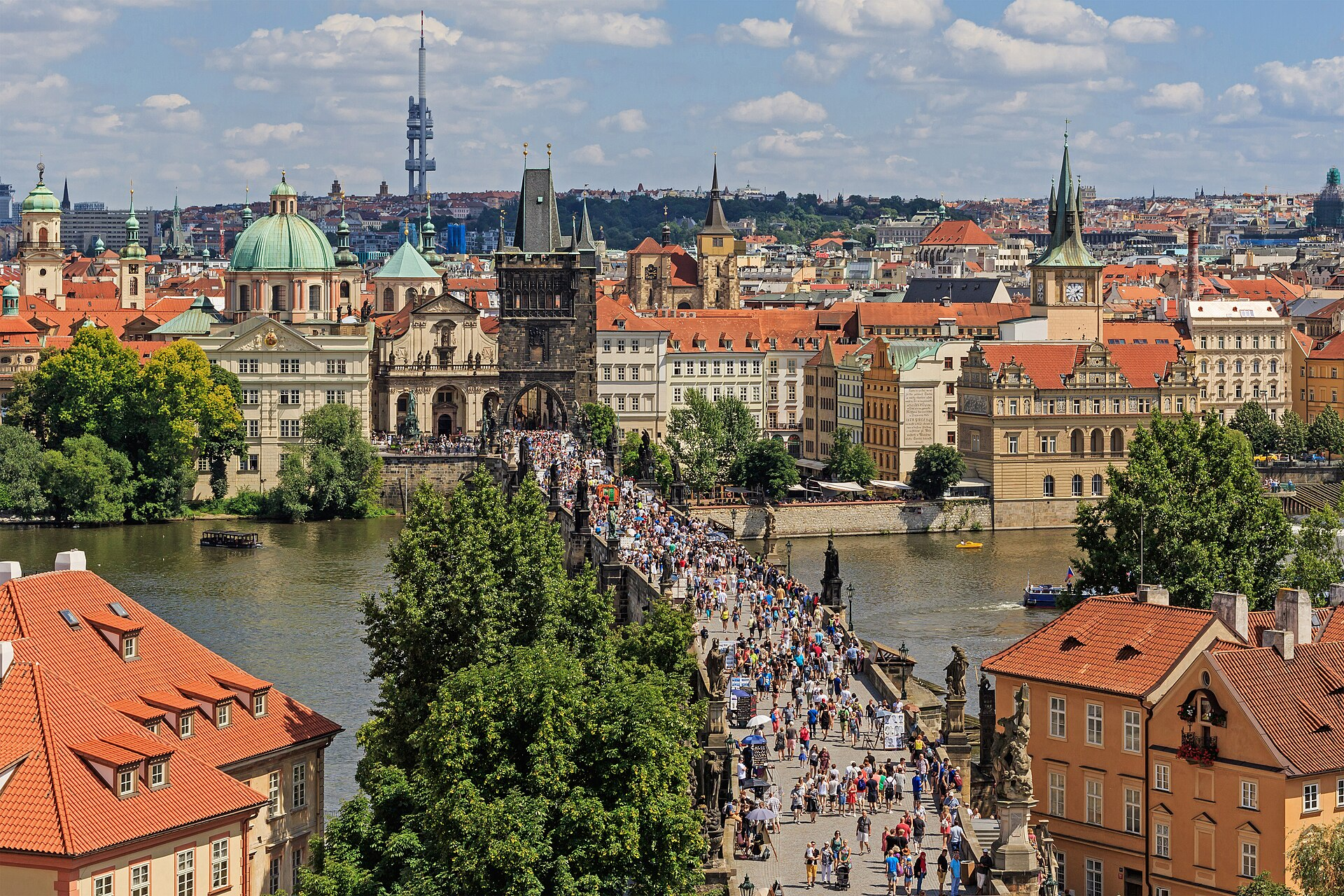
The medieval stone bridge over the Vltava in Prague, lined with baroque statues added centuries after construction. It carries pedestrians only.
Early morning is the only time it is quiet; by mid-morning it fills with visitors, musicians and portrait artists. The statues are mostly replicas, with originals in museums. Charles Bridge is the spectacular bridge best experienced before breakfast.
7. Akashi Kaikyō Bridge, Japan
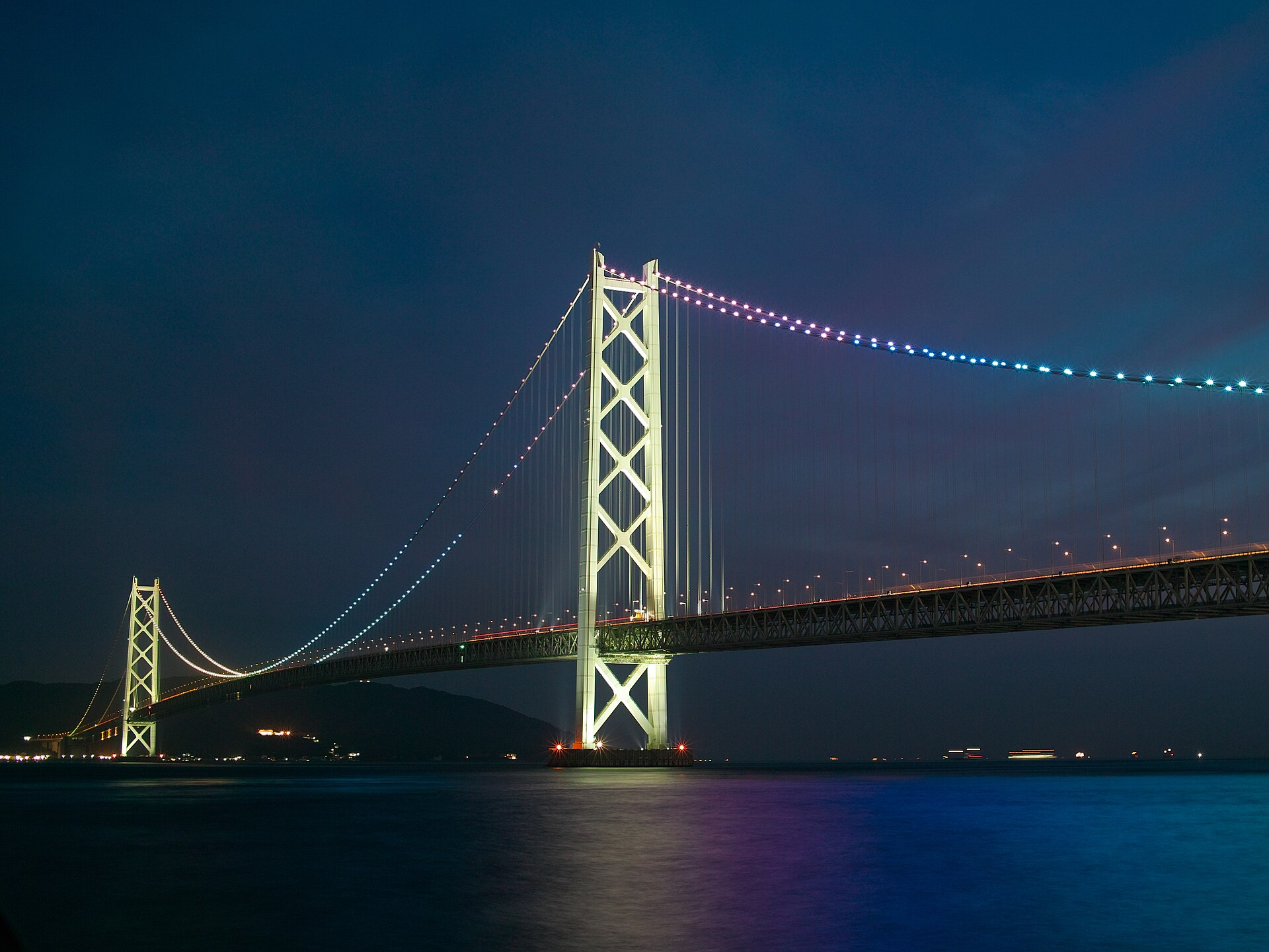
A suspension bridge linking the Japanese mainland to Awaji Island, with one of the longest central spans ever built. It crosses a strait with fierce currents.
It was under construction during a major earthquake in 1995, which moved the towers apart and lengthened the final span. A walkway beneath the deck is open to visitors. The Akashi Kaikyō is the spectacular bridge that got longer while it was being built.
8. Rialto Bridge, Italy
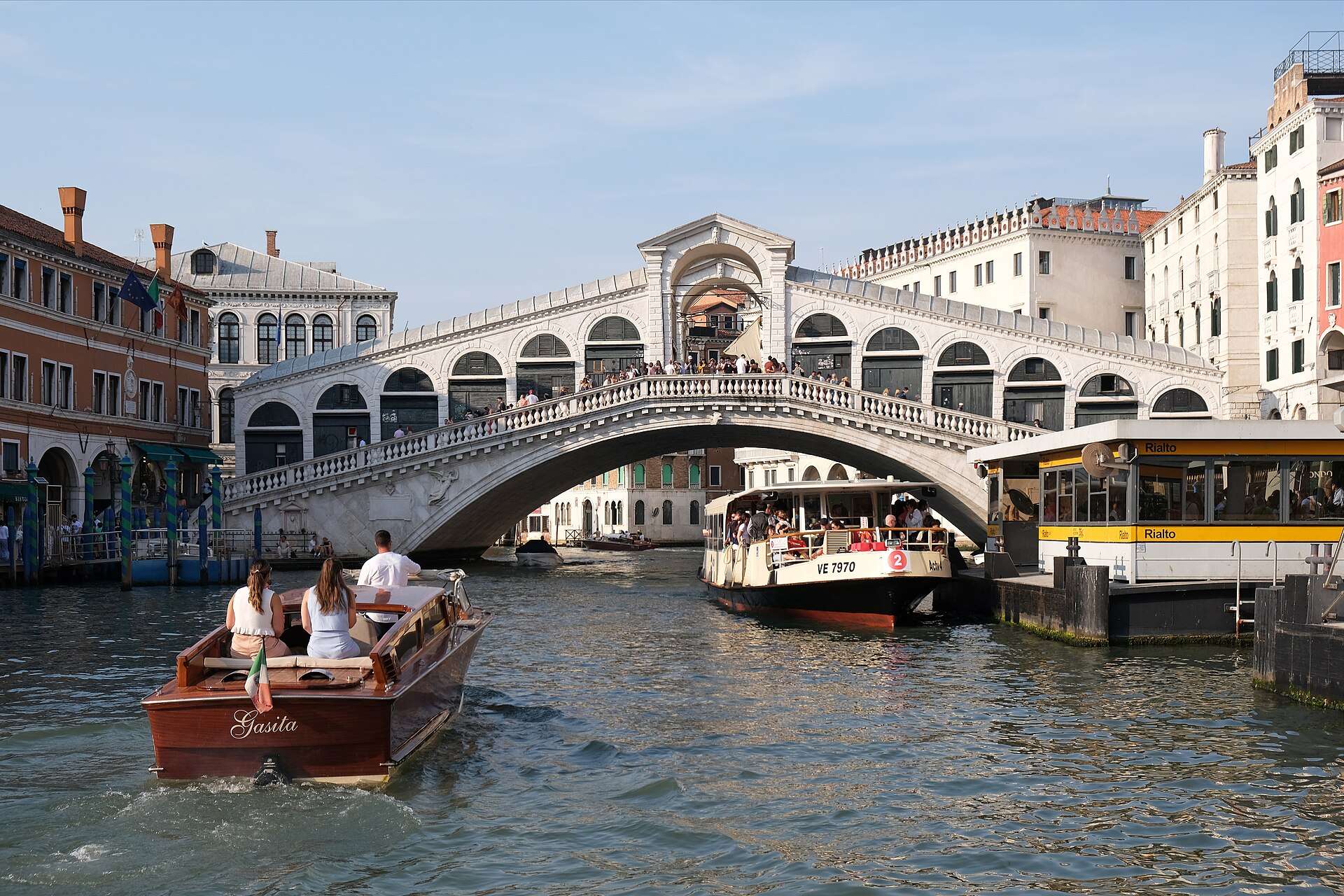
The oldest of the bridges across Venice’s Grand Canal, a single stone arch carrying shops and three walkways. Its construction was considered a serious engineering gamble.
Several earlier bridges on the site failed before this one, and the stone version was doubted by contemporaries who expected it to collapse. It has stood since the sixteenth century. The Rialto is the spectacular bridge that outlived everyone who said it would fall down.
9. Chengyang Wind and Rain Bridge, China
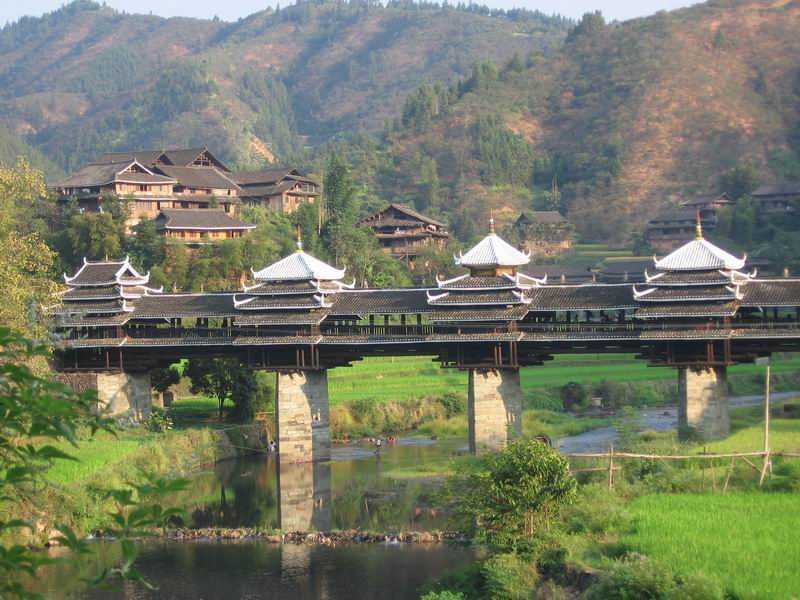
A covered wooden bridge in Guangxi built by the Dong people, with pavilions and tiled roofs along its length, constructed without nails.
The joinery holds it together entirely, and the roofs shelter travellers from sun and rain, which is where the name comes from. It remains in community use. Chengyang is the spectacular bridge that doubles as a roof and a meeting place.
10. Øresund Bridge, Denmark and Sweden
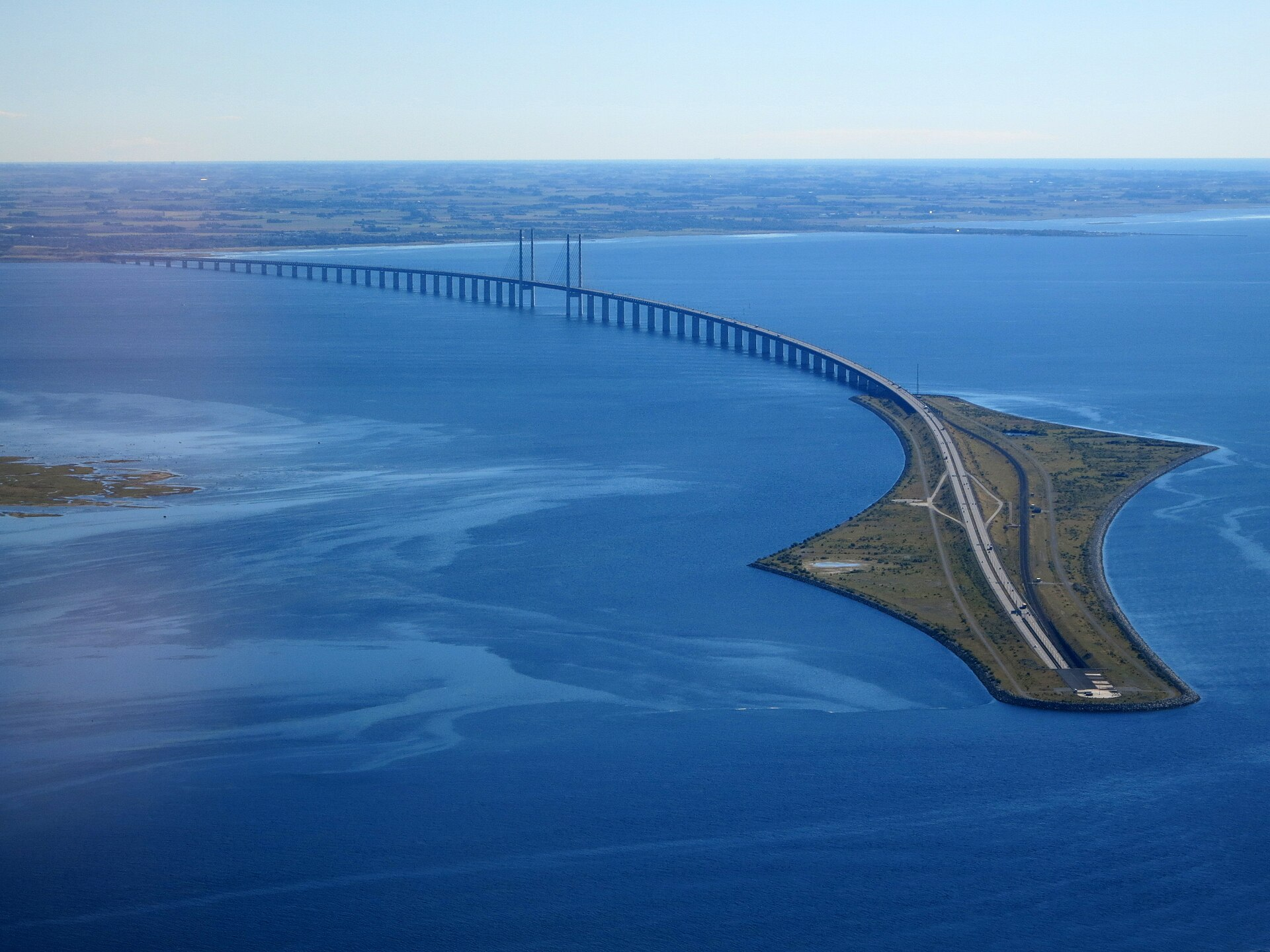
The crossing between Copenhagen and Malmö that runs as a cable-stayed bridge and then descends into a tunnel via an artificial island partway across.
The transition exists because a continuous bridge would have interfered with aircraft approaches and shipping. Watching a motorway disappear into the sea is truly strange. The Øresund is the spectacular bridge that stops being a bridge halfway through.
11. Helix Bridge, Singapore
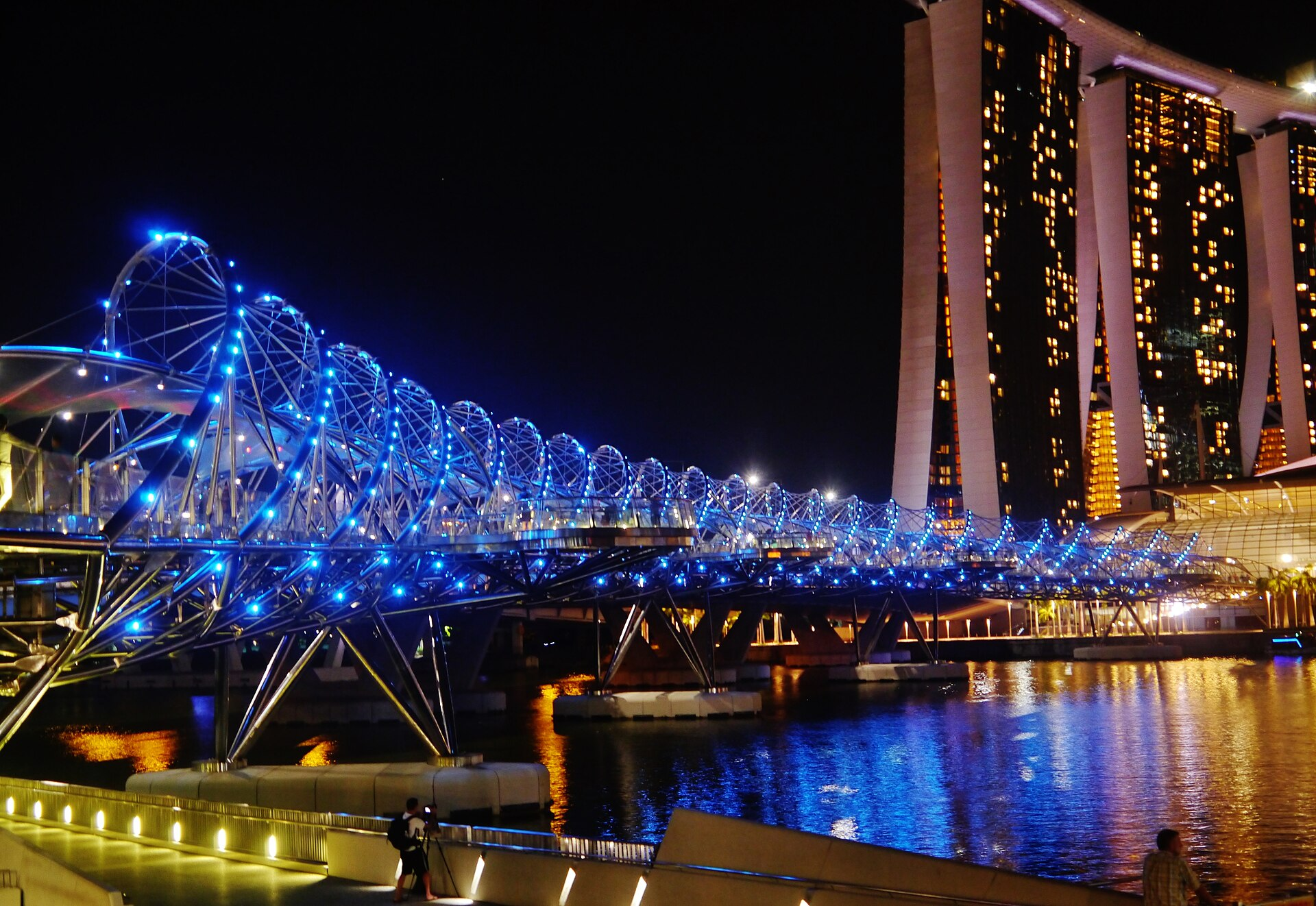
A pedestrian bridge in Marina Bay whose structure is a double helix of stainless steel, illuminated after dark. The form is drawn from the structure of DNA.
The tubular spiral creates constantly changing framed views as you walk through it, and the lighting makes it a destination in the evening. Helix Bridge is the spectacular bridge designed to be walked through rather than merely across.
12. Bastei Bridge, Germany
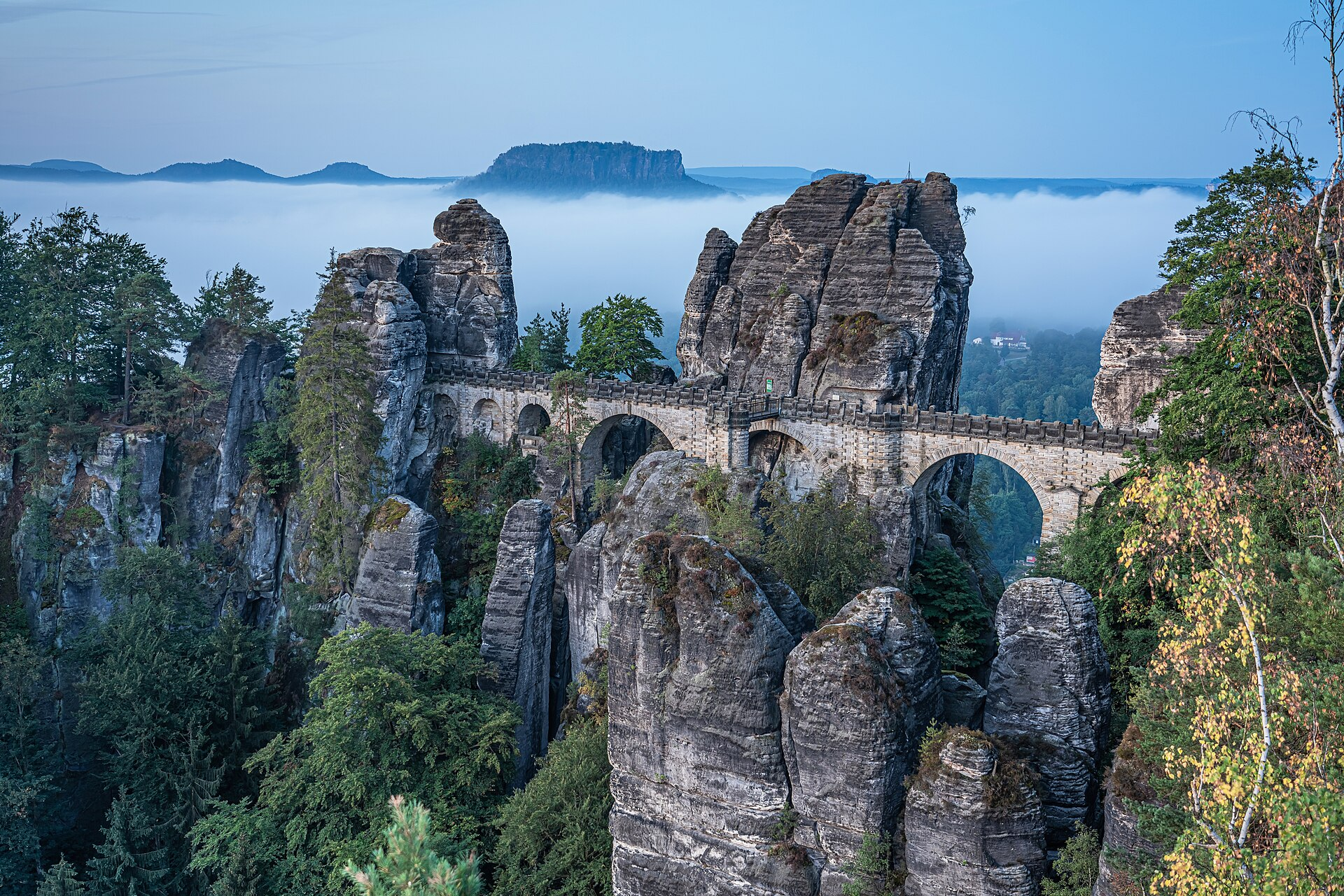
A sandstone bridge threading between rock pinnacles in the Elbe Sandstone Mountains, linking towers of stone above a forested gorge.
The rock formations came first and the bridge was built to connect viewpoints among them, which produces a structure that looks like part of the landscape. The views are extraordinary. Bastei is the spectacular bridge that exists to join up a set of rocks.
14. Si-o-se-pol, Iran
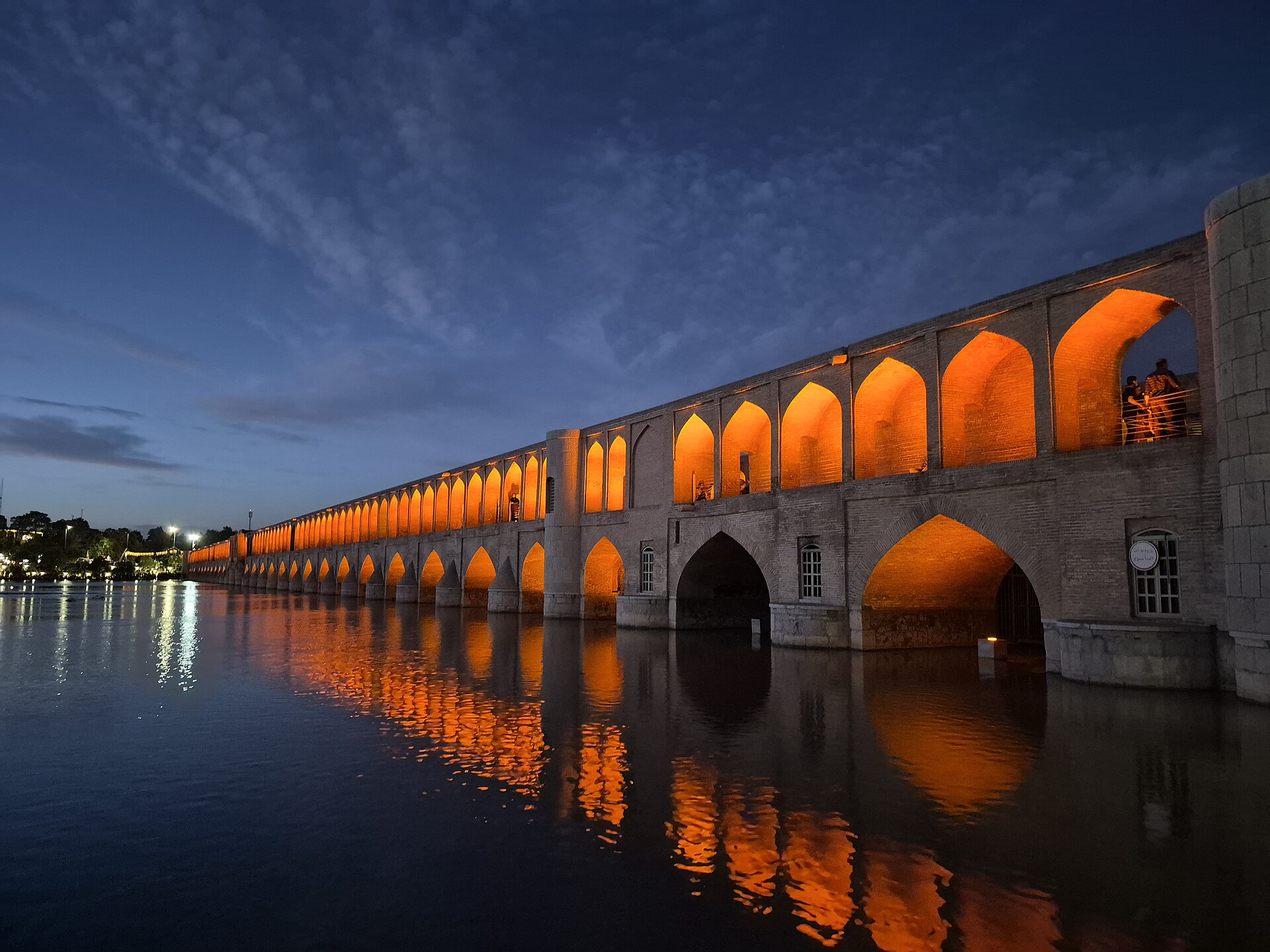
A seventeenth-century arch bridge in Isfahan with thirty-three arches, built as both crossing and gathering place, with arcades and alcoves along its length.
People sit in the alcoves in the evenings, and the arches reflect in the water when the river is flowing. It is a piece of civic architecture as much as infrastructure. Si-o-se-pol is the spectacular bridge built on the assumption that people would want to stay on it.
15. Storseisundet Bridge, Norway
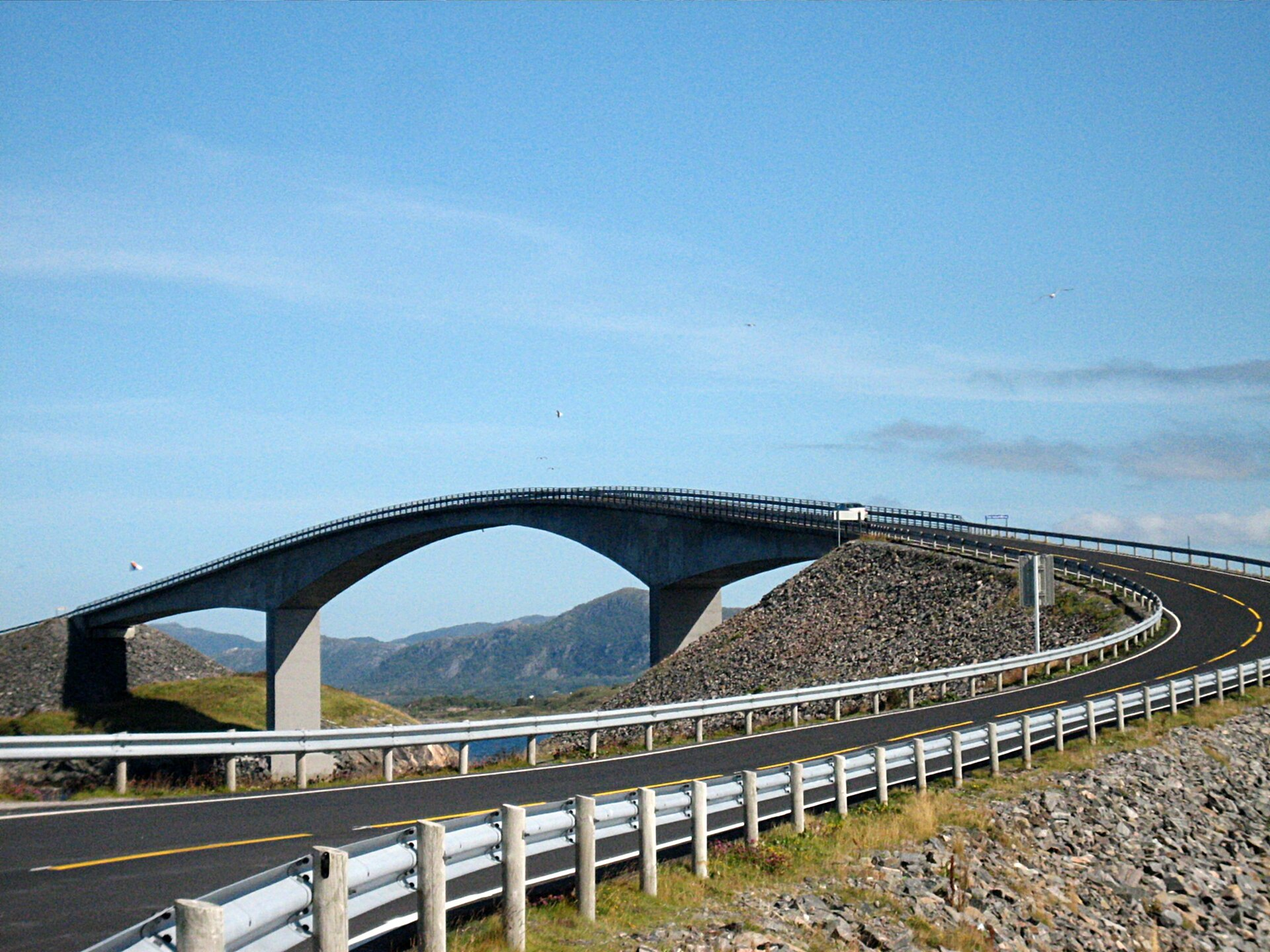
A cantilever bridge on the Atlantic Road, curving and rising so sharply that from certain angles it appears to end in mid-air. It does not.
The optical illusion is a product of the curve combined with the approach, and the road it belongs to is one of the most dramatic coastal drives anywhere. Storms are part of the experience. Storseisundet is the spectacular bridge that famously looks like a ramp to nowhere.
Problems Solved in Public
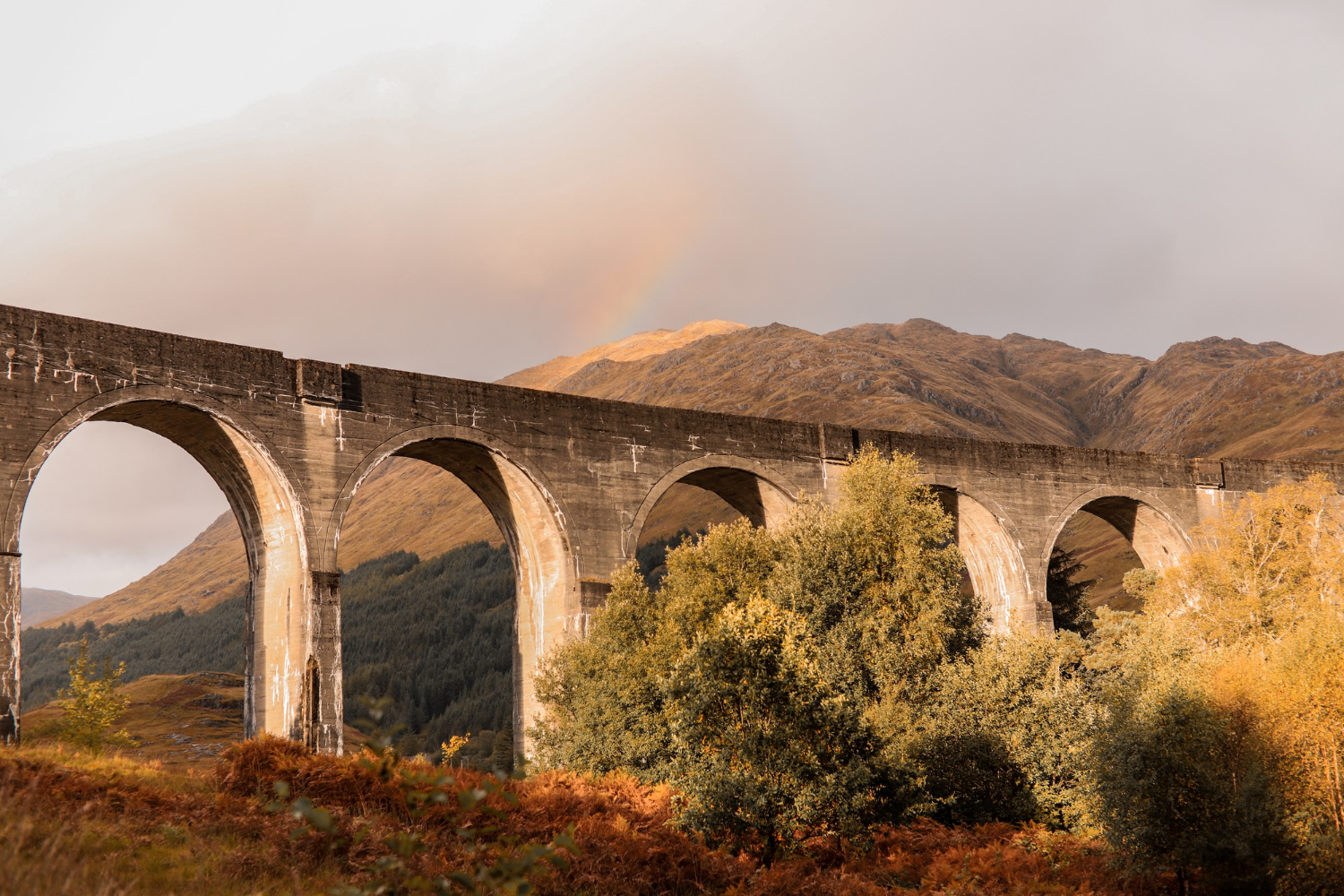
What these share is that each is a specific answer to a specific obstacle — a strait, a gorge, a canal, a valley — and each answer reveals what its builders valued: speed, elegance, shelter, spectacle, or simply getting across.
Several of these can be walked, a few can be climbed, and one or two are best appreciated from a distance with a camera. If you are near any of them, it is worth the detour: bridges reward being looked at properly, and almost nobody does.
Like our content? Follow us for more.
