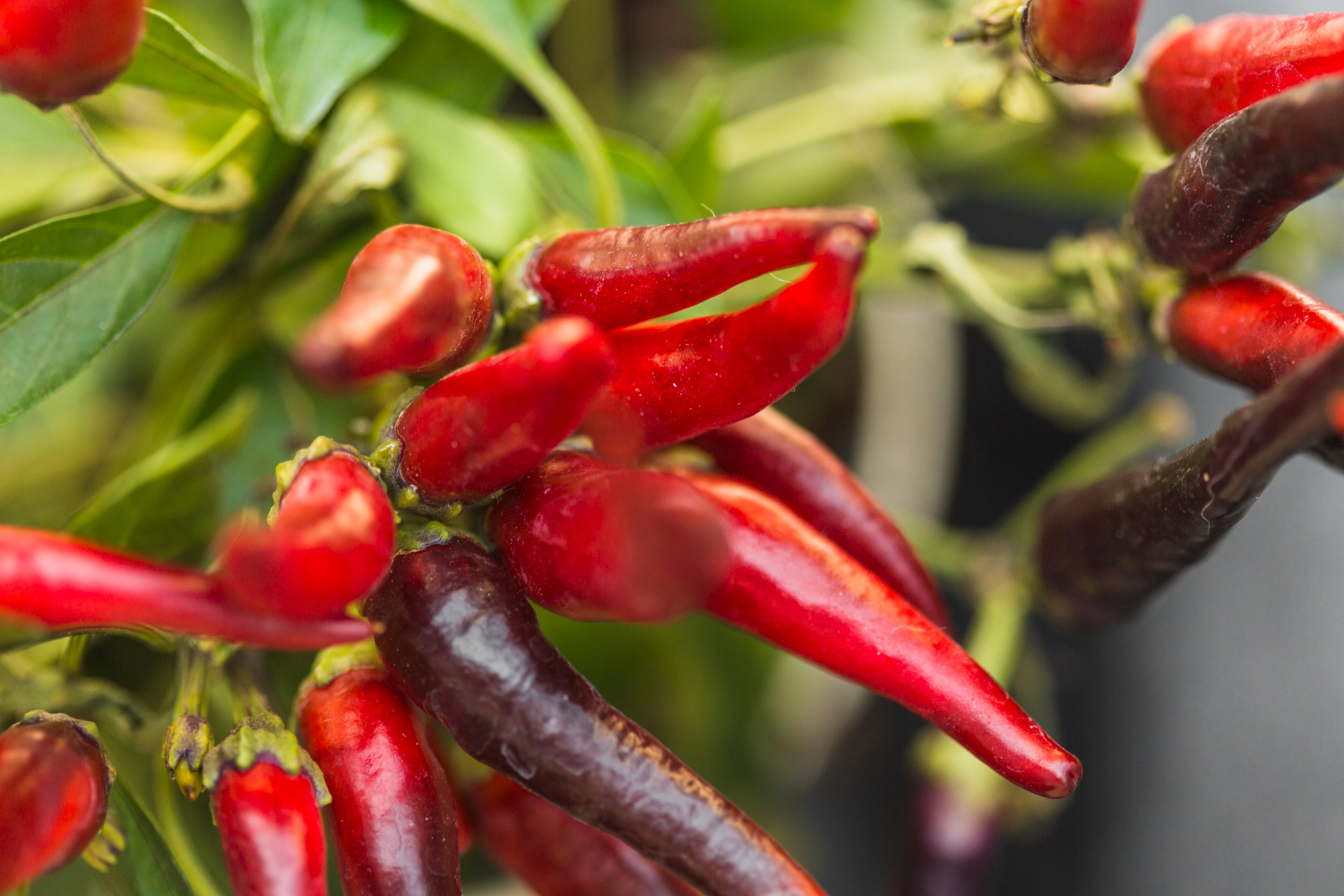
There is a real puzzle in the chili pepper, and it is worth stating before the answer.
Fruits exist to be eaten. That is their function: a plant wraps its seeds in something sweet and nutritious so that an animal will consume it, carry the seeds elsewhere, and deposit them somewhere new. This is a transaction, and it is why fruits are palatable.
So a fruit that actively hurts the animals trying to eat it looks like a design failure. Why would a plant go to the trouble of producing a fleshy fruit and then load it with a chemical that makes eating it painful? Biologists puzzled over this for a long time.
The answer is that chilies are not deterring everything. They are deterring some things very specifically, while remaining entirely available to others, and the mechanism is one of the more elegant pieces of chemistry in the plant world. Here is how it works.
The Receptor Trick
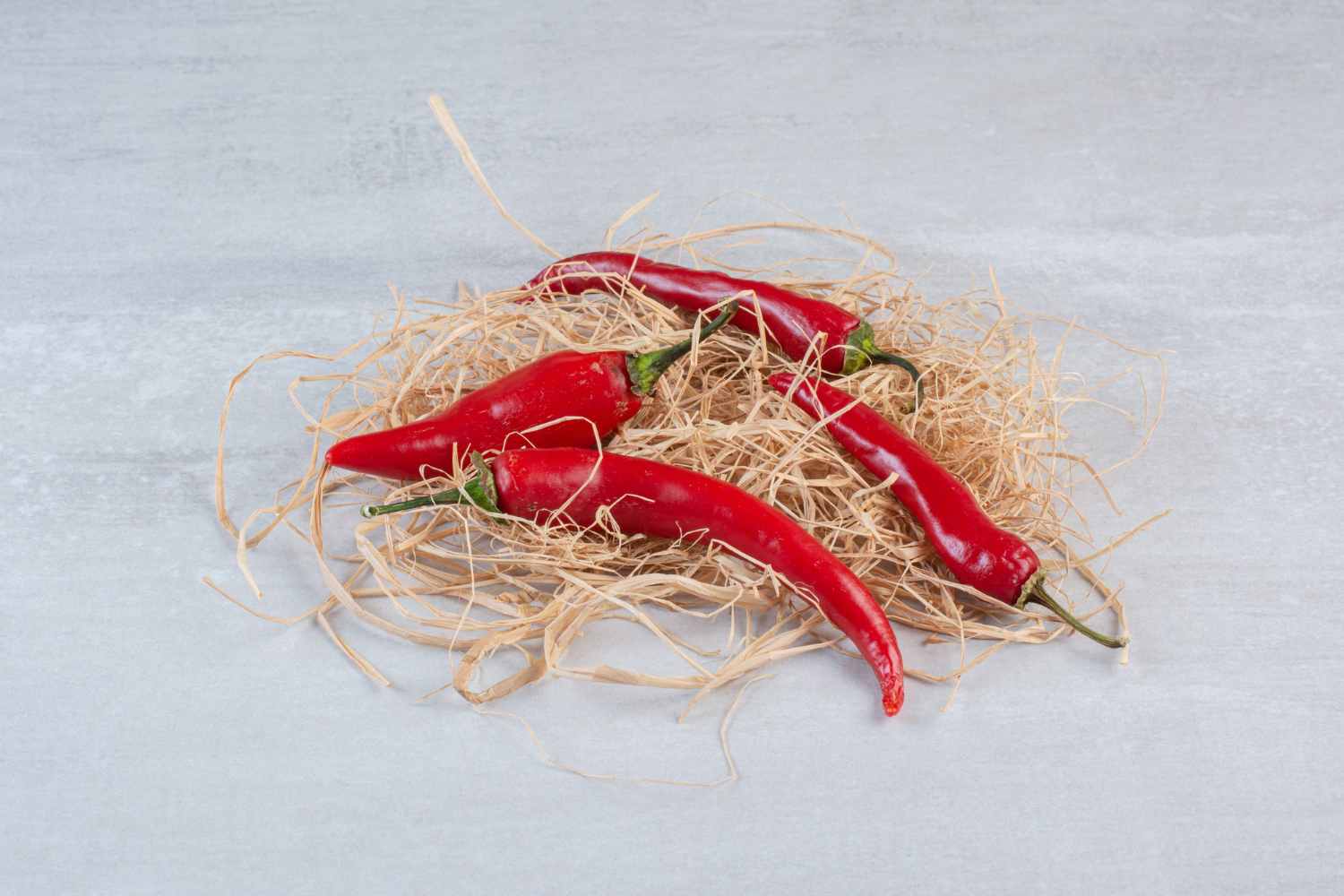
Capsaicin, the compound responsible for the heat, works by binding to a receptor called TRPV1.
TRPV1 is not a taste receptor. It is a heat and pain receptor, part of the system that tells you when you are touching something dangerously hot. Capsaicin binds to it and activates it, which is why chili heat feels like burning rather than like a flavour. Your nervous system is reporting actual thermal damage that is not occurring.
Mammals have TRPV1 and find capsaicin aversive. That is the deterrent.
Birds are the interesting case. It is often said that birds lack the receptor, but the precise finding is better: birds do have TRPV1, and it is structurally different in a way that makes it insensitive to capsaicin. Work in David Julius’s laboratory established the molecular basis for this species-specific difference. The receptor is there; capsaicin simply does not activate it.
So a bird eating a habanero experiences nothing. Not tolerance, not endurance — no signal at all.
Like our content? Follow us for more.
Why Birds Are the Right Customer
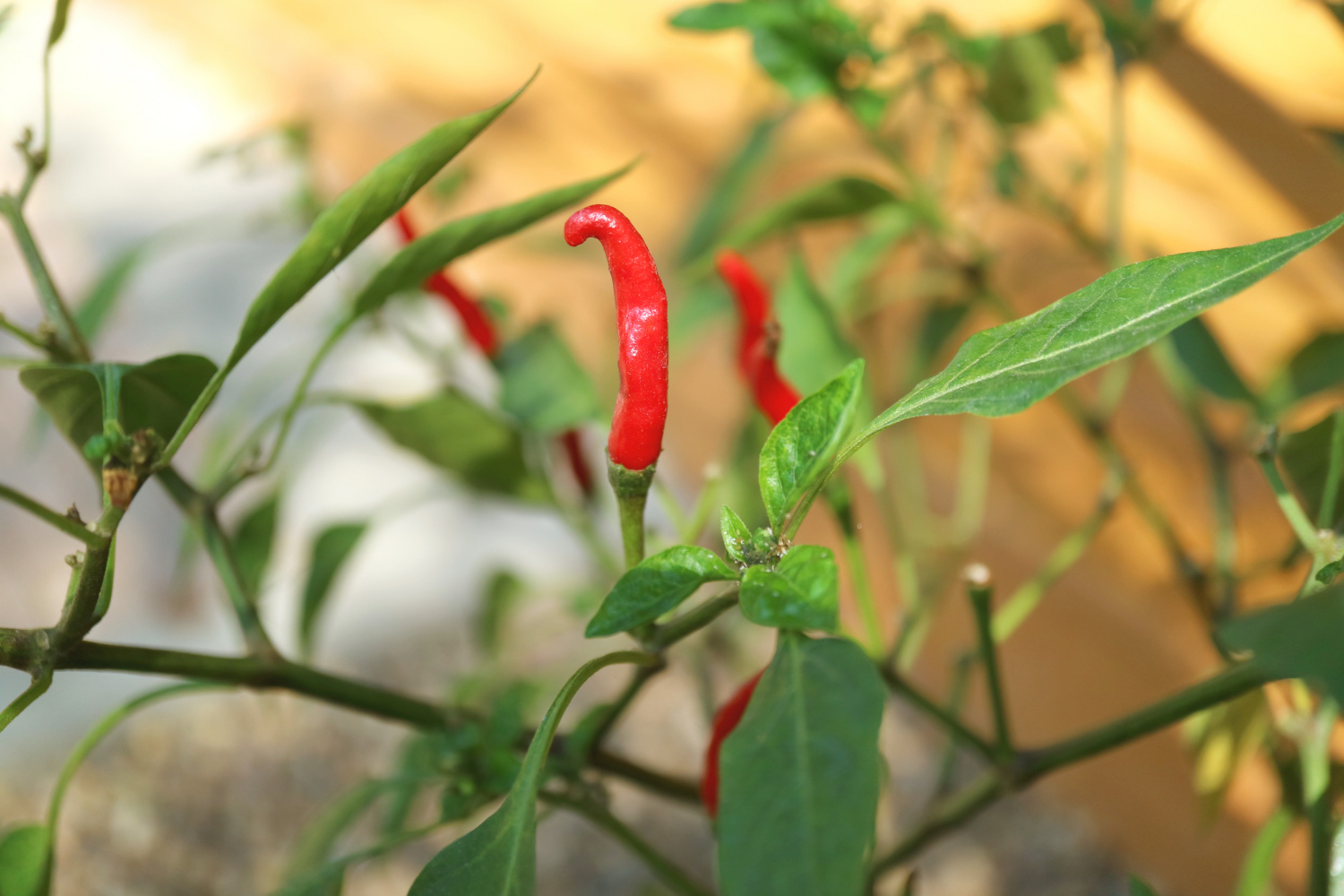
That difference matters because birds and mammals treat seeds very differently.
A bird swallows chili fruits whole. The seeds pass through the digestive tract intact and emerge capable of germinating. Birds also fly, which means seeds are deposited at distances a plant could never otherwise achieve.
Mammals chew. Rodents in particular grind seeds up, destroying them, and mammals that do swallow seeds tend to damage them in digestion. Research comparing germination after passage through bird and mammal guts found that chili seed germination is reduced by mammalian digestion but not by avian digestion. Mammals also tend to stay within a limited range, offering poor dispersal even when seeds survive.
From the plant’s point of view, then, mammals are seed destroyers and birds are seed couriers. Capsaicin sorts them.
The key field experiment was conducted by Joshua Tewksbury and Gary Nabhan, published in Nature in 2001. In Arizona, they found that pack rats and cactus mice — the dominant seed-eating mammals in the area — avoided wild chilies entirely, while birds ate them freely.
To confirm capsaicin was the cause, they used a naturally occurring variant: a pepper similar in size, shape and nutritional content but which, through a genetic quirk, contains no capsaicin. Fed the spiceless peppers, rodents and birds alike ate them. Swap in the hot peppers and the birds continued while the rodents refused to touch them.
Analysis of the droppings closed the argument. Birds passed seeds whole and viable. The rodents chewed up most of the seeds, and those that survived were too damaged to germinate.
They called the effect directed deterrence: a defence aimed at one group of animals while leaving another unaffected.
The Fungus
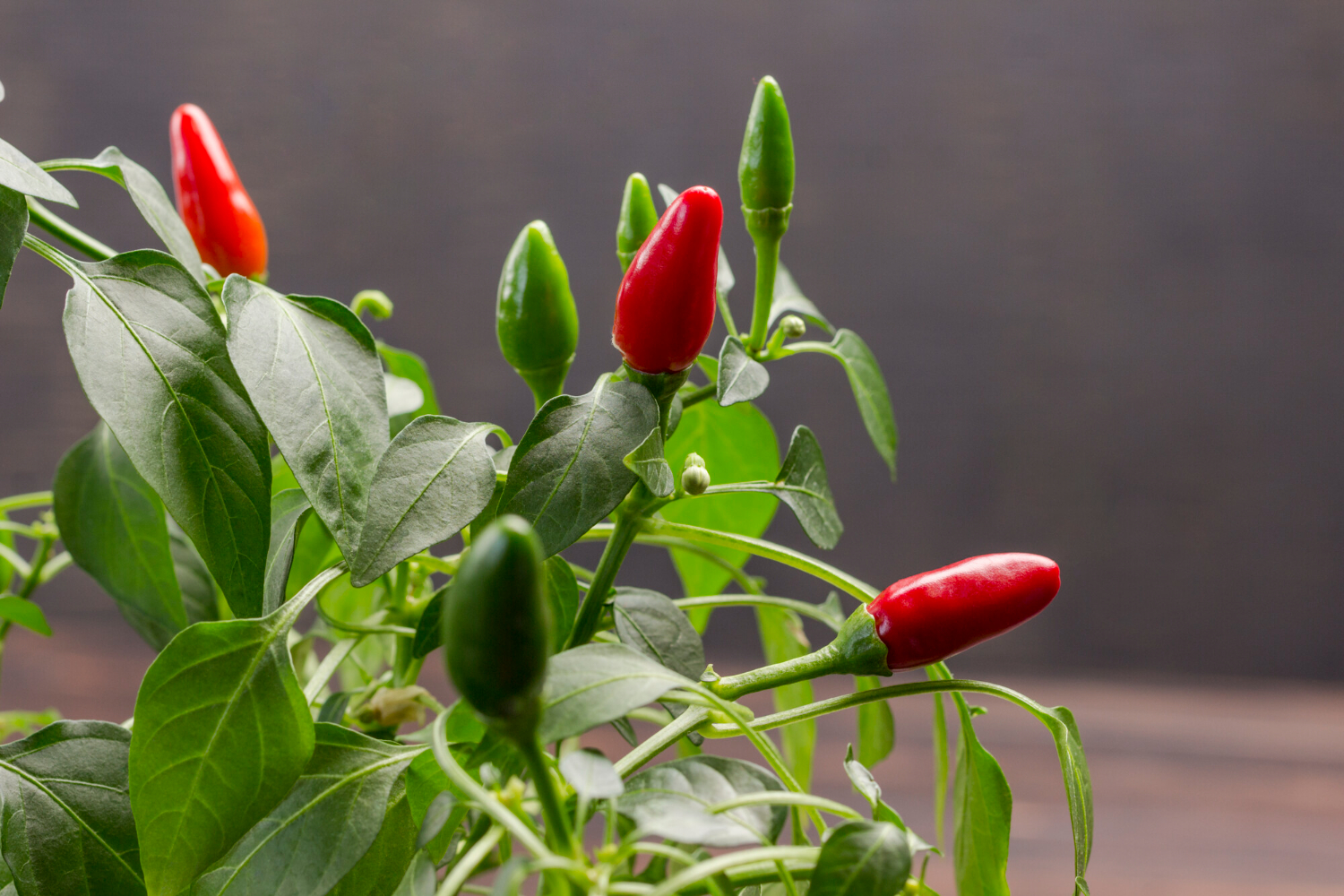
Tewksbury was not satisfied that deterring rodents fully explained why spiciness evolved in the first place, and subsequent work in Bolivia pointed to a smaller enemy.
The threat to a wild chili’s seeds arrives before dispersal. Insects puncture the fruit’s skin, which allows fungi to invade, and the fungi destroy the seeds inside. More than 90 percent of ripe wild chili fruits show signs of fungal infection, and it is the primary reason seeds die before they can be dispersed. One fungus in particular, from the genus Fusarium, was identified as the main culprit across chili species.
As Tewksbury put it, both the fungus and the birds eat chilies, but the fungus never disperses seeds — it only kills them.
Capsaicin turns out to be strongly antifungal. It drastically slows microbial growth, protecting the fruit from Fusarium, while doing nothing to discourage the birds.
The field evidence supports this neatly. The researchers studied chili populations across roughly 1,000 square miles of Bolivia, taking advantage of the fact that several wild chili species are polymorphic for pungency — some individual plants produce hot fruit and others produce mild fruit of the same species. That is effectively a natural experiment.
They found more spicy plants in areas with larger populations of fruit-puncturing insects, and higher capsaicinoid levels where fungal attack was common. The moister the climate — and Fusarium thrives in humidity — the spicier the chilies. In the laboratory, fungus taken from mild pepper populations was easily inhibited by a little capsaicin, while fungus from spicier populations could withstand more heat, which is what an ongoing arms race looks like.
The findings were published in the Proceedings of the National Academy of Sciences in 2008 by Tewksbury, Douglas Levey and colleagues.
The Bonus Round
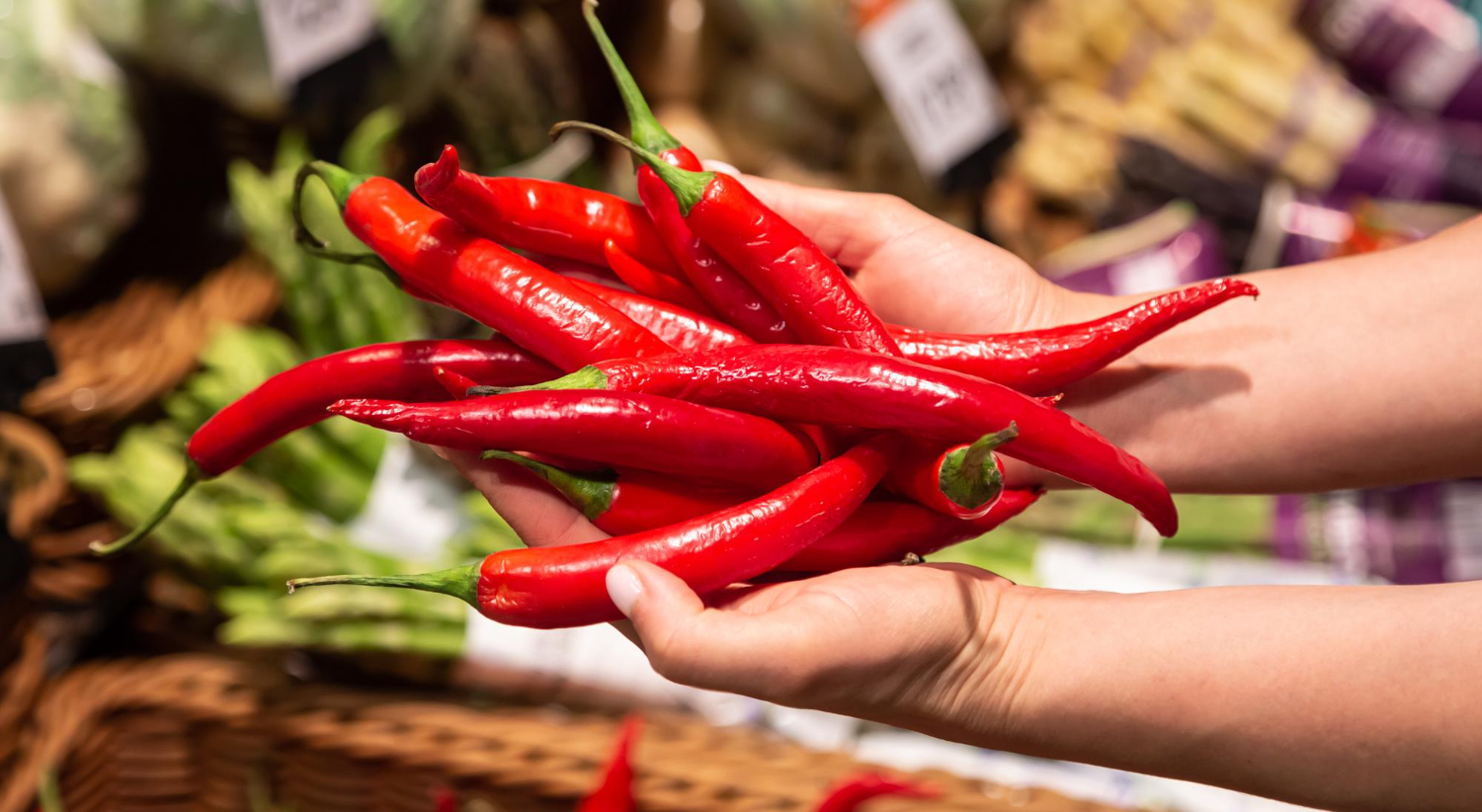
There is a further wrinkle that makes birds even better partners than they first appear.
Research has found that passage through a bird’s gut does more than transport a seed intact. It removes volatile compounds that attract seed predators such as ants, and it reduces the load of pathogenic fungus on the seed surface.
A seed that has been through a bird therefore comes out cleaner, less attractive to ants, and less likely to be infected than one that simply fell off the plant. The bird is not just a courier; it is a cleaning service.
Measuring the Burn
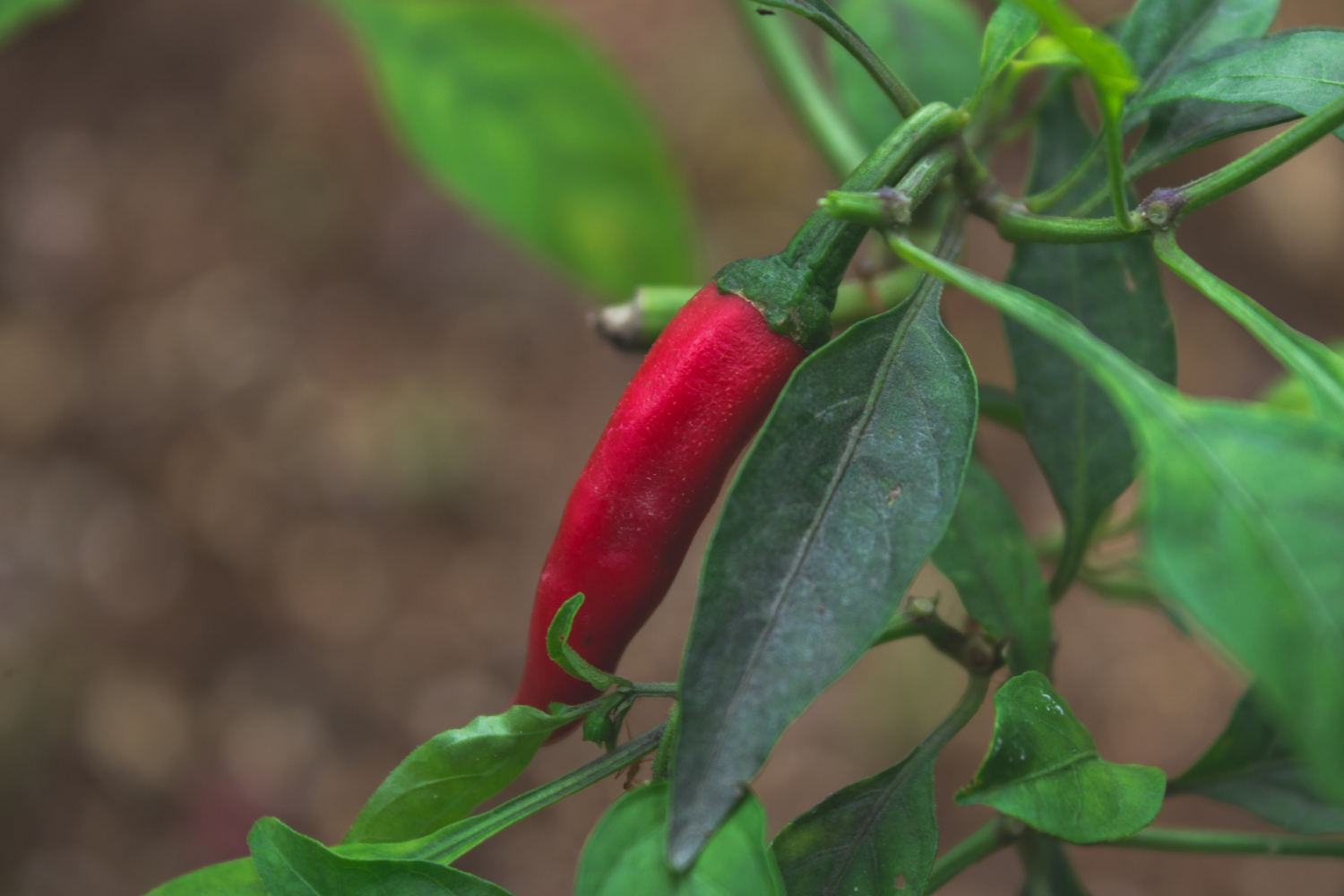
Since the heat is a chemical dose rather than a flavour, it can be quantified, and the history of how is worth a note.
The original method was the Scoville Organoleptic Test, devised by the pharmacist Wilbur Scoville in 1912. A pepper extract was diluted in sugar water until a panel of tasters could no longer detect any heat, and the dilution required became the rating. A pepper needing dilution to one part in five thousand scored 5,000 Scoville Heat Units.
It was, obviously, subjective. Panels differ, individual sensitivity varies, and repeated tasting dulls the palate. Modern measurement uses high-performance liquid chromatography to directly quantify capsaicinoid content, with results then converted back into Scoville units for familiarity’s sake.
The scale spans several orders of magnitude. Bell peppers register essentially zero, because a genetic variation prevents them producing capsaicin at all. Jalapeños sit in the thousands, habaneros in the hundreds of thousands, and the competitively bred superhot varieties climb well past a million.
Capsaicin is produced in a gland near the stem and concentrates in the pith, the pale membrane holding the seeds — not in the seeds themselves, which is why removing the membrane reduces heat more effectively than removing seeds.
And Then Humans Turned Up
Which brings us to the species that has taken this defence system and inverted it entirely.
Humans are mammals with fully functional TRPV1 receptors. Capsaicin hurts us exactly as the plant intends. We then went and built entire cuisines around it, deliberately bred chilies for greater pungency, and created a market in which the hottest varieties command the most attention.
The physiological explanation is that capsaicin’s pain triggers a release of endorphins, the body’s own analgesic response. The burn is followed by a pleasant chemical rebound, and people learn to seek the sequence. It is sometimes described as benign masochism — enjoying a threat signal you know cannot actually harm you.
There is likely a practical origin too. Capsaicin’s antimicrobial properties, the same ones protecting the fruit from fungus, make it useful for preserving food, which is a plausible reason chilies were adopted so enthusiastically in hot climates. As one summary of the research put it, people probably added chilies to their stews because spicy stews were less likely to make them ill.
So the plant evolved a compound to keep mammals away, and one mammal responded by cultivating it worldwide, selecting for ever more of the deterrent, and ensuring the chili’s spread far beyond anything birds could have managed.
Tewksbury has called capsaicin a demonstration of the elegance of evolution: a chemical that deters microbes without deterring the birds that spread the seeds. What he might have added is that the arrangement was then hijacked by an animal it was specifically designed to repel, which is arguably more elegant still. The plant’s defence became its greatest evolutionary success, entirely by accident, because one species decided the pain was worth it.
Like our content? Follow us for more.