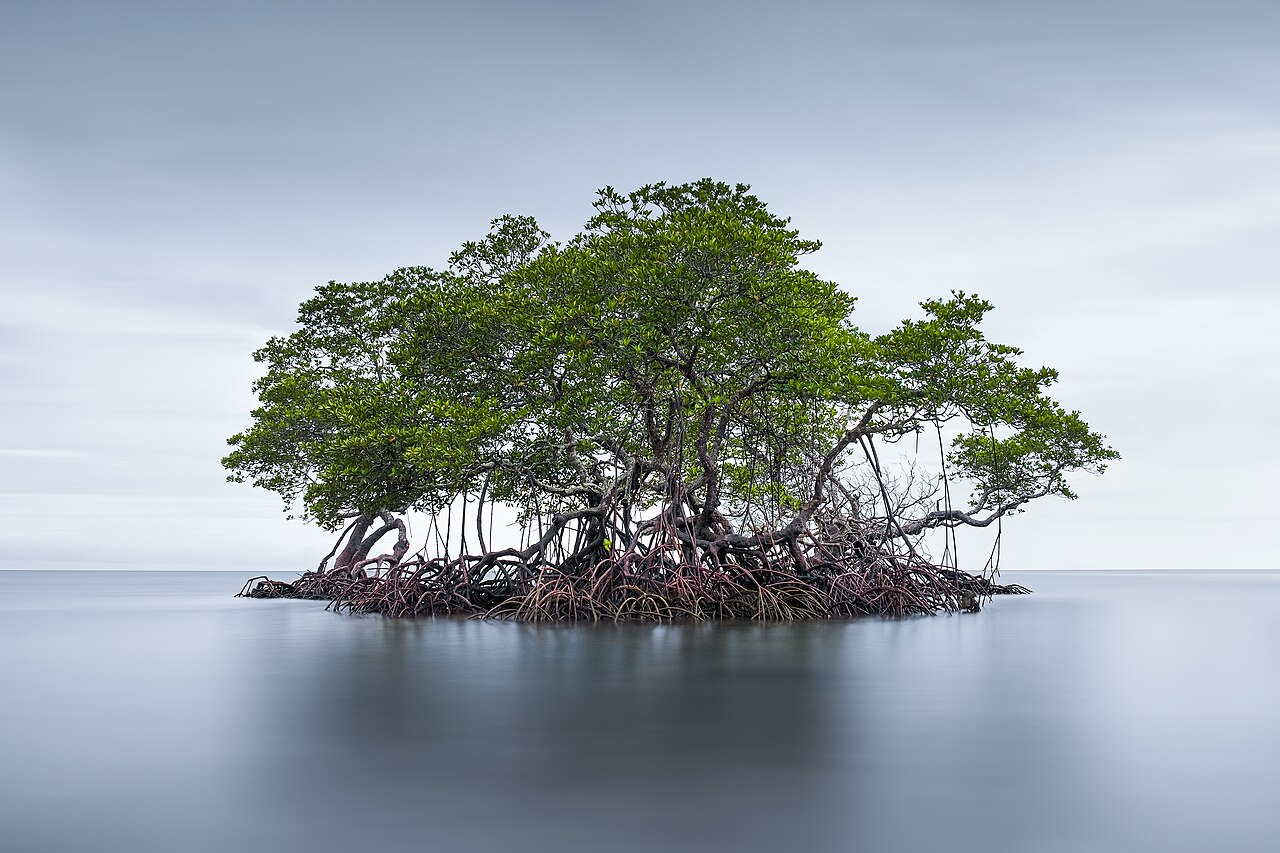
Mangroves are the ecosystem most people have never really looked at, and one of the most extraordinary on the planet. They live where nothing else can, do jobs no other forest does, and are vanishing faster than almost anyone realizes. World Mangrove Day exists to change that, and the best argument for the day is simply the list of things these trees can do. Here are twelve of them.
1. They Are Trees That Live in Saltwater
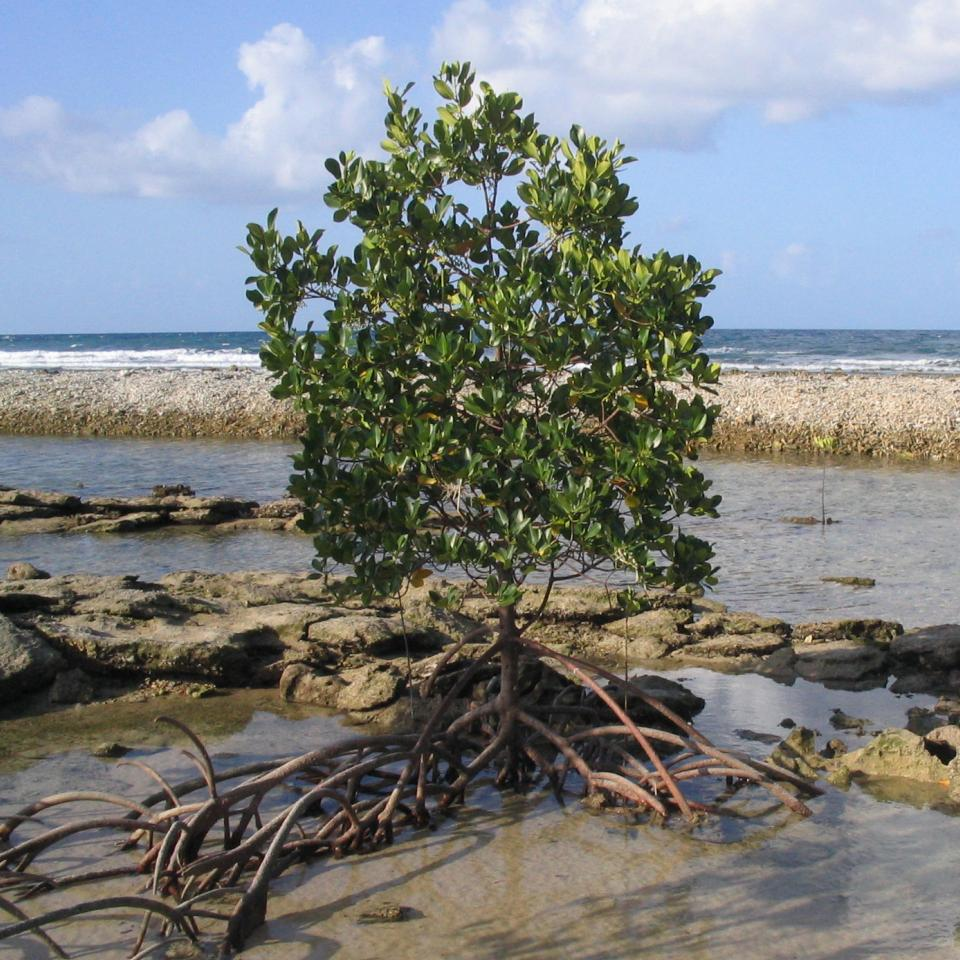
Almost no plant can survive in the sea. Mangroves are the great exception.
The single strangest fact about mangroves is the basic one: they are trees that grow with their roots in the sea. Saltwater is lethal to the overwhelming majority of plants, drawing moisture out of their tissues until they die. Mangroves are a group of salt-tolerant trees and shrubs that independently evolved to live exactly where land meets ocean — flooded by the tide, rooted in salt mud — thriving in conditions that would kill nearly anything else with leaves. Everything else remarkable about them follows from solving that one impossible problem.
Like our content? Follow us for more.
2. They Desalinate Water on Every Tide
Mangroves filter or excrete salt continuously — a natural version of technology we spend billions on.
To survive in saltwater, mangroves run a constant desalination operation. Some species filter salt out at the roots, which act as an ultra-fine barrier excluding most of it before water enters the plant. Others take the salt up and then expel it through special glands in their leaves — you can sometimes see the salt crystals on the surface — or dump it into old leaves that are then shed. It’s the same problem human engineers spend enormous sums trying to solve with desalination plants, and the mangrove does it silently, on every tide, powered by nothing but sunlight.
3. They Breathe Through Roots That Stick Out of the Mud
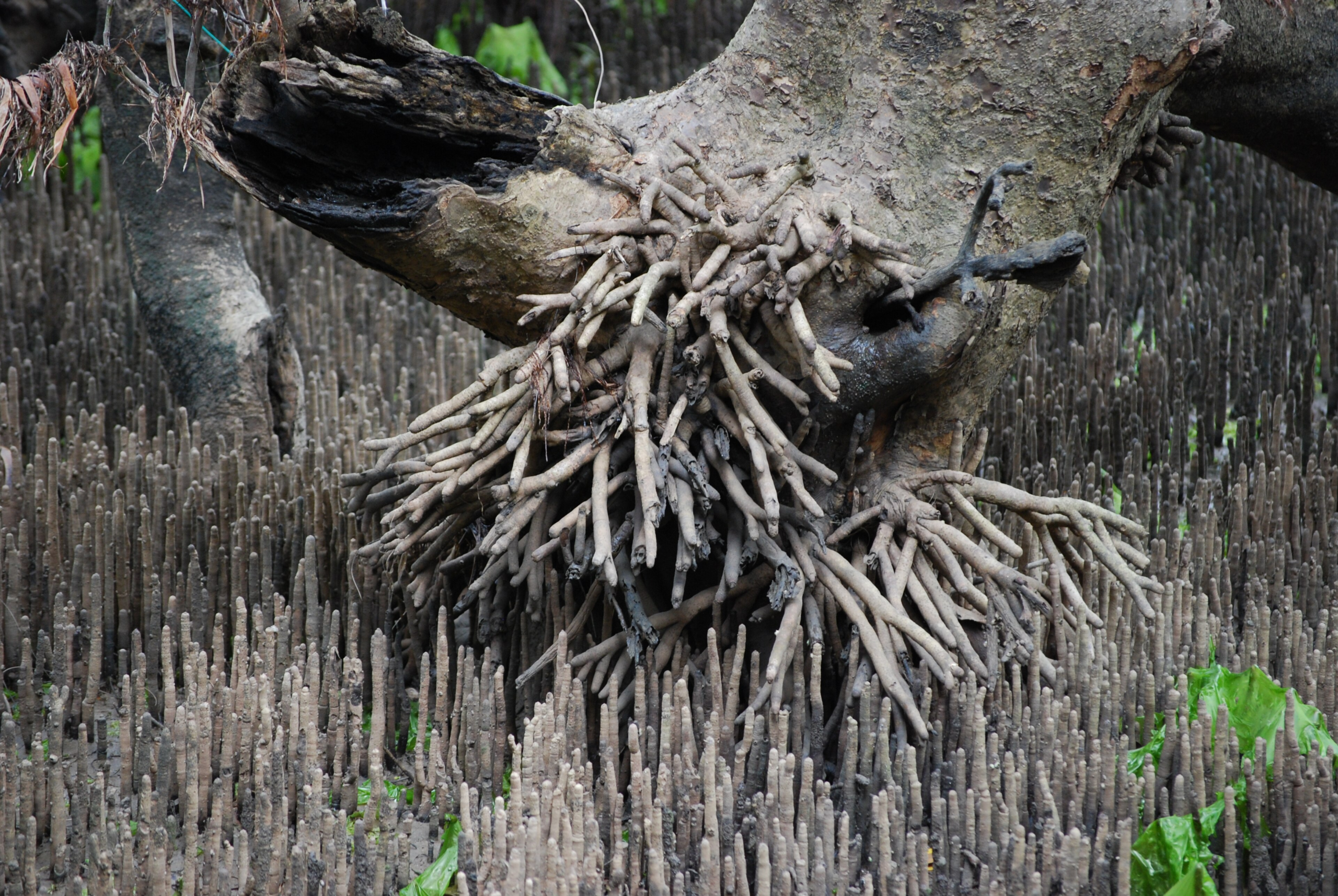
Mangrove mud has almost no oxygen, so the trees breathe above the waterline.
Coastal mud is waterlogged and nearly oxygen-free, which would suffocate ordinary roots. Mangroves get around it by breathing through their roots above the water. Many species send up thin, vertical roots called pneumatophores that poke out of the mud in their thousands like a field of snorkels, taking in air through tiny pores when the tide is out. Others stand on great arching prop roots that lift the trunk clear of the water. Those roots aren’t just anchors — they’re the tree’s lungs, and the reason the whole plant can live somewhere airless.
4. Their Roots Are One of the Ocean’s Most Important Nurseries
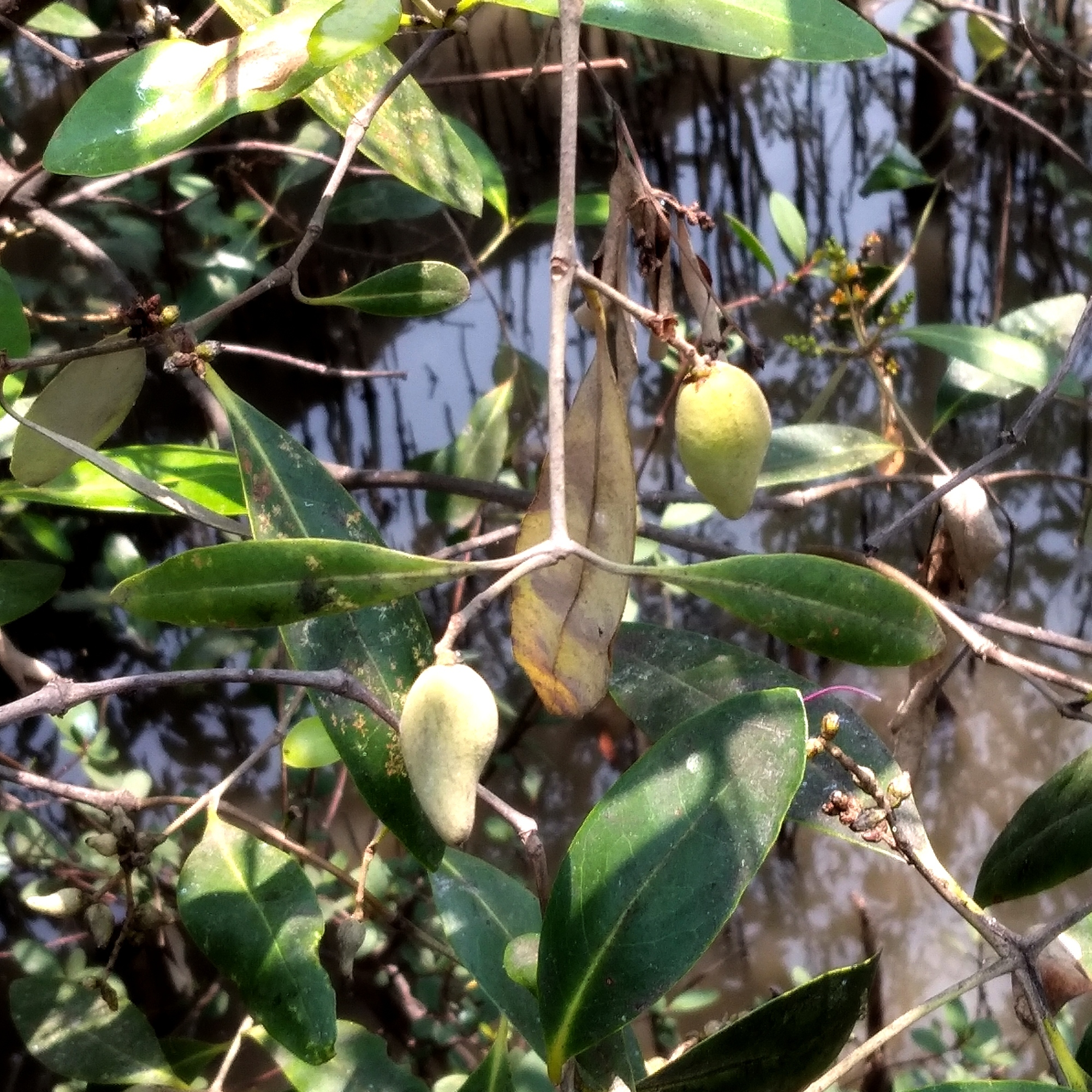
A huge share of tropical marine life spends its childhood hiding among mangrove roots.
The dense underwater tangle of roots creates a sheltered maze that predators can’t easily penetrate, and it functions as one of the ocean’s great nurseries. Enormous numbers of fish, shrimp, and crabs spend the vulnerable early stage of their lives there, protected and well-fed, before moving out to reefs and open water as adults — including many of the species coastal fisheries depend on. This is why losing mangroves so often means losing fish: cut the nursery and the offshore catch declines with it. Calling mangroves the cradle of the sea is simple accuracy.
5. They Stop Storm Surges and Tsunamis
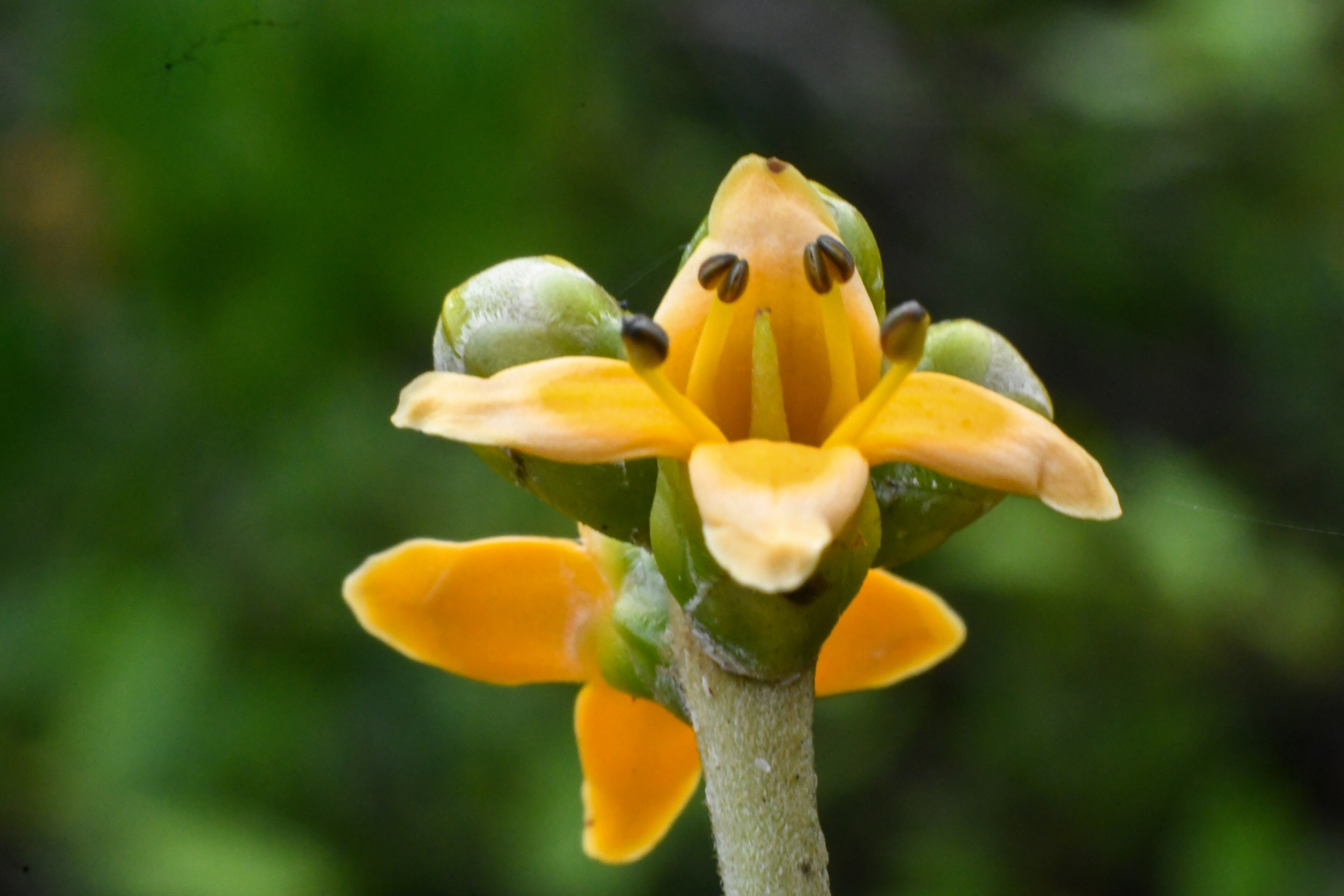
A belt of mangroves is a natural sea wall that dissipates the energy of incoming water.
Mangroves are among the best coastal defenses on Earth, and they build themselves. The dense roots and packed trunks present huge resistance to moving water, so a wave or storm surge passing through a mangrove belt loses much of its height and force before it reaches the land behind. Studies show even a fairly narrow band of mangrove forest can substantially cut wave height, and analyses of major storms find measurably less flooding and property damage behind mangroves than in front of open coast. In many places they’re a better and cheaper barrier than a concrete wall — and they come with fish and carbon attached.
6. They Store More Carbon Than a Rainforest
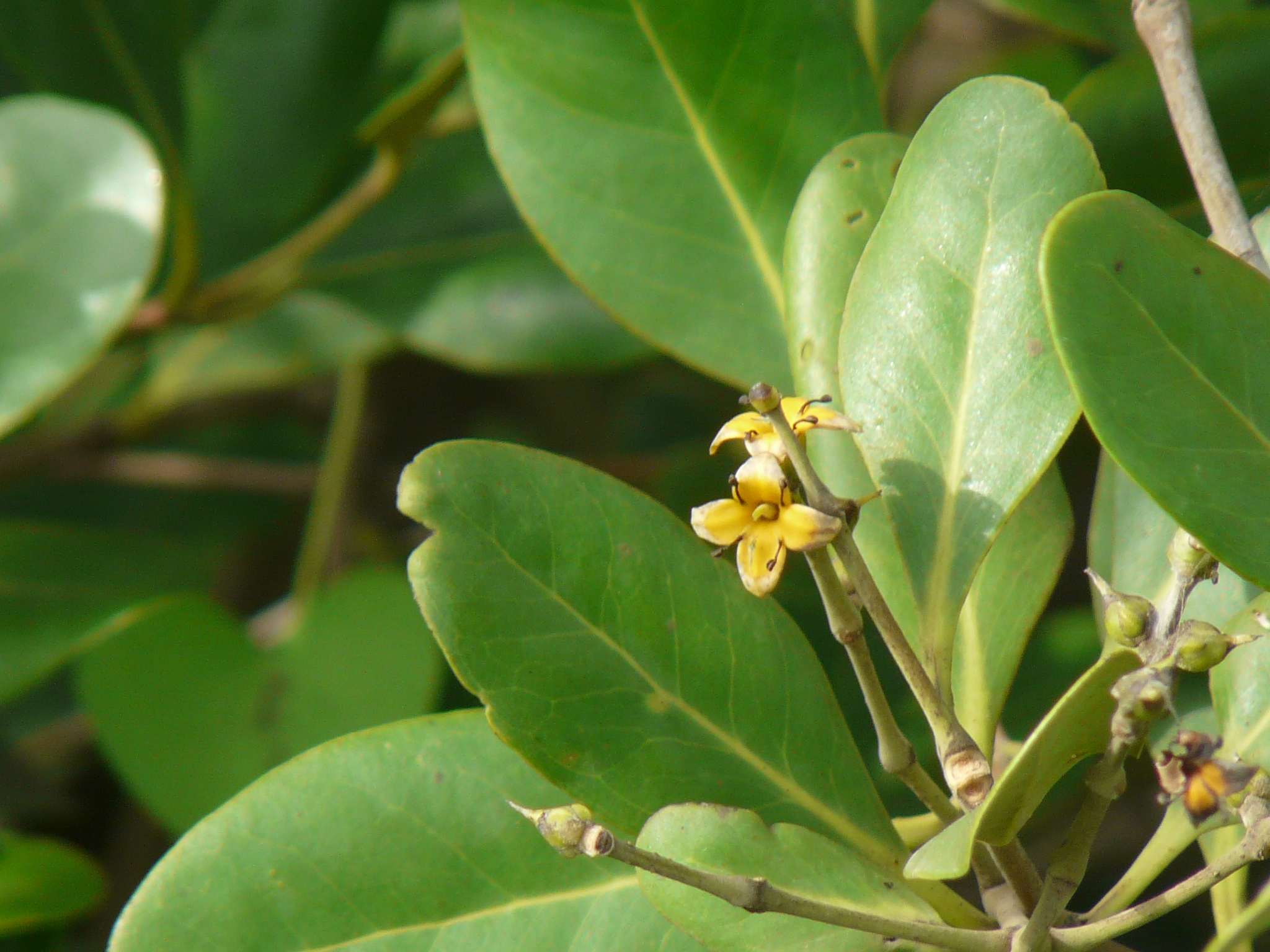
Mangroves lock away vast amounts of carbon, mostly hidden in the mud beneath them.
Mangroves are among the most carbon-dense ecosystems anywhere, and the carbon is stored out of sight in the deep, waterlogged soil under the trees. Because that mud is flooded and oxygen-starved, fallen leaves and roots decompose extremely slowly, so carbon that would quickly escape a normal forest instead accumulates for centuries. Per unit of area, mangroves store carbon far in excess of most land forests — part of what scientists call “blue carbon.” The catch is that destroying a mangrove releases all of it: you’re not just removing a carbon sink, you’re cracking open an old vault.
7. Their Seeds Sprout While Still on the Tree
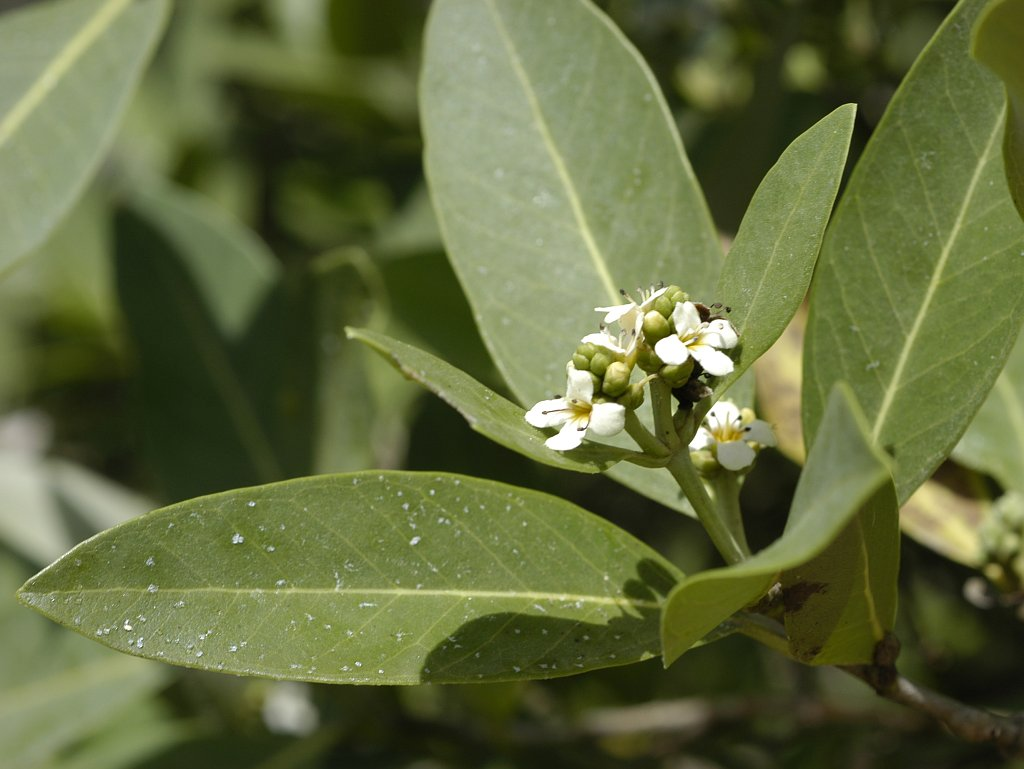
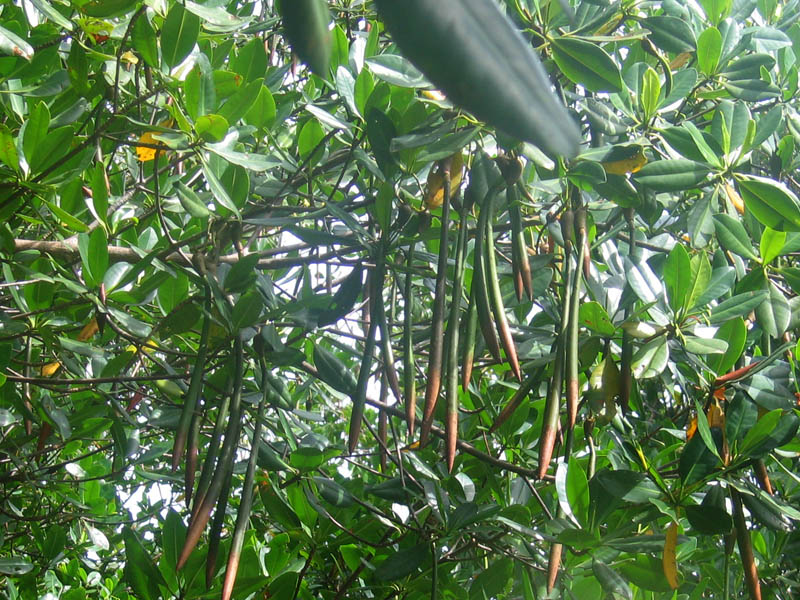
Many mangroves skip the seed stage and grow live seedlings that drop and plant themselves.
Mangroves have one of the most unusual reproductive tricks in the plant world. Rather than dropping dormant seeds, many species are “viviparous” — the seed germinates and grows into a seedling while still attached to the parent tree, developing into a long, pencil-shaped propagule that dangles from the branch. When it drops, it can float on the tide for a long time and then take root when it lodges in suitable mud, sometimes far from the parent. It’s effectively a tree giving live birth to seedlings pre-equipped to survive in one of the hardest environments on Earth.
8. The Largest Mangrove Forest Is Home to Tigers
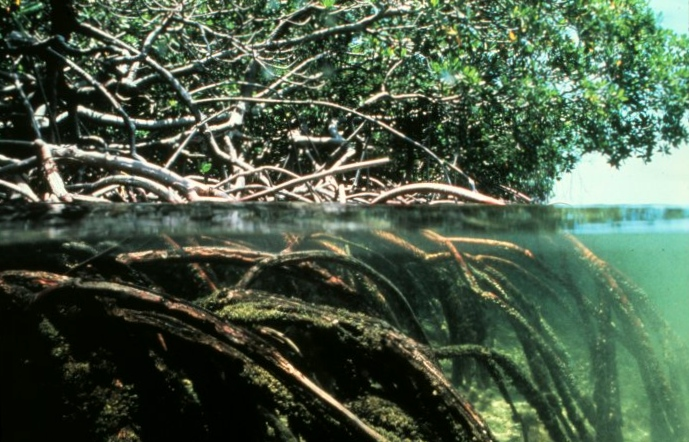
The Sundarbans, spanning India and Bangladesh, is the biggest mangrove forest on the planet.
The Sundarbans, straddling the border of India and Bangladesh at the delta of the Ganges, Brahmaputra, and Meghna rivers, is the largest contiguous mangrove forest in the world and a UNESCO World Heritage Site. Twice a day the tide redraws the map, turning mudflats into rivers, and among its channels lives one of the most famous populations of Bengal tigers anywhere — tigers that swim between islands and are unusually associated with the water. It’s a place where the etymology itself can’t decide whether it belongs to the land or the sea, and it shelters an extraordinary range of wildlife.
9. They Support an Enormous Range of Wildlife
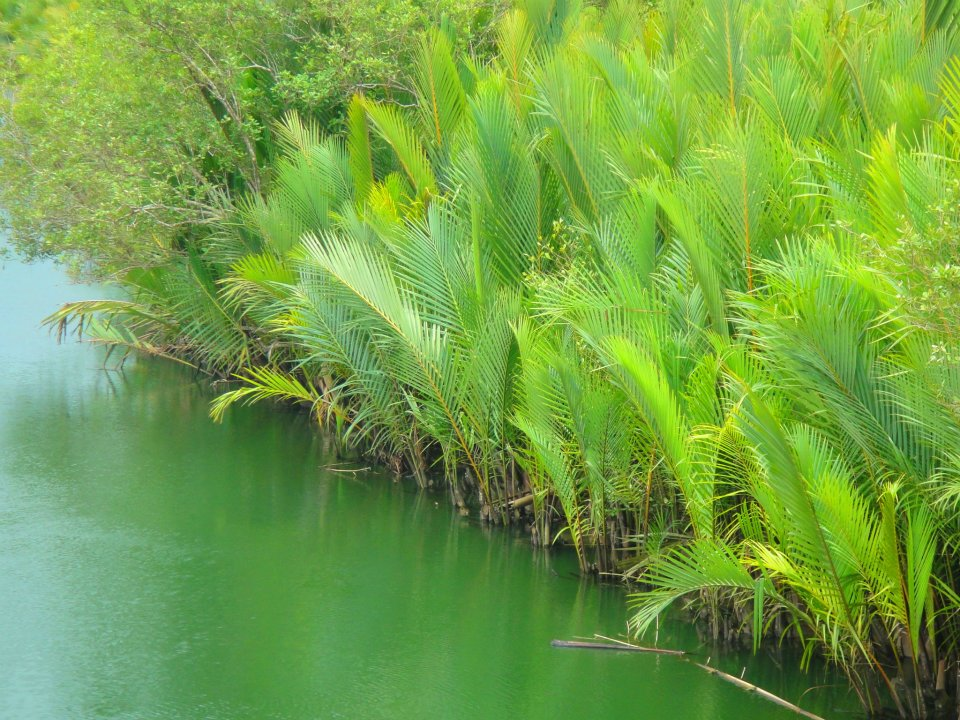
Beyond tigers, mangroves host monkeys, crabs, birds, and thousands of species.
Mangroves are biodiversity hotspots supporting thousands of species of fish, crustaceans, birds, and other animals. The mangroves of Borneo shelter the extraordinary proboscis monkey; forests elsewhere host crab-eating macaques, mudskippers (fish that walk and breathe air out of water), tree-climbing crabs, sea eagles, and vast populations of wading and migratory birds that feed on the tidal flats. The combination of land, water, and the sheltered root maze creates an unusually rich set of habitats packed into a small space, which is why mangrove forests punch so far above their size in the number of species they support.
10. They Build New Land
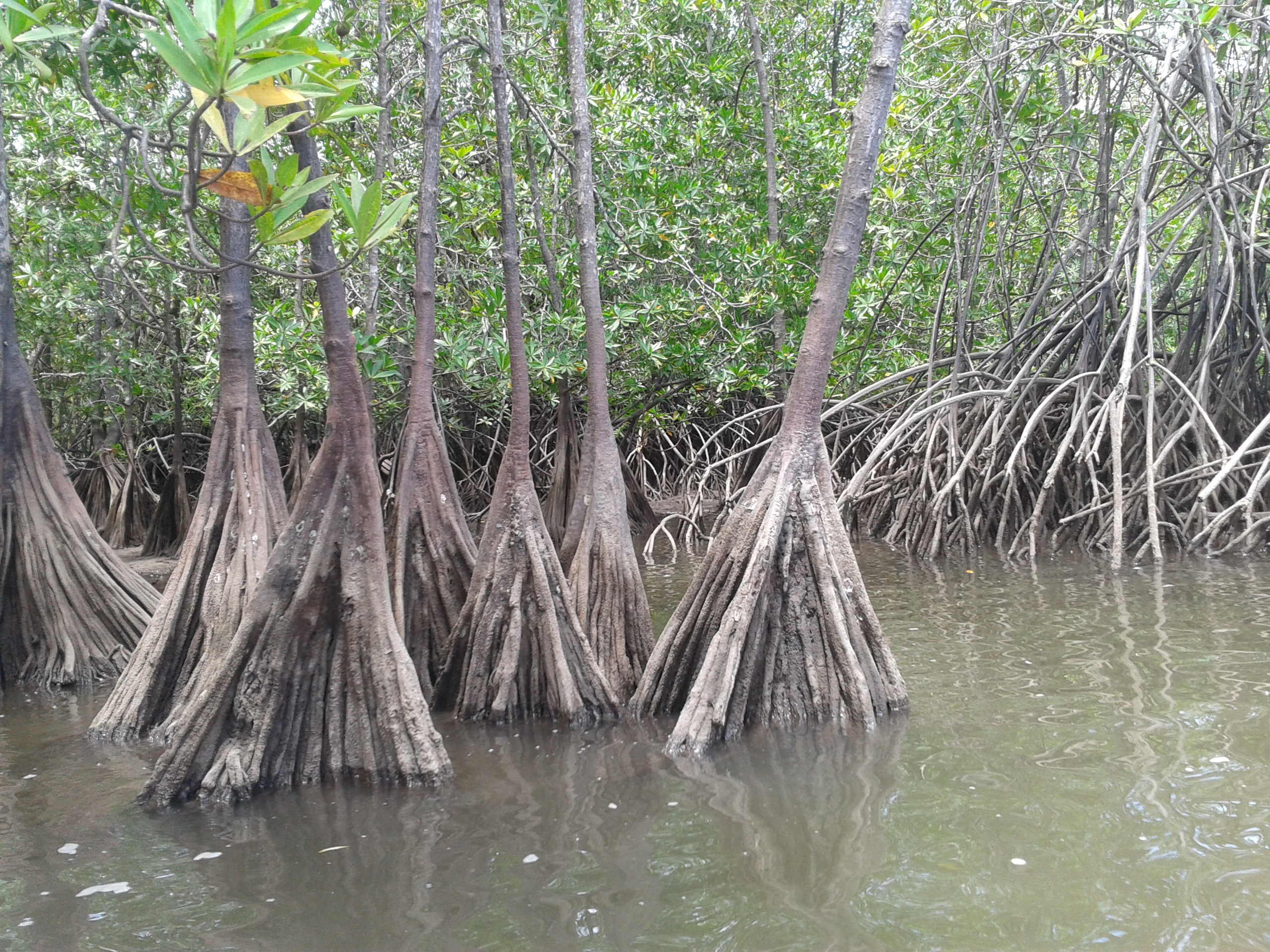
By trapping sediment, mangroves actually extend coastlines outward over time.
Mangroves don’t just hold a coastline in place — they can grow it. The dense root systems slow moving water enough that suspended sediment settles out and accumulates, gradually raising and extending the mud. Over time this can build new land seaward and, importantly, allow mangroves to keep pace with gradually rising seas by accreting upward. This land-building capacity is part of what makes them such effective long-term coastal defenders: a well-functioning mangrove forest is not a static barrier but a living one that maintains and even expands itself as conditions change.
11. They Filter Pollution and Clean the Water
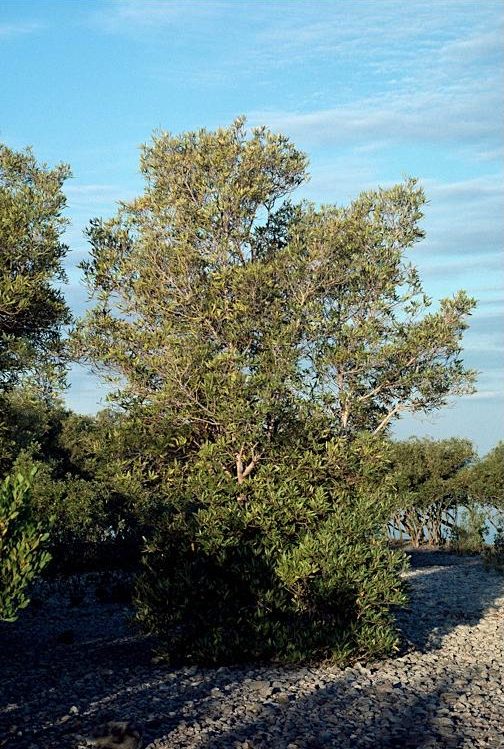
Mangroves trap sediment and absorb pollutants, protecting reefs and seagrass offshore.
As water moves through a mangrove forest, the roots trap sediment and the system absorbs and breaks down a range of pollutants and excess nutrients before they reach the open sea. This filtering function protects the coral reefs and seagrass beds offshore, which are damaged by sediment and nutrient overload, and it improves water quality for everything downstream. Mangroves, seagrasses, and reefs form a connected system, and the mangrove is the first line — the filter that keeps the water clear enough for the others to survive.
12. A Third of Them Have Been Lost — but They Come Back
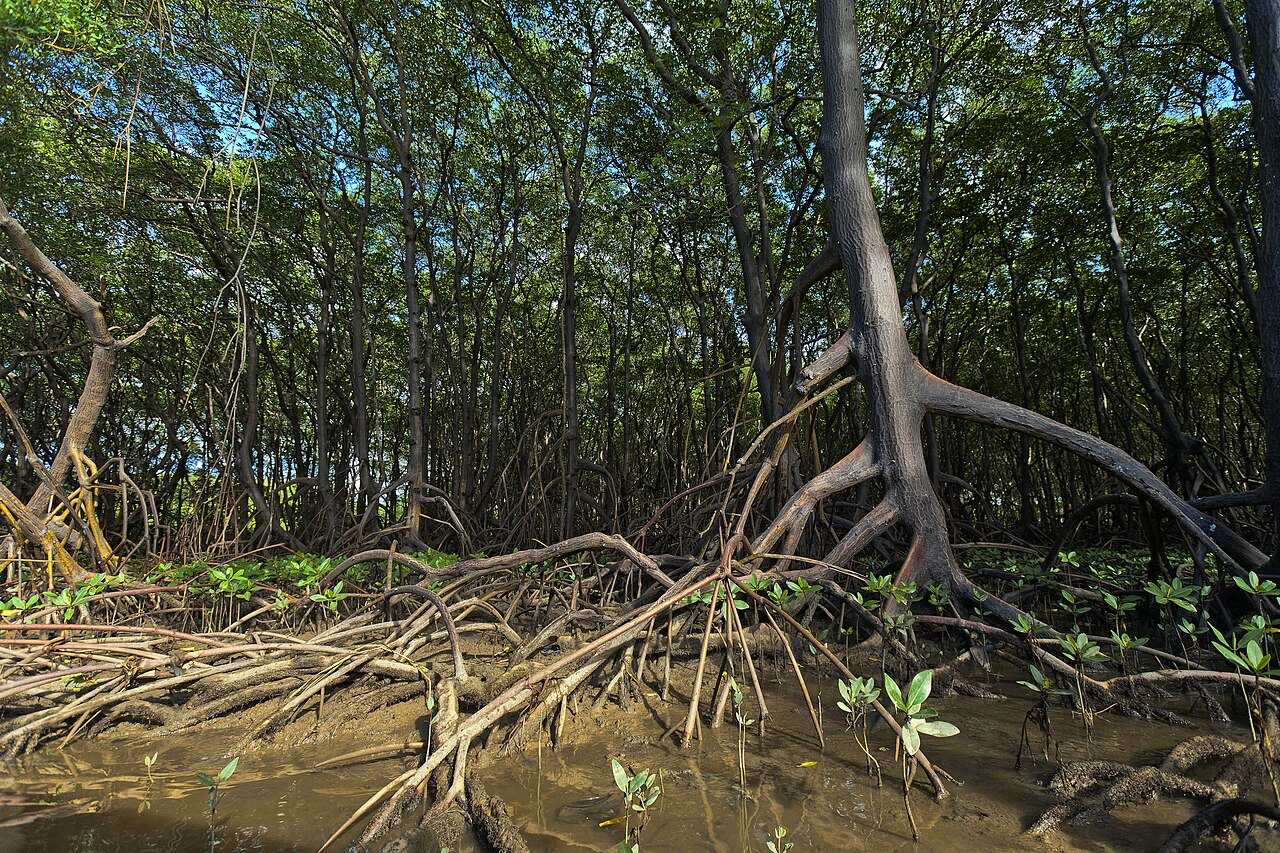
Mangroves are among the most threatened forests on Earth, yet they respond well to restoration.
The urgent fact behind the day: a large share of the world’s mangroves — by many estimates more than a third over recent decades — have been destroyed or degraded, cleared for development, aquaculture, and agriculture or lost to pollution and rising seas. When a mangrove goes, every benefit vanishes at once. But the hopeful counterpart is that mangroves recover remarkably well: they grow relatively fast, recolonize where conditions allow, and forests hit by hurricanes have regained their structure and carbon function within a few years. Restoration works, it’s cost-effective, and it’s already succeeding where it’s tried — which is why the day is a call to action rather than a eulogy.
The Forest Worth Saving
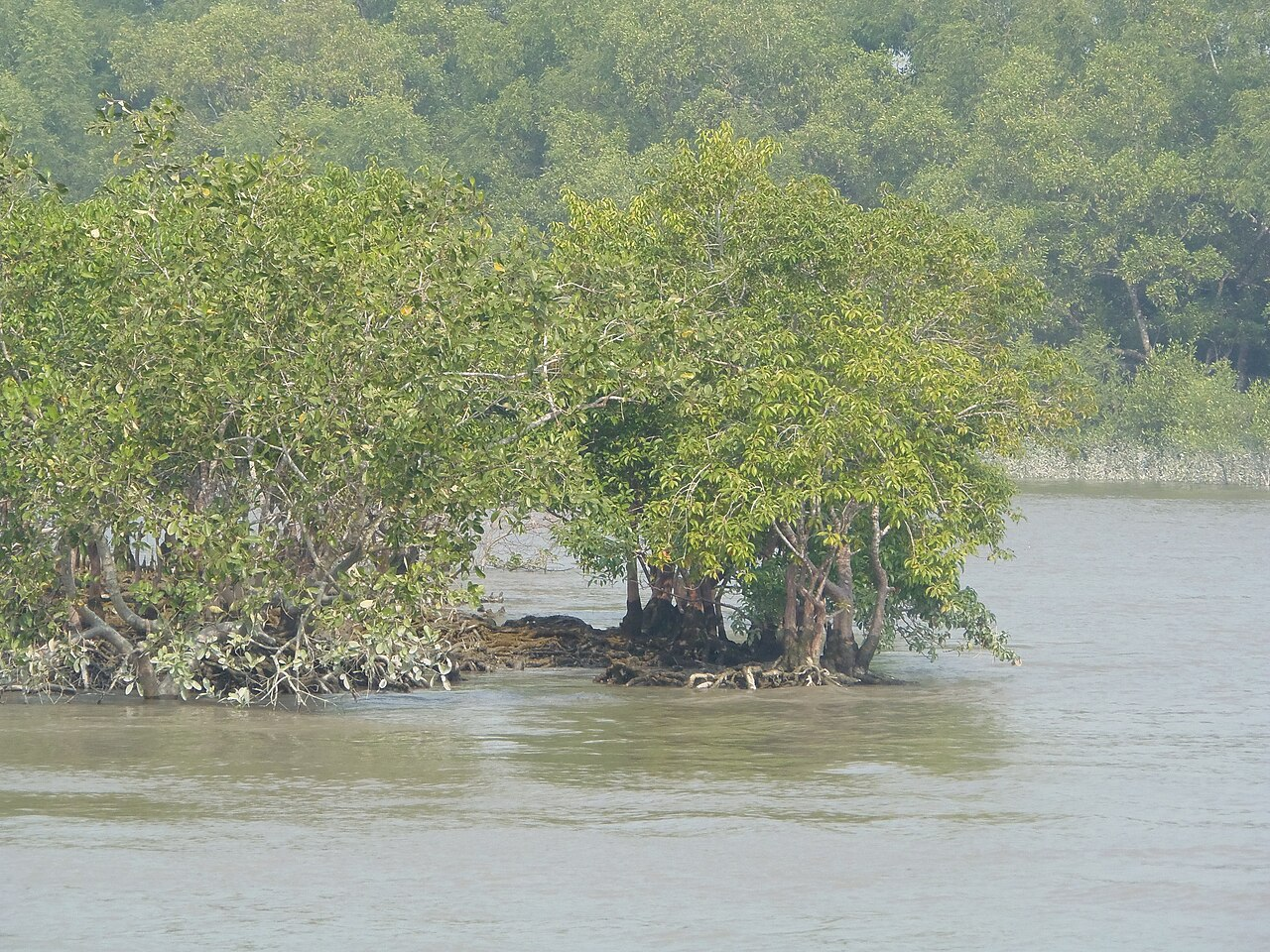
Trees that drink the sea and desalinate it, breathe through snorkels, give live birth to seedlings, shelter tigers, bury a vault of carbon, and stand between the ocean and the town when the storm comes — the mangrove does more useful work than almost anything else with roots, and asks for nothing in return.
World Mangrove Day exists because these forests have been treated as wasteland to be cleared, when they are closer to critical infrastructure that happens to be alive. The accounting is lopsided in their favor at every turn: a mangrove protects a coast, feeds a fishery, cleans the water, stores carbon, and houses an astonishing amount of life, all for free. On July 26, the strange saltwater forest at the edge of the map is worth a moment’s attention — and, where it still stands, worth keeping.
Like our content? Follow us for more.