Picher, Oklahoma was a thriving lead and zinc mining boomtown that helped America win two World Wars. Today it’s a federally evacuated ghost town poisoned beyond repair — and the ground beneath it could collapse at any moment. Here’s the story of how an entire American town was deemed uninhabitable forever.
In 1913, prospectors struck lead and zinc on Harry Crawfish’s land in northeastern Oklahoma. Within three years, the town of Picher had been incorporated. By 1926, more than 14,000 people lived there. The mines underneath the town produced more than half of the lead and zinc used by the United States during World War I, and they kept producing through World War II. By 1947, the Picher Field had produced more than $20 billion worth of ore (in modern dollars).
Today, Picher is a federally evacuated ghost town. The municipality was officially dissolved in 2013. Approximately 20 residents remained as of the last census. The ground beneath the town is honeycombed with 14,000 abandoned mineshafts, with 86% of buildings sitting on soil so undermined they could collapse at any time. The water that flows from the mines is so contaminated that creeks run orange. The dust that blows from the toxic chat piles caused 34% of local children to test positive for lead poisoning during the 1990s.
The federal government determined that the town could not be saved. The EPA bought out residents over decades and demolished what could be demolished. What remains is one of the most toxic places in America — a town that won’t be habitable in any of our lifetimes, or our children’s, or our great-grandchildren’s.
1: The 1913 discovery that built a town overnight
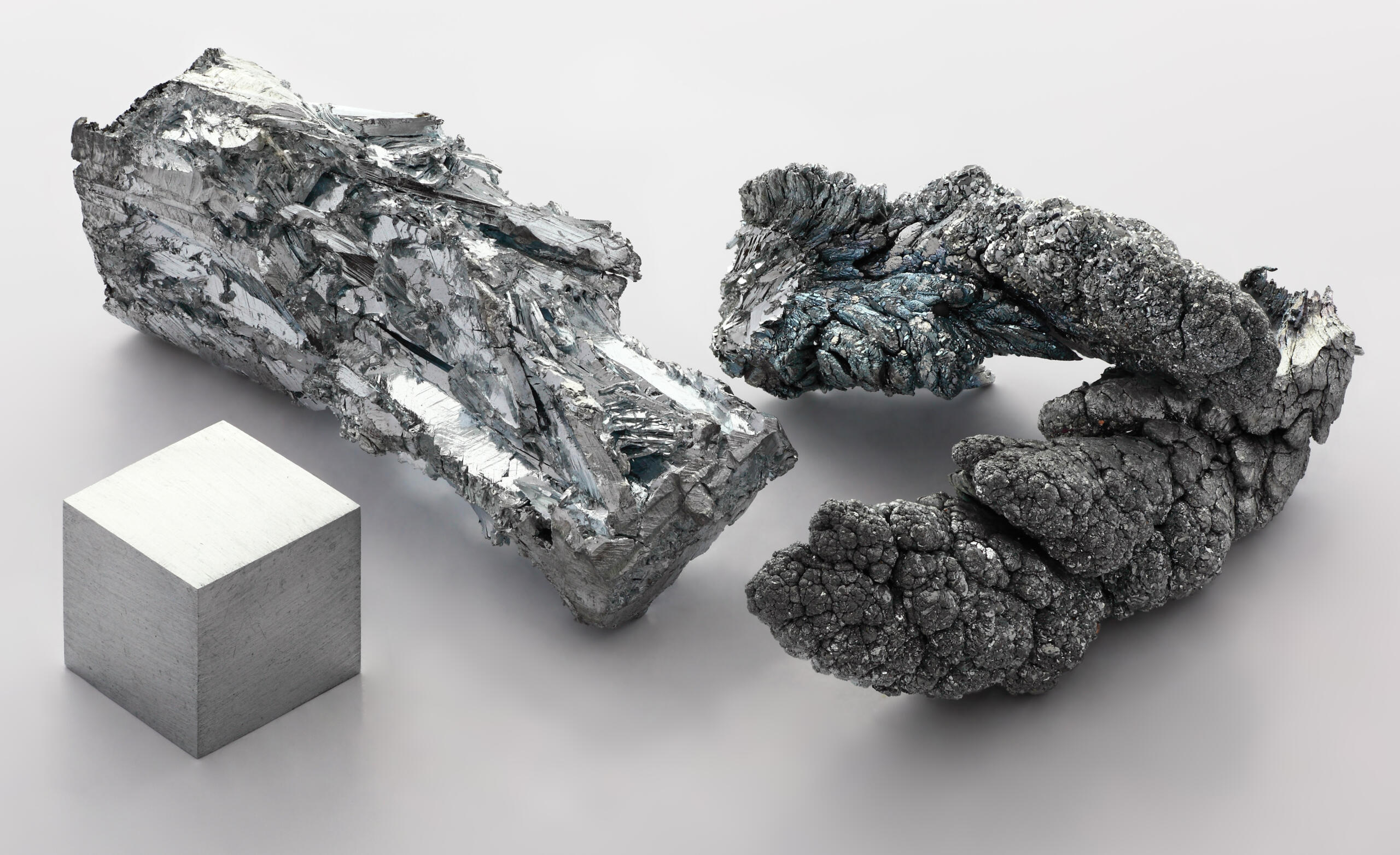
In late 1913, lead and zinc were discovered on Harry Crawfish’s allotment in Ottawa County, Oklahoma. The land had originally belonged to the Quapaw Nation, which had been forced to lease portions to mining companies under federal allotment policies. Statewide newspapers reported that a town was “born overnight” around the discovery. The town was named Picher in honor of O.S. Picher, owner of the Picher Lead Company. Picher incorporated in March 1918 with approximately 9,700 residents — making it Oklahoma’s most northeastern incorporated city.
2: The mining boom that fueled two world wars
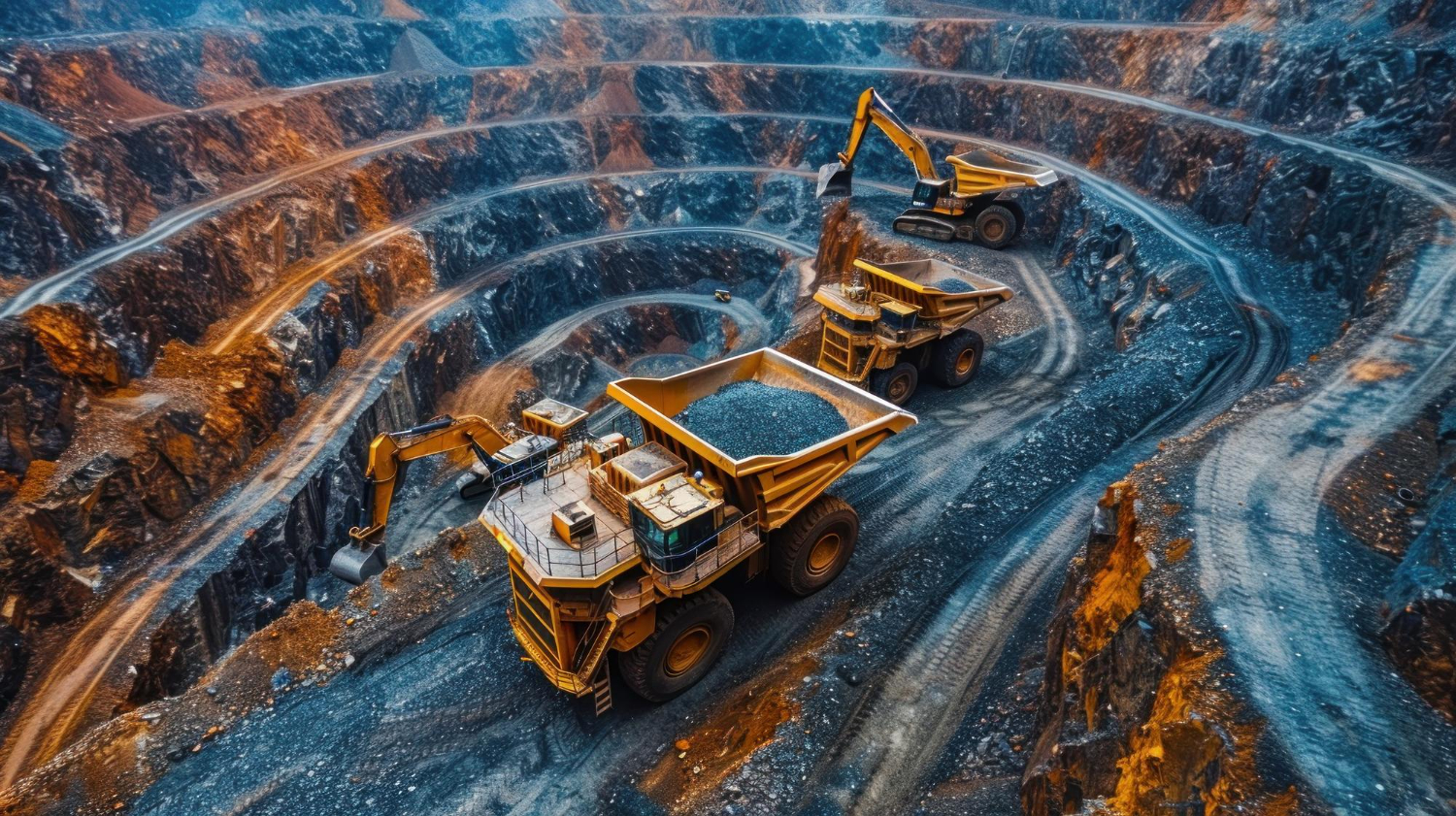
By 1926, Picher had grown to 14,252 residents at the peak of mining activity. More than 14,000 men worked in its mines, with another 4,000 working in approximately 1,500 mining service businesses. An extensive trolley system connected workers all the way to Carthage, Missouri. During World War I, the Picher region supplied more than 50% of the zinc and 45% of the lead used by the United States military. After Pearl Harbor in 1941, the mines surged again to fuel World War II production. The town that helped America win two world wars was fueling its own destruction with every ton of ore extracted.
3: The chat piles that grew taller than buildings
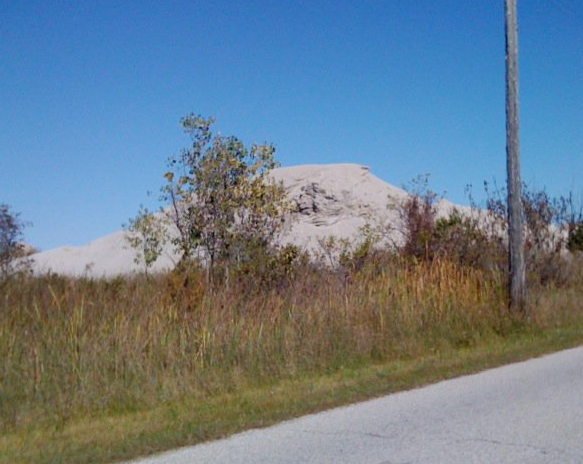
By the late 1930s, 248 ore reduction mills were operating in the Picher Field. Each mill produced waste tailings called “chat” — finely ground rock left over after the lead and zinc were extracted. The chat had to go somewhere. With nowhere to put it, the mining companies simply piled it next to the mills. Over decades, those piles grew. By the time mining ceased, some chat piles in Picher had reached 200 feet high — taller than most buildings in town. The Oklahoma Plan for Tar Creek estimates approximately 75 million tons of chat piles were left behind, along with 36 million tons of mill sand and sludge.
4: The decades when nobody knew the dust was poison
For decades, Picher residents lived alongside the chat piles without understanding their danger. Children rode bikes up and down the toxic dunes. Families had picnics on the piles. Some parents filled their children’s sandboxes with chat dust. Some homeowners mixed chat with cement to fill their driveways. School students used the piles as sites for track practice. According to former residents quoted in subsequent reporting, what many people thought was a sunburn after swimming in the local creeks was actually a chemical burn from heavy metal contamination. The lead, cadmium, zinc, and arsenic that pervaded every aspect of daily life were invisible — and assumed to be harmless.
5: The 1967 mining stop that started everything getting worse
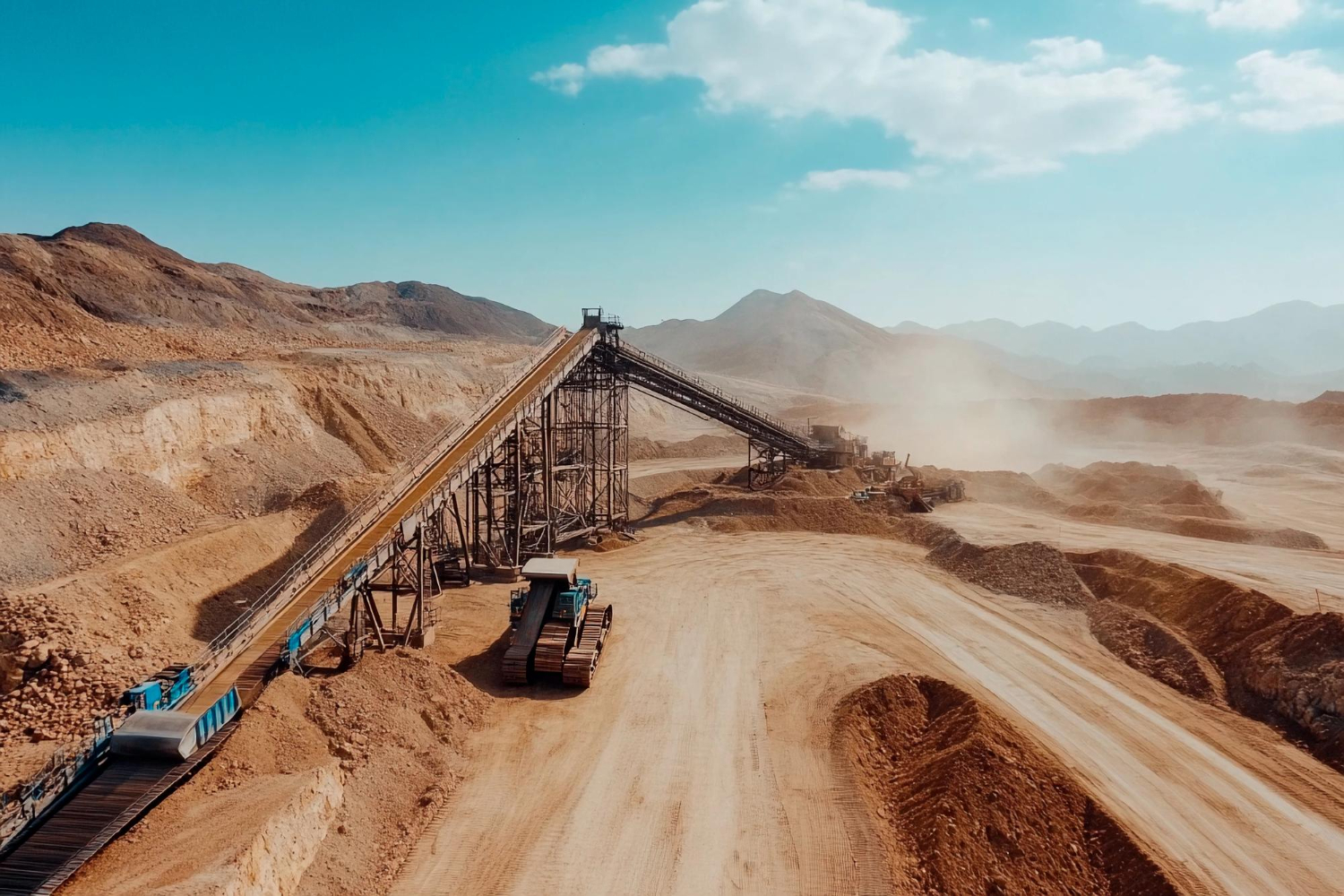
Lead and zinc mining in Picher slowed dramatically through the 1950s and 1960s as the most accessible ore was depleted. By 1967, all major mining operations had ceased. By 1974, mining had essentially stopped entirely. The end of mining should have been the start of recovery. Instead, it was the start of the disaster. When mining stopped, the pumps that had kept water out of the underground mines stopped too. Approximately 76,800 acre-feet of mine water began accumulating underground. By 1973, this contaminated water was seeping to the surface. By 1979, Tar Creek had turned orange — visible to anyone who looked at it.
6: The 1983 Superfund designation
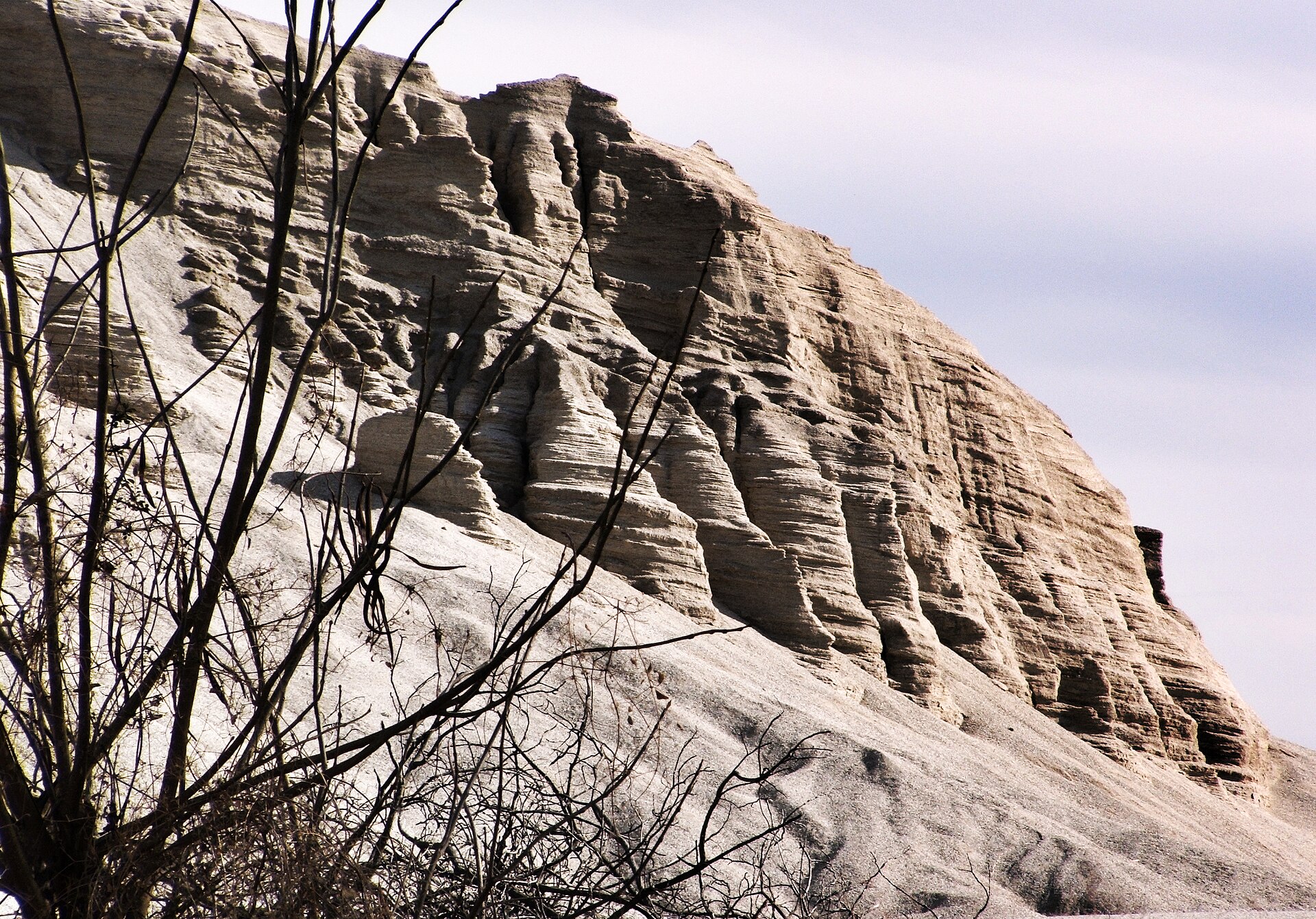
In 1983, the EPA officially designated Picher and surrounding areas as the Tar Creek Superfund site — eventually becoming the largest Superfund site in America at 1,188 square miles across Oklahoma, Kansas, and Missouri. The designation came after orange acid mine water had been visibly flowing into Tar Creek for years. But for the first decade after Superfund designation, the EPA’s response focused on water quality rather than the human health crisis unfolding in the town itself. As LEAD Agency director Rebecca Jim later described in an interview: “We were an abandoned mine site and then we were abandoned by EPA.” The federal response wasn’t going to address the most urgent problem until someone forced it to.
7: The 1994 study that revealed lead poisoning in 34% of children
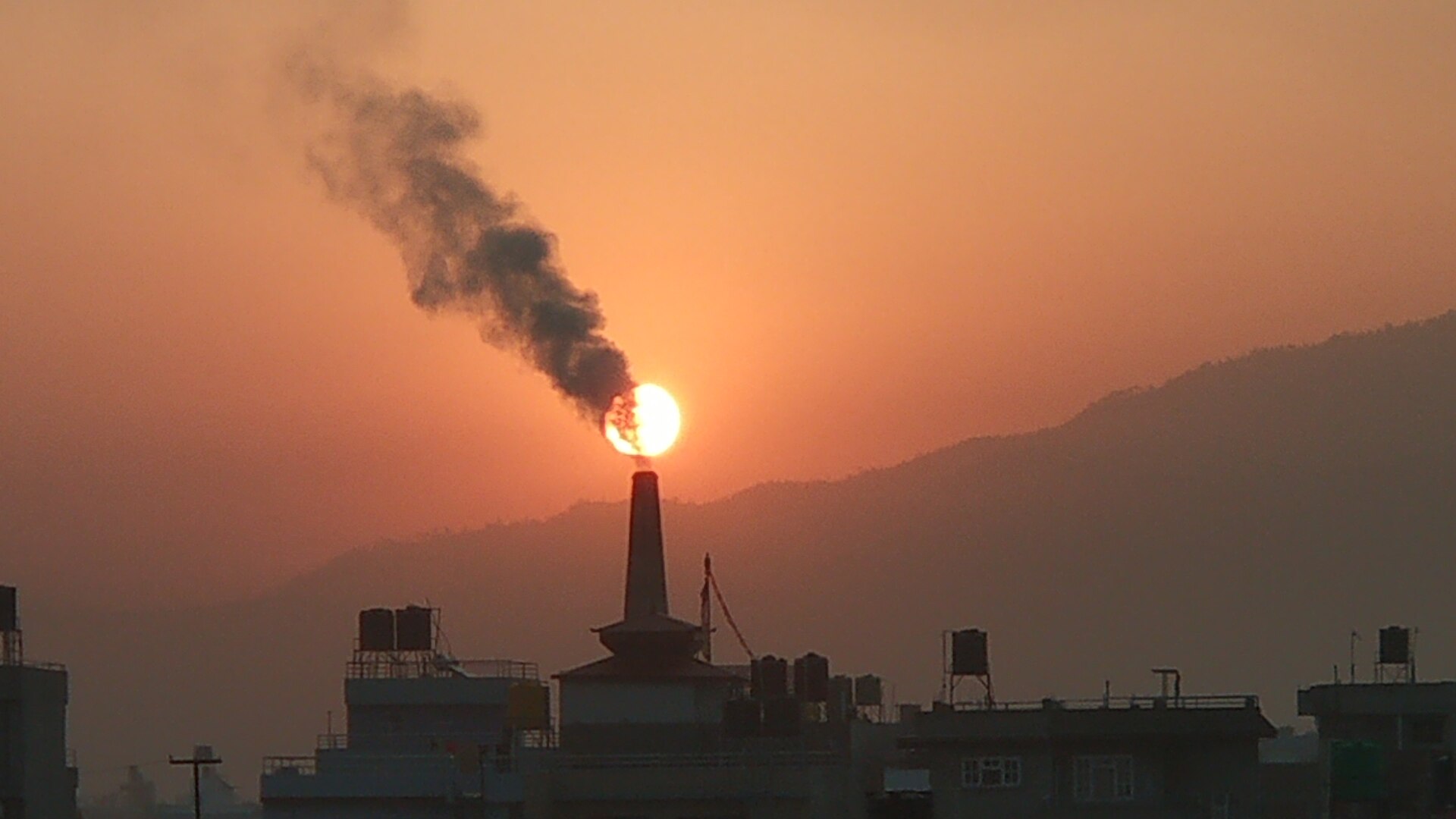
In the 1990s, Don Ackerman, a researcher at the local Indian Health Service clinic, reviewed medical records for children in the Picher area. The pattern was unmistakable: children were being lead-poisoned at extraordinary rates. A 1994 Indian Health Service study confirmed that 34% of children in Picher had blood lead concentrations above the threshold considered dangerous by federal standards. A 1996 study found 43% of children ages 1-5 in the Superfund area had similarly elevated levels. Lead poisoning at these ages causes permanent neurological damage — learning disabilities, behavioral problems, and reduced cognitive function that lasts a lifetime. The children of Picher were being poisoned in their own homes, on their own streets, in their own schoolyards.
8: The 2006 Army Corps study that doomed the town

By the early 2000s, EPA and state authorities were already buying out residents whose homes were contaminated. But a 2006 study by the U.S. Army Corps of Engineers revealed something worse than the lead poisoning: the ground beneath the town was structurally unsafe. The Corps studied subsidence risks from the 14,000 abandoned mineshafts beneath Picher. The result: 86% of Picher’s buildings — including the town school — were badly undermined and subject to collapse at any time. Random pillar mining decades earlier had left voids underground that nobody had mapped. Cave-ins were not just possible but increasingly likely. The town was sitting on a structural time bomb.
9: The 2008 tornado that ended what was left
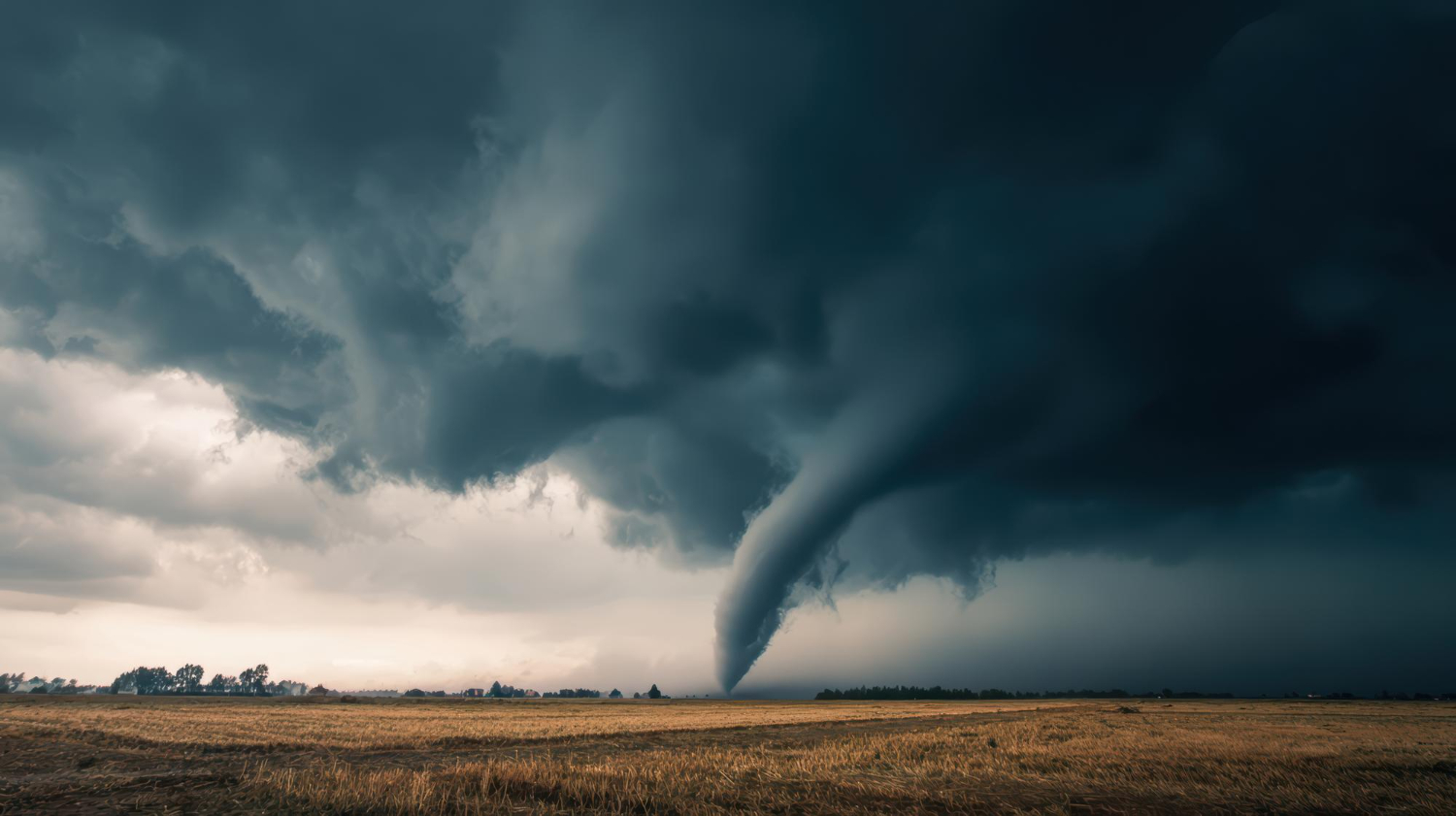
On May 10, 2008, an EF4 tornado struck Picher. Six people were killed. At least 150 others were injured in Picher alone. The tornado caused catastrophic damage along a 20-block stretch, destroying or flattening many homes and businesses. For a town that was already being voluntarily evacuated due to toxic contamination and structural risk, the tornado was the final blow. Given the existing plan to vacate the town, the federal government decided against providing aid to rebuild. The buyouts that had been proceeding voluntarily now became effectively mandatory. There was nothing to rebuild for.
10: The 2009 buyouts that emptied the town
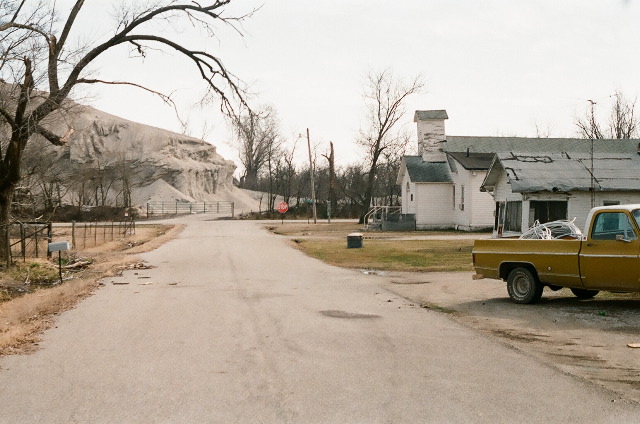
Between 1995 and 2009, the EPA and the state of Oklahoma offered buyouts to Picher residents. The buyouts were initially voluntary but became practically mandatory as the population collapsed and remaining services disappeared. Most residents took the offer — though many, particularly older Quapaw families with deep roots in the area, were heartbroken to leave. The Quapaw Nation, which had originally been forced to lease land to mining companies, bore the disproportionate consequences of the disaster. Cancer rates in the region remained higher than the rest of Oklahoma. The small nearby town of Miami had four dialysis units serving a community of approximately 13,000 — far above the per-capita rate that would be expected.
11: The 2011 demolition and 2013 dissolution
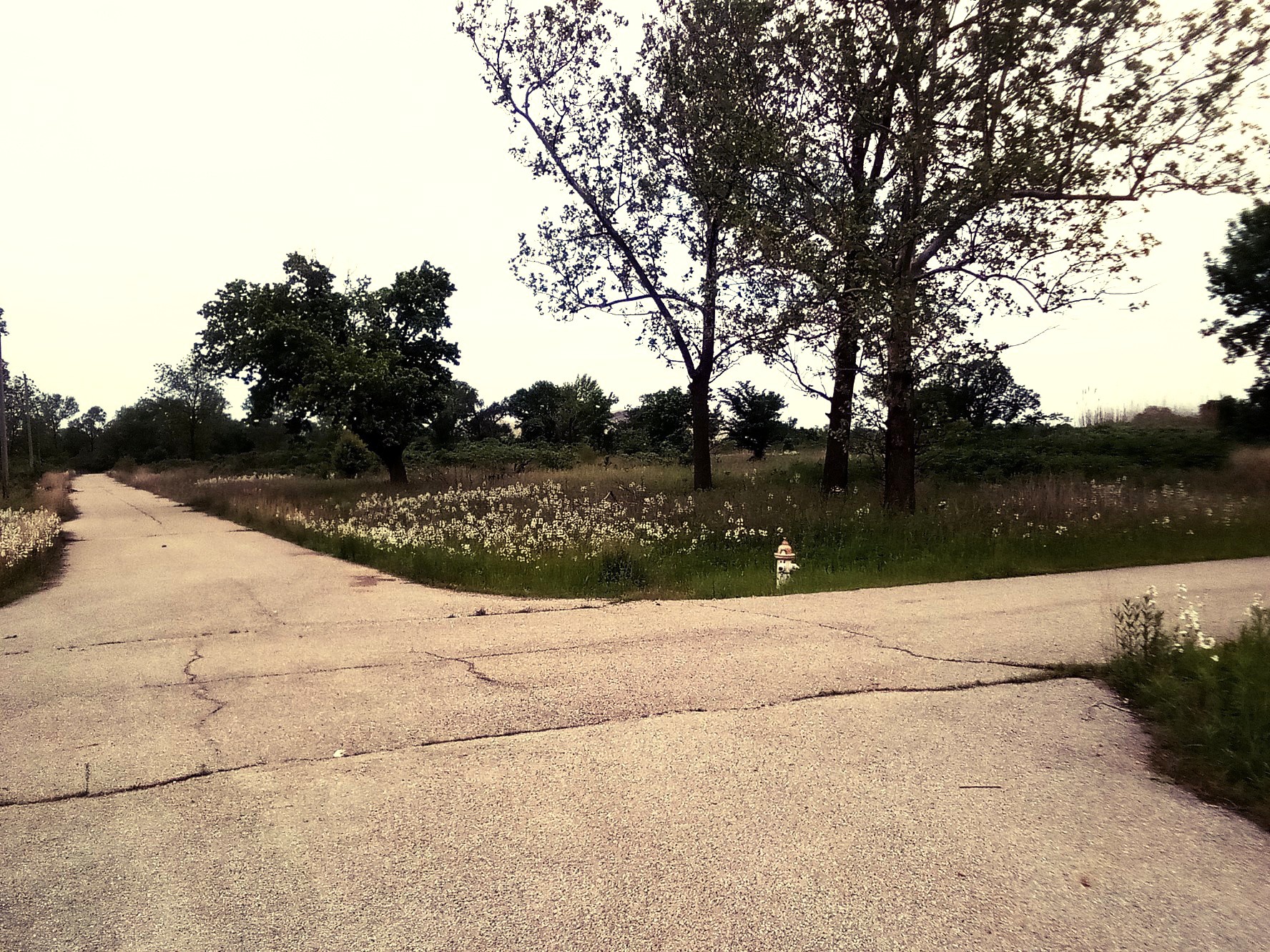
In 2011, the last business in Picher — Burger Basket, which had proudly proclaimed itself “the Last Place in Picher” — was demolished. The town’s last pharmacy, Ole Miners Pharmacy, had operated until 2015 when its owner Gary Linderman passed away. With no businesses, no services, and almost no residents, Picher was officially dissolved as a municipality on November 26, 2013. The town that had been incorporated in 1918 with nearly 10,000 residents was legally erased from the map of Oklahoma 95 years later. The 20 or so remaining residents were technically living in unincorporated Ottawa County rather than in any town at all.
12: What remains today
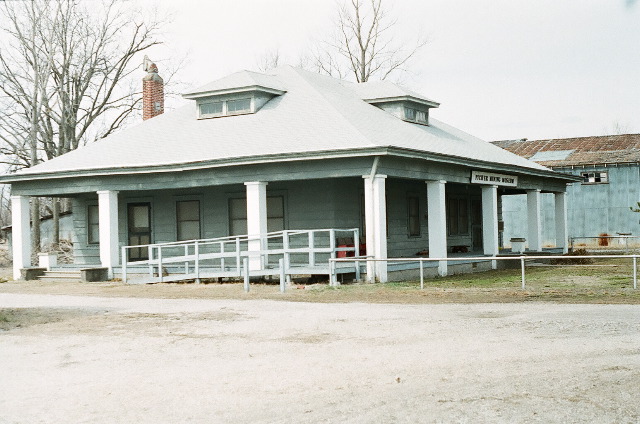
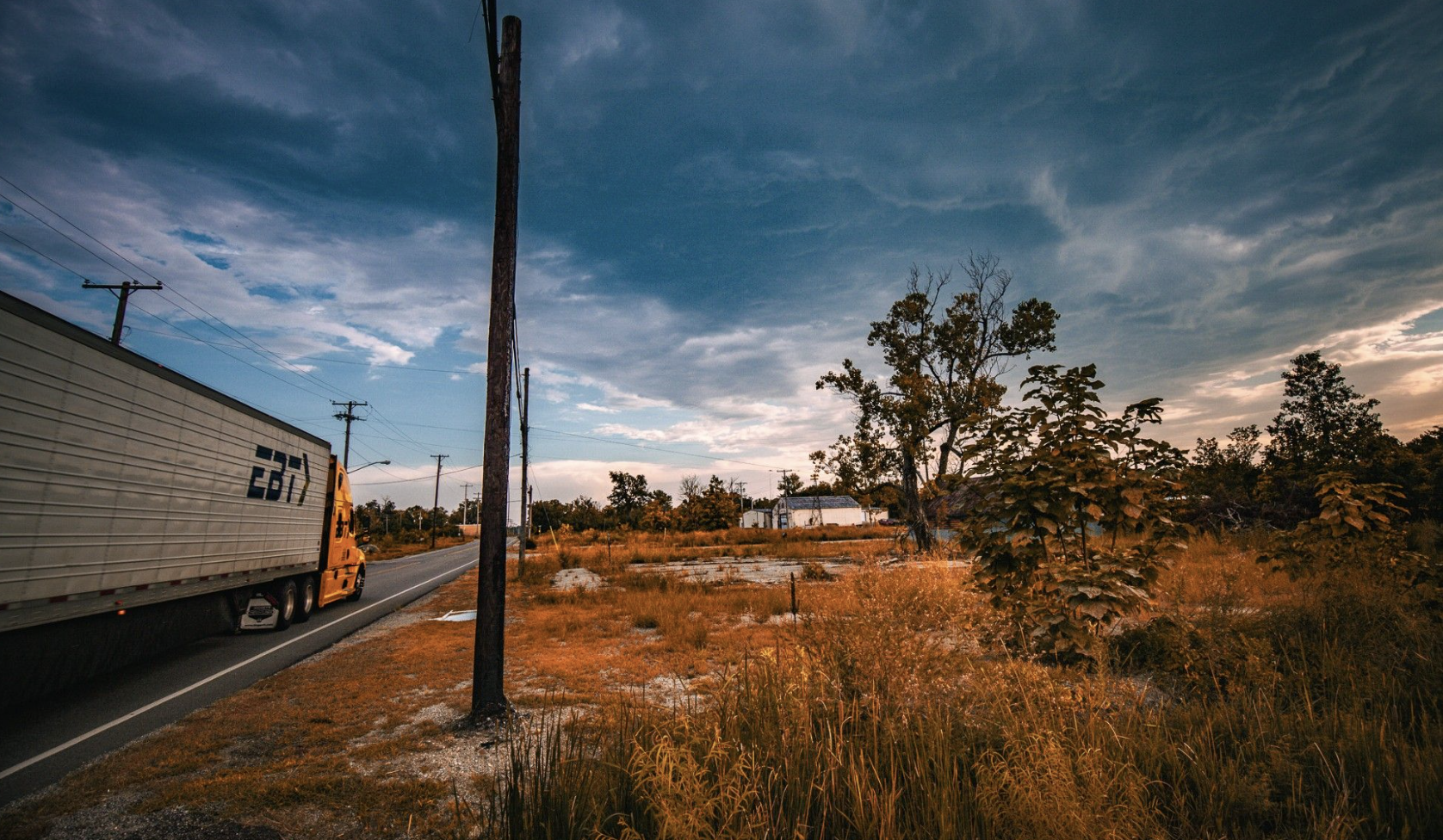
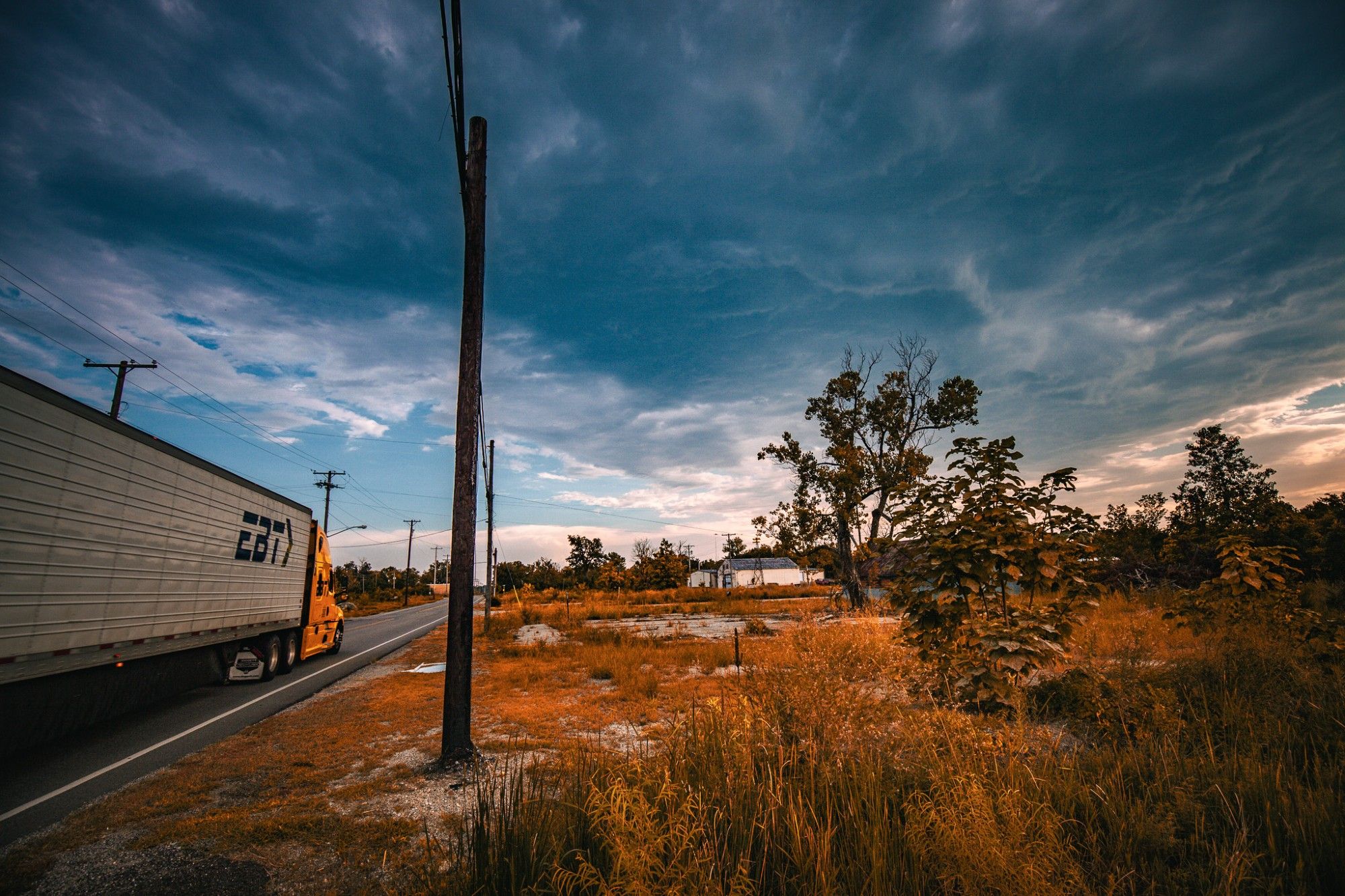
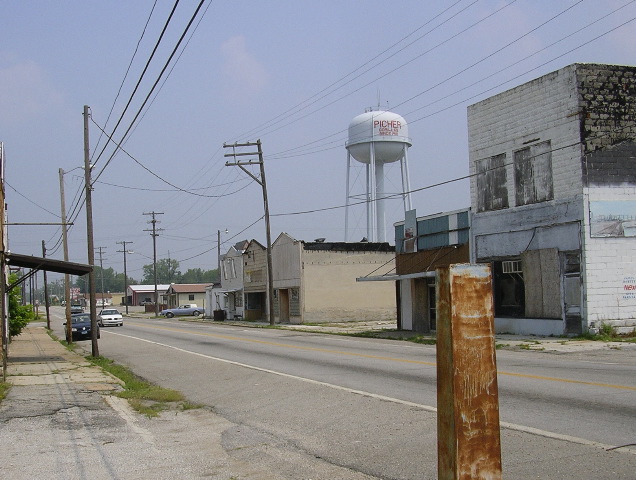
Today, Picher exists as ruins. Streets still run through the empty town. Foundations of houses still stand where buildings once were. Some intact buildings remain — abandoned but not yet demolished. The chat piles still tower over the landscape, slowly being removed by EPA cleanup operations. As of recent reports, the EPA has been working to remove approximately 30 million tons of chat. Tar Creek still runs with mine water — approximately one million gallons of contaminated water flowing daily into the creek for over four decades. The contaminated runoff feeds Grand Lake o’ the Cherokees, a source of drinking water for downstream communities. In 2021, American Rivers listed Tar Creek among the ten most endangered rivers in the United States.
13: Why nobody can ever live there again
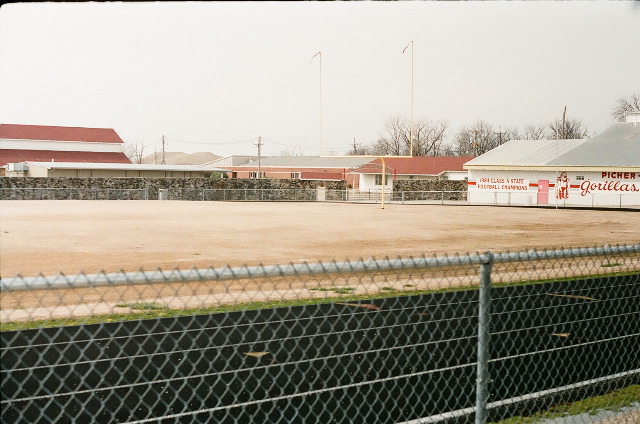
The contamination at Picher is not the kind of problem that gets cleaned up in any meaningful timeframe. The 14,000 abandoned mineshafts cannot be filled or sealed economically — the cost would be astronomical and the work would never be guaranteed complete. The chat piles will take decades to fully remove, and toxic dust continues to blow during their removal. The contaminated groundwater will continue seeping for centuries. The lead, cadmium, and arsenic in the soil will not break down over human timescales — these are elements, not compounds, and they remain toxic forever unless physically removed. The EPA has indicated that contamination cleanup may need to continue for generations. Some Quapaw elders have observed that the disaster will outlast the United States as a country, in a meaningful sense.
14: The lessons that nobody quite learned

Picher’s story is part of a broader pattern of mining towns across America abandoned to their own toxic legacies. The Tri-State Mining District (Oklahoma, Kansas, Missouri) has multiple Superfund sites with similar problems. The Butte, Montana area sits in similar contamination. The communities around the Bunker Hill mine in Idaho, the Iron Mountain mine in California, and dozens of others face comparable challenges. Each represents the same basic pattern: short-term mining profits left behind permanent environmental damage, with the long-term cleanup costs falling on taxpayers and on the original residents who often couldn’t afford to leave.
For visitors today, Picher remains accessible — the empty streets are not officially closed to the public, though some areas are restricted for cleanup operations. The Dobson Museum in Miami, Oklahoma (eight miles south) preserves artifacts from the Picher mining era. Visiting the actual remains of the town is a sobering experience: a quiet, empty landscape where 14,000 people once lived, the chat piles still visible on the horizon, the orange of Tar Creek still flowing through the dead town. It’s one of the clearest examples in America of how completely human communities can be destroyed by the consequences of decisions made decades earlier — and how some destruction cannot be reversed within any meaningful timeframe.