For nearly two decades, the rule was simple and universal: liquids in your carry-on had to be in containers of 100ml or less, packed in a clear quart-sized bag. But the rollout of advanced CT scanners has begun to change that, with some airports relaxing or scrapping the limit while most still enforce it, creating a confusing patchwork for travelers in 2026. Knowing the current state of play can save you from having your toiletries tossed at security. Here are ten things to know about the airport liquids rule in 2026, counted down one by one. (Policies vary by airport and change often; this reflects the general situation as of mid-2026.)
1. In the U.S., the 100ml Rule Still Applies
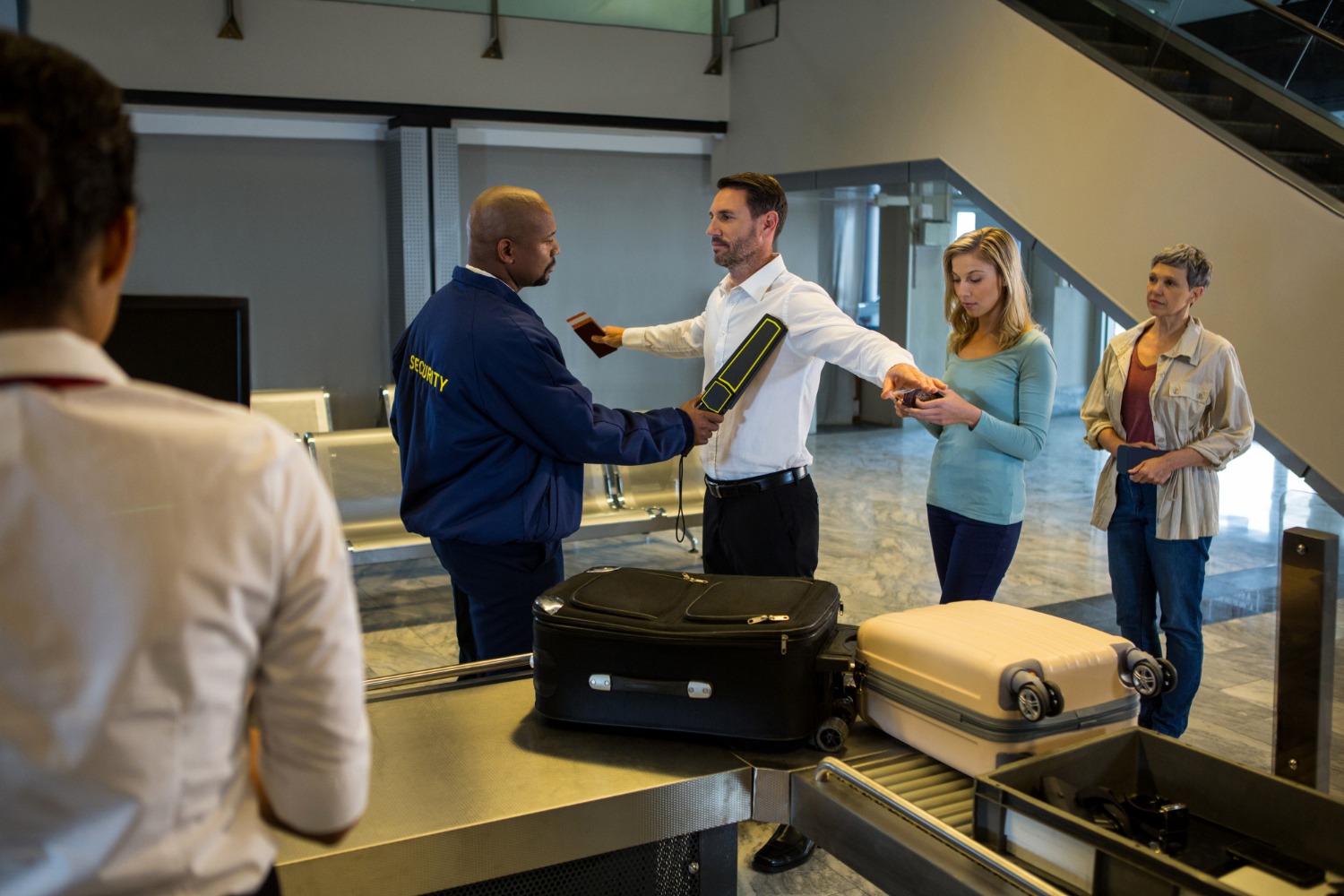
The familiar 3-1-1 rule remains in force at U.S. airports. Don’t assume it’s gone.
Despite headlines suggesting the liquid limit is dead, the standard “3-1-1” rule still applies at the vast majority of U.S. airports in 2026. That means liquids, gels, aerosols, creams, and pastes in your carry-on must be in containers of 3.4 ounces (100ml) or less, all fitting in a single quart-sized clear bag, one bag per passenger. Travelers who assume the rule has been scrapped still risk losing full-size toiletries at security. The 100ml rule still applying in the U.S. is the single most important thing to know, the reality that, headlines aside, the long-standing limit remains in force at American checkpoints, so packing oversized liquids in your carry-on will still get them confiscated.
Like our content? Follow us for more.
2. CT Scanners Are Changing the Experience
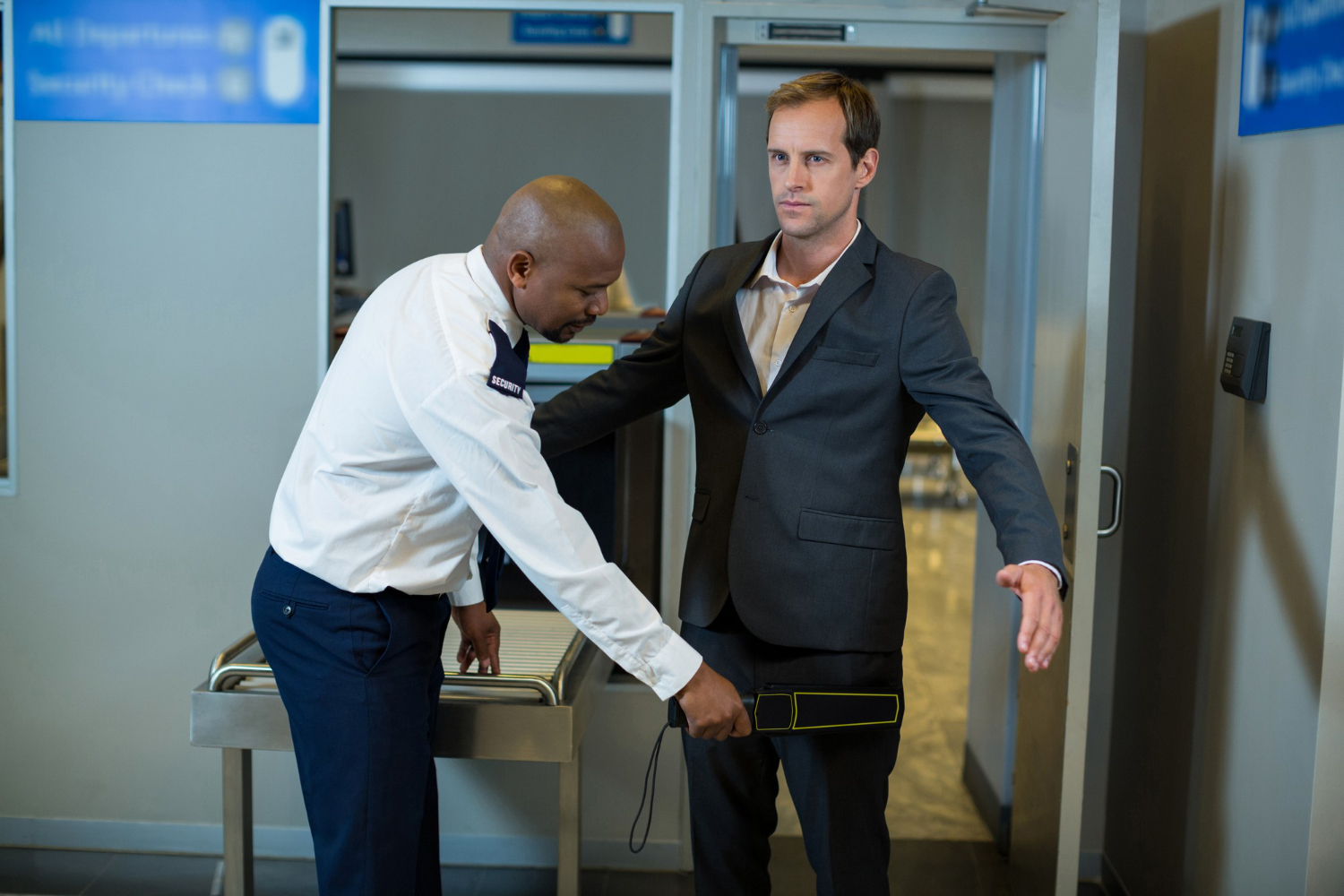
New 3D scanners are rolling out widely. They speed up screening even where the limit stays.
The big shift in 2026 is technology. Advanced CT (computed tomography) scanners, which create rotatable 3D images of bags, have been rolling out at major airports, with a large share of big U.S. hubs now equipped with at least one. These scanners let officers see inside bags more clearly. CT scanners changing the experience is a defining development, the new screening technology that is gradually transforming airport security, improving threat detection and, at many checkpoints, smoothing the process even at airports where the size limit on liquids has not actually changed.
3. At CT Lanes, You May Keep Liquids and Laptops in Your Bag
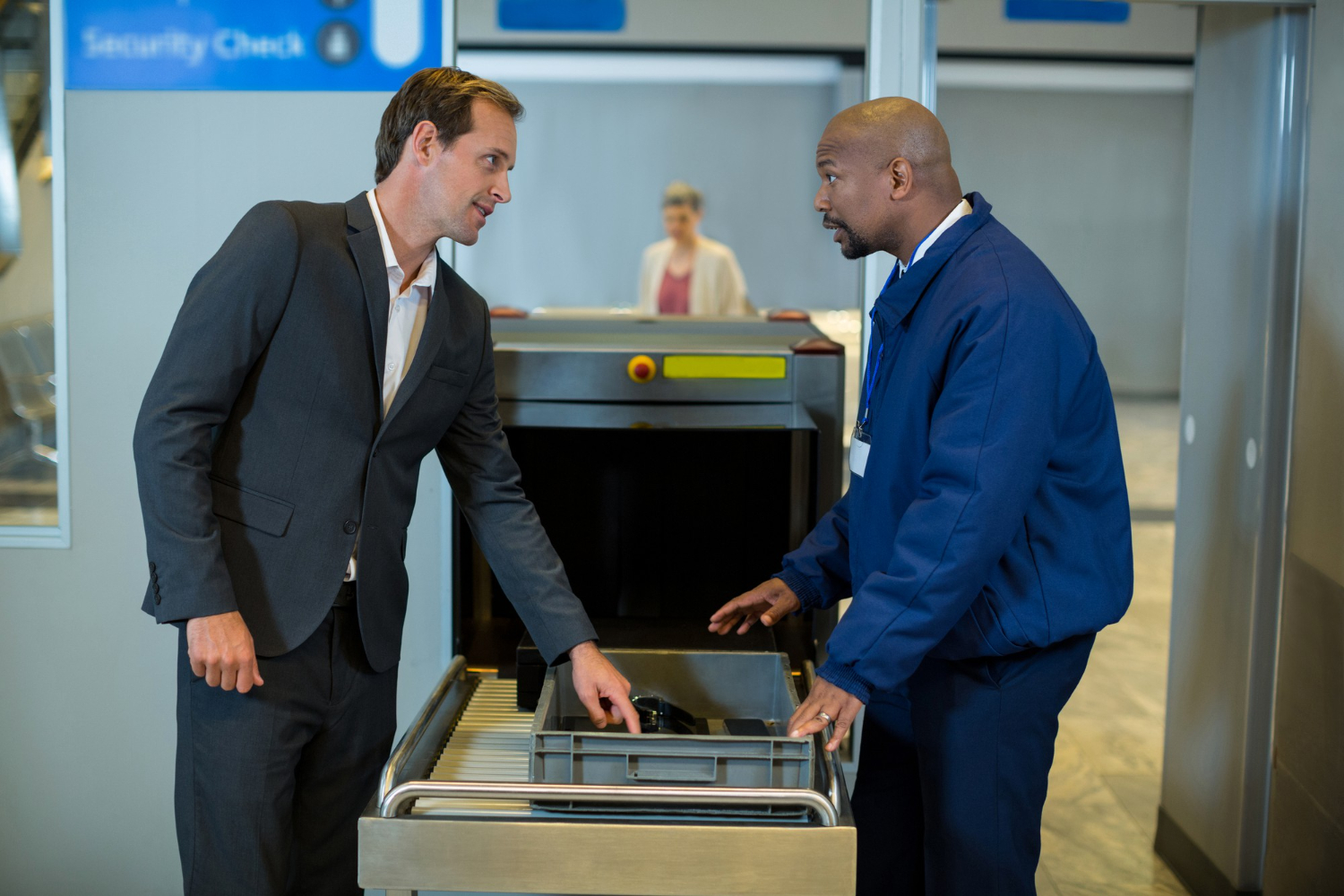
The big convenience: less unpacking. The size limit, though, usually stays the same in the U.S.
The most noticeable benefit of CT scanners for U.S. travelers is convenience: at checkpoints equipped with them, you often no longer need to remove your liquids bag or laptop from your carry-on, because officers can see through the bag clearly. Importantly, in the U.S. this does not raise the 100ml size limit, it just streamlines the process. Keeping liquids and laptops in your bag at CT lanes is a welcome change, the time-saving perk that reduces unpacking at security, even though American travelers should remember it doesn’t mean they can suddenly bring full-size bottles through the checkpoint.
4. Some UK Airports Have Raised the Limit to 2 Liters
Several UK airports now allow much larger liquids. It’s airport-by-airport, though.
The picture is different abroad. Several UK airports with CT scanners have officially raised their liquid limit to 2 liters and dropped the need to remove liquids and electronics, including major hubs that have implemented the change across terminals. Others are still rolling out the technology and continue to enforce the 100ml limit. Some UK airports raising the limit to 2 liters is a significant development for international travelers, the relaxation that lets passengers at certain British airports carry far larger liquids, though it remains an airport-by-airport situation rather than a blanket national rule.
5. Parts of Europe Are Relaxing the Rule, Unevenly
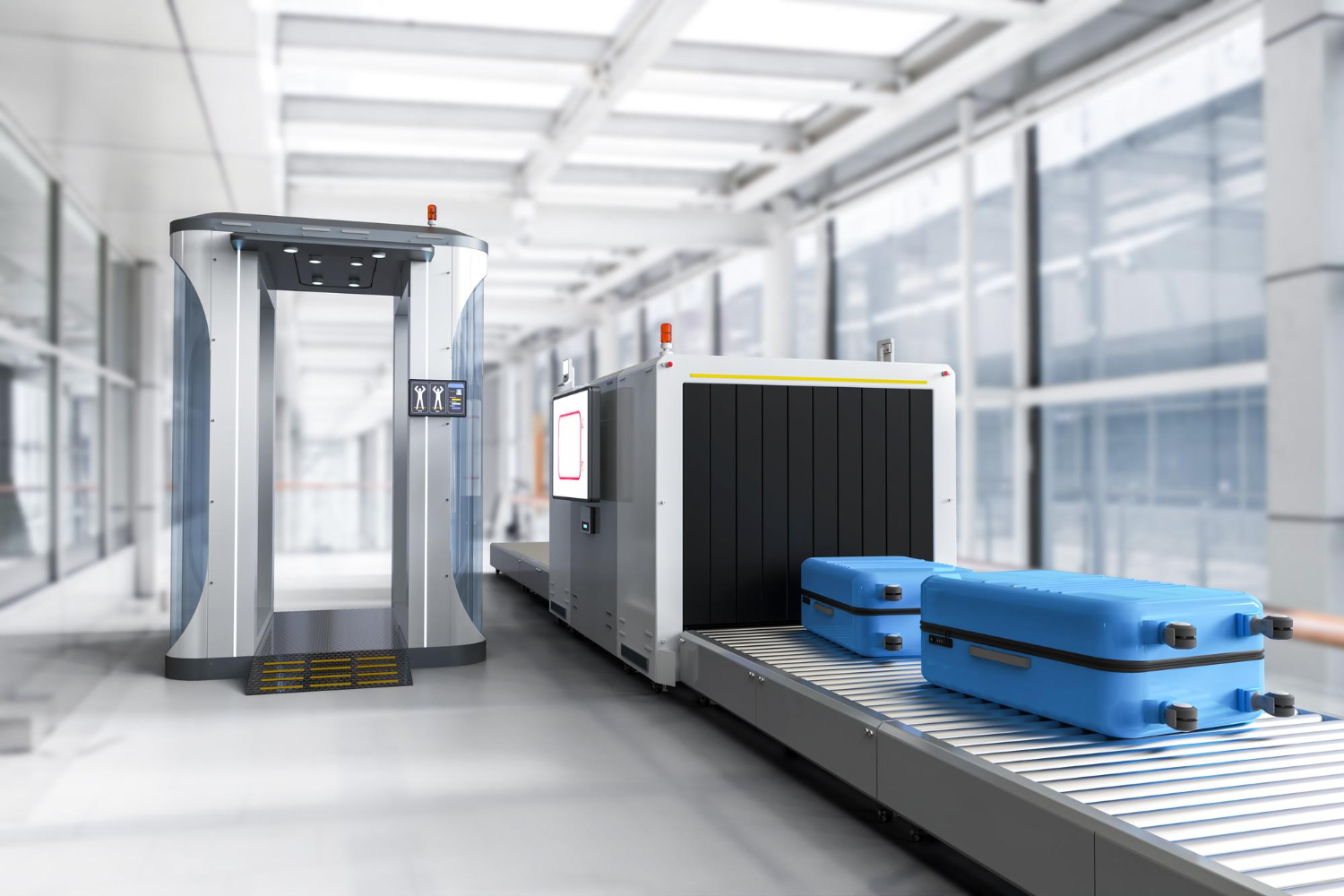
Many EU airports now allow larger liquids at CT lanes. Rollout is patchy by airport and terminal.
Across the EU, regulators have cleared the way for airports with advanced scanners to allow liquids up to 2 liters again, and a number of airports in Italy, the Netherlands, Germany, Ireland, and elsewhere have begun doing so, at least in some lanes or terminals. But rollout is uneven, with some major hubs years away from full implementation. Parts of Europe relaxing the rule unevenly captures the reality on the continent, the patchwork in which some airports, or even just some lanes within an airport, permit larger liquids while others still enforce the old limit, making it essential to check.
6. Asia and the Middle East Mostly Keep the 100ml Limit
Major hubs in Asia and the Gulf still enforce 100ml. Don’t expect relaxed rules there.
While some Western airports relax their rules, most major airports in Asia and the Middle East continue to enforce the traditional 100ml limit in 2026, even where they have modern scanners. Travelers passing through major hubs in these regions should plan to comply with the standard restriction. Asia and the Middle East mostly keeping the 100ml limit is an important reminder for long-haul travelers, the fact that relaxed rules in parts of Europe don’t extend to many of the world’s busiest connecting hubs, where the familiar size limit still very much applies.
7. The Patchwork Can Trip You Up on a Round Trip
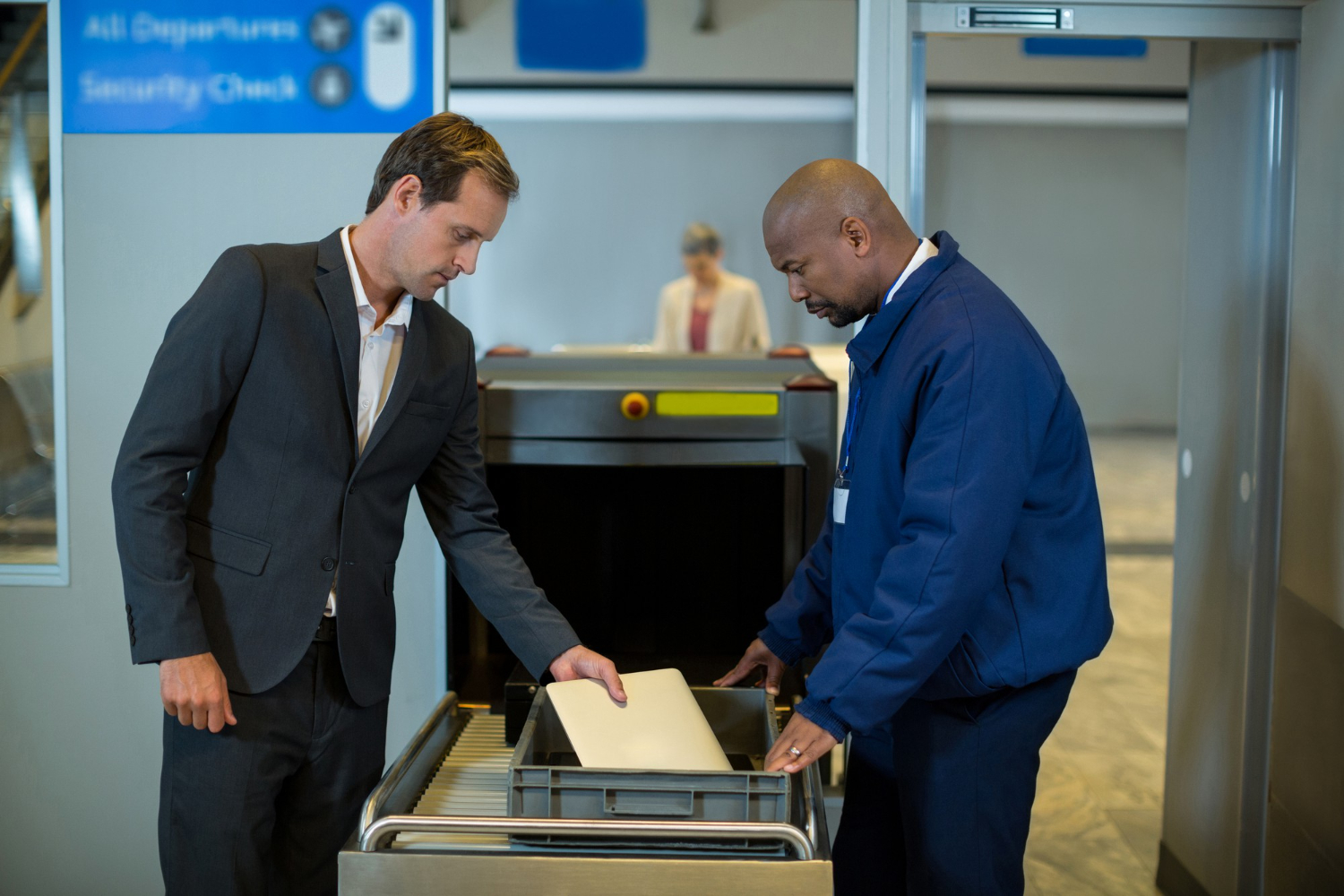
You might carry 2 liters out but not back. Always check both ends.
The biggest practical pitfall of the current patchwork is the round trip. You might depart from an airport that allows 2-liter containers, only to find the airport you’re returning through still enforces 100ml, meaning that full-size bottle you brought could be confiscated on the way home. The patchwork tripping you up on a round trip is a key warning, the trap in which relaxed rules at one airport lull travelers into packing liquids that won’t clear security at a stricter airport later in the journey, which is why checking the rules at both ends matters.
8. Always Check Your Specific Departure Airport
Rules differ airport by airport. The airport’s website is the reliable source.
Because the rules vary so much, the single best habit is to check the specific liquid policy of each airport you’ll depart from before you pack. Airport websites typically state their current rules, and when in doubt, the safest assumption is the traditional 100ml limit. Always checking your specific departure airport is the most practical takeaway, the simple step that cuts through the confusion of the patchwork, since the only way to know for sure what you can bring is to confirm the current policy at the actual airport you’re flying out of.
9. When in Doubt, Pack the 100ml Way
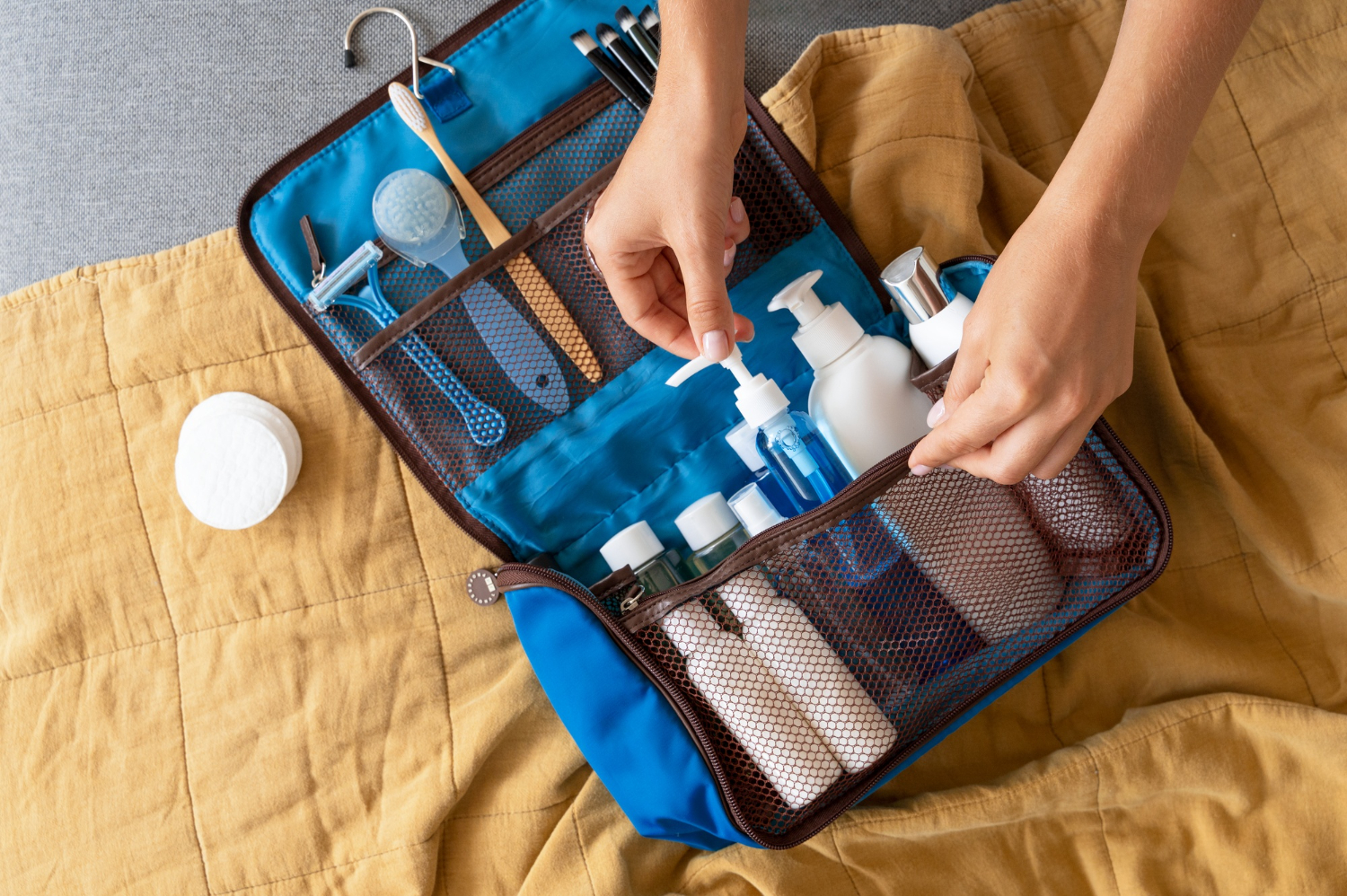
Defaulting to the old rule is the safe bet. It works almost everywhere.
Given the uncertainty, the foolproof strategy is to pack as if the 100ml rule applies: travel-size containers in a quart bag. This approach works at essentially every airport in the world, relaxed or not, and spares you from gambling on whether a given checkpoint has updated its rules. Packing the 100ml way when in doubt is the reliable fallback, the conservative approach that guarantees smooth passage through security anywhere, since containers within the traditional limit are accepted everywhere, while oversized ones are a gamble that depends entirely on the airport.
10. Solid Toiletries and Exemptions Can Help
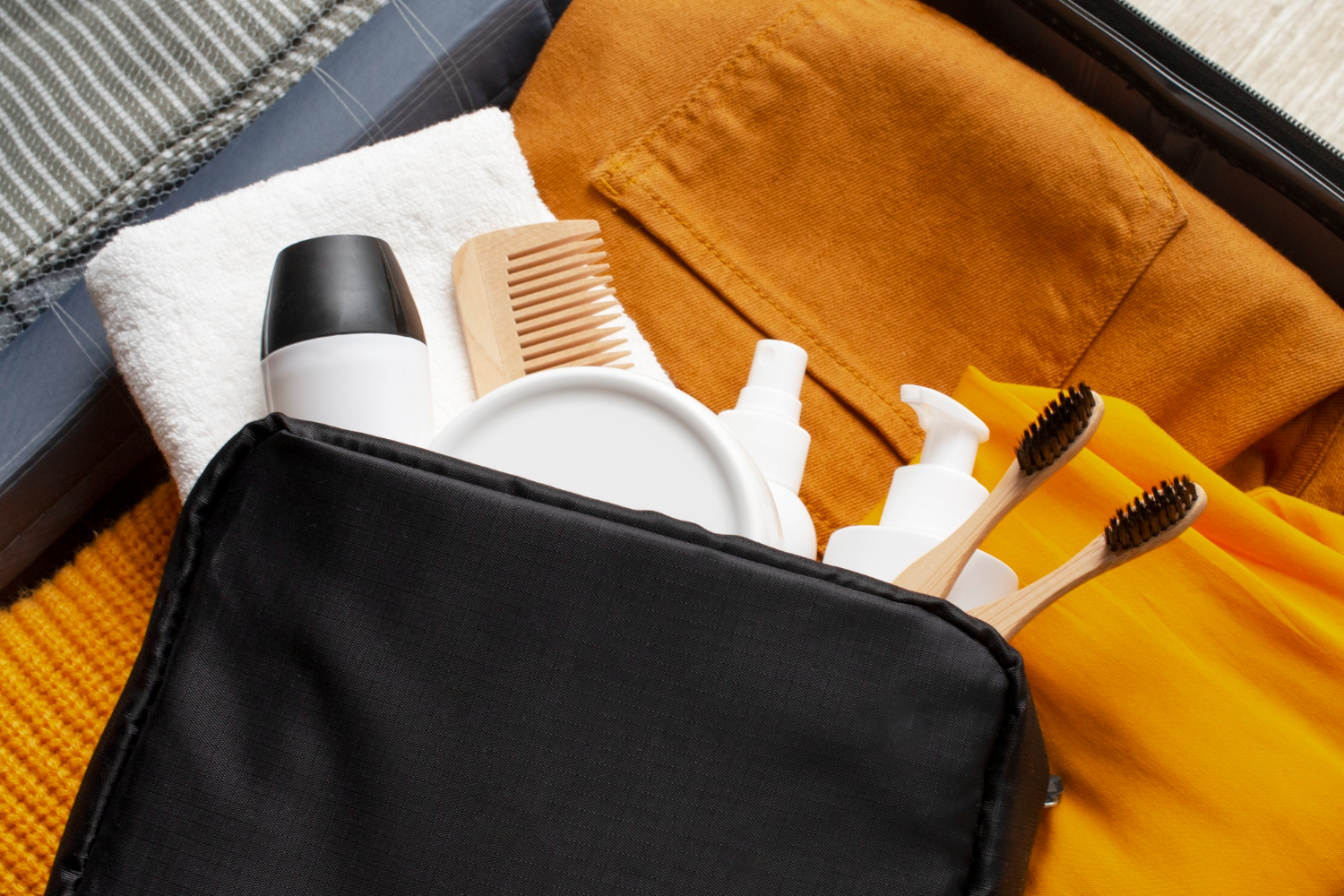
Solid versions skip the liquid rules entirely. Medical and baby items have exemptions.
A handy workaround is to swap liquids for solids: shampoo bars, solid deodorant, bar soap, and similar products aren’t treated as liquids and face no size limit. Separately, medically necessary liquids (with documentation) and baby formula or breast milk are generally exempt from the standard limits, though you should declare them. Solid toiletries and exemptions helping is a useful practical tip, the set of options, solid alternatives plus medical and infant exemptions, that let travelers sidestep the liquid restrictions entirely or carry necessary items in larger quantities, easing the squeeze of the size limit.
Pack Smart and Check Ahead
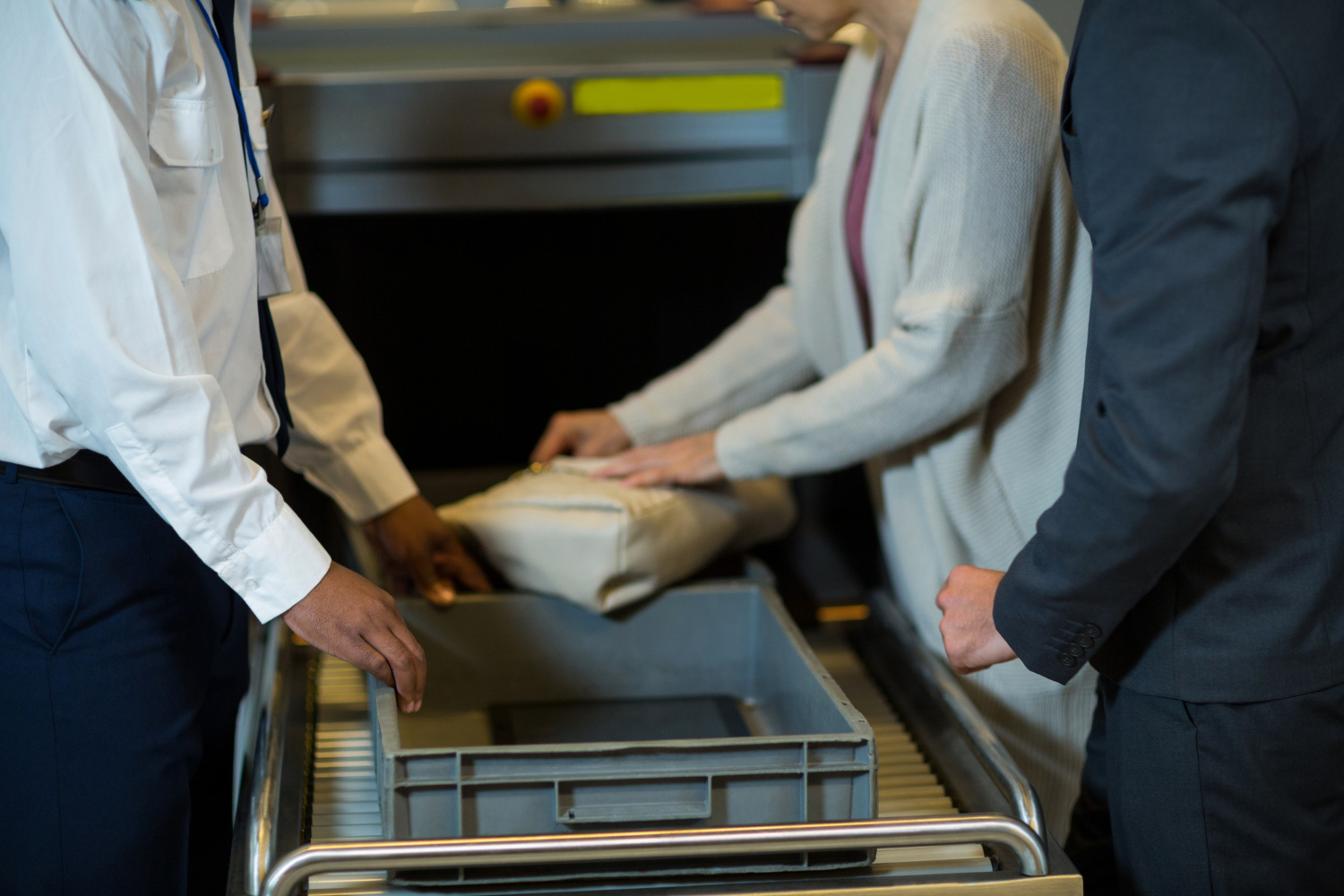
Taken together, these ten points capture the confusing but navigable state of the airport liquids rule in 2026: still 100ml in the U.S. and much of the world, relaxed at some airports in the UK and Europe, and varying enough that checking ahead is essential. Pack smart, default to the traditional limit when unsure, and confirm your airport’s policy before you go.
The trend is clearly toward relaxing liquid limits as CT scanners spread, and more airports are likely to raise their limits in the coming years. But the transition is gradual and uneven, and for now the patchwork demands a little homework before each trip. By understanding where the rules have changed and where they haven’t, and by defaulting to the safe 100ml approach when in doubt, travelers can breeze through security without losing their favorite toiletries to the confiscation bin.
Like our content? Follow us for more.