


Visiting Europe often feels wonderfully seamless, but crossing the border into the 27-nation Schengen Zone operates under a set of rigid standards that many American travelers mistakenly overlook. Even seasoned visitors can be caught off-guard by critical regulations involving stay limits, passport validity, financial proof, and biometric registration—rules that often differ drastically from U.S. norms. Below are thirteen essential regulations. Each one represents a potential entry-stopper if disregarded, explained clearly so you understand the officer’s criteria and the consequence of non-compliance.
1. The 90/180-Day Stay Limit

This is the rule that trips up more travelers than any other: Americans are permitted to remain only 90 total days within the Schengen Zone during any rolling 180-day period. Border officers digitally track every entry and departure you make across the entire zone. Even a single day of overstay triggers automatic system alerts. Because 27 Schengen nations instantly share this data, agents see violations immediately, and exceeding the limit can result in significant fines and multi-year bans from the entire area.
2. Passport Issuance and Validity Rules

European authorities strictly enforce two passport standards: your document must have been issued within the last 10 years and must remain valid for at least three months beyond your planned departure date from the Schengen Zone. Airlines often serve as the first line of defense, denying boarding at your U.S. airport if these conditions aren’t met. Thousands of Americans face refusal annually because their passport was renewed just past the 10-year mark, making this an easily avoidable, but common, border problem.
3. Proof of Purpose and Financial Means

Border agents possess the authority to confirm that you have the financial means to support your proposed trip. They may request evidence such as recent bank statements, credit card balances, or cash funds meeting national minimums (which can range from €65 to €120 per day, depending on the country). Furthermore, they may ask detailed questions about your planned activities to ensure you are entering strictly for legitimate business or tourism. Failing to demonstrate adequate funding or clear intentions can be grounds for entry denial under Article 6 of the Schengen Borders Code.
4. No Automatic Right to Entry for Visa-Free Visitors

Despite the ease of visa-free travel, American travelers possess no automatic right to cross the border. The final decision rests entirely with the individual officer processing your case. Annual EU data shows that over 100,000 travelers—including many from visa-exempt countries—are refused entry due to documentary errors or behavioral inconsistencies. An officer can deny entry if they suspect unauthorized work plans, inadequate accommodation, or conflicting answers, making absolute transparency and preparation mandatory.
5. Biometric Registration Under the EES System

Europe’s upcoming Entry/Exit System (EES) is set to digitally capture and store fingerprints and facial images for all non-EU nationals. Upon arrival, Americans will undergo biometric enrollment that is linked to all prior trips and used to precisely calculate their allowed stay time. If your past records show data inconsistencies, previous overstays, or missing data, the system may flag your profile, leading to significant delays or denial pending secondary screening.
6. Mandatory ETIAS Authorization (Coming 2026)

The European Travel Information and Authorisation System (ETIAS) will soon require Americans to complete an online application before departure, paying a small €7 fee for approval valid for three years. This system pre-screens applicants against multiple international security databases, instantly flagging security risks. If your ETIAS authorization is denied due to incomplete details or database matches, airlines will be prohibited from boarding you. Once active, your ETIAS number will be automatically verified at the border.
7. Working, Studying, or Staying Long-Term Without a Visa

Any stay exceeding 90 days or activities related to employment, internships, or academic programs requires a national long-stay visa, which operates outside of Schengen rules. Countries frequently report thousands of annual refusals for travelers who attempt to work remotely while entering under a tourist pretense. Officers can question you extensively about your remote job commitments, expected earnings, and technology carried; vague or misleading answers can result in denied entry under local immigration law.
8. Schengen Travel Counts as a Single Zone, Not Separate Countries

A common and costly mistake: many Americans assume the 90-day rule applies separately to each country. In reality, the entire Schengen Area is counted as one borderless zone. If you spend 20 days in Germany, 30 days in France, and 40 days in Italy, your total time used is 90 days—not 90 days per nation. Officers view all movements via interconnected databases, and itineraries suggesting an extended total stay often trigger additional scrutiny.
9. Requirement for Return or Onward Travel

Border officials have the right to request proof that you intend to leave Europe within your maximum legal stay. This most often means presenting a confirmed return or onward ticket dated before your 90-day limit expires. Note that the onward destination must now be outside the full Schengen Zone. Roughly 15% to 20% of documented entry refusals involve travelers—especially those backpacking without fixed plans—who cannot provide clear exit documentation.
10. Accommodation Documentation and Host Verification

For stays longer than ten to fourteen days in one place, travelers may be required to show confirmed hotel reservations, apartment rental confirmations, or, crucially, a formal host invitation letter. Some European countries require this host declaration to be officially stamped by local police. Officers check these dates against your itinerary to ensure your lodging covers your permissible stay, viewing unexplained gaps as potential red flags for unauthorized long-term residence.
11. Special Rules for Minors Traveling Internationally

Children under the age of 18 are subject to significantly stricter documentation protocols, especially if traveling with only one parent or without their legal guardians. Many European states require officially notarized consent letters from the non-present parent, detailed custody documents, or proof of full parental authority to mitigate child abduction risks. Airlines also enforce these rules, and border officers will conduct longer interviews if parental signatures, dates, or surnames are inconsistent.
12. Digitalized Entry Records and No Passport Stamps
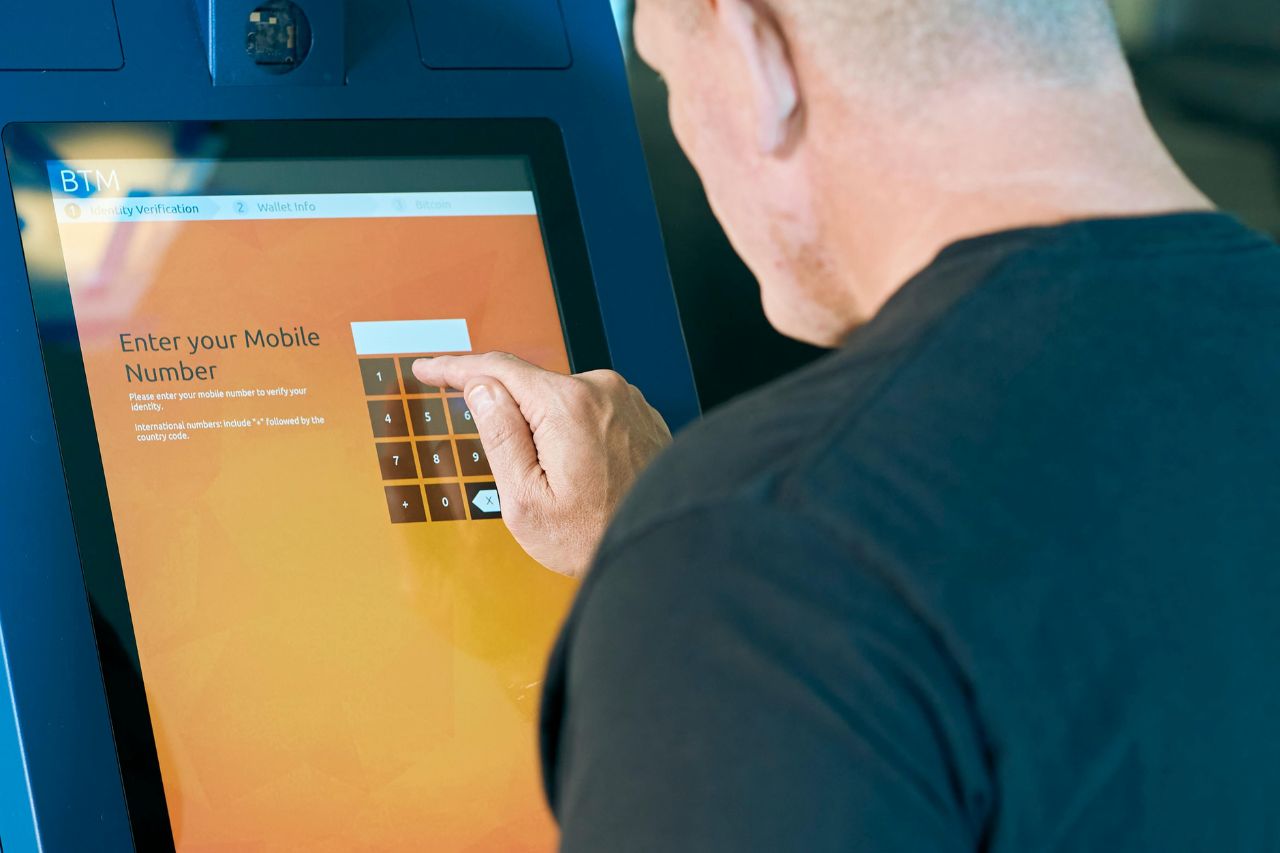
As the EU transitions to fully digital border management with the EES, physical passport stamps are being phased out in favor of electronic logging. Your exact entry and exit times are now calculated automatically using time-stamped data stored across multiple EU security databases. Travelers can no longer rely on physical stamps as proof of compliance. Any missing or inconsistent digital entry or exit record can flag your profile, leading to intensive questioning or temporary refusal until the error is resolved.
13. Penalties for Overstaying Your Allowed Period

Overstaying your Schengen allowance, even by a single day, will trigger automated penalties. These can range from immediate fines of €300 to €1,200, temporary detention, deportation proceedings, or re-entry bans lasting anywhere from one to five years. Countries conduct stringent departure checks, particularly at major airports. Because all Schengen states share regulatory data, a ban issued by one nation is automatically applied across the entire zone.
